

From Cusco: Qeswachaka Inca Bridge | Pabellones Volcano offers a chance to step back in time and see some of the most unique sights of the Andes. For $62 per person, you’ll spend about a full day exploring the last remaining Inca suspension bridge, four shimmering lagoons, and a tiny volcano near Yanaoca. The tour kicks off early, with pickups around 4:30-5:00 a.m., and takes you on a journey that we found to be both visually stunning and culturally meaningful.
What we particularly like about this experience are the genuine connection to ancestral traditions—seeing how the local communities maintain the Qeswachaka bridge and participate in their annual ritual—and the variety of landscapes from tranquil lagoons to rugged volcano terrain. The opportunity to cross the historic Inca bridge, with its vegetable fiber construction, is both a thrill and a lesson in ancient engineering.
One consideration to keep in mind is that this is a full-day trip involving some early mornings and a fair amount of time in transit. While the scenery and culture are rewarding, those who prefer a more relaxed pace might find the schedule a bit packed.
This tour is ideal for travelers who are curious about Inca history, enjoy scenic outdoor experiences, and are comfortable with a bit of a physical challenge—like crossing a narrow, swinging suspension bridge. It’s a great choice for those wanting a well-rounded day outside Cusco’s busy streets, especially if you’re eager for authentic indigenous traditions and stunning natural beauty.
Key Points
- Authentic Cultural Experience: Witness the ongoing tradition of maintaining the last Inca suspension bridge, including a respectful offering to Pachamama.
- Diverse Landscapes: From four serene lagoons to a small volcano, the landscape offers a variety of scenic views.
- Unique Historic Site: Cross the Qeswachaka Inca Bridge, a rare glimpse into Inca engineering and craftsmanship made of vegetable fibers.
- Educational Value: Learn about the bridge’s history and the local communities’ efforts to preserve it.
- Active Adventure: Crossing the bridge requires courage and balance, making it an engaging challenge.
- All-Inclusive Comfort: The tour includes transportation, a guide, meals, and safety equipment, providing good value for the price.
Exploring the Journey: What to Expect from Start to Finish
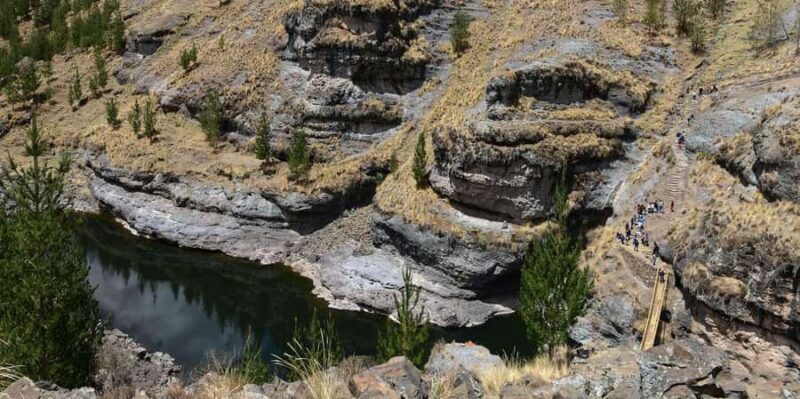
The day begins with an early pickup from your Cusco hotel, around 4:30 to 5 a.m., which means a bit of an early start but also a chance to beat some of the crowds and enjoy the morning light over the Andes. The ride southward takes nearly two hours, giving you a comfortable window to settle in and get excited for what’s ahead.
Planning more time in Cusco? We've covered other experiences worth considering.
Visiting the Four Lagoons: Peaceful Natural Beauty
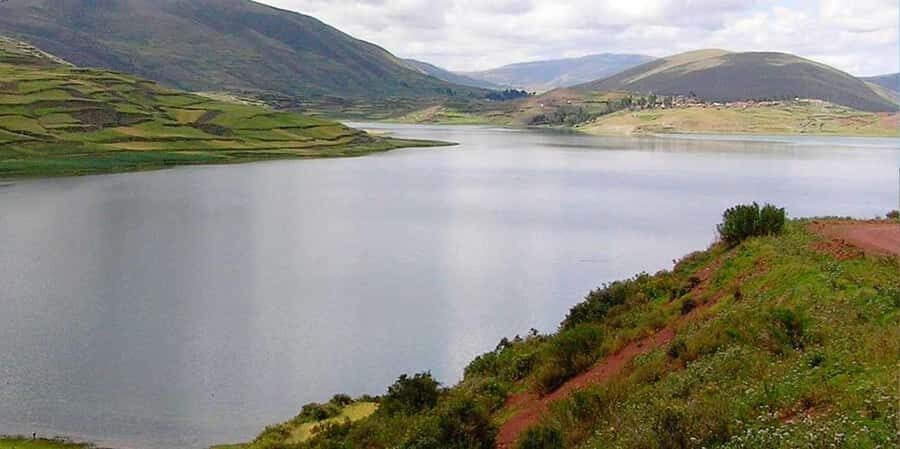
First stop are the four lagoons—a tranquil, almost meditative experience. We loved the way these lagoons, set against the rugged Andean landscape, provide a peaceful pause amidst the adventure. The quiet moments near the water are perfect for reflection or snapping photos. Many reviews mention how these lagoons “compose a perfect picture of serenity,” and we agree; they’re well worth the short stop.
The Pabellones Volcano: Small but Significant
Next, you’ll head to the small Pabellones volcano near Yanaoca. It’s not a towering volcano like Machu Picchu or Ausangate, but its proximity to the town makes it a fascinating side trip. The rugged terrain around it offers insights into the volcanic activity that shaped this landscape. We enjoyed the chance to see a less-touristed spot that still carries the volcanic energy that is so characteristic of the Andes. Be prepared for some uneven paths if you choose to explore nearby, but the views of the volcano’s crater are a bonus.
The Highlight: Qeswachaka Inca Bridge
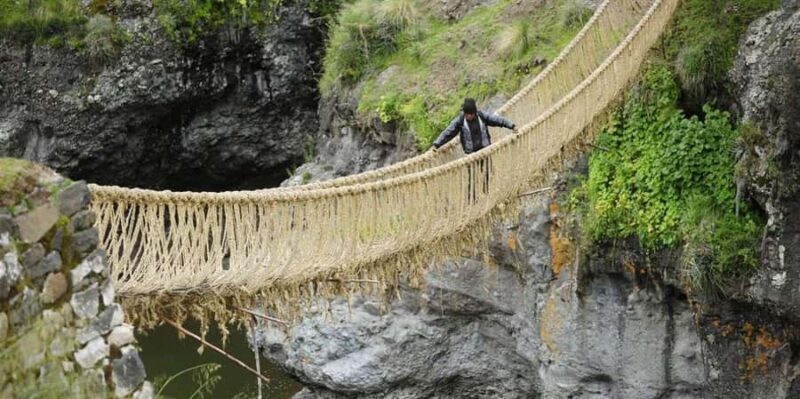
The star of the tour is undoubtedly the Qeswachaka Inca Bridge—a true relic of Inca ingenuity. The bridge spans the Apurímac River, measuring roughly 28 meters long and 1.20 meters wide. It’s made entirely of vegetable fiber (Ichu), a natural material harvested and maintained by locals from four surrounding communities. The bridge’s renewal takes place once a year, involving a community ritual and offering to Pachamama—a striking reminder of how tradition and nature are intertwined here.
We loved the way the local people actively participate in preserving this piece of history. Watching them undertake the arduous renewal process, often with a sense of pride and reverence, added depth to our understanding of Andean cultural resilience. The crossing itself is an experience that takes courage—it’s not dangerous if you’re steady on your feet, but it’s narrow and sways a bit. You’ll have the chance to cross from both sides, which offers an adrenaline rush and a sense of accomplishment.
More Great Tours NearbyVisiting Checacupe’s Colonial Inca Bridge
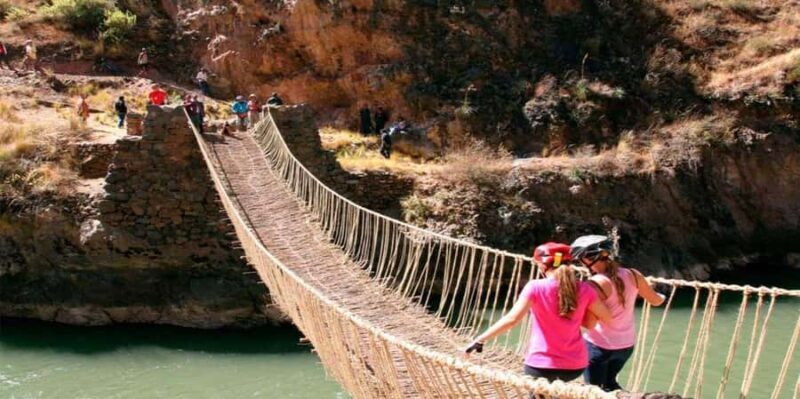
On the return journey, a quick stop at the colonial Inca bridge of Checacupe allows you to compare the ancient suspension bridge with a more modern, stone-built structure. It’s a neat way to appreciate the engineering evolution, and many travelers enjoy this side-by-side look. The contrast offers a tangible sense of history’s progression, from Inca ingenuity to colonial innovations.
While you're exploring Cusco, here are other experiences we've looked into
Practical Details and Value
The tour is priced at $62 per person, which we think offers good value considering the included services: hotel pickup, round-trip transportation, a bilingual guide, breakfast, lunch, and safety gear. You’ll also benefit from the small group atmosphere, which makes the experience more personal and allows for spontaneous questions and interactions.
The transportation is comfortable and safe, with a vehicle suitable for the sometimes rough mountain roads. The guide, speaking both English and Spanish, provides background and context, making the experience more enriching.
Additional costs like entrance fees are modest—10 soles for locals and 20 soles for foreigners—and are not included in the tour price. Be prepared to pay these at the site, and bring cash just in case, as they’re small but necessary expenses.
What Travelers Say
Many reviews highlight the well-organized nature of the tour and the friendliness of guides. One traveler noted, “The crossing of the Inca bridge was a highlight—challenging but very rewarding.” Others appreciated the scenic lagoons, describing them as “a peaceful retreat from the busy city.” Some mentioned that the early start is worth it to beat the crowds and enjoy the peaceful morning views.
Who is This Tour Best For?
This experience suits travelers who are interested in history, culture, and outdoor adventure. It’s perfect for those who don’t mind an early start and are willing to walk and cross a narrow bridge. It’s also excellent for families (with older children), adventurers, and cultural enthusiasts looking for an active, meaningful day outside Cusco.
If you’re after a more relaxed, less physically demanding trip, you might find the early morning start and the crossing a bit intense. But if you’re eager to see genuine traditions and stunning landscapes, this tour hits the mark.
FAQs
How early does the tour start?
Pickups are scheduled between 4:30 and 5:00 a.m., giving you an early start that ensures you arrive at key sights before the crowds.
How long does the trip last?
It’s a full-day activity, returning to Cusco around 5 p.m., after visiting lagoons, the volcano, and the Inca bridge.
What’s included in the price?
Your fare covers hotel pickup, transportation, a guide, breakfast, lunch, and safety equipment. Entrance fees to the Inca bridge are separate.
Is the crossing of the Inca bridge difficult?
It’s not technically difficult but requires a bit of courage due to the narrow, swinging structure. It’s safe for most travelers who are comfortable with heights and balance.
Are there any additional costs?
Yes, the entrance fee to the Qeswachaka Inca Bridge (10 soles for locals, 20 soles for foreigners) is paid separately.
Can I cancel this tour?
Yes, you can cancel up to 24 hours in advance for a full refund, offering flexibility if your plans change unexpectedly.
What language is the tour guided in?
Guides speak both English and Spanish, ensuring you can follow along comfortably regardless of your language preference.
To sum it up, the Qeswachaka Inca Bridge and Volcano tour offers a compelling mix of history, nature, and culture. It’s a perfect way to experience the Andes beyond the more typical tourist sites, especially if you’re interested in seeing living traditions and enjoying scenic outdoor landscapes. Whether you’re a history buff, an adventure seeker, or simply someone eager for authentic local experiences, this day trip provides a memorable window into the enduring spirit of the Andean communities.
You can check availability for your dates here:More Tour Reviews in Cusco
- Inca Flowering Baths – in the city of Cusco
- Cusco: Q’enco Archaeological Complex Private Tour with Entry
- Zipline over the Sacred Valley Trip
- Cusco: Chocolate Workshop with the Best Local Organic Cacao
- Waqrapukara: Discover the Hidden Inca Fortress
- Cusco:Killarumiyoq, Tarawasi and Chonta viewpoint |Private|
More Cusco experiences we've covered
- Inca Flowering Baths – in the city of Cusco
- Cusco: Q’enco Archaeological Complex Private Tour with Entry
- Zipline over the Sacred Valley Trip
- Cusco: Chocolate Workshop with the Best Local Organic Cacao
- Waqrapukara: Discover the Hidden Inca Fortress
- Cusco:Killarumiyoq, Tarawasi and Chonta viewpoint |Private|
- Cuzco: Rainbow Mountain Adventure and Red Valley with Guide and Meals Included.
- From Cusco: City tour and Sacred Valley with Buffet Lunch on the second day.
- SALKANTAY TREK – MACHUPICCHU 5 DAYS / 4 NIGHTS
- Quad excursion to the Abode of the Gods
- Private Tour from Cusco | Llama Tour + Clay Healing
- Round trip Cusco: Route of the sun + 1D in Puno