From the Past to the Present: A Historical Walking Tour of Rio
This 4 to 5-hour guided walk in Rio de Janeiro offers a deep dive into the city’s fascinating evolution — from colonial times, through its artistic expressions, to its modern vibrancy. Led by knowledgeable guides, the tour covers key landmarks like the Cinelandia area, Selaron Steps, and the Cais do Valongo archaeological site.
At just $49.05 per person, it’s an affordable way to see a wide variety of neighborhoods and architectural styles with a small group of up to 10 travelers.
What we love about this experience is the blend of architectural marvels and street art, along with stories you won’t find in a guidebook. The stops at theatre, churches, and historic sites give a well-rounded understanding of Rio’s cultural layers.
Plus, the tour’s personalized approach—with a guide who is praised for his friendliness, depth of knowledge, and local connections—makes the experience memorable.
A possible consideration is the length of the tour—about four to five hours—so it’s best suited for travelers who are comfortable walking and want a comprehensive look at Rio’s history without feeling rushed. The tour is accessible for most travelers and offers a good balance between sightseeing and storytelling, perfect for those with a curiosity for local culture and history.
If you’re keen on authentic insights and hidden gems rather than just the usual landmarks, this tour is an excellent choice. It’s especially suited for travelers who enjoy learning about a city’s past through its architecture, art, and stories, all while getting a feel for the local vibe.
- Key Points
- An In-Depth Look at the Tour Experience
- Starting Point: Cinelandia and the Heart of Rio’s Architecture
- Passeio Publico and the City’s First Public Park
- The Iconic Selaron Steps: Art in Public Spaces
- Engineering Marvels and Colonial Roots
- The Metropolitan Cathedral of Saint Sebastian
- The Royal Portuguese Reading Room
- Religious Architecture: Paroquia De Sao Francisco and Sao Bento Monastery
- The Evolution of Rio: Mauá Square and Street Art
- The Vibrant Kobra Graffiti and the Largest Graffiti in the World
- Cais do Valongo: A Deeply Moving Historic Site
- Practical Details and What to Expect
- Accessibility and Weather
- Booking and Cancellation
- The Bottom Line: Who Should Take This Tour?
- Frequently Asked Questions
- Final Thoughts
- The Best Of Rio de Janeiro!
- More Walking Tours in Rio de Janeiro
- More Tours in Rio de Janeiro
- More Tour Reviews in Rio de Janeiro
Key Points

- Comprehensive historical overview of Rio from its origins to today
- Small group size (max 10) for personalized attention
- Engaging stops include iconic landmarks, street art, and archaeological sites
- Highly praised guides known for their knowledge, friendliness, and local connections
- Affordable value for the depth of experience and insider stories
- Accessible walking tour suitable for most travelers looking for culture

👉 See our pick of the What Are The Best Tours In Rio De Janeiro? Our Top 3 Picks
An In-Depth Look at the Tour Experience
You can also read our reviews of more walking tours in Rio de Janeiro



Starting Point: Cinelandia and the Heart of Rio’s Architecture
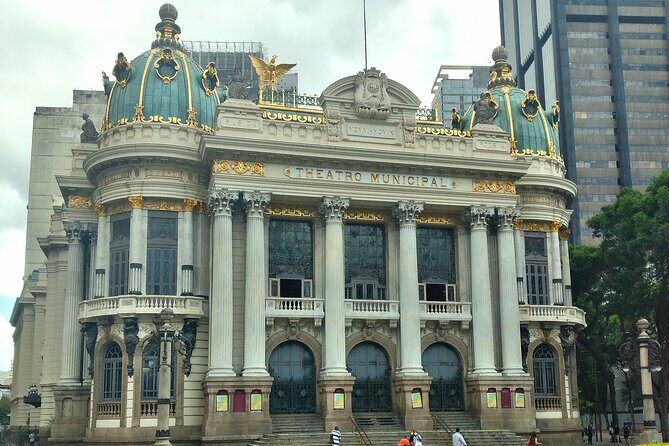
The tour kicks off at a familiar spot, Starbucks, located in Praça Floriano in Rio’s bustling Cinelandia neighborhood. Here, you’ll immediately see why this area is considered the city’s architectural jewel, with landmarks like the Theatro Municipal, Biblioteca Nacional, and Museu Nacional de Artes. These buildings showcase styles from neoclassical to modern, reflecting Rio’s cultural richness. As one reviewer noted, “Bruno was very helpful, patient, friendly! He went above and beyond to make our trip unforgettable.”
We love that the tour begins with a taste of Rio’s urban beauty, setting the tone for a city that values its past amidst lively streets. Since the buildings are free to admire, this first stop is an excellent introduction without any additional cost, giving you a sense of the city’s grandeur early on.
Passeio Publico and the City’s First Public Park
Next, the walk takes us to Passeio Publico, Latin America’s first public park. It’s a quiet, green space that offers a peaceful contrast to the busy city streets. This stop isn’t just about pretty scenery — it’s about understanding the social history of Rio and seeing how public spaces have played a role in civic life. The fact that this park is free makes it an accessible insight into Rio’s urban development.
The Iconic Selaron Steps: Art in Public Spaces
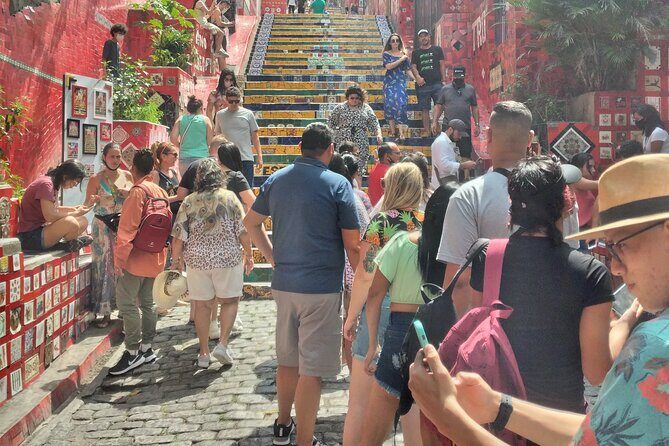
No visit to Rio is complete without a stop at Escadaria Selaron, the world-famous mosaic staircase. Stretching 125 meters long with over 2,000 tiles, this staircase is a living canvas created by artist Jorge Selaron. It’s a must-see for anyone interested in street art and creative expression. Visitors often remark on the “amazing artwork” and “vibrant colors” that pop at every turn.
The guide will likely share stories behind the artwork, making it more meaningful than just a photo opportunity. As one reviewer put it, “Bruno knows many good stories. Will def recommend him.” The Selaron Steps aren’t just visually stunning—they’re a testament to how art can transform urban spaces and become part of a city’s identity.
Engineering Marvels and Colonial Roots
Continuing, the tour visits a 1700s water aqueduct — an engineering feat from the colonial era that now supplies water to the city via the Bondinho de Santa Teresa cable car. This stop highlights how Rio’s infrastructure has evolved and shaped its neighborhoods. It’s a quick but fascinating glimpse into the city’s engineering ingenuity.
You can also read our reviews of more historical tours in Rio de Janeiro



The Metropolitan Cathedral of Saint Sebastian
From there, you’ll step inside the Metropolitan Cathedral, a bold, modernist structure that’s striking both outside and inside. Its unique design, with a cone-shaped roof and vibrant stained glass, offers a stark contrast to Rio’s historic churches. As one visitor noted, it’s a “very unique and different Cathedral,” worth seeing for its architecture and peaceful atmosphere.
The Royal Portuguese Reading Room
Inside the Real Gabinete Portugues de Leitura, you’ll find a stunning interior filled with thousands of books. Visitors often find it breathtaking, though it gets busy, which might limit time inside. The guide might only be able to give a quick outside look, but even that glimpse reveals a space full of history and culture. Reviews highlight that the guide’s “passion for the city is evident” and that the “inside is a must-see if possible.”
Religious Architecture: Paroquia De Sao Francisco and Sao Bento Monastery
The tour then visits two remarkable churches: Paroquia De Sao Francisco and the Mosteiro De Sao Bento. Both showcase impressive architecture and religious art, with Sao Bento being one of the city’s main colonial monuments. Expect beautiful facades and interiors, and stories that reveal their importance in Rio’s spiritual life.
The Evolution of Rio: Mauá Square and Street Art
Passing through Mauá Square, the tour transitions from historic to contemporary Rio. We love the way the guide points out how the city has changed over time, blending old and new seamlessly.
The Vibrant Kobra Graffiti and the Largest Graffiti in the World
A highlight for many is viewing the Painel Etnias, the world’s largest graffiti mural. It’s a lively, colorful piece reflecting Rio’s diverse cultural heritage. The guide will share insights into its significance, making it more than just a photo op.
Cais do Valongo: A Deeply Moving Historic Site
Finally, the tour ends at the Cais do Valongo, an archaeological site that played a pivotal role in Brazil’s history — as the main landing point for enslaved Africans. This site offers a powerful reminder of the city’s complex past. The reviews praise the guide’s “knowledge and sensitivity” when discussing this profound chapter of Rio’s history.
Practical Details and What to Expect
The tour begins promptly at 8:30 am at the Starbucks in Praça Floriano, making it easy to find and close to public transportation. The small group size (up to 10 people) ensures a more personal experience, giving ample opportunity for questions and interaction.
Expect about 4 to 5 hours of walking at a comfortable pace, with frequent stops for explanations and photos. The tour is all outdoors or in accessible locations, with most sites free to enter, making this a budget-friendly cultural experience.
While the price of $49.05 sounds reasonable for such a comprehensive tour, the real value lies in the depth of knowledge and insider stories shared by guides who are praised for their friendliness and local connections. Several reviews mention how guides know everyone and reveal hidden gems, which you might not discover on your own.
Accessibility and Weather
The tour is suitable for most travelers, but keep in mind the length and walking involved. If the weather turns bad, the tour can be canceled or rescheduled, which is reassuring considering Rio’s unpredictable showers.
Booking and Cancellation
You can book well in advance — on average, 57 days ahead — and there’s free cancellation up to 24 hours before the start. This flexibility is especially handy in case of sudden weather changes or personal plans.
The Bottom Line: Who Should Take This Tour?

This walk is perfect for history buffs, art lovers, and curious travelers who want a well-rounded and authentic introduction to Rio. If you appreciate stories, architecture, and street art, you’ll find plenty to love. It’s especially suited for those who enjoy small-group experiences, as the personal attention enriches the storytelling.
Those who value local insights and hidden gems will be pleased, as the guide’s connections add a layer of depth that typical city tours often lack. It’s a great way to gain context about Rio’s complex identity beyond the postcard images.
Frequently Asked Questions

How long is the tour?
The tour lasts approximately 4 to 5 hours, giving you enough time to soak in the sights without feeling rushed.
Where does the tour start and end?
It begins at Starbucks in Praça Floriano and concludes at Cais do Valongo, both easily accessible locations via public transport.
What is the group size?
The tour is limited to a maximum of 10 travelers, ensuring a more intimate experience.
Is the tour suitable for all ages?
Most travelers can participate, but those comfortable walking for several hours will enjoy it most.
What’s included in the price?
The price covers the guided walk and entrance to sites that are free to access. There’s no mention of additional fees.
Can I cancel the tour?
Yes, you can cancel up to 24 hours in advance for a full refund.
What should I bring?
Comfortable walking shoes, sunscreen, water, and maybe a hat. Since most sites are outdoors, dress appropriately for weather conditions.
Are the guides fluent in English?
Yes, reviews highlight guides speaking perfect English and sharing detailed stories.
Is this tour good for photography?
Absolutely. You’ll visit colorful murals, historic architecture, and scenic viewpoints perfect for capturing Rio’s essence.
Final Thoughts
This historical walking tour of Rio offers a rare chance to see the city through the eyes of a local guide who’s passionate about sharing stories, secrets, and insights. From colonial aqueducts to vibrant street art, every stop paints a picture of Rio’s evolution and soul. The experience is well-suited for travelers who want an authentic, educational, and personalized introduction to this lively city.
If you’re after a meaningful exploration that balances history, art, and local color, this tour is hard to beat at its price point. It’s a fantastic way to fill a morning or early afternoon, leaving you with a deeper understanding and appreciation of Rio long after you’ve left the streets behind.
Happy exploring, and enjoy your journey through Rio’s past and present!