Yanagawa’s canals are best appreciated at boat level. A Donkobune glides beneath bridges and past old waterside buildings while the boatman sings, making the cruise the most distinctive part of this full-day trip from Fukuoka. You can pair it with Dazaifu, or choose a route featuring Ukiha-Inari Shrine.
I like that the boat fare and round-trip bus ride are included, so you can reach several places without piecing together trains and local transport. I also like the mix of shrine time, countryside scenery and free time for Yanagawa’s eel specialty. The trade-off is a fairly brisk day: the exact route varies by package, and some add-ons, including strawberry picking, cost extra.
- At a glance
- Choose your route before you book
- The canal cruise is the day’s signature
- Dazaifu gives the day a cultural anchor
- Yanagawa’s free time is for lunch and a slower pace
- Ukiha-Inari is a photo stop with a climb
- Strawberry picking and matcha need a closer look
- What the price buys
- Guides, group size and the pace of the day
- Practical details for a smooth departure
- Is this Fukuoka day trip right for you?
- FAQ
- How long is the tour?
- Is the Yanagawa River Boat ticket included?
- Which places does the tour visit?
- Is strawberry picking included in the price?
- Are meals included?
- Where does the tour depart from?
- How early should I arrive?
- Is the tour wheelchair-accessible?
- Can children join the tour?
- Can I bring luggage?
- The Best Of Yanagawa!
- More Tours in Yanagawa
- More Tour Reviews in Yanagawa
At a glance
 1 / 10
 2 / 10
 3 / 10
 4 / 10
 5 / 10
 6 / 10
 7 / 10
 8 / 10
 9 / 10
 10 / 10
- A 30-minute canal ride: See Yanagawa from a traditional flat-bottomed boat, with a boatman’s songs adding a local touch.
- Two different route styles: Choose a Dazaifu and Yanagawa itinerary, or a package featuring Itoshima and Ukiha-Inari Shrine.
- Bus transport from Fukuoka: Round-trip transfers from designated meeting points save you the work of planning multiple connections.
- Time for eel in Yanagawa: The free-time stop gives you a chance to try unagi no seiro-mushi, eel steamed with rice.
- Optional activities may cost extra: Strawberry picking is not included in the base price, and package details differ.
- A guide can make the day easier: Guides such as Seiya, Daisuke and Mr. Xu have been singled out for explanations, restaurant tips and help taking photos, though your guide will depend on the departure.

👉 See our pick of the 3 Best Tours In Yanagawa
Choose your route before you book
This experience is not one fixed itinerary. The Dazaifu option combines Dazaifu Tenmangu, Yanagawa’s canal cruise and free time in town, with a later stop described as strawberry picking or a brewery cafe. Strawberry farm admission is not included in the listed price. The separate Ukiha route pairs Yanagawa with Itoshima and Ukiha-Inari Shrine, whose line of red torii gates climbs toward a countryside view.
The package names and details can be easy to mix up, especially because other versions of the experience may offer a matcha activity. Check the exact route and inclusions for your date before paying. Do not assume that a strawberry visit, tea activity or shrine stop comes with every option just because it appears in the general description.
The detailed schedule for the Dazaifu route starts with a morning visit to Dazaifu Tenmangu, continues by bus to Yanagawa for the boat ride and lunch break, then includes another stop before the return to Fukuoka. The Ukiha route has a different set of stops. Traffic, weather, season and local conditions can change the order or length of visits, so treat the timetable as a guide rather than a promise.
You can also read our reviews of more tours and experiences in Yanagawa.
The canal cruise is the day’s signature
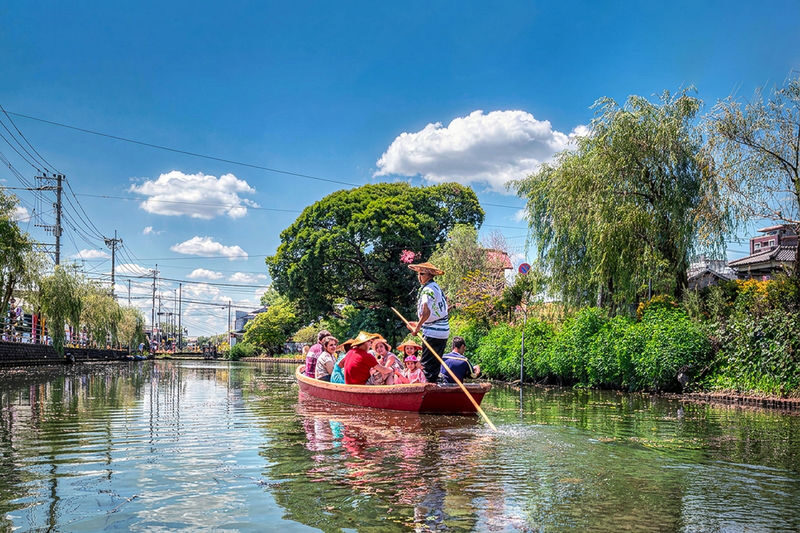
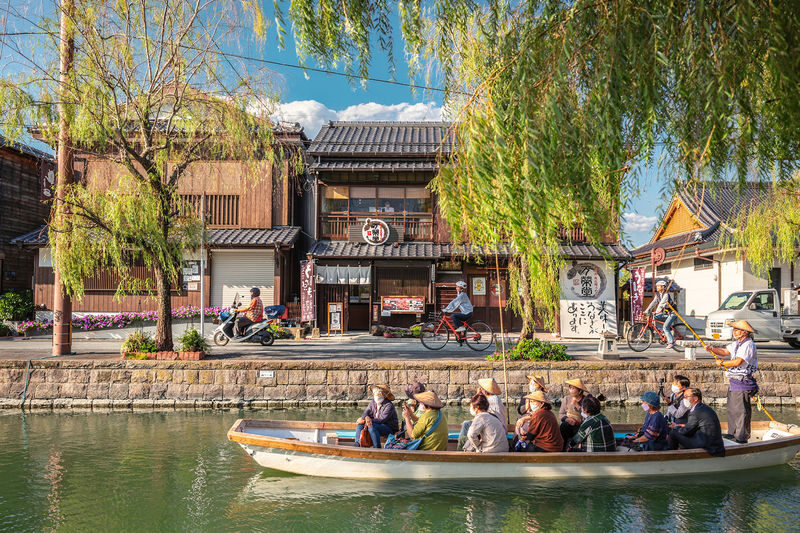
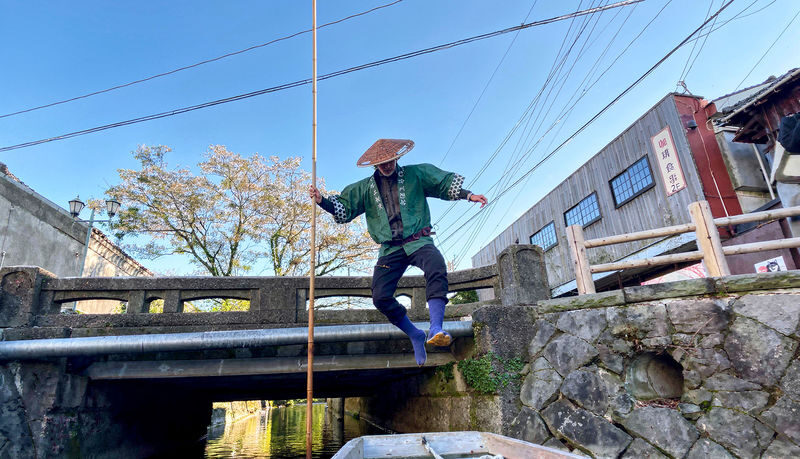
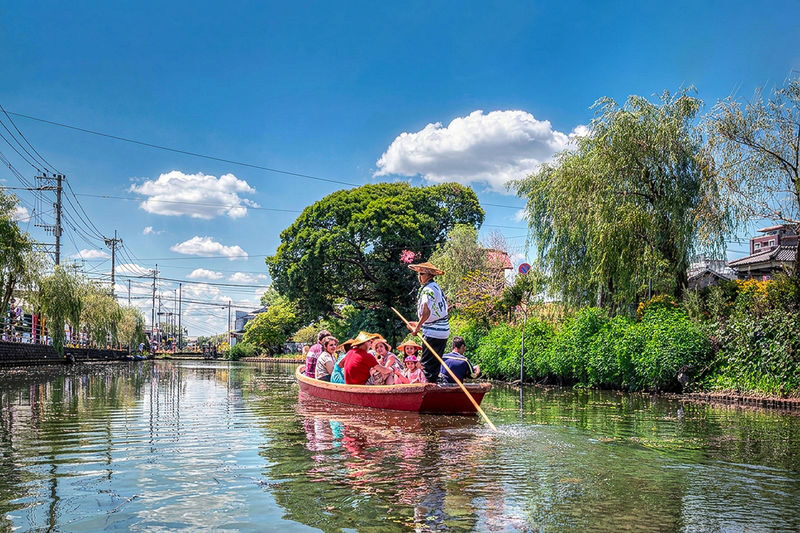
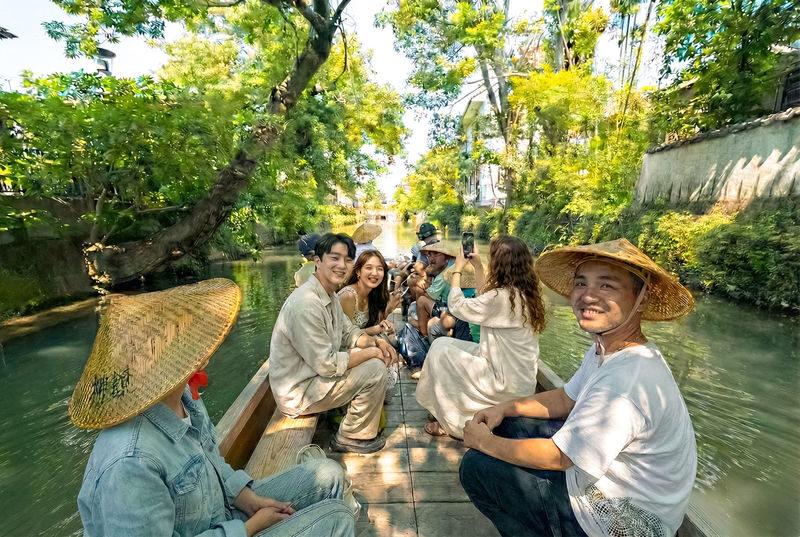
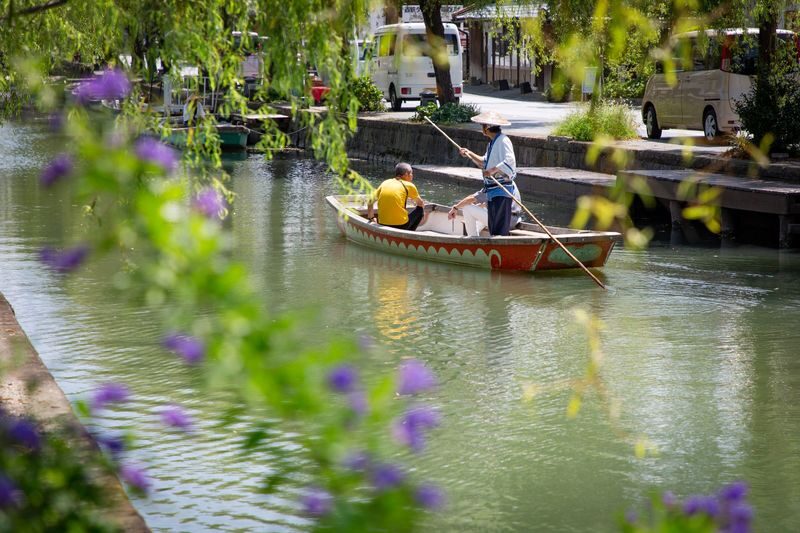
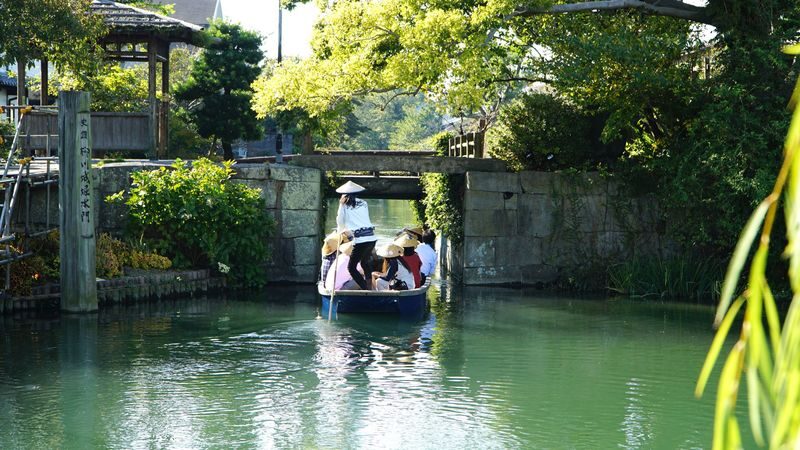
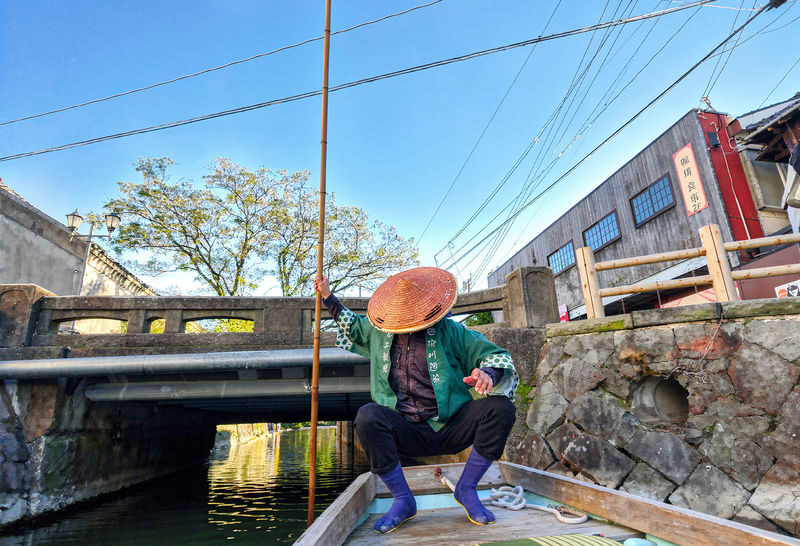
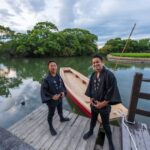
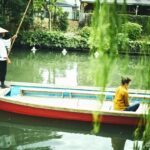
Yanagawa’s waterways are old moats that thread through the town. A ride on a low, flat-bottomed Donkobune lets you look up at bridges, willow-lined banks and historic buildings from the water, rather than from the road. The included cruise lasts about 30 minutes, so it is a compact introduction, not a long sightseeing voyage.
The boatman’s singing is part of the charm. It gives the ride a human, local feel that a self-guided walk cannot quite match. One account of the experience even describes passengers clapping along to several songs. On some days, low water can affect what the boatman is able to do, so do not expect every maneuver to be the same.
Think about the weather before you board. The canal can feel exposed to strong sun, and rain can leave you wet despite a raincoat being provided. I would bring a light rain jacket for a wet forecast and sun protection for a bright one. The boat’s pace is gentle, but you are out in the elements.
Dazaifu gives the day a cultural anchor
On the Dazaifu route, the first main stop is Dazaifu Tenmangu, with about 1 hour and 15 minutes scheduled. The approach is lined with shops, including sellers of umegae mochi, a local rice cake. The shrine grounds are known for three red bridges, said to represent the past, present and future.
This is enough time for a focused visit, a snack and a look around, but not for an unhurried exploration of every corner. One visitor found the stop short, and that is a fair concern if Dazaifu is high on your list. If you want to linger over the shrine grounds and surrounding area, a separate visit may suit you better.
The bus ride onward is listed at about 1 hour and 30 minutes. That is time you would otherwise spend navigating connections, and the route makes the countryside more accessible without renting a car. It is also a long stretch of the day, so bring water and anything small you like to have handy on the bus.
Yanagawa’s free time is for lunch and a slower pace
After the cruise, the Dazaifu itinerary allows about 1 hour and 30 minutes of free time in Yanagawa. This is your chance to choose a restaurant, browse for souvenirs or see a nearby garden such as Shoto-en, if timing and opening conditions allow. The schedule does not turn the stop into a guided walking tour, so use the break for the things that matter most to you.
Yanagawa is especially associated with unagi no seiro-mushi, eel steamed with rice in a wooden container. It is a good reason to plan lunch here, and guides may be able to suggest places to eat. But with a fixed meeting time, do not let a long restaurant queue catch you off guard. Ask your guide about the return time and where the group will meet before setting off.
The free time is a useful counterweight to the bus-and-stop rhythm. You can take a meal at your own pace or simply walk around, but you will need to choose rather than try to cover everything. Some stops may be shortened or skipped because of capacity or weather.
Ukiha-Inari is a photo stop with a climb
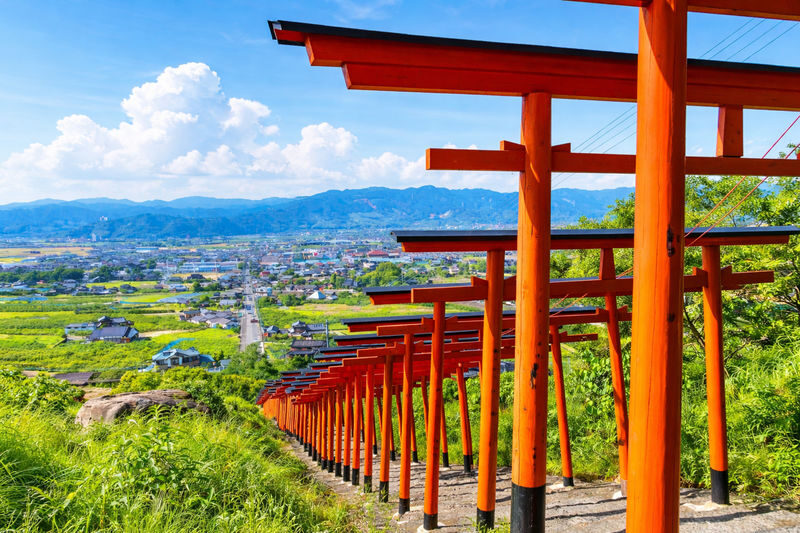
The Ukiha route offers a different mood. At Ukiha-Inari Shrine, a line of red torii gates climbs the hillside toward a view over the surrounding countryside. The gates make a striking photo subject, while the higher viewpoint rewards those willing to walk up.
Be realistic about the stairs. One account describes the climb as long, and another felt the shrine stop was not worth the effort if all you wanted was a torii-gate photo. If you have limited mobility or dislike uphill walks, ask the operator what access looks like for your departure. A guide may be able to help with the approach, but do not assume the full climb is avoidable.
The countryside setting is part of the appeal, particularly if you want a break from city sights. The stop is more about views and atmosphere than a long indoor visit. Bring shoes you are comfortable walking in, and allow for the possibility that weather or the day’s schedule could change how long you stay.
You can also read our reviews of more boat tours in Yanagawa


Strawberry picking and matcha need a closer look
Some Dazaifu packages include a visit to Pu-san’s Strawberry Farm, but the picking fee is not included in the tour price. It is an all-you-can-eat, on-site activity; taking strawberries away is not allowed. The actual experience is seasonal, and the amount or variety of fruit available can depend on when you go.
If strawberry picking is a main reason for booking, confirm that it is part of your chosen package and check the additional cost before departure. The farm visit is time-limited, with about an hour mentioned for the activity. That is enough for a cheerful tasting session, but it is not a leisurely farm day. Some people may decide the extra fee is worthwhile; others may prefer to spend that money on lunch.
A matcha-grinding experience at Hoshino Tea Museum appears in another route description, but it is not part of every package. Tea availability may also vary. Treat it as a distinct option to verify, not a standard inclusion.
What the price buys
Prices start at $51.30, with a tour duration of about 8.5 hours. For that starting price, the clearest value is the Yanagawa boat ticket, an English-speaking guide on the English option, and round-trip transport from a Fukuoka meeting point. You also gain a planned route to places that can take more effort to connect by public transport.
The price does not cover meals, drinks, personal expenses, insurance or strawberry-farm admission. That matters when comparing packages: a low starting price may not represent the final cost if you choose a paid activity or sit down for eel lunch. Check the selected option’s inclusions rather than relying on the headline tour name.
Value depends on how you like to travel. If you want to see multiple places in one day and would rather leave the driving and transfers to someone else, the bus is a practical benefit. If you prefer long, flexible visits, you may find the scheduled stops restrictive and get more from visiting Yanagawa or Dazaifu independently.
Guides, group size and the pace of the day
Guide support is one of the tour’s useful features. Guides named in accounts of different departures include Seiya, Daisuke and Mr. Xu. They have been described as helping with local explanations, restaurant suggestions, photos and meeting-point coordination. These are examples, not a guarantee of who will lead your tour.
Group size can range from a very small party to as many as 49 participants. Some departures have had only a handful of people, which can make it easier to ask questions and move between stops. A full bus has a different feel, and the operator may serve more than one language group. One account described confusion around bus rules and lunch timing, so follow the instructions from your own guide and confirm the meeting time directly.
The vehicle is a practical part of the experience, not just a transfer. Several people have described the bus or minibus as comfortable, and the long drives are easier when you are not changing trains with a group. Still, a shared tour depends on everyone returning on time. The bus leaves on schedule and cannot wait for late arrivals.
Practical details for a smooth departure
There are meeting points in both Tenjin and Hakata. The information gives departure times of 07:50 and 08:10, with return times of 16:20 and 16:40, depending on the location. Check your voucher for the exact place and time, and arrive at least 10 minutes early. Missing the departure does not qualify for a refund.
The tour is stroller-friendly but not wheelchair-accessible. Children aged 0 to 2 can join free if they do not need a separate seat, and the activity has no age limit. If you plan to bring a stroller or luggage, tell the operator ahead of time. Luggage space depends on the bus size for that day.
Bring some cash for food and personal purchases. A reminder email is normally sent the day before, with a link to a group chat for contacting tour staff. If you do not see the message, check your spam folder. Free cancellation is available with at least 24 hours’ notice; late arrivals and no-shows are excluded.
Is this Fukuoka day trip right for you?
I would choose this tour if you want the Yanagawa boat ride and a second destination without managing the transport yourself. The canal cruise, a meal break for Yanagawa eel and the guide’s help with practical details make for a varied day. The strongest reason to book is convenience paired with a genuinely local-feeling boat ride.
I would skip it if you want to spend half a day at Dazaifu, explore Yanagawa at your own pace or avoid a fixed schedule. Before booking, compare the exact Dazaifu and Ukiha options, confirm which activities cost extra, and decide whether the red-gate climb or strawberry picking matters more to you. That small check can make the difference between a well-matched day out and a route that is not quite your kind of trip.
Fukuoka: Yanagawa Boat with Ticket & Dazaifu or Ukiha-Inari
“Thanks to our tour guide, Seyia, for the detailed explanations in both English and Chinese, and for taking wonderful family photos that gave us suc…”
FAQ
How long is the tour?
The experience is listed as approximately 8.5 hours. The schedule may change because of traffic, weather and local conditions.
Is the Yanagawa River Boat ticket included?
Yes. Admission to the Yanagawa River Boat is included, and the cruise itself is described as lasting about 30 minutes.
Which places does the tour visit?
It depends on the package. Options include a Dazaifu, Yanagawa and strawberry-picking or brewery-cafe route, and a route featuring Yanagawa, Itoshima and Ukiha-Inari Shrine.
Is strawberry picking included in the price?
No. Strawberry-farm admission is not included in the listed inclusions. Check the package details and any extra fee before booking.
Are meals included?
No. Meals and beverages are not included. Yanagawa is known for unagi no seiro-mushi, and the free-time stop gives you an opportunity to eat there.
Where does the tour depart from?
The listed meeting areas are Tenjin and Hakata in Fukuoka. Check your booking details for the exact meeting point and departure time.
How early should I arrive?
Arrive at least 10 minutes before departure. The bus leaves on time, and late arrivals or no-shows are not eligible for a refund.
Is the tour wheelchair-accessible?
No. The activity is not wheelchair-accessible. It is listed as stroller-friendly.
Can children join the tour?
Yes. There is no age limit. Children aged 0 to 2 can join free if they do not occupy a separate seat.
Can I bring luggage?
Luggage may be possible, depending on the bus size for that day. Contact the operator in advance, and let them know if you will bring luggage or a stroller.