
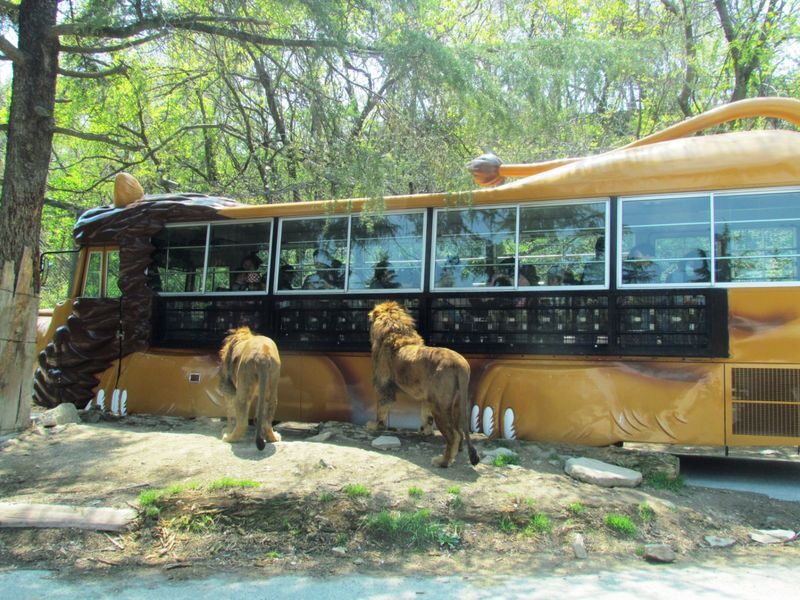
Gunma Safari Park brings you close to lions, tigers, zebras and other animals in settings designed to resemble their natural surroundings. The most dramatic moments come when a feeding-bus passenger offers meat to a lion and sees those jaws work just feet away.
I like two things here: you can choose a self-drive route or a safari bus, and the bus option can add a hands-on feeding experience. The park also makes a good family outing without demanding a full day, and the restaurant and shop give you useful breaks between animal areas.
The catch is that the basic admission ticket does not cover the safari bus, feeding activities, food or souvenirs. Bus seats and special activities may be limited, so arrive early if those are central to your plans. The park is also closed most Wednesdays.
- About 100 kinds of animals live at the park, including lions, tigers, zebras and kangaroos.
- Choose how to tour: drive your own eligible vehicle or pay extra to ride a park bus.
- Feeding buses bring you close to herbivores and, on some tours, lions.
- Allow two to three hours for the park, with more time if you add meals or activities.
- The ticket is date-specific and covers admission, parking, tax and a guide radio, but not meals or bus fares.
- Last admission is 3:30 p.m. The park usually closes on Wednesdays, with some holiday exceptions.
- A safari park in the hills of Gunma
- Pick a car or pay extra for the safari bus
- What the route feels like
- Plan for limited bus seats and changing schedules
- Food, souvenirs and family breaks
- What the admission price covers
- Getting there and practical rules
- Who should make the trip?
- Should you book this ticket?
- FAQ
- How long should I allow for Gunma Safari Park?
- Where is Gunma Safari Park?
- How do I get to the park from Joshu Tomioka Station?
- How far is the park from Takasaki Station?
- Is parking included?
- Does the ticket include a safari bus?
- Can I drive my own car through the safari zone?
- Can I feed the animals?
- Is the park open on Wednesdays?
- Do children aged two or younger need a ticket?
A safari park in the hills of Gunma
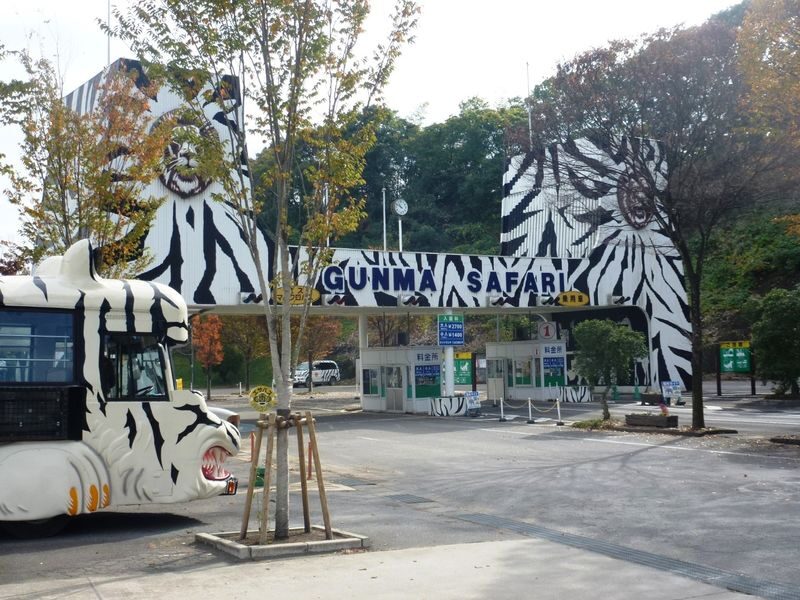
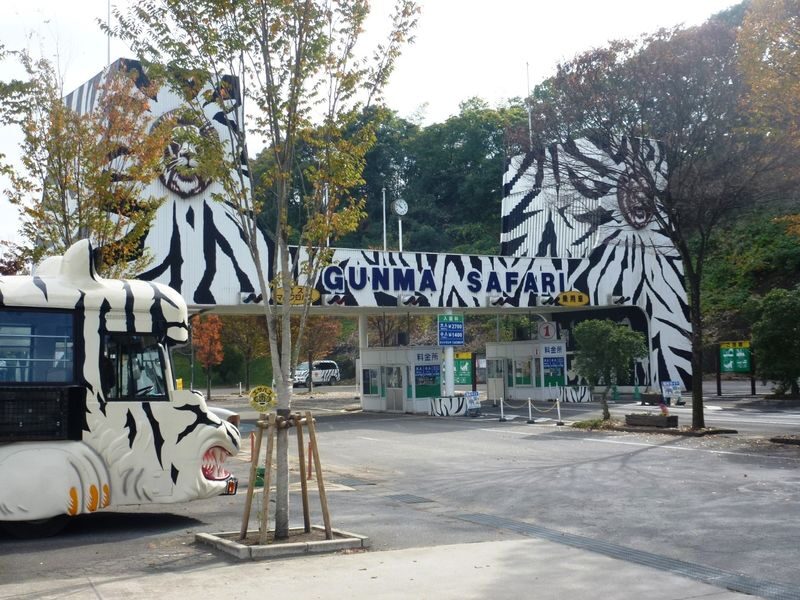
Gunma Safari Park sits in Tomioka, about five minutes by car from Tomioka City Interchange. It is one of just two true safari parks in Japan, so this is a different kind of zoo visit: rather than seeing every animal from behind a standard enclosure, you move through animal areas in a car or a park bus.
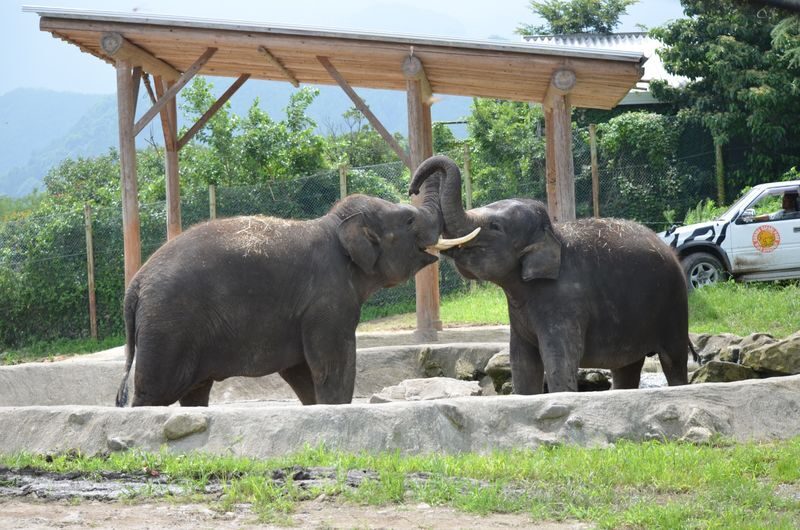
The park keeps about 100 kinds of animals in surroundings intended to be close to nature. That variety gives the visit a satisfying range. You might see large predators such as lions and tigers, then pass grazing animals such as zebras and kangaroos. The changing scenes help hold children’s attention, and adults get the pleasure of watching animals at closer range than a conventional zoo often allows.
This is not a guided wildlife expedition, and it does not promise a sighting on demand. Animals move about on their own terms, so your view can vary. That is part of the appeal, but it also means you should arrive ready to watch patiently rather than expect a staged show at every turn.
Pick a car or pay extra for the safari bus
You can tour the safari zone in your own car or use one of the park’s buses. The entry ticket covers admission, but the bus requires an additional fare. If you want the bus, check the current options and charges before setting out, since the basic ticket does not reserve a seat.
Driving yourself gives you control over your pace. You can linger when an animal is nearby and move on when you are ready. It is a practical choice for families carrying snacks or travelling with young children, though the flow of cars can slow down at busy times. One visitor arriving on a sunny holiday morning found the parking area crowded and some bus options already sold out. If a bus is a must for you, get there early and head to the ticket counter before other activities.
The bus is a strong choice if you would rather focus on the animals than the road. Drivers provide commentary, and the bus follows its own route. A visitor who took the bus found the explanation easy for children to follow and liked that the ride moved through the park without the stop-and-go traffic of private cars. The trade-off is less freedom to linger, along with the separate fare.
Some park buses offer animal feeding. Herbivore feeding is one option, while feeding lions can bring you face to face with the power of a big cat taking meat. It is a vivid moment, and one that children may talk about long after the drive. These experiences are not included in the admission ticket, and seats or feeding slots may be limited. Don’t build your whole visit around one unless you have checked that it is available on your date.
What the route feels like
The main safari drive is the heart of a visit. You travel through areas where animals can be seen close to conditions that resemble their natural surroundings. A lion or white tiger at close range is a very different sight from a distant glimpse across a zoo enclosure. The feeling can be thrilling, particularly when the animal is active.
The drive is also a good way to see a broad mix of animals without a long walk. That matters if you are visiting with small children, or if you want a family outing that fits into a half-day. A typical visit takes about two to three hours, though bus queues, lunch and extra activities can stretch it.
A walking safari area adds a change of pace. One family-friendly account of the visit describes a walk and feeding stop in the middle of the experience, a useful chance to get out of the vehicle and see animals from another angle. The park also has an area where you may be able to touch animals, but access can depend on numbered tickets. Ask staff about availability when you arrive rather than assuming you can take part.
There are dusk and night safari tours at the park, with a chance to see animals in different light and observe feeding scenes. These are separate tour experiences, not a feature to count on with this admission ticket. Check the park’s current schedule and what each tour includes if seeing the animals after dark is a priority.
Plan for limited bus seats and changing schedules
The biggest practical difference between a smooth visit and a frustrating one may be timing. The park’s bus and feeding activities can have limited capacity, and popular departures may sell out. On busy dates, arriving near opening time gives you a better chance of choosing a bus rather than taking whatever departure remains.
Opening hours can change a little by season, and the last admission time is 3:30 p.m. The park is normally closed on Wednesdays, but it may open during special periods such as spring break, Golden Week, summer vacation and the New Year holidays. Check the official park information close to your visit, especially if your plans depend on a specific date.
Give yourself room for more than the animal drive. If you want to eat, browse the shop or try a feeding activity, the two-to-three-hour estimate may feel tight. The park does not allow re-entry after you leave, so make your meal and restroom plans before exiting.
Food, souvenirs and family breaks
The restaurant serves a broad menu, including Lion-kids grilled curry, savanna lunch and barbecue lunch. Those themed dishes add a bit of fun, particularly for children, while the presence of a restaurant means you do not have to leave the park to find a meal. Food and drinks are not included in admission, so budget for them separately.
The shop sells stuffed animals and sweets. It is an easy final stop if you want a small souvenir, but it can also be a useful way to let children choose one keepsake rather than collect something at every stop. A visitor also mentioned a gaming machine in the restaurant area, though facilities and activities can change.
The mix of animal viewing, feeding opportunities, food and a shop makes the park well suited to families. There is enough variety to keep a visit moving, but the experience is not built around a long, strenuous walk. For adults, the value lies in the closeness of the animals and the option to choose a bus experience that adds commentary or feeding.
What the admission price covers
Admission starts at $18.99, with the final price depending on the booking details. For that amount, the package includes one park ticket, tax, parking and a guide radio. It does not include the safari bus, meals, drinks, priority entrance or personal purchases.
That price can be good value if you plan to spend a few hours seeing the animals and use the included parking. It is less of a bargain if you assume the bus or feeding activities come with admission. Add those costs before comparing the total with another family outing, and be clear about what matters most to you: freedom to drive at your own pace, or the guided bus and feeding option.
The ticket is valid only for the selected date and any specified time. You can show the voucher from the booking app, but you still need to follow staff instructions and wait in line; it does not provide direct priority entry. Tickets cannot be changed or refunded after purchase under the stated conditions, and lost, stolen or damaged tickets are not refundable. Read the current terms before paying.
Getting there and practical rules
The address is 1 Okamoto, Tomioka, Gunma 370-2321. From Joshu Tomioka Station on the Joshin Electric Railway, the park is about a 15-minute taxi ride. From JR Takasaki Station, allow about 40 minutes by taxi. If driving, it is about five minutes from Tomioka City Interchange, and parking is included with this ticket.
The park is not a place to bring a pet along for the visit. Pets are not allowed inside, except service animals with valid identification. Pet care facilities are available for people travelling with pets. Convertible cars, trucks and vehicles with canvas tops cannot enter the safari zone, so use a park bus instead; the bus fare is extra.
Children aged zero to two enter free. People aged 65 and older may need to show public identification to confirm their age. Bottles, firecrackers, lasers and other items that could disturb or inconvenience people are prohibited. These rules are worth checking before you leave, particularly if you are visiting with a group or carrying a lot of gear.
Who should make the trip?
I would put Gunma Safari Park high on the list for families who want a lively outing with several ways to see animals. The bus and feeding options can add real excitement, while self-driving gives you a more flexible visit. It also suits anyone travelling between the Karuizawa area and Tokyo who wants a substantial stop in Tomioka rather than another quick roadside break.
It may be less appealing if you want a quiet, walk-through zoo visit or need a fixed schedule for a particular feeding activity. Bus availability can change, and the basic ticket does not include the bus. The park is best when you treat the ride as the main event and keep your timing flexible.
Should you book this ticket?
Book it if you want a few hours of close animal viewing and are happy to choose between self-driving and paying extra for a bus. The strongest reasons to go are the range of animals, the chance to see lions and tigers at close quarters, and the feeding experiences available on selected buses.
Before booking, confirm the opening day and hours, decide how you want to tour the safari zone, and check whether the bus or feeding option you want is running. Arrive early on busy dates if those extras matter. If you only need admission and plan to drive, the ticket is a straightforward way to visit; if the guided bus is the point of the trip, make sure you budget for its separate fare.
Gunma Safari Park Ticket
“Great safari! the drive was fun, and the walking safari in the middle with feeding was suitable for young children. decent restaurant with gaming m…”
FAQ
How long should I allow for Gunma Safari Park?
Plan on about two to three hours. A meal, bus queues or extra activities may add time.
Where is Gunma Safari Park?
It is at 1 Okamoto, Tomioka, Gunma 370-2321, Japan.
How do I get to the park from Joshu Tomioka Station?
It is approximately a 15-minute taxi ride from Joshu Tomioka Station on the Joshin Electric Railway.
How far is the park from Takasaki Station?
It is approximately a 40-minute taxi ride from JR Takasaki Station.
Is parking included?
Yes. Parking is included with the admission ticket.
Does the ticket include a safari bus?
No. The ticket covers park admission, but an additional fare is required to use a park tour bus.
Can I drive my own car through the safari zone?
Yes, you can use your own car, but convertibles, trucks, canvas-top vehicles and similar vehicles are not allowed in the safari zone. Those vehicles must use a park bus, which costs extra.
Can I feed the animals?
Feeding experiences are available on some buses, including opportunities to feed herbivores and lions. They are not included in the admission ticket, and availability may vary.
Is the park open on Wednesdays?
It is usually closed on Wednesdays. It may remain open during special periods, including spring break, Golden Week, summer vacation and the New Year holidays. Check the current schedule before visiting.
Do children aged two or younger need a ticket?
Children aged zero to two can enter free of charge.