
Saga’s three-stop pass turns a visit into a small choose-your-own itinerary: spend a ticket at Yutoku Inari Shrine, search for porcelain at Kouraku Kiln, or pick from participating shops and experiences. I like that you can spread your three choices across a week, and I like the chance to pair a major shrine with a hands-on pottery stop.
The main catch is getting around. Some participating places are hard to reach by public transport, and a few restaurant offers may be unavailable when tables are full. Check routes, opening days, and the exact benefit at each stop before you buy.
- At a glance
- Three choices, one week in Saga
- Yutoku Inari Shrine and its ritual details
- Kouraku Kiln’s porcelain treasure hunt
- Shops, citrus, and other ways to use a pick
- What the price is really buying
- Timing, transport, and the pass clock
- Who should use the Saga pass
- FAQ
- How many participating places can I use?
- How long does the pass last after I first use it?
- How long is the voucher valid before I start using it?
- Does the pass have an age limit?
- Can I get a refund for a facility I do not use?
- Will I have to pay extra at a participating business?
- Can I use the pass at a restaurant even if it is full?
- Do I need to check opening hours before visiting?
At a glance


- Choose three uses: The pass covers three participating facilities or businesses, not unlimited visits.
- Use it over seven days: Your week begins when you first use a ticket, subject to the voucher’s expiry.
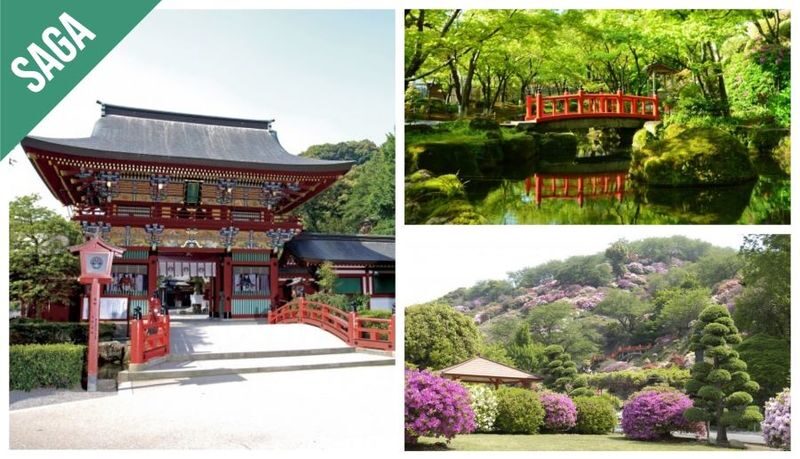
- Visit a major Inari shrine: Yutoku Inari Shrine is one of Japan’s Three Great Inari Shrines. Its listed experiences include a Miko dance and Tamagushi ritual.
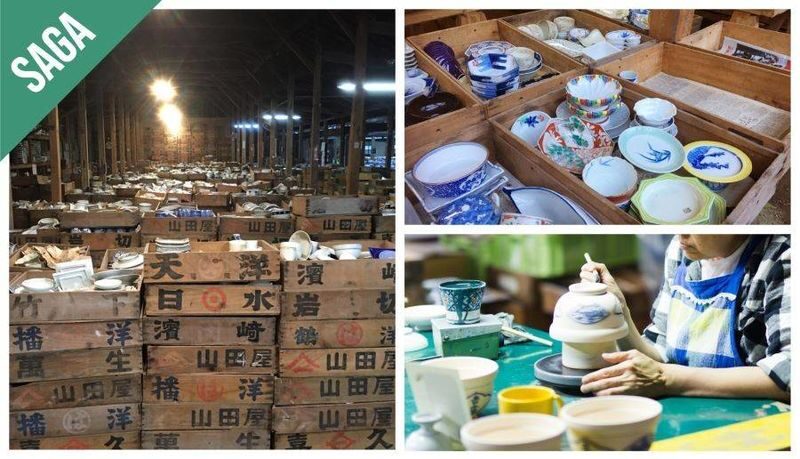
- Look for Arita porcelain: Kouraku Kiln offers a treasure hunt for porcelain pieces in a ceramics warehouse.
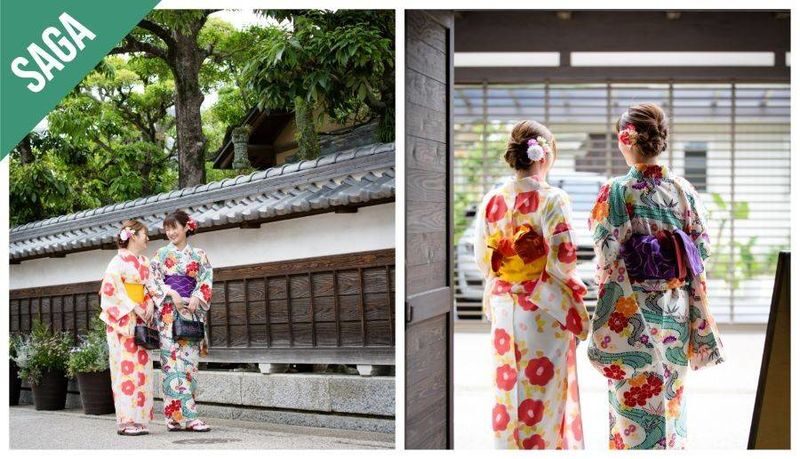
- Add local experiences: Participating choices include a kimono shop, citrus orchard and processing factory, and other Saga stops.
- Plan transport first: Some places are difficult to reach by public transportation, so three appealing options may not make a practical route.
Three choices, one week in Saga
This is a pass, not a guided tour with a fixed schedule. You select three participating attractions, experiences, food stops, or shops, then use them within the pass period. That flexibility is useful if you want to build your day around a shrine visit, pottery, or a meal rather than follow a group timetable.
The title can be confusing. The pass is described as a one-week free pass, but it allows three facility uses. Think of it as a three-pick sampler with a seven-day window, not a week of unlimited admission or shopping. Each place can be used once per person, and unused facilities cannot be refunded.
The listed options span different kinds of outings. They include Yutoku Inari Shrine, Kouraku Kiln, Ide Shoten, Yosohohi Nifuku Kimono Shop, Tashima Citrus Orchard & Processing Factory, Wa no Kotokoto Hajime Club, and Koransha. The available details do not spell out the exact benefit at every business, so confirm what your ticket covers before setting off.
Yutoku Inari Shrine and its ritual details
Yutoku Inari Shrine is the pass’s most prominent cultural stop. It is counted among Japan’s Three Great Inari Shrines, and the listed experiences include a Miko dance and a Tamagushi ritual. Those named elements give you more to look for than a quick photo at a shrine gate.
The pass information does not specify when these rituals take place, how long they last, or whether they are available every day. Check the shrine’s official information before you go, and avoid building a tight schedule around a performance unless its timing is confirmed. The practical value here is that a single pick can connect a shrine visit with a particular cultural experience, rather than simply covering entry.
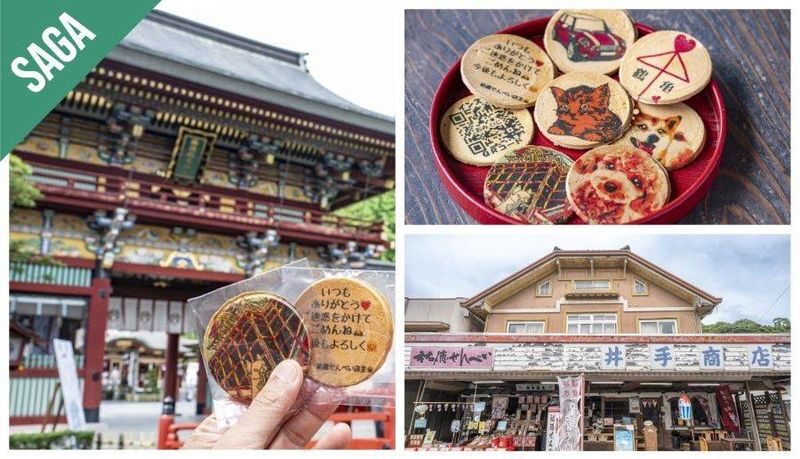
The shrine is also linked with a nearby shopping street in the pass’s participating area. That can make it easier to pair a cultural stop with browsing or food, but remember that each participating shop or experience may count as a separate use. Check the pass terms at each venue before you assume a meal or purchase is included.
Kouraku Kiln’s porcelain treasure hunt
For many people, the most distinctive pick is the Kouraku Kiln treasure hunt. The activity takes place at a ceramics warehouse and invites you to look for rare Arita porcelain pieces. It is a more hands-on way to encounter Saga’s porcelain tradition than simply browsing finished work behind glass.
A visit may also include the chance to find a broad selection of pottery items, and a kimono try-on is another experience associated with the pass options. These are appealing pairings if you want an outing with something to do, not only a place to see. The exact items, selection, and terms can vary, so treat the treasure hunt as an activity rather than a promise that you will find a particular piece.
The kiln is especially worth considering if pottery is a priority for you. One of the pass’s strongest endorsements came from someone who valued the treasure hunt and the chance to handle or find pottery, alongside trying a kimono. But don’t assume this is a quick stop on the way to the shrine: check its location and transport options against your day’s other choices.
Shops, citrus, and other ways to use a pick
The remaining named options give the pass a broader feel than a shrine-and-pottery ticket alone. Tashima Citrus Orchard & Processing Factory suggests a local food and agriculture angle, while Ide Shoten, Koransha, Wa no Kotokoto Hajime Club, and Yosohohi Nifuku Kimono Shop offer other possible ways to spend a use.
The available details do not describe exactly what each ticket provides at these businesses. One may be a coupon, another a particular experience, and a restaurant or shop may have conditions. Check the participating-facility information in advance, including whether you need to pay a difference on site or whether extra side dishes are charged separately.
I’d choose your three stops based on what you genuinely want to do, not just on the number of options. A shrine, kiln treasure hunt, and kimono experience make a coherent culture-focused set. If food is your priority, confirm that the restaurant is accepting the pass and that a table is likely before counting it as one of your three.
What the price is really buying
The listed starting price is $25.29. Its value depends on the three choices you make and the benefits each venue offers. If your selected experiences would otherwise cost more than the pass, or if the pass gives you access to an activity you were already keen to try, it may be a sensible buy. If your choices are hard to reach or you use only one or two, the arithmetic becomes less attractive.
This is not a blanket discount on everything in Saga. Some coupons require an extra payment if the chosen item costs more than the included amount, and restaurant side dishes may cost extra. A full restaurant can also mean you cannot use your ticket at that moment. Ask what is included before ordering or making a purchase.
The pass makes most sense when you already have a short list of three places and can arrange transport between them. It is less useful as a spontaneous solution to a scattered itinerary. One visitor found the range of participating places limited and some difficult to reach by public transport, while another particularly valued the pottery treasure hunt and kimono opportunity. That contrast captures the decision: the pass is appealing when its specific options match your plans, not simply because it promises a discount.
Timing, transport, and the pass clock
You do not need to use the pass on the date you select at purchase, but its validity rules need careful attention. The booking information says the voucher is valid for 270 days from confirmation, while the redemption details also say tickets are valid for 90 days from a specified date. Those are different limits. Check the date printed on your voucher and the current official terms before relying on either period.
Once you first scan or use a ticket, the seven-day period begins. The pass then remains valid for seven consecutive days or until its stated expiry date, whichever comes first. In practical terms, don’t activate it on a day when you are only using one nearby stop if you plan to save the other two for a later trip.
There is an important booking detail if you buy more than one pass in the same reservation: using one may activate all of them. If you are buying for a group whose members might start their visits on different days, confirm how activation works before purchasing together.
The pass information also tells you to check each facility’s opening hours and public holidays in advance. That matters especially for a three-use pass: a closed venue or a missed restaurant seating can disrupt the value of the whole plan. Public transport may not serve some stops conveniently, so verify connections and allow time between choices.
Who should use the Saga pass
I’d consider this pass if you are spending time in Saga, want to combine culture with local experiences, and can name three participating stops that fit your route. It is particularly promising for visitors drawn to Yutoku Inari Shrine and Arita ceramics, since those two experiences give the pass a clear focus.
It can also suit you if the kimono experience or citrus stop is a priority and you want a flexible week rather than a rigid day tour. Families can use it too: there is no age limit, though the same price applies to all ages. That makes it worth checking whether each person will use three options before buying a pass for everyone.
I would pause if you are relying on public transport without checking routes, if you want a guided day with transport included, or if you have not found three options that appeal to you. This pass does not list a guide, group size, or transport service, so arrange your own route and expectations around the participating businesses rather than expecting an escorted tour.
Before booking, open the official facility information in your preferred language and confirm the current list, hours, holidays, ticket benefit, and any extra charges. A little planning can turn three separate coupons into a thoughtful Saga itinerary. Without that planning, the pass risks being a bargain on paper and an awkward trip in practice.
Have Fun in Saga Pass
“The tickets currently cover a limited range of attractions and shops. They are mainly used at Yutoku Inari Shrine and its shopping street. Some att…”
FAQ
How many participating places can I use?
You can use three participating facilities during the pass’s valid period. Each facility or business can be used once per person.
How long does the pass last after I first use it?
It is valid for seven consecutive days after you first scan or use a ticket, or until the stated expiry date if that comes first.
How long is the voucher valid before I start using it?
The information gives two validity periods: 270 days from booking confirmation and 90 days from a specified date. Check the dates and terms on your voucher before planning.
Does the pass have an age limit?
No. The activity has no age limit, and the same price applies to all ages.
Can I get a refund for a facility I do not use?
No. Unused facilities cannot be refunded. The voucher can be cancelled for a full refund within 90 days of booking confirmation if it has not been redeemed. Once you use a ticket or take part in an activity, refunds are not available.
Will I have to pay extra at a participating business?
Possibly. If there is a price difference, you must pay it on site. Restaurant side dishes may also cost extra.
Can I use the pass at a restaurant even if it is full?
Not necessarily. A restaurant may be unable to accept the ticket when it is full. The information recommends booking ahead or arriving early to wait for a seat.
Do I need to check opening hours before visiting?
Yes. Check the official information for each facility, including its business hours and public holidays, before you go.