Hokkaido’s pioneering era comes into focus at Kaitaku no Mura, where 52 restored buildings form a village rather than a row of exhibits. You can step inside many of them, see how homes and workspaces were arranged, and get a sense of daily life from the Meiji to early Showa periods.
I like two things in particular: the buildings bring together architectural styles from across Hokkaido, and the four districts make it easy to compare town, fishing, farming, and mountain life in one visit. The main trade-off is scale. The grounds cover 54.2 hectares, so a quick stop can leave you rushing past the best parts.
Allow at least two or three hours, and more if you want a slow walk or plan to visit the Hokkaido Museum next door. Some paths can be rough, and you may need to remove your shoes to enter buildings. In warm weather, pack insect repellent.
Key points
- 52 relocated buildings show architecture and everyday spaces from Hokkaido’s pioneering era.
- Four districts divide the village into town, fishing, farming, and mountain settings.
- A large site calls for time: plan two to three hours at minimum, or longer for an unhurried visit.
- Horse-drawn rides cost extra and have limited seats, so join the queue early if you want one.
- A set ticket includes the Hokkaido Museum, while the basic ticket covers the village only.
- Check the calendar before setting out: the village is closed on Mondays from October through April.
- A village built from Hokkaido’s past
- Start with the four historic districts
- Look closely at the buildings, not just the views
- Make time for the carriage ride
- Decide whether to add the Hokkaido Museum
- Choose your season, then check the calendar
- Getting there from central Sapporo
- Make the mobile voucher work for you
- Is Kaitaku no Mura worth booking?
- FAQ
- How long should I allow for the Historical Village of Hokkaido?
- What does the basic admission ticket include?
- Are horse-drawn rides included in the ticket?
- How do I get to the village by bus?
- When is the village open?
- Who can enter for free?
- The Best Of Sapporo!
- More Tickets in Sapporo
- More Tours in Sapporo
- More Tour Reviews in Sapporo
A village built from Hokkaido’s past
 1 / 5
 2 / 5
 3 / 5
 4 / 5
 5 / 5
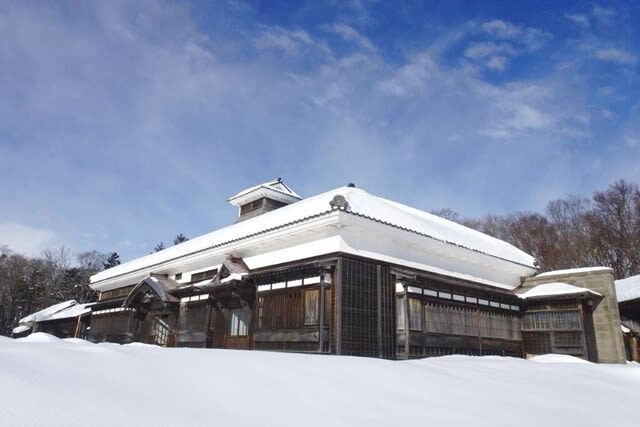
Kaitaku no Mura, also called the Historical Village of Hokkaido, is an open-air museum on the edge of Sapporo. Its 52 buildings were constructed between the Meiji and early Showa periods, then relocated and restored on a 54.2-hectare site.
That scale changes the experience. Instead of looking at one preserved house in isolation, you can walk through a collection of homes, workplaces, and other historic structures arranged in four distinct settings. The result is a practical introduction to how life and communities developed across Hokkaido.
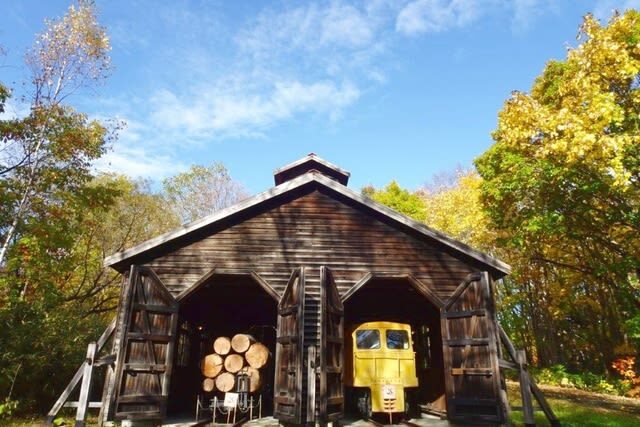
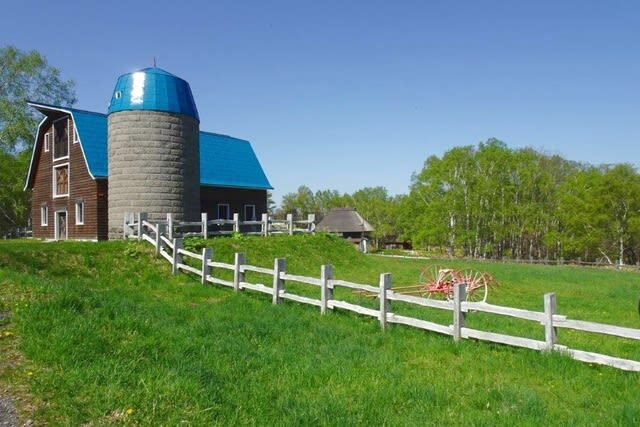
The village is divided into the Town Group, Fishing Village Group, Farming Village Group, and Mountain Village Group. Each gives you a different setting to explore. The changing architecture and exhibits make the place useful for anyone curious about how people lived and worked, not only visitors with a special interest in buildings.
There is no named guide or guided tour included in the ticket details. You can set your own pace, choosing how many buildings to enter and how long to spend in each district. That freedom is welcome, but it also means you should allow enough time rather than treating the site as a brief photo stop.

👉 See our pick of the Sapporo’s 11 Top Workshops & Classes
Start with the four historic districts
The town district is a good place to begin if you want an immediate sense of the village’s built-up setting. From there, the fishing, farming, and mountain districts give you a chance to compare different kinds of community and work. The buildings are the main draw, but the way they are grouped helps make the visit easier to understand.
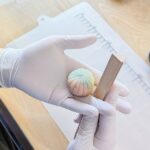
Don’t rush from one photo opportunity to the next. Step inside buildings when they are open and look at how their spaces are arranged. Some structures offer a stronger sense of daily life than an exterior view alone can provide. If you are visiting with children, there are also small hands-on activities to try, with no reservation or extra charge required for the activities described.
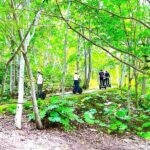
The mountain village has some rougher paths, so sturdy, comfortable footwear is a sensible choice. The wider grounds are generally easy to walk, but the condition is not identical throughout the site. That variation matters if you have limited mobility or are visiting with someone who tires easily.
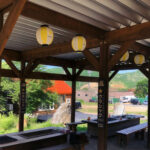
In many buildings, you need to take off your shoes before going inside. This adds a useful, physical detail to the visit, but it can make moving between buildings slower. It may also be inconvenient for wheelchair users. The grounds have been visited by people using wheelchairs, but entry to some interiors may take extra effort, so plan around the buildings and paths that matter most to you.
You can also read our reviews of more tours and experiences in Sapporo


Look closely at the buildings, not just the views
The village’s value lies in bringing together buildings from across Hokkaido. A single site gives you a chance to see how architectural forms and everyday spaces changed from the Meiji period into the early Showa years. Rather than reading about development in the abstract, you can look at the structures themselves and compare how different settings are represented.
It is also an appealing place to wander without a strict route. You can linger where an exhibit catches your attention, or keep moving if a building is closed or under maintenance. Because the collection is spread out, your visit will feel quite different depending on how many interiors you enter. A brisk circuit may take less time, while a careful look through the districts can fill much of the day.
Maintenance can affect what is accessible on a particular visit. If several buildings are closed, the experience may be less complete than you hoped. Check the official website before going, especially if you are making a special trip or have only one day in Sapporo.
Make time for the carriage ride
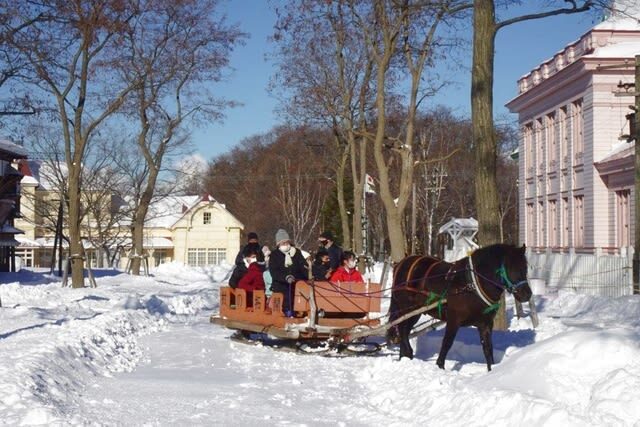
A horse-drawn railway operates in summer, and a horse-drawn sleigh is offered in winter. Neither is included in the admission ticket, so treat it as an optional extra rather than part of the standard visit.
The ride can add a welcome change of pace after walking the grounds and suits the historic atmosphere. There are only 10 seats, so queue early if it is important to you. The ride may not be available in every condition or season, and the operating schedule can change, so don’t build your whole visit around it without checking first.
The rest of the site is best explored on foot. The grounds are large enough that an extra ride may help break up the walk, but it does not replace time among the buildings. If you have a limited schedule, prioritize the districts and interiors you most want to see first.
Decide whether to add the Hokkaido Museum
A set ticket is available that includes admission to the Hokkaido Museum, located in Hokkaido Natural Park Nopporo Forest Park. The ticket supplied for the basic package covers the Historical Village only, so check the option carefully when booking.
The museum is a useful addition if you want more context alongside the village’s buildings and exhibits. It also makes for a fuller history-focused day, but adding it means planning more time and walking. If your interest is mainly architecture and historic streets, the village alone can fill a satisfying visit. If you want both sites, the combined ticket is the practical choice.
The price for the admission-only ticket starts at US$6.35, making it a modest-cost outing for the amount of ground and historic material on offer. The value depends on your pace: a short visit may feel thin, while several hours among the districts makes better use of the ticket. Children aged 0 to 15 and seniors aged 65 and older enter free with valid identification. High school students also enter free on Saturdays, May 5, and November 3.
Choose your season, then check the calendar
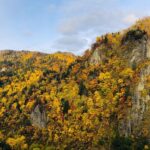
The village’s appearance changes with the seasons. Winter gives the buildings a snowy setting, while warmer months bring more comfortable conditions for a long walk. Summer is also when the horse-drawn railway operates. On the other hand, mosquitoes can be bothersome in warmer weather, particularly around the mountain village, so bring insect repellent.
Opening hours vary by season. From May through September, the village is open from 9 a.m. to 5 p.m. From October through April, it closes at 4:30 p.m. Last admission is 30 minutes before closing.
It is open every day from May to September. From October to April, it closes every Monday, or the next weekday if Monday is a holiday or substitute holiday. It also closes from December 29 to January 3. A Monday visit in the colder months is an easy mistake to make, so check the official schedule before travelling.
Weather can affect hours and operations, and severe weather may bring a closure. If you are travelling a long way to reach the site, check its status on the day rather than assuming it will be open.
You can also read our reviews of more historical tours in Sapporo


Getting there from central Sapporo
The address is 50-1 Atsubetsucho Onopporo, Atsubetsu-ku, Sapporo. By public transport, take JR Hokkaido Bus Shin22, bound for Kaitaku-no-Mura, from either Subway Shin-Sapporo Station or JR Shin-Sapporo Station. You can also board the same bus at JR Shinrin-Koen Station. Get off at the final stop, Kaitaku-no-Mura, which is right by the entrance.
If you are driving, the published route from the JR Sapporo Station area follows Route 12 towards Ebetsu and takes about 40 minutes. The attraction is outside central Sapporo, so allow for travel time when deciding whether to combine it with other plans.
Make the mobile voucher work for you
Your voucher must be displayed on a smartphone or another internet-connected device. Open it in your Klook account under Bookings, then View Voucher. Save yourself a last-minute scramble by checking that you can access it before you reach the entrance, since the voucher page may not load where Wi-Fi is unavailable.
At entry, let the staff operate the electronic voucher. Do not tap or redeem it yourself; the ticket can be invalidated if you operate it by mistake. The voucher is valid only on the date you selected, and the ticket is nonrefundable.
Pets are not allowed, except service animals with valid identification. Admission or use of facilities may also be restricted during busy periods, and some buildings or event spaces may close depending on the season.
Is Kaitaku no Mura worth booking?
I would book this if you enjoy historic buildings, cultural exhibits, or a walk that rewards curiosity more than speed. The village brings together architecture from across Hokkaido in a way that is hard to match with a single preserved building, and the four districts give your visit a clear shape.
Choose the basic ticket if you mainly want to explore the open-air site. Pay attention to the set ticket if you also want the Hokkaido Museum. Either way, give the grounds at least two or three hours, wear shoes you can take off easily, and check opening days before you go. If you want a quick indoor attraction near central Sapporo, this is not the best fit; if you have time for a proper wander, it is a strong-value outing.
Historical Village of Hokkaido “Kaitaku no mura” Admission Ticket
“it was a fun visit! get to see various architecture and nice views. bring insect repellent along though”
FAQ
How long should I allow for the Historical Village of Hokkaido?
Plan for at least two to three hours to walk around and enter buildings. If you want a slow visit with breaks, allow four to five hours.
What does the basic admission ticket include?
The basic ticket includes admission to the Historical Village of Hokkaido. A separate set ticket is available that also includes the Hokkaido Museum.
Are horse-drawn rides included in the ticket?
No. The summer horse-drawn railway and winter horse-drawn sleigh cost extra. The ride has limited seating, so queue early if you want to take it.
How do I get to the village by bus?
Take JR Hokkaido Bus Shin22, bound for Kaitaku-no-Mura, from Subway Shin-Sapporo Station, JR Shin-Sapporo Station, or JR Shinrin-Koen Station. Get off at the final stop, Kaitaku-no-Mura.
When is the village open?
From May through September, it is open from 9 a.m. to 5 p.m. From October through April, it is open from 9 a.m. to 4:30 p.m. Last admission is 30 minutes before closing. It closes on Mondays from October through April, with holiday exceptions, and from December 29 to January 3.
Who can enter for free?
Children aged 0 to 15 and seniors aged 65 and older enter free with valid identification. High school students enter free on Saturdays, May 5, and November 3.
The Best Of Sapporo!


More Tickets in Sapporo


More Tours in Sapporo
- Furano & Biei Blue Pond & Shikisai no Oka One-Day Tour | Departing from Sapporo
★ 4.8 · 1,099 reviews



More Tour Reviews in Sapporo
- Furano & Biei Blue Pond & Shikisai no Oka One-Day Tour | Departing from Sapporo
★ 4.8 · 1,099 reviews