
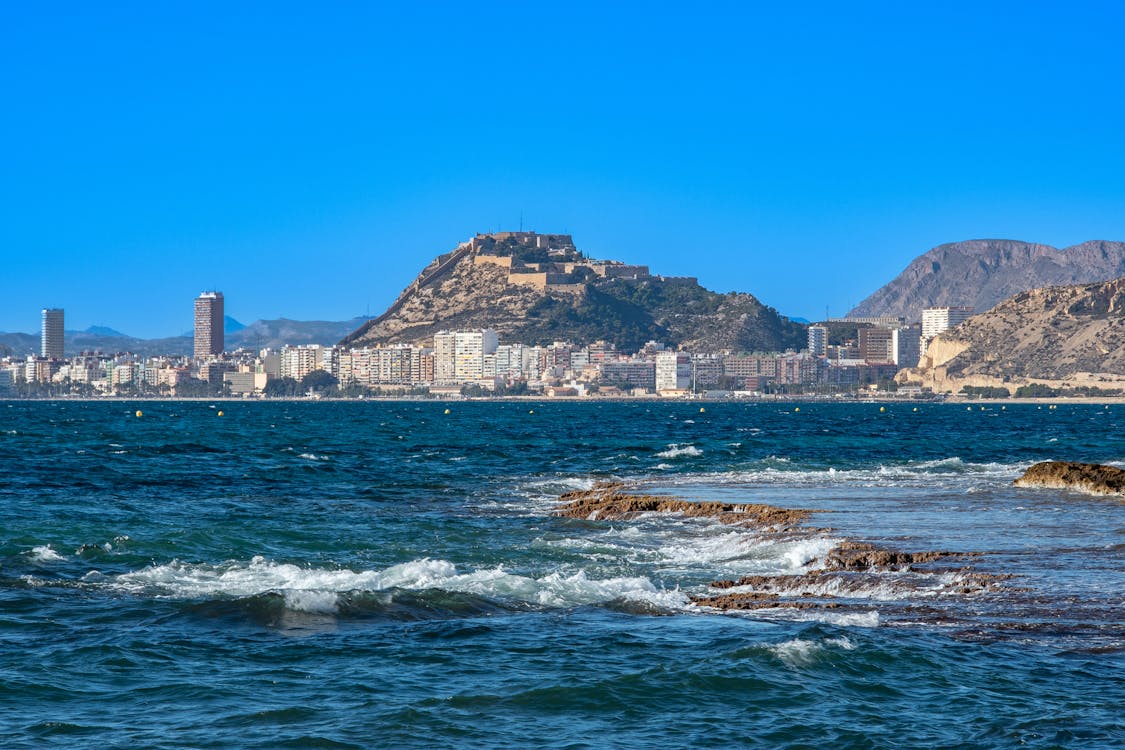
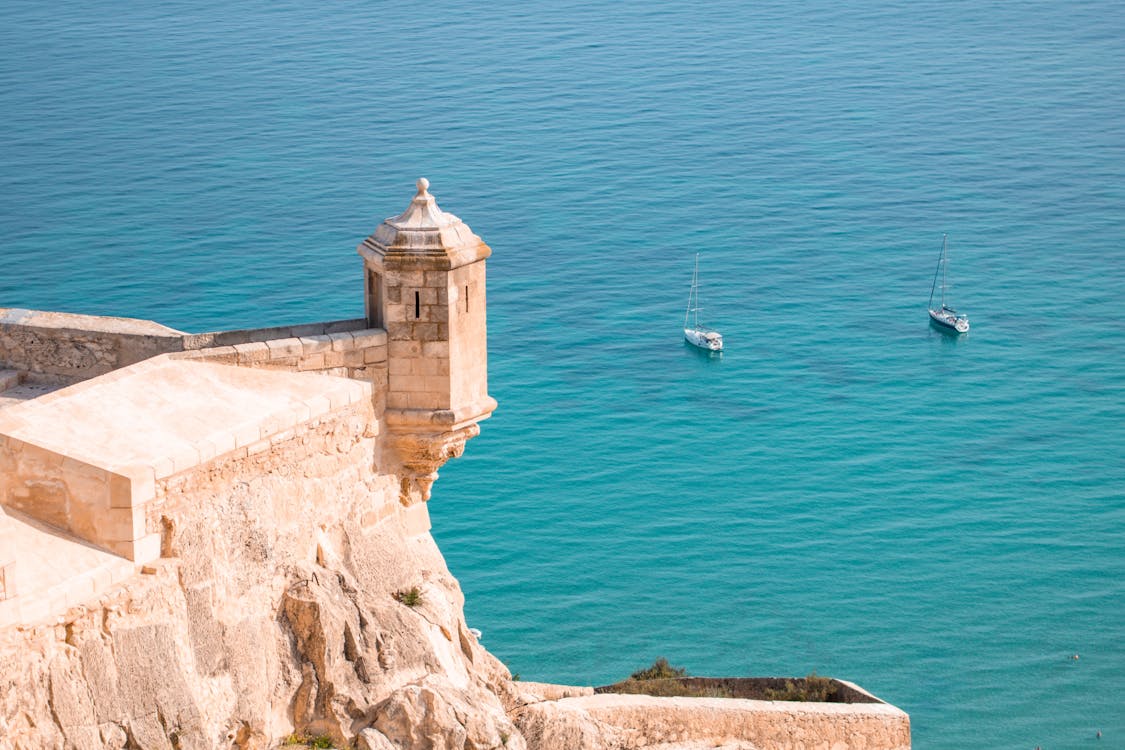
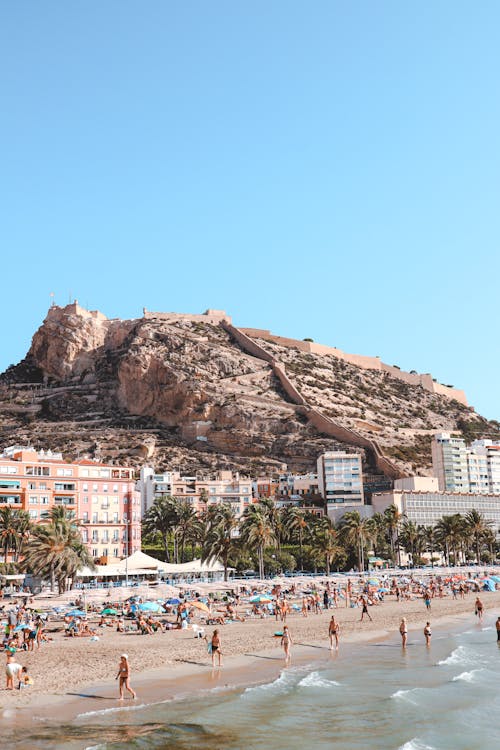
Alicante sits on a stretch of coast that looks good from the beach. But it looks completely different from the water. The limestone cliffs of the Cape of Santa Pola catch light in a way you simply don’t notice from shore. Santa Barbara Castle, which from street level appears as a fortified hilltop, turns into this dramatic wall of stone rising straight out of the city when you’re pulling away from the harbor. And then there’s Tabarca — Spain’s smallest inhabited island, sitting about 20 minutes offshore, with water so clear the boats look like they’re floating on glass.
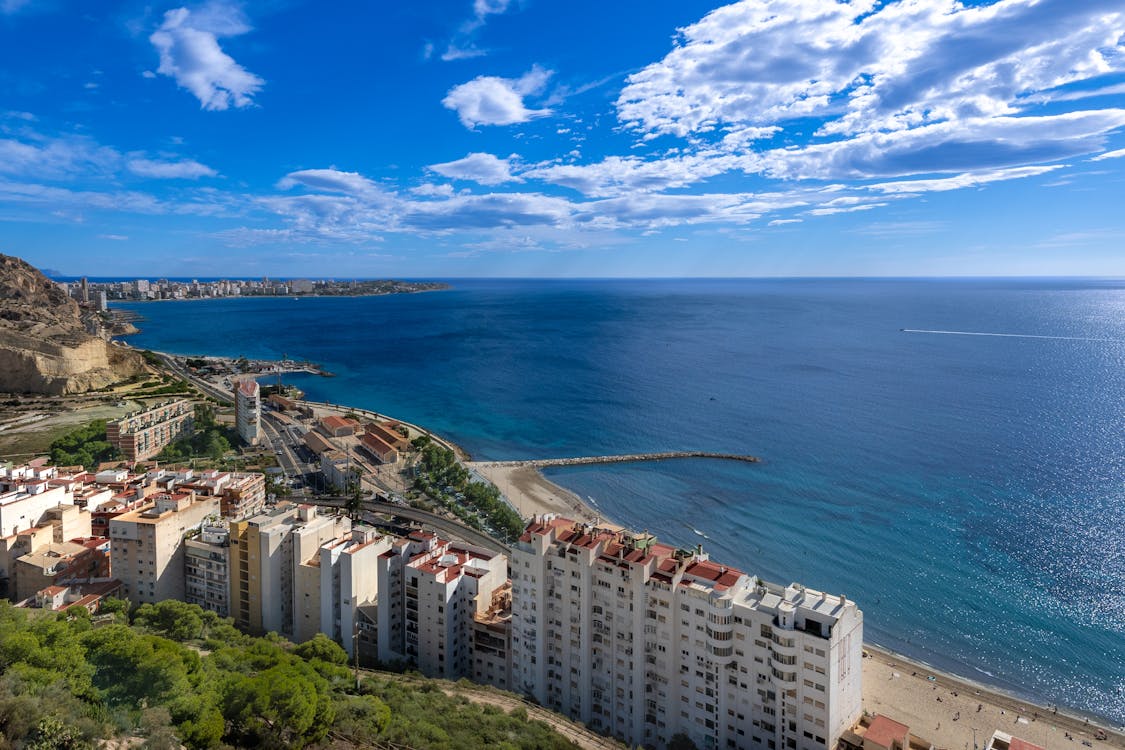
Most visitors stick to Postiguet Beach and the promenade. Nothing wrong with that — it’s a good beach. But you’re leaving the best part of the Costa Blanca untouched. The coves between Alicante and Tabarca are only accessible by boat. The marine reserve around Tabarca Island has some of the best snorkeling in mainland Spain. And a catamaran in the late afternoon, with the sun dropping behind Santa Barbara Castle and the city going amber — that’s the kind of thing you’ll actually remember six months later.
The boat tour market in Alicante breaks down into a few clear categories: Tabarca Island day trips, catamaran cruises along the coast, and shorter sunset sails. Prices run from about $28 for a basic Tabarca ferry up to $85 for a full-day catamaran trip with food and swimming stops. That range is wide, but the experiences are genuinely different — this isn’t a case where spending more just gets you the same thing with a nicer boat.
This guide covers the three best options, how to pick between them, and the practical stuff that makes the difference between a great day on the water and an overcrowded one.
If You’re in a Hurry: My Top 3 Picks
- Best day trip: From Alicante: Roundtrip to Tabarca Island — From $28. Six hours on Tabarca with free time to swim, snorkel, and explore the old walled town. Book this tour
- Best catamaran cruise: Alicante: 3-Hour Coastal Catamaran Cruise — From $50. Sailing along the coast with a snorkeling stop and drinks on board. Book this tour
- Best afternoon sail: Alicante: 2-Hour Late Afternoon Catamaran Cruise — From $38. A shorter cruise timed for golden hour with the city lit up behind you. Book this tour
- If You’re in a Hurry: My Top 3 Picks
- Types of Boat Tours in Alicante
- The 3 Best Boat Tours in Alicante
- 1. From Alicante: Roundtrip to Tabarca Island — From
- 2. Alicante: 3-Hour Coastal Catamaran Cruise — From
- 3. Alicante: 2-Hour Late Afternoon Catamaran Cruise — From
- When to Go
- Practical Tips
- More Spain Guides
Types of Boat Tours in Alicante
Before picking a specific tour, it helps to understand what you’re choosing between. The options aren’t just different boats — they’re different experiences entirely.
Tabarca Island day trips are the headline act. The island sits about 11 nautical miles from Alicante port, and the journey there takes you across open water with views back toward the city that get better the further you go. Once on Tabarca, you’ve got a walled village from the 18th century, a marine reserve with protected waters, and a handful of restaurants serving caldero — the local fish and rice stew that the island is famous for. These trips run five to six hours, with most of that time spent on the island itself.
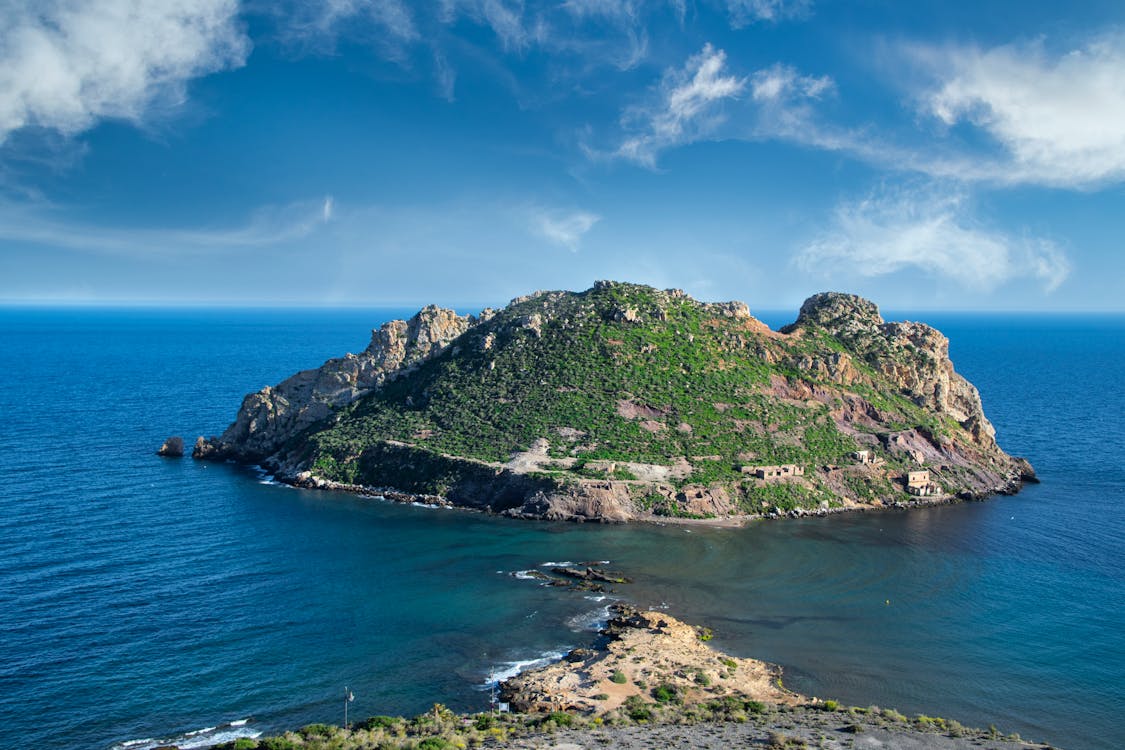
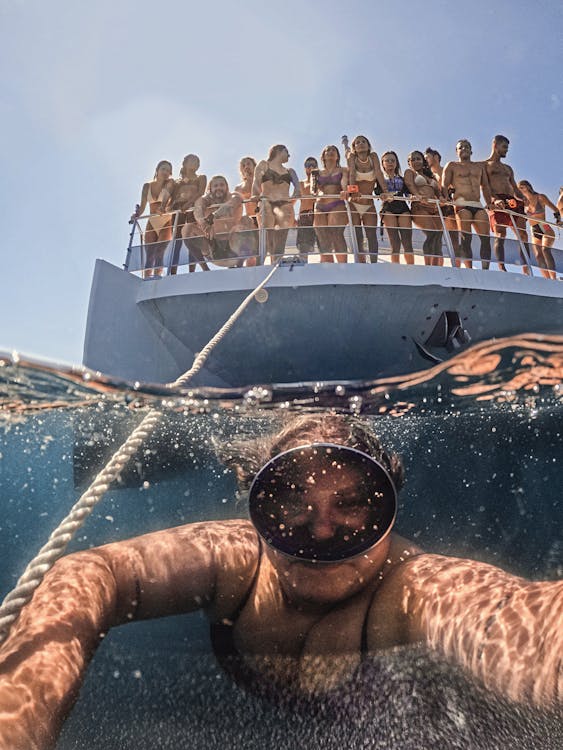
Catamaran cruises hug the coastline, stopping at coves and swimming spots that you can’t reach from land. These typically run two to three hours and include time in the water — either swimming off the boat or snorkeling along the rocky shoreline. The catamarans are stable (good for anyone who gets seasick on smaller vessels), and most include a drink or two in the price. The focus here is the sailing itself, not a destination.
Sunset and afternoon sails are the shortest option, usually two hours. They’re timed so you’re on the water when the light turns golden and the city looks its absolute best. Less about activities, more about the scenery and the experience of being on the Mediterranean at the end of the day. These tend to attract couples and smaller groups.
The 3 Best Boat Tours in Alicante
After going through every boat tour departing from Alicante and comparing routes, boats, and traveler feedback, these three cover the ground. Each hits a different need — a full day trip, a mid-length cruise, and a quick afternoon escape.
1. From Alicante: Roundtrip to Tabarca Island — From $28
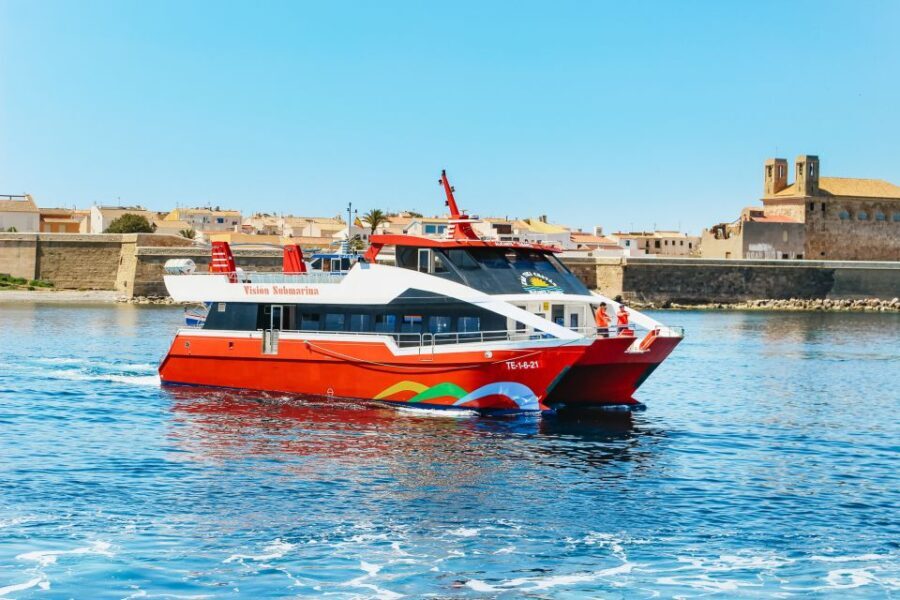
This is the tour I’d recommend first to anyone visiting Alicante with a free day. Tabarca Island is genuinely special — not in the “every travel site says it’s special” way, but in the “there are 50 permanent residents and the water is turquoise and the old walls are crumbling in a photogenic way” sense.
The boat departs from Alicante’s port and takes roughly 45 minutes to reach the island. The crossing is open water, so it can be choppy if the wind picks up, but on calm days it’s a smooth ride with views of the coast fading behind you and this tiny speck of land growing on the horizon.
Once there, you’ve got about four hours of free time. The smart play is to walk the walled village first — it takes 20 minutes and you’ll have the narrow streets mostly to yourself if you go before the Santa Pola ferries arrive around noon. Then find a spot on the rocky beach along the south side and get in the water. The marine reserve means the snorkeling is genuinely good, not just “good for a beach” but proper fish diversity in clear water over seagrass beds.
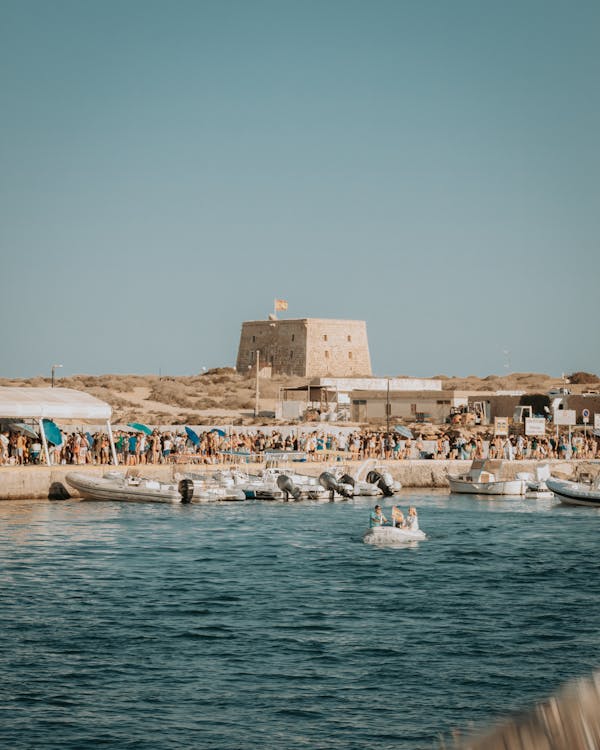
Lunch on the island means caldero, and you should try it. The fish and rice stew is served in two courses — broth with rice first, then the fish — and the restaurants along the waterfront all do their own version. Expect to pay around 15-20 euros per person. Skip the touristy-looking places nearest the port and walk to the spots the Spanish day-trippers head for.
At $28, this is outstanding value for a six-hour experience. The downside: the boat is a standard passenger ferry, not a luxury catamaran. Seating is bench-style, there’s no shade on the upper deck, and in peak summer (July-August), the boat runs at full capacity. Morning departures are less crowded than midday ones.
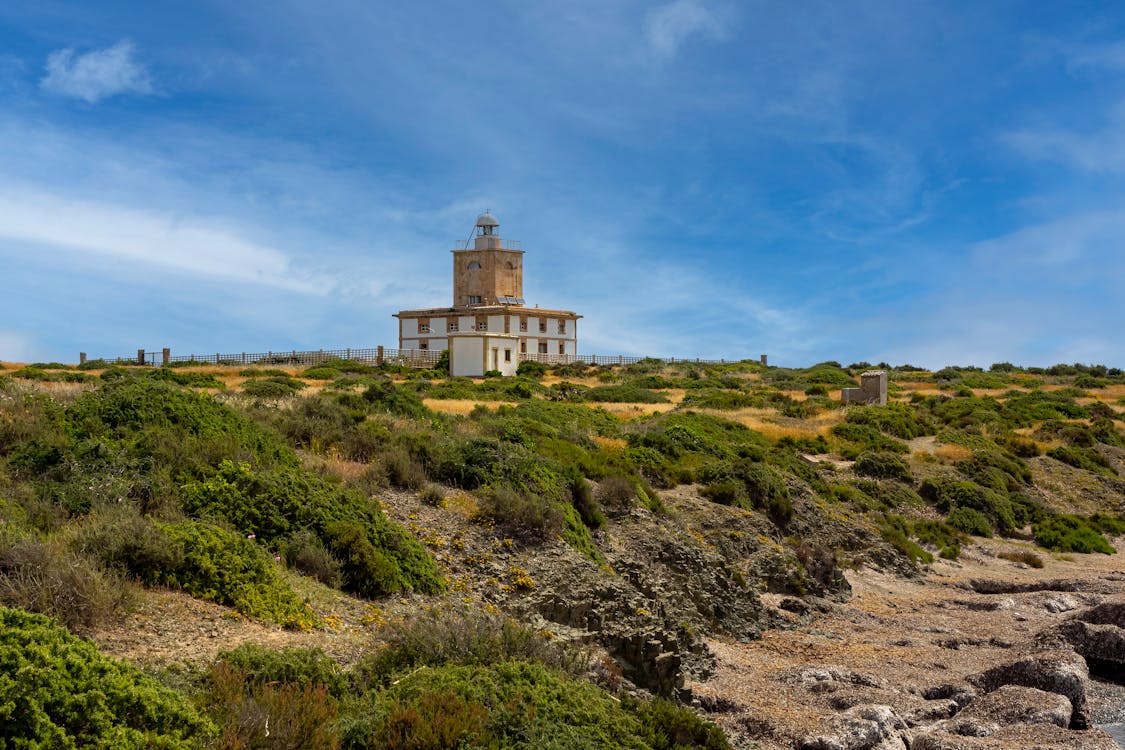
2. Alicante: 3-Hour Coastal Catamaran Cruise — From $50

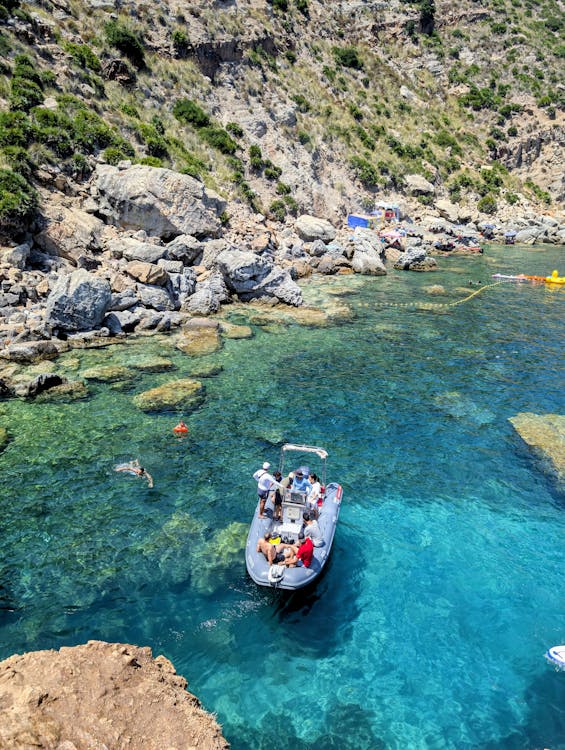
If Tabarca doesn’t fit your schedule or you’d rather stay on a nicer boat and actually sail the coastline, this is the one. Three hours on a catamaran that heads south along the coast, stops at a sheltered cove for swimming and snorkeling, and loops back to Alicante port.
The catamaran is the upgrade here. It’s stable enough that seasickness is rarely an issue, there’s proper shade and seating, and the nets at the front let you lie out over the water while the boat moves — which sounds like a small thing until you’re actually doing it with the coast sliding by underneath you. Snorkeling gear is included, and the crew drops anchor in spots where the water is shallow and clear enough to see the bottom from the deck.
Drinks are included — typically a couple of soft drinks or beers per person. The atmosphere is social but not party-boat territory. Groups skew toward couples and families, not stag dos. The crew gives a brief rundown of the coastline as you sail, pointing out the cape, the old watchtowers, and the coves that you’d never spot from the road above.
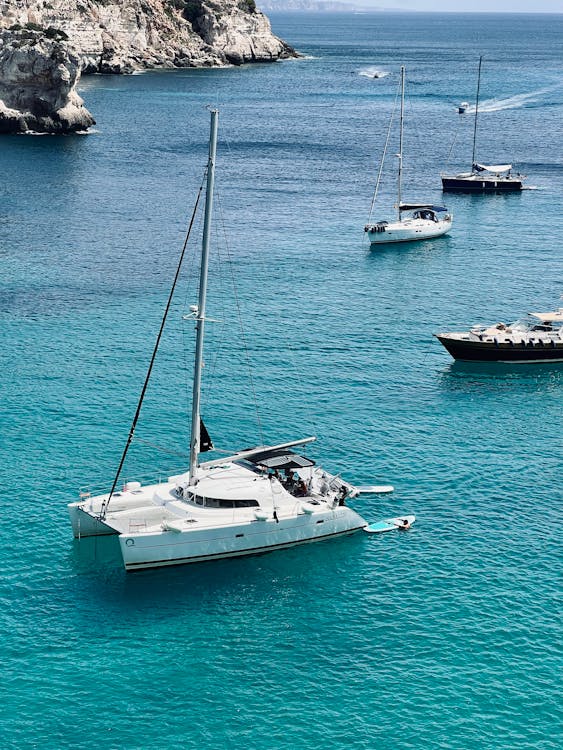
At $50, you’re paying a premium over the Tabarca ferry, but you’re getting a better boat, included drinks, and the actual sailing experience rather than just A-to-B transport. The three-hour length is the sweet spot — long enough to unwind on the water, short enough that it doesn’t eat your whole day.
The weak point: the snorkeling stop is usually 30-40 minutes, which feels short if you’re a keen snorkeler. But for most people, it’s a welcome dip before the sail back.
3. Alicante: 2-Hour Late Afternoon Catamaran Cruise — From $38
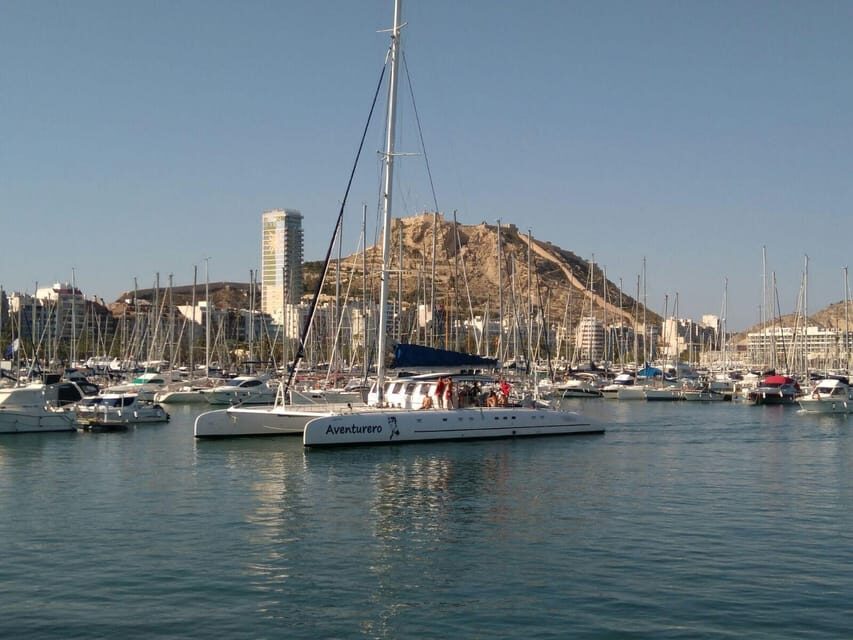
This is the one for the end of a long day of sightseeing, or for anyone who wants the boat experience without committing to a half-day trip. Two hours on a catamaran, departing in the late afternoon when the sun starts dropping and the light on the water turns from bright white to warm gold.
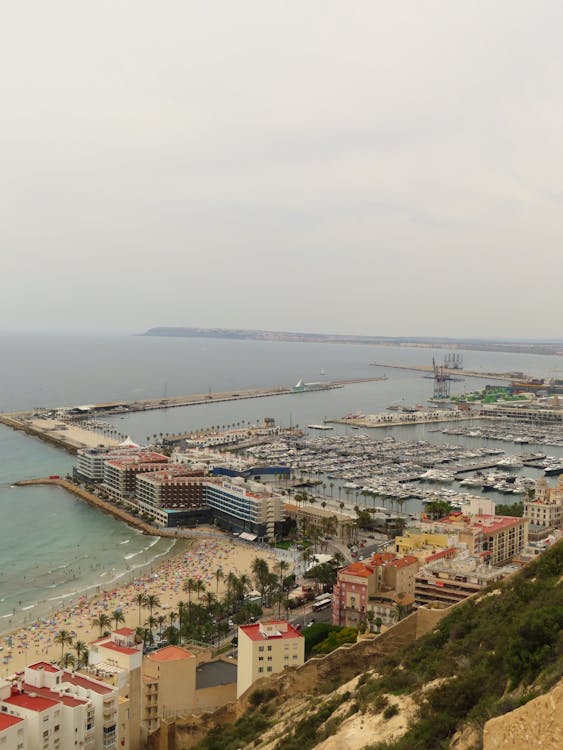
The route stays close to the coastline, giving you sustained views of Alicante from the sea. Santa Barbara Castle is the star of the show here — lit up by the afternoon sun, it dominates the skyline in a way you don’t appreciate from the streets below. Postiguet Beach stretches out beneath it, and you can pick out the Explanada promenade with its mosaic tiles catching the light.
It’s a simpler experience than the three-hour cruise. No swimming stop, no snorkeling gear. This is about being on the water, enjoying the views, and having a drink in your hand while the city does its thing in the background. Music plays on board — chill, not thumping — and the atmosphere is distinctly end-of-day relaxed.
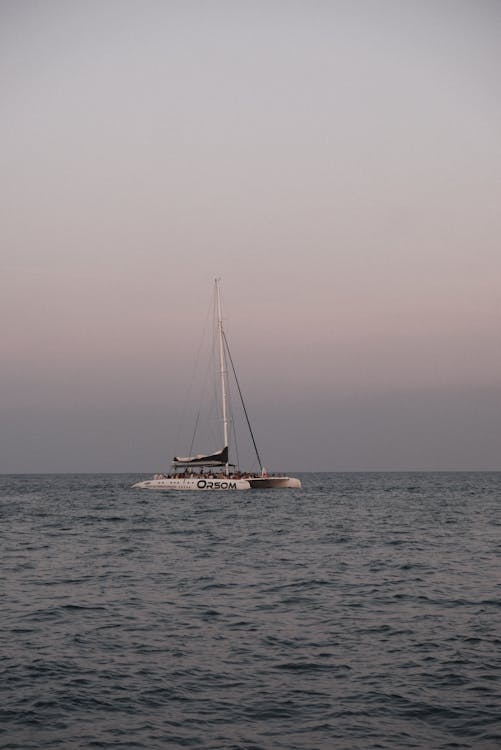
At $38, it’s priced between the Tabarca ferry and the longer catamaran cruise, which feels right for a two-hour experience. It works well as a first-night or last-night activity — the kind of thing that frames a trip without dominating a day’s schedule. Couples particularly like this one for obvious reasons.
The downside: if the weather is overcast or windy, you lose the main appeal. This tour lives and dies on the light conditions. Check the forecast and book a day or two ahead rather than locking it in at the start of your trip.

When to Go
Alicante’s boat tour season runs from roughly April through October, though the sweet spots are narrower than that.
May, June, and September are the best months. Water temperatures hit 20-24C — perfectly swimmable — and the boats aren’t packed. Tabarca in June has maybe a third of the visitors it gets in August. The weather is reliably sunny without the scorching 35C+ days that make July and August unpleasant for anything that involves sitting in direct sun on a boat deck.
July and August are peak season. Everything runs, everything is available, and everything is crowded. The Tabarca ferries operate at maximum capacity. The catamaran cruises fill up days in advance. If this is your only option, book early and choose morning departures — by afternoon, the boats are full and the heat is brutal on exposed decks.
April and October are the shoulder months. Fewer tour options run daily, but the ones that do tend to be quieter. Water temperature in April hovers around 16-18C — fine for a quick swim if you’re not bothered by cool water, but not ideal for a long snorkeling session. October is warmer in the water (still 22C or so from summer) but the evenings cool down quickly, which affects the sunset cruises.
November through March: most boat tours shut down. A few Tabarca ferries run on weekends, weather permitting, but don’t count on it. If you’re visiting in winter, Alicante has plenty going on, but the boat experience waits for spring.
Practical Tips
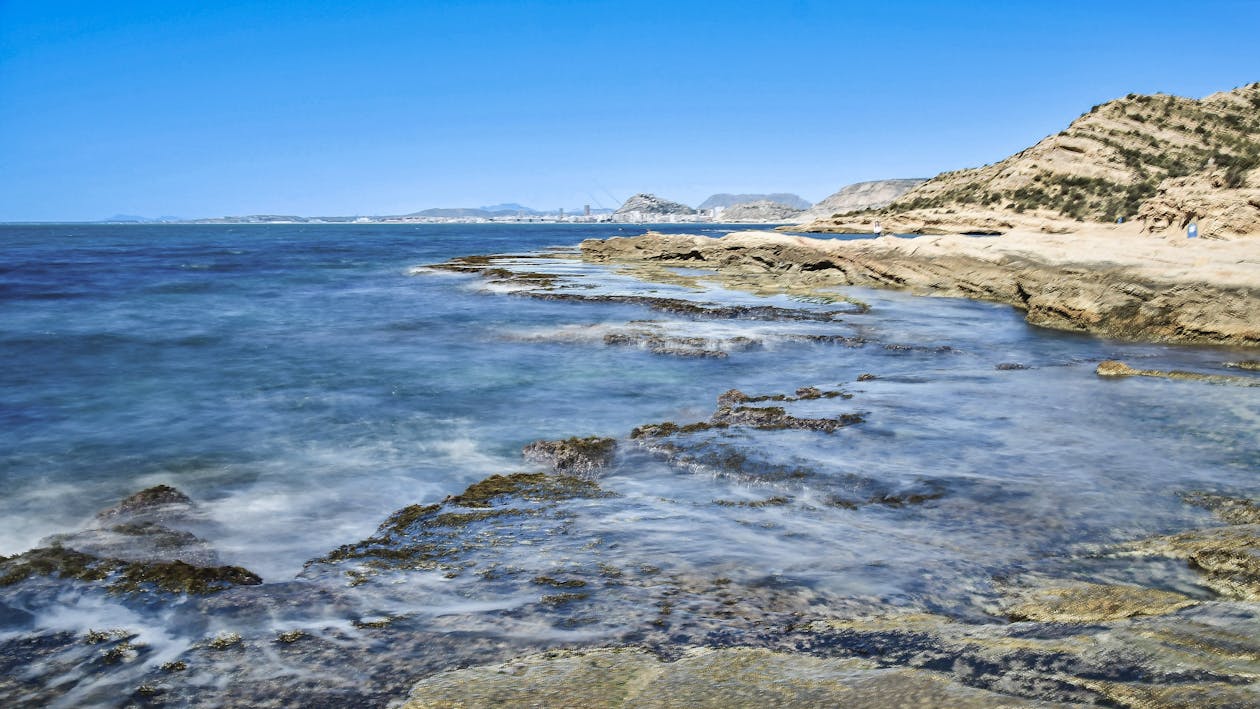
Bring reef shoes or water sandals. Tabarca’s beaches are rocky, and the swim stops on catamaran cruises are usually rocky-bottomed coves. Flip-flops slide off in the water. Proper reef shoes let you wade in and out without looking down at every step.
Sunscreen before boarding, not after. On a boat deck with no shade, you’ll burn faster than on the beach. The reflection off the water doubles your UV exposure. Apply before you leave the port and reapply after swimming. Spray sunscreen is easier to manage on a moving boat than lotion.
Seasickness happens on the Tabarca crossing. The open stretch between Alicante and the island catches wind. If you’re prone to motion sickness, take something before boarding — once you’re 20 minutes into the crossing and feeling green, it’s too late. The catamaran cruises that stay along the coast are much calmer.
Book the first departure for Tabarca. The early boat (usually 10:00 or 10:30) gets you to the island before the crowds. By noon, the Santa Pola ferries start arriving too, and Tabarca’s small village goes from quiet to packed. Early arrival also means you get the best snorkeling visibility before the afternoon wind stirs up the water.
Eat on Tabarca, not before. Don’t fill up on breakfast before a Tabarca day trip. The island’s restaurants serve caldero and fresh seafood that you won’t find this good on the mainland at these prices. Budget 15-20 euros for a proper sit-down lunch. The restaurants directly at the port are tourist traps — walk five minutes into the village for better food.
Cash for Tabarca. Some of the smaller restaurants and shops on the island are cash-only. Bring 20-30 euros in small bills. There’s no ATM on Tabarca.
Afternoon cruises sell out faster than morning ones. The sunset and late afternoon catamaran tours are the most popular and have limited capacity. If you’re set on the afternoon timing, book at least two days ahead in summer. Morning departures are usually available with a day’s notice.
Wind matters more than rain. Rain barely happens in Alicante’s summer season. What does happen is wind — the Levante wind comes from the east and can make the sea choppy enough that tours get cancelled. Check the marine forecast, not just the weather app. If wind speeds hit 20+ knots, expect cancellations, especially for Tabarca crossings.