
Menorca has over 1,500 prehistoric archaeological sites packed into an island just 700 square kilometres wide. It was declared a UNESCO Biosphere Reserve in 1993. And while Mallorca and Ibiza chased high-rise tourism, Menorca went the other direction — no motorways, no mega-clubs, no sprawling resorts. The coastline stayed raw.
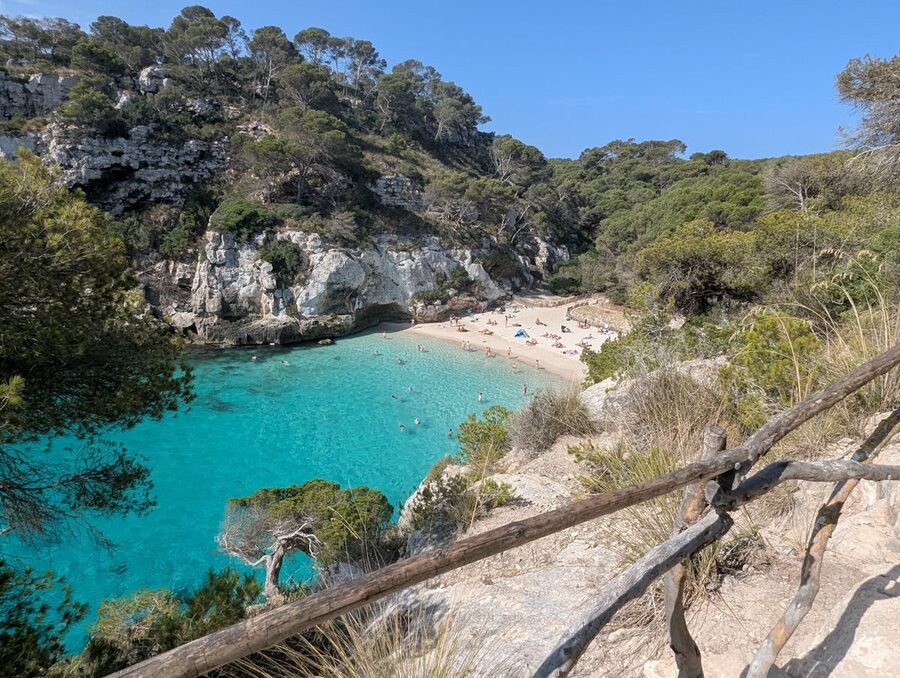
That matters if you’re booking a boat trip here. The south coast calas (coves) that most boat tours follow haven’t been built over. Pine forests still press right to the waterline. The water is that shade of turquoise you think only exists in retouched Instagram posts.
I spent a full day on the water out of Ciutadella and another morning kayaking near Fornells. Here’s everything I learned about booking.
- In a Hurry? My Top 3 Picks
- Why Menorca for a Boat Trip
- How Boat Trips in Menorca Work
- The 3 Best Menorca Boat Trips
- 1. Coves and Beaches Boat Trip with Paella —
- 2. Kayak and Marine Reserve Snorkeling Adventure —
- 3. Fornells Catamaran Trip with Snorkeling —
- South Coast vs North Coast: Which to Choose
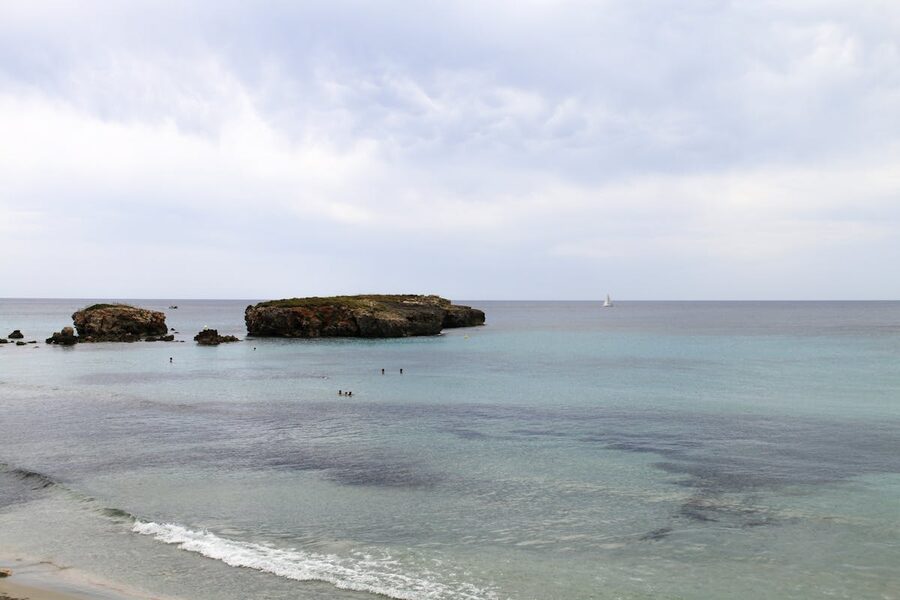
- The Best Calas You’ll Visit by Boat
- When to Book Your Menorca Boat Trip
- Getting to the Departure Points
- A Brief History of Menorca (and Why It Matters for Your Boat Trip)
- What the Boat Trips Actually Include
- Eating on the Island: Pair Your Boat Trip with Local Food
- Practical Tips
- Beyond the Boat: What Else to Do on Menorca
In a Hurry? My Top 3 Picks
Best overall: Coves and Beaches Boat Trip with Paella — $47. Full-day cruise along the south coast with swimming stops at Macarella, Macarelleta, Cala Turqueta, and Son Saura. Add paella on board for a few euros more.
Best for active types: Kayak and Marine Reserve Snorkeling Adventure — $46. Paddle the wild north coast, snorkel in a protected marine reserve, and reach a beach you can’t drive to.
Best premium experience: Fornells Catamaran Trip with Snorkeling — $88. Three hours on a catamaran out of Fornells Bay with food, drinks, and snorkeling included. Smaller group, calmer waters.
Why Menorca for a Boat Trip
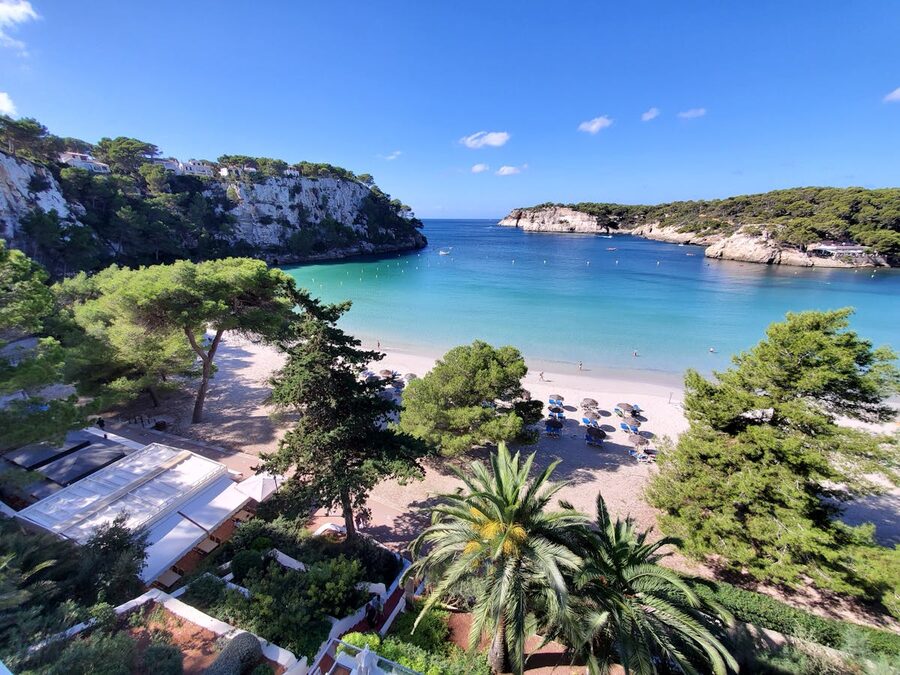
The short answer: the south coast calas are some of the best beaches in the Mediterranean, and many of them are hard to reach by land. No roads, no car parks, just a hiking trail (the Cami de Cavalls, a 185km path that circles the entire island — originally built to watch for pirate attacks) and the sea.
A boat lets you hit four or five of these calas in a single day. By foot you’d manage two, maybe three, and you’d be walking in 35-degree heat with all your gear.
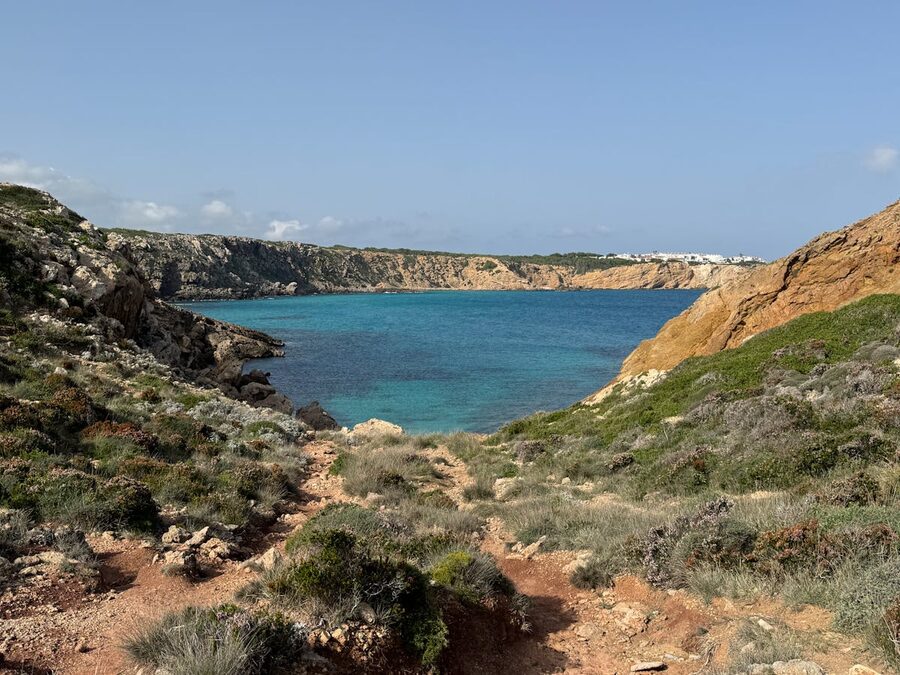
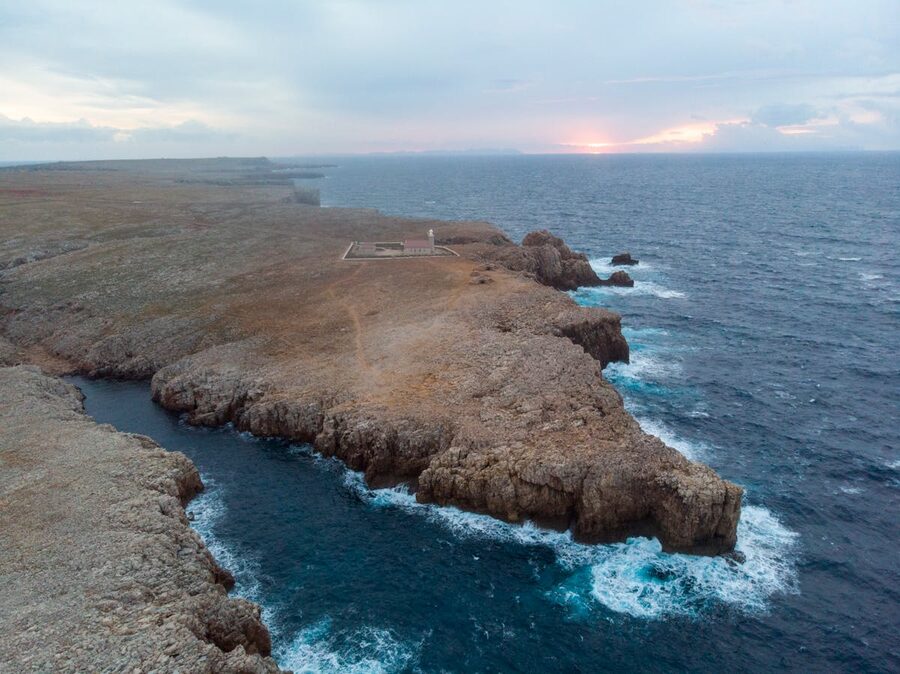
The north coast is a different story. It’s wilder, windier, with red-rock cliffs and darker sand. Fewer travelers go there, which makes it better for kayaking. The marine reserves along the north shore have some of the clearest snorkeling water I’ve found anywhere in Spain.
How Boat Trips in Menorca Work
Most boat trips depart from one of two harbours: Ciutadella on the west coast (for south coast cala tours) or Fornells on the north coast (for catamaran and kayak trips).
Booking: Book online at least 2-3 days ahead in July and August. The most popular south coast tours sell out by mid-morning for the following day. Outside peak season (June and September), you can usually book the day before.
Duration: Half-day trips run about 3-4 hours. Full-day trips run 6-7 hours and typically include a meal on board or a long beach stop with time to eat. I’d recommend the full day if it’s your only boat trip — three hours goes fast when you’re swimming at every cala.
What to bring: Reef shoes if you have them (rocky entries at most calas), sunscreen, a towel, and cash for the onboard bar if the tour includes one. Most boats have shade, but it’s limited.
The 3 Best Menorca Boat Trips
These are the three tours I’d recommend based on what I’ve tried and what the booking data shows. Each covers a different style of trip — a full-day south coast cruise, a half-day paddle-and-snorkel combo, and a premium catamaran afternoon.
1. Coves and Beaches Boat Trip with Paella — $47
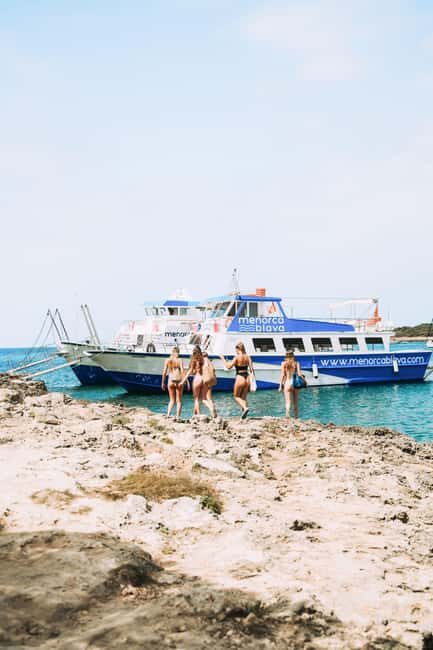
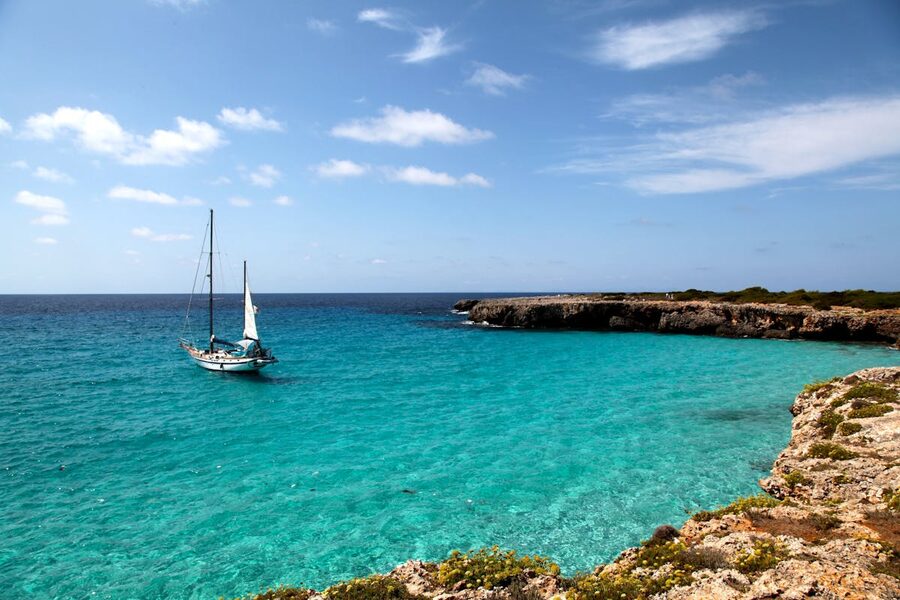
This is the one most people book, and honestly it’s hard to argue with the value. You cruise the entire south coast out of Ciutadella, stopping at Cala Macarella, Macarelleta, Cala Turqueta, and Son Saura — the four calas that make every “best beaches in Spain” list. Add paella on board for a small extra charge. The route takes 3.5 to 7 hours depending on which option you pick, and our full review breaks down exactly what each timing option includes. At $47 per person for a full day on the water with swimming at four separate beaches, this is one of the best-value boat trips in the Balearics.
2. Kayak and Marine Reserve Snorkeling Adventure — $46
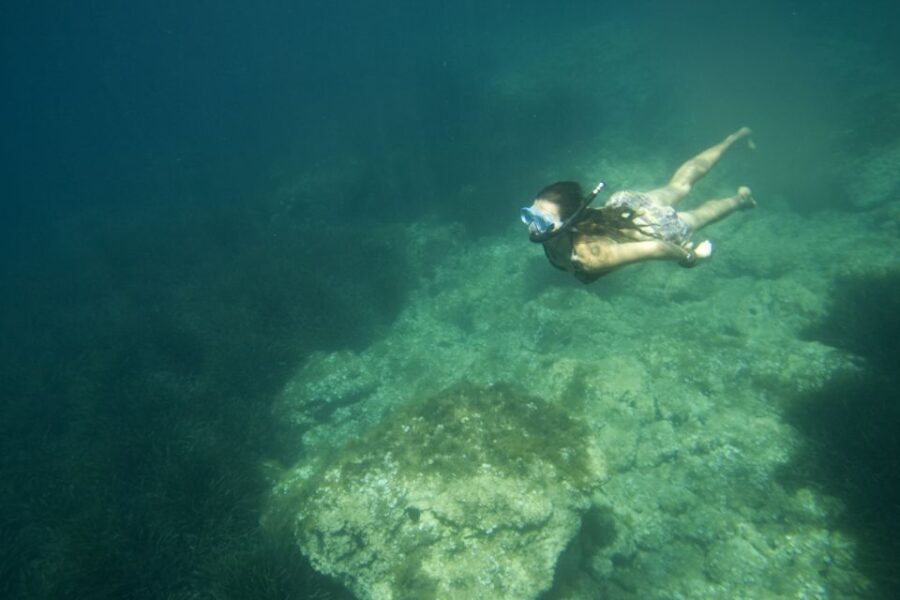
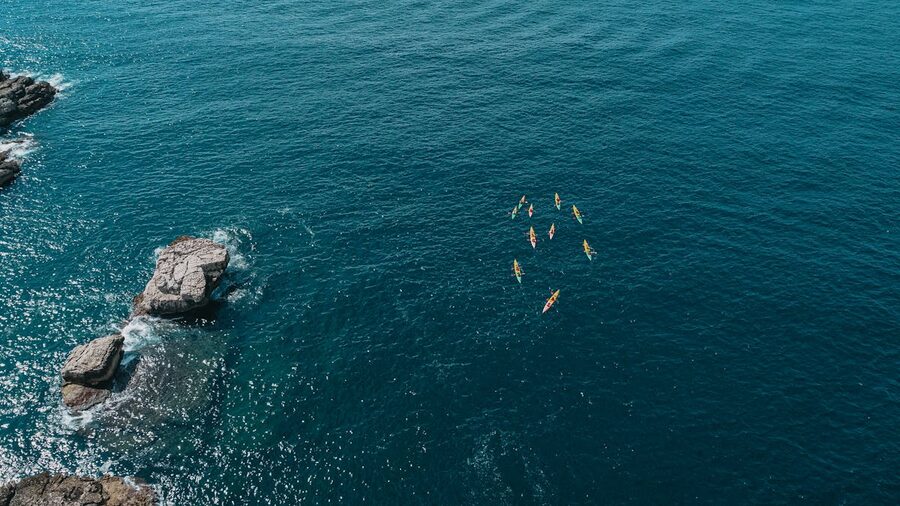
If sitting on a boat isn’t active enough for you, this is the alternative. You paddle along the rugged north coast, past towering cliffs and through sea caves, then stop to snorkel in a protected marine reserve where the fish are genuinely abundant. The route ends at an untouched beach that can only be reached by water or a long hike. It runs about three hours and the guides are good at matching the pace to your fitness level. Our full review covers the experience and what to expect from the snorkeling. This is the trip I’d pick if you want to actually do something rather than just float.
3. Fornells Catamaran Trip with Snorkeling — $88
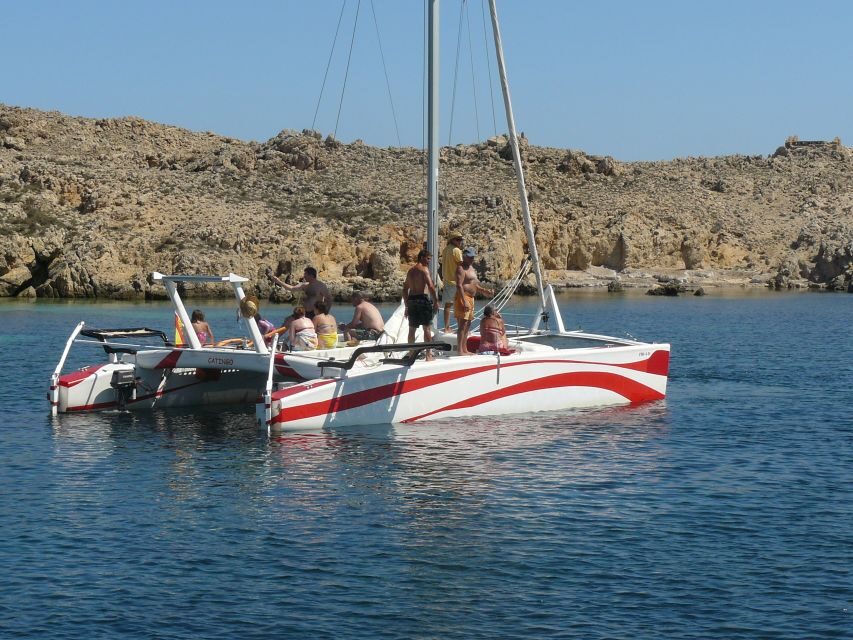
This is the premium option. You board a catamaran in Fornells — one of the prettiest fishing villages on the island — and cruise the north coast for three hours with food, drinks, and snorkeling gear all included. The group size is smaller than the big south coast boats, and Fornells Bay itself is sheltered enough that the ride is smooth even on windy days. Our review of this catamaran trip goes into detail on the onboard catering and snorkeling spots. At $88, it’s almost double the coves tour, but you’re paying for a different kind of day — less hopping between beaches, more lounging on a catamaran with a drink in your hand.
South Coast vs North Coast: Which to Choose
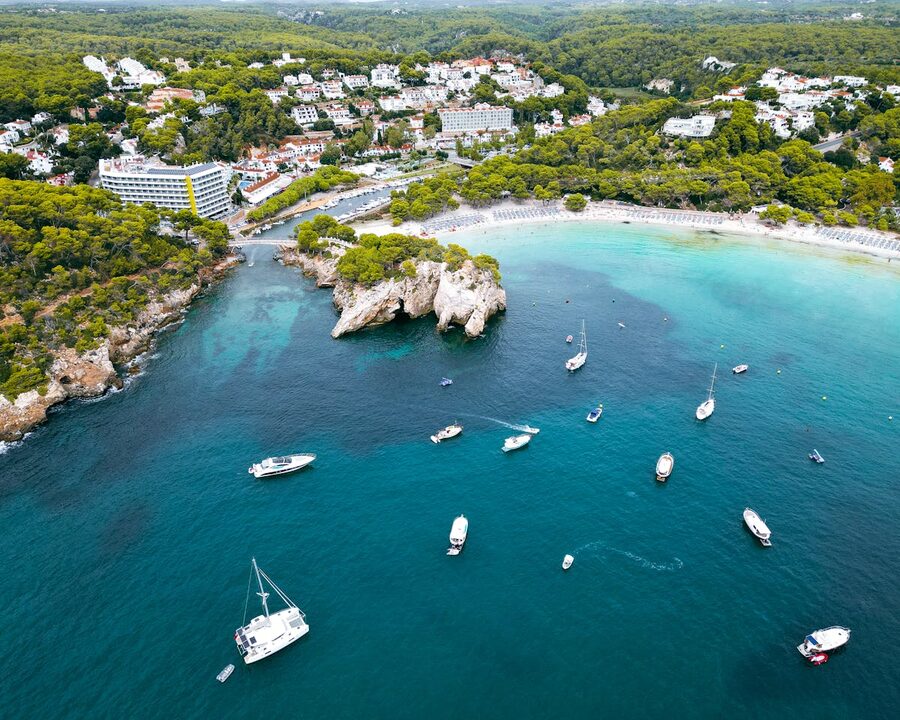
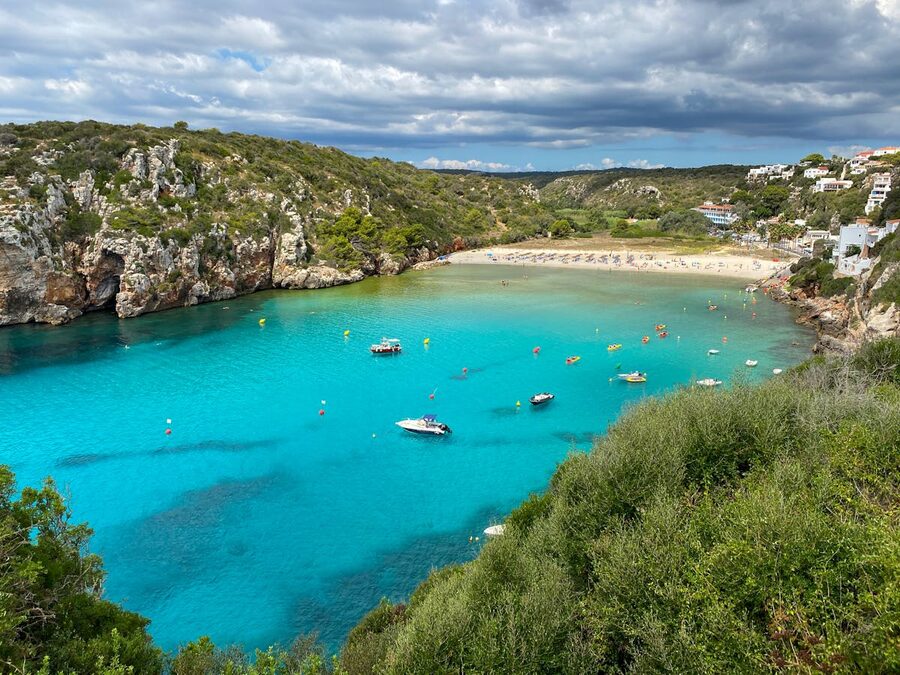
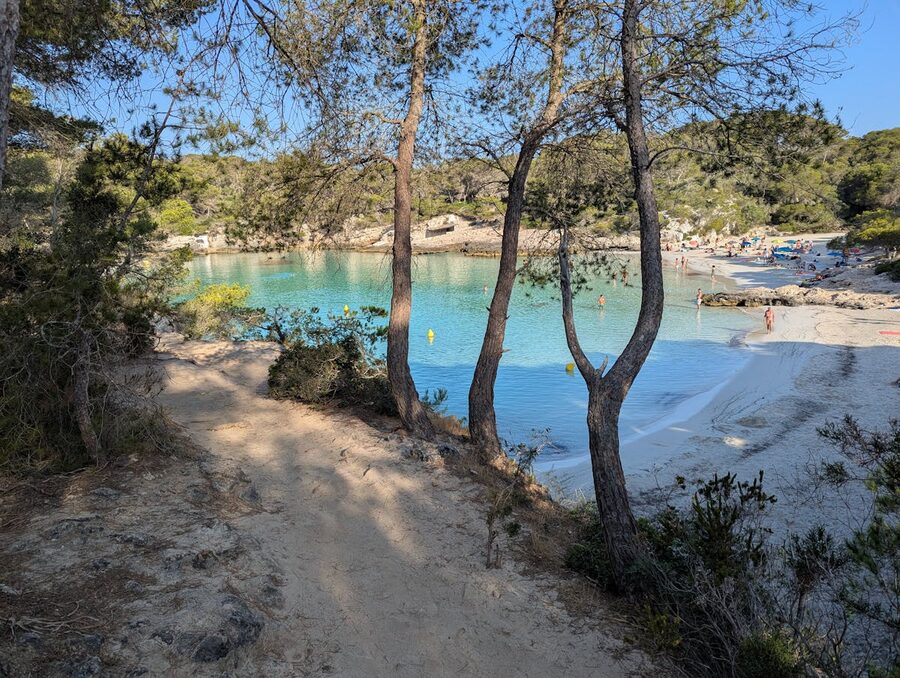
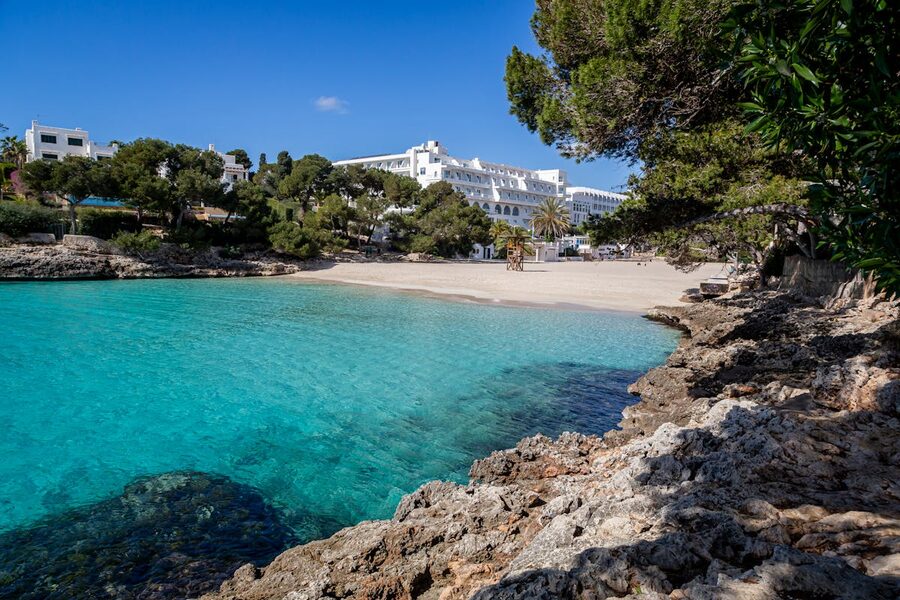
The south coast is where the famous calas are. White sand, turquoise water, pine-fringed cliffs. This is what you’ve seen in every Menorca travel photo. Boat trips here are the classic Balearic experience — swimming, sunbathing, maybe paella on deck.
The north coast is wilder. Red-rock cliffs, stronger winds, rougher seas. The sand is darker and the beaches are often empty. This is where the marine reserves are, and where the kayaking and snorkeling tours operate. Less Instagram, more adventure.
My take: If this is your first visit, do a south coast boat trip. It’s the essential Menorca experience. If you’ve seen the south and want something different — or if you’re the type who’d rather paddle than sit — the north coast kayak tours are brilliant.
The Best Calas You’ll Visit by Boat
Not all calas are equal. Here’s a quick guide to the ones that appear on most boat tour itineraries along the south coast:
Cala Macarella and Macarelleta — The star attraction. Macarella is the larger beach with a small chiringuito (beach bar). Walk five minutes over the rocks and you reach Macarelleta, which is smaller, more secluded, and clothing-optional. Both have that absurd turquoise water.
Cala Turqueta — The name says it all. This is probably the most photographed cala in Menorca. By land it’s a 20-minute walk from the nearest car park. By boat, you anchor and swim straight in.
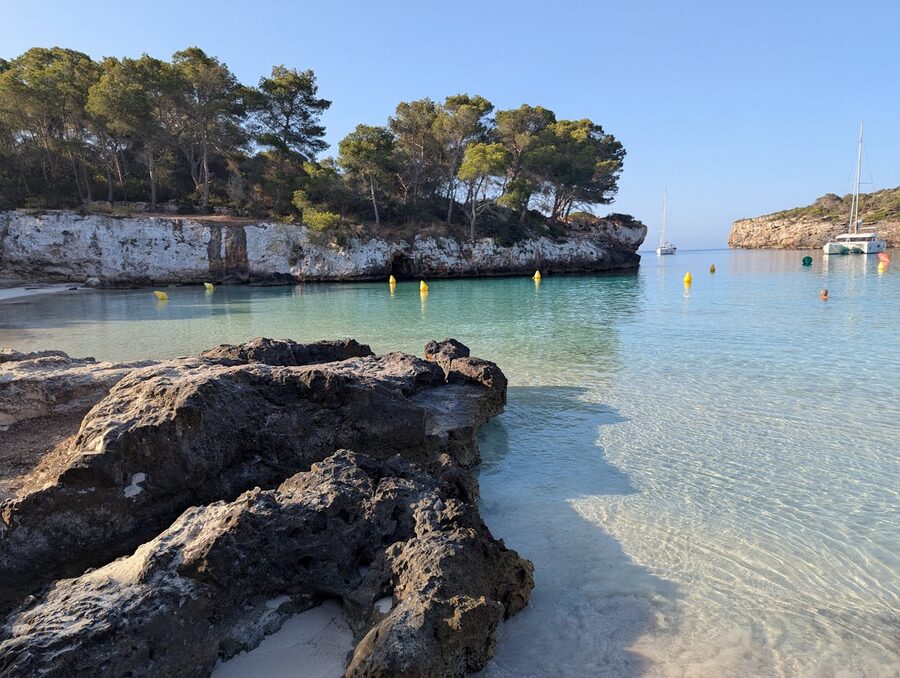
Son Saura — A wider beach with more space to spread out. If you’ve done two calas already and just want to lie down, this is the one. Two separate bays side by side.
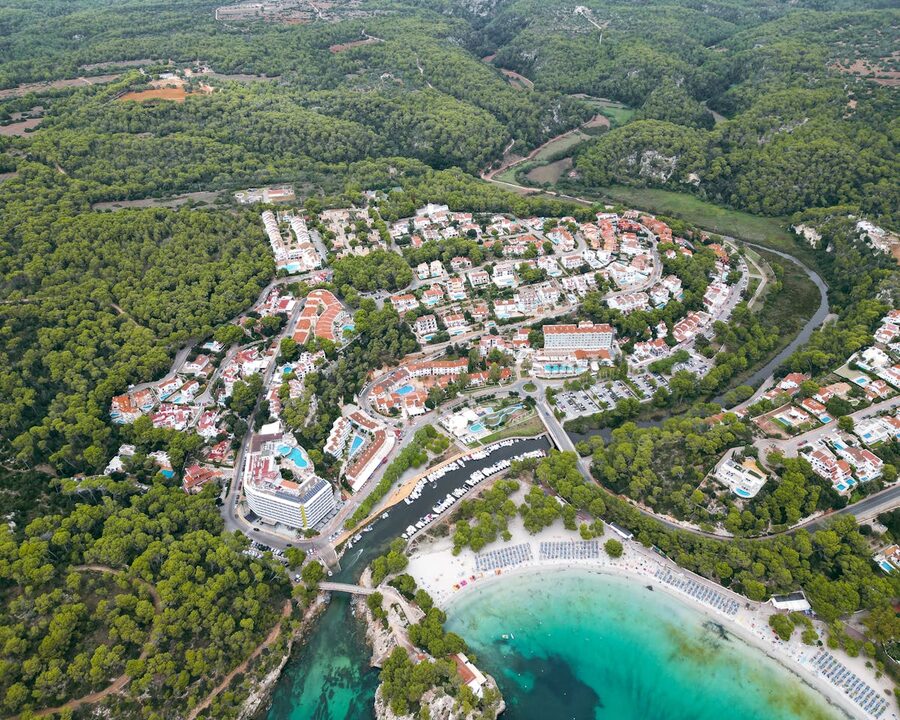
Cala Galdana — The most developed cala on the south coast, which isn’t saying much by Mallorca standards. There are a couple of restaurants and a hotel on the hillside. It’s a good spot if you want to grab a proper lunch during a full-day tour.
When to Book Your Menorca Boat Trip
Peak season (July-August): Everything runs, everything’s busy. Book 3+ days ahead. Water temperature is perfect (25-27°C). Downside: the most popular calas get crowded by midday, even by boat.
Shoulder season (June, September): My favourite time. Fewer boats, warm enough to swim all day, and you might get a cala to yourself in the morning. Most operators still run daily.
Off-season (October-May): Limited boat trips. Some kayak operators run year-round if the weather cooperates. The island is beautiful but cold for swimming.
Getting to the Departure Points
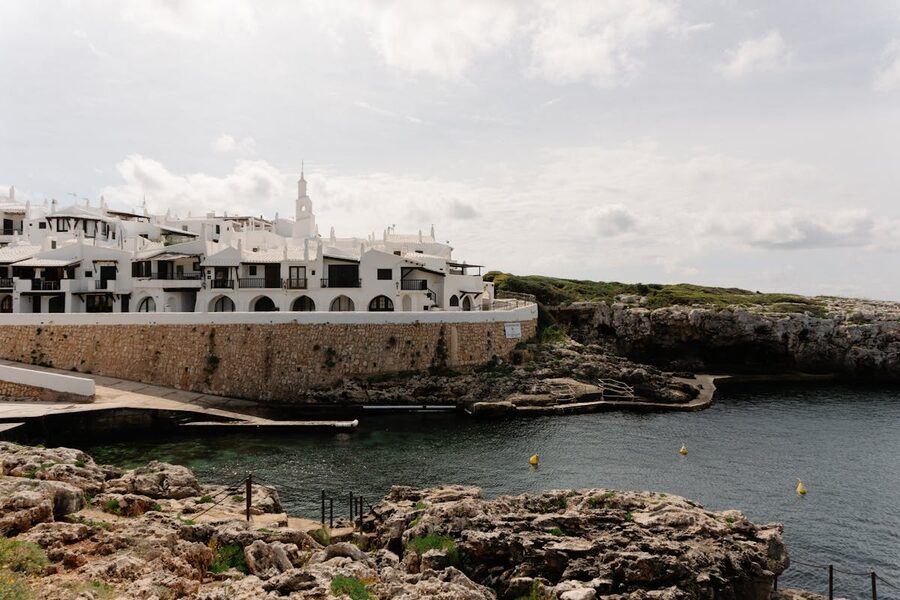
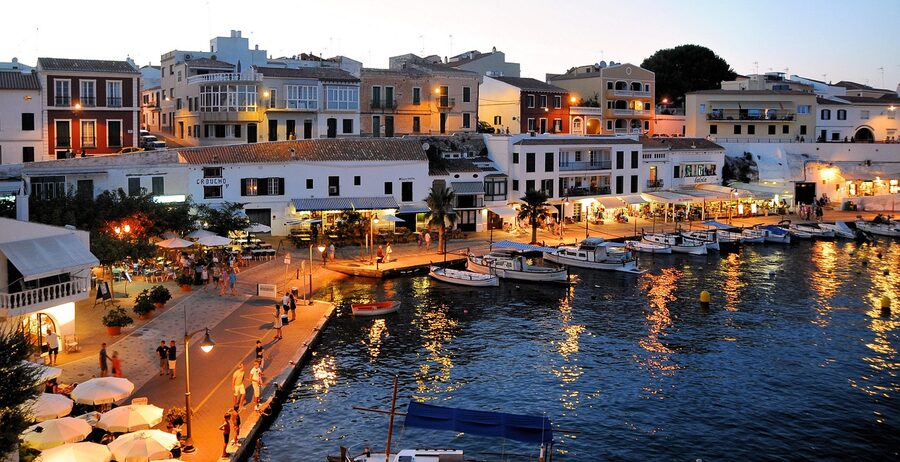
Ciutadella (south coast trips): On the western end of the island. If you’re staying in Mahon (the capital, on the eastern end), it’s a 45-minute drive or a regular bus service. Most rental cars are cheap here — about 25-30 euros a day.
Fornells (north coast trips): A small fishing village on the north coast, about 30 minutes from Mahon. The village itself is worth visiting for lunch — it’s famous for caldereta de langosta (lobster stew), which is expensive but genuinely one of the best seafood dishes I’ve had in Spain.
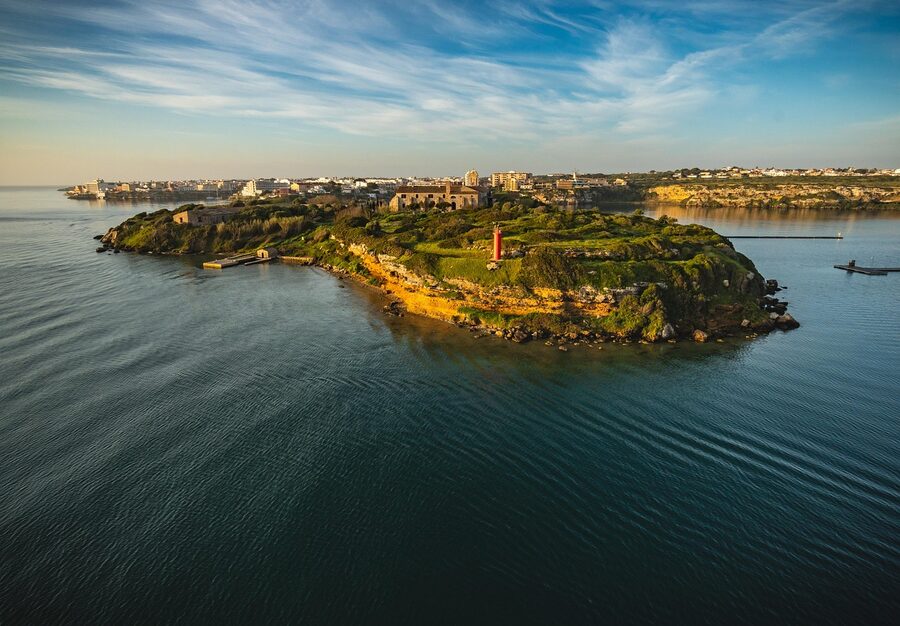
Mahon harbour: A few tours also depart from Mahon itself. The harbour here is one of the largest natural harbours in the Mediterranean — the British built it up during their 18th-century control of the island. They also introduced gin production, and Xoriguer distillery still makes gin in Mahon today.
A Brief History of Menorca (and Why It Matters for Your Boat Trip)
You’ll see more from a boat than you’d expect. The coastline tells a story that goes back over 3,000 years.
The Talayotic culture (roughly 1000-300 BC) built stone towers called talayots and T-shaped stone tables called taules across the island — over 1,500 archaeological sites on an island of just 700 square kilometres. That’s the highest concentration of prehistoric monuments anywhere in Europe. From a boat along the south coast, you can spot some of these sites sitting on clifftops above the calas.
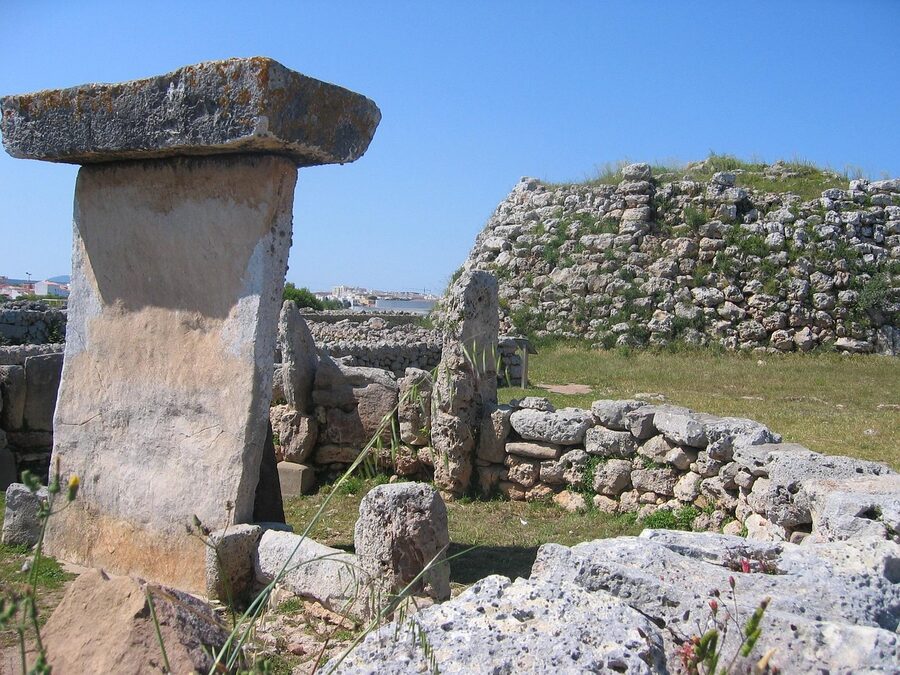
The Naveta d’Es Tudons — the oldest roofed building in Europe, built around 1000 BC — sits just outside Ciutadella. It’s shaped like an upturned boat, which ancient Menorcans used as a communal burial chamber. Worth a quick stop if you’re driving to your boat trip departure point.
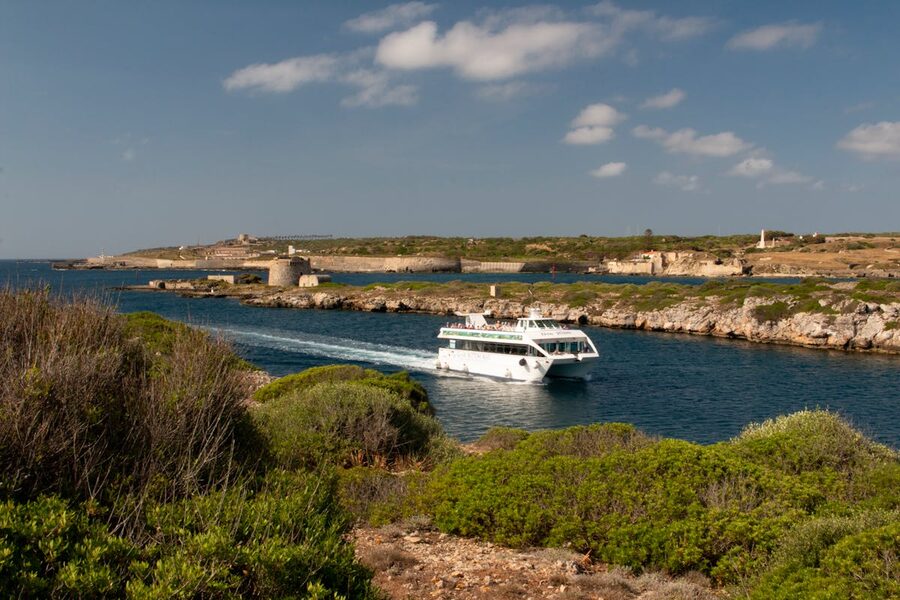
The British occupied Menorca for most of the 18th century (1708-1802, with a couple of French interruptions). They built up the harbour at Mahon, introduced sash windows to the local architecture, and started gin production on the island. The defence towers you’ll pass on boat trips — those squat stone watchtowers on every headland — date mostly from this period.

What the Boat Trips Actually Include
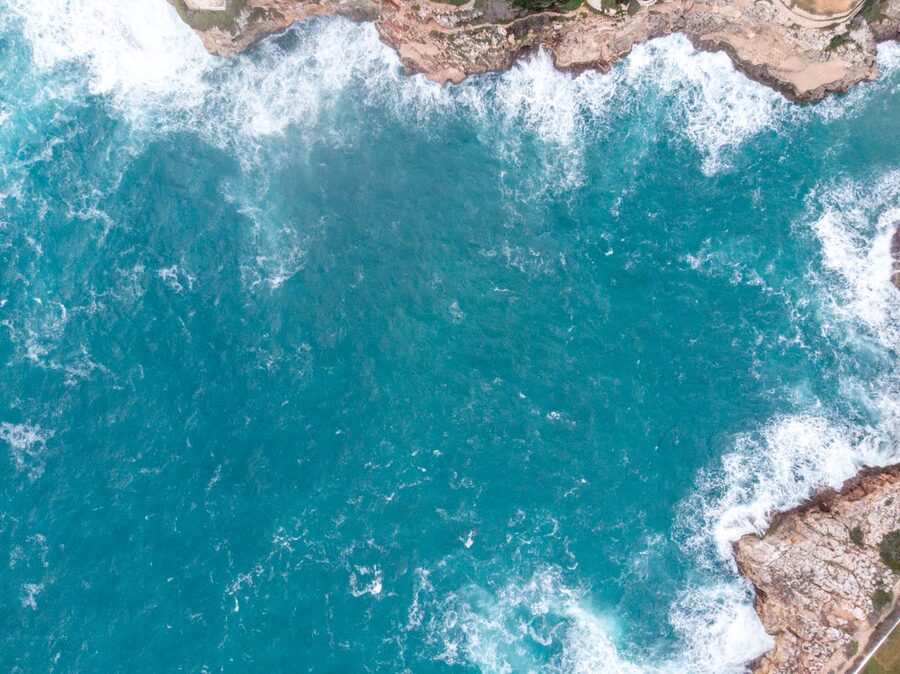
The south coast boat trips (like the Coves and Beaches tour) typically include 3-5 swimming stops, snorkeling gear on some boats, and a skipper who doubles as a local guide. The paella option costs a few euros extra and is cooked on board — it’s simple but good, and eating on a gently rocking boat in a cala is one of those meals you remember.
The catamaran trips out of Fornells are more all-inclusive. Food and drinks come with the ticket, snorkeling gear is standard, and the nets at the front of the catamaran are the best place to lie down between stops. The trade-off is a higher price and shorter route.
Kayak tours include the kayak, paddle, life vest, dry bag for your phone, and snorkeling gear. Guides lead the group and adjust the pace based on conditions. You’ll paddle about 5-8km depending on wind and currents.
Eating on the Island: Pair Your Boat Trip with Local Food
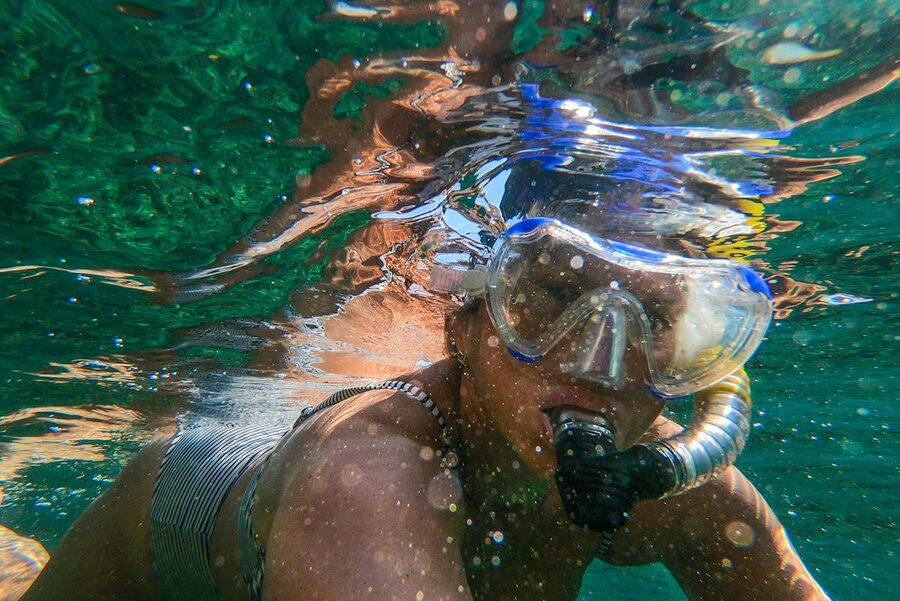
You’ll work up an appetite on the water. Menorca has its own food identity that’s quite different from mainland Spain. The dish you need to try is caldereta de langosta — lobster stew that’s been cooked in Fornells for centuries. It’s expensive (40-60 euros per person at most restaurants) but it’s the kind of dish that justifies a holiday. Fornells is the traditional home of the dish, so if you’re doing a catamaran trip from there, arrive early and eat first.
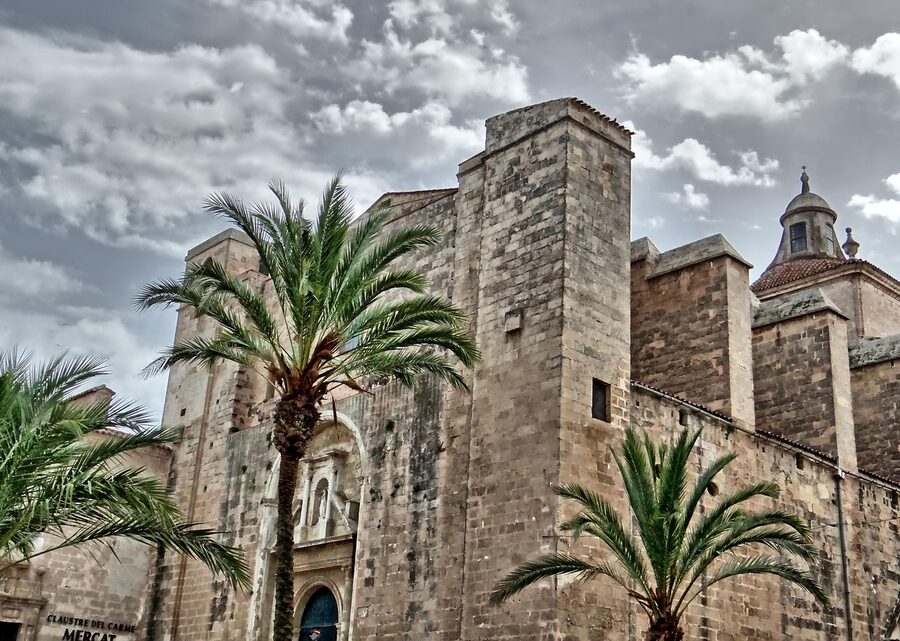
In Ciutadella, the harbour restaurants serve excellent fresh fish at more reasonable prices. The market hall (Mercat del Peix) is worth a morning visit. And if you’re around in the evening, the pomada — a local gin-and-lemonade cocktail made with Xoriguer gin — is the island’s signature drink. The British brought gin to Menorca in the 18th century, and the islanders never stopped making it.
Practical Tips
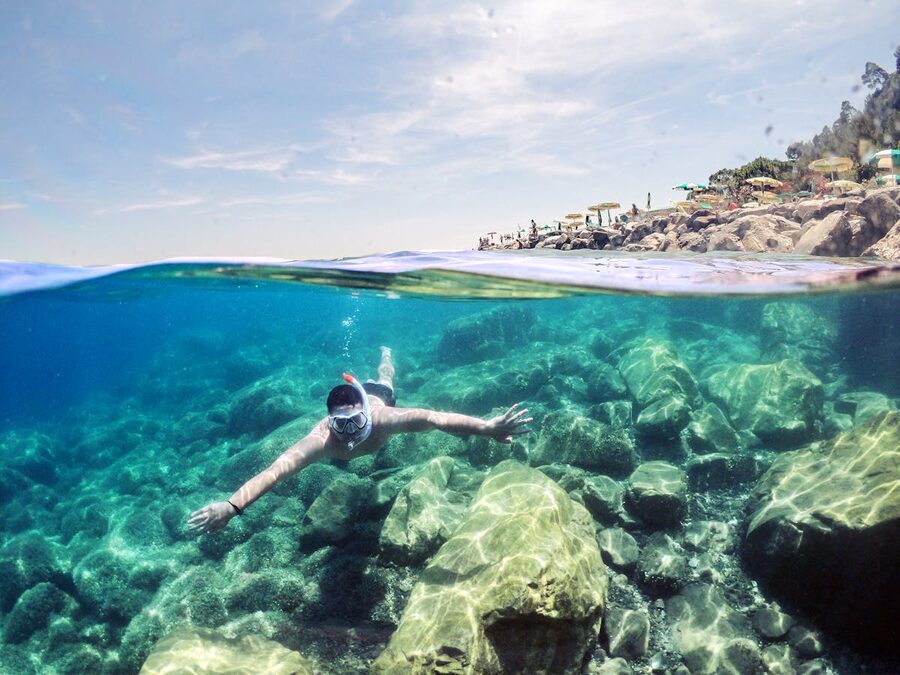
- Bring reef shoes. Almost every cala has a rocky entry. You can swim in barefoot if you’re careful, but reef shoes make the first few steps much easier.
- Sunscreen goes on before boarding. Once you’re on a moving boat, applying sunscreen is a mess. Put it on at the harbour.
- Motion sickness: The south coast is sheltered and usually calm. The north coast can be choppy, especially in the afternoon when the tramuntana wind picks up. If you’re prone to seasickness, pick a morning departure or stick to the south.
- Cash for extras. Some boats have a bar on board. Paella upgrades are usually paid in cash at the harbour before departure.
- Swimming ability: You will be swimming from the boat to the beach at every stop. If you’re not a confident swimmer, mention this when booking — most operators have life vests available.
Beyond the Boat: What Else to Do on Menorca
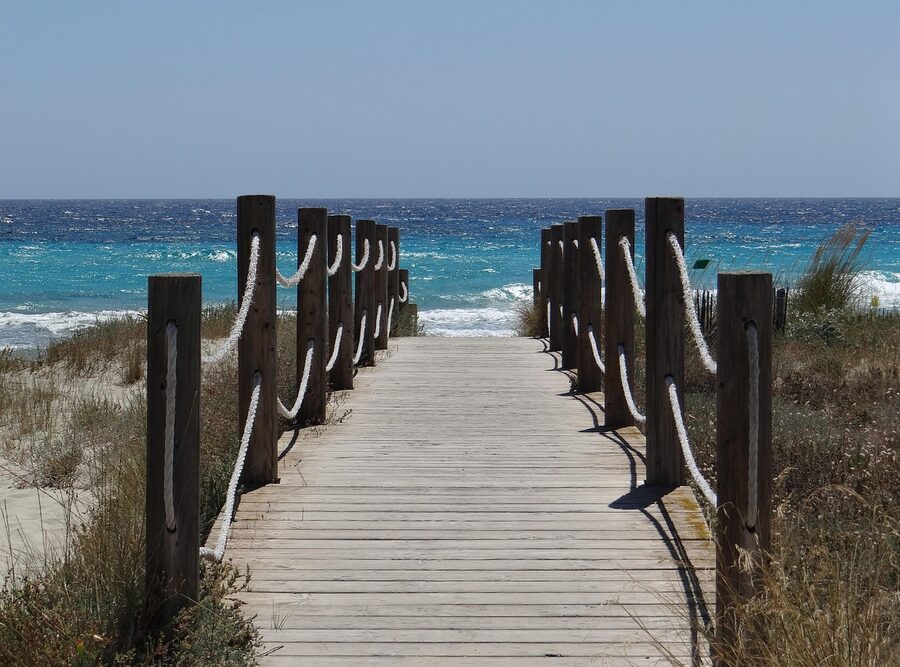
If you’ve done a boat trip and want more of the island, Menorca rewards slow exploration. The Mallorca island tour gets recommended constantly, but Menorca’s version is quieter and arguably more interesting — the interior is dotted with stone-walled farms, hilltop villages, and those prehistoric talayot sites around every corner. If you’re island-hopping through the Balearics, booking a boat from Ibiza to Formentera is another brilliant day on the water — different vibe, flatter landscape, but the same absurd water clarity. And if you’re staying in Mallorca instead, the Mallorca catamaran cruises cover similar coastline but with bigger boats and more of a party atmosphere. For something underground rather than on the water, the Caves of Drach in Mallorca pair well with a boat day — the cave system has an underground lake that makes the turquoise calas look ordinary by comparison.
This article contains affiliate links. If you book through our links, we earn a small commission at no extra cost to you. This helps us keep producing free travel guides.