

The guitarist hit a chord so hard I felt it in my sternum. I was sitting maybe four feet from the stage — close enough to see the sweat on the dancer’s forehead, close enough to hear the individual nails in her shoes striking the wood beneath her. She was not performing for us. She was performing at us.
That is flamenco in Madrid. Not the sanitized version you see on postcards. The real thing — raw, confrontational, and so emotionally intense that you forget you are sitting in a basement in the middle of a Spanish capital city.
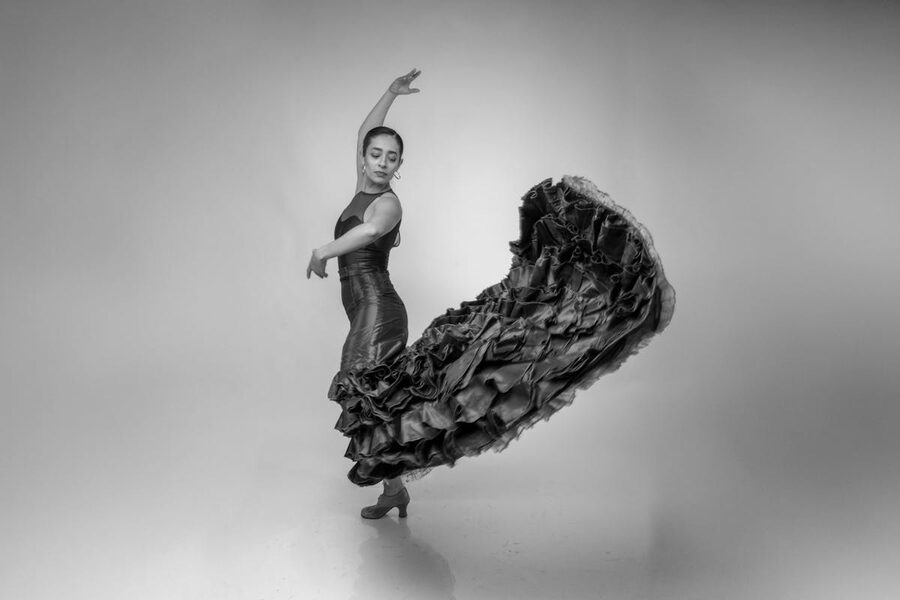
Madrid has been the commercial heart of flamenco since the 1950s, when the first tablaos opened in converted tavern basements. UNESCO inscribed flamenco as Intangible Cultural Heritage in 2010, and for good reason — there is nothing else like it anywhere in the world. But booking the right show matters more than most visitors realize. The difference between a great flamenco night and a forgettable one comes down to the venue, the seating, and knowing which shows to avoid.
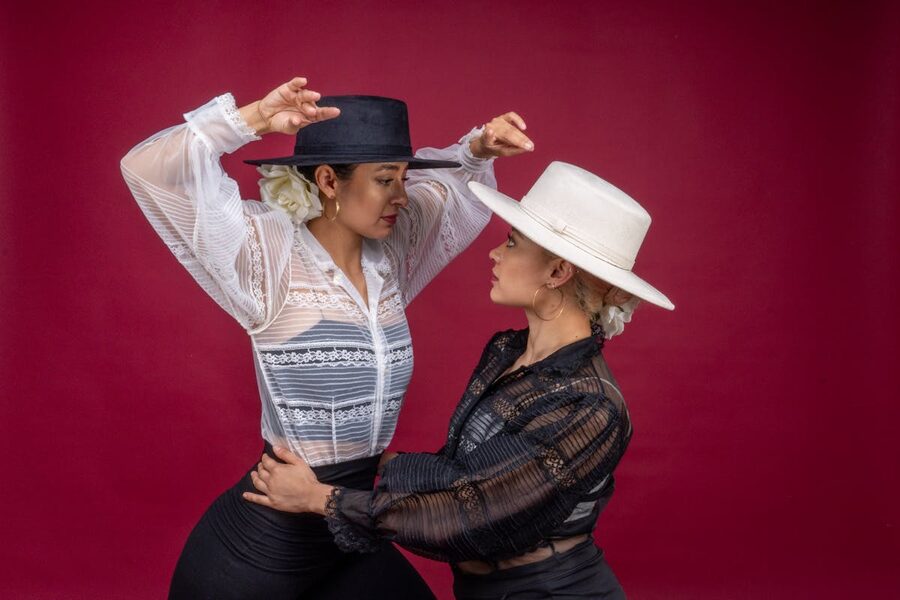
Best overall: Emociones at Teatro Flamenco Madrid — $34. The most popular flamenco show in the city, and for good reason. Intimate stage, world-class performers, pure flamenco without the dinner-show filler.
Best with dinner: Corral de la Moreria — $60. Madrid’s most legendary tablao, open since 1956. The optional dinner turns it into a full evening, and the performer roster reads like a flamenco hall of fame.
Best budget: Torres Bermejas — $29. A solid show in a Moorish-styled room that includes tapas in the ticket price — hard to beat for value.
- What Makes Madrid’s Flamenco Scene Different
- Tourist Tablaos vs. Intimate Venues — Which Should You Book?
- The Best Flamenco Shows to Book in Madrid
- 1. Emociones at Teatro Flamenco Madrid —
- 2. Corral de la Moreria —
- 3. Torres Bermejas —
- When to See Flamenco in Madrid
- How to Get to Madrid’s Flamenco Venues
- Tips That Will Save You Time and Money
- What You Will Actually See at a Flamenco Show
- A Brief History of Flamenco for the Curious
- More Madrid Guides
What Makes Madrid’s Flamenco Scene Different
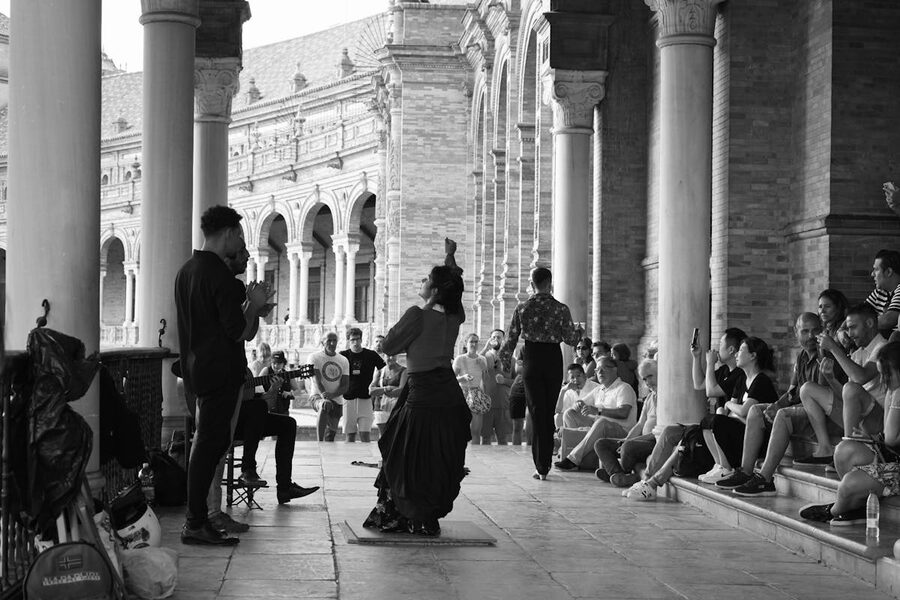
Flamenco did not start in Madrid. It grew out of the Romani communities in Andalusia — Seville, Cadiz, Jerez de la Frontera — and for centuries it stayed there, passed down through families in private gatherings called juergas. But in the 19th century, the cafe cantante scene brought flamenco to Madrid’s stages for the first time. Suddenly, what had been a deeply personal and communal art form became public entertainment.
The tablao format — the one you will book for your trip — was essentially invented in Madrid in the 1950s. Venue owners converted basements and backrooms into intimate performance spaces where audiences sat close to a small wooden stage. The concept worked because proximity is the whole point. Flamenco is built on three elements: cante (song), baile (dance), and toque (guitar). In a tablao, you are close enough to hear the singer’s breath between verses, to see the guitarist’s fingers blur on the fretboard, to feel the vibration of the dancer’s footwork through your chair.
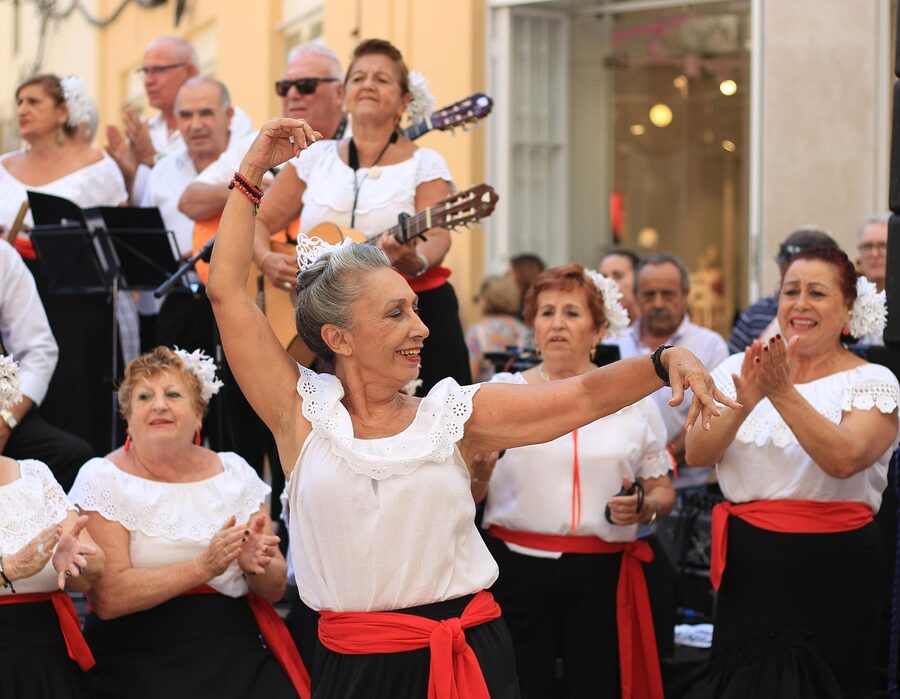
Madrid’s scene today splits roughly into two camps. The tourist tablaos are polished, choreographed, and reliably entertaining — great shows with professional dancers, fixed schedules, and online booking. Then there are the intimate venues and penas flamencas (flamenco clubs) where the shows are more spontaneous, the performers take bigger risks, and you might catch something genuinely transcendent. Both have their place. For a first flamenco experience, the established tablaos are the smart choice — the quality is consistent, the seating is guaranteed, and you will not accidentally end up at a mediocre bar show.
Tourist Tablaos vs. Intimate Venues — Which Should You Book?
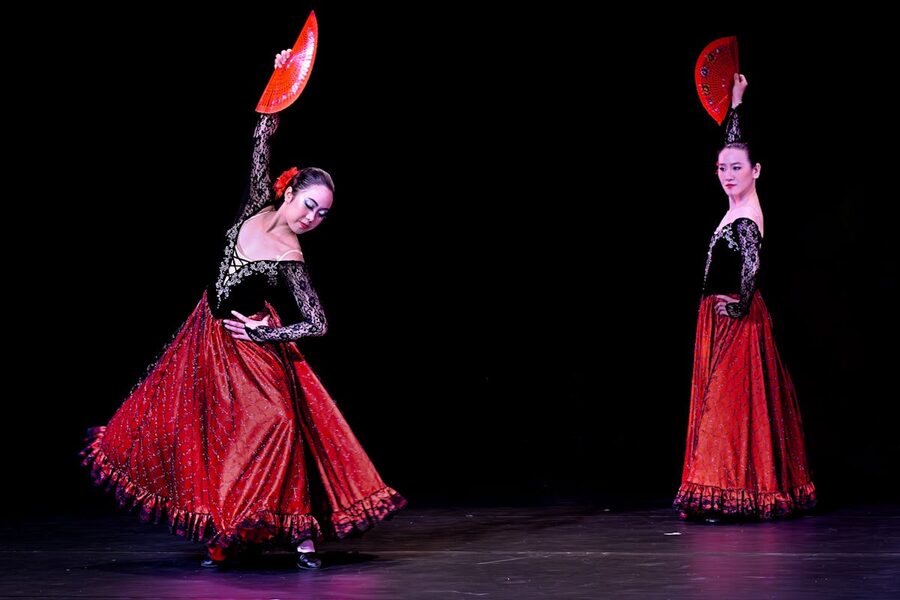
This is the question every visitor faces, and the honest answer is: it depends on what you want from the night.
Tourist tablaos (Emociones, Torres Bermejas, Corral de la Moreria) give you a guaranteed high-quality performance with professional dancers, a set schedule, reserved seating, and usually a drink or food option. You know exactly what you are getting. The performers are top-tier — these are not B-list shows. The trade-off is that the set list is rehearsed, and the room is designed for travelers.
Intimate venues and penas are where the flamenco is raw and unpredictable. Shows might start late. The singer might go off-script into ten minutes of cante jondo that leaves the room silent. The dancer might respond to the guitarist with improvised footwork that was not part of the plan. This is where flamenco purists go. The trade-off is inconsistency — some nights are forgettable, and finding these places requires local knowledge or Spanish-language research.
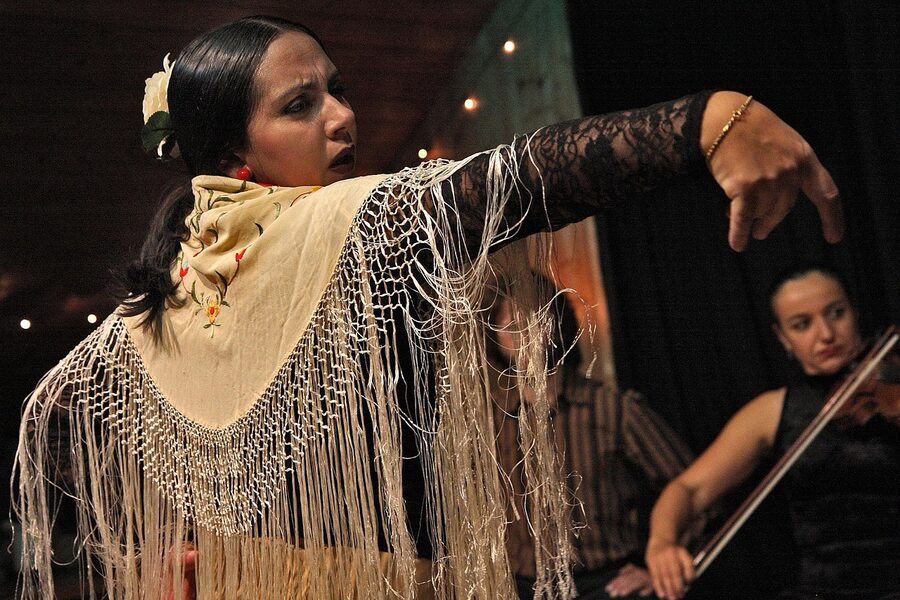
My advice: Book a tablao for your first flamenco experience. If you fall in love with it (and you probably will), spend an evening exploring the bars in Lavapies or La Latina where impromptu flamenco happens after midnight. Do the polished show first, then chase the real thing.
The Best Flamenco Shows to Book in Madrid
I have narrowed Madrid’s flamenco options down to three that are worth your money, based on the venue, the performer quality, and what you actually get for the ticket price. Each one offers a different kind of evening, so read through before you pick.
1. Emociones at Teatro Flamenco Madrid — $34
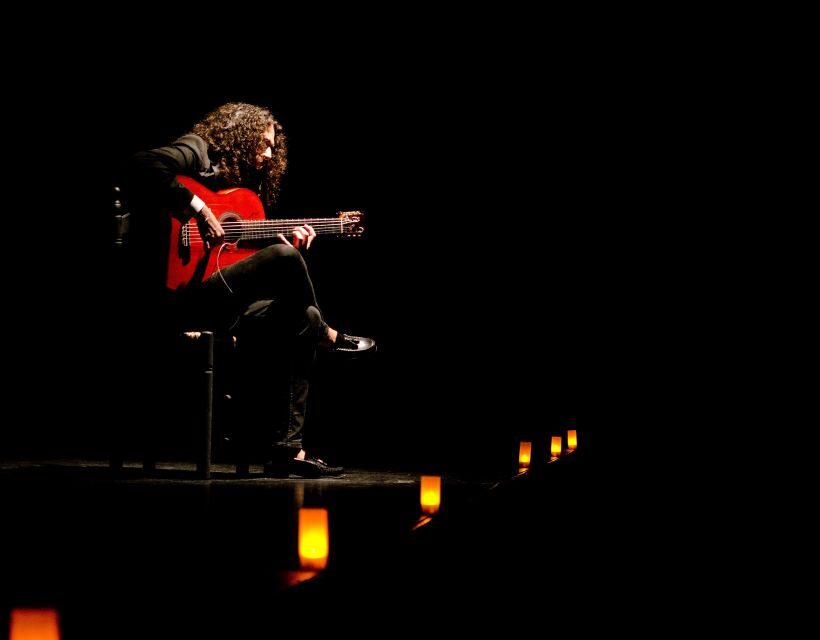
This is the one I would book if I could only see one flamenco show in Madrid. Emociones at Teatro Flamenco Madrid is a pure flamenco performance — no dinner gimmick, no tourist padding, just cante, baile, and toque in an intimate theater setting. At $34 per person, it is priced lower than most tablao-and-dinner packages, and the quality of the performers punches well above that price point.
The theater is small enough that there is no bad seat. You are close to the stage no matter where you sit, and the acoustics mean you hear everything — the breath, the stamps, the guitar strings being worked hard. It is the kind of show where you walk out with your ears ringing slightly and your pulse still elevated. A welcome drink is included, and you get a full choice of drinks, not a limited menu.
Emociones is by far the most popular flamenco show in Madrid, and availability can be tight during peak season. Book at least a few days ahead, especially for weekend performances.
2. Corral de la Moreria — $60

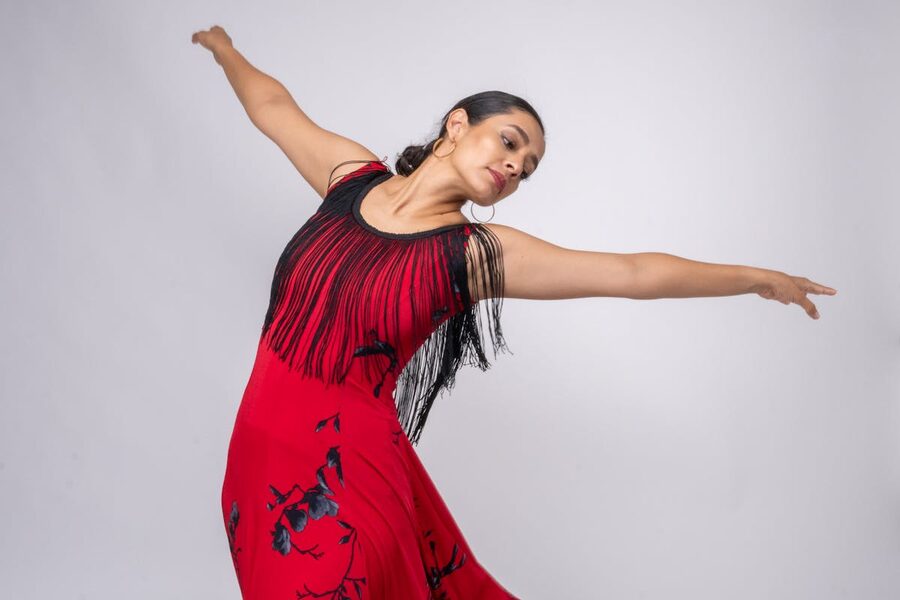
If Emociones is the best pure-flamenco experience, Corral de la Moreria is where you go for the full evening. This place has been running since 1956 — it is not just a tablao, it is part of Madrid’s cultural DNA. The dancer roster at Corral de la Moreria reads like a who’s who of flamenco. The venue books established artists, not young hopefuls, and the quality shows.
At $60 per person, the show-only ticket is more expensive than Emociones, but the optional dinner package turns it into a three-hour evening with traditional Spanish food and wine before the performance starts. The dinner is solid — not the main event, but a good foundation for the night. The show itself runs about 75 minutes and is consistently excellent. The room is intimate, the lighting is theatrical, and the performers feed off the crowd in a way that bigger venues cannot replicate.
This is the one I would pick for a special occasion — an anniversary, a birthday, or simply a night where you want to feel like you are doing Madrid properly. Note that booking directly sometimes has limited availability, so going through a third-party platform can sometimes secure seats that the venue’s own site shows as sold out.
3. Torres Bermejas — $29
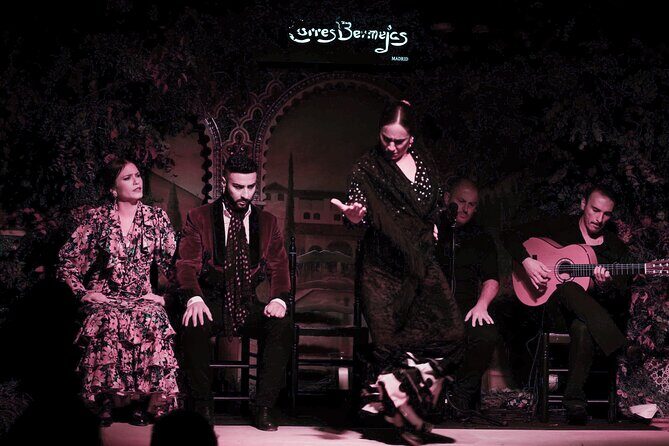
Torres Bermejas is the value play. At $29 per person, you get a one-hour flamenco show at Torres Bermejas with tapas included in the ticket price — that is hard to beat anywhere in Madrid. The venue itself is worth seeing even without the show: it is designed in a Moorish style inspired by the Alhambra, with carved arches, tiled walls, and atmospheric lighting that feels transported from Granada.
The performance is high-energy and well-produced. The dancing, singing, and guitar work are all professional quality. It runs shorter than the others — about an hour — and the show is more choreographed than improvised, which makes it a solid introduction if you have never seen flamenco before. One word of caution: the food option has mixed reviews. The show itself is the draw, so think of the tapas as a bonus rather than the reason to book. If you want a proper dinner, eat elsewhere first and come for the performance.
Torres Bermejas sits right off Gran Via, which makes it one of the easiest tablaos to reach. Walk out after the show and you are in the middle of Madrid’s nightlife.
When to See Flamenco in Madrid
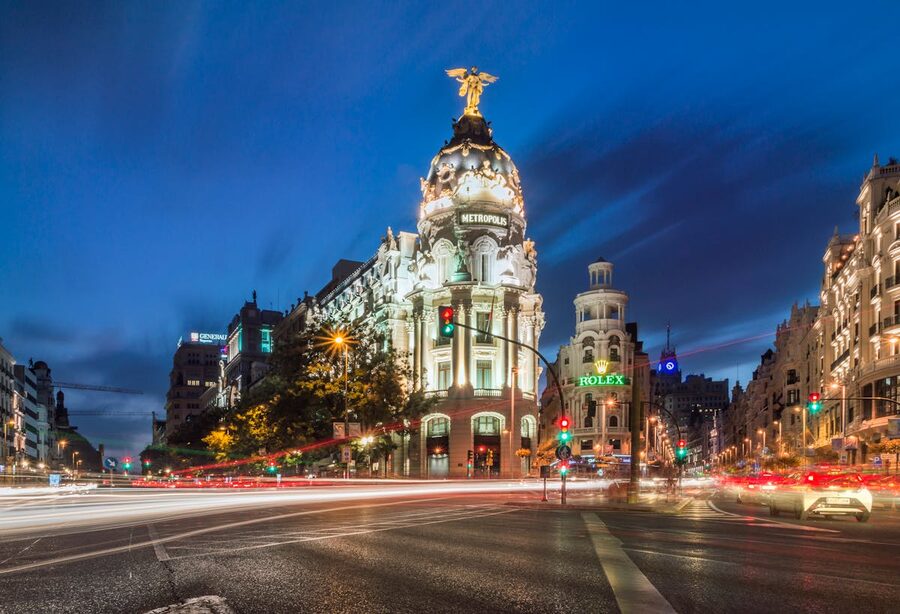
Flamenco shows run year-round in Madrid — this is not a seasonal thing. The tablaos operate nightly, and most offer multiple showtimes. Here is what you need to know about timing:
Best months: September through November and March through May. The weather is comfortable, the crowds are manageable, and you will have better availability for prime seating. Summer (June-August) is peak tourist season, and the most popular shows sell out days in advance.
Best showtimes: Most tablaos offer an early show (7-8pm) and a late show (9:30-10:30pm). The late shows tend to be better — the performers are warmed up, the audience is looser (probably a glass of wine deep), and the energy in the room is higher. If you are combining flamenco with dinner, do the early dinner at a restaurant, then catch the late show.
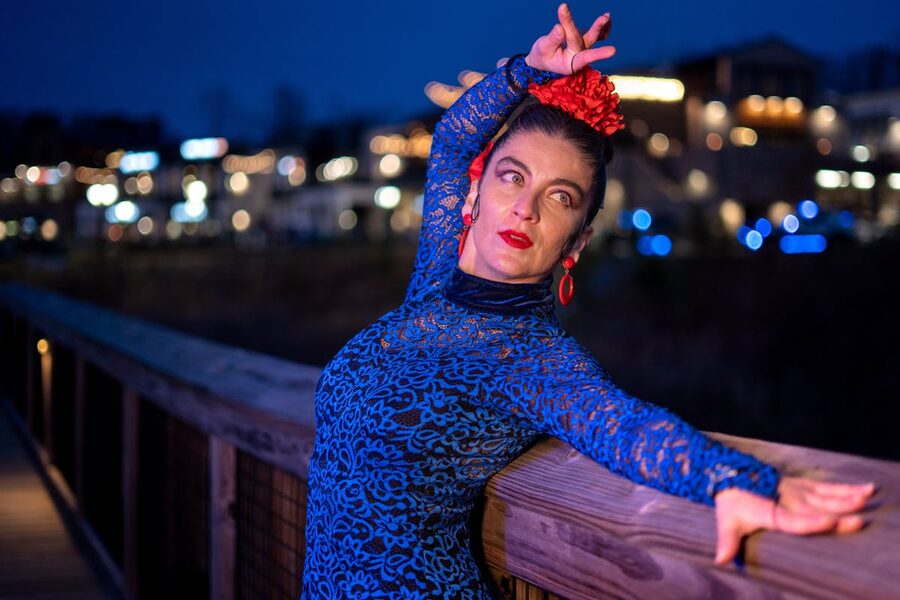
Day of the week: Thursday through Saturday nights are the busiest and typically have the strongest performer lineups. Tuesday and Wednesday shows are quieter — smaller crowds, which can actually be a plus in intimate venues where you want as few people between you and the stage as possible.
How far in advance to book: For Emociones and Corral de la Moreria, book at least 3-5 days ahead during spring and fall, and a full week ahead in summer. Torres Bermejas is easier to get into last-minute, but I would still book a day ahead to lock in your preferred showtime.
How to Get to Madrid’s Flamenco Venues
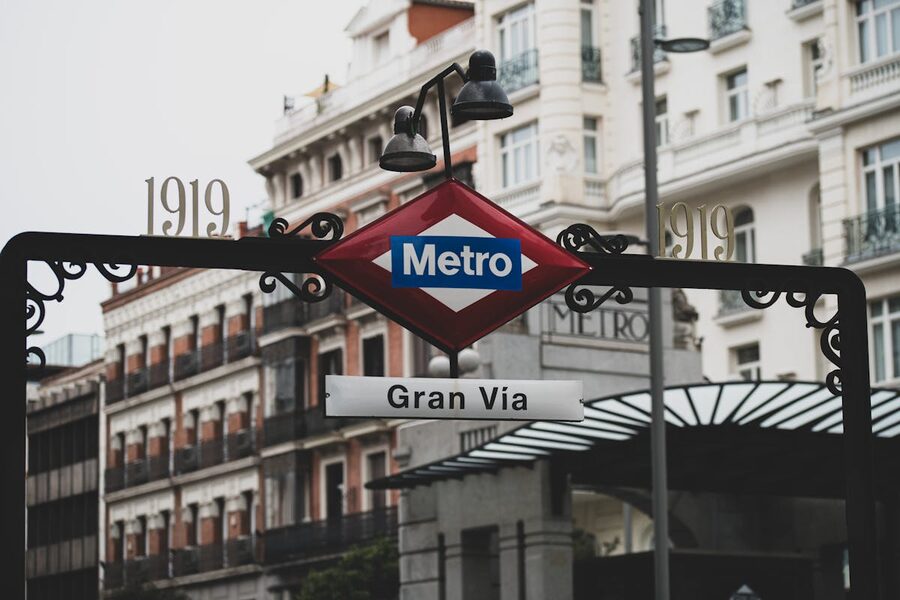
The good news: Madrid’s top flamenco venues are all in the center, easily reachable by Metro or on foot from most hotel zones.
Teatro Flamenco Madrid (Emociones): Located on Calle del Pez in Malasana. Metro: Noviciado (Line 2) or Gran Via (Lines 1 and 5), both a 5-minute walk. This is one of Madrid’s most walkable neighborhoods — you can combine the show with dinner in Malasana, which has some of the city’s best casual restaurants.
Corral de la Moreria: Calle de la Moreria, right next to the Viaduct in La Latina. Metro: La Latina (Line 5) or Opera (Lines 2 and 5). The area around Corral de la Moreria is packed with tapas bars, making it perfect for a pre-show tapas crawl through Madrid.
Torres Bermejas: Calle de Mesonero Romanos, just off Gran Via. Metro: Gran Via (Lines 1 and 5) or Callao (Lines 3 and 5). This is the most central of the three — step out the door and you are on Gran Via.
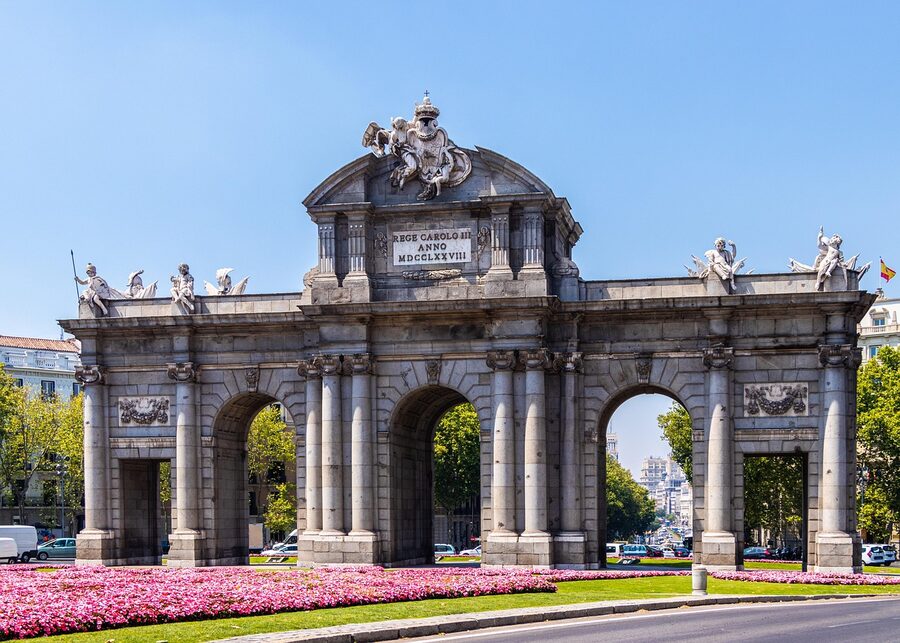
If you are staying in the Salamanca district or near Retiro Park, a taxi to any of these venues will run about 8-12 euros. But honestly, the walk from Sol to any tablao takes 10-15 minutes, and the streets are worth seeing on foot, especially at night.
Tips That Will Save You Time and Money
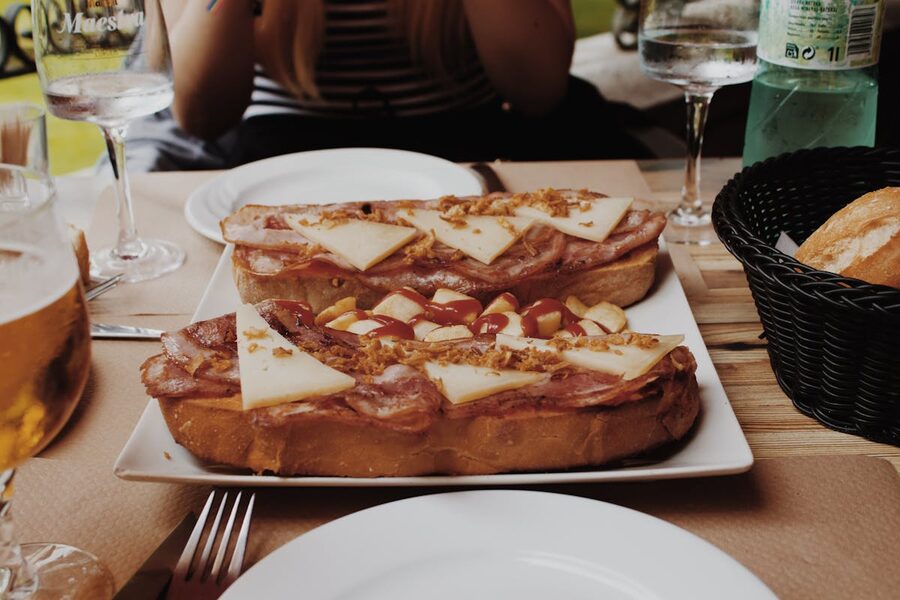
Book show-only, eat separately. The dinner-and-show packages at tablaos are convenient, but the food is rarely the highlight. You will eat better and cheaper at a nearby restaurant. The exception is Corral de la Moreria, where the dinner is decent enough to justify the package if you want an all-in-one evening.
Sit in the first three rows. This is not a concert where the back row is fine. Flamenco is designed to be experienced up close. If you can book front-row seats, do it. The price difference is usually 10-15 euros, and it is worth every cent. You will feel the floor vibrate under the dancer’s feet — that physical sensation changes the whole experience.
Arrive 15-20 minutes early. Tablaos have limited seating, and even with a reservation, early arrivals get better table positions within their section. Use the wait to order a glass of Rioja or a copa de fino and settle in.
Do not film or photograph during the performance. Most tablaos allow photos before the show starts, but filming during the performance is frowned upon and sometimes prohibited. Put the phone away. You will remember the experience better that way anyway.
Combine with a walking tour of Madrid earlier in the day. Many of the best walking tours cover the neighborhoods where tablaos are located — you will get context about the city’s history and culture that makes the flamenco experience richer. End your tour near the venue and you have a ready-made evening plan.
Weeknight shows can be better. Saturday night shows have the biggest crowds and the most energy, but a quiet Tuesday show in a half-empty tablao can be surprisingly powerful. The performers sometimes take more risks with smaller audiences, and you feel more connected to the performance without 150 other travelers in the room.
What You Will Actually See at a Flamenco Show
A typical tablao show runs 60-90 minutes and features three to five performers: one or two dancers, a guitarist, a singer (cantaor/cantaora), and sometimes a percussionist or a second guitarist. The show moves through different palos (styles) of flamenco — from the playful, upbeat bulerias to the heavy, slow soleas and the heart-wrenching siguiriyas.
The three pillars of flamenco are always present:
Cante (song): The voice is the soul of flamenco. The most intense vocal style is cante jondo — deep song — a raw, guttural form of singing that comes from somewhere primal. Federico Garcia Lorca spent years studying it and wrote that it was the most significant element in Spain’s artistic tradition. You do not need to understand the Spanish lyrics to feel the emotion. The cante carries pain, joy, longing, and defiance in ways that transcend language.
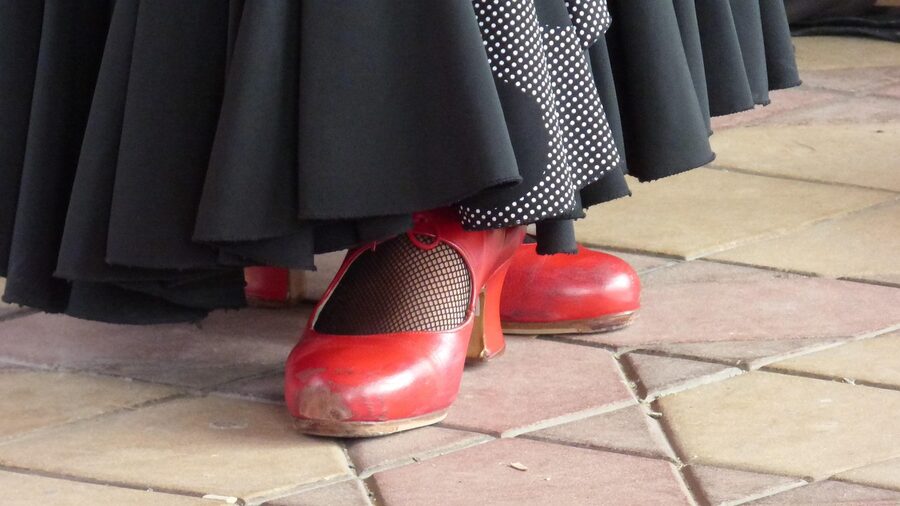
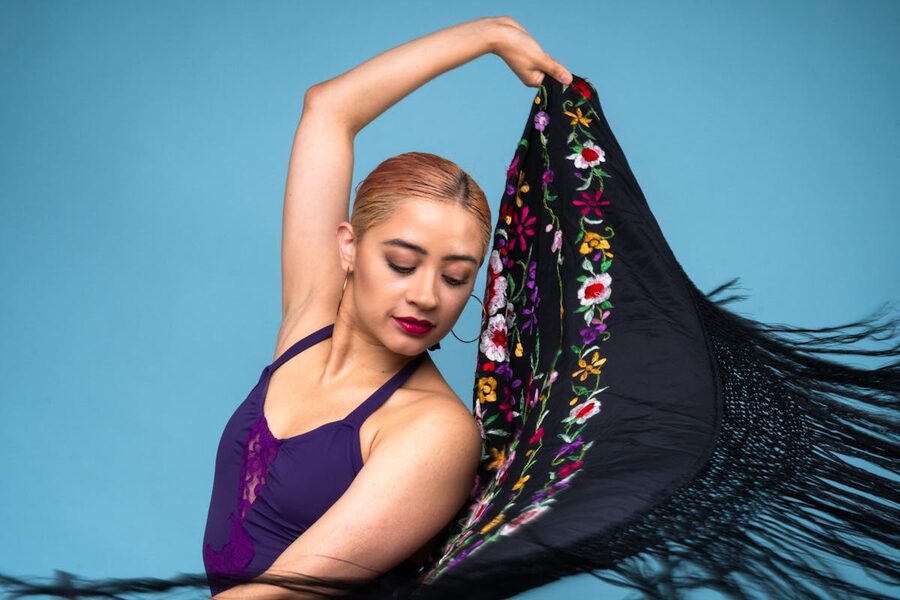
Baile (dance): The footwork is what catches your attention first. The zapateado — rhythmic stamping — is percussive and precise, each strike hitting on or off the beat with deliberate intent. But watch the hands and arms too. The upper body in flamenco is all about grace and control — slow, flowing movements that contrast with the explosive footwork below. The best dancers make the contradiction look effortless.
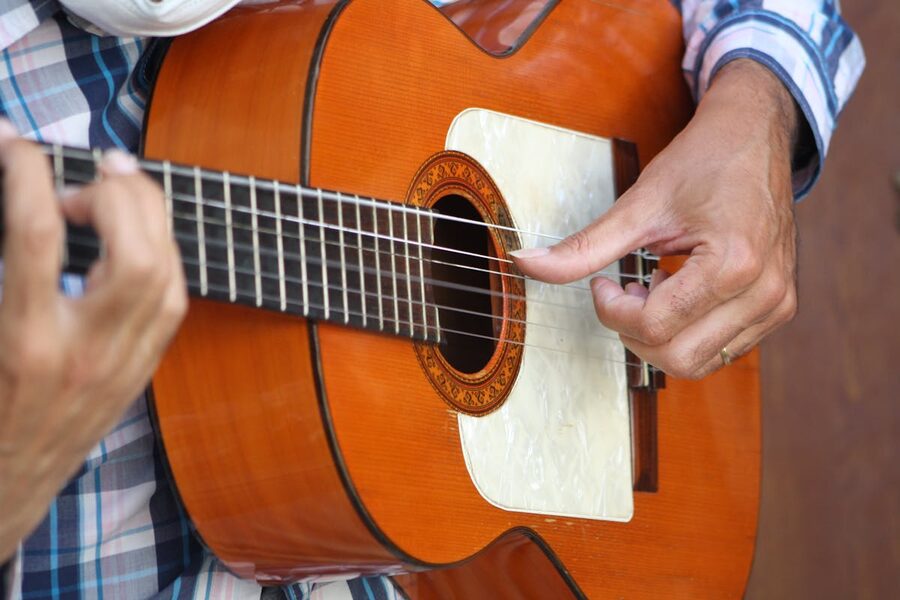
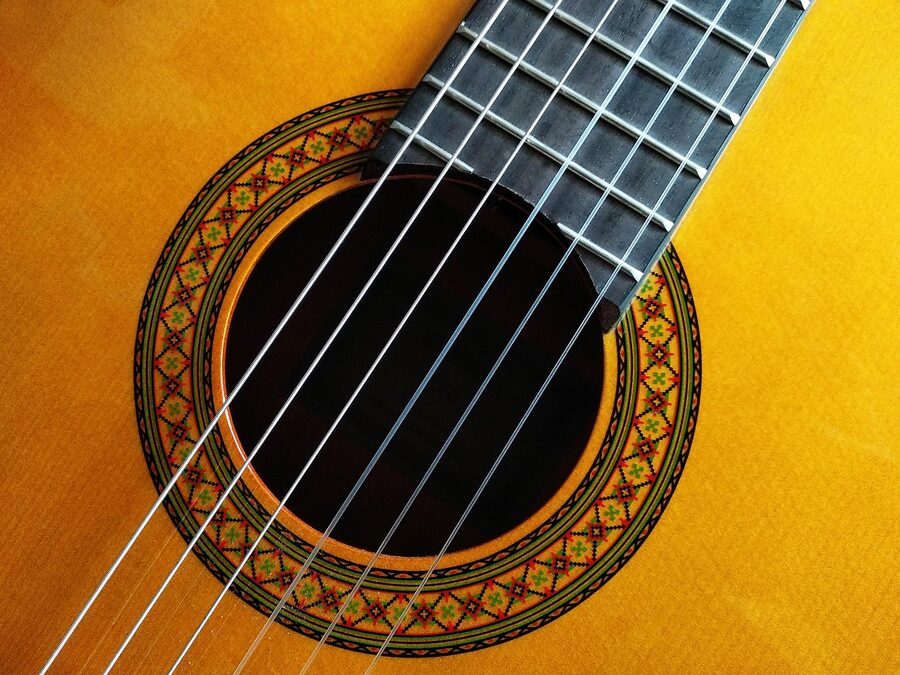
Toque (guitar): A flamenco guitar is built differently from a classical guitar — thinner, lighter, with a brighter, more cutting tone. The guitarist does not just accompany; they drive the entire performance. Watch for the rasgueado (rapid strumming technique) and the picado (single-note runs) — both are distinctly flamenco techniques that you will not hear in any other genre.

The concept you will hear flamenco fans talk about is the duende — an untranslatable Spanish term for the moment when a performance crosses from technically excellent into something transcendent. It does not happen every night. When it does, you know it. The room goes quiet, the performers lock in, and for a few minutes everything else disappears. Lorca wrote about it obsessively. You cannot plan for it. But you put yourself in the best position to witness it by sitting close, staying present, and watching everything — not just the dancer.
A Brief History of Flamenco for the Curious
Flamenco’s roots are tangled and disputed, which is part of what makes it so fascinating. The most accepted version traces it to the Romani (Gitano) communities of Andalusia, who blended their musical traditions with Moorish, Jewish, and Andalusian folk influences over centuries. The result was something entirely new — a form of expression that encoded generations of marginalization, resistance, and fierce cultural pride into music.
The art form went public in the 1800s through the cafe cantante scene — paid performance venues where flamenco was entertainment for the first time, not just a private community practice. This was controversial then and remains a tension today. Purists argue that commercial flamenco lost something essential. Others say the cafe cantantes saved flamenco from disappearing entirely.
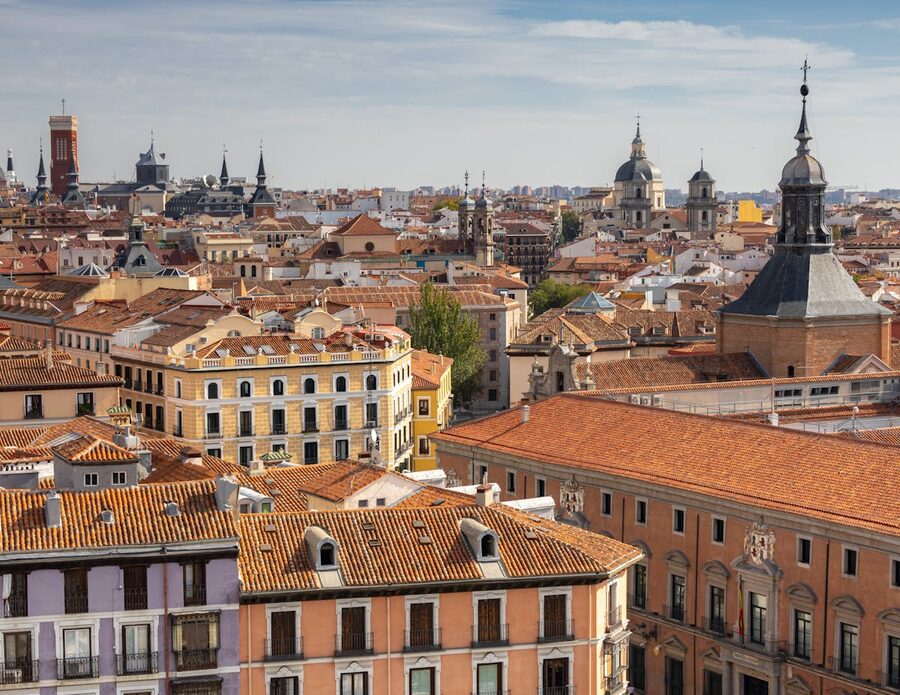
Madrid entered the story in the mid-20th century. While Seville and Jerez remained the spiritual heartlands, Madrid had the money, the audiences, and the venue infrastructure. The tablao format was born here in the 1950s, and within a decade, Madrid had become the commercial capital of flamenco. Artists from all over Andalusia moved north to perform. The quality was extraordinary, and it still is — Madrid’s tablaos attract the best performers in Spain because that is where the careers are made.
UNESCO’s 2010 inscription as Intangible Cultural Heritage gave flamenco formal global recognition. But the real recognition has always come from the audiences — generations of people who walked into a tablao expecting entertainment and walked out changed.
More Madrid Guides
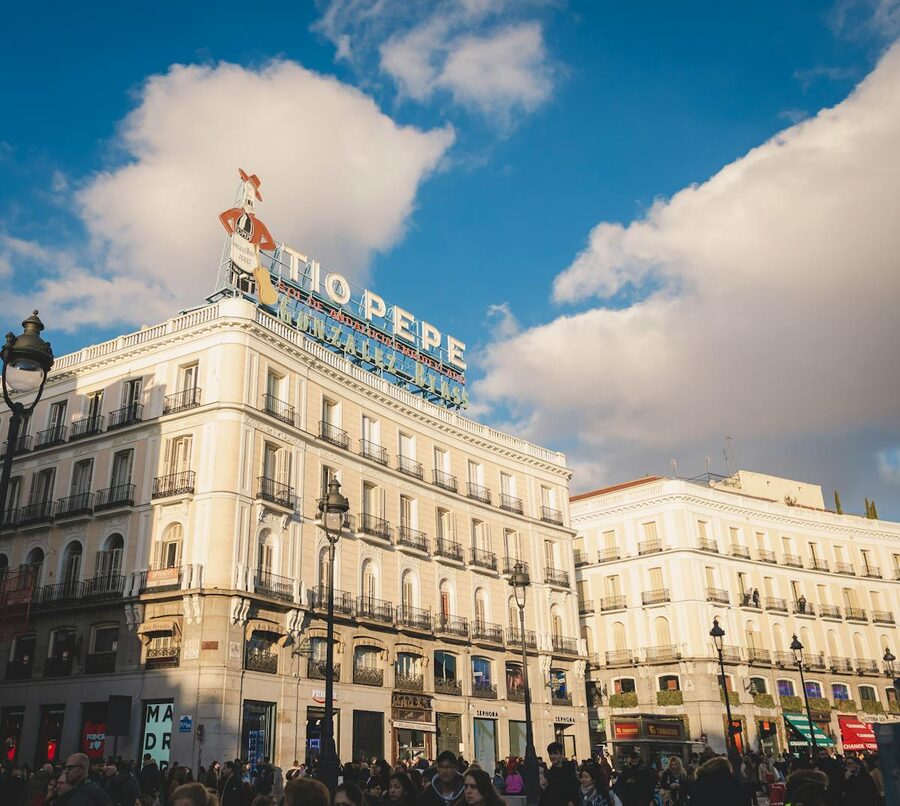
Madrid has enough to fill a week without repeating yourself. If you are building out your itinerary, our Madrid walking tour guide covers the best options for getting oriented on foot — several routes pass through the same neighborhoods as the tablaos. For a food-focused evening, the tapas tour guide pairs perfectly with a late flamenco show. The Royal Palace is a must for daytime sightseeing, and if you are the type who would spend a day in a museum, Madrid has two of the best in Europe within walking distance of each other. For a full day trip, Toledo and Avila and Segovia are both excellent and easy to book. And if you want a broader look at what the city has to offer, the Madrid sightseeing tour guide covers everything from hop-on-hop-off buses to private guided experiences.
This article contains affiliate links. If you book through our links, we earn a small commission at no extra cost to you. This helps us keep producing in-depth travel guides. All recommendations are based on our own research and assessment of tour quality.