
The guitarist started playing before anyone sat down. A low, rolling tremolo filled the room — no amplification, no microphone, just nylon strings and stone walls doing what they’ve done for centuries. I’d walked past Palosanto three times already that week without going in. Big mistake.
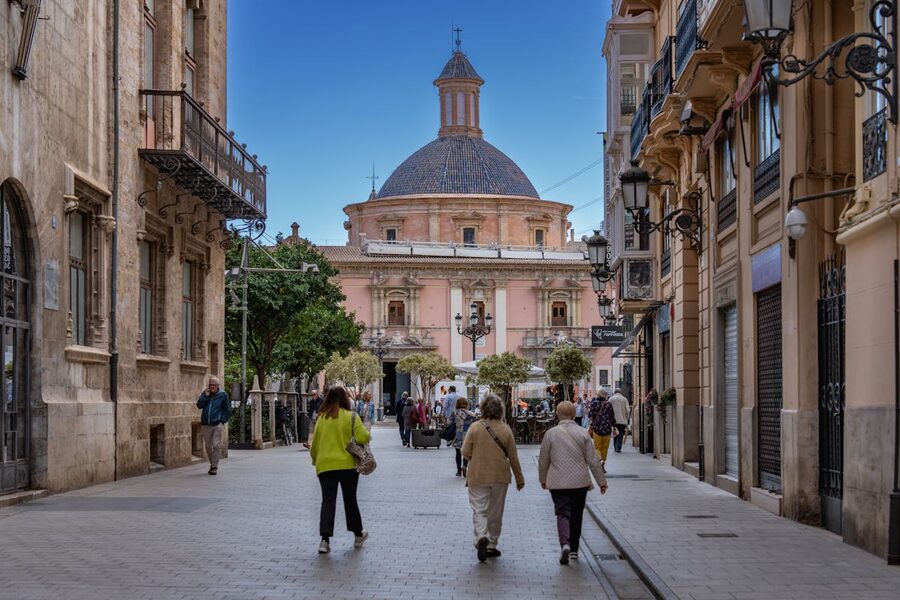
Valencia isn’t Seville. It’s not even Andalusia. But Andalusian families who migrated here generations ago brought flamenco with them, and it stuck. The scene is smaller, more personal, and — honestly — easier to book than the packed tablaos in the south. You don’t need to fight tourist crowds to get a front-row seat.

Here’s how to actually book a flamenco show in Valencia, which venues are worth your time, and a few things I wish someone had told me before I went.
- In a Hurry? My Top 3 Picks
- Why Valencia for Flamenco?
- The Best Flamenco Shows in Valencia
- 1. Palosanto Flamenco Show —
- 2. La Buleria Dinner & Flamenco Show —
- 3. Ca Revolta Theater Flamenco Show —
- How Booking Actually Works
- What to Expect During a Show
- Flamenco vs. Dinner Shows — Which Should You Pick?
- Best Time to See Flamenco in Valencia
- Where to Go Before and After
- A Short History of Flamenco in Valencia
- Practical Tips
- Flamenco in Other Spanish Cities
In a Hurry? My Top 3 Picks
Best overall: Palosanto Flamenco Show — $25 per person. Valencia’s flagship tablao in a converted old-town building. Intimate room, no cameras allowed, one drink included. The real deal.
Best dinner combo: La Buleria Dinner & Show — $88 per person. Full Valencian dinner followed by a flamenco show in the Carmen neighbourhood. A proper evening out — 3.5 hours of food and art.
Best value: Ca Revolta Theater Show — $23 per person. One-hour show in a tiny historic theater. Front-row seats are close enough to feel the footwork through the floor.
Why Valencia for Flamenco?
I get it — your first instinct is probably to save flamenco for Seville or Granada. And look, those cities absolutely deliver. But Valencia has something they don’t: intimacy without the markup.
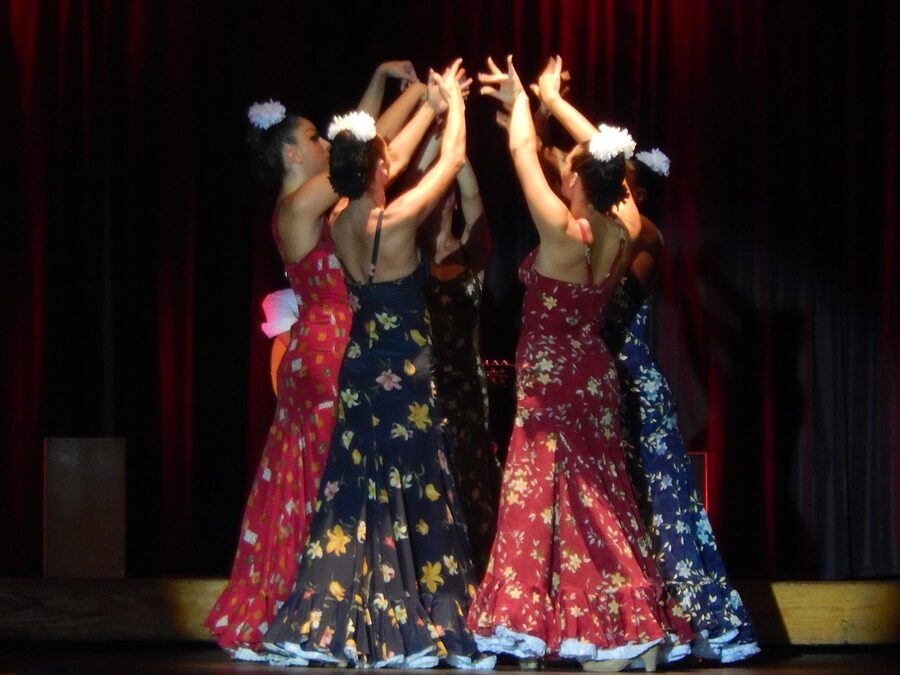
Seville’s biggest tablaos seat 200+ people. Some feel more like dinner theater than art. In Valencia, the main venues hold maybe 60-80 people, and that smaller scale changes everything. You’re close enough to hear the dancer breathing between footwork sequences. You can feel the floor shake when the zapateado gets going.
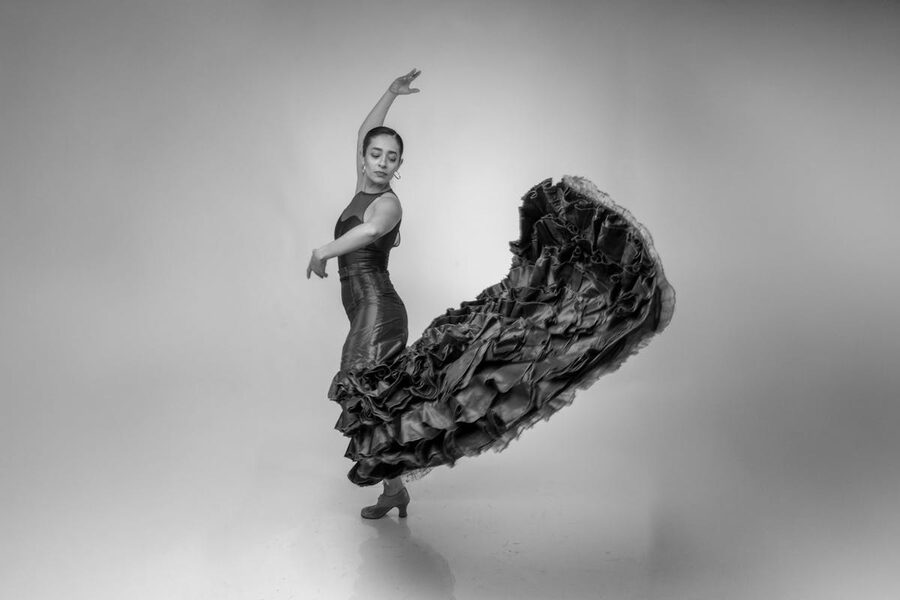
Valencia’s own musical roots are completely different — the dolcaina (a double-reed wind instrument) and the tabalet (drum) drive the traditional Valencian festivals, and they sound nothing like flamenco guitar. But Andalusian families who settled here in the mid-20th century brought their art form, and a serious scene grew around it. The performers tend to be Andalusian expats or their descendants, and there’s a slightly different energy — more grounded, less tourist-show polish, more raw.
The Best Flamenco Shows in Valencia
I’ve narrowed it down to three. Each one fills a different niche — pure show, dinner combo, or budget pick. All three run regularly and are easy to book online in advance.
1. Palosanto Flamenco Show — $25
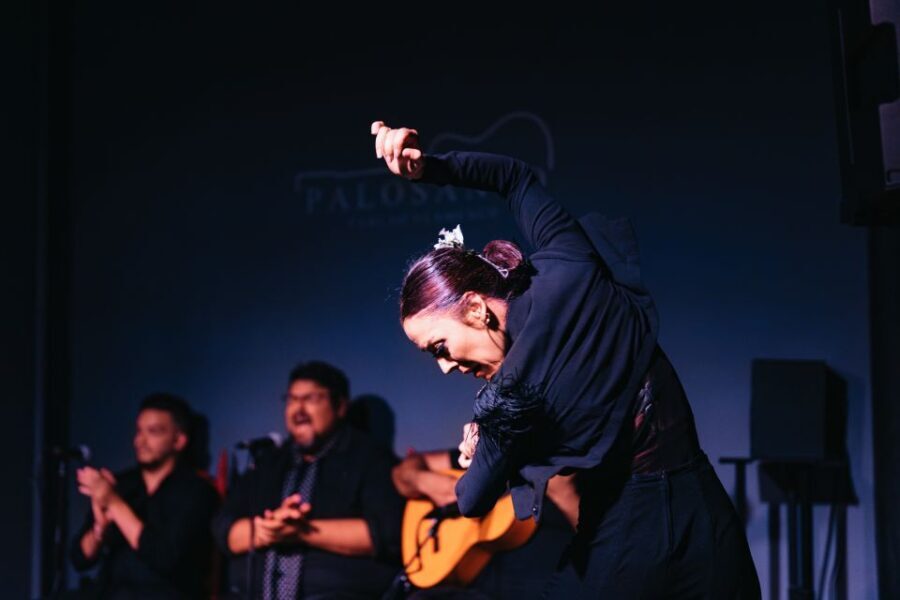
This is the one I’d book if you only see one show. Palosanto is Valencia’s most established tablao, housed in a converted historic building in the old town. The no-camera policy means everyone actually watches instead of filming, which makes the atmosphere unlike most tourist shows — our full review goes into detail on what the seating layout is like. One drink is included in the price.
2. La Buleria Dinner & Flamenco Show — $88
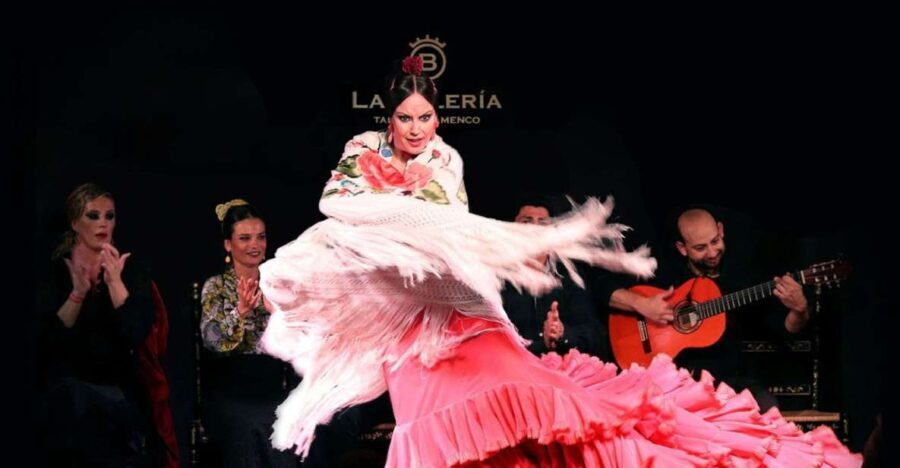
If you want to make an evening of it, La Buleria pairs a full Valencian dinner with a flamenco performance in the bohemian Carmen neighbourhood. The food is genuinely good — not an afterthought — and the 3.5-hour format means you’re not rushing. It’s the priciest option, but our detailed review breaks down exactly what’s included. Good for couples or a special occasion night.
3. Ca Revolta Theater Flamenco Show — $23
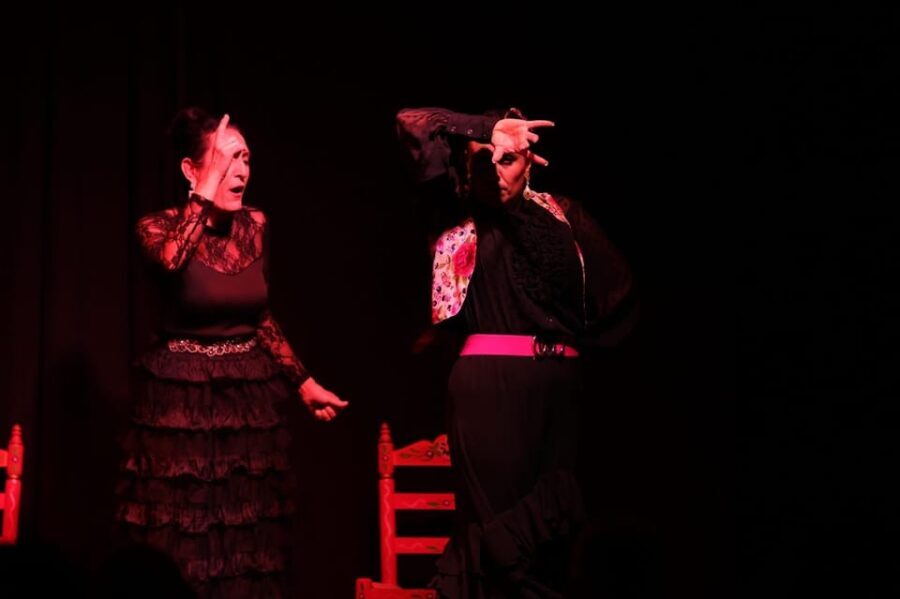
Best value pick by a wide margin. Ca Revolta is a small historic theater that seats maybe 50 people, and the performers are right there in front of you. The show runs one hour — tight, focused, no filler. A drink ticket is included. Our review covers the seating options. Families with teenagers seem to particularly enjoy this one because the shorter runtime keeps the energy high the whole way through.
How Booking Actually Works
All three venues above sell tickets online through GetYourGuide, which is the easiest route. You pick a date, pick a time slot, pay, and get a confirmation email with a QR code. Show up 15-20 minutes early — the good seats go to whoever arrives first within each booking tier.
A few things to know before you book:
Timing matters. Weekend evening shows (Friday and Saturday at 8-9pm) fill up fastest. If you’re flexible, a Thursday night show will have the same performers with a smaller crowd. Some venues run an early show around 7pm and a late one at 9pm — the late one tends to feel more atmospheric.
Dress code is relaxed but respectful. Nobody expects a suit. But flamenco is a serious art form, and showing up in beach flip-flops feels wrong. Smart casual works — closed shoes, no swimwear. Think “nice dinner out” not “clubbing.”
No phones during the show. Palosanto enforces this strictly (and I’m grateful). Other venues are more relaxed, but honestly — put your phone away anyway. The whole point of live flamenco is being present. You can’t capture it on video. The microphone on your phone will just record distorted clapping.
Drinks are included (usually). Most Valencia shows include one drink — beer, wine, or a soft drink. La Buleria’s dinner package obviously includes more. Don’t expect cocktail bar quality, but it’s a nice touch.
What to Expect During a Show
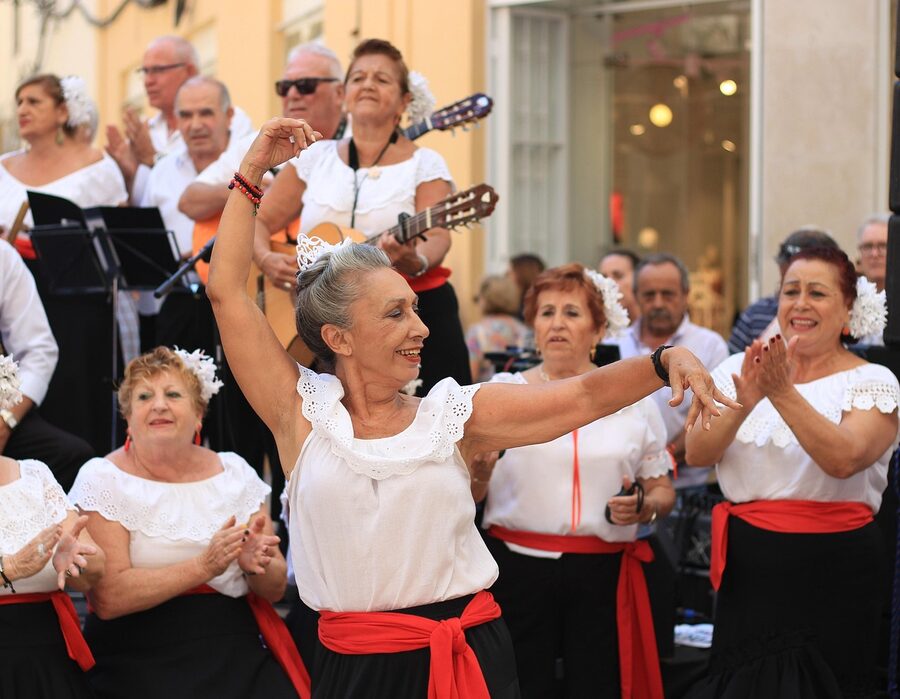
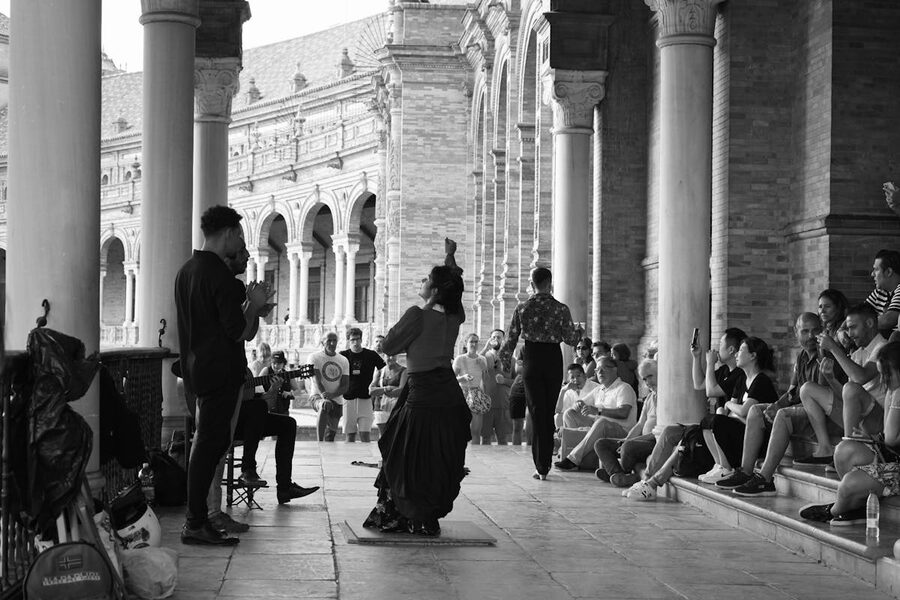
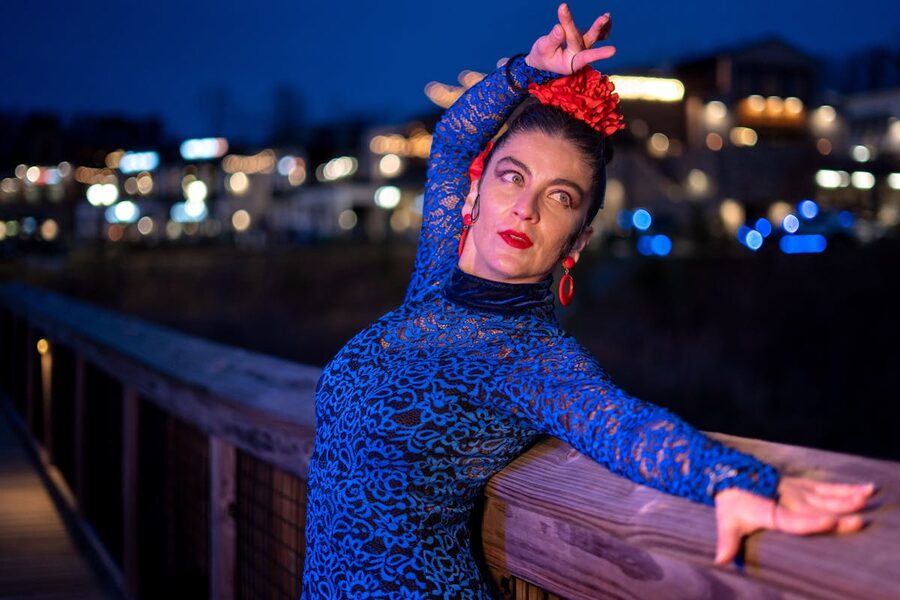
If you’ve never seen live flamenco before, it’s different from what you’d expect. This isn’t choreographed ballet. There’s structure — a guitarist opens, a singer sets the mood, and the dancer enters — but inside that structure, a lot of it is improvised. The performers feed off each other and off the audience. That’s why smaller rooms work so well.
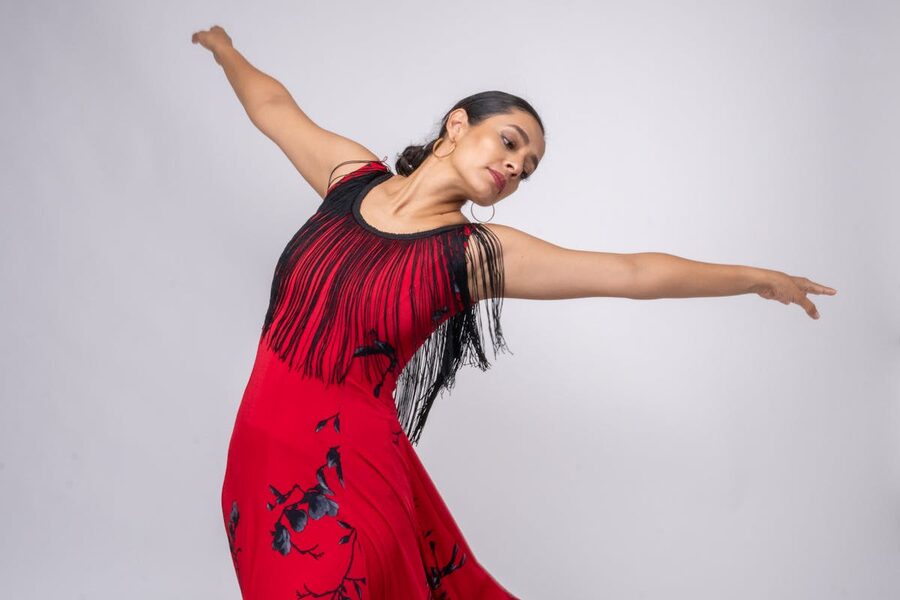
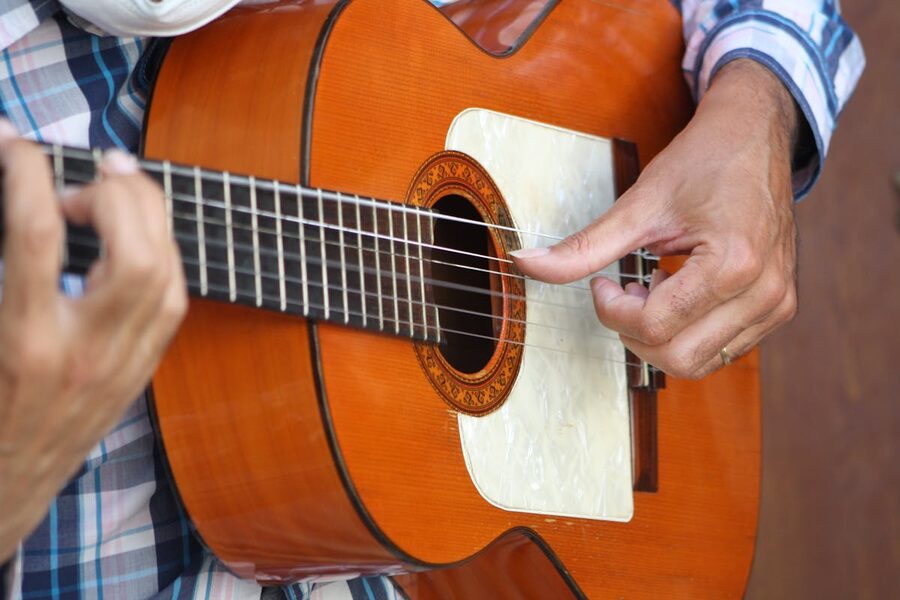
A typical show has three main elements. The cante (singing) is probably the hardest part for newcomers — it’s raw, guttural, and sounds nothing like pop music. Give it two minutes and your ear adjusts. The toque (guitar) is easier to appreciate immediately — the speed and precision are stunning. And the baile (dance) is what everyone remembers — the footwork, the arm movements, the sudden explosions of energy followed by complete stillness.
You’ll hear the audience shout “Ole!” at certain moments. This isn’t random applause — it’s encouragement during a particularly intense passage. Feel free to join in. Also watch for palmas — rhythmic handclapping that the other performers do to accompany the dancer. Sometimes the audience joins that too.
Flamenco vs. Dinner Shows — Which Should You Pick?
Short answer: it depends on what kind of evening you want.
A show-only ticket ($23-25) gives you 60-90 minutes of focused performance. You’re in, you’re out, and you can eat wherever you want before or after. This is what I’d recommend for your first time — it lets you concentrate purely on the art. Palosanto and Ca Revolta both fall in this category.
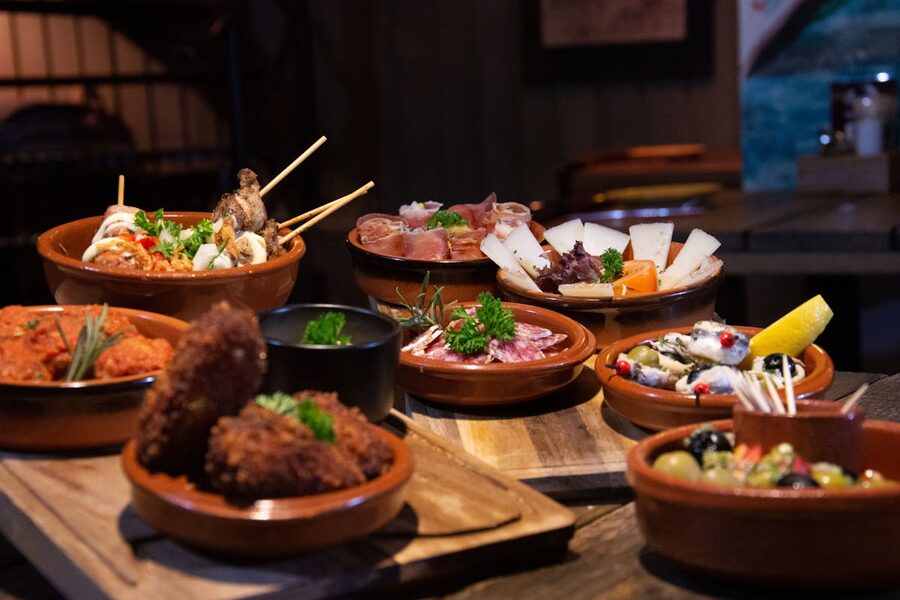
A dinner-and-show ($88 at La Buleria) turns the evening into a 3.5-hour event. You eat a full Valencian meal first, then watch the show. It’s more expensive, but the convenience is real — no hunting for restaurants, no timing stress. It works well for couples, birthday celebrations, or groups who want a packaged night out. The food at La Buleria is legitimately good; it’s not just plates of olives thrown at you before the main event.
My take: see a show-only first. If you fall in love with flamenco (and you might), come back for La Buleria another night.
Best Time to See Flamenco in Valencia
Flamenco shows run year-round. There’s no “season” the way there is for outdoor festivals. That said, some timing tips:
October through April is my preferred window. Tourist crowds thin out after September, which means smaller audiences and a more intimate feel. The performers are the same caliber — they live here, they perform here all year — but the room has fewer selfie sticks.
Summer (June-August) is peak tourist season. Shows sell out faster, especially weekends. Book 3-5 days ahead in summer; 1-2 days is usually fine in winter. During Las Fallas (mid-March), the entire city is a festival — shows still run, but accommodation is scarce and prices spike.
Evening shows (8-10pm) feel right. A few venues offer afternoon matinees, but flamenco is nocturnal art. The mood is different after dark — lower lights, warmer energy, a glass of wine settling in. If you only have daytime free, an afternoon show still works. But evenings are better.
Where to Go Before and After
All three venues are in or near the old town (Ciutat Vella), which makes pre- and post-show planning easy.
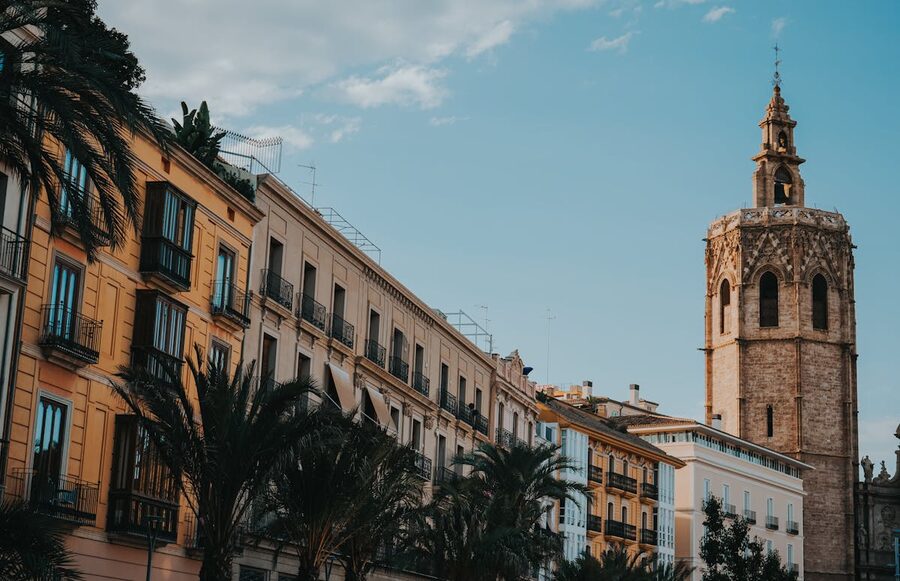
Before the show: Walk through the Carmen neighbourhood. It’s the bohemian heart of the old town — street art on every wall, tiny bars spilling onto the sidewalk, and the kind of energy that gets you in the right headspace for flamenco. Plaza del Tossal is a good gathering point. Or if you want something quieter, the Valencia Tourist Card gets you free entry to a handful of museums that close around 7pm — enough time to browse before an evening show.
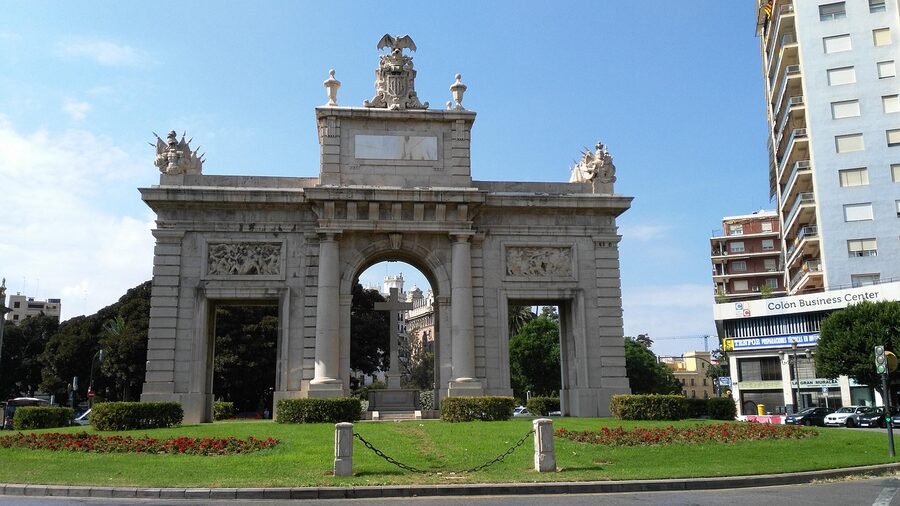
After the show: Don’t rush home. The old town comes alive after 10pm. If you’re hungry, El Rall or Bar Ricardo near the central market area do excellent late-night tapas. If you just want a drink and to process what you saw, any of the small bars along Carrer de Cavallers will work. A boat tour on the Albufera is a good plan for the next morning if you’re staying longer — completely different pace, and the contrast is nice.
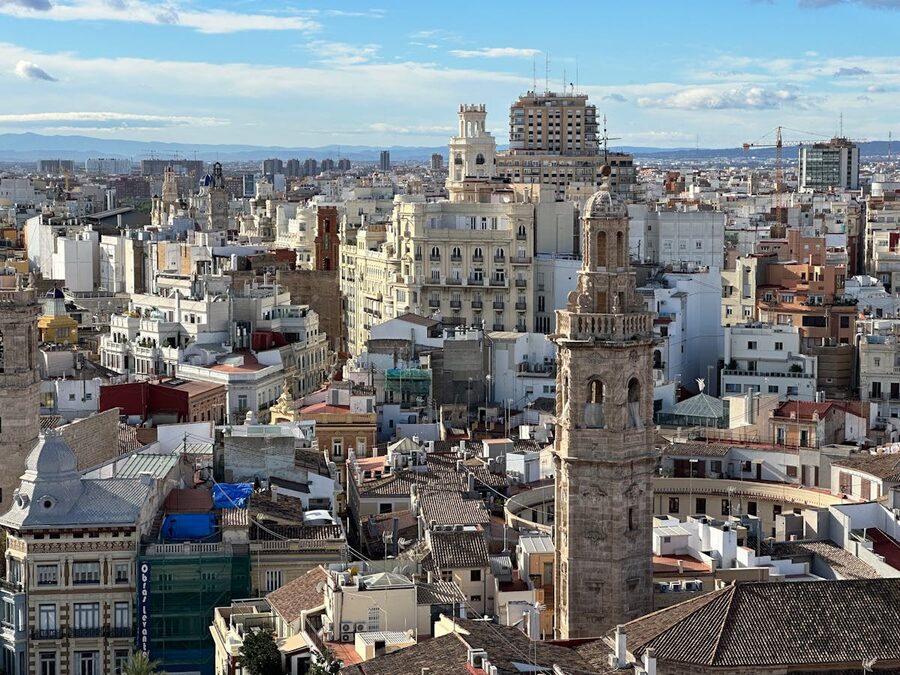
A Short History of Flamenco in Valencia
Flamenco’s roots are in Andalusia — specifically the triangle between Seville, Cadiz, and Jerez de la Frontera. It emerged from a mix of Roma, Moorish, Jewish, and local Andalusian musical traditions, probably in the 18th century, though nobody knows exactly when or how. The earliest documented flamenco performances date to the 1770s.
So how did it get to Valencia? The short version: economic migration. During the mid-20th century, thousands of Andalusian families moved to Valencia (and Barcelona, and Madrid) looking for industrial work. They brought their music, their dance, and their social traditions. By the 1960s and 70s, informal flamenco gatherings — juergas — were happening in Valencian homes and bars. The community was tight-knit and largely invisible to outsiders.
The professional tablao scene came later. Palosanto, now the city’s flagship venue, helped legitimize Valencia as a real flamenco destination rather than just a place where Andalusians happened to live. Today, the performers are a mix of Andalusian-Valencian families who’ve been here for generations and artists who specifically chose Valencia for its growing scene.
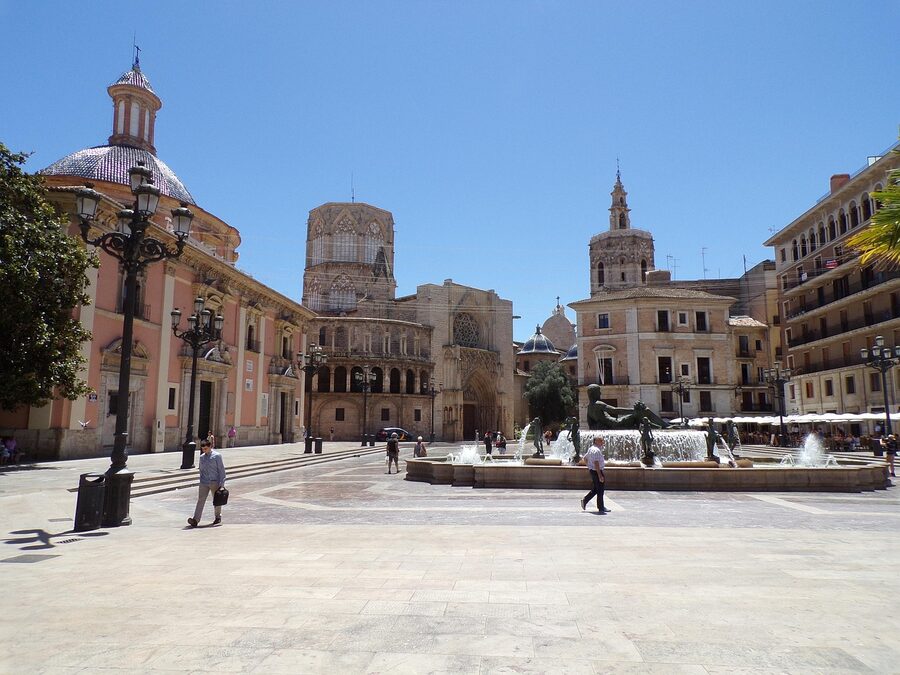
What makes Valencia’s scene interesting is precisely this transplanted quality. In Seville, flamenco is everywhere — in the air, in the bars, in the taxi driver’s radio. In Valencia, it’s a deliberate choice. The performers are here because they want to be, and that intentionality gives the shows a particular focus and seriousness that I found surprising.
Practical Tips
Book online, not at the door. Walk-ups are possible for midweek shows, but weekend performances regularly sell out. Online booking also locks in your price — last-minute door prices are sometimes higher.
Arrive 15-20 minutes early. Seating is usually first-come within your booking tier. If you want a front row, be early. The back rows are fine too — these are small rooms — but the front row experience is different. You can see the sweat, hear the breathing, feel the floor vibrate.
Budget around $25-30 per person for a show-only ticket, or $88 for the dinner combo. Add a pre-show drink and tapas and you’re looking at $50-60 for a full evening (show-only route). That’s significantly less than Seville or Madrid, where comparable shows start at $35-40.
Kids are welcome at most shows, but use your judgment. Children under about 7 might get restless during a full-hour performance. Ca Revolta’s one-hour format is probably the best bet for families. Some venues have age minimums — check the listing.
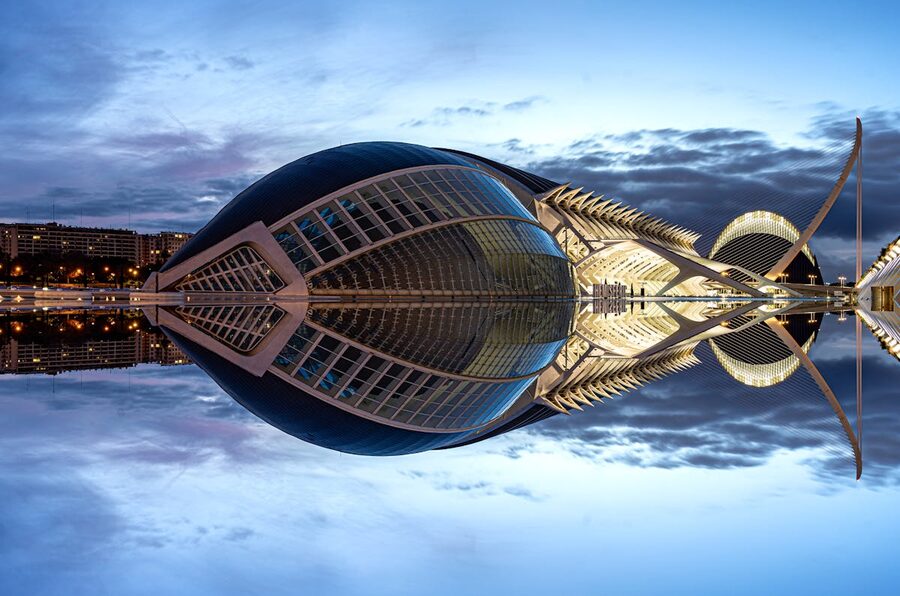
Getting there: All venues are in the old town. From the City of Arts and Sciences, it’s about a 25-minute walk or a quick bus/metro ride. From the central train station (Estacion del Norte), it’s 10 minutes on foot. Valencia is flat, so walking is easy.
Combine with other Valencia activities. A flamenco show pairs well with a day exploring the old town and markets, or an afternoon at the City of Arts and Sciences. If you’ve got a Valencia Tourist Card, use it for the bus/metro to save a couple of euros getting to and from the venue.
Flamenco in Other Spanish Cities
If you’re traveling around Spain and want to compare flamenco scenes, each city has its own personality. Seville is the spiritual home — the biggest selection of venues, the most famous names, and the deepest tradition. Granada has the famous cave tablaos in Sacromonte, which feel completely unique — low ceilings, whitewashed walls, and performers close enough to touch. And Madrid has the biggest variety and the late-night scene that runs until 2am.
Valencia sits somewhere between all of these — more personal than Madrid, less touristy than Seville, more accessible than Granada’s cave shows. It’s the quiet contender that most people miss because they’ve already booked Seville. Their loss. While you’re here, there’s plenty more to see — the Albufera lagoon, the Silk Exchange, the Oceanografic, and food that alone justifies the trip.
This article contains affiliate links. If you book through them, we earn a small commission at no extra cost to you — it helps keep this site running.