
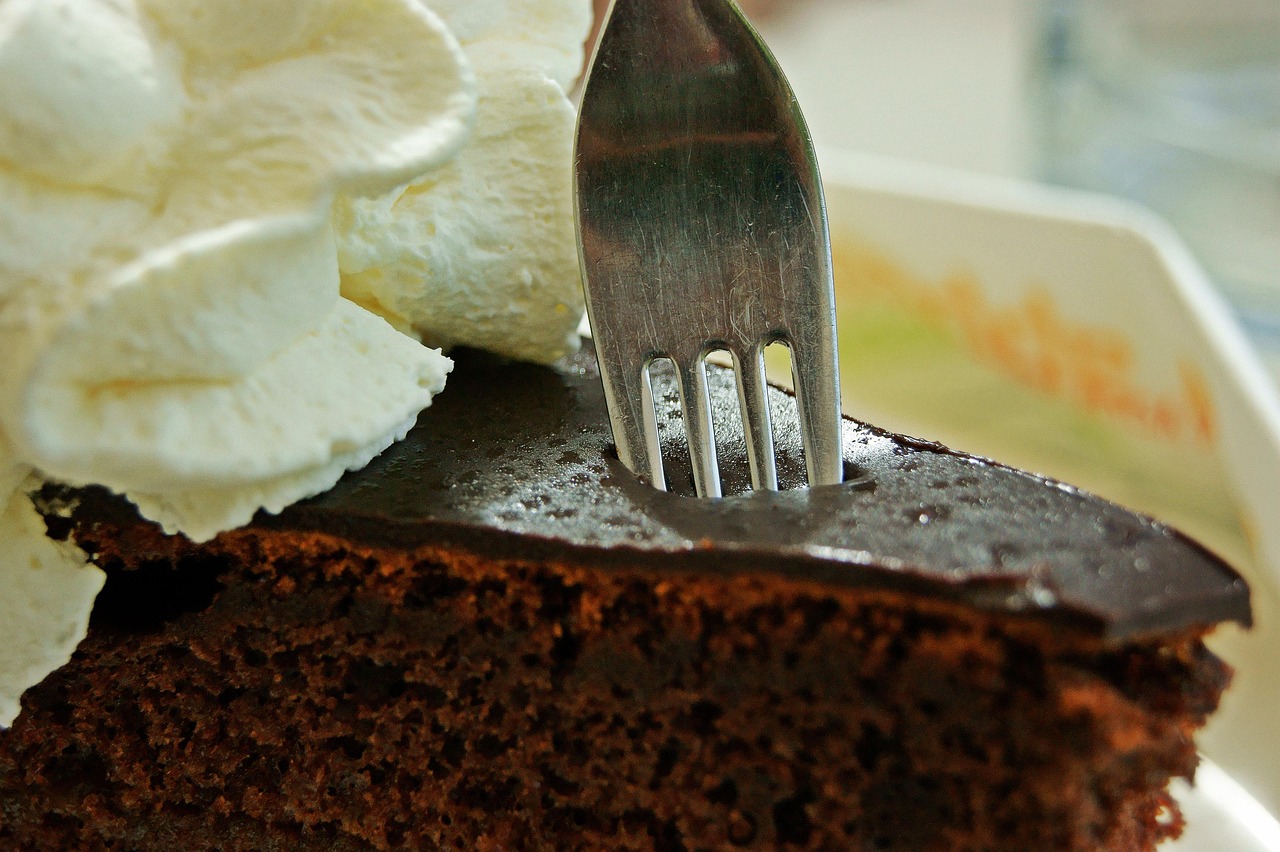
There’s a debate in Vienna that will never be settled, and it has nothing to do with Mozart or Beethoven. It’s about cake. Specifically, whether the Sachertorte at Hotel Sacher is better than the version at Demel. I’ve tried both. Twice. And I still can’t pick a winner.
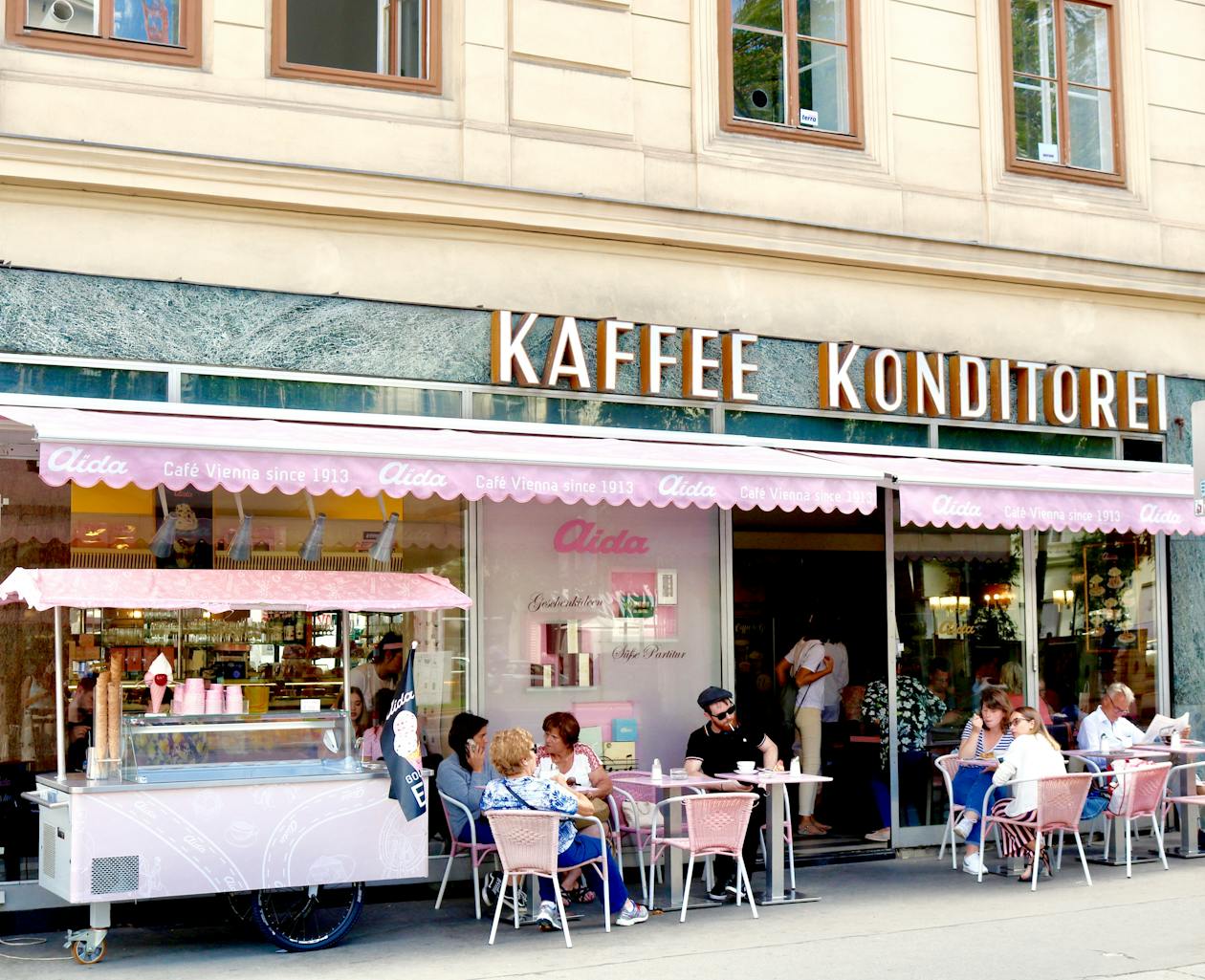
That’s the thing about Vienna’s food scene. It runs deep. The coffee houses have been serving Melange since before your great-grandparents were born. The Naschmarkt has been the city’s kitchen for over a century. And somewhere between the Wiener Schnitzel the size of your plate and the third slice of Apfelstrudel, you realize that eating in Vienna isn’t really about the food. It’s about the ritual.
A food tour is the fastest way to crack Vienna’s culinary code. You’ll cover ground that would take you three days on your own, and you’ll actually understand what you’re eating rather than just pointing at a menu and hoping for the best.
Best overall: Vienna’s Highlights: Food, Coffee and Market Walking Tour — $159. Six hours, multiple neighborhoods, the full deep dive.
Best for serious eaters: Authentic Vienna Food Tour — $172. Five hours of off-the-beaten-path spots, three drinks included, lunch covered.
Best budget pick: Naschmarkt Food Tasting Tour — $76. Focused on the market. Two and a half hours, six tastings.
- What a Vienna Food Tour Actually Covers
- Booking Directly vs Going Through a Platform
- The Best Vienna Food Tours to Book
- 1. Vienna’s Highlights: Food, Coffee and Market Walking Tour — 9
- 2. Authentic Vienna Food Tour — 2
- 3. Naschmarkt Food Tasting Tour —
- When to Go
- Getting to the Naschmarkt and Meeting Points
- What You’ll Actually Eat
- Tips That Will Save You Time and Money
- Beyond the Food: What Else to Do in Vienna
What a Vienna Food Tour Actually Covers
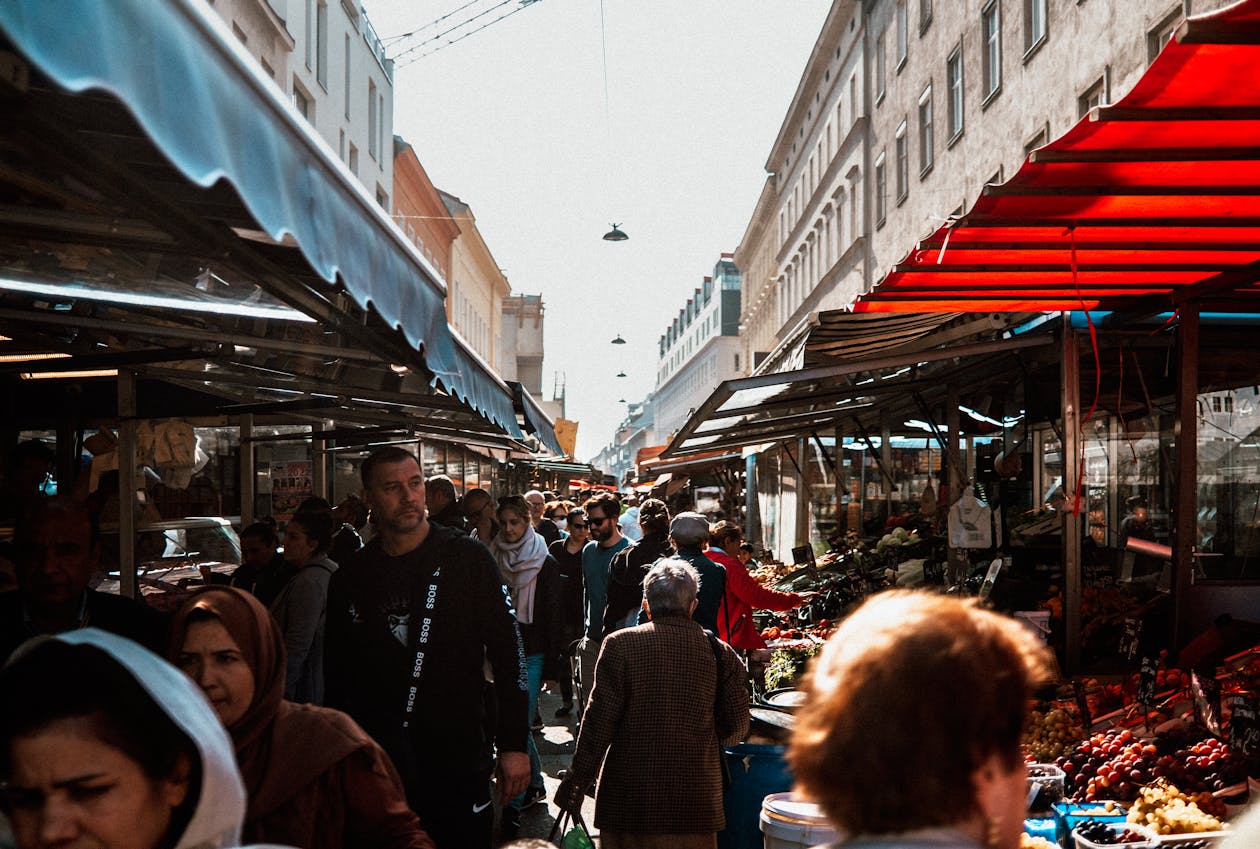
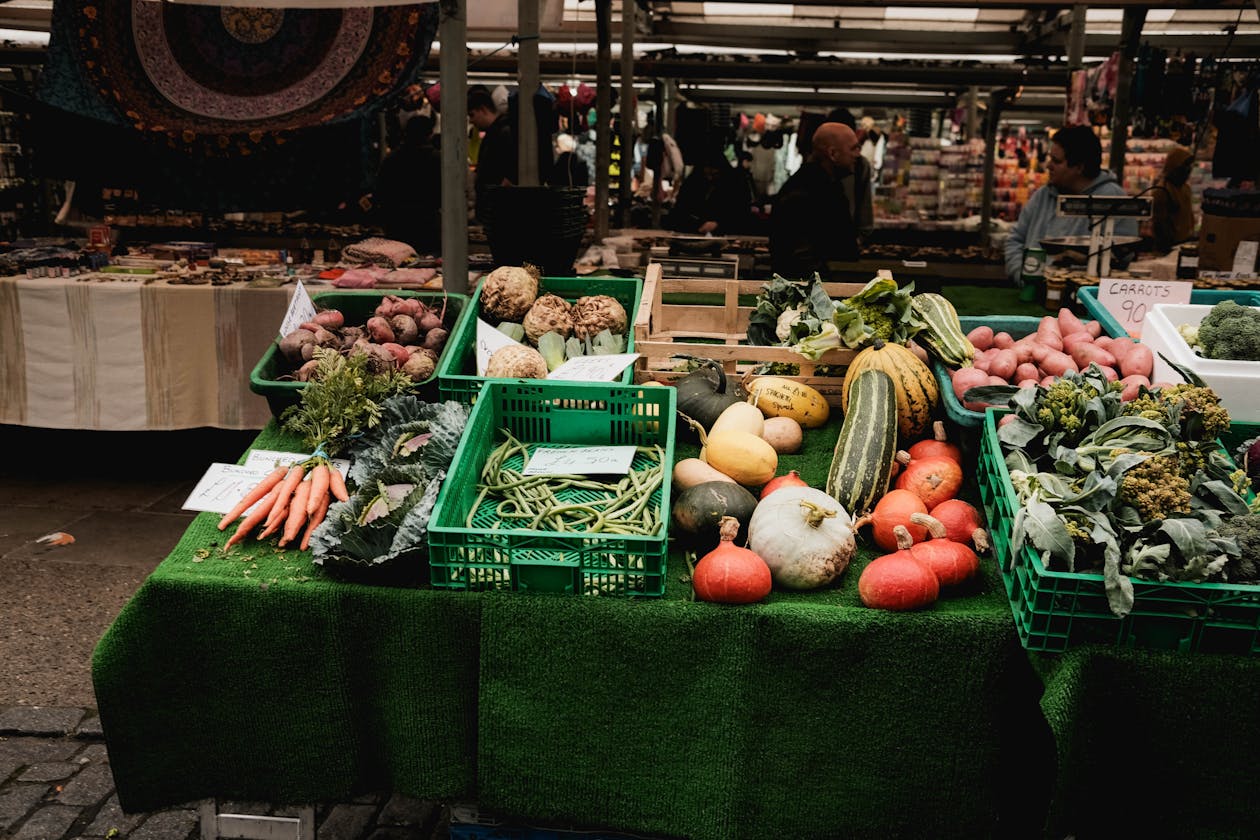
Most Vienna food tours hit the same core stops, though the order and emphasis varies. You’ll get some combination of: the Naschmarkt (the city’s main open-air market since the 16th century), a traditional Beisl (the Viennese equivalent of a tavern), a coffee house, and a pastry shop.
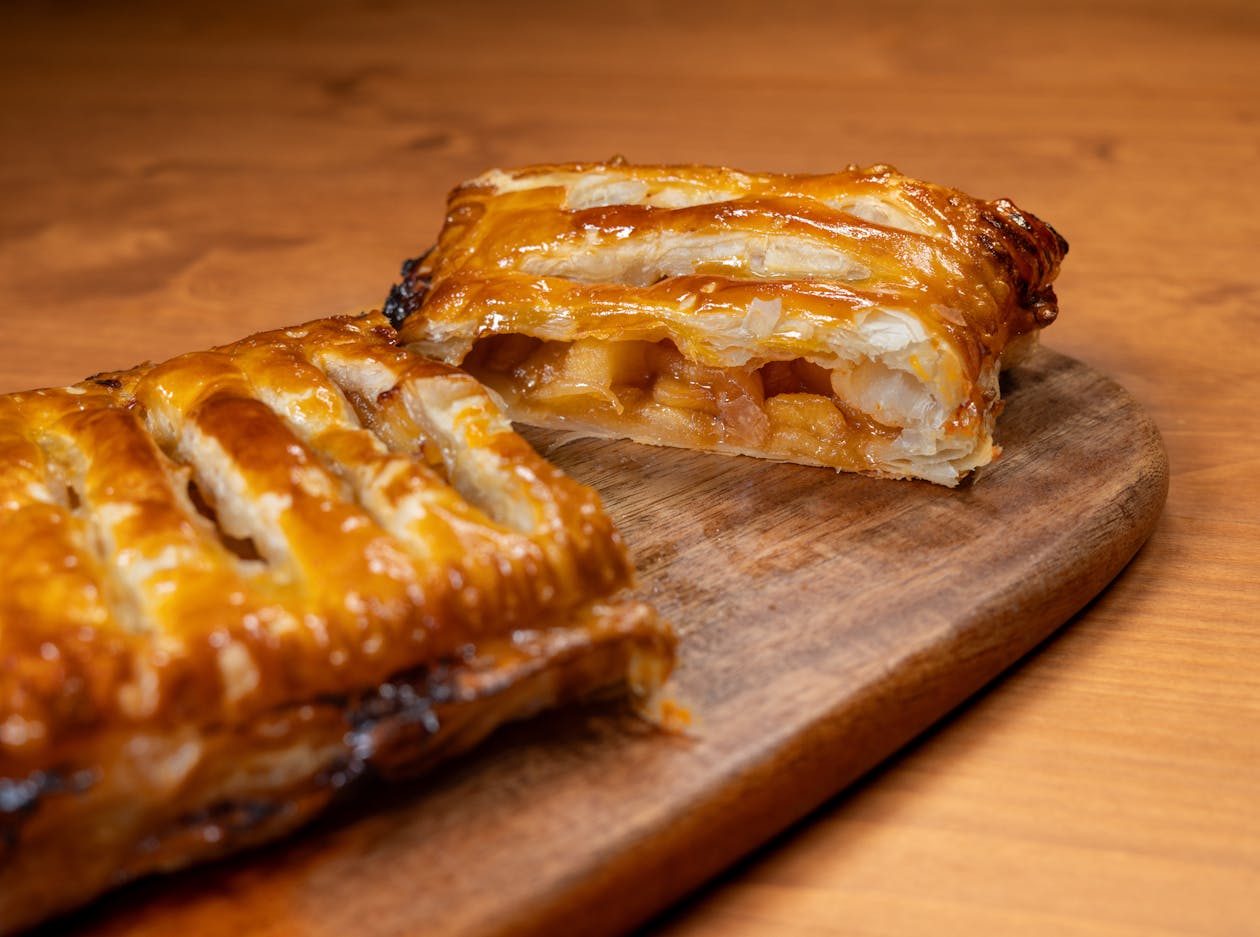
The good tours go beyond the obvious. They take you to the sausage stands that office workers queue at during lunch — not the tourist ones near Stephansdom that charge double for half the quality. They’ll bring you into bakeries where the Apfelstrudel dough is pulled by hand until it’s thin enough to read a newspaper through. That’s not a metaphor. It’s the actual test Austrian bakers use.
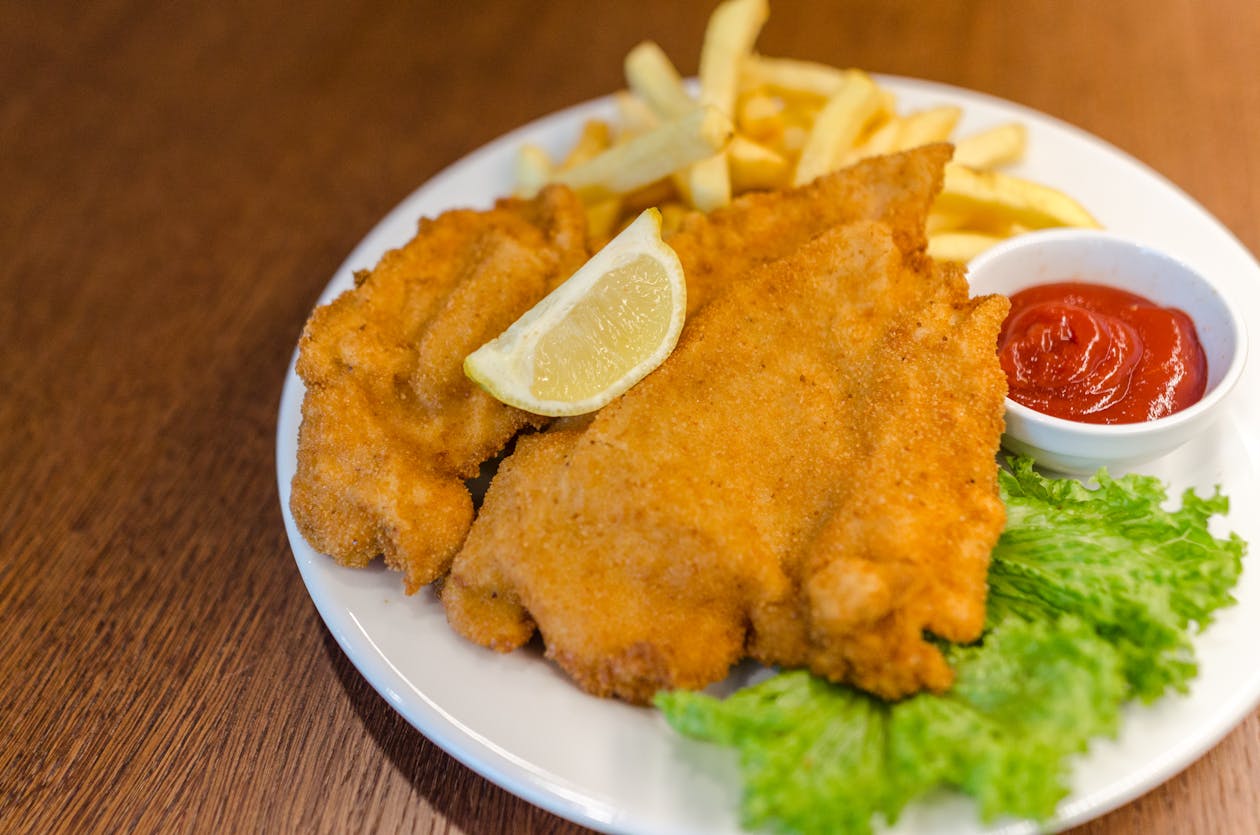
Expect to taste Wiener Schnitzel (the real thing is veal, pounded thin, breaded, and fried in butter — not the pork imitation), various cured meats and cheeses at the Naschmarkt, Sachertorte or another Viennese pastry, and at least one type of wine from the local Heuriger tradition. Some tours include a full lunch. Others are more of a grazing experience with six to eight stops.
Booking Directly vs Going Through a Platform
Some food tours in Vienna are run by small local companies with their own booking pages. Others are listed on platforms like GetYourGuide and Viator, which handle the payment and cancellation policies.
Here’s the honest breakdown. Booking through a platform is usually easier. You get free cancellation up to 24 hours before (sometimes longer), your payment is protected, and you can read hundreds of verified reviews before committing. The downside? Platform fees mean prices can be slightly higher than booking direct with a small operator.
That said, the most popular Vienna food tours are platform-only at this point. The guides have figured out that Viator and GetYourGuide drive volume, and most don’t bother maintaining their own booking systems anymore. So for the tours I’m recommending below, the platform IS the booking system.
One tip: if you’re visiting during peak season (May through September), book at least a week in advance. The small-group tours — which are the ones worth taking — cap at 8 to 12 people, and they fill up fast.
The Best Vienna Food Tours to Book
I’ve gone through every food tour available in Vienna and narrowed it down to three that are genuinely worth your money. Each one does something different, so the right choice depends on how much time you have and what you care about most.
1. Vienna’s Highlights: Food, Coffee and Market Walking Tour — $159
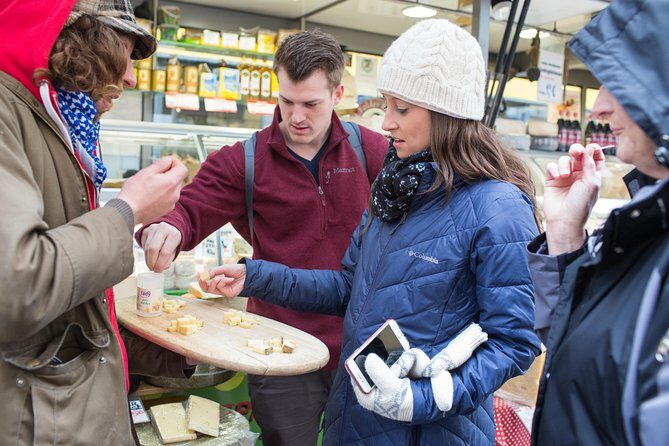
This is the one I’d pick if I could only do one food tour in Vienna. Six hours is a serious time commitment, but you cover an absurd amount of ground. The guide takes you through the Naschmarkt, into a traditional coffee house, past the major landmarks, and into neighborhood spots that don’t appear in any guidebook.
What sets this apart from shorter tours is the depth. You’re not just tasting food — you’re getting the cultural context behind it. Why Viennese coffee culture exists the way it does (hint: it involves a 17th-century siege and some abandoned coffee beans). Why the Schnitzel is veal and not pork. Small group size keeps it personal, and the guides are clearly locals who actually care about this stuff, not actors reading from a script.
At $159 per person, it’s not cheap. But the tour includes multiple food stops and drinks, so you’re essentially covering lunch and a few snacks. If you factor that in, the value is solid.
2. Authentic Vienna Food Tour — $172
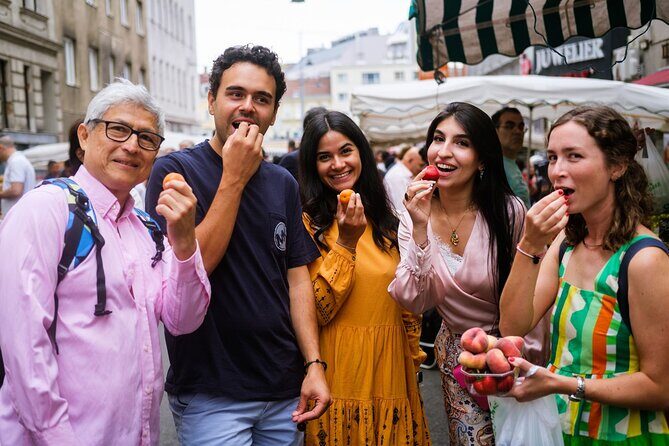
If you want to go deeper than the Naschmarkt-and-coffee-house circuit, this is your tour. Five hours long, and the guide deliberately avoids the obvious tourist spots. You’ll eat at places you’d never find on your own — tiny market stalls, family-run Beisls tucked down side streets, a sausage stand that’s been in the same spot for decades.
Three drinks are included, which is a nice touch. Vienna’s wine scene doesn’t get nearly enough attention. The Gruner Veltliner from the vineyards just outside the city is genuinely excellent, and you’ll probably get to try some on this tour. A full lunch is also included, so you won’t need to eat again until dinner.
At $172, it’s the most expensive option on this list, but it’s also the most food-intensive. Families with kids who are adventurous eaters do well on this one — our review has more on what to expect with younger visitors.
3. Naschmarkt Food Tasting Tour — $76
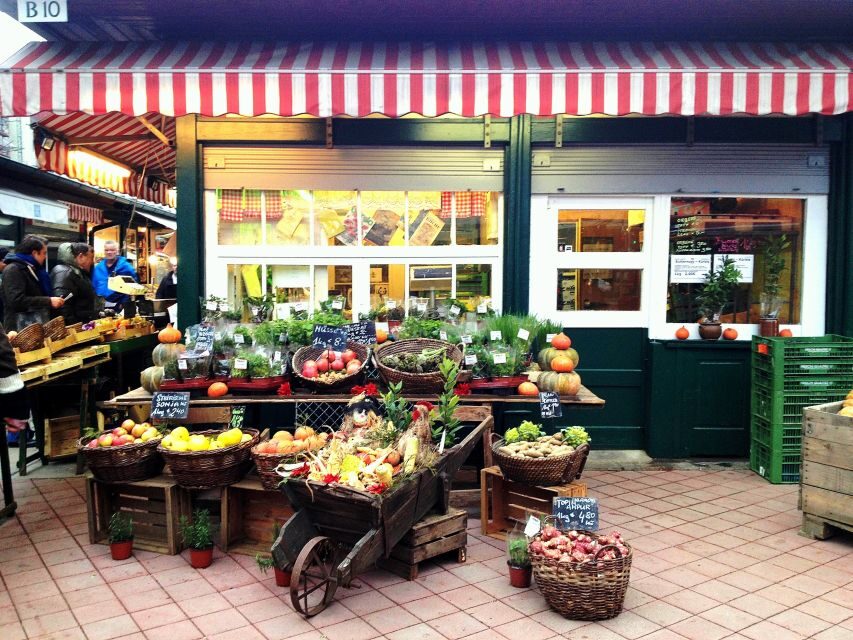
Not everyone wants to spend five or six hours eating their way across a city. If you’ve got a tight schedule or just want to properly explore the Naschmarkt without wandering aimlessly past 120 stalls, this focused tour does the job. Two and a half hours, six tastings, and a guide who knows which vendors are worth your time and which are tourist traps.
At $76 per person, this is the budget-friendly pick by a wide margin. You’ll taste cheeses, cured meats, Middle Eastern specialties (the Naschmarkt has a strong Turkish and Mediterranean section), and whatever seasonal items are good that day. It’s not a full meal, but you’ll leave satisfied.
The Naschmarkt is open Monday through Saturday, closed on Sundays. Saturday mornings are the liveliest because the flea market runs alongside it, but that also means bigger crowds. Weekday mornings are calmer and arguably better for a tasting tour.
When to Go
Vienna is a year-round food destination, but the experience shifts dramatically with the seasons.
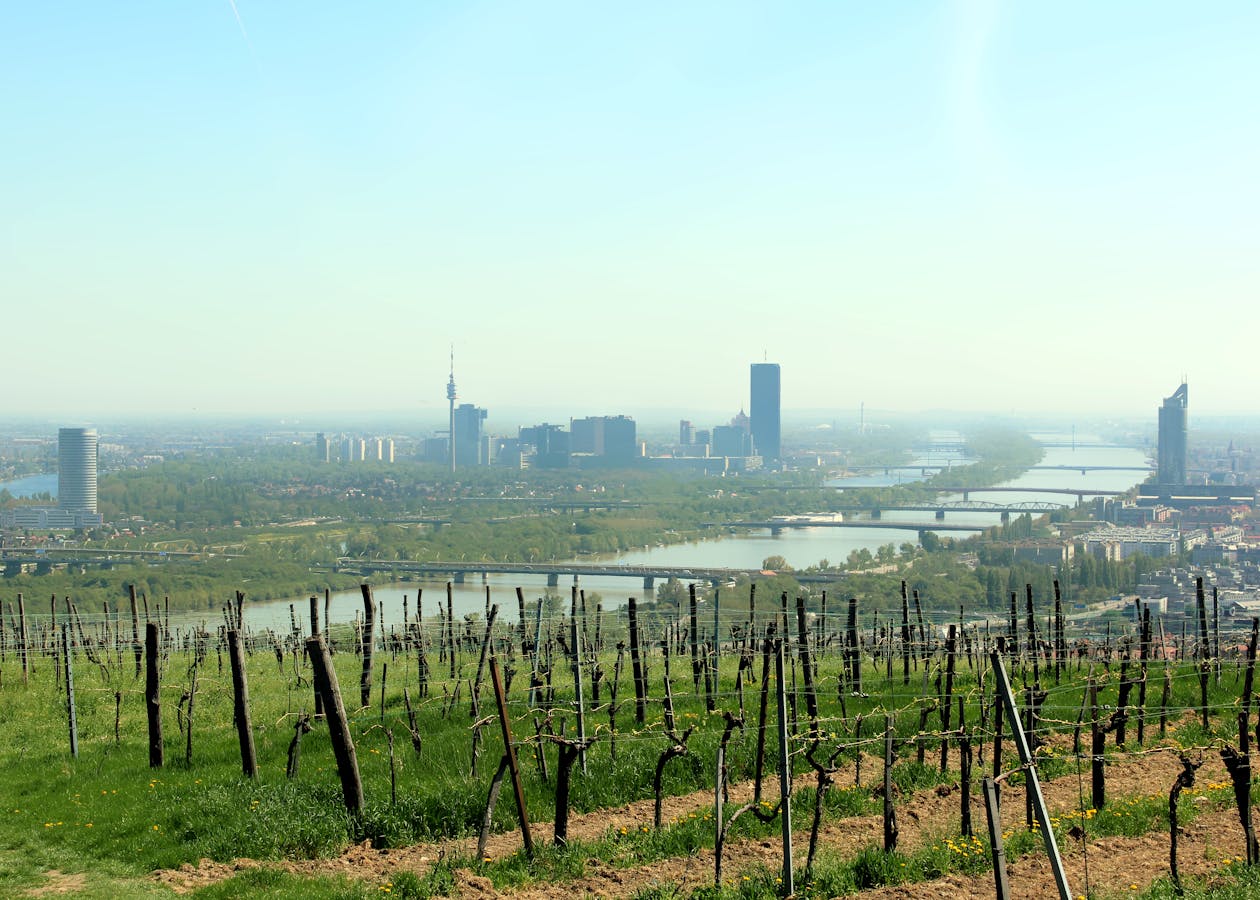
Spring and fall (April-May, September-October) are ideal. The weather is comfortable for walking, the Naschmarkt isn’t drowning in tour groups, and seasonal ingredients like white asparagus (spring) and new wine (fall) make the food extra interesting. The Heuriger wine taverns on the outskirts of the city are at their best in September when the new vintage arrives.
Summer (June-August) is peak tourist season. Tours book up quickly, the Naschmarkt gets crowded by mid-morning, and walking six hours in 30-degree heat isn’t everyone’s idea of fun. Book early and go for a morning start time if you can.
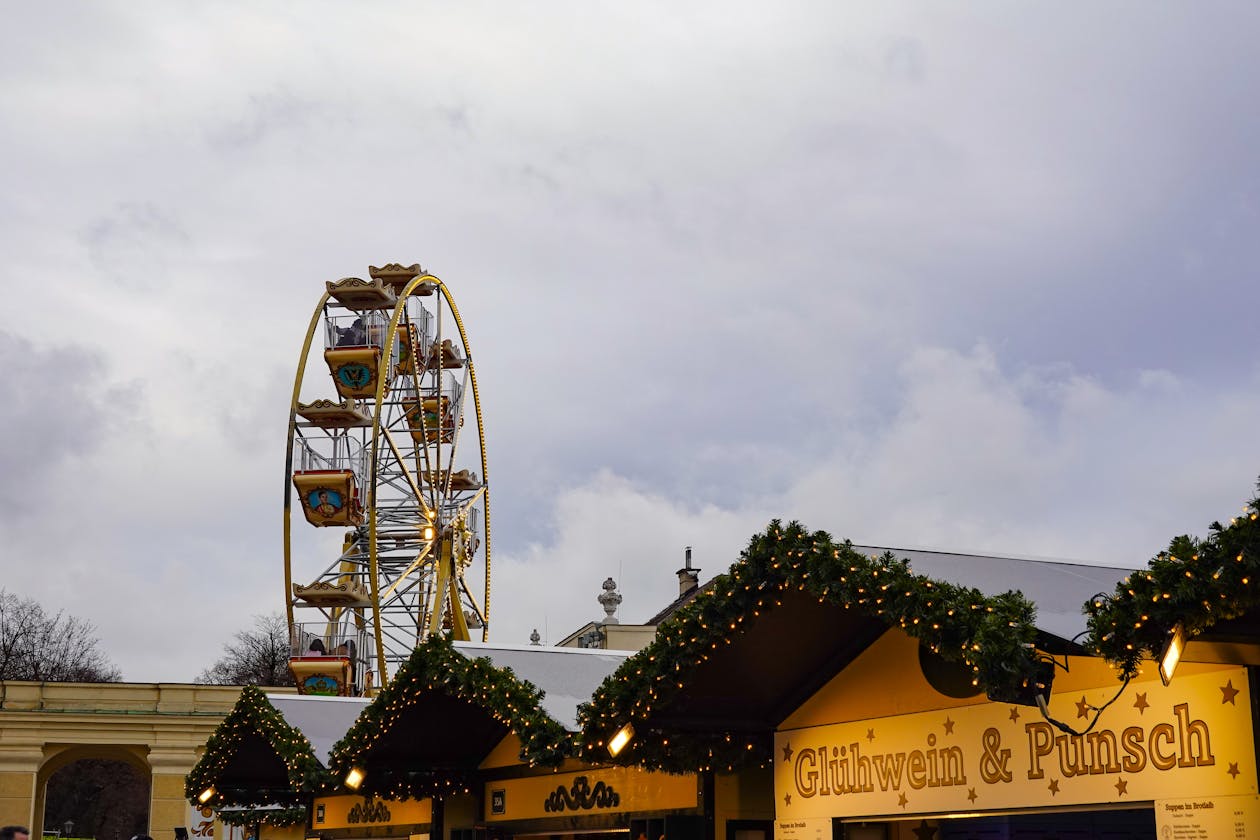
Winter (November-February) has its own charm. The Christmas markets serve hot Punsch (mulled wine punch) and roasted chestnuts, and the indoor coffee houses become even more appealing when it’s freezing outside. Some food tours pivot to a Christmas market version during the holiday season, which is worth looking into if you’re visiting between late November and December.
Getting to the Naschmarkt and Meeting Points
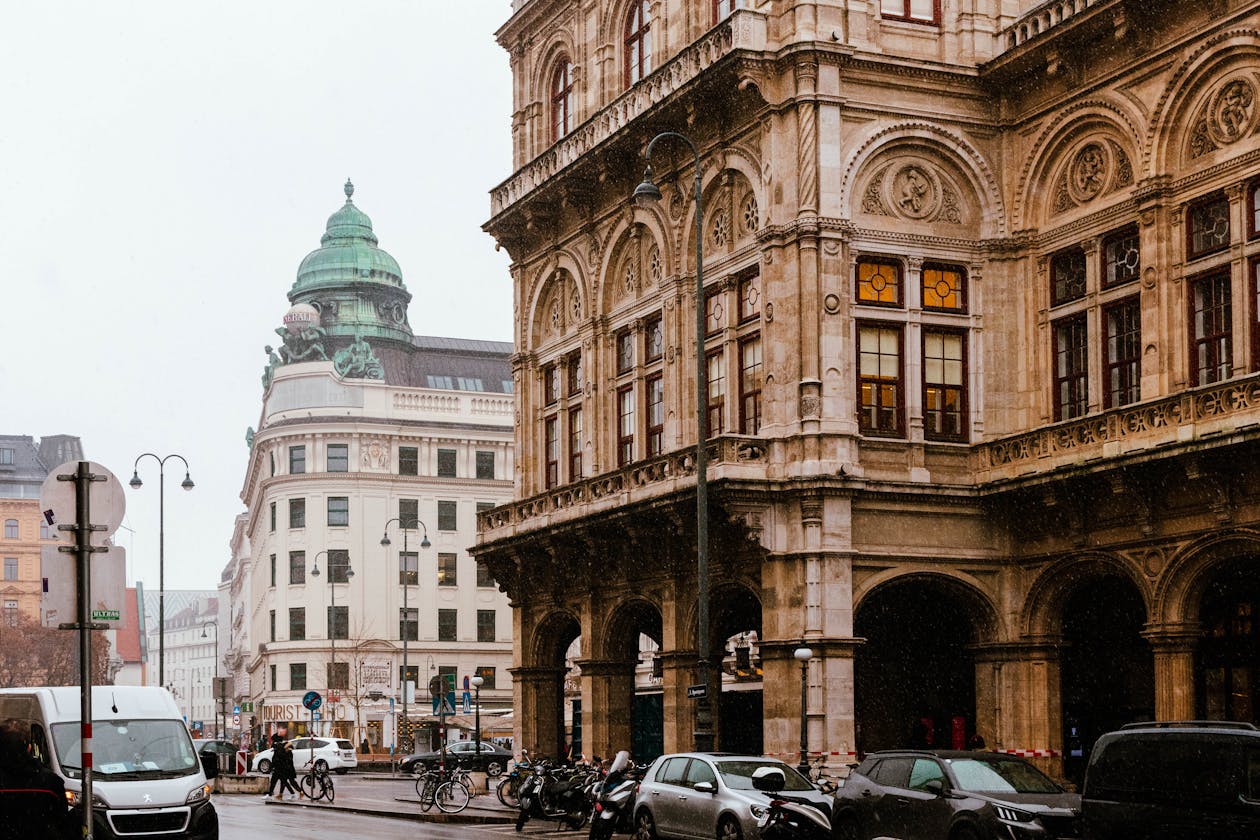
Most food tours meet somewhere near the Naschmarkt or in the Innere Stadt (1st district). The Naschmarkt stretches along Wienzeile between the Kettenbruckengasse and Karlsplatz U-Bahn stations — both on the U4 line. Karlsplatz is also served by the U1 and U2 lines, making it one of the best-connected stops in the whole network.
If your hotel is in the 1st district, you can walk to most meeting points in under 15 minutes. From further out, the U-Bahn gets you to Karlsplatz from almost anywhere in the city within 20 minutes.
The Naschmarkt itself is free to enter and open Monday to Saturday, roughly 6am to 7:30pm (some stalls close earlier, especially on Saturdays). Come hungry.
What You’ll Actually Eat
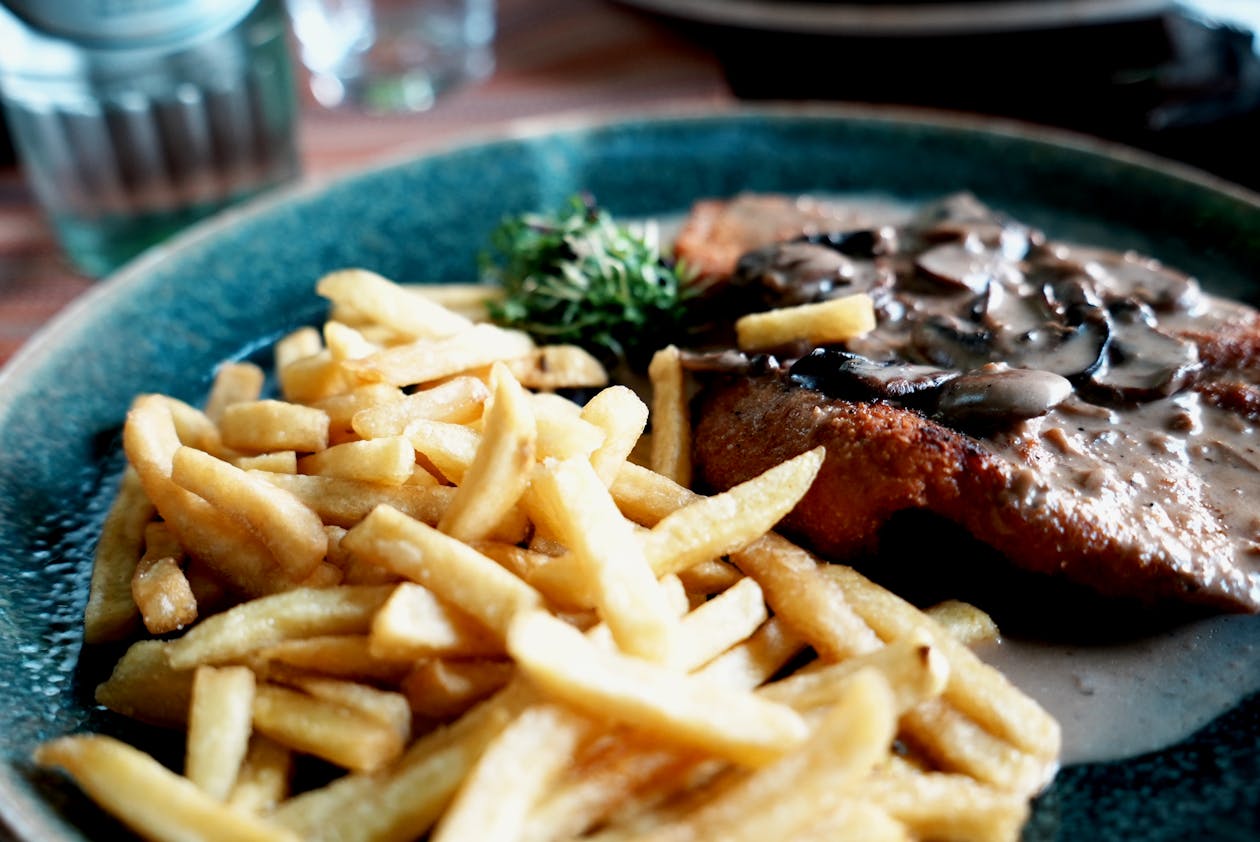
Viennese cuisine gets unfairly written off as heavy and old-fashioned. Yes, there’s a lot of breaded meat and cream-based desserts. But there’s also genuine finesse here.
Wiener Schnitzel is the obvious one. Veal cutlet, pounded thin, coated in flour, egg, and breadcrumbs, then fried in clarified butter until the coating puffs away from the meat. The good versions have a crust that practically floats. The bad versions are heavy, greasy, and made with pork. A food tour guide will take you to a place that does it right.
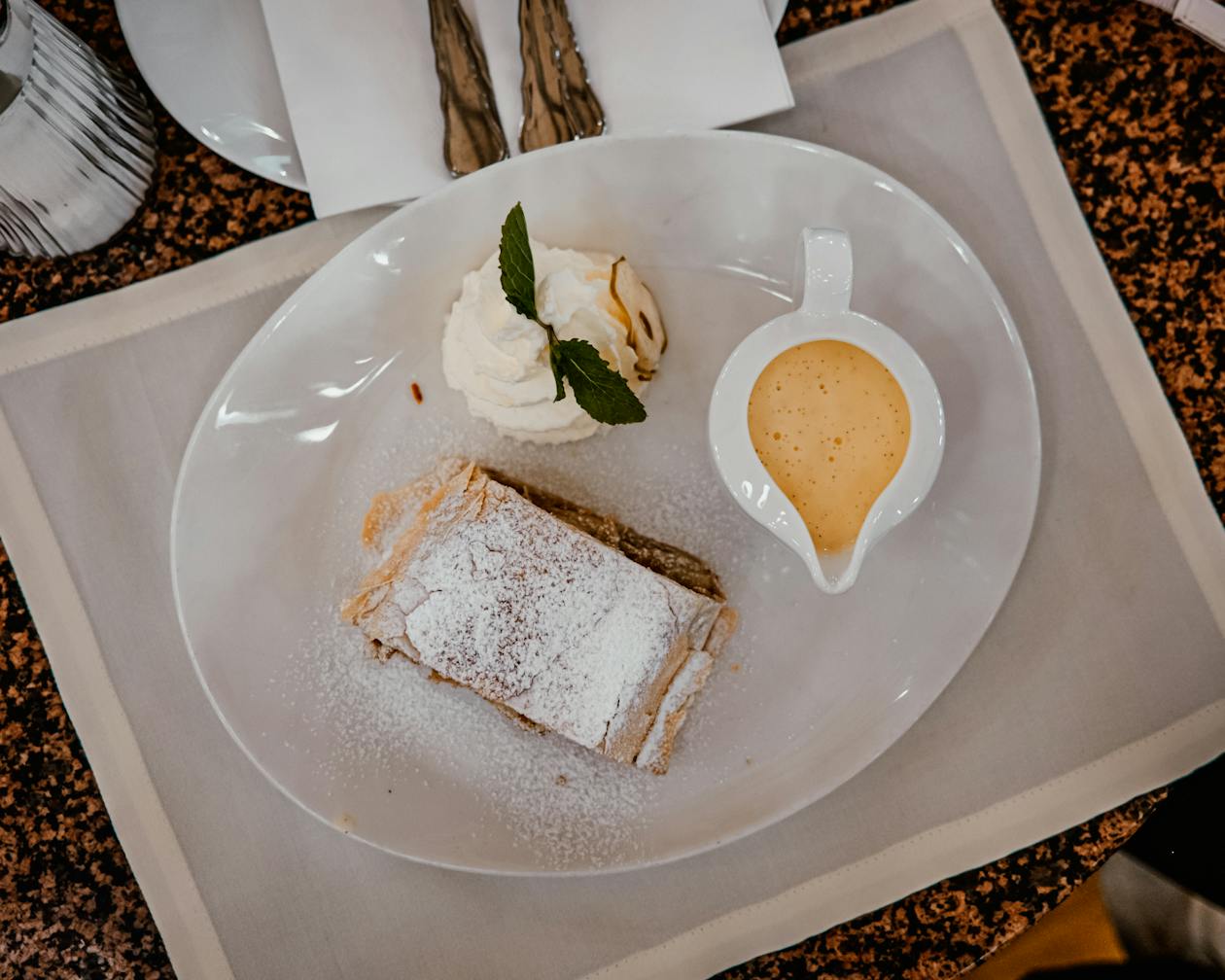
Apfelstrudel is the other big one. Layers of paper-thin pastry wrapped around apples, raisins, cinnamon, and breadcrumbs. The dough should be so thin it’s almost translucent. Every coffee house serves it, but the quality varies wildly. Some use fresh pastry pulled that morning. Others use frozen dough that tastes like cardboard.
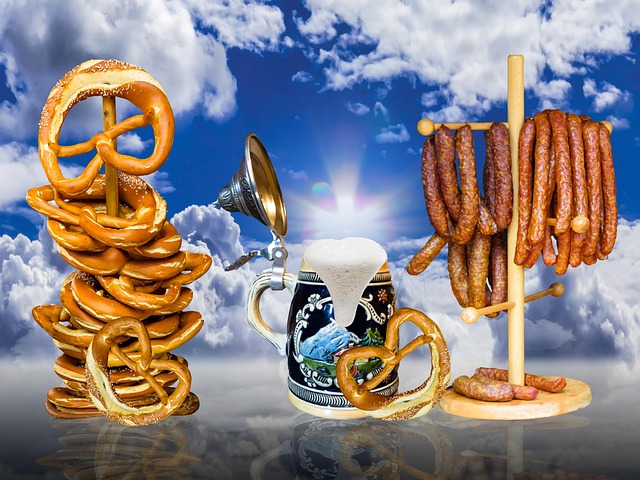
Wurst is the street food backbone. Vienna’s sausage stands (Wurstelstande) are an institution. The Kasekrainer — a cheese-filled sausage that oozes when you bite into it — is the local favorite. Pair it with a Semmel (bread roll) and sharp mustard. Open from late morning until the early hours, these stands are where you’ll find taxi drivers, opera-goers in formal wear, and everyone in between.
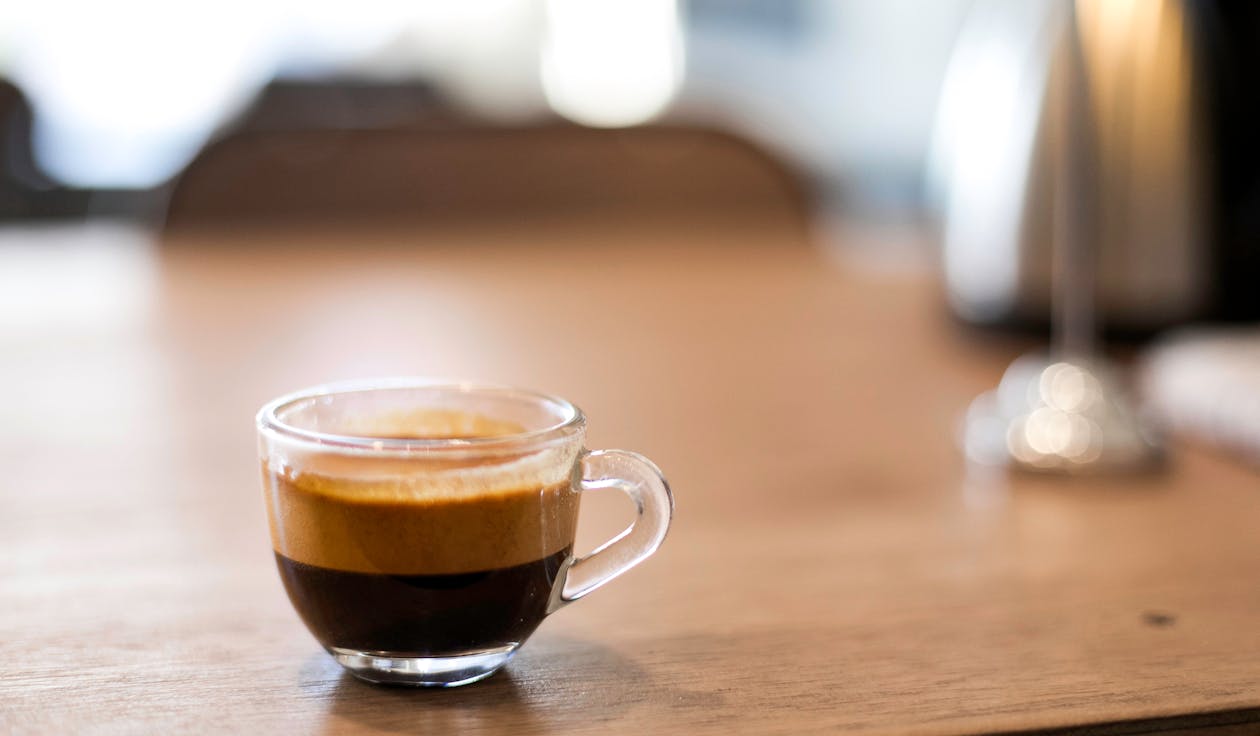
Coffee deserves its own paragraph. Vienna’s coffee house culture is UNESCO-listed, which tells you how seriously people take it here. A Melange (the most popular order) is espresso with steamed milk and foam. An Einspanner is a double espresso with a massive dollop of whipped cream served in a glass. A Verlangerter is what you’d call an Americano, but don’t call it that out loud. Most food tours include a coffee house stop with proper explanation of the menu.
Tips That Will Save You Time and Money
Don’t eat breakfast before a food tour. Seriously. Every tour warns you about this, and every group has someone who ignores the advice and can’t finish the tastings by stop three.
Wear comfortable shoes. Even the shorter tours involve a lot of walking, and the Naschmarkt area has cobblestones in places.
Bring cash. Some of the smaller market vendors and old-school Beisls don’t take cards. A 20 and a 10 should cover any incidentals.
If you have dietary restrictions, message the tour operator before booking. Most can accommodate vegetarian and gluten-free with advance notice. Vegan is harder — traditional Viennese food leans heavily on butter, cream, and meat — but the better guides will find alternatives at the Naschmarkt.
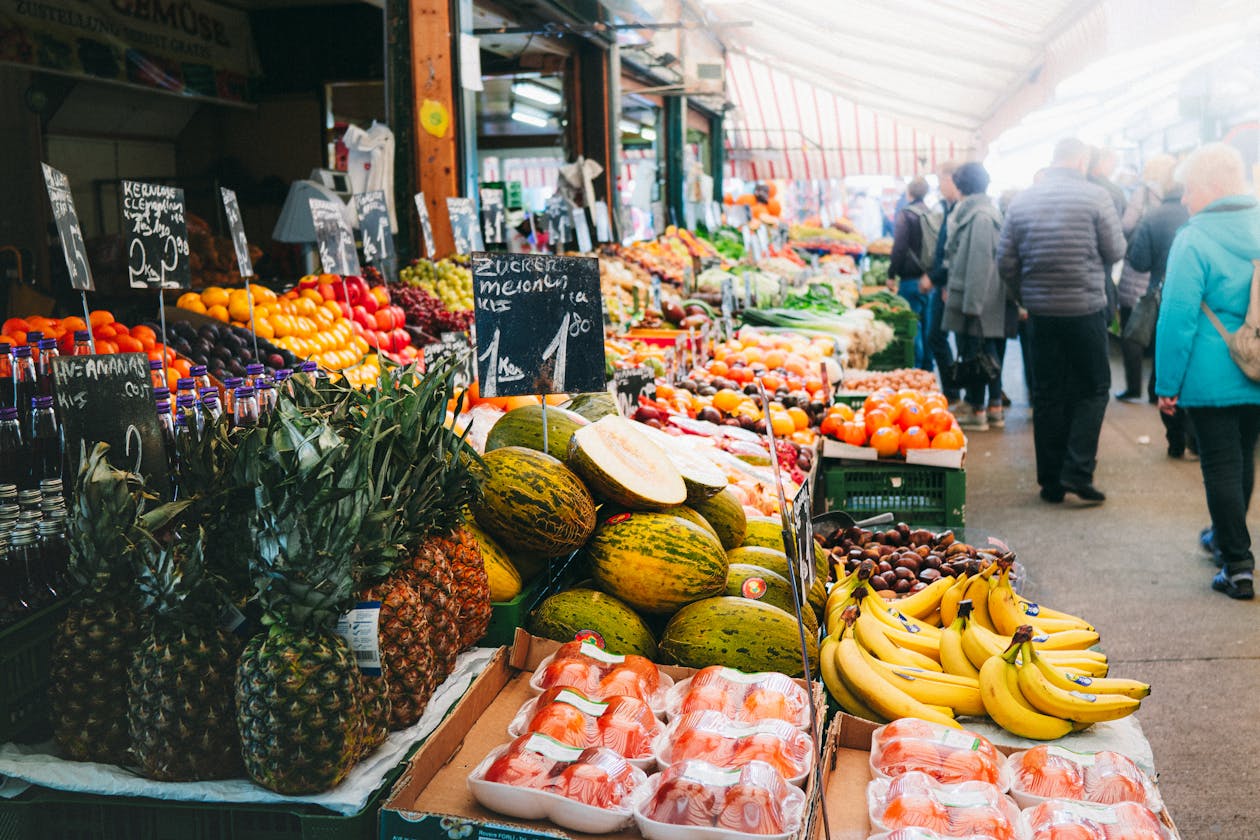
The Naschmarkt flea market runs every Saturday alongside the food stalls. It’s chaotic and wonderful, but it also means the whole area is significantly more crowded. If you want a calmer tasting experience, go on a weekday. If you want the full circus, Saturday morning is the time.
Don’t skip the Heuriger if you have an evening free. These are wine taverns in Vienna’s outer districts (Grinzing and Neustift am Walde are the most famous) where local winemakers serve their own wine alongside cold buffet food. It’s not part of most food tours, but it’s one of the most authentic food experiences in the city. Take the tram — it’s part of the experience.
Beyond the Food: What Else to Do in Vienna
If you are spending more than a day or two in Vienna, a food tour pairs well with the city’s other big experiences. Schonbrunn Palace is worth a half-day, and the Belvedere has Klimt’s The Kiss along with a strong Austrian art collection. The Hofburg and Sisi Museum dives into the daily life of the Habsburgs, and the Spanish Riding School in the same complex is unlike anything else in Europe. For a more relaxed pace, the Danube cruises give you a completely different perspective on the city, and the walking tours cover the history that food tours skip.
Evening visitors should look into classical concert tickets — there are performances almost every night in venues across the city center. The hop-on hop-off bus is a decent orientation tool on your first day. For day trips, Hallstatt is stunning if you do not mind an early start. And if your Austria itinerary includes Salzburg, the salt mines, Sound of Music tour, and Eagle’s Nest are each a full day from there.