
I almost skipped the hop-on hop-off bus entirely. It felt too tourist-cliché, too safe. But then I spent 40 minutes dragging my suitcase up a hill in Plaka looking for the Acropolis entrance in 34-degree heat, and I started rethinking my whole “authentic travel” stance pretty quickly.
Turns out the open-top bus in Athens is genuinely useful — not just a lazy sightseeing loop. The city is spread out, the hills are brutal in summer, and the metro doesn’t go everywhere you want it to. The bus connects the Acropolis district to Piraeus harbour and the coast in a single ticket, which is something no other transit option does cleanly.

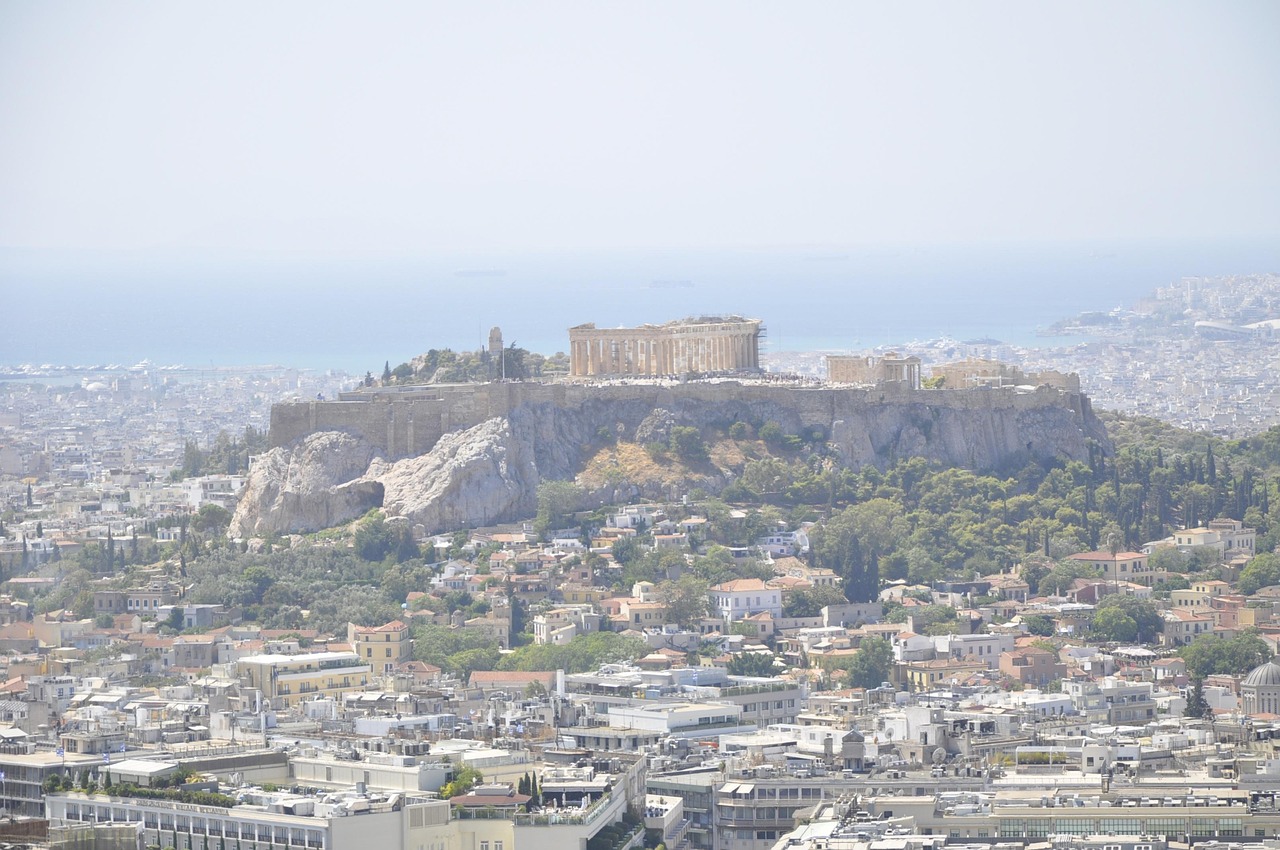

Here’s everything you need to know about booking the right hop-on hop-off bus in Athens — the routes, the companies, what each ticket actually covers, and which ones are worth your money.
Best overall: City Sightseeing Hop-On Hop-Off Bus Tour — $25. Three routes covering Athens, Piraeus, and the beach riviera. The most complete option by far.
Best for port stops: Athens, Piraeus & Beach Riviera Tour — $26. Same routes, Viator booking with free cancellation up to 24 hours.
Best budget: Classic Tour of Athens, Piraeus & Beaches — $14. No-frills version that hits the main stops at nearly half the price.
- How the Athens Hop-On Hop-Off Bus Works
- Buying Your Own Ticket vs. Booking Through a Tour Platform
- The Best Hop-On Hop-Off Tours to Book
- 1. Athens: City Sightseeing Hop-On Hop-Off Bus Tour —
- 2. City Sightseeing Athens, Piraeus & Beach Riviera —
- 3. Hop On Hop Off Classic Tour —
- When to Ride
- How to Get to the Bus Stops
- Tips That Will Save You Time
- What You’ll See from the Top Deck
- More Athens Guides
- More Greece Guides
How the Athens Hop-On Hop-Off Bus Works
Athens has one main hop-on hop-off operator: City Sightseeing, running the familiar red open-top double-deckers you’ve probably seen in other cities. They operate three distinct routes that together cover most of what visitors want to see.
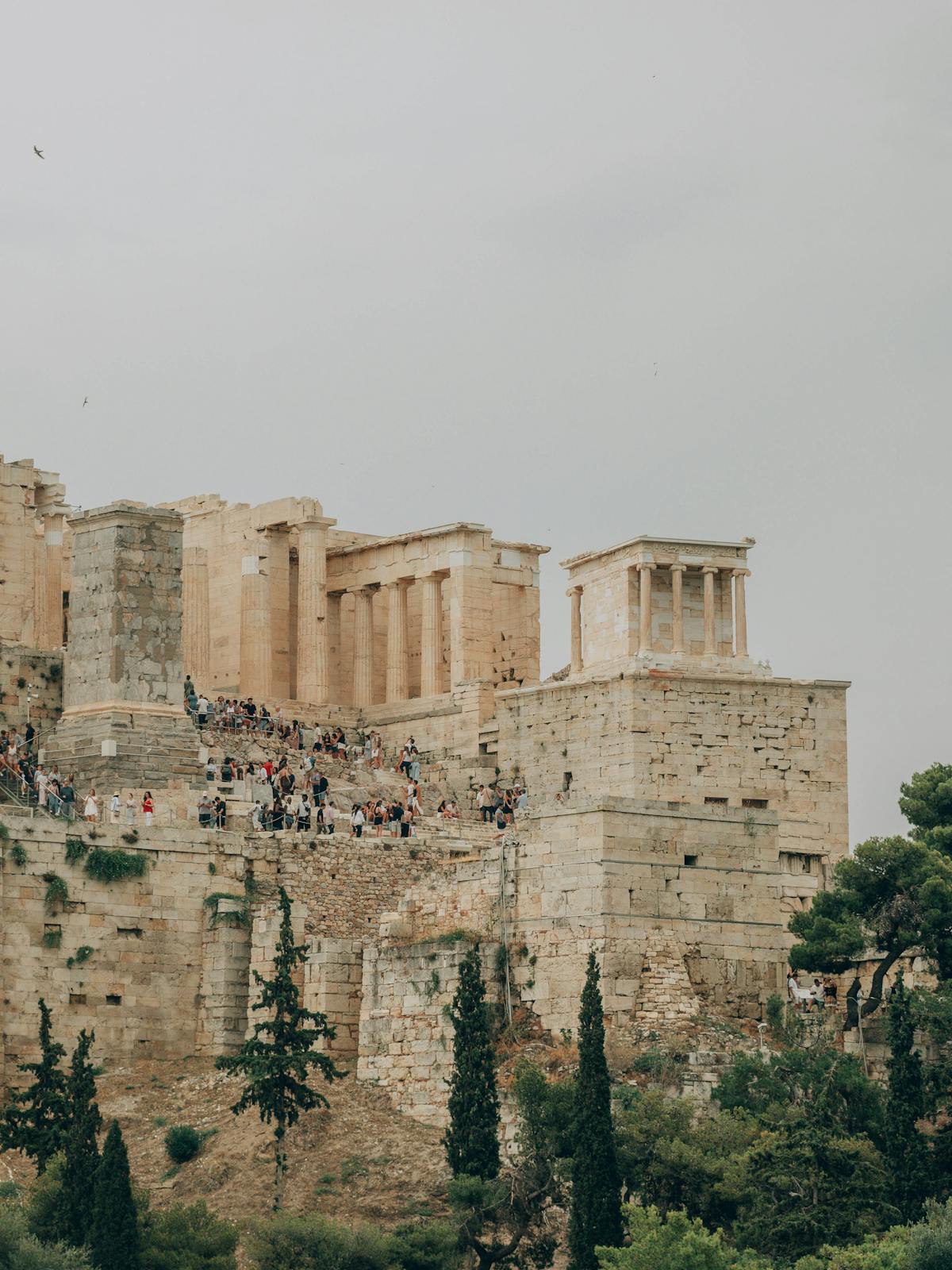
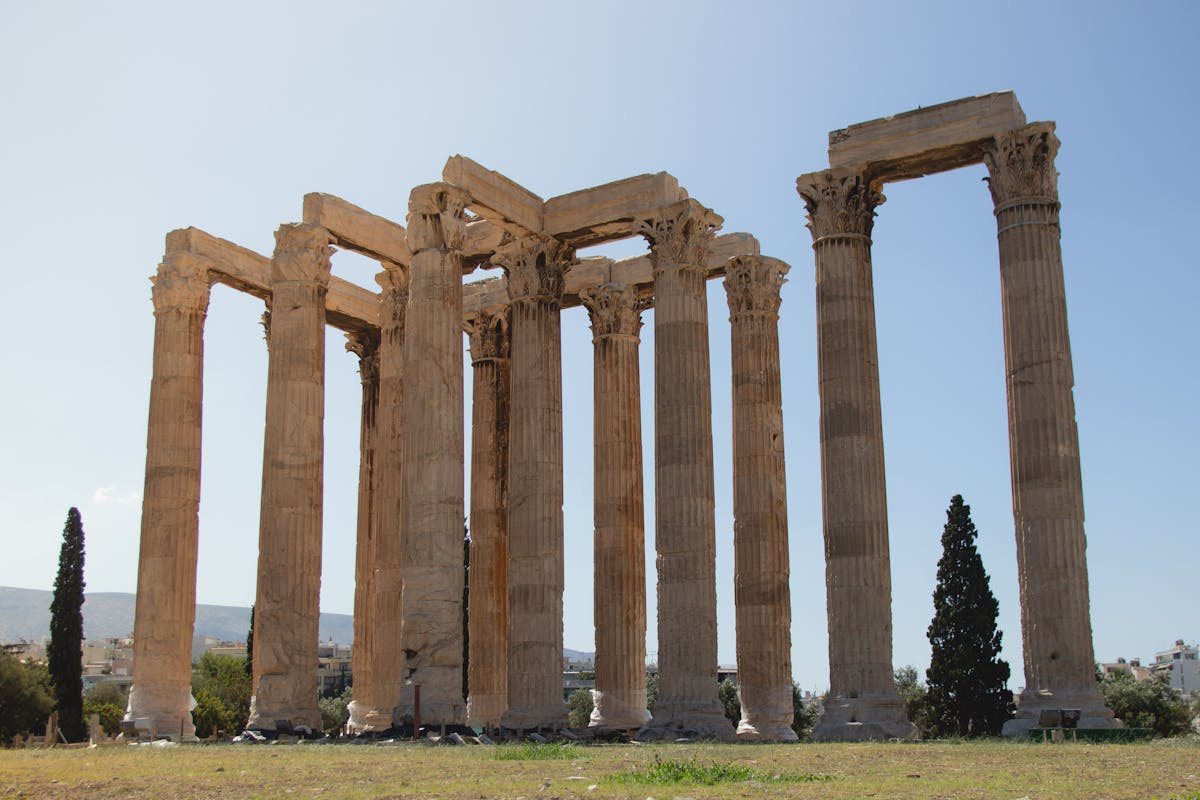
Athens Route (Orange Line): This is the core loop through central Athens. It passes the Acropolis, the National Archaeological Museum, Syntagma Square, the Parliament building with its Evzones guards, Monastiraki, the Temple of Olympian Zeus, and the Panathenaic Stadium where the first modern Olympics were held in 1896. The full circuit takes about 90 minutes without hopping off. Buses run roughly every 20-30 minutes depending on the season.
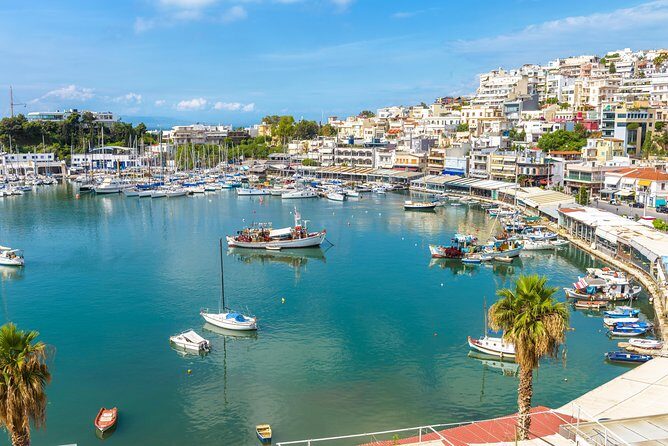
Piraeus Route (Blue Line): Connects central Athens to the port of Piraeus, which is handy if you’re catching a ferry to the islands or just want to see the waterfront area. It passes the Flea Market, Kerameikos archaeological site, and the cruise ship terminals. The full loop is about 70 minutes.
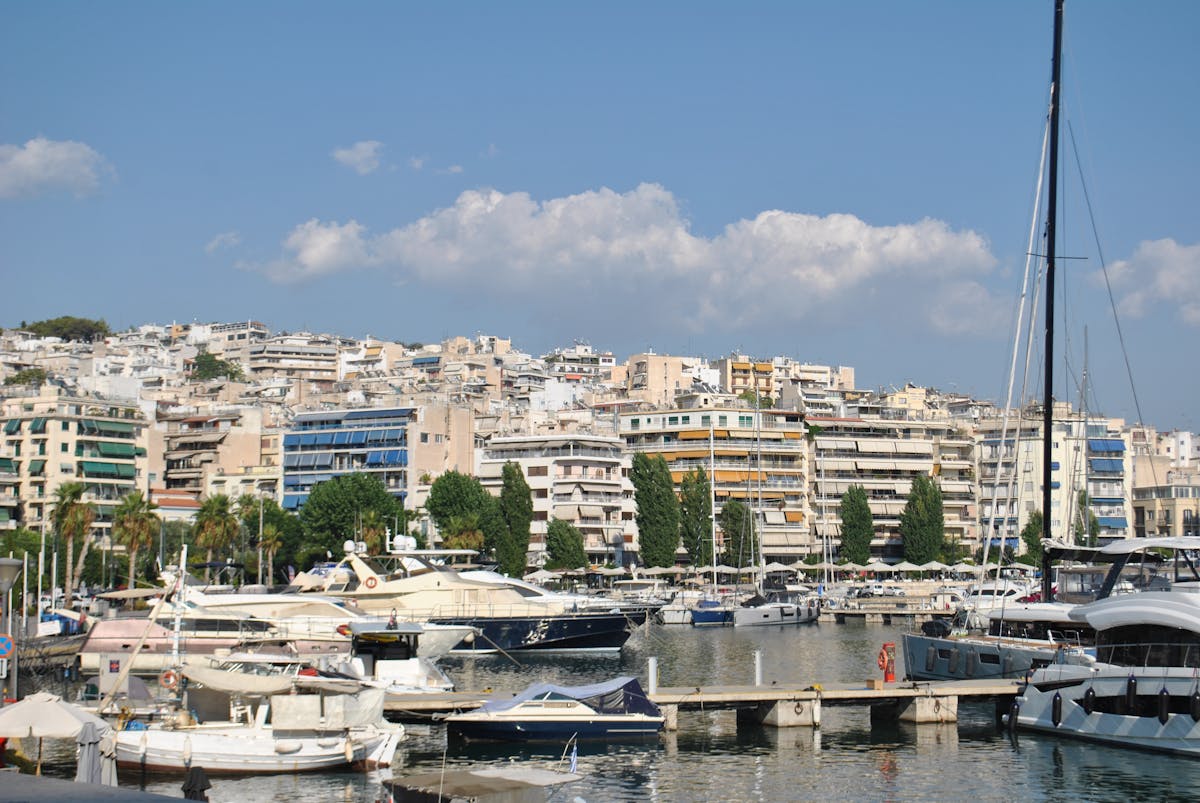
Beach Riviera Route (Green Line): Runs from Piraeus down the coast toward the southern suburbs, passing through Glyfada, Vouliagmeni, and the beach areas along the Athenian Riviera. This is the route that surprises most visitors — they come for the ruins and don’t realize Athens has a coastline with genuinely swimmable beaches 30 minutes from the city centre.
All three routes are included in a single ticket. You buy a 24-hour, 48-hour, or 72-hour pass and can switch between lines freely. Audio commentary comes through headphones in about 16 languages. The top deck is uncovered — brilliant for photos, terrible if you forgot sunscreen in July.
Buying Your Own Ticket vs. Booking Through a Tour Platform

You can buy a ticket directly at any bus stop from the driver or at the City Sightseeing kiosks around Syntagma Square. The price is roughly the same either way — around EUR 20-25 for a 24-hour pass.
Why I’d book online instead: Free cancellation. If your plans change, a ticket bought at the stop is non-refundable. Booking through GetYourGuide or Viator gets you cancellation up to 24 hours before, which matters in a city where strikes occasionally shut down transport with little warning. One visitor found out the hard way when a three-day transit strike meant half the bus stops weren’t running on their scheduled day.
The online booking also locks in your price in your home currency, which saves you from exchange rate math. And honestly, it’s just one less thing to sort out when you land.
Go with a direct purchase if: You’re already in Athens and decide on a whim to jump on. Walk up, tap your card, grab the top deck seat. No need to show a printed voucher.
Book online if: You want the flexibility to cancel, you’re planning your trip in advance, or you want to bundle the bus with other Athens activities (some platforms offer combo deals with Acropolis tickets or museum passes).
The Best Hop-On Hop-Off Tours to Book
All three options below run the same City Sightseeing routes on the same buses. The difference is booking platform, cancellation terms, and price. I’ve ranked them by overall value and convenience.
1. Athens: City Sightseeing Hop-On Hop-Off Bus Tour — $25
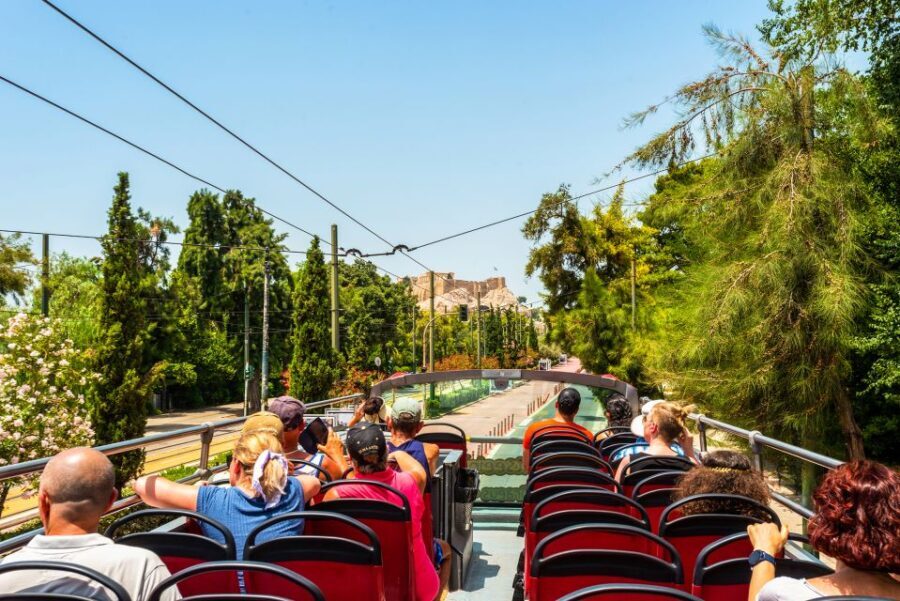
This is the most booked hop-on hop-off option in Athens, and for good reason. At $25 for a 24-hour pass, you get access to all three routes — the Athens city loop, the Piraeus port line, and the beach riviera run down the coast. That’s 40+ stops across the entire metropolitan area on a single ticket. You can upgrade to 48 or 72 hours if you want to stretch it across your whole trip.
The audio commentary is available in 16 languages, and while it’s not going to replace a proper guided tour of the Acropolis, it gives you enough context to know what you’re looking at as you roll past the Temple of Zeus or the Panathenaic Stadium. The top deck seating is first-come-first-served, and during peak season the front row fills up fast. My advice: board at Syntagma Square first thing in the morning, do the full Athens loop once without hopping off just to orient yourself, then start making stops on the second pass.
2. City Sightseeing Athens, Piraeus & Beach Riviera — $26

Essentially the same product as the one above, booked through Viator instead of GetYourGuide. The extra dollar gets you Viator’s cancellation policy (free up to 24 hours) and their customer support infrastructure, which some people prefer. Same three routes, same buses, same audio guides.
I’m listing this separately because the Viator version explicitly highlights the Piraeus and beach riviera routes in its marketing, which means this is the listing that tends to attract people who specifically want the coastal extension rather than just the city loop. If you’re the type who books through Viator for all your activities because you like keeping everything in one app, this is your option. The 90-minute circuit time is the same, and the buses depart from the same stops. Honestly, flip a coin between this and the GYG version — the product is identical.
3. Hop On Hop Off Classic Tour — $14
This is the no-frills version at nearly half the price of the City Sightseeing flagship product. At $14 per person, it covers the same basic Athens loop plus Piraeus and beach routes, but on a slightly different fleet. The buses are clean and functional, the audio works fine, but you won’t get the same frequency of service — expect longer waits between buses, especially on the beach route.
A few things to know: the drivers on this service have a reputation for being a bit brusque. Nothing terrible, just don’t expect the warm welcome you’d get on a private tour. The terrain around some stops is uneven, so comfortable shoes matter more than usual. And the stops occasionally shift without much notice during transit disruptions, which Athens experiences more often than you’d expect. But at $14? For an all-day pass that covers the Acropolis area, Piraeus port, and the coast? That’s hard to argue with if you’re watching your budget.
When to Ride

Buses typically start their first runs between 8:30am and 9:00am, with the last departure from the main stop (usually Syntagma Square) around 7:00-7:30pm depending on the season. Summer hours run slightly later.
Best time to ride: Early morning or late afternoon. Mid-day in summer (June through September) the top deck becomes an oven — I’m not exaggerating. Temperatures regularly hit 35-40 degrees, and there’s zero shade on the upper level. If you insist on the top deck at noon, bring a hat, water, and sunscreen, and accept that you’ll be slightly miserable between stops.
Worst time: Around 11am-2pm in July and August. The buses are packed, the heat is oppressive on the top deck, and the traffic through central Athens slows the circuit to a crawl. You’ll spend more time stuck behind delivery trucks on Vassilissis Amalias than actually sightseeing.
Shoulder season (March-May, October-November): The sweet spot. Comfortable temperatures, manageable crowds, and buses running at full frequency without the summer gridlock. Late October is particularly nice — the light is soft, the city is calmer, and you can sit on the top deck all day without getting sunburned.
How to Get to the Bus Stops

The main starting point is Syntagma Square, right in front of the Parliament building. It’s served by metro lines 2 (red) and 3 (blue), so you can get there from practically anywhere in the city. If you’re staying in Plaka, Monastiraki, or the Acropolis area, you’re already within walking distance of multiple stops on the Athens route.
Other convenient pickup points:
Monastiraki Square: Walk from the metro exit and look for the red bus stop. This is a good alternative starting point if you’re staying in the flea market area. Also a great place to hop off for lunch — the souvlaki joints on Mitropoleos Street are some of the best in Athens, and they’re about 200 meters from the stop.
Piraeus Port: If you’re arriving by cruise ship, the Piraeus stop is near Gate E12 at the cruise terminal. The Blue Line connects directly to the Athens route at the Thissio/Kerameikos interchange. Give yourself at least 15 minutes for the transfer between lines.
From the Airport: There’s no direct hop-on hop-off service from Athens International Airport. Take the metro (Line 3, roughly 40 minutes to Syntagma) or the X95 express bus (about 60-70 minutes). Either drops you at the main bus stop. Don’t try to take a taxi in morning rush hour — it’ll cost EUR 40+ and take longer than the metro.
Tips That Will Save You Time
Do the full loop first. Seriously. Don’t hop off at the first interesting stop. Ride the entire Athens route once without getting off. It takes about 90 minutes, you’ll get a feel for the city layout, and you can plan your hop-offs for the second pass based on what looked most interesting from the bus.
The 72-hour pass is worth it. The price difference between 24 hours and 72 hours is usually only a few euros, and it completely changes how you use the bus. Instead of cramming everything into one frantic day, you can use it as your actual transport for three days — Acropolis area on day one, Piraeus and the coast on day two, a morning revisit to anything you missed on day three.
Check for strikes. Greece has a tradition of transit strikes, and they can shut down bus services with minimal advance notice. Check the news or ask your hotel reception the night before. It doesn’t happen often, but when it does it affects the hop-on hop-off routes just like regular buses.
Sit on the right side heading south. For the best Acropolis views from the bus, grab a seat on the right side when heading south along Vassilissis Amalias. The Acropolis looms up to your right, and you get that classic “Parthenon above the rooftops” photo that looks incredible from the upper deck.
Combine with the Acropolis. The bus stops right at the Acropolis entrance. If you haven’t booked your Acropolis tickets yet, do that separately — the bus ticket doesn’t include site entry. But the bus-to-Acropolis-gate walk is about 5 minutes, which is much better than the uphill slog from Monastiraki metro.
What You’ll See from the Top Deck
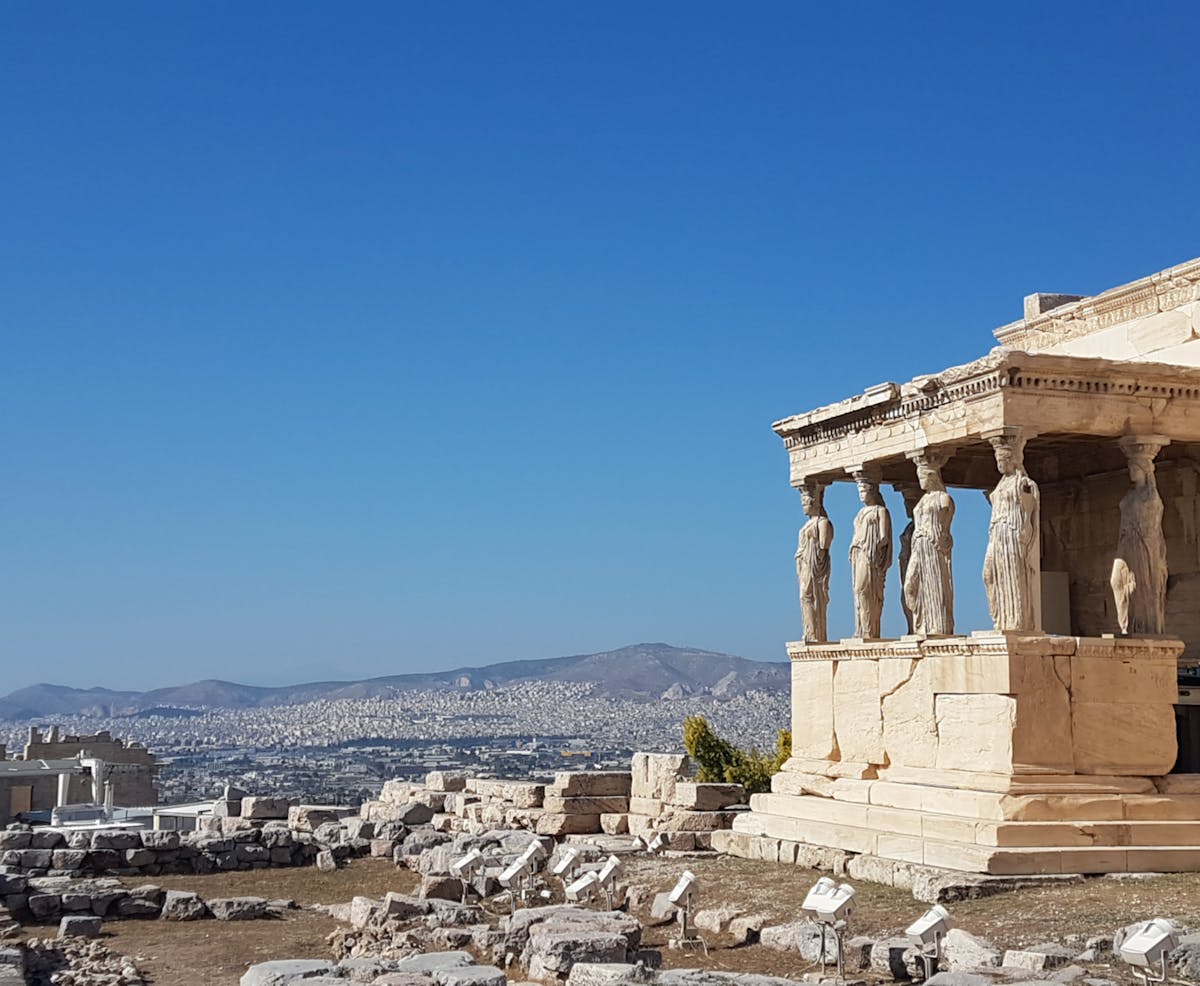
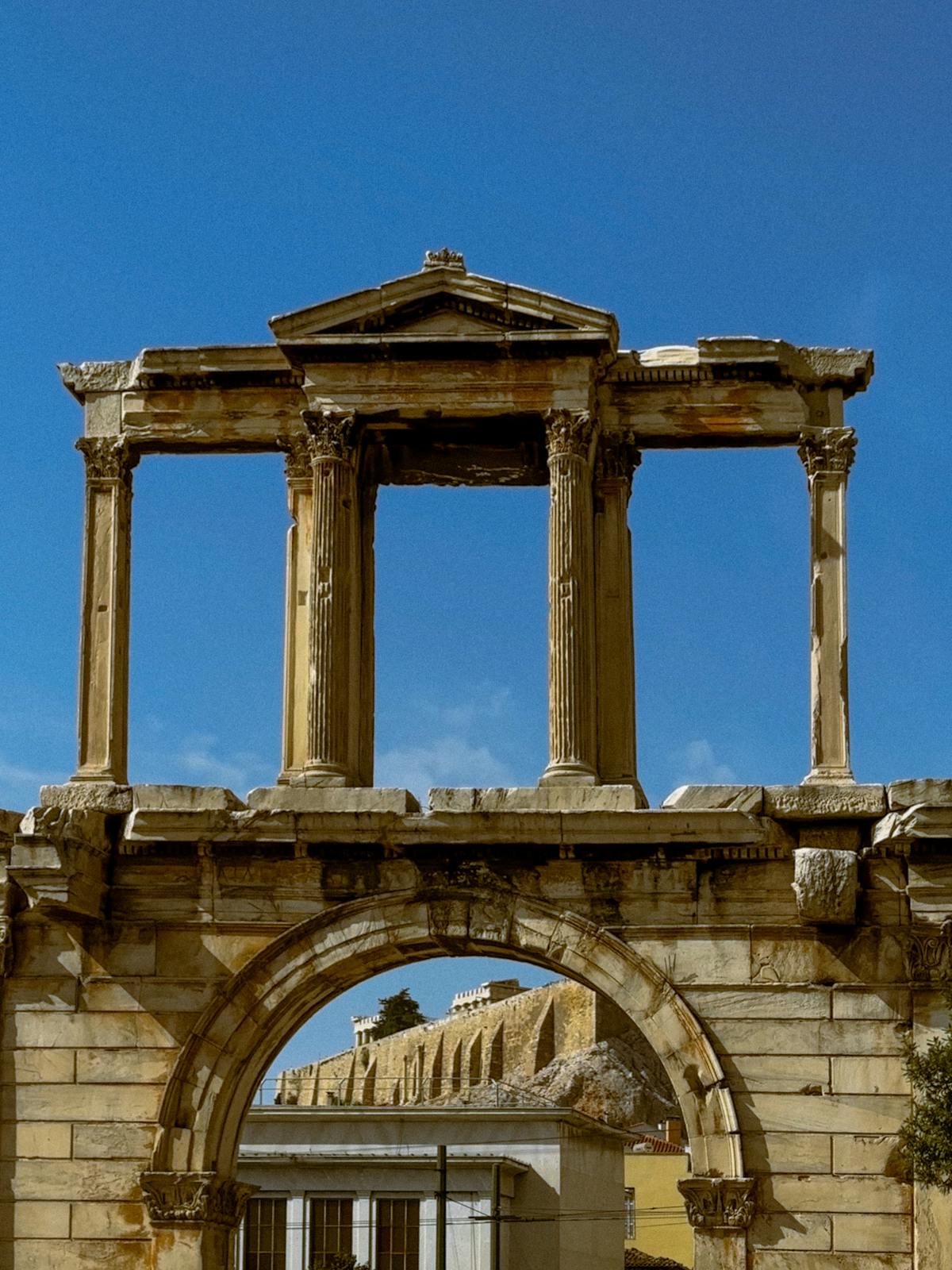
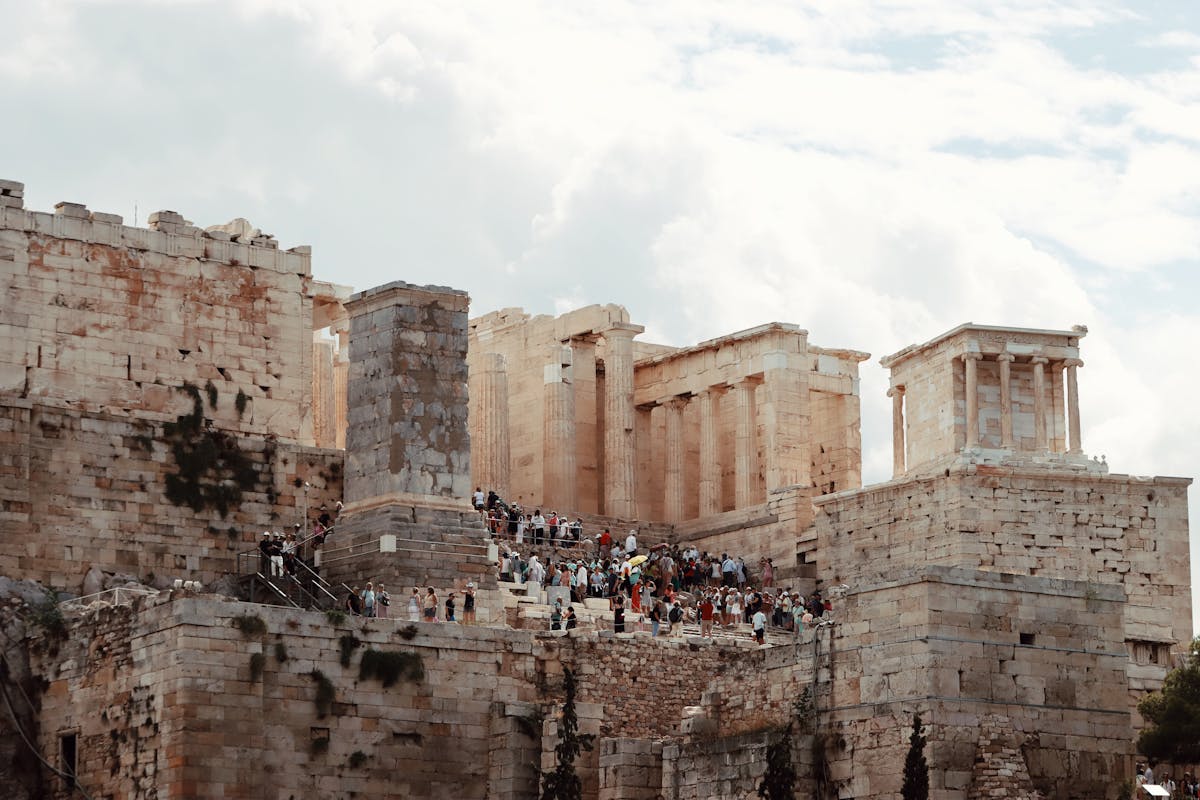
The Athens route alone passes some of the most concentrated ancient ruins in any city on earth. Within the 90-minute loop you’ll see the Acropolis (obviously), the Temple of Olympian Zeus with its towering Corinthian columns, the Panathenaic Stadium entirely built from white marble, Hadrian’s Arch, the Ancient Agora where Socrates held court, and the National Archaeological Museum which holds more Greek antiquities than anywhere except the British Museum.
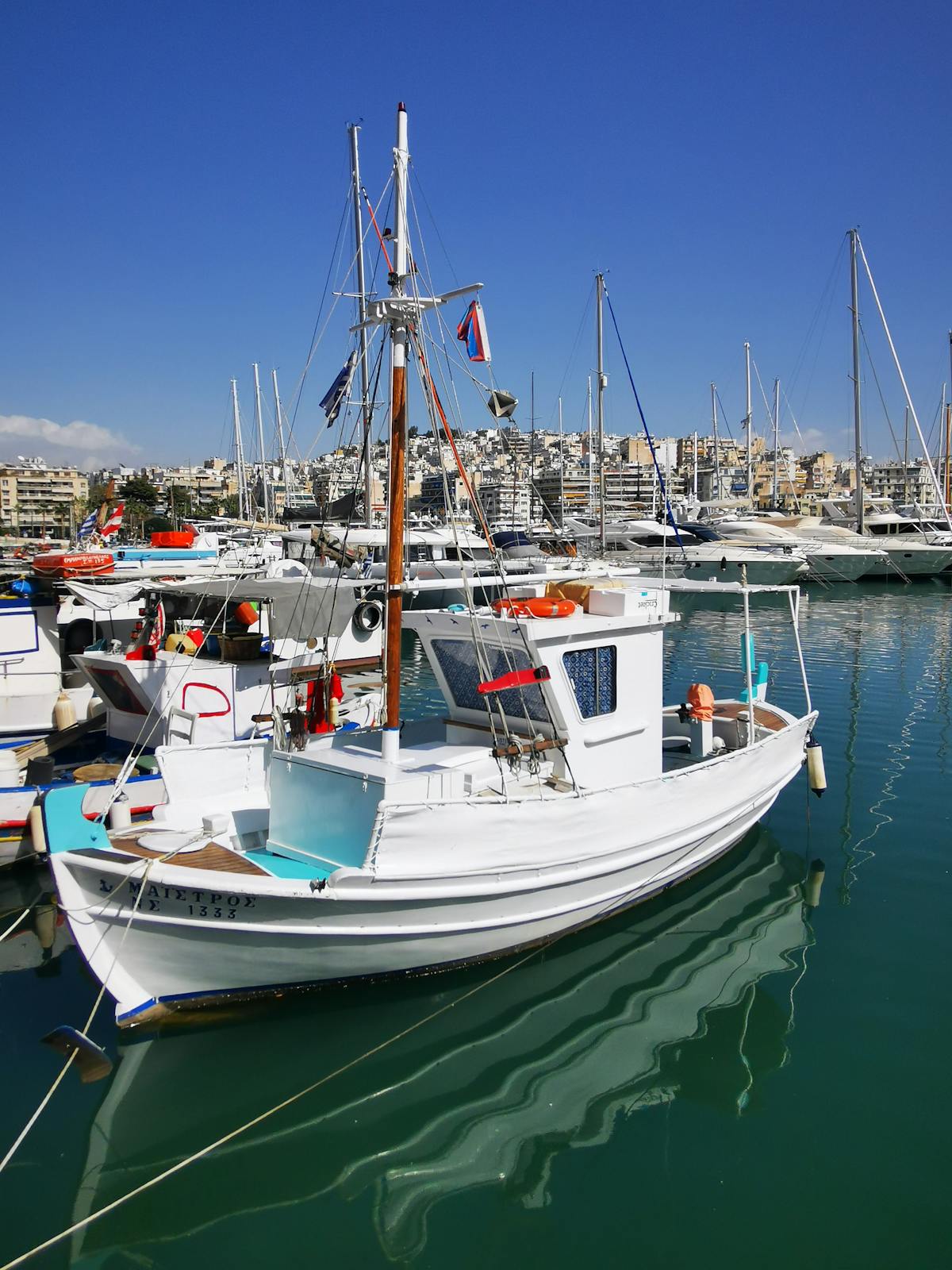
The Piraeus extension adds a completely different dimension. You go from ancient ruins to a working commercial port, fishing boats, and the Mikrolimano harbour area where Athenians go for seafood on weekends. It’s a side of the city most travelers never see because it’s just far enough from the centre to feel like a hassle on public transport.
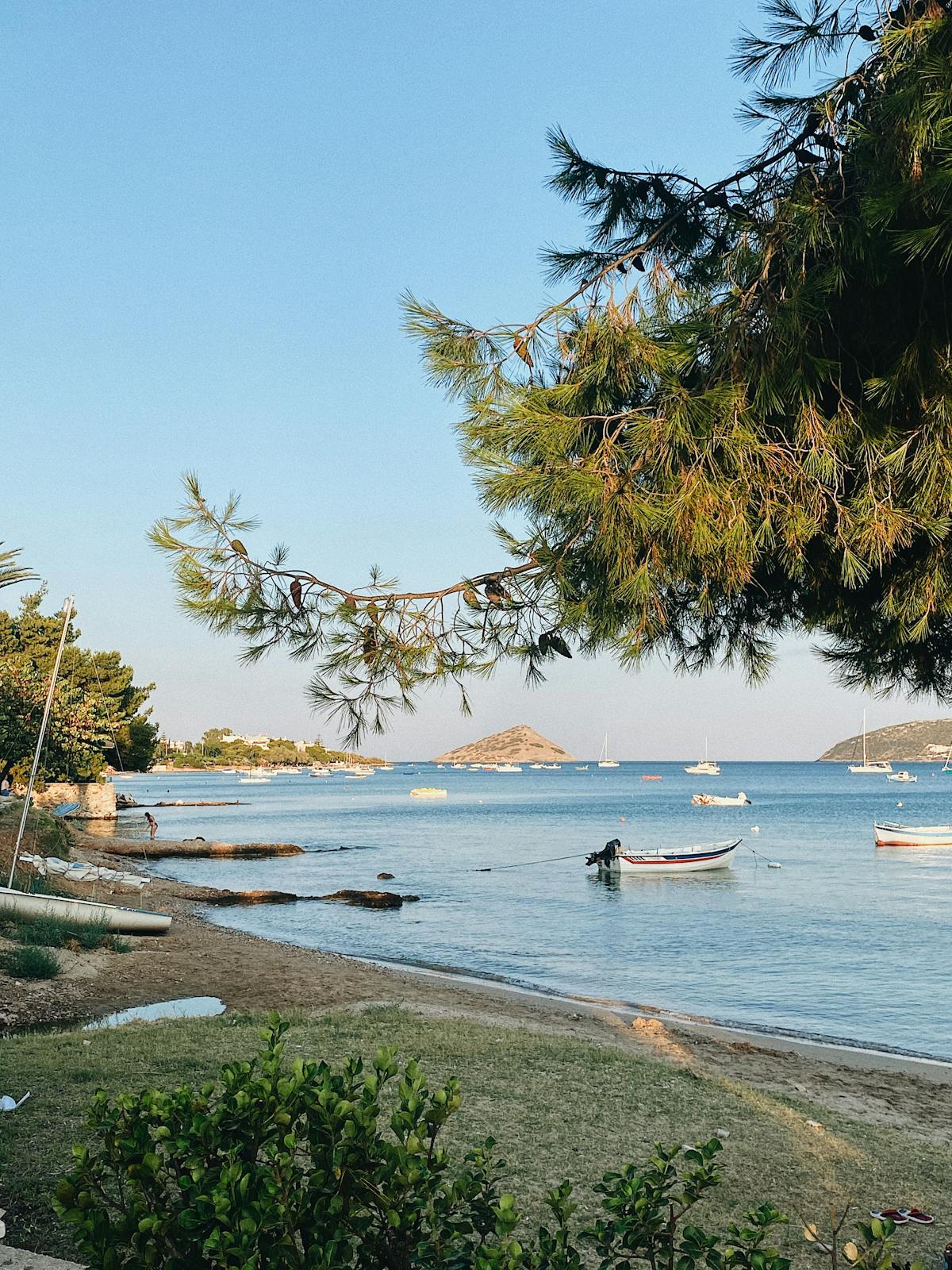
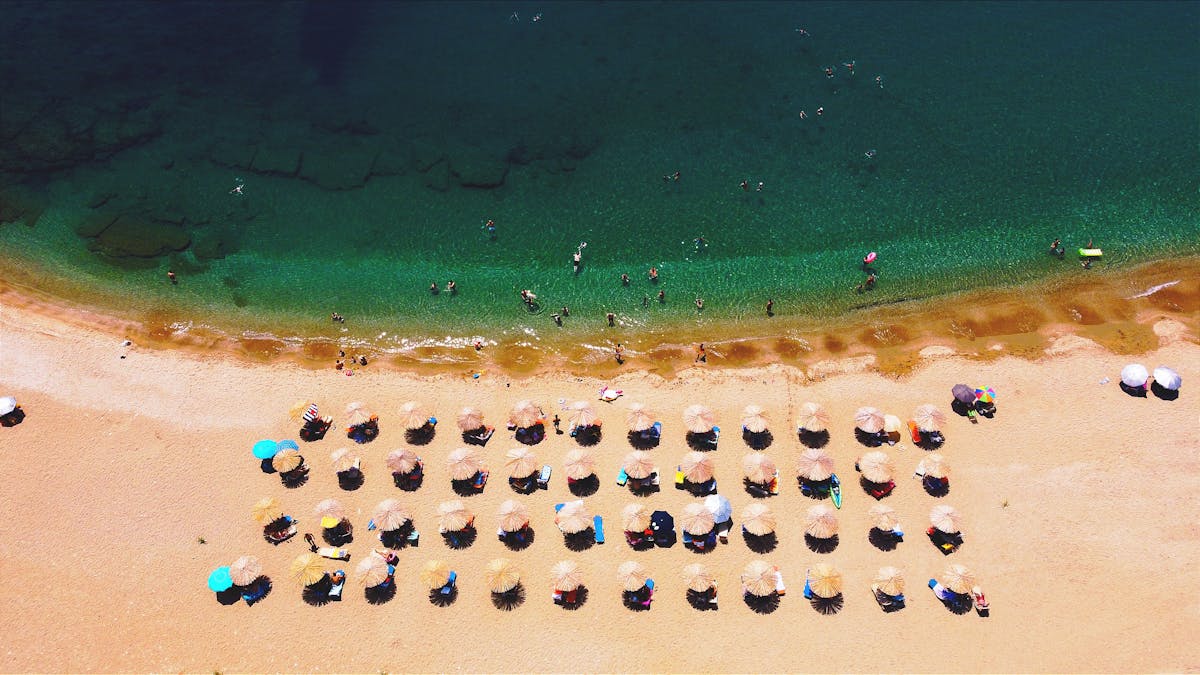
And then there’s the coast. The Beach Riviera route runs south past Faliro, Alimos, Glyfada, and Vouliagmeni — the stretch of coastline that Athenians treat as their summer backyard. The water is remarkably clean for a major capital city, and several of the beaches the bus passes are genuinely nice places to spend an afternoon. Vouliagmeni Lake, a natural thermal pool fed by underground hot springs, is a short walk from one of the stops and makes for a surreal mid-sightseeing swim.
More Athens Guides

If the Acropolis is on your list (and it should be), I’ve written a full guide on getting Acropolis tickets that covers the official booking system, skip-the-line options, and the best times to visit. For a completely different side of Athens, a food tour through the central market and Psyrri neighbourhood is one of the best things I’ve done in the city — you’ll eat more in three hours than most people manage in a week. And if you’re willing to take a full-day trip outside the city, the monasteries at Meteora are about five hours north and genuinely one of the most spectacular things I’ve seen anywhere in Europe.
This article contains affiliate links. If you book through our links, we earn a small commission at no extra cost to you. This helps us keep producing detailed travel guides.
More Greece Guides
The bus routes connect most of the major Athens sites, but two deserve extra time on foot. The Acropolis needs at least two hours beyond the bus stop, and the Archaeological Museum is a stop on the main route that rewards a slow visit.
Day trips from Athens work well the day after a bus circuit. Delphi and Epidaurus and Mycenae both leave early morning and return by evening, while Cape Sounion is a half-day that fits alongside other plans.