
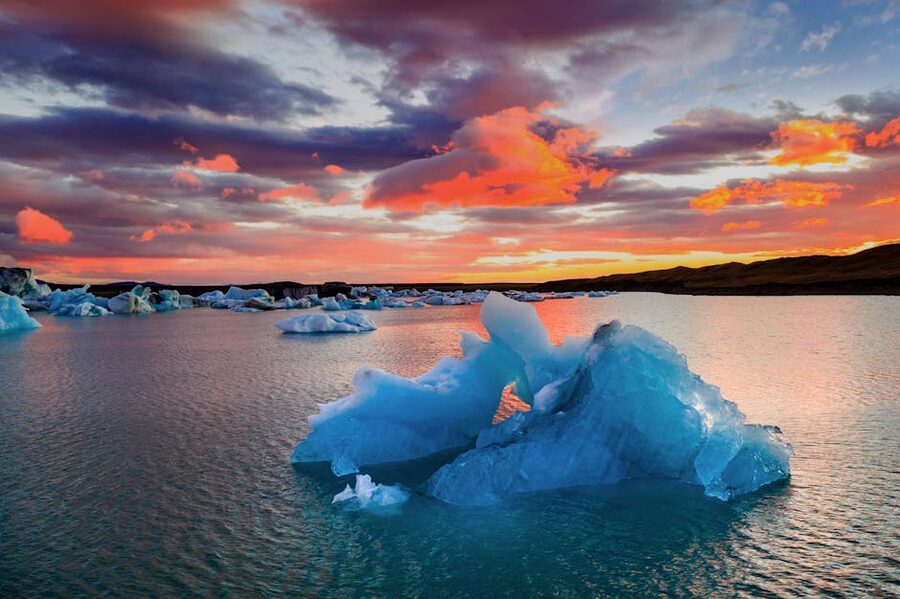
The icebergs floating in Jokulsarlon today have been drifting across the lagoon for an average of five years. They calved off the Breidamerkurjokull glacier, slowly migrated across a 25-square-kilometre stretch of meltwater, and are now waiting their turn to slip out the short river mouth into the Atlantic. By the time you stand on the shore looking at one, it has already lived a small geological life.
This guide covers the practical side of getting there: how to book a Jokulsarlon day trip from Reykjavik, what the 14-hour itinerary actually looks like, which tour to pick, and whether the boat ride on the lagoon is worth the extra money. Most people only do this trip once, so the goal here is to help you do it well.
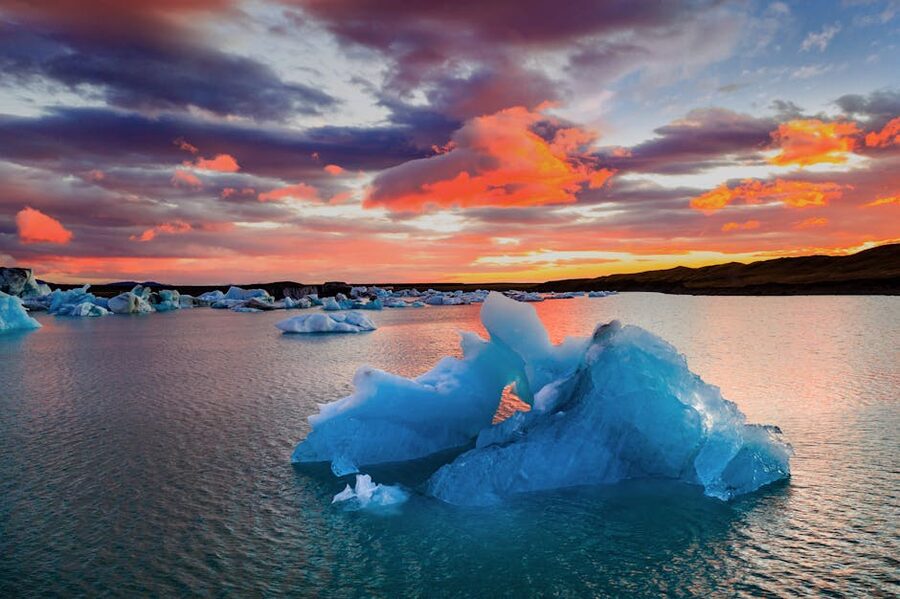
A Jokulsarlon day trip from Reykjavik is the longest and most ambitious single-day tour you can do in Iceland. The drive is roughly 376 km each way along the south coast. Including stops, you are looking at 14 to 15 hours door-to-door. Most departures leave central Reykjavik between 7am and 8am and return between 9pm and 10pm. The schedule is brutal but the payoff is two of Iceland’s most photographed places: the lagoon itself, and Diamond Beach across the road, where iceberg fragments wash up on black sand.
In a Hurry? The Three Best Day Trips
- Most reviewed pick: Jokulsarlon Glacier Lagoon Full-Day Guided Trip from Reykjavik — around $203 per person, 14 hours, with stops at Seljalandsfoss, Skogafoss, Diamond Beach, and Vik.
- Best with a boat ride: Jokulsarlon Day Trip with Optional Boat Tour — around $210 per person, 14-15 hours, lets you add the amphibian boat tour onto the lagoon.
- Cheapest of the three: South Coast, Diamond Beach and Jokulsarlon Tour — around $194 per person, 14.5 hours, same itinerary at the lowest price.
- In a Hurry? The Three Best Day Trips
- Which Day Trip to Book
- 1. Jokulsarlon Glacier Lagoon Full-Day Guided Trip from Reykjavik — from 3
- 2. Jokulsarlon Glacier Lagoon and Diamond Beach with Boat Tour Option — from 0
- 3. South Coast, Diamond Beach and Jokulsarlon Tour — from 4
- The Drive: 376 km Each Way
- What You Stop At Along the Way
- Seljalandsfoss
- Skogafoss
- Reynisfjara Black Sand Beach
- Vik
- Jokulsarlon Itself
- The Boat Tour: Worth It or Skip?
- Diamond Beach
- How the Lagoon Got Here
- When to Go
- What to Bring
- Day Trip vs Overnight
- What to Do With the Rest of Your Iceland Trip
Which Day Trip to Book
There are dozens of operators selling this route and the differences between them are smaller than the marketing suggests. Group size, pickup logistics, and whether the boat tour is bundled in are what actually vary. These are the three I would book.
1. Jokulsarlon Glacier Lagoon Full-Day Guided Trip from Reykjavik — from $203
This is the workhorse of the Jokulsarlon day trip market and the one I would default to. The 14-hour version covers Seljalandsfoss, Skogafoss, Diamond Beach, the lagoon itself, and Vik on the return. Hotel pickup is included if you are staying in central Reykjavik. Our full review goes into the actual stop times and what the guide commentary tends to cover.
2. Jokulsarlon Glacier Lagoon and Diamond Beach with Boat Tour Option — from $210
Pick this one if you are leaning toward the amphibian boat ride on the lagoon (May to October only). The boat tour is a 30 to 40 minute add-on once you reach Jokulsarlon, and booking it through a combo tour avoids the queue you would otherwise hit at the dock. Our full review walks through the boat tour mechanics and whether it is worth the extra spend.
3. South Coast, Diamond Beach and Jokulsarlon Tour — from $194
If you want to keep the spend down, this is the one. The itinerary is essentially identical to the first option but priced ten dollars lower per person. Larger group sizes are the trade-off, which means more time spent loading and unloading at each stop. Our full review covers the group dynamics and whether the saving is worth it.
The Drive: 376 km Each Way
The single biggest factor in deciding whether to book this trip is the driving time. From central Reykjavik, the route runs east along Route 1 (the ring road) through Selfoss, Hella, and Vik before reaching Jokulsarlon. With no stops it takes roughly 5 hours of driving each way. With the standard tour stops folded in, you are on the road or in transit for about 11 hours of the day. Active time on your feet at attractions is closer to 3 hours total.
That ratio surprises people. If you book this expecting to spend most of the day at the lagoon, you will not. You get about 60 to 90 minutes at Jokulsarlon and Diamond Beach combined, plus 20 to 40 minutes at each of the south coast stops. The rest is windows and audio commentary. Whether that bothers you depends on what you make of the drive itself — for some it is a slow reveal of the south coast that they would not want to skip, for others it is dead time.
What You Stop At Along the Way
Almost every operator runs the same four-stop south coast itinerary on the way out, with one or two of those stops repeated on the way back. The geography forces it — there is essentially one main road, and the famous attractions are spread along it like beads on a string.
Seljalandsfoss
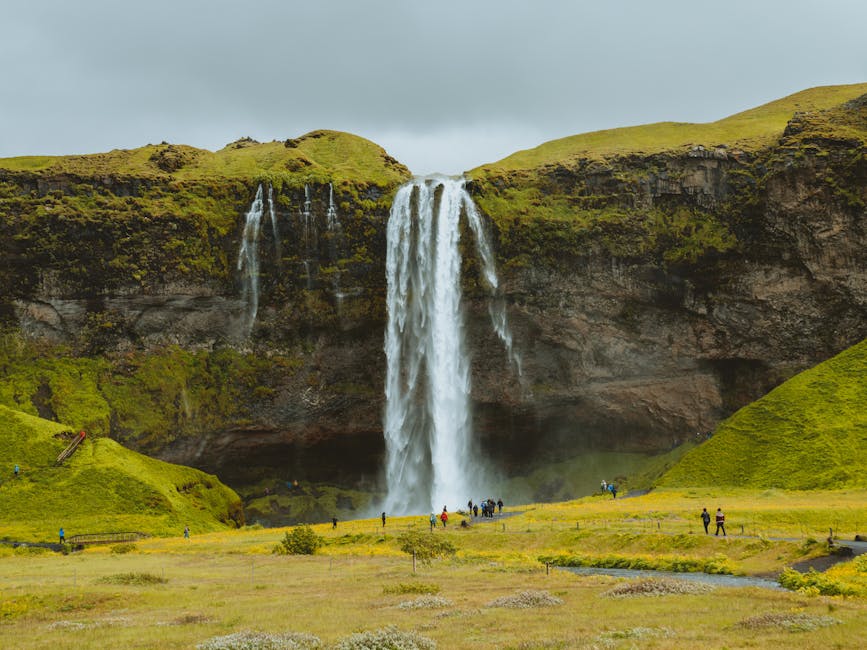
This is the waterfall you can walk behind. It is the first proper stop, usually around 90 minutes into the drive, and most tours give you 30 to 40 minutes here. Bring a rain shell and shoes you do not mind getting wet. The path that loops behind the falls gets soaked from spray, and in winter it is closed for safety because the spray freezes into a sheet of ice.
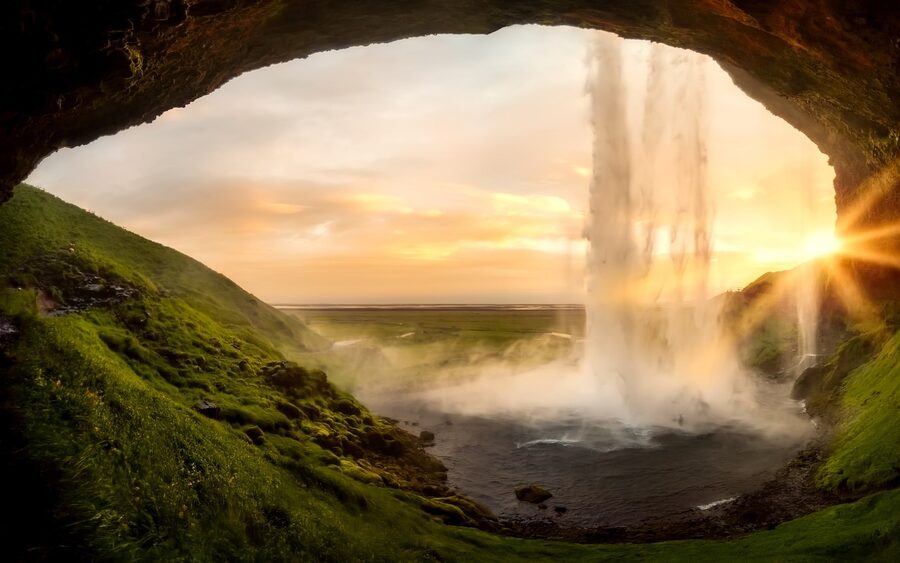
If you have time and your tour permits, walk five minutes left along the cliff to Gljufrabui, a smaller waterfall hidden inside a slot canyon. Most coach tours skip it but you can usually scramble there during your stop window if you do not linger at the main falls.
Skogafoss
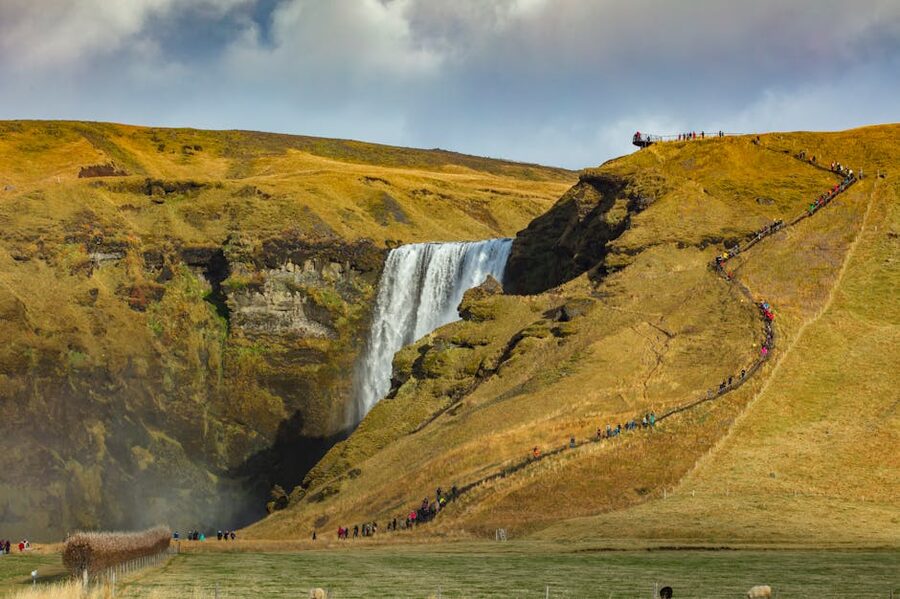
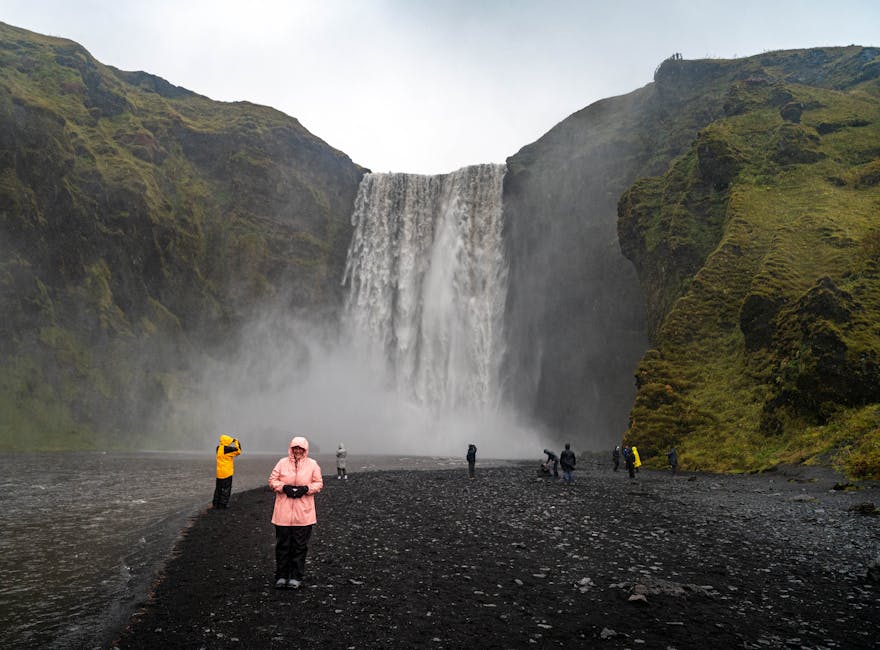
Skogafoss is 25 metres wide and 60 metres tall, and you can walk right up to the base if you are willing to get drenched. The metal staircase on the right climbs to a viewing platform at the top, but it is 527 steps and most coach tours do not give you enough time to do it without rushing. Plan for the base shot and skip the climb unless you have an unusually generous stop window.
Reynisfjara Black Sand Beach
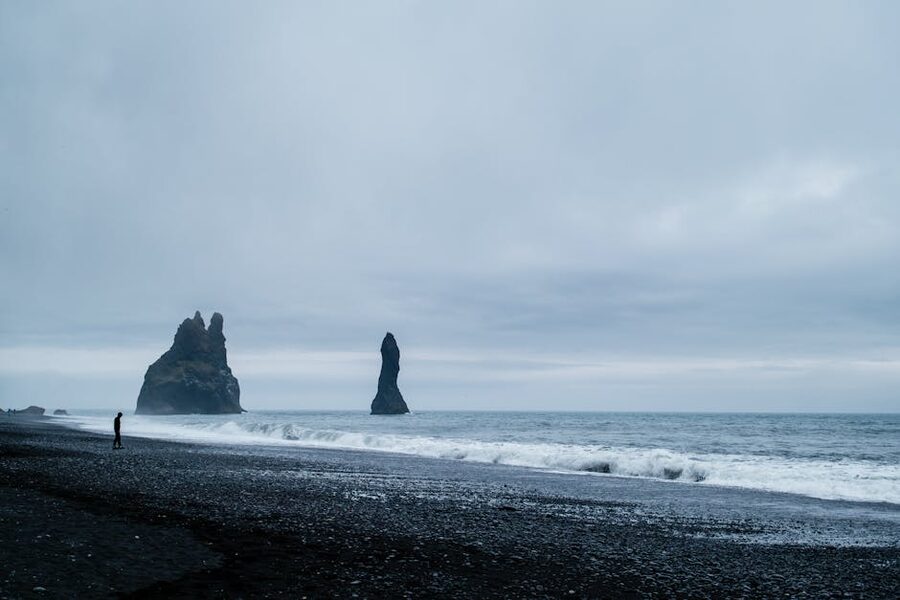
Reynisfjara is the most dangerous stop on the route. The waves here are sneaker waves — they retract far out to sea and then rush in much further up the beach than you expect. People die here every few years from being pulled in. The rule is simple: never turn your back on the ocean, and stay well back from the waterline. Your guide will tell you exactly the same thing, but it bears repeating.
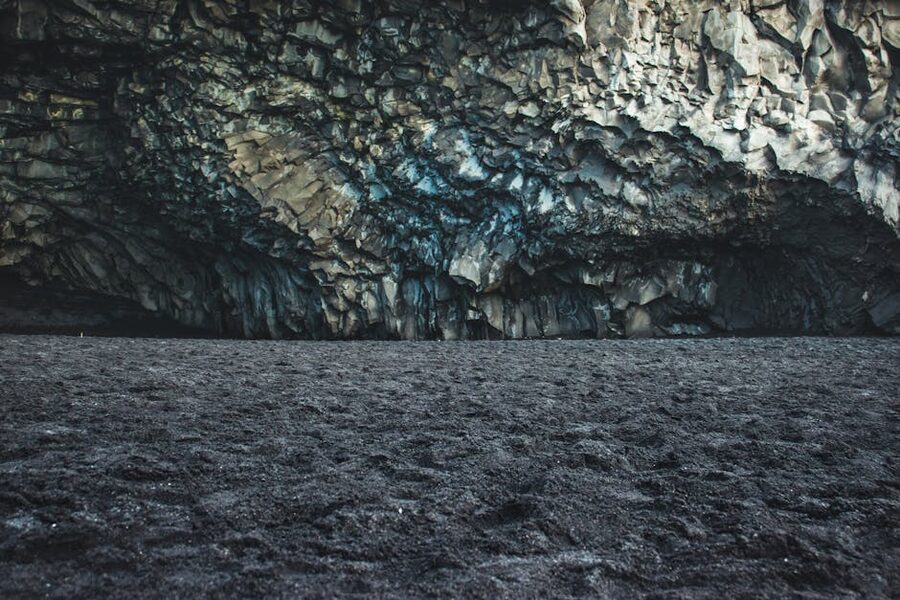
The basalt columns and the small cave at the end of the beach are worth the walk. The columns make a natural staircase that everyone climbs for photos. If your stop is 30 minutes, walk straight to the columns first and double back to the cave — the photo at the columns is the iconic shot.
Vik
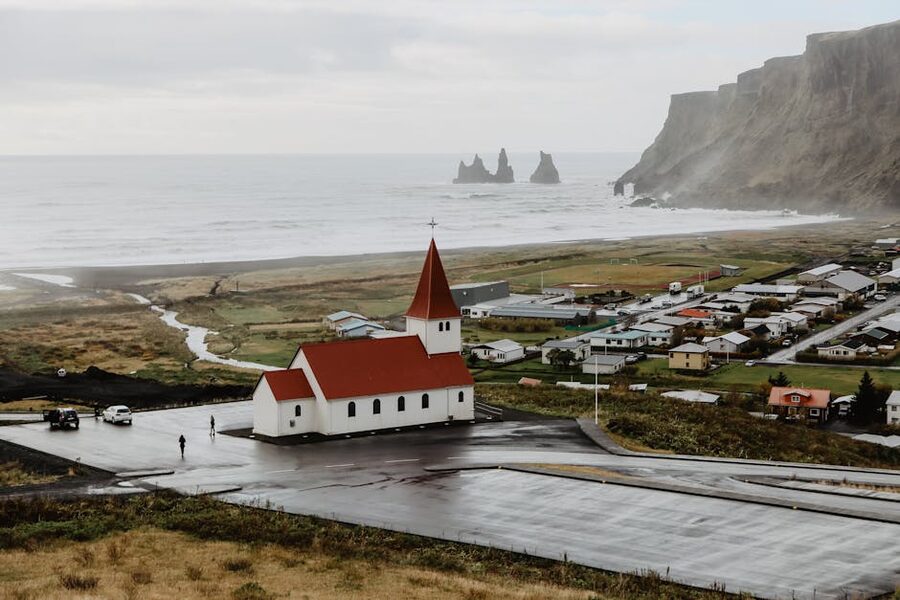
Vik is a village of about 750 people, and on most tours it is your lunch stop. There is a single supermarket (Kronan), a soup-and-bread place (Sudur Vik), a fish-and-chips truck in summer, and the famous Skool Beans coffee bus. Tour stops here run 30 to 60 minutes, which is enough to grab food and walk to the church on the hill if you are quick. Public toilets are at the N1 petrol station near the supermarket.
Jokulsarlon Itself
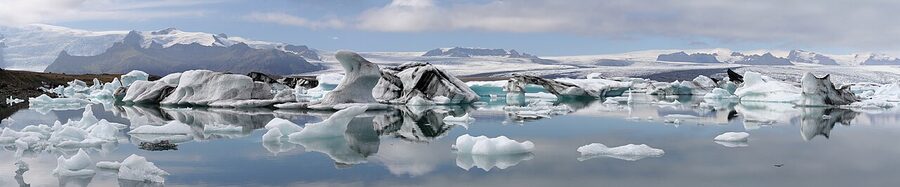

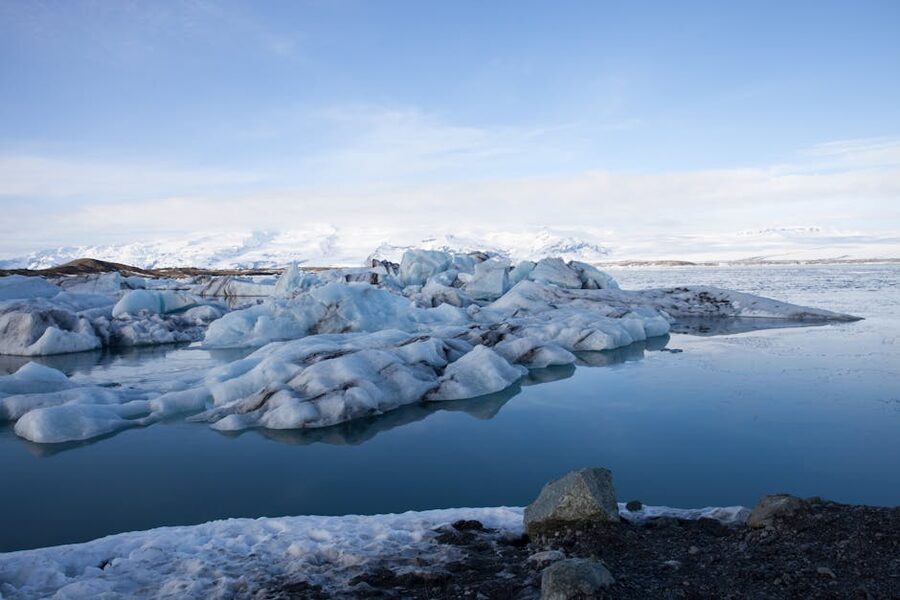
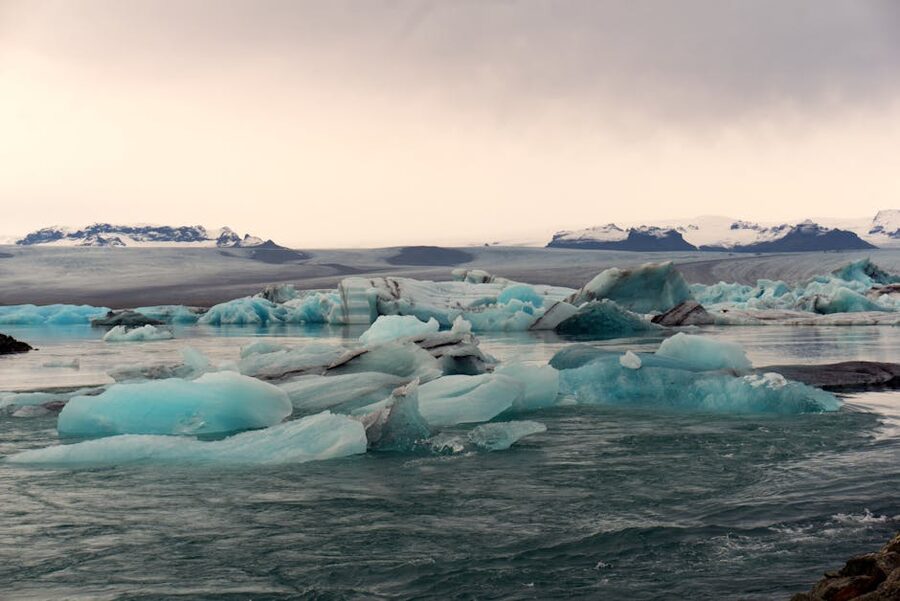
You arrive at Jokulsarlon mid-afternoon, usually between 1pm and 3pm depending on the operator. The car park sits right on the edge of the lagoon. Your guide gives you a window — typically 60 to 90 minutes — to walk the shore, watch the icebergs, and cross the road to Diamond Beach.
Walk left from the car park along the lagoon shore for the best photo angles. The right side has the river mouth and is more crowded with people queuing for boat tours. Allow 20 to 30 minutes for the lagoon shore, then cross the bridge over the short outflow river to Diamond Beach for another 30 minutes.
_Photo_by_Giles_Laurent.jpg)
The Boat Tour: Worth It or Skip?
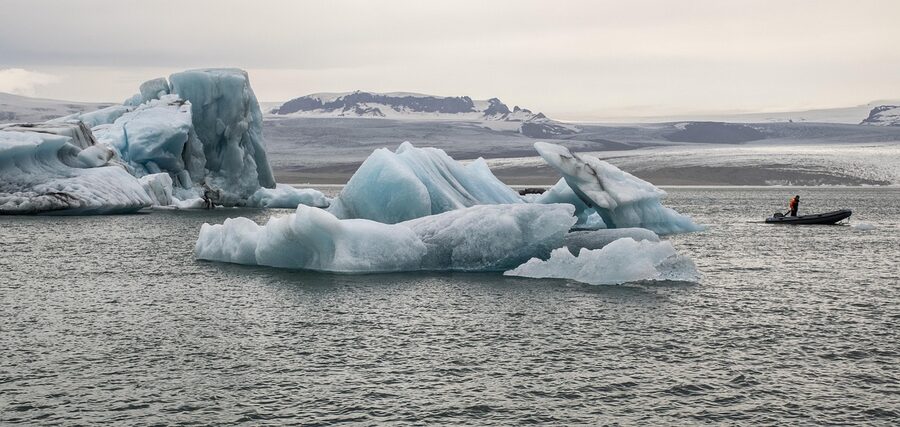
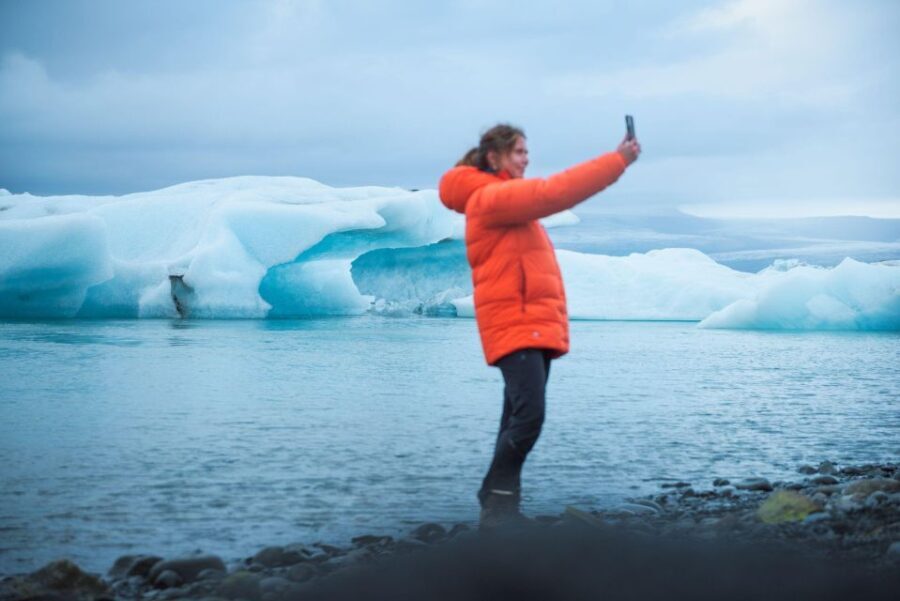
Two boat tours run on the lagoon between May and October: the amphibian boat ($60-65, 30-40 minutes, family-friendly) and the zodiac ($110-130, 60 minutes, gets closer to the glacier). Both float you out among the icebergs and your guide hauls a chunk of clear ice on board for everyone to taste. It is colder out on the water, so wear an extra layer beyond what you would for the shore.
My honest take: the boat tour is good but not essential. If this is your only Iceland trip and you have the budget, take the amphibian — it adds genuine perspective on the scale of the icebergs from the waterline. If you are tight on money or time, skip it. The view from the shore is already extraordinary, and the 30 minutes the boat takes is 30 minutes you do not have for Diamond Beach.
Diamond Beach
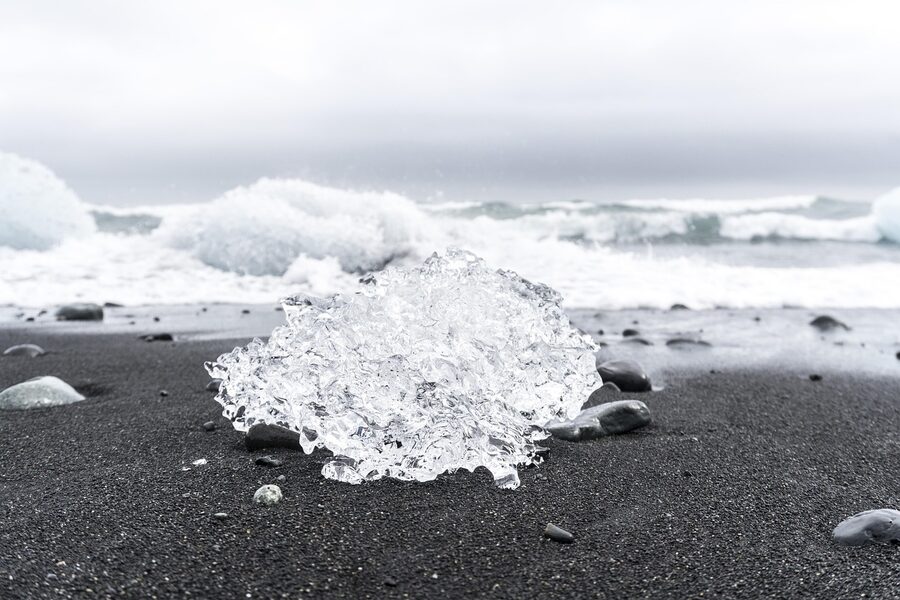
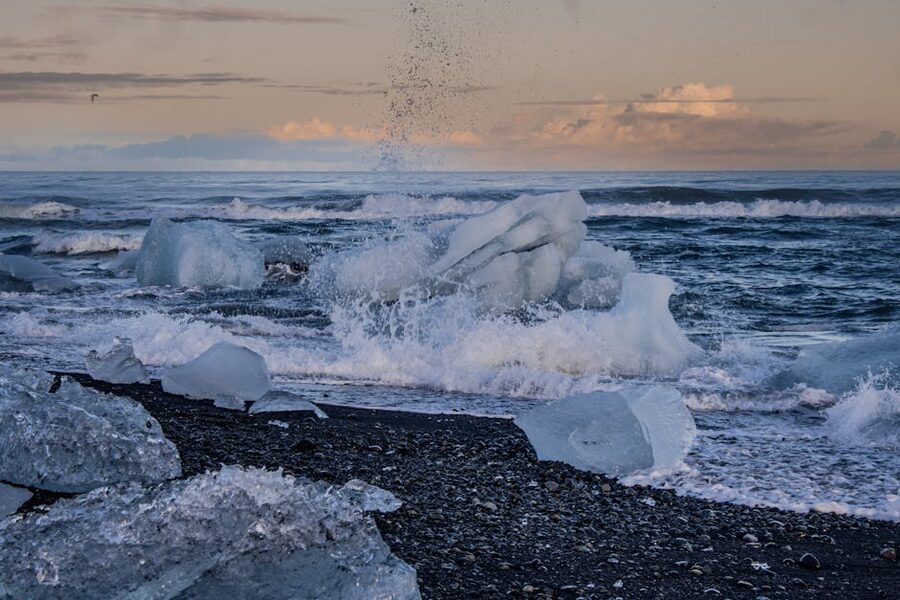
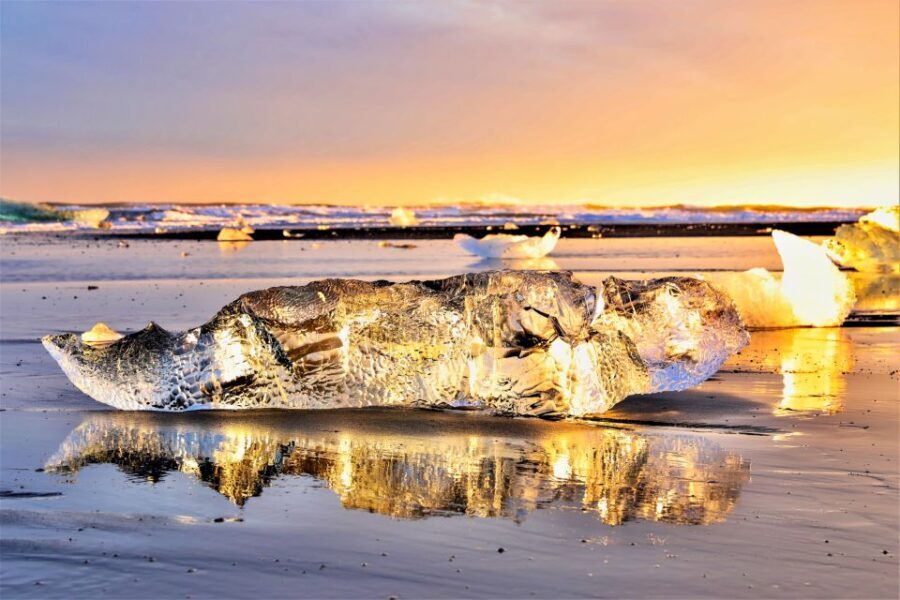
Cross the small bridge over the river mouth to reach the beach. Iceberg fragments that have been pushed out of the lagoon by the current get washed back up onto the black sand by the tide. The contrast — clear ice on jet-black sand — is what gives the beach its name. The exact arrangement of ice changes hour by hour as the tide moves them around.
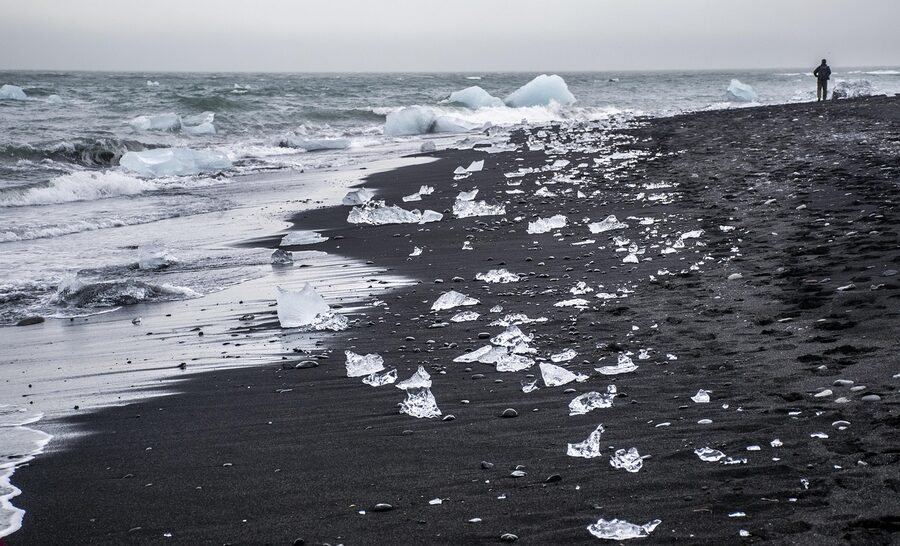
The classic Diamond Beach photograph has a single ice fragment in the foreground and the breaking surf behind. To get it, you need to be at the waterline at low tide. If your stop happens at high tide, the ice tends to bunch up on the upper beach and the framing is less dramatic. There is no fix for this — your tour arrives when it arrives.
How the Lagoon Got Here
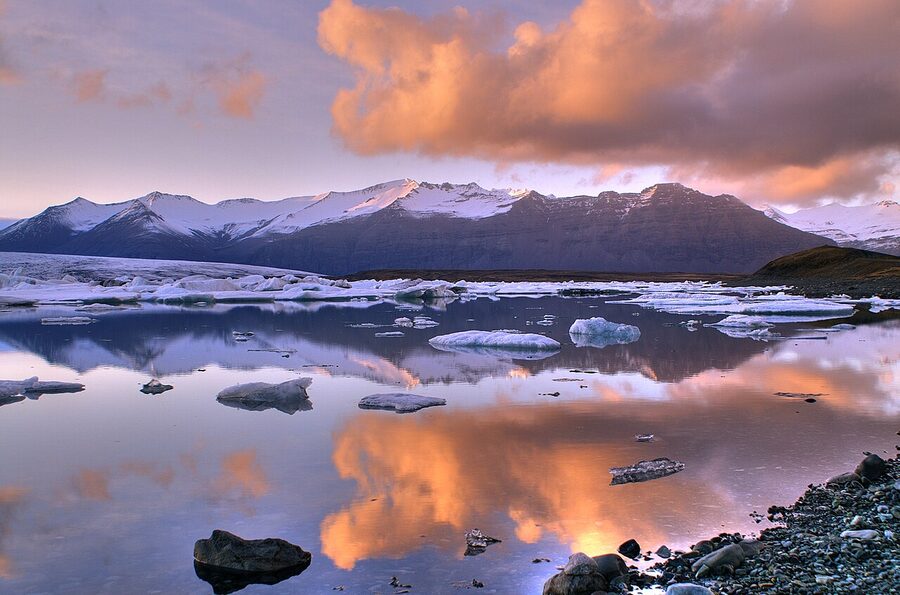

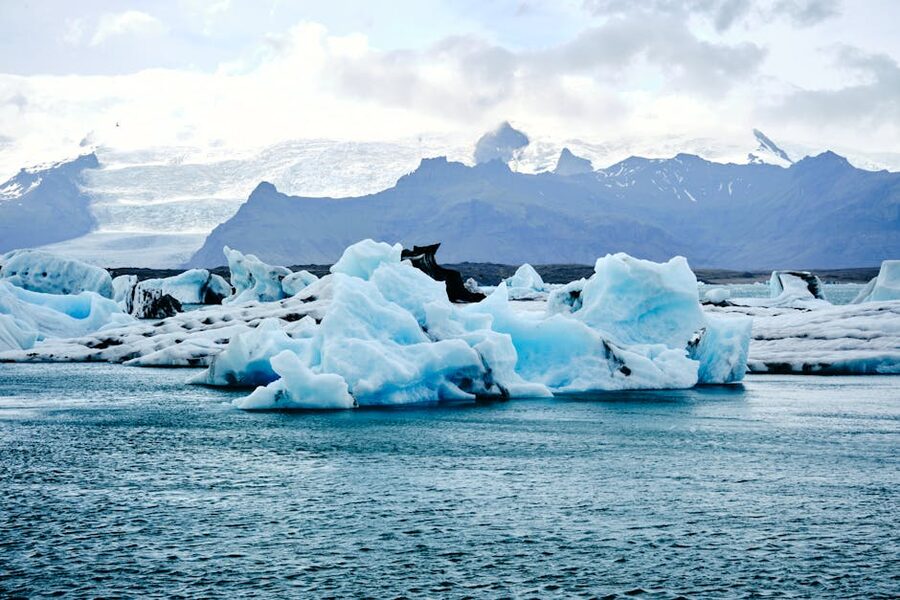
Jokulsarlon did not exist 100 years ago. The Breidamerkurjokull glacier — an outlet of the much larger Vatnajokull ice cap — used to extend almost all the way to the sea. As the climate warmed through the 20th century, the glacier retreated, and the bowl it had carved out of the bedrock filled with meltwater. The lagoon first appeared around 1934. It has grown ever since, and now covers about 25 square kilometres at a maximum depth of 248 metres, making it the deepest lake in Iceland.
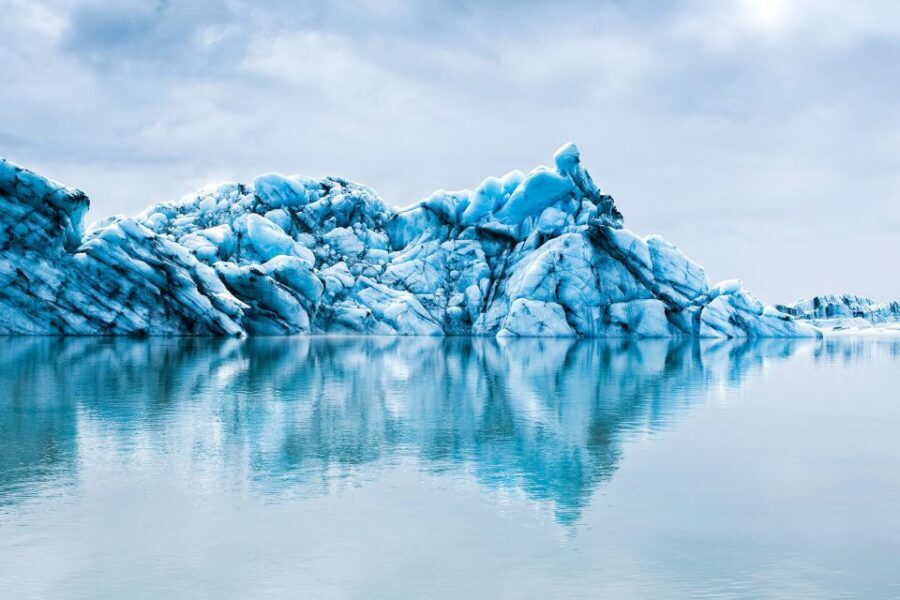
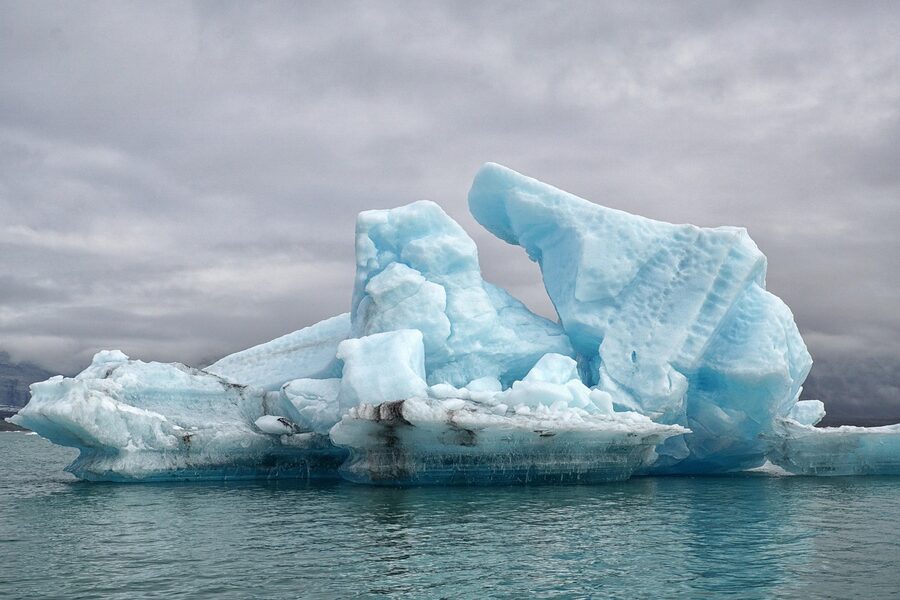
The icebergs you see calved off the front of Breidamerkurjokull, which is still actively shedding ice. They drift across the lagoon, eventually break down to manageable size, and then exit through the short Jokulsa river that connects the lagoon to the Atlantic. The whole journey takes about five years on average. Some larger bergs get stuck and stay for longer — the lagoon has had bergs that lasted decades before finally fragmenting enough to leave.
The lagoon has appeared in several films, which is part of why it is so well known internationally. Two James Bond films (A View to a Kill and Die Another Day) used it for ice-driving sequences. Batman Begins, Lara Croft Tomb Raider, and Beowulf and Grendel all shot here. If a movie needs a frozen wilderness with floating chunks of ice, Jokulsarlon is on the shortlist.
When to Go
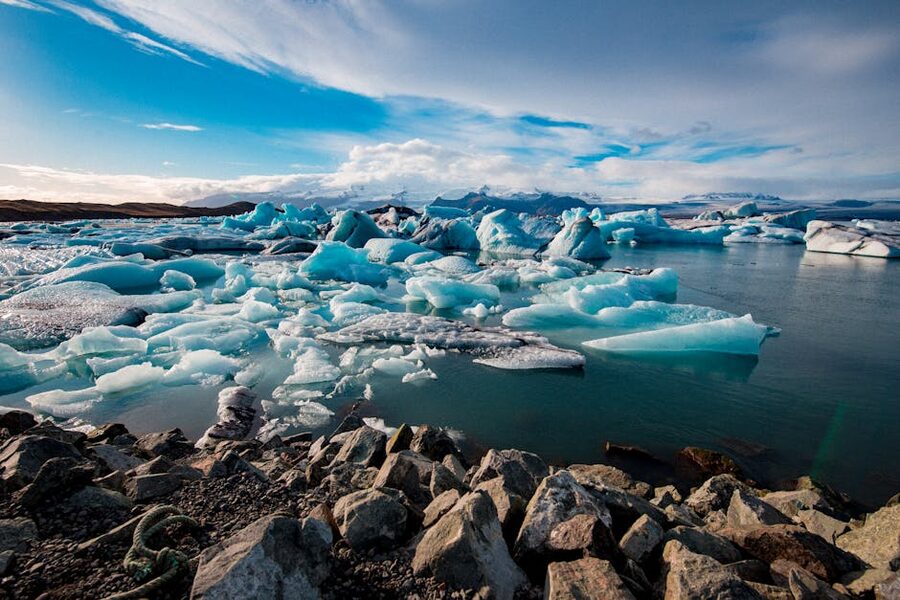
Jokulsarlon is open year-round, but the experience changes dramatically by season. Here is the honest breakdown.
June to August (peak summer): Daylight runs from roughly 4am to midnight. Tours can leave at a more reasonable hour and still be back before dark. The boat tours run. Roads are clear and the drive is the easiest. The trade-off is crowds — every coach in Iceland heads to Jokulsarlon. Expect to share the shore with several hundred other people during peak hours. You also lose any chance of northern lights.
September to mid-October (shoulder): The light is still good, the boat tours still run until early October, and the crowds drop sharply. Northern lights become possible from late September. This is probably the best window if you can pick.
Mid-October to March (winter): The drive becomes serious — snow, ice, and short daylight. Tours still run but the schedule shrinks. You will arrive at the lagoon in early afternoon with maybe two hours of usable light left. Boat tours stop. The trade-off is that the lagoon partially freezes, the icebergs sit in a frozen surface, and on a clear night you can see the northern lights from the shore. Some operators run multi-day tours specifically combining Jokulsarlon with northern lights chasing, which is often a better fit for winter than a single brutal day trip.
April to May (spring): Slowly thawing. Boat tours start again from late April or May depending on the operator. Crowds are still light. Days are getting long again. A good window for value.
What to Bring
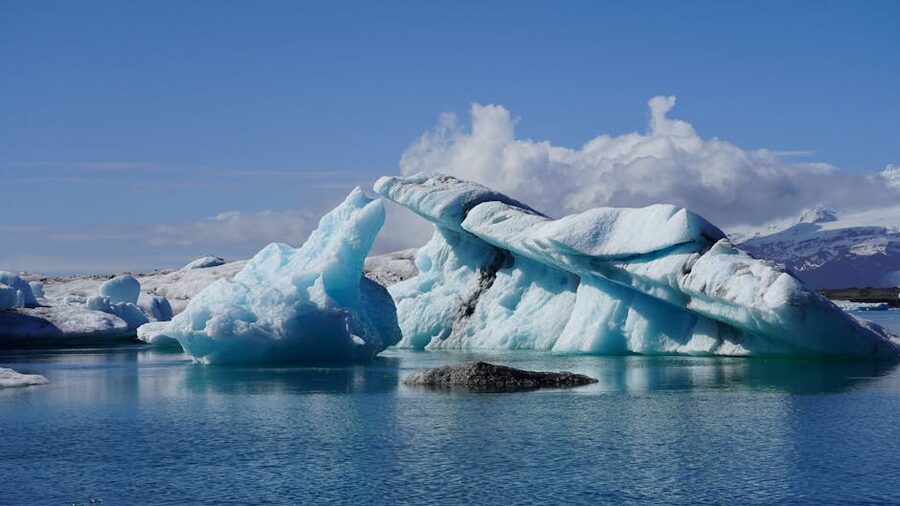
The packing list for a Jokulsarlon day trip is short but matters more than for most tours, because there is no going back to the hotel mid-day. The wind on the south coast can swing from calm to 60 km/h in an hour.
- A genuine waterproof jacket. Not water-resistant. The spray at Skogafoss and the sideways rain at Jokulsarlon will defeat anything less than a real shell.
- Waterproof shoes or hiking boots. Trainers will get soaked at the waterfalls and the wet sand at Diamond Beach.
- Warm mid-layer (fleece or wool), even in summer. The wind off the lagoon is cold even in July.
- Hat and gloves between October and April. Optional in summer, lifesaving in winter.
- A real meal or hearty snacks. Vik has lunch options but the queue can be 30 minutes if multiple coaches arrive together. Bringing a sandwich gives you flexibility.
- Water bottle. The water in Iceland is excellent and free — fill from any tap.
- Camera or phone with the lens cleaned. The combination of mist, salt spray, and your own breath fogs lenses constantly.
- A power bank. The cold drains phone batteries fast, especially in winter.
Day Trip vs Overnight
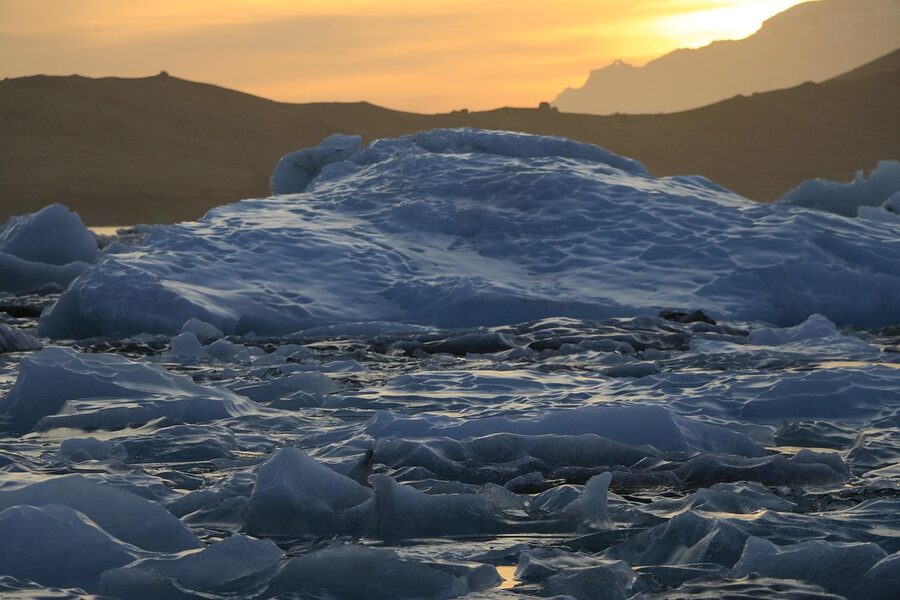
The day trip from Reykjavik is the default and what most people book. There are two reasons to consider an overnight instead.
Photography. The day trip schedules force you to be at Jokulsarlon mid-afternoon, which is the worst light of the day. If you stay overnight at one of the hotels near the lagoon (Fosshotel Glacier Lagoon, Hotel Skaftafell), you can be on the shore at sunrise and sunset. The difference in photographs is significant.
Adding ice cave or glacier walks. The blue and crystal ice caves under Vatnajokull are accessed from Jokulsarlon. Day trips do not have time to include them — you need to overnight near the lagoon and join an ice cave tour the following morning. Our guide to ice cave tours covers this in detail.
If neither of these matters to you, the day trip is fine. The bus seat is uncomfortable but the trip works. If you want photographs that are not the same photographs everyone else took at 2pm, plan an overnight instead.
What to Do With the Rest of Your Iceland Trip
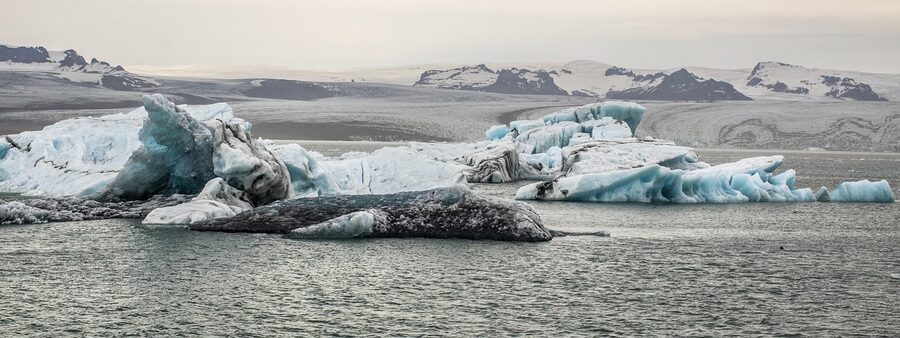
If Jokulsarlon is one day in a longer Iceland trip, the question is what to pair it with. The classic three-day pattern is Jokulsarlon plus the Golden Circle plus one Reykjavik day. Each is a different scale of trip — Jokulsarlon is the long brutal one, the Golden Circle is a relaxed 7-hour loop, and Reykjavik fills nicely with a walking tour, the Lava Show, and a soak at the Sky Lagoon or Blue Lagoon.
If you have four or five days, add a half-day on something like whale watching in summer or a dedicated northern lights tour in winter. A shorter south coast day trip covering only Seljalandsfoss, Skogafoss and Reynisfjara is also a sensible alternative if you decide the full 14-hour Jokulsarlon haul is too much — you get most of the scenery without the second 5-hour drive.
One more practical note. Whichever you book, do Jokulsarlon early in your trip if possible. It is the most weather-sensitive of all the Iceland day tours, and operators do cancel when the south coast road is closed by ice or wind. If you have a buffer day to reschedule, you do not lose the trip if your first attempt is cancelled.
This article contains affiliate links. If you book through our links, we may earn a small commission at no extra cost to you. This helps us keep producing detailed travel guides.