
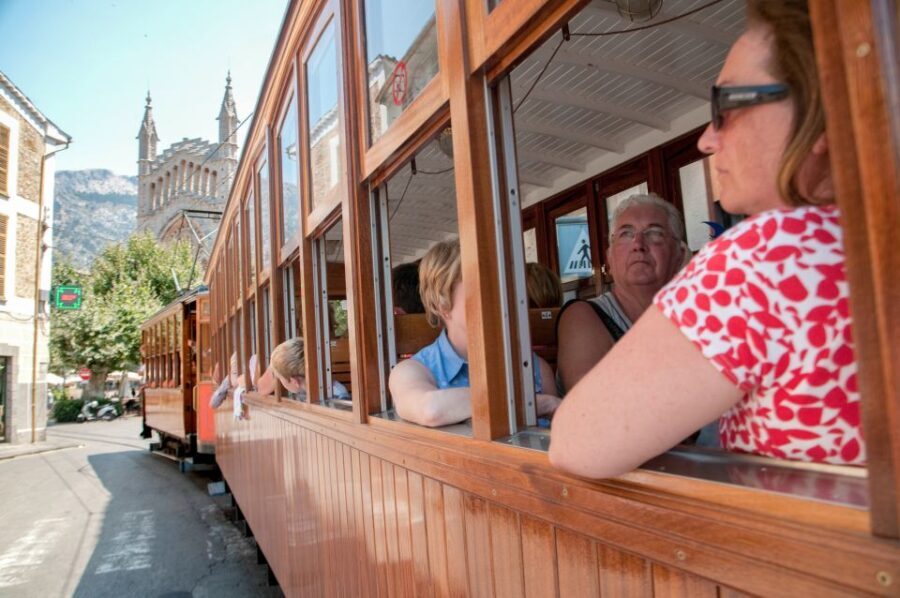
The Soller railway was built in 1912. Over a century later, the same wooden carriages still rattle through 13 tunnels carved into the Serra de Tramuntana mountains, connecting Palma to the orange-scented valley town of Soller. I rode it on a Tuesday morning and spent most of the journey with my face pressed against the window, watching the landscape shift from flat farmland to proper mountain scenery in under an hour.
That train ride is the highlight of every Mallorca island tour — but it’s not the only reason to book one. These full-day guided bus tours circle the island, hitting coastal cliffs, mountain villages, and historic towns that would take you three or four separate day trips to see on your own.
- In a Hurry? My Top 3 Picks
- What a Mallorca Island Tour Actually Includes
- The Soller Train and Tram — The Star of the Show
- The 3 Best Mallorca Island Tours to Book
- 1. Mallorca: Island Tour with Boat, Tram & Train from the South — 7
- 2. Mallorca: Scenic Full-Day Tour from the North — 5
- 3. Formentor & Puerto Pollensa Tour —
- How to Book and What to Know Before You Go
- Choosing Between the South and North Tours
- A Thousand Years of Conquest on One Island
- Practical Tips for Your Mallorca Island Tour
- Other Tours Worth Combining
In a Hurry? My Top 3 Picks
Best overall: Island Tour with Boat, Tram & Train — $117. The full package: vintage Soller railway, seafront tram, boat ride, and a guided bus tour through the mountains. Eight hours, four modes of transport, and the best single-day overview of Mallorca you can get. Check Availability
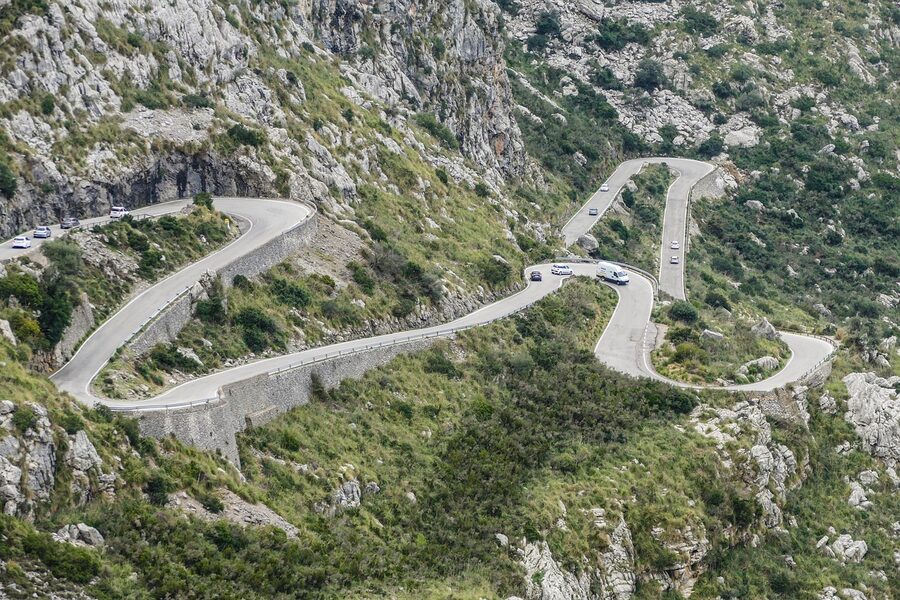
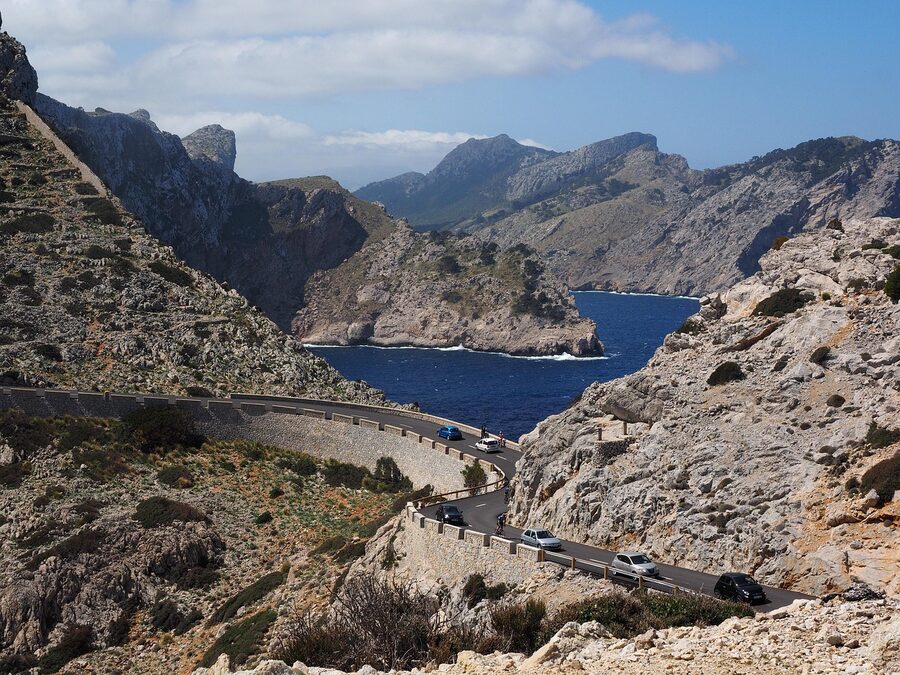
Best from the north: Scenic Full-Day Tour from the North — $115. Same concept but starting from northern hotels. Includes Sa Calobra, the Soller train and tram, plus a boat ride. The Sa Calobra road alone — 12 kilometres of hairpin turns dropping 800 metres — makes this worth it. Check Availability
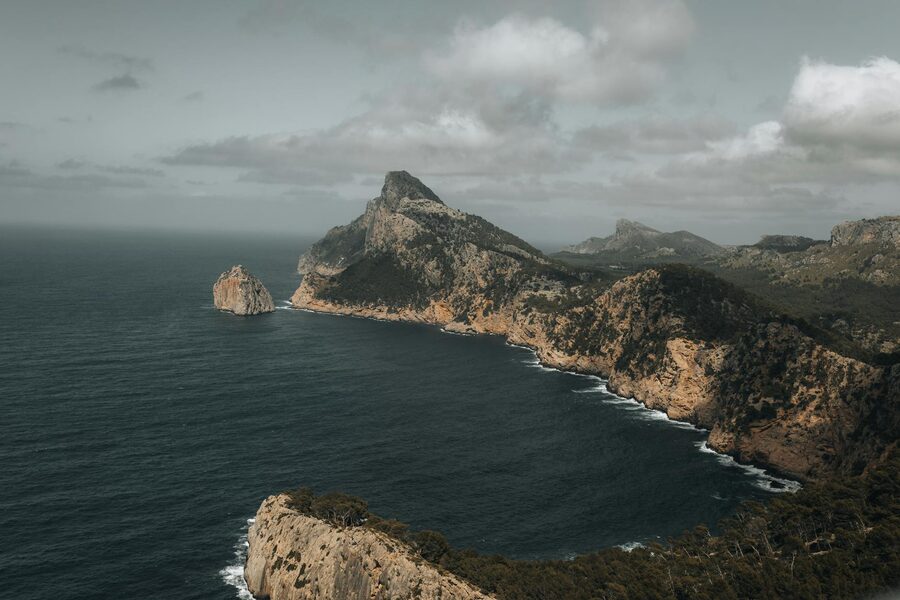
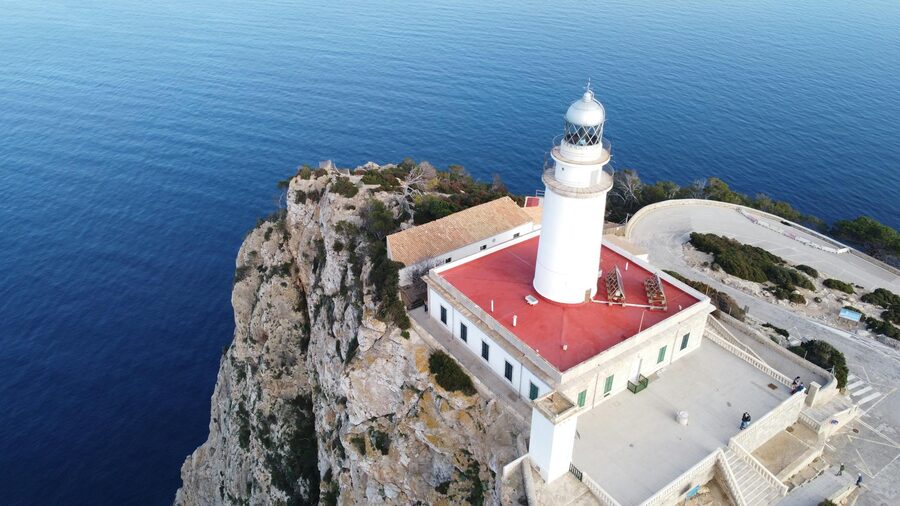
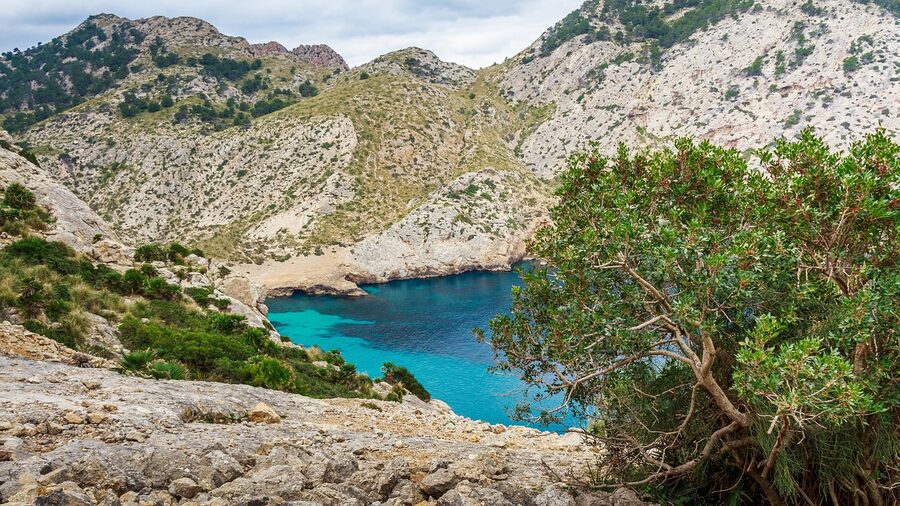
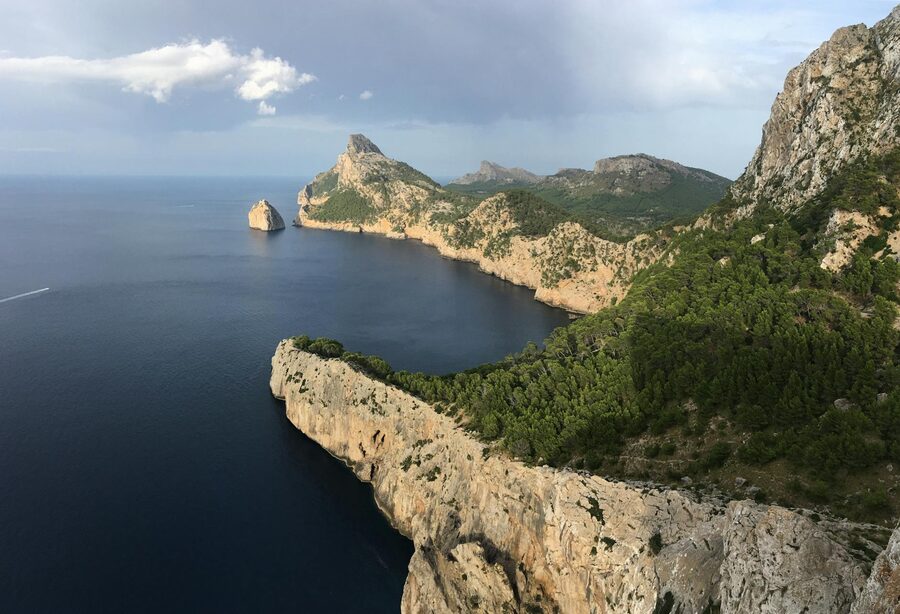
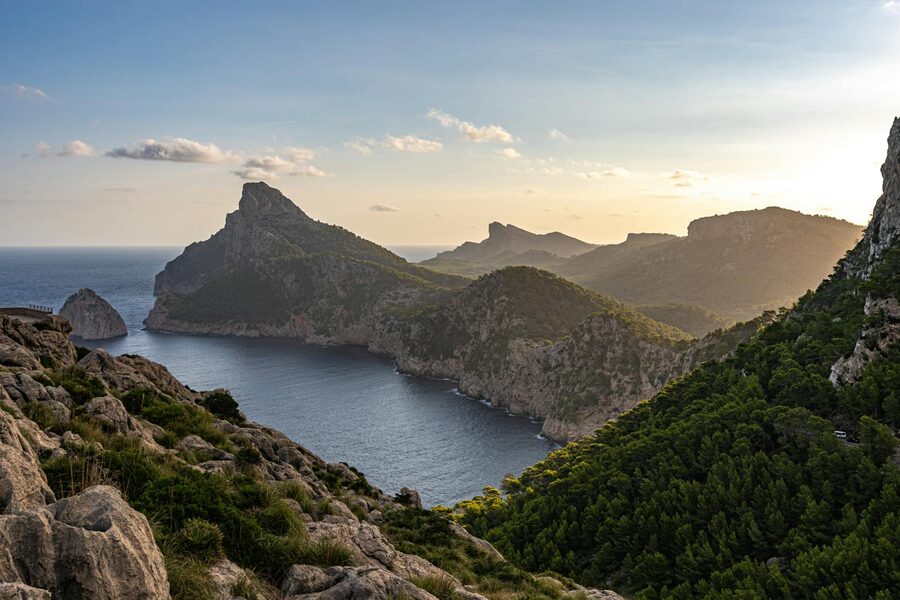
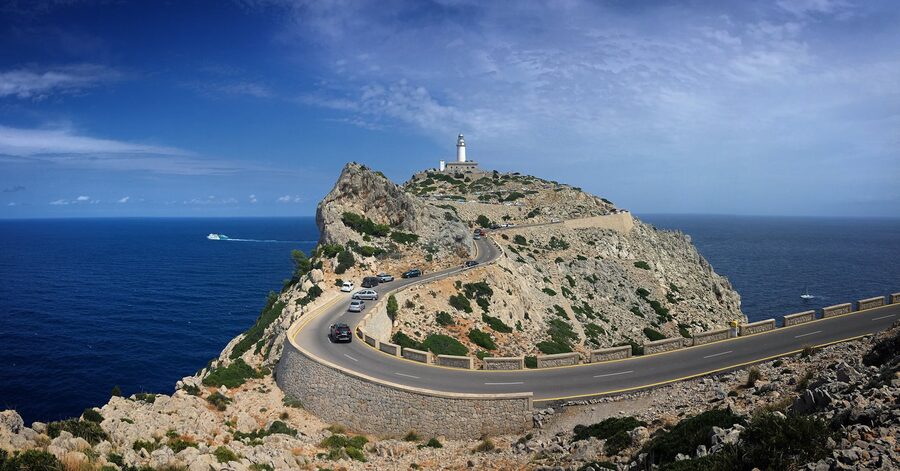
Best value: Formentor & Puerto Pollensa Tour — $69. A different route entirely. Skip the train, head straight to Cap de Formentor and its 300-metre cliffs, stop at Sineu market, and swim at Formentor Beach. Half the price of the full island tours. Check Availability
What a Mallorca Island Tour Actually Includes
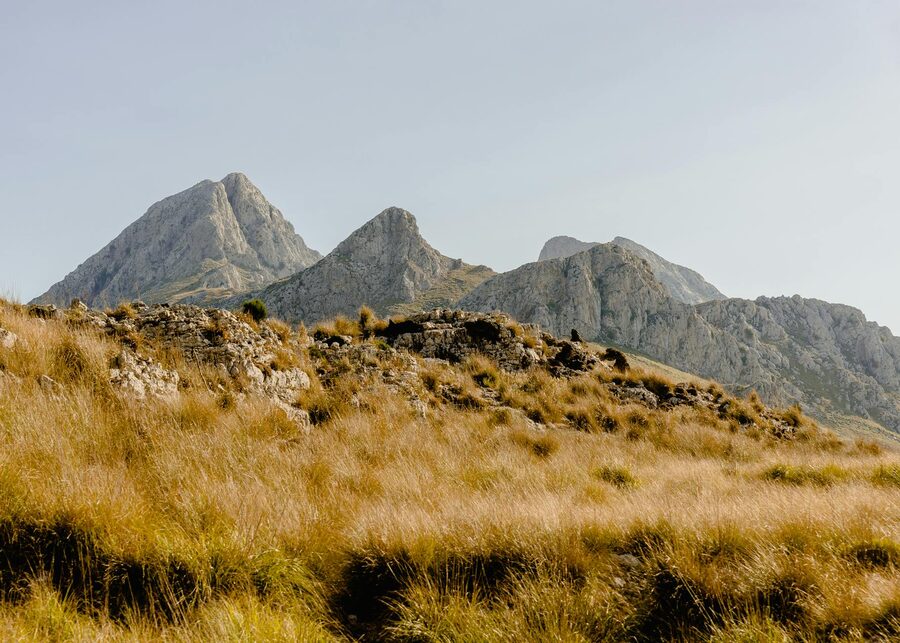
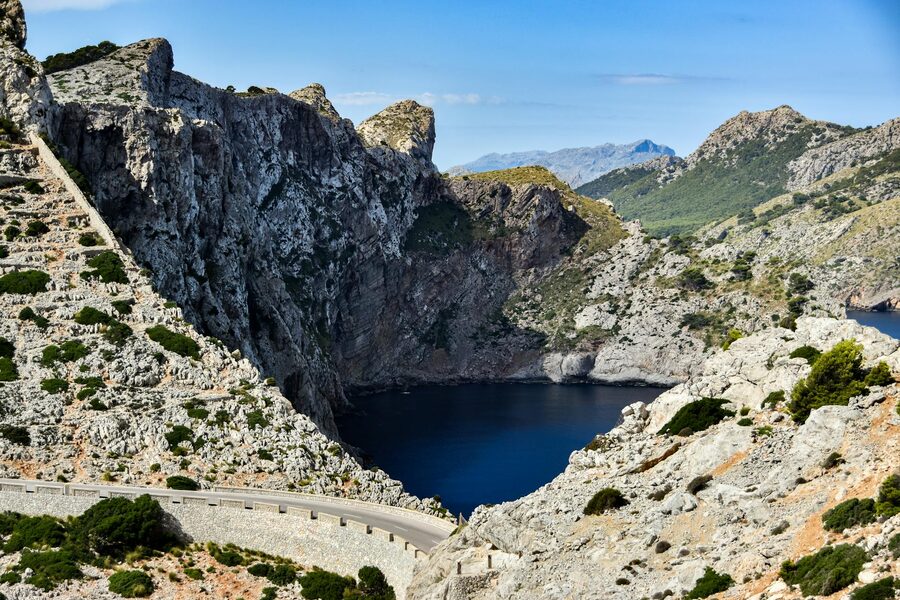
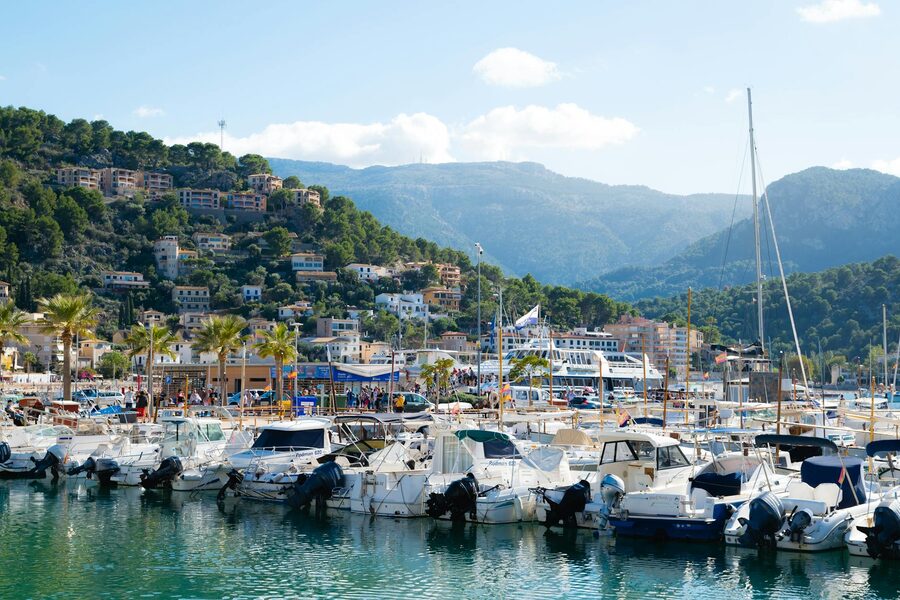
The standard Mallorca island tour is an 8-to-9-hour loop that picks you up from your hotel (or a nearby meeting point) in an air-conditioned coach. The route varies depending on which operator and which direction you start from, but the core ingredients are the same: the Serra de Tramuntana mountain range, at least one or two village stops, and some combination of the Soller train, tram, and a boat ride.
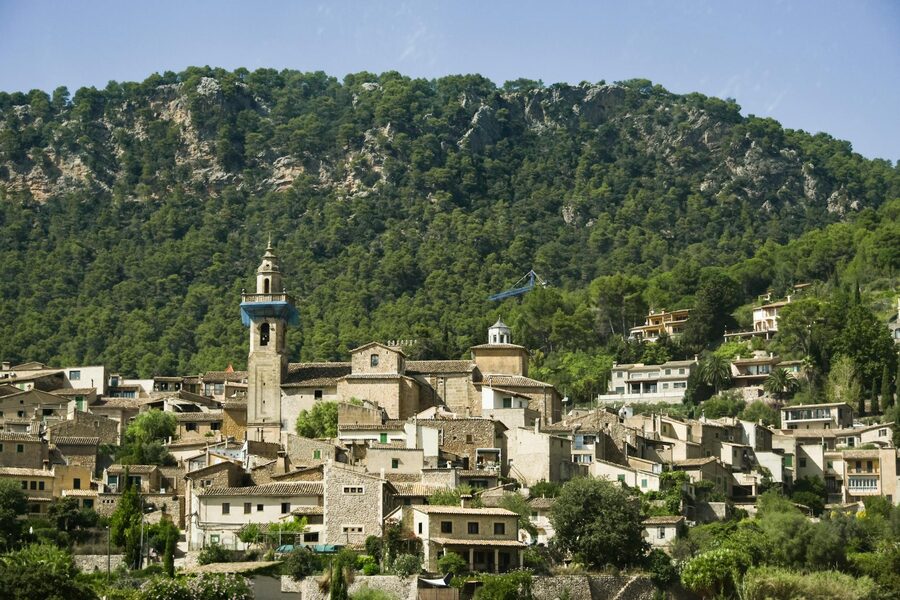
Most tours include multilingual commentary in at least three languages (Spanish, English, German — sometimes French and Italian too). The guide points out landmarks, shares local history, and gives you practical tips for each stop. It’s structured but not rigid. At each village or viewpoint, you get free time to wander, grab lunch, or explore on your own.
Here’s what’s typically on the route, depending on which tour you pick:
- From the south: Palma departure, drive through the Tramuntana, Soller railway, tram to Port de Soller, boat ride along the coast, return via the mountains
- From the north: Northern hotel pickup, Sa Calobra descent, Soller train and tram, boat ride, return through inland valleys
- Formentor route: Northern Mallorca focus — Sineu market, El Colomer viewpoint, ferry to Formentor Beach, Puerto Pollensa
The Soller Train and Tram — The Star of the Show
I need to be honest about something. The Soller railway is the reason most people book these island tours in the first place. Everything else — the villages, the cliffs, the boat ride — is a bonus.
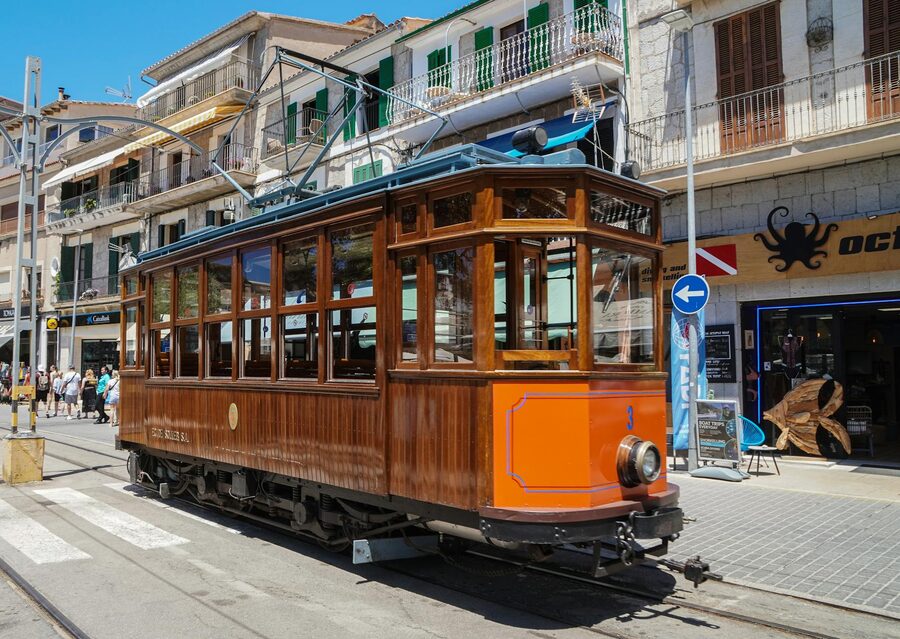
The Ferrocarril de Soller opened in 1912 to connect the isolated Soller valley to Palma. Before the train, oranges and olive oil had to go over the mountains by mule. The line runs 27 kilometres through 13 tunnels and across several viaducts, climbing from Palma’s plains into the heart of the Tramuntana. The carriages are original mahogany and brass — they’ve been maintained, not replaced.
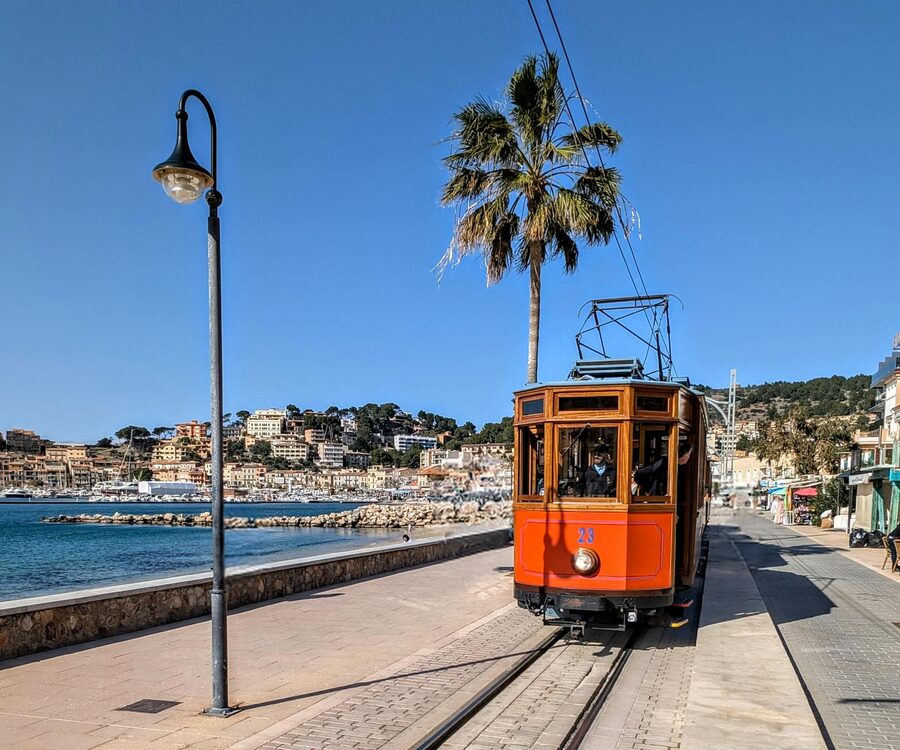
The connecting tram runs from Soller town down to Port de Soller on the coast. It’s a short ride — about five kilometres — but the tram runs along the waterfront on tracks laid in 1913, passing through the streets of Soller town where pedestrians and cars share the road with the tram in a way that would give a health and safety inspector a heart attack.
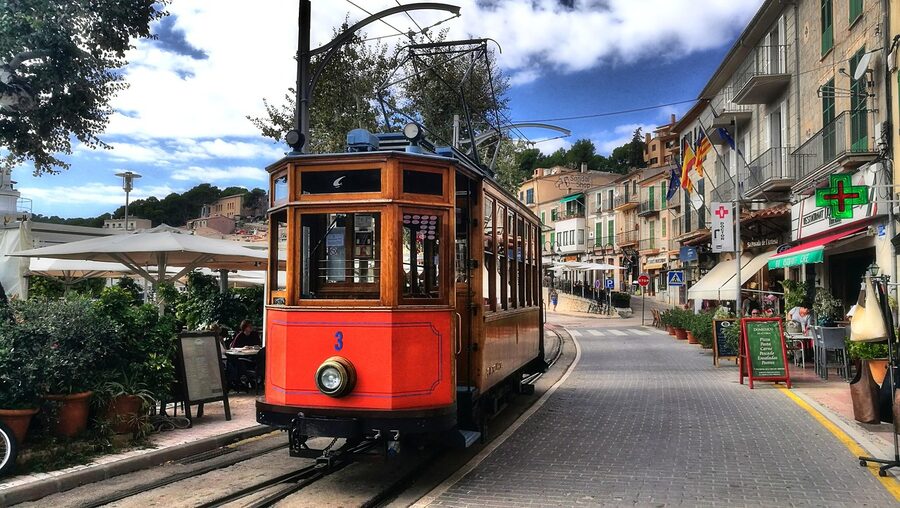
On the guided island tours, both the train and tram are included in the ticket price. That matters because buying individual tickets for the Soller railway runs about 25 euros each way — so the tour effectively bundles it with everything else at a decent overall price.
The 3 Best Mallorca Island Tours to Book
I’ve picked these three because they each cover a different route and price point. The first is the classic full-day experience from southern hotels, the second covers the same ground from northern pickups, and the third is a totally different route focused on Cap de Formentor. Between them, you can see virtually every major sight on the island without overlapping.
1. Mallorca: Island Tour with Boat, Tram & Train from the South — $117
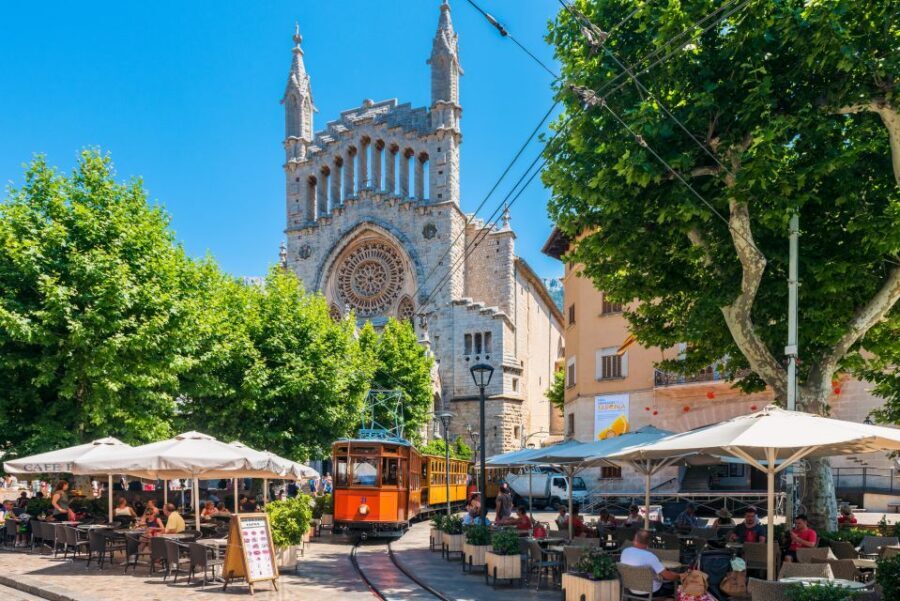
This is the one to book if you’re staying anywhere in southern Mallorca. Eight hours, four transport modes (bus, train, tram, boat), and a route that hits the Tramuntana mountains, Soller valley, and the western coastline. The guides are multilingual and the whole thing runs like clockwork. Our full review breaks down exactly what you’ll see at each stop, but the short version is: this is the single best way to see Mallorca in one day if you don’t want to rent a car.
2. Mallorca: Scenic Full-Day Tour from the North — $115
Same idea as the southern tour, but designed for guests staying in Alcudia, Can Picafort, or the northern resorts. Nine hours instead of eight, and the route includes the Sa Calobra descent — arguably the most dramatic road in the Balearics. You still get the Soller train, the tram, and a boat ride. Our review covers the full itinerary, including the Sa Calobra stop where you walk through a gorge to a hidden beach. If your hotel is in the north, don’t book the southern departure — this one saves you an hour of backtracking.
3. Formentor & Puerto Pollensa Tour — $69

A completely different route from the other two. No train, no tram — instead, this eight-hour tour heads to the wild northern tip of the island. You stop at the Sineu weekly market (Wednesdays only), drive the cliff road to Cap de Formentor, take a ferry to Formentor Beach, and explore Puerto Pollensa. At $69, it’s half the price of the full island tours. Check our detailed review for what the Sineu market looks like and whether the beach stop is long enough to actually swim. Good option if you’ve already done the Soller train separately or want something less structured.
How to Book and What to Know Before You Go
Booking is straightforward — you pick a date, choose your hotel pickup zone, and pay online. All three tours include hotel pickup and drop-off from most major resorts and tourist areas. You’ll get a confirmation email with the exact meeting point and time (usually early morning, around 8:30-9:00 AM depending on your location).
Best time to book: At least 3-5 days ahead in summer (June through September). The most popular tours sell out, especially the boat/tram/train combo. Shoulder season (April-May, October) has smaller crowds and better prices. Winter tours run on a reduced schedule.
What’s included: Air-conditioned coach, multilingual guide, train and tram tickets (on the Soller route tours), boat ride. Lunch is NOT included on any of the three — you get free time at a village or port to eat on your own. Budget 15-20 euros for a sit-down lunch.
What to bring: Sunscreen, water, comfortable shoes (you’ll walk on cobblestones at the village stops), a light jacket if you’re going in spring or autumn (the mountains are cooler than the coast), and cash for lunch and souvenirs.
Choosing Between the South and North Tours
This is actually the most important decision, and it comes down to where your hotel is.
If you’re staying in Palma, Magaluf, Palmanova, Santa Ponsa, Paguera, or anywhere on the south coast — book the southern departure (Tour 1). You’ll save an hour of driving and the pickup is closer.
If you’re staying in Alcudia, Can Picafort, Playa de Muro, Puerto Pollensa, or the north coast — book the northern departure (Tour 2). The route is slightly different too, including Sa Calobra, which the southern tour skips.
If you’ve already done the Soller train independently (or just want something different), the Formentor tour (Tour 3) covers the northern tip of the island that the other tours miss entirely. It’s also significantly cheaper.
Can you combine two tours on different days? Absolutely. The Formentor tour and either of the full island tours complement each other perfectly because they cover completely different parts of Mallorca. You’d see the western mountains and Soller valley on one day, and the dramatic northern cliffs and beaches on another.
A Thousand Years of Conquest on One Island
Mallorca doesn’t look like an island with a complicated history. The beaches, the resorts, the tourist bars — it all feels modern and built for holidays. But scratch the surface and this place has been fought over more times than almost anywhere in the Mediterranean.
Phoenician traders settled here first, followed by the Romans, who called it Balearis Major and built roads that still trace some of the routes the tour buses follow today. Then came the Vandals (yes, that’s where the word comes from), then the Byzantines, and then the Moors in the 10th century. The Arab period left the most lasting mark — the irrigation channels and terracing systems that turned the Serra de Tramuntana into productive farmland are still in use, and they’re the reason UNESCO gave the mountains heritage status.
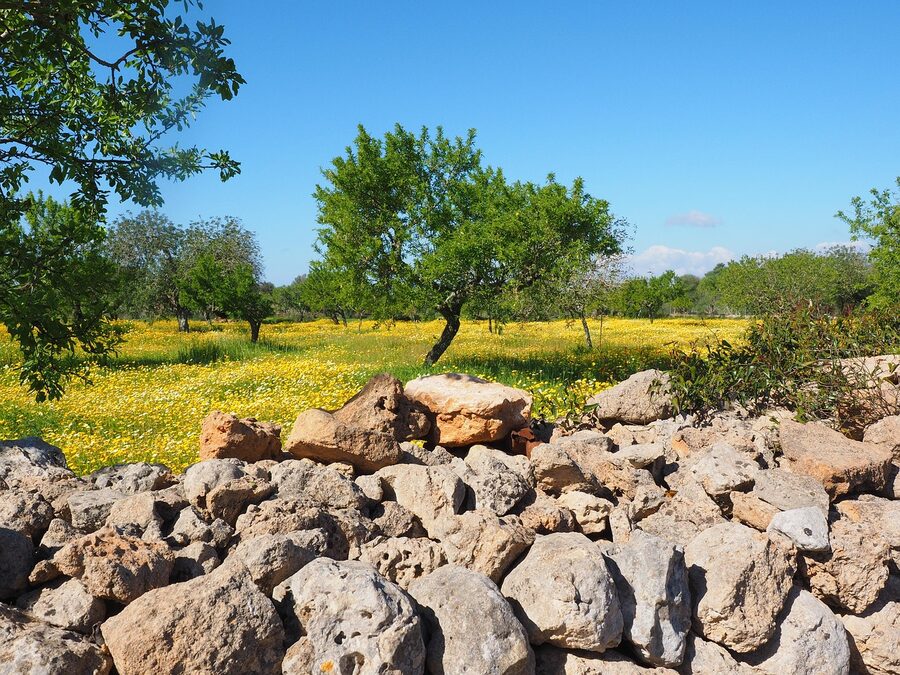
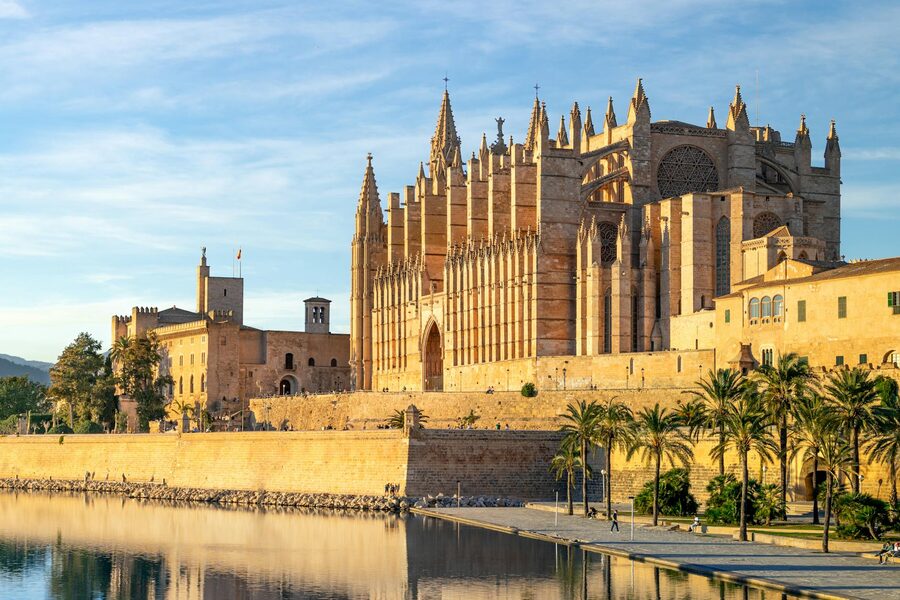
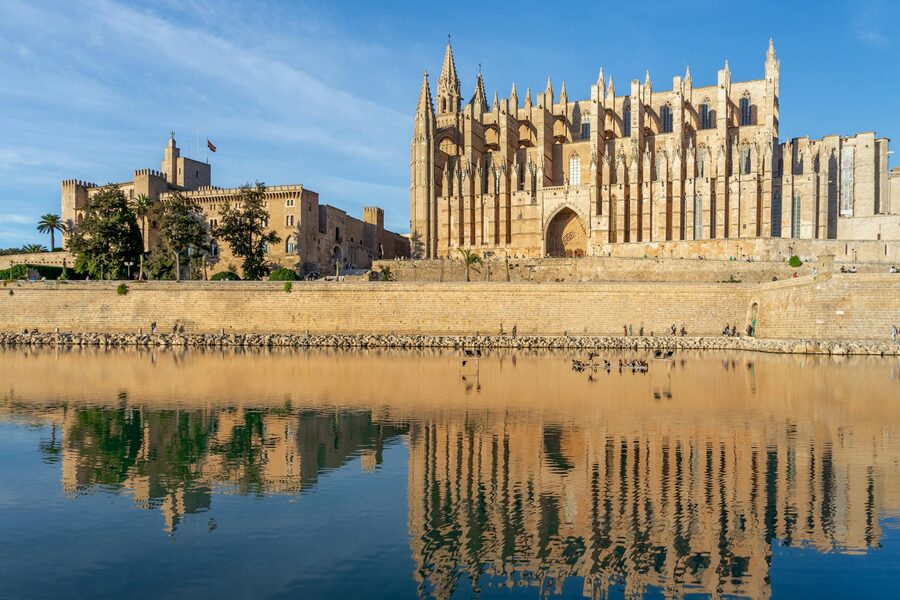
King James I of Aragon took Mallorca from the Moors in 1229, and the island became part of the Crown of Aragon. Palma Cathedral — the massive Gothic building you see from the harbour — was begun almost immediately after the conquest, built on the site of the main mosque. It took nearly 400 years to finish.
The stone watchtowers you’ll spot along the coast — your guide will point them out — date from the pirate defence era, when Ottoman and Barbary raiders were a constant threat. Mallorca’s position in the middle of the western Mediterranean made it a target for centuries.
Then came the 1960s package-holiday boom, which transformed the island almost overnight. But in the last two decades, Mallorca has reinvented itself again. The Serra de Tramuntana hiking trails are now among the most popular in Europe, professional cycling teams train here through winter, and the cultural tourism scene has grown far beyond the beach-and-sangria cliche.
Practical Tips for Your Mallorca Island Tour
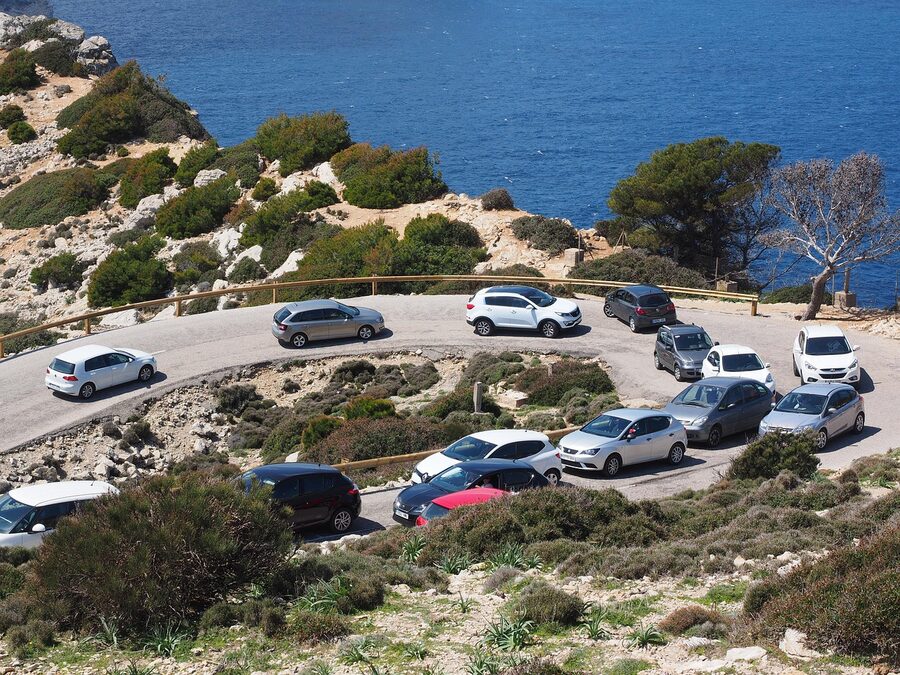
Sit on the right side of the bus (going north). Most of the best coastal views are on the right-hand side as the bus climbs through the Tramuntana. The left side gets the valley views on the return — so you win either way, but the cliff drops on the right are more dramatic.
The boat ride can get rough. The western Mallorca coast is exposed, and even on calm days there’s a swell. If you get seasick, take something beforehand. The boats are open-top and the ride lasts about 30 minutes. Nobody warns you about this in the tour description.
Wednesdays are best for the Formentor tour. That’s when the Sineu market runs — one of the oldest and most genuine weekly markets in Mallorca. On other days, the tour still runs but you miss the market atmosphere.
Charge your phone. You’ll take more photos than you expect. The buses don’t have USB ports. A portable charger is worth its weight in gold on these full-day tours.
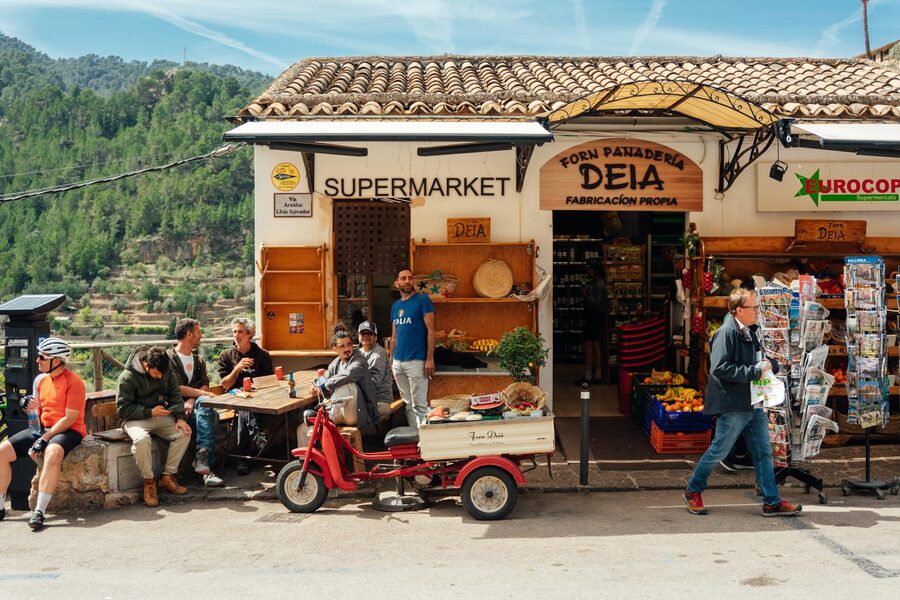
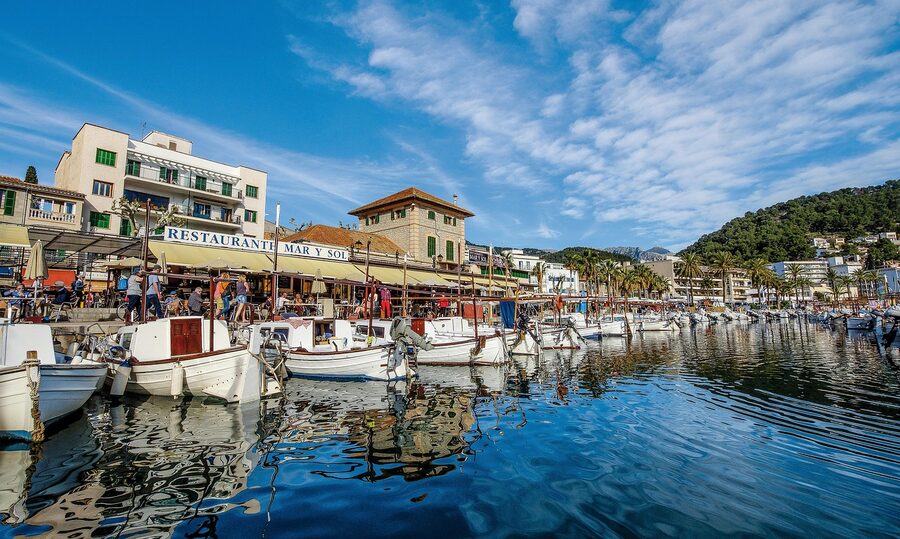
Lunch spots: Port de Soller is the lunch stop on the train/tram tours. Walk past the first row of restaurants on the harbour — they’re the tourist traps. Head five minutes along the promenade toward the lighthouse end and the food improves noticeably. On the Formentor tour, Puerto Pollensa is your best lunch option.
Children: These tours work well with kids aged 6 and up. The train and tram are exciting for children, and the boat ride keeps energy levels up. Under-6s will find eight hours on a bus tough, though — for younger children, consider the Palma hop-on hop-off bus instead, which is shorter and more flexible.
Other Tours Worth Combining
If you’re spending a full week in Mallorca (and you should — it rewards a longer stay), the island tour is just the starting point. The island’s cave systems are something else entirely, and they make a perfect second-day excursion. The Caves of Drach include an underground boat ride across Lake Martel — one of the largest underground lakes in Europe — plus a live classical music concert played from a boat in the darkness. The nearby Caves of Hams are less crowded and have their own audiovisual show inside the caverns.
For a day on the water rather than the road, Mallorca’s catamaran cruises take you along the coastline with swimming stops in coves that are inaccessible by land. And if you want to explore Palma itself, the Palma Cathedral deserves a proper visit — the island tours pass it but never stop.
This article contains affiliate links. We earn a small commission if you book through our links, at no extra cost to you. It helps keep the site running.