
I was standing on Stephansplatz, coffee in hand, watching a guide lead a group down a side street I’d walked past three times without noticing. They disappeared through a doorway I’d assumed was locked. That was the moment I realised I’d been doing Vienna wrong.
The city is built for walking. The Ringstrasse alone is a five-kilometre loop past the Opera, the Hofburg, Parliament, and the Kunsthistorisches Museum, and you could spend a full day just on that circuit. But the real Vienna — the hidden courtyards behind Baroque facades, the passages connecting one street to the next, the spots where Mozart lived or Freud argued with his colleagues — that stuff doesn’t announce itself. You need someone who knows where to look.

I’ve done both the self-guided and guided route through Vienna’s centre, and the guided version wins every time. Not because of the facts — you can read those anywhere — but because a good local guide unlocks doors. Literally. Courtyards, church basements, passages between buildings that look residential but aren’t. A two-hour walking tour with someone who actually lives here changes how the rest of your trip feels, because suddenly you know where to look, not just what to look at.
Best overall: Vienna: City Highlights & Hidden Gems Walking Tour — $27. Highest-rated option with off-the-beaten-path stops most tours skip entirely.
Best budget: Vienna: City Center Highlights Walking Tour — $25. The classic two-hour loop hitting every major landmark with well-reviewed guides.
Most unique: Vienna: Viennese Underworld Walking Tour — $37. Takes you into private basements and underground passages that aren’t accessible on your own.
- How Vienna Walking Tours Work
- Guided Tour vs Exploring on Your Own
- The Best Vienna Walking Tours to Book
- 1. Vienna: Guided Walking Tour of City Highlights & Hidden Gems —
- 2. Vienna: Guided Walking Tour of City Center Highlights —
- 3. Vienna: Viennese Underworld Guided Walking Tour —
- 4. Vienna: World War II Historical Walking Tour —
- When to Take a Walking Tour in Vienna
- How to Get to the Meeting Points
- Tips That Will Save You Time
- What You’ll Actually See on a Vienna Walking Tour
- More Vienna Guides
How Vienna Walking Tours Work
Vienna’s walking tour scene is split into two main categories: paid guided tours booked through platforms like GetYourGuide, and free tip-based tours run by companies like Sandemans and GuruWalk. Both cover the same core ground — Stephansdom, the Hofburg, the Graben, the Ringstrasse highlights — but they’re different experiences.
Paid tours (typically $25-37 per person) lock in a confirmed time slot, a maximum group size, and usually a certified local guide. You book online, you show up, and you’re done. No mental maths at the end about what to tip. Most run two to two-and-a-half hours and cover roughly 3-4 kilometres of walking.
Free tours operate on a tip-what-you-want model. They’re a good fallback if you’re on a tight budget, but the groups are often larger (20-30+ people), the routes are less flexible, and you’ll spend the whole tour wondering what to tip. For context, most people tip around 10-15 euros.
For me, the paid option is worth it every time. The groups are smaller, the guides are better vetted, and you don’t have to have an awkward internal debate about whether your tip was generous enough or insulting. At $25-27 per person for two hours of expert guidance through a city this rich, that’s a genuine bargain.
Guided Tour vs Exploring on Your Own
Self-guided walking routes through Vienna are everywhere. Rick Steves has one, most guidebooks have one, and there are at least half a dozen apps that will ping your phone at each landmark. They’re free, they’re flexible, and they’re decent for orientation.
But here’s what you miss: the stories that connect things. A guide doesn’t just point at the Hofburg and say “that’s where the Habsburgs lived.” They’ll take you through the Swiss Gate, show you the bullet marks on the walls, explain why the courtyard names don’t match any map, and then walk you to a window where you can peer into the Lipizzaner training arena for free.
Go guided if: It’s your first time in Vienna. You want the hidden courtyards and passage routes. You have limited time and want to be efficient. You care about history beyond the plaques.
Go solo if: You’ve been before and just want to wander. You genuinely prefer total flexibility over depth. You’re on an extremely tight budget and would rather spend the 25 euros on Sachertorte.
Honestly, the ideal play is both — do a guided tour on your first morning to get the lay of the land, then spend the rest of your trip exploring the neighborhoods your guide mentioned but didn’t have time to cover.
The Best Vienna Walking Tours to Book
I went through the major walking tours available in Vienna and narrowed it down to four that actually stand out. Each one covers different ground, so you’re not choosing between identical options — you’re choosing based on what kind of Vienna you want to see.
1. Vienna: Guided Walking Tour of City Highlights & Hidden Gems — $27
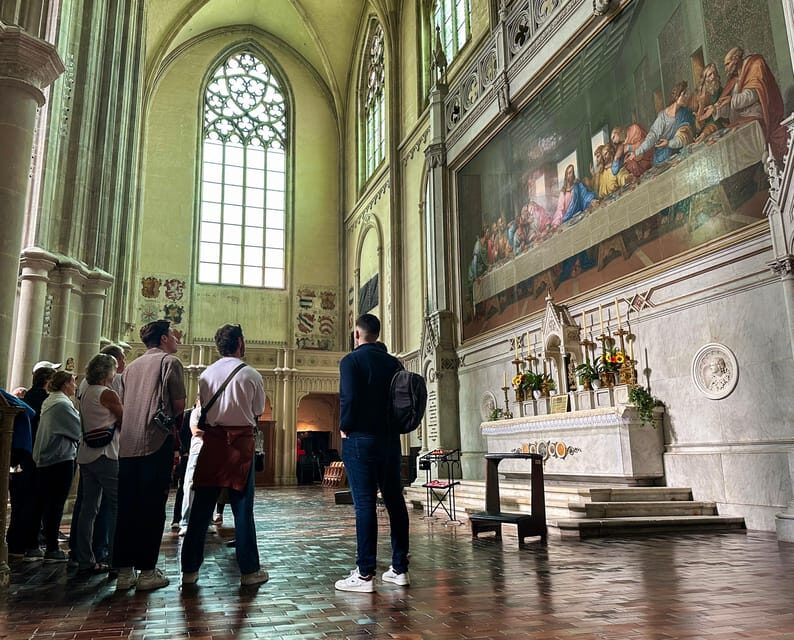
This is the one I’d book if I could only pick one. At $27 per person for two hours, it covers all the headline sights — Stephansdom, the Hofburg, the State Opera — but the difference is in the detours. The guides on this tour are known for pulling groups into hidden courtyards, showing off lesser-known architectural details, and sharing stories you won’t find in any guidebook.
The guides carry their own audio equipment with individual earpieces, which sounds like a small detail until you’re trying to hear someone in a noisy square with a tour group of twelve. It makes a real difference. Two hours is a good length — long enough to cover serious ground, short enough that your feet don’t hate you by the end.
This is the highest-rated city walking tour in Vienna for a reason. The hidden gems angle isn’t marketing — the guides genuinely take you places that most visitors walk right past.
2. Vienna: Guided Walking Tour of City Center Highlights — $25
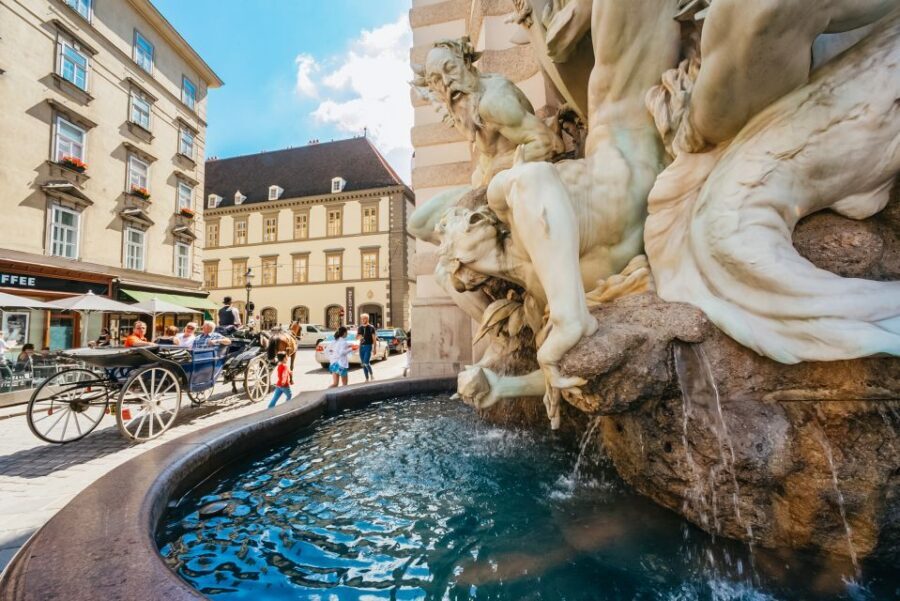
This is the classic. $25 per person, two hours, a straight shot through the greatest hits of Vienna’s Innere Stadt. St. Stephen’s Cathedral, the Hofburg, Mozart’s former apartment, the Graben, the Plague Column, and a stop outside one of the famous coffee houses. It’s the tour that launched a thousand trip itineraries.
The guides rotate, but the consistently high feedback across thousands of bookings tells you the company vets well. If you want a solid, reliable introduction to Vienna without any gimmicks or detours, this is the one. It’s two euros cheaper than the hidden gems tour and covers marginally more of the standard landmarks — the tradeoff is that it stays on the main streets more.
I’d recommend this for families or first-time visitors who want to check every major box before branching out on their own. The city center highlights tour is a no-surprises, well-executed introduction to Vienna that justifies every cent of its price.
3. Vienna: Viennese Underworld Guided Walking Tour — $37
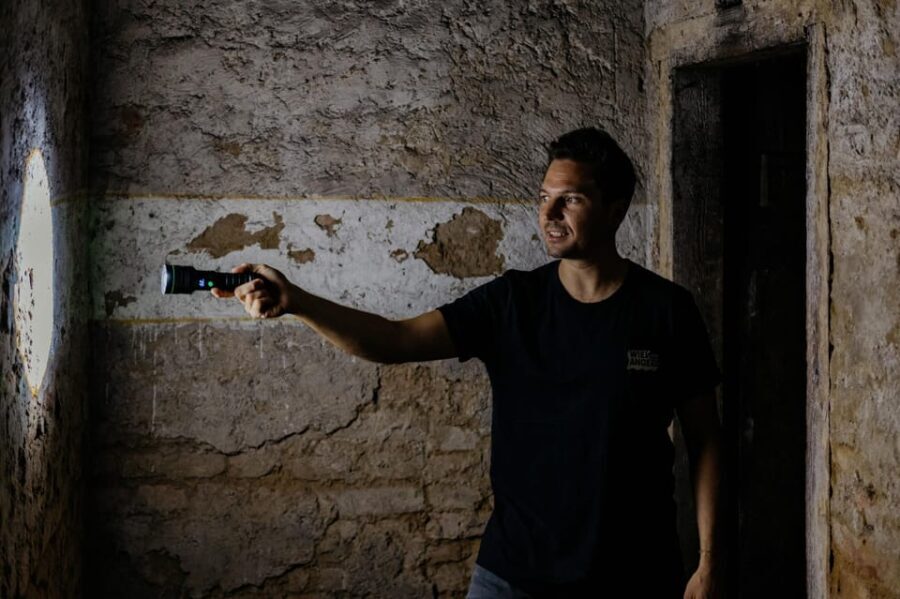
This is the wild card, and honestly one of the most memorable walking tours I’ve come across in any European city. At $37 per person for one to two hours, it takes you beneath street level into private basements, medieval cellars, and underground passages that the general public simply cannot access.
The premise is that Vienna has an entire underworld beneath its elegant surface — old Roman ruins, medieval drainage tunnels, wine cellars that haven’t seen daylight in centuries, and wartime shelters. Your guide has keys to places you’d never find on your own, and the storytelling down there is genuinely atmospheric. It’s one thing to hear about Vienna’s history in a sunlit square. It’s another to hear it standing in a cellar that hasn’t changed since the Ottoman siege.
This isn’t a replacement for a standard city walking tour — think of it as the second tour you book, once you’ve seen the surface. The Viennese Underworld tour is best for repeat visitors or anyone who gets bored by standard sightseeing loops and wants something genuinely different.
4. Vienna: World War II Historical Walking Tour — $31
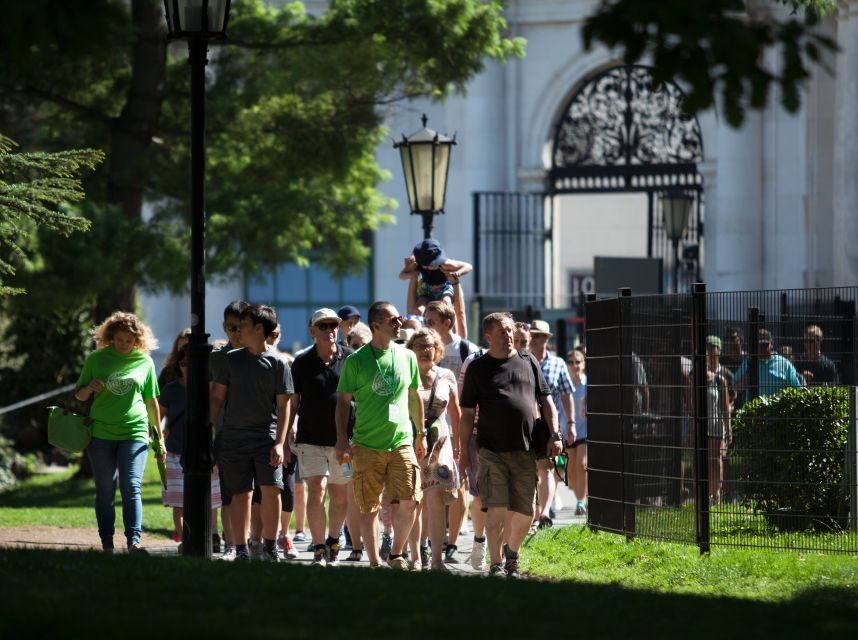
This is the themed option for visitors who want more than architecture and Habsburg anecdotes. At $31 per person for two and a half hours, it covers Vienna’s darkest chapter — the rise of Nazism in Austria, the sites connected to Hitler’s early years in the city, the surviving synagogues, and the Holocaust memorials that are woven into the streetscape.
It’s a longer tour than the others at 150 minutes, and it covers more emotional ground. The guides are uniformly described as knowledgeable and respectful, which matters enormously with this subject matter. You’ll visit one of the few synagogues that survived Kristallnacht, see the Judenplatz Holocaust Memorial, and walk through neighborhoods where the stories of what happened are told through Stolpersteine — the small brass stumbling stones embedded in the pavement outside former homes.
Not the right choice for young children or a first-morning orientation tour, but if you care about understanding Vienna beyond its imperial glamour, the WWII historical walking tour is genuinely powerful. It changed how I looked at the city for the rest of my trip.
When to Take a Walking Tour in Vienna
Timing matters more than you’d think. Most walking tours offer morning and afternoon slots, and the morning slots fill up first — especially in spring and autumn.
Best months: April through June and September through October. The weather is mild, the city isn’t overrun, and you can walk for two hours without sweating through your shirt or freezing your hands. May is my personal favourite — the parks are green, the light is soft, and tourist season hasn’t hit full stride yet.
Summer (July-August): Hot. Genuinely hot, sometimes above 35 degrees. If you’re doing a walking tour in July, book the earliest morning slot available. By noon, the pavement radiates heat and every shaded alley becomes prime real estate. Carry water.
Winter (November-March): Cold and sometimes wet, but Vienna in winter has its own appeal. The Christmas markets transform the city centre from late November, and a walking tour through the Advent atmosphere is actually lovely if you’re dressed for it. Just know that you’ll be outside for two solid hours with no escape.
Morning vs afternoon: Morning tours (usually 10:00 or 10:30) are busier but catch the city waking up. Afternoon tours (14:00 or 15:00) are quieter, the light is warmer, and in summer you can catch the golden hour toward the end. If you’re a photographer, go afternoon.

How to Get to the Meeting Points
Almost every walking tour in Vienna starts at or near Stephansplatz — the square in front of St. Stephen’s Cathedral. It’s the geographic and spiritual heart of the old city, and it’s ridiculously well-connected.
By U-Bahn: Stephansplatz station sits directly beneath the cathedral. Lines U1 and U3 both stop here. From anywhere in the city, you’re never more than two transfers away. This is the easiest option for most visitors.
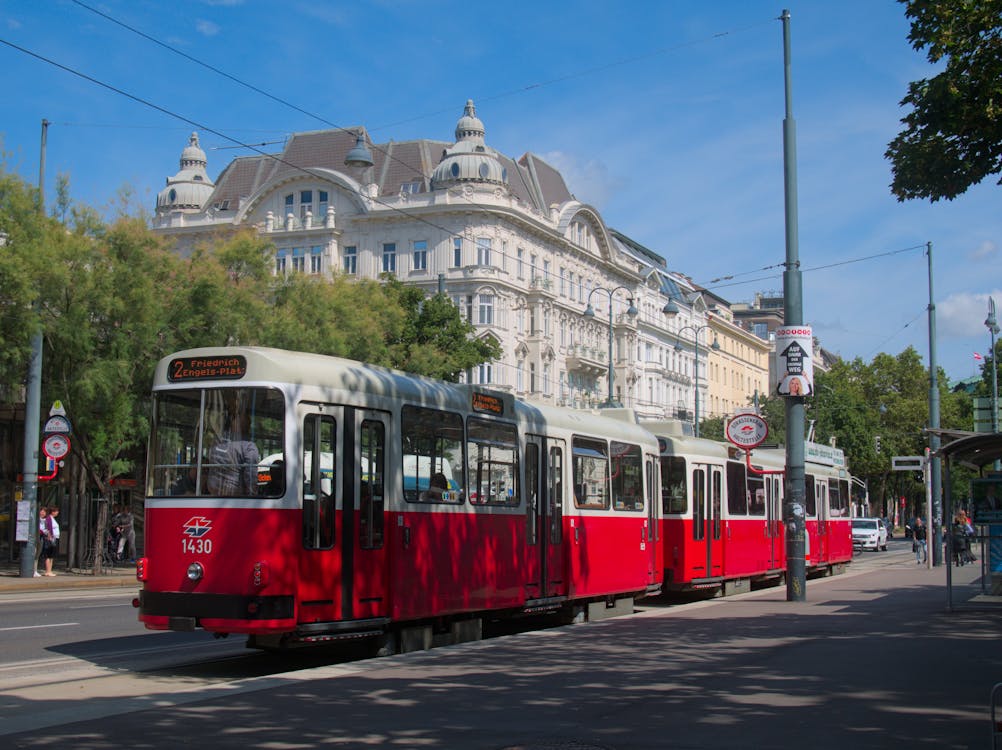
By tram: Several tram lines stop along the Ringstrasse, a 10-15 minute walk from Stephansplatz. The 1 and 2 trams do a full loop of the Ring and are worth riding at least once just for the sightseeing — but don’t rely on them for getting to your tour on time. The walk from the nearest Ring tram stop (Oper or Schwedenplatz) takes longer than you’d expect.
On foot from hotels: If you’re staying inside the Ring (the 1st district), everything is within a 15-minute walk. That’s one of the advantages of staying central in Vienna — the entire old city is compact enough that you can walk to basically anything.
From the airport: Vienna airport is about 30-40 minutes from the city centre by train (CAT or S7). Don’t try to do a walking tour straight off the plane — drop your bags first, get coffee, and book a slot for the following morning.
Tips That Will Save You Time
- Book at least 24 hours ahead. Morning slots on weekends sell out, especially from April through October. Tuesday and Wednesday mornings tend to have more availability.
- Wear proper shoes. You’re walking on cobblestones for two hours. Trainers are fine. Sandals are a mistake. Heels are a disaster.
- Arrive 10 minutes early. Guides start on time. If you’re late to the Stephansplatz meeting point, the group will have already moved into the side streets and you won’t find them.
- Bring a water bottle in summer. There are free drinking fountains scattered across the city centre, but you won’t always pass one when you need it. Fill up before you start.
- Don’t eat a heavy lunch before an afternoon tour. Two hours of walking on a full stomach of Wiener Schnitzel and potato salad is less fun than it sounds.
- Ask your guide for restaurant recommendations. This is the real hidden benefit of a guided tour — locals know where to eat. Ask at the end, and you’ll get suggestions worth more than the tour itself.
- Combine tours strategically. Do the general city centre tour first, then the underworld tour or WWII tour on a different day. Don’t stack two walking tours back-to-back unless your feet are made of steel.
- Take the U-Bahn to the start. Walking to the meeting point sounds logical, but if you’re staying outside the Ring, you’ll arrive tired before the tour even begins. Save your legs.
What You’ll Actually See on a Vienna Walking Tour
Every standard walking tour in Vienna covers a core set of landmarks, though the order varies by guide and company. Here’s what you’ll encounter:
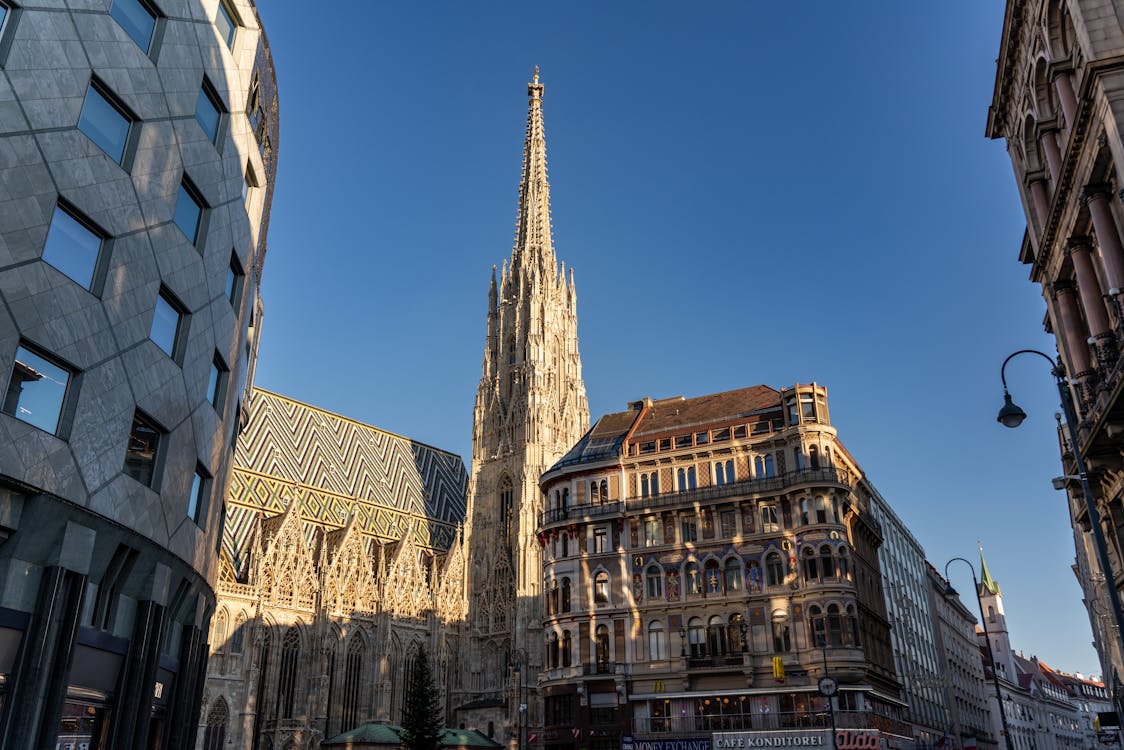
Stephansdom (St. Stephen’s Cathedral): The gothic cathedral that dominates the skyline. Most tours start or end here. The exterior alone takes 15 minutes to properly appreciate — the multi-coloured tile roof, the South Tower (you can climb it separately for 6 euros), and the catacombs below (another separate ticket). Your guide will point out details you’d miss on your own, including the cannonball embedded in the wall from the 1683 Ottoman siege.
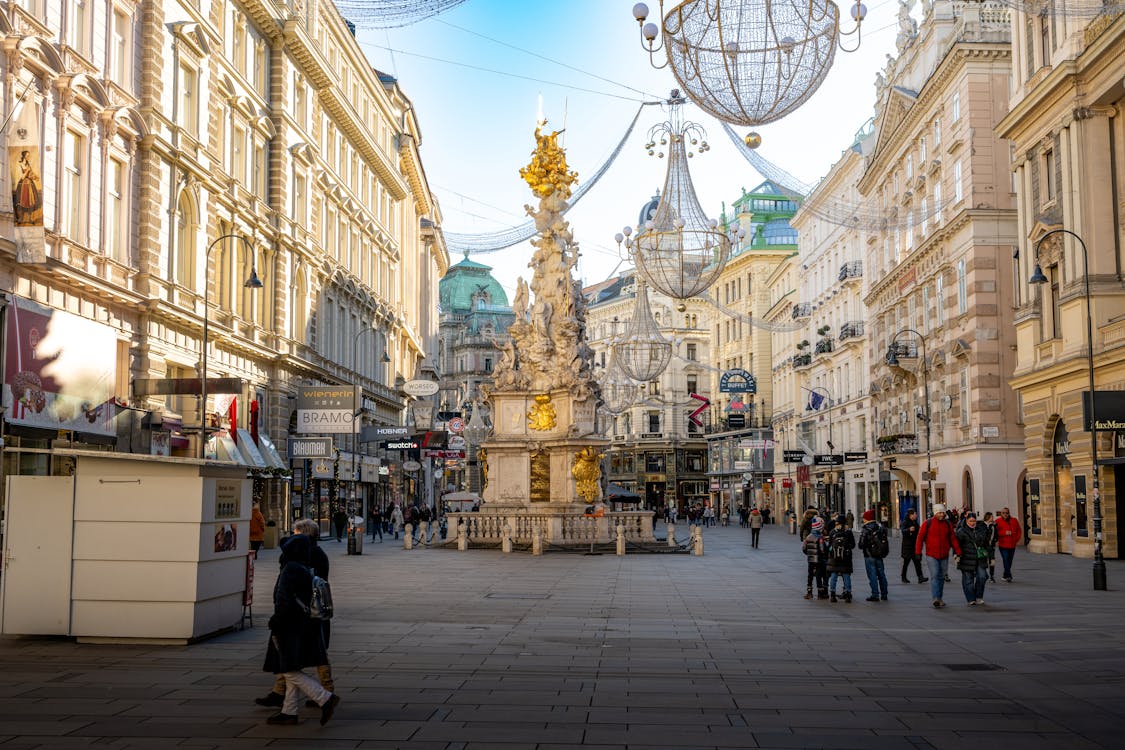
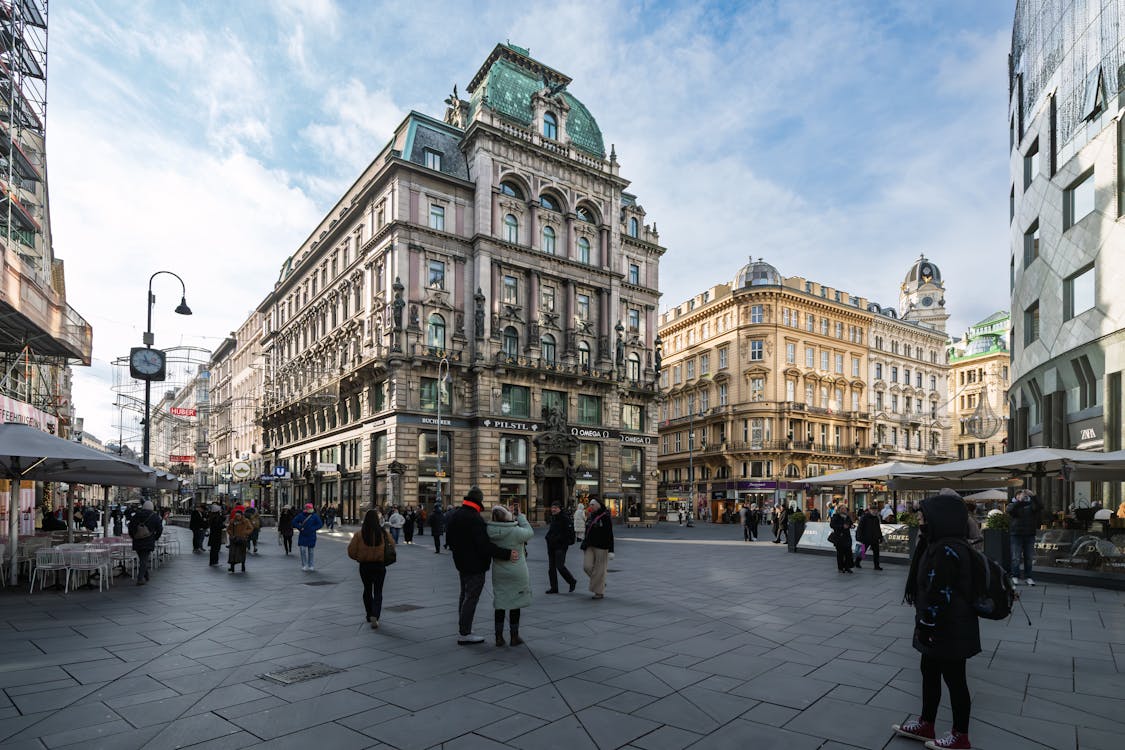
The Graben and Kohlmarkt: Vienna’s grand pedestrian boulevards. The Plague Column (Pestsaule) in the centre of the Graben marks the 1679 plague that killed a third of the city. The Kohlmarkt leads to the Hofburg and is lined with luxury shops and the famous Demel bakery — your guide will tell you about the rivalry between Demel and Cafe Sacher over who makes the real Sachertorte.
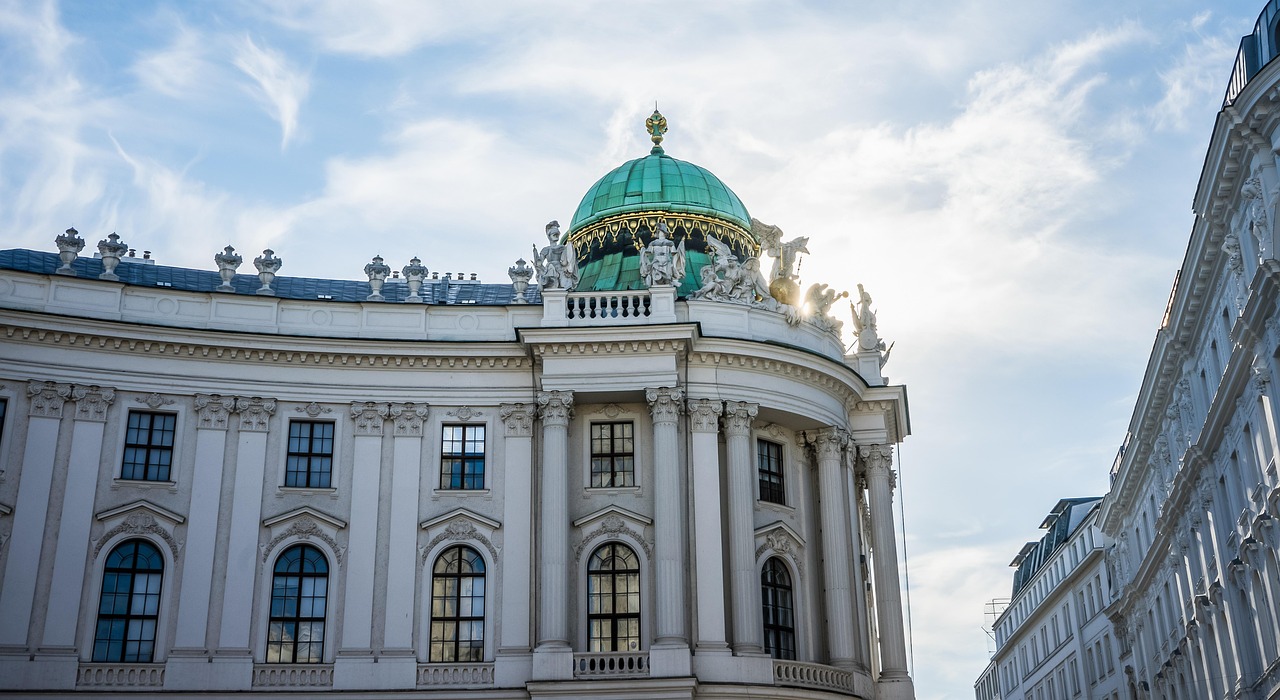
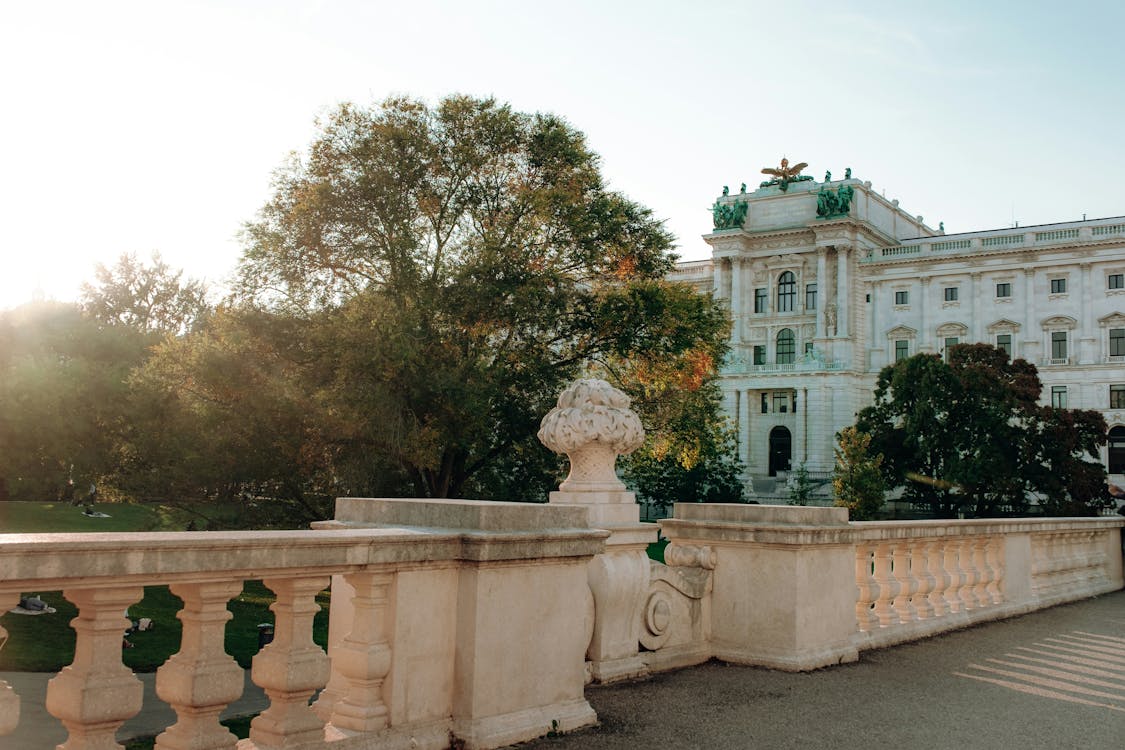
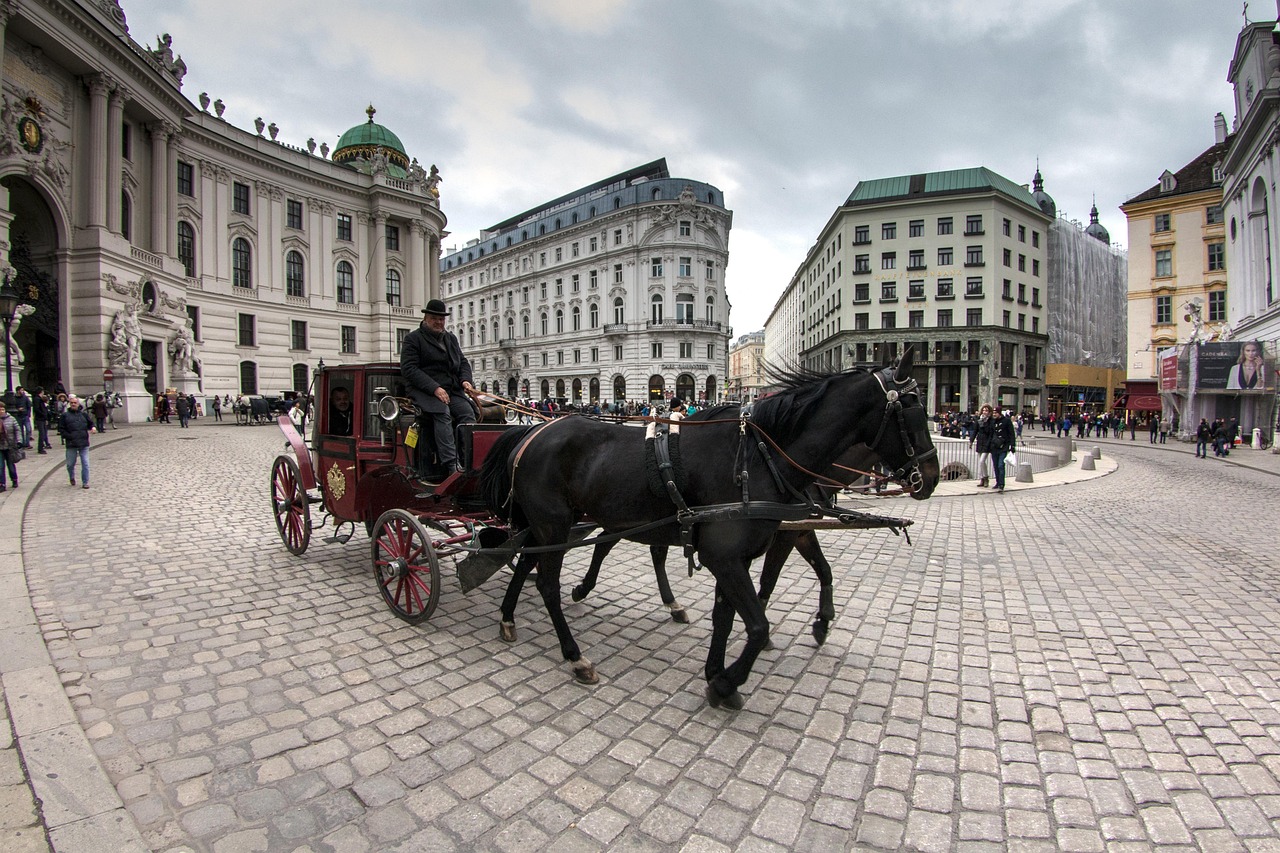
The Hofburg: The imperial palace complex where the Habsburgs ruled for over 600 years. Walking tours typically pass through Heldenplatz (Heroes’ Square) and the Swiss Courtyard. If you’re interested in the Spanish Riding School, your guide can point you to the right entrance — the Lipizzaners train here every morning.
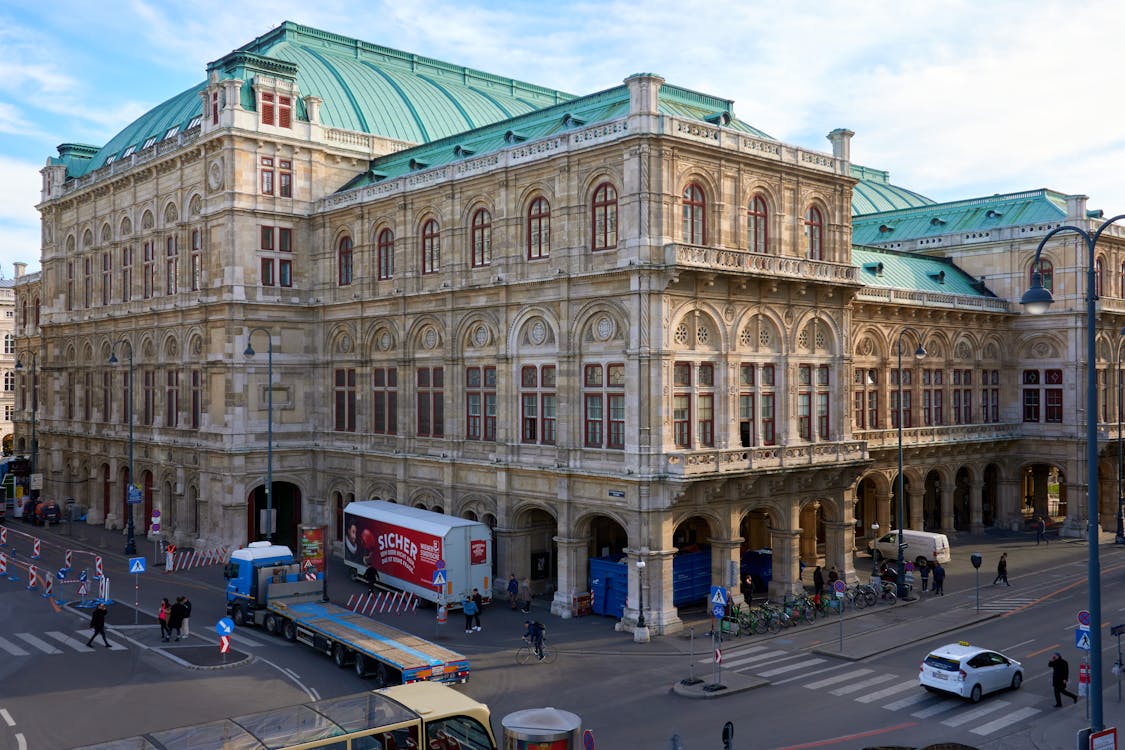
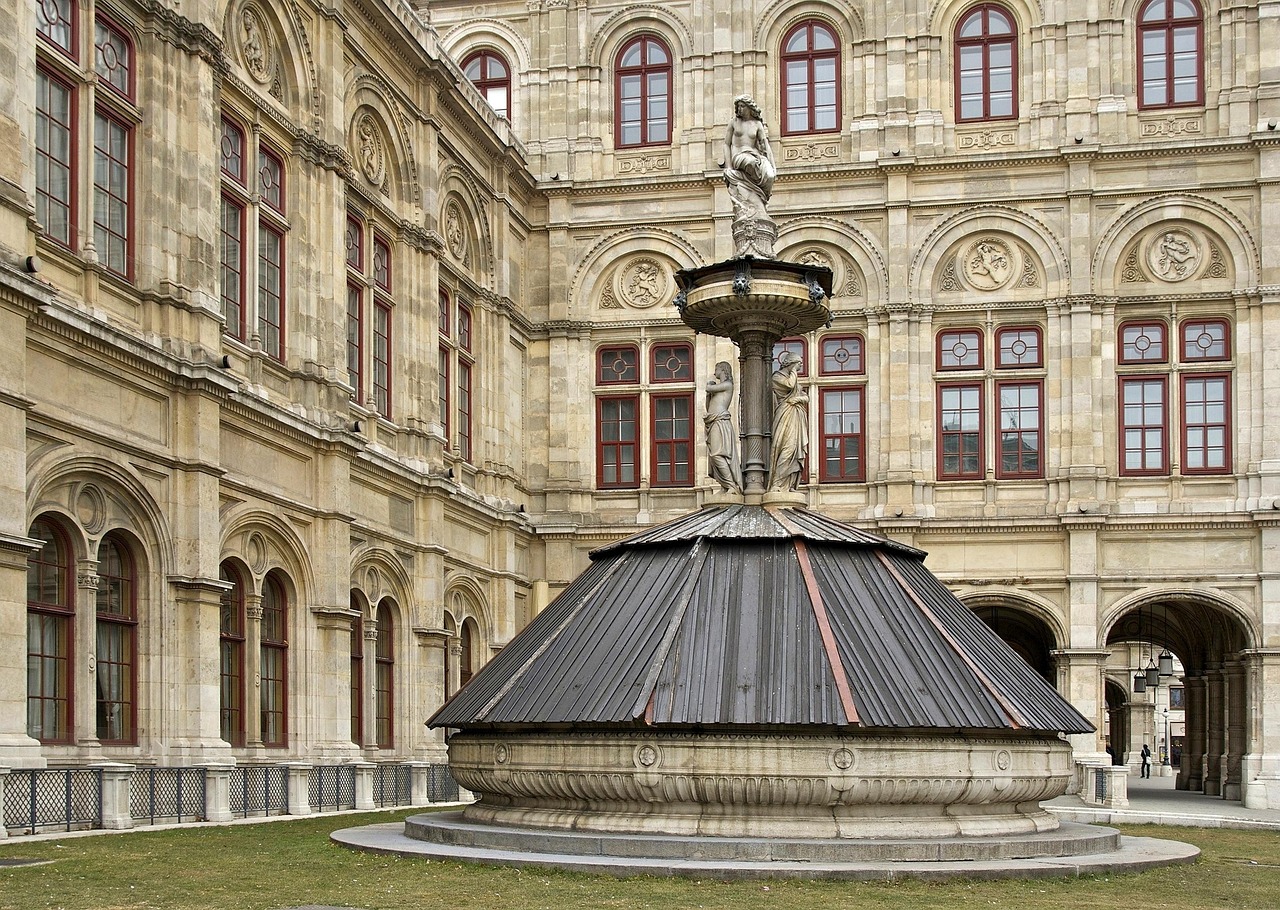
The Ringstrasse: The grand boulevard that replaced Vienna’s medieval city walls in the 1860s. Depending on your tour, you’ll pass the State Opera, the Parliament, the Burgtheater, the Natural History Museum, and the Rathaus (City Hall). Each one is a different architectural style — the Ringstrasse was deliberately designed as a showcase of European building traditions.

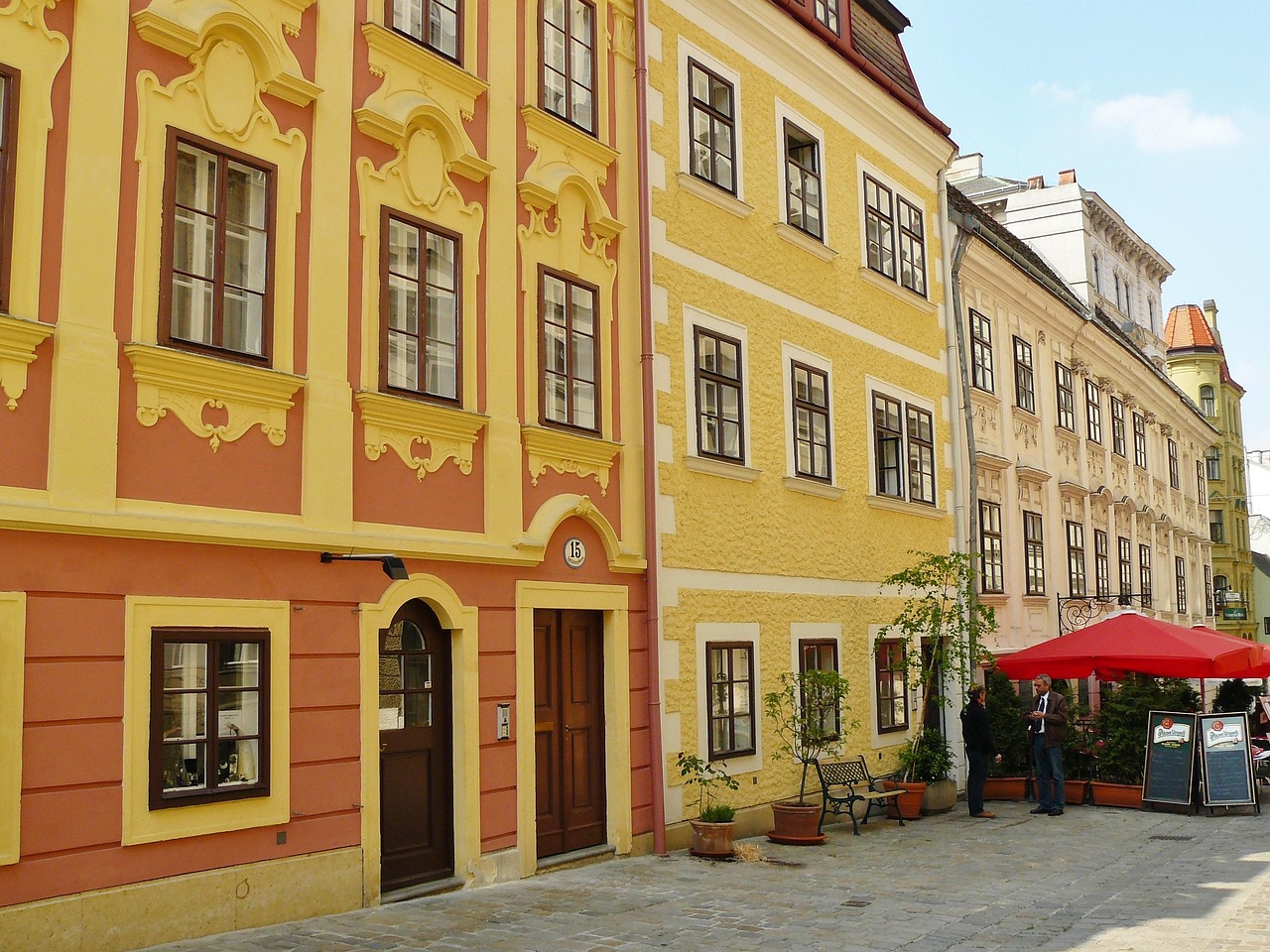
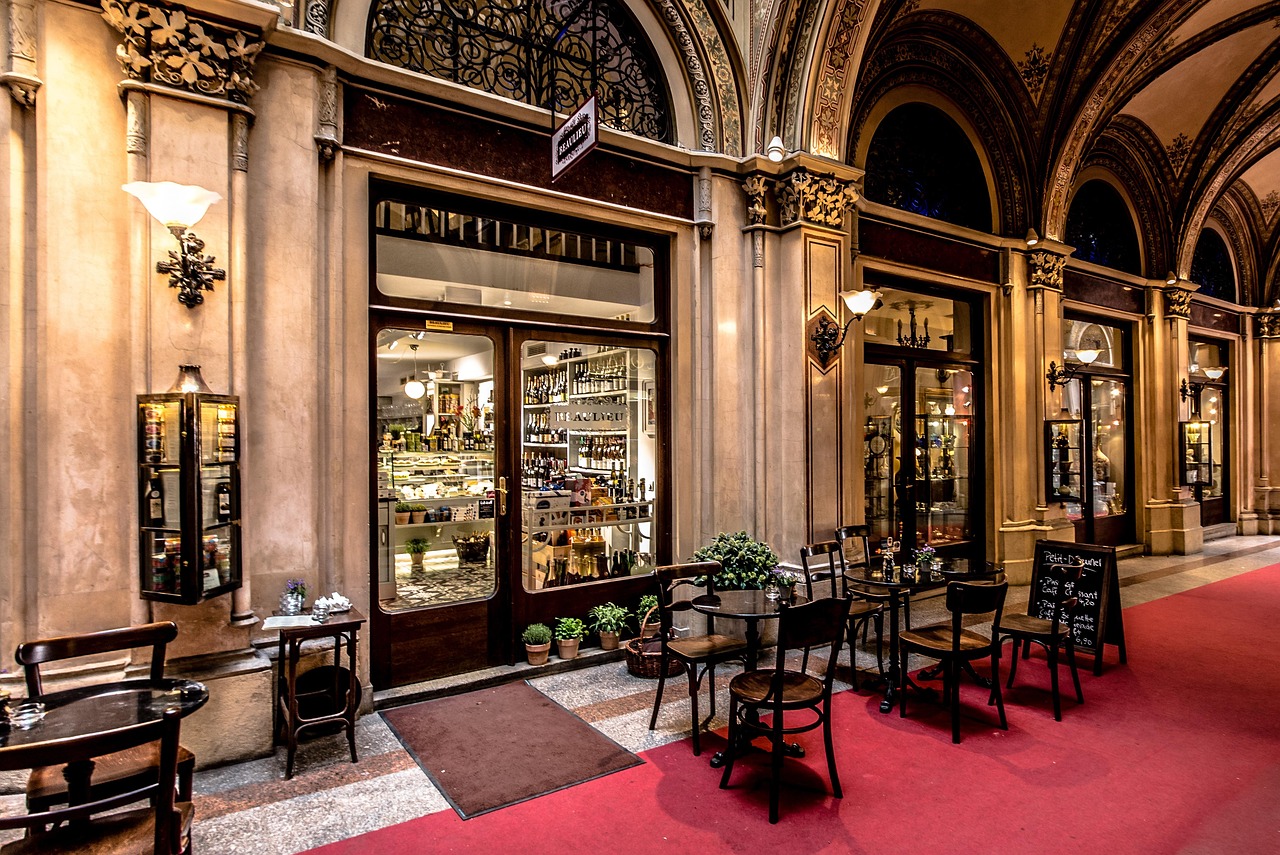
Hidden courtyards and passages: This is where guided tours really earn their money. Vienna is laced with Durchhauser — passages that cut through residential buildings from one street to the next. Some have frescoes, some have medieval wells, some open into quiet garden courtyards that feel like they belong in a different century. Guides know which doors to push, which gates to ring, and which passages are open. You won’t find these on Google Maps.

More Vienna Guides
A walking tour gives you a solid foundation, but Vienna rewards you for going deeper. The Schonbrunn Palace deserves its own half-day, and the Belvedere is worth the tram ride for Klimt alone. Back in the city center, the Hofburg and Sisi Museum fills in the Habsburg story your walking guide probably started, and the Spanish Riding School inside the same complex is an experience you will not find anywhere else in Europe. Evenings belong to classical concerts — there are performances every night in venues scattered across the old town.
For a different angle on the city, the hop-on hop-off bus covers the Ringstrasse and outer landmarks that a walking tour skips, and a Danube cruise shows you Vienna from the water. A food tour is the natural follow-up if your walking tour left you hungry — most start at or near the Naschmarkt.
Beyond the city, Hallstatt is a popular day trip from Vienna. And for a broader Austria loop, the Salzburg salt mines, Sound of Music tour, and Eagle’s Nest are all doable from Salzburg.
This article contains affiliate links. If you book a tour through our links, we may earn a small commission at no extra cost to you. This helps us keep producing detailed travel guides.