
Strasbourg has changed nationality five times. French until 1871, German until 1918, French again, German again during the occupation, and French once more since 1944. You can read this entire history just by looking at the buildings: half-timbered Alsatian houses pressed up against Wilhelmian sandstone, French Art Nouveau wrapping around Germanic gables. It’s the kind of place where a single street corner tells you more about European history than most textbooks.
But the real surprise is what happens when you leave the city for the day. Forty minutes in any direction and you’re deep in the Alsatian wine route, surrounded by villages so impossibly pretty that Disney sent animators here to sketch reference material for Beauty and the Beast. Riquewihr, Eguisheim, Kaysersberg, Colmar. Names that sound like fairy tales and look even better in person.
I’ve pulled together the best ways to book an Alsace day trip from Strasbourg, from full-day village tours to walking and food experiences in the city itself. Some of these you can do on your own. Others genuinely benefit from a guide who knows the wine cellars, the back streets, and the stories behind the timber frames.
Best Alsace day trip: Alsace Villages & Castle Day Trip — $242. Hits Colmar, Eguisheim, Riquewihr, and Haut-Koenigsbourg Castle in one day with wine tasting included.
Best budget option: Strasbourg Walking Tour — $28. Two solid hours covering the cathedral, Petite France, and the history that guidebooks skip.
Best for foodies: Strasbourg Food Tour — $96. Three and a half hours of tarte flambee, local wines, and Alsatian specialties you won’t find on your own.
- A City That Changed Flags Five Times
- The Alsace Wine Route Villages
- Booking It Yourself vs. Taking a Tour
- The Best Alsace Day Trips and Strasbourg Tours to Book
- 1. Alsace Colmar, Medieval Villages & Castle Day Trip from Strasbourg — 2
- 2. Strasbourg Walking Tour with a Local Guide —
- 3. Strasbourg Food Tour — A Taste of Tradition —
- 4. Strasbourg Guided Bike Tour with a Local Guide —
- What to Eat in Alsace (and Why It’s All Excellent)
- When to Visit
- How to Get There
- Tips That’ll Save You Time and Money
- What You’ll Actually See
- Beyond Alsace
A City That Changed Flags Five Times
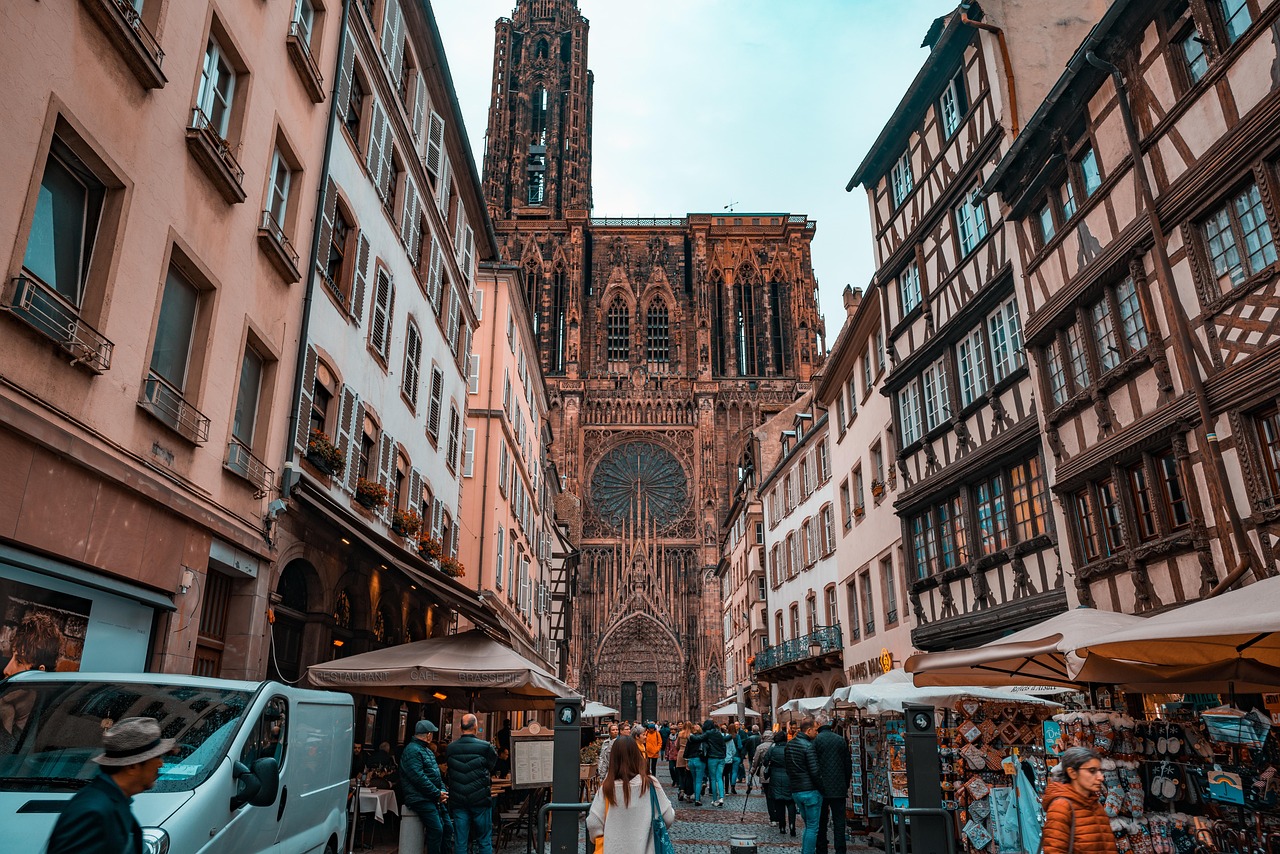
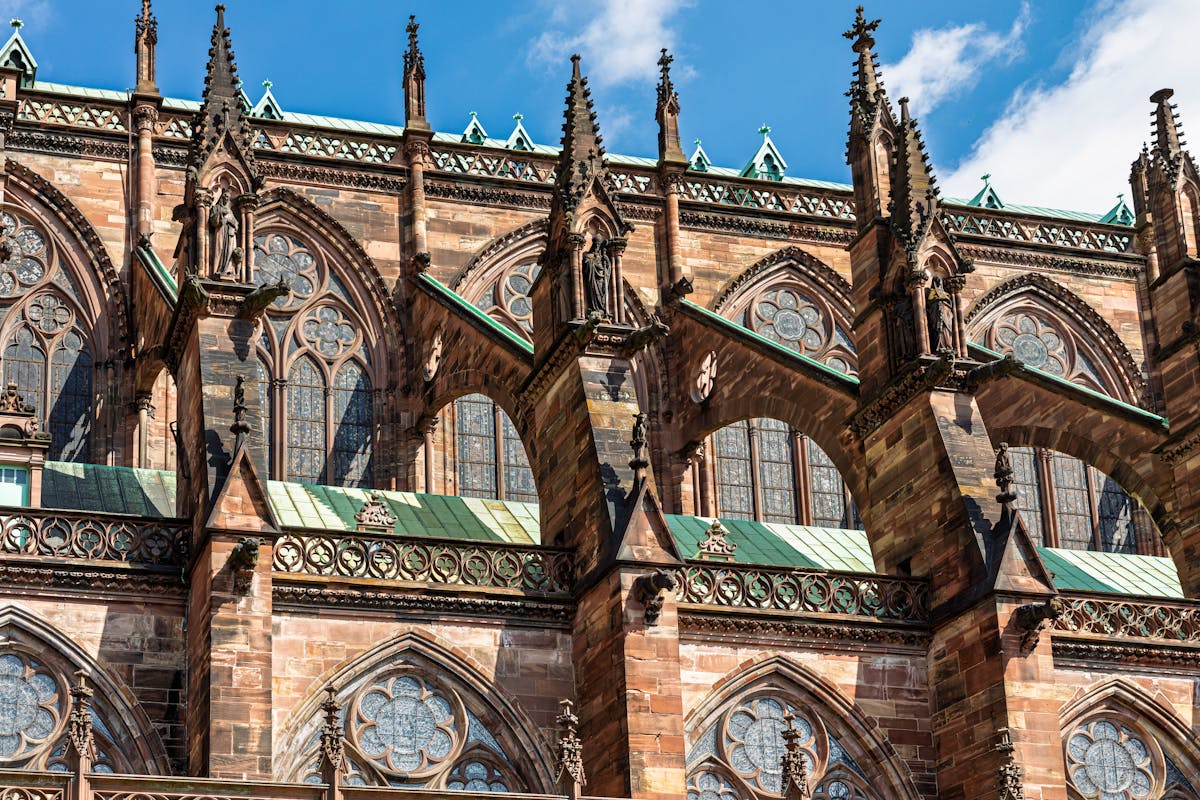
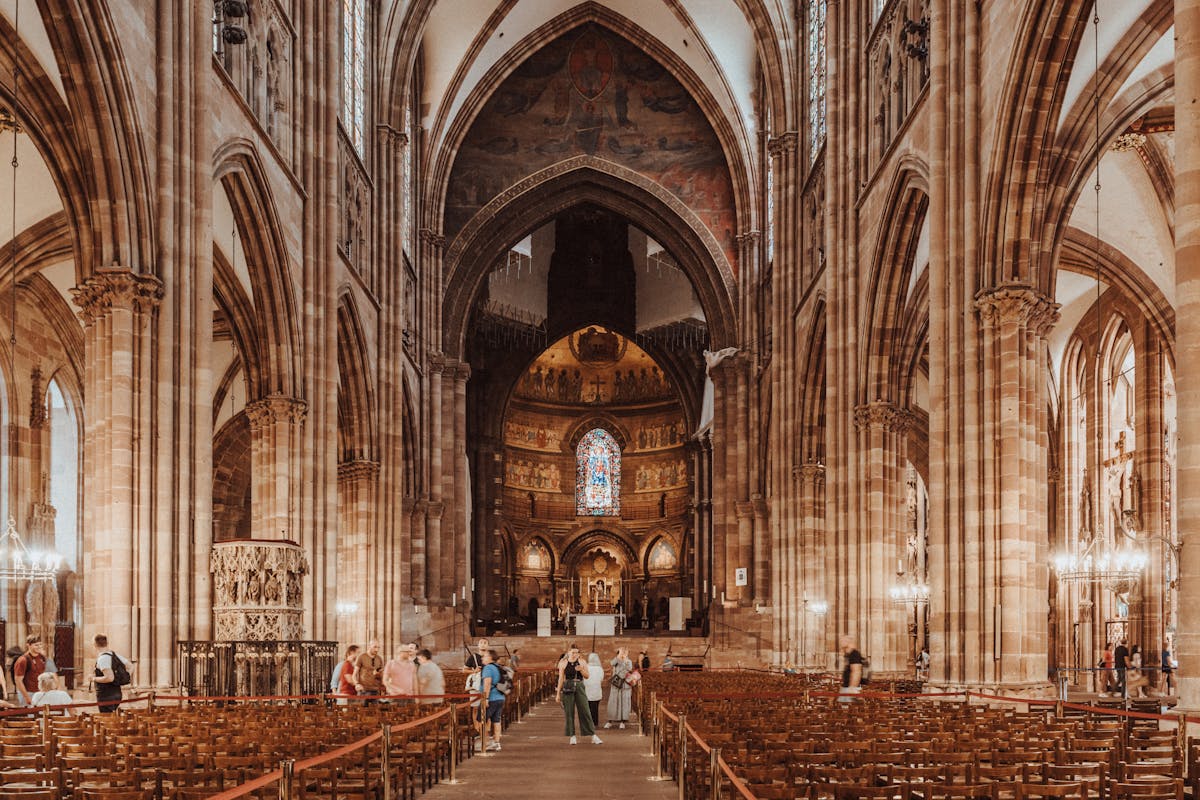
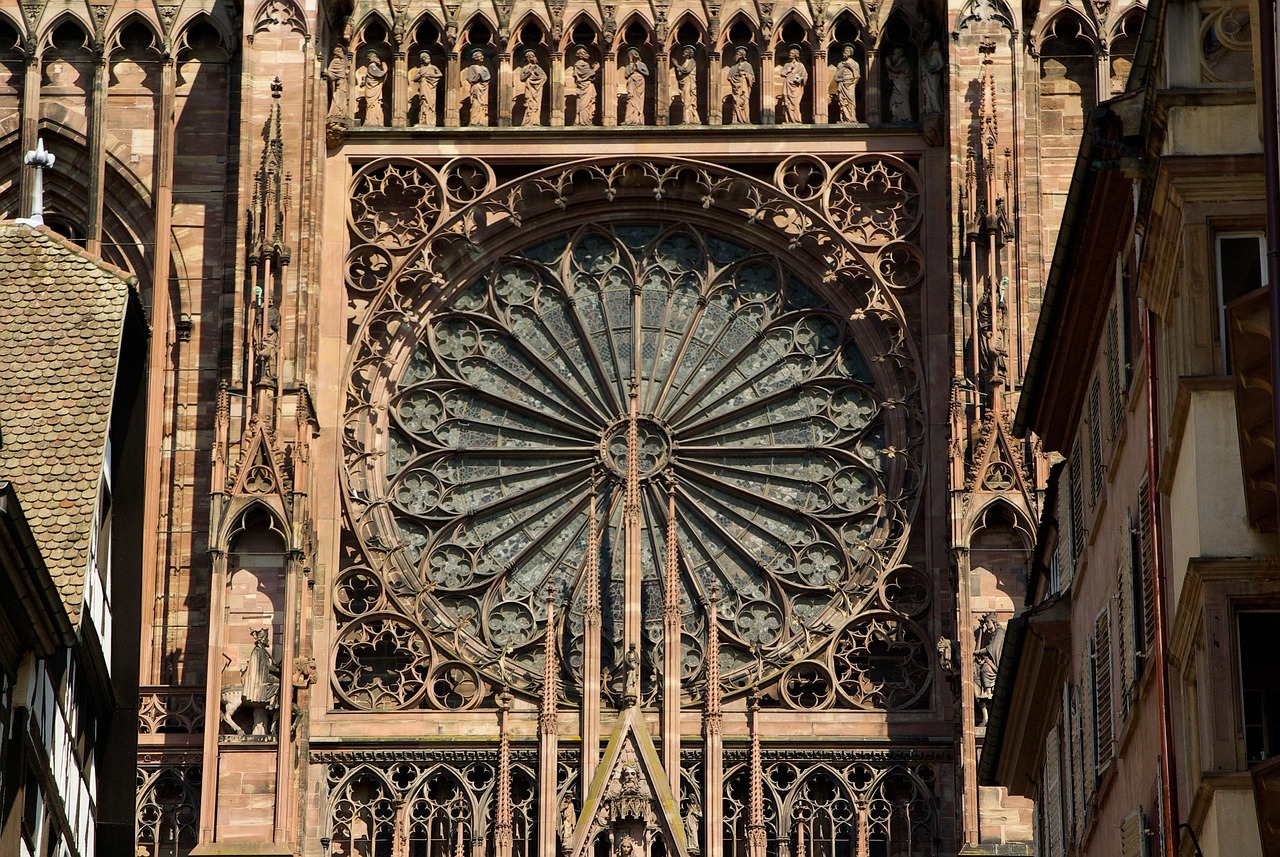
You don’t fully appreciate Strasbourg until you understand what it’s been through. The Strasbourg Cathedral took 263 years to complete, from 1015 to 1439, and when it was finally finished it was the tallest building in the world. It held that record for 227 years. The pink Vosges sandstone glows differently depending on the hour, which is one reason the cathedral square never gets boring even if you sit there for two coffees.
The Kammerzell House on the cathedral square is worth a long look. Seventy-five carved window frames, each one depicting a different biblical or mythological scene. It dates to 1427 and is one of the most ornate timber-frame buildings anywhere in Europe. Today it’s a hotel and restaurant, and the ground floor still has the original stone arcades from the 15th century.
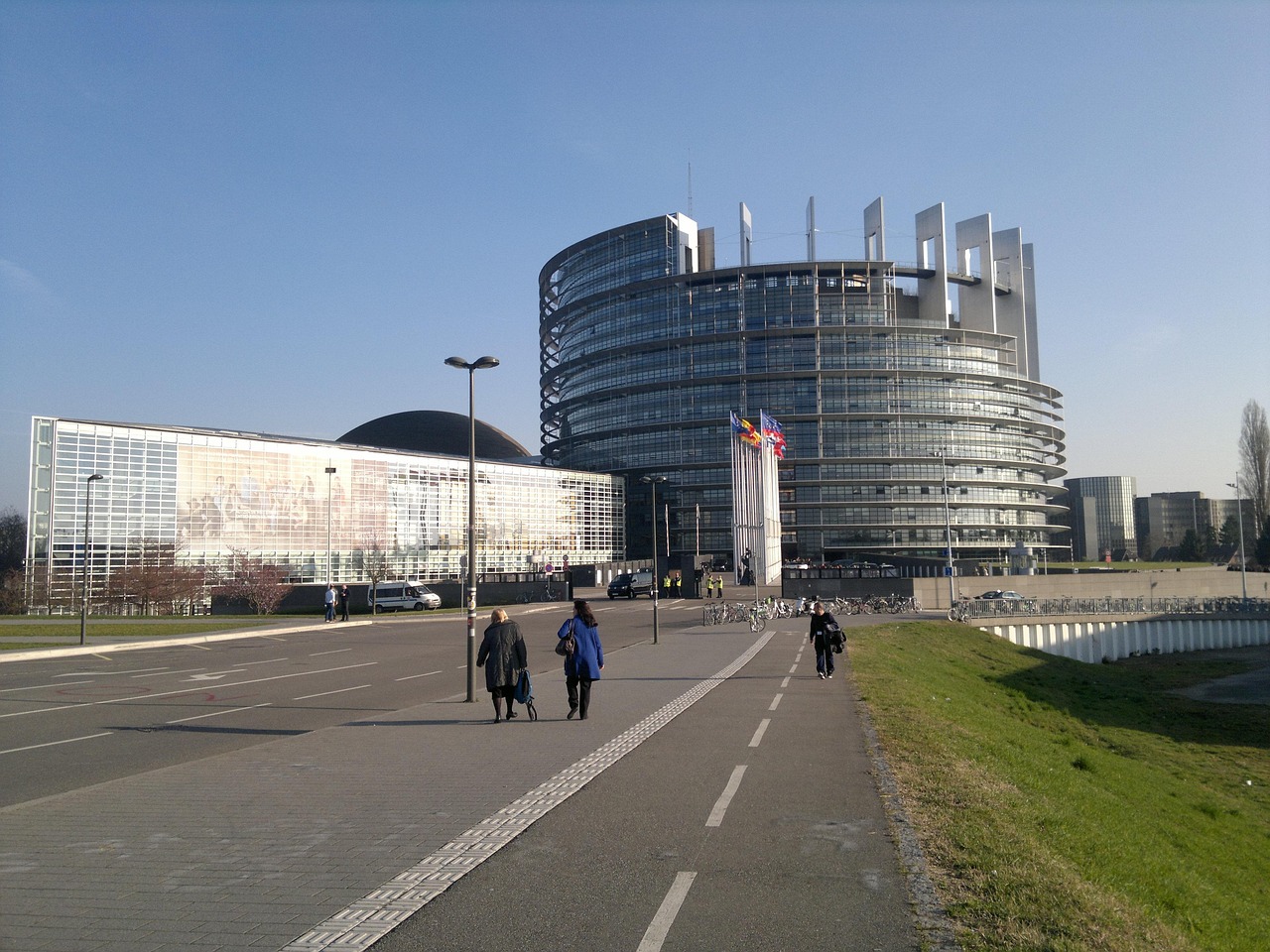
Strasbourg is also the seat of the European Parliament, making it one of the few cities that functions as a capital without actually being a national one. The European Quarter is across the river from the old town, all glass and steel and modern architecture, which creates this strange contrast with the medieval half-timbered streets ten minutes away on foot.
The Alsace Wine Route Villages
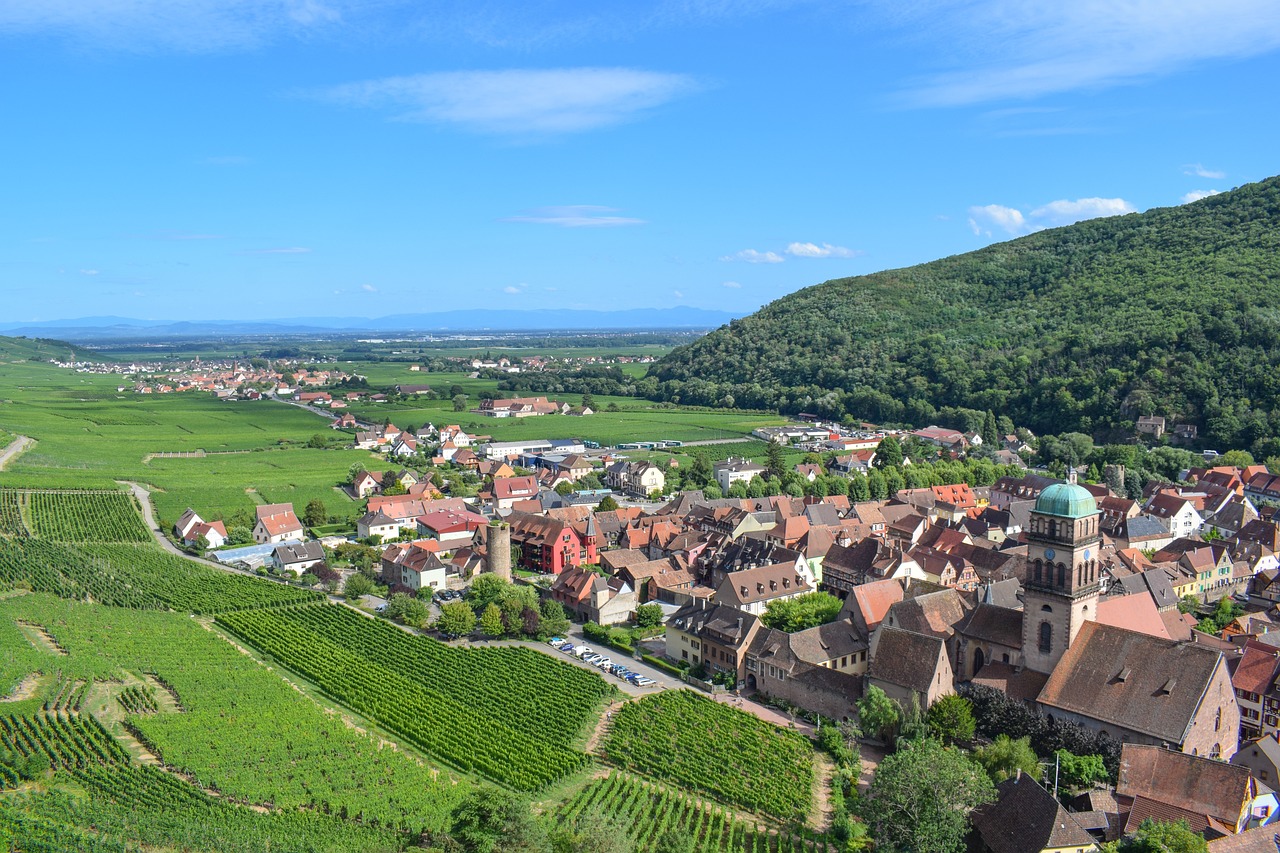
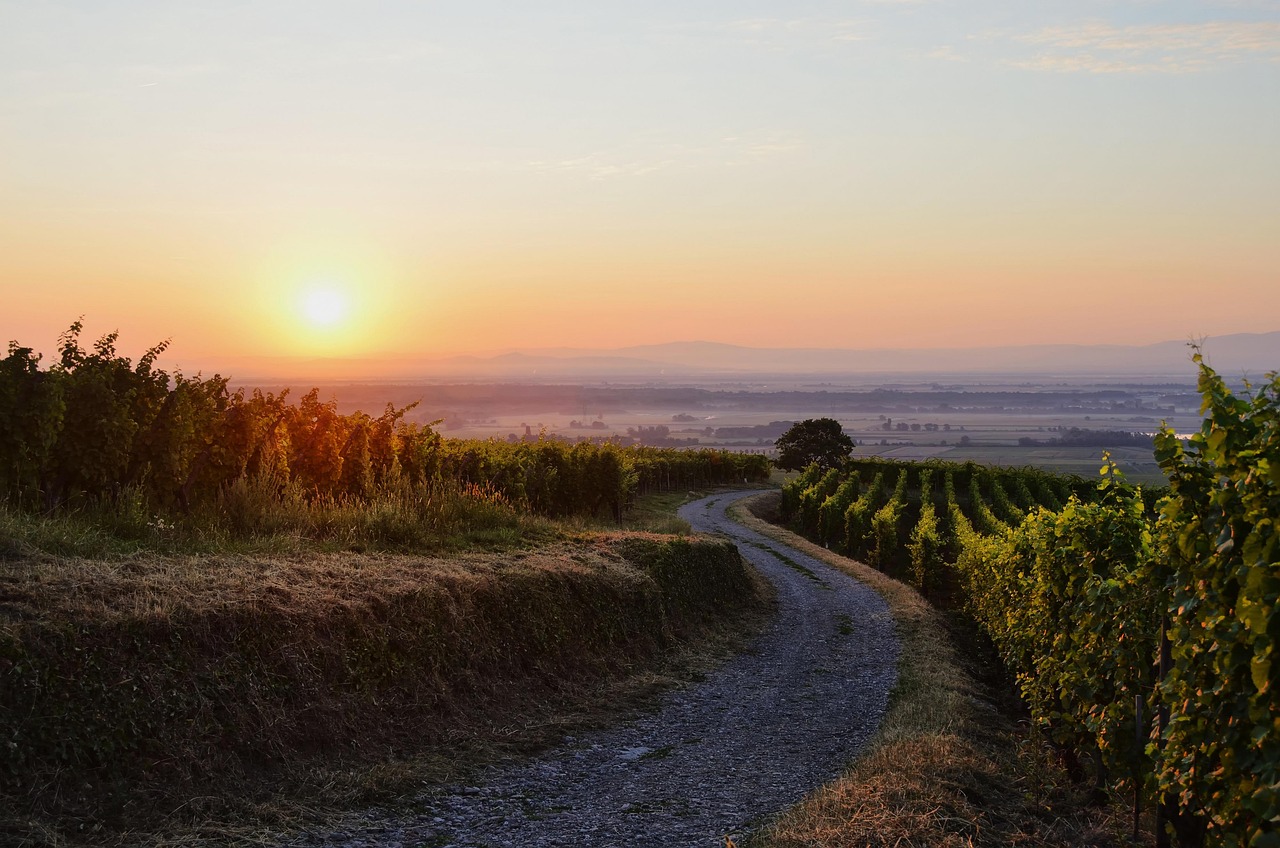
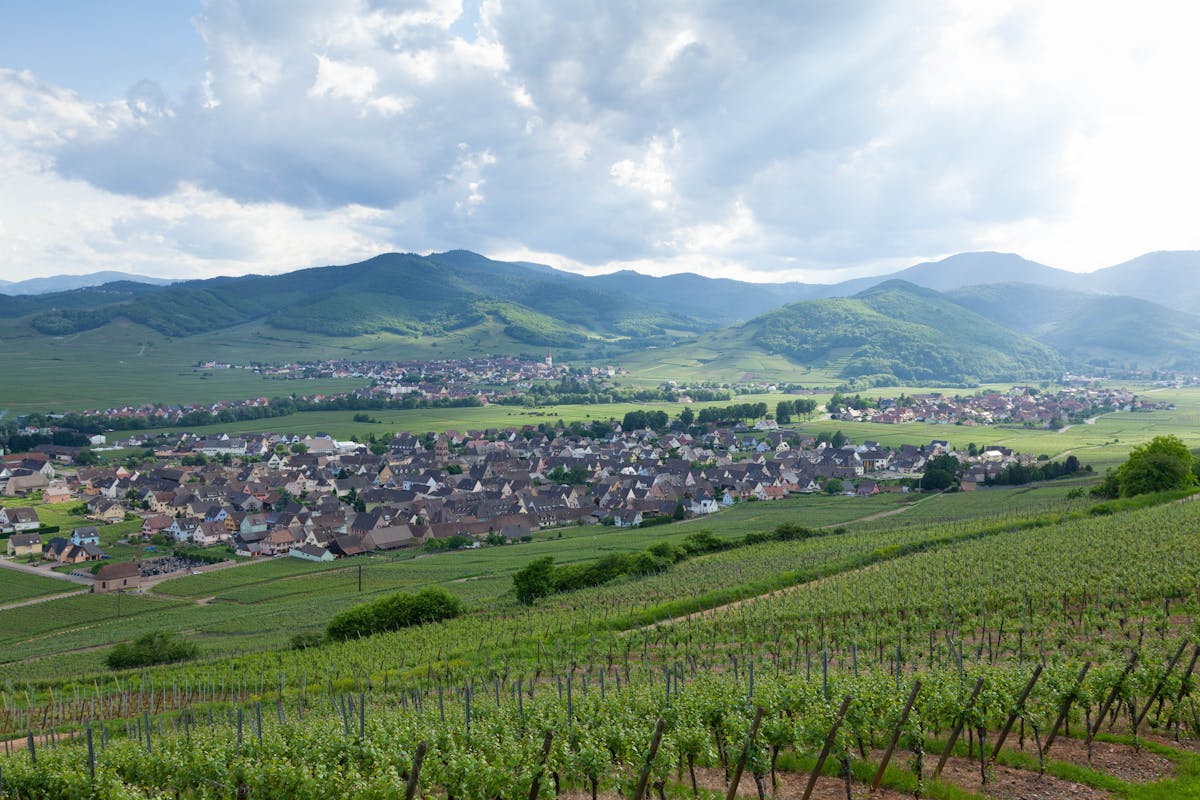
The Alsace Wine Route runs about 170 kilometers from Marlenheim in the north down to Thann in the south. Most day trips from Strasbourg cover the central section, which is where the really famous villages are. Eguisheim, Riquewihr, Kaysersberg, and Colmar are the big four, and a well-organized tour can fit three or all four into a single day.
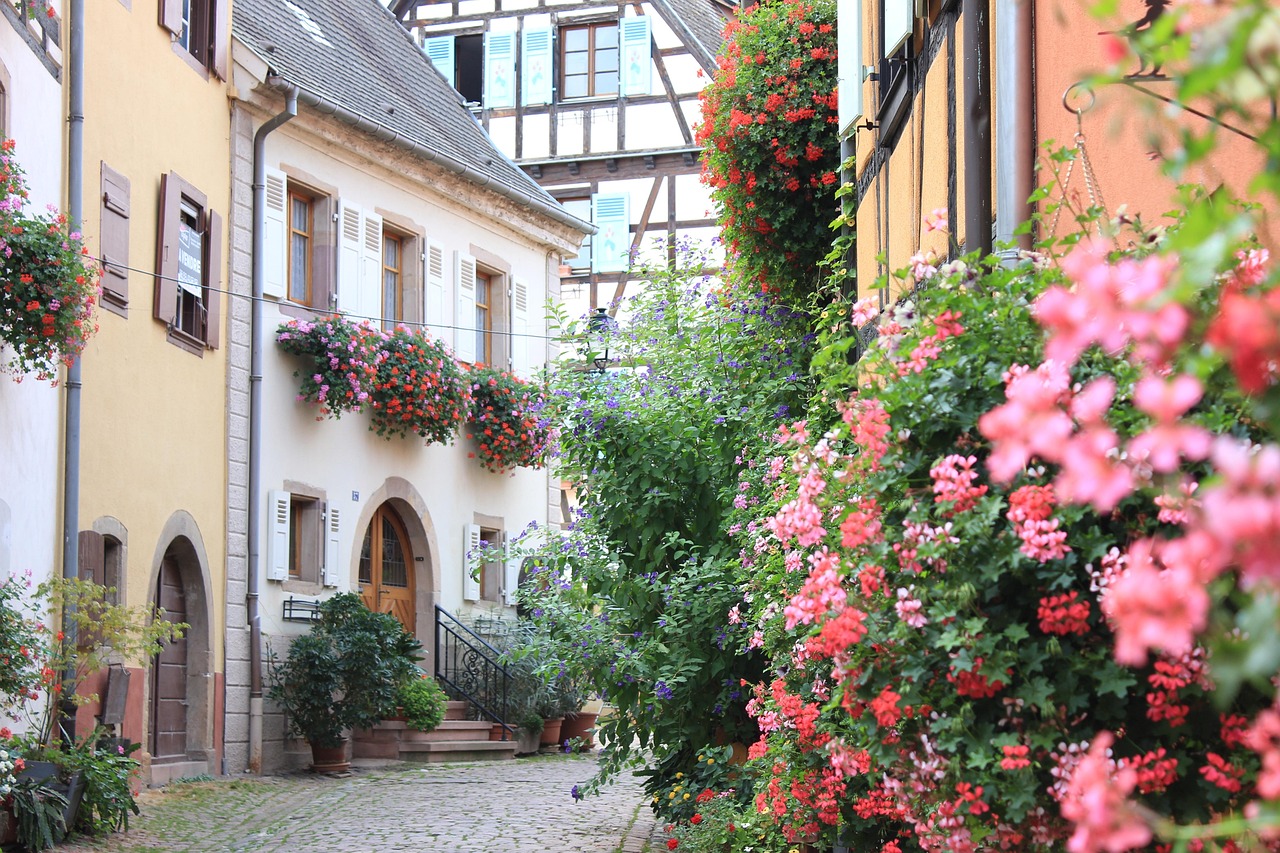
Eguisheim is a circular village built in concentric rings around a central castle. The flower boxes here are competitive. Residents genuinely compete for who has the most photogenic window display, which explains why every single house looks ready for a magazine cover. It was voted the prettiest village in France in 2013 and nobody has seriously challenged that since.
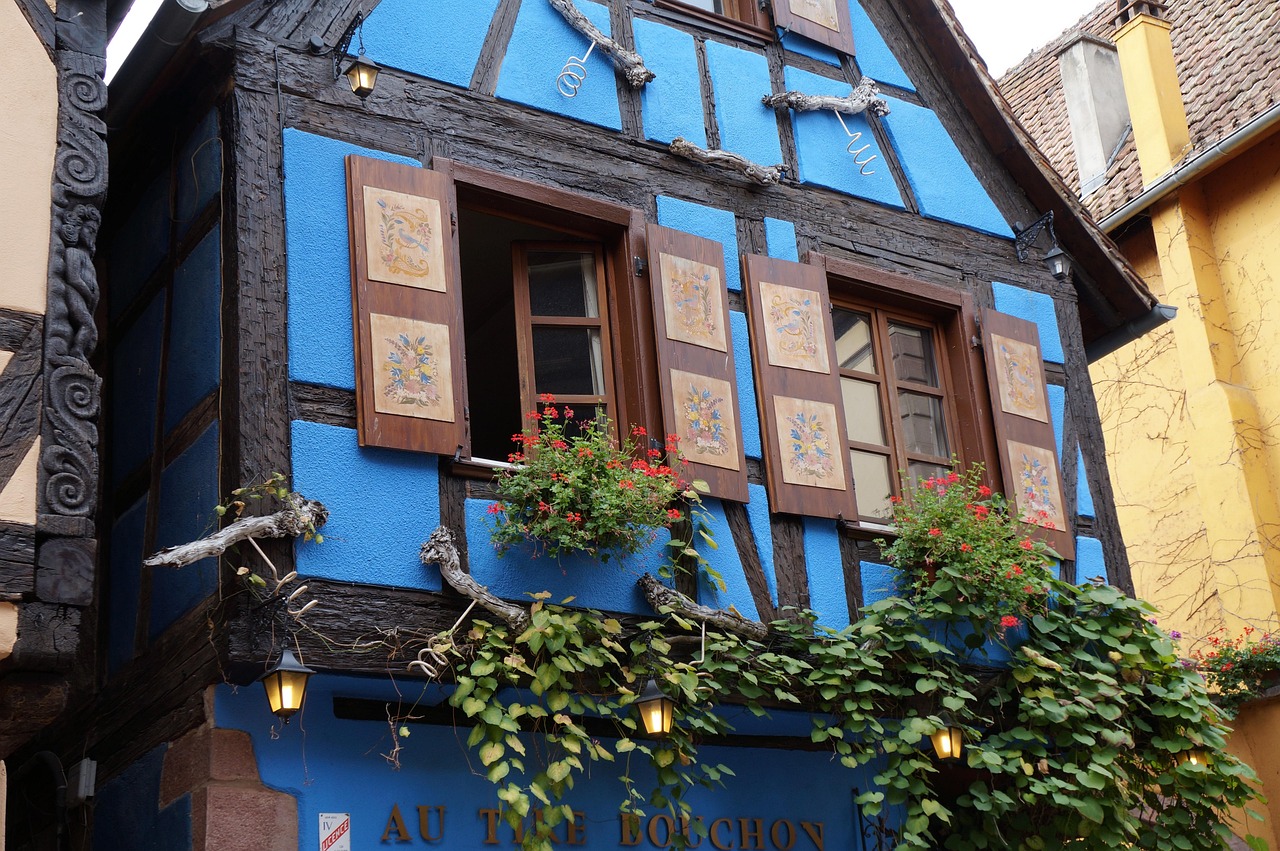
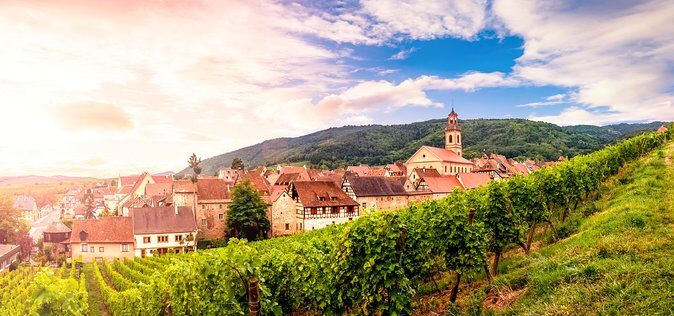
Riquewihr is the one Disney’s animators visited when designing the village in Beauty and the Beast. Walk through the main gate and you’ll recognize it immediately. The double-fortified walls are still intact, the 16th-century tower is still there, and the main street is lined with winstubs (traditional Alsatian wine bars) where you can taste Riesling and Gewurztraminer from producers just up the hill.
Kaysersberg is where Albert Schweitzer was born in 1875. The ruined castle above the village offers one of the best viewpoints in Alsace, and the fortified bridge over the Weiss River is genuinely medieval, not a reconstruction. It’s quieter than Riquewihr and Eguisheim, which for some people is actually the point.
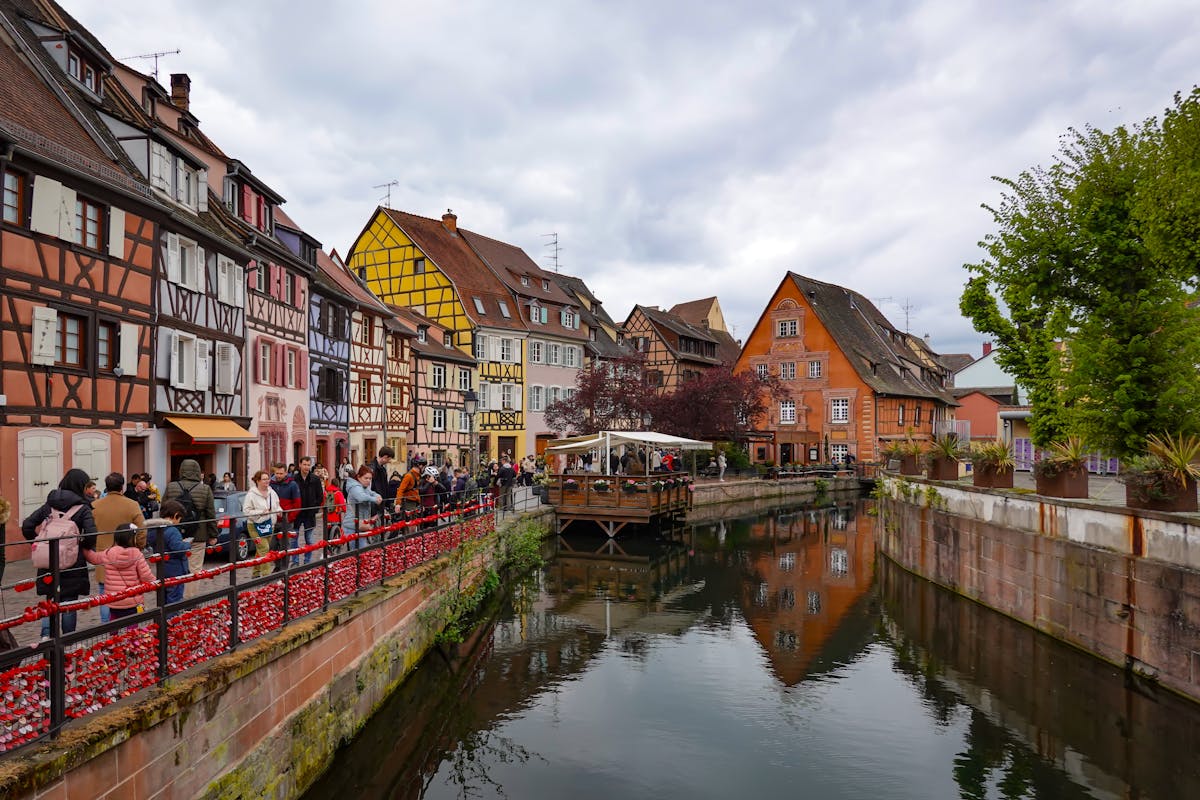
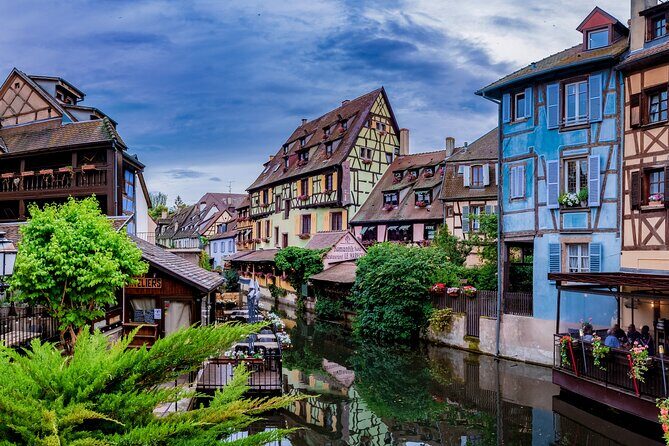
Colmar is the largest of the group and the one with the most to do. The Petite Venise (Little Venice) quarter has canals and half-timbered houses that rival Strasbourg’s Petite France. The Unterlinden Museum holds the Isenheim Altarpiece, which art history students fly in specifically to see. And the covered market is a good place to stock up on Alsatian mustard and pain d’epices before heading back.
Booking It Yourself vs. Taking a Tour
You can absolutely rent a car and do the wine route on your own. Strasbourg to Colmar is about 45 minutes on the A35 motorway, and the villages are all within 15-20 minutes of each other once you’re on the route. The problem is wine tasting. If you’re driving, you’re not tasting, and tasting is half the reason to go.
That’s where organized day trips earn their money. The guide drives, you drink. Most tours include two or three tastings at cellars that aren’t always open to walk-ins. And the guides tend to know the back-door producers, not just the ones with the biggest signs on the main road.
For Strasbourg itself, a walking tour or food tour makes sense even if you’re normally a do-it-yourself traveler. The Franco-German history is layered and specific, and a guide who can point out which buildings are Alsatian, which are Wilhelmian, and which are post-war reconstructions makes the city click in a way a guidebook can’t replicate.
If you’re only in Strasbourg for one full day, my honest advice: spend the morning on a walking tour of the city and the afternoon on an independent wander through Petite France and the cathedral quarter. If you have two days, add the Alsace day trip on day two. Trying to cram the city and the villages into one day leaves you rushing through both.
The Best Alsace Day Trips and Strasbourg Tours to Book
1. Alsace Colmar, Medieval Villages & Castle Day Trip from Strasbourg — $242
This is the one to book if you only have time for a single day trip. It covers the greatest hits: Colmar, Eguisheim, Riquewihr, and Haut-Koenigsbourg Castle, all in roughly eight hours with a small group that keeps it personal. The castle alone is worth the drive, sitting at 757 meters with views across the Rhine plain all the way to the Black Forest on a clear day.
Wine tasting is included, and the guide picks cellars based on what’s actually good, not what pays the highest commission. At $242 it’s not cheap, but you’re covering four major stops with transport and wine included, which works out better than renting a car and paying for tastings individually. The small group format means you’re not herded through on a tight schedule.
2. Strasbourg Walking Tour with a Local Guide — $28
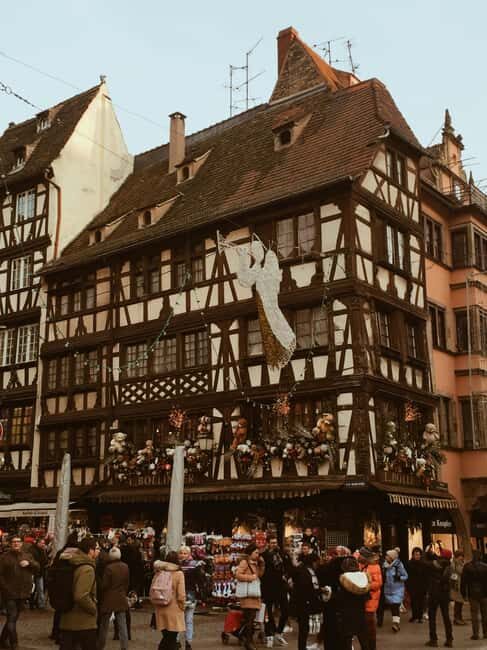
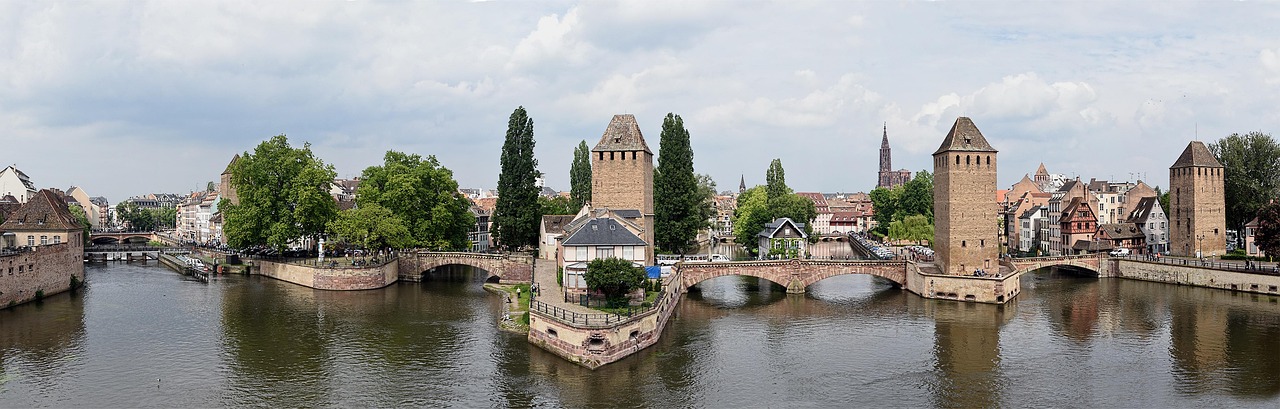
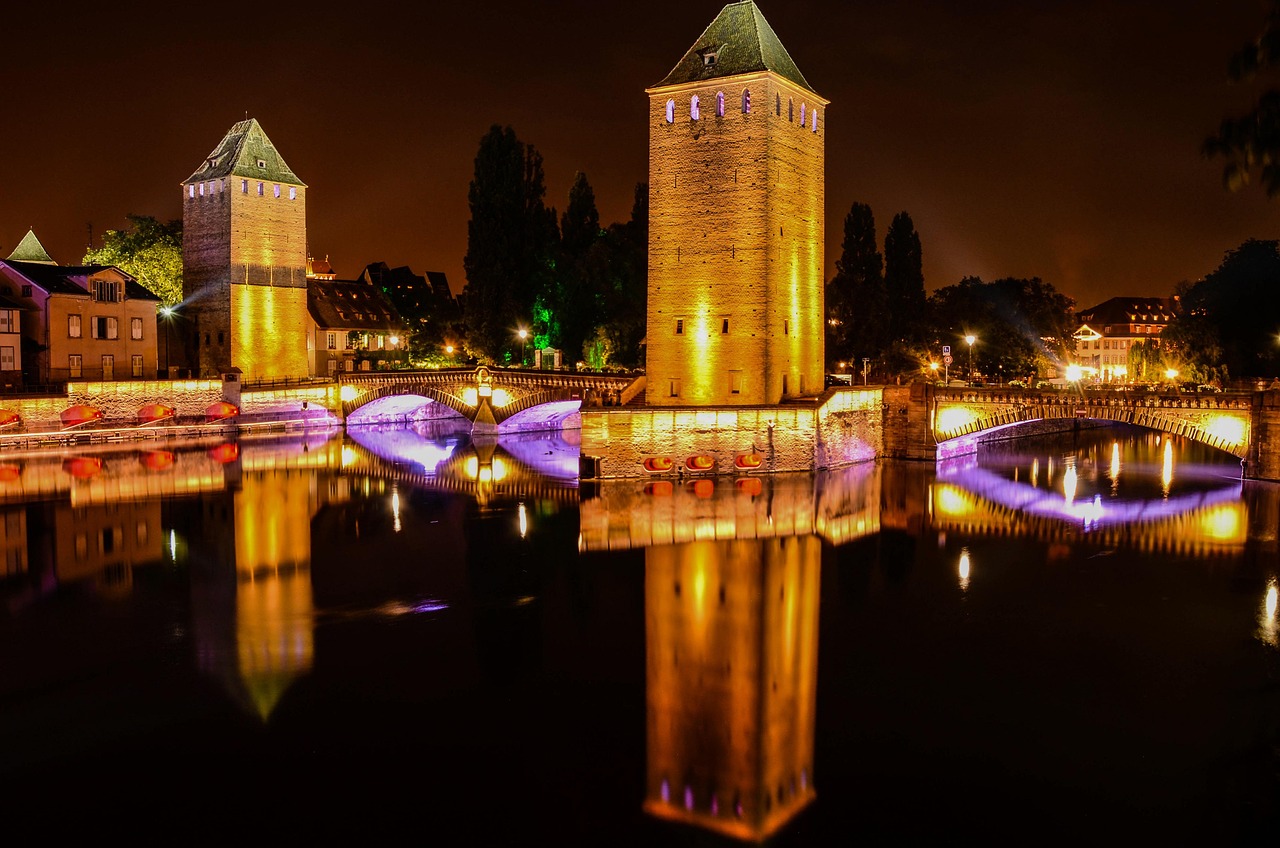
At $28 per person, this is the best value option on the list by a wide margin. Two hours with a local guide covering the cathedral, Petite France, the Ponts Couverts, and the bits of history that connect them. The guide explains the Franco-German architectural differences you’d walk right past on your own, and the pace is relaxed enough to ask questions and take photos without feeling rushed.
I’d book this for the morning on your first day in Strasbourg. It gives you a proper orientation of the old town, and then you can go back to whatever caught your eye in the afternoon on your own time. The cathedral section is particularly good. The guide points out details on the facade that you’d miss entirely without knowing where to look.
3. Strasbourg Food Tour — A Taste of Tradition — $96
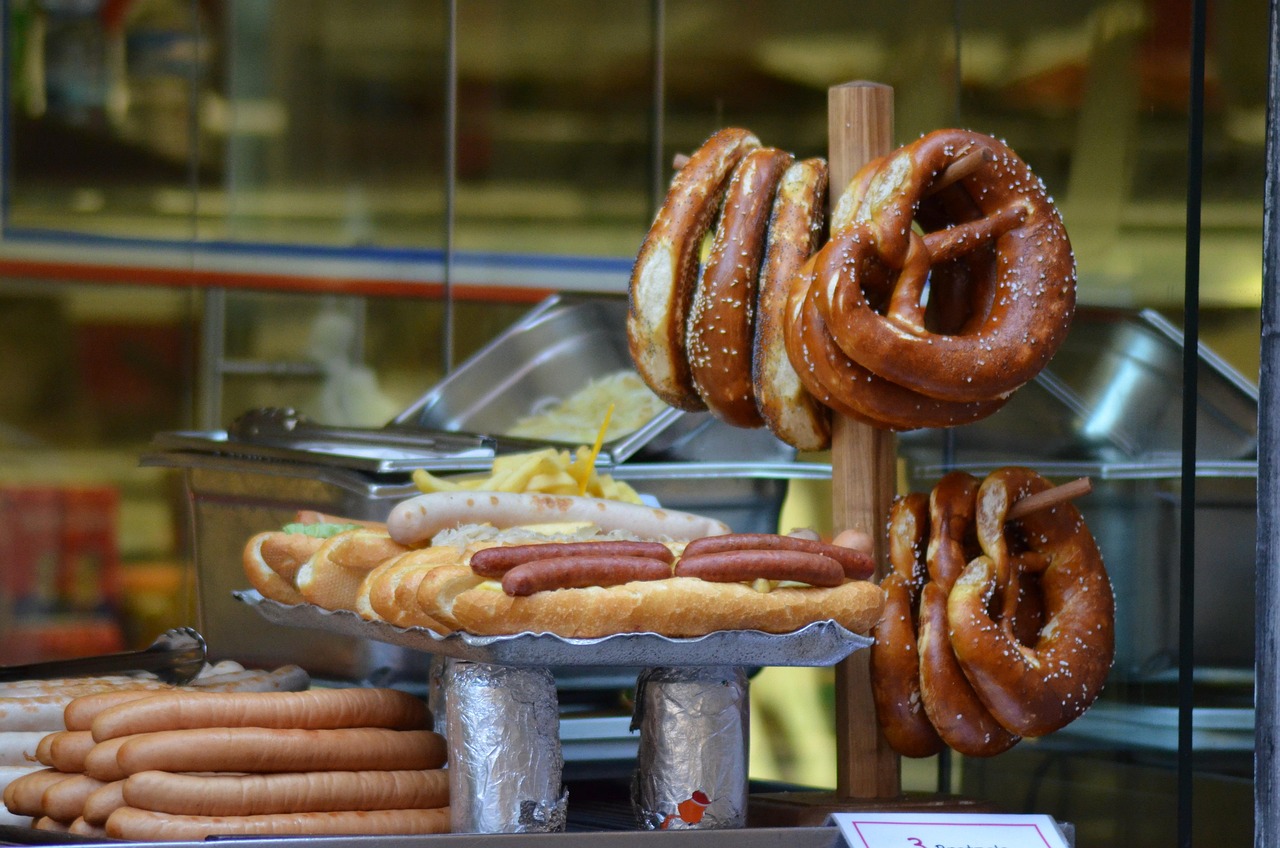
Alsatian cuisine is a French-German collision that produced some of the best comfort food in Europe. Tarte flambee, choucroute garnie, baeckeoffe, bretzel, and wines that can stand next to anything from Burgundy. This 3.5-hour food tour works through the highlights with a guide who knows which bakeries use old recipes and which winstubs water down their Riesling.
At $96, the price includes all tastings, so you’re not reaching for your wallet at every stop. The tour covers both sweet and savory Alsatian traditions, and the guide explains the German influence on the food in a way that makes the entire cuisine make more sense. Skip breakfast beforehand. You won’t need lunch after this either.
4. Strasbourg Guided Bike Tour with a Local Guide — $46
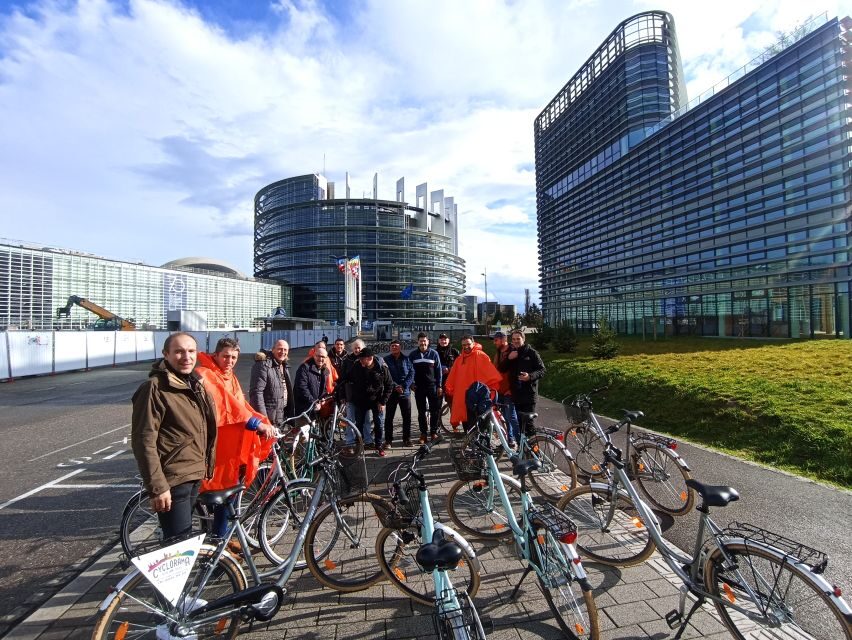
Strasbourg is genuinely flat and has one of the best cycling infrastructures in France, so a bike tour here actually works even if you’re not a serious cyclist. The 2.5-hour route covers Petite France, the Neustadt (the German-era new town), and the European Institutions quarter, which is a lot of ground to cover on foot but comfortable on two wheels.
At $46 with bikes included, this is the best way to see both the medieval old town and the modern European quarter in one go. The guide paces it for travelers, not athletes, and there are plenty of stops for photos and explanations. The Neustadt section is particularly good. Most walking tours skip it entirely, but the Wilhelmian architecture there is stunning and tells a whole chapter of the city’s German period that you’d otherwise miss.
What to Eat in Alsace (and Why It’s All Excellent)
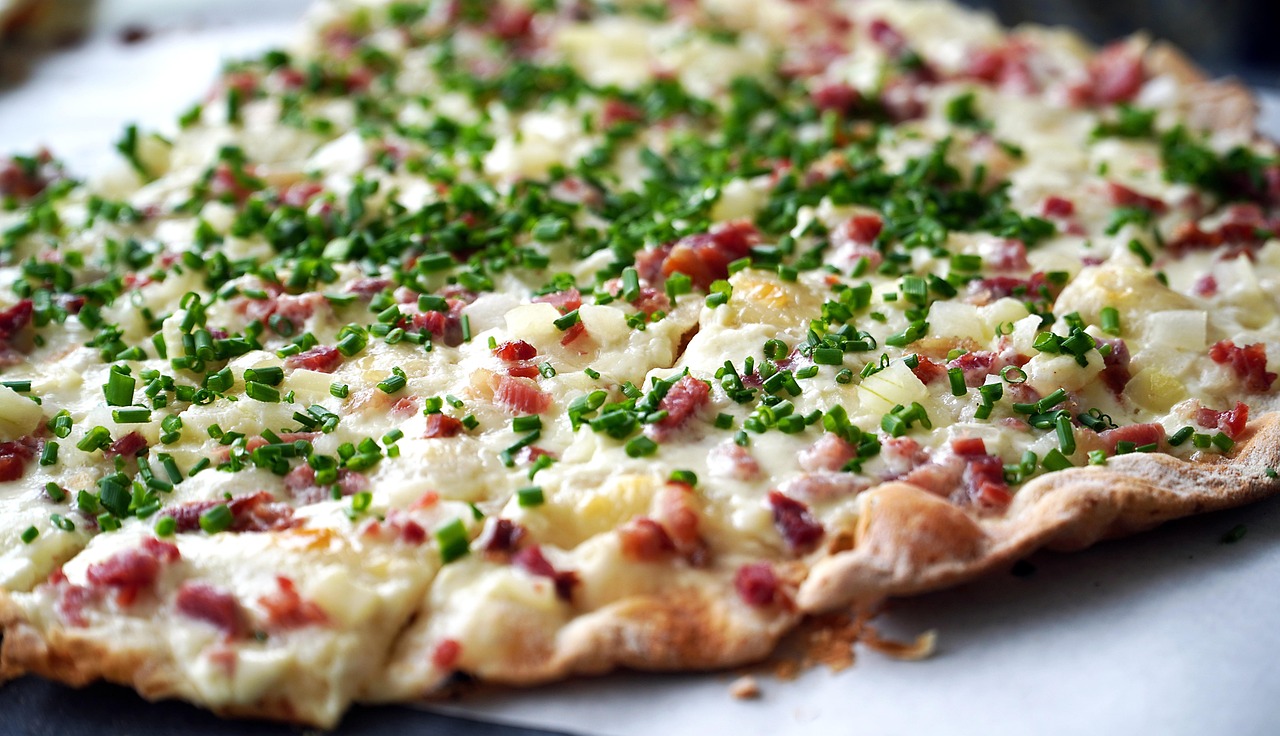
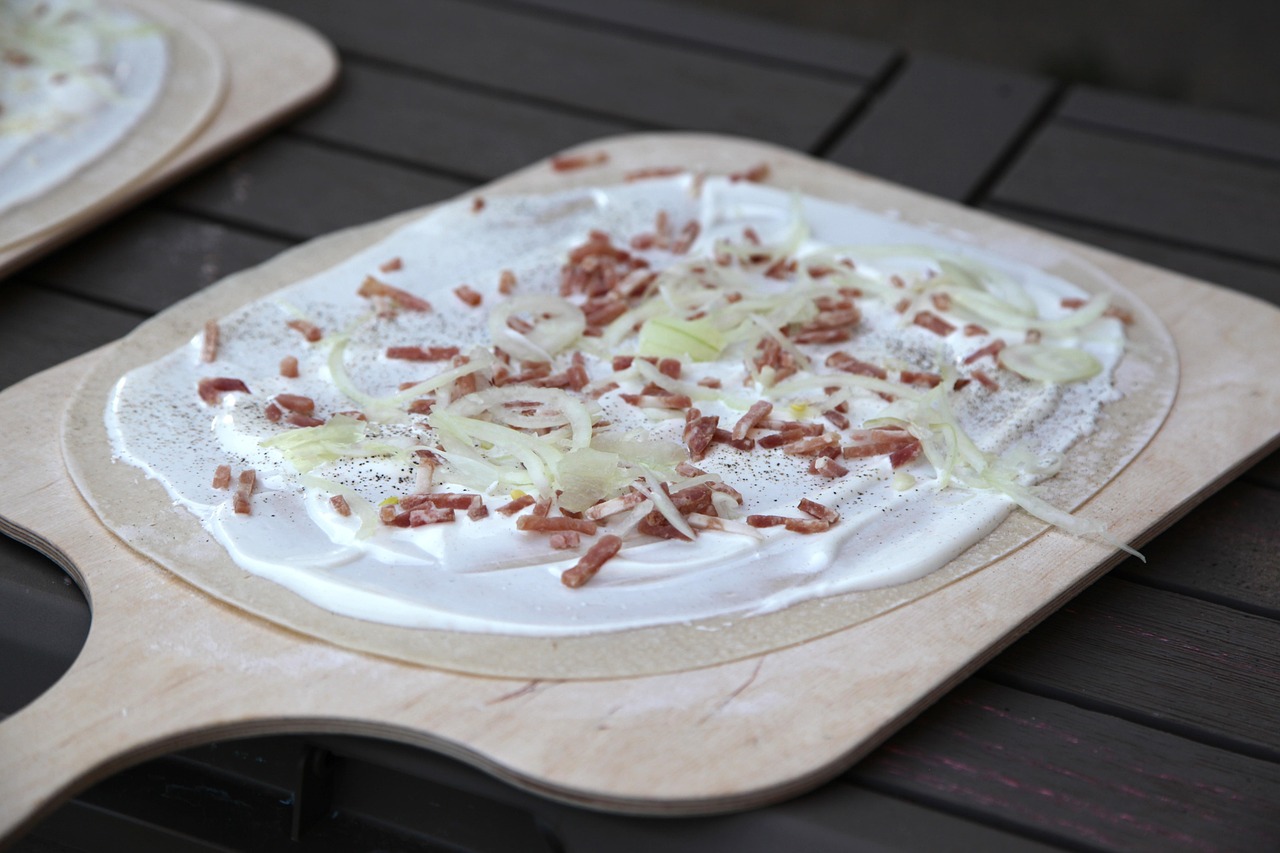
Alsatian food is what happens when French technique meets German appetite. Everything is richer and heavier than standard French cuisine, and that’s not a complaint. Tarte flambee (called flammekueche locally) is the signature dish: a paper-thin crust topped with creme fraiche, onions, and lardons, baked in a wood-fired oven. The proper way to eat it is to order round after round until the table collectively surrenders.
Choucroute garnie is sauerkraut elevated to an art form, piled with sausages, smoked pork, and potatoes. Baeckeoffe is a slow-cooked casserole of three meats and sliced potatoes in white wine, traditionally prepared the day before and left to cook while families were at church on Sunday. And kougelhopf is the ring-shaped cake you’ll see in every bakery window, sometimes sweet with almonds and sometimes savory with bacon and walnuts.
The wines here are world-class and criminally underpriced compared to Burgundy or Bordeaux. Riesling, Gewurztraminer, Pinot Gris, and Cremant d’Alsace (the local sparkling wine) are all worth trying. Most winstubs sell glasses for around 4-7 euros, which is a fraction of what you’d pay in Paris for the same quality.
When to Visit
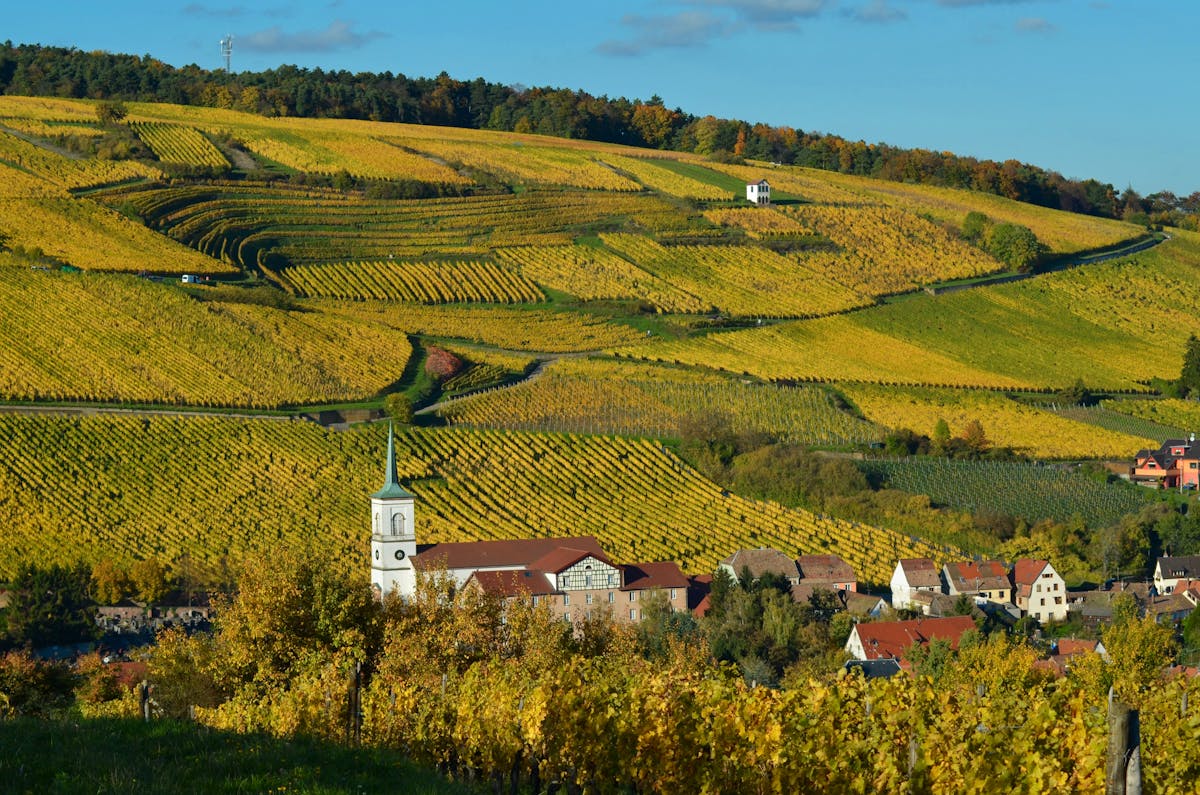
September to October is the sweet spot. The grape harvest is underway, the weather is warm but not hot, the summer crowds have thinned, and the villages look their absolute best with autumn colors against the timber frames. Many wine producers open their doors for vendange (harvest) events that aren’t available the rest of the year.
Late November through December is Christmas market season, and Strasbourg’s is one of the oldest and most famous in Europe, running since 1570. The city goes completely overboard with lights and decorations, and the wine villages have their own smaller markets that are less crowded and arguably more charming. But expect higher hotel prices and bigger crowds than any other time of year.
April to June is good for wildflowers and manageable weather, though some wine tours don’t run at full frequency until May. July and August are the busiest months and genuinely hot. The villages get packed by mid-morning, parking becomes a problem, and the charm takes a hit when you’re sharing a medieval lane with 200 other people.
How to Get There
Strasbourg’s main station, Gare de Strasbourg, has direct TGV service from Paris in about 1 hour 45 minutes. That makes it one of the easiest day trips from the capital if you’re based there, though I’d strongly suggest at least one overnight to do it justice.
From within Strasbourg, most tours pick up at or near Place de la Cathedrale or Place Kleber. Both are in the city center and reachable on foot from the train station in about 15 minutes. The tram system (lines A, B, C, D) runs frequently and covers most areas you’d need, though the old town itself is small enough that walking is usually faster.
For the wine route villages, there is a bus network (line 109 runs to Colmar via some villages), but the schedule is spotty and connections between villages are limited. This is genuinely one case where a tour or a rental car makes more sense than public transport. If you drive, parking in the villages is free outside of summer peak season but can fill up by 11am in July.
Tips That’ll Save You Time and Money
Book wine route tours at least a week ahead in autumn. The harvest season is when everyone wants to go, and the small-group tours fill up fast. Summer is busy too, but there are more departures.
The Strasbourg Pass is worth calculating. It covers boat tours, one museum, and half a day of bike rental. If you’re doing at least two of those things, it pays for itself. The tourist office on Place de la Cathedrale sells them.
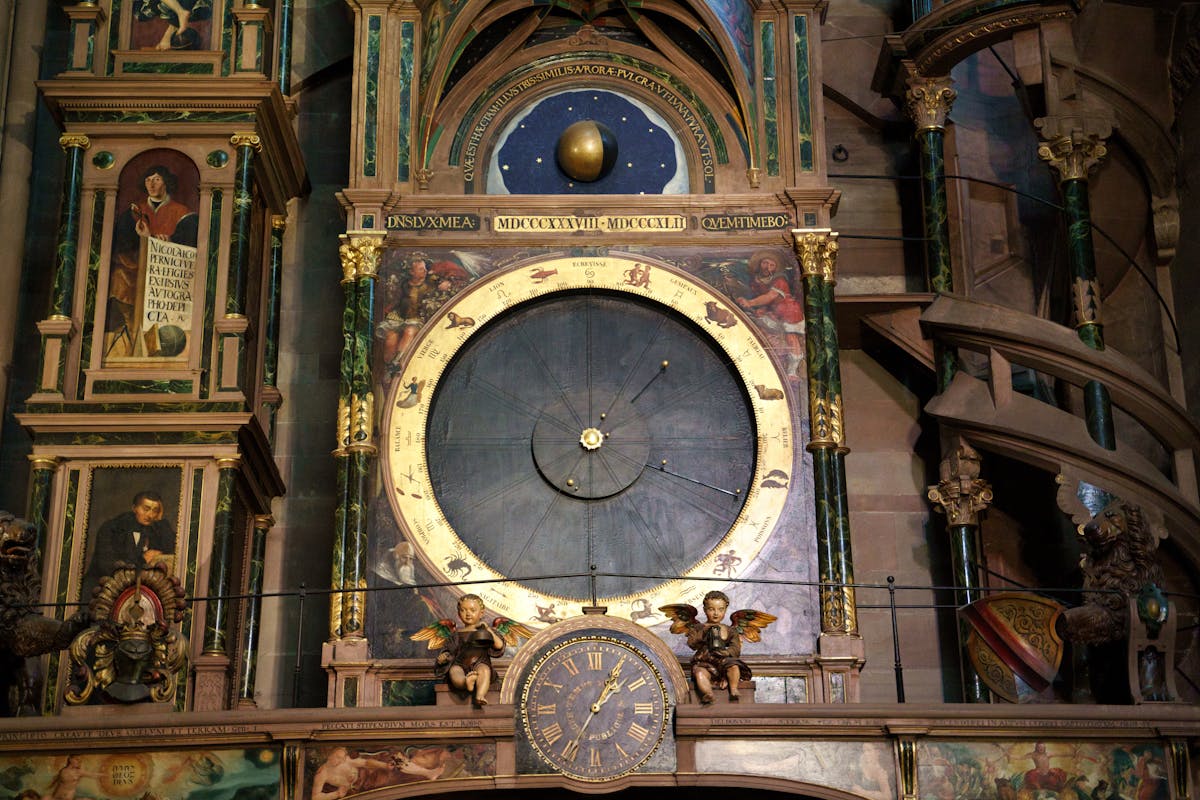
Don’t skip the astronomical clock show. Inside the cathedral, every day at 12:30pm, the 16th-century clock puts on a mechanical performance with apostles, a rooster, and a skeleton striking the hour. Get there by 12:00 to grab a decent viewing spot.
Eat lunch in the villages, not in Strasbourg. The winstubs in Eguisheim and Riquewihr serve the same Alsatian dishes at lower prices and with shorter waits. Plus, eating tarte flambee in a 500-year-old timber-frame dining room is part of the experience.
If you’re visiting Christmas markets, go on a weekday. Weekends from late November through Christmas are genuinely overwhelming. Weekday mornings are when you get the lights and the atmosphere without the elbow-to-elbow shuffle.
What You’ll Actually See
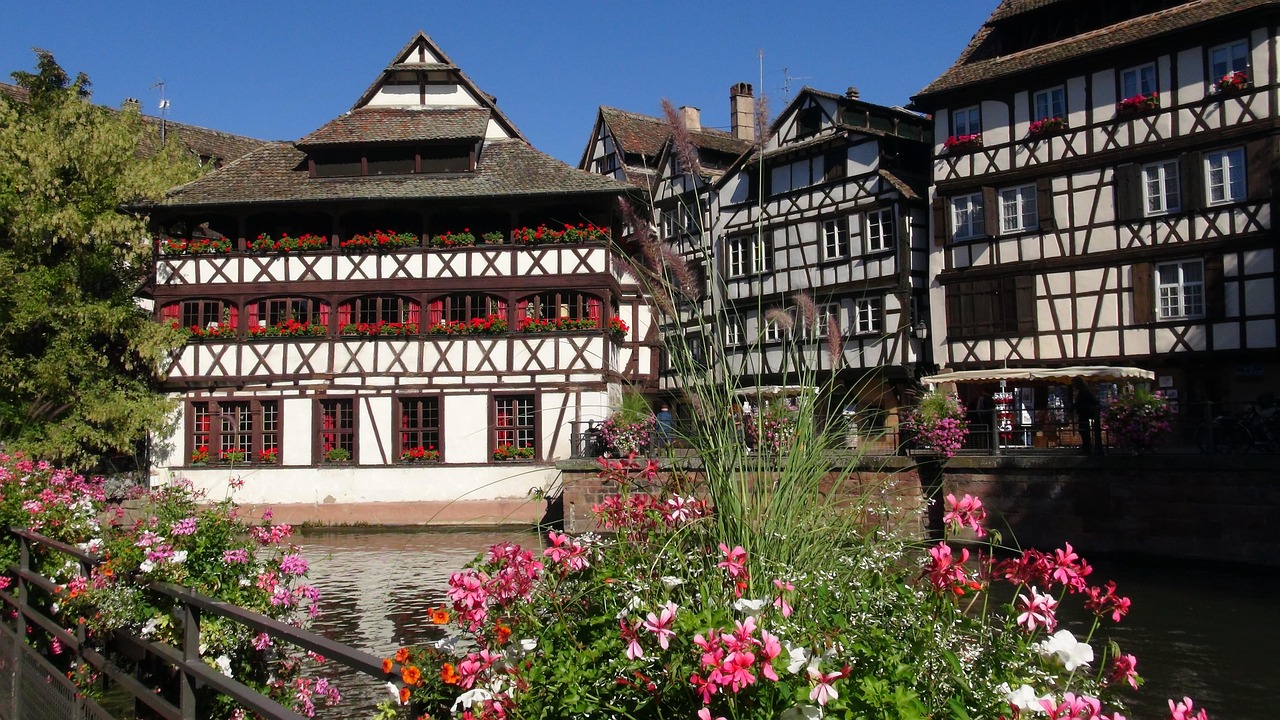
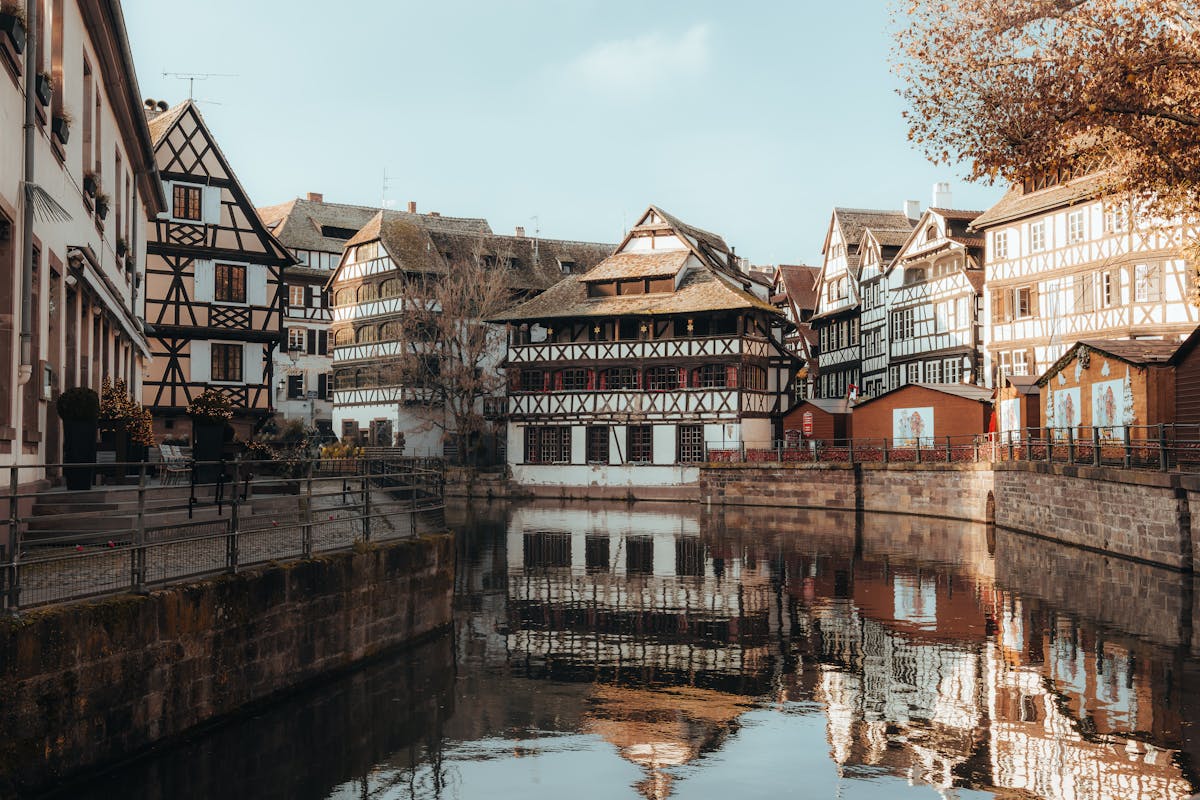
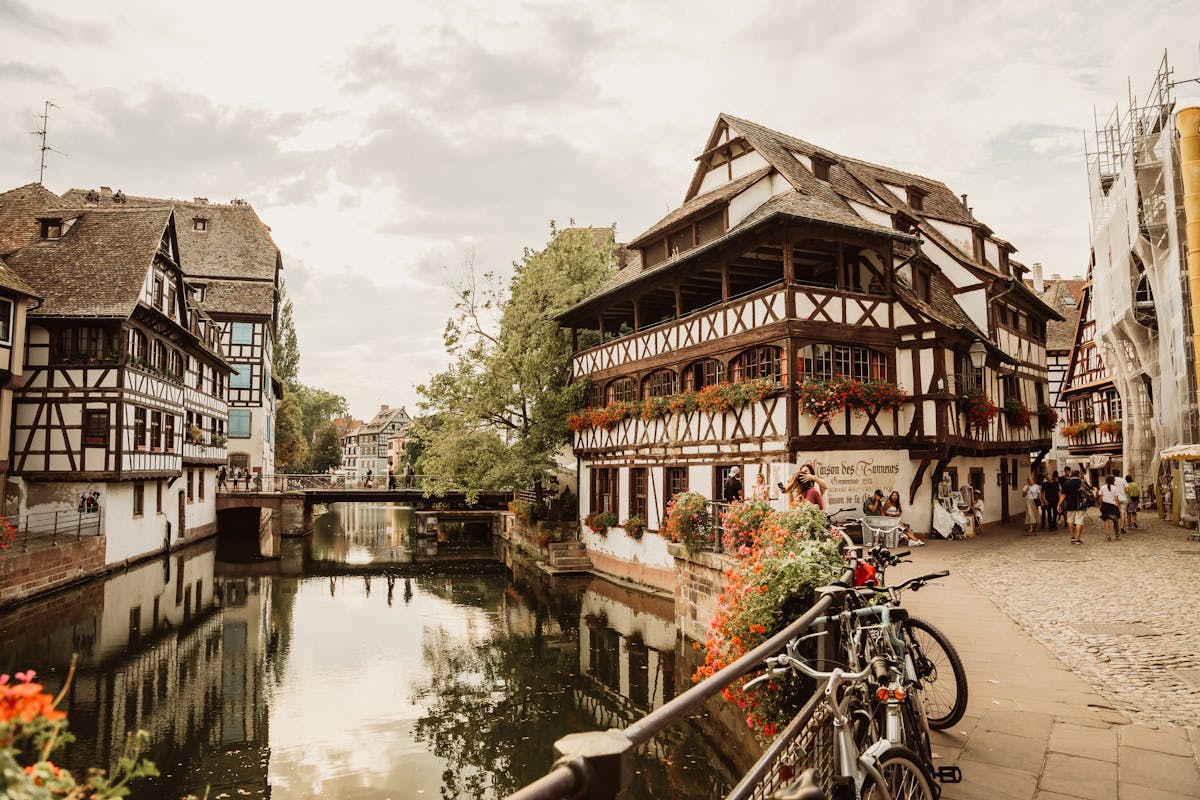
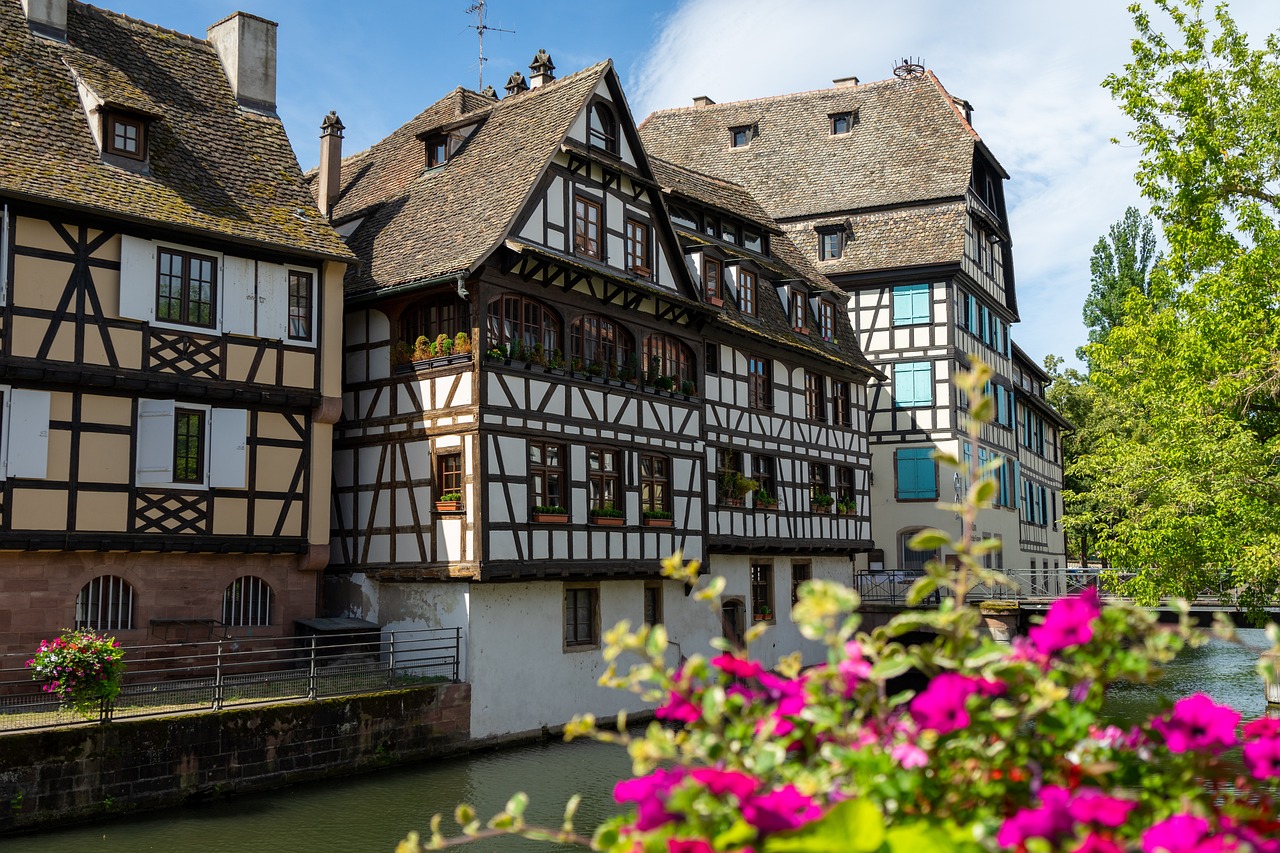
In Strasbourg itself, the Grande Ile (the island formed by the Ill River) is a UNESCO World Heritage Site and where nearly everything worth seeing is concentrated. The cathedral dominates, obviously, but Petite France at the western end of the island is where the atmosphere is strongest. The old tanner’s houses lean over the water at angles that look structurally questionable, and the Barrage Vauban offers a free rooftop panorama that most travelers don’t know about.
The cathedral interior is worth the free entry just for the stained glass. Some panels date to the 12th century, making them among the oldest surviving examples in Europe. The Pillar of Angels in the south transept is a masterpiece of Gothic sculpture, with twelve figures arranged on three levels telling the story of the Last Judgment.
Out on the wine route, each village has its own character. The medieval villages day trip covers the best of them in a single loop. Haut-Koenigsbourg Castle, if your tour includes it, sits on a mountain ridge and was completely reconstructed by Kaiser Wilhelm II in the early 1900s when Alsace was German territory. Love it or criticize it as a fantasy, the views from the ramparts are extraordinary.
Beyond Alsace
If Strasbourg is part of a bigger France trip, there’s a lot worth combining. Lyon is about five hours south by TGV and has a food scene that rivals Paris without the prices or the attitude. Lille is three hours northwest and has a Flemish old town that’s often overlooked. And if you’re heading to Paris afterward, a Champagne day trip from Paris makes an excellent pairing. The wine route in Alsace and the cellars in Epernay together give you a thorough education in French winemaking from two completely different traditions. The Alsace half-day wine tour is also worth considering if you have a free afternoon but don’t want to commit to a full day outside the city.
This article contains affiliate links. If you book through them, we earn a small commission at no extra cost to you. This helps us keep producing detailed, independent travel guides.