
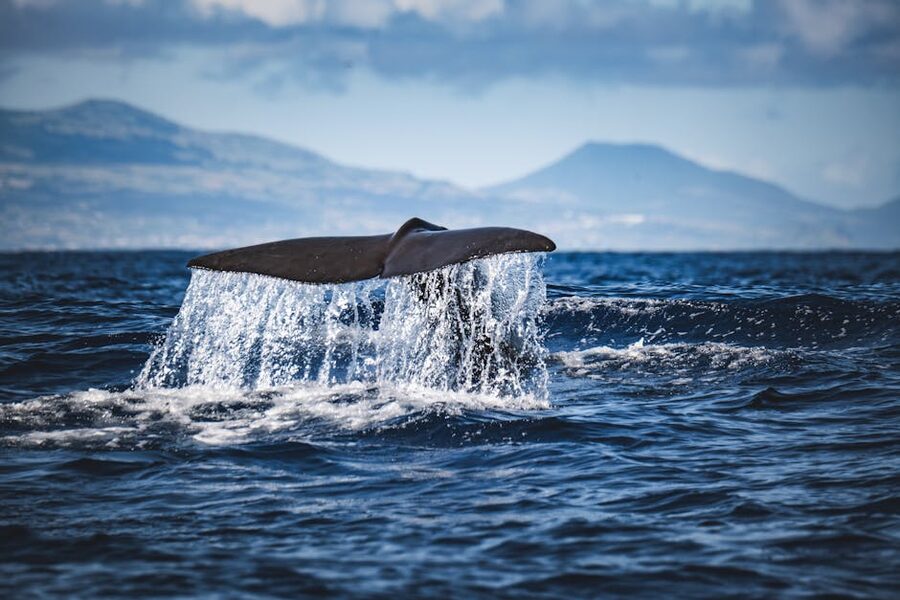
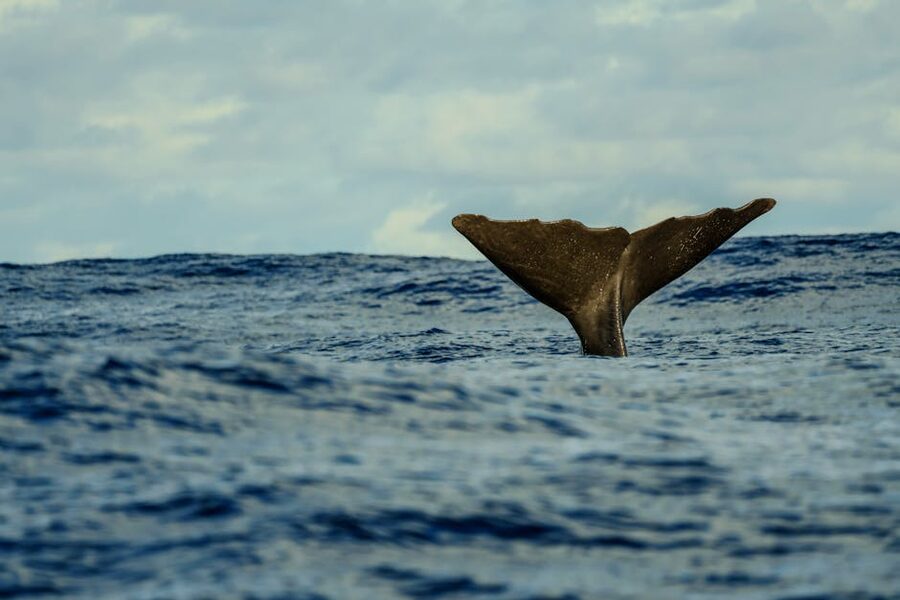
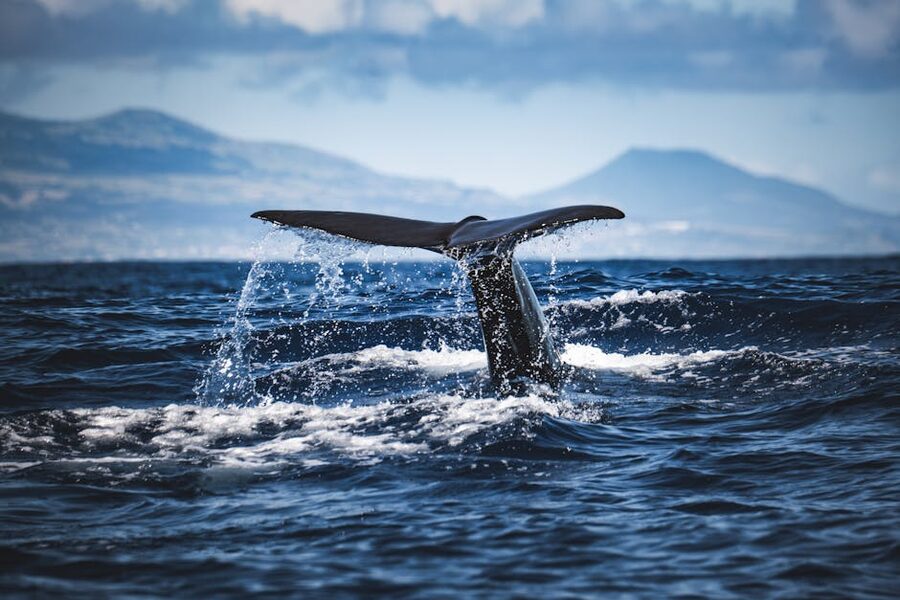
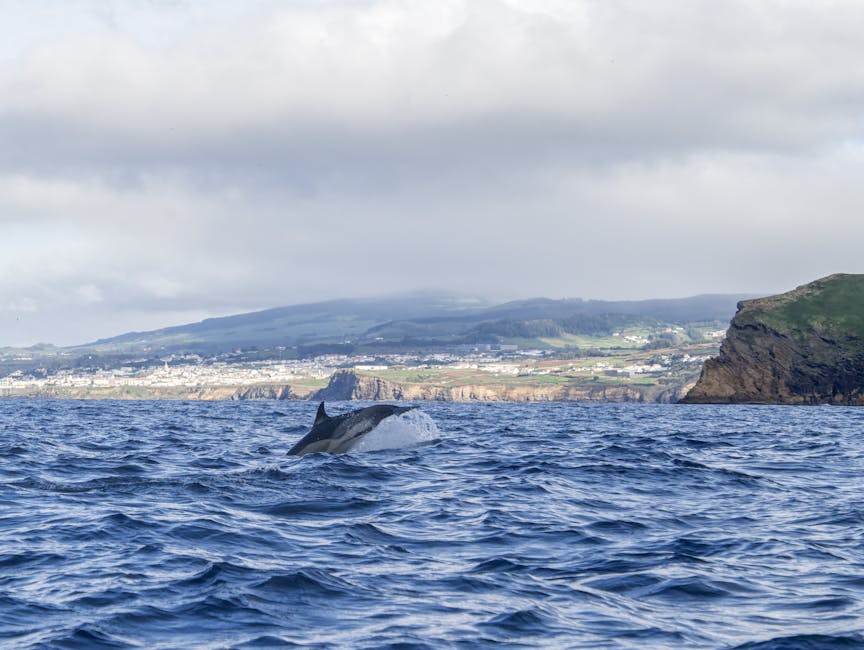
The Azores have 28 resident and migratory whale species, more than almost anywhere else on Earth. Sperm whales live here year-round. Blue whales, fin whales, and humpbacks pass through on migration. Plus common and bottlenose dolphins in pods of 50-200. You can see all of this from a boat 3 hours out of Ponta Delgada on São Miguel, for €82.
Here’s how the tours work, when whale sightings are most likely, and why you should do this specifically from the Azores rather than mainland Portugal.
In a Hurry? The Three Azores Whale Tours
- Main tour: Ponta Delgada Whale & Dolphin 3-Hour Trip — from €82. The high-volume option, 3 hours, 4,000+ reviews.
- With marine biologist: Whale Watching + Islet Tour + Biologist — from €73. Includes the Vila Franca islet. Longer tour, biologist onboard.
- Alternative biologist tour: São Miguel Whale Cruise with Biologist — from €76. Different operator, similar experience, slightly pricier.
- In a Hurry? The Three Azores Whale Tours
- Why the Azores Are the Best Whale Watching in Europe
- The Three Tour Options
- 1. Ponta Delgada Whale & Dolphin 3-Hour Trip — from €82
- 2. Whale Watching + Islet Boat Tour + Biologist — from €73
- 3. São Miguel Whale Cruise with Marine Biologist — from €76
- What You’ll Actually See
- Sighting Rates
- Getting to the Azores
- How Long to Stay
- When to Book
- Morning vs Afternoon Slots
- What to Bring
- Photography Tips
- Azores Beyond Whales
- Accommodation in Ponta Delgada
- What to Eat
- The Marine Biologist Factor
- Whale Watching Ethics
- Practical Questions
- Pairing With Lisbon or Porto
- Comparing to Other Atlantic Whale Destinations
- Azores History and Culture Context
- Responsible Whale Tourism
- The Short Version
- Best Month-by-Month Whale Calendar
- Solo Traveller Experience
- Final Budget Tally
Why the Azores Are the Best Whale Watching in Europe
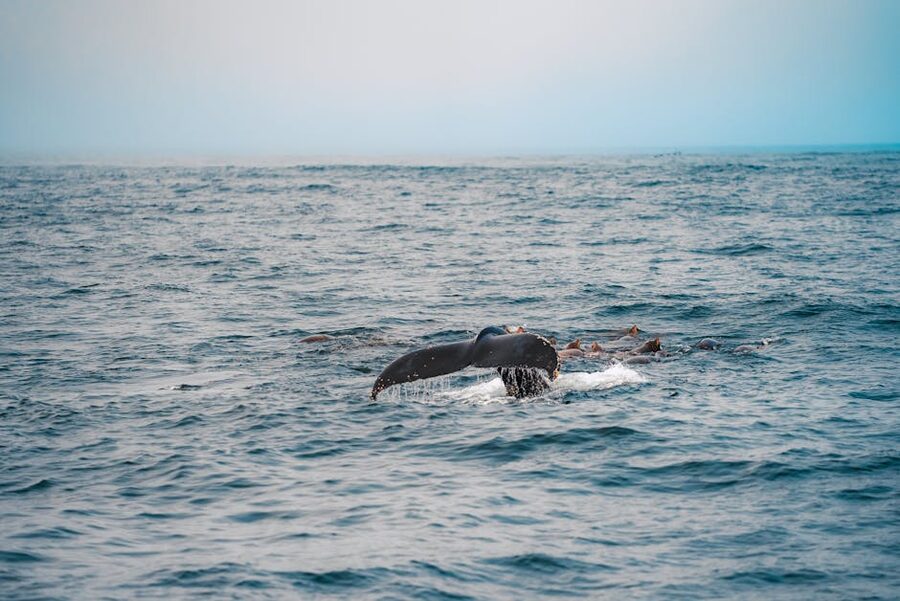
The Azores sit on top of one of the Atlantic’s richest marine habitats. Deep waters immediately offshore (2,000-3,000 metres within 5km) create upwelling currents that concentrate squid and fish. That in turn attracts the apex predators: sperm whales, pilot whales, and orcas (occasionally).
Resident year-round: sperm whales (the population lives permanently in Azorean waters), common dolphins, bottlenose dolphins, Atlantic spotted dolphins, Risso’s dolphins.
Seasonal visitors: blue whales (March-June), fin whales (March-June), sei whales (April-June), humpback whales (April-May), minke whales (May-June).
Total species count: 28. Sighting probability on a typical tour: 90-95% (operators guarantee sightings or offer a second trip free).
The Three Tour Options
1. Ponta Delgada Whale & Dolphin 3-Hour Trip — from €82
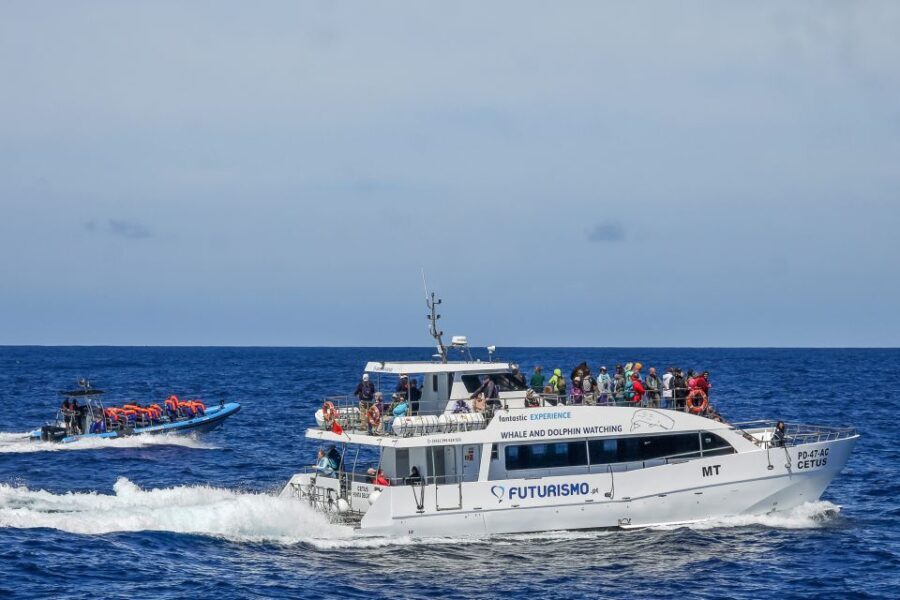
The market-leading tour. 3 hours, departs from Ponta Delgada (São Miguel’s main town), dedicated spotter boat radios in sightings. If no whales are seen, second tour is usually free. Our full review has seasonal species lists and what to expect.
2. Whale Watching + Islet Boat Tour + Biologist — from €73
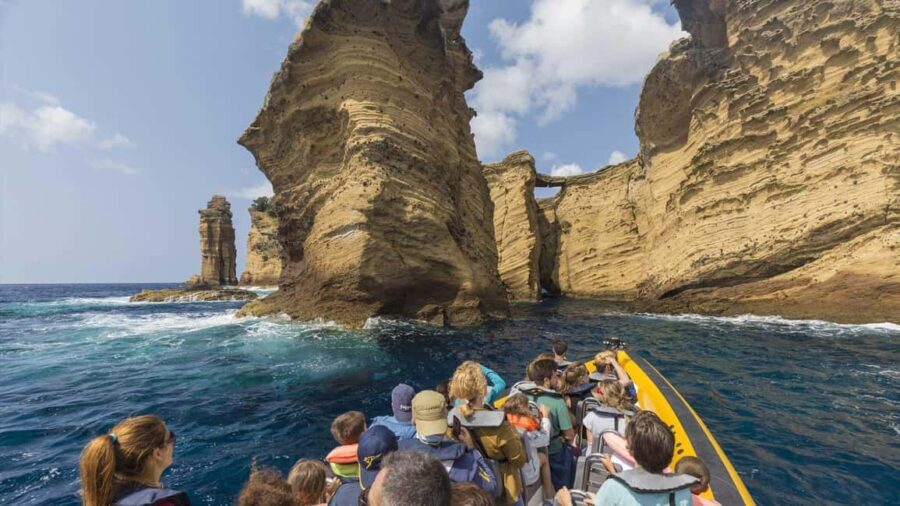
Slightly cheaper than the main tour (€73 vs €82) but includes a marine biologist and the Vila Franca do Campo islet (a volcanic crater 700m offshore). Better value overall if educational content matters. Our review explains what the biologist adds.
3. São Miguel Whale Cruise with Marine Biologist — from €76
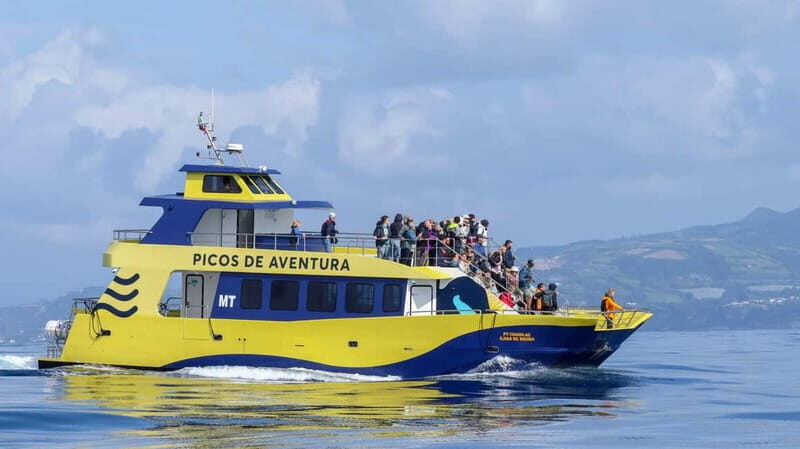
Larger boat (catamaran rather than semi-rigid) for less-bumpy rides. Slightly pricier and slightly slower to reach whales. Good for families and nervous sailors. Our review compares the boat types.
What You’ll Actually See
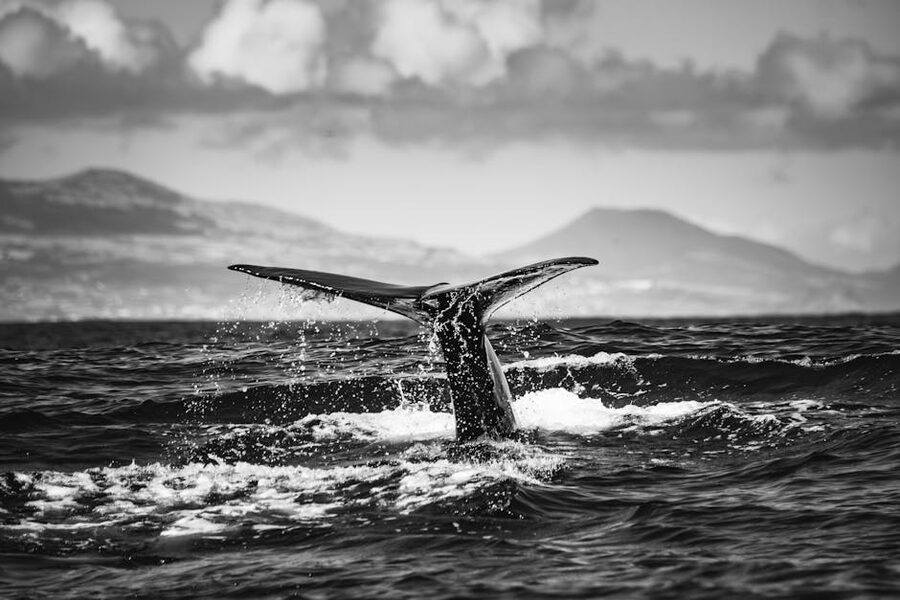
A typical 3-hour tour in average conditions:
0-30 minutes: boat leaves Ponta Delgada, heads 5-10 km offshore where the water depth drops to 2,000m.
30-60 minutes: spotters on shore-based cliffs (called “vigias”) radio the boat about recent whale sightings. Captain navigates toward them.
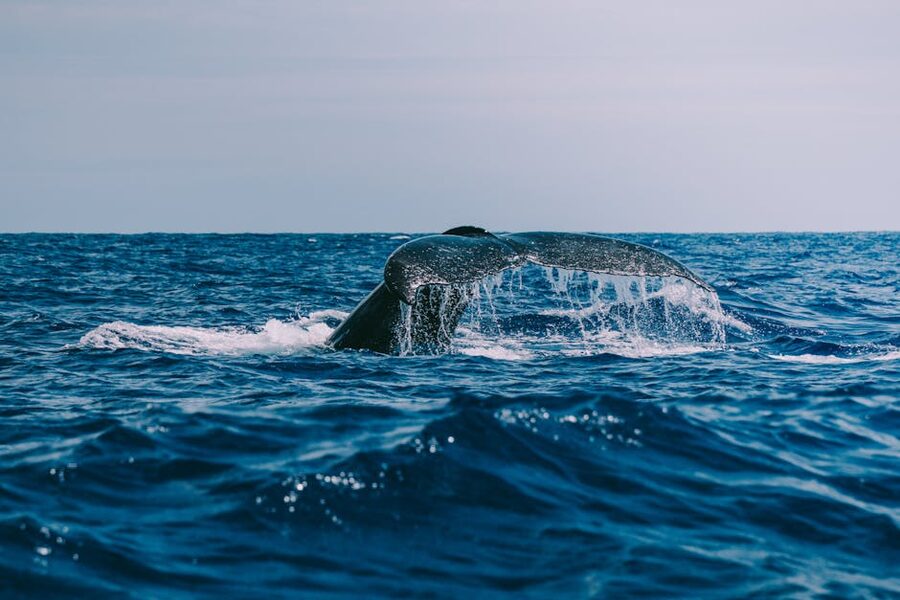
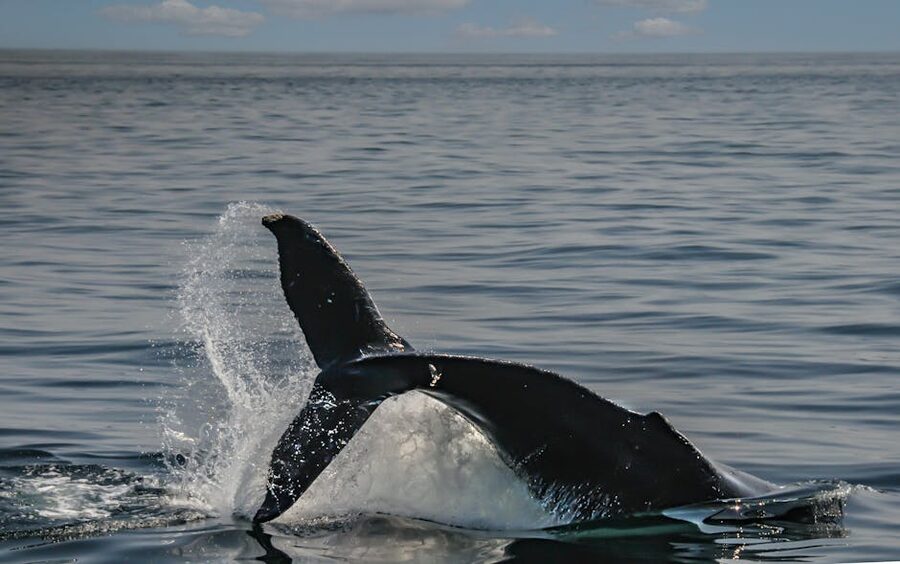
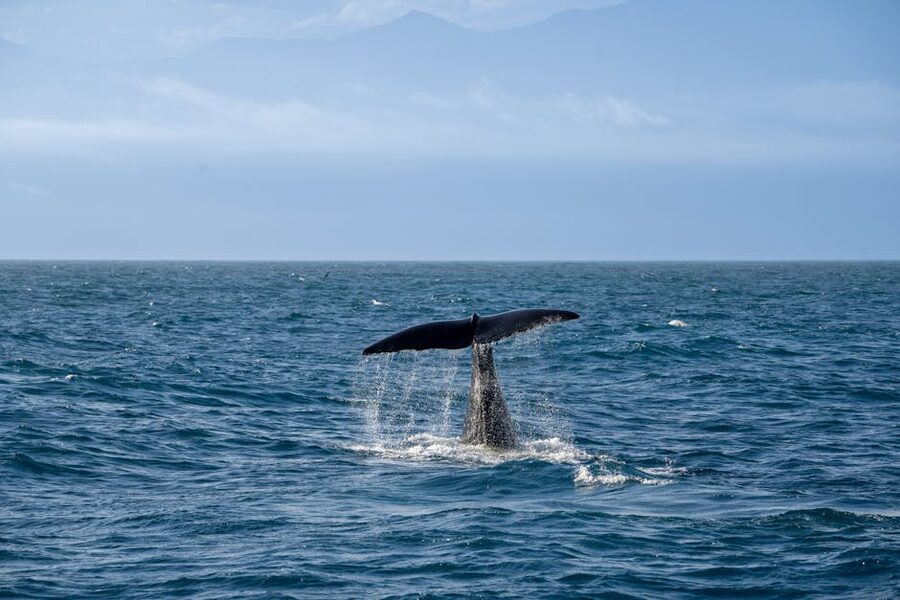
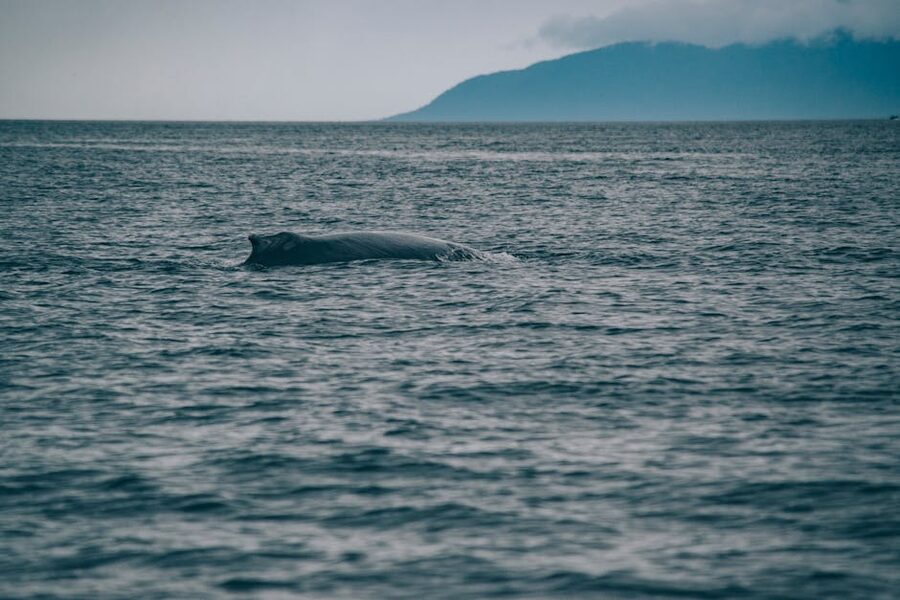
60-180 minutes: actual whale viewing. Sperm whales surface every 40-60 minutes between deep dives, breathing for 8-10 minutes at the surface. Boat positions 100m away and drifts — you’re not allowed to approach closer than 50m by Azorean regulations.
180 minutes: return to port. Total 3 hours.
Sighting Rates
Whale sighting probability by month:
- January-March: sperm whales 70-80%, seasonal whales lower
- April-May: peak migration, 95%+ sightings, blue/fin whale possibilities
- June-August: sperm whales 90%+, dolphins 99%
- September-October: still high, 85-90% whales
- November-December: sperm whales 70%, weather increasingly rough
If you want the highest chance of seeing multiple species: April-June.
Getting to the Azores
The Azores are an autonomous region of Portugal, 1,500 km off the mainland. Getting there:
From Lisbon: 2.5 hours by TAP Portugal or Azores Airlines. Multiple daily flights. €100-250 round-trip depending on season.
From Porto: same flights, similar times.
From North America: Azores Airlines has direct flights from Boston, Toronto, New York JFK. ~5 hours.
From UK: seasonal direct flights from London Stansted. Otherwise via Lisbon.
São Miguel is the biggest island and home to Ponta Delgada, where whale tours depart. Its main airport (PDL) is 5km from the centre of Ponta Delgada.
How Long to Stay
Minimum 2 nights. Ideally 3-5 nights. The whale tour is one morning or afternoon (3 hours plus transit), and you’ll want additional days for the Sete Cidades crater lakes, Furnas hot springs, and the Fogo lake. A proper São Miguel trip is 3-4 days.
When to Book
Tours run year-round but cancel if seas exceed 2m swell or winds exceed 20 knots. If the weather is bad, tour is rescheduled or refunded.
Book 2-3 days ahead in high season (June-September). Out of peak, same-day usually works.
Best time of year for whales and weather combined: late April to mid-June. Second best: September.
Morning vs Afternoon Slots
Morning (9am typical): sea state generally calmer. Whales just as active. Afternoon (2pm typical): potentially rougher in summer. Morning is the standard recommendation.
What to Bring
Sea sickness meds (Dramamine, Stugeron) 45 minutes before boarding. 10-15% of passengers get seasick; preventative pills work.
Windproof jacket (even in summer, the spray and breeze on a 30 kph boat feel cold). Sunscreen (reef-safe). Sunglasses with a strap. Hat with a chin cord. Waterproof bag for phone/camera.
Water bottle (operators usually provide water but limited).
Binoculars if you have them. Good camera with zoom lens (300mm+) if you’re serious about whale photography.
Don’t bring: flip-flops (boat deck is slippery), heels, cotton-only clothing (gets cold when wet), expensive watches.

Photography Tips
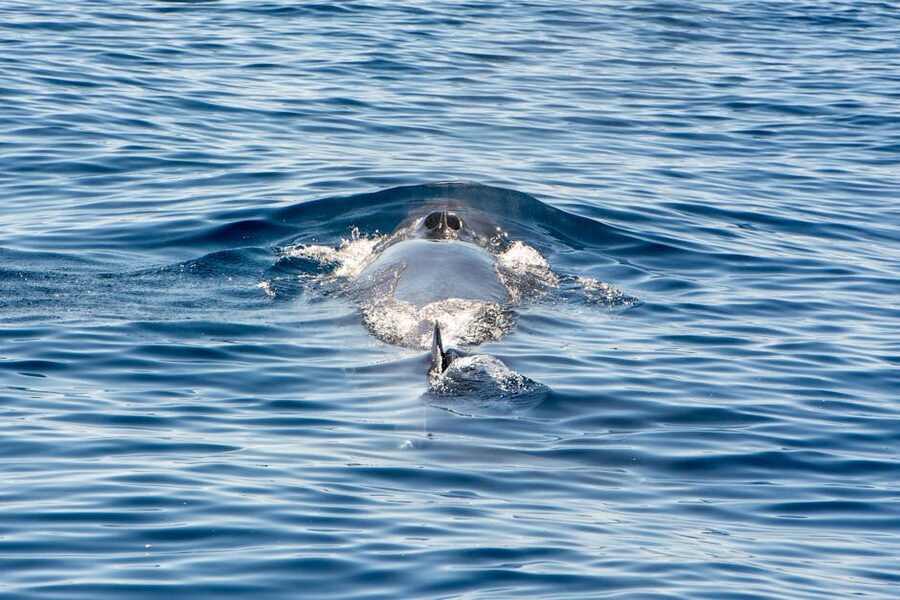
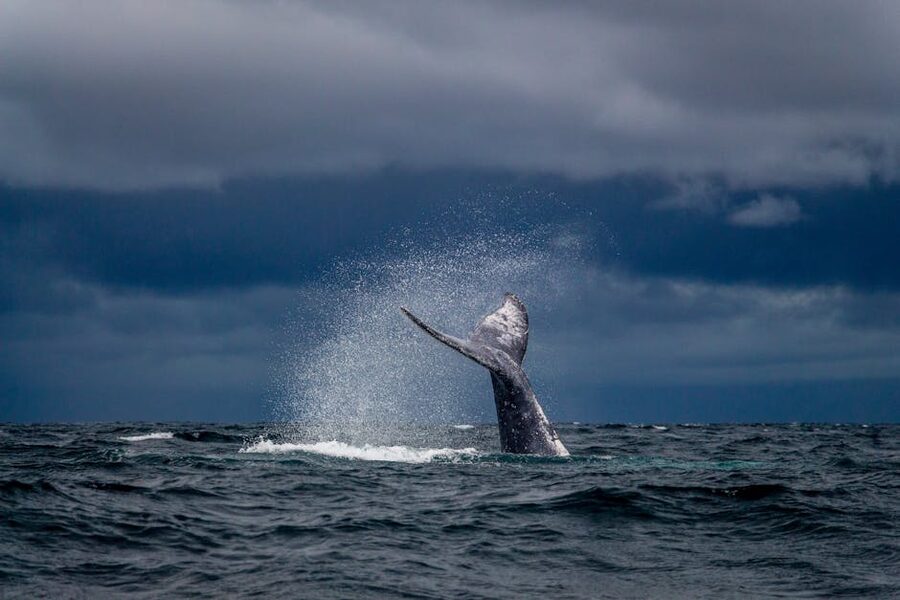
Whale photography realities:
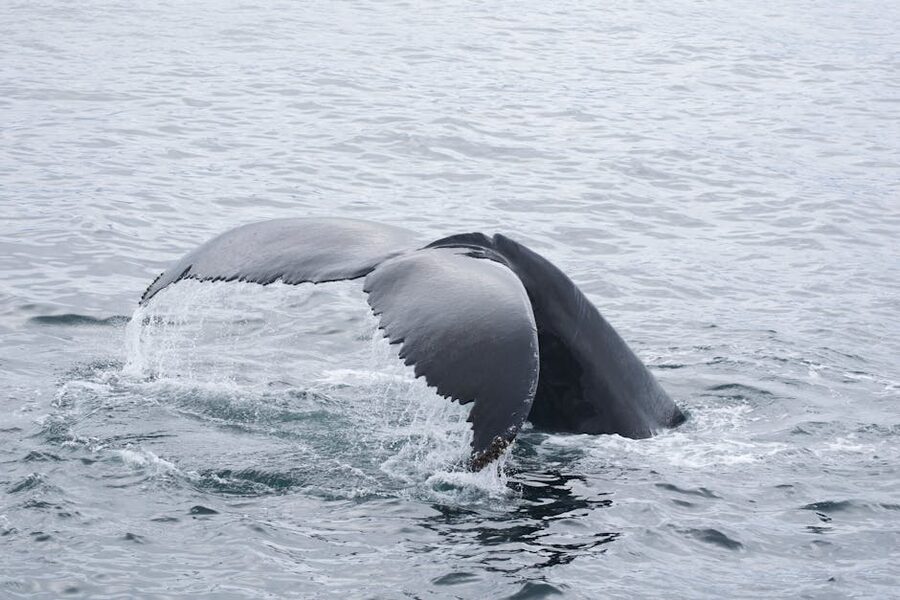
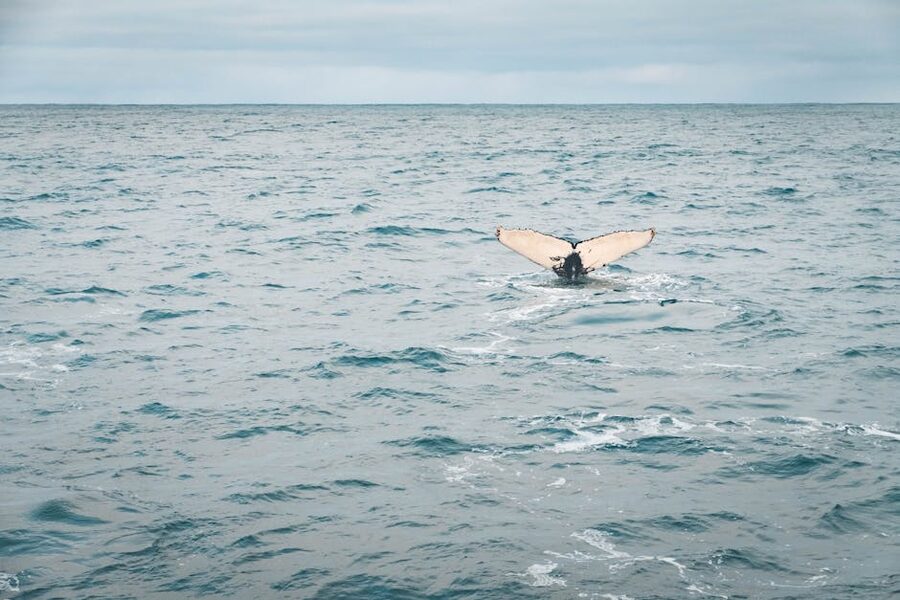
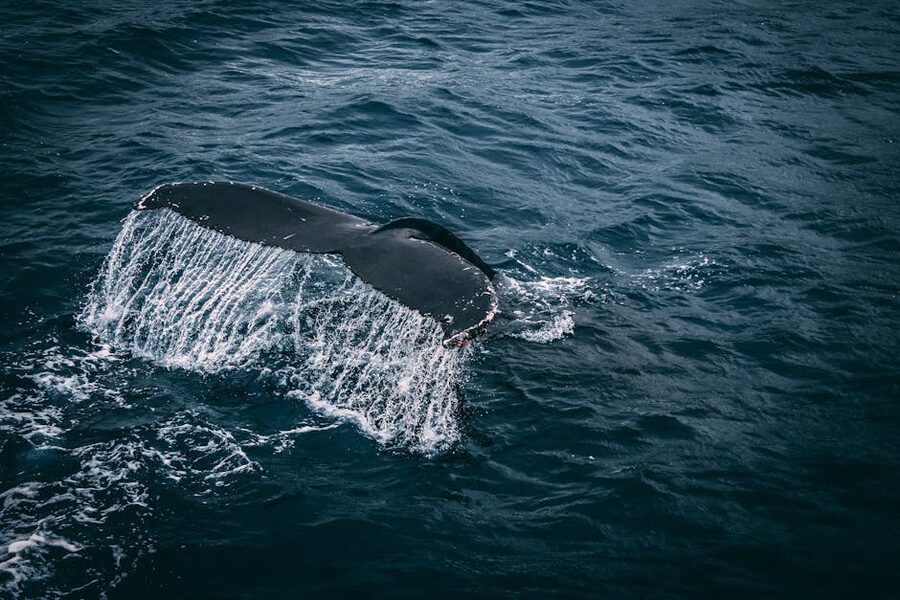
- Sperm whale “fluke up” dives are the iconic shot. Happens once per surfacing event, lasts 2 seconds. Camera must be ready.
- Dolphins: fast shutter (1/1000 or faster), burst mode helps.
- Use a lens with image stabilization — the boat is always moving slightly.
- Waterproof everything. Spray is constant.
- Phone cameras work OK for dolphins (close) but struggle with whales (distant).
Azores Beyond Whales
If you’re going to the Azores for whales, you’re also going for:
Sete Cidades: twin crater lakes (one blue, one green) in an extinct volcano. Most photographed spot in the Azores.
Furnas: geothermal valley with hot springs, steam vents, and a traditional stew cooked underground (cozido das Furnas).
Lagoa do Fogo: “Lake of Fire” — a 575m-deep volcanic lake in a nature reserve.
Tea plantations: the Azores are Europe’s only tea-growing region (Gorreana plantation, 1883).
Vila Franca Islet: a volcanic caldera 1km offshore, swimmable lagoon in the middle.
A good São Miguel week: arrive day 1, whale watching day 2, Sete Cidades day 3, Furnas day 4, Lagoa do Fogo day 5.
Accommodation in Ponta Delgada
Ponta Delgada is the most convenient base. Hotels cluster in the centre or along the marina. Hotel Marina Atlântico and Azor Hotel are upscale. Hostel options include Ponta Delgada Hostel (popular backpacker spot).
Airbnb/Booking options throughout the town. Central apartments €60-120/night in high season.
You can stay further out (Ribeira Grande on the north coast, Vila Franca do Campo east) but Ponta Delgada is where the whale tours depart.
What to Eat
Azorean specialties:
- Alcatra: slow-cooked beef stew in terracotta pots
- Cozido das Furnas: meat + vegetable stew cooked underground in geothermal heat, 6+ hours
- Bife de atum: tuna steak, fresh caught, often with peppers and onion
- Queijo de São Jorge: island-specific hard cheese, aged 3+ months
- Bolo lêvedo: a sweet dense muffin from Furnas, served everywhere
Restaurants in Ponta Delgada: A Tasca, Vila Alphonse, Casa do Abel. All around €20-35 per main course.
The Marine Biologist Factor
Having a marine biologist onboard adds real value. They do three things: identify species with certainty, explain behaviour you’re seeing, and contextualize the whale population ecology. First-time whale watchers get significantly more out of the tour with this.
Some operators (the cheapest) don’t include biologists. The €5-10 premium for one is worth it unless you’re a serious amateur naturalist already.
Whale Watching Ethics
Azorean regulations are strict. Boats can’t approach within 50m of whales. No more than three tour boats per whale at once. Mother-and-calf pairs are entirely off-limits. No cutting engines near whales. No feeding.
Reputable operators (all three recommended above) follow these rules strictly. Avoid any operator advertising “get close to the whales” or “touch a whale” — these are illegal and the whales will be stressed.
Practical Questions
Kids? Age 4+ usually allowed. Under 4s turned away on most operators due to safety rules.
Seasickness? Take Dramamine 45 min before. Ginger candies help. Look at horizon, not at boat interior.
Wheelchair accessible? Limited. Boarding stairs are tricky. Contact operator directly.
Pregnant? Not recommended due to boat motion.
Refund if no sightings? Most operators offer second trip free instead of refund. Read the terms.
Pairing With Lisbon or Porto
Azores + Lisbon: add 3-4 days to a Lisbon trip for an Azores extension. Cheap flights make it work.
Azores standalone: 5-7 days in São Miguel is a complete Portugal-adjacent vacation. Good for nature-focused travellers who don’t want cities.
Azores + USA: Boston to Ponta Delgada is a practical entry point for European travel.
Comparing to Other Atlantic Whale Destinations
Iceland (Akureyri): humpbacks and minkes, shorter season (May-September), €75. Good alternative.
Faroe Islands: pilot whales, less tourist-focused, €80-100.
Andenes (Norway): orcas + humpbacks Nov-Jan, specialized winter tours. €180+.
Madeira: 500 km south of the Azores, some whale tours, fewer resident species. €40-60.
Azores wins on: species diversity, sighting reliability, year-round viability. Loses on: cost (higher than Madeira), remoteness.
Azores History and Culture Context
The Azores were uninhabited when Portuguese explorers arrived in 1427. Settlement began 1439 on Santa Maria, then spread across the archipelago. The islands became a stopover for galleons returning from the Americas — the Azorean town of Angra do Heroísmo (on Terceira) was the main Portuguese Atlantic port for 400 years.
Today 9 inhabited islands, 240,000 total population. Azoreans are culturally distinct from mainland Portuguese — slower accent, different cuisine, massive diaspora in Massachusetts and California (more Azoreans live in the US than in the Azores). The islands only connected to the mainland by air in the 1970s; before then, Azoreans travelled by steamship.
Responsible Whale Tourism
Whale tourism in the Azores has grown from ~10,000 annual visitors in 2000 to 250,000+ in 2024. Growth has put pressure on the whale populations. The regional government responded with strict boat-count caps and biologist-monitoring requirements.
When you book with a reputable operator (all three tours recommended above), you’re supporting responsible tourism. Avoid any operator who promises guaranteed close-up whale contact — they’re breaking the rules.
The Short Version

Book the €82 Ponta Delgada 3-hour tour for May or September, arrive in São Miguel 2-3 days ahead, take Dramamine before boarding, bring warm layers and a camera. 3 hours on the water, 90%+ chance of spotting whales, 99% chance of dolphins. Pair with Sete Cidades and Furnas for a 4-day Azores visit.

Best Month-by-Month Whale Calendar
January-February: quiet months for non-sperm-whale species. Sperm whales still around. Weather can be rough.
March: migration starts. First blue whales begin passing through mid-month. Sea state improving.
April-May: peak. Blue, fin, sei, humpback whales all possible plus residents. Best month of the year. Book 1-2 weeks ahead.
June: continuing high activity, weather warmer.
July-August: residents only (sperm whales + dolphins). Weather best, tourist numbers highest.
September-October: secondary peak. Weather still good, some migrating species returning south.
November-December: residents, rougher seas, tours sometimes cancel.
Solo Traveller Experience
Whale watching is popular with solo travellers — you’re not stuck making conversation on a fixed seat, and the shared experience with strangers often leads to casual friendships post-tour. Boats don’t charge solo surcharges. Group tours also mean the boat is full enough that you won’t feel awkward — expect 20-30 other passengers of mixed ages, nationalities, and experience levels.
Final Budget Tally
Typical full Azores whale-watching trip from mainland Europe:
- Round-trip flight from Lisbon: €150-200
- 3 nights accommodation: €180-300
- Whale tour: €82
- Food + transport on island: €100-150
- Total: €500-700 per person for the whale-watching-focused trip
That makes it the most expensive single whale-watching experience in Europe per day — but the species density justifies the cost. If whale watching is your primary goal, the Azores are the answer. For travellers on a stricter budget, the Lisbon-area Atlantic tours (€40-60) offer dolphin guarantees and occasional whale sightings at about a third the cost.
Affiliate disclosure: Some links in this article are affiliate links. If you book through them we may earn a small commission at no cost to you. All recommendations are based on my own trip.