
In 1516, Duke Wilhelm IV signed the Reinheitsgebot — the Bavarian Purity Law — and decreed that beer could only contain water, barley, and hops. Five hundred years later, Munich still takes that decree personally. The city has six major breweries, over 180 beer gardens, and a population that drinks their way through roughly 150 litres per person each year. That is not a typo.
I figured I knew beer. Then I sat in a 400-year-old beer hall, watched a guy in lederhosen explain why lager yeast changed the course of European history, and realized I’d been drinking the stuff for years without understanding any of it.
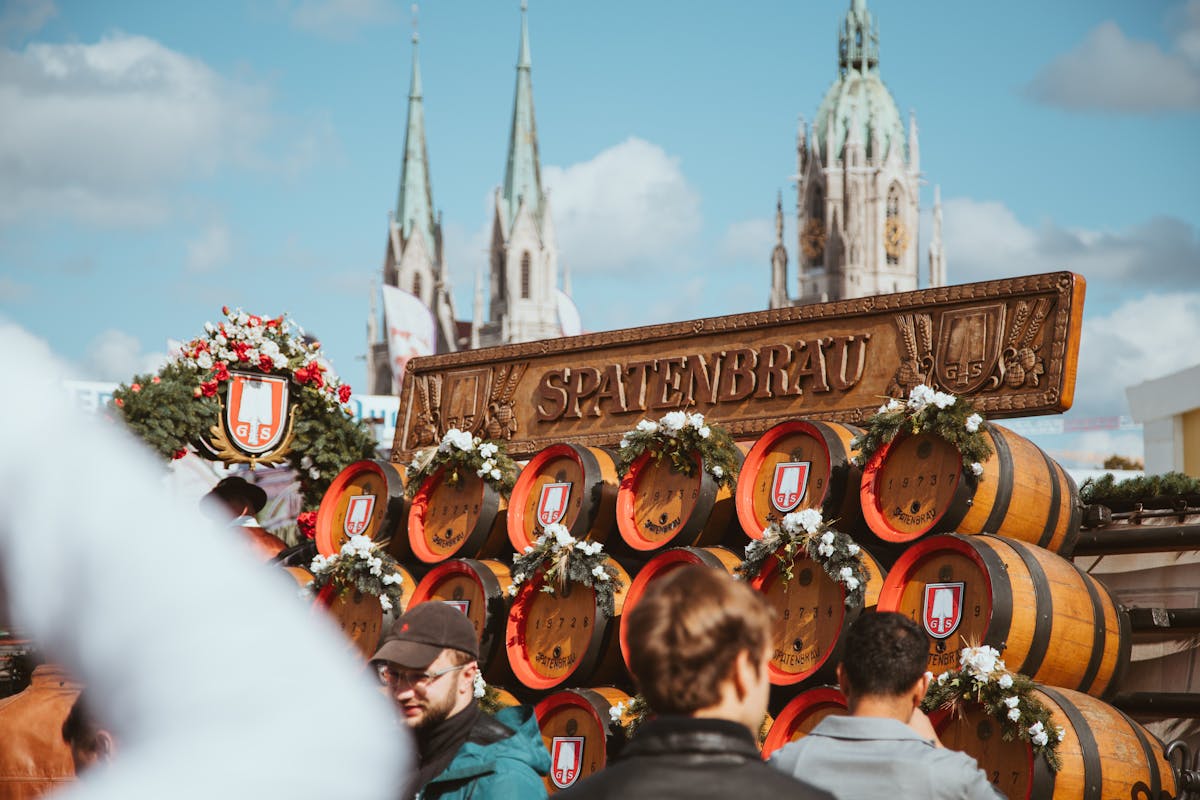
A beer tour in Munich is not just pub-crawling with a guide. The good ones walk you through the Altstadt, stop at the beer halls and breweries that actually matter, explain the difference between a Helles and a Dunkel (and why Augustiner drinkers look down on Hofbrauhaus travelers), and pair everything with proper Bavarian food. You leave knowing why this city is the beer capital of the world, not just that it is.
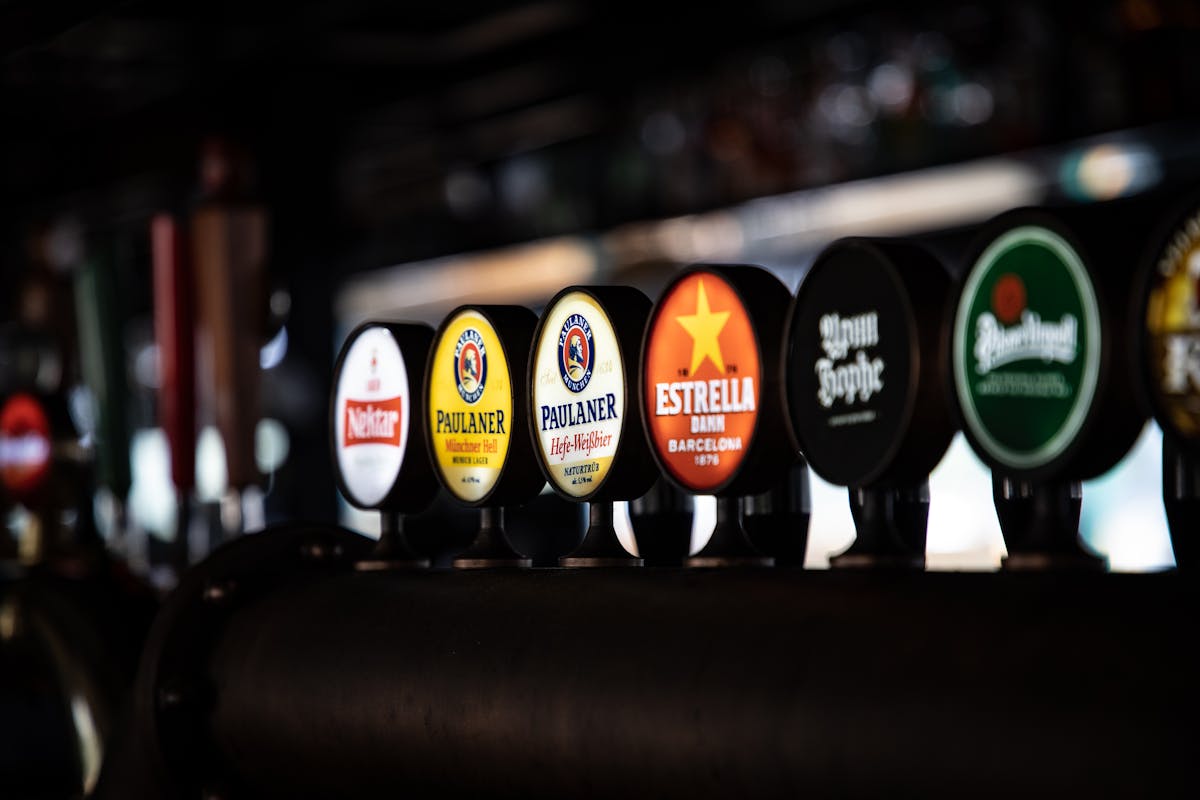
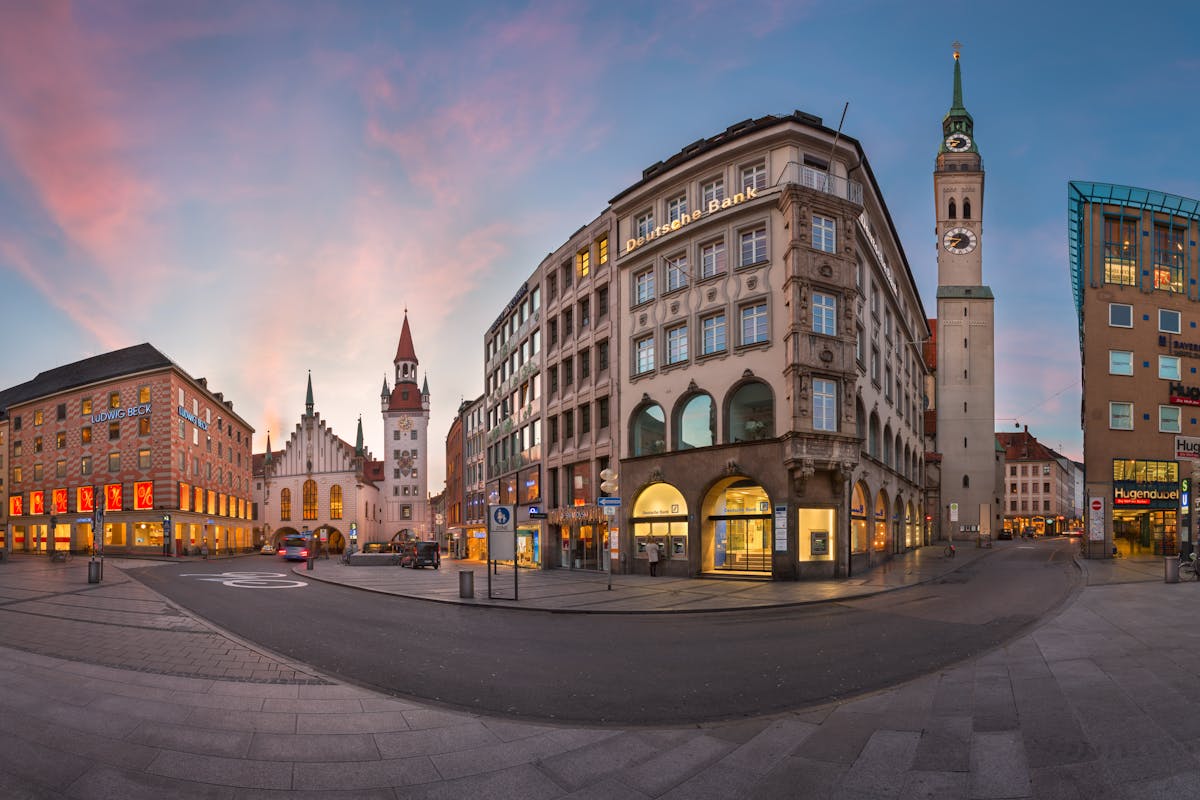
Best overall: Bavarian Beer and Food Evening Tour — $87. Full evening with dinner, multiple beer halls, and a museum visit. The complete experience.
Best value: Munich’s Beer Halls and Breweries Tour — $50. 3.5 hours hitting the big-name beer halls with tastings included.
Best budget: Exclusive Brewery Tour & Tasting — $24. One hour inside a working organic brewery with four beers. Hard to beat at that price.
- How Munich’s Beer Scene Actually Works
- Self-Guided vs. Guided Beer Tour
- The Best Munich Beer Tours to Book
- 1. Bavarian Beer and Food Evening Tour —
- 2. Munich’s Beer Halls and Breweries: 3-Hour Guided Tour —
- 3. Exclusive Brewery Tour & Tasting of 4 Organic Beers —
- When to Go
- How to Get to the Meeting Points
- Tips That Will Actually Help
- What You’ll Actually See and Drink
- Beyond the Tour: Munich Beer Spots Worth Visiting Solo
- Planning the Rest of Your Germany Trip
How Munich’s Beer Scene Actually Works
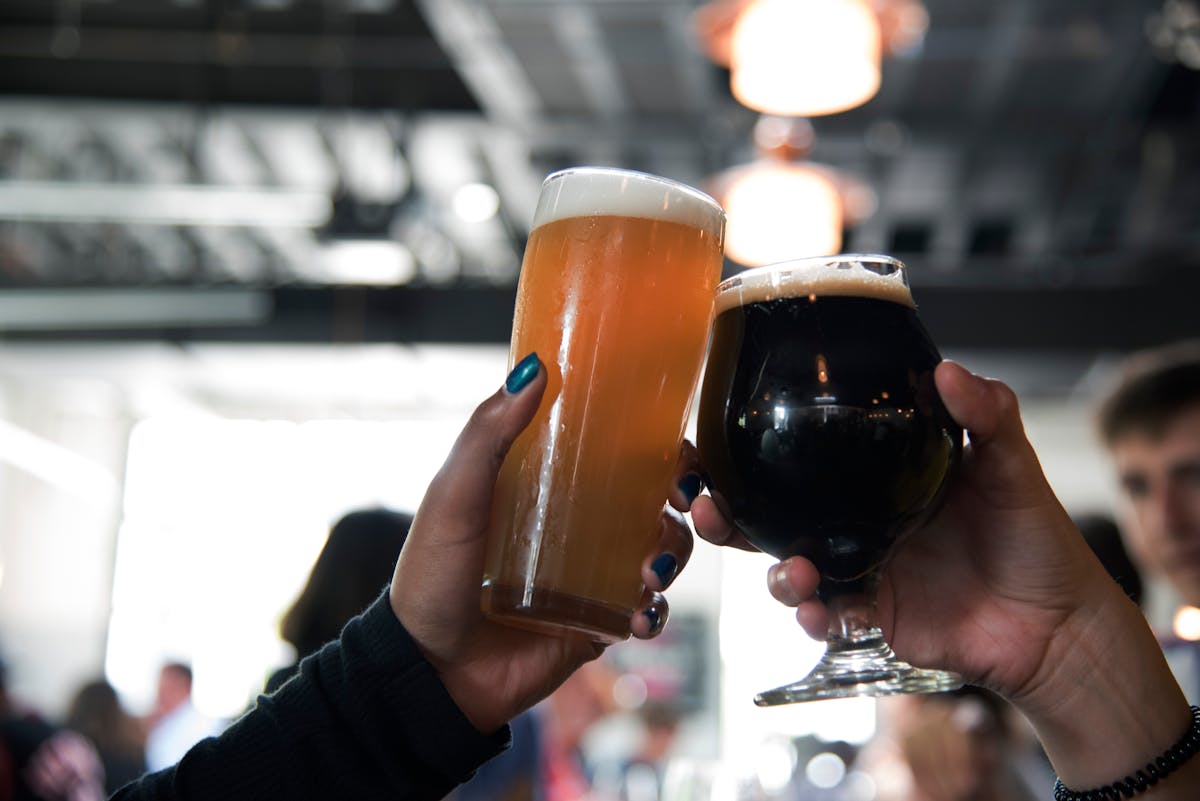
Munich’s beer culture is not one thing. It is at least three different worlds stacked on top of each other, and most visitors only see the loudest one.
The Big Six (Grossbrauereien): Augustiner, Spaten, Paulaner, Hacker-Pschorr, Hofbrau, and Lowenbrau. These six breweries have brewed in Munich for centuries and each owns beer halls, beer gardens, and restaurant chains across the city. They rotate through the Viktualienmarkt beer garden on a schedule, and they run the Oktoberfest tents. If you are drinking in Munich, you are almost certainly drinking one of these six.
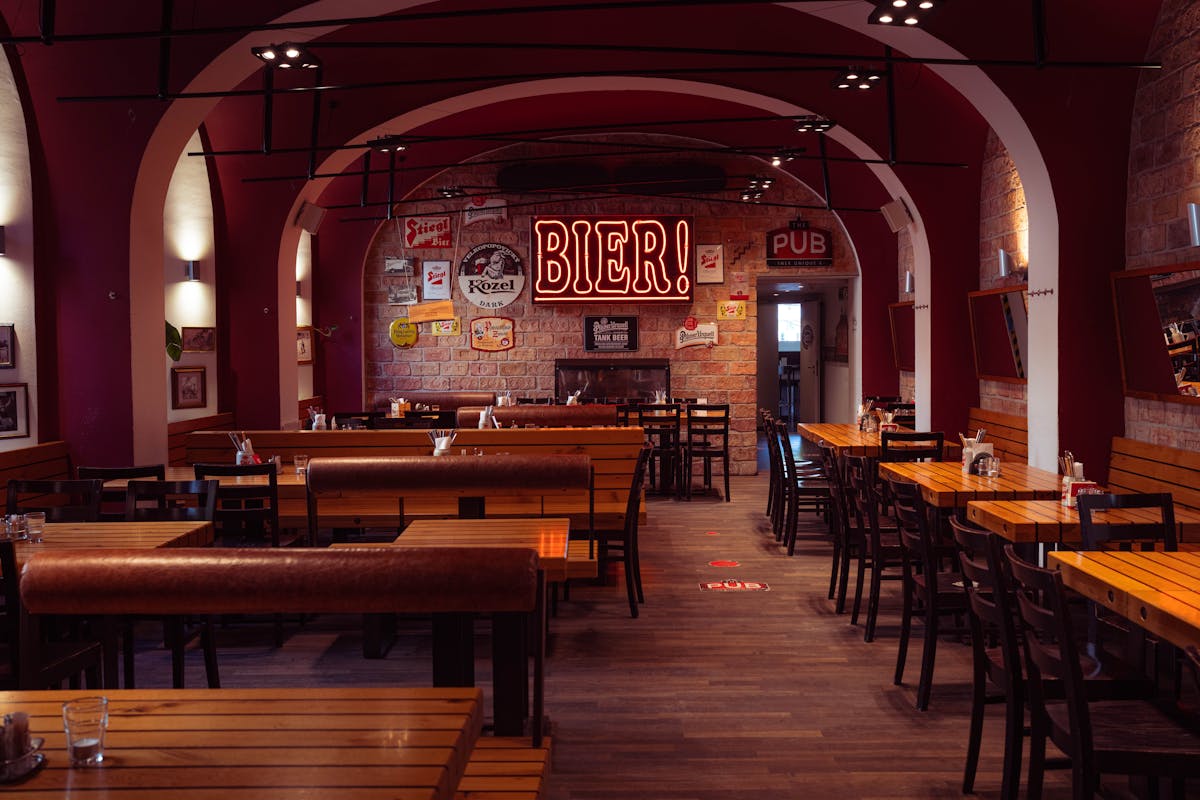
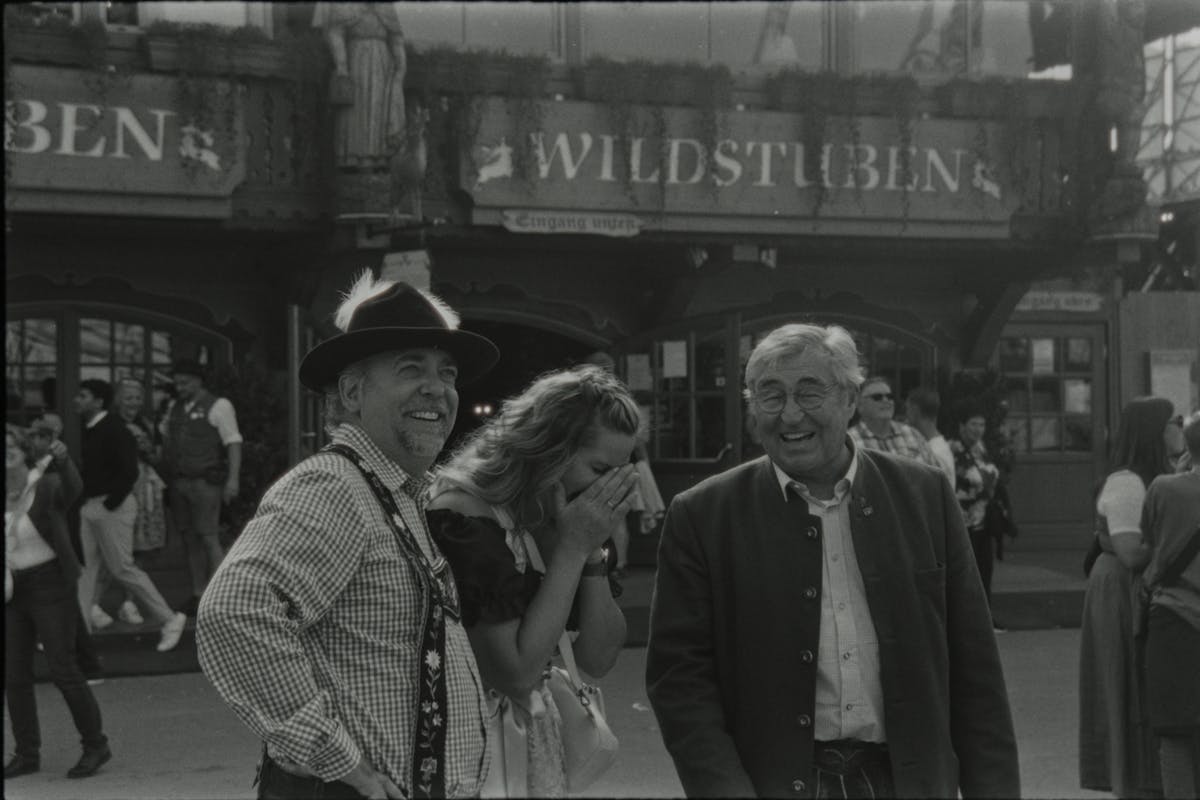
The beer halls (Brauhauser): Hofbrauhaus gets all the attention — 35,000 visitors a day, oompah bands, travelers in rented lederhosen. It is fun, but it is Disneyland for beer. Augustiner Keller, about a 10-minute walk from Hauptbahnhof, is where actual Munchners go on a Tuesday. The beer comes from wooden barrels (Holzfass), the prices are a euro or two cheaper, and nobody is taking selfies with a Mass. Zum Augustiner on Neuhauserstrasse is another solid pick — right in the pedestrian zone but weirdly uncrowded upstairs.
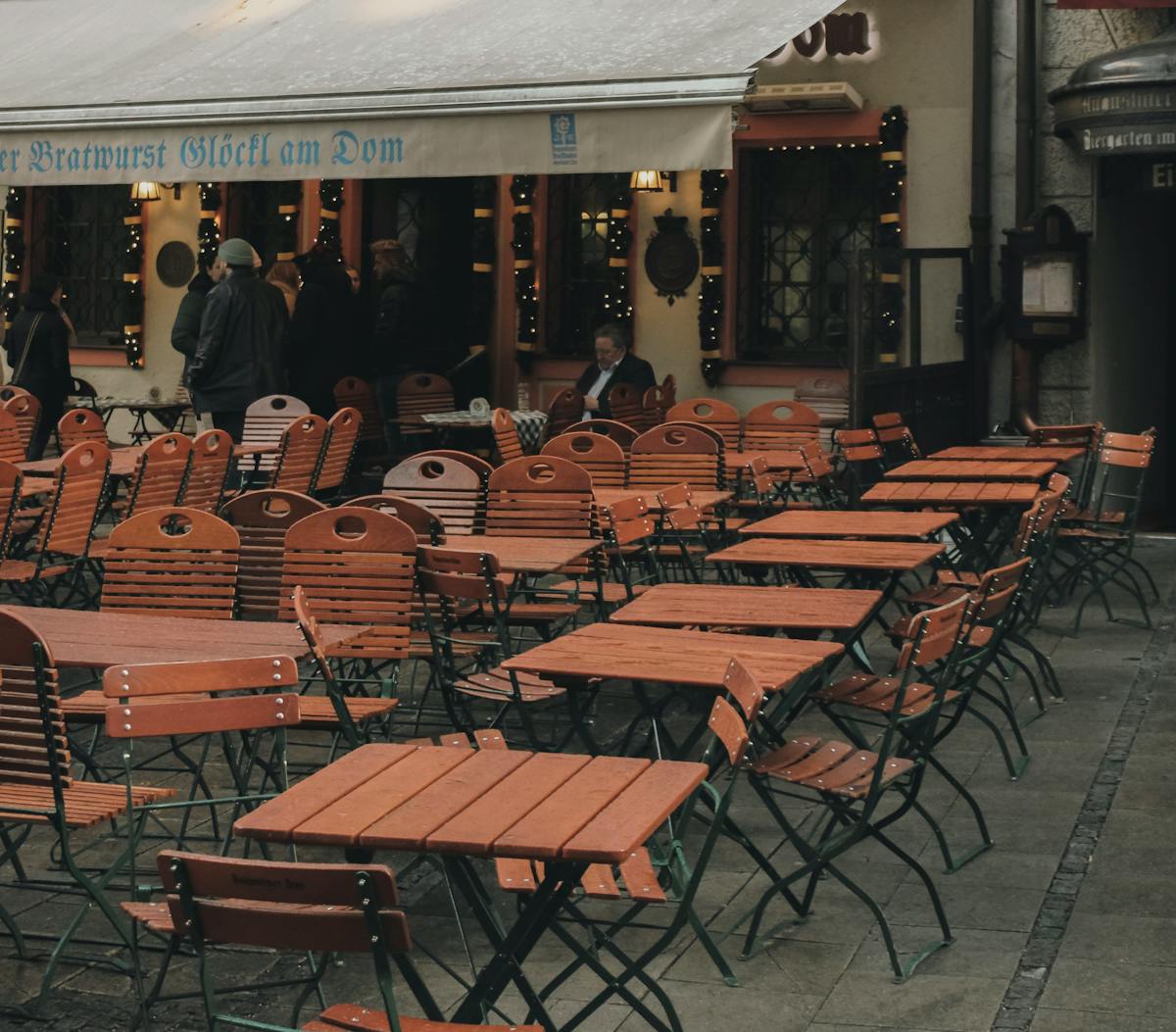
The beer gardens (Biergarten): The legal definition in Bavaria is specific: a beer garden must allow guests to bring their own food. That is not a quaint tradition, it is actual law. The Chinesischer Turm in the English Garden seats 7,000 people and is the second-largest beer garden in Munich. The Hirschgarten, out by Nymphenburg Palace, is the largest in the world — 8,000 seats under the chestnut trees. Neither one feels crowded on a weekday afternoon.
Self-Guided vs. Guided Beer Tour
You could absolutely do Munich’s beer scene on your own. Walk into Hofbrauhaus, order a Mass, eat a pretzel, done. But here is what you will miss:
Context. A guide explains why Augustiner tastes different from Paulaner even though both follow the same 500-year-old recipe. (Short answer: the yeast strain, the water source, and the cellaring time. Augustiner uses open fermentation, which almost nobody else does anymore.) You will learn that the Reinheitsgebot was partly a political move to keep wheat for bakers, and that lager — the most popular beer style in the world — was essentially invented by Munich monks who stored beer in Alpine caves.
Access. Some brewery tours require advance booking in German, through a website that looks like it was built in 2003. Spaten’s brewery tour, for example, only runs on Saturdays at 10am and 1pm and costs EUR 29.50 per person. A guided beer tour handles all of that logistics for you and often gets into places you could not walk into solo.
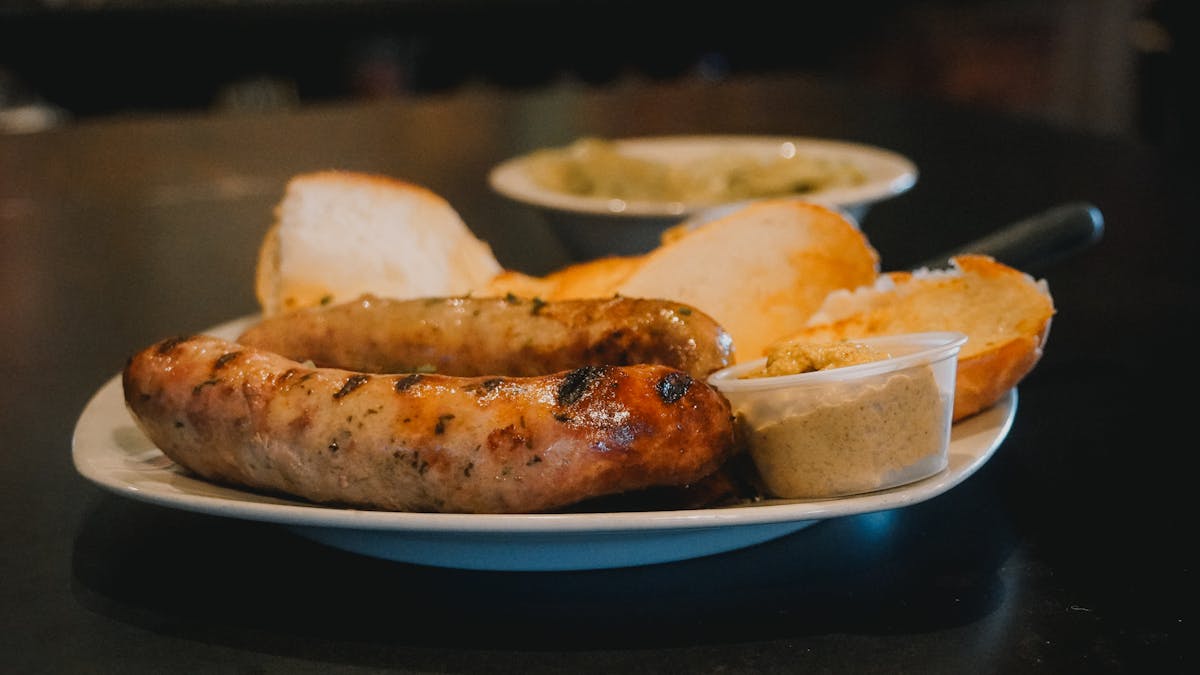
Food pairing. The evening tours include a proper sit-down Bavarian dinner — Schweinshaxe, Obatzda, Weisswurst (but only before noon, because Munich has rules about sausage too), and Brezn with sweet mustard. Eating and drinking in the right order, at the right places, is half the experience.
The honest opinion: If you already know your way around German beer styles and speak enough German to book a brewery visit, go solo. If this is your first time in Munich, or you want someone to cut through the tourist noise and take you to the places that actually matter, book a tour. The $50-90 price range includes beer tastings and usually a meal, so the value is solid.
The Best Munich Beer Tours to Book
I have gone through every beer tour available in Munich and narrowed it down to three. These cover different budgets, formats, and time commitments. All three run in English.
1. Bavarian Beer and Food Evening Tour — $87
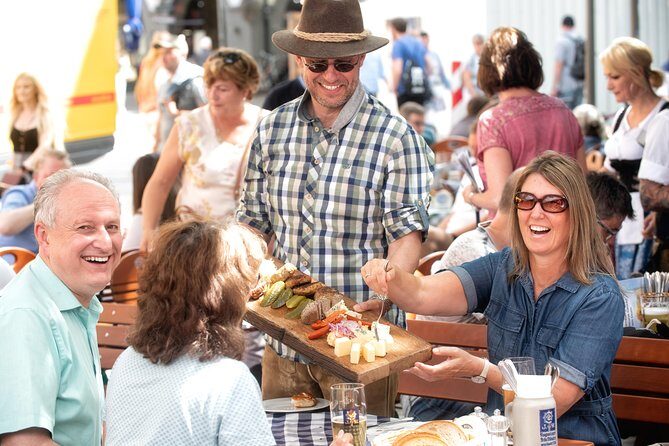
This is the one I would book first. It runs 3.5 hours in the evening, which is the right time for a beer tour — beer halls come alive after 6pm when the after-work crowd rolls in. The tour hits multiple beer halls and includes a visit to a beer museum, plus a full traditional Bavarian dinner with tastings along the way.
At $87, it is not cheap, but the dinner alone would cost you $30-40 at a decent beer hall, and the beer tastings push that close to $60. So you are really paying about $25-30 for the guide, the history, and knowing you are at the right places instead of the tourist traps. The evening format works especially well because you end up in the thick of Munich’s nightlife rather than watching it from outside.
It is the most booked Munich beer tour on Viator, and has been for years. The full review covers what past visitors thought in detail, but the short version: the guides know their stuff, the food is legitimate, and the pacing is right — you are never rushing or waiting.
2. Munich’s Beer Halls and Breweries: 3-Hour Guided Tour — $50
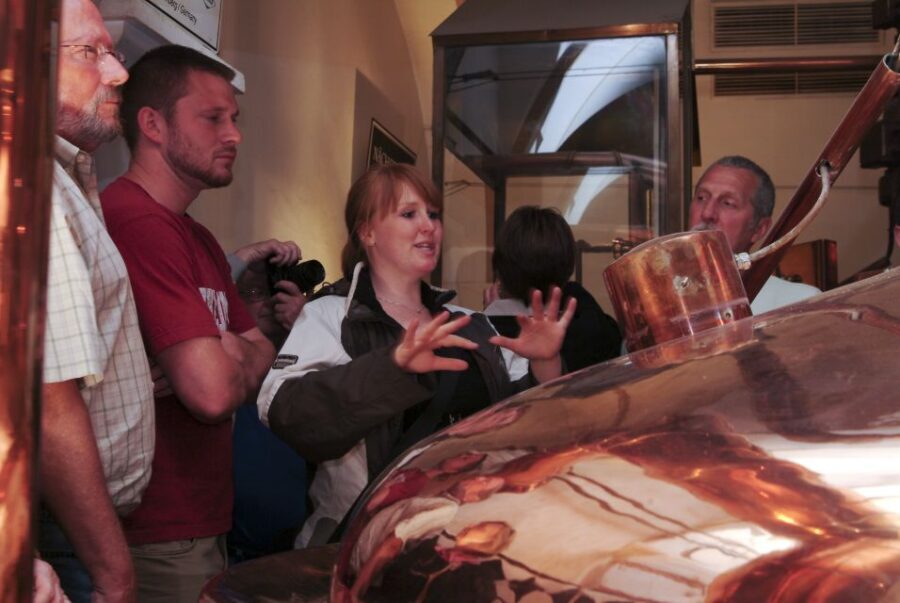
If the evening tour feels like too much commitment (or too much money), this is the middle ground. Three hours through Munich’s most significant beer halls and breweries, with tastings included, for $50. It runs through GetYourGuide, and the format is straightforward: walk, drink, learn, repeat.
The tour covers the history behind the big beer halls — why they were built, who drank there, and how the beer gardens grew out of a practical need to keep cellars cool. You will taste different styles at different locations, which is the best way to understand how Munich’s six breweries each put their own spin on the same basic recipe. The reviews consistently highlight the guides’ knowledge — these are people who genuinely care about Bavarian brewing tradition, not just reading from a script.
The main drawback: it does not include a full meal, just the tastings. Budget another $15-20 if you want to eat afterwards (and you will — beer on an empty stomach in Munich is a rookie mistake).
3. Exclusive Brewery Tour & Tasting of 4 Organic Beers — $24
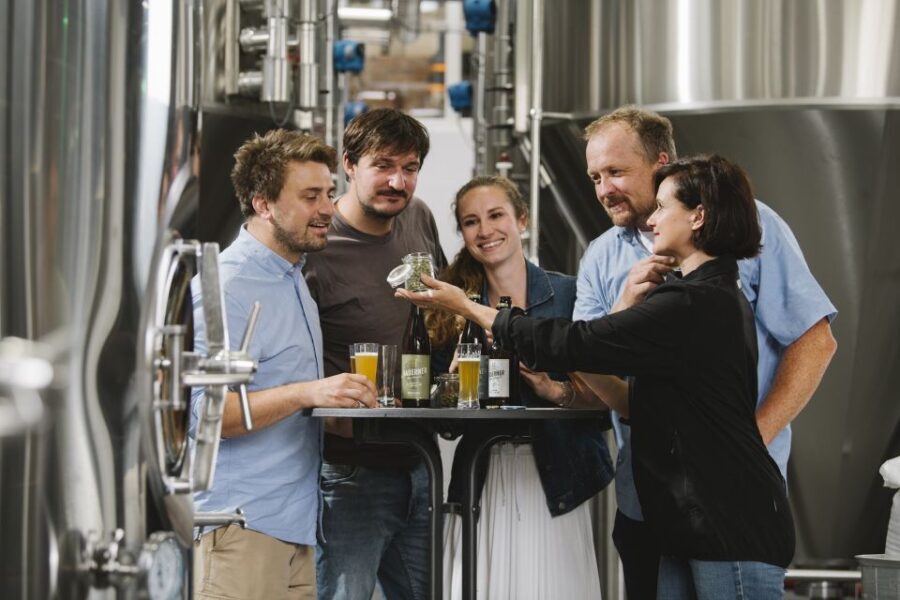
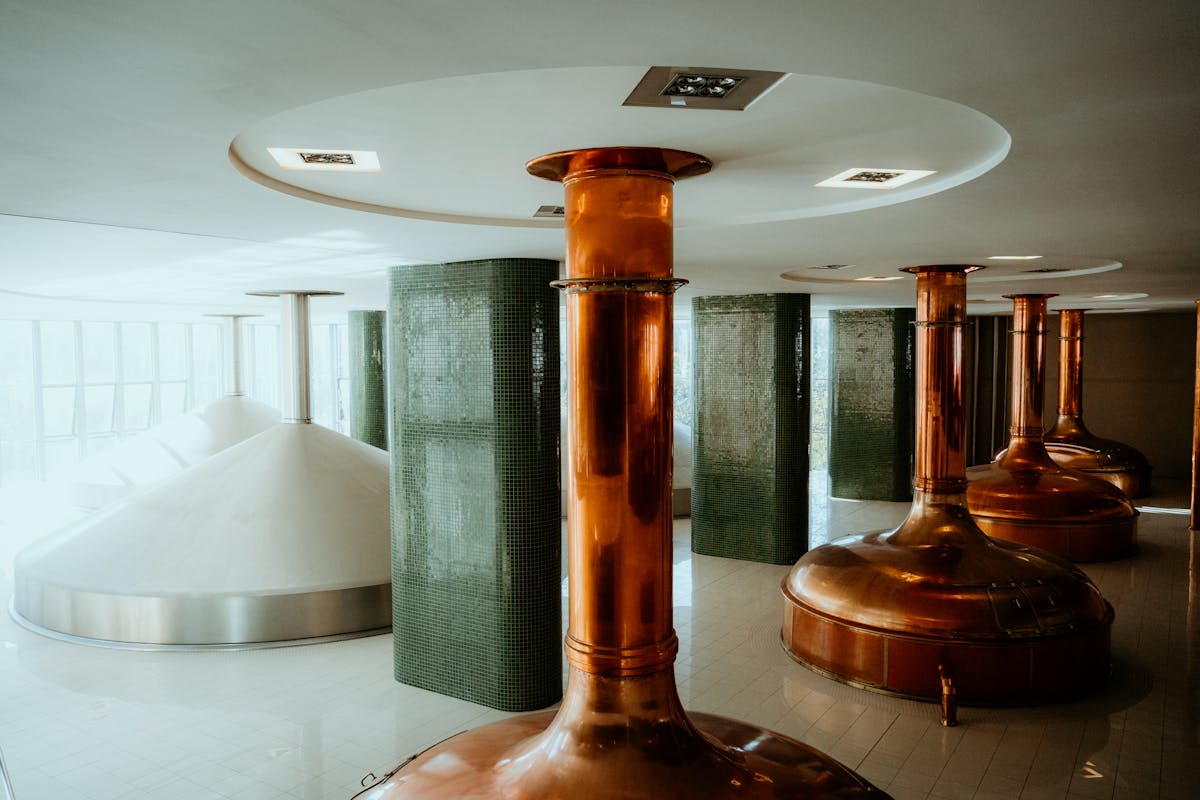
This is the budget pick, and it is surprisingly good for $24. You get inside a working organic brewery — Munich’s first certified organic brewery, in fact — for a one-hour guided tour with four beer tastings. The guides are actual brewers, not tour operators, which means you get technical depth that the walking tours cannot match.
One hour feels short, but it is focused. You see the full production process, learn how organic certification changes what a Bavarian brewery can do (and what it cannot), and taste four different styles fresh from the source. If you have done a beer hall walking tour already and want something more hands-on, this is the one. It pairs well with a beer hall visit afterwards — have the brewery experience first, then go drink in context.
The only real downside is availability. Being a small operation, slots fill up faster than the big tour companies, especially on weekends. Book at least a few days in advance.
When to Go
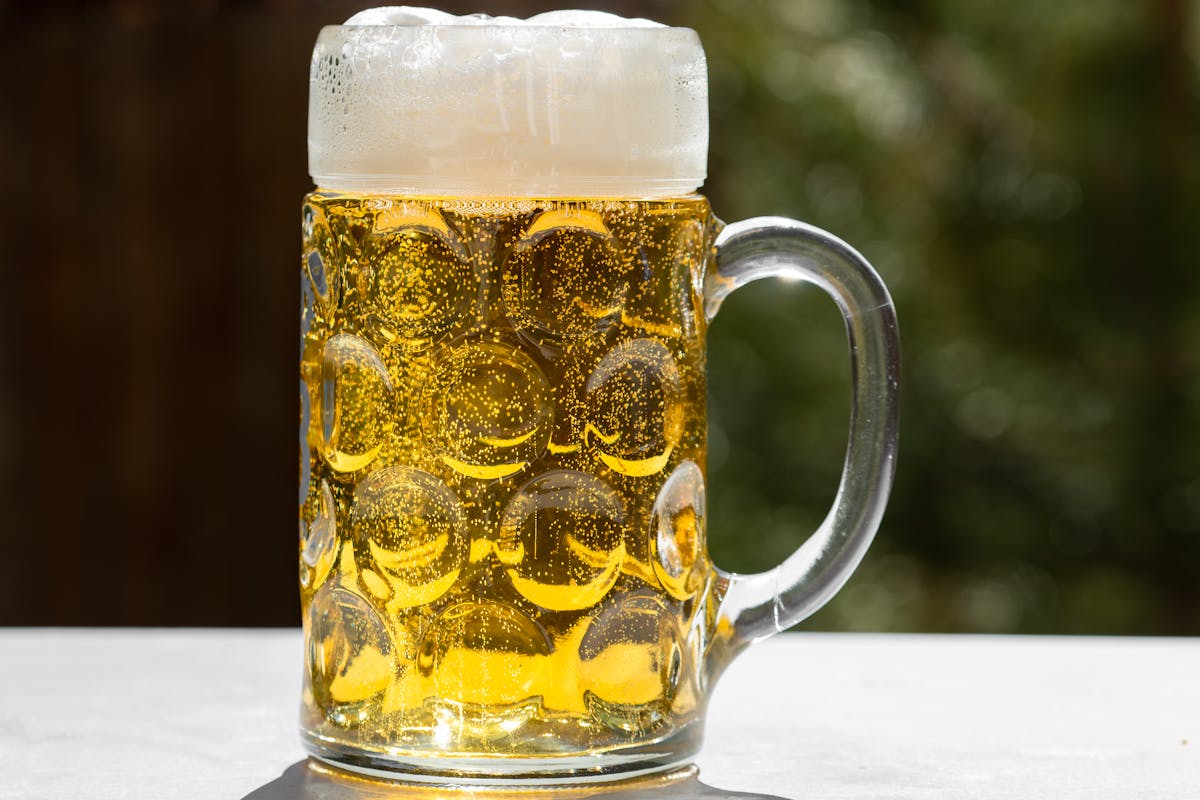
Best months: May through September. The beer gardens are in full swing, the chestnut trees are leafed out, and you can sit outside until 10pm. June and early September are ideal — warm but not Oktoberfest-crowded.
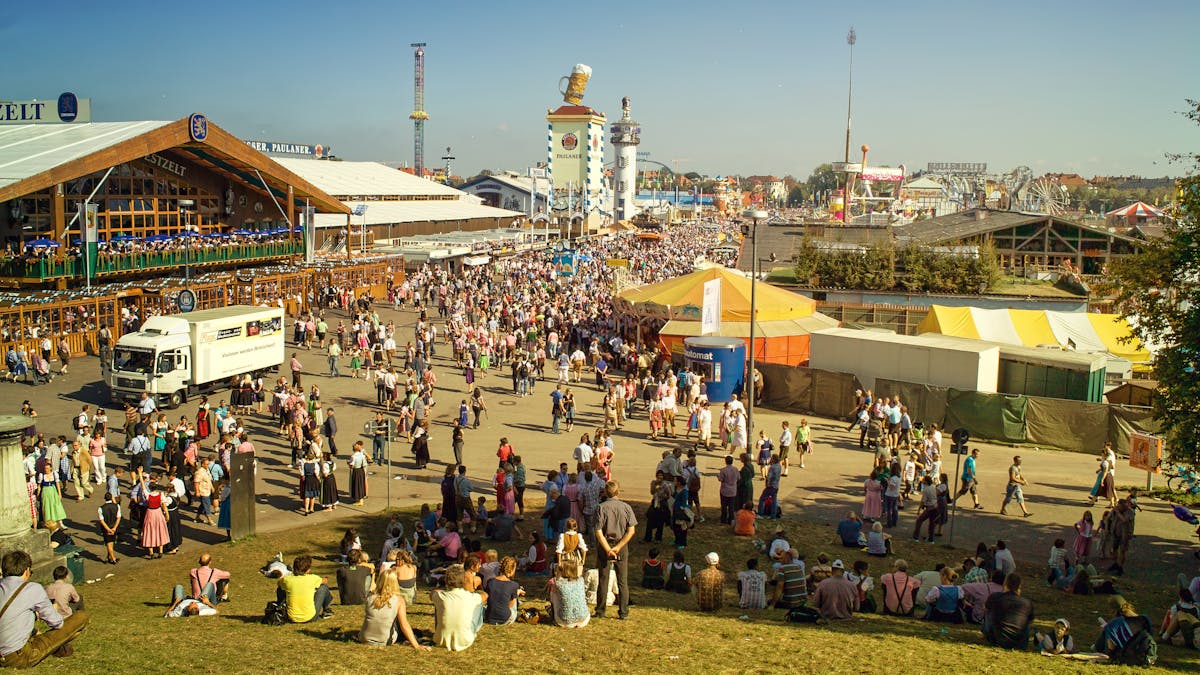
Oktoberfest (mid-September to early October): Munich’s famous beer festival runs 16 days and draws about 6 million visitors. Beer tours sell out weeks in advance, prices for everything jump 20-40%, and good luck finding a hotel room for under EUR 200/night. If you are going specifically for Oktoberfest, book your beer tour the moment you book your flights. If you just want to experience Munich beer culture, come literally any other time.
Winter: Beer halls are open year-round and arguably at their cosiest in December and January. The Christmas markets (Christkindlmarkt) run from late November through December 23rd, and Gluhwein — spiced mulled wine — joins the lineup alongside beer. Fewer travelers, cheaper hotels, but the beer gardens are mostly closed.
Time of day matters too. Morning brewery tours (10am-noon) are quieter and more educational. Evening beer hall tours (5pm-9pm) are more atmospheric and social. If you can only pick one, go evening.
How to Get to the Meeting Points
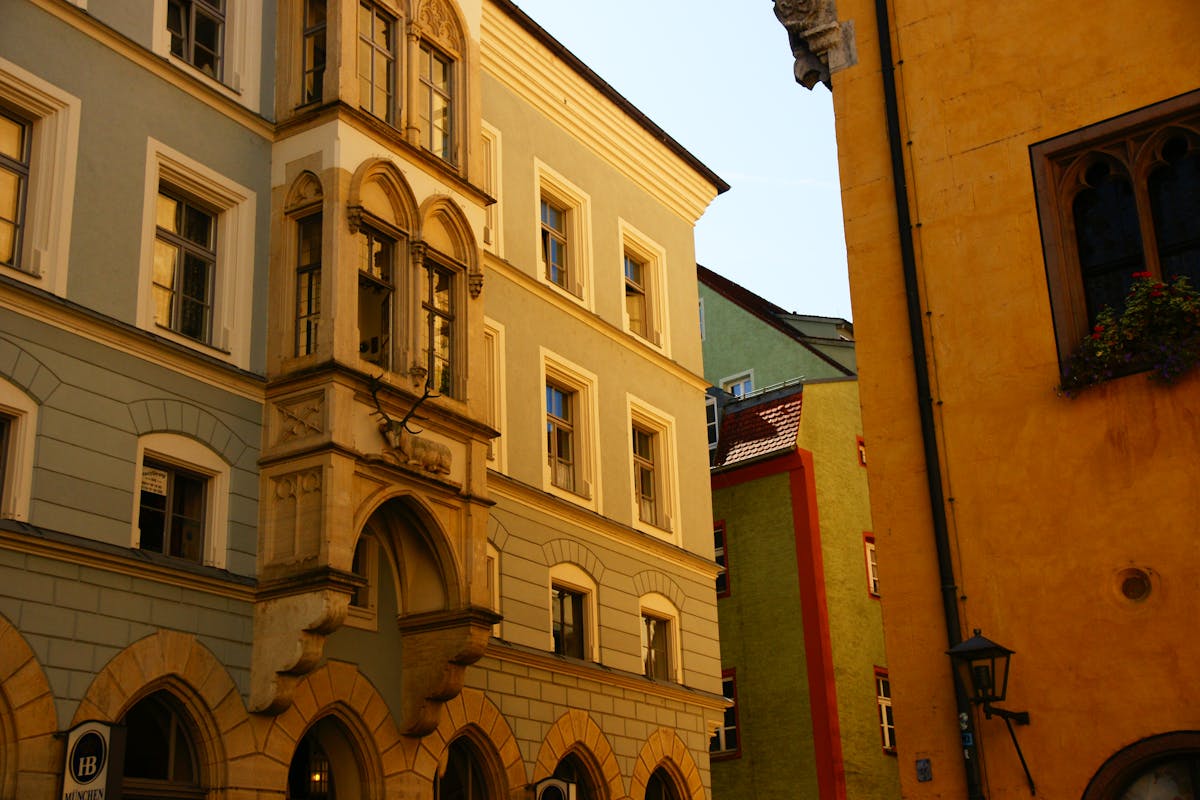
Almost every beer tour in Munich starts in or near Marienplatz, the central square. Getting there is simple:
From Munich Hauptbahnhof (main station): Take any S-Bahn to Marienplatz (one stop, 3 minutes). Or walk — it is about 15 minutes through the pedestrian shopping zone on Kaufingerstrasse.
From Munich Airport (MUC): The S1 or S8 train runs every 10 minutes and takes about 40 minutes to Marienplatz. A single ticket costs EUR 13.60. Do not take a taxi unless money is not a concern — it will cost EUR 70-80 and take just as long in traffic.
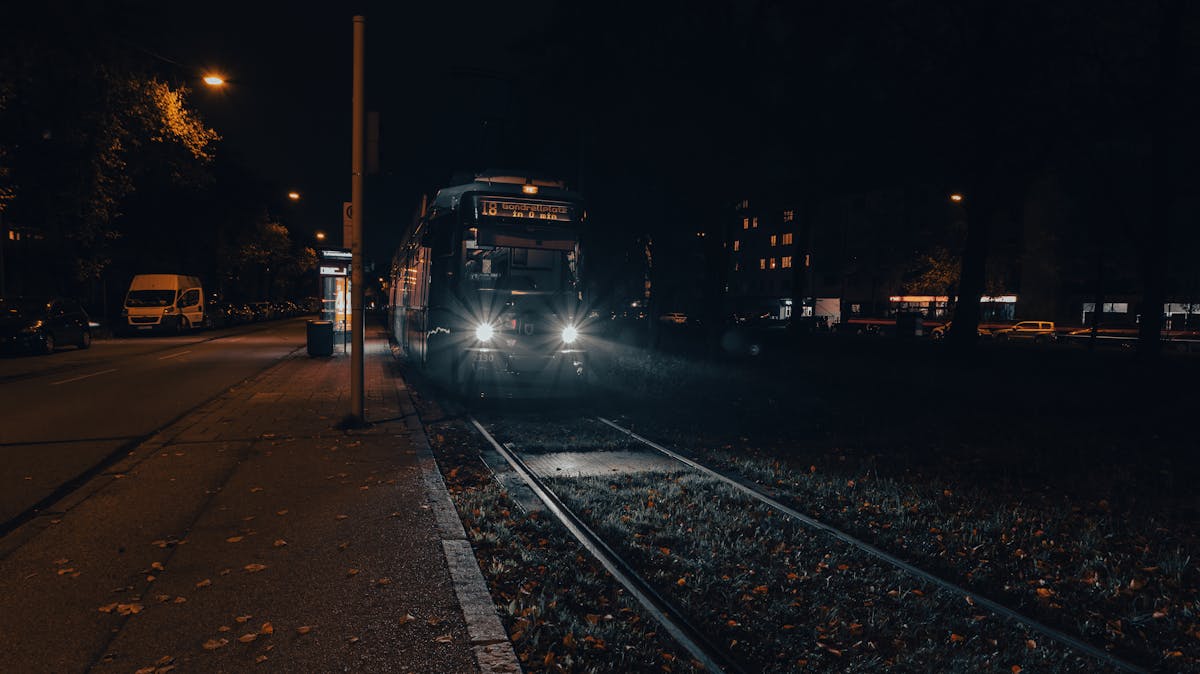
Getting around after the tour: Munich’s U-Bahn, S-Bahn, trams, and buses run until about 1am on weekdays and 2-3am on weekends. A single-ride ticket in the city zone (Innenraum) costs EUR 3.70. The day pass (Tageskarte) at EUR 8.80 is worth it if you will take more than two rides. Buy it before your beer tour and use it all day.
Tips That Will Actually Help
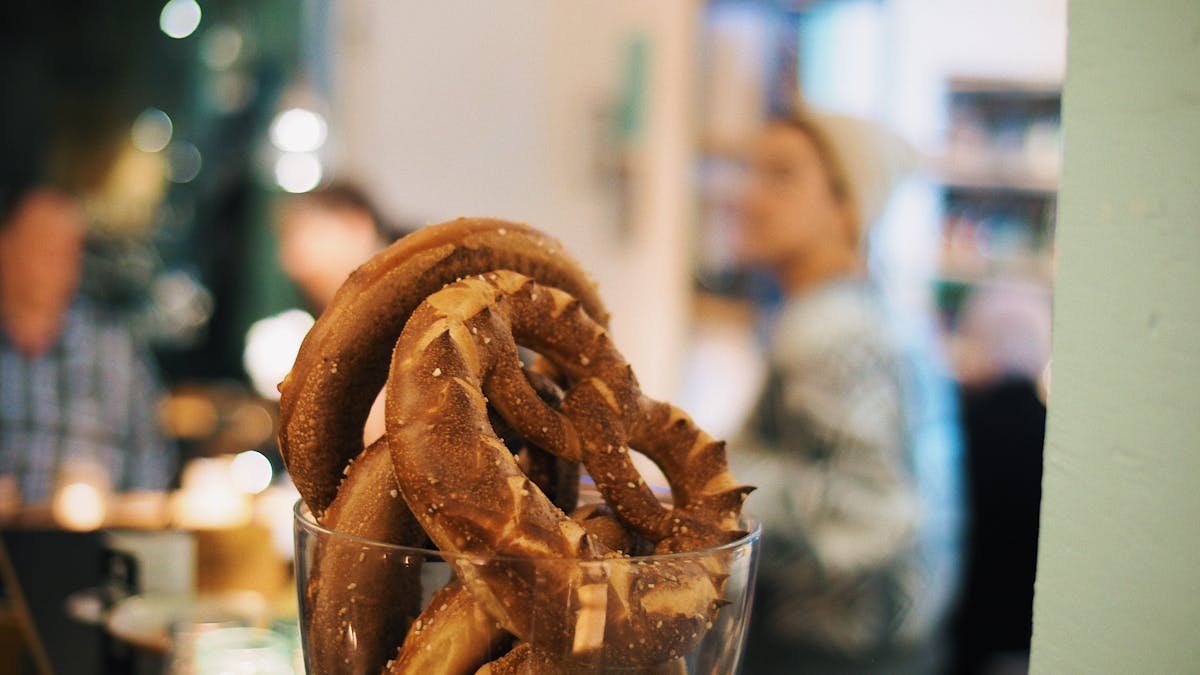
Eat before you go. Even the tours with food included start the eating about an hour in. A pretzel and a glass of water before you leave your hotel makes a real difference.
Wear comfortable shoes. You will walk 3-5 kilometres over 3-4 hours, mostly on cobblestones. Heels are a terrible idea. Sandals with grip are fine in summer.
Bring cash. Most beer halls now accept cards, but some of the older ones and all beer gardens are cash-only or cash-preferred. An ATM withdrawal of EUR 50-80 should cover you. German ATMs charge no fee, but your bank might.
Learn three words: Prost (cheers — with eye contact), ein Mass bitte (one litre of beer, please), and Zahlen bitte (the bill, please). That covers 90% of beer hall communication.
Do not order a Weisswurst after noon. This is a real Munich rule. The white sausage is traditionally a breakfast food, eaten before the noon church bells ring. Some places serve it all day now, but ordering it at 7pm marks you as someone who did not do their homework.
Skip Hofbrauhaus on your first night. Go on the tour instead. Your guide will probably take you there anyway, but with context — and to the less-crowded rooms that solo visitors never find. If you want to go back on your own afterwards, you will actually know what you are looking at.
Tip your guide. EUR 5-10 per person is standard for a 3-4 hour tour. Cash is easiest.
What You’ll Actually See and Drink
A typical Munich beer tour covers some combination of these spots:
Hofbrauhaus: Yes, the famous one. Founded in 1589 by Duke Wilhelm V because he thought imported beer was too expensive (relatable). The ground floor is loud, touristy, and kind of magical if you have never been. The upper floors are quieter and where regulars have their reserved tables — some families have held the same Stammtisch for generations.
Augustiner Keller: On Arnulfstrasse, a 10-minute walk from the main station. This is where the insiders drink. The beer comes from wooden barrels tapped fresh, the garden holds 5,000 people under old chestnut trees, and the whole thing feels like what Munich is supposed to be, minus the performance. If your tour goes here, you picked the right tour.
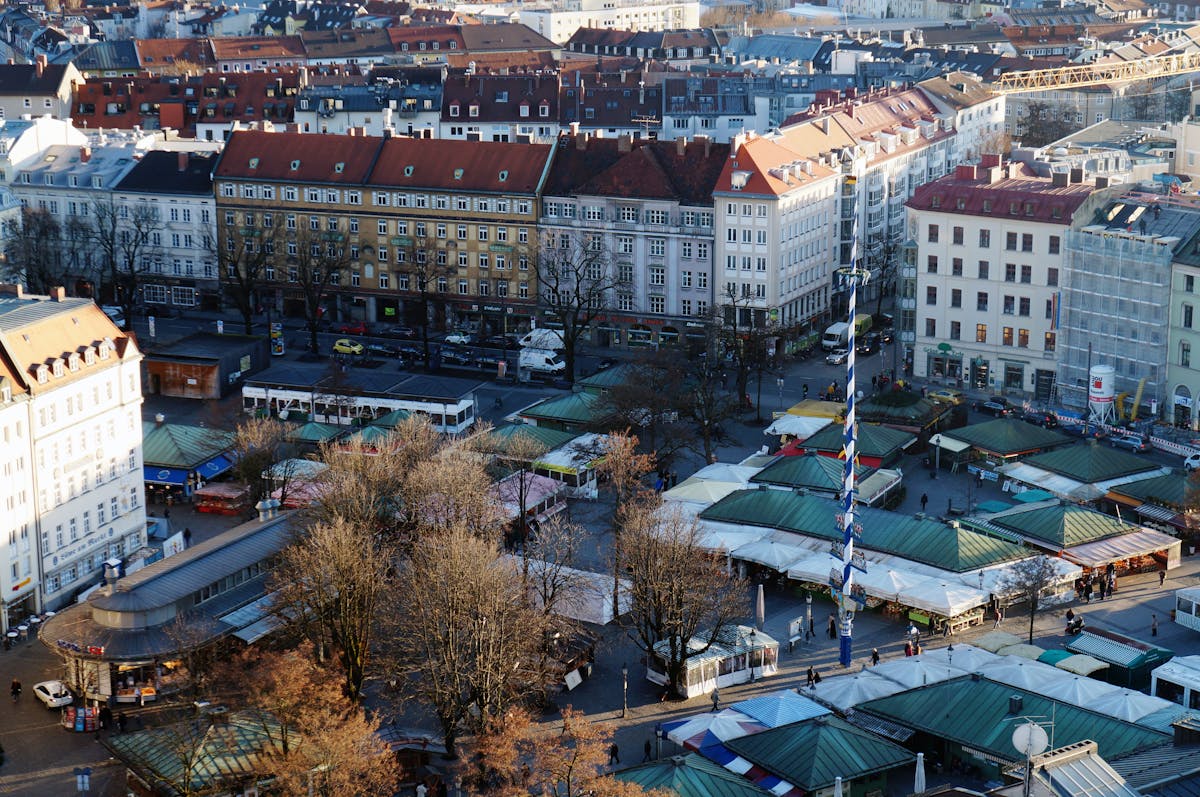
Viktualienmarkt: Munich’s permanent open-air food market, running since 1807. The beer garden in the middle rotates through all six major breweries on a six-week cycle. The food stalls surrounding it sell everything from Leberkase (a Bavarian meatloaf) to aged cheeses and fresh Brezn.
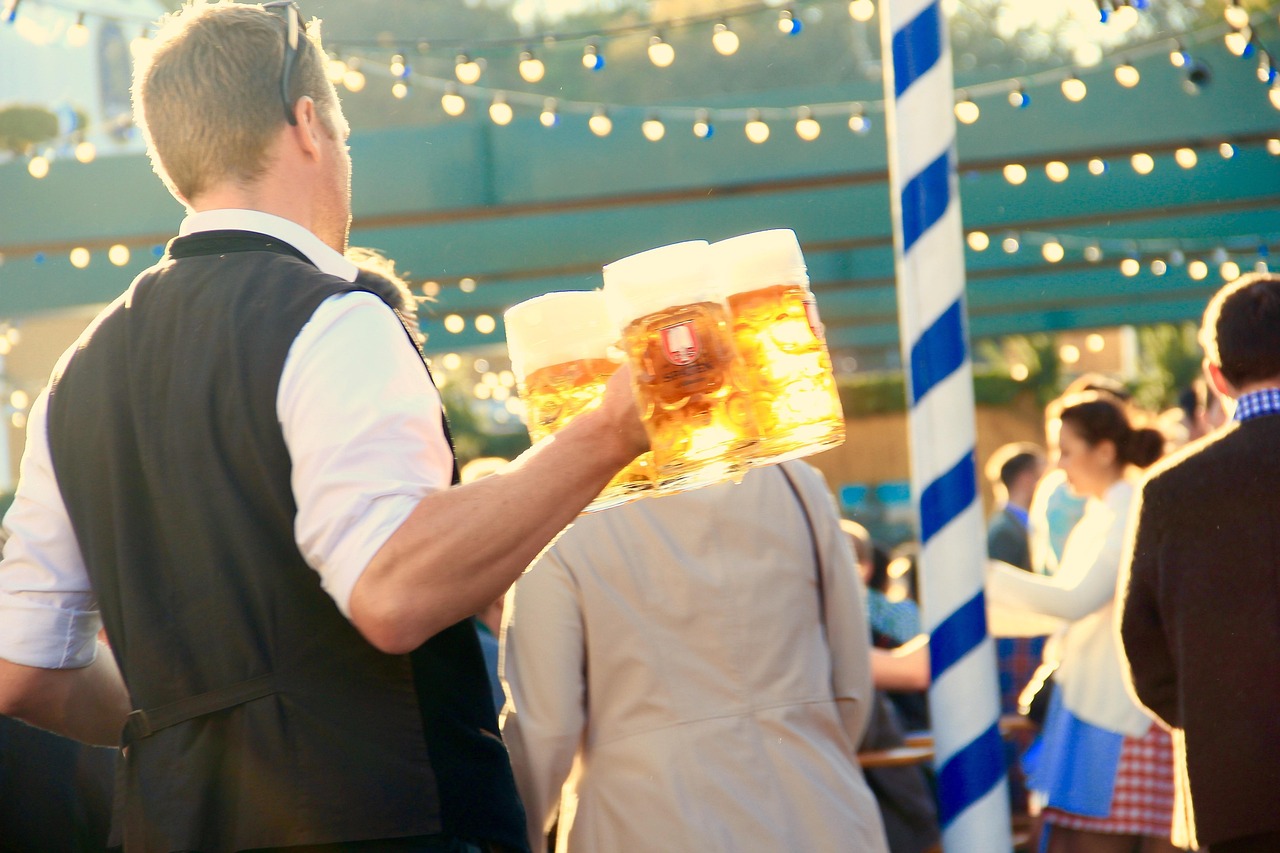
The beer styles you will taste: Helles (the Munich standard — light, malty, easy), Dunkel (dark lager, slightly sweet), Weissbier/Hefeweizen (wheat beer, cloudy, banana-and-clove notes), and sometimes a Bock or Doppelbock if the tour goes to Paulaner or the Nockherberg. The evening tours usually add a Radler (beer mixed with lemonade — do not knock it until you have had one in 30-degree heat).
Beyond the Tour: Munich Beer Spots Worth Visiting Solo
Once you have done the tour, here are a few places worth finding on your own:
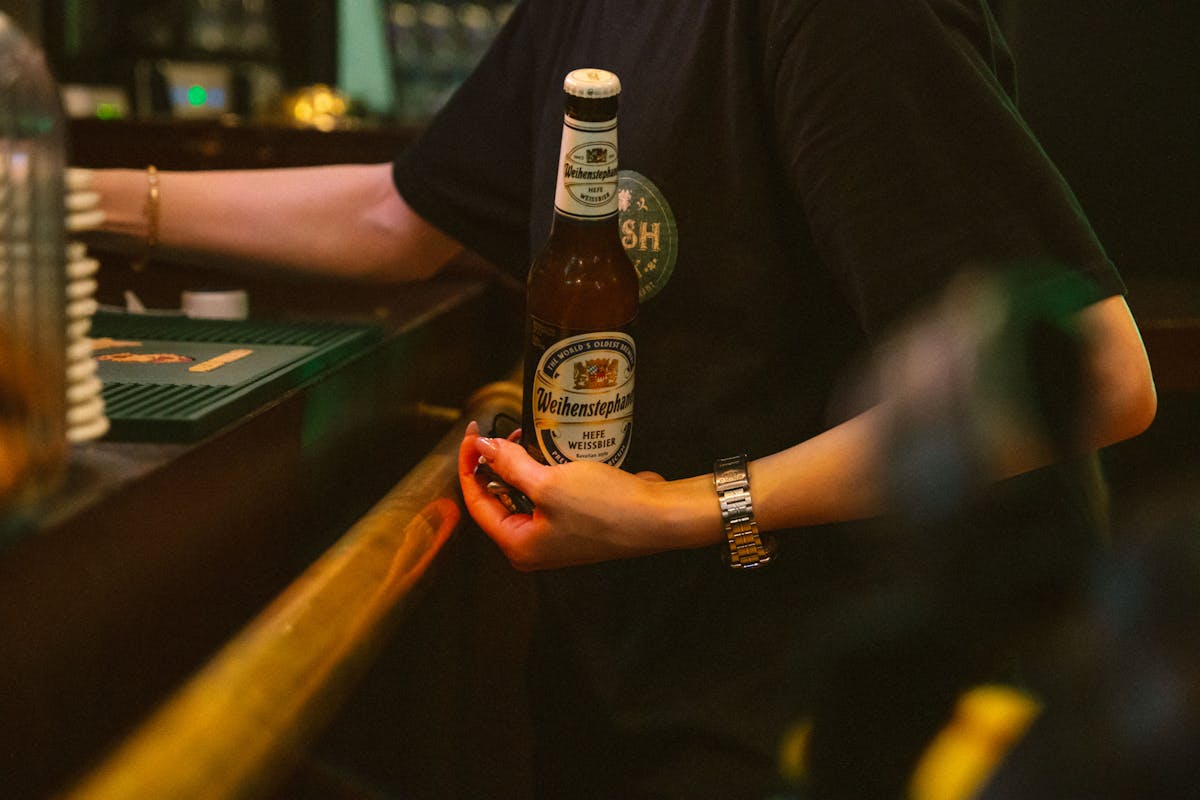
Augustiner am Platzl (near Hofbrauhaus but completely different in character — locals, wooden ceilings, no oompah band). Schneider Brauhaus on Tal for the best Weissbier in Munich — their Aventinus Weizen-Doppelbock is extraordinary. Giesinger Brau in the Giesing neighbourhood for Munich’s craft beer scene — a former warehouse that now brews everything from IPAs to Kellerbier. And if you have a free day, the train to Weihenstephan in Freising (40 minutes, S1 to Freising then bus 620) takes you to the oldest brewery in the world, founded in 1040 by Benedictine monks.
The Englischer Garten has four beer gardens of its own. The Chinesischer Turm is the famous one (7,000 seats), but the Seehaus on the Kleinhesseloher See is quieter and prettier, especially at sunset with a Helles in hand and the swans drifting past.
Planning the Rest of Your Germany Trip
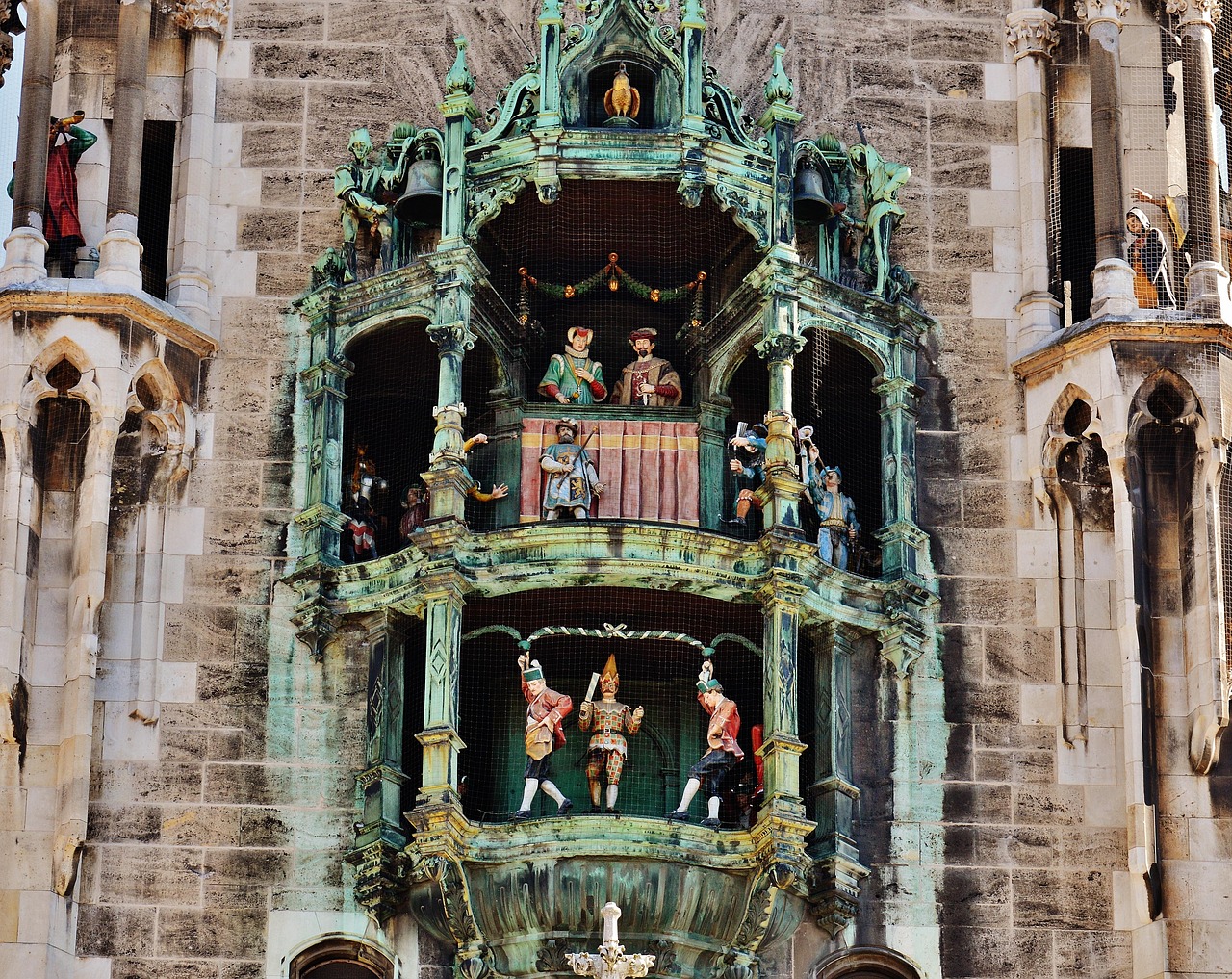
If Munich is your base for a few days, start with a walking tour of the old town to get the lay of the land around Marienplatz and the Viktualienmarkt — many beer tour routes overlap with the walking tour territory, and the combination gives you Munich’s full character in a single day. Neuschwanstein Castle is the obvious day trip — a two-hour train ride to Ludwig II’s fairy-tale palace in the foothills of the Alps. Closer to home, the Dachau Memorial is a sobering but essential half-day visit.
If your Germany itinerary takes you north, Berlin’s Reichstag and walking tours are a completely different side of German history and culture. Hamburg’s harbor cruises round out any Germany trip nicely — the port city’s maritime energy is about as far from Munich’s beer garden calm as you can get while staying in the same country.
This article contains affiliate links. When you book through these links, we may earn a small commission at no extra cost to you. This helps us keep producing in-depth travel guides. All opinions are our own and based on thorough research.