
I made it about 200 meters up the first hill in Alfama before my legs gave out. The cobblestones were uneven, the gradient was brutal, and a woman twice my age passed me on an electric bike with a smile that said everything. That was the moment I stopped pretending a regular bike was the right call for Lisbon.
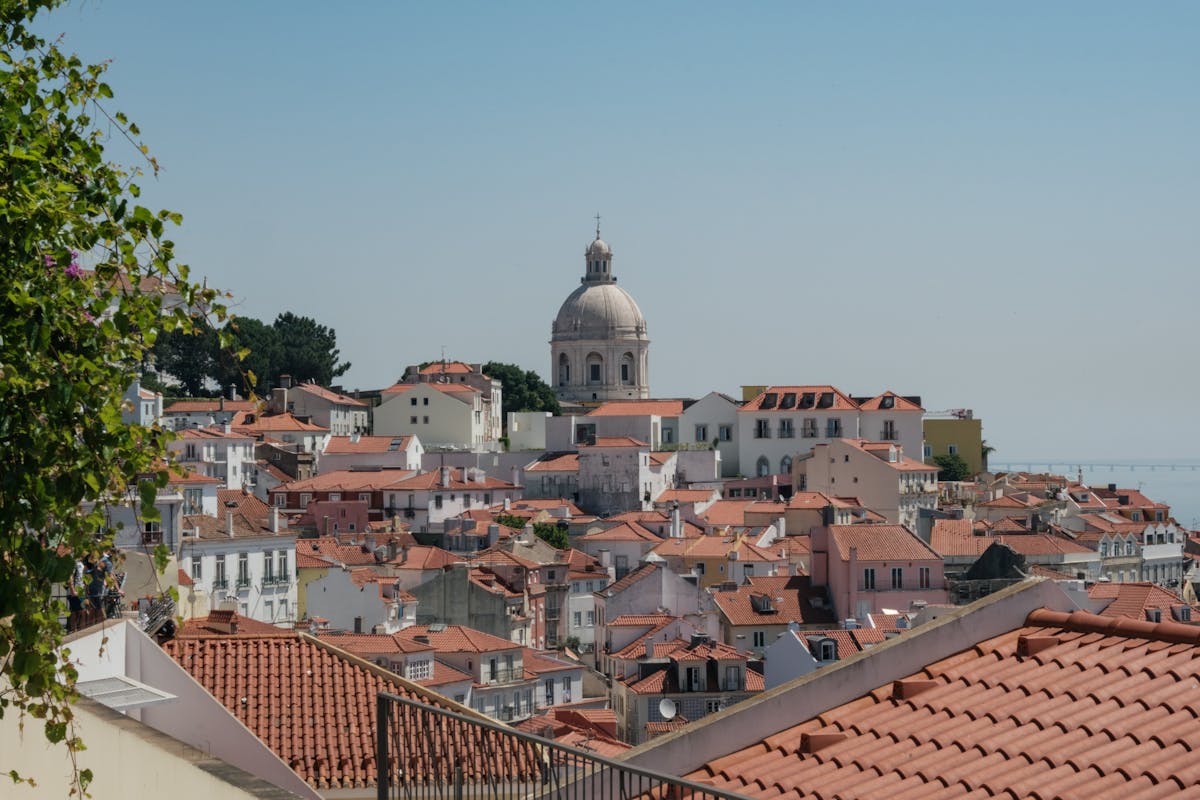
This city was not built for casual cycling. Seven hills, calcada portuguesa cobblestones polished smooth by centuries of foot traffic, and tram tracks that will swallow a skinny tire whole. But that is exactly why guided e-bike tours have taken off here. The motor does the heavy lifting on the climbs, the guide keeps you off the dangerous streets, and you cover more ground in three hours than most people manage in a full day of walking.
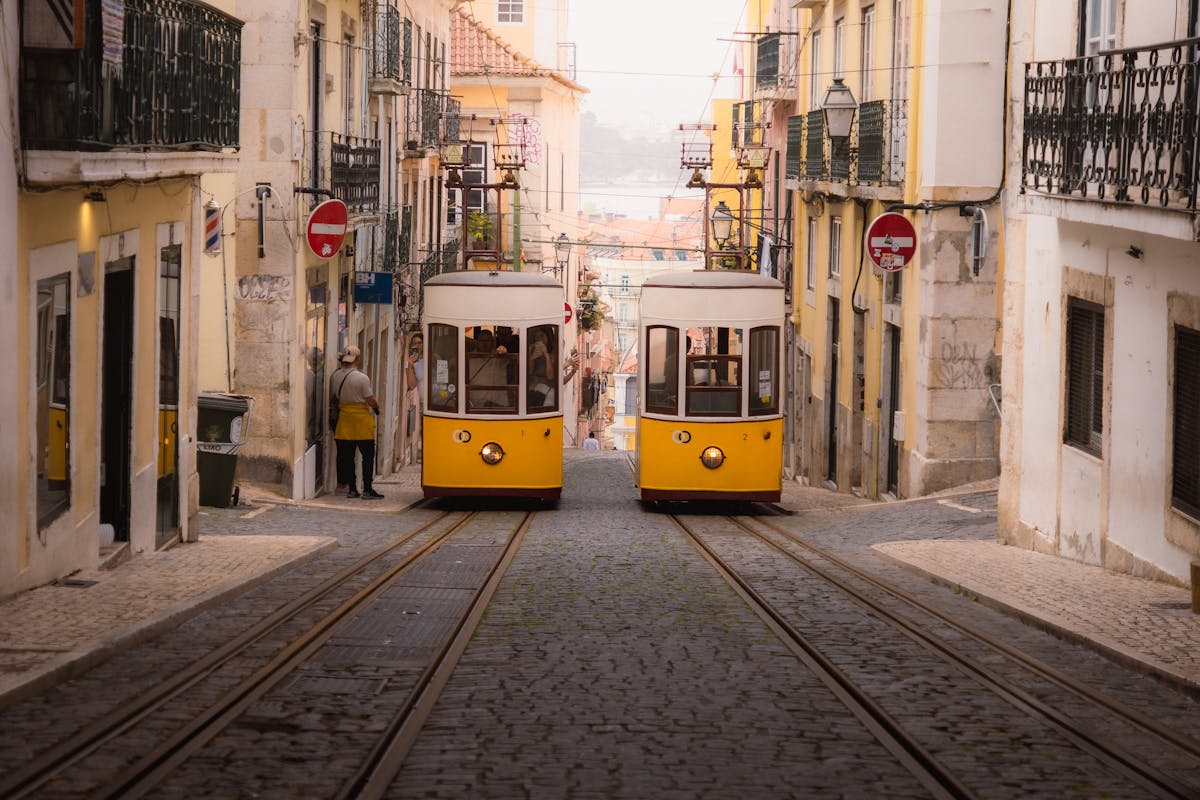
I have done bike tours in Amsterdam, Barcelona, and Berlin. Lisbon is nothing like any of them. The hills turn a simple A-to-B ride into a workout or an adventure, depending on your bike. And the routes here split into two very different experiences: the hilly neighborhoods of Alfama and Mouraria, or the flat waterfront path out to Belem. The best tours combine both.
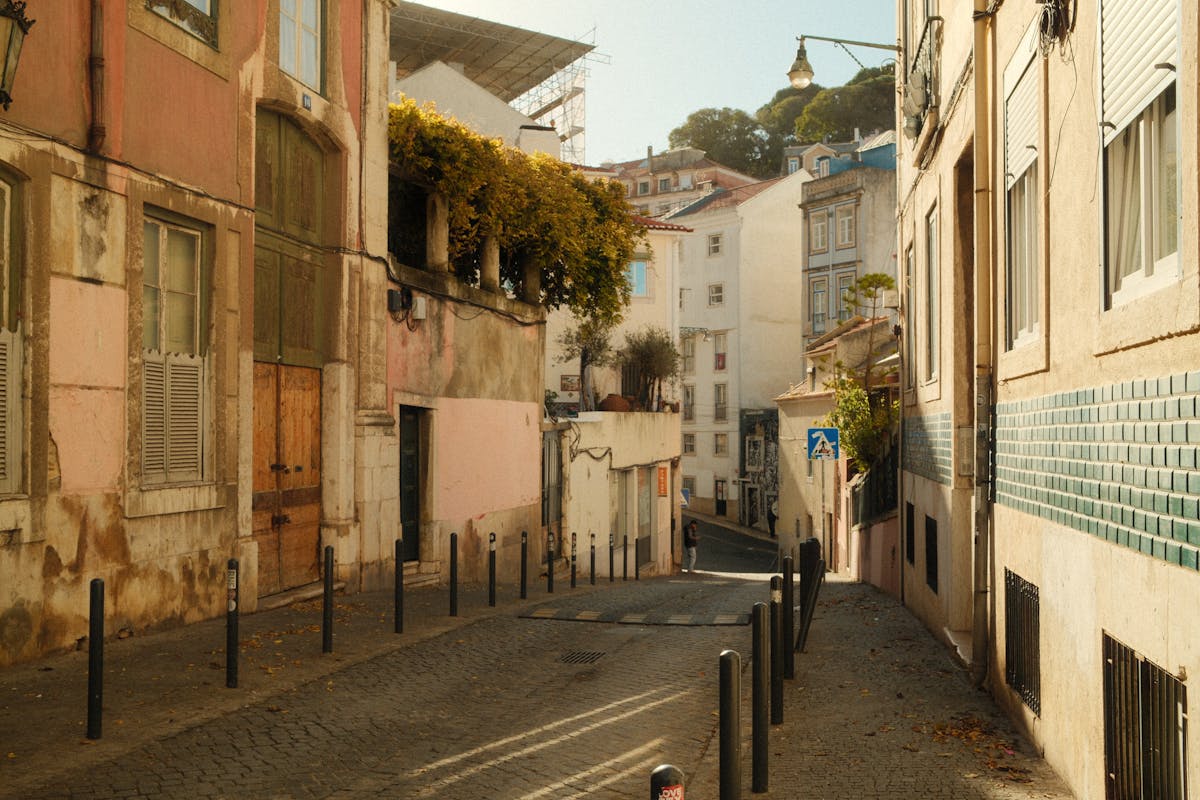
Best overall: Hills, Alfama & Mouraria E-Bike Tour — $25. Three hours through the old neighborhoods with a local guide. The motor conquers every hill.
Best budget: Center of Lisbon to Belem Bike Tour — $19. A flat waterfront ride on regular bikes. No hills, no stress, great for families.
Best day trip: Sintra to Cascais E-Bike Tour — $94. Eight hours through fairy-tale palaces and coastal cliffs. A full day outside the city.
- E-Bikes vs Regular Bikes in Lisbon
- The Two Main Routes
- The Best Lisbon Bike Tours to Book
- 1. Lisbon: Hills, Alfama, and Mouraria Tour by Electric Bike —
- 2. Bike Tours Lisbon — Center of Lisbon to Belem —
- 3. Lisbon: Bike Tour to Belem + Liquor & Pastry —
- 4. From Lisbon: Sintra to Cascais Full-Day E-Bike Tour —
- When to Go
- Getting to the Meeting Point
- Tips That Will Save You Time and Money
- What You Will Actually See
- More Lisbon Guides
E-Bikes vs Regular Bikes in Lisbon
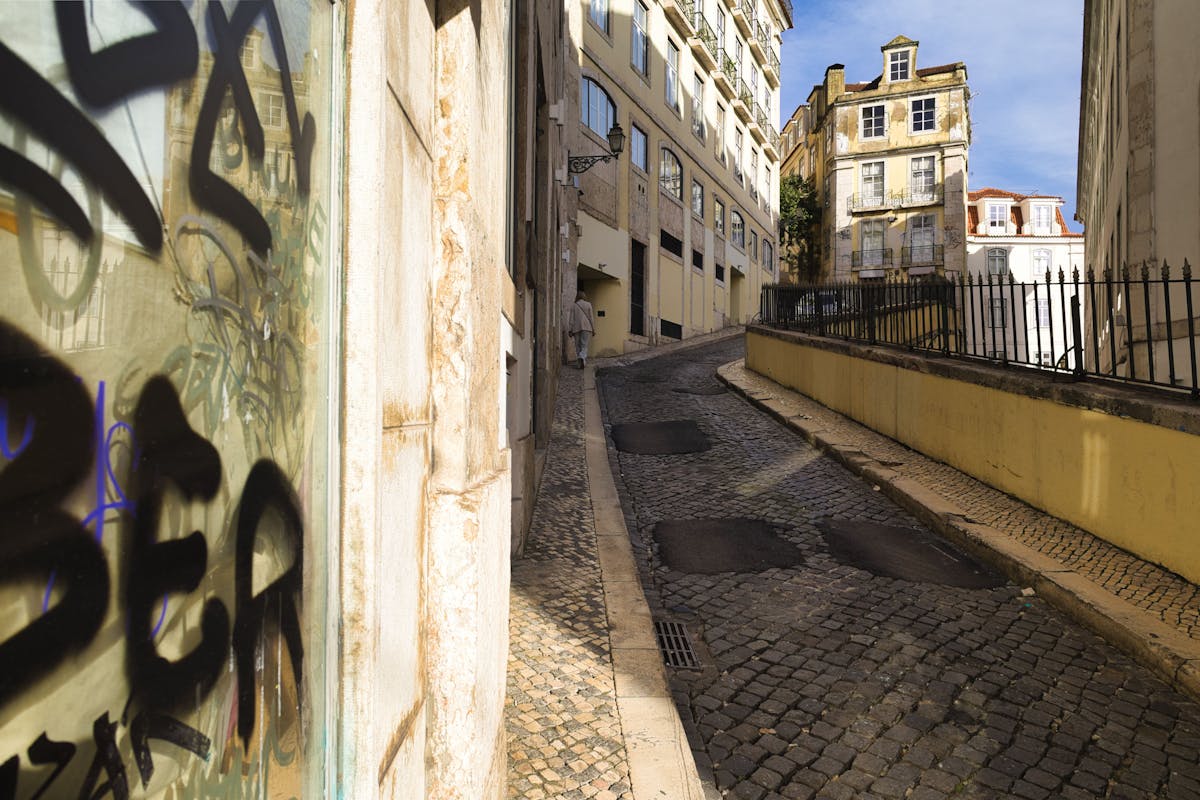
I will be blunt: if you want to see the hilltop neighborhoods, get an e-bike. Regular bikes work perfectly fine for the flat waterfront route to Belem, and that ride is genuinely lovely. But Alfama? Mouraria? The miradouros? You need pedal assist or legs of steel.
Most tour companies in Lisbon have switched primarily to electric bikes for exactly this reason. The e-bikes they use are typically city-style with wider tires that grip the cobblestones better than road bikes. Battery life is never an issue for a 3-hour tour.
Here is the honest breakdown:
E-bike tours ($25-50): Go anywhere in the city. Hills are effortless. You’ll arrive at viewpoints without being drenched in sweat. The downside is you don’t get quite the same workout, and the bikes are heavier to maneuver in tight alleys.
Regular bike tours ($19-35): Cheaper, lighter bikes, and a genuinely good workout. But they stick to flat routes for a reason. The waterfront path to Belem is the standard route and it is gorgeous, but you will not see Alfama or Graca on a regular bike tour unless you enjoy suffering.
The Two Main Routes
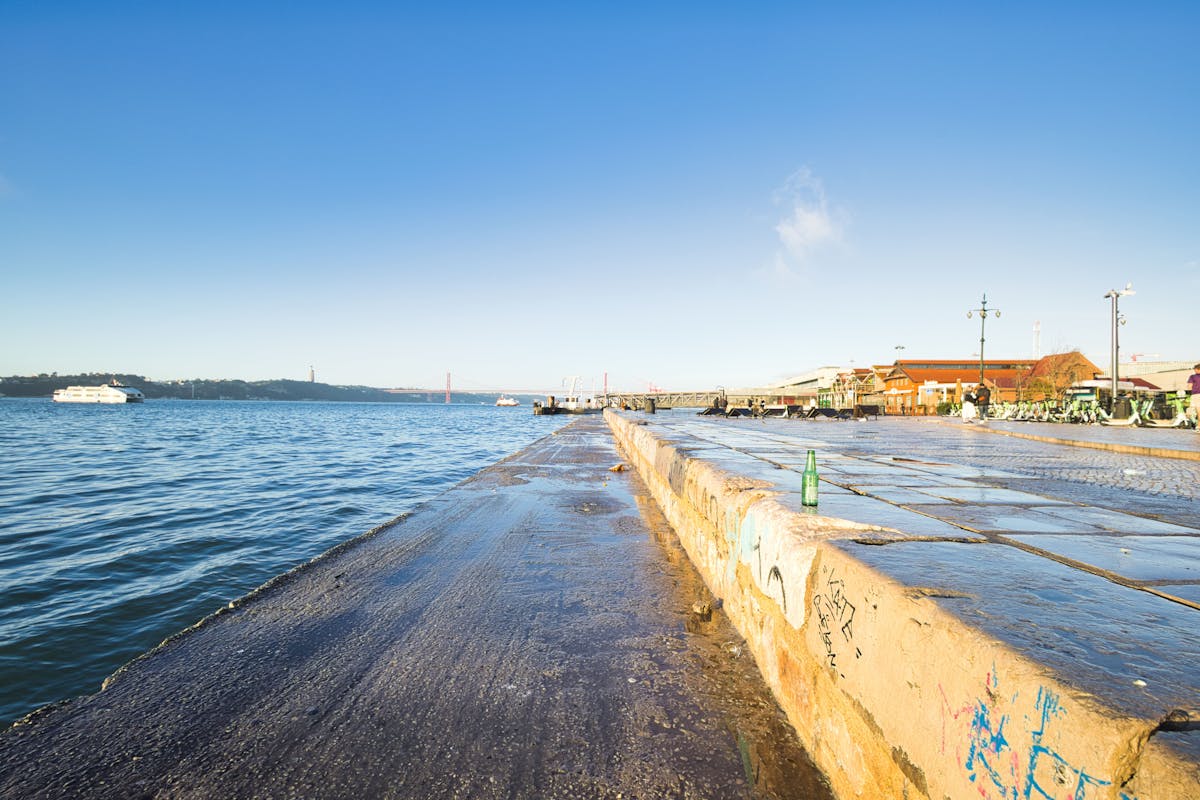
Almost every bike tour in Lisbon follows one of two routes, and understanding the difference will help you pick the right one.
Route 1: The Hills (Alfama, Mouraria, Graca)
This is the route that makes Lisbon Lisbon. You climb through the oldest neighborhoods, stop at miradouros (viewpoints) with the Tagus River spread out below, weave through narrow streets that cars cannot fit through, and hear stories about the Moors, the 1755 earthquake, and the fado tradition. It is the more physically demanding route and basically requires an e-bike. Most tours take about 3 hours and include 4-5 viewpoint stops.
Route 2: The Waterfront to Belem
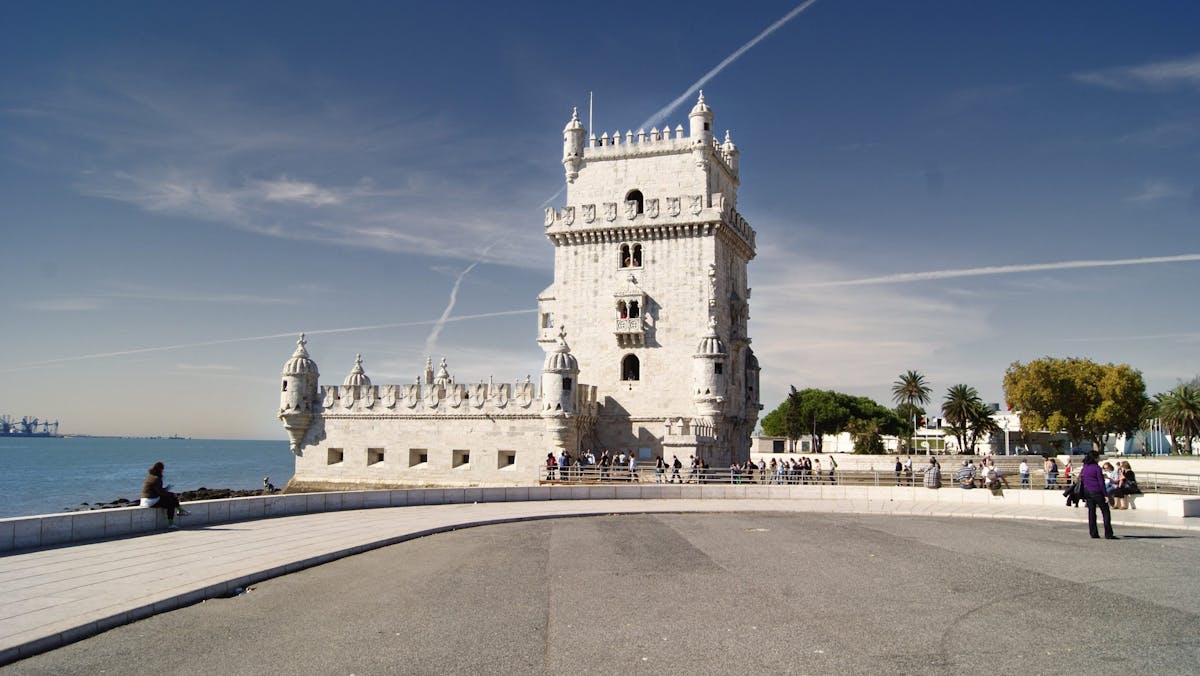
A flat, 7-kilometer ride along the Tagus River on a dedicated bike lane. You pass the Time Out Market, MAAT museum, and end up at the Jeronimos Monastery and Belem Tower. This route works on regular bikes and is ideal for families or anyone who just wants a relaxed ride. The return is the same route back, which some people find repetitive, but the scenery is good enough that it didn’t bother me.
The best tours combine elements of both: starting in the hills, descending to the waterfront, and riding out to Belem. That gives you the complete picture, though it stretches the tour to 3.5-4 hours.
The Best Lisbon Bike Tours to Book
I went through dozens of options and narrowed it down to four that cover different budgets and styles. Each one is worth your time depending on what you are after.
1. Lisbon: Hills, Alfama, and Mouraria Tour by Electric Bike — $25
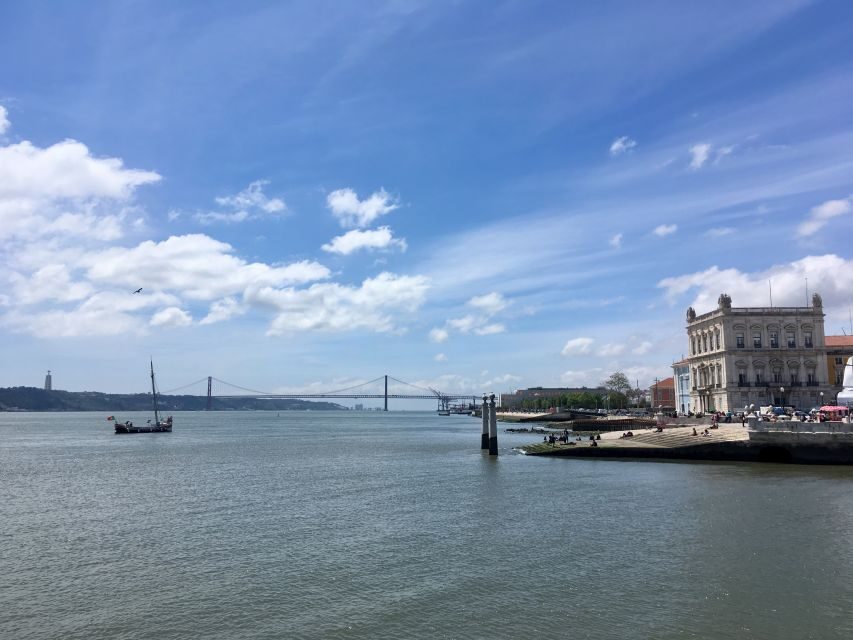
This is the one I recommend to almost everyone. At $25 per person for a 3-hour guided e-bike tour, it is absurdly good value compared to what you pay for similar tours in other European capitals. The route hits all of Alfama’s best miradouros, dips through Mouraria (the neighborhood most travelers skip entirely), and the guides are genuinely knowledgeable about the history behind each stop.
What separates this from the others is the hill focus. Rather than sticking to the safe flat route, you are actually climbing through the oldest parts of the city. The e-bikes make the gradients feel like nothing, and the small group size (usually 8-10 people) means you can actually ask questions without shouting. Cameron, Rafael, and Diogo are names that keep coming up as standout guides.
The only downside: it does not include Belem. If the waterfront monuments matter to you, combine this with a self-guided ride down the bike path afterward.
2. Bike Tours Lisbon — Center of Lisbon to Belem — $19
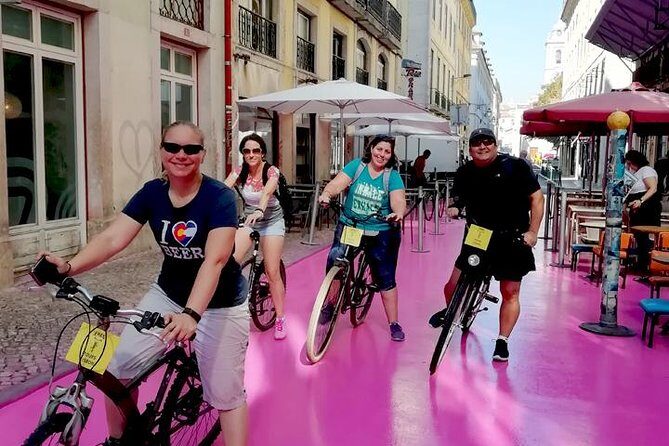
If you want the cheapest option and do not care about hills, this is it. Under $20 for a 4-5 hour guided bike tour on regular bikes along the waterfront to Belem. The pace is relaxed, the route is flat, and you get a proper deep dive into the Belem district with stops at the Jeronimos Monastery, the Tower of Belem, and the Padrao dos Descobrimentos.
This is the most popular budget option and for good reason. The longer duration means you are not rushing between stops, and the guides seem to genuinely enjoy the route. It is particularly good for families with older kids who can handle a regular bike for a few hours.
The tradeoff is clear: no hills, no Alfama, no miradouros. If the hilltop viewpoints are on your list, this is not the right tour. But if you want a leisurely ride with good history and a pasteis de nata stop at the end, it delivers.
3. Lisbon: Bike Tour to Belem + Liquor & Pastry — $46
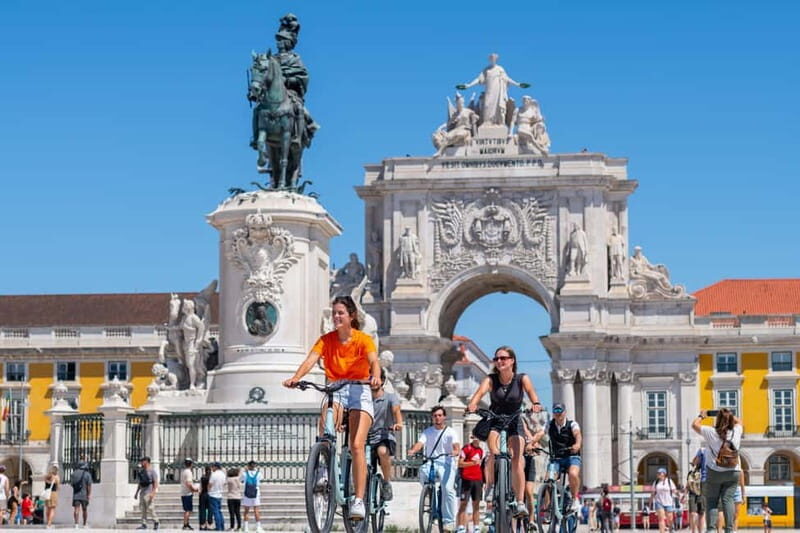
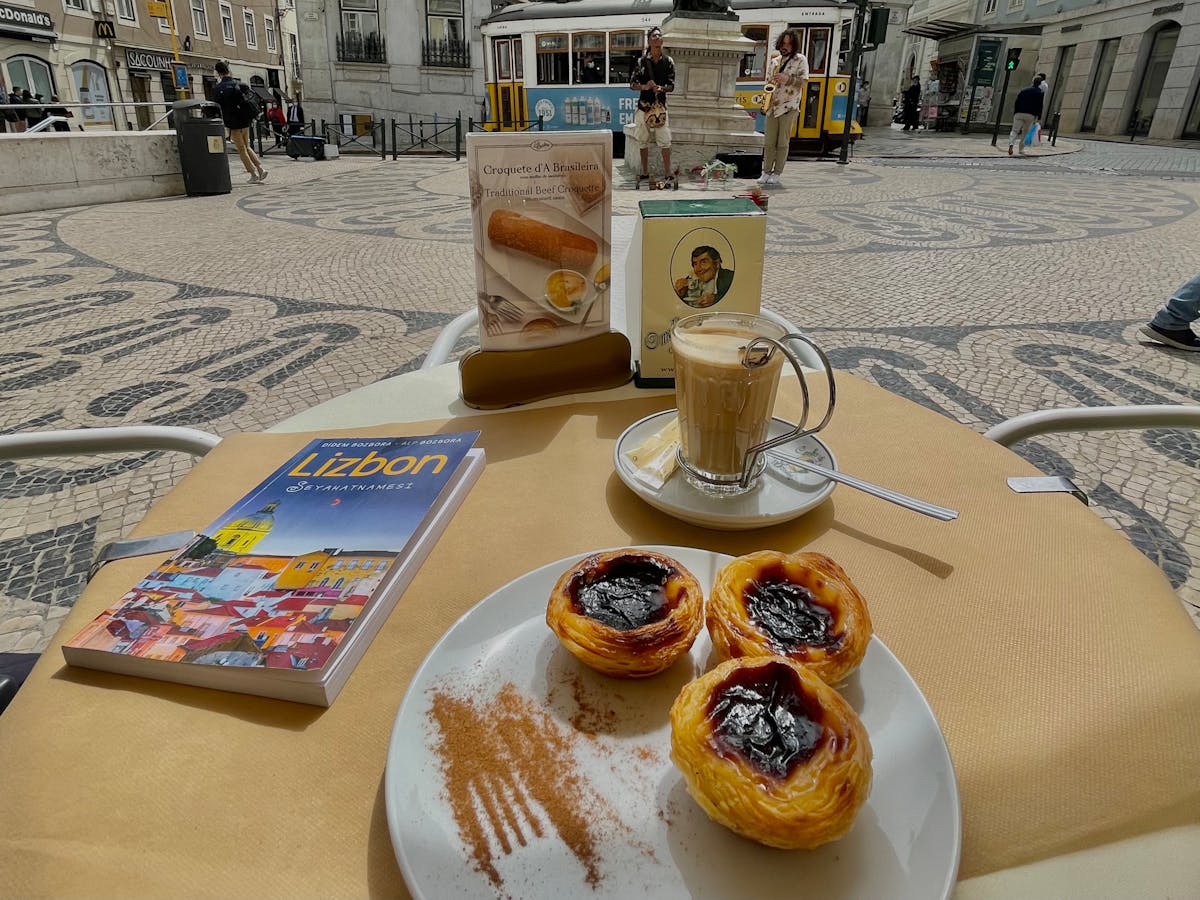
Same waterfront route to Belem, but with two key additions: a ginjinha (sour cherry liquor) tasting and a proper pasteis de nata stop that is not the tourist-trap queue at Pasteis de Belem. At $46 per person it costs more than the budget option above, but the food and drink inclusions make it feel like a different experience entirely.
The 3.5-hour duration is a sweet spot. Long enough to cover the route properly without dragging, and the downhill route design means you are coasting more than pedaling. The guides lean into the food culture angle, so you learn about ginjinha production, the history behind pasteis de nata, and where locals actually eat in Belem (spoiler: not where the crowds are).
One thing to know: this runs on regular bikes, not e-bikes. The route is downhill and flat so it works, but if you want the motor assist, look at option 1 instead.
4. From Lisbon: Sintra to Cascais Full-Day E-Bike Tour — $94
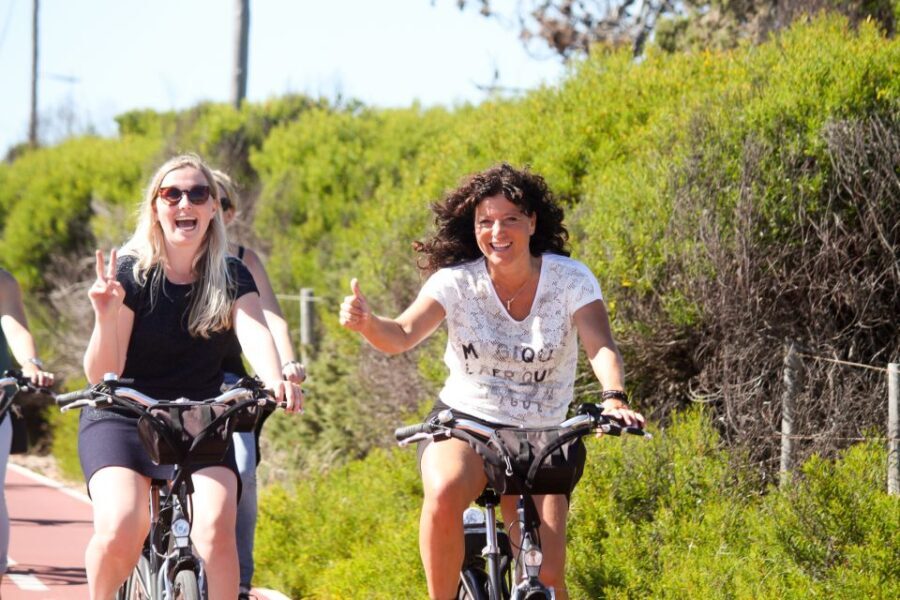
This is the premium pick and it is a completely different animal from the city tours. $94 per person for a full 8-hour day that starts in the fairy-tale town of Sintra, winds through forested hills, and ends at the beach town of Cascais. They handle transport from Lisbon, so you just show up.
If you are spending more than two days in Lisbon and have already walked the city center, this is the day trip I would choose over the standard Sintra train and palace route. You see the same landscapes but from a perspective that bus travelers never get: quiet forest roads, cliffside paths, and a proper coastal descent into Cascais that had me grinning the entire time.
Be honest with yourself about fitness though. Eight hours is a long day even with e-bike assist, and there are real climbs through the Sintra hills. If you are not comfortable on a bike for extended periods, stick with the 3-hour city tours and visit Sintra by train instead.
When to Go
Lisbon bike tours run year-round, but timing matters more than you might think.
Best months: March through May and September through October. Temperatures sit between 18-25C, the hills are manageable without drowning in sweat, and the tourist crowds have not peaked yet. Late September is my personal favorite. The light is warm, the summer hordes have gone home, and the city feels like it belongs to the people who live there again.
Summer (June-August): It works, but pick a morning tour. By 2pm the temperature can hit 35C and cycling uphill in that heat is miserable. Some operators offer sunset tours starting at 5pm or 6pm, which is a much better option if summer is your only choice.
Winter (November-February): Lisbon doesn’t get properly cold the way northern Europe does, but it rains more. Most tours still run unless there is heavy rain. Layer up and go for it. The city is quieter and the miradouros are practically empty.
Morning vs afternoon: Morning tours (9-10am starts) are cooler and less crowded. Afternoon tours (2-3pm) catch better light for photos. Evening tours exist on some platforms but they are less common for bikes than for walking tours or tuk-tuk tours.
Getting to the Meeting Point
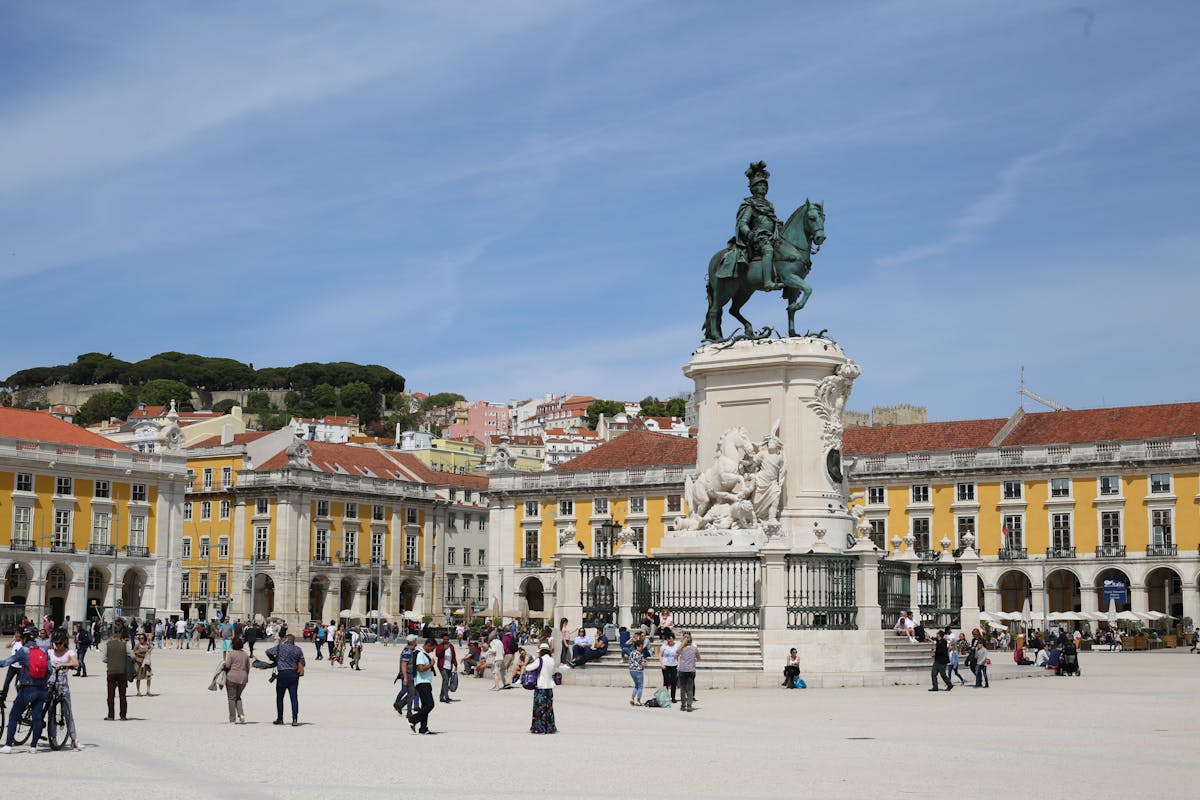
Most Lisbon bike tours start near Praca do Comercio (Commerce Square) or the Cais do Sodre area. Both are waterfront and easy to reach.
By metro: Terreiro do Paco station (Blue line) drops you right at Praca do Comercio. Cais do Sodre station (Green line) is the other common meeting point. Both stations are central and well-connected.
By tram: Tram 15E runs along the waterfront and stops at both Commerce Square and Cais do Sodre. But honestly, the metro is faster and you won’t have to fight for space.
By foot: If you are staying in Baixa, Chiado, or Alfama, you can walk to most meeting points in 10-15 minutes. The downhill walk from Chiado to Commerce Square takes about 7 minutes.
From the airport: The metro runs directly from Lisbon Airport to Terreiro do Paco with one transfer at Alameda. Takes about 25 minutes and costs under EUR 2.
Arrive 10 minutes early. You will need time to get fitted for a bike, adjust the seat height, and do a quick safety briefing. Some operators also need to check your booking confirmation.
Tips That Will Save You Time and Money
Book 2-3 days ahead in peak season. The $25 Alfama e-bike tour sells out regularly from June through September. Morning slots go first. Winter? You can usually book the day before.
Wear closed-toe shoes. Sandals and flip-flops are technically allowed on some tours but the cobblestones will punish you. Sneakers are fine.
Bring a small crossbody bag, not a backpack. Backpacks shift your weight and make the climbs harder. Most bikes have a small basket or bag hook, but don’t count on it fitting a full daypack.
Sunscreen and water. Most tours provide a water bottle but not sunscreen. The Belem waterfront has zero shade for long stretches.
Skip the beer bike. I know it looks fun. A group of you pedaling a bar on wheels through Lisbon while drinking sangria. In practice it is slow, you see almost nothing, and the novelty wears off after about 10 minutes. Spend that $35 on an actual tour instead.
Combine with a food tour. A morning bike tour followed by an afternoon food tour is one of the best one-two punches in Lisbon. The bike tour gives you orientation and the food tour gives you depth.
What You Will Actually See
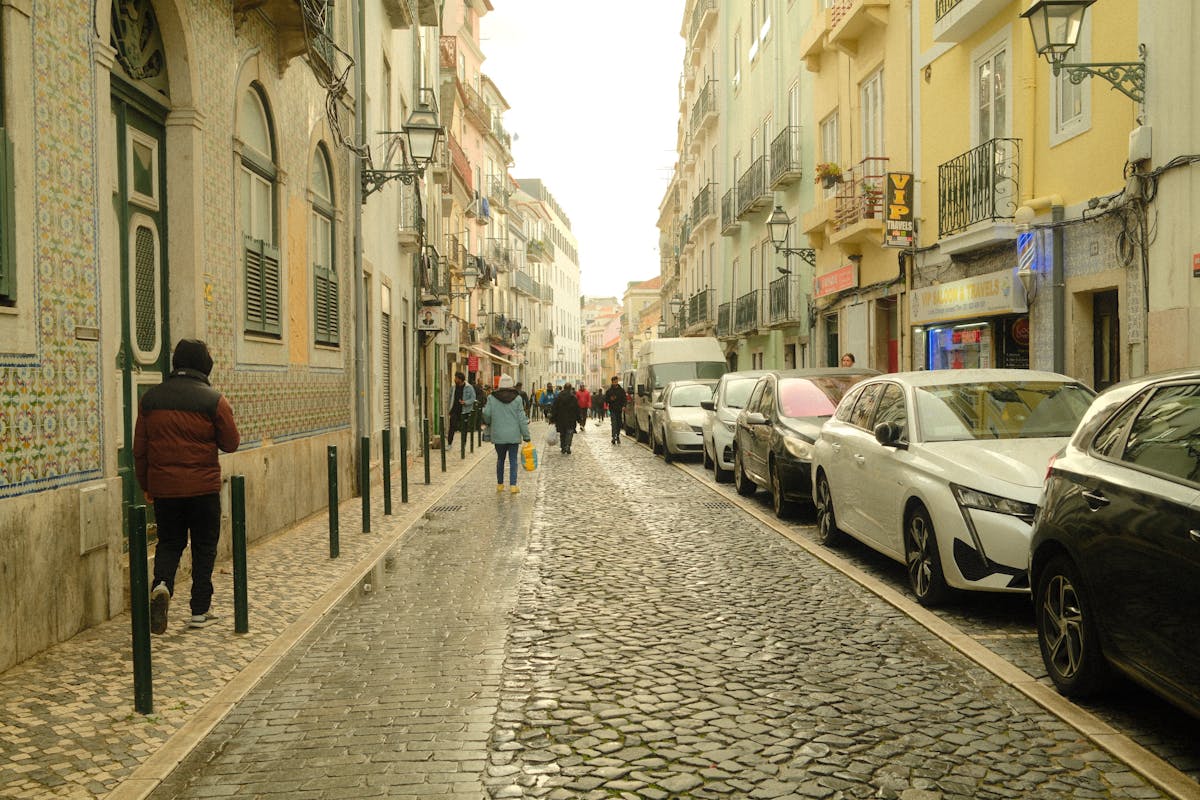
On the hills route, you will ride through Alfama, the oldest neighborhood in Lisbon. It survived the devastating 1755 earthquake largely intact while the rest of the city was flattened. The narrow streets, laundry lines, and fado bars are not a performance. People still live here the way they have for generations. Your guide will point out doorways where fado singers practiced, churches that doubled as shelters during the earthquake, and viewpoints that most walking travelers never find because they are too tired to climb that high.

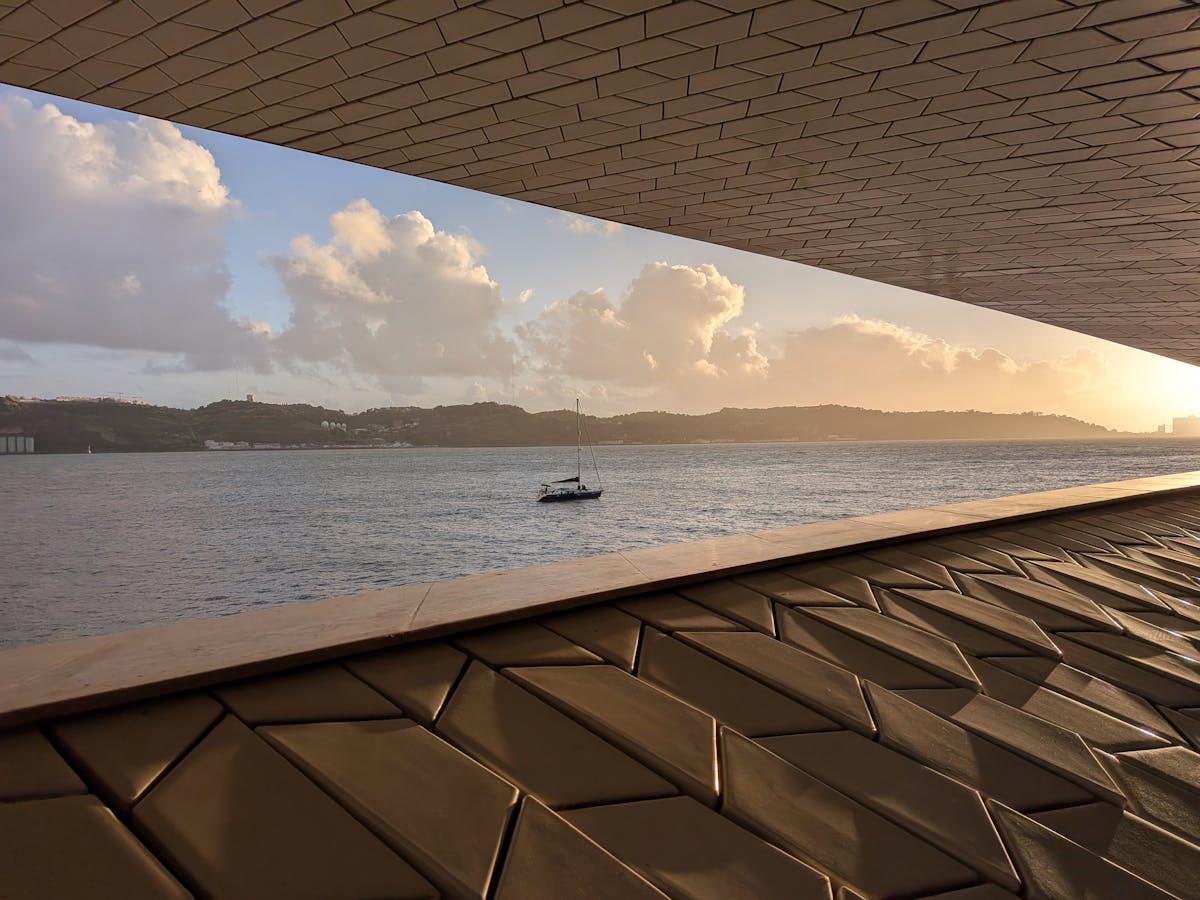
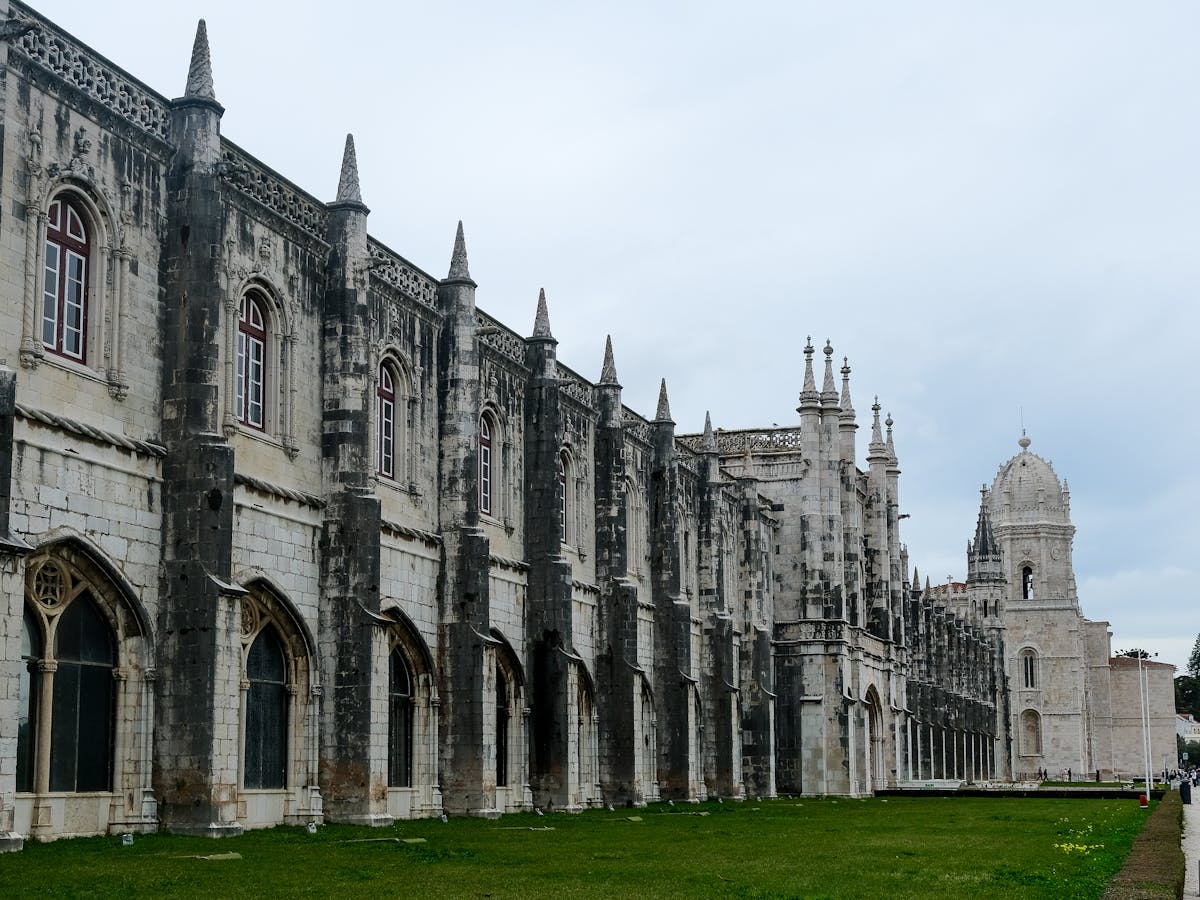
On the Belem route, the highlight is the stretch along the Tagus River. The dedicated bike lane runs parallel to the water and you will pass MAAT (the modern art museum with the wavy roof), the Discoveries Monument, and end at the Belem Tower. The Jeronimos Monastery is right there too, and most tours give you free time to wander inside.

And yes, there will be pasteis de nata. Every single tour includes a stop. The good guides take you somewhere that is not the famous Pasteis de Belem shop with its 45-minute line, and honestly the tarts are just as good at the smaller bakeries for half the wait.
More Lisbon Guides
Lisbon by bike is one way to cover ground, but the city rewards you for slowing down too. an Alfama walking tour takes you through Alfama on foot, where the alleys are too narrow for any kind of wheel. a food tour in Lisbon pairs well with a morning ride since most food tours start in the early afternoon. If the waterfront stretch past Belem caught your attention, Jeronimos Monastery tickets is right there and worth stopping for. a fado show in Lisbon handles the evening side of Lisbon in the same old streets you probably cycled past. For day trips, visiting Sintra from Lisbon is the one to prioritise, and visiting Fatima from Lisbon offers a completely different kind of experience about ninety minutes north.
This article contains affiliate links to tours and activities. If you book through these links, we may earn a small commission at no extra cost to you. This helps us keep producing free travel guides.