
The Blue Lagoon isn’t actually a single spot. That’s the first thing to know. It’s a shallow stretch of impossibly clear water between three small islands — Drvenik Veli, Drvenik Mali, and the coast of Čiovo — and half the boats leaving Split harbour on any given morning are headed for some version of it. If you’re still piecing together your week in Split, this is the day most first-timers end up remembering longest.
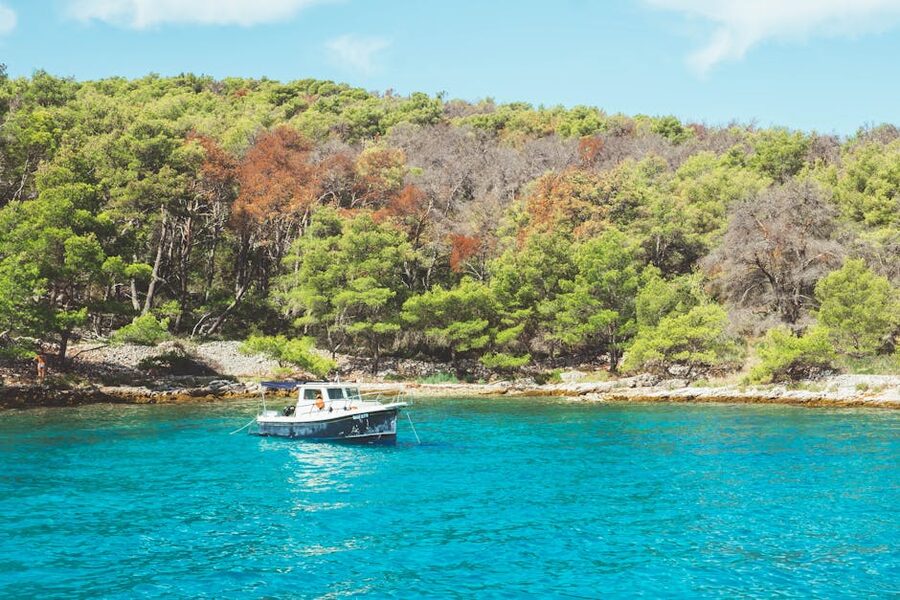
I’ve done this trip three times now, on three different boats, and I can tell you the tour you pick matters more than the weather.
This guide breaks down how the day actually works, what the three island stops really are, and which tour I’d book if I were doing it again tomorrow.
- In a Hurry? Here Are the Top Picks
- What the “Blue Lagoon” Actually Is
- Big Boat vs. Speedboat: Which to Pick
- The Three Classic Stops
- Stop 1: The Blue Lagoon at Krknjaši
- Stop 2: A Swim at Maslinica, Čiovo, or Šolta
- Stop 3: Trogir Old Town
- The Best Tours to Book
- 1. Blue Lagoon & 3 Islands Cruise with Lunch from Split — .60
- 2. Split: Blue Lagoon and 3 Islands Speedboat Tour —
- 3. Blue Lagoon & 3 Islands Small-Group Speedboat Tour — .65
- What You’ll Actually Eat
- What to Bring
- A Rough Timeline of What Your Day Looks Like
- When to Go
- How to Get to the Harbour
- Pairing This with Other Split Day Trips
- Worth Knowing Before You Book
- More Croatia Guides
In a Hurry? Here Are the Top Picks
Best full-day option: Blue Lagoon & 3 Islands Cruise with Lunch — $78.60 per person. Eight hours on a bigger boat with lunch included. The relaxed option.
Best half-day speedboat: Split: Blue Lagoon & 3 Islands Speedboat Tour — $70 per person. Five hours, fast boat, more swimming less sailing. My pick for first-timers.
Best small group: Blue Lagoon & 3 Islands Small-Group Speedboat Tour — $84.65 per person. Twelve travellers max. Worth the extra for the intimacy.
What the “Blue Lagoon” Actually Is
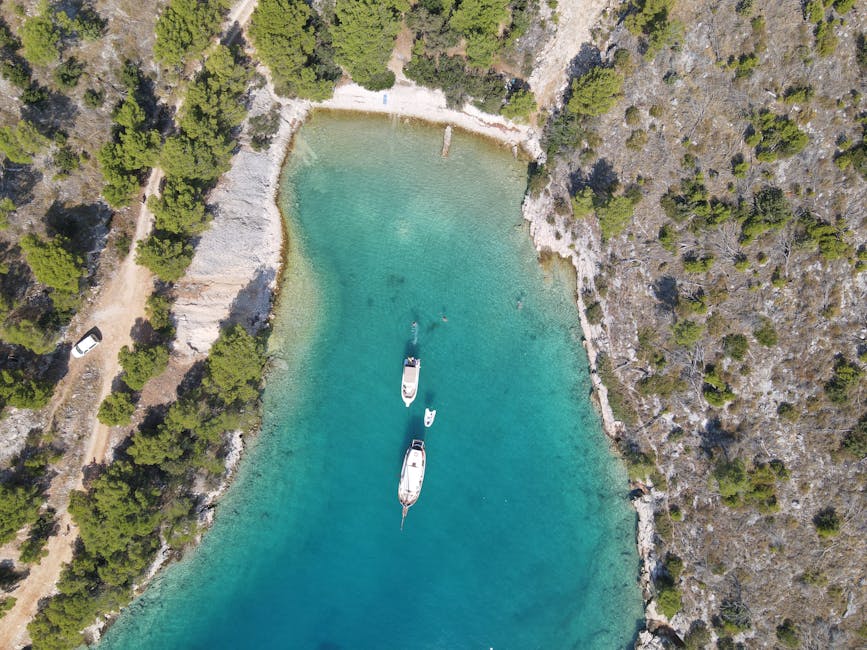
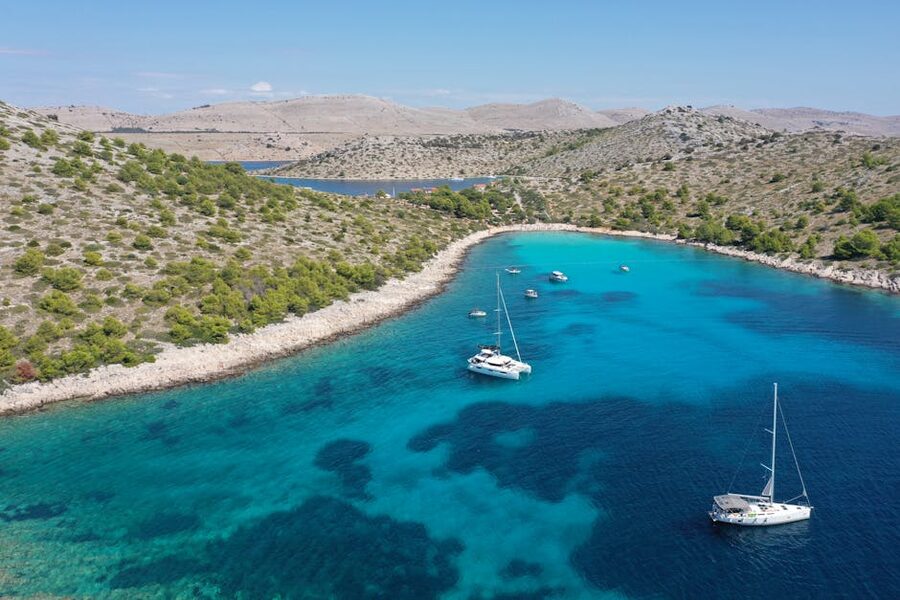
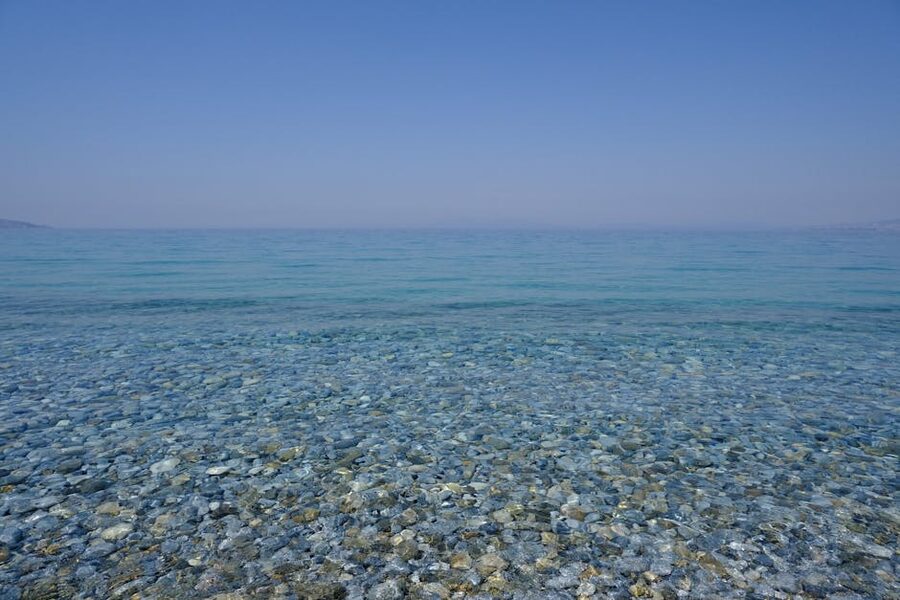
The Blue Lagoon is a shallow channel between Drvenik Veli (Big Drvenik) and a smaller sister islet called Krknjaši. The water there is four to five metres deep over a white sand and rock bottom, which is why it reads as turquoise in photos — the light bounces off the pale floor and back up through the water.
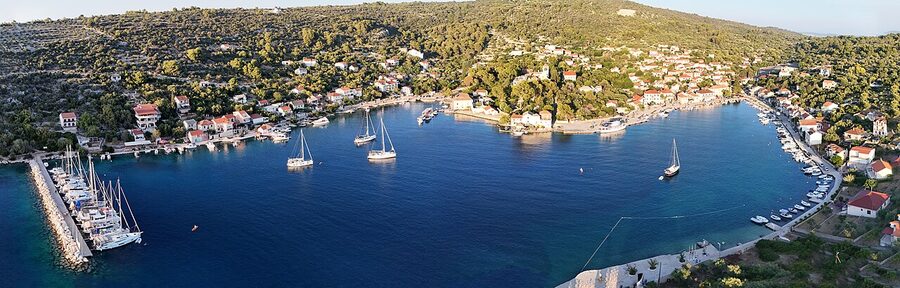

It’s not a resort. There’s no entry fee. It’s a natural stretch of sea that happens to look spectacular, with a small beach on the Krknjaši side where you can wade ashore. A single restaurant sits on the beach, selling grilled fish and overpriced beer to whoever arrives at the right time. That’s the whole scene.
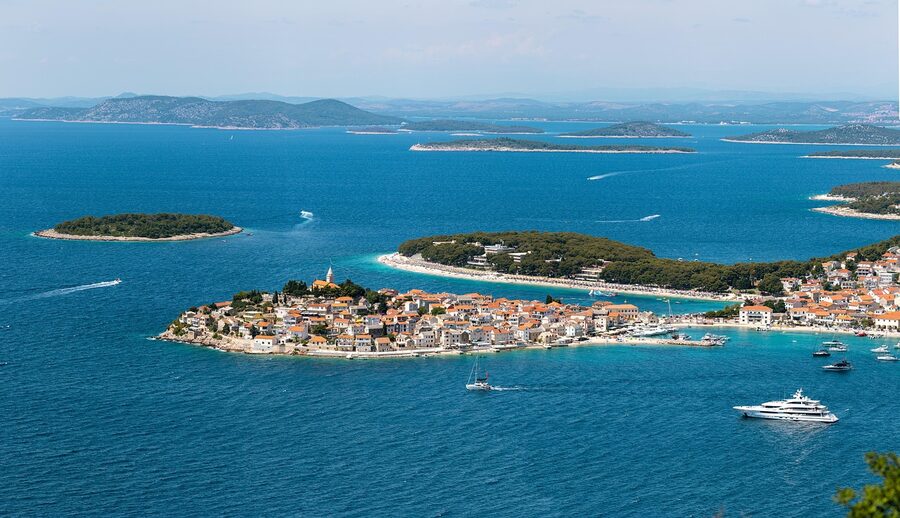
The “3 Islands” part of the tour name varies by operator. Usually it’s some combination of Drvenik Veli (the Blue Lagoon), Čiovo or Šolta (for a swim stop), and Trogir (for a walking break). A few operators swap in Maslinica on Šolta or the shipwreck at Stari Trogir. The core experience is the same: three swim stops, one town visit, five to eight hours of Adriatic.

Big Boat vs. Speedboat: Which to Pick
This is the actual decision you need to make.
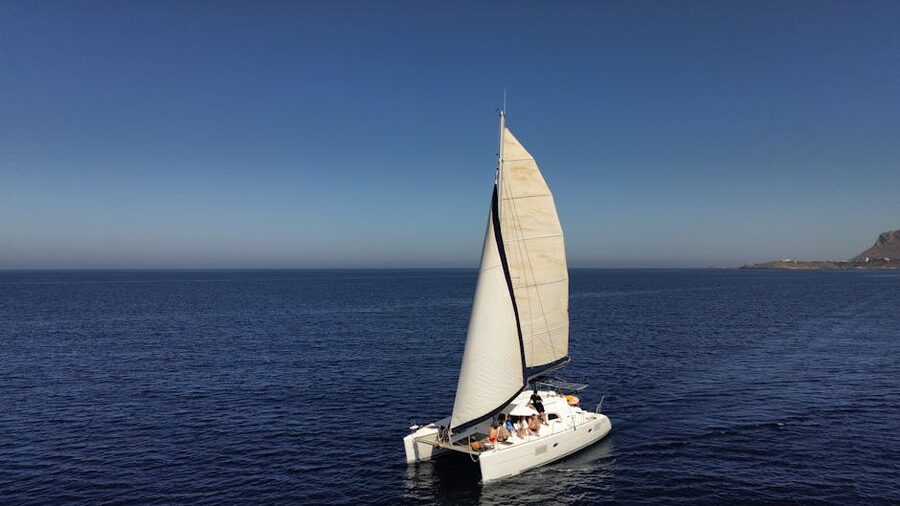
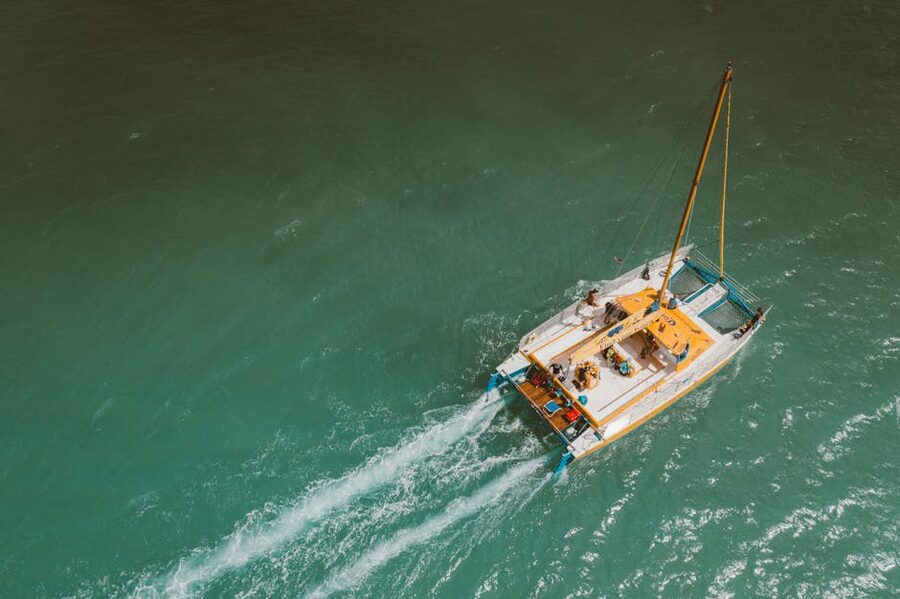
Big boat (usually a catamaran or motor cruiser) holds 30-80 people, runs 7-8 hours, includes a sit-down lunch on board, and moves at about 12 knots. You get a deck to sunbathe on, a proper bar, shade, and enough space to find a corner to yourself. The journey between stops is part of the experience — you’re on the water for hours, wind in your hair, watching the coast drift past.
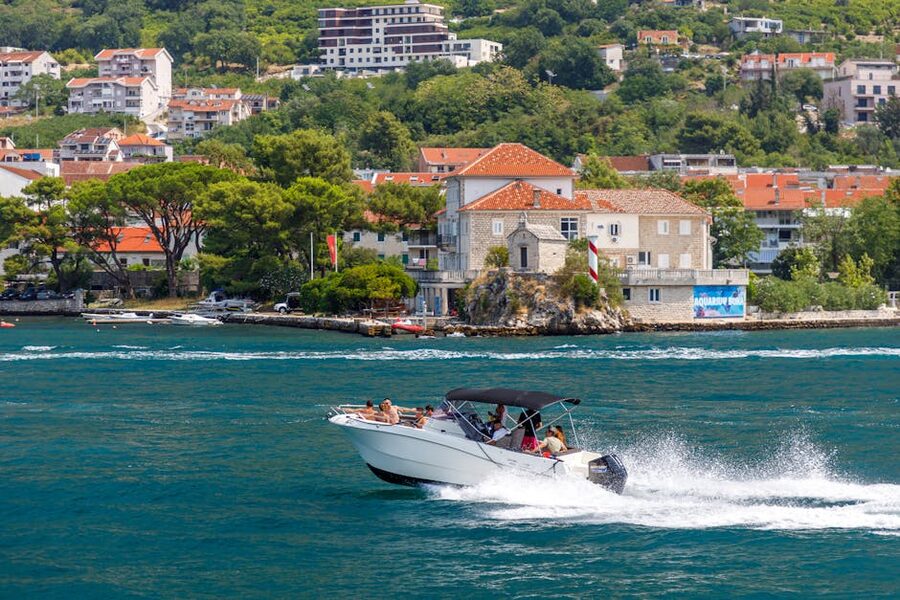
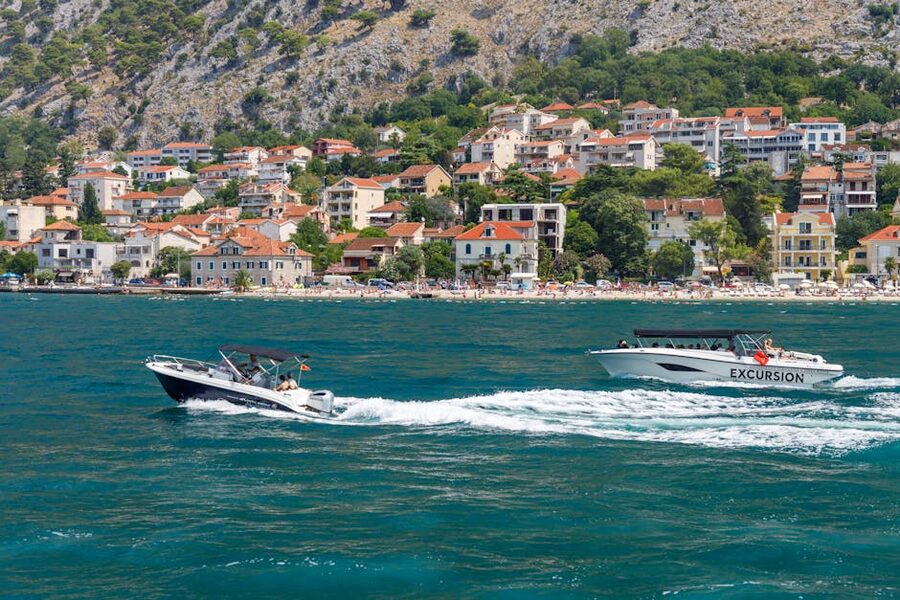
Speedboat holds 10-40 people, runs 5 hours, and does 30 knots between stops. You spend less time sailing and more time actually swimming at each location. No lunch on board usually — you eat at Trogir or the Blue Lagoon restaurant. The journey between stops is three minutes, not thirty.
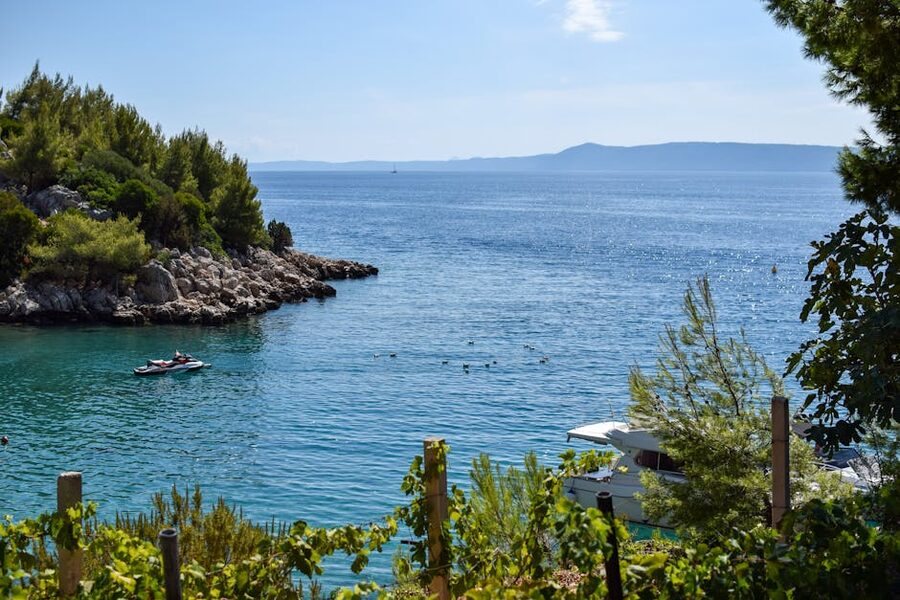
My honest take: the speedboat is the better experience for most travellers. You came to Croatia for the water, not for the journey. A five-hour speedboat tour gives you more swim time than an eight-hour cruise, and the small boats can get closer to shore at the best spots. The catamaran wins if you want a relaxed pace, shade on deck, and a proper lunch.
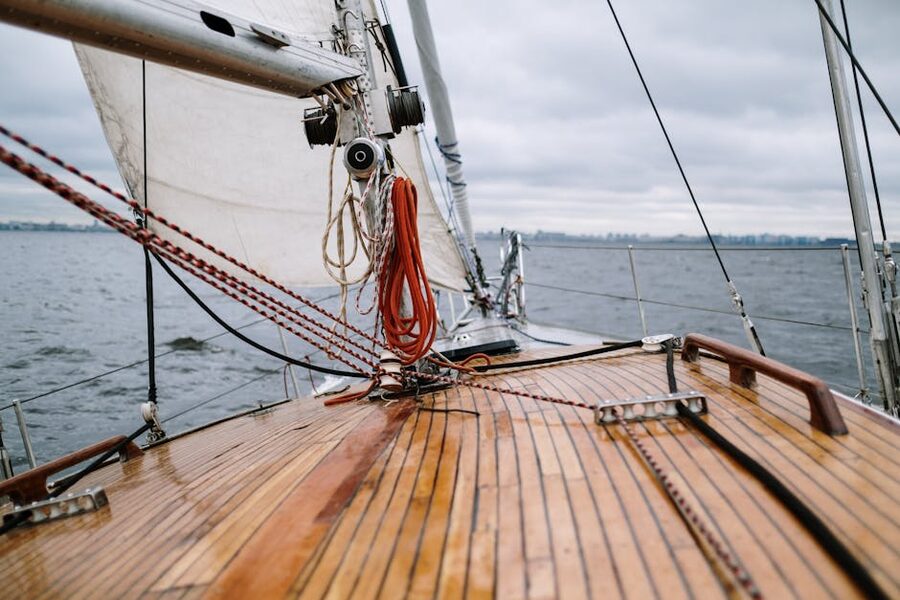
One more thing people miss: the speedboat tours are much more weather-dependent. In choppy seas they either cancel or go at half speed, which defeats the point. If the forecast shows wind above 20 knots, the catamaran is the safer booking — it’ll run in conditions that ground the small boats.
The Three Classic Stops
Most Blue Lagoon tours follow the same rough circuit, though the order depends on wind and which harbour the boat leaves from.
Stop 1: The Blue Lagoon at Krknjaši
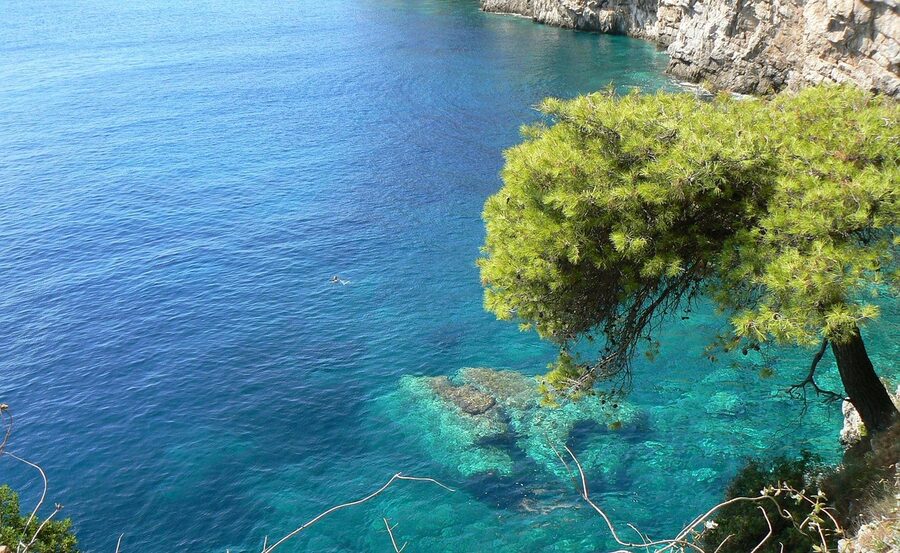
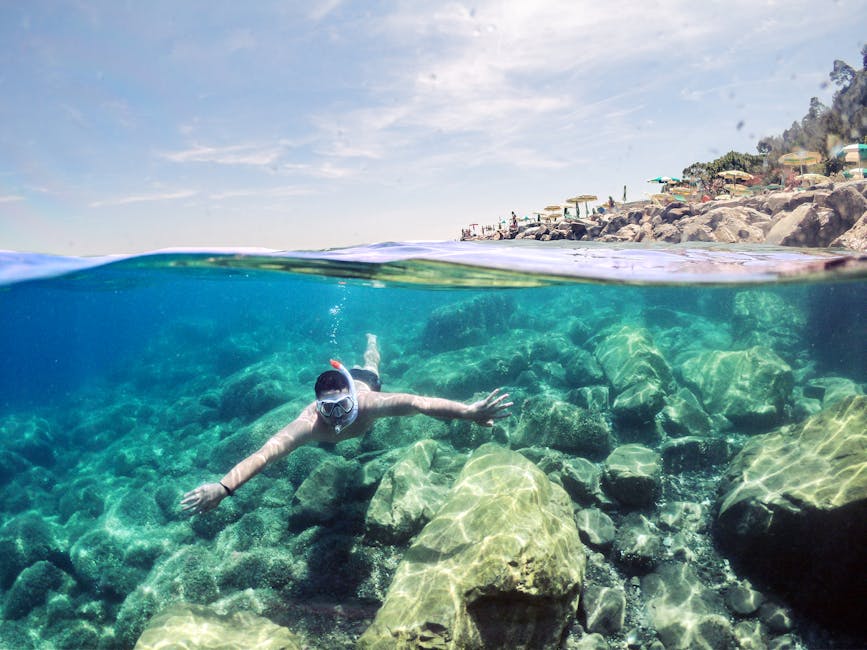
This is the headline. The boat anchors in the channel, you jump in, and you have 45-60 minutes to swim, snorkel, or wade to the little beach. Bring a mask — the water is clear enough that you’ll see a surprising amount of marine life for a Mediterranean spot this close to the mainland. There are small schools of bream, the occasional starfish, and if you’re lucky a small octopus in the rocks.
The downside: in July and August, every boat in the Split area converges on this one spot. On a busy day there can be 15-20 vessels anchored together, and the water ends up full of people. Book a tour that leaves Split at 8 or 9am to arrive first — the afternoon crowd is significantly worse.
Stop 2: A Swim at Maslinica, Čiovo, or Šolta
The second stop varies. Some operators take you to Maslinica on Šolta island — a postcard-pretty harbour with seven small islets in front of it. Others stop at a hidden bay on Čiovo (the island you can see from Trogir) or at a cove on the north coast of Šolta. This is usually a shorter swim stop, maybe 30-45 minutes, followed by a quick snack on deck.
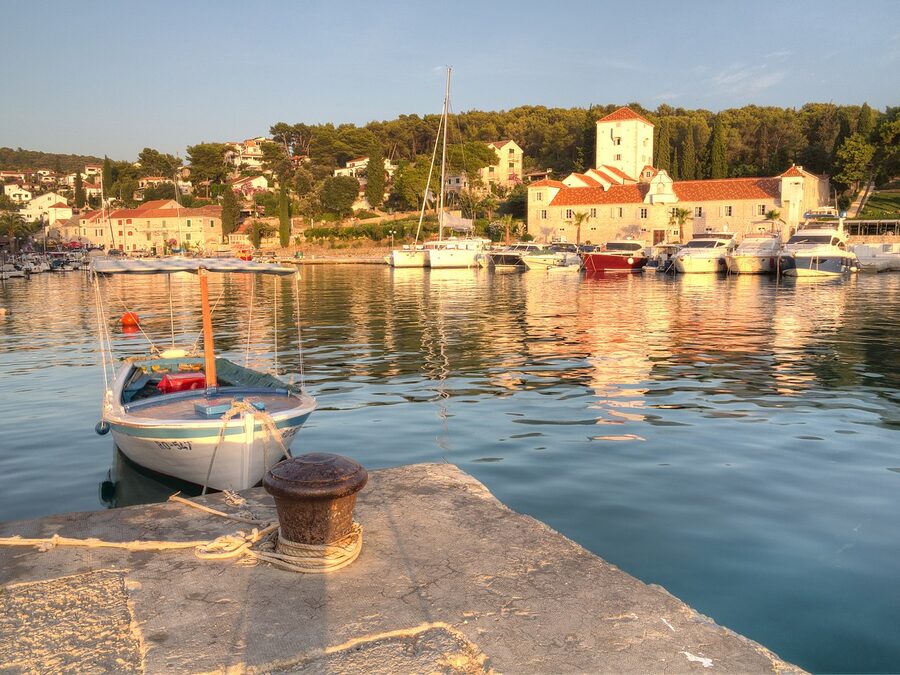

If the choice matters to you, pick a tour that explicitly lists Maslinica. It’s the prettiest of the three options and the least crowded — most speedboat tours default to Čiovo because it’s quicker to reach.

Stop 3: Trogir Old Town
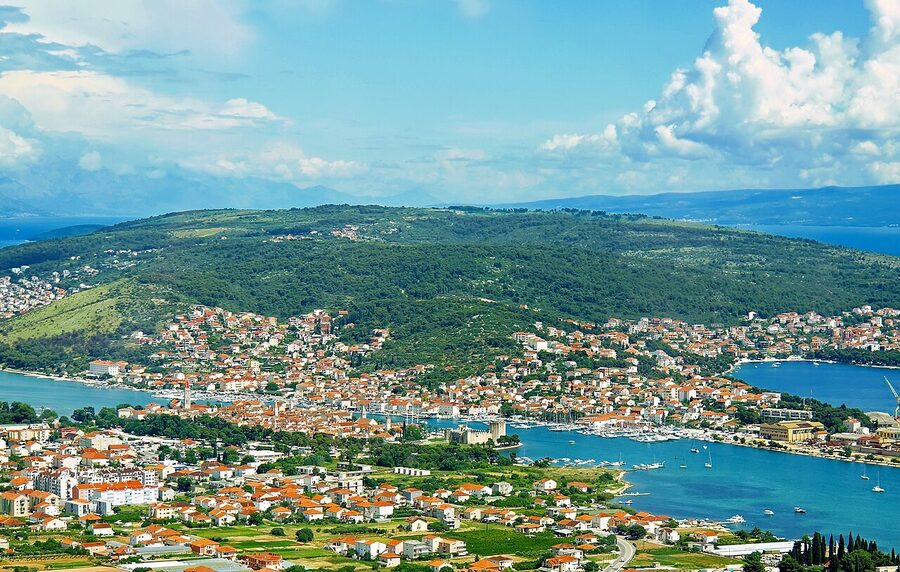
Every Blue Lagoon tour worth the money ends with a stop in Trogir. The town is a UNESCO World Heritage site, sitting on a small island connected to the mainland by two bridges, with a medieval core you can walk end-to-end in ten minutes. If you’ve got extra time on the Dalmatian coast, it’s also a good overnight stop between Split and the islands. You get 60-90 minutes here — enough for a walk through the cathedral square, a coffee at a waterfront café, and maybe an ice cream before the boat leaves.
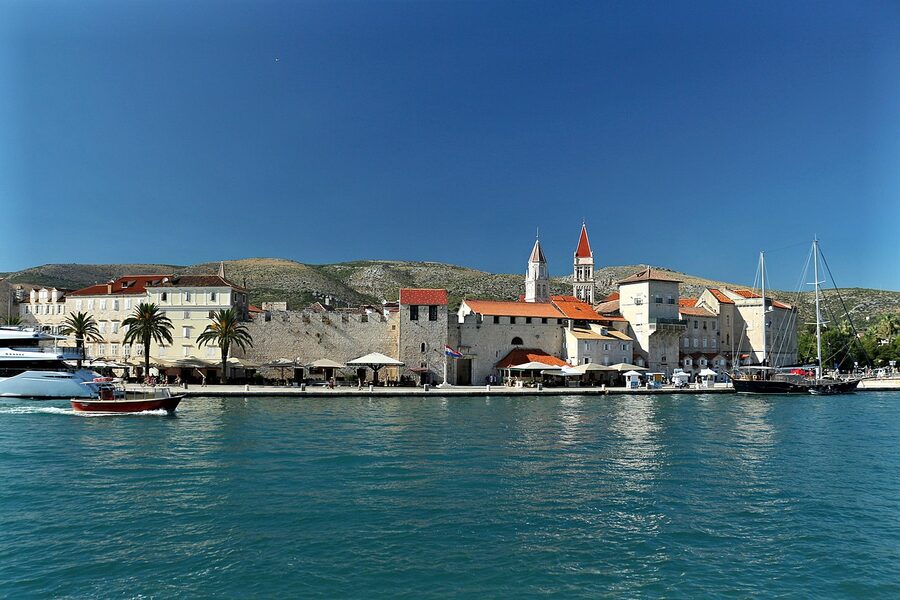

Practical tip: the boat usually docks on the Čiovo side of the channel, not right in Trogir. It’s a five-minute walk across the bridge into the old town. If you’re short on time, skip the cathedral tower climb — from the boat you already saw the best view of the town.
.jpg)
Inside Trogir, the must-see is the cathedral of St Lawrence — specifically the portal of Master Radovan, a Romanesque stone carving from 1240 that’s arguably the most important medieval art in Croatia. You don’t need to go inside the cathedral to see it; the portal is on the exterior, under an arch on the main square. Five minutes of your Trogir stop, worth it even if you’re not a cathedral person.
The Best Tours to Book
1. Blue Lagoon & 3 Islands Cruise with Lunch from Split — $78.60
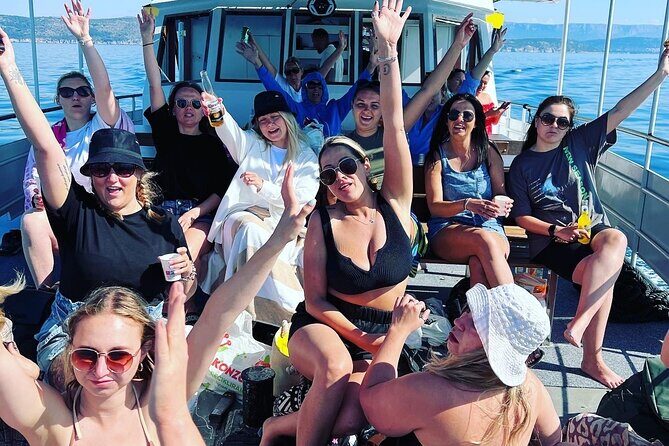
The relaxed all-day option. Eight hours, a real sit-down lunch served on the boat, and enough deck space that 60 people still feel comfortable. This is the tour to pick if you want the full Dalmatian boat day — swim, eat, sunbathe, doze, repeat. Our full review walks through exactly what the lunch menu is and where the boat docks in Trogir. Vegetarians should note that the on-board food is average for non-meat options — a warning worth taking seriously if that matters to you.
2. Split: Blue Lagoon and 3 Islands Speedboat Tour — $70
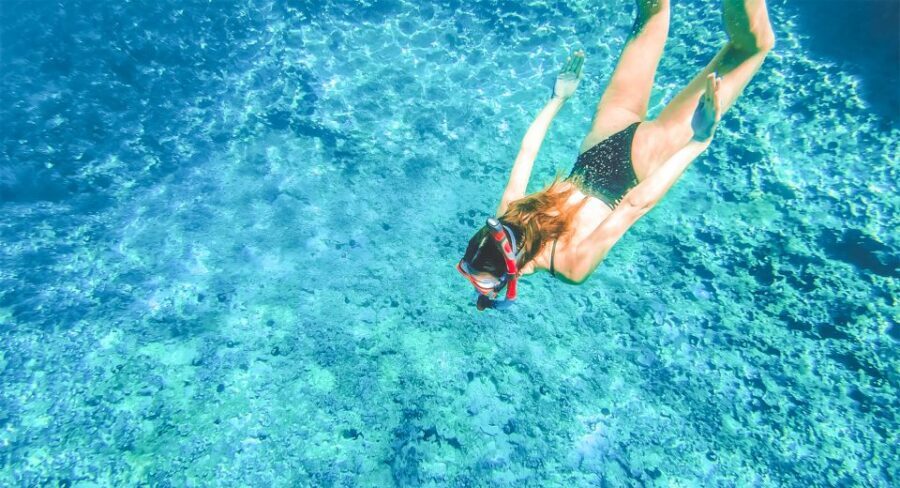
This is the one I’d book first. Five hours, fast speedboat, three proper swim stops with plenty of time at each. No lunch included but you’re only on the boat for five hours — eat a big breakfast and grab something in Trogir. Our review covers the exact itinerary and the guides, who consistently get mentioned as one of the best parts of the experience. At $70 it’s the cheapest of the three recommendations and arguably the best value.
3. Blue Lagoon & 3 Islands Small-Group Speedboat Tour — $84.65
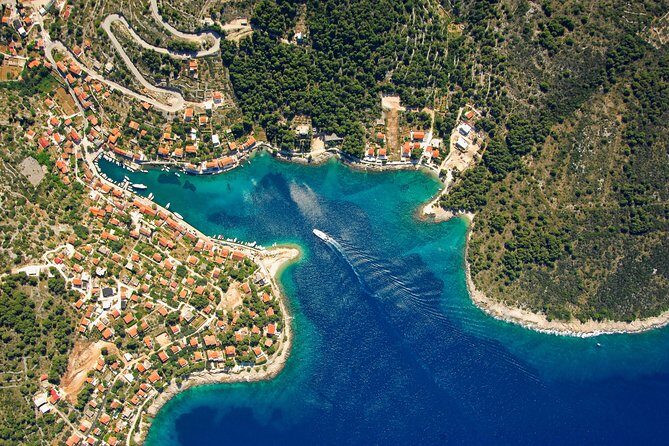
If the idea of sharing a boat with 40 strangers doesn’t appeal, pay the extra $15 for this one. Capped at twelve travellers, same route as the standard speedboat, but with a smaller boat that can nose into quieter coves and a skipper who actually talks to you. Our review explains how the itinerary differs from the bigger speedboat tour. Fair warning from past visitors: the “islands” are not the remote desert islands you might picture — they have restaurants, sunbeds, and other travelers. The Blue Lagoon itself is the swimming highlight.
What You’ll Actually Eat
Food on these tours falls into three categories: on-board lunch, island restaurant lunch, and Trogir restaurant lunch. The experience is very different in each.
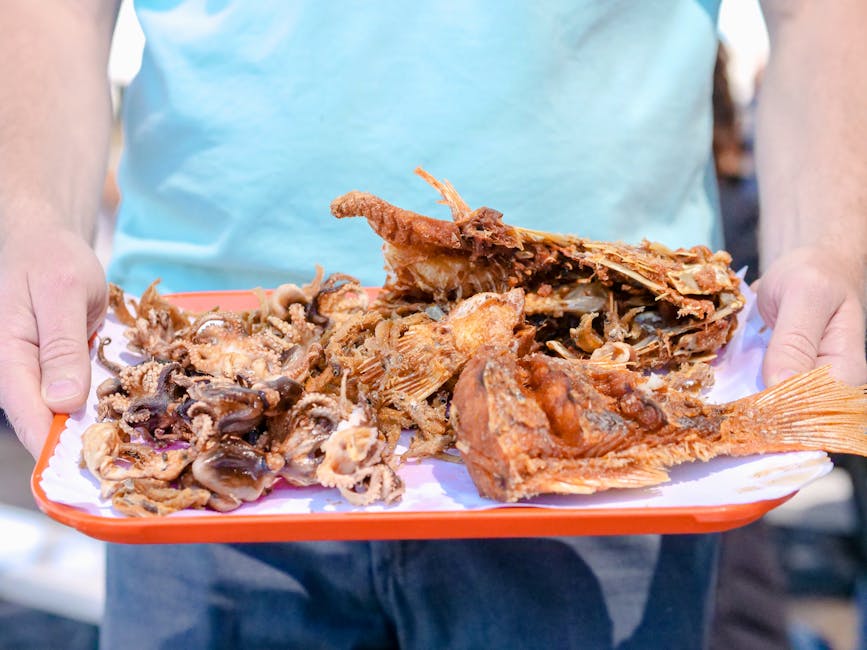
On the catamarans, lunch is buffet-style: grilled meat (usually chicken or pork), a salad, bread, and maybe a pasta dish. It’s average restaurant food served on a boat, which means it’s slightly worse than it would be on land and slightly better than it would be at a festival. Wine and beer cost extra. Expect to pay €5-8 for a drink.
On the speedboat tours, you’ll eat at either the Blue Lagoon beach restaurant or in Trogir. For what to order on land, our Split restaurants guide covers the sit-down options locals rate. The beach restaurant is expensive (€25-35 for a main) and the service is slow — you’re a captive customer and they know it. Trogir is much better value: €12-18 for a proper grilled fish main, €8-10 for pasta, and the kitchens are real restaurants with real standards.
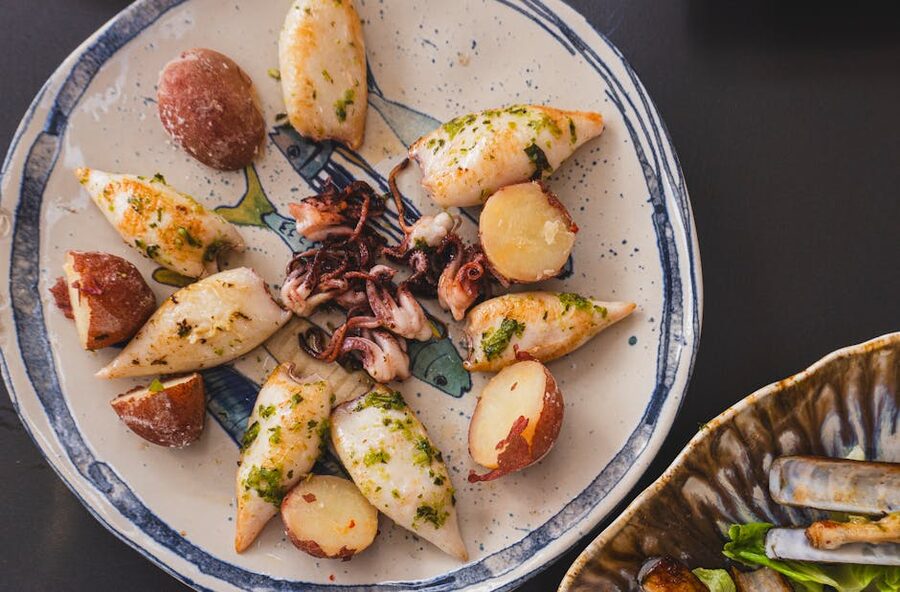
My recommendation: if you’re on a speedboat, skip lunch at the Blue Lagoon and hold out for Trogir. Grab a coffee and a pastry at the beach bar instead. Trogir has proper restaurants that cost half as much for better food, and the 60 minutes there is just enough time for a full sit-down meal if you order fast.
What to Bring
Three things are non-negotiable. A decent pair of water shoes — the beach at Krknjaši is pebbly and some of the swim spots have sea urchins. Reef-safe sunscreen — you’re in direct sun for hours, and the water reflection doubles the UV exposure. A dry bag for your phone and wallet — the speedboats in particular take occasional waves over the bow, and the storage on board isn’t always dry.
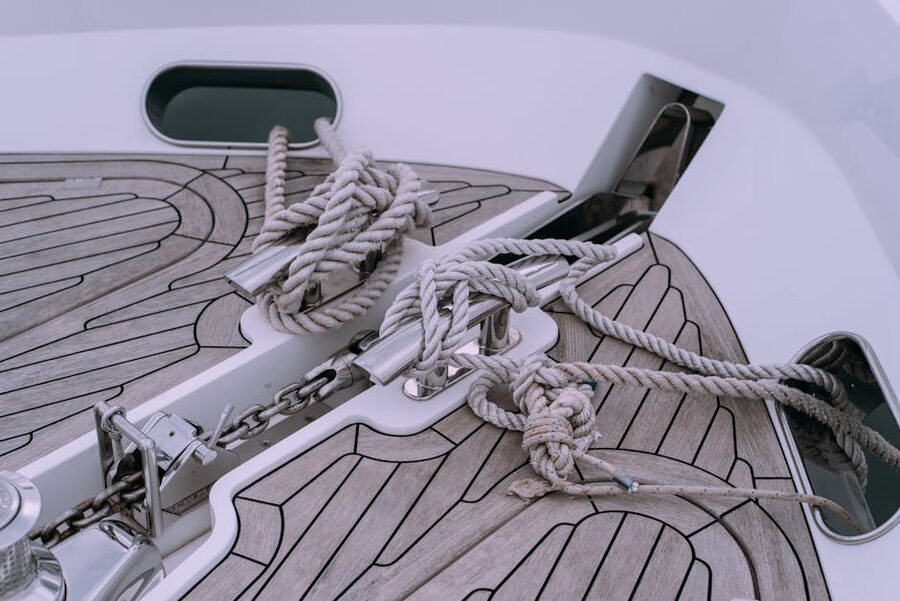
Beyond that: a mask and snorkel if you have them (some boats lend them, but quality varies), a hat that won’t blow off in the wind, and a light windbreaker for the ride back — the evening breeze is cooler than you’d expect even in August.
One item I didn’t think to bring the first time and absolutely should have: a travel towel. The quick-dry microfiber kind. You’ll be wet three separate times on this trip, and the cotton hotel towel you borrowed for the day will be a dripping useless bundle by the second swim stop.
A Rough Timeline of What Your Day Looks Like
Speedboat day (5 hours):
08:30 — Meet at Matejuka harbour. Crew briefing, life jackets, into your assigned seat.
09:00 — Leaving Split. Coast on your left, speedboat at 30 knots.
09:40 — Arrive Blue Lagoon. Anchor, jump in. Water is warmest between 10 and 11am.
10:30 — Back on board, towel off, quick snack from the bar.
10:45 — Heading to second swim stop.
11:15 — Second swim at Čiovo or Maslinica. 30 minutes in the water.
11:50 — Speedboat to Trogir.
12:10 — Trogir. 60-90 minutes for lunch and a walk.
13:30 — Leaving Trogir, slow cruise back to Split.
14:00 — Docked in Split. Sunburnt, slightly seasick, happy.
Catamaran day (8 hours):
09:00 — Boarding at Matejuka. Welcome drink, safety briefing.
09:30 — Slow departure, music on deck, coast passing at 12 knots.
11:00 — Arrive Šolta. 60 minutes for first swim.
12:30 — Lunch served on board while the boat cruises to Blue Lagoon.
13:30 — Blue Lagoon. 90 minutes of swimming and lounging.
15:00 — Heading to Trogir.
15:45 — Trogir. 60-75 minutes for coffee and a walk.
17:00 — Cruise back to Split.
18:00-ish — Docking. Sunset timed perfectly if you’re lucky.
When to Go
The season runs May through October. The water is warm enough for comfortable swimming from late May, peaks in August at around 25°C, and stays swimmable through September. November is too cold for most people.
Peak crowds hit July and August. If you can shift your trip to June or September, the experience is noticeably better — same weather, half the boats, and about 20% cheaper. (Our when-to-visit Croatia guide breaks the month-by-month trade-offs down properly.) The first boats of the morning always beat the afternoon crowds to the Blue Lagoon, so book an early departure if you have to go in high season.
The wildcard is the bura, the cold north wind that can pick up suddenly off the mountains. When it blows hard, tours cancel for safety — usually for half a day, sometimes for a full day. Book your Blue Lagoon tour for the first or second day of your stay in Split if you can. That way, if it cancels, you have time to rebook. Leaving it for your last day is a common mistake.
How to Get to the Harbour
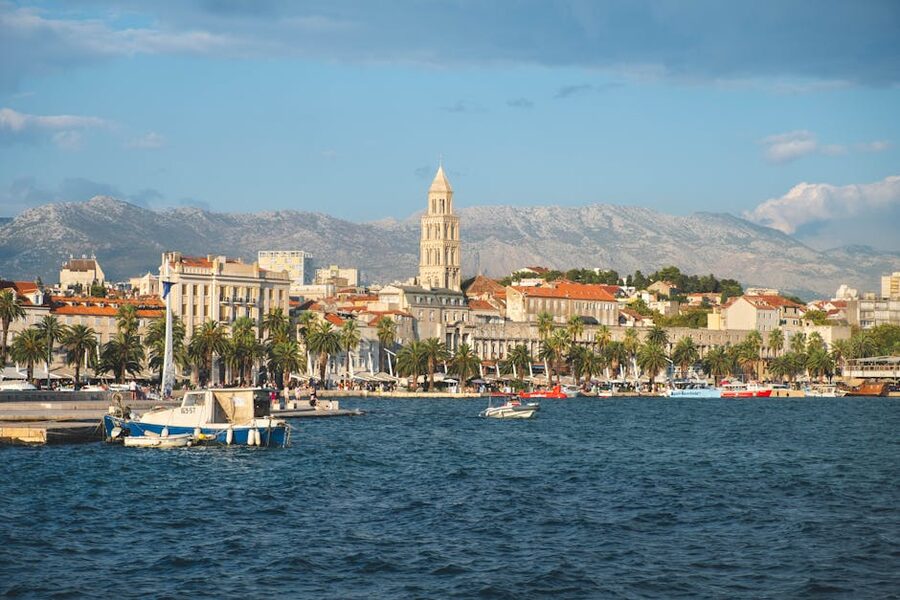
Almost every Blue Lagoon tour leaves from Split’s Riva — the main promenade on the south side of the old town. Specifically, most boats depart from Matejuka Harbour, which is the small harbour at the west end of the Riva, a ten-minute walk from the Diocletian’s Palace.
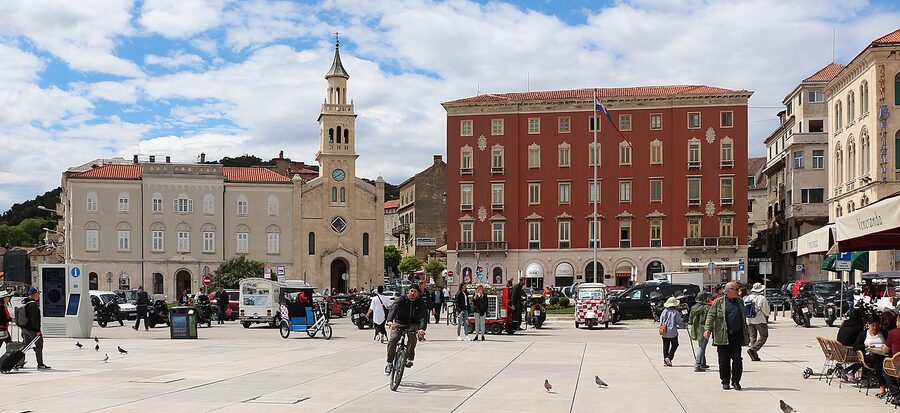

If you’re staying in Split old town, walk. If you’re staying in the suburbs, taxis to the Riva take 5-10 minutes from most neighbourhoods and cost €5-10. The public bus is fine too — most routes end at the port. Confirm your exact meeting point on the tour voucher; a few operators leave from Trogir rather than Split, which adds 30 minutes of driving if you don’t catch that in time.
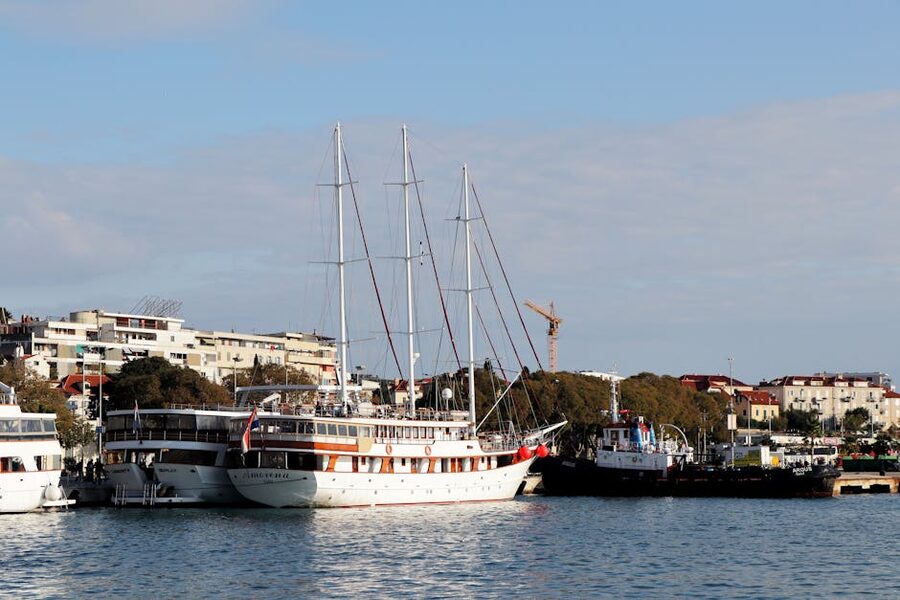
There’s a small café near Matejuka that opens at 7am. If your tour meets at 8:30am and you didn’t have breakfast, grab a coffee and a burek there — it’s the only pre-tour breakfast spot worth the detour.
Pairing This with Other Split Day Trips
Most travellers base in Split for 3-4 nights and do two or three day trips from there. The Blue Lagoon is the classic first choice, but it pairs well with other options depending on what kind of holiday you want.
If you want contrast, do this tour one day and a Plitvice Lakes day trip the next — blue sea one day, green freshwater waterfalls the next. If you want more island time, the Hvar island day trip is a longer, slower version of the same idea with a bigger town to explore. Adventurous travellers usually pair this with the Blue Cave speedboat tour, which goes in the opposite direction (south to Vis and Biševo) and hits a completely different set of islands. And if you’re adding Krka to the mix, the Krka Waterfalls day trip is the third classic Split excursion and the one most people wish they’d done.
Worth Knowing Before You Book
A few things that come up repeatedly and nobody mentions upfront.
The “private tour” upgrades on some booking sites are usually the same boat with fewer passengers. Ask whether it’s actually a private charter or just a smaller group on a standard tour — the pricing differs by a factor of ten and so does the experience.
Motion sickness is a real issue on windy days, especially on the speedboats. The bow seats bounce; the stern seats are calmer. If you’re prone to seasickness, take a tablet 45 minutes before boarding and sit as close to the back as you can.
Lunch on the big-boat tours is fine but not spectacular. It’s usually grilled chicken or fish with a salad and bread, served buffet-style. If you’re a vegetarian, eat a proper breakfast — the veg options are usually pasta with tomato sauce and not much else.
The Croatian kuna has been gone since 2023 — everything is in euros now. Most boat operators take card, but the beach bars at the swim stops are cash-only for small purchases. Withdraw €40-50 before you head to the harbour.
Cancellation policies vary. The GetYourGuide and Viator tours generally offer free cancellation up to 24 hours before departure. Smaller local operators often don’t — read the fine print before booking. If the weather forecast looks bad, check the cancellation terms before you commit.
The “free drinks” promise on some tour listings means soft drinks and water, not beer and wine. Alcohol is always extra. If the listing says “unlimited drinks included,” read the detail — it might be one beer on arrival and then self-pay.
Finally: the photos on the booking pages are often from the best day of the year, with no other boats in sight. Your actual experience in July will have more boats, more people, and slightly less postcard-perfect light. Don’t let that ruin it — the Blue Lagoon is still spectacular even on a crowded day. Just manage the expectations.
More Croatia Guides
If you’re building out a Split-based itinerary, the Blue Cave tour guide covers the other must-do speedboat trip — longer, wilder, and it hits Biševo and Vis instead of Čiovo and Šolta. For something slower-paced, our Hvar island day trip guide is the one to read — it’s less about the boat ride and more about the town. And if you’re heading inland at any point, don’t skip the Krka Waterfalls day trip — freshwater swimming under a cascade is a different kind of Croatia moment entirely. Dubrovnik-based travellers should look at our Elaphiti Islands cruise guide, which is the southern equivalent of the Blue Lagoon day — three islands, one long day on the water, same kind of crowd-pleaser. And if your Croatia trip also includes time in Dubrovnik, the Dubrovnik City Walls guide and the Old Town walking tour guide are the two that most travellers wish they’d read before they arrived.
Affiliate disclosure: We may earn a small commission from bookings made through the links on this page. It doesn’t change the price you pay and helps keep the site running.