
Brigitte Bardot arrived in Saint-Tropez by boat in 1956 to film And God Created Woman, and the town has never been the same since. Before that summer, it was a sleepy fishing village where old men played cards at the harbour. After that summer, it was the most photographed coastline in Europe.
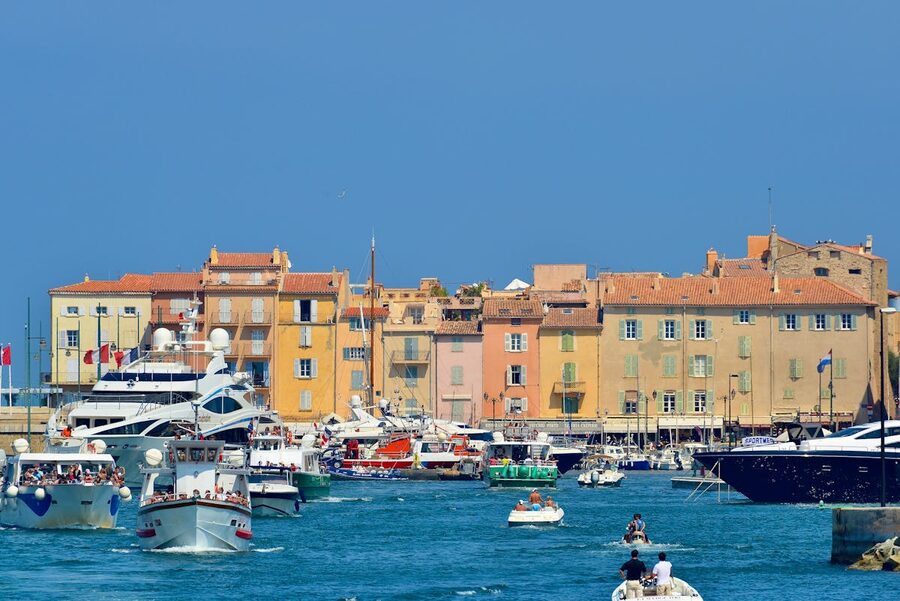
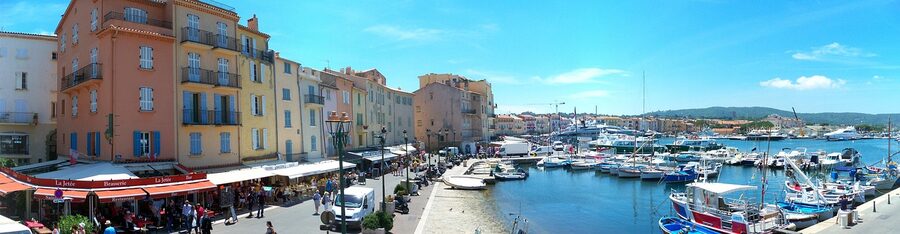
I took the same route she did — by sea from Cannes — and I finally understood why every filmmaker, painter, and minor royal who has ever visited this coast chose to arrive this way. You see the pastel-coloured waterfront and the forest of yacht masts long before you dock, and the 75-minute crossing along the Esterel coast is half the experience.
Here is everything you need to know to book a boat to Saint-Tropez from Cannes, from the scheduled ferry to a private charter, including what to do with your five hours on the ground once you arrive.
Best overall: Cannes: Round-Trip Boat Transfer to Saint-Tropez — $95. The most popular option by far. Scheduled departure, five hours to explore, round-trip included.
Best for flexibility: Ferry from Cannes to St Tropez — $105. Similar ferry service with a Viator booking option if you prefer their cancellation policy.
Best splurge: Private Boat Charter in the Bay of St Tropez — $301 per group. Your own boat, your own schedule, swim stops wherever you want.
- How the Cannes to Saint-Tropez Boat Service Works
- Round-Trip Ferry vs Private Boat Charter
- The Best Boats to Book from Cannes to Saint-Tropez
- 1. Cannes: Round-Trip Boat Transfer to Saint-Tropez —
- 2. Ferry from Cannes to St Tropez — 5
- 3. Private Boat Charter in the Bay of St Tropez — 1 per group
- When to Make the Crossing
- What to Do with Five Hours in Saint-Tropez
- How to Get to the Boat Terminal in Cannes
- Tips That Will Actually Help
- A Brief History of the Boat that Changed Everything
- Planning the Rest of Your Riviera Trip
How the Cannes to Saint-Tropez Boat Service Works
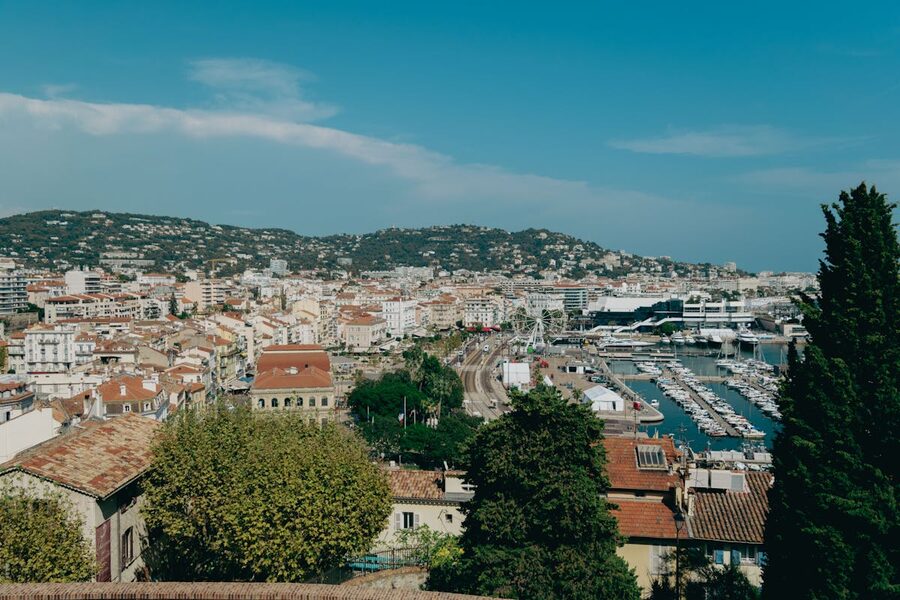
There is no public ferry to Saint-Tropez. The town is famously difficult to reach by land — the single coast road gets gridlocked in summer, and there is no train station. The boat is genuinely the fastest and most comfortable way to get there from Cannes, and it is how locals have been making the trip for decades.
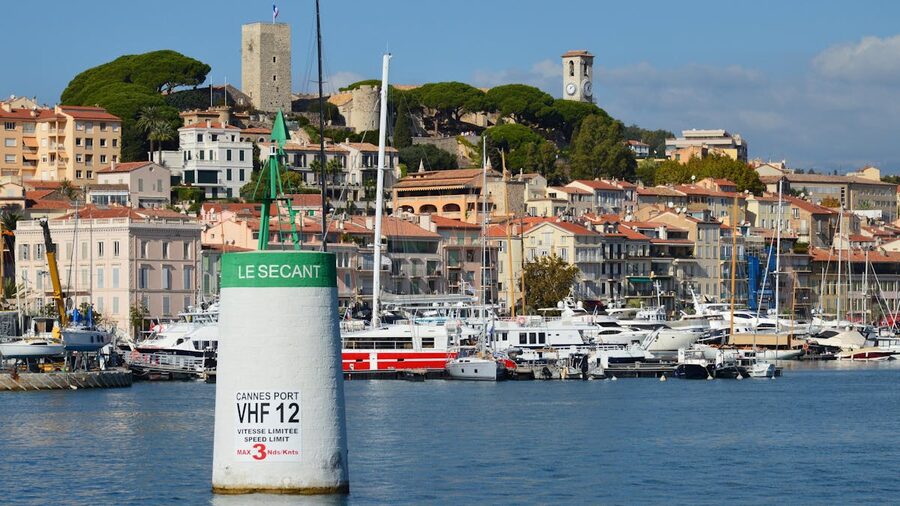
The main boat service runs from the Old Port (Vieux Port) in Cannes. Departures are typically in the morning — around 9:00 or 10:00 AM depending on the operator and season — with the return boat leaving Saint-Tropez in the late afternoon, usually around 4:00 or 4:30 PM. That gives you roughly five hours on the ground, which is plenty for the old town, lunch, and the harbour walk.
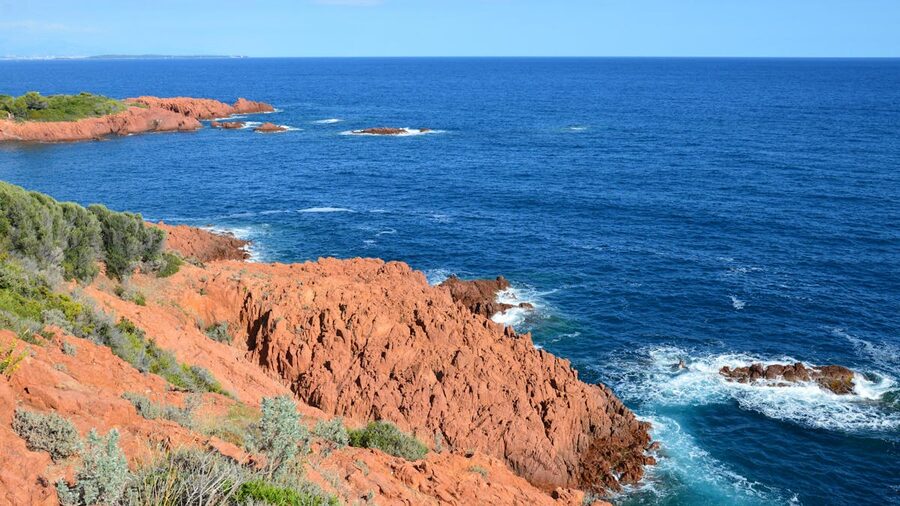
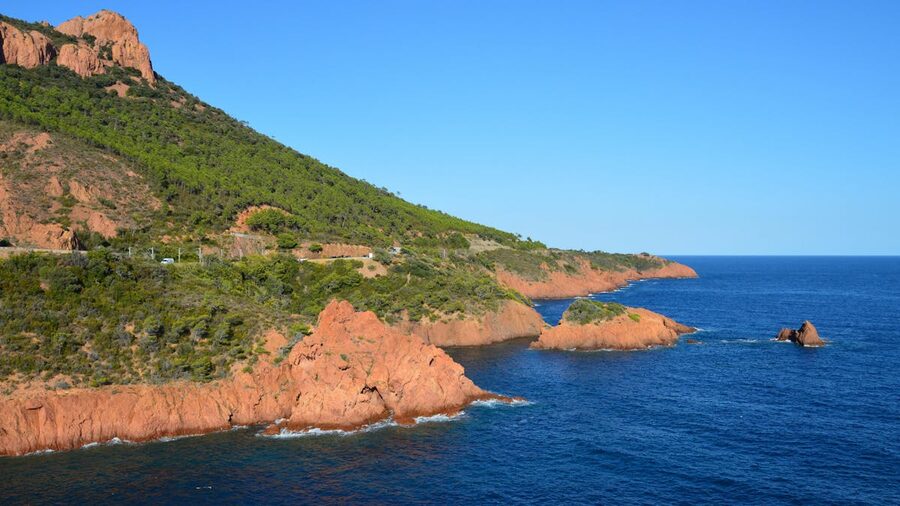
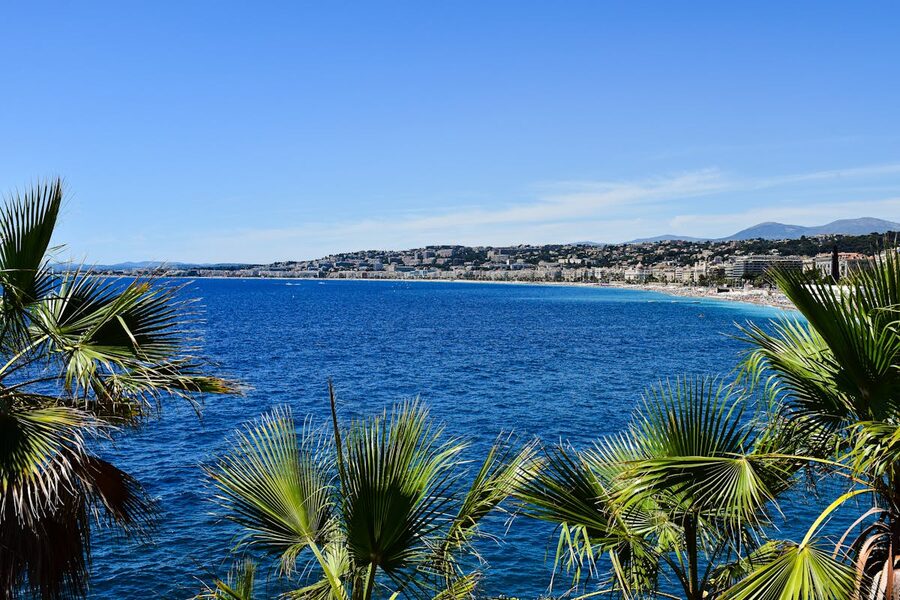
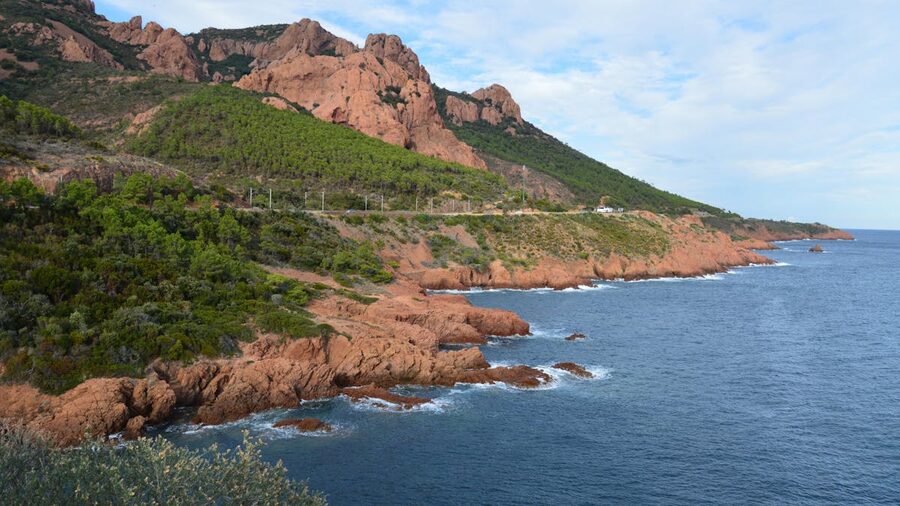
The crossing takes about 75 minutes each way and follows the coast past the red cliffs of the Esterel Massif, the islands off Saint-Raphael, and then across the open Gulf of Saint-Tropez. On clear days — which is most days between May and October — you can see the Alps behind Nice to the east and the Maures mountains to the west.
Boats run from approximately April through October, with the busiest period from June through September. Outside this window, sea conditions and low demand mean services are limited or suspended entirely. If you are visiting in shoulder season, book ahead and check the schedule the day before — rough seas can cancel crossings.
Round-Trip Ferry vs Private Boat Charter
You have two fundamentally different options for getting to Saint-Tropez by sea, and they suit different types of trip.
The scheduled boat transfer is the straightforward choice. You board at Cannes, cross to Saint-Tropez, explore on your own for five hours, and take the same boat back. It is the cheapest way to make the crossing, and it is what most visitors choose. The downside is zero flexibility — you are locked into the departure and return times, and if you miss the afternoon boat, you are stuck (and the taxi ride back to Cannes through summer traffic is something I would not wish on anyone).
A private boat charter gives you the whole bay as your playground. You set the schedule, choose where to stop, and can anchor in coves that the ferry passes straight by. Some charters include water sports — wakeboarding, snorkelling, paddleboarding. The cost is per group rather than per person, which makes it surprisingly reasonable if you are travelling with four to six people. A half-day private charter for a group of six works out to roughly $50 per person, which is not far off the ferry price once you factor in the freedom.
My honest take: if this is your first visit and you mainly want to walk the town, the scheduled boat is all you need. If you have already seen Saint-Tropez or you care more about the bay, the beaches, and the water, go private.
The Best Boats to Book from Cannes to Saint-Tropez
I have narrowed it down to three options that cover every budget and travel style. Each one is bookable online with free cancellation, and each has a track record of actually delivering what it promises — which matters more than you’d think on a route where some operators oversell their boats.
1. Cannes: Round-Trip Boat Transfer to Saint-Tropez — $95
This is the one most people end up on, and there is a reason for that. At $95 for the round trip, it is the most affordable way to make the crossing, and the operation is well-run. Boats depart on time, the crossing is comfortable even on slightly choppy days, and the crew knows the route well enough to point out landmarks along the Esterel coast.
You get approximately five hours in Saint-Tropez, which is enough to walk the old town, have a proper sit-down lunch at the harbour, browse the top-rated tours and experiences in Saint-Tropez, and still make it back to the boat with time to spare. The only thing I would flag is that peak summer sailings can get full — seats are not assigned, so arrive at the port early if you want to sit on the open deck.
2. Ferry from Cannes to St Tropez — $105
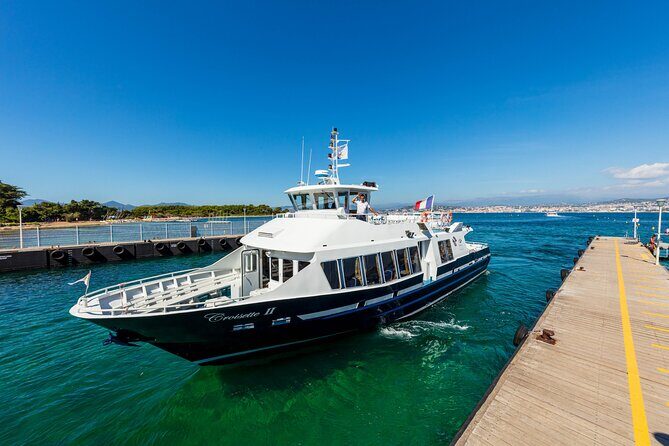
This is essentially the same route and a similar boat, but booked through Viator rather than GetYourGuide. The price is marginally higher at $105, but Viator often runs promotions and their cancellation window can be more generous depending on the season. If the first option is sold out for your date — which happens regularly in July and August — this is your backup.
One thing to keep in mind: some travellers have reported that peak-season sailings can feel crowded when the boat is at full capacity. If you are sensitive to that, the shoulder months of May, early June, and September are far more comfortable. The weather is still excellent and the boat is half-empty. Check our guide to walking tours in Cannes if you arrive early and want to fill the morning before the boat departs.
3. Private Boat Charter in the Bay of St Tropez — $301 per group
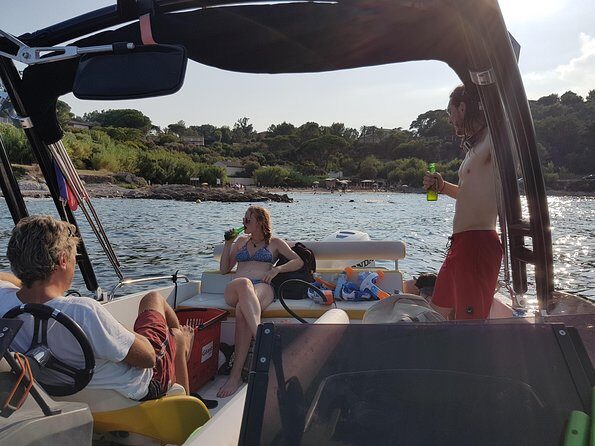
This is the option that turns a transport problem into the main event. At $301 for up to six passengers, the per-person cost drops to around $50 each — barely more than the scheduled ferry. But instead of sitting on a crowded boat watching the coast go by, you get your own vessel, a skipper who knows every hidden cove in the bay, and the freedom to anchor at Pampelonne Beach, swim in water so clear you can see the sand ten feet below, or simply drift and eat lunch on the deck.
The captain customises the route based on conditions and what your group wants to see. Some people spend the whole day on the water without setting foot in Saint-Tropez itself — and honestly, on a hot July day, that might be the better call. This charter departs from the Cogolin/Sainte-Maxime area rather than Cannes, so it is more suitable if you are already staying on the Tropezian peninsula or willing to drive over. For a boat tour along the Esterel coast departing from Cannes, we have a separate guide.
When to Make the Crossing
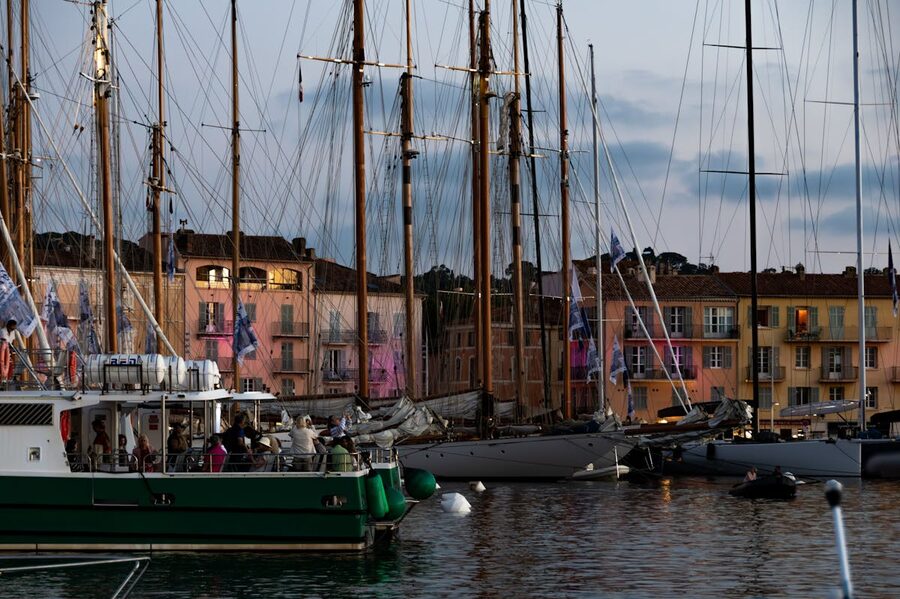
The boat season runs from April through October, and the crossing conditions vary more than you might expect over those months.
May and June are the sweet spot. The Mediterranean is calm, temperatures sit in the mid-twenties, the summer crowds have not arrived yet, and the return crossing catches golden light over the Esterel. This is when the locals take the trip themselves.
July and August are peak season. Every boat is full, Saint-Tropez is packed with day-trippers from Cannes, Nice, and the cruise ships moored offshore, and the harbour restaurants charge accordingly. If you must go in high summer, take the earliest departure — you will have the town almost to yourself for the first hour before the afternoon ferries arrive.
September and early October are excellent. The sea is at its warmest, the light is softer, the summer crowds thin out dramatically after mid-September, and the restaurants stop charging outrageous prices for a Nicoise salad. The only risk is the occasional Mistral wind that can cancel crossings with little notice.
Avoid Mondays if you want to shop — many boutiques in Saint-Tropez close on Mondays. The famous Tuesday and Saturday morning markets at Place des Lices are worth timing your trip around if you can.
What to Do with Five Hours in Saint-Tropez
Five hours sounds like plenty, and it is — but only if you have a rough plan. Saint-Tropez is small, but it is easy to spend two hours at a harbour restaurant and then run out of time for the old town. Here is how I would divide the day.
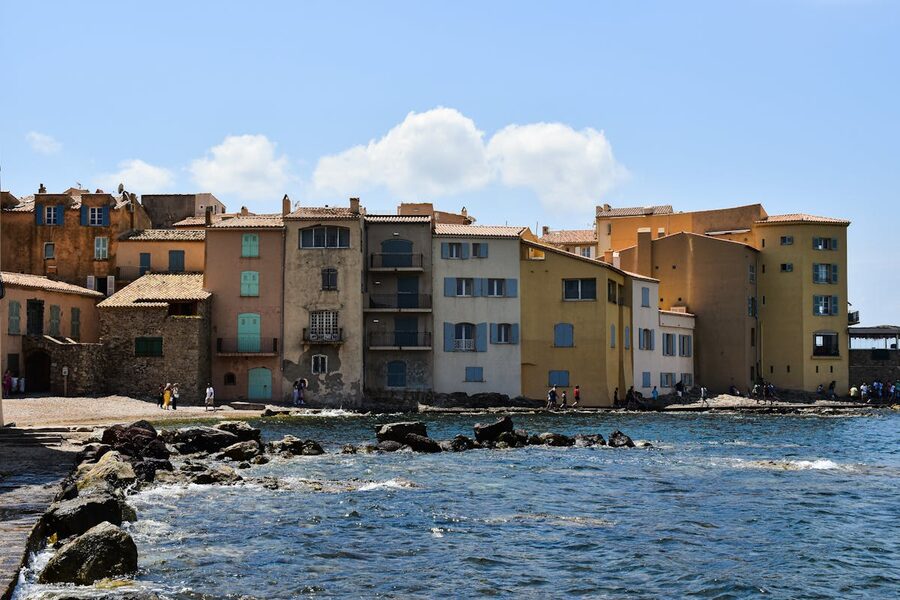
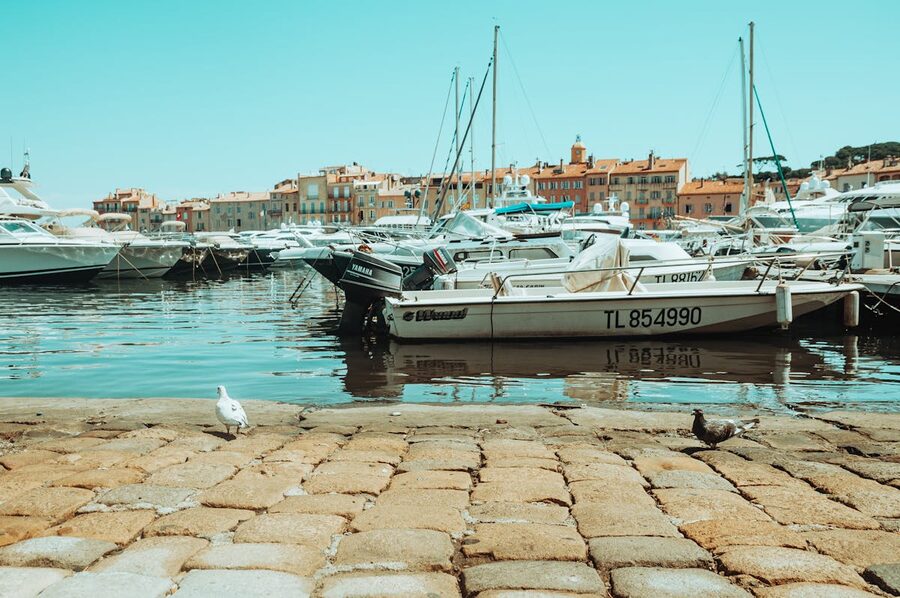
First hour: the harbour walk. Walk the length of the Vieux Port from the boat terminal to the Môle Jean Réveille at the far end. This is where the mega-yachts dock and where you will see the most absurd displays of maritime wealth on the Mediterranean. The pastel-coloured buildings along the Quai Jean Jaurès are the most photographed stretch in town — Bardot’s ghost is everywhere here.
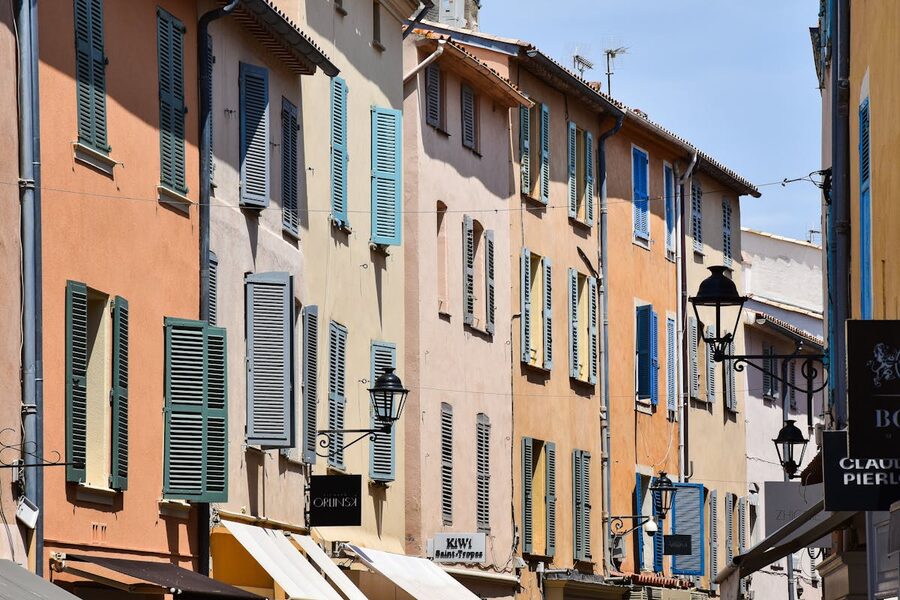
Second hour: La Ponche. Duck into the old town behind the harbour and lose yourself in the narrow lanes of the La Ponche quarter. This is the original fishing village — iron balconies, shuttered windows, bougainvillea spilling over walls, and the occasional cat sleeping on a warm doorstep. The walking tours in Saint-Tropez all start here for good reason.
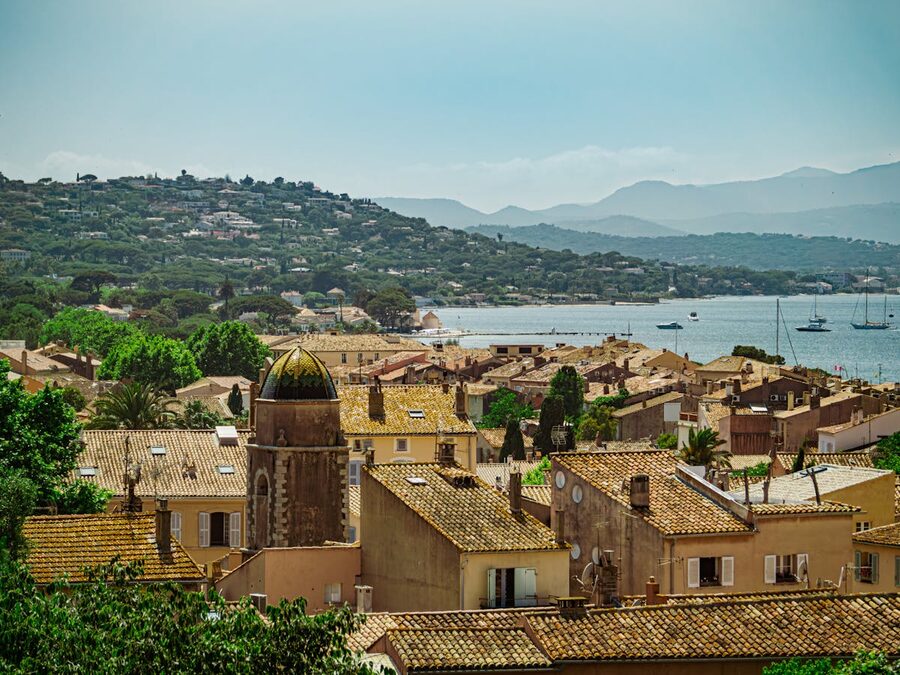
Third hour: lunch. The harbour-front restaurants are tourist traps with matching prices. Walk one street back from the water for better food at half the cost. If you can hold out until you reach Place des Lices, the cafes there are where the locals eat — and on market days, the people-watching is superb.
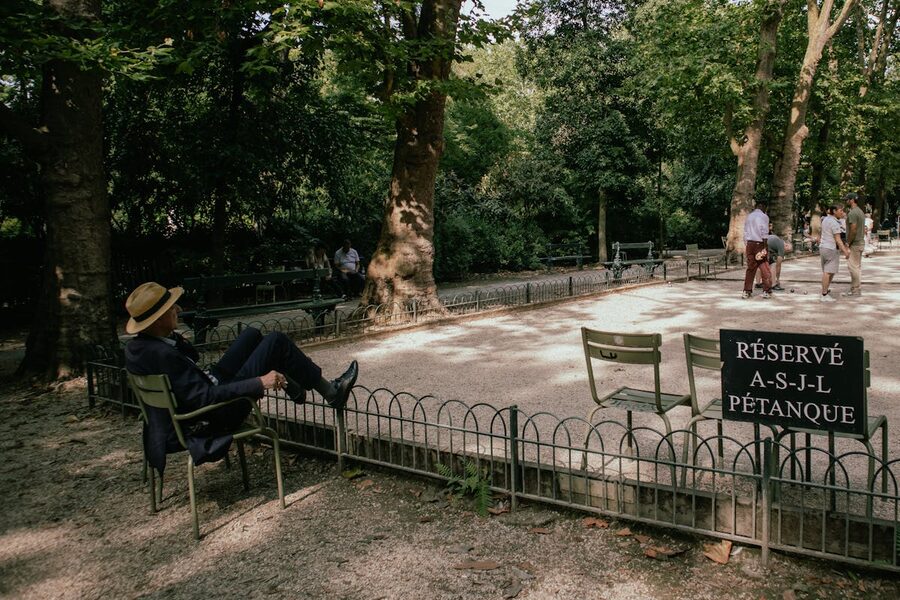
Fourth hour: Place des Lices. This tree-lined square is the heart of Saint-Tropez life. On Tuesday and Saturday mornings, the market fills the square with Provencal linens, local cheese, soap, lavender, and sandals you will never wear at home. On any other day, the old men play petanque under the plane trees while the cafe terraces fill with people pretending not to watch them.
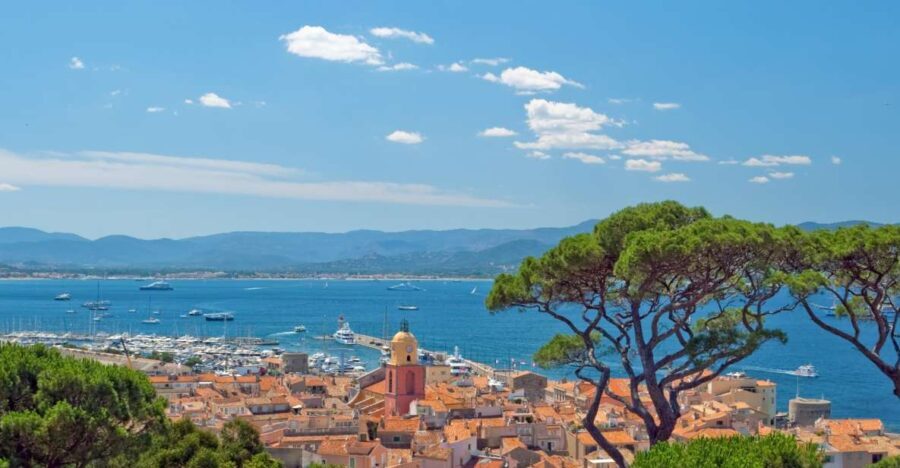
Fifth hour: the Citadelle. If you have energy left, the climb to the Citadelle de Saint-Tropez takes about ten minutes and gives you the best panoramic view of the bay, the town rooftops, and the distant Maures mountains. The maritime museum inside is small but interesting — the town’s connection to the sea goes back centuries before the yachts arrived.
How to Get to the Boat Terminal in Cannes
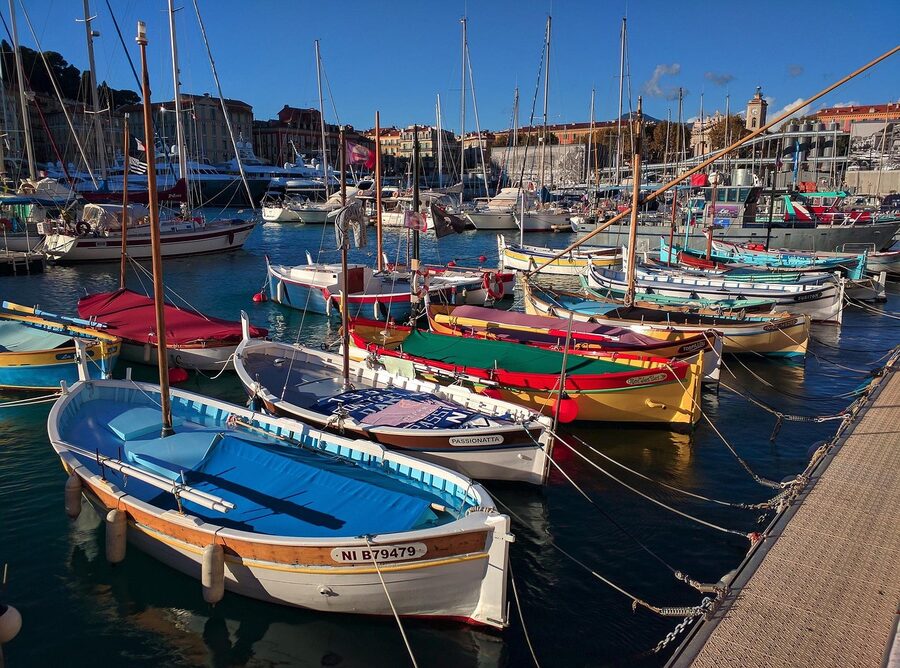
The boats to Saint-Tropez depart from the Quai Laubeuf at the Vieux Port (Old Port) in Cannes. The port is central and easy to reach from anywhere in the city.
From Cannes train station (Gare de Cannes): A straight 10-minute walk south down Rue Jean Jaurès to the port. Follow signs for the Vieux Port.
From the Croisette: The port is at the western end of the Croisette, about 5 minutes on foot from the Palais des Festivals.
From Nice: Take the TER train from Nice-Ville to Cannes (35 minutes, runs every 20-30 minutes, around EUR 8 one way). The boat terminal is a short walk from the station. If you are staying in Nice and want a full day on the water, our guide to sightseeing cruises from Nice covers boat trips that depart directly from Nice harbour.
By car: There are several car parks near the Vieux Port, but they fill up fast in summer. The Parking Laubeuf is closest to the boat terminal. Arrive at least 30 minutes early if you are driving in peak season.
Tips That Will Actually Help
- Book at least a week ahead in summer. July and August sailings sell out, and there is no walk-up ticket counter at the port. The scheduled boat services require online booking.
- Bring a light jacket for the return crossing. Even in August, the late afternoon Mediterranean wind can make the open deck chilly at 30 knots. A windbreaker takes no space and saves the trip.
- Sit on the left (port) side going out. You get the best views of the Esterel cliffs on the outbound crossing. On the return, switch to the right side for the sunset over the Maures mountains.
- Wear walkable shoes. Saint-Tropez old town is cobblestone, the Citadelle climb is steep, and you will cover more ground than you expect in five hours. Leave the heels for dinner in Cannes.
- Cash is still useful in the old town. While most restaurants and shops take cards, the Place des Lices market vendors and some of the small boutiques in La Ponche prefer cash. An ATM is near the harbour.
- Seasickness note: The crossing is sheltered for the first half (along the coast), but the open stretch across the Gulf of Saint-Tropez can get bouncy. If you are prone to motion sickness, take medication before boarding — not halfway across when you are already green.
- Don’t eat lunch at the harbour. The quayside restaurants charge a premium for the view. Walk one or two streets inland for the same quality at significantly lower prices.
A Brief History of the Boat that Changed Everything
The name Saint-Tropez comes from a Roman centurion named Torpes (or Torpetius), who was martyred in Pisa around 68 AD for refusing to renounce his Christian faith. According to legend, his decapitated body was placed in a small boat with a dog and a rooster and set adrift. The boat washed ashore on this stretch of coast, and the town that grew up around the landing site took his name. You can still see the boat procession re-enacted every year during the Bravade festival in May.
For most of its history, Saint-Tropez was a strategic naval port. Torpedo boats were built and stationed here during both World Wars — the town’s natural harbour made it an ideal sheltered anchorage. The fishing industry sustained the town between conflicts, and the Place des Lices was a military parade ground before it became a petanque pitch.
Everything changed in 1956 when Roger Vadim arrived to film And God Created Woman with a 21-year-old Brigitte Bardot. The film was scandalous, Bardot was magnetic, and the shots of her on the beaches around Saint-Tropez turned the town into an international sensation overnight. Artists, musicians, and socialites followed, and the fishing village transformed into the Riviera playground it remains today. Bardot, now in her nineties, still lives here — her house on La Madrague beach is one of the most famous private residences in France.
Planning the Rest of Your Riviera Trip
The boat to Saint-Tropez pairs naturally with a few other experiences along this coast. If you are spending a few days in Cannes, the Esterel coast boat tour covers the red-cliff coastline that the Saint-Tropez ferry only passes — it is worth a separate half-day if you want to swim in those hidden coves. From Nice, the sightseeing cruises head east along the coast toward Monaco and Villefranche, which is a completely different landscape — limestone instead of volcanic rock. For a full Riviera overview, the French Riviera tour from Nice covers Eze, Monaco, and the Corniche roads in a single day. And if you are considering a day trip to Monaco from Nice, that is an easy train ride or guided tour that works well the day before or after your Saint-Tropez crossing.
This article contains affiliate links. If you book through our links, we may earn a small commission at no extra cost to you. This helps us keep creating free travel guides.