
Napoleon left Corsica at nine years old and spent the rest of his life trying to conquer everything else. I get it. After three days on the water around Ajaccio, I wanted to stay forever.
The thing about boat tours from Ajaccio is that you’re not just floating around a pretty coastline. You’re passing volcanic cliffs that glow red at sunset, islands named after blood, a UNESCO-protected marine reserve you literally cannot reach any other way, and the kind of turquoise water that makes the French Riviera look overrated.
But booking the right trip matters more here than almost anywhere else in the Mediterranean. Some tours are full-day commitments that’ll have you on the water for eight hours. Others are sunset aperitif runs that last barely two. Prices range from $42 to $85, and the difference between a good boat and a bad one is the difference between dolphins and diesel fumes.
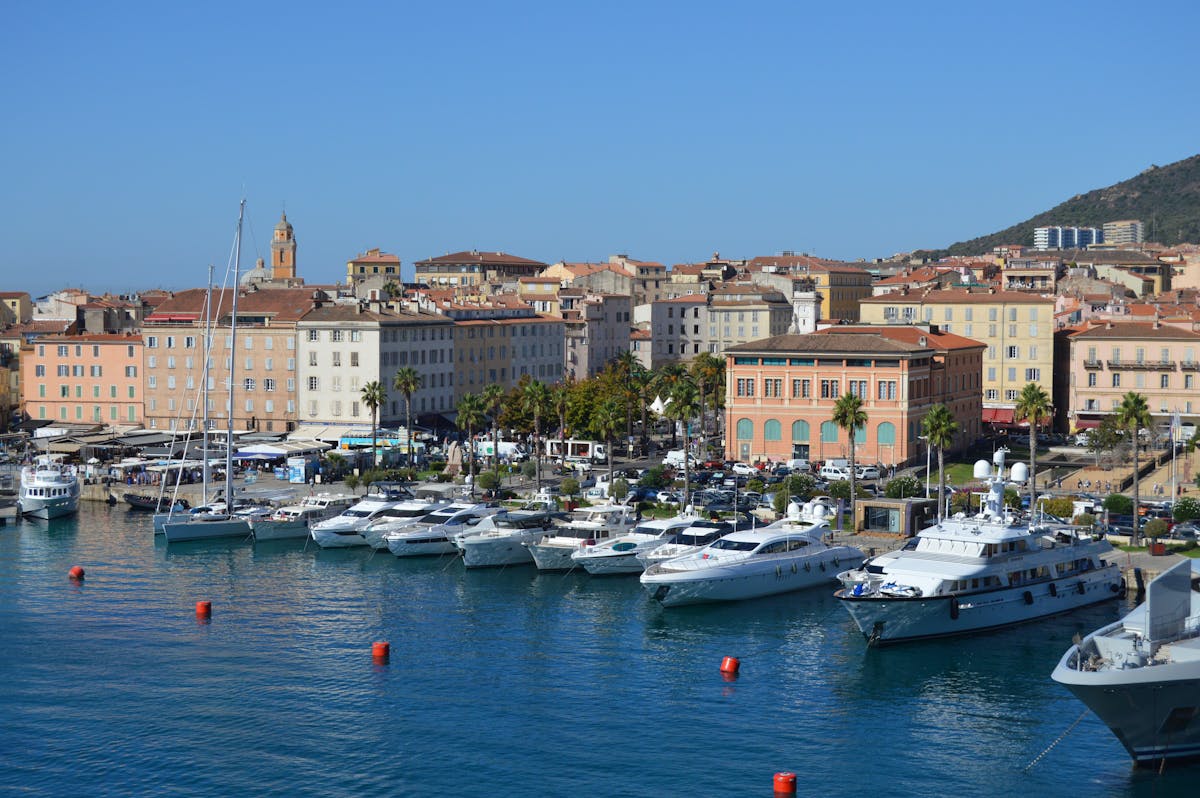
Best overall: Sanguinaires Gulf Boat Tour — $42. Three hours on the water with a swimming stop on Mezumare Island. Best value for a half-day.
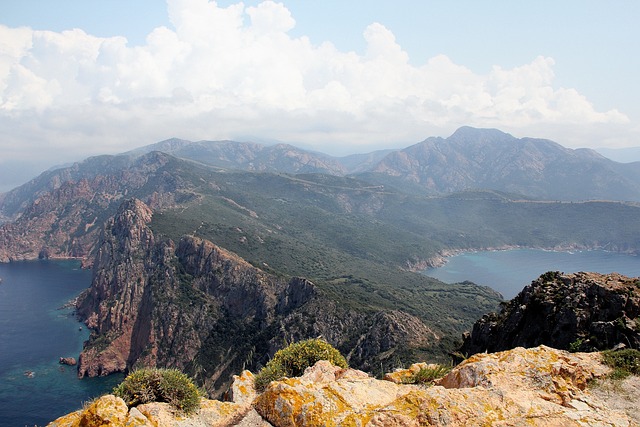
Best for nature lovers: Scandola Nature Reserve Full-Day Tour — $82. UNESCO-listed volcanic coastline you can only see by boat. A full day but worth every minute.
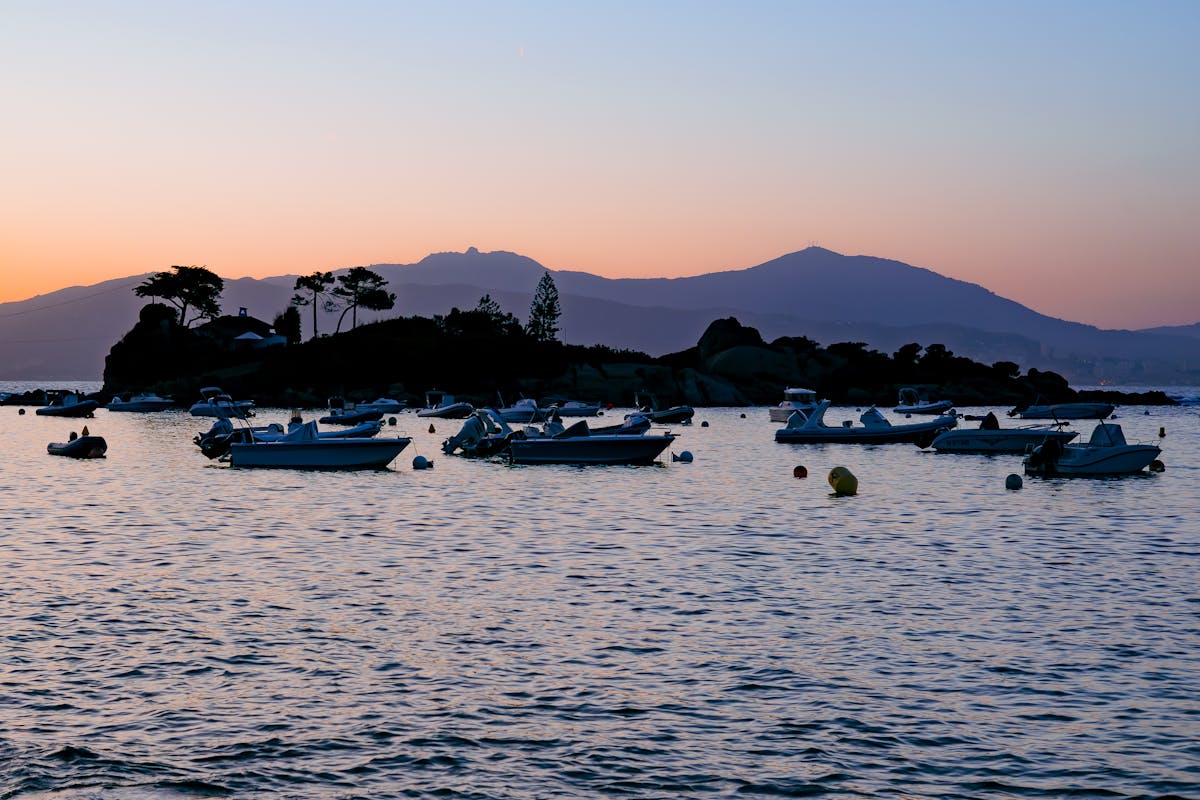
Best for romance: Sanguinaires Sunset Tour with Aperitif — $58. Wine, charcuterie, and a sunset over the Bloody Islands. Hard to beat.
- Why Ajaccio Is Corsica’s Boat Tour Capital
- A Quick History of These Waters
- Official Booking Options vs Guided Tours
- The 5 Best Boat Tours from Ajaccio
- 1. Sanguinaires Gulf Boat Tour —
- 2. Scandola Nature Reserve Full-Day Tour —
- 3. Scandola, Girolata & Calanques de Piana Sea Trip —
- 4. Sanguinaires Sunset Tour with Aperitif —
- 5. Day Trip to Bonifacio by Boat —
- When to Go
- How to Get to the Departure Points
- Tips That Will Save You Time and Money
- What You’ll Actually See on Each Route
- Planning the Rest of Your Corsica Trip
Why Ajaccio Is Corsica’s Boat Tour Capital
Ajaccio sits on the west coast of Corsica, facing the open Mediterranean with the Sanguinaires archipelago guarding its bay like a chain of rocky sentinels. It’s the island’s capital, Napoleon’s birthplace, and — more importantly for your holiday — the departure point for three completely different boat experiences.
To the northwest, you’ve got the Sanguinaires Islands, a cluster of dark granite islets about 12 kilometres from the harbour. To the north, the Scandola Nature Reserve stretches along some of the most dramatic volcanic coastline in Europe. And to the south, the white limestone cliffs of Bonifacio hang over the strait separating Corsica from Sardinia.
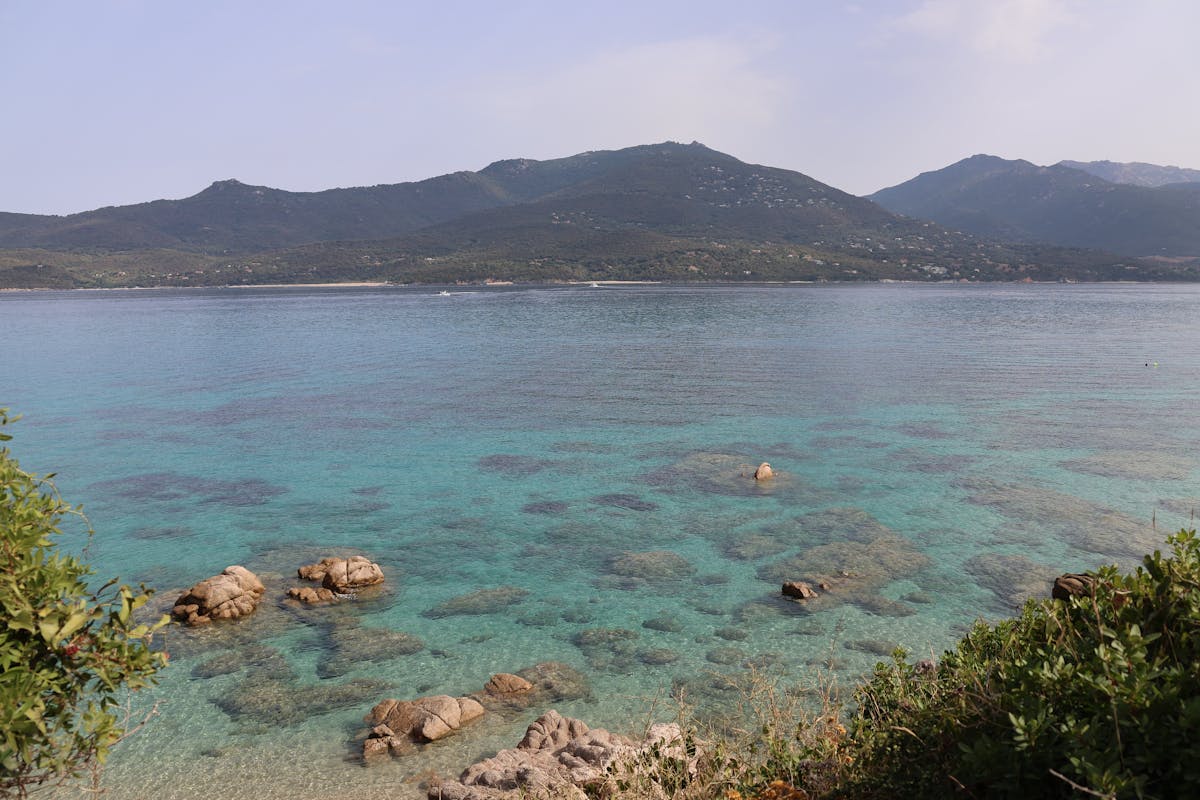
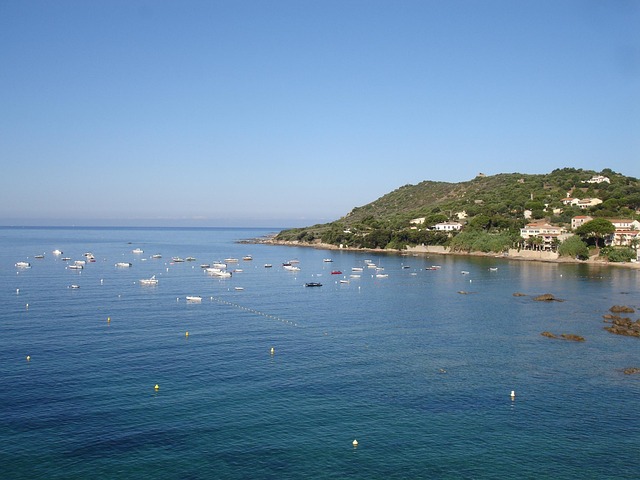
Each destination requires a different kind of boat, different duration, and different budget. The Sanguinaires trips are short and affordable — two to three hours, usually under $60. Scandola is a full-day affair that runs $80-$85 because the reserve is far enough away that you’ll spend a good chunk of the day in transit. Bonifacio is also full-day and similar in price, but swaps the nature reserve for a clifftop fortress town.
Most tours leave from either Ajaccio harbour (right in the city centre, easy walk from anywhere) or from Porticcio, a beach resort across the bay that’s about a 25-minute drive. Both departure points access the same routes, so pick whichever is closer to your accommodation.
A Quick History of These Waters
Napoleon Bonaparte was born in Ajaccio in 1769 — exactly one year after France purchased Corsica from the Republic of Genoa. He grew up speaking Corsican, which is closer to Italian than French, and didn’t learn French until he shipped off to military school on the mainland at age nine. His childhood home, Maison Bonaparte, still stands a few blocks from the harbour where you’ll board your boat.
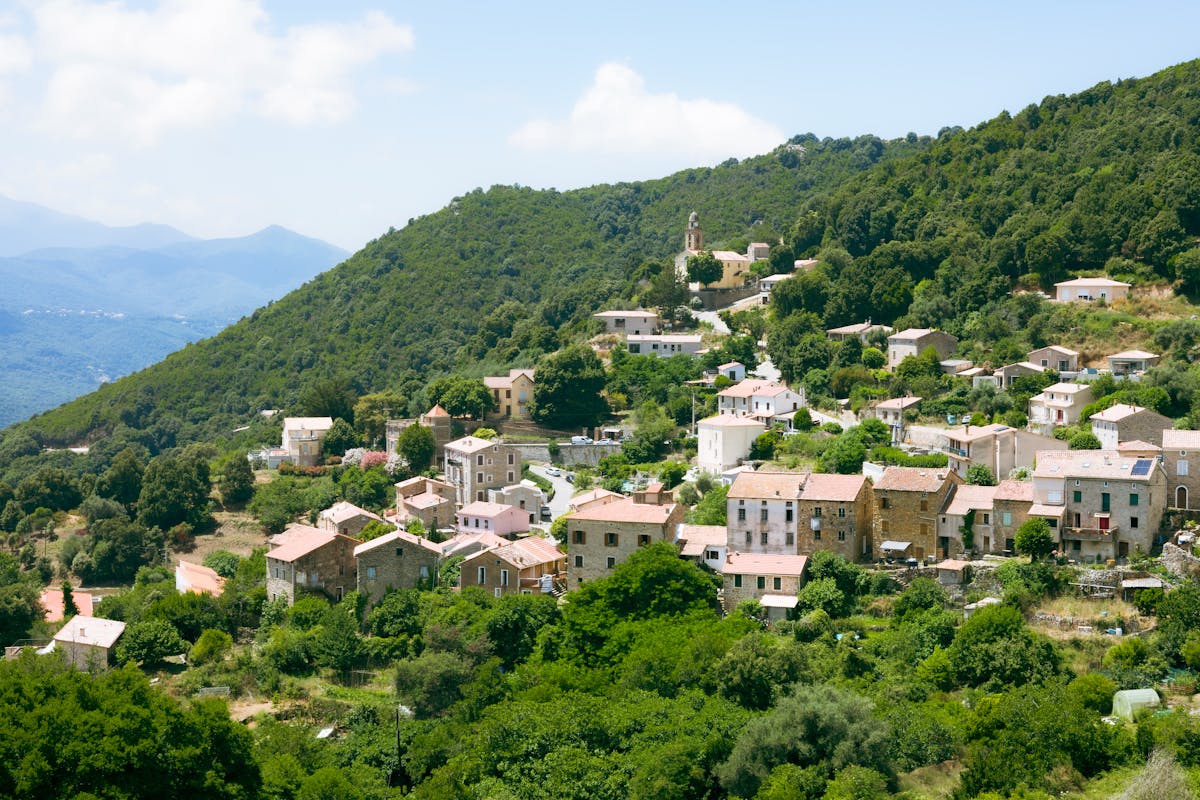
The Sanguinaires Islands — “Bloody Islands” — earned their name either from the blood-red granite that catches fire at sunset, or from a medieval legend about a particularly violent naval battle. Take your pick. Alphonse Daudet, the French novelist, wrote about the islands’ lighthouse keeper and his haunting isolation in Letters from My Windmill. The lighthouse still stands on the main island, though it’s automated now and the keeper is long gone.
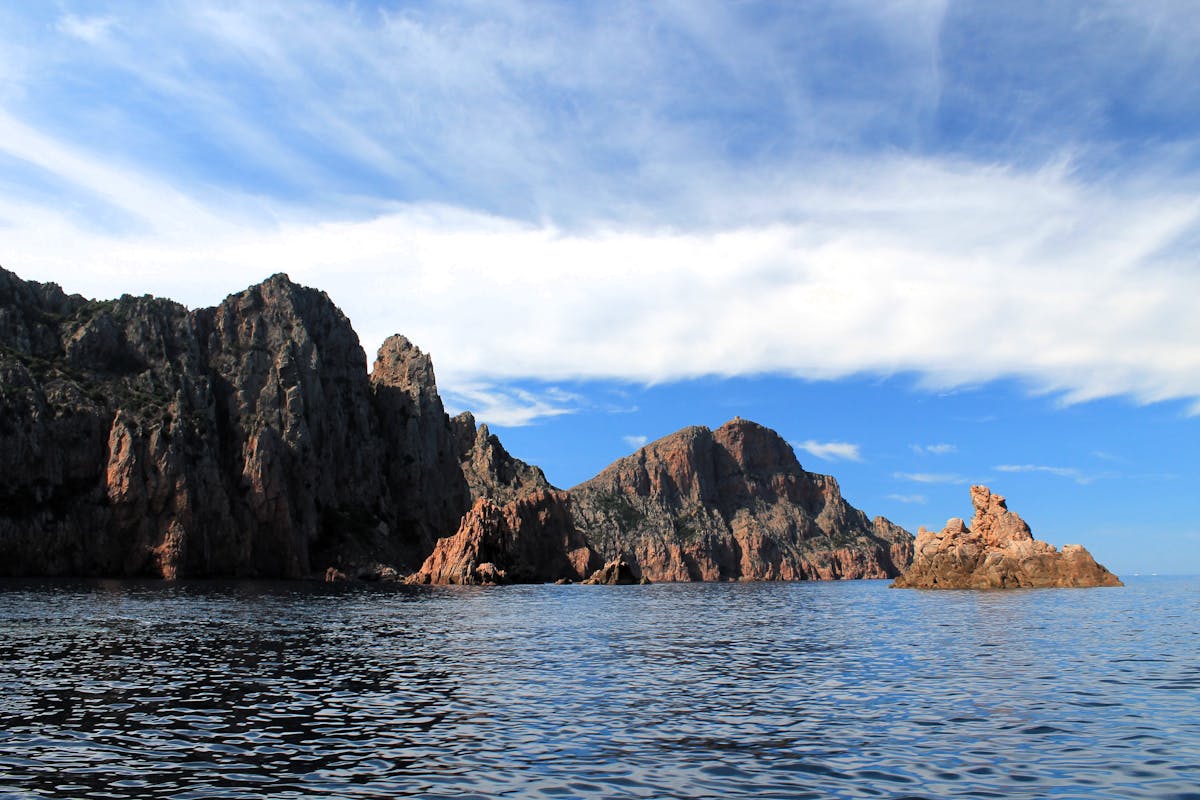
Scandola, the volcanic peninsula to the north, became a UNESCO World Heritage Site in 1983. The red and orange rock formations plunge straight into water so clear you can see the bottom at 30 metres. There’s no road access — never has been, never will be. The only way to see Scandola is by boat, which is precisely why it’s stayed so pristine. Ospreys nest on the cliff faces, and the marine reserve teems with grouper, barracuda, and the occasional dolphin pod.
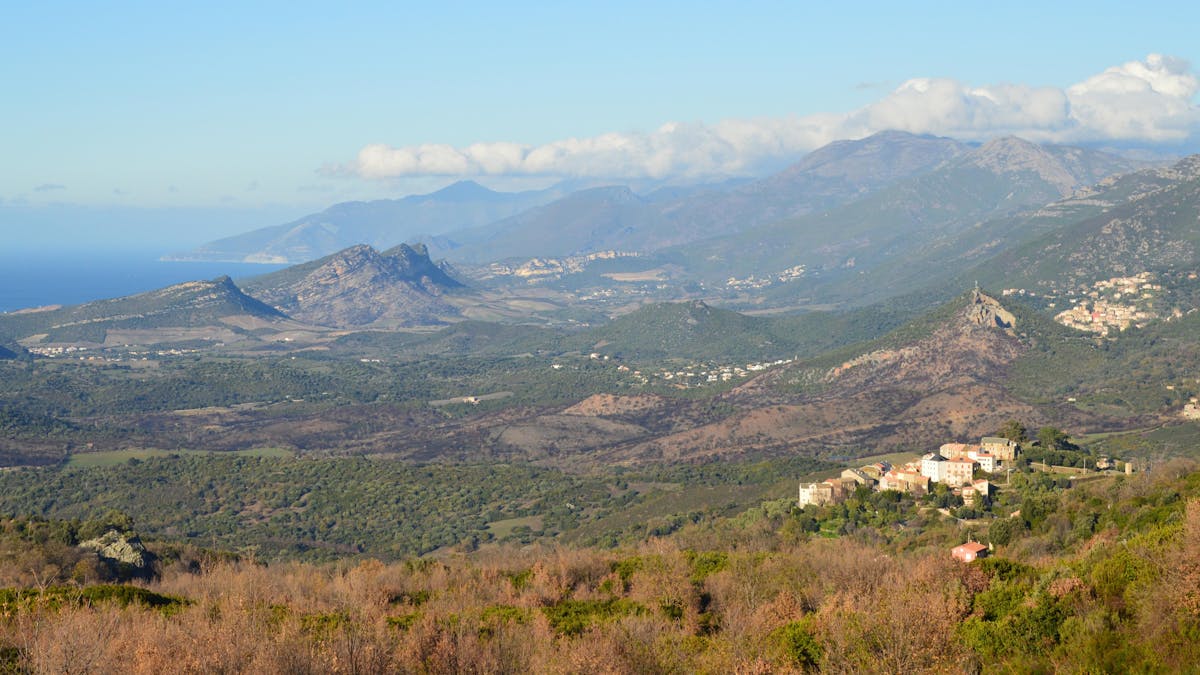
Corsica itself has always been its own thing. The island has a distinct language, a polyphonic singing tradition called paghjella that UNESCO recognises as intangible cultural heritage, and a fierce sense of identity. Many Corsicans consider themselves Corsican first and French a distant second. And the maquis — that dense, fragrant scrubland of rosemary, myrtle, and juniper that blankets the hills — became so associated with resistance that it gave its name to the French Resistance fighters of World War II.
Official Booking Options vs Guided Tours
There’s no “official” ticket system for Ajaccio boat tours the way there is for, say, the Colosseum or the Eiffel Tower. This is private tour operators, not government-run attractions. That means your booking options come down to three choices:
Book through a marketplace (GetYourGuide, Viator): This is what I recommend for most people. You get free cancellation up to 24 hours before, instant confirmation, reviews from thousands of previous passengers, and the ability to compare operators side by side. The prices are identical to booking direct — these platforms take their cut from the operator, not from you.
Book direct with the operator at the harbour: You can absolutely walk up to the ticket kiosks along Ajaccio harbour and book in person. The advantage is you can see the boats, talk to the crew, and sometimes negotiate a group discount. The disadvantage is that popular departures — especially the sunset cruises — sell out days in advance during July and August. Walking up and hoping for the best is a gamble in peak season.
Book through your hotel: Many hotels and guesthouses in Ajaccio have arrangements with local operators. This is convenient but you’ll have less choice and potentially pay a markup. Fine if you don’t want to think about it. Not ideal if you care about which specific tour you’re getting.
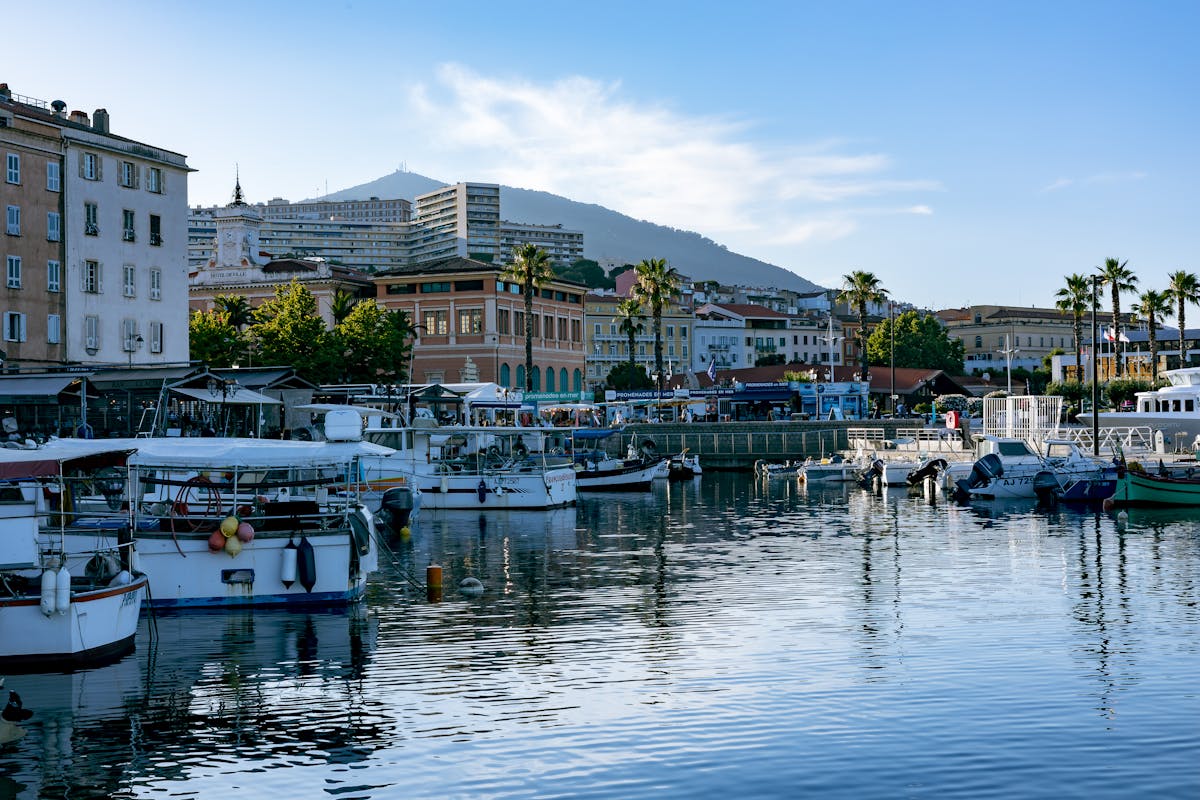
The 5 Best Boat Tours from Ajaccio
I’ve sorted these by what I’d book first if I only had one shot. The Sanguinaires gulf tour is the best all-round option — affordable, manageable length, and gives you the classic Ajaccio coastline experience. But if nature and wildlife are your priority, the Scandola full-day trip is the one that’ll stick with you longest.
1. Sanguinaires Gulf Boat Tour — $42
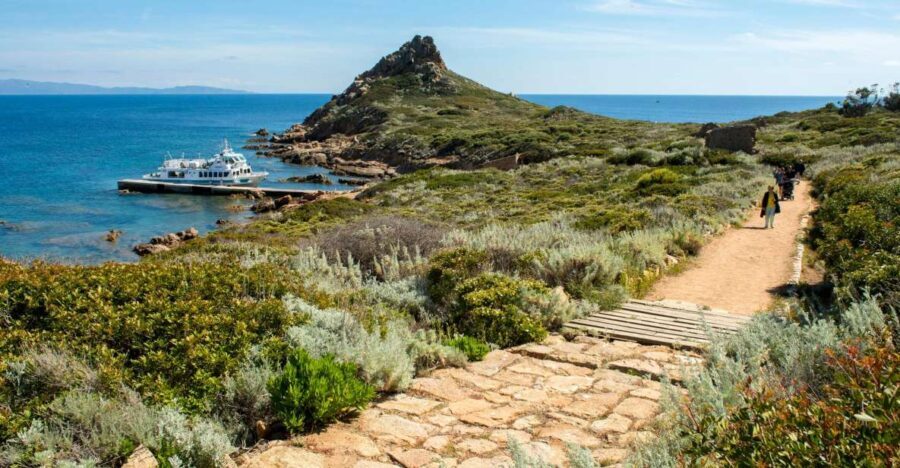
This is the one to book if you want to see the Sanguinaires coast without committing an entire day. Three hours on the water, departing from either Ajaccio or Porticcio, with a stop at Mezumare Island for swimming and snorkelling. At $42 per person, it’s the most affordable boat experience out of Ajaccio and the one with the most reviews — nearly two thousand passengers have rated it, which tells you something about consistency.
The boat hugs the coastline on the way out, passing sea caves and rocky inlets before reaching the Sanguinaires archipelago. The swim stop is the centrepiece — about 30-40 minutes in water that’s almost absurdly clear. Bring snorkelling gear if you have it (some boats provide it, but not all). The route back gives you the open-water perspective of the islands against the Corsican mountains.
One thing to know: this is a morning tour, not a sunset trip. If you want golden hour, look at option 4 below. But for sheer value and a solid introduction to the Ajaccio coastline, nothing beats this.
2. Scandola Nature Reserve Full-Day Tour — $82
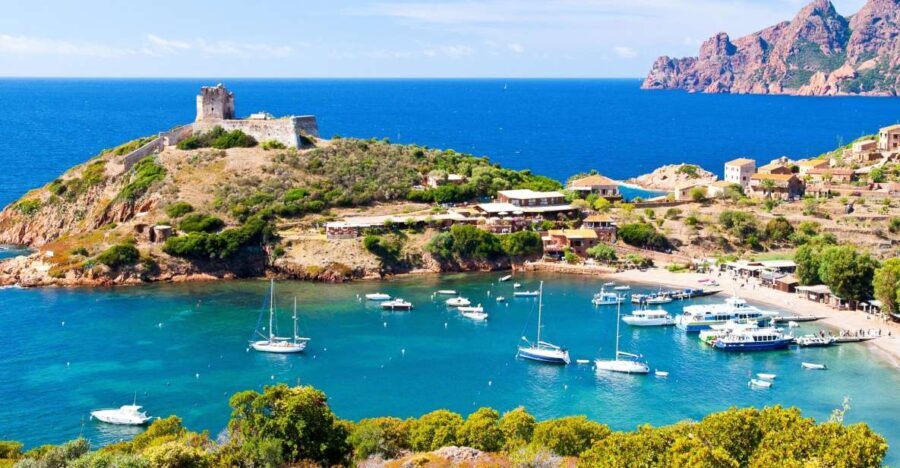
If you only book one boat tour in Corsica, make it this one. The Scandola Nature Reserve trip is a full-day affair — you’re out from roughly 8am to 5pm — but the UNESCO-listed coastline is genuinely unlike anything else in the Mediterranean. Volcanic cliffs in shades of red, orange, and black drop straight into water so transparent it barely looks real.
The route from Ajaccio takes you up the west coast, past the Calanques de Piana (dramatic pink granite formations that look like something out of a fantasy novel), through the tiny village of Girolata (no road access, population about 15), and into the Scandola reserve itself. The captain will cut the engines and drift through sea caves and past rock arches that have been sculpted by erosion over millions of years. At $82, it’s double the price of the Sanguinaires loop — but you’re getting triple the distance and a UNESCO World Heritage landscape that most Mediterranean travelers never see.
Pack lunch and plenty of water. Some operators include a stop in Girolata where you can eat at one of the two waterfront restaurants, but don’t count on it — check when booking. The boat can get uncomfortable in choppy conditions, so if you’re prone to seasickness, take precautions.
3. Scandola, Girolata & Calanques de Piana Sea Trip — $85
This is an alternative Scandola route operated through Viator, and it’s worth considering if the GetYourGuide option above is sold out. The three-hour-fifteen-minute itinerary is shorter than the full-day option, which means less transit time but also less lingering at each stop. At $85 per person, the price is almost identical to the full-day trip, so I’d generally recommend option 2 above unless time is tight.
Where this tour does stand out is the focus on the Calanques de Piana — those jaw-dropping pink granite formations that look like they were carved by a particularly ambitious sculptor. The boat threads through narrow channels between towering rock pillars, and the light in the late morning turns the stone into shades of rose and copper. If the Calanques are your main interest, this shorter route actually gives them more attention than the full-day loop.
One important note: departure is from Porto or nearby areas, not directly from Ajaccio. Porto is about 80 minutes by car from Ajaccio — factor that into your planning. But if you’re staying along the west coast north of Ajaccio, this could be more convenient.
4. Sanguinaires Sunset Tour with Aperitif — $58
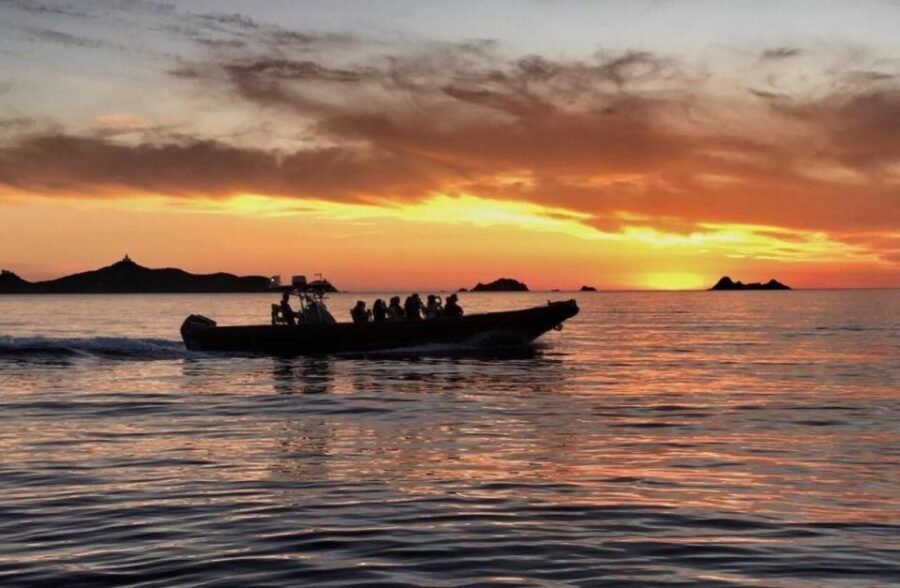
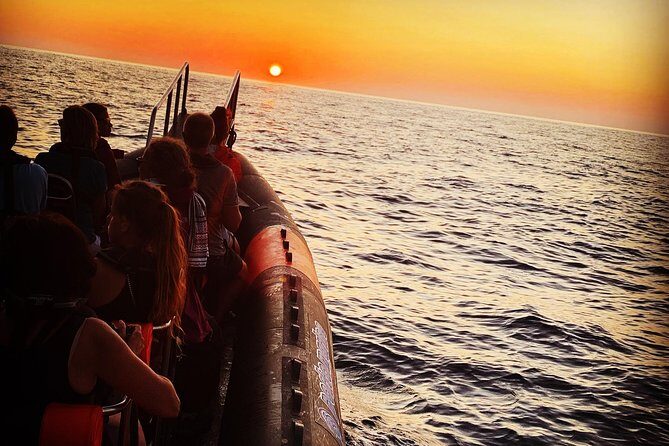
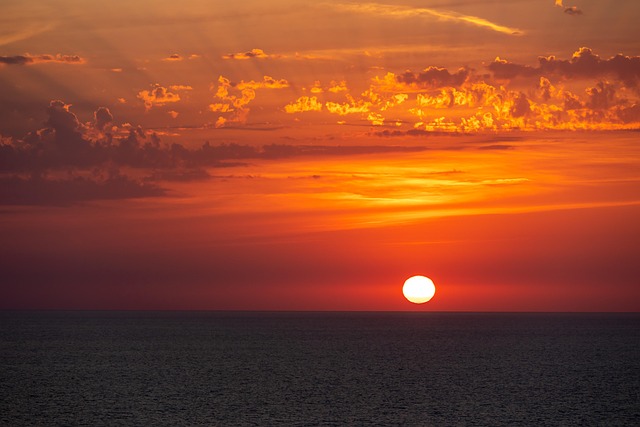
This is the romantic one. The Sanguinaires sunset cruise departs in the late afternoon and times the return to coincide with the sun dropping behind the islands — turning them the blood-red colour that earned them their name. At $58 per person, you’re paying a premium over the morning gulf tour, but the included aperitif (Corsican wine, local charcuterie, and cheese) and the golden-hour light make it a completely different experience.
This has the highest rating of any Ajaccio boat tour — 4.8 out of 5 — and for good reason. The crew tells stories about the islands, the lighthouse, the local legends. The boats are solid (not flimsy zodiacs), and the route is timed so you’re in the most photogenic position when the colours peak. I’ve done both the morning and sunset versions, and while the morning swim stop is great, the sunset aperitif is the one I’d recommend to couples and anyone who values atmosphere over activity.
It runs about two and a half to three hours. Don’t eat a heavy lunch beforehand — the aperitif is generous and you’ll want to enjoy it properly.
5. Day Trip to Bonifacio by Boat — $84
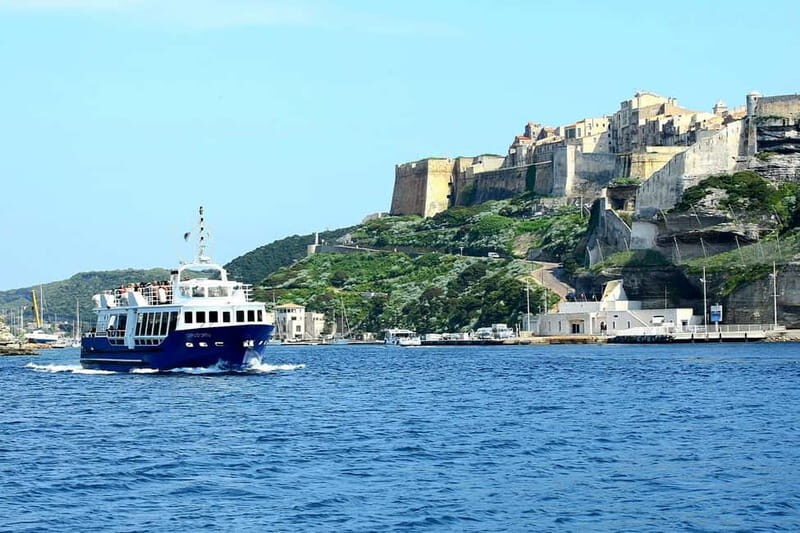
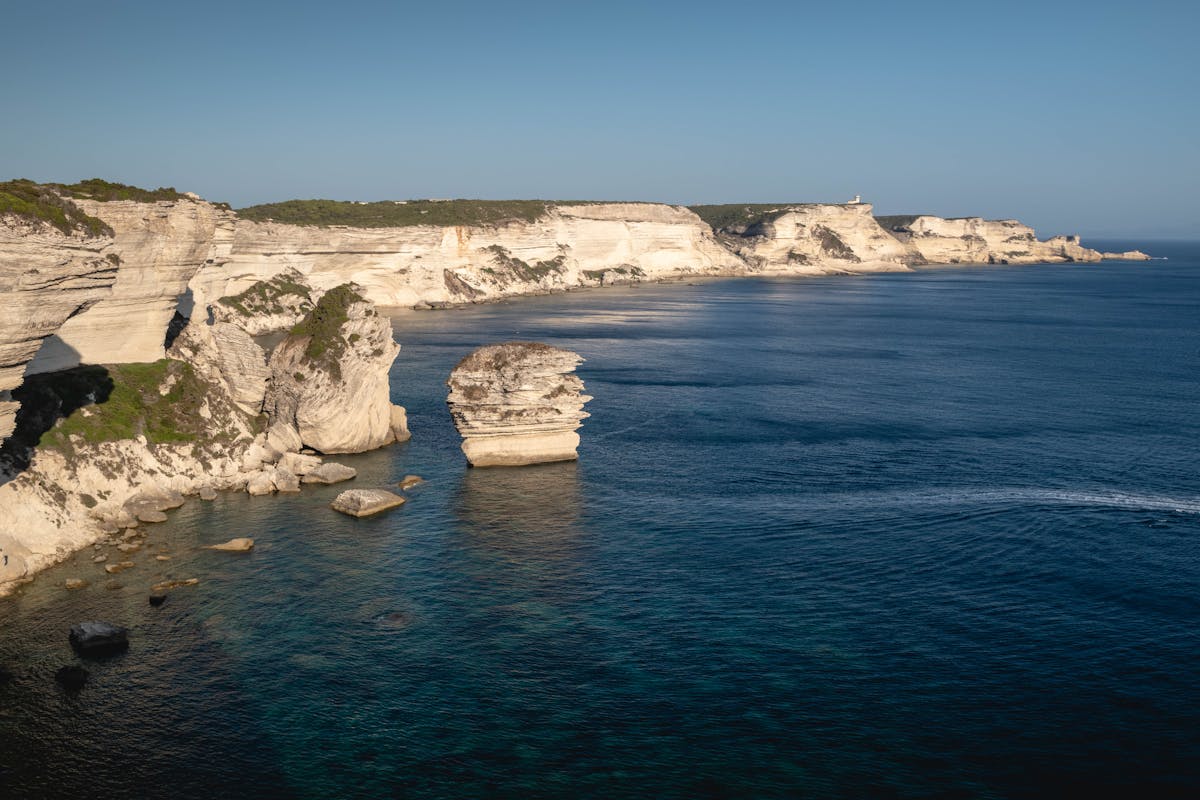
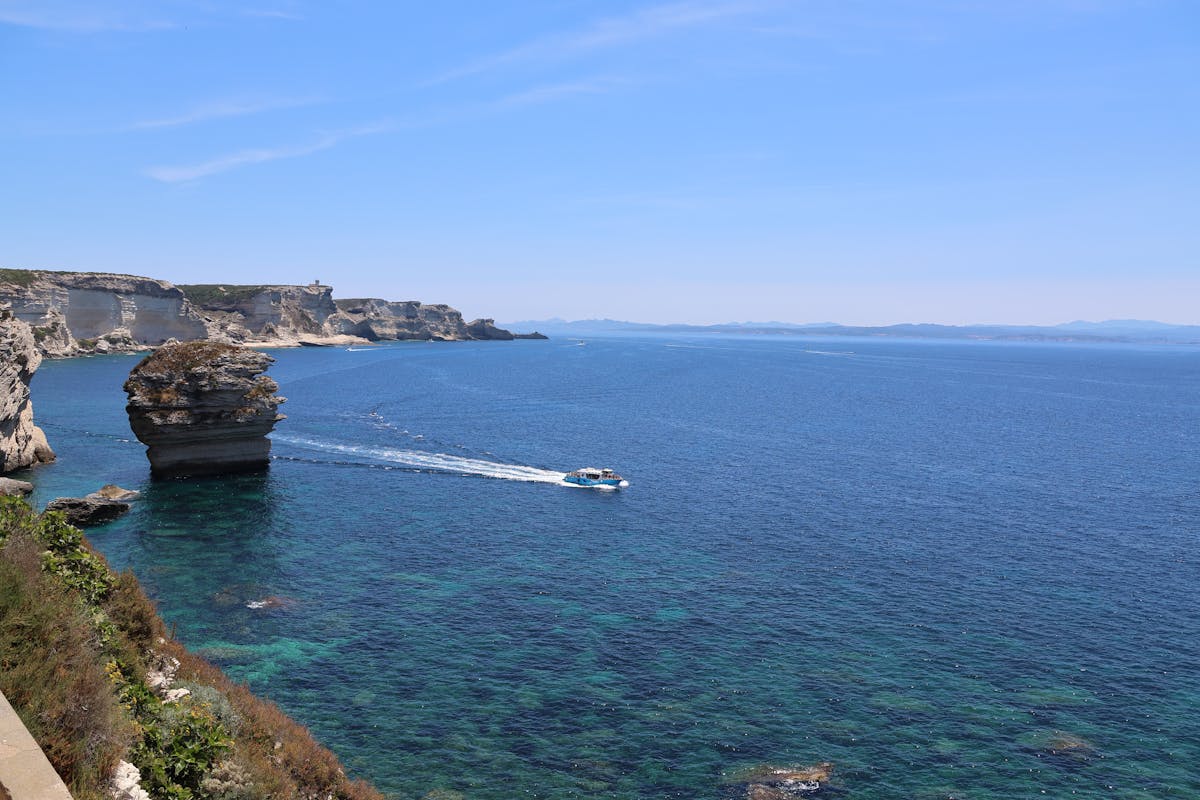
This is the big day out. Bonifacio by boat from Ajaccio is a full-day commitment — roughly three hours each way along the coast, with four hours of free time in the town itself. At $84 per person, you’re paying for the distance and the spectacle. And Bonifacio delivers on spectacle. White limestone cliffs drop vertically into the Mediterranean, with the medieval citadel perched on top as if gravity doesn’t apply. Sea caves at the base of the cliffs are accessible only by water, and the boat takes you right inside.
The four hours of free time in Bonifacio are enough to climb up to the citadel, walk the ramparts, eat lunch at one of the harbour restaurants, and wander the narrow streets of the old town. It’s not enough to feel relaxed about it — you’ll be watching the clock. But it’s a genuine taste of Corsica’s south, which has a different feel from the Ajaccio area. More rugged, more remote, more dramatic.
Fair warning: the boat ride is long. Three hours each way on open water. If you’re not comfortable on boats or if the sea is rough, this will test you. The operator points out interesting features along the coast, but there’s no escaping the fact that you’re spending six hours in transit. That said, Bonifacio is one of the most photographed towns in the Mediterranean, and arriving by sea is genuinely the best way to experience those cliffs. If you’ve got a full day and a strong stomach, go for it.
When to Go
The boat tour season in Ajaccio runs from April through October, with the sweet spot being June and September. July and August are peak season — the water is warmest, the days are longest, and every tour runs at full capacity. Expect to book at least three to four days in advance for popular departures, especially the sunset cruises.
June brings warm-enough water for swimming (around 21-23°C), smaller crowds, and lower prices. September is similar but with warmer water from the summer heat. May and October are hit-or-miss — the weather can be gorgeous or you can get stuck with wind that cancels departures entirely.
Wind matters a lot here. The Mistral and Libeccio winds can shut down boat operations with little warning. Operators will cancel or reschedule if conditions are unsafe, and they’ll tell you at booking that weather-dependent cancellations come with full refunds. Build flexibility into your itinerary — don’t book a Scandola tour on your only free day and fly home if it gets cancelled.
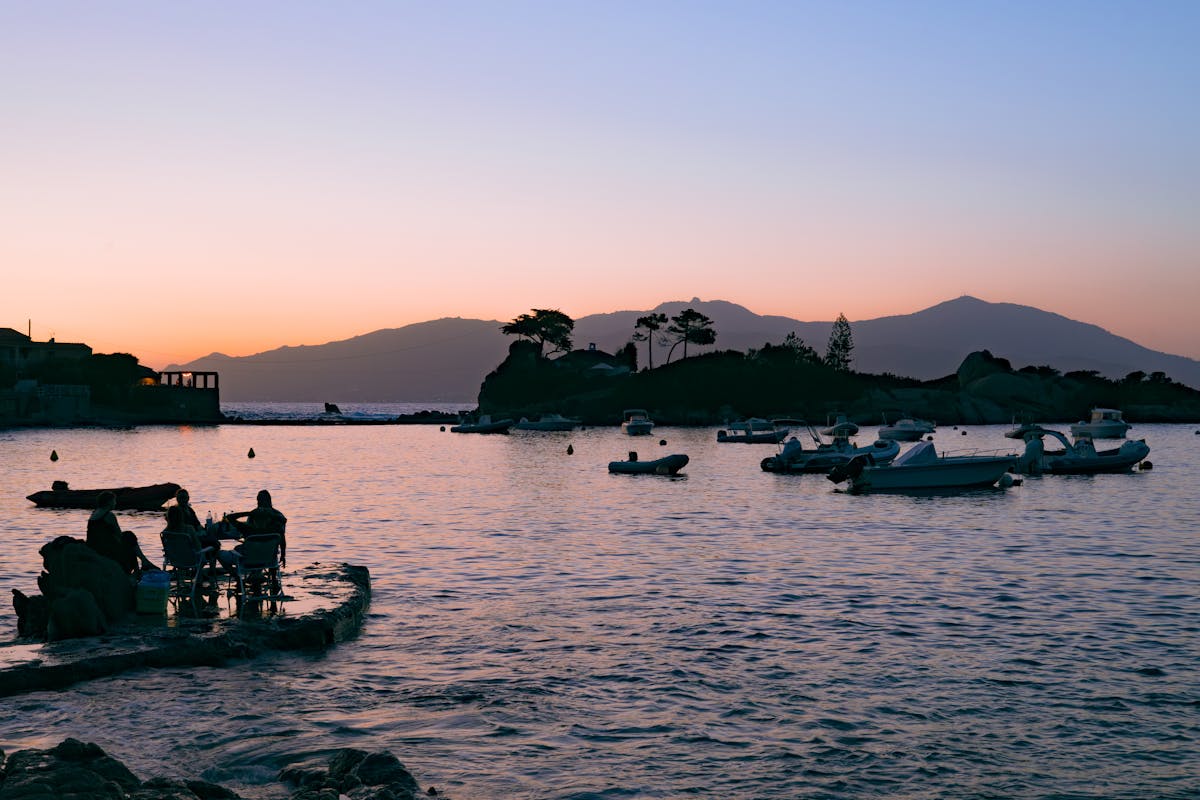
For the Sanguinaires sunset cruises specifically, departure times shift with the season. In June, you’ll board around 6:30-7:00pm. In August, it’s closer to 7:30-8:00pm. The operators adjust so you’re always in position for the actual sunset, which is thoughtful and means the timing is reliable regardless of when you visit.
How to Get to the Departure Points
Most tours leave from one of two places:
Ajaccio Harbour (Port Tino Rossi): This is right in the city centre, walkable from any hotel in town. The tour operator kiosks and boarding points line the southern edge of the harbour. If you’re arriving by car, parking near the harbour is tight in summer — use the Diamant parking structure or the lots along Cours Napoleon and walk 10 minutes down.
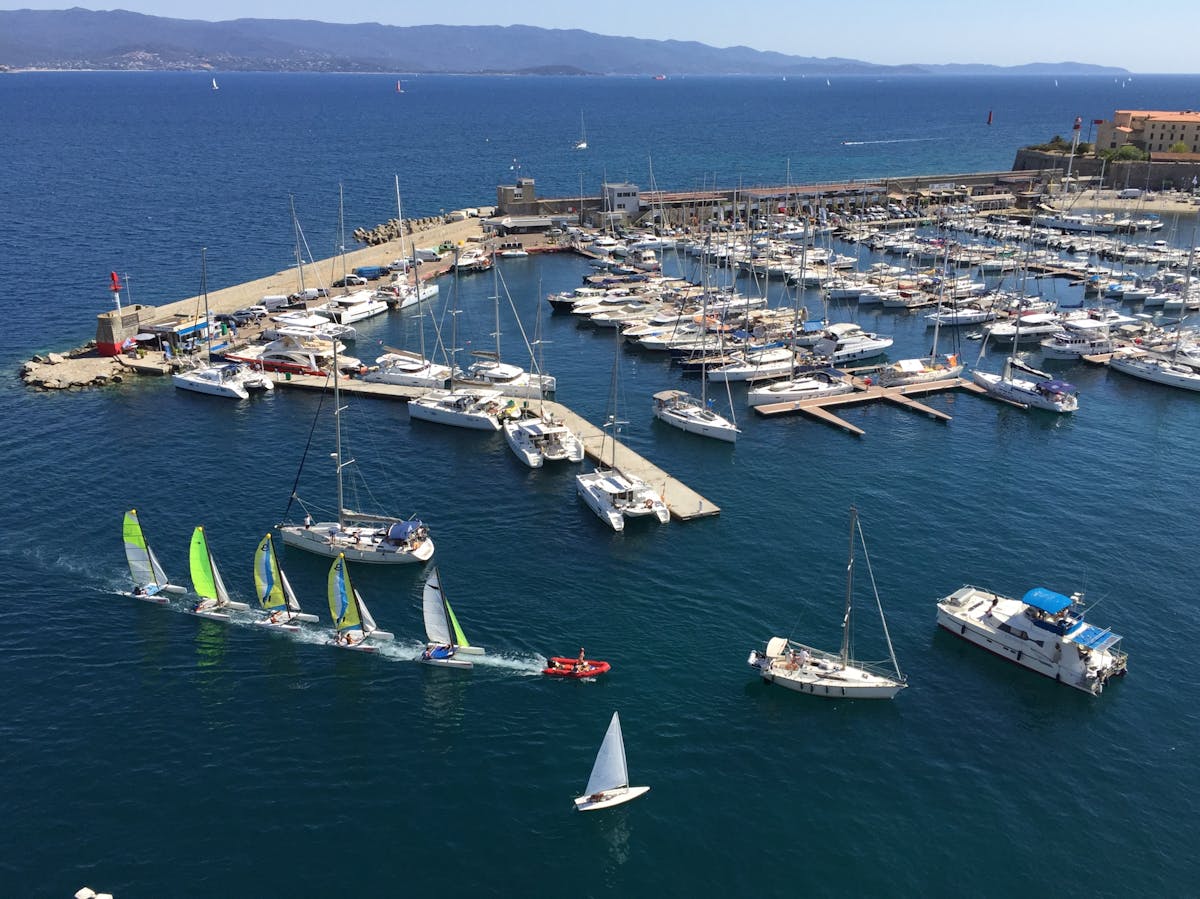
Porticcio: Across the bay from Ajaccio, about 25 minutes by car (or 15 minutes by the seasonal sea shuttle). If you’re staying in Porticcio or at one of the beach resorts south of Ajaccio, this saves you the drive into the city. Same tours, same boats, same prices — just a different pickup point. Check when booking which departure location your tour uses.
Getting to Ajaccio: The airport (Campo dell’Oro, AJA) is only 6km from the city centre — about 15 minutes by taxi. Flights connect to Paris, Lyon, Marseille, and Nice. Ferries from Marseille, Toulon, and Nice take 5-12 hours depending on the route and whether you take a daytime or overnight crossing. The ferry terminal is right next to the tour boat harbour.
Tips That Will Save You Time and Money
Book online, not at the harbour. In-person booking works in shoulder season, but July-August departures sell out online days in advance. The sunset cruises go first. Booking through GetYourGuide or Viator gives you free cancellation up to 24 hours before, which is essential given how weather-dependent these tours are.
Bring your own snorkelling gear. Some boats provide masks and snorkels, many don’t. If swimming is important to you, bring your own — a basic set costs $15 at any sports shop in Ajaccio and makes the Sanguinaires swim stop ten times better.
Seasickness preparation is not optional for the long trips. The Bonifacio and Scandola full-day tours involve sustained open-water sailing. If you have even a mild tendency toward motion sickness, take medication beforehand. The Mediterranean can be choppy, especially in the afternoon when the wind picks up.
Pack more water than you think you need. Full-day tours often don’t have enough bottled water for everyone, especially on hot days. Bring at least 1.5 litres per person. Sunscreen and a hat are also non-negotiable — there’s no shade on most boats.
Consider combining two shorter tours instead of one long one. A morning Sanguinaires gulf tour ($42) plus an evening sunset cruise ($58) on different days gives you both the swimming experience and the golden-hour magic for a combined $100 — and you’re never stuck on a boat for more than three hours at a stretch.
Don’t skip the Scandola trip because it’s expensive. At $82, it’s the priciest half-day-ish option, but the UNESCO-listed landscape is genuinely world-class. People fly to places like Ha Long Bay in Vietnam to see volcanic coastline by boat — Scandola is the same calibre of scenery, a two-hour flight from most European cities.
What You’ll Actually See on Each Route
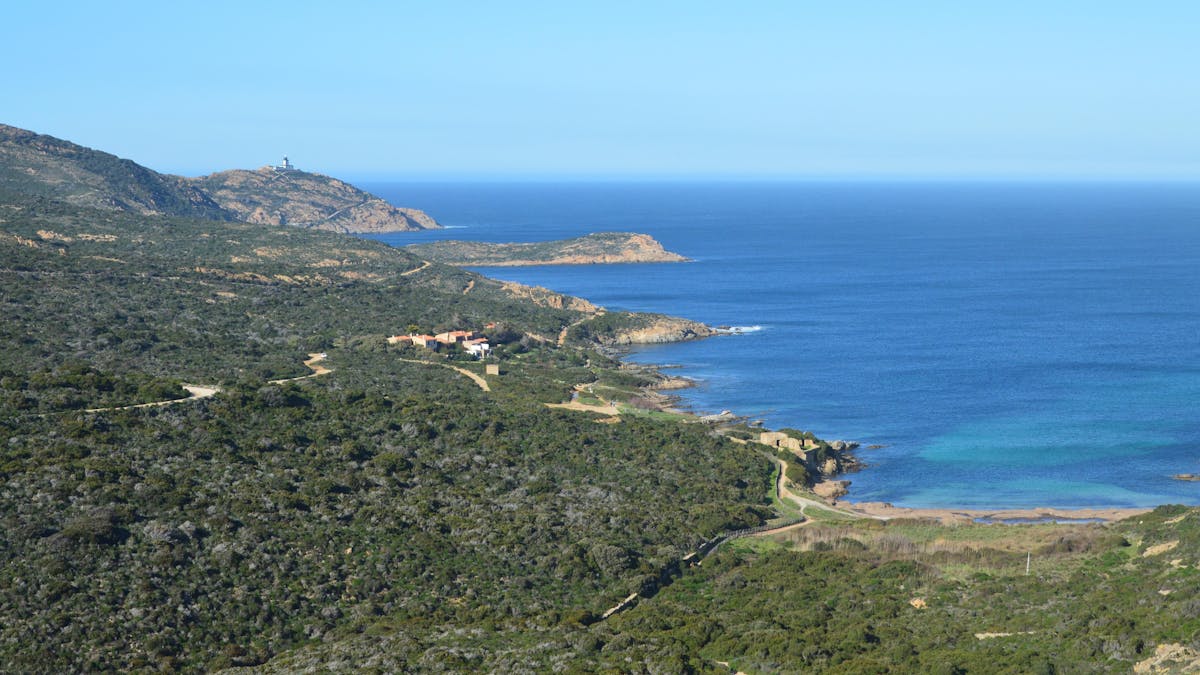
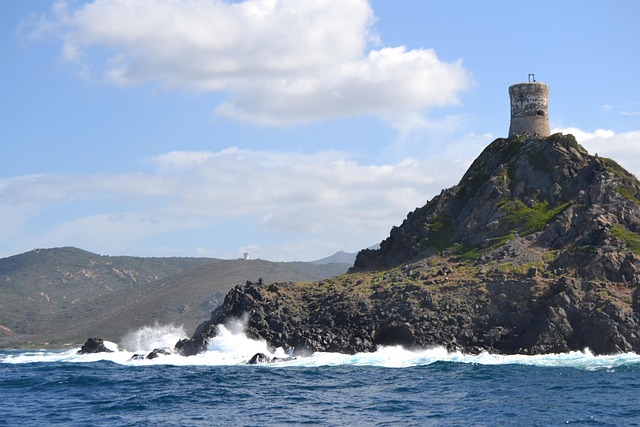
The Sanguinaires route takes you west along the Ajaccio coastline, past the Pointe de la Parata headland (where there’s a ruined Genoese watchtower), and into the archipelago. The four islands — Grande Sanguinaire, Cala d’Alga, Isolella, and Porri — are rocky, wind-scoured, and home to seabirds, wild goats, and the ruins of a 19th-century lazaret (quarantine station). The water around the islands is protected, and the seabed visibility is excellent. Dolphins are not uncommon in the channel between the islands and the mainland.
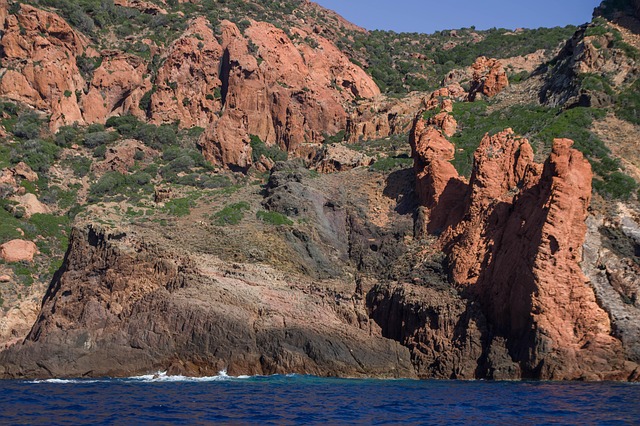
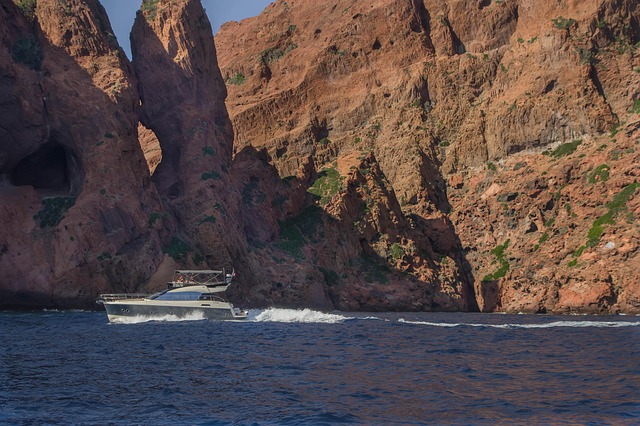
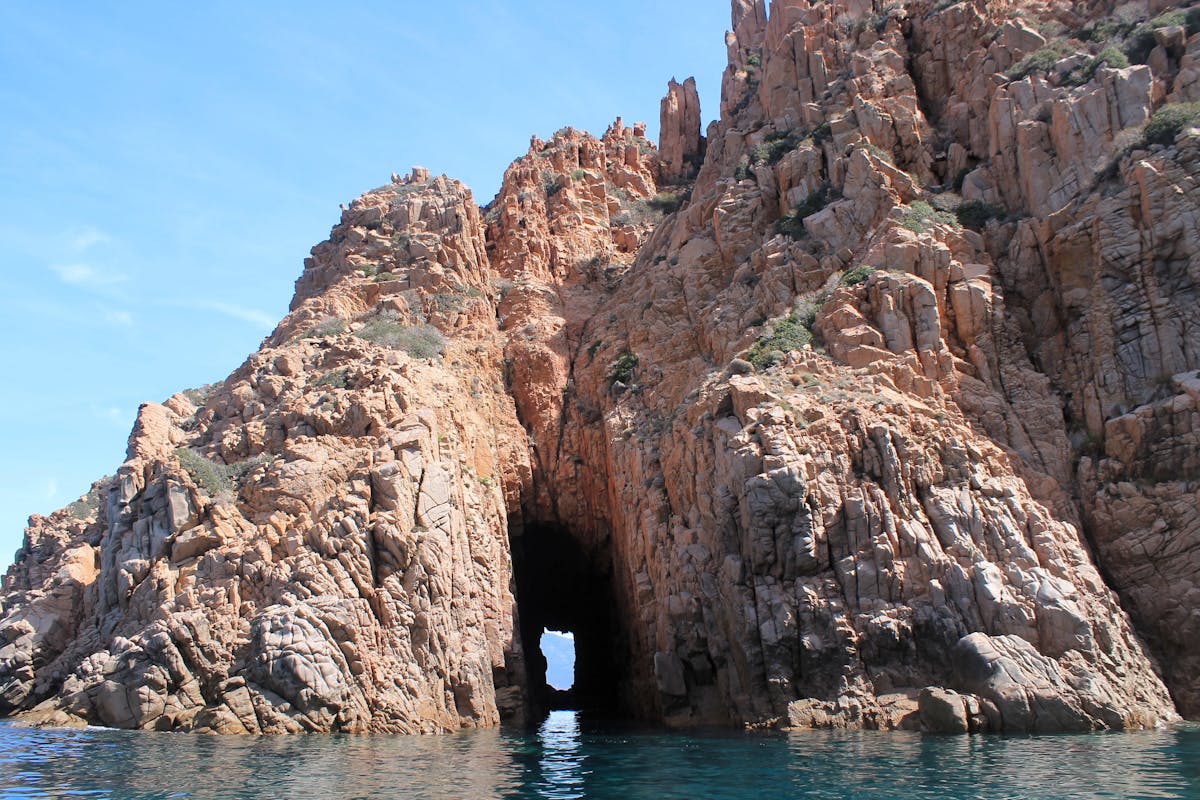
The Scandola route heads north, passing the Gulf of Sagone and the red granite Calanques de Piana before reaching the reserve. Inside Scandola, the boat drifts past columnar basalt formations (think Giant’s Causeway, but vertical and dropping into the sea), sea caves with eerie blue light, and nesting sites for ospreys and peregrine falcons. The village of Girolata — accessible only by boat or a two-hour hike — appears like a mirage between the cliffs: a crescent beach, a Genoese fort, and a handful of restaurants that serve whatever the fishermen caught that morning.
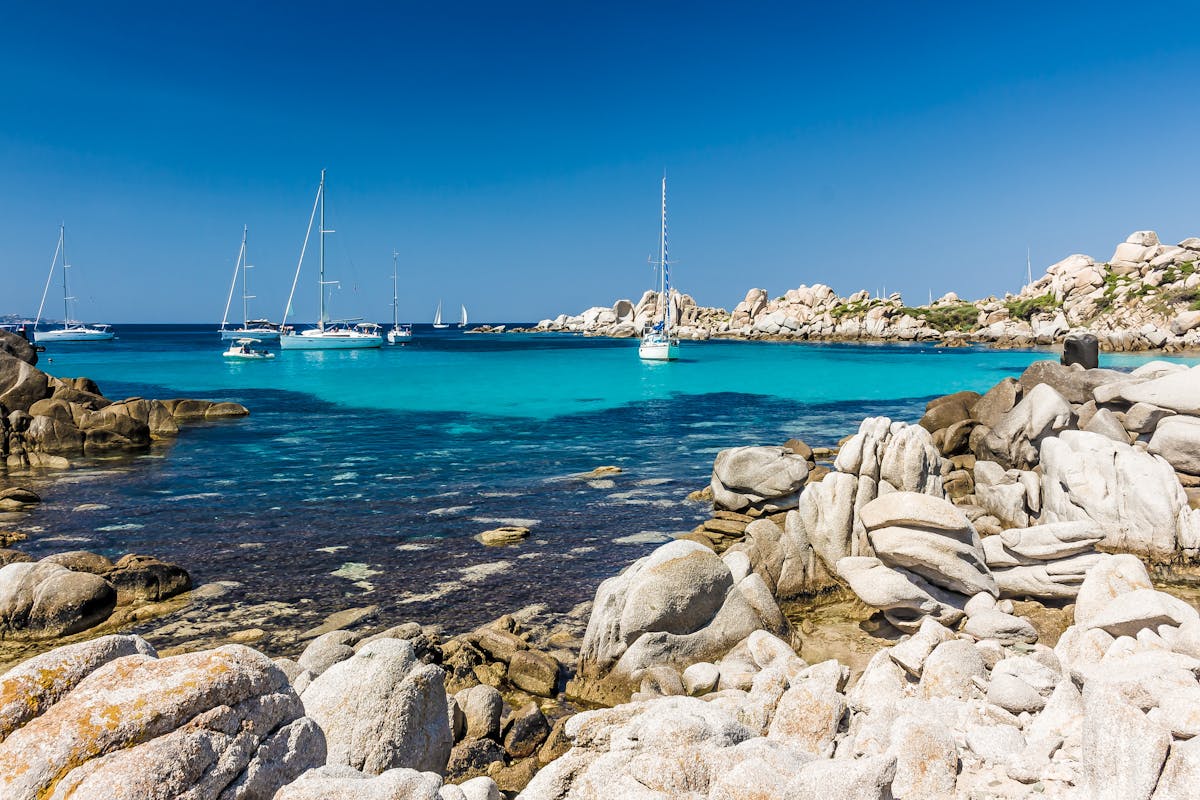
The Bonifacio route follows the south coast, passing secluded beaches, the Valinco Gulf, and the Lavezzi Islands marine reserve before reaching the famous white cliffs. The approach to Bonifacio by sea is one of the great arrivals in the Mediterranean — the citadel appears gradually above the cliff edge, seemingly floating on white limestone. The boat enters the narrow harbour fjord (the only natural harbour in Corsica) and docks beneath the overhanging buildings of the old town. It’s theatrical in the best way.
Planning the Rest of Your Corsica Trip
If you’re exploring the French Mediterranean more broadly, the coastline between Corsica and the mainland offers some of the best boat experiences in Europe. The Calanques near Marseille are the closest comparison to what you’ll see at Scandola — dramatic limestone inlets with insanely clear water, though much more crowded. For something completely different, a Camargue safari from Arles trades cliffs for wetlands, white horses, and flamingos. And if you’re flying in or out through Nice, a sightseeing cruise along the Riviera pairs well with the Corsican boat tours — different vibe entirely, more glamour and less wilderness, but the coastline is stunning in its own right. For a more romantic evening on the water, the Seine dinner cruise in Paris is hard to top — though it couldn’t be more different from a Corsican adventure.
This article contains affiliate links. If you book a tour through one of our links, we earn a small commission at no extra cost to you. This helps us keep writing detailed guides like this one.