
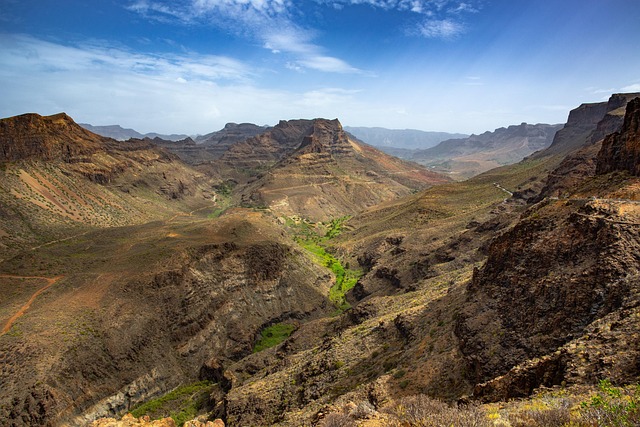
The first time I saw Gran Canaria’s interior from a buggy, I genuinely thought the GPS was broken. We’d left the tourist strip near Maspalomas twenty minutes earlier, and suddenly we were driving through a canyon that looked like it belonged in Arizona. Red sandstone walls, dry riverbeds, cactus growing out of the rock face. Then we turned a corner and hit a banana plantation. Then a pine forest. All on the same island, all within an hour’s drive.
Gran Canaria gets called a “miniature continent” and it sounds like marketing fluff until you actually cross the interior by buggy. Within 1,560 square kilometers, this island packs sand dunes, volcanic canyons, cloud forests, and agricultural terraces that drop off into nothing. The buggy routes cut through the most dramatic transitions, and the experience is unlike anything else I’ve done in the Canaries.
This guide covers everything you need to know about booking a buggy tour in Gran Canaria. I’ll break down the best tours available, what the routes actually look like, and the practical details that make or break the experience. Whether you want a pure adrenaline canyon run or a slower all-day adventure through mountain villages, there’s an option here for you.
- In a Hurry? Top 3 Picks
- Why a Buggy Tour? What Makes Gran Canaria Different
- The Best Buggy and Off-Road Tours in Gran Canaria
- 1. Off-Road Buggy Adventure in the Canyons —
- 2. Buggy Pirates Tour Gran Canaria —
- 3. South Gran Canaria Off-Road Jeep Safari —
- What to Expect on the Day
- The Landscape: What You’ll Actually See
- The Guanche Connection
- When to Go and What Time to Book
- Buggy vs. Jeep vs. Quad: Which One?
- Practical Tips from Experience
- Getting There and Meeting Points
- What Else to Do on Gran Canaria
In a Hurry? Top 3 Picks
Most popular: Off-Road Buggy Canyon Adventure — $76 per person, 2.5 hours through the southern canyons. The one everyone books first, and for good reason. Check Availability
Best value: Buggy Pirates Tour Gran Canaria — $91 per person, 2 hours of pure off-road fun in 800cc buggies. The guides here are passionate and the scenery is unreal. Check Availability
Full-day adventure: Off-Road Jeep Safari — $74 per person, 5 hours covering valleys, villages, and volcanic landscapes. For people who want to see everything. Check Availability
Why a Buggy Tour? What Makes Gran Canaria Different
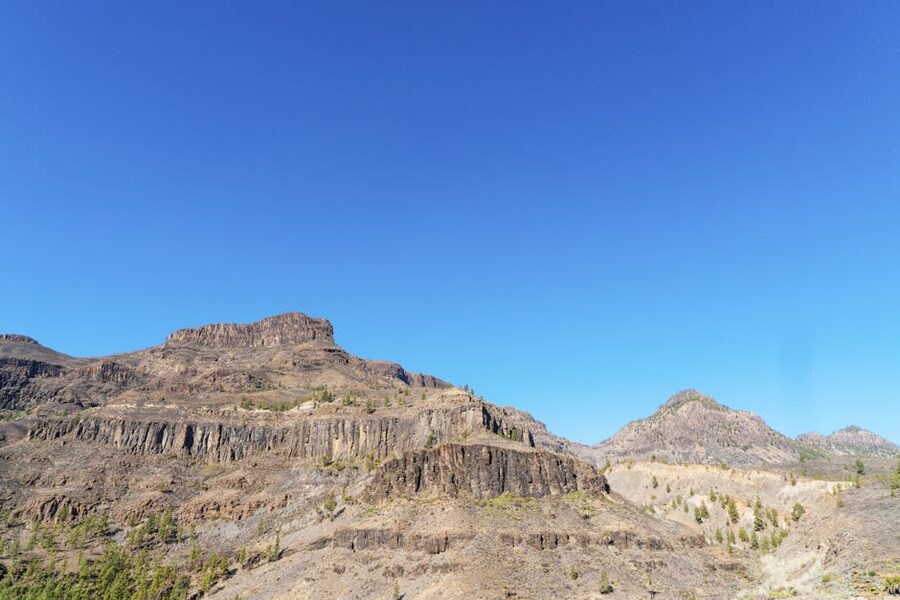
Most visitors to Gran Canaria never leave the beach resorts. They see Maspalomas, maybe Puerto de Mogan, and fly home thinking they’ve seen the island. They haven’t. The interior is where Gran Canaria reveals what makes it genuinely special, and a buggy is the best way to access terrain that regular cars can’t reach.
The canyons here — called barrancos — were carved by ancient rivers that haven’t flowed for thousands of years. Gran Canaria doesn’t have permanent rivers anymore, but the landscape still carries the marks of when water shaped everything. The buggy trails follow these old riverbeds, weaving between walls of volcanic rock that tower above you on both sides.
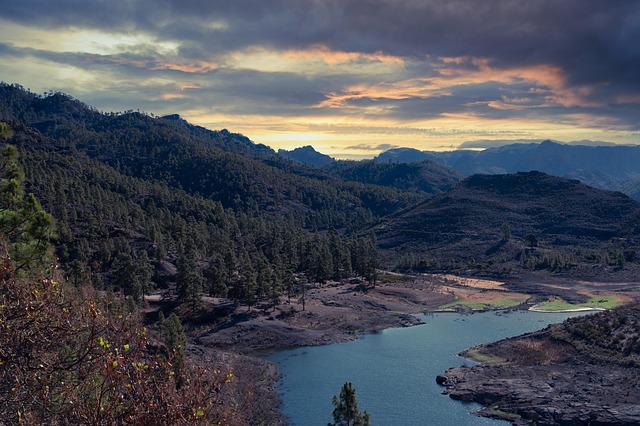
What I love about buggy tours specifically is the exposure. You’re not behind glass. You feel the temperature change as you climb from the warm coast into the cooler highlands. You smell eucalyptus and pine. Dust kicks up around you on the dirt tracks. It’s a full sensory experience that a jeep tour or bus excursion just can’t match.
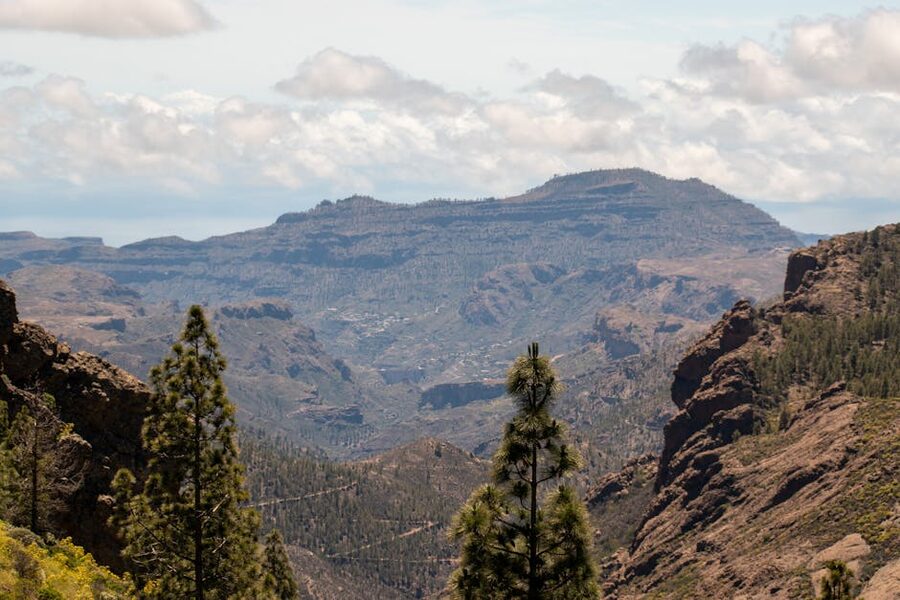
The other thing that surprised me is the speed of the landscape changes. You can go from arid desert terrain to dense pine forest in under ten minutes. The microclimates on this island are extraordinary. The north side catches moisture from the trade winds, while the south bakes dry. The buggy routes cross both zones, sometimes in a single ride.
The Best Buggy and Off-Road Tours in Gran Canaria
I’ve narrowed it down to three options that cover different styles — a focused canyon buggy run, a high-energy pirate-themed adventure, and a full-day jeep safari for the people who want to see the whole southern half of the island. All three have strong track records and the kind of repeat booking numbers that tell you the experience delivers.
1. Off-Road Buggy Adventure in the Canyons — $76
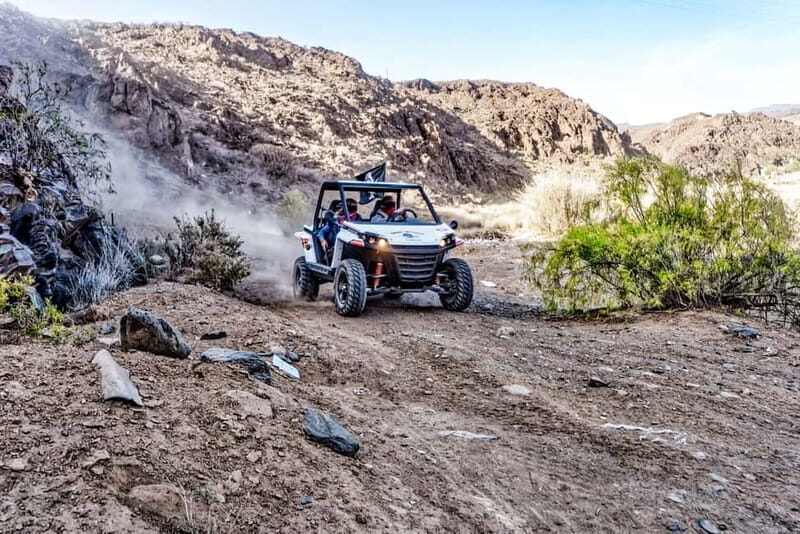
This is the one to book if you want the classic Gran Canaria buggy experience. Two and a half hours through the southern canyons, starting from the Maspalomas area. The buggies handle well on the rough terrain and the guides know every turn in the canyon. Our full review covers the route details and what to expect from start to finish. It’s the most popular buggy tour on the island for a reason — the canyon scenery is genuinely jaw-dropping and the pace keeps your adrenaline up without feeling dangerous.
2. Buggy Pirates Tour Gran Canaria — $91
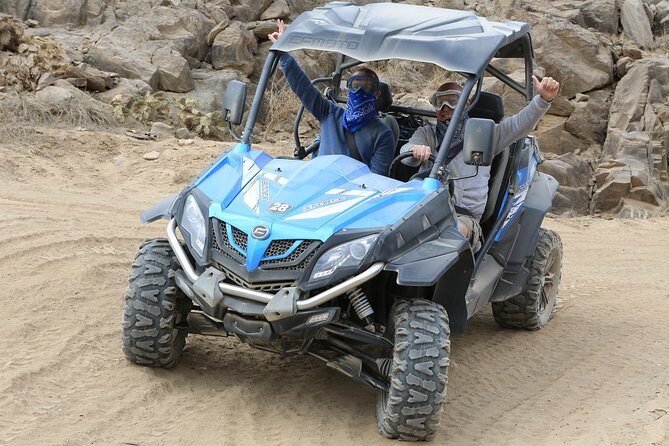
The name is a bit cheesy, but ignore that. This is the tour where the guides genuinely live for the buggies. Two hours in 800cc machines that have more grunt than anything else on the island. The team here treats every run like it’s their favorite part of the day, and that energy is infectious. Check our detailed review of the Buggy Pirates experience for the full breakdown. If you want raw off-road fun over scenic contemplation, this is the pick.
3. South Gran Canaria Off-Road Jeep Safari — $74
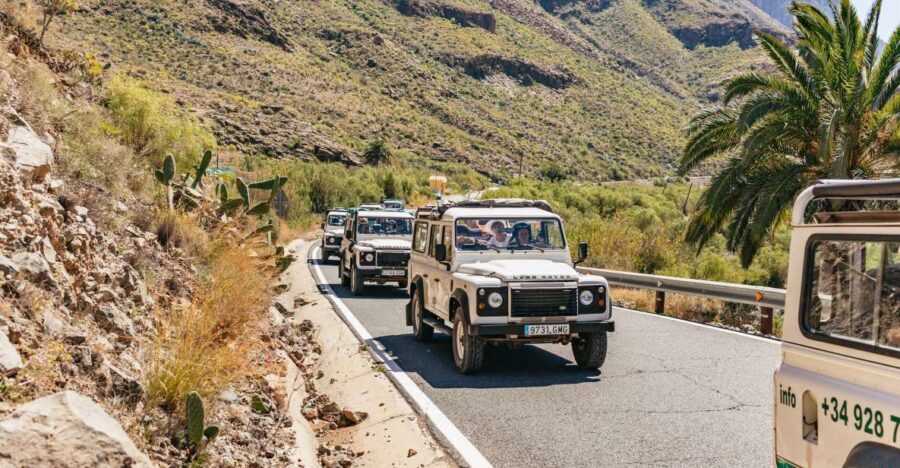
Not strictly a buggy tour, but I’m including it because the five-hour format covers ground that no buggy tour can match. You’ll cross valleys, pass through traditional mountain villages, and get into volcanic terrain that most visitors never see. It’s a different pace — more exploration, less adrenaline — and the jeep safari review goes deeper on the route and what’s included. If you’re choosing between a buggy and a jeep, the deciding factor is time. Two hours or five. Both are worth it.
What to Expect on the Day
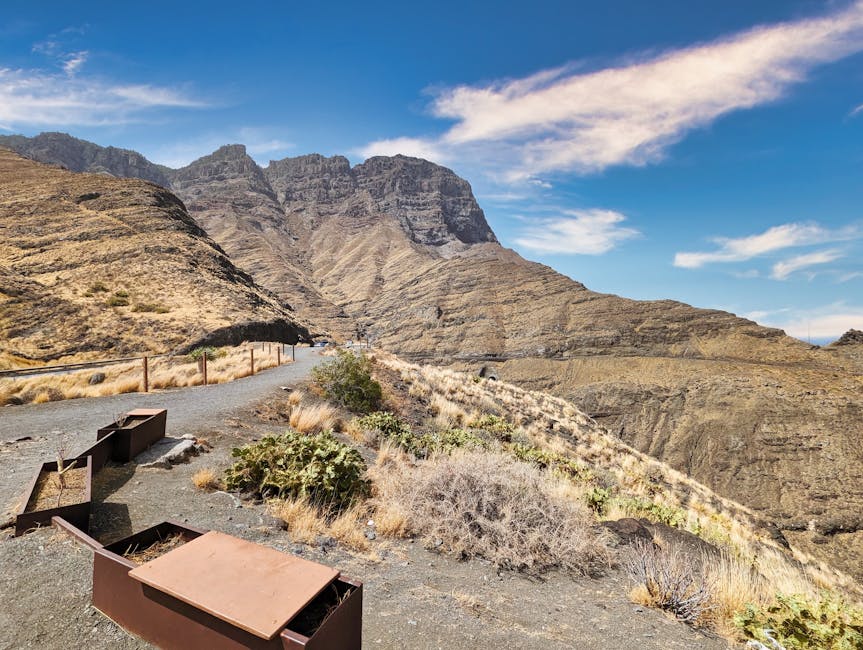
Most buggy tours depart from the southern resort areas — Maspalomas, Playa del Ingles, or nearby meeting points. You’ll get a safety briefing, a quick rundown of the buggy controls (they’re simple — gas, brake, steering), and then you’re off in a convoy.
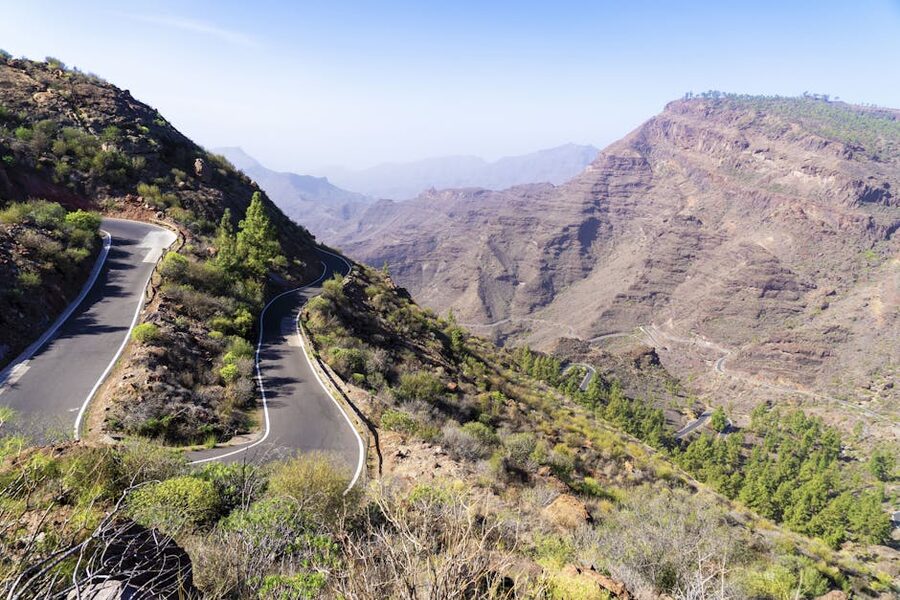
The first 10-15 minutes are usually on paved or semi-paved roads heading inland. Don’t worry — it gets wild fast. Once you hit the dirt tracks and canyon trails, the terrain changes completely. Expect bumps, dust clouds, steep inclines, and some genuinely tight turns between rock walls. It’s not dangerous if you follow the guide’s pace, but it’s definitely not a gentle ride.
What to wear: Closed-toe shoes are required. I’d also recommend long pants — dust and small rocks fly up from the wheels. Sunglasses are essential, and most operators provide goggles. Leave the white clothes at the hotel. You will get dusty.
Driving licenses: You need a valid driving license to operate the buggy. Passengers don’t need one, and most buggies seat two people. If you’re traveling as a couple, you can switch drivers at the halfway point on most tours.
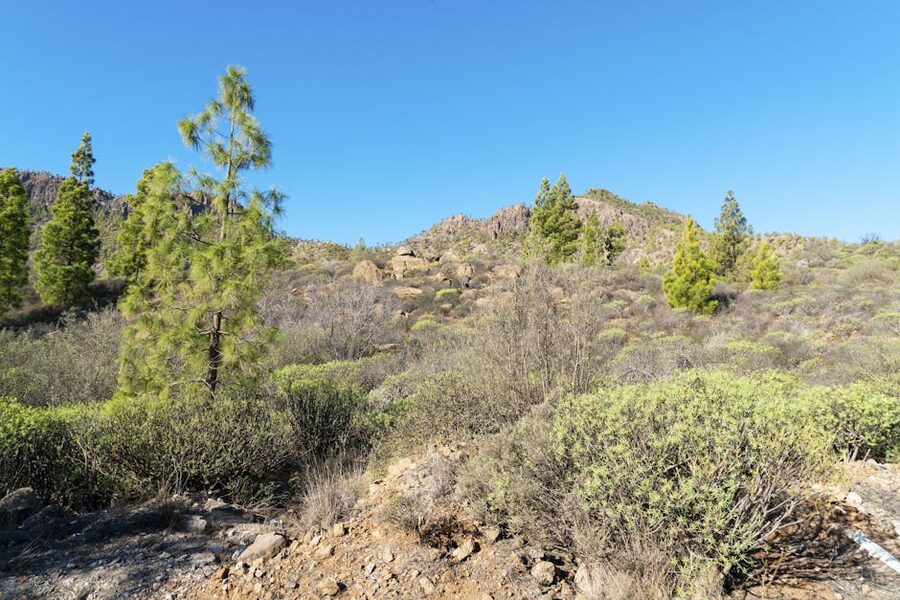
Photo stops: Every tour includes at least 2-3 photo stops at viewpoints. These are usually at canyon overlooks or ridge lines where you can see down to the coast. Bring your phone in a zippered pocket — you don’t want it bouncing out on the rough sections. Some people bring GoPros and mount them on the buggy frame, which makes for incredible footage.
The Landscape: What You’ll Actually See
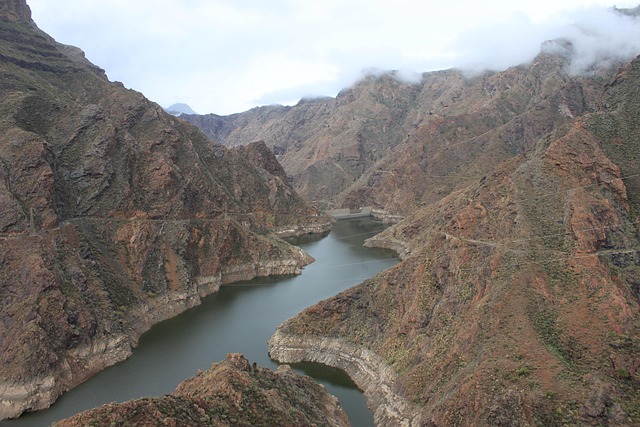
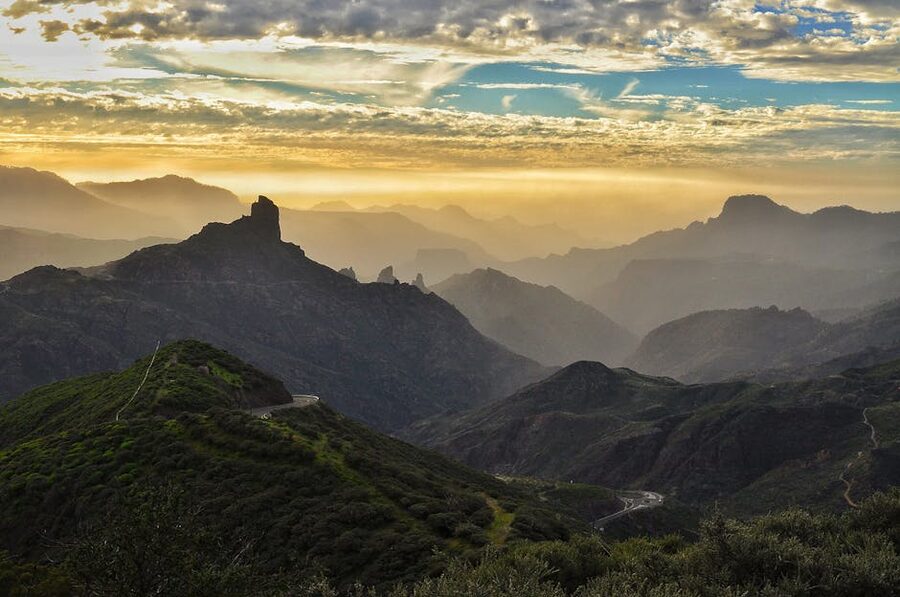
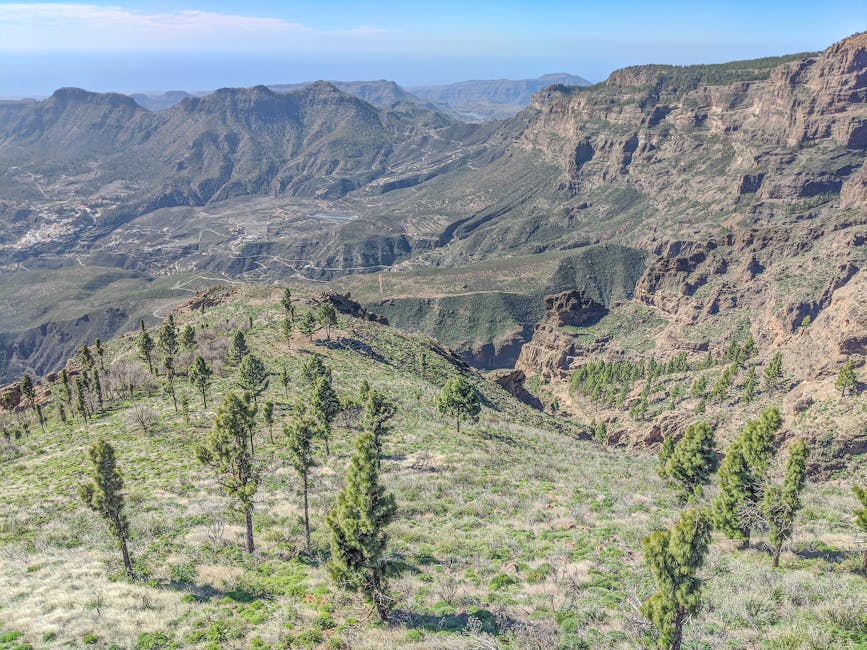
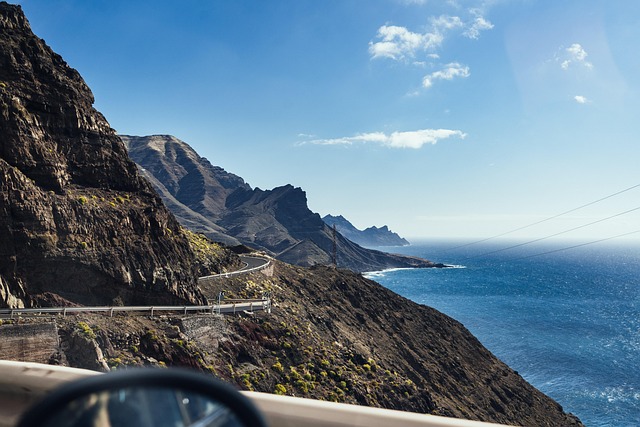
The southern half of Gran Canaria — where most buggy tours operate — is dramatically different from the green northern coast. Down here, the terrain is semi-arid, volcanic, and carved into deep ravines. The barrancos run like veins from the central mountains down to the coast, and the buggy trails weave through them.
Depending on your route, you might pass through or see some of these key landscapes:
The Canyons (Barrancos) — Deep, narrow valleys with steep walls. The rock is layered in reds, oranges, and blacks from different volcanic eruptions millions of years apart. Some of the canyon floors are sandy and wide. Others are tight and technical. The buggy tours stick to the drivable ones, obviously, but even those feel remote and wild.
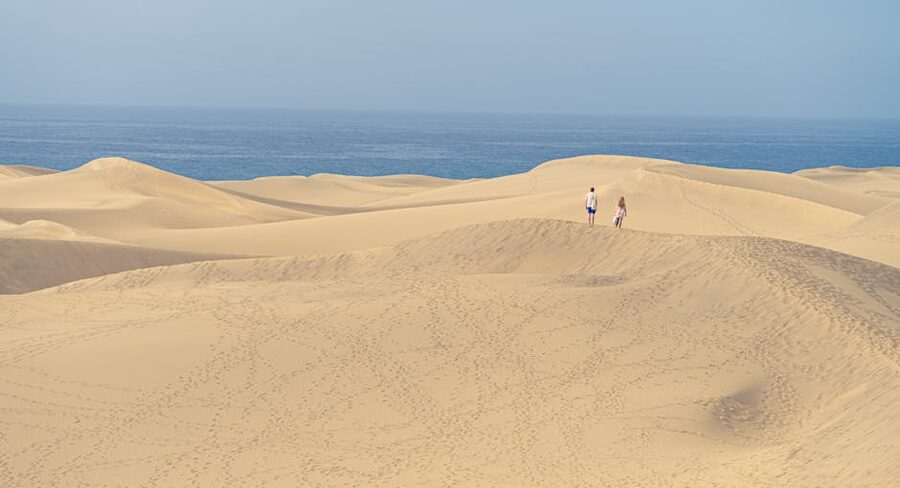
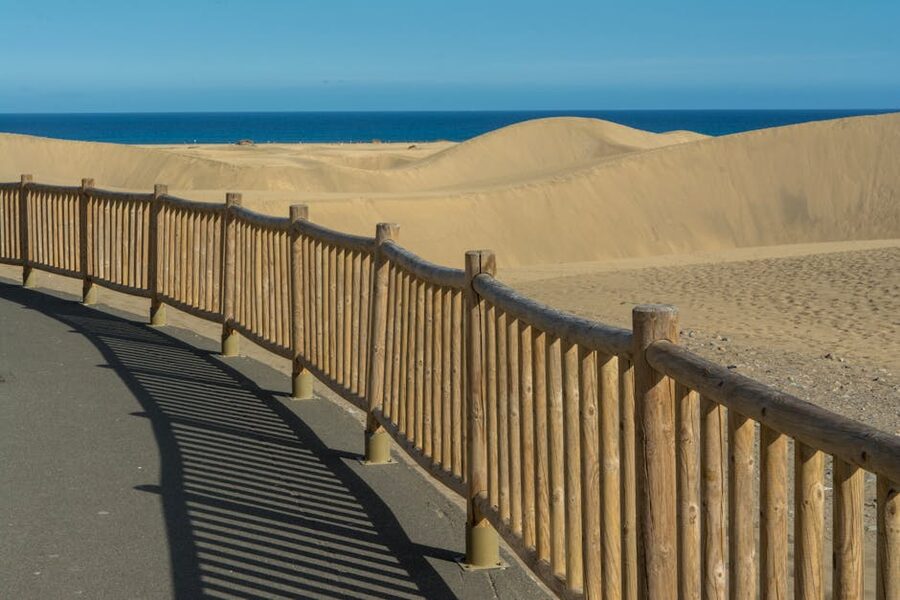
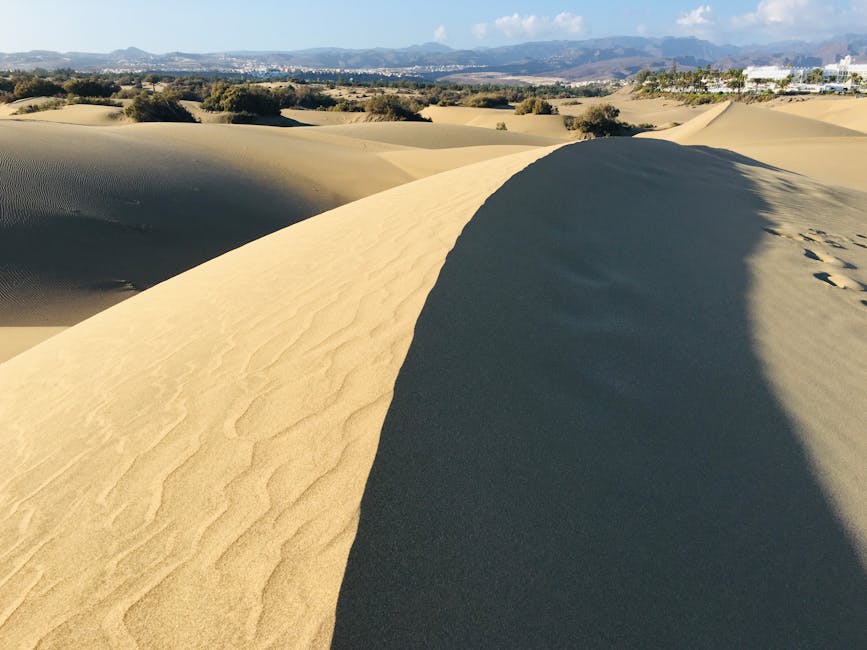
The Maspalomas Dunes — The starting and ending point for most tours. This 400-hectare dune field on the southern tip of the island is a Special Natural Reserve. You can’t drive through it, but you’ll see it from the buggy as you depart and return. The dunes are formed from coral and shell sand, not desert sand, which is why they have that distinctive golden color.
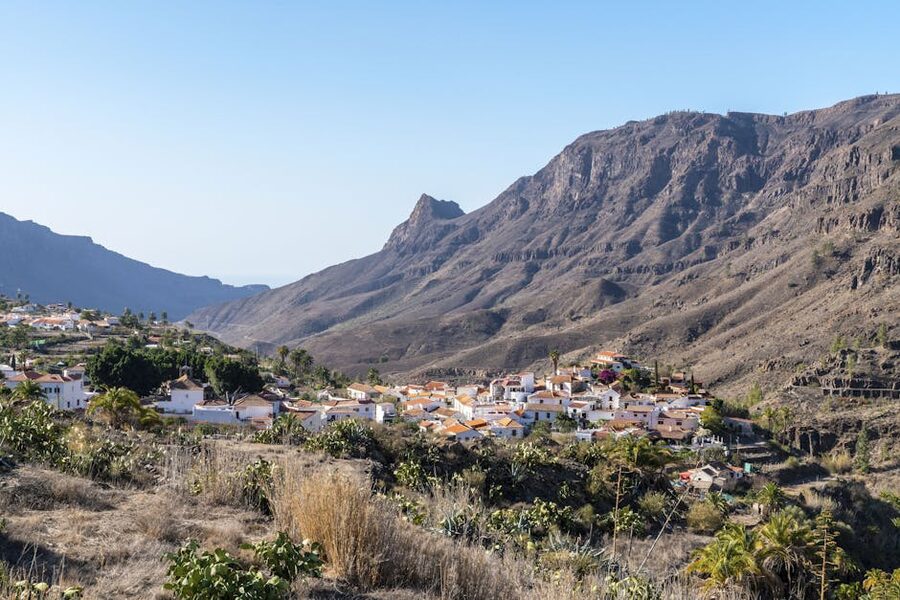
The Mountain Villages — On longer tours (like the 5-hour jeep safari), you’ll pass through small mountain communities that feel completely disconnected from the resort world below. Stone houses, terraced gardens, old men playing cards outside bars. The pace of life up here hasn’t changed much in decades.
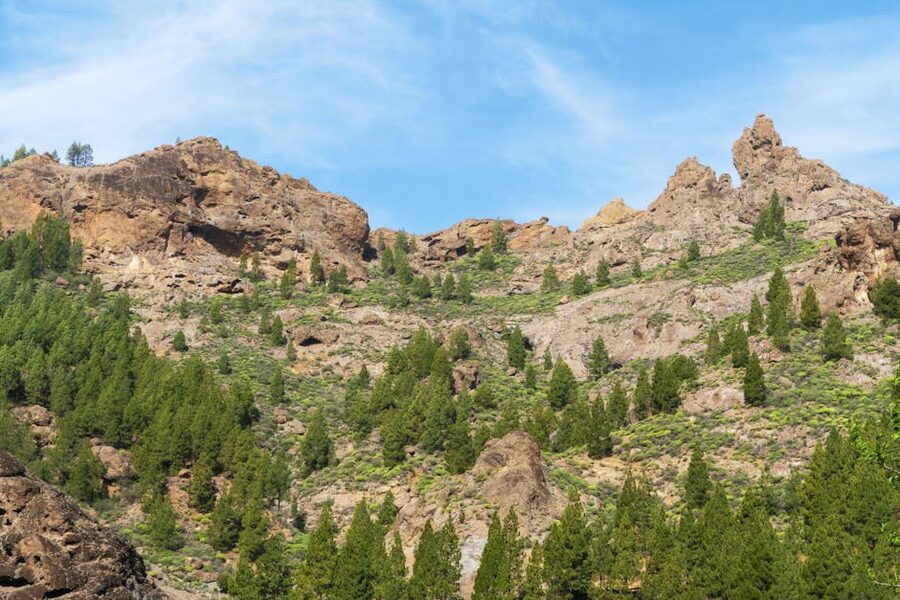
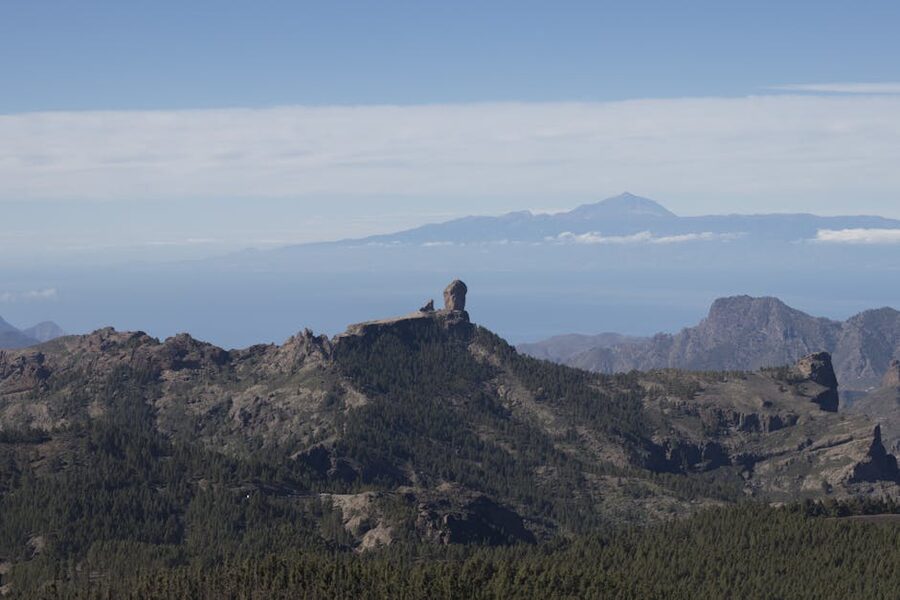
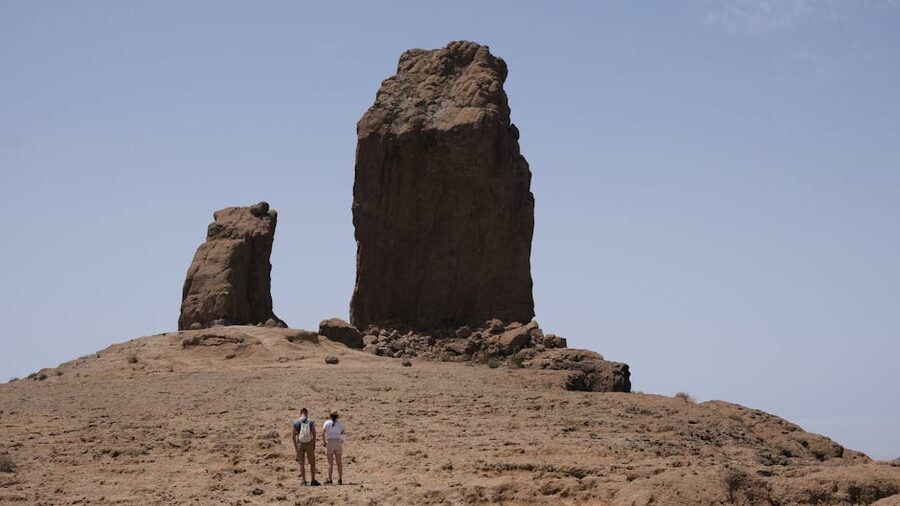
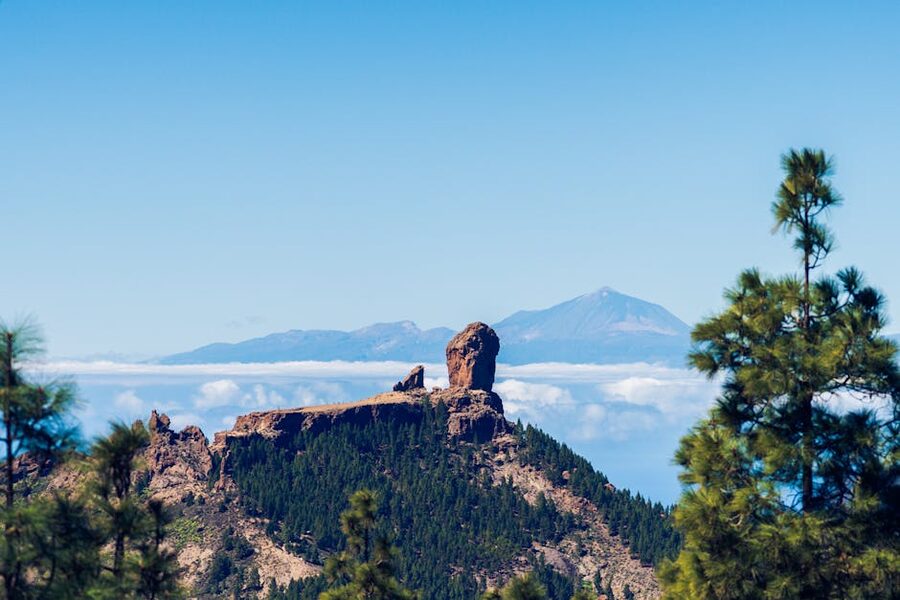
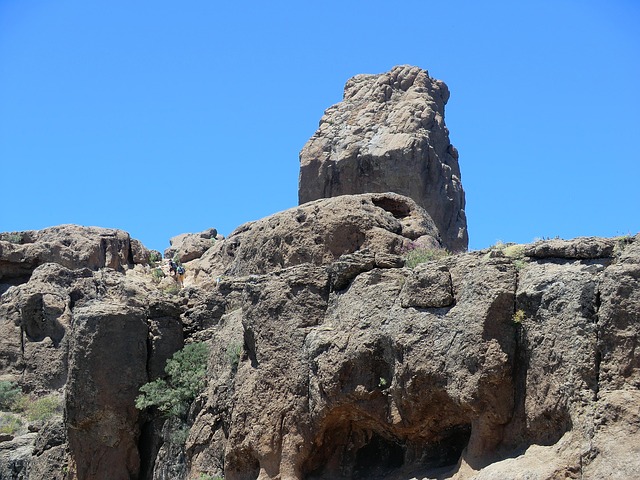
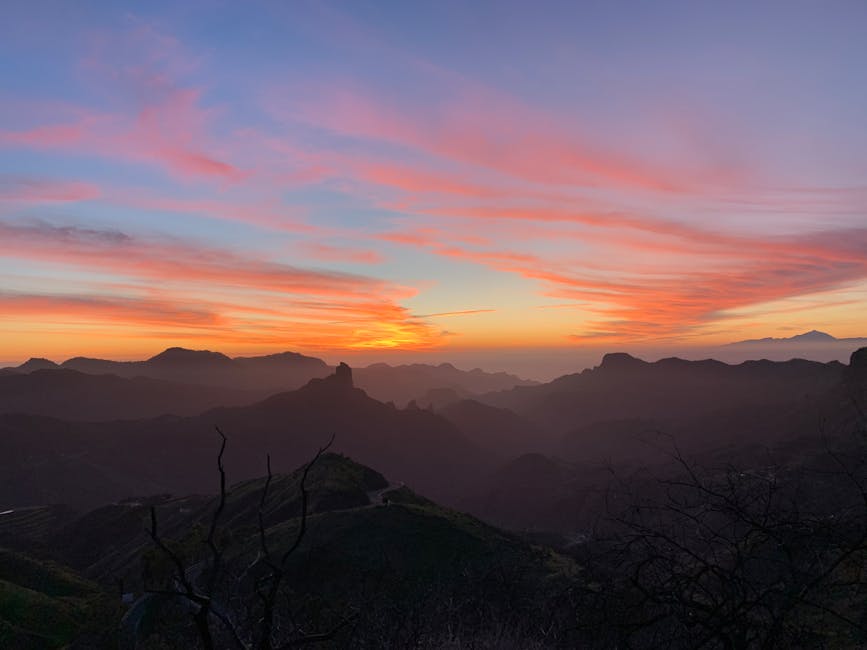
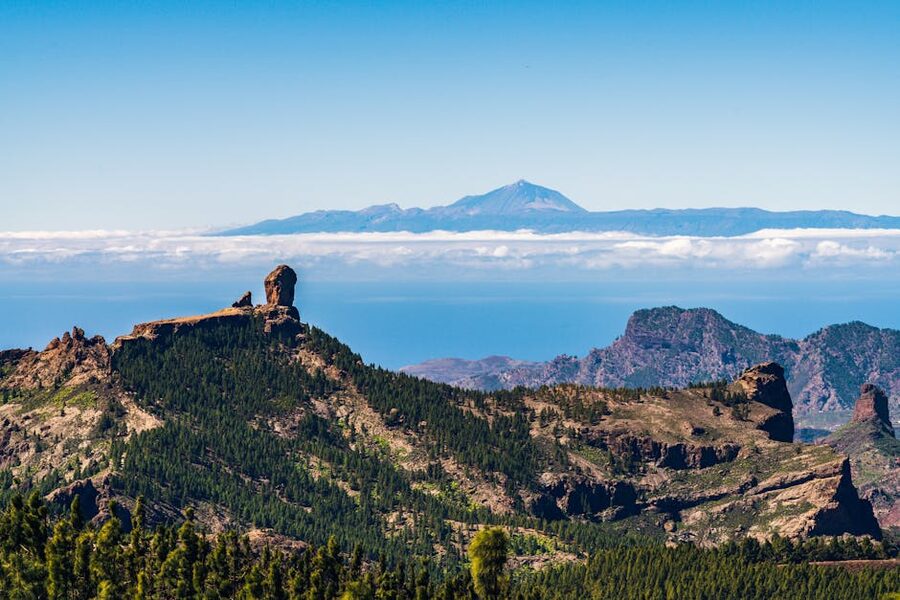
Roque Nublo — Gran Canaria’s most famous natural landmark. This volcanic monolith stands at 1,813 meters and was sacred to the Guanche people — the original Canarian inhabitants, related to the Berbers of North Africa, who lived in cave settlements in these canyons until the Spanish conquest in the 1400s. You won’t drive up to it on a buggy tour, but several routes offer spectacular views of it from the surrounding ridges. On a clear day, you can see Roque Nublo and Mount Teide on Tenerife in the same panorama.
The Guanche Connection
One thing that adds a real layer to the buggy experience — if you know to look for it — is the Guanche history written into these canyons. The Guanche people were the pre-Hispanic inhabitants of the Canary Islands, and they lived in cave dwellings carved into the canyon walls. Some of these caves are visible from the buggy routes.
The Guanche were related to the Berbers of North Africa and had been on the islands for over a thousand years before the Spanish arrived in the 15th century. They were skilled climbers and farmers who used the natural caves in the barrancos for shelter, grain storage, and burial sites. The Spanish conquest was brutal and the Guanche culture was largely destroyed, but the landscape they lived in remains exactly as it was.
Some buggy guides will point out cave openings as you pass through the narrower canyons. Keep your eyes on the canyon walls above the trail — you’ll see dark rectangular openings that were once doorways. It’s a sobering reminder that this dramatic landscape wasn’t always just a tourist attraction.
When to Go and What Time to Book
Gran Canaria has warm weather year-round, so buggy tours operate every month. But there are better and worse times:
Best months: October through April. The temperatures are comfortable (20-25 C), the dust is manageable, and the light is softer for photos. Winter is technically the “rainy season,” but rain in the south is rare. If it does rain, the canyons turn green within days, which is actually stunning.
Worst time: Mid-July to mid-August. It’s hot — sometimes over 35 C — and the dust on the trails becomes intense. The buggies don’t have air conditioning, obviously. Early morning slots (departing before 9am) are tolerable in summer. Anything after noon is punishing.
Best time of day: Morning tours (9am-11am departures) have the best light and cooler temperatures. Late afternoon tours (4pm-5pm departures, where available) offer golden hour light in the canyons, which is spectacular for photography. Midday tours are the least pleasant.
Booking lead time: Book at least 3-4 days in advance during peak season (December-March and July-August). Off-peak, you can usually get spots 1-2 days out. The canyon buggy tour (option 1 above) fills up fastest.
Buggy vs. Jeep vs. Quad: Which One?
I get this question a lot, so here’s the honest breakdown:
Buggies are the most fun for couples and pairs. You’re exposed to the elements, you control the vehicle, and the power-to-weight ratio makes everything feel faster than it is. The 800cc buggies (like the Pirates tour) have real acceleration. Downsides: you get very dusty, and you can’t carry much gear.
Jeeps are better for families or groups. More comfortable, better suspension, and the driver (a professional guide) handles the technical sections so you can focus on the views. The trade-off is that you’re a passenger, not a driver. If you want to sit back and absorb the scenery, a jeep is the right call.

Quads are available on the island but I generally don’t recommend them for first-timers. They’re more physically demanding, offer less protection from dust and rocks, and the single-seat format means couples get separated. If you’re an experienced ATV rider, they’re great. Otherwise, stick with a buggy.
Practical Tips from Experience
- Bring a bandana or buff for your face. Even with goggles, the dust gets everywhere. Your nostrils will thank you.
- Secure your belongings. Leave valuables at the hotel. Bring only your phone (in a zipped pocket), your license, and some cash. Most tours have a small storage compartment in the buggy, but it’s not secure on bumpy terrain.
- Sun protection is critical. You’re exposed for 2-5 hours. Apply sunscreen before you leave and reapply at photo stops. A hat won’t survive the wind, so rely on sunscreen and the buggy’s roll bar shade.
- Bring water. Most tours provide a small bottle, but it’s not enough. Bring at least 500ml extra, especially in warmer months.
- Camera tip: If you’re using a phone, switch to burst mode for action shots. The vibration makes single shots blurry. GoPros or action cameras mounted to the buggy frame produce the best results.
Getting There and Meeting Points
All three recommended tours have pickup or meeting points in the southern resort zone. The Off-Road Buggy Canyon Adventure meets near Maspalomas, and the exact address is sent after booking. The Buggy Pirates tour has a dedicated base near Maspalomas as well. The Jeep Safari offers hotel pickup from most southern hotels.
If you’re staying in Las Palmas (the northern capital), you’ll need to drive south first. It’s about 30-40 minutes on the GC-1 motorway. Some tours offer Las Palmas pickup for an extra fee, but it adds significant time to the day. My advice: if you’re based in Las Palmas, book the full-day jeep safari — the long drive south is already built into the tour time, so it doesn’t feel wasted.
What Else to Do on Gran Canaria
A buggy tour covers the interior, but Gran Canaria has a lot more going on beneath the surface and along the coast. If you’re spending a few days on the island, you should pair the buggy experience with something completely different.
The submarine tour off the Gran Canaria coast takes you underwater to see the marine life that thrives around the volcanic rock formations below the surface. It’s the opposite experience to a dusty canyon buggy ride, and the contrast makes both better. If you’d rather stay above water, the dolphin watching cruises from Gran Canaria head into the channel between the islands where bottlenose dolphins and pilot whales are resident year-round.
The other Canary Islands are worth exploring too. Over on Lanzarote, the volcano buggy tours through Lanzarote’s lava fields are a completely different off-road experience — black volcanic terrain instead of red canyons. And Timanfaya National Park is one of the most otherworldly landscapes in Europe. Tenerife has the famous whale watching excursions and Siam Park water park for a completely different kind of day out. If you’re island-hopping south to Fuerteventura, the boat tours there explore wild coastline that you can’t reach any other way.
This article contains affiliate links. We may earn a small commission when you book through our links, at no extra cost to you. This helps us keep producing free travel guides.