
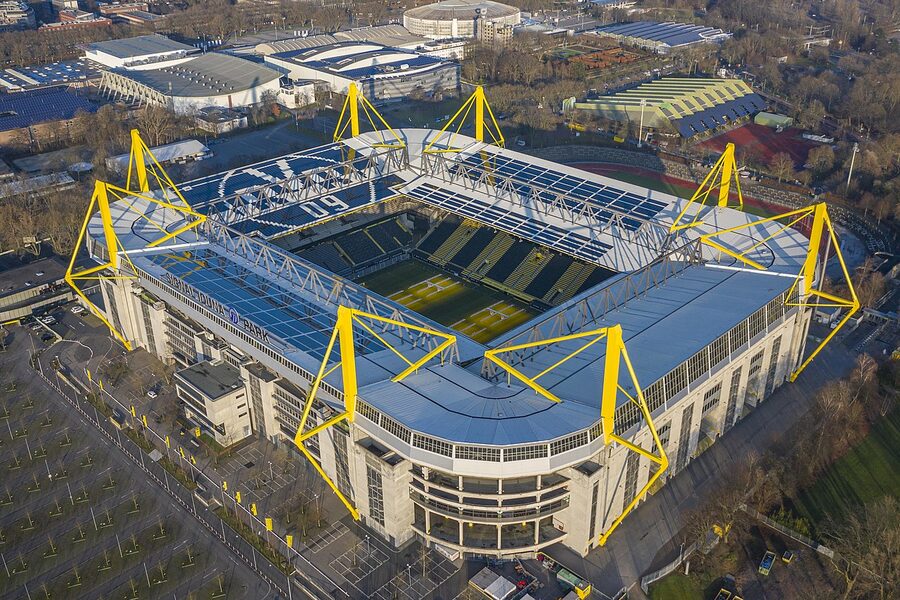
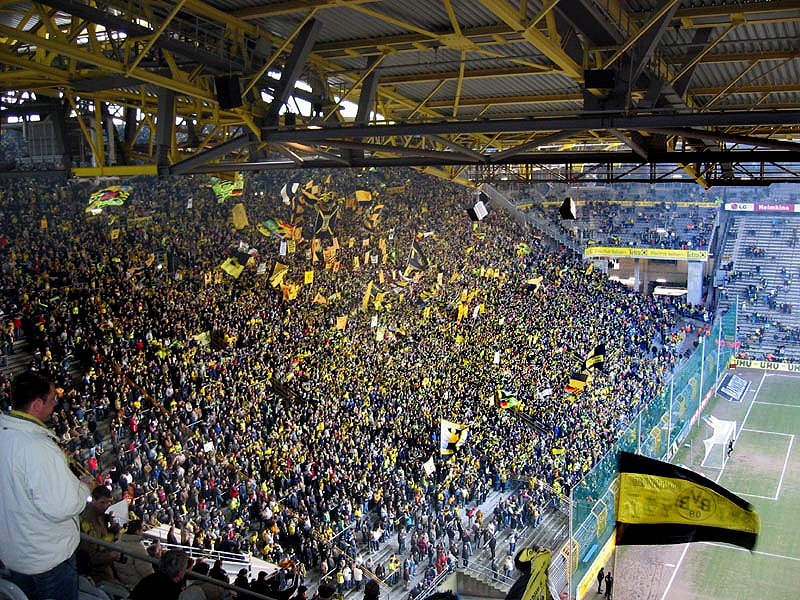
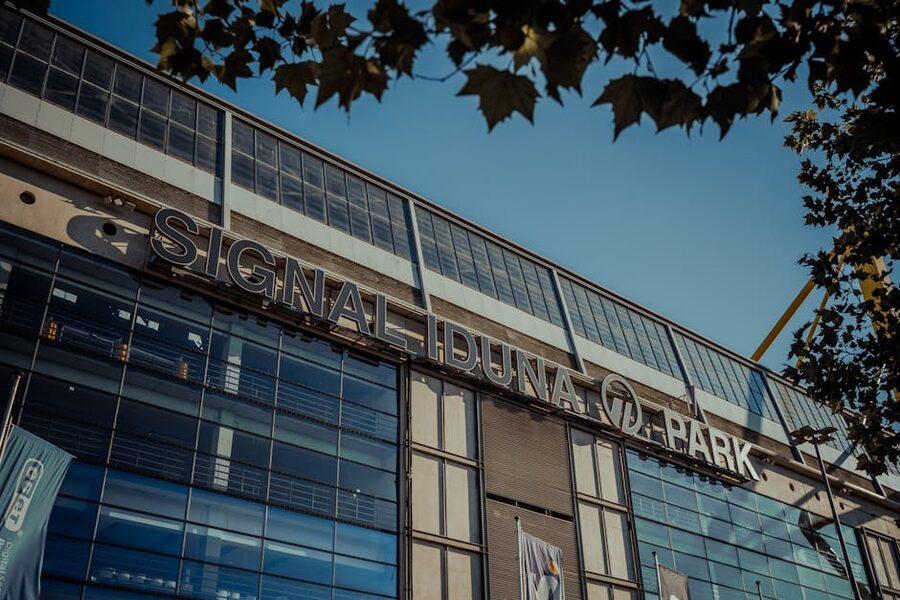
The Südtribüne at Signal Iduna Park is the largest terrace in European football — 24,454 standing places, all Borussia Dortmund fans, all singing at once. On match day it’s called the Yellow Wall. On a stadium tour day, it’s empty concrete bleachers and you can stand at the front and look up at the sheer scale of the thing. That contrast — 80,000 screaming people versus dead-silent concrete — is the whole point of a BVB stadium walk.
Here’s how the stadium tours work, which tickets to book, and how to extend the Dortmund visit beyond the stadium itself.


In a Hurry? The Three Ways to Do BVB
- Stadium walk: BVB Signal Iduna Park Stadium Walk — from €14. 60-minute guided tour of the stadium interior, best-value football tourism in Germany.
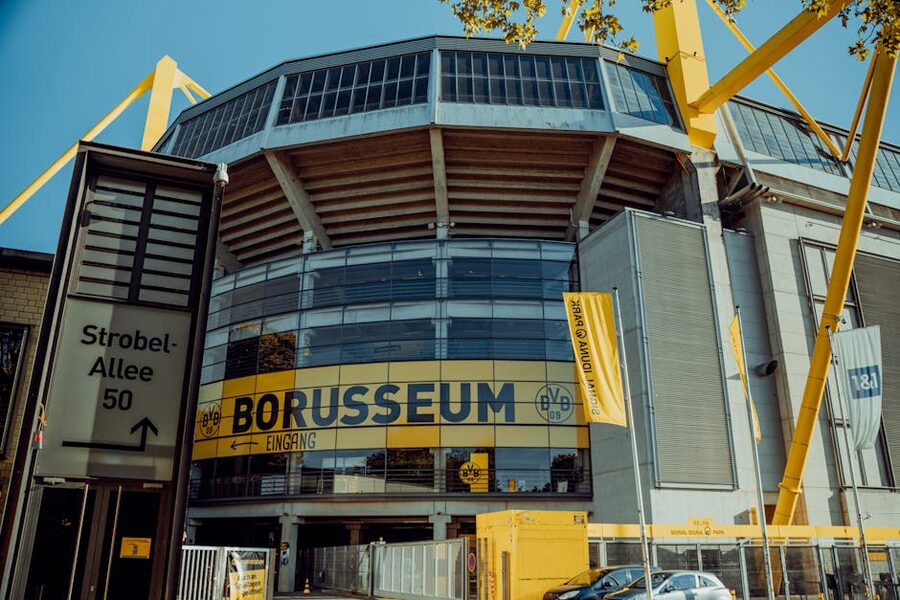
- Club museum: Borusseum (BVB Museum) Entry — from €10. Club history museum attached to the stadium. Covers the 1909 founding to the present.
- German Football Museum: German Football Museum — from €23. Broader national football museum across town (not BVB-specific), the official museum of German football.
- In a Hurry? The Three Ways to Do BVB
- Why BVB and Signal Iduna Park Matter
- When the Yellow Wall Became Iconic
- The Best Dortmund Football Tours and Tickets
- 1. BVB Signal Iduna Park Stadium Walk — from €14
- 2. Borusseum Borussia Dortmund Museum — from €10
- 3. German Football Museum (National) — from €23
- Matchday vs Non-Matchday Visits
- What a Matchday Looks Like
- What the Stadium Walk Actually Covers
- Signal Iduna Park by the Numbers
- The BVB Fanwelt
- How to Get to Signal Iduna Park
- From Other Cities
- When to Visit
- What to Wear
- Pairing With Other Germany Football Trips
- Dortmund Beyond Football
- Where to Eat
- Practical Questions
- Booking Tips for Match Tickets
- The Short Version
Why BVB and Signal Iduna Park Matter
.jpg)
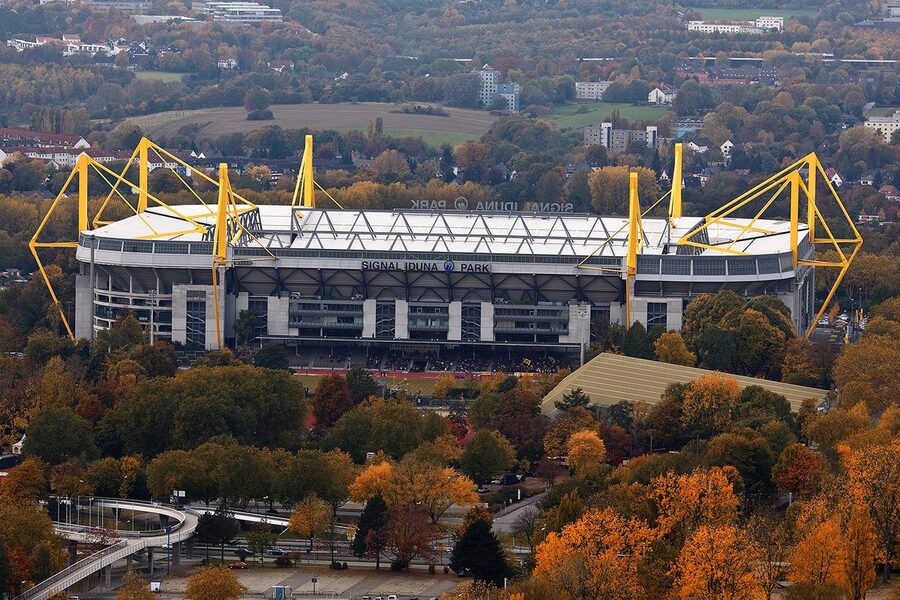
Signal Iduna Park — still called the Westfalenstadion by most locals — has the highest average attendance in European football. 81,365 capacity, routinely sold out. BVB’s home matches are famous for the atmosphere, anchored by the Südtribüne’s Yellow Wall.
The club was founded in 1909 by Catholic workers’ sons who were tired of the local church-backed football team that wouldn’t let them in. They are a member-owned club — around 220,000 paying members, who collectively own more than half of the club. German football club ownership rules (the “50+1” rule) mean no billionaire can take controlling stake. This is fundamental to why BVB feels different than English Premier League clubs.
For football tourists, BVB is the most accessible of the top German clubs. Bayern Munich is richer; Dortmund is more democratic. The stadium walks reflect this: cheaper than at the Allianz Arena, more genuinely connected to the fan experience.
When the Yellow Wall Became Iconic
The Südtribüne existed as a standing terrace from the 1974 rebuild onwards. It became “the Yellow Wall” in popular usage around 2010 when international media noticed how extraordinary the visual effect was on TV. The coordinated chanting, yellow scarves, choreographed card displays (tifo) — all of it is organised by the Borussia Ultras collective, entirely fan-run.
The Best Dortmund Football Tours and Tickets
1. BVB Signal Iduna Park Stadium Walk — from €14

At €14, this is the best value stadium tour in Germany. 60 minutes with a licensed BVB guide, visiting the press room, home dressing room (rarely the away one), player tunnel, and pitch-side viewing. You can’t take photos from certain angles but the guides are relaxed about most of the tour. Our full review has the meeting point (near the main entrance of the stadium) and what’s off-limits.
2. Borusseum Borussia Dortmund Museum — from €10
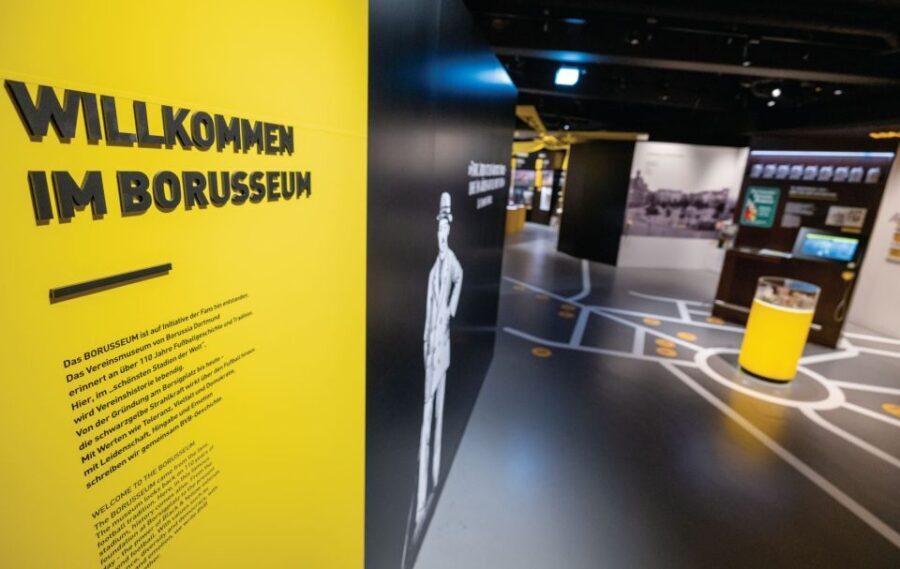
The BVB history museum — small but thorough. Covers the post-war rebuild, the golden 90s years (two Bundesliga titles, UEFA Cup), the 2005 near-bankruptcy, the Klopp era, the current rebuild. Trophies, shirts, interactive exhibits. Worth 60-90 minutes. Our review has the must-see sections.
3. German Football Museum (National) — from €23
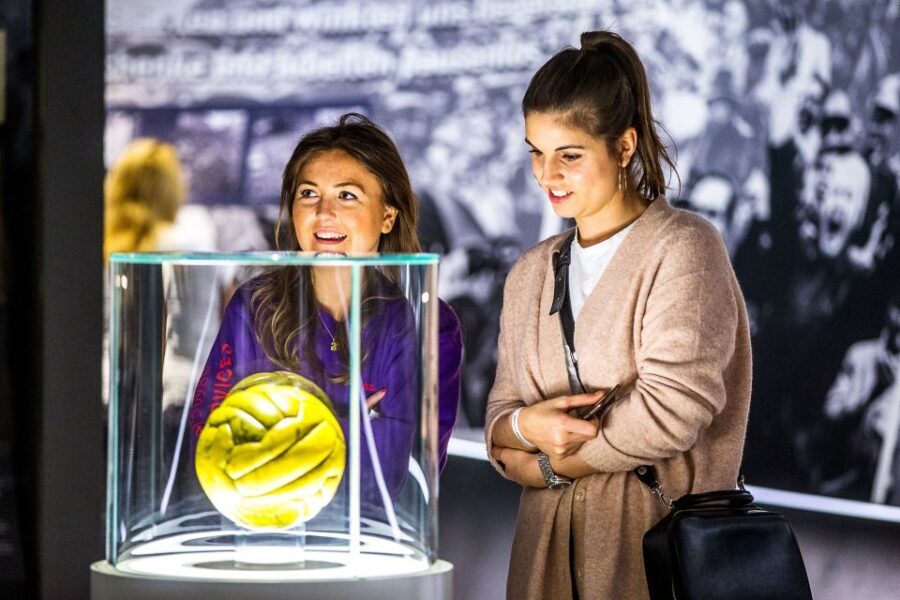
Germany’s official football museum, 3,000 square metres of exhibits covering the full history of German football — the miracle of Bern 1954, the 1974 World Cup, Wiedervereinigung 1990, 2014 in Brazil. Non-club-specific. Plan 2-3 hours. Our review compares it to the Borusseum.
Matchday vs Non-Matchday Visits
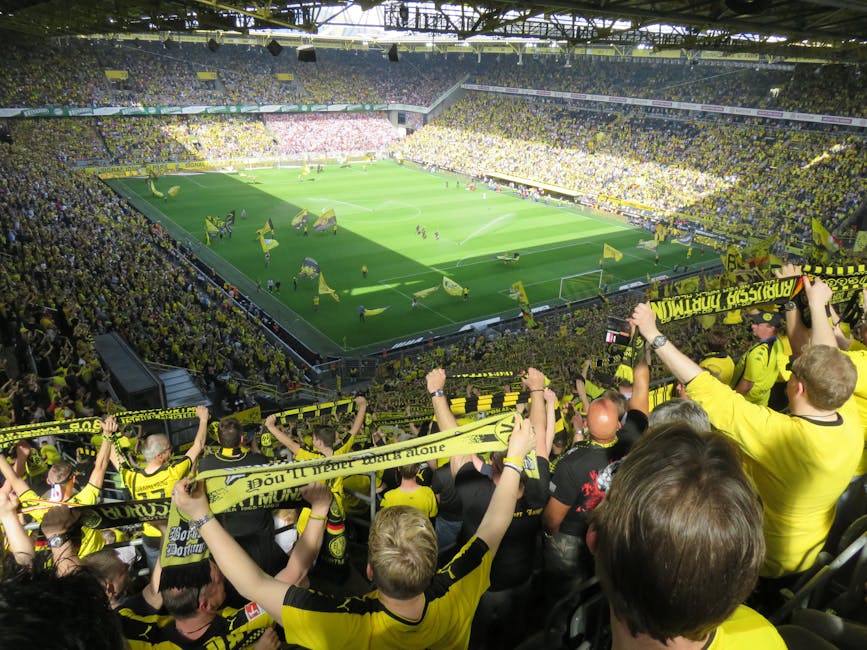
Matchday tickets are very hard to get. Dortmund averages 96% capacity. Regular-season home tickets sell out when they’re released (usually 2-3 weeks before the match). The Südtribüne standing tickets are all sold to members only; casual tourists can’t buy them. Seated tickets are available through a lottery.
The practical options if you want to attend a match:
- Buy through official partners with hotel packages — €200-400+ per person including game ticket, stadium tour, accommodation
- Try the resale marketplace (Viagogo, StubHub) — prices fluctuate, mostly €80-200 for regular seats
- Go to a Europa League or German Cup (DFB-Pokal) match — easier availability than Bundesliga
- Check the away supporters’ section if your country’s team is playing — often easier to get a ticket through them
If you can’t get a match ticket, the stadium walk still gives you the physical scale of the place without the crowds. Worth the €14 on its own.
What a Matchday Looks Like
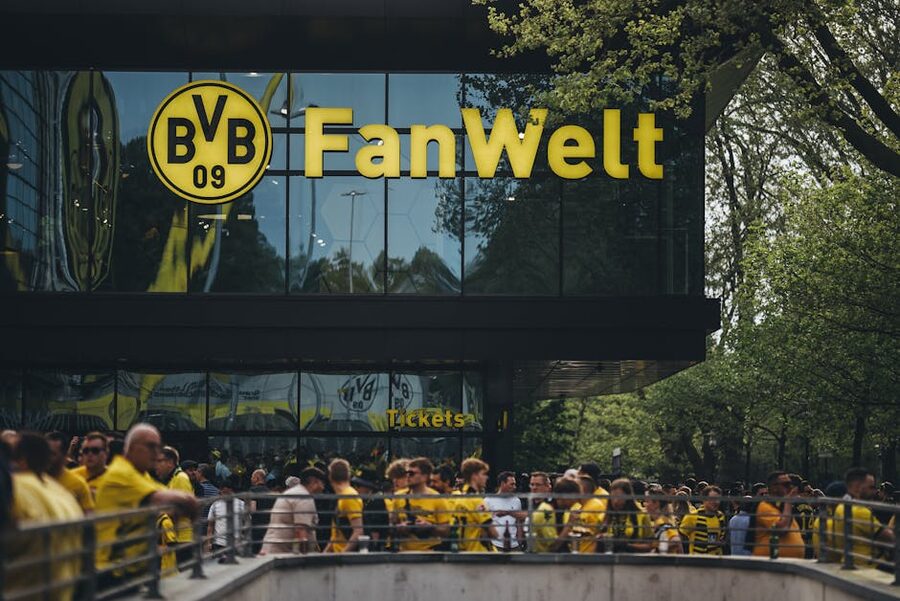
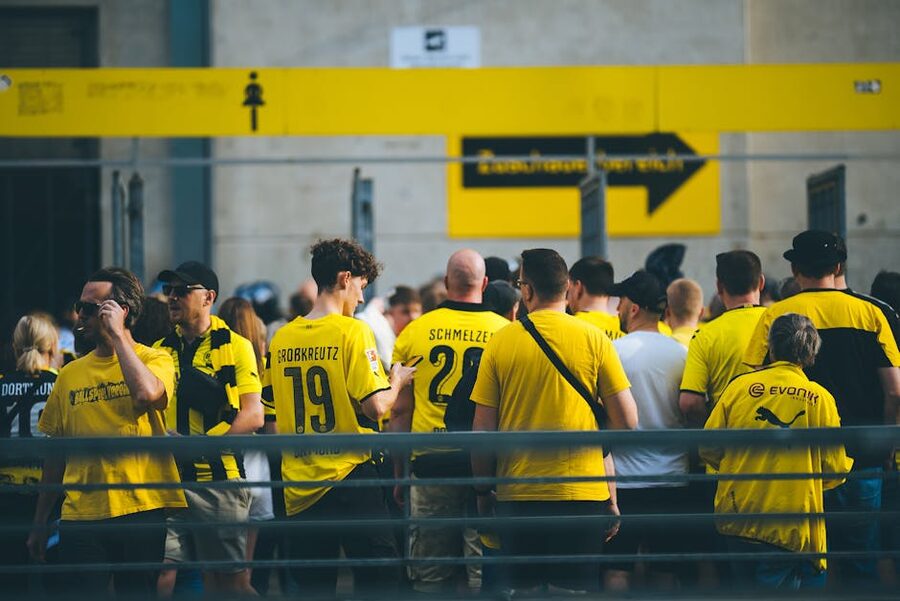
Kickoff at 3:30pm Saturday. Fans start arriving around 1pm. The area around the stadium is closed to cars. Beer tents, food stalls, fan shops. Two hours before kickoff the Südtribüne starts filling up; they lock the turnstiles at 3pm. Coordinated chanting starts 30 minutes before kickoff. Match begins. 80,000 people roar. Ninety minutes of Germanic football. Walk out through the subway. Go home.
If you’re there without a ticket, hang around the BVB Fanwelt (the team’s fan village across from the stadium) — you can buy merch, get a drink, watch the match on the big screens with thousands of fans who couldn’t get in.
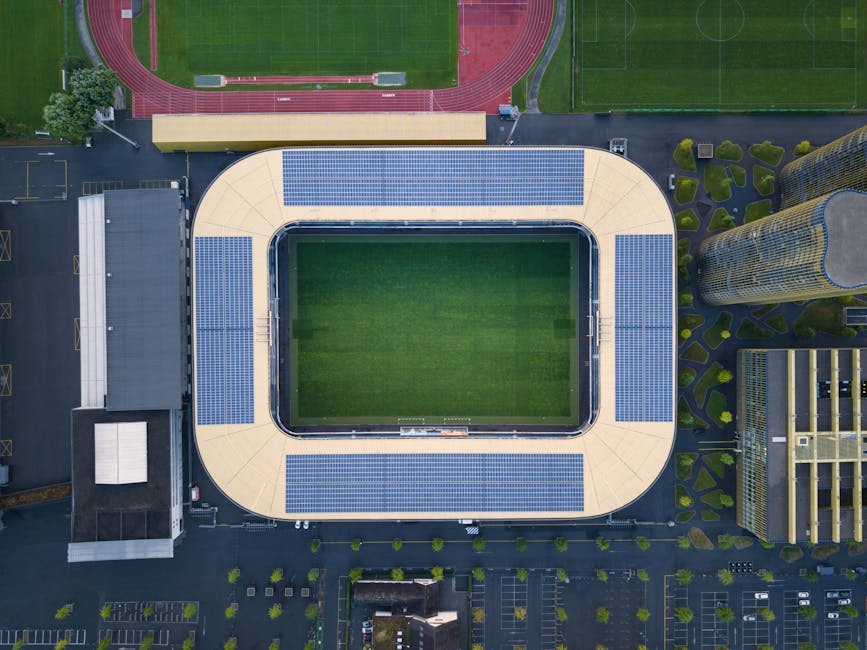
What the Stadium Walk Actually Covers
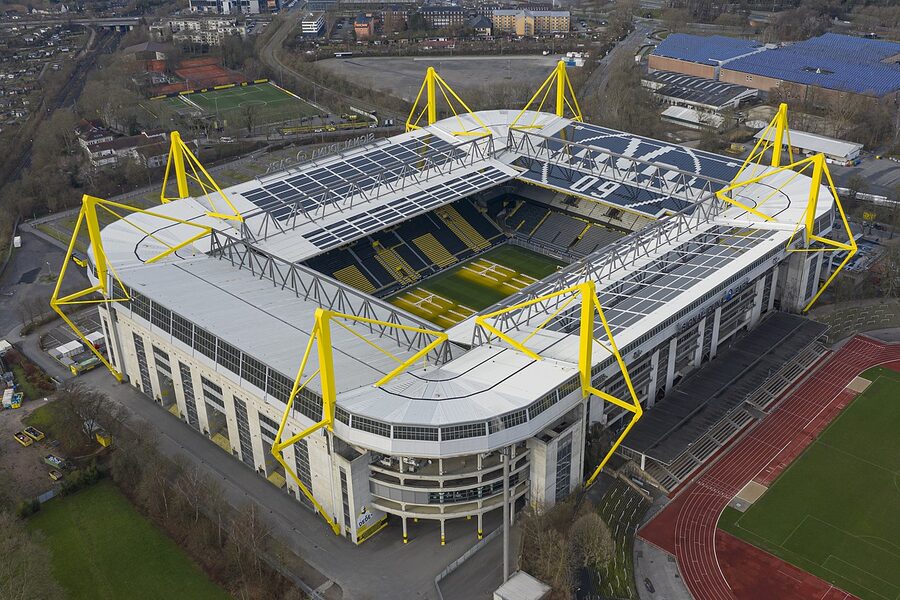

The 60-minute stadium walk covers:
The Südtribüne — you walk through the turnstiles, up the concrete steps, and stand in the middle of where the Yellow Wall forms on match day. Empty, it’s a staggeringly large concrete terrace. The guide usually plays a match-day audio recording while you stand there.
The Westfalenhalle side — the VIP/box seating on the west side of the pitch. You get a panorama view and the guide explains the pricing structure (regular €40, VIP €400, hospitality €1,200).
The player tunnel — walk up from the dressing room side. You get the stadium view that players get as they emerge onto the pitch.
The home dressing room — sometimes. Depends on the schedule. The guides know in advance whether it’s accessible that day. The cold plunge pool, the whiteboard (may or may not have actual tactical notes), the lockers with current players’ names. Photos usually discouraged.
The press room — where Klopp and other BVB managers have given post-match conferences. Cheap thrill for football podcast listeners.
Pitch side — you’re ushered onto the running track that surrounds the pitch (the pitch itself is off-limits). You stand near the home dugout and get the best views the tour allows.
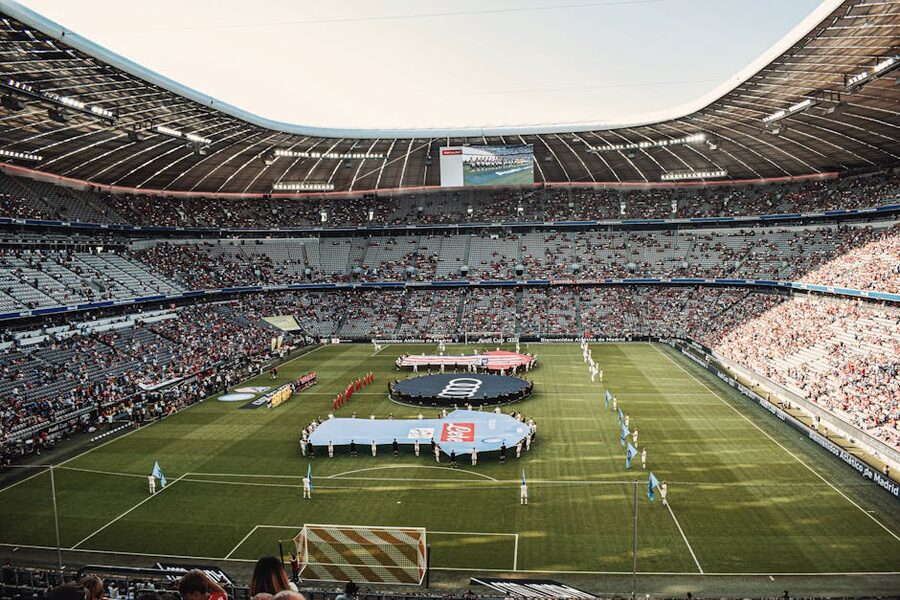
Signal Iduna Park by the Numbers
81,365 total capacity
24,454 Südtribüne standing capacity
96% average Bundesliga attendance (highest in Europe)
€196 million paid by Signal Iduna for naming rights, 2005-2027
108m x 68m pitch dimensions (perfect UEFA standard)
1974 original opening (as Westfalenstadion)
4 separate stadium expansions since opening
The BVB Fanwelt
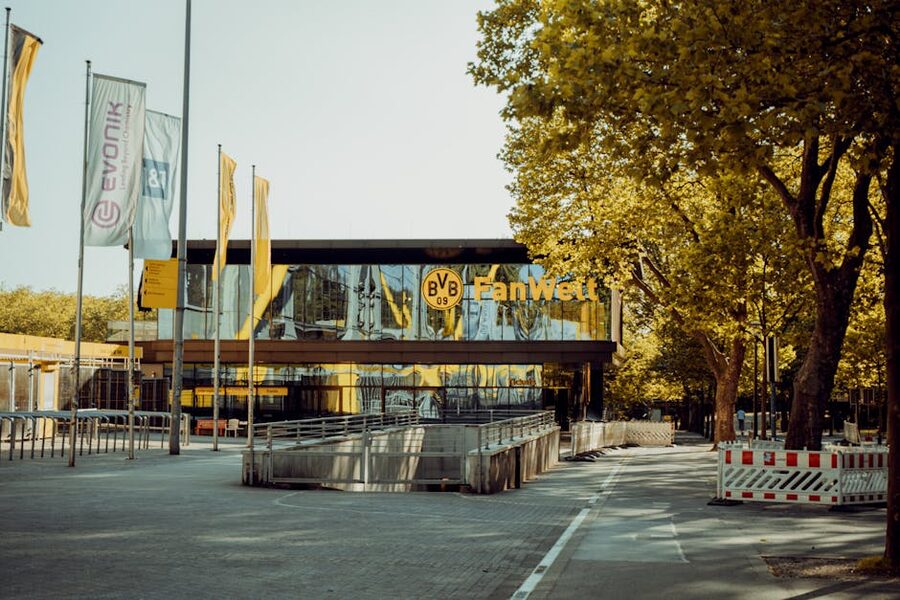
Next to the stadium, BVB runs a huge fan shop and experience centre called the Fanwelt. Free entry, includes the club’s signed memorabilia room (Signal Iduna signed jerseys, championship trophies on display), the shop itself (€50-100 for a jersey, €20 for a scarf, €5 for a keychain), and a small history display.
Tour tip: visit the Fanwelt after the stadium walk (it’s a 2-minute walk), buy a scarf if you’ve been converted, then head back into town for lunch.
How to Get to Signal Iduna Park
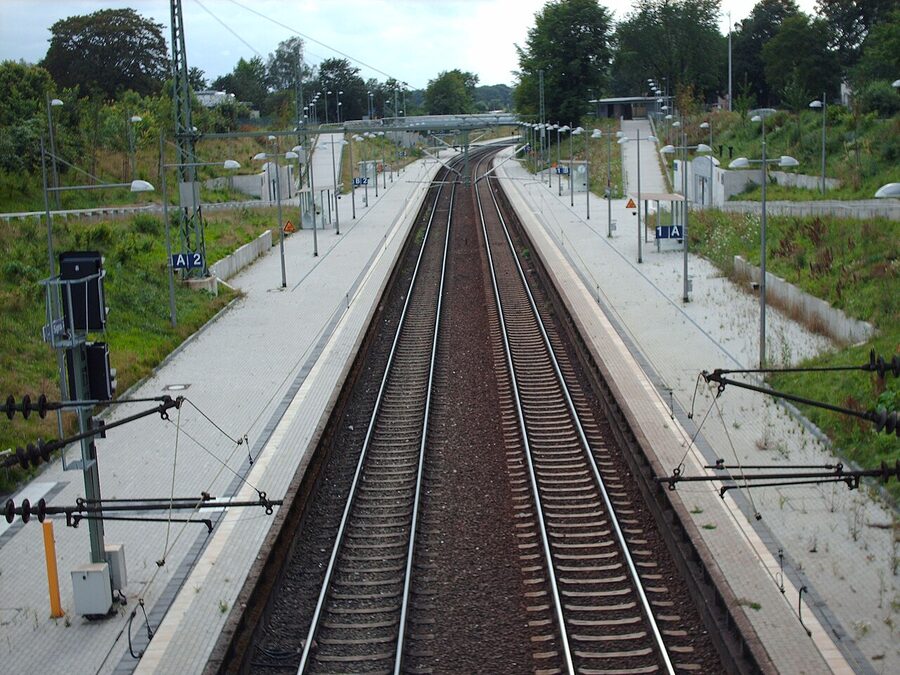

Dortmund has its own stadium-adjacent train station: Bahnhof Dortmund Signal Iduna Park. 5-minute S-Bahn ride (S1 line) from Dortmund Hauptbahnhof. Easier than any other Bundesliga stadium to reach.
On match days, the S-Bahn runs every 5 minutes and is packed. On non-match days, it’s a standard commuter line. Ticket is included in the Dortmund day-ticket or regional Ruhr travel card.
Driving isn’t recommended. There’s no parking near the stadium on match day. Off-match day, there’s a decent car park at the Westfalenhalle.
From Other Cities
From Cologne: 1 hour by ICE train. From Düsseldorf: 45 minutes. From Hamburg: 3 hours. From Berlin: 4.5 hours. From Munich: 5.5 hours. Dortmund is the most central city in the Ruhr; if you’re visiting the Ruhr for football, make Dortmund your base.
When to Visit
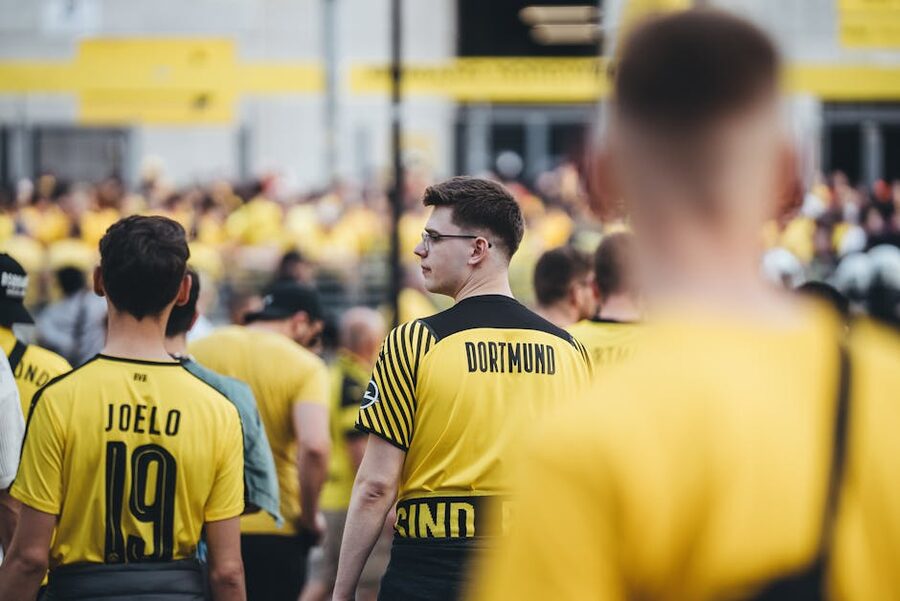
Stadium tours run year-round, 7 days a week, typically 10am-5pm with 60-minute slots. Match days the tours are cancelled — check the BVB home fixtures before booking. Tours are German/English.
Bundesliga season is mid-August to late May, with a mid-December-to-mid-January winter break. Cup matches scattered through the year. Europa League and Champions League midweek matches October-May.
Best time for atmosphere even without a ticket: any weekday afternoon during the season, when you can combine a stadium walk with the Fanwelt and the Borusseum.
What to Wear
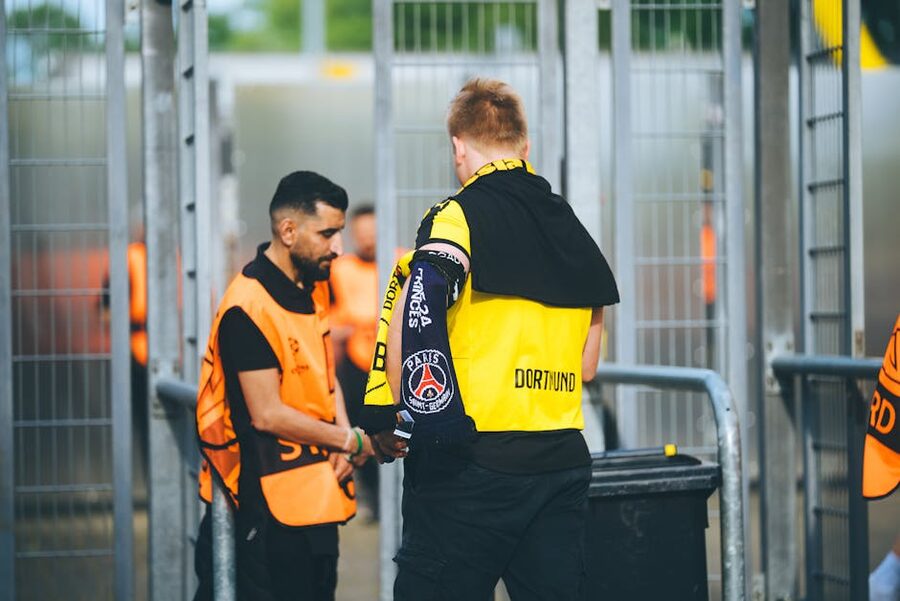
You don’t need BVB gear, but fans who show up in yellow get waved through fast. The stadium tour has 60 minutes of walking, mostly indoors. Comfortable shoes. The stadium gets cold in winter (it’s partly open-air); bring a jacket November-March.
Pairing With Other Germany Football Trips
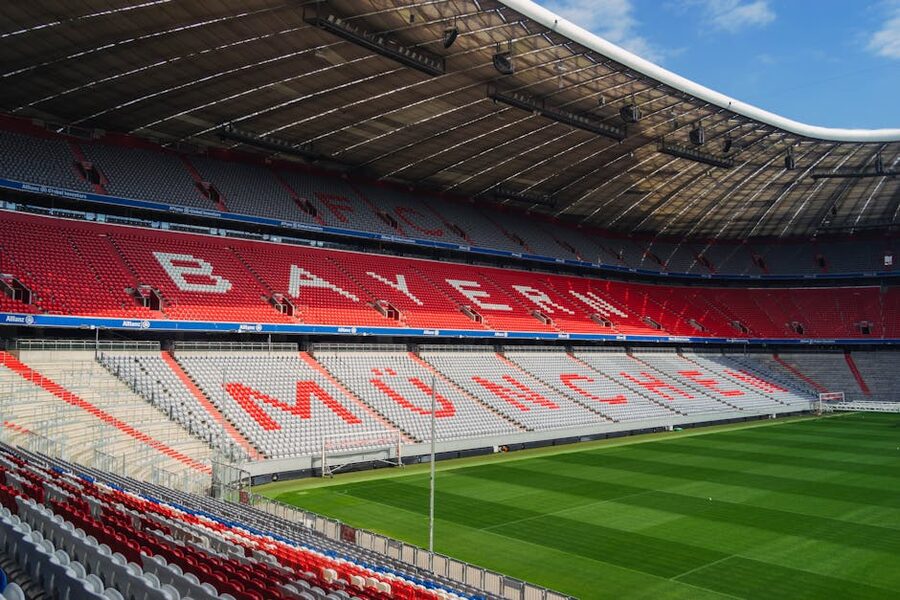
Germany has three other stadium tours worth your football-tourism money:
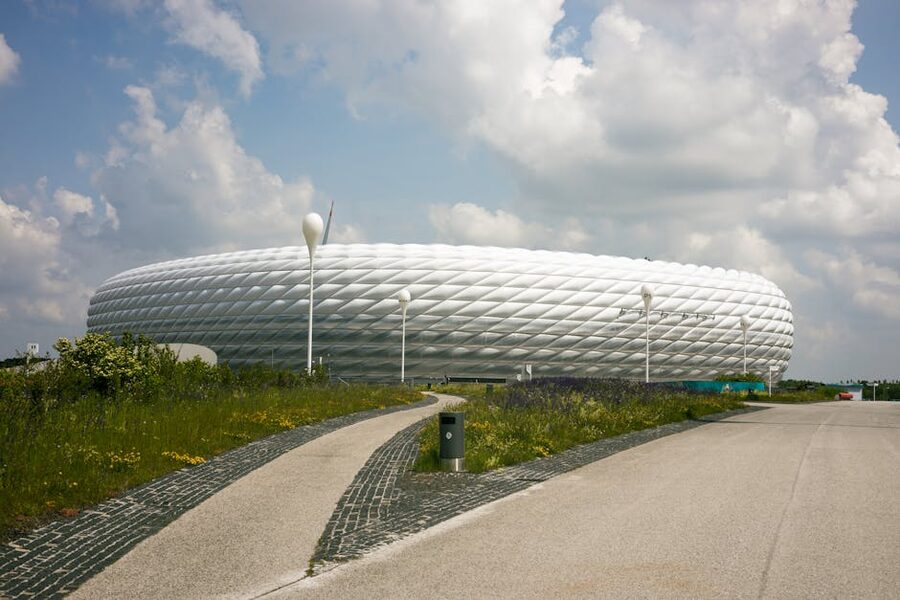
Allianz Arena (FC Bayern Munich) — larger and more architectural than Signal Iduna Park. €15-20. Modern building, inflatable skin changes colour. No standing Yellow Wall equivalent but better facilities.
Red Bull Arena (RB Leipzig) — smaller, more modern. Less interesting stadium tour because the club is only 20 years old.
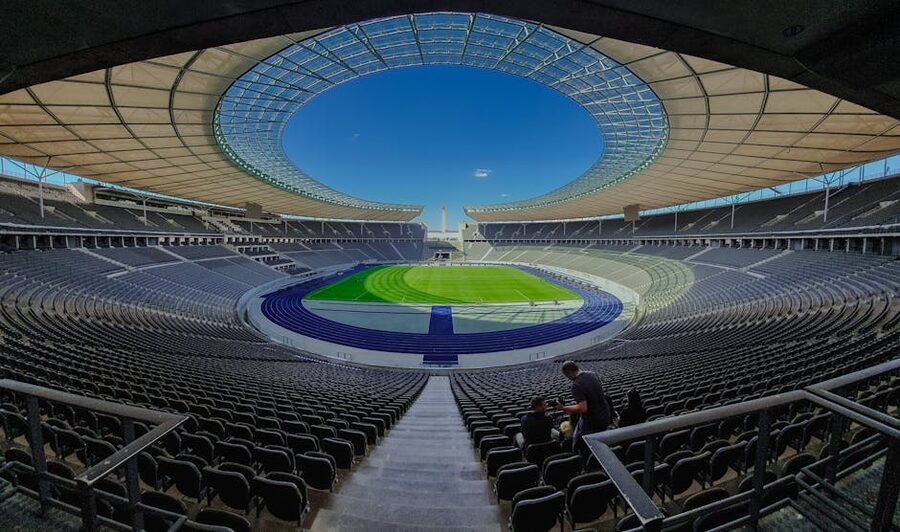
Olympic Stadium (Berlin) — historical rather than current club focus. The 1936 Olympics stadium, now used by Hertha BSC. €12 tours.
If you’re doing a German football stadium trip, Dortmund + Munich is the classic pairing. Different feel, different architecture, different fan culture, complementary experiences.
Dortmund Beyond Football
If you’re spending more than a day in Dortmund, beyond football the city has:
Zeche Zollern — a converted 19th-century coal mine, now part of the Ruhr industrial heritage route. The Ruhr is trying to reinvent itself as a tourist area; sites like this are the evidence.
Dortmunder U — former brewery tower converted into a contemporary art centre. Good rooftop for evening drinks.
Westfalenpark — 70-hectare park with the 212m-tall Florian telecom tower (observation deck €5). Also where Dortmund’s rose festival happens.
Reinoldikirche — the old Gothic church at the heart of the old town. Free entry.
Where to Eat
Dortmund is not a food destination. The local specialty is Salzkuchen (a sort of bread roll), best at any Bäckerei. For dinner, the Kreuzviertel district is where the younger crowd eats — craft beer bars, pizzerias, a few Mediterranean restaurants. Avoid the chain restaurants around the Hauptbahnhof.
Match day: beer tents and sausage stalls at the stadium. Don’t expect fine dining.
Practical Questions
Can I tour the stadium in English? Yes — there are dedicated English-language slots, usually 1-2 per day. Book ahead to ensure one.
Is it wheelchair accessible? Stadium itself: fully. The tour path: mostly, with some areas inaccessible (certain dressing room sections). Book and mention accessibility needs ahead.
Can I take photos? Most areas yes. Dressing rooms generally no. Press box yes.
Is the tour for kids? 10+ is the recommended minimum. Younger kids may get restless in the dressing rooms.
What happens if there’s a match the day I booked? Tour gets cancelled and rescheduled. BVB provides automatic refunds/reschedules.
Booking Tips for Match Tickets
The BVB ticket release schedule is the main obstacle. Members get priority access. The public gets what’s left.
When tickets go on sale: Typically 2-3 weeks before kickoff. Official release is through bvb.de and the BVB app.
What’s realistic to get: €40-€90 seated tickets for mid-season mid-table matches. Less realistic: top-of-the-table fixtures (vs Bayern Munich, vs Schalke 04 — the Revierderby), CL knockout matches.
Secondary market: Viagogo, StubHub, TicketMaster for resold tickets. Prices spike close to match day, sometimes drop if the match is less hyped.
Through friends or fan clubs: If you know a BVB member, they can request guest tickets — the cheapest reliable route. Some BVB supporters’ clubs in other countries also distribute match tickets to their members.
The Short Version
Book the €14 Signal Iduna Park stadium walk on a weekday morning (no match scheduled). Add the Borusseum (€10) afterwards — 90 minutes, attached to the stadium. End at the Fanwelt for a scarf and coffee. Lunch in Dortmund’s Kreuzviertel. If you’ve got a full day, add the German Football Museum across town. The whole BVB experience costs under €50 plus travel — the most accessible top-flight football tourism in Europe.
Affiliate disclosure: Some links in this article are affiliate links. If you book through them we may earn a small commission at no cost to you. All recommendations are based on my own visit.