
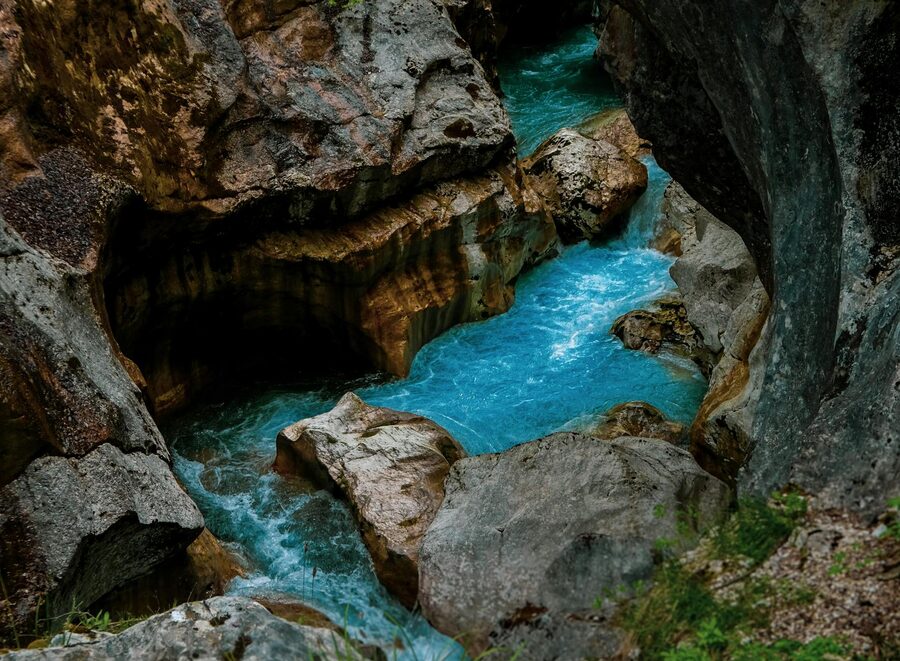
Halfway through the Guadalmina River canyon, waist-deep in water between 20-metre marble walls with sunlight barely reaching the bottom, I had a thought that probably occurs to everyone who does this: why does nobody talk about this place? Marbella has yachts, beach clubs, and overpriced cocktails on every travel blog in existence. But a natural water park carved into a marble gorge 20 minutes from Puerto Banus? Somehow that stays under the radar.
- In a Hurry? My Top Picks
- What Is Guadalmina Canyon Canyoning?
- How the Tours Actually Work
- My Top Canyoning Tours in Marbella
- 1. Guadalmina River Guided Canyoning Adventure —
- 2. Canyoning Tour in Guadalmina Canyon —
- 3. Canyoning Guided Tour at Guadalmina River —
- When to Go Canyoning in the Guadalmina
- What to Bring (and What to Leave Behind)
- The Guadalmina Canyon: A Natural Water Park Hidden in the Hills
- Marbella Itself: From Fishing Village to Playground for the Rich
- Getting to the Canyon from Marbella
- Practical Tips for Guadalmina Canyoning
- Beyond the Canyon: What Else to Do Near Marbella
In a Hurry? My Top Picks
Best overall: Guadalmina River Guided Canyoning Adventure — $47 for three hours. The most popular option by far, with expert guides and all gear included.
Highest rated: Canyoning Tour in Guadalmina Canyon — $54 for three hours. Perfect rating, smaller groups, slightly more challenging route.
Budget pick: Canyoning Guided Tour at Guadalmina River — $47 for three to four hours. Same canyon, same thrills, meets directly at the trailhead near Benahavís.
What Is Guadalmina Canyon Canyoning?
Canyoning in the Guadalmina River is exactly what it sounds like — you follow the river through a narrow marble and limestone gorge, wading through pools, scrambling over rocks, sliding down natural waterslides, and jumping from ledges into deep natural pools. No ropes or harnesses needed for the standard level 1 route. It’s all body-powered: walking, swimming, climbing, and the occasional leap of faith.
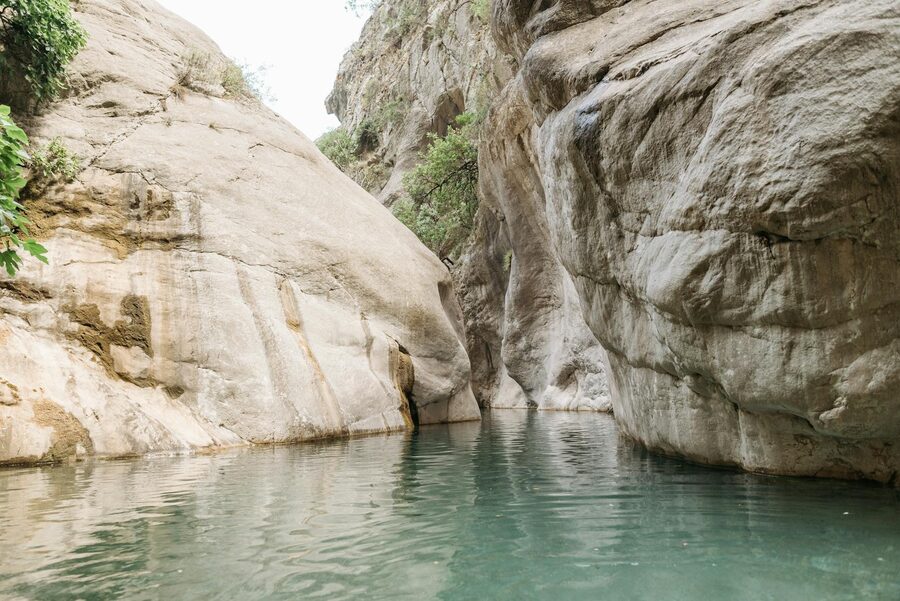
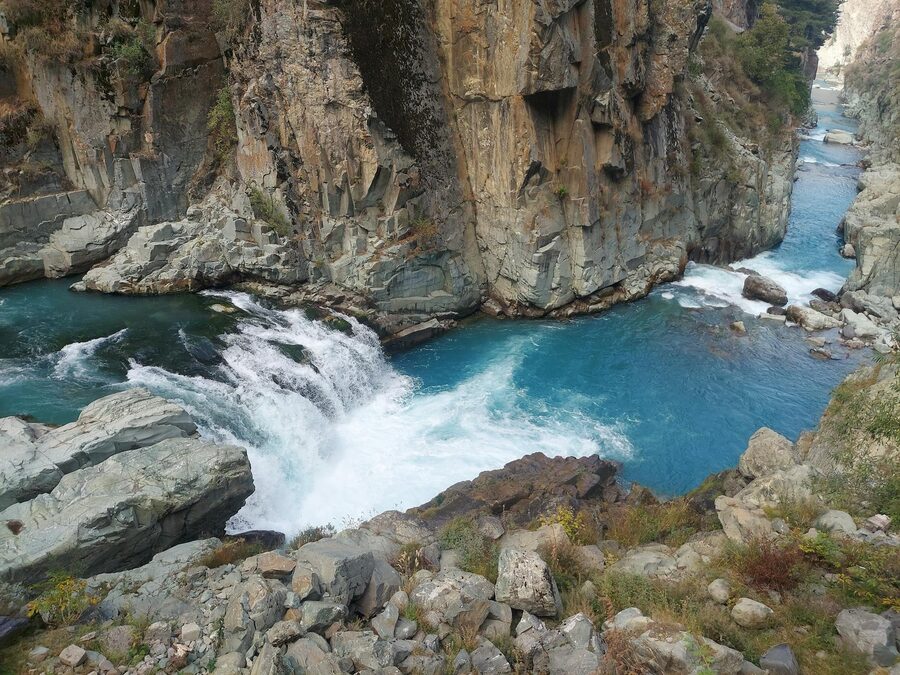
The canyon is located near Benahavís, a small white village in the hills about 20 minutes inland from Marbella. It sits in a protected natural area, which is why you need a guide — there’s no self-guided option, and honestly you wouldn’t want to attempt it alone anyway. The canyon has some tricky sections where knowing the route matters, especially after rain when water levels rise.
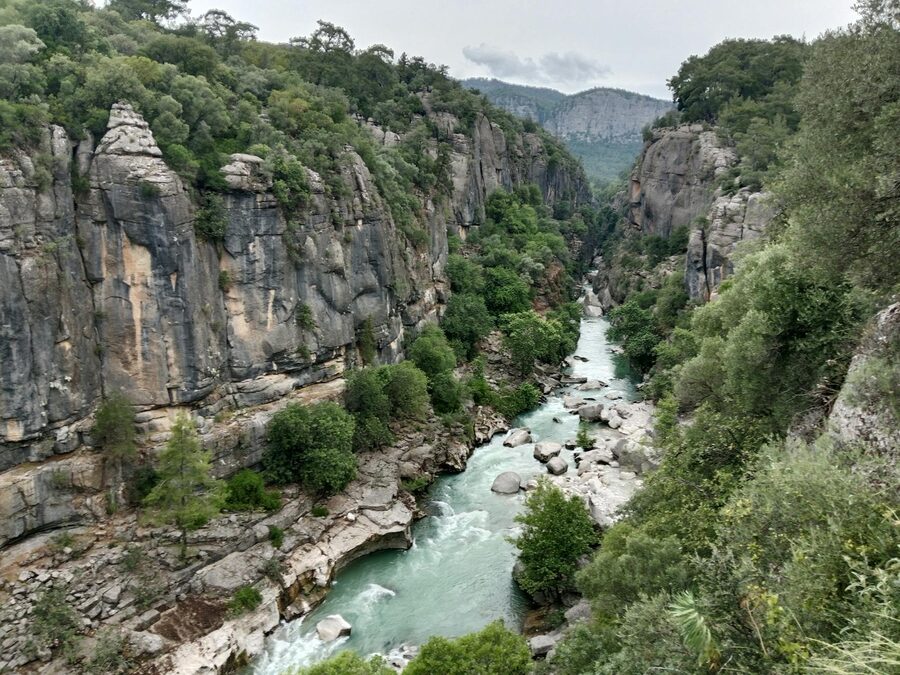
The jumps are optional. I’ll say that upfront because it’s the first question everyone asks. The highest is about 8 metres, but you can climb down or take an alternative path for every single one. The guides are used to nervous participants and won’t pressure you. That said, the jumping is half the fun — the pools below are deep enough and the water is warm enough that the only hard part is the decision to step off the edge.
How the Tours Actually Work
All three tours follow a similar format. You meet at a designated point (either in Marbella or at the trailhead near Benahavís), get fitted with a wetsuit, helmet, and shoes (all provided), then drive or walk to the canyon entrance. The actual canyoning takes about 2-2.5 hours, with the total experience including transport and gear fitting lasting about 3 hours.
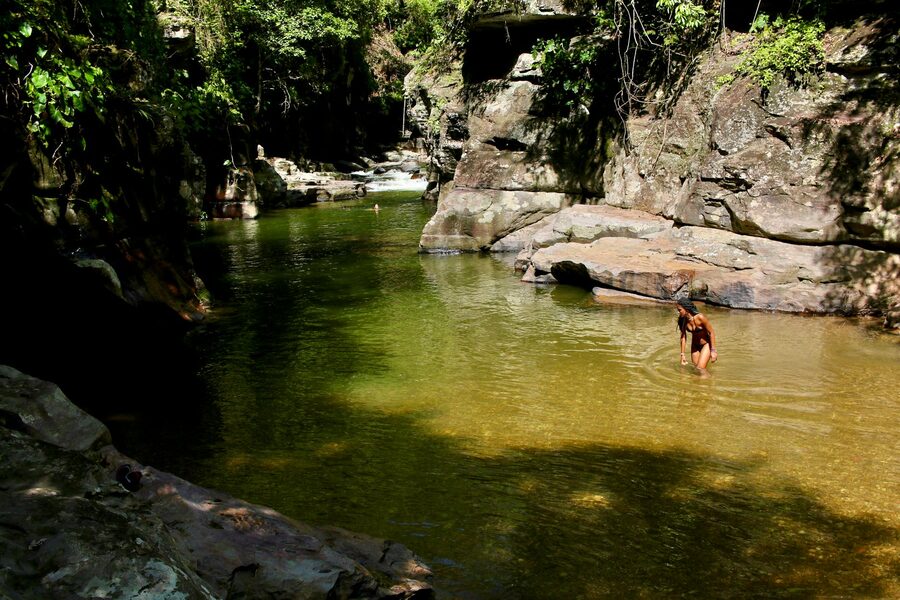
The wetsuit is non-negotiable. Even in August, the river water comes from mountain springs and sits at about 14-16C. Without a wetsuit you’d be shivering within minutes. The neoprene also protects against scrapes on the rock — you’ll be grateful for it when you’re scrambling over limestone ledges.
Group sizes are usually 6-12 people. The guides speak English and Spanish, sometimes French and German. They’re experienced canyoneers who know every pool depth, every slippery spot, and every shortcut. They also take photos and videos throughout, which are typically available to purchase afterward for 10-15 euros. Worth it — you won’t want to bring your own camera into a marble canyon.
The fitness requirement is moderate. You need to be able to swim short distances (25-50 metres), walk on uneven terrain for a couple of hours, and pull yourself up onto rocks. It’s not a marathon, but it’s not a stroll either. I’ve seen people in their 60s do it comfortably, and I’ve seen twenty-somethings struggle because they underestimated the scrambling. Basic fitness and a willingness to get wet are all you really need.
My Top Canyoning Tours in Marbella
1. Guadalmina River Guided Canyoning Adventure — $47
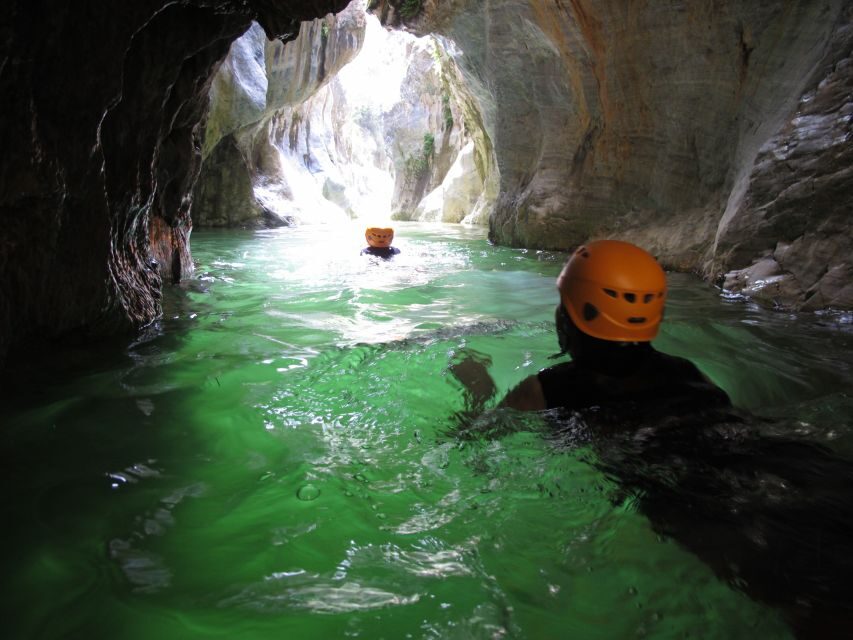
This is the obvious first choice. It’s the most booked canyoning option in the Marbella area, the guides are genuinely enthusiastic, and the $47 price includes everything — wetsuit, helmet, water shoes, and pickup from Marbella itself. Our full review goes into the route details and what each section involves. If you’ve never done canyoning before, start here.
2. Canyoning Tour in Guadalmina Canyon — $54
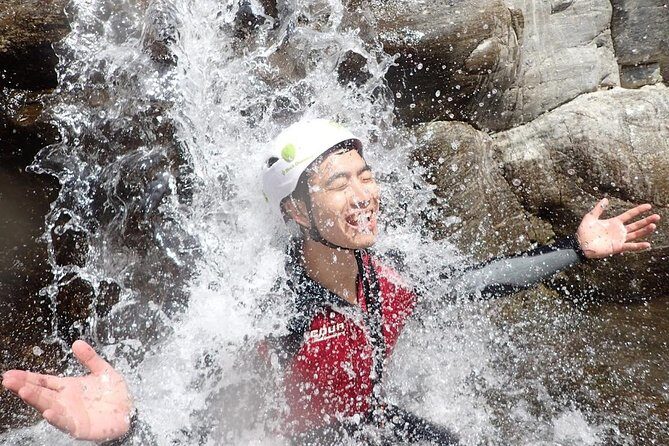
Slightly pricier at $54, but you get a perfect rating and typically smaller groups. The operator takes a slightly more adventurous route through the canyon, with higher jumps for those who want them. Our review covers the route and the difference between this one and the cheaper option. If you’re reasonably fit and want the most out of the canyon, this is the one.
3. Canyoning Guided Tour at Guadalmina River — $47
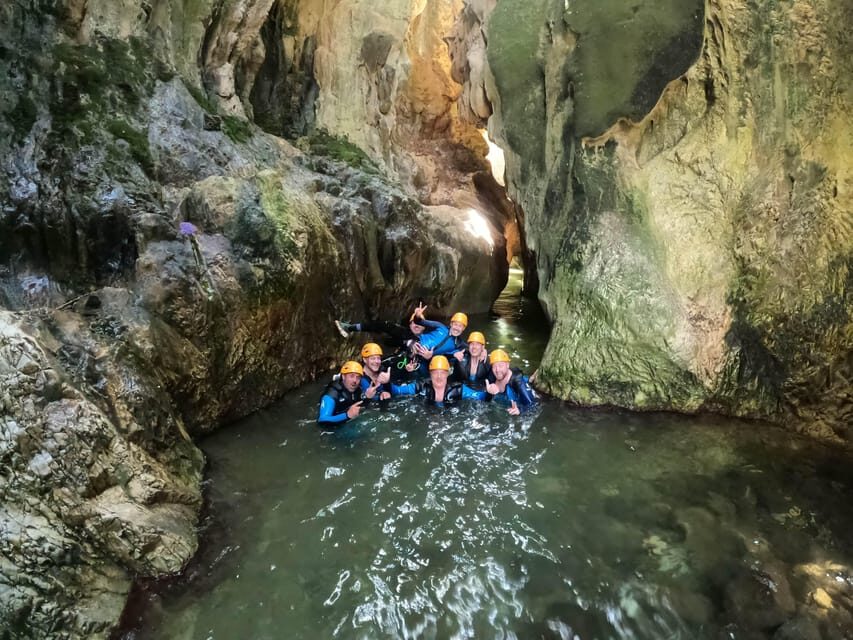
Same canyon, same price as the first option, but this one meets near Benahavís instead of in Marbella. That means you drive yourself to the meeting point (or taxi from Marbella, about 15 minutes), but you spend more time in the actual canyon and less time sitting in a van. Our review explains the logistics and whether the self-drive is worth it. Good for anyone already staying in Benahavís, Estepona, or San Pedro de Alcántara.
When to Go Canyoning in the Guadalmina
The canyoning season runs from roughly April through November, with the peak months being June through September. The sweet spot depends on what you want from the experience:
June through September: Water is at its warmest (14-18C — still cold, but the wetsuit handles it), water levels are lowest, and all the jumps and slides are accessible. This is when the canyon is at its most enjoyable for beginners. Book 3-5 days ahead in July and August.
April-May and October-November: Water levels are higher after spring and autumn rains. The current is stronger, the pools are deeper, and some sections require more swimming. It’s more physically demanding but also more exciting. The guides adjust the route based on conditions. Not recommended for complete beginners during high water.
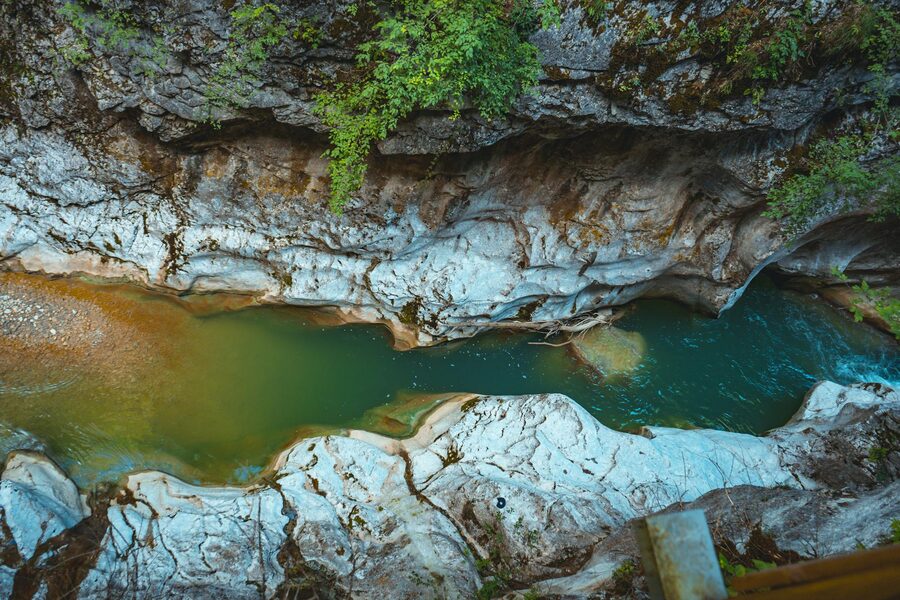
After heavy rain (any season), tours are cancelled. The canyon can flash flood, and the guides monitor conditions constantly. If your tour is cancelled for weather, you’ll get a full refund or reschedule option. Don’t try to talk your way into a cancelled tour — the guides know the canyon better than you do, and they cancel for very good reasons.
Morning vs afternoon: Morning tours tend to be cooler, with the canyon still in shade. Afternoon tours get more direct sunlight into the gorge, which makes the water sparkle and the whole experience feel warmer. Most people prefer morning, but afternoon has its advantages.
What to Bring (and What to Leave Behind)
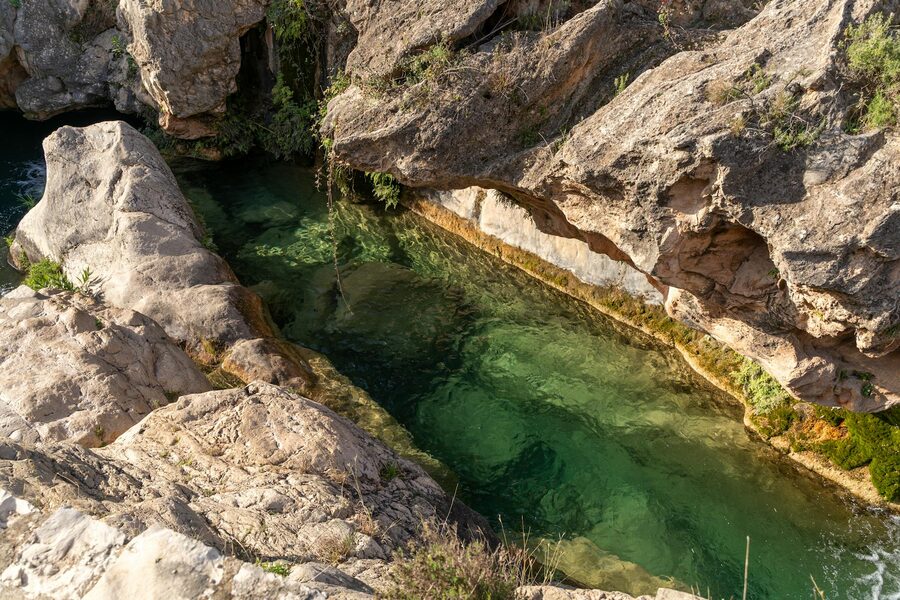
The tour provides: Wetsuit, helmet, and water shoes. All included in the price. You don’t need to bring any technical gear.
You should bring: A swimsuit to wear under the wetsuit. A towel and dry clothes for afterward. A small bottle of water. Sunscreen applied before you put on the wetsuit (your face and hands will be exposed). A plastic bag for your wet swimsuit after.
Leave behind: Your phone (it will not survive), jewellery (it will fall off in the water), anything you can’t afford to lose. Some tours offer a dry bag for car keys. If yours doesn’t, ask the guide where to leave valuables — they usually have a safe spot.
If you want photos, most operators sell professional photo/video packages taken during the tour. The guides carry waterproof cameras and know the best angles. This is genuinely better than trying to hold a GoPro while jumping off a marble ledge into a canyon pool.
The Guadalmina Canyon: A Natural Water Park Hidden in the Hills
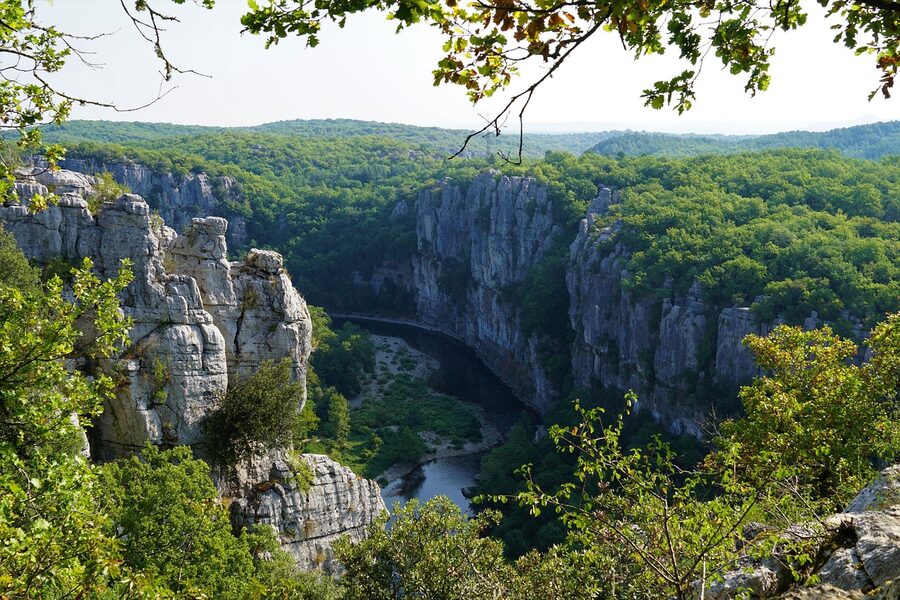
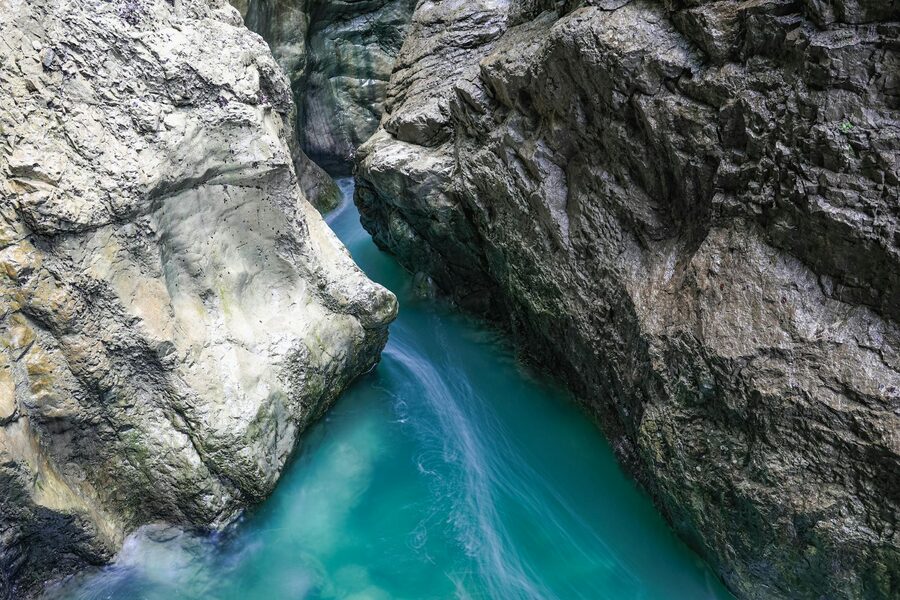
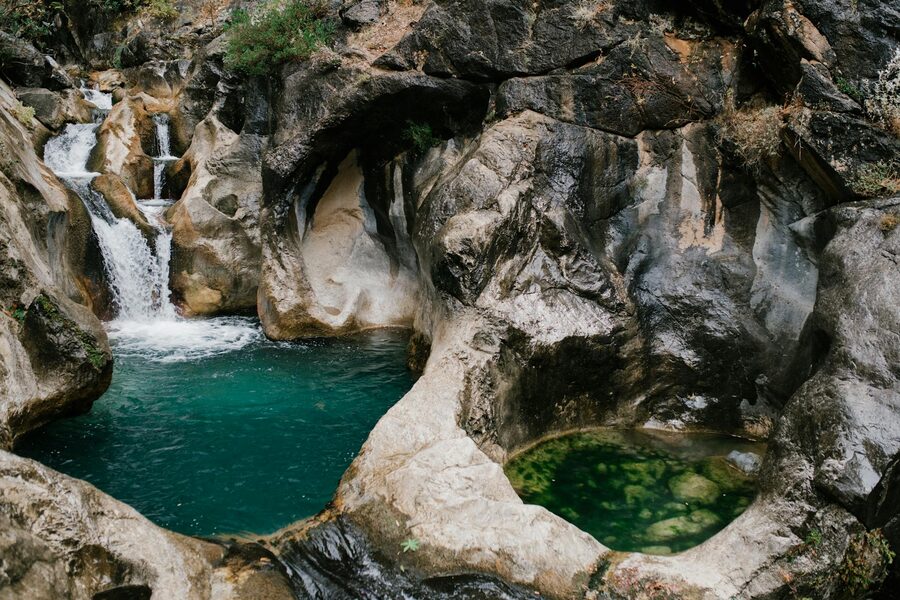
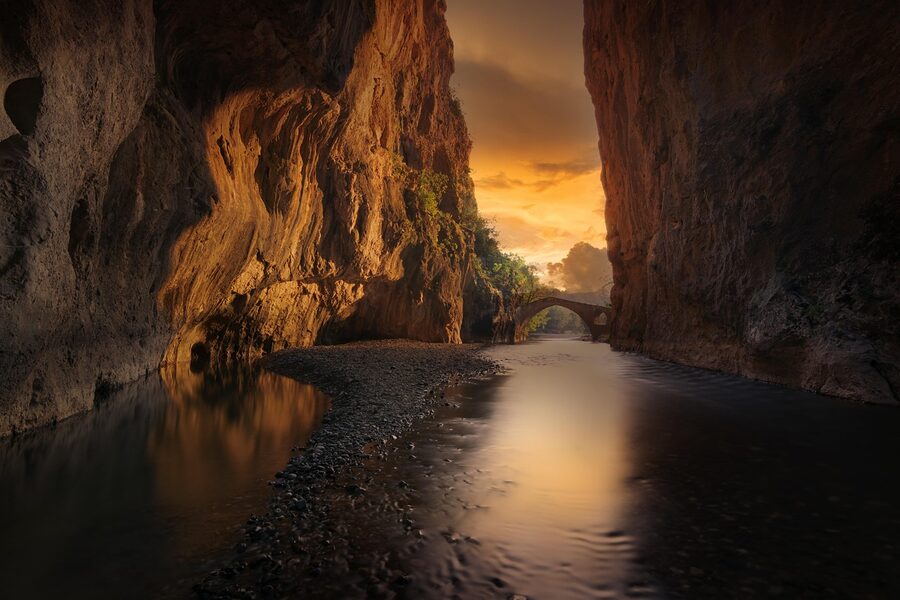
The Guadalmina River starts high in the Sierra de las Nieves, a UNESCO Biosphere Reserve since 1995, and cuts through marble and limestone as it flows toward the coast. The canyon section — the part you actually explore on the canyoning tours — is about 2km long and sits at roughly 300 metres elevation above Marbella. The rock has been carved and polished by water over millennia, creating the natural slides, pools, and narrow passages that make this place feel like a geological theme park.
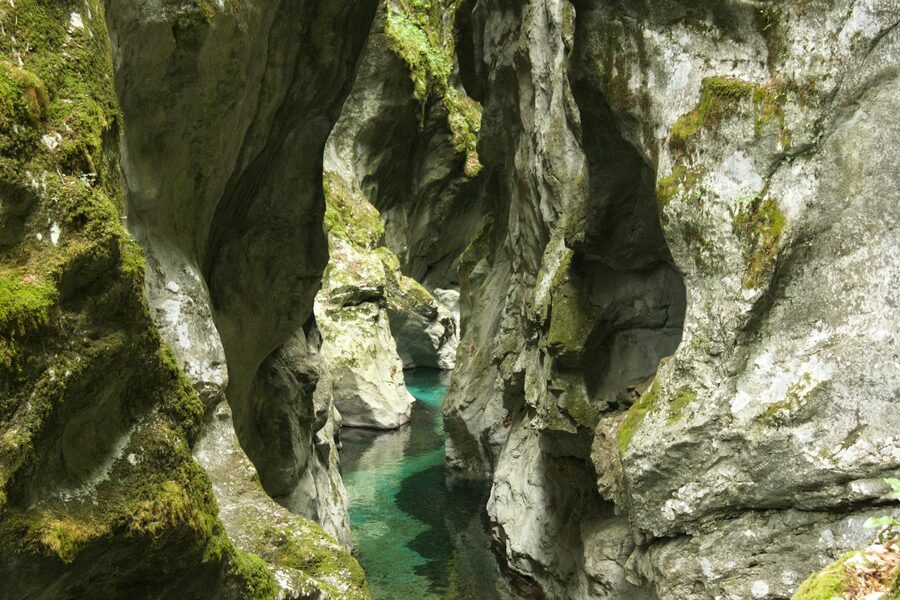
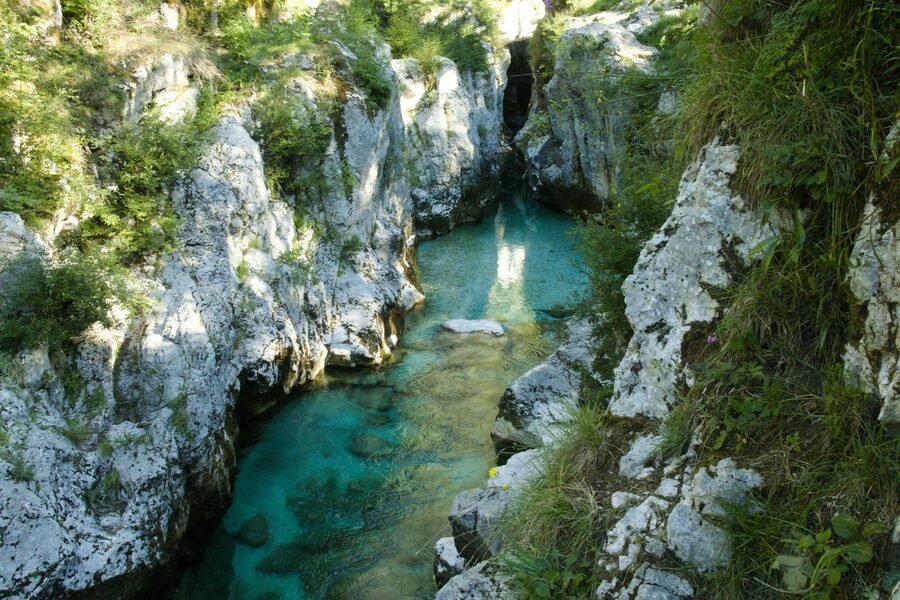
The marble is what makes the Guadalmina special. Most canyons in Europe are carved through granite or sandstone — darker, rougher rock. Here, the walls are white and cream-coloured marble, which reflects light into the water and gives the pools that distinctive turquoise colour. On a sunny day, the deeper pools look almost tropical.
Marbella Itself: From Fishing Village to Playground for the Rich
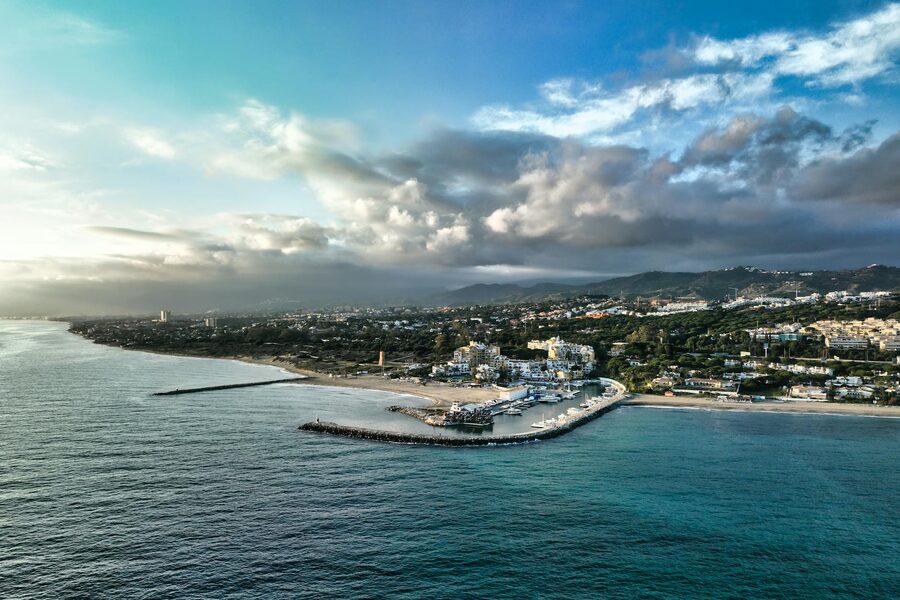
Marbella was a sleepy fishing village until Prince Alfonso von Hohenlohe opened the Marbella Club hotel in 1954. That single hotel turned a quiet stretch of Andalusian coast into a playground for European aristocracy, Hollywood stars, and eventually Saudi royalty. The town hasn’t looked back since.
The old town is still worth visiting, despite the glitz that surrounds it. Plaza de los Naranjos (Orange Square) in the centre is genuinely charming — whitewashed buildings, orange trees, and restaurants that have been there longer than the luxury hotels. The Arab Wall, remnants of the town’s Moorish castle dating to the 9th century, runs along the edges of the old quarter. Most travelers walk right past it without realising what it is.

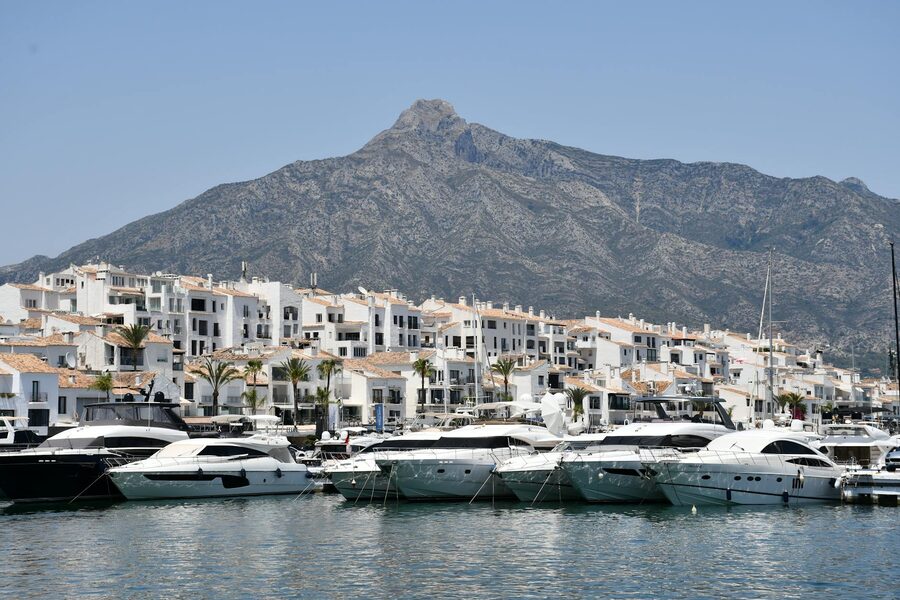
Puerto Banus, about 6km west of the old town, is where the money is on display. Yachts the size of apartment buildings, Ferraris parked on the marina, designer shops, and restaurants where you pay as much for the view as the food. It’s not everyone’s cup of tea, but it’s an experience. And the contrast with the Guadalmina canyon — raw nature vs polished luxury, separated by 20 minutes of driving — is what makes Marbella genuinely interesting as a destination.
Getting to the Canyon from Marbella
If you book the tour with Marbella pickup (tour #1 above), you don’t need to worry about any of this — they collect you and drive you there. But if you’re making your own way, here’s how it works.
The canyon is near the village of Benahavís, about 15-20 minutes inland from Marbella by car. Take the AP-7 motorway toward Estepona, exit at Benahavís, and follow the signs up into the hills. The meeting points are usually at marked parking areas near the river access. The roads are paved and well-signed — this isn’t a backcountry adventure to reach.
Taxis from Marbella to Benahavís cost about 20-25 euros. Uber works in the area but drivers are scarcer than in the city. If you’re doing a self-drive option, there’s free parking at most of the meeting points. But keep in mind you’ll come back to your car wet and muddy — put a towel on the seat or bring a change of clothes and a plastic bag.
Benahavís itself is worth a stop before or after. It’s known as the “dining room of the Costa del Sol” — a tiny white village with an absurd number of excellent restaurants for its size. Lunch after canyoning, when you’re starving and running on adrenaline, is one of the best meals you’ll have on the trip.
Practical Tips for Guadalmina Canyoning
Don’t eat a big meal beforehand. You’ll be climbing, swimming, and jumping. A light breakfast or snack is fine. Bring a granola bar for afterward when the hunger hits — and it will hit.
The canyon is not wheelchair accessible or suitable for very young children. Minimum age is typically 8-10 years old, and children must be able to swim. The terrain is genuinely uneven and slippery in places. This is an adventure activity, not a nature walk.
Water shoes matter more than you think. The tour provides them, but if yours don’t fit well, ask for a different size. Bad footwear on wet marble is a recipe for slipping. The guides carry first aid kits but prevention beats bandages.
The jumps are genuinely optional. I’ve seen guides clap enthusiastically as a nervous participant jumps from 3 metres, and I’ve seen them calmly point out the walk-around path for someone who says no. There’s zero pressure. The highest jump is about 8 metres, and honestly, most people skip that one. The 3-5 metre jumps are the sweet spot — high enough to feel exciting, low enough that you don’t need to have a conversation with yourself first.
Book with free cancellation. Weather changes fast in the mountains. If it rains heavily the night before, your tour might be cancelled for safety. All three tours I’ve listed offer free cancellation up to 24 hours before, and weather cancellations are always fully refunded.
Beyond the Canyon: What Else to Do Near Marbella
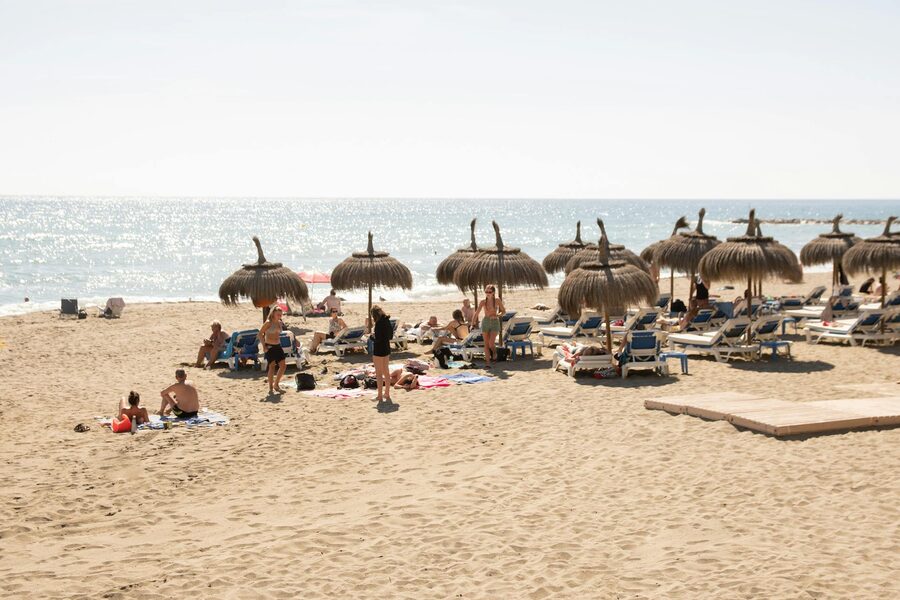
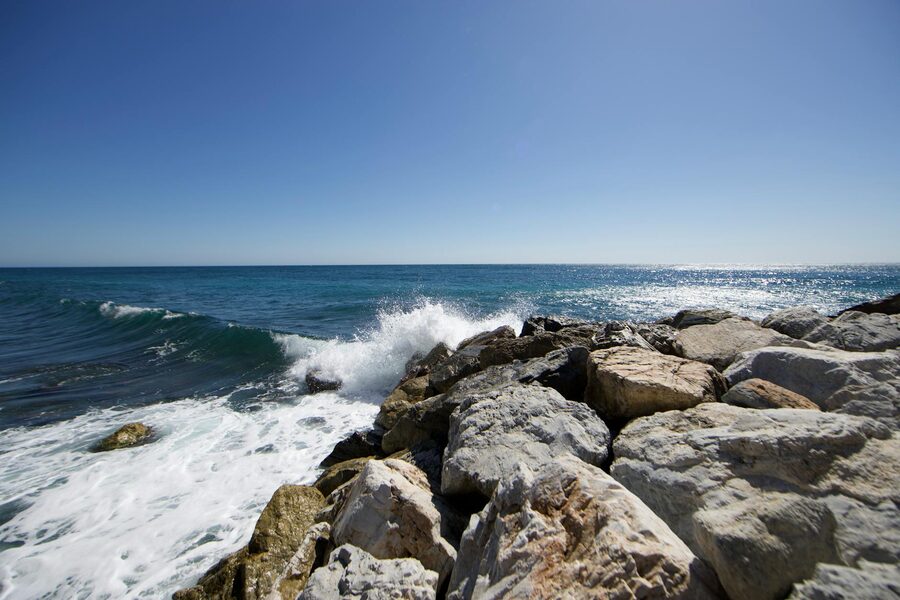
The canyoning takes a morning or afternoon. That leaves plenty of time for the rest of what southern Spain offers. If you’re staying on the Costa del Sol, pair the canyon with some of the region’s best day trips and water activities.
The catamaran cruises in Malaga are perfect for the day after canyoning — your muscles will be sore and lying on a boat deck with a drink sounds considerably better than more scrambling. The kayak tours in Nerja are another excellent water option, taking you along dramatic cliffs and into sea caves about 45 minutes east of Marbella.
For a complete change of scene, the day trip to Ronda from Malaga takes you inland to one of Spain’s most dramatic mountaintop towns, perched above a 100-metre gorge. Ronda is about an hour from Marbella and pairs brilliantly with the canyoning — a different kind of gorge, but equally spectacular. In Malaga itself, the Picasso Museum and the Alcazaba fortress are worth a half-day. And if the Costa Brava appeals more than the Costa del Sol, the kayak tours on the Costa Brava and the catamaran cruises in Lloret de Mar are both excellent.
This article contains affiliate links. When you book through these links, we may earn a small commission at no extra cost to you. This helps us keep creating free travel guides.