
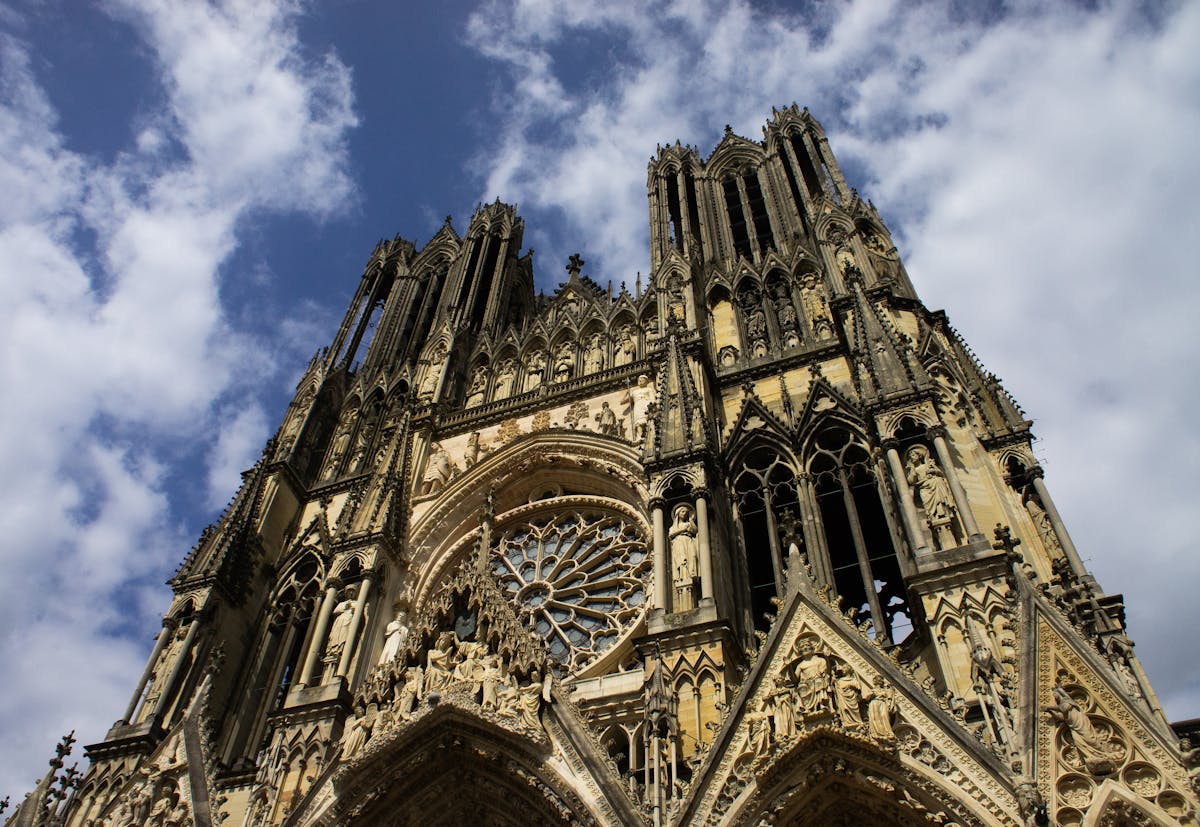
Thirty-three French kings were crowned inside Reims Cathedral. The holy oil used for the ceremony was supposedly delivered by a dove from heaven in 496 AD, for the baptism of Clovis. And directly beneath the city, 250 kilometres of ancient Roman chalk quarries sit at a constant 10-12 degrees Celsius year-round, slowly aging millions of bottles of champagne.
I didn’t come to Reims for the history, though. I came because someone told me you could taste champagne in a 2,000-year-old tunnel, and that sounded like a perfectly good reason to get on a train.
They were right.
If you’re already in the Champagne region — not doing a day trip from Paris, but actually based in Reims or nearby — your options are different and, honestly, better. You skip the three hours of motorway. You get the afternoon tours that start from Reims centre. You visit the small family-run producers the Paris day-trippers never reach. And everything costs about half as much.
Here’s how to make it happen, from cathedral visits to cellar tastings to full-day vineyard runs through the countryside around Epernay.
Best value cellar visit: Epernay Champagne Cellar Tour — $20. Walk through a working champagne house, taste three different cuvees, and you’re done in an hour.
Best half-day experience: Family-Run Wineries from Reims — $147. Small-group van to Hautvillers and two producers the big-bus tours skip entirely.
Best cultural start: Reims Cathedral Guided Tour — $12. Ninety minutes on the coronation history, the war damage, the Chagall windows. Do this before you start drinking.
- Why Reims Is the Place to Do This (Not Paris)
- The History Beneath Your Feet
- Dom Perignon: What He Actually Did
- What You Can Actually Book in Reims
- The Best Champagne Tours to Book from Reims
- 1. Reims Cathedral Guided Tour —
- 2. Epernay Champagne Cellar Tour with Tastings —
- 3. Champagne and Family-Run Wineries Tour — 7
- 4. Reims Afternoon Champagne Tour with Family Growers — 1
- When to Visit the Champagne Region
- How to Get to Reims
- Tips That Will Actually Save You Time
- What You’ll Actually See Inside the Caves
- Planning the Rest of Your France Trip
Why Reims Is the Place to Do This (Not Paris)
Most champagne tour articles assume you’re starting from Paris. And sure, you can do that — we’ve written a full guide to champagne tours from Paris. But there’s a catch: those day trips spend 90 minutes each way on the A4 motorway, drop you at one or two major houses, and charge $300-400 for the privilege.
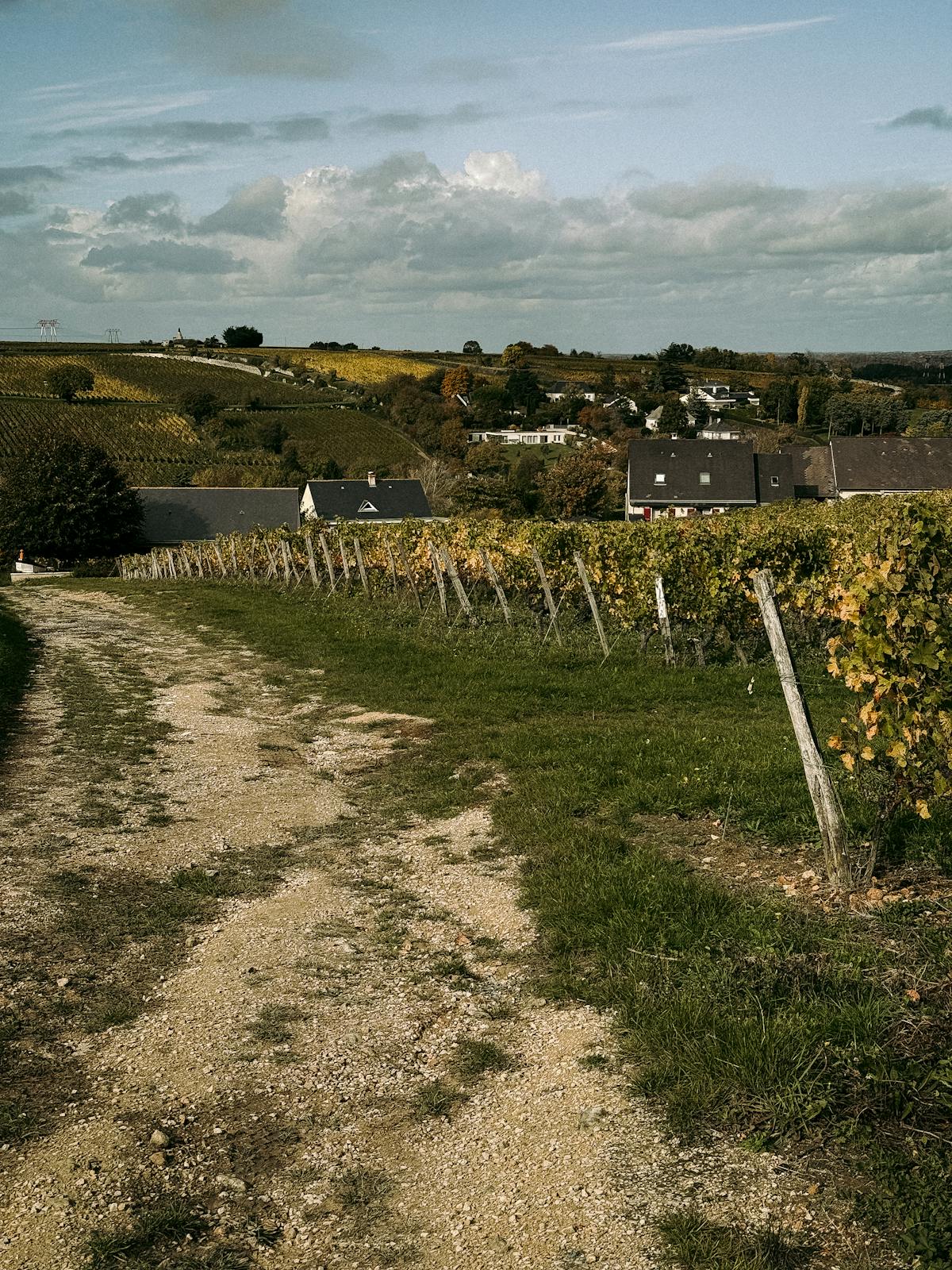
Based in Reims, you’re already there. The champagne houses line the streets. The vineyards start at the edge of town. A half-day tour picks you up from your hotel, visits two or three producers, and has you back for a late lunch — at half the price of the Paris equivalent.
Epernay is 30 minutes south by car or train. The Avenue de Champagne — lined with houses like Moet and Chandon, Perrier-Jouet, and Pol Roger — is walkable on your own. And the small villages in between? That’s where you find the recoltants-manipulants, the grower-producers who make their own champagne from their own grapes. They’re the whole reason to be here.
The History Beneath Your Feet
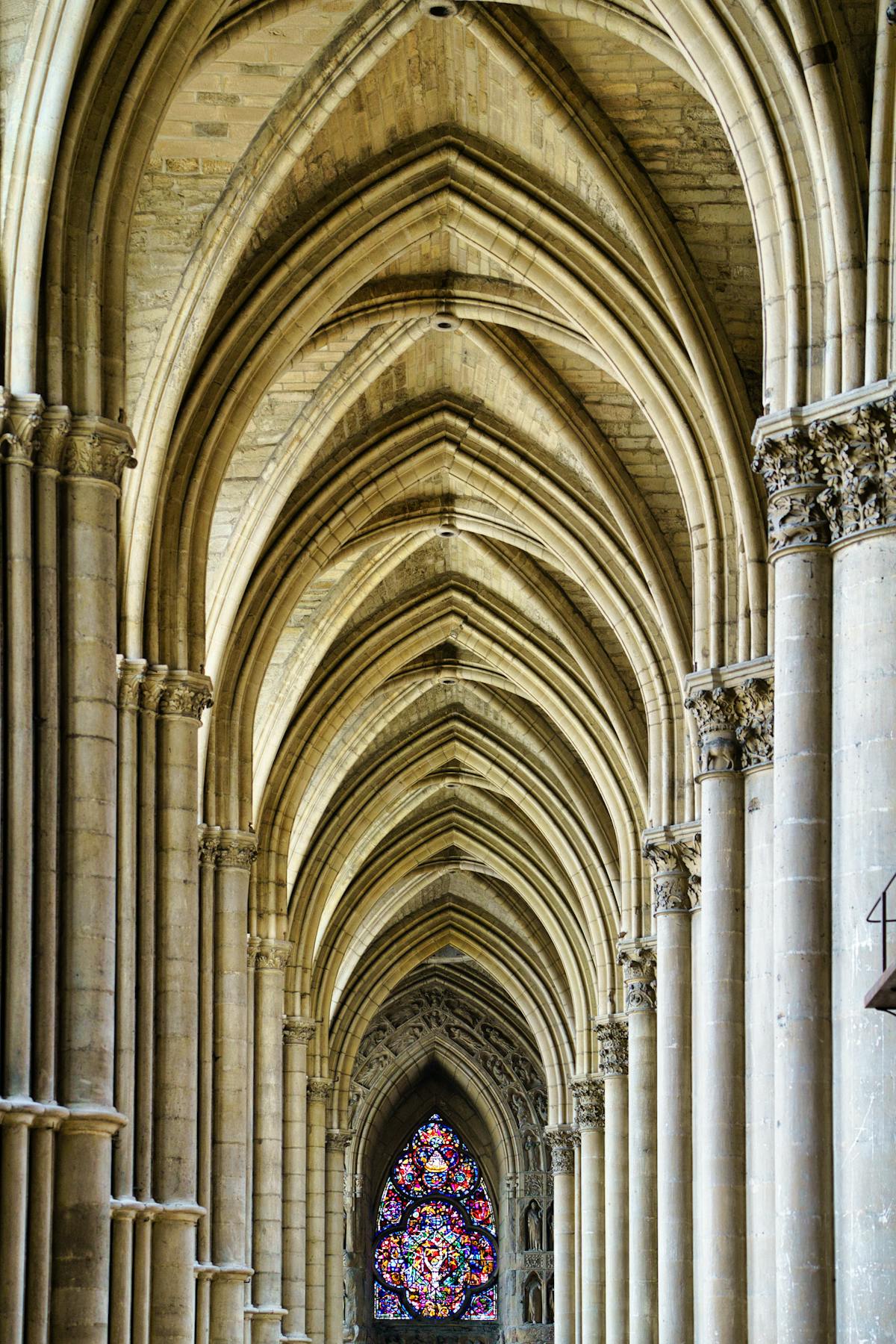
The chalk caves — crayeres — beneath Reims are the real story. Ancient Romans quarried this chalk 2,000 years ago, and the champagne houses eventually claimed the tunnels because the constant cool temperature turned out to be ideal for aging wine. There are 250 kilometres of them running beneath the city, and they’re now a UNESCO World Heritage Site.
Walking through Taittinger’s crayeres or Pommery’s decorated galleries, you’re standing in spaces that predate the champagne industry by over a millennium. The bottles rest in racks carved into chalk walls that Roman hands shaped. It’s genuinely impressive, even if you don’t care much about wine.
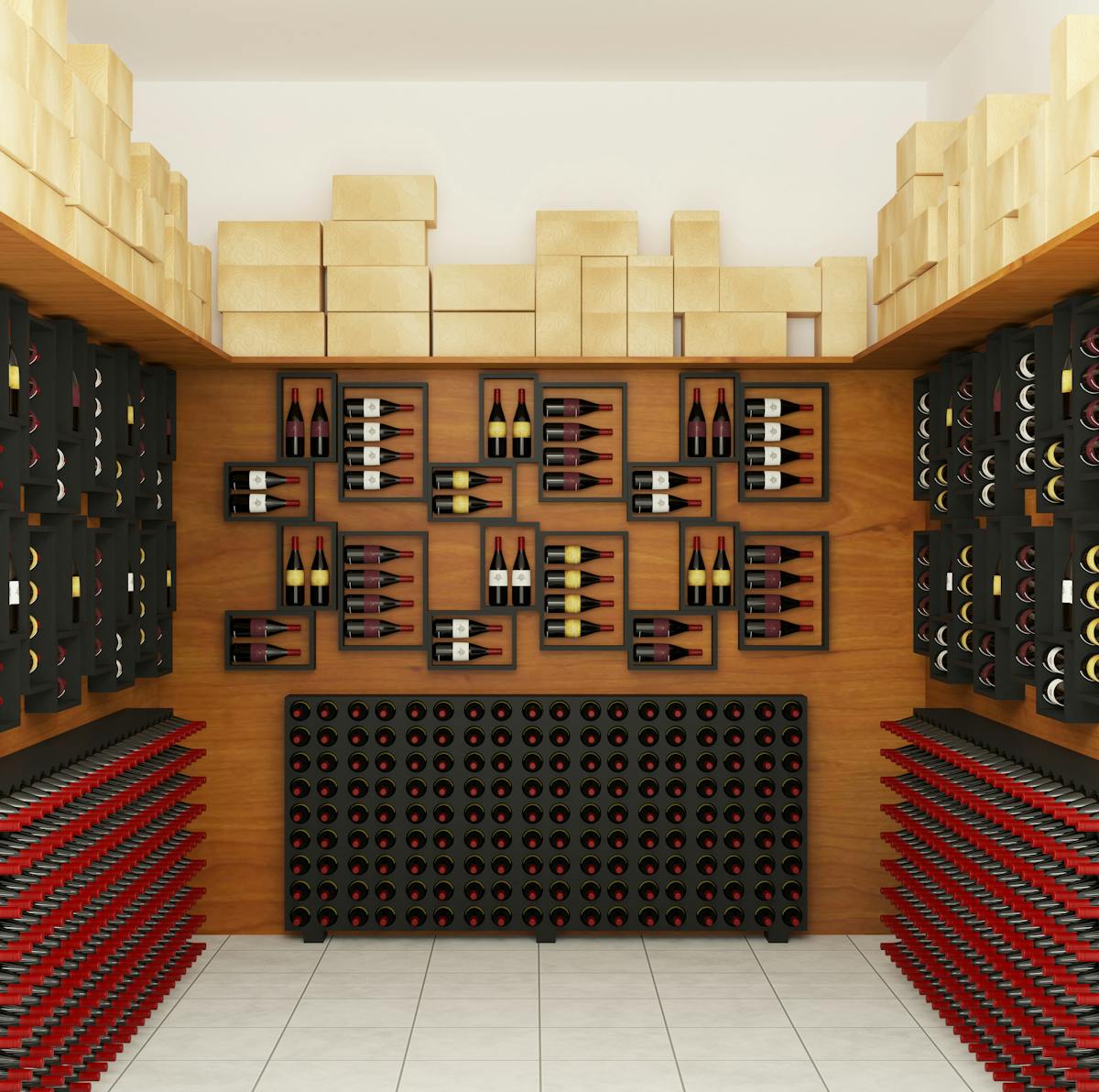
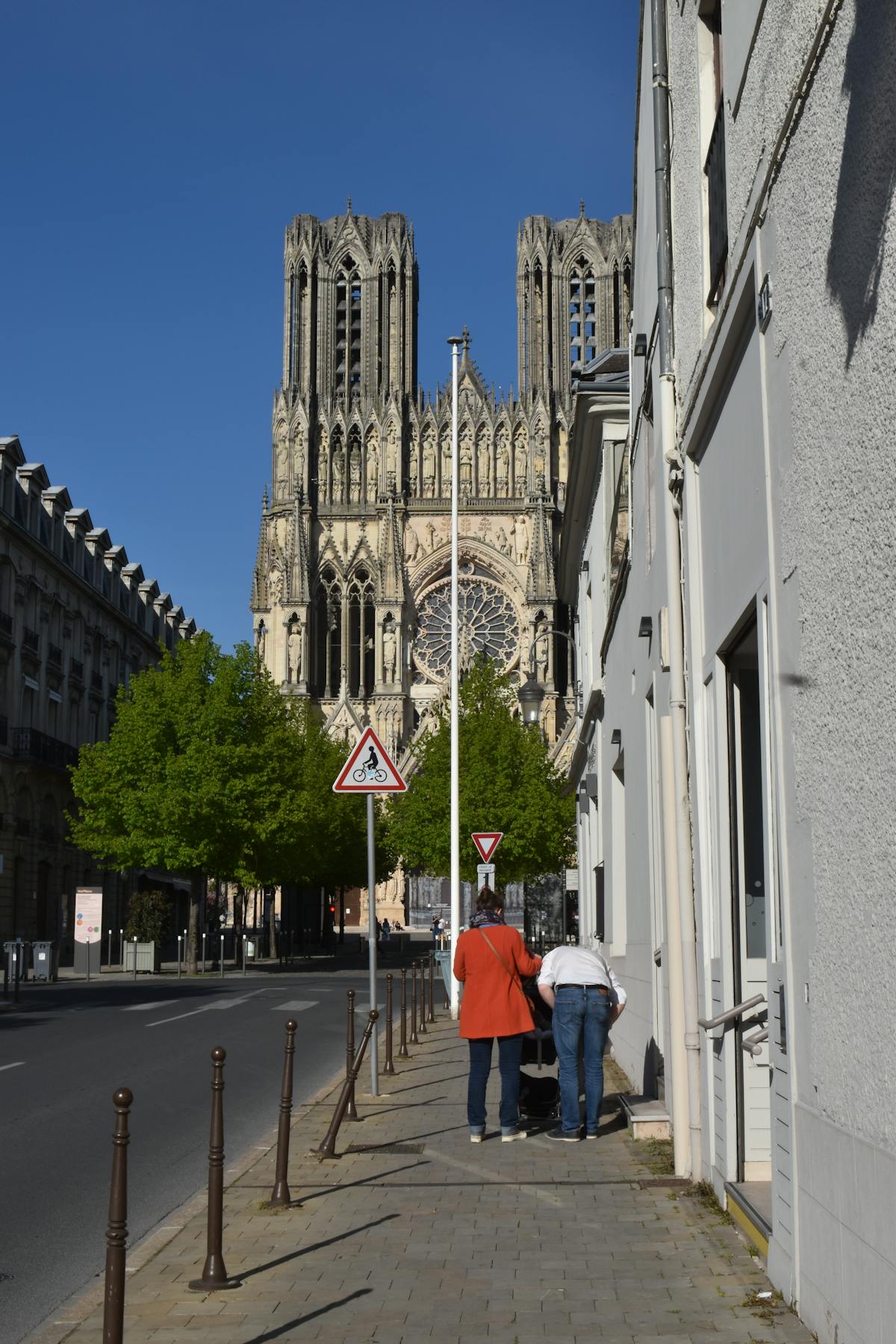
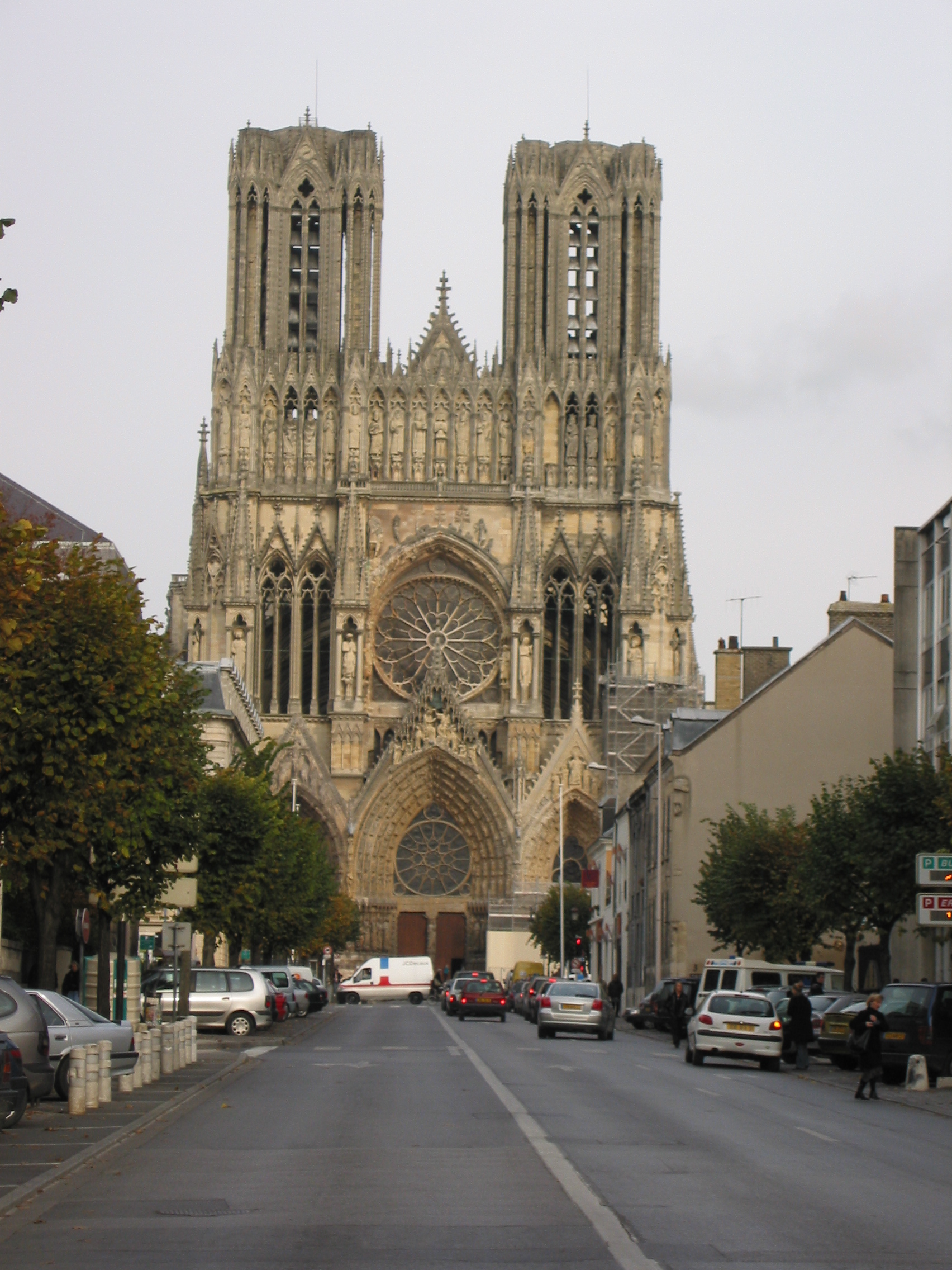
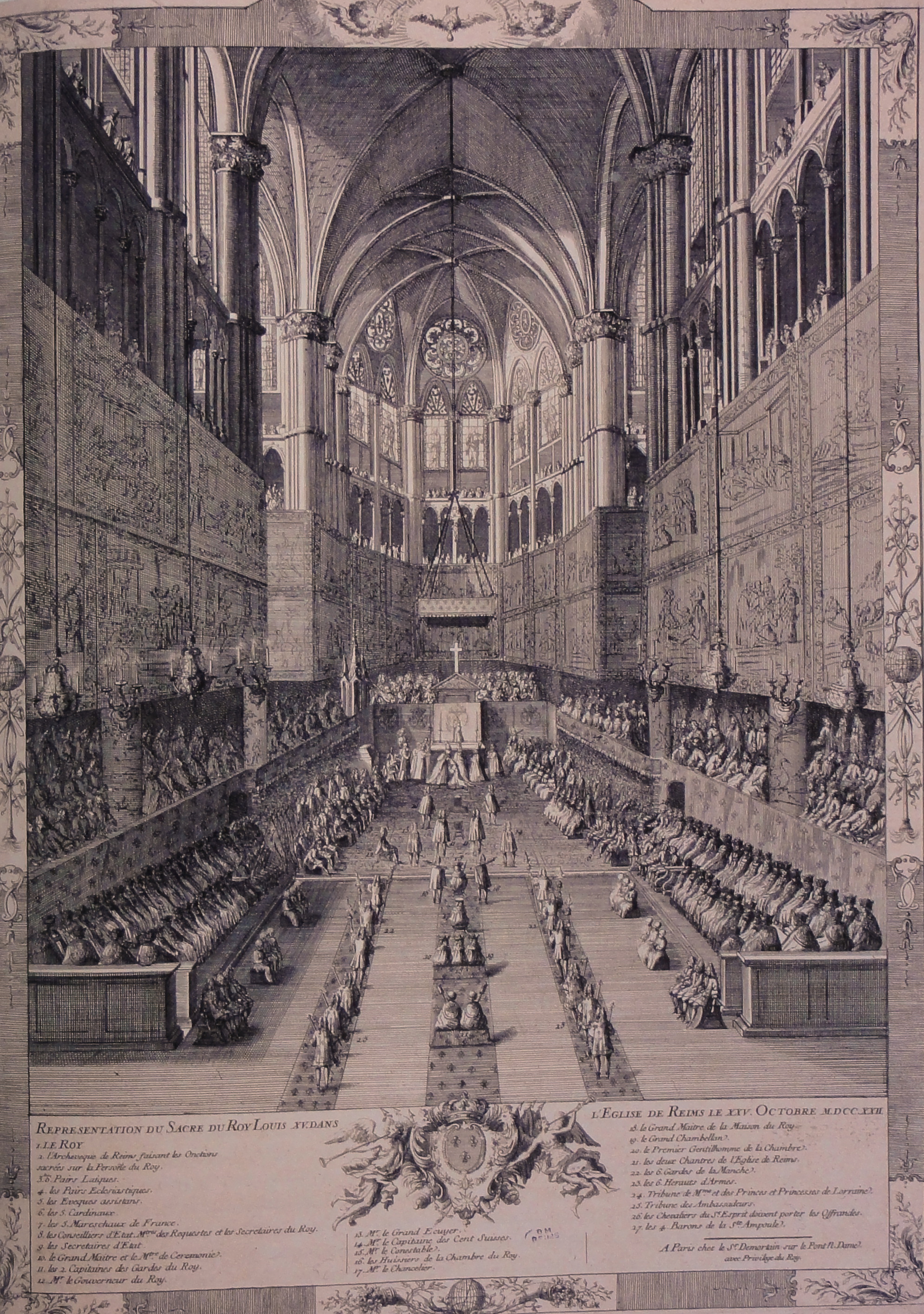
And then there’s the cathedral. Reims Cathedral was where virtually every French king was crowned from 987 to 1825 — starting with Hugh Capet and ending with Charles X. The coronation ceremony involved anointing with holy oil that, according to legend, a dove brought from heaven for the baptism of King Clovis. It’s the kind of story that’s too wild to make up.
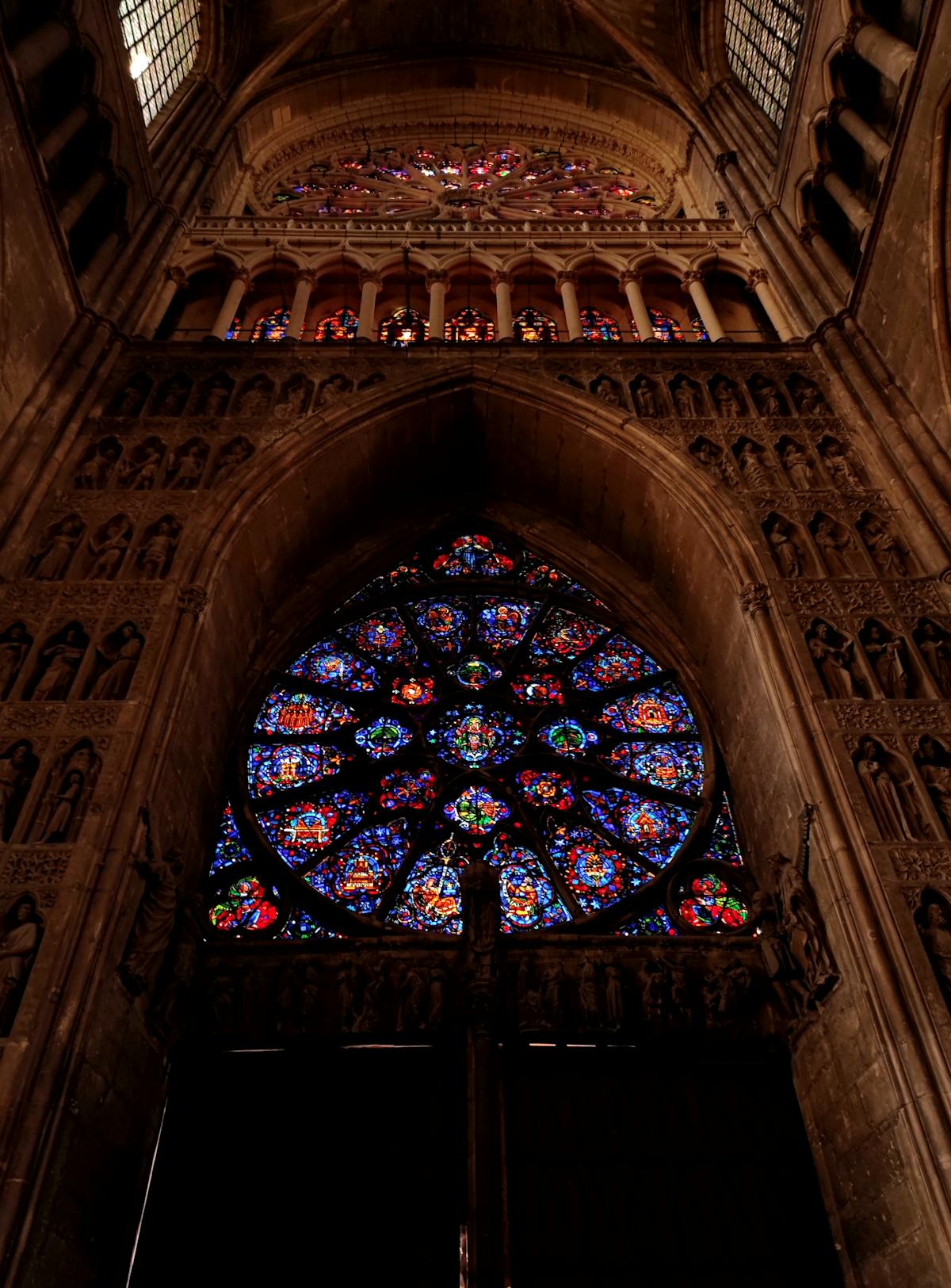
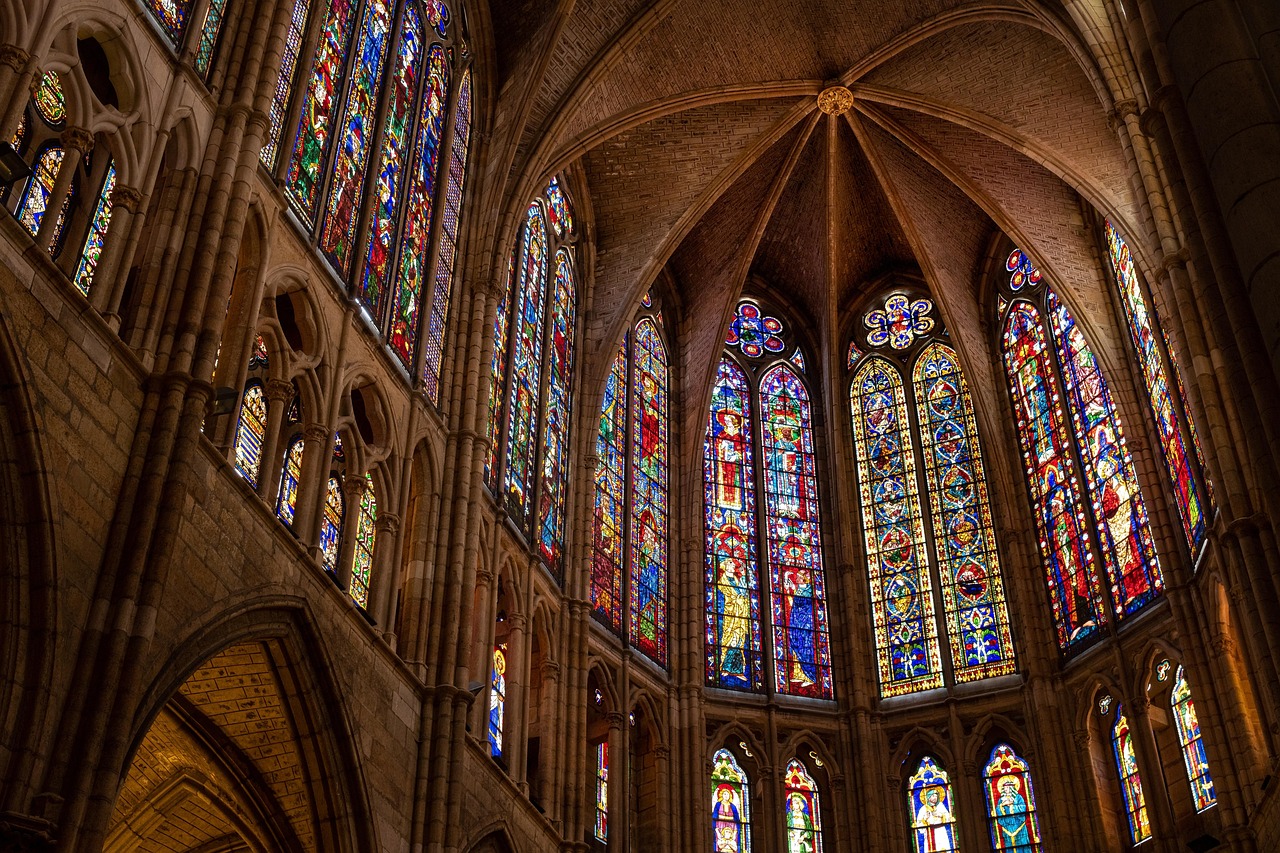
German shelling during the First World War nearly destroyed the building. The lead roof melted and poured through the gargoyles. The restoration took twenty years, and if you look carefully at the exterior stonework, you can still see the scars. Marc Chagall designed new stained glass windows for the apse in the 1970s — deep blues and golds that pour colour across the floor when the afternoon sun hits them.
Dom Perignon: What He Actually Did
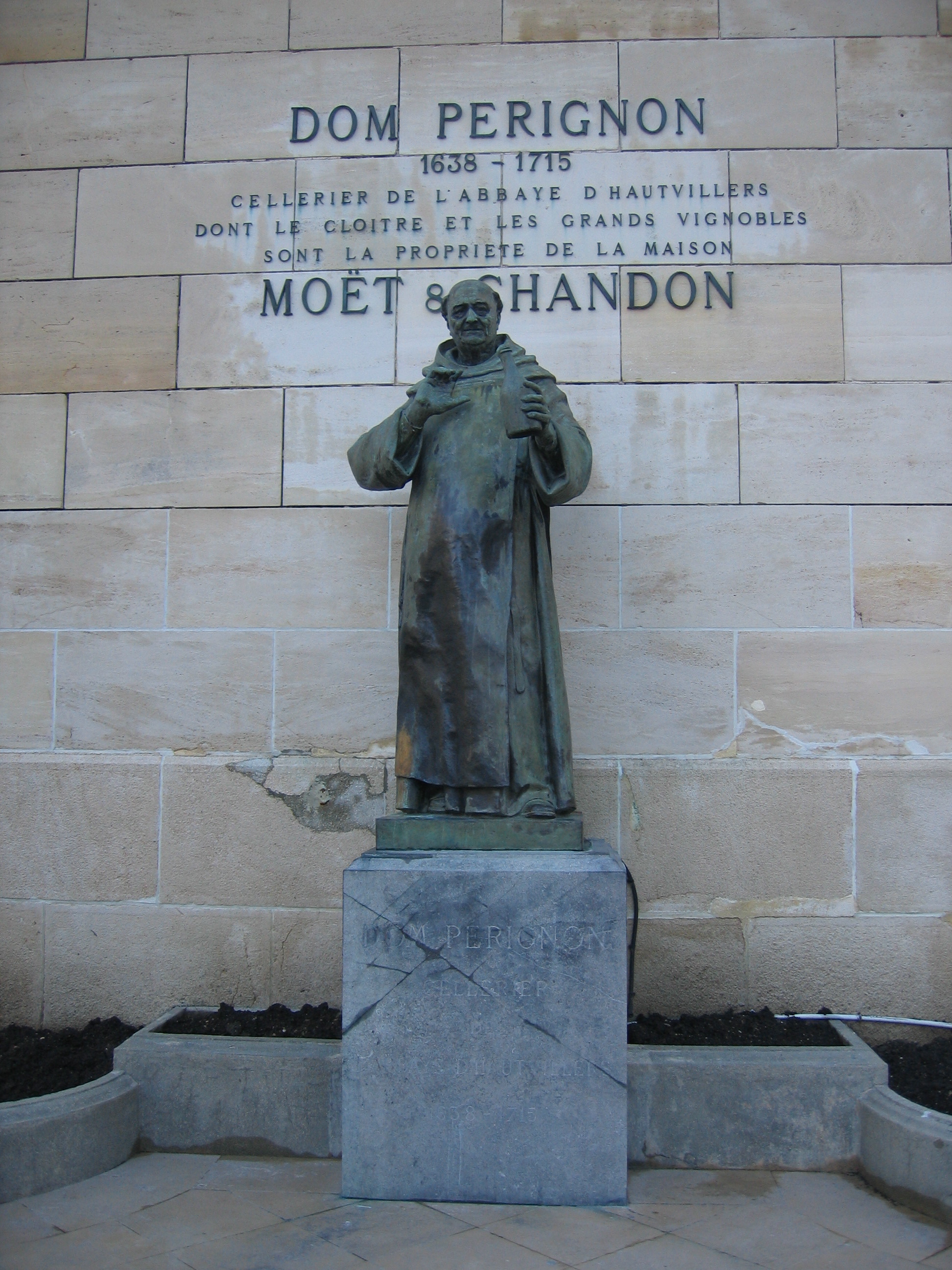
Quick myth-busting, because every tour guide gets this wrong: Dom Perignon did not invent champagne. Sparkling wine existed before him. What the Benedictine monk at the Abbey of Hautvillers (near Epernay) actually did, between roughly 1668 and his death in 1715, was revolutionise the blending process. He figured out how to combine grapes from different vineyards to create a more consistent product. He also introduced the cork stopper — before that, they used oil-soaked rags. Which, yes, is exactly as unreliable as it sounds.
You can visit Hautvillers. It’s a quiet village perched above the Marne valley vineyards, and the abbey church where Dom Perignon is buried is still there. Most of the half-day tours from Reims stop here. It’s a 15-minute detour that adds real context to everything you’ll taste later.
What You Can Actually Book in Reims
There are basically four types of experiences available when you’re based in the region, and they range from a quick 12-euro cathedral walkthrough to a full-day, six-tasting vineyard crawl.
Cathedral and city tours cover the Gothic architecture, coronation history, and war damage at Reims Cathedral. These run about 90 minutes and are the cheapest option by far. Good for the morning before you move on to drinking.
Single cellar visits take you underground at one champagne house — usually in Epernay — for a guided tour of the production process and a tasting of two or three cuvees. About an hour, around $20. This is the bare minimum champagne experience, and honestly it’s enough if you’re short on time.
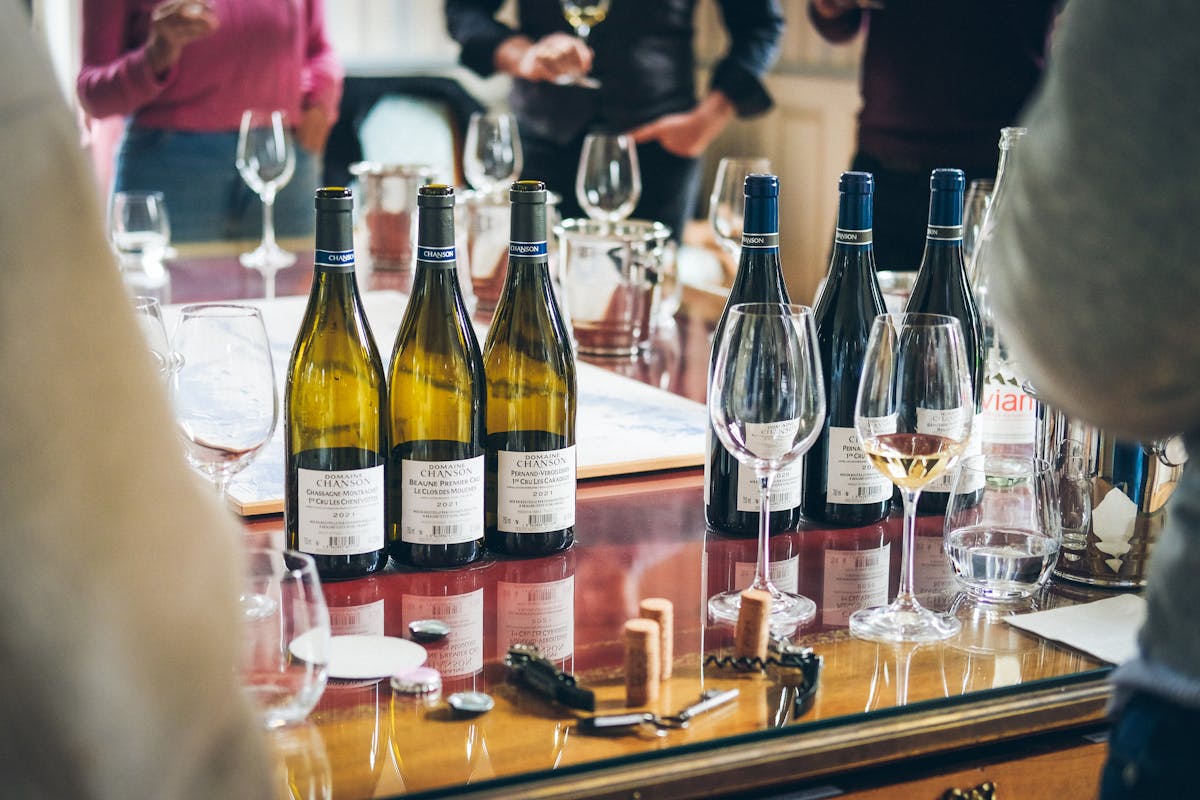
Half-day tours from Reims are the sweet spot. A minivan picks you up, drives through the vineyards to Hautvillers and one or two family producers, and you taste four to six champagnes over about four hours. Usually $135-150 per person. You see the countryside, meet the people who actually make the stuff, and get back to Reims with most of your afternoon intact.
Full-day tours add lunch, a second or third producer, and sometimes a major house like Mumm or Taittinger on top of the small growers. These run $250-300 and take six to seven hours. Worth it if champagne is the point of your trip. Overkill if it’s a side activity.
The Best Champagne Tours to Book from Reims
I’ve gone through the available options and picked four that cover different price points and styles. All of these depart from or are based in the Reims/Epernay area — no Paris bus rides involved.
1. Reims Cathedral Guided Tour — $12
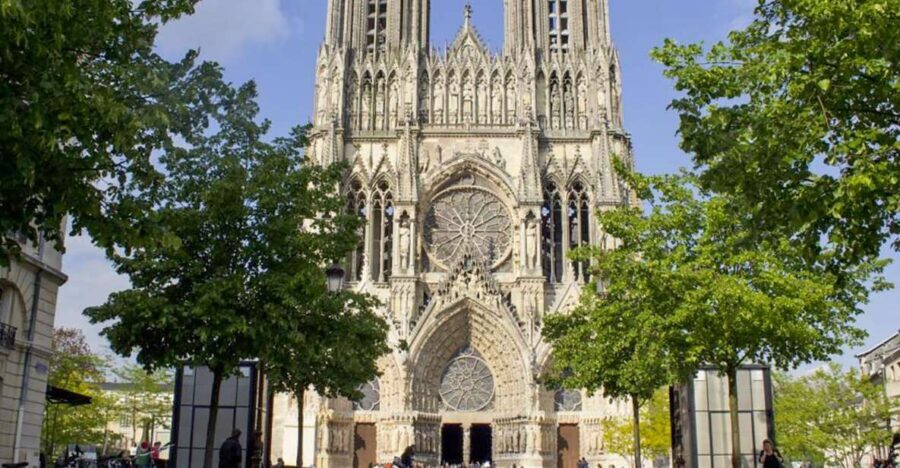
At twelve dollars, this is barely a decision. A local guide walks you through 800 years of coronation history, explains the war damage you can still see on the facade, and points out details in the sculpture and glass that you’d walk straight past on your own. The Reims Cathedral guided tour runs about 90 minutes and starts outside the west front.
This isn’t a champagne experience — it’s pure architecture and history. But it gives you the context for everything else you’ll do in Reims, and $12 for a guided tour of one of the most important Gothic buildings in Europe is almost absurdly good value. Do it in the morning, before the champagne takes over your afternoon plans.
2. Epernay Champagne Cellar Tour with Tastings — $20
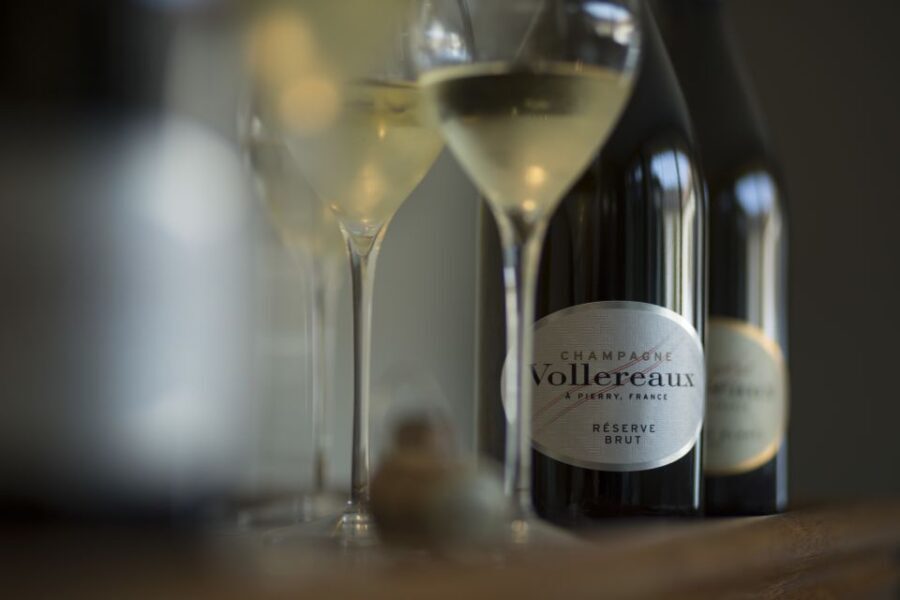
This takes you into the Vollereaux champagne house in Epernay for a guided walk through their cellars, a look at the production stages (disgorgement, riddling, dosage — all the steps that make champagne champagne), and a tasting of three different cuvees at the end.
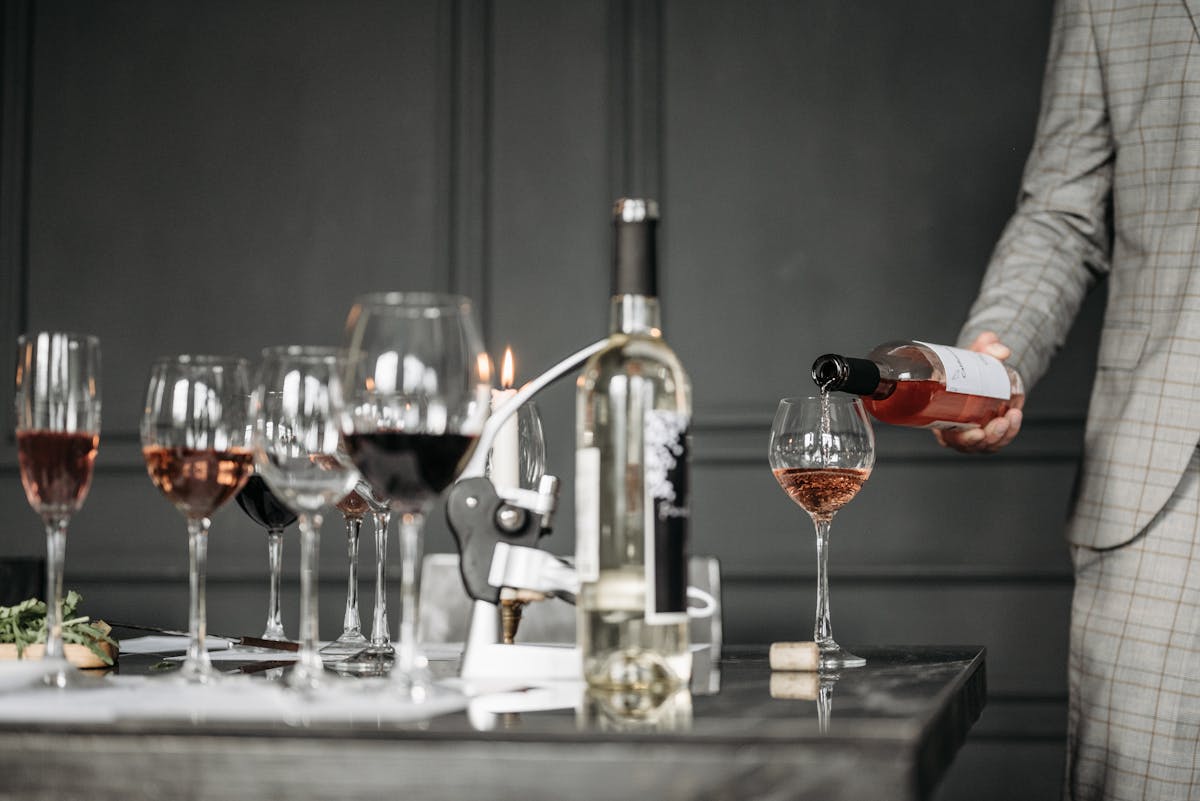
At $20 per person, this is the cheapest way to actually taste champagne with a guided explanation. The tour is about an hour long, which makes it easy to slot into a day that includes other Epernay activities — the Avenue de Champagne is right there. One thing: the tasting happens in their boutique, and yes, they’ll encourage you to buy a bottle. The prices are reasonable, and the rosé was genuinely good.
3. Champagne and Family-Run Wineries Tour — $147
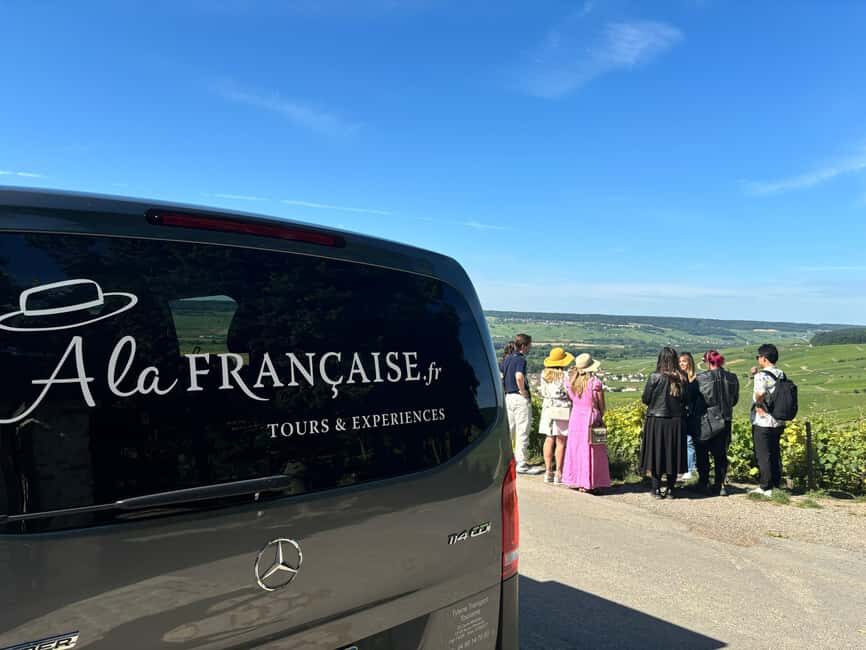
This is the one I’d pick if I could only do one thing in the Champagne region. A small-group van (usually 8 people max) picks you up in Reims and drives through the Marne valley to Hautvillers — where Dom Perignon lived and worked — and then to two family-run recoltant-manipulant producers. Six champagne tastings total across the afternoon.
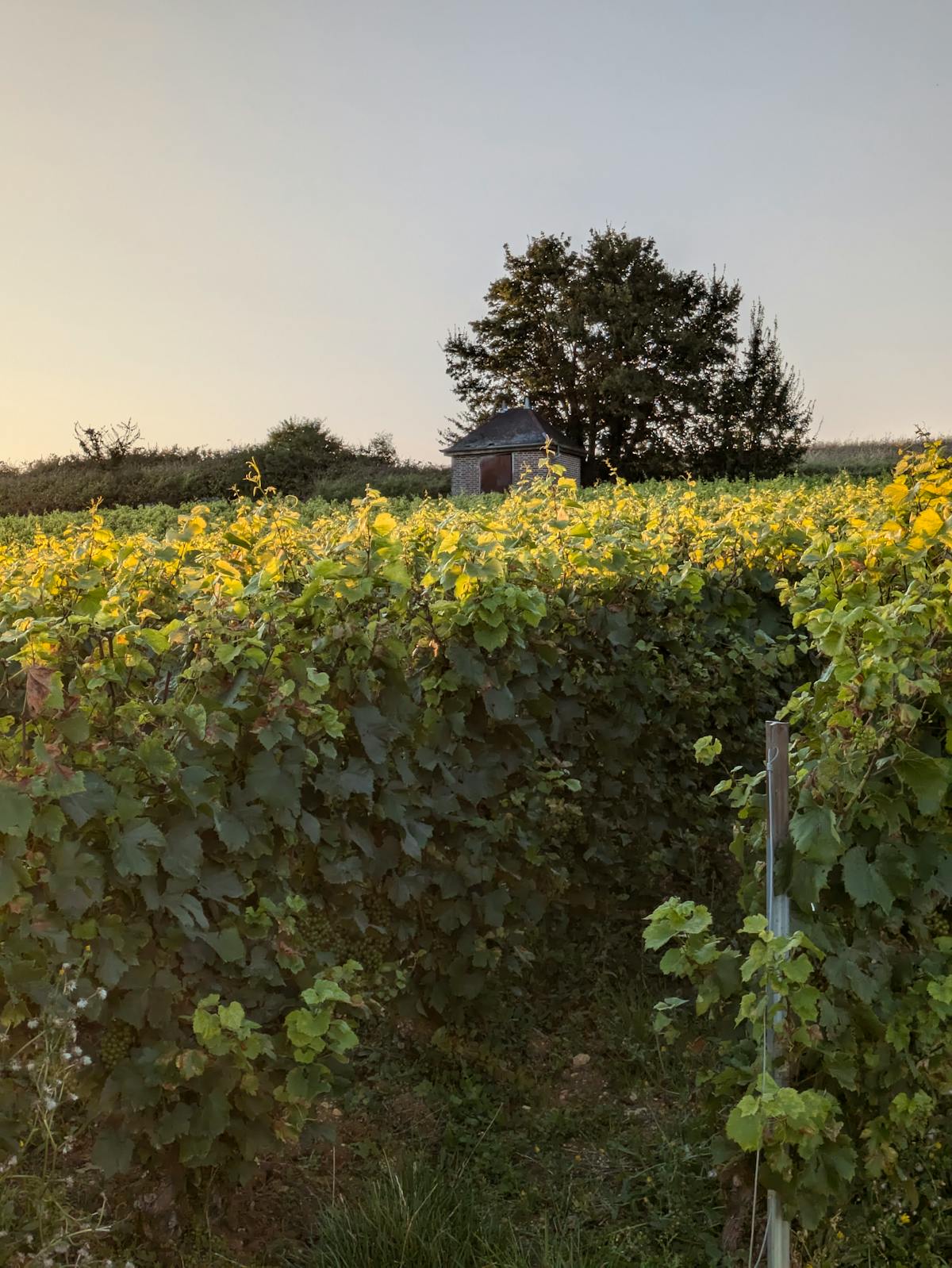
The family-run wineries tour from Reims is what separates actually being in Champagne from doing a day trip. The producers know the guide by name. They walk you through their vineyards, explain the difference between Pinot Noir, Pinot Meunier, and Chardonnay (the only three grapes allowed in champagne), and pour generous tastings of wines you can’t buy outside the region. At $147 for about four and a half hours, it’s a genuine half-day experience — not a rushed bus tour.
4. Reims Afternoon Champagne Tour with Family Growers — $151
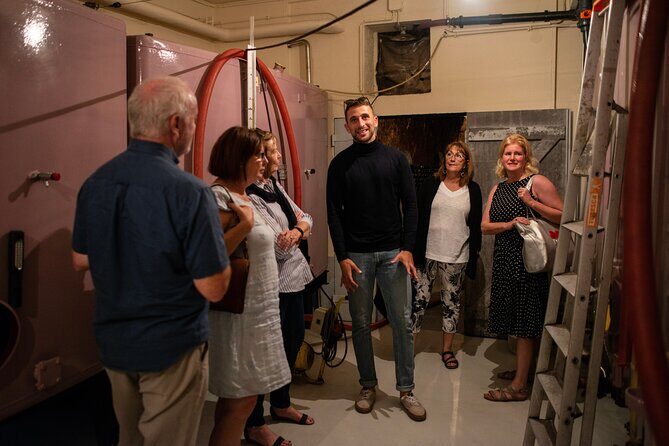
Similar concept to the tour above, but run by a different operator via Viator and with an afternoon departure that works well if you want to do the cathedral in the morning. This one also visits family growers — no big commercial houses — and includes six tastings across about four and a half hours.
The afternoon champagne and family growers tour gets consistently strong feedback for the guide quality. At $151, it’s basically the same price as the GetYourGuide option above, and the experience is very similar. The afternoon timing is the main differentiator — you get golden-hour light over the vineyards, which sounds like a small thing until you’re standing there with a glass of blanc de blancs watching the sun drop behind the Marne valley hills.
When to Visit the Champagne Region
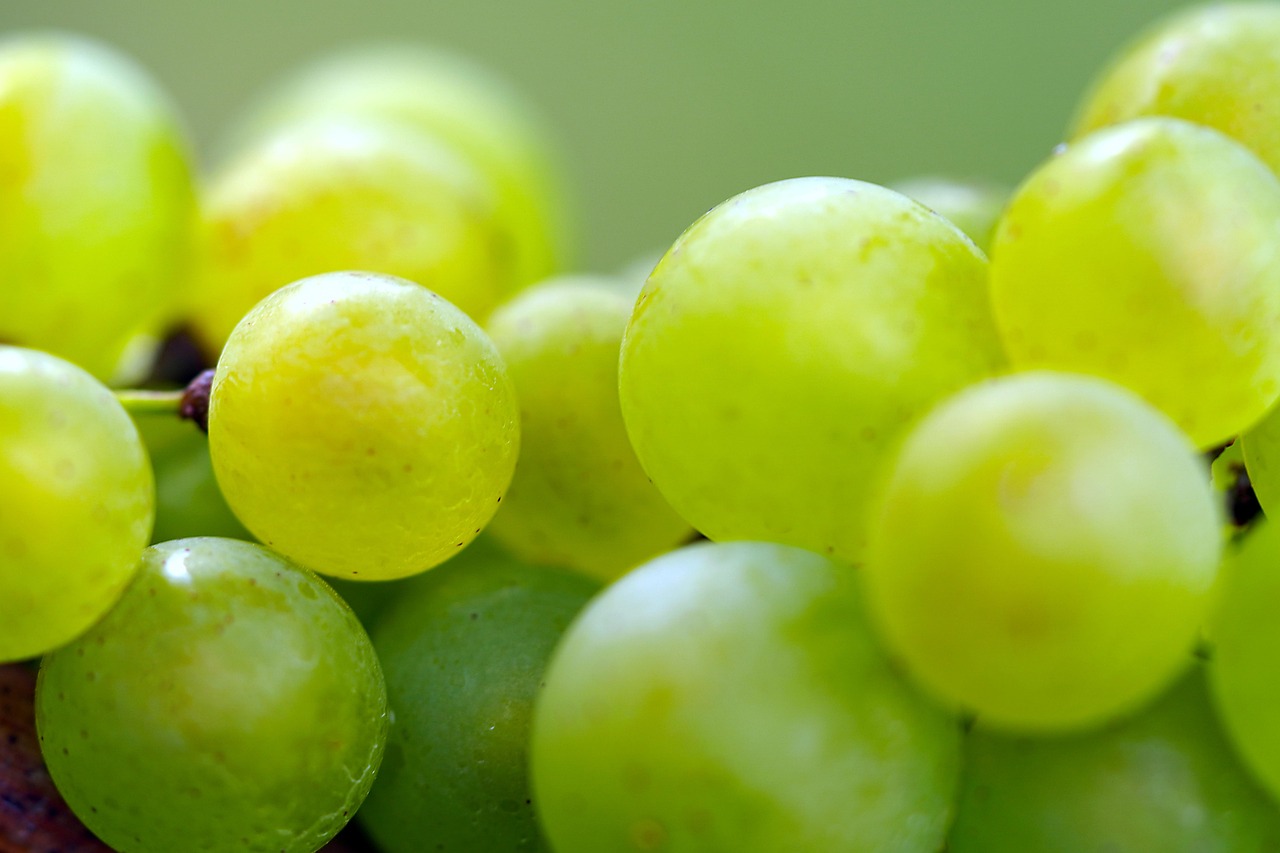
September and October are harvest season — the vineyards are full of activity, the weather is still warm, and the landscape turns gold and amber. This is when the region is at its most photogenic and when the producers are most excited to talk about what they do. Tours fill up fast, though, so book at least two weeks ahead.
May through July is the other peak window. Long days, green vineyards, outdoor tastings. Temperatures are comfortable for walking and the crowds aren’t as thick as Provence or the Cote d’Azur.
November through March is quiet. Some smaller producers close for the winter. But the cellar tours run year-round (the caves don’t care what season it is), the cathedral is always open, and you’ll have far fewer people competing for tasting spots. Hotel prices drop significantly.
Avoid the first two weeks of August if you can. Much of France is on holiday, and some family producers shut down entirely. The big houses stay open, but the small-producer experience — which is the best part — gets harder to find.
How to Get to Reims
From Paris: The TGV from Gare de l’Est takes 46 minutes. Yes, forty-six minutes. It’s one of the best train connections in France, and tickets start around 15-30 euros if you book a week or two ahead on SNCF Connect. The Reims TGV station is about 10 minutes from the city centre by tram.
From Strasbourg or Alsace: About two and a half hours by TGV. If you’re doing an Alsace trip from Strasbourg, Reims makes a logical next stop — both regions are about wine, but the styles couldn’t be more different.
Driving: Reims is about 130 km northeast of Paris via the A4. The drive is straightforward but parking in central Reims can be tricky. If you’re doing a vineyard tour that includes pickup, leave the car at your hotel.
Reims to Epernay: 30 minutes by car, or take the regional train (about 25 minutes, runs roughly hourly). If you’re not joining a tour, renting a car for the day gives you the most flexibility to explore the small villages along the Route du Champagne.
Tips That Will Actually Save You Time
Book the cathedral tour for the morning. Afternoon tours exist, but the light is better in the morning for photos, and you want the afternoon free for champagne. You’ll appreciate the history more when you’re sober.
The Avenue de Champagne in Epernay doesn’t need a tour. You can walk it yourself. Several houses offer drop-in tastings for 15-25 euros. Moet and Chandon is the biggest and busiest; Perrier-Jouet and Pol Roger are quieter and arguably more interesting.
Champagne can ONLY come from the Champagne region. This isn’t marketing — it’s French law and EU regulation. Everything made outside this specific area is sparkling wine, regardless of the method used. The producers here take this distinction very seriously.
Don’t do a cellar tour and a vineyard tour on the same day if you’re driving. Six champagne tastings in an afternoon will catch up with you. The vineyard tours include transport for a reason.
Bring a small cooler bag if you’re buying bottles. Producer prices are significantly cheaper than retail — often 12-20 euros for bottles that cost 30-40 in a Paris shop. But champagne doesn’t love sitting in a warm car boot.
What You’ll Actually See Inside the Caves
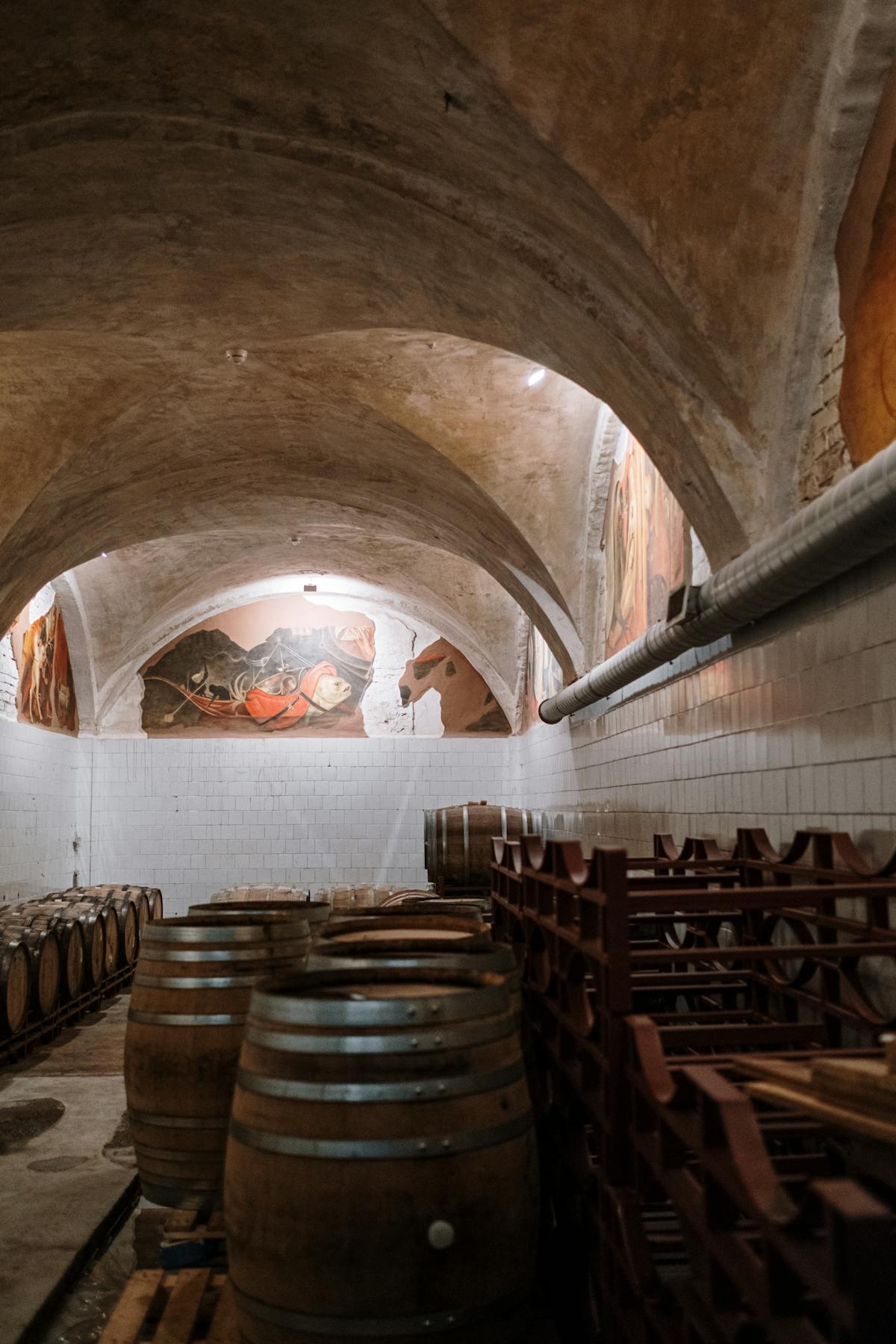
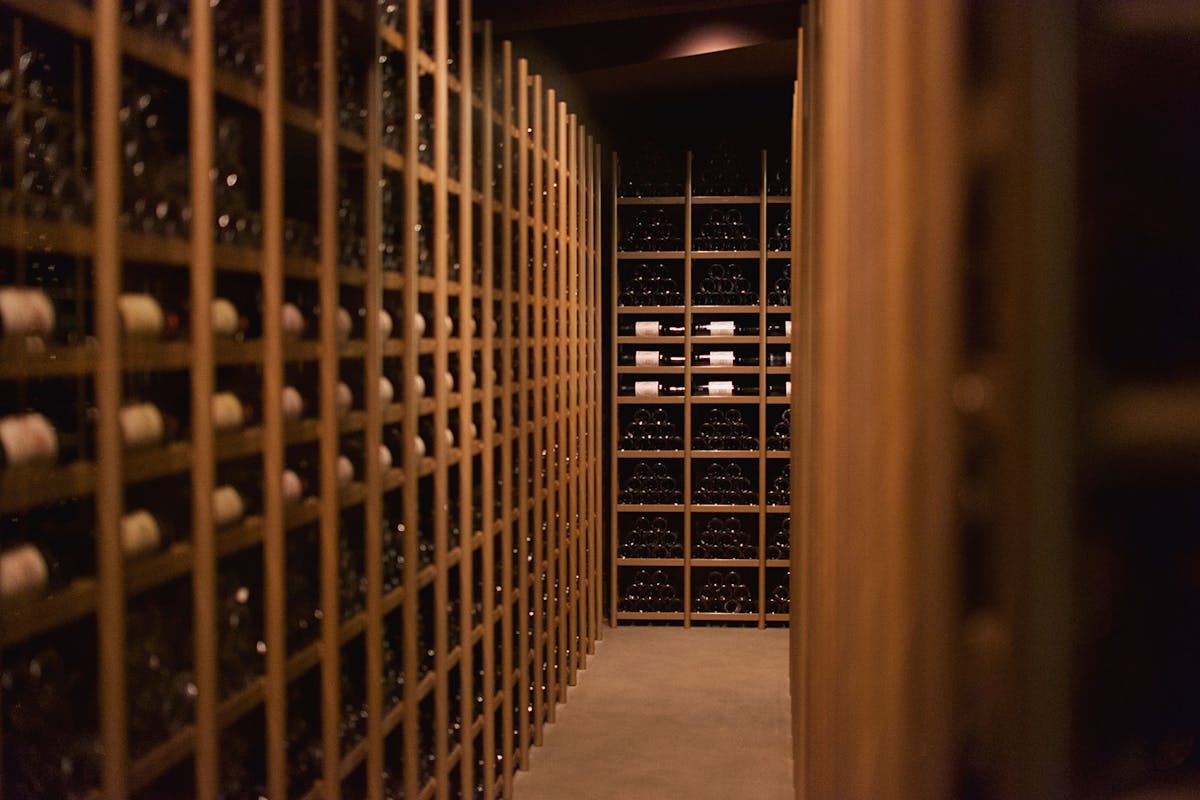
The crayeres beneath Reims are not like the wine caves you might have visited in Bordeaux or Tuscany. These are vast — cathedral-scale in places, with vaulted chalk ceilings that glow white under the lighting. The temperature drops noticeably the moment you descend, hovering around 10-12 degrees year-round regardless of what’s happening at street level.
At the big houses — Taittinger, Pommery, Veuve Clicquot, Ruinart — the tours are polished and professional. Taittinger’s crayeres are particularly impressive: the chalk walls have fourth-century carvings alongside millions of aging bottles. Pommery’s galleries feature contemporary art installations in the tunnels, which is either brilliant or annoying depending on your tolerance for that kind of thing.
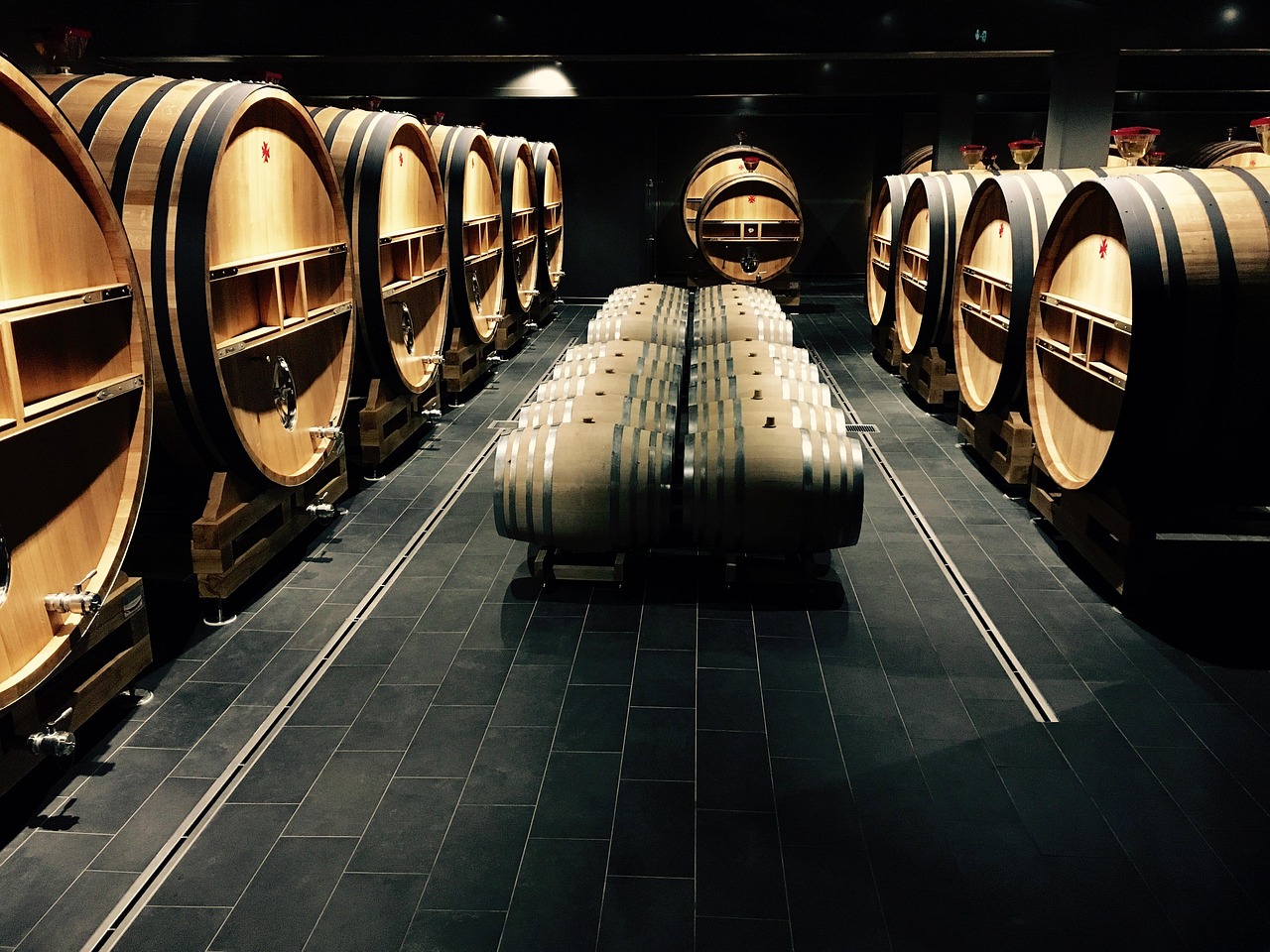
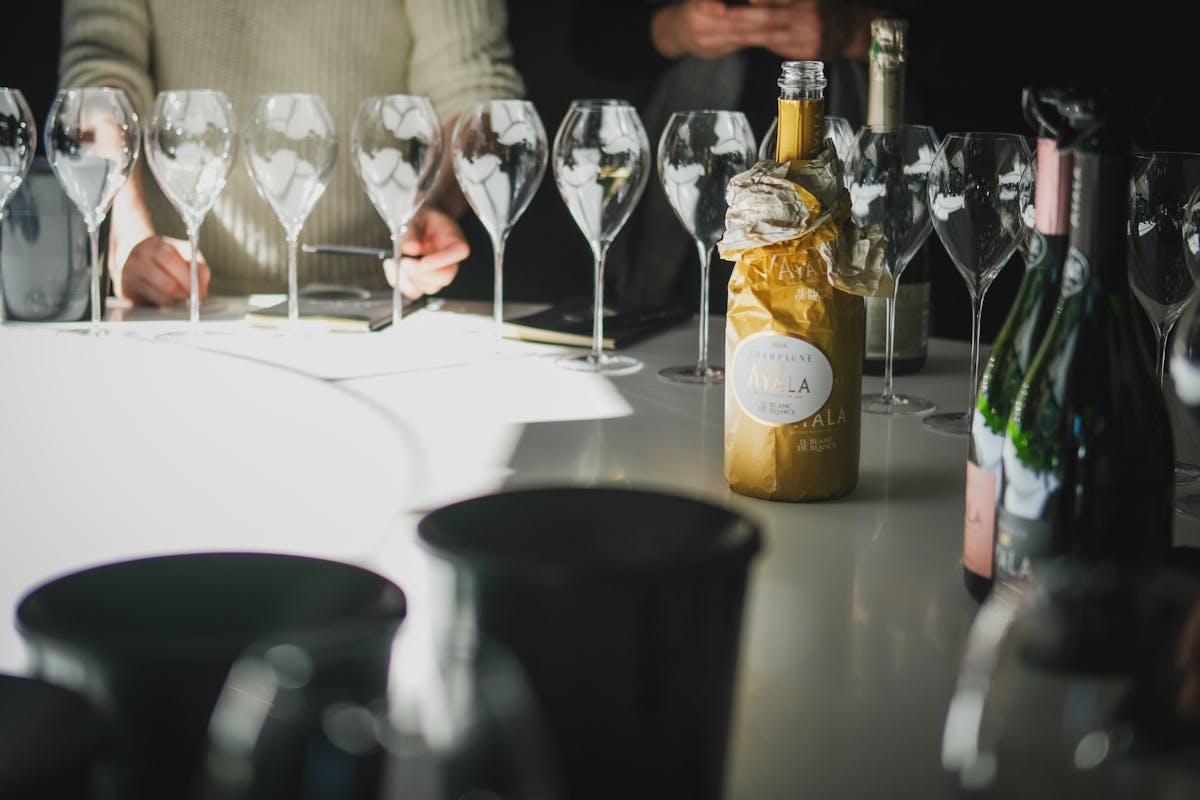
The family producers are different. Their caves are smaller, often beneath the house itself. The bottles are turned by hand in some cases (riddling, or remuage, which slowly collects sediment in the neck before disgorgement). The explanations are less scripted and more personal. One producer showed us the chalk marks his grandfather made on the wall to track vintages in the 1950s.
Either way, you’ll learn the methode champenoise: first fermentation, blending, second fermentation in the bottle (which creates the bubbles), aging on the lees, riddling, disgorgement, and dosage. It’s genuinely interesting, and it makes every glass of champagne you drink afterward taste slightly better because you understand what went into it.
Planning the Rest of Your France Trip
If you’re working your way across France, Reims fits naturally into several routes. Coming from Paris, pair it with a champagne day trip from the capital if you want the comparison, or head east toward Alsace and Strasbourg for a completely different wine region. The Paris walking tours and Lyon walking tours are worth looking at if you’re building an itinerary around French food and drink. Down south, the Saint-Emilion wine tour from Bordeaux and Cite du Vin in Bordeaux are the natural comparison points if you want to do a proper French wine circuit.
This article contains affiliate links. If you book through our links, we earn a small commission at no extra cost to you. This helps keep the site running.