
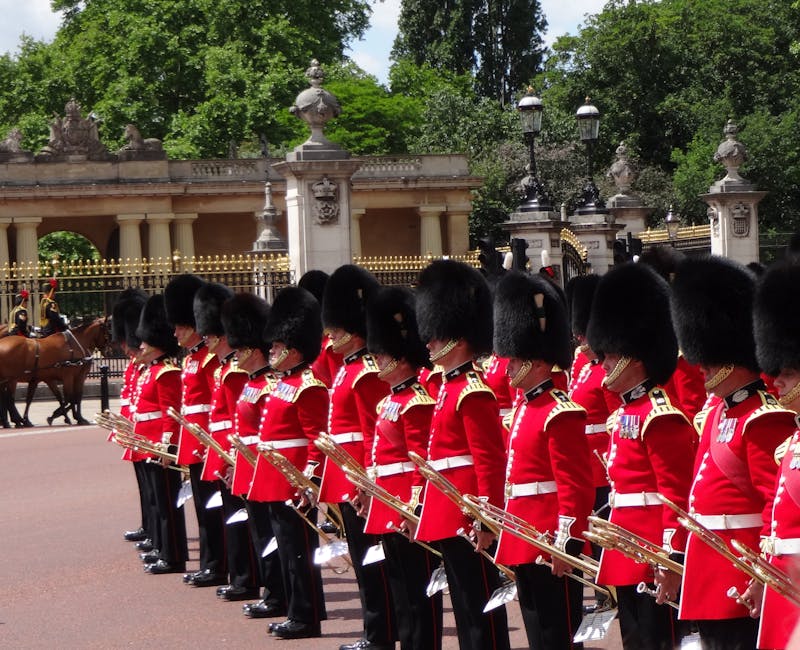
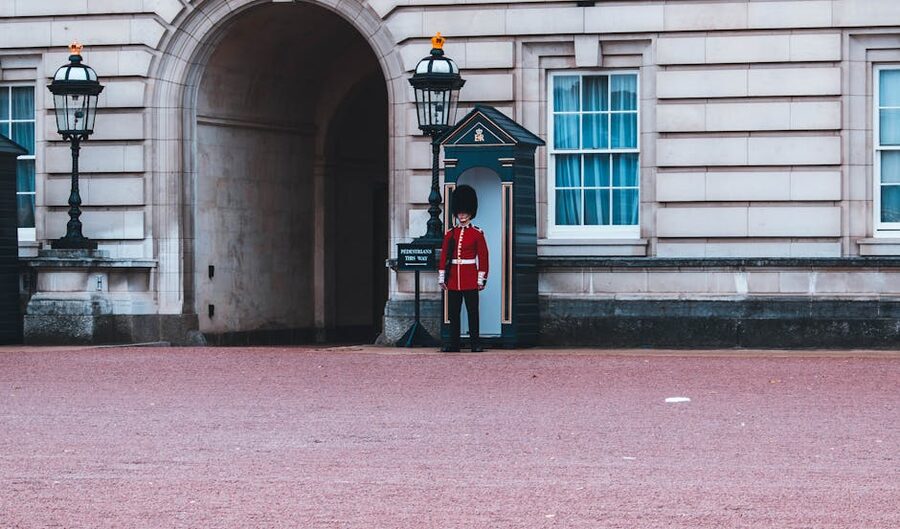
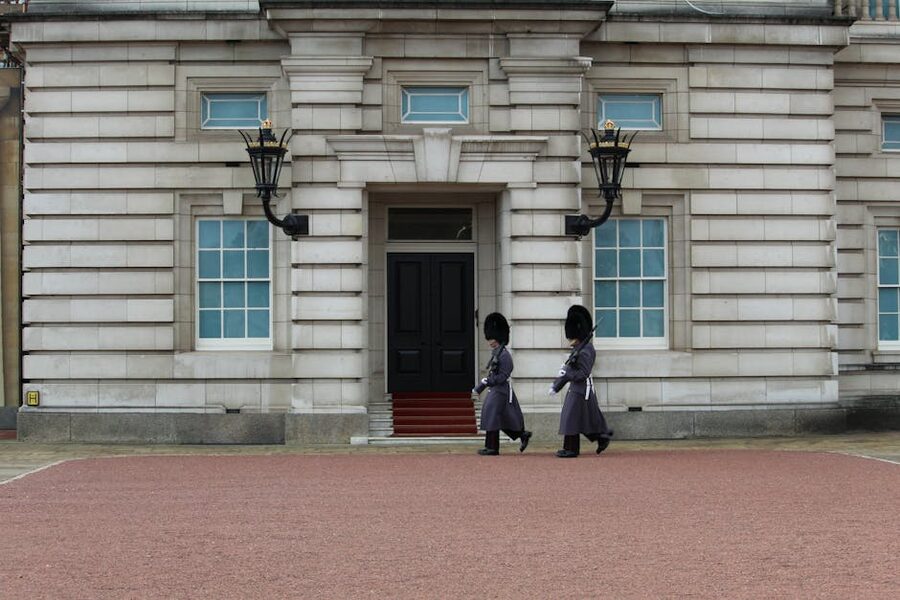
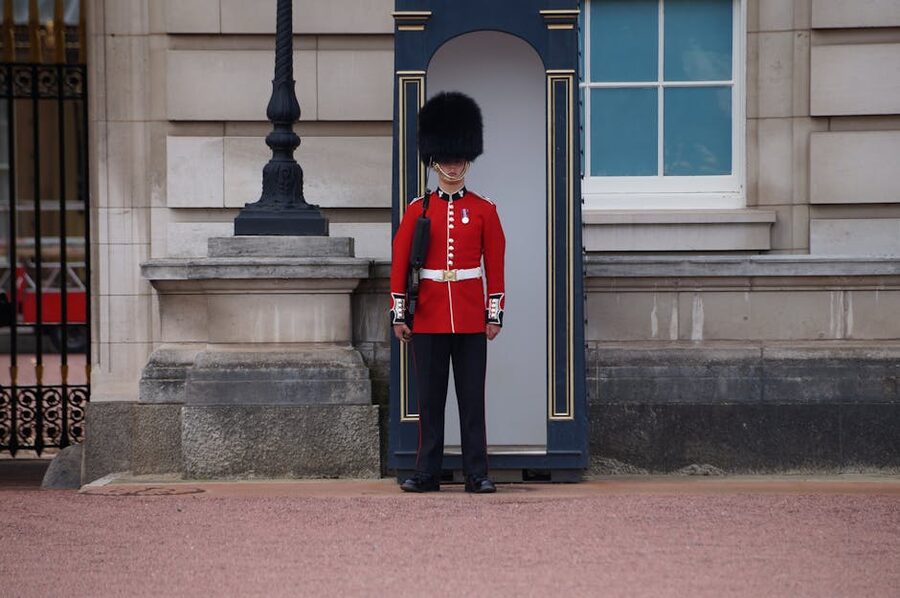
The soldiers in the red coats are not ceremonial. Every guard on duty at Buckingham Palace is an active-serving member of the British Army, drawn from one of the five Foot Guard regiments, and most will be deployed to a conflict zone within 18 months of their Palace rotation. The bearskin hats and rituals are 300 years old; the people wearing them are fully-trained infantry doing a rotation in London.
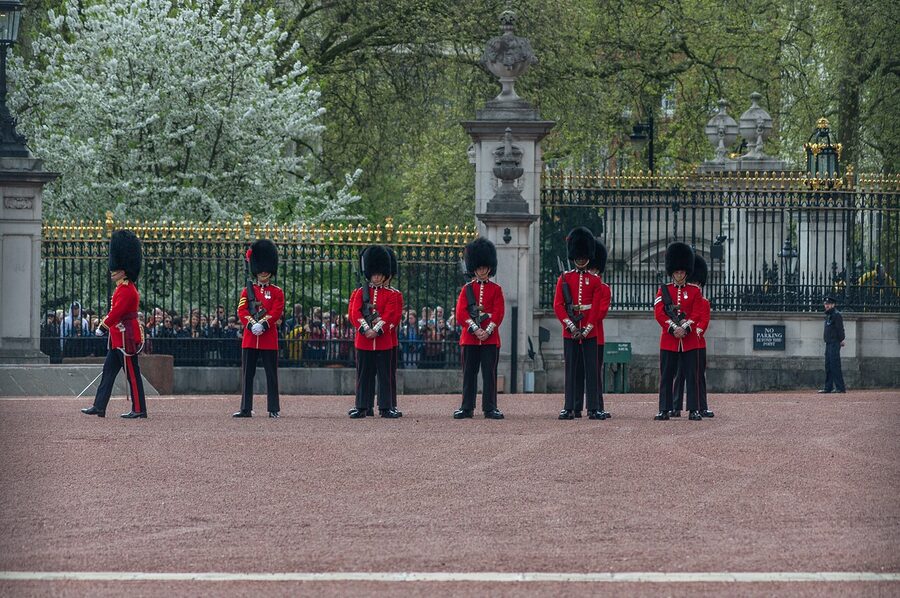

The ceremony is free to watch. What’s worth paying for is a guide who can explain what’s happening, get you to the right viewing spot, and walk you around to the other related sites — because the Changing of the Guard is actually two separate ceremonies running in parallel at Buckingham Palace, St James’s Palace, and Horse Guards Parade. Without a guide, you see maybe a third of it.
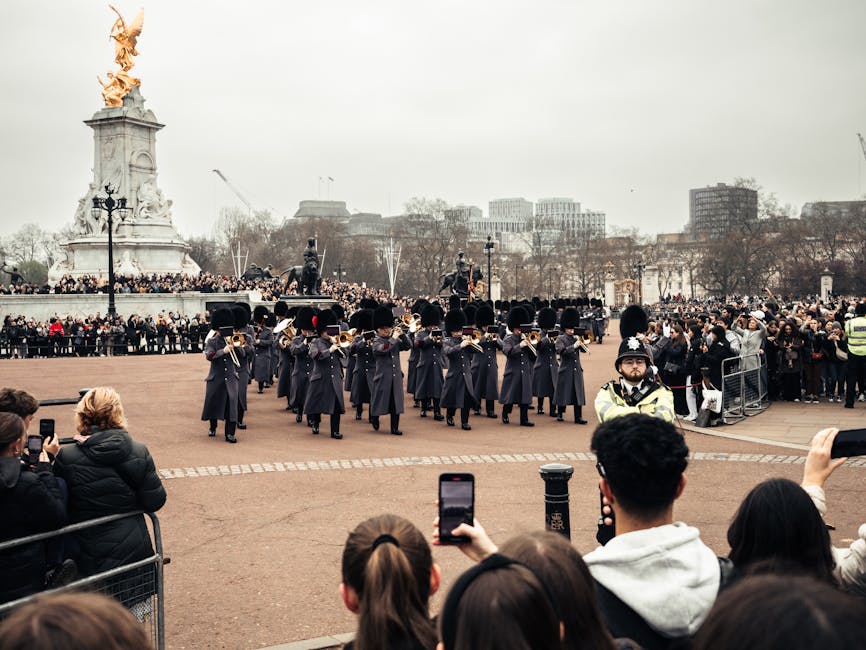
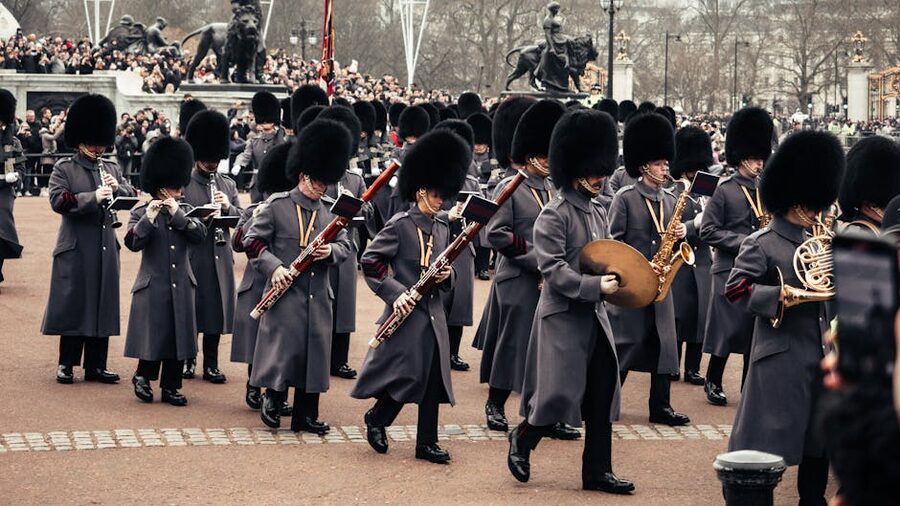
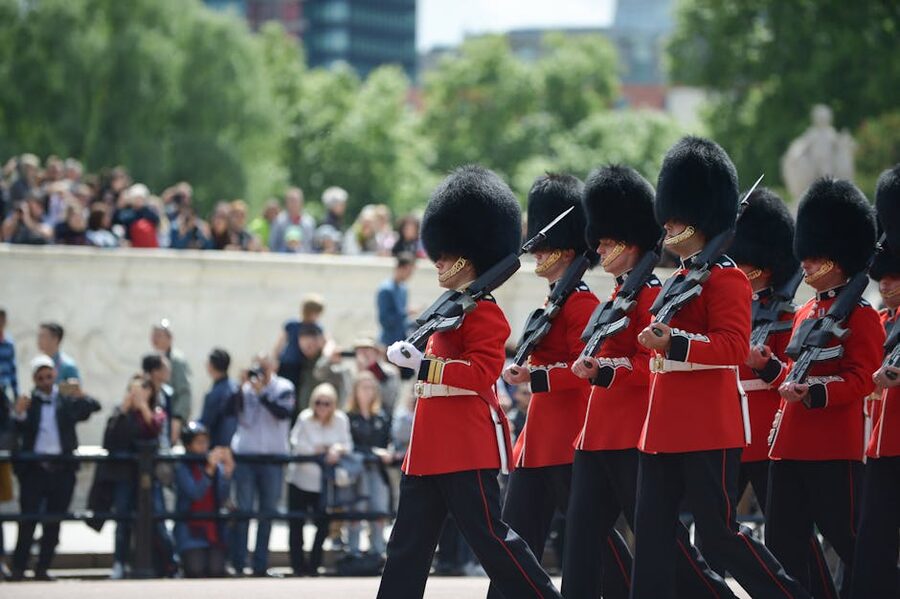
This guide covers the best tours to book, how the ceremony actually works, and how to see it properly if you’re doing it yourself. If you’re also planning to go inside Buckingham Palace, read that guide — this one covers the free ceremony outside.
- In a Hurry? Here Are the Top Picks
- How the Ceremony Actually Works
- Which Regiments You’re Watching
- The Best Tours to Book
- 1. London: Changing of The Guard Tour —
- 2. Buckingham Palace & Changing of the Guard Experience —
- 3. Buckingham Palace Entry + Changing of the Guard —
- Self-Guided: How to See It Without a Tour
- When Does It Actually Happen?
- The Household Cavalry Option
- History: Why This Exists
- What to Bring and Wear
- How to Get to Buckingham Palace
- Worth Knowing Before You Book
- Pairing the Ceremony with Other London Activities
- Worth the Ticket or Just Go Free?
- More UK Guides
In a Hurry? Here Are the Top Picks
Best value: London: Changing of The Guard Tour — $15 per person. Two hours, small group, covers the whole ceremony with a guide.
Best context: Buckingham Palace & Changing of the Guard Experience — $26 per person. Fuller walking tour with royal history included.
Best combined: Buckingham Palace Entry + Changing of the Guard — $97 per person. Ceremony plus interior Palace access.
How the Ceremony Actually Works
The Changing of the Guard isn’t one event — it’s several overlapping ones happening across three royal sites at the same time. Here’s the actual sequence.
10:30am: The New Guard forms up at Wellington Barracks (about 200 metres from Buckingham Palace). A military band arrives. Tourists start packing the railings at the Palace.
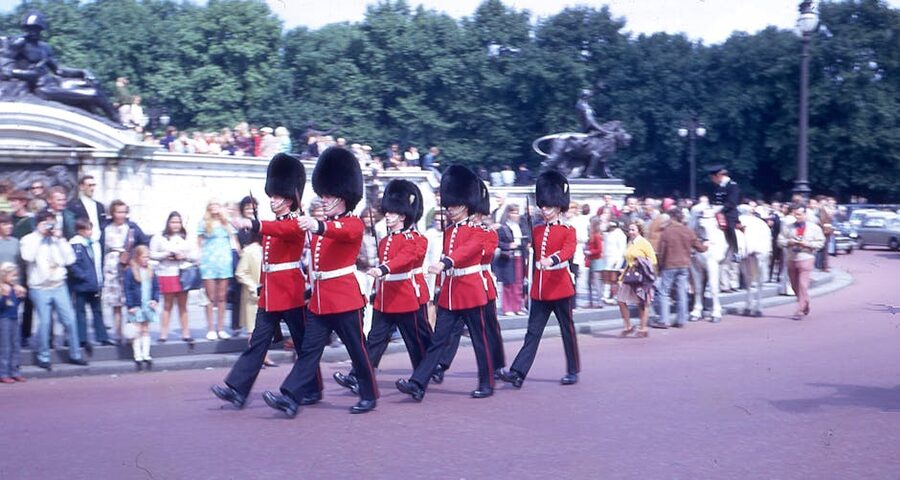
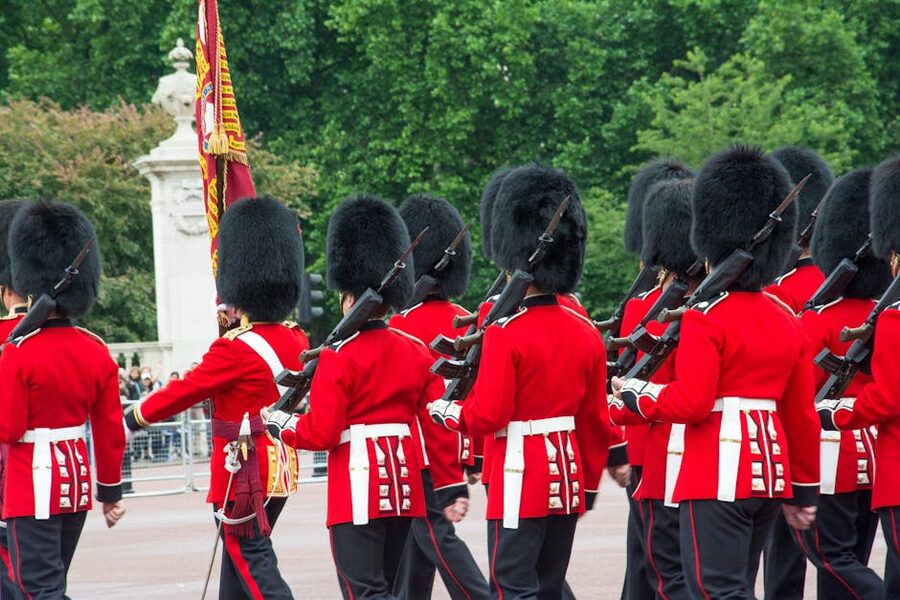
10:45am: The New Guard marches from the Barracks to Buckingham Palace. This is actually the best viewing moment — they come past the Victoria Memorial with the band playing, and it’s less crowded than the Palace railings.
11:00am: At Buckingham Palace: the Old Guard and New Guard formally exchange duties in the forecourt. Simultaneously, at St James’s Palace 400 metres away: the relief of the St James’s detachment. Simultaneously, at Horse Guards Parade 1 km east: the Household Cavalry changes its guard.
11:30-11:45am: The Old Guard marches back to the barracks. Ceremony ends.
If you’re doing it yourself, you can only be in one place at a time — which is why most people only see the Buckingham Palace forecourt part. A guided tour moves you between sites to catch the key moments at each.
Which Regiments You’re Watching
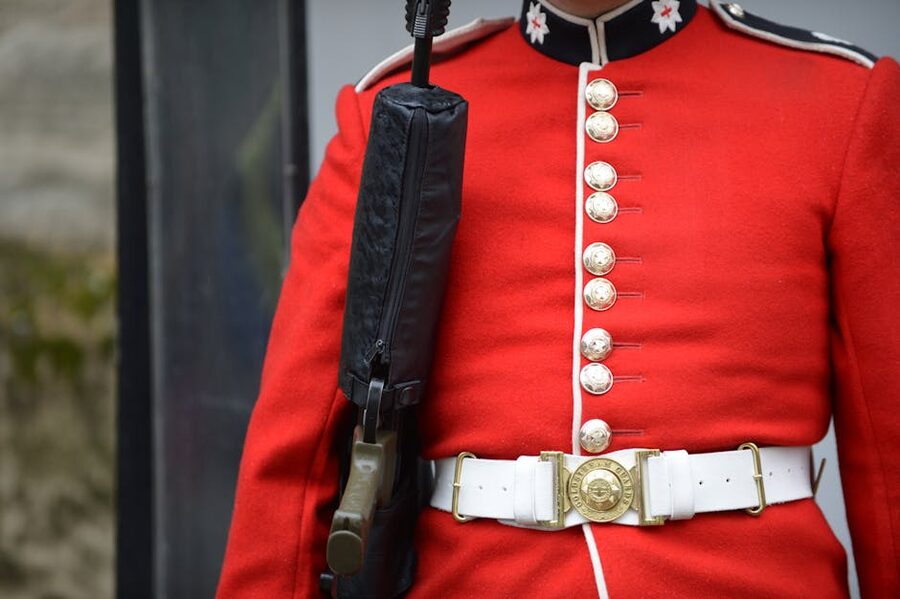
Five Foot Guard regiments rotate the duty. You can tell them apart by the details of their uniforms:
Grenadier Guards: White plume on the left of the bearskin. Buttons in singles.
Coldstream Guards: Red plume on the right of the bearskin. Buttons in pairs.
Scots Guards: No plume. Buttons in threes.
Irish Guards: Blue plume on the right. Buttons in fours.
Welsh Guards: White-green-white plume on the left. Buttons in fives.
Which regiment is on duty varies — tours rarely tell you which it’ll be on a given day. Look at the plume and buttons when the guards march past and you can identify them yourself.
The Best Tours to Book
1. London: Changing of The Guard Tour — $15
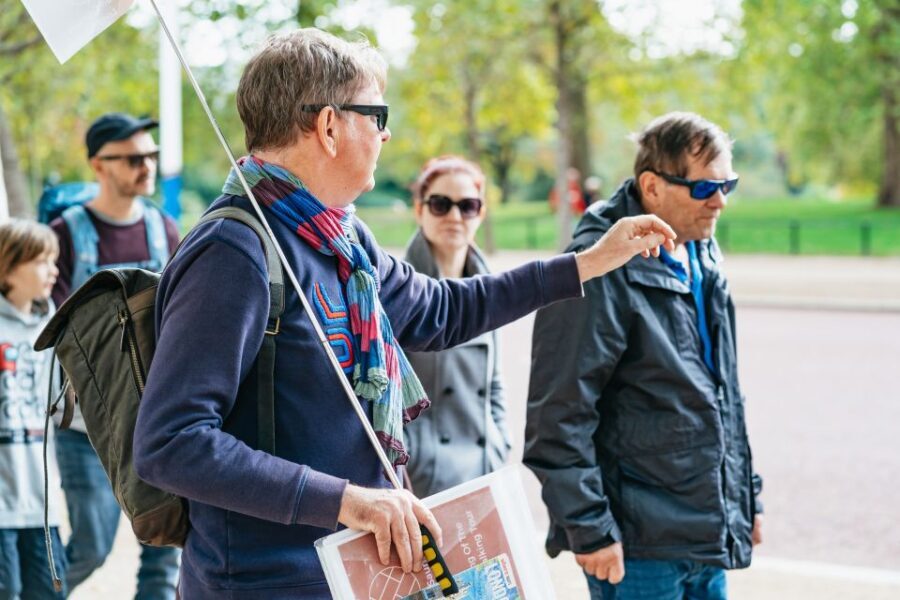
The pick for most visitors. $15 is cheap for what you get — a Blue Badge-certified London guide who knows the ceremony intimately, plus a small group that can actually fit together at viewpoints. The guide will walk you from Wellington Barracks to the Palace to St James’s, timed to catch the marching columns along the way. Our review covers the specific viewing spots the guides use, which are different from the standard tourist spots and much less crowded.
2. Buckingham Palace & Changing of the Guard Experience — $26
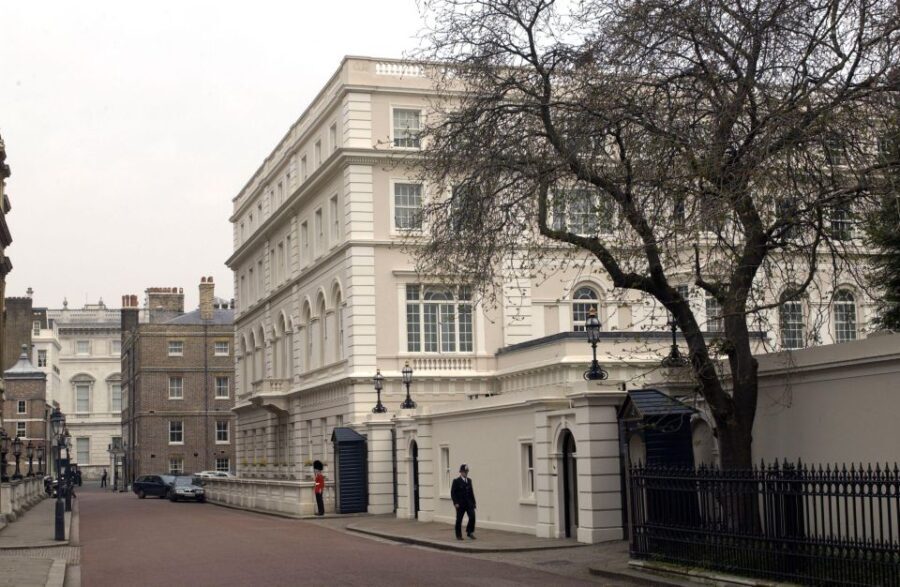
The fuller version. Same ceremony coverage as the cheaper tour, plus additional royal history — Queen’s Walk, the Mall, and a walk past the various royal residences (Clarence House, Lancaster House). Good for travellers who want more than just the ceremony. Our review covers what the extra $11 gets you. Guides on this tour are often older, more historically minded, and the pace is slightly slower than the budget version.
3. Buckingham Palace Entry + Changing of the Guard — $97
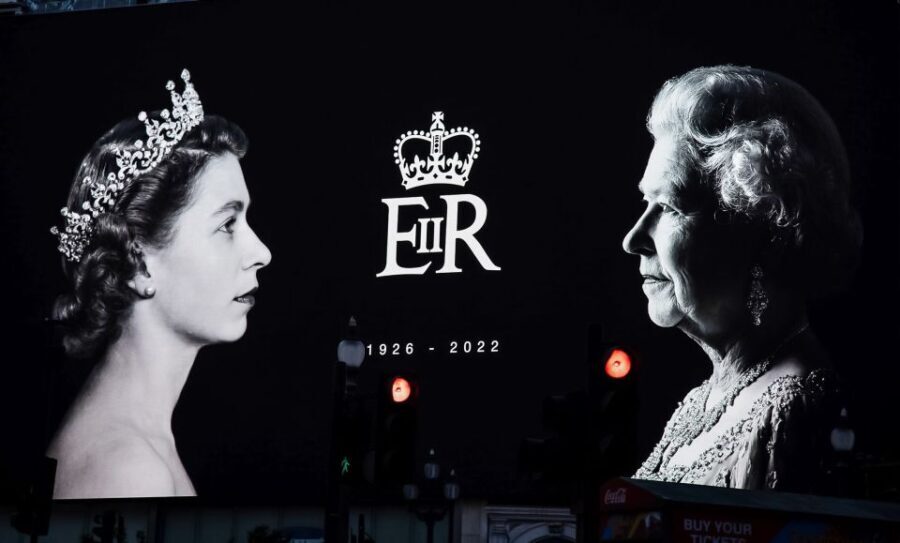
The full-experience option. Outside ceremony plus interior access to the 19 State Rooms — the grand reception rooms where the King hosts foreign dignitaries. The Palace is only open to the public during the summer opening (late July to late September) when the royal family is in Scotland. Our review explains what the interior tour covers. At $97 it’s expensive, but you’re effectively combining two £30+ tickets with a guided walking element, so the maths works for anyone doing both.
Self-Guided: How to See It Without a Tour
You can see the ceremony for free. Here’s the honest playbook for doing it yourself.
Arrive by 10:15am if you want any view from the Buckingham Palace railings. By 10:30 the prime spots are full. By 11:00 when the ceremony starts, you’ll be behind 4-5 rows of people.
Pick Wellington Barracks instead for the Old Guard forming up. Much less crowded; you can get within 5 metres of the soldiers. The march to the Palace passes through a pedestrian-friendly route and you can follow on foot.
Or try Horse Guards Parade (off Whitehall, near Downing Street). The Household Cavalry Changing Ceremony happens here at 11:00 — the Horse Guards unit that you’ve probably seen doing the mounted tourist photos does its own guard change at the same time as Buckingham Palace. Much smaller crowd, better photo angles.
Check the schedule. The Changing of the Guard doesn’t run every day. Check the official Household Division website on the morning of your visit — usually Mon/Wed/Fri/Sun in summer, less often in winter. Ceremonies are cancelled in heavy rain.
Use the Victoria Memorial as your viewpoint. The raised platform around the monument in front of the Palace has the best view looking down at the ceremony. Arrive early — by 10:30 the platform is full.
When Does It Actually Happen?
Summer (April-July): Daily at 11:00am.
Autumn-Winter (August-March): Every other day, typically Mon/Wed/Fri/Sun at 11:00am.
Exceptions: State occasions, royal birthdays, Trooping the Colour (second Saturday of June), and the run-up to Christmas can all cause cancellations or schedule shifts. Check the day before.
Weather: Ceremonies are cancelled in heavy rain. Light drizzle doesn’t stop it. A full Union Jack flying on the Palace flagpole means the King is in residence; the Royal Standard means the current monarch is there.
The Household Cavalry Option
If the Buckingham Palace ceremony sounds like too much effort, the Household Cavalry at Horse Guards Parade is the underrated alternative.
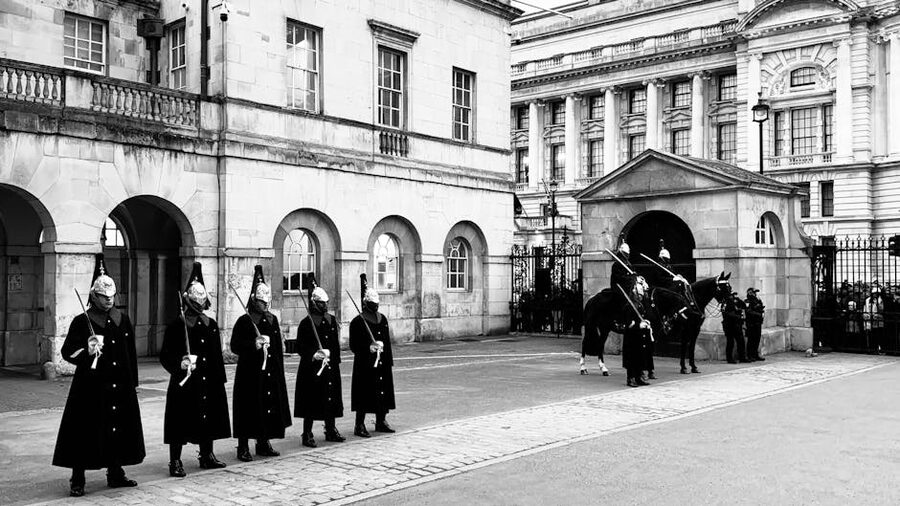
At Horse Guards Parade you can get within 2 metres of the mounted sentries without a queue. They’re under orders not to speak or move except for regulation breaks, which makes them a popular photo prop — but they will bark at you if you touch the horse. The daily ceremony at 11:00 (10:00 on Sundays) involves the formal handover of mounted duty, with about 20 horses and riders in full dress uniform. It’s shorter than the Buckingham Palace version (about 30 minutes) but you get much closer.
History: Why This Exists
The Changing of the Guard dates back to the 1660s, when Charles II returned from exile and set up the first formal royal guard. The modern ceremony is essentially unchanged since the 1820s — same route, same music conventions, same dress.
The five Foot Guard regiments have collective history going back to the English Civil War (the Coldstream Guards are the oldest continuously-serving regiment in the British Army, founded 1650). Each regiment has its own battle honours, traditions, and a specific day each year when its band leads the ceremony.
The bearskin hats (adopted 1815) were originally worn to make the soldiers look taller and more intimidating in battle. They’re impractical, cost over £1,500 each, and the Ministry of Defence periodically debates replacing them. Veterans always win the argument.
What to Bring and Wear
Layers. You’ll be standing still for 45-60 minutes outdoors; even July can feel cold once the sun goes behind a cloud.
Waterproof jacket. London weather. Never leave without one.
Camera or phone. Photos are fine from the railings. Professional cameras are welcome; no tripods.
Small bag. Security is visible around the Palace railings. Nothing explicitly banned but anything suspicious-looking gets checked.
Water. You’ll be standing in a crowd for 90+ minutes total.
Sunscreen in summer. You’ll be facing the Palace, which means facing roughly east-south-east — meaning your back is to the sun from about 11am.
How to Get to Buckingham Palace
Tube: Green Park (Jubilee, Piccadilly, Victoria lines), Victoria (Circle, District, Victoria), St James’s Park (Circle, District), or Hyde Park Corner (Piccadilly). All 5-10 minutes’ walk.
Bus: Multiple routes stop at Victoria or Hyde Park Corner.
Walking from Westminster: 10 minutes from Westminster Abbey along Birdcage Walk — a pleasant tree-lined street through St James’s Park.
Walking from the London Eye: 15 minutes across Westminster Bridge.
Parking: don’t even try. No public parking anywhere near the Palace.
Worth Knowing Before You Book
The ceremony itself is free. You don’t need a tour to see it. What tours provide is navigation, context, and queue-dodging.
Bad weather cancellations are real. If it’s raining hard on your planned day, check the Household Division Twitter feed before setting out.
The ceremony sometimes just doesn’t happen for operational reasons. These are rare but unannounced — you can’t predict them.
Children under 5 get bored during the ceremony. There’s a lot of standing and waiting. Plan a shorter visit if you’re travelling with kids.
Accessibility around the Palace is good — the Victoria Memorial has wheelchair access and clear sight lines. The crowded railings are less accessible but guards will usually help if asked.
The “best photo spot” isn’t actually the Palace railings. It’s the Wellington Barracks march-out, about 15 minutes before the main ceremony. Our guide-led tours all know this; self-guided visitors usually don’t.
Pairing the Ceremony with Other London Activities
The ceremony is 90 minutes total including travel and waiting. Easily paired with other nearby attractions.
Buckingham Palace + Westminster morning: Start at 10:00 at Westminster Abbey, walk to Buckingham Palace for 11:00, continue to St James’s Park for lunch. Perfect morning.
Palace + St James’s Park + Horse Guards: The three related sites form a natural walking triangle. 3-4 hours total.
Palace + afternoon attraction: Book a Thames River Cruise for 2pm, or The Shard for sunset.
Palace + Royal Mews: The Royal Mews (the King’s working stables) is open in summer and sits behind Buckingham Palace. Entry is £15, takes 45 minutes. The King’s horses, carriages, and state vehicles live here.
Worth the Ticket or Just Go Free?
Worth a tour if: you want context, you’ve got limited time, or you don’t want to fight the crowds for a view.
Free and fine if: you’re happy to self-navigate, arrive early, and accept that you’ll probably see the ceremony from a distance or from the Victoria Memorial.
For most first-time London visitors, the $15 small-group tour is the best value in this guide — you see more of the ceremony in less time with less hassle. If budget is tight and you have patience, self-guided works; just aim for Wellington Barracks at 10:30, not the Palace railings at 11:00.
More UK Guides
The Changing of the Guard pairs naturally with other royal London attractions. Our Buckingham Palace interior guide covers the summer State Rooms opening; the Westminster Abbey guide covers the other end of the royal axis (coronations, royal weddings, royal funerals). For a full London classics day, add a London walking tour in the afternoon or Thames River Cruise for a relaxed end to the day. If you’re building out a longer UK stay, the Windsor Castle guide is the natural next royal-residence read — Windsor has its own Changing of the Guard ceremony (smaller, less crowded, same tradition).
Affiliate disclosure: We may earn a small commission from bookings made through the links on this page. It doesn’t change the price you pay and helps keep the site running.