
I walked into a basement theater in the Marais on a Tuesday evening expecting a mild distraction between dinner and bed. Ninety minutes later, I was wiping tears from my face, my stomach hurt from laughing, and the French couple next to me (who had come “to practice their English”) were doubled over in their seats.
Paris has a comedy scene that almost nobody talks about.
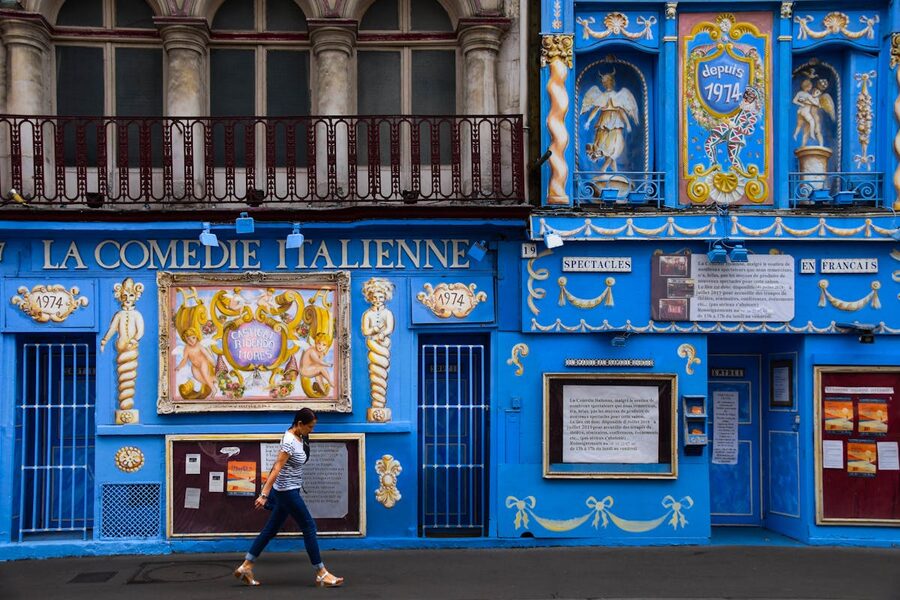
Not the Moulin Rouge cabaret kind (though that’s a whole other adventure). I’m talking about proper English-language comedy shows — stand-up nights, one-person theatrical performances, satirical deep dives into French culture performed by people who’ve spent years observing it from the inside. The kind of evening where you walk out genuinely understanding something about Paris that you didn’t before, and you didn’t even notice you were learning because you were too busy laughing.
The thing is, booking these shows works differently than you’d expect. Most of them run in tiny venues — we’re talking 50 to 100 seats — and they sell out regularly, especially on weekends and during peak tourist months. You can’t just walk up.
Here’s how to actually book one, what the best shows are, and which ones are worth your time.
Best overall: How to Become a Parisian (GYG) — ~$30. The original and still the best-reviewed English comedy show in Paris. One performer, 70 minutes, zero dull moments.
Best for couples: How to Become a Parisian in One Hour (Viator) — $29. The compact version with a great post-show bar scene nearby. Perfect pre-dinner entertainment.
Best newcomer: Oh My God She’s Parisian! — $35. A one-woman perspective on French culture that hits different. Heavy on audience interaction.
- Why Paris Has an English Comedy Scene (And Why You Haven’t Heard of It)
- How Booking Works (It’s Not What You’d Think)
- The Best Comedy Shows to Book in Paris
- 1. Paris: Comedy Show in English – How to Become a Parisian
- 2. How to Become a Parisian in 1 Hour
- 3. Oh My God She’s Parisian! —
- When to Go (And When to Avoid)
- How to Get There
- What to Expect Inside
- Comedy Show vs Cabaret vs Theater: Which One?
- Tips That Will Save You Time (And a Seat)
- The French Comedy Tradition (A Quick Backstory)
- Planning the Rest of Your Evening
Why Paris Has an English Comedy Scene (And Why You Haven’t Heard of It)
Paris and comedy go back centuries. Moliere — the father of French comedy — was staging plays here in the 1650s, and the Theatre de la Huchette has been running his works continuously since 1957. That’s the world’s longest-running theatrical production, which is both impressive and very on-brand for a city that refuses to let go of anything.
But the English-language scene is newer. It started picking up around 2010 when a handful of expat comedians realized there were enough English-speaking residents and travelers in Paris to fill a small room. Then came the one-person shows — theatrical performances that mix comedy with cultural observation, usually performed by someone who moved to France and spent years absorbing its contradictions.
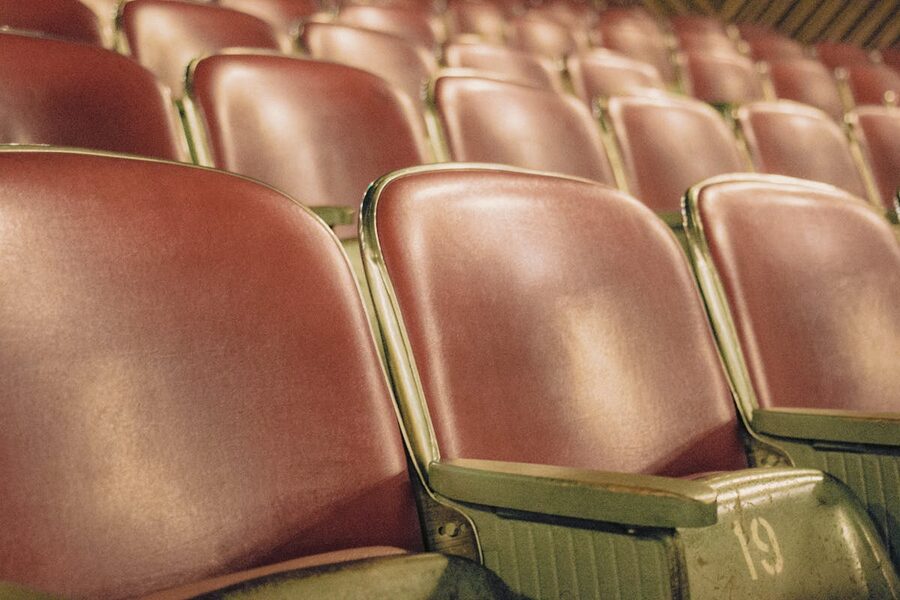
The cafe-theatre tradition — small venues, intimate shows, 50-100 seats — dates to the 1960s in France and is basically the ancestor of modern fringe comedy everywhere. Paris perfected the format. When you sit down in one of these tiny theaters, you’re participating in something that has genuine roots here, even if the words coming at you are in English.
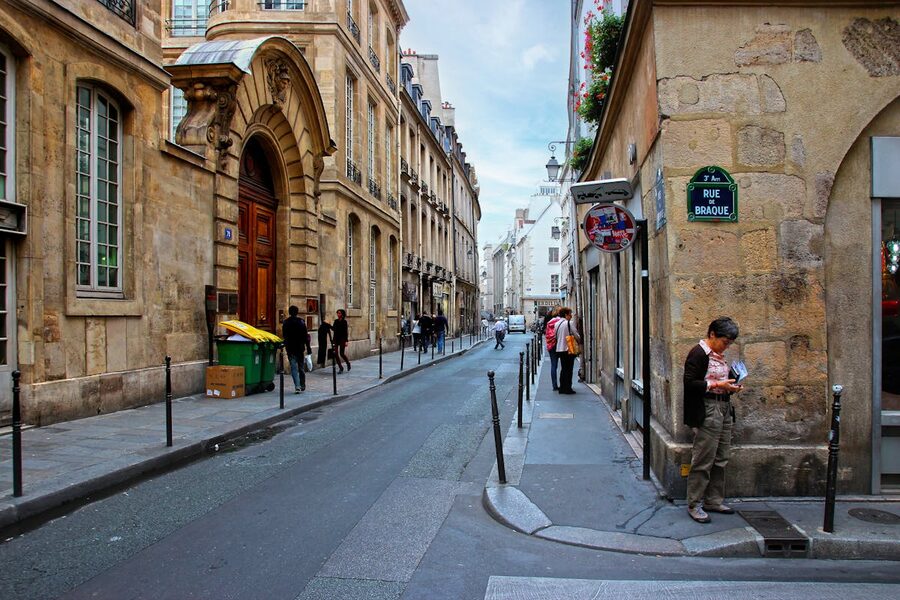
The two big neighborhoods for English comedy are Le Marais (4th arrondissement) and parts of the Latin Quarter (5th/6th arrondissement). A few venues have popped up near Pigalle and in the 11th too. Most shows start between 8pm and 9:30pm, last about 60-90 minutes, and the venues often have a bar.
How Booking Works (It’s Not What You’d Think)

You’d think you could just walk up to the venue and buy a ticket. And sometimes you can — on a quiet Tuesday, maybe. But the popular shows sell out consistently, especially:
- Friday and Saturday nights — gone within days of release
- June through September — tourist season means every seat is spoken for
- Holiday weekends — New Year’s, Easter, Bastille Day week
The best approach is booking through GetYourGuide or Viator, which is where most of these shows list their tickets. You’ll pick your date and time, get an instant confirmation, and show up with your phone.
Important details:
- Most shows have fixed seating — first booked gets the best spots. Earlier bookings tend to get seats closer to the front.
- Arrive 15-20 minutes early. Venues are small and latecomers disrupt the show. Some venues won’t seat you after the performance starts.
- Drinks are separate. Ticket price covers the show only. The bar is cash or card, and it’s worth grabbing something before the lights go down.
- Language level: You need conversational English. The humor relies on wordplay, cultural references, and timing. If you’re learning English, you might miss the jokes. If you’re fluent, you’ll be fine.
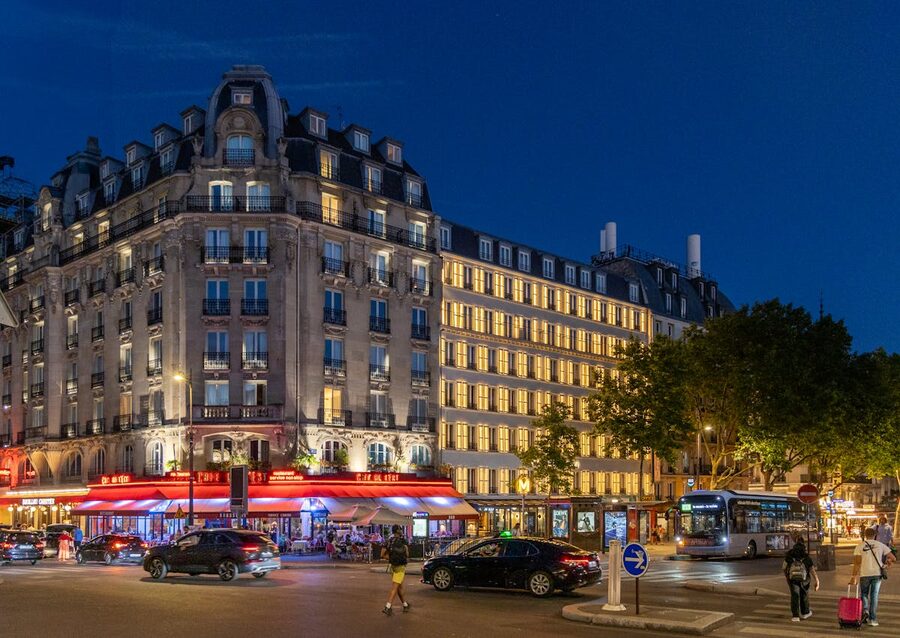
One thing that surprised me: the audience is usually about half travelers and half Paris-based expats or bilingual French people. It’s a genuinely mixed crowd, and the comedians play off that. Expect to get picked on if you’re in the front row. (This is not a warning. It’s a selling point.)
The Best Comedy Shows to Book in Paris
1. Paris: Comedy Show in English – How to Become a Parisian
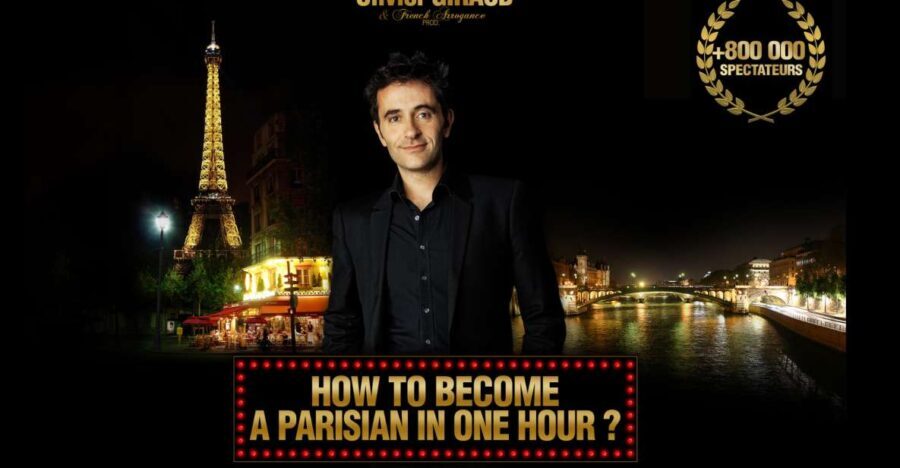
This is the one. The original “How to Become a Parisian” show has been running for years and it’s still the most popular English-language comedy performance in Paris by a wide margin. It’s a one-man theatrical show that takes apart every cliche, contradiction, and unwritten rule of Parisian life — from the way Parisians queue (they don’t), to why the waiter is ignoring you (it’s cultural, not personal), to the precise art of the French greeting kiss.
The format works because it’s not just jokes. It’s a theatrical performance with a real arc, real observations, and enough truth in it that French audience members laugh the hardest. At around $30, it’s one of the cheapest quality shows you’ll find in Paris, and the 70-minute runtime feels like half that.
If you only see one comedy show in Paris, this is the one.
2. How to Become a Parisian in 1 Hour
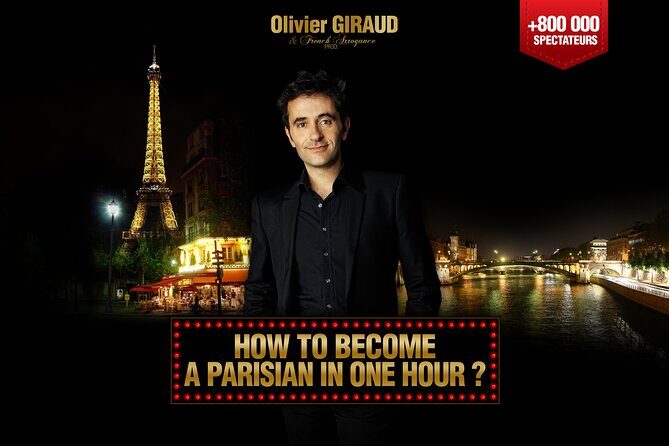
This is the Viator-listed version of the Parisian comedy concept, and it takes a slightly different angle. Where the GYG show goes deep, this one goes fast — covering ground quickly with punchier material and more audience interaction. The humor is on the crude side at times (fair warning), but that’s part of its charm. It leans into stereotypes, flips them, and makes you question things you thought you knew about French people.
At $29 for just over an hour, the value is excellent. The venue is small and intimate, which means you’re never more than a few rows from the performer. The location in the Marais puts you right next to some of the best dinner options in Paris — a natural pairing for the evening. Reviews consistently mention how approachable and fun the whole experience feels, even for people who don’t normally go to comedy shows.
3. Oh My God She’s Parisian! — $35
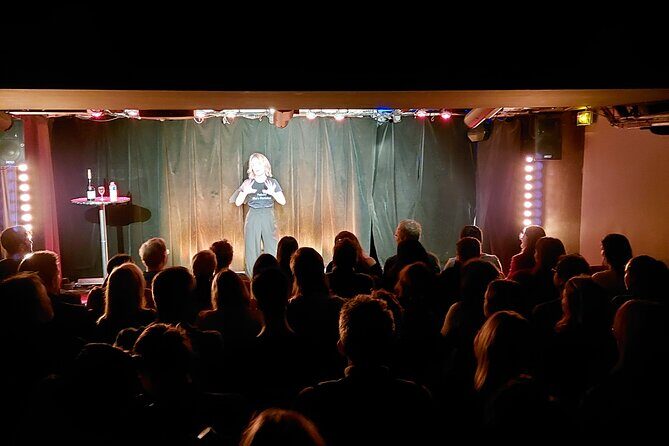
The newest entry in Paris’s English comedy circuit, and it brings something the others don’t: a woman’s perspective on French culture. The performer covers the same territory — Parisian attitudes, cultural clashes, the bizarre rules that govern French social life — but through a completely different lens. The audience interaction is heavier here. She pulls people in, improvises around their answers, and the show shifts depending on who’s in the room.
At $35, it’s slightly pricier than the other two, but the intimacy of the small venue format makes it feel like a private show. Visitors who’ve experienced the performance consistently highlight the improvisation quality — she’s quick, she’s sharp, and she reads the room well. If you’ve already seen one of the “How to Become a Parisian” shows on a previous trip, this is the perfect follow-up. It pairs naturally with an evening walk through the Latin Quarter or a guided night tour of Paris afterward.
When to Go (And When to Avoid)
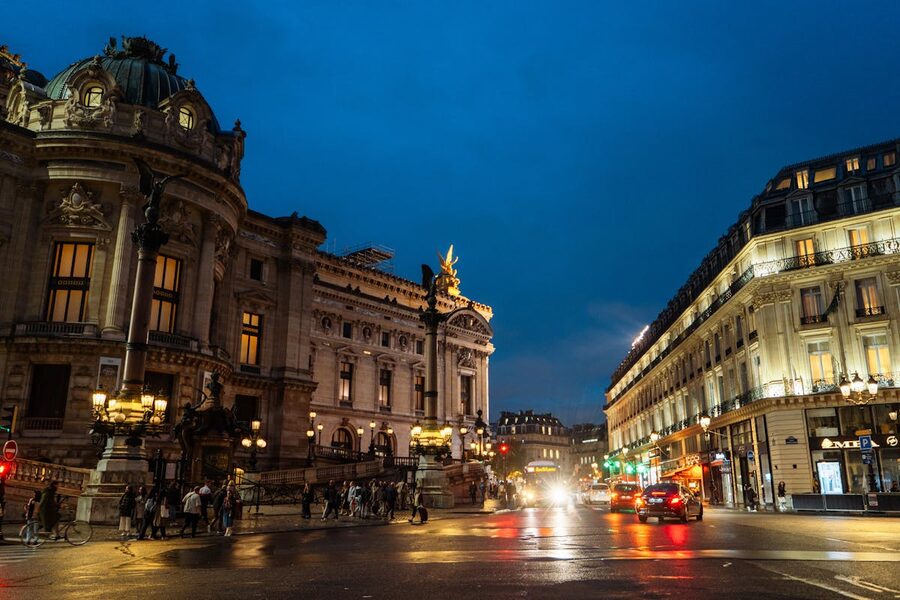
Best nights: Tuesday through Thursday. The shows still run, the rooms are slightly less packed, and you might actually get your choice of seat. Some performers are looser on weeknights too — less pressure, more improvisation, more fun.
Worst nights: Saturday, without question. Every show sells out, the rooms are at capacity, and the atmosphere can tip from “intimate” to “cramped.” It’s still a good time, but you need to book at least a week in advance for Saturday shows. Two weeks in summer.
Best months: October through April. The tourist crowds thin out but the expat audience stays, which actually improves the shows. The performers can dig deeper when the room isn’t full of jet-lagged first-timers. March and October are the sweet spots.
Worst months: July and August, ironically. Half of Paris is on holiday (yes, Parisians leave Paris in August — it’s practically tradition), but the travelers fill the gap. Shows run but they’re packed and the energy is different. Not bad, just different.
How to Get There
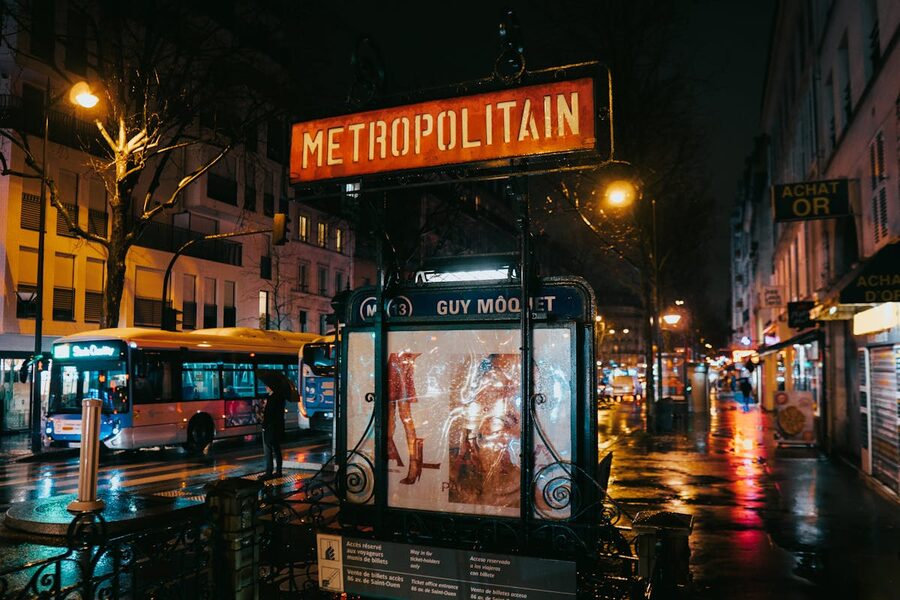
Almost every English-language comedy venue in Paris is accessible by Metro, and most are within walking distance of each other in two clusters:
Le Marais / Bastille area:
- Metro: Saint-Paul (Line 1), Bastille (Lines 1, 5, 8), or Chemin Vert (Line 8)
- Walk from Notre-Dame: About 15 minutes across the Ile Saint-Louis — actually a nice pre-show stroll
Latin Quarter:
- Metro: Odeon (Lines 4, 10), Cluny-La Sorbonne (Line 10), or Maubert-Mutualite (Line 10)
- Walk from Saint-Germain: 5-10 minutes through some of the most atmospheric streets in Paris
If you’re coming from the Eiffel Tower side of the city, allow 30 minutes on the Metro. From Montmartre, about 25. The last Metro runs around 1am on weeknights, 2am on Fridays and Saturdays, so getting home after even the latest shows is straightforward.
What to Expect Inside
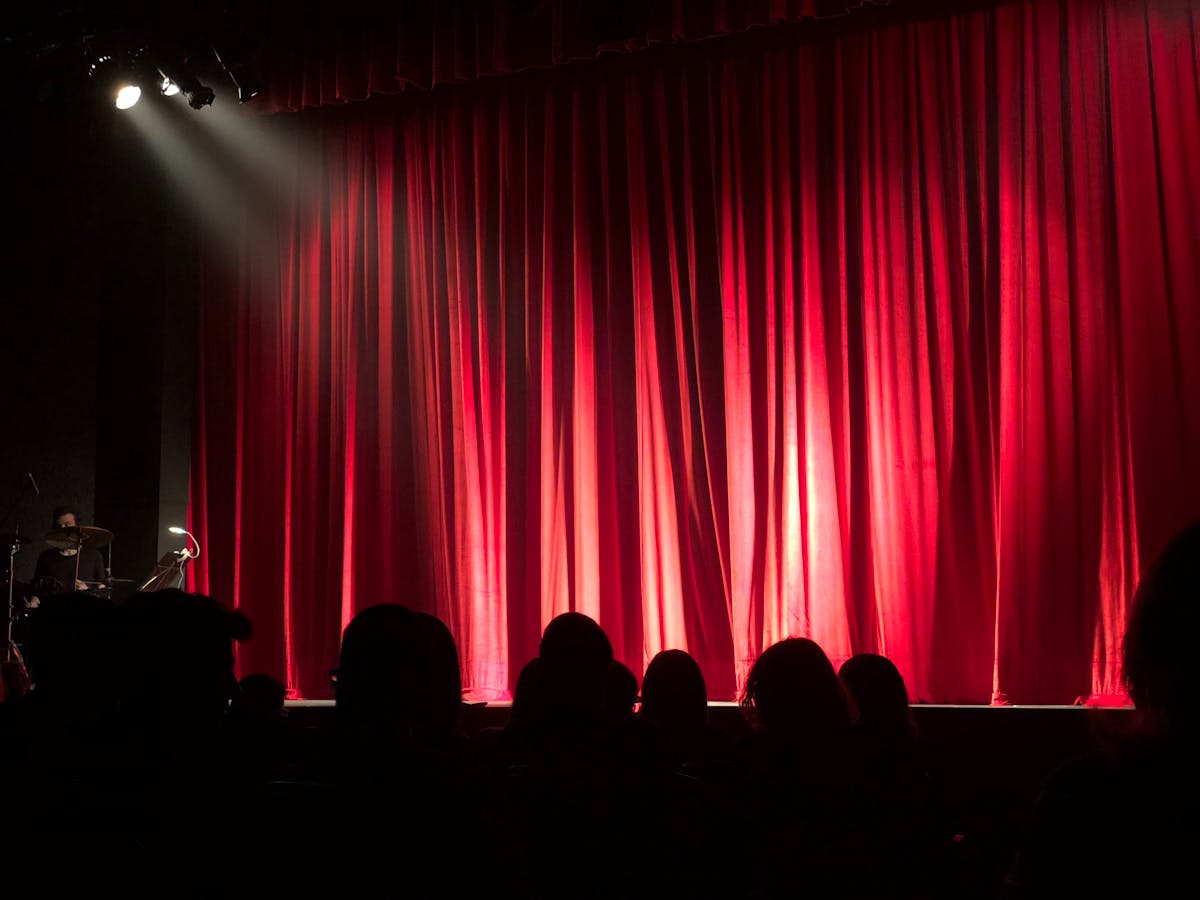
These aren’t the big theaters you’d associate with Moulin Rouge or Palais Garnier. Paris’s English-language comedy happens in venues where you could throw a coin and hit the stage. And that’s the whole point.
The typical setup: 50-100 chairs (some venues use benches), a small raised stage or just a cleared area at one end, basic lighting, and a bar along one wall. The intimacy isn’t a limitation — it’s the format. When the comedian makes eye contact with you, they actually mean you. When the room laughs, you feel it physically.
What to know before you go:
- Dress code: None. Jeans and sneakers are fine. You’ll see everything from travelers in walking shoes to Parisian couples in blazers.
- Duration: Most shows run 60-90 minutes with no intermission.
- Language: 100% English. No subtitles, no translation. The shows are designed for native and fluent English speakers.
- Content: Generally adult humor. Expect cultural satire, some profanity, and the occasional crude joke. Not suitable for young kids.
- Photography: Usually not allowed during the performance. Check when you arrive.
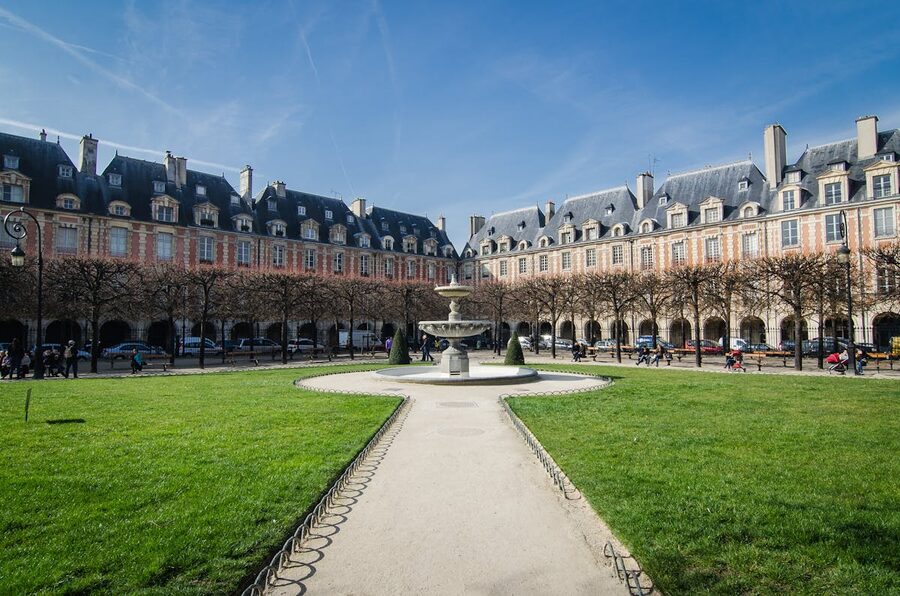
Comedy Show vs Cabaret vs Theater: Which One?
Paris has multiple entertainment options and they’re easy to confuse. Here’s how they’re different:
Comedy shows (what this guide covers) are 60-90 minute English-language performances in small venues. Ticket price: $29-$35. Dress code: none. Best for: laughing until your face hurts.
Cabaret shows like the Moulin Rouge and Crazy Horse are lavish productions with dancers, music, costumes, and champagne packages. Ticket price: $90-$250+. Dress code: smart casual to formal. Best for: spectacle, special occasions, and ticking off bucket-list items.
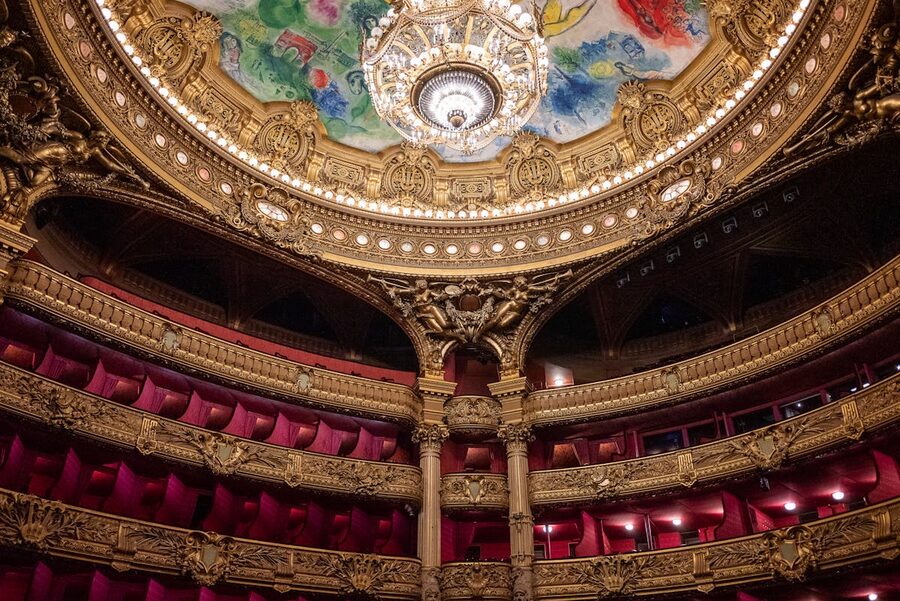
Traditional theater at places like Palais Garnier means opera, ballet, or classical performances in ornate 19th-century halls. Ticket price: $15-$200 depending on seat. Dress code: varies. Best for: culture with a capital C.
The comedy shows are the most casual, the cheapest, and the most likely to leave you with a genuine story to tell at dinner the next night. They’re also the only option that’s 100% in English.
Tips That Will Save You Time (And a Seat)
- Book 5-7 days ahead for weekends. Weeknight shows you can usually grab 2-3 days out. Summer weekends? Two weeks minimum.
- Eat before, not after. Shows end between 9:30pm and 10:30pm. Most Paris restaurants stop taking orders around 10pm. If you eat after, you’re looking at late-night options only. Better to eat at 7pm and show at 8:30pm.
- Combine it with a Montmartre tour or a food tour. Both end in the late afternoon, giving you time to rest and eat before an evening comedy show.
- Don’t sit in the front row if you’re shy. Audience interaction is a real part of these shows. Front row means you will be addressed directly. If that sounds terrifying, row three or four gives you the full experience minus the spotlight.
- Cash for drinks. Most venues take cards for tickets (pre-booked) but the bar can be cash-only. Bring 10-15 euros for a couple of drinks.
- Go early in your trip. The comedy shows teach you things about French culture — the kissing protocol, why you must say “bonjour” before anything else, how to read a waiter’s body language — that genuinely make the rest of your Paris trip smoother.
The French Comedy Tradition (A Quick Backstory)

The English-language shows are fun and accessible, but they’re actually sitting on top of one of the oldest comedy traditions in Europe.
French comedy has always leaned toward one-person theatrical performances — they call them spectacles — rather than the Anglo-Saxon stand-up club model. The cafe-theatre format, where a performer works a room of 50-80 people in an intimate setting, emerged in the 1960s and became the proving ground for some of France’s biggest comedy stars. It’s basically the French version of an open mic night, except the venues are permanent and the performers are professionals.
Moliere started performing in Paris in the 1650s. The tradition he helped create — sharp social observation delivered through comedy — runs in a straight line from his era to the performers working the Marais tonight. The Theatre de la Huchette in the Latin Quarter has been staging his plays without interruption since 1957. Sixty-plus years, same plays, same tiny theater.
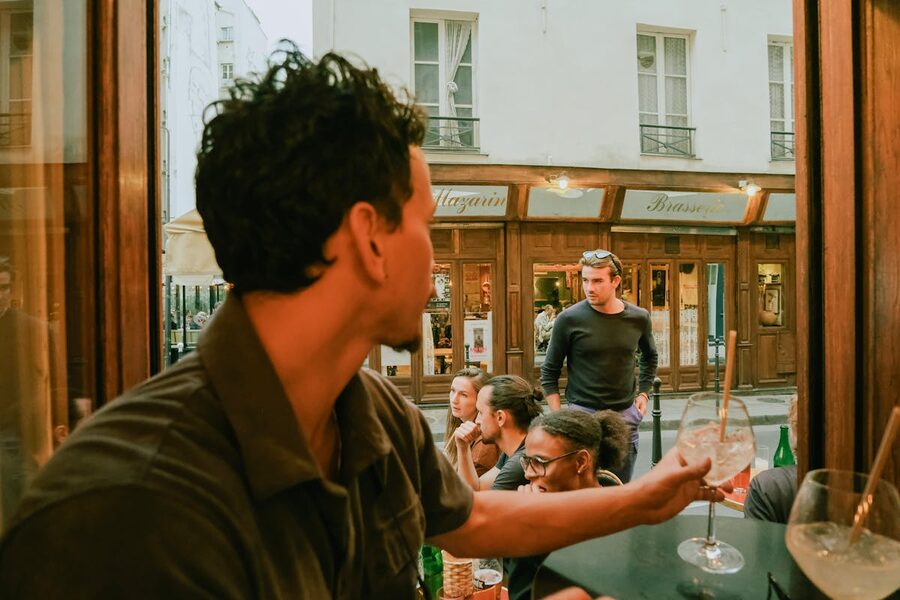
The English-language comedy scene plugs directly into this tradition. Same small venues, same intimate format, same sharp cultural observation — just in a different language. When you sit in one of these rooms, you’re not doing something separate from “real” French culture. You’re participating in a version of it that happens to be accessible to you.
Planning the Rest of Your Evening

If you’re building a full Paris entertainment itinerary, the comedy shows slot in perfectly. Pair them with a night tour of Paris earlier in the evening (most end by 8pm), or save them for after a cooking class that runs in the afternoon. The Moulin Rouge is a completely different kind of show and works best on a separate night — don’t try to stack cabaret and comedy in the same evening. If you’re spending multiple nights in Paris, the Crazy Horse makes a good contrast to the comedy clubs: one night for spectacle, one night for laughs. And if the weather is good, a Montmartre walking tour in the afternoon followed by comedy at night is one of the best double-headers in the city.
This article contains affiliate links. If you book through our links, we may earn a small commission at no extra cost to you. This helps us keep the site running and the recommendations honest.