
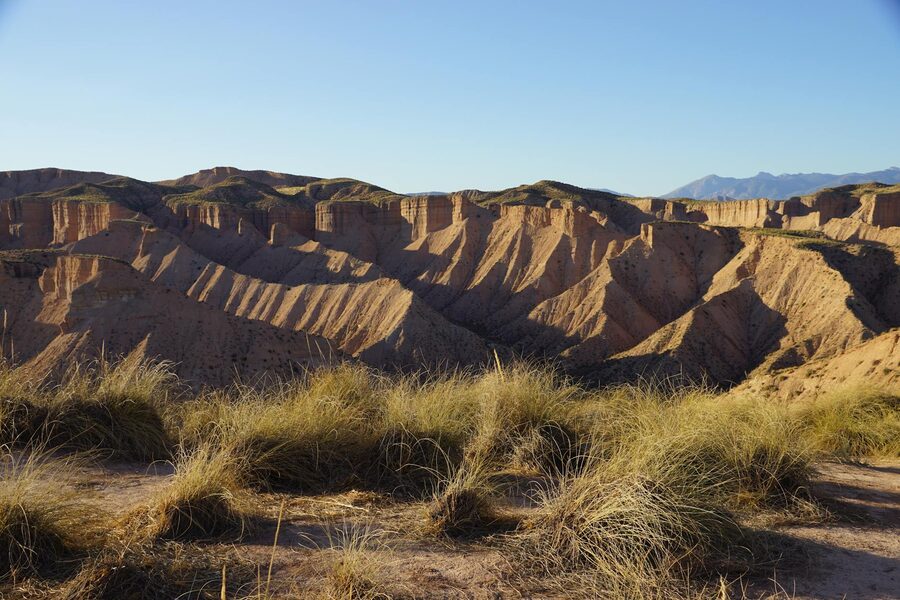
Somewhere in the final cut of The Good, the Bad and the Ugly, Clint Eastwood squints across a landscape that looks like the American West but is actually 30 minutes north of Almeria. The Tabernas Desert fooled Hollywood for decades. It fooled me too — I drove in expecting scrubby hills and got dropped into what genuinely looks like New Mexico, complete with tumbleweeds and dried riverbeds cutting through eroded canyons.
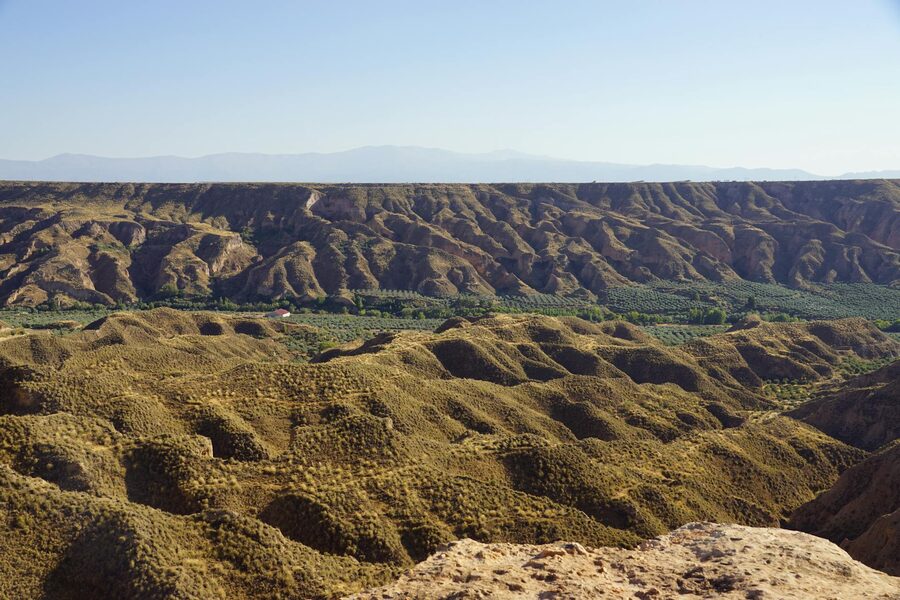
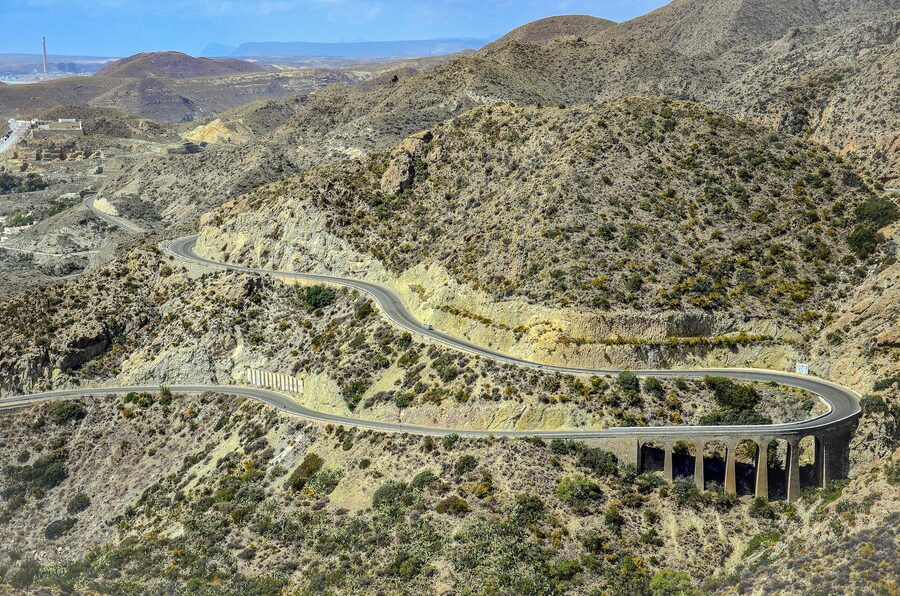
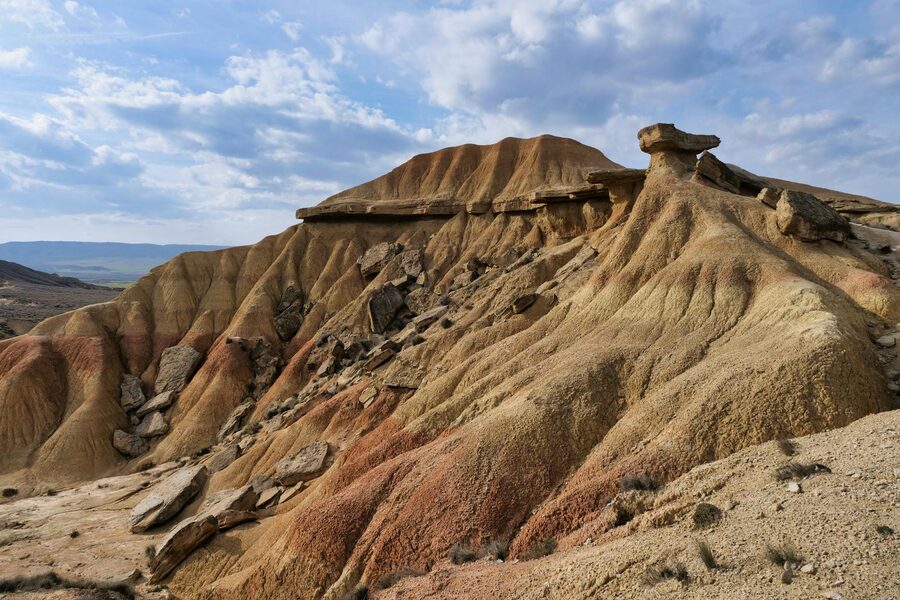
The Tabernas is the only true desert in continental Europe. It exists because the Sierra de los Filabres and Sierra de Alhamilla block moisture from every direction — a rain shadow effect that’s been drying out this valley for millions of years. Annual rainfall barely hits 250mm, and summer temperatures regularly crack 40 degrees Celsius. It’s harsh, beautiful, and completely unlike anything else you’ll find between Lisbon and Istanbul.
- In a Hurry? Top 3 Almeria Desert Experiences
- What a 4WD Desert Tour Actually Looks Like
- The 3 Best Desert Tours in Almeria
- 1. Tabernas Desert 4WD Joyriding Tour —
- 2. Horse Riding Tour Through the Tabernas Desert —
- 3. Mini Hollywood (Oasys) Entry Ticket —
- When to Visit the Tabernas Desert
- Hollywood in the Desert: The Film History
- Comparing the Three Experiences
- Getting to the Tabernas Desert
- Practical Tips for the Desert
- The Geology Behind the Desert
- What Else to Do Near Almeria
In a Hurry? Top 3 Almeria Desert Experiences
Best overall: Tabernas Desert 4WD Joyriding Tour — $45/person, 2 hours, 4×4 through canyons and dried riverbeds with a local guide who knows every film location. Check Availability
Most unique: Horse Riding Tour Through the Tabernas Desert — $53/person, 2 hours, ride through the desert on horseback like an actual Spaghetti Western character. All experience levels. Check Availability
For families: Mini Hollywood (Oasys) Entry Ticket — $33/person, full day, the original Spaghetti Western film sets preserved as a theme park with live shows, a zoo, and swimming pools. Check Availability
What a 4WD Desert Tour Actually Looks Like
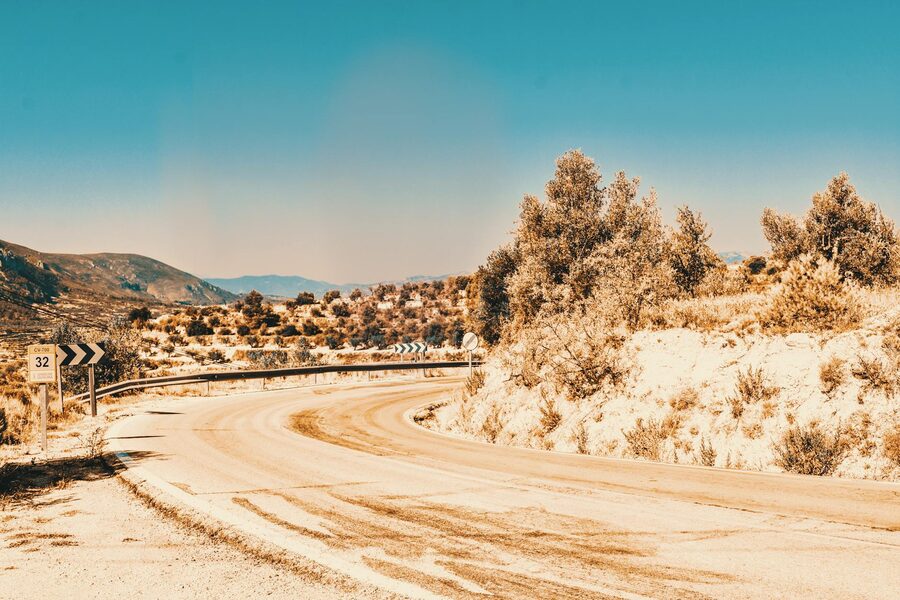
The standard 4WD experience runs two hours. You get picked up in Almeria (or meet at a designated point near Tabernas) and pile into a rugged 4×4 — usually a Land Rover or similar. The driver-guide takes you off the main roads and into the canyon systems that you’d never find on your own.
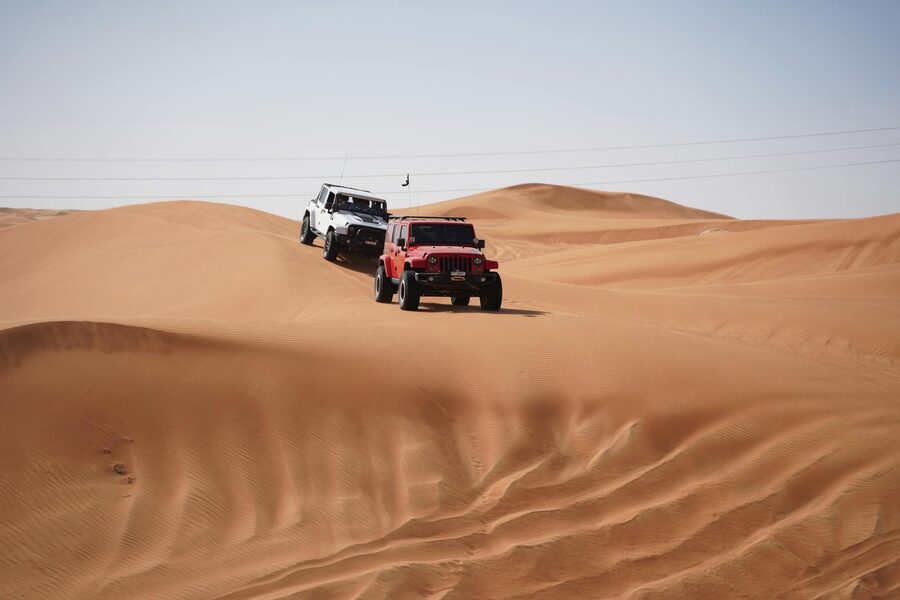
The guide stops at viewpoints, explains the geology, and points out filming locations. You’ll hear about which canyon Sergio Leone used for the final duel in his westerns, where Indiana Jones rode through on horseback, and which ridge was painted to look like Egypt for Lawrence of Arabia. The guides here are genuinely passionate about the film history — it’s the local equivalent of being a football fan.
Expect to cover about 40-50 kilometres of desert terrain. Some of it is paved road, but the best sections are unpaved tracks through ramblas (dry riverbeds) and along ridgelines. The driving isn’t extreme or dangerous — no vertical drops or rock crawling. It’s more about access to places you can’t reach in a normal car.
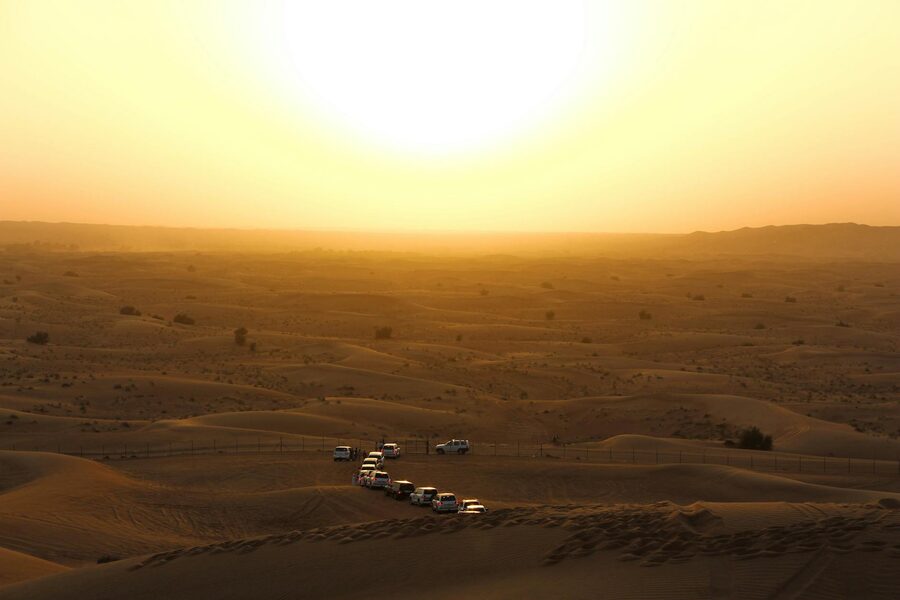
Water and snacks are usually provided. Wear closed shoes (not sandals — the dust is fine and gets everywhere) and bring a bandana or buff for when the vehicle kicks up dust on the unpaved sections. A camera is obvious, but sunglasses are essential — the glare off the light-coloured rock is intense.
The 3 Best Desert Tours in Almeria
These three options cover very different ways to experience the Tabernas Desert. Pick based on what kind of adventure you want.
1. Tabernas Desert 4WD Joyriding Tour — $45
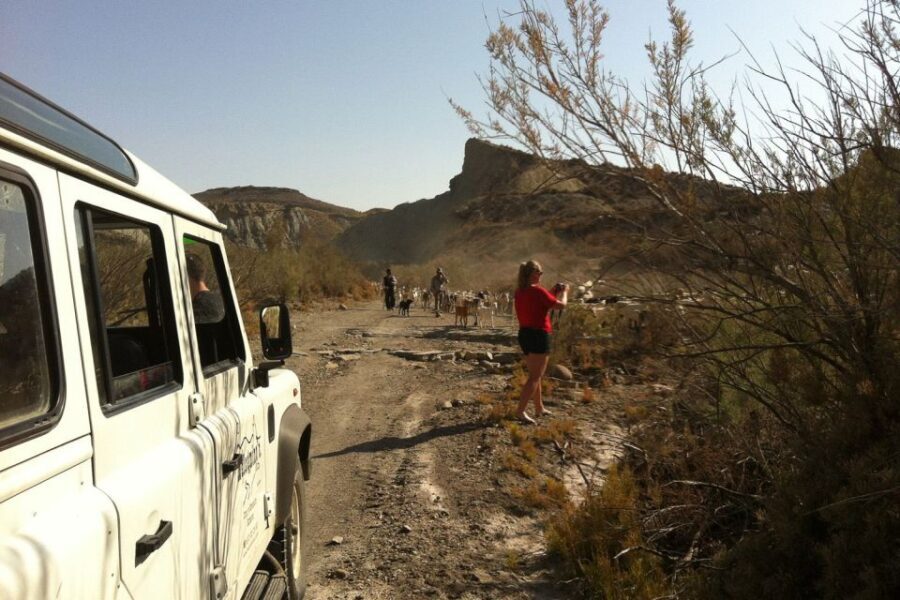
The flagship desert experience. Two hours in a proper 4×4, covering the most scenic canyon routes and Spaghetti Western filming locations. The guide Andreas gets mentioned by name in half the reviews, which tells you something about the personal touch. Our full review breaks down the route and what to expect. At $45 per person, it’s remarkably good value for a guided off-road experience.
2. Horse Riding Tour Through the Tabernas Desert — $53
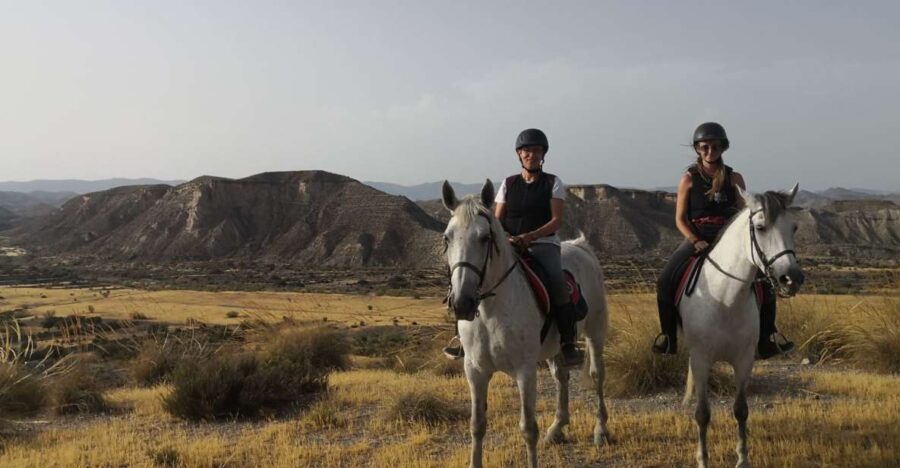
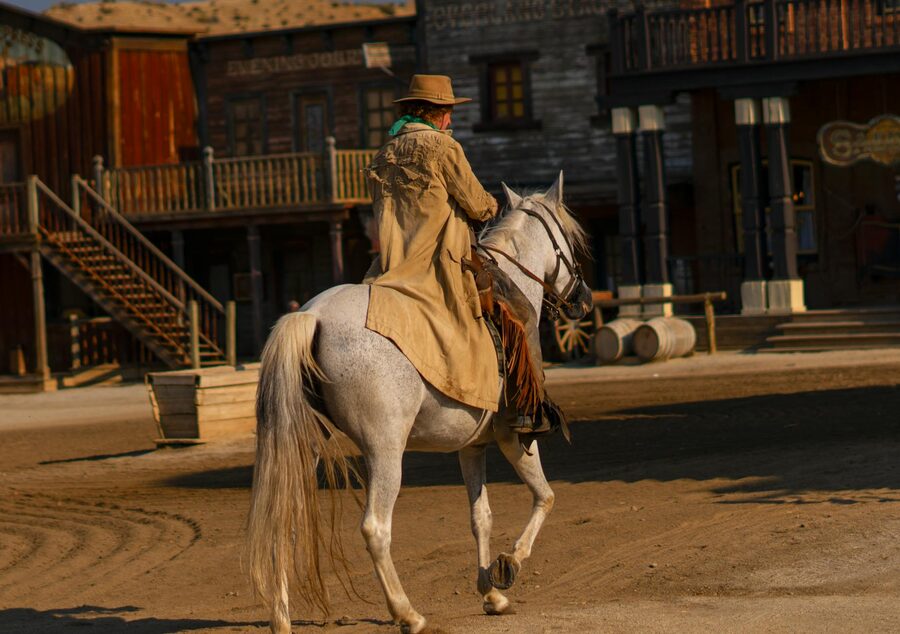
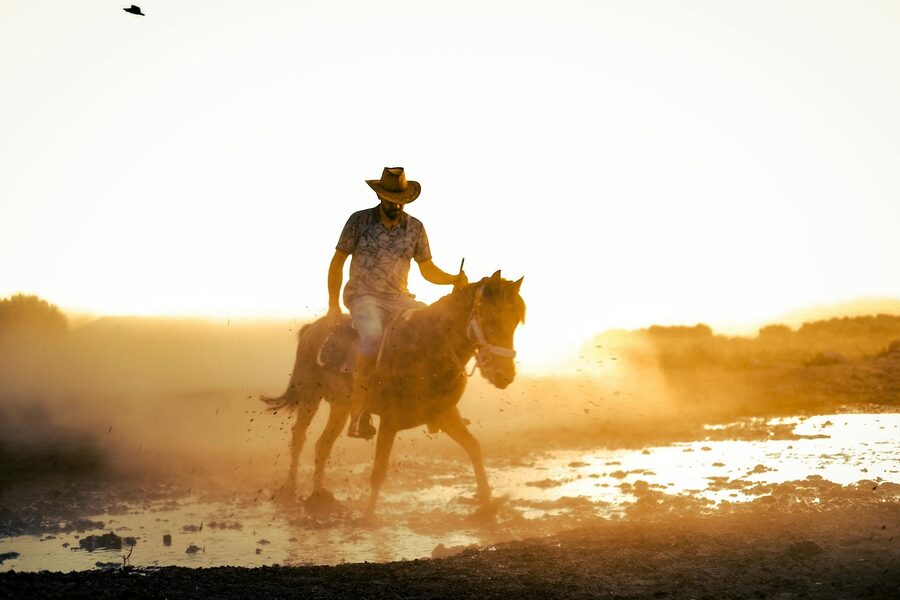
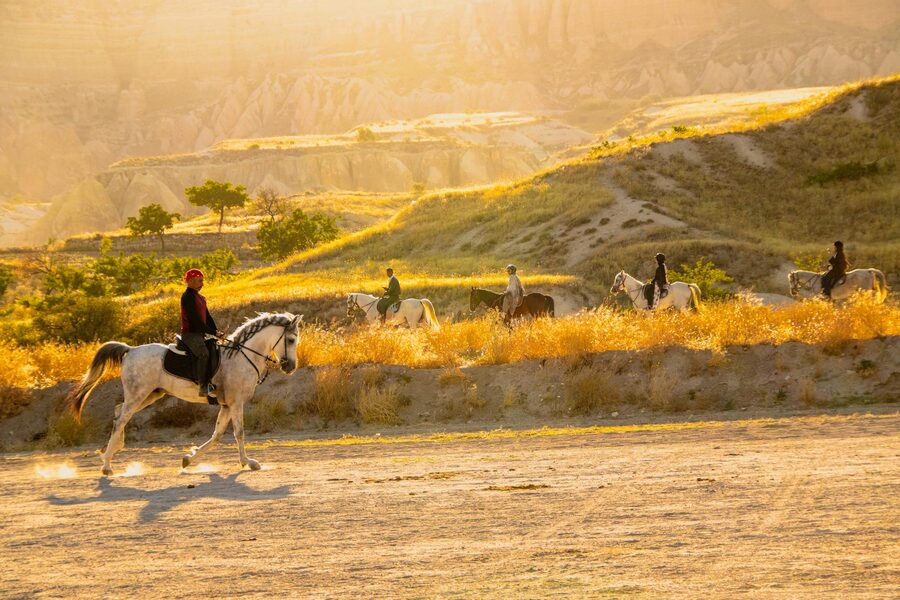
This is the desert experience for people who want to feel like they’re actually in a western, not just looking at where one was filmed. The two-hour horseback ride crosses the same desert terrain as the 4WD tour but at walking/trotting pace, which means you notice the small details — the desert plants, the lizards, the way the rock layers change colour. Check our detailed review. The horses are well trained and the guides accommodate all experience levels, from complete beginners to experienced riders.
3. Mini Hollywood (Oasys) Entry Ticket — $33
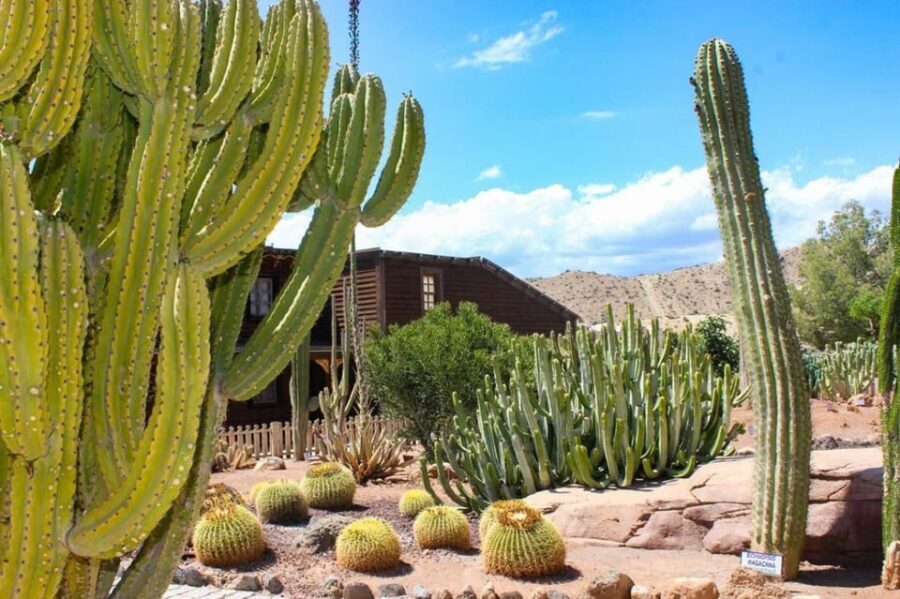
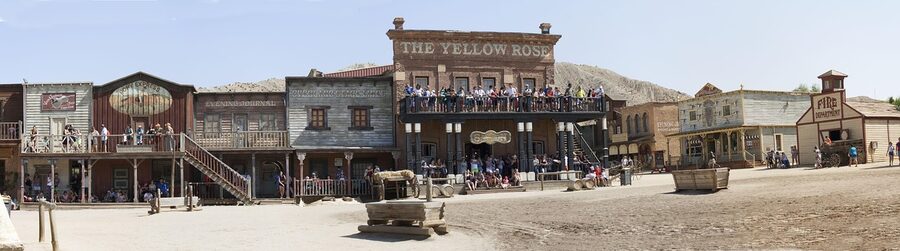
Not a desert tour in the traditional sense, but the best way to experience the film history up close. Oasys MiniHollywood preserves the original sets built for Sergio Leone’s westerns. There are live gunfight shows, a can-can performance in the saloon, a decent zoo with desert animals, and swimming pools for cooling off. Read our review for the full breakdown of what’s inside. It’s genuinely fun for families, though adults without kids might find two or three hours enough. The optional buffet adds about $12 and is decent but not exceptional.
When to Visit the Tabernas Desert
The desert is accessible year-round, but timing matters more than you’d think.
Summer (June-August): Hot. Properly hot. Temperatures regularly hit 38-42 degrees. The 4WD tour is manageable because you’re in a vehicle with some airflow, but the horseback ride becomes genuinely uncomfortable after 1pm. If you’re coming in summer, book the earliest available slot. Mini Hollywood has swimming pools, which makes it the smartest summer choice.
Spring (March-May): The sweet spot. Temperatures sit between 18 and 28 degrees, which is perfect for both the 4WD and horseback options. The desert has a brief green flush after winter rains — wildflowers appear in surprising places among the rock. Late April is particularly good.
Autumn (September-November): Almost as good as spring. September can still be hot (low 30s), but October and November are comfortable. This is when the light is best for photography — low sun, warm tones, dramatic shadows in the canyons.
Winter (December-February): Surprisingly cold. The desert drops to single digits at night and rarely exceeds 15 degrees during the day. But it’s also the quietest season, and if you dress for it, the winter desert has a stark beauty that the other seasons lack. The horseback ride at sunset in winter is something special.
Hollywood in the Desert: The Film History
The Tabernas Desert became Hollywood’s stand-in for the American West, North Africa, the Middle East, and various fictional wastelands starting in the late 1950s. The geography was perfect: arid canyons that could pass for Arizona, flat salt plains for desert chase scenes, and — crucially — dirt-cheap labour and zero union regulations compared to shooting in the actual US.
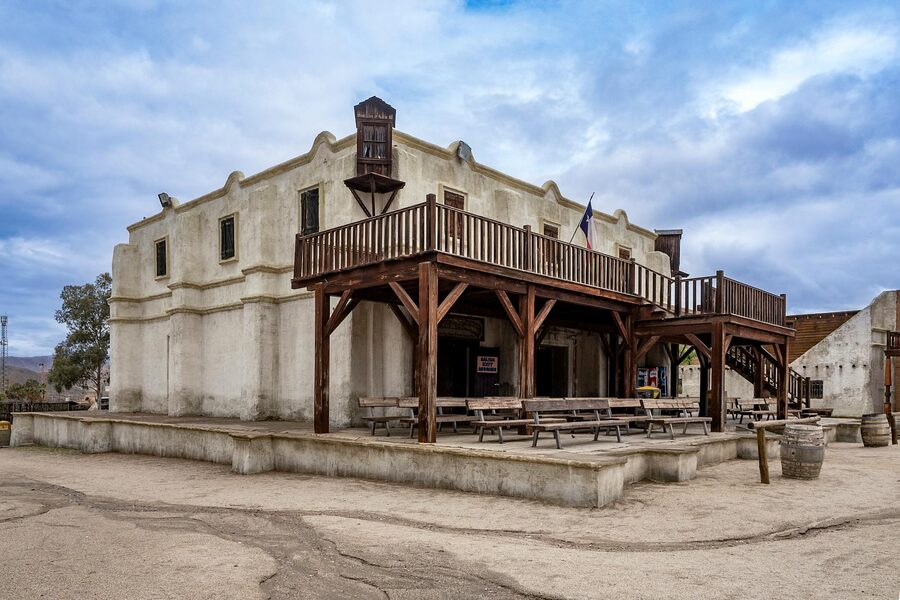
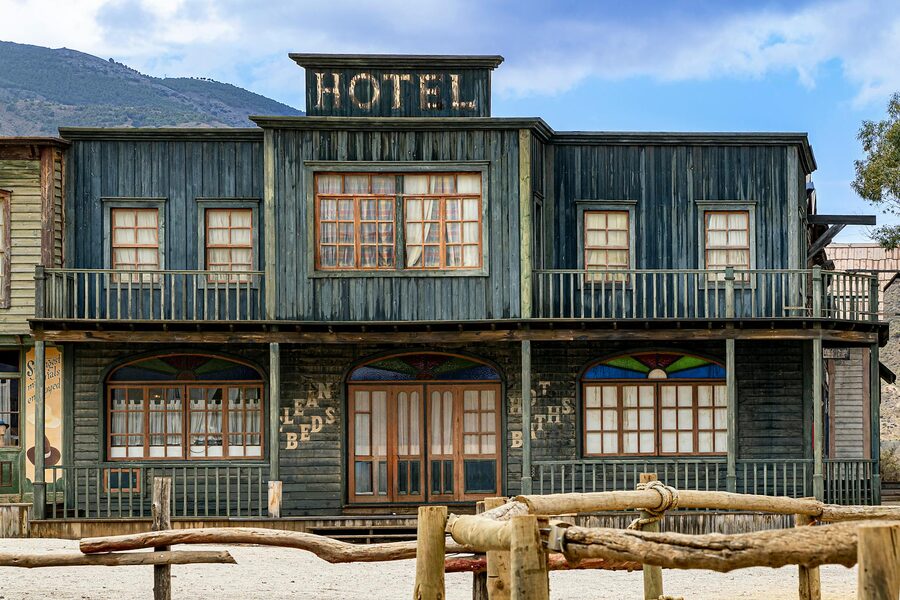
Sergio Leone put the location on the map. He shot A Fistful of Dollars, For a Few Dollars More, and The Good, the Bad and the Ugly here between 1964 and 1966. The western town sets he built are what eventually became Mini Hollywood. But the film list goes far beyond Spaghetti Westerns.
David Lean filmed Lawrence of Arabia here in 1962 — the vast desert sequences that won the film its Academy Award for Cinematography were shot in the Tabernas, not in actual Arabia. Steven Spielberg returned in 1989 for Indiana Jones and the Last Crusade. More recently, Ridley Scott used the landscape for Exodus: Gods and Kings. The list runs into the hundreds when you include smaller productions and commercials.
Three film-set theme parks operate in the Tabernas today. Mini Hollywood (Oasys) is the biggest and best-maintained. Fort Bravo and Western Leone are the other two — smaller, scrappier, and with a rougher charm. If you’re a serious film history buff, visiting all three in a day is possible but exhausting. Most people pick one.
Comparing the Three Experiences
These three tours serve very different moods, so pick based on what you actually want.
The 4WD tour ($45) is the best way to see the raw desert landscape. You cover the most ground, visit the most dramatic geological formations, and the guide’s knowledge of filming locations adds genuine depth. Best for couples, small groups, and anyone who wants the “real desert” experience. Not ideal for very young kids — two hours bouncing on dirt tracks gets old for under-6s.
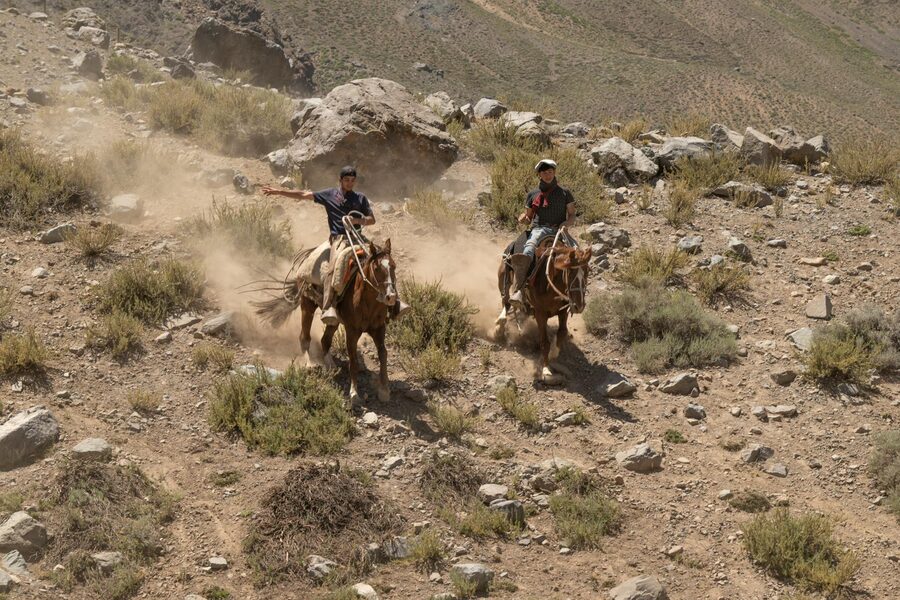
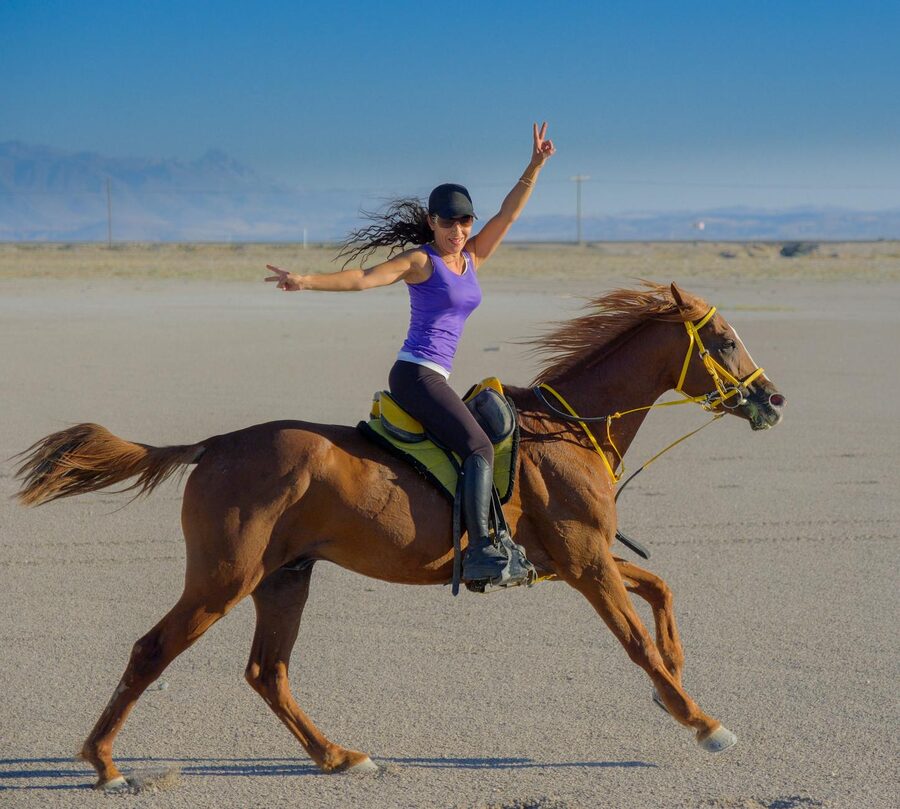
The horseback ride ($53) is the most atmospheric option. Something about being on a horse in this landscape clicks — the Spaghetti Western connection stops being abstract history and starts feeling physical. It’s slower than the 4WD (obviously), so you see less terrain, but the experience is more immersive. The guides pair you with horses matched to your ability, and the horses know the trails well. Even total beginners manage fine.
Mini Hollywood ($33) is the family pick. Kids love the gunfight shows, the zoo, and the pools. Adults love the film history and the surreal feeling of walking through sets they’ve seen on screen. It’s the cheapest option and offers the most hours of entertainment. The downside: you don’t see the actual desert landscape — you’re in a theme park, not exploring the wilderness.
My recommendation for a first visit: the 4WD tour to experience the desert itself, then Mini Hollywood if you have time and interest in the film history. The horseback ride is for a return trip — or for people who already know they want the slower, more personal experience.
Getting to the Tabernas Desert
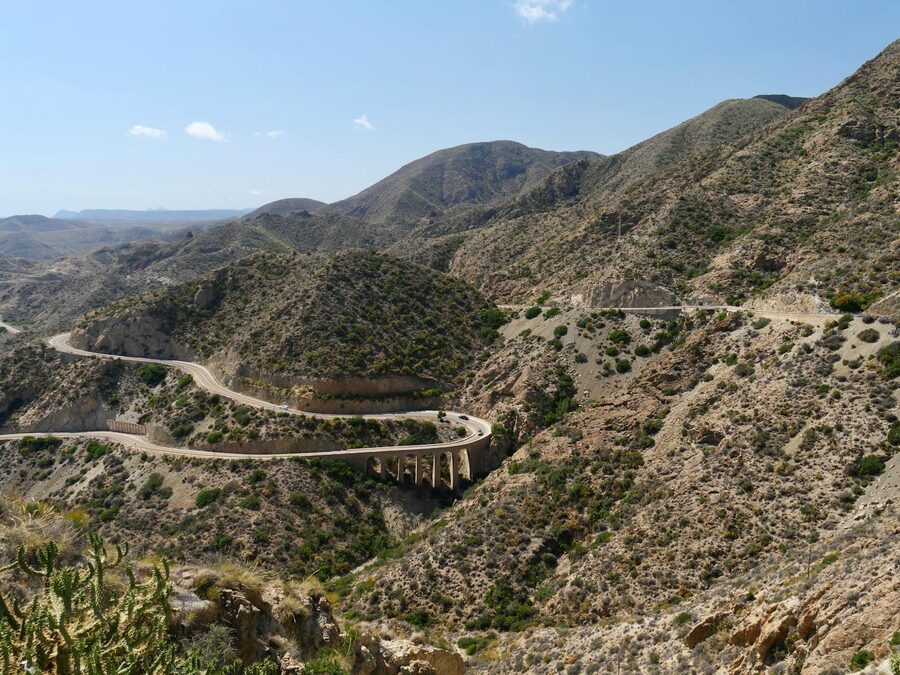
From Almeria city: About 30 minutes north on the N-340a or the A-92. The 4WD tour includes pickup from Almeria for most bookings. Mini Hollywood is signposted from the main road — you can’t miss the massive western town facade from the highway.
From Granada: About 2 hours east on the A-92. A reasonable day trip if you start early.
From Malaga: About 2.5 hours east along the coast road or via the A-7/E-15. Long for a day trip but doable.
Public transport: Minimal. There are occasional buses from Almeria to Tabernas town, but nothing that connects to the desert tours or Mini Hollywood reliably. You really need a car or the 4WD tour’s pickup service.
Driving independently: You can drive through parts of the desert on paved roads (the N-340a cuts right through it). For a quick taste, the stretch between Tabernas village and Sorbas has good viewpoints. But the most impressive canyons and filming locations are only accessible via unpaved tracks — which is why the 4WD tour exists.
Practical Tips for the Desert
Bring at least two litres of water per person. This isn’t exaggeration — the dry air dehydrates you faster than you notice, especially if there’s any wind. The 4WD tour provides water but it’s never enough if you’re out in summer.
Sunscreen and a hat are non-negotiable, even in winter. The UV at this latitude is strong year-round, and there’s almost no natural shade in the desert.
For the horseback ride: long trousers, closed shoes (preferably boots), and a layer you can remove. The guides provide helmets. If you’ve never ridden before, say so — they’ll put you on a calmer horse and adjust the route speed. Don’t pretend you have experience; you’ll have a worse time and the horse will know.
For Mini Hollywood: bring cash as well as cards. Some of the smaller stalls inside only take cash. The swimming pool area requires a swimsuit — they don’t allow swimming in regular clothes. Food inside is overpriced but acceptable. The optional buffet ($12 extra) is better value than buying meals a la carte.
The Geology Behind the Desert
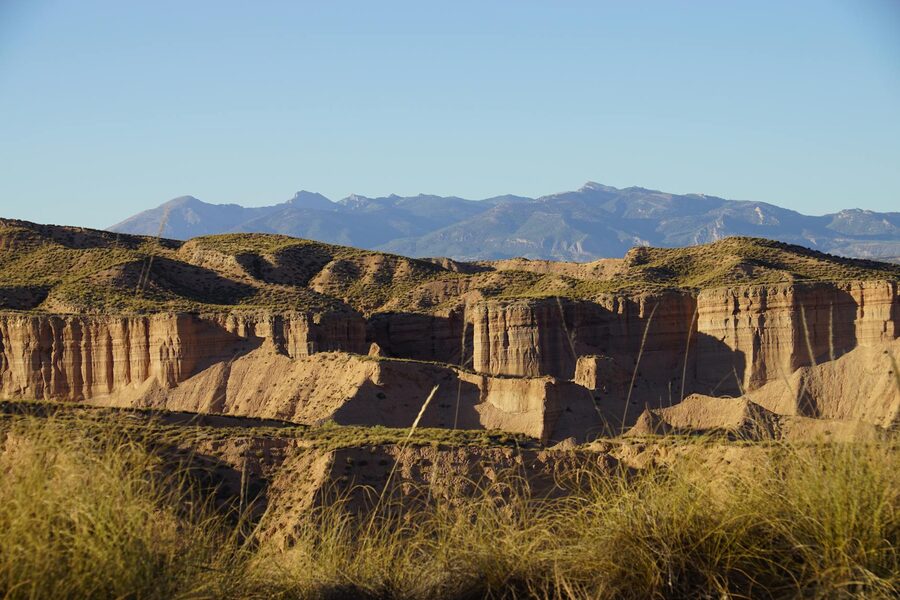
The Tabernas Desert didn’t happen by accident. It’s the result of a specific geological quirk: two mountain ranges — the Sierra de los Filabres to the north and the Sierra de Alhamilla to the south — create a near-perfect rain shadow. Moisture from the Mediterranean can’t get over the mountains, and Atlantic weather systems don’t reach this far east. The result is a 280-square-kilometre patch of genuine desert stuck in the middle of southern Europe.
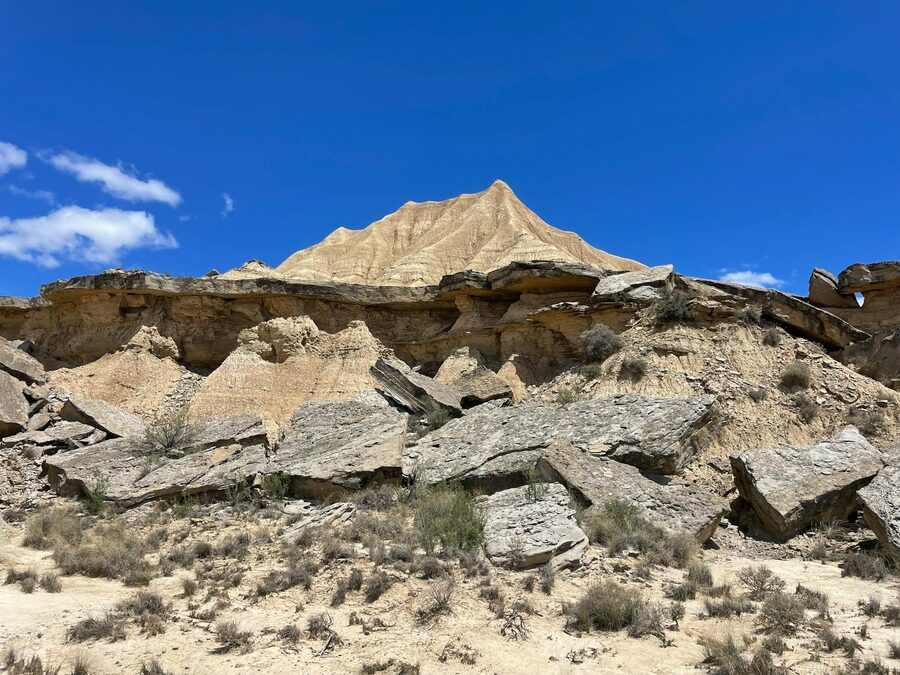
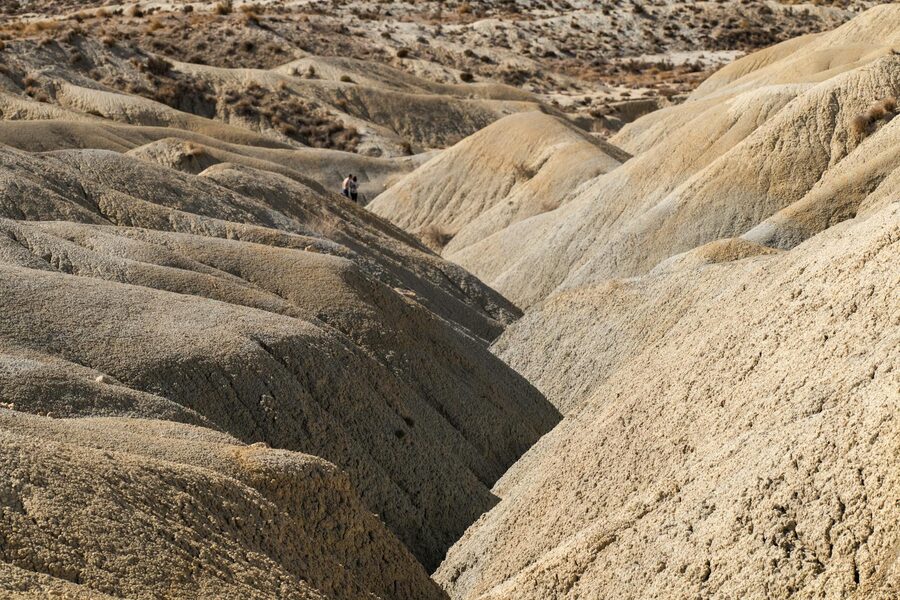
The rock here is mostly mudstone and sandstone, which erodes into the dramatic canyon systems you see from the 4WD tour. Flash floods — rare but intense when they happen — do most of the carving work. When it does rain in the Tabernas (maybe 20-30 days per year), it comes hard and fast. The dried riverbeds you drive through can become raging torrents within minutes. This is why the 4WD tours check weather forecasts carefully and will cancel if storms are predicted.
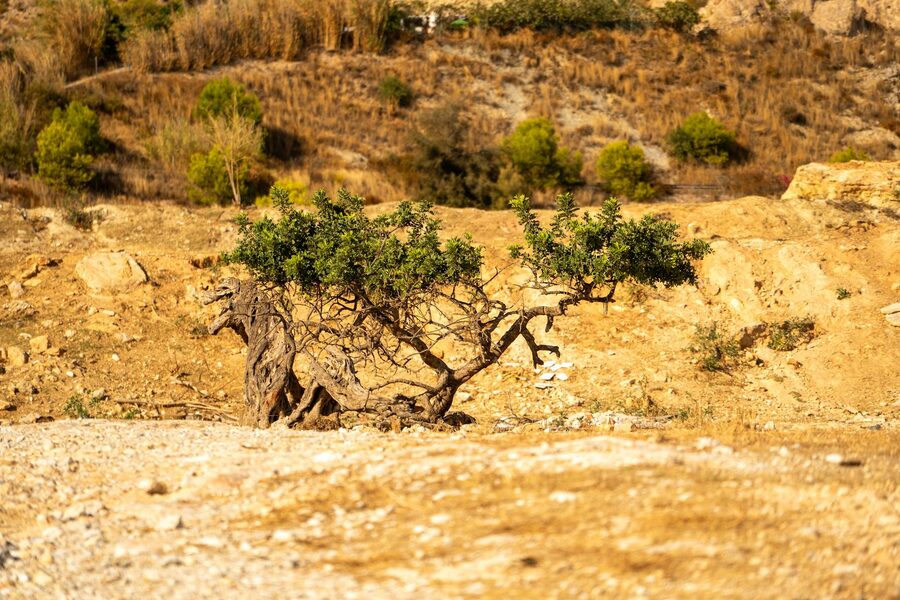
Life in the desert is tougher than it looks but more present than you’d expect. Esparto grass covers the hillsides, thyme and rosemary grow in the rocky gaps, and if you look carefully you’ll spot lizards, rabbits, and birds of prey. The area supports trumpeter finches, which are rare in Europe outside the Tabernas and parts of the Canary Islands. Eagle owls hunt from the canyon walls at dusk.
What Else to Do Near Almeria
The Tabernas Desert sits between Almeria’s coast and Granada’s mountains, which means you’ve got options in every direction. If the desert landscape sparked your interest in Almeria’s coastline, the kayak tours in Cabo de Gata Natural Park are the obvious next move — volcanic cliffs, turquoise water, and snorkeling through sea caves. It’s about 45 minutes south of the desert and feels like a different planet.
Further along the coast, the kayak tours out of Nerja offer dramatic cliff formations and the protected Maro-Cerro Gordo marine reserve. Different feel from Cabo de Gata — more developed area, but the underwater scenery rivals anything in the Mediterranean.
For a mountain fix, the day trip to Ronda from Malaga takes you through Andalusia’s white hill towns. Ronda’s famous bridge spanning a 100-metre gorge is worth the drive alone. And if you haven’t been, Alhambra tickets in Granada should be on your itinerary — the palace is about two hours west of the Tabernas and is genuinely one of Europe’s most extraordinary buildings. Book well ahead.
This article contains affiliate links. If you book through our links, we may earn a small commission at no extra cost to you. This helps us keep producing detailed travel guides.