
The Atlantic drops to nearly 3,000 metres just a few miles off the coast of Madeira. That depth is what makes Funchal one of the best places in Europe for spotting cetaceans — sperm whales, pilot whales, bottlenose dolphins, and spotted dolphins all pass through these waters, some of them year-round residents rather than just seasonal visitors.
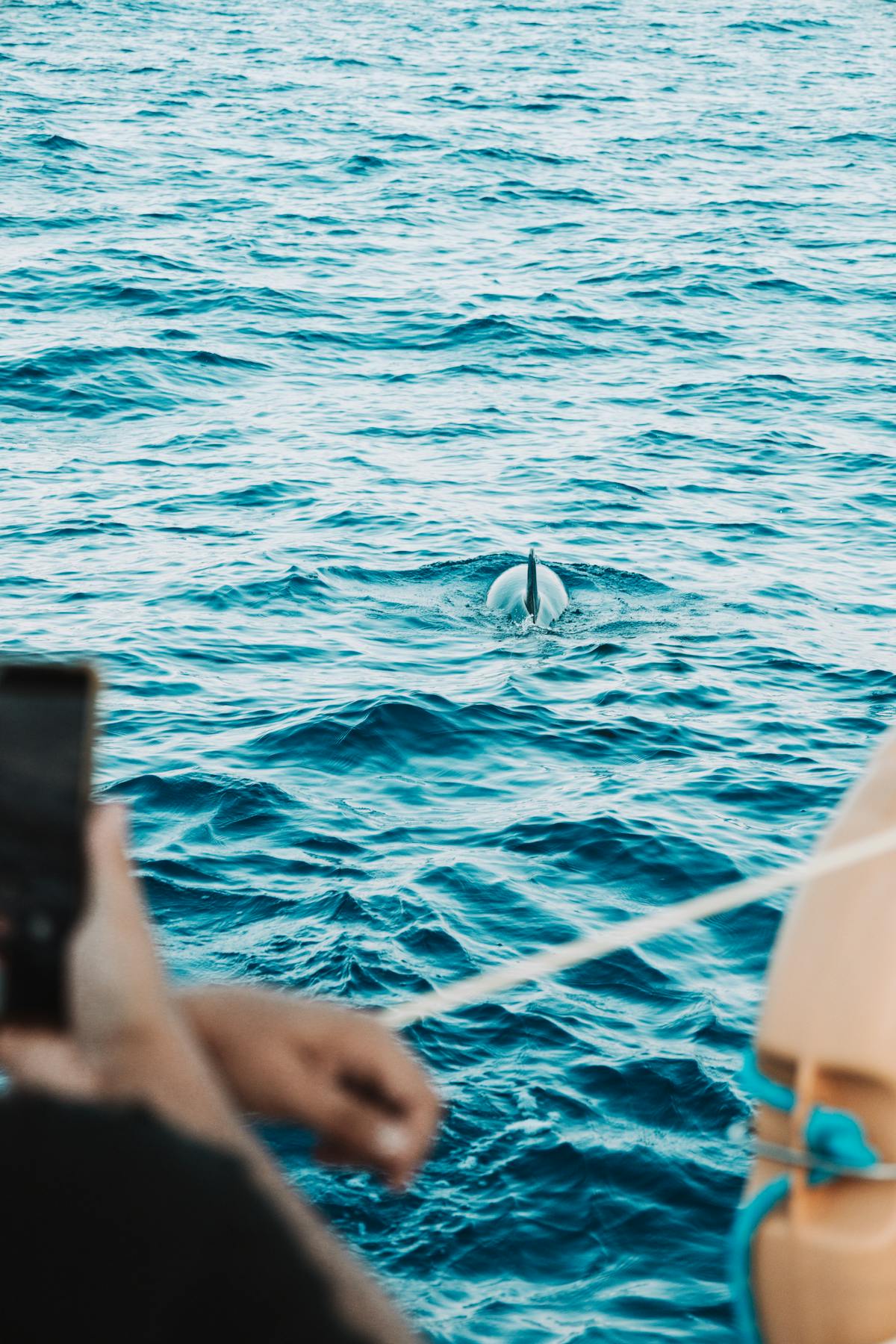
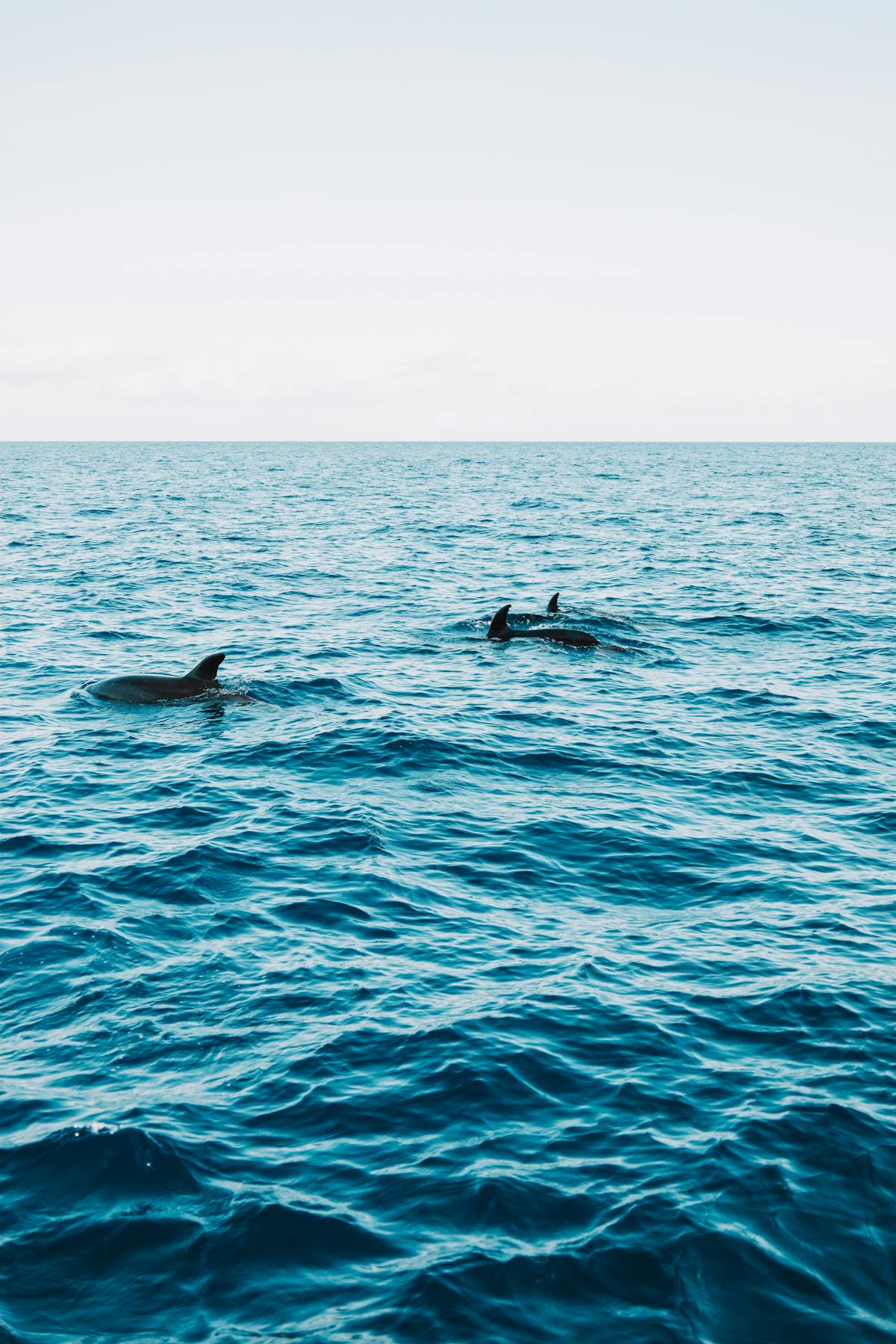
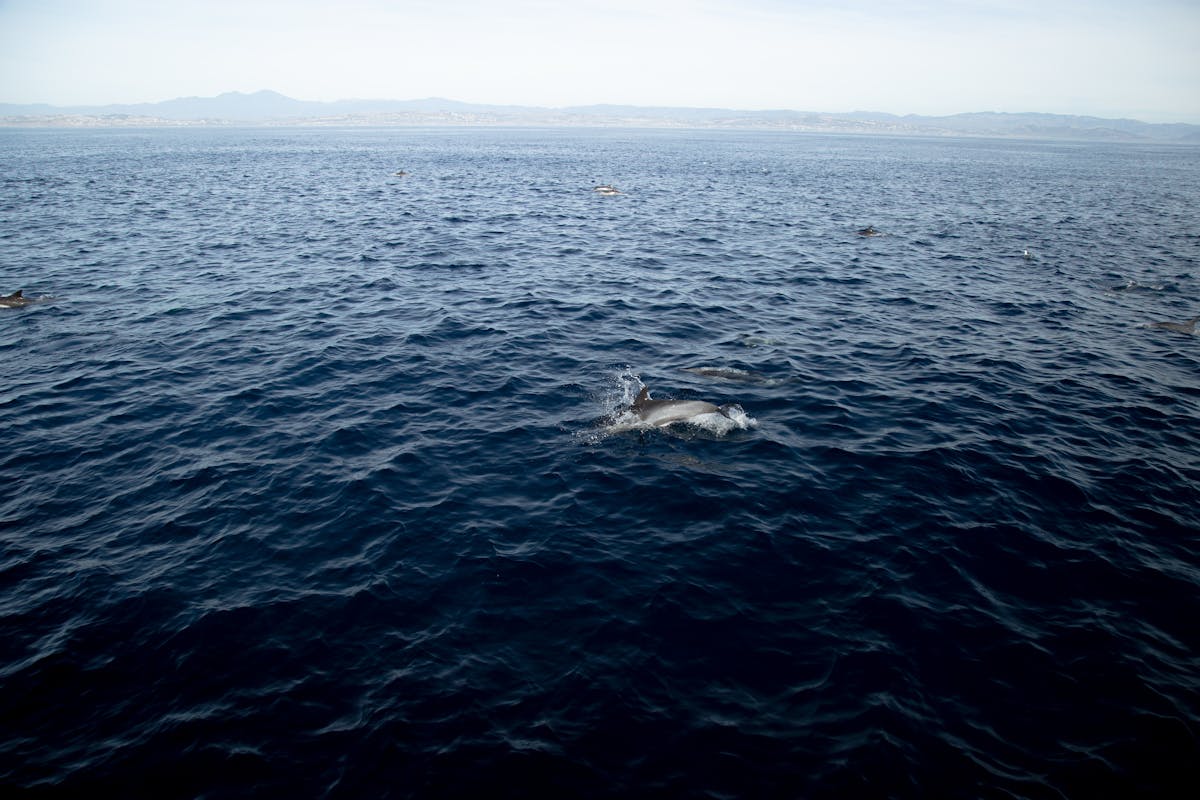
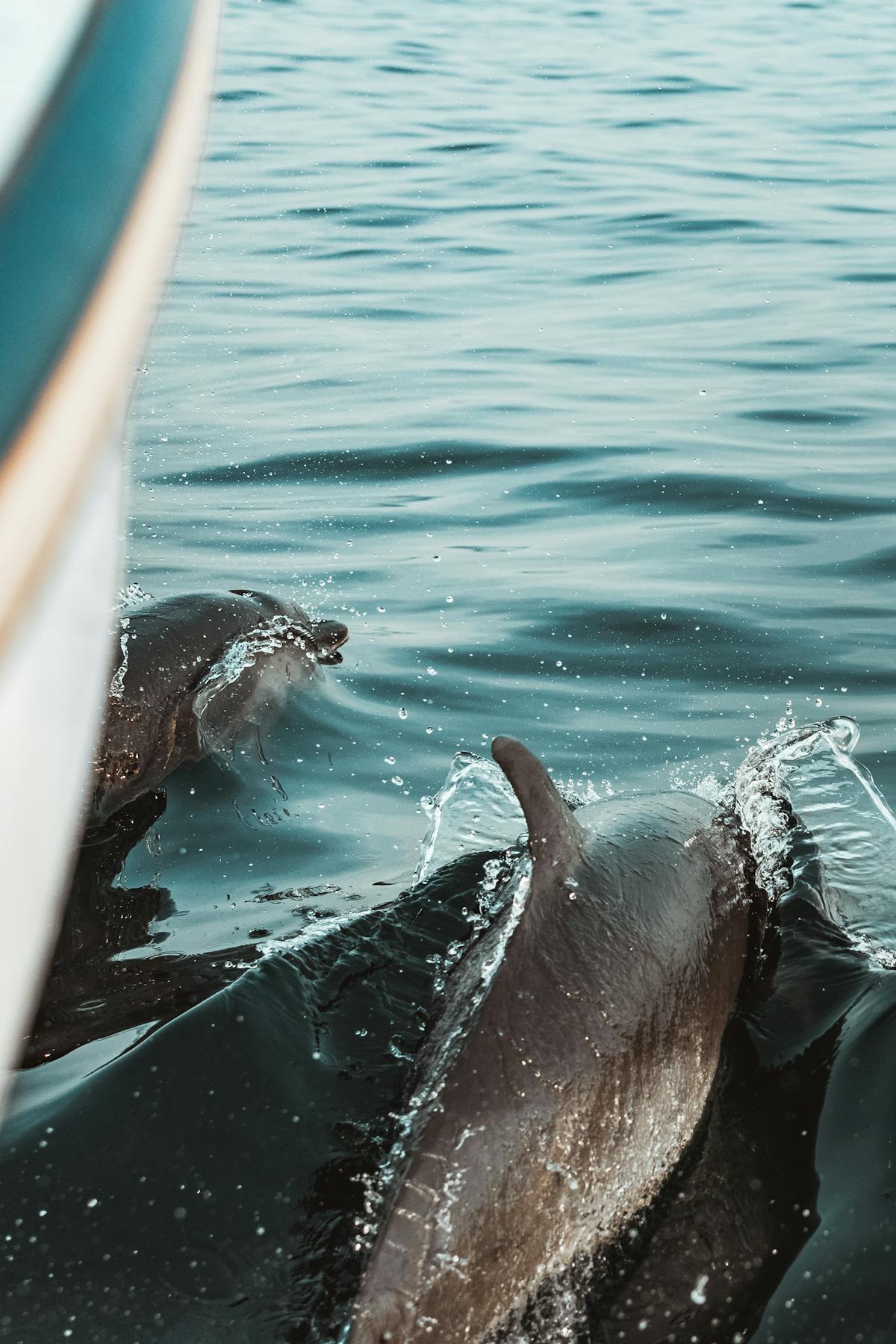
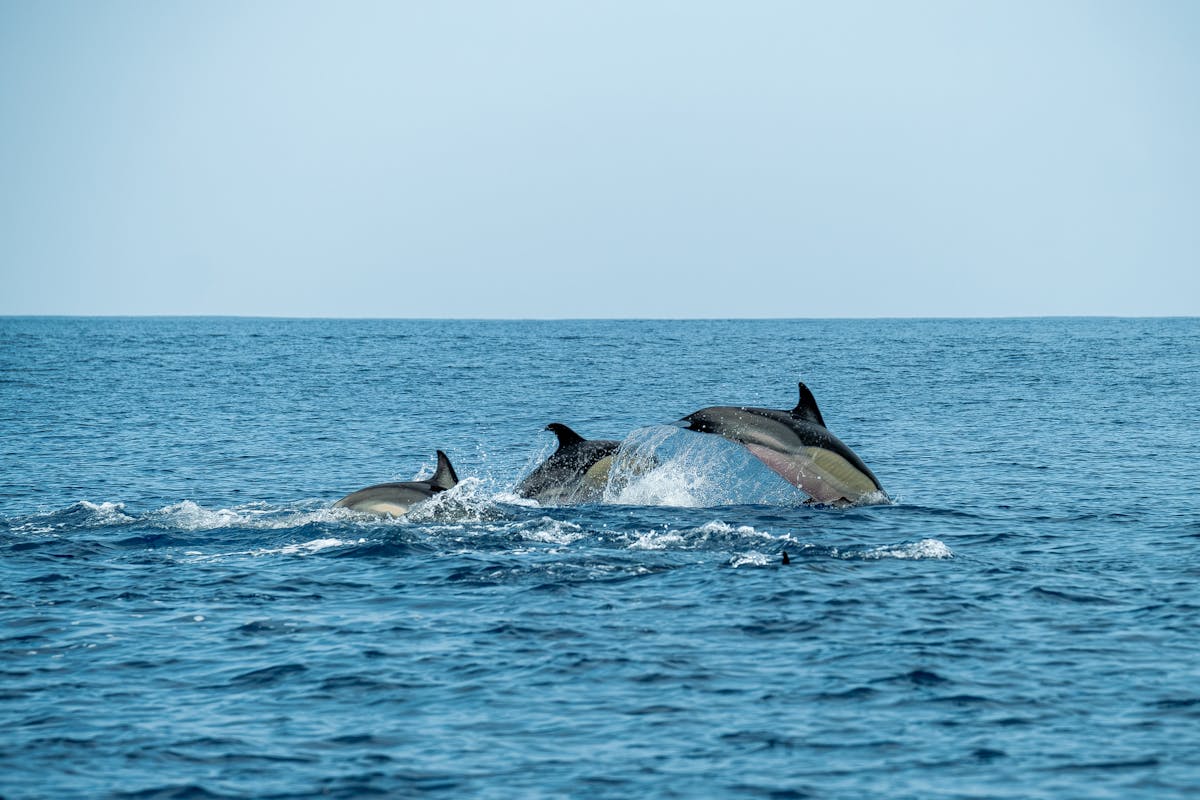
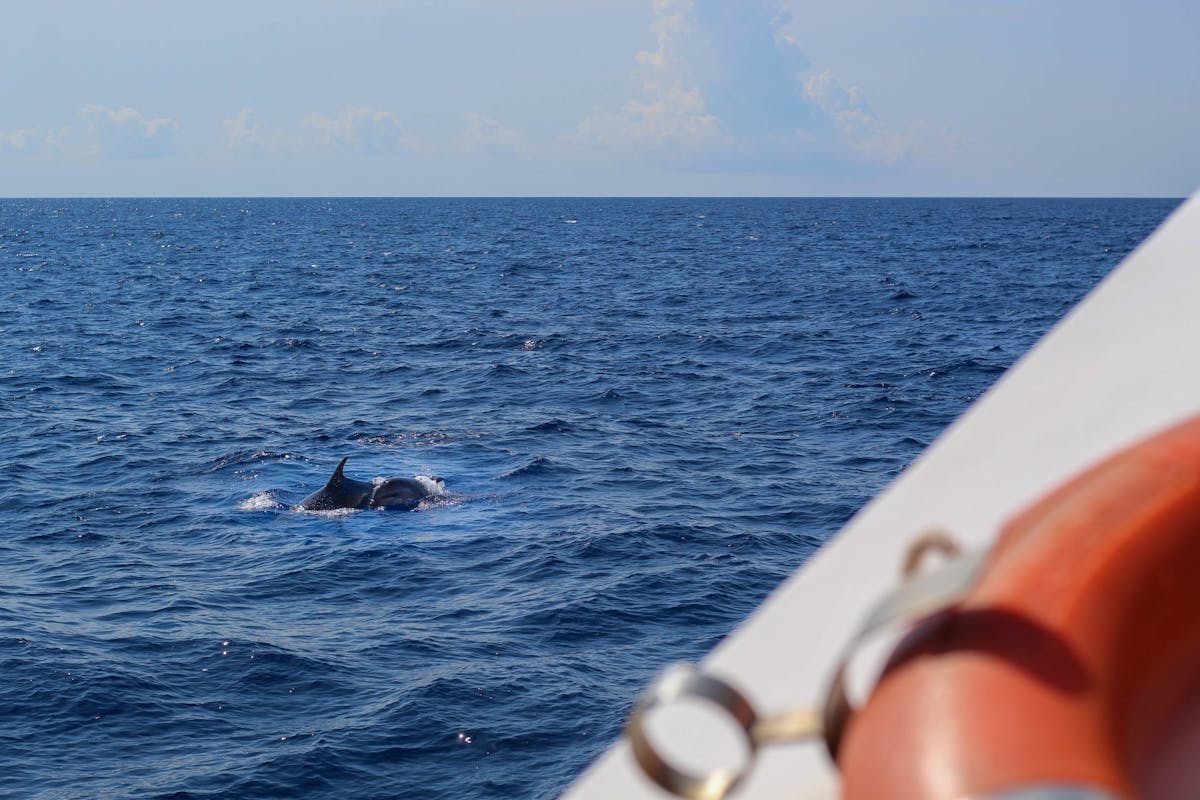
I went out on a morning trip in late March. Within twenty minutes of leaving Funchal marina, we were surrounded by a pod of around forty common dolphins. They were riding the bow wave, rolling sideways to get a look at us. Nobody said a word for a good two minutes.
If you are planning a trip to Madeira and want to get out on the water, this is the single best thing you can do with a free morning. Here is how to book it and which tours are actually worth your money.
Best overall: Whale and Dolphin Watching in Calheta — $72.56. The most popular trip in Madeira for good reason. Small boat, expert marine biologist on board, and the west coast launch point puts you closer to deeper water faster.
Best budget: Catamaran Cruise from Funchal — $48.27. Three hours on a proper catamaran with a swim stop at Cabo Girao. More relaxed pace, great if you want the full experience without rushing.
Best for small groups: Guaranteed Sighting Tour from Funchal — $59.28. Fast boat, small group, and they guarantee a sighting or you go again free. The biologist guide makes all the difference.
- What You Will Actually See Out There
- The Different Types of Trips
- The Best Dolphin and Whale Watching Tours to Book
- 1. Whale and Dolphin Watching in Calheta — .56
- 2. Catamaran Cruise from Funchal — .27
- 3. Guaranteed Sighting Tour from Funchal — .28
- 4. Whale and Dolphin Watching with Snorkeling — .44
- When to Go
- Tips That Will Save You Time (and Stomach)
- Funchal vs. Calheta — Which Departure Point?
- Other Marine Life Around Madeira
- More Madeira Guides
What You Will Actually See Out There
Madeira sits in one of those rare sweet spots where warm and cold ocean currents meet, and the seafloor plunges steeply from the island shelf. That geography draws an almost absurd variety of marine life — 28 species of cetaceans have been recorded in these waters.
On a typical trip, you are most likely to encounter bottlenose dolphins and common dolphins. They are here all year and they are not shy. Pods of 30-50 are common, and they will often ride alongside the boat for ten or fifteen minutes at a stretch.
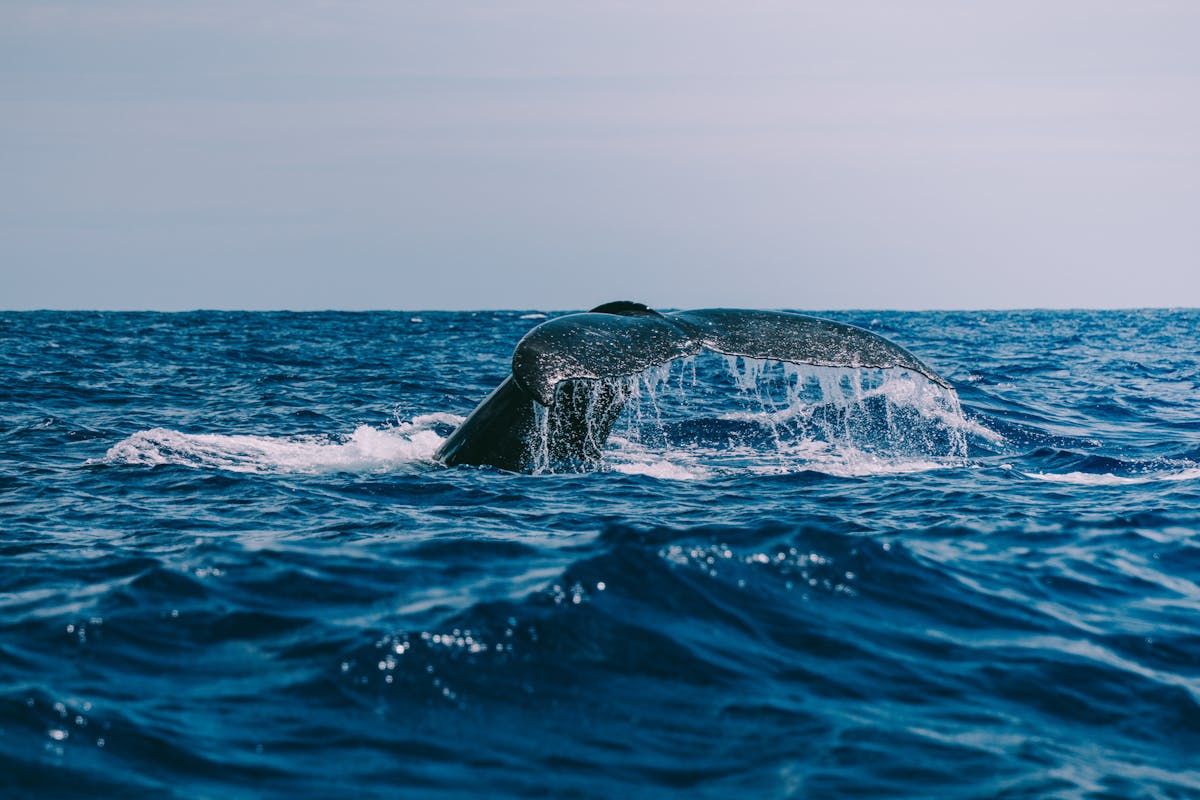
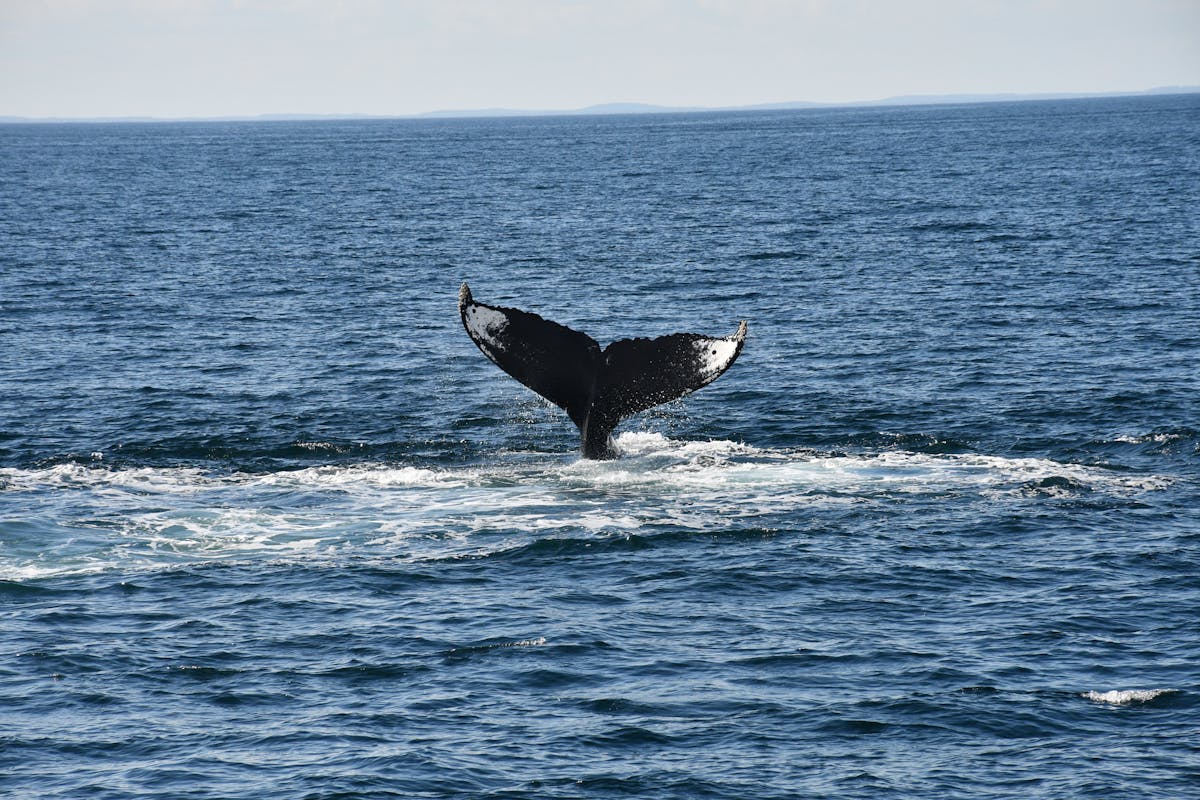
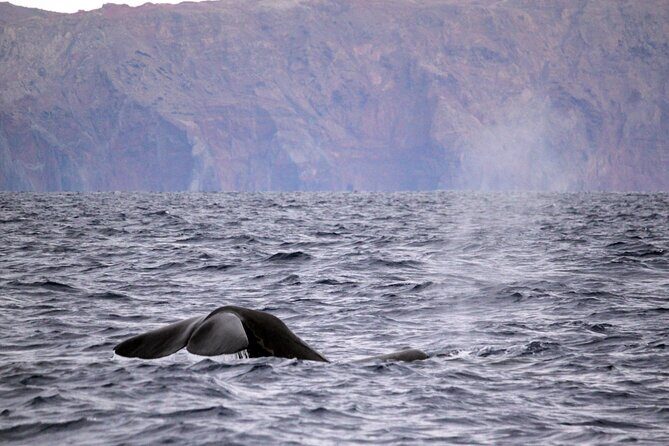
Sperm whales are the big draw. These are the deep divers — they feed at depth and surface to breathe, and when they do, you get the classic tail fluke as they descend. Sightings are most common between April and October, but the resident population of short-finned pilot whales fills in the gaps during winter months. Pilot whales are smaller but travel in tight family groups and are easier to observe at length.
Less common but absolutely possible: Bryde’s whales, sei whales, and even blue whales during spring migration. Loggerhead turtles also pop up regularly, especially on calmer days when the surface is flat enough to spot them basking.
The Different Types of Trips
There are broadly three ways to do this, and the choice matters more than most people think.
Catamaran cruises are the most comfortable option. You get a bigger boat, more deck space, a smoother ride, and usually a swim stop at the end. The trade-off is speed — you cover less ground, so your window for finding whales is narrower. These tend to run 3 hours and leave from Funchal.
Rigid inflatable boats (RIBs) and speedboats are faster and more nimble. They can cover more ocean in less time, which is a real advantage if you are after the bigger whales. The downside is comfort — it is louder, wetter, and not ideal if you get seasick. Trips are usually 2 hours.
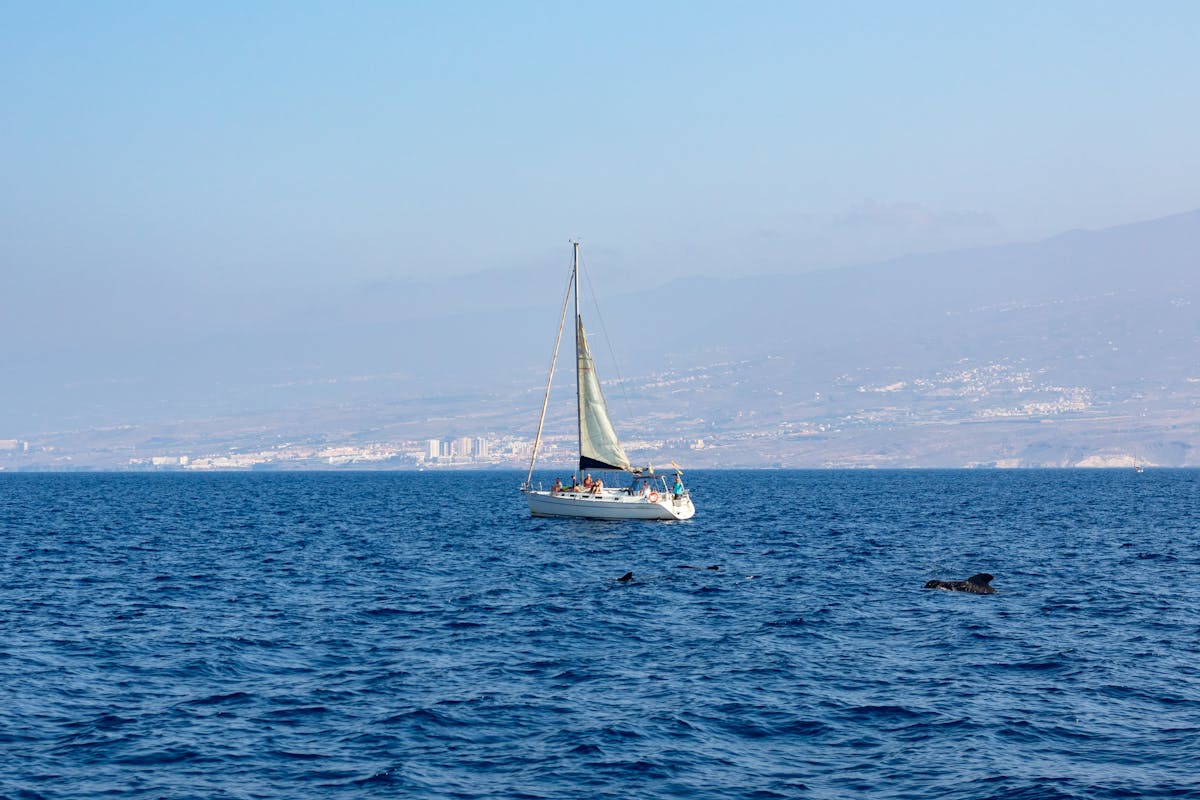
Private boats are worth considering if you are in a group of 4-5. The per-person cost drops to something reasonable, and you get the flexibility to stay with a pod longer or change course without worrying about everyone else’s schedule. Some operators run private trips from around $590 for the whole boat.
One thing to note: most operators now carry a marine biologist, which was not always the case. They use a hydrophone to listen for cetaceans underwater, which dramatically increases your chances of finding them. Ask about this when booking — it is a real differentiator.
The Best Dolphin and Whale Watching Tours to Book
I have gone through the options and picked four that cover different styles and budgets. All of them leave from either Funchal or Calheta on Madeira’s west coast.
1. Whale and Dolphin Watching in Calheta — $72.56
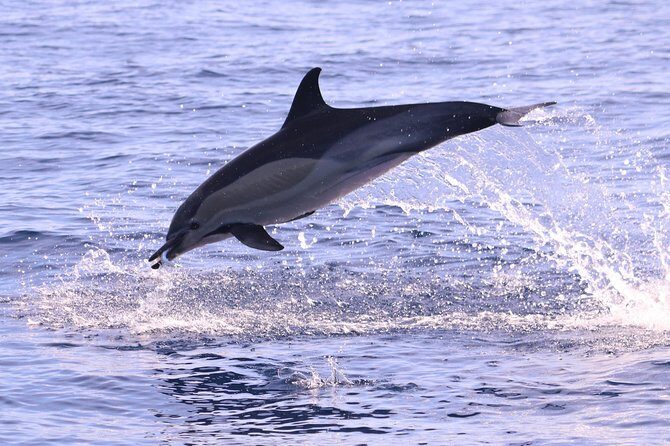
This is the most booked whale watching trip in Madeira, and for good reason. The Calheta tour launches from the west coast where the deep water is closer to shore, which means less transit time and more time actually watching marine life. At $72.56 per person for a 2-hour trip, it sits in the mid-range — not the cheapest, but the sighting rate justifies the price.
What sets this apart is the option to swim with dolphins if conditions allow. That is not something every operator offers, and it depends on sea conditions and how the animals are behaving. The guides here are marine biologists who actually study the local populations, so the commentary goes well beyond pointing at the water and saying “dolphin.”
2. Catamaran Cruise from Funchal — $48.27
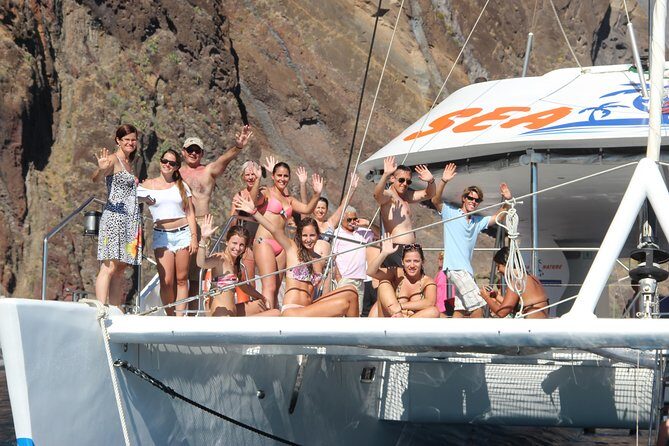
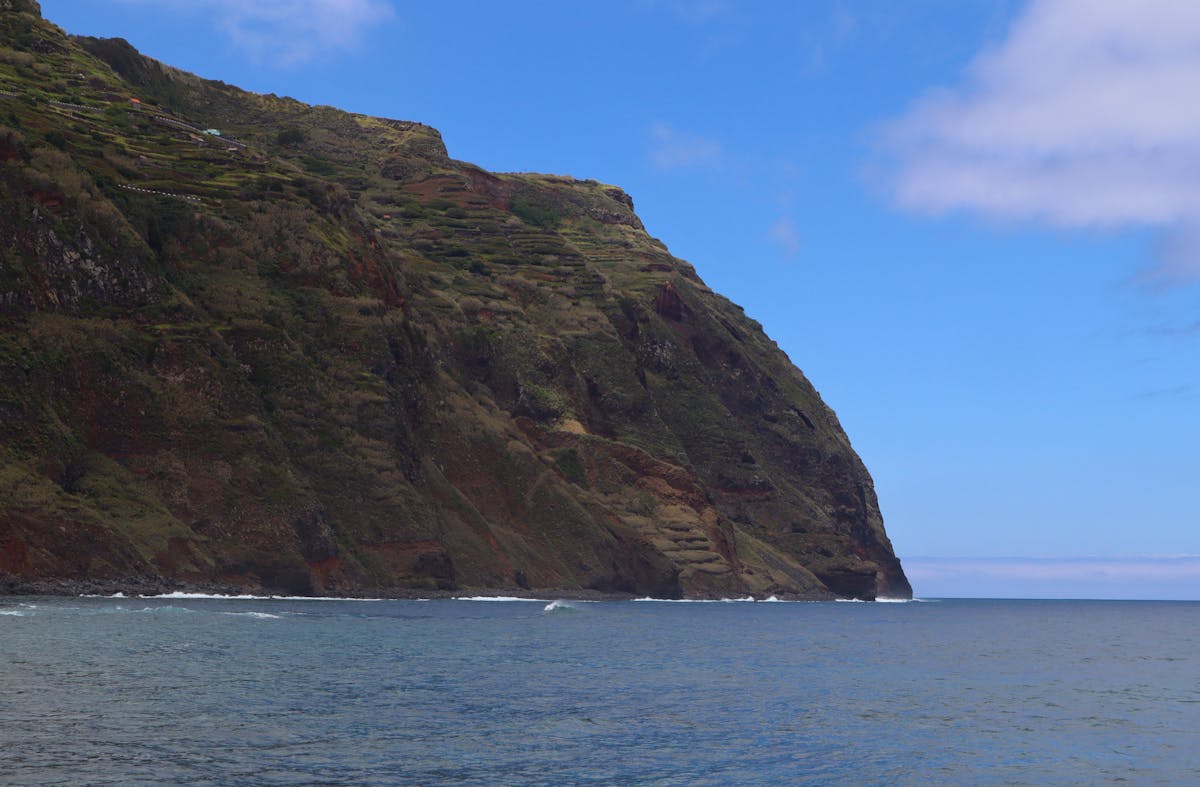
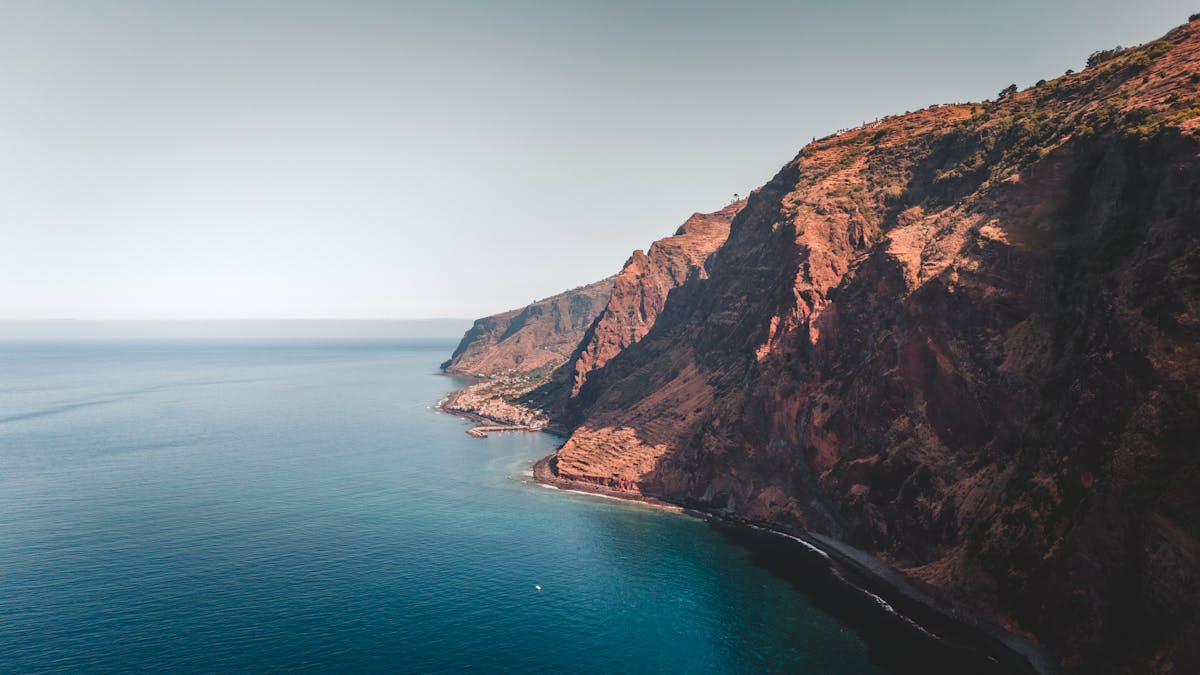
If you want a more relaxed experience — more cruise, less hunt — this catamaran trip from Funchal is the one to book. At $48.27 per person, it is the most affordable option here, and you get a full 3 hours including a swimming stop near the dramatic cliffs at Cabo Girao.
The catamaran itself is spacious enough that you will not feel crowded even at full capacity. It is stable in the water, which matters if you or anyone in your group is prone to seasickness. You sacrifice some manoeuvrability compared to the smaller RIBs, but for families or anyone who just wants to enjoy being out on the Atlantic without getting bounced around, this is the pick.
3. Guaranteed Sighting Tour from Funchal — $59.28
This is the one for anyone worried about coming back empty-handed. The guaranteed sighting tour does exactly what the name suggests — if you do not see a single cetacean, you get to go again for free. At $59.28, that is a pretty solid deal for peace of mind.
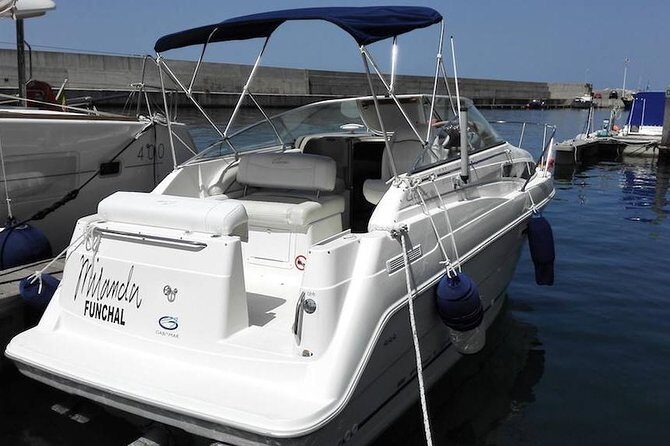
The boat is a fast RIB, which means you can cover a lot of water in the 2-hour window. The group stays small, and the biologist guide uses a hydrophone to track cetaceans before you even see them on the surface. It is a more focused, purposeful kind of trip compared to the catamaran cruise — less about relaxation, more about actually finding whales.
4. Whale and Dolphin Watching with Snorkeling — $83.44
The premium option here, and worth it if you want the full marine experience. This combined whale watching and snorkeling tour runs 2.5 hours from Calheta and includes proper snorkeling gear and a dedicated stop. At $83.44 per person, it is the most expensive on this list, but you are getting two activities in one trip.
The group size stays small — usually around ten people — and the crew adapts the itinerary based on conditions. If the dolphins are active in one area, they will extend the watching time and shorten the snorkeling window, or vice versa. That flexibility is something you do not get on the larger catamaran operations. The coastline views from the water are worth the trip alone, honestly.
When to Go
The honest answer is that any time of year works, which is one of the things that makes Madeira unusual for whale watching. But if you want to maximize your chances of seeing the bigger species, here is the breakdown:
April through October is peak season for sperm whales. The water is warmer, visibility is better, and the sea tends to be calmer. May and June are probably the sweet spot — warm enough for comfortable boat trips, before the summer crowds arrive in full force.
November through March is quieter on the tourism front, but you will still see dolphins on almost every trip. Pilot whales are particularly reliable in winter. The seas can be rougher, so if you are prone to motion sickness, this might not be your ideal window.
Morning trips are better than afternoon trips, almost universally. The ocean is calmer early, and the animals tend to be more active and closer to the surface before the midday heat. Book the earliest departure you can find.
Tips That Will Save You Time (and Stomach)
Book at least 2-3 days ahead during peak season (June-September). The smaller boats fill up fast and the best-reviewed operators sell out. Off-season, you can usually book the day before without trouble.
Take seasickness seriously. The open Atlantic is not a calm lake. If you have any history of motion sickness, take medication 30-60 minutes before departure. The catamaran is the most stable option; the RIBs are the worst for seasickness but the best for actually finding whales. Pick your trade-off.
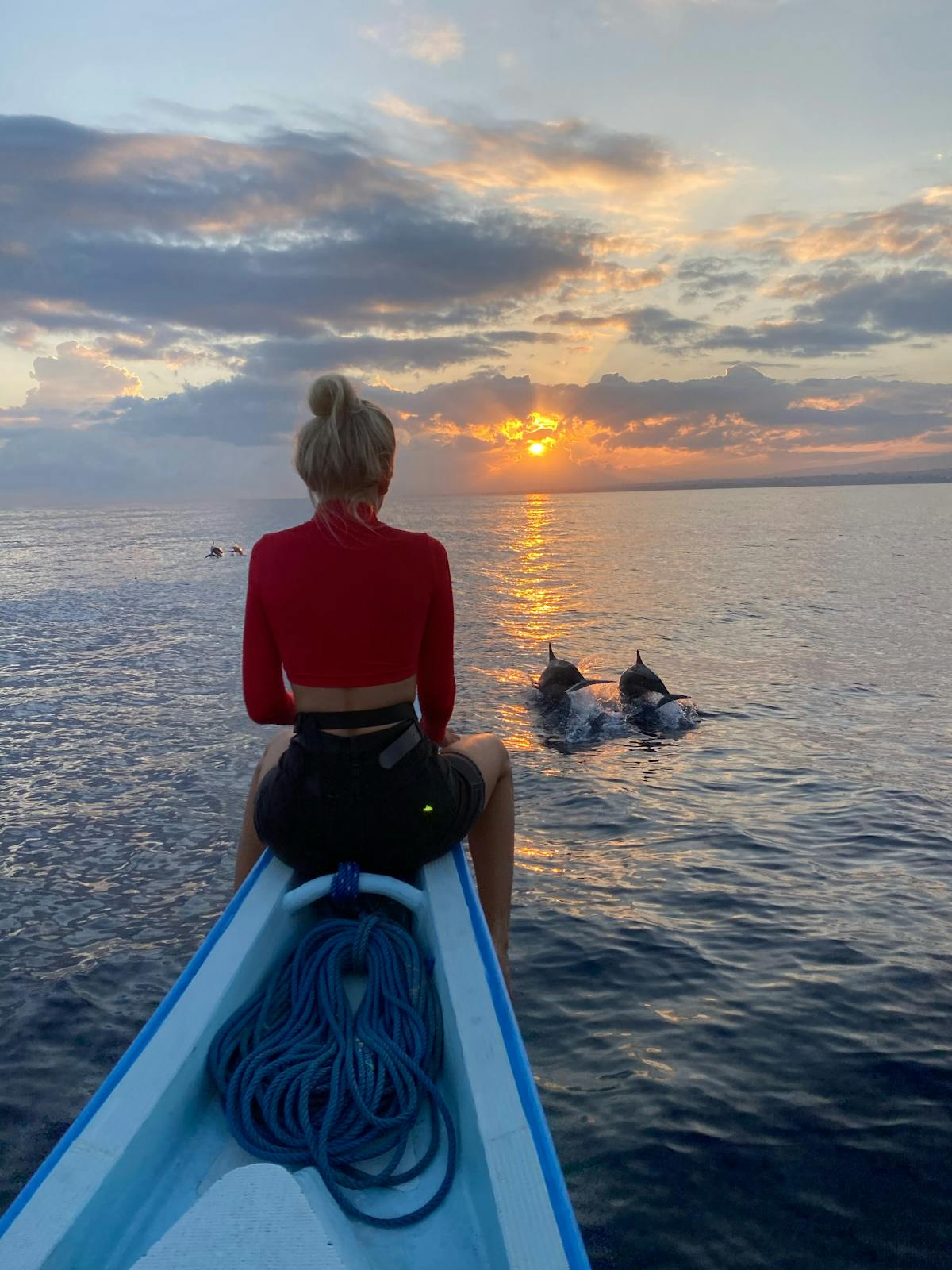
Sit at the front of the boat if you can. The guides will be there scanning the water, and you will see the animals before anyone who is sitting at the back. On catamarans, the net at the bow is prime real estate.
Bring a waterproof phone case. Not optional on the RIBs — you will get splashed. On catamarans it is less critical, but salt spray happens.
Dress in layers. It can be 25 degrees onshore and genuinely cold once you are out on the water at speed. Sunscreen on every exposed surface, sunglasses with a strap, and a hat that will not blow off.
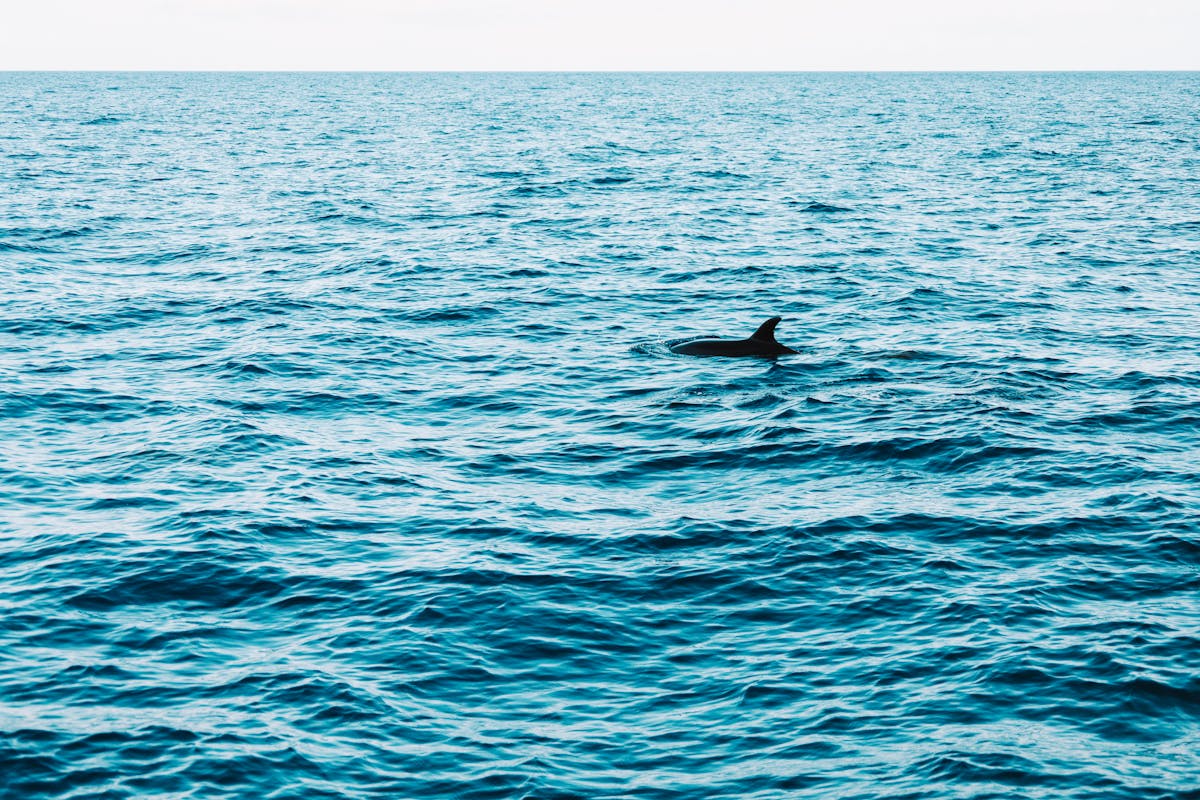
Camera settings matter. If you are shooting with anything more than a phone, use burst mode and a fast shutter speed (1/1000 or faster). Dolphins surface for about two seconds. You will not have time to focus manually.
Pick Calheta over Funchal if you can. The west coast has deeper water closer to shore, which typically means shorter transit and more observation time. Funchal has more operators and more departure times, but the Calheta trips often have better sighting rates.
Funchal vs. Calheta — Which Departure Point?
Most visitors default to Funchal because that is where they are staying. And it is fine — the departure point does not make or break the trip. But there are differences worth knowing about.
Funchal has the most operators, the most departure times, and the biggest variety of boat types. It is convenient if you are staying in the city, and the marina itself is pleasant to wander around while you wait. The downside is that the continental shelf extends further out on the south coast, so boats need to travel further to reach the deeper water where whales feed.
Calheta is about 45 minutes west of Funchal by car. Fewer operators, fewer travelers, and the deep water is much closer to shore. If your goal is specifically to see whales (not just dolphins), Calheta tends to deliver better results because you spend less time in transit and more time in whale territory. The drive there is gorgeous, too — you pass through banana plantations and along clifftop roads with ocean views the whole way.
If you have a rental car and flexibility, go with Calheta. If you are relying on taxis or buses, Funchal is the practical choice and still gives you excellent chances of seeing dolphins and possibly whales.
Other Marine Life Around Madeira
Dolphins and whales get all the attention, but the waters around Madeira hold a few other surprises. Loggerhead turtles appear on the surface regularly — they are easier to spot on calm days when there is less chop. And if your trip heads toward the Desertas Islands (a small archipelago southeast of Funchal), you might catch a glimpse of Mediterranean monk seals. There are only a few hundred left in the world, and a small colony lives on those uninhabited islands.
Some operators also run dedicated snorkeling trips that visit underwater rock formations where grouper, parrotfish, and barracuda hang out. But those are separate outings — the whale watching boats do not typically stop at dive spots unless snorkeling is specifically included (like the Calheta tour with snorkeling listed above).
Madeira is one of those places that keeps pulling you back to the water. Between the dolphin watching off Calheta, the coastal walks above the cliffs, and the frankly absurd visibility for an Atlantic island, it is hard to have a bad day here if you like the ocean. The levada trails running through the interior feel like a completely different world from the coast — cloud forest and waterfalls an hour’s drive from dolphins and deep blue water. And if you are already planning time in Portugal, the day trip to Sintra from Lisbon is another one worth bookmarking. Completely different atmosphere, but the same feeling of stumbling onto something that exceeds whatever you expected going in.
More Madeira Guides
Dolphin watching covers the ocean side of Funchal, but the island has a rugged interior worth exploring too. 4WD island tours in Funchal heads into the volcanic highlands where cloud forests, basalt peaks, and views down to the coast make for a completely different day. If your trip includes mainland Portugal, Lisbon is a short flight from Funchal and a walking tour in Lisbon is a solid starting point in the capital. visiting Sintra from Lisbon makes for the best day trip from Lisbon, and a fado show in Lisbon gives you a proper evening out in the old quarter. For the south coast, the Algarve’s sea caves are some of the most photogenic spots in Europe.
This article contains affiliate links. If you book a tour through one of these links, we earn a small commission at no extra cost to you. This helps us keep creating free travel guides.