
Paris has become the world’s unofficial capital of couple photography, and the Eiffel Tower is ground zero for it all. Every year, thousands of couples, families, and solo travellers book private photoshoots at the tower — and the results, when you hire the right photographer, are genuinely stunning.
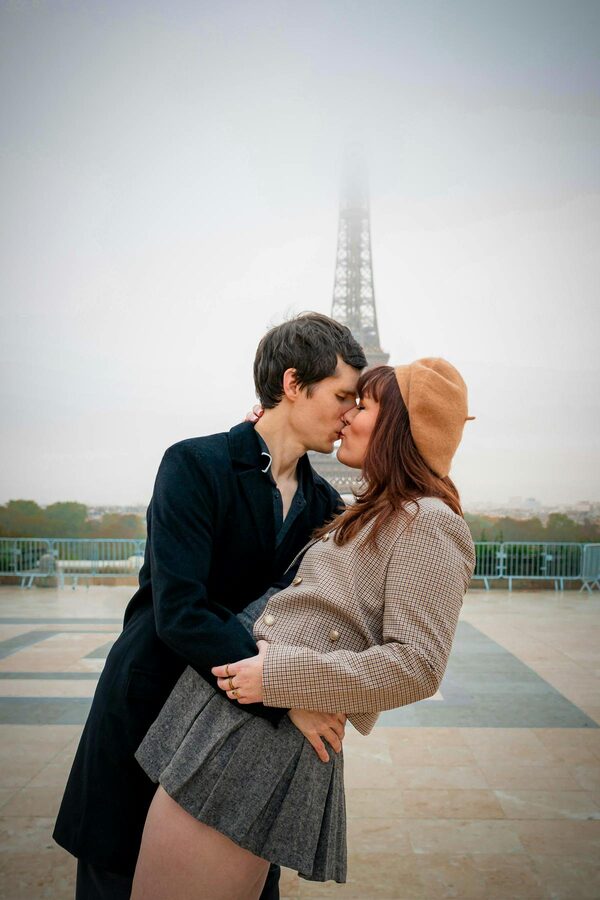
But here’s the thing most people don’t realise until they start googling: there’s a massive range in what “Eiffel Tower photoshoot” actually means. Some packages give you a 30-minute walk-around with a student photographer and 10 lightly edited JPEGs. Others run two hours across four locations, include outfit changes, and deliver 50+ magazine-grade images within 48 hours. The price difference between these two experiences? Sometimes less than you’d spend on dinner.
This guide breaks down the booking process, walks you through the best locations and timing, and recommends three photoshoot options that actually deliver on their promises. I’ve dug into what works and what doesn’t, so you can skip the trial-and-error.
- In a Hurry? Our Top Picks
- A Quick History (and Why the Tower Almost Didn’t Exist)
- The 4 Best Photoshoot Locations (and When to Go)
- Trocadero (The Classic)
- Rue de l’Universite (The Intimate One)
- Pont de Bir-Hakeim (The Cinematic One)
- Champ de Mars (The Relaxed One)
- Golden Hour, Blue Hour, and the Copyright Problem
- How Proposal Photoshoots Actually Work
- The 3 Best Eiffel Tower Photoshoot Tours to Book
- 1. Private Photoshoot at the Eiffel Tower
- 2. Eiffel Tower Photo Shoot (Couples)
- 3. Premium Photoshoot with Iconic Eiffel Tower Views
- What to Wear (Practical, Not Fashion Advice)
- When to Book and How Far in Advance
- Combine It With Other Paris Experiences
- Practical Tips That Actually Matter
In a Hurry? Our Top Picks
- Private Photoshoot at the Eiffel Tower — Groups up to 8 people from $41 total, perfect for families or friend groups who want to split the cost.
- Eiffel Tower Photo Shoot for Couples — From $38 for two people, this is the go-to for couples and proposals.
- Premium Photoshoot with Iconic Views — Multiple locations and 55+ edited photos from $44 per group, for anyone who wants the full experience.
A Quick History (and Why the Tower Almost Didn’t Exist)
The Eiffel Tower was built for the 1889 World’s Fair, and it was supposed to be temporary. The original plan called for demolition after 20 years. Parisians hated it at first — artists and writers signed petitions calling it an eyesore, a metal monstrosity disfiguring the skyline. Guy de Maupassant famously ate lunch at the tower’s restaurant regularly, claiming it was the only place in Paris where he didn’t have to look at it.
What saved the tower from the wrecking ball? Radio. By the early 1900s, the military was using it as a wireless transmission tower, and suddenly that “temporary” structure had a practical purpose nobody had anticipated. The rest is, well, 10,000 tonnes of iron that draws seven million visitors a year.
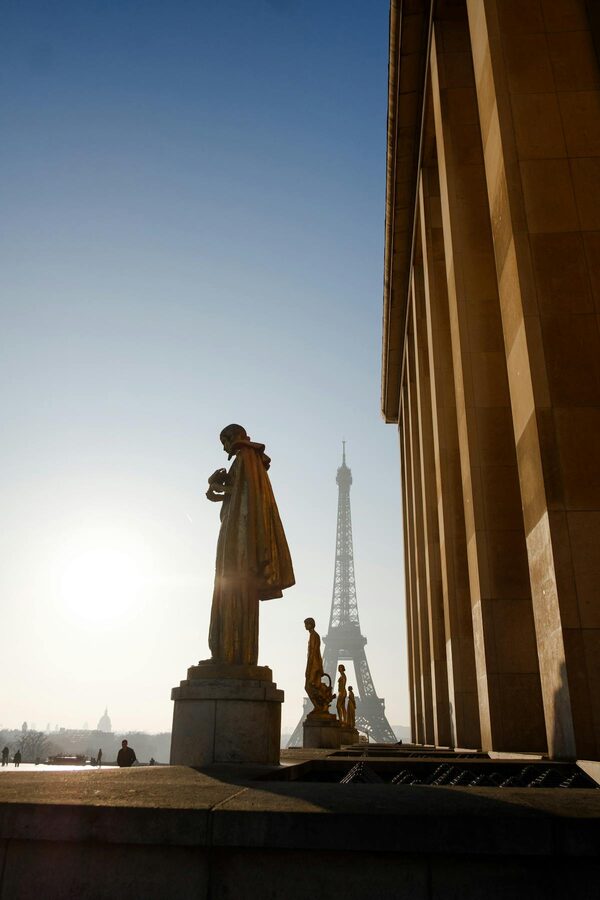
Today it’s the most photographed structure on earth. And if you’re going to be in one of those photographs, you might as well have a professional behind the camera.
The 4 Best Photoshoot Locations (and When to Go)
Every Paris photographer has their rotation of spots, but these four keep showing up because they work. Your photographer will probably suggest at least two of them, depending on the time of day and how crowded things are.
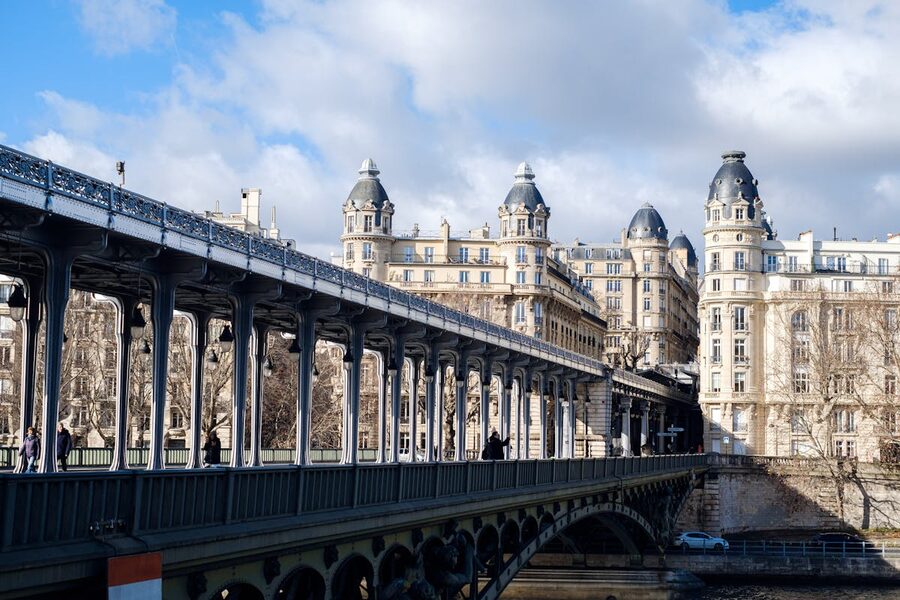
Trocadero (The Classic)
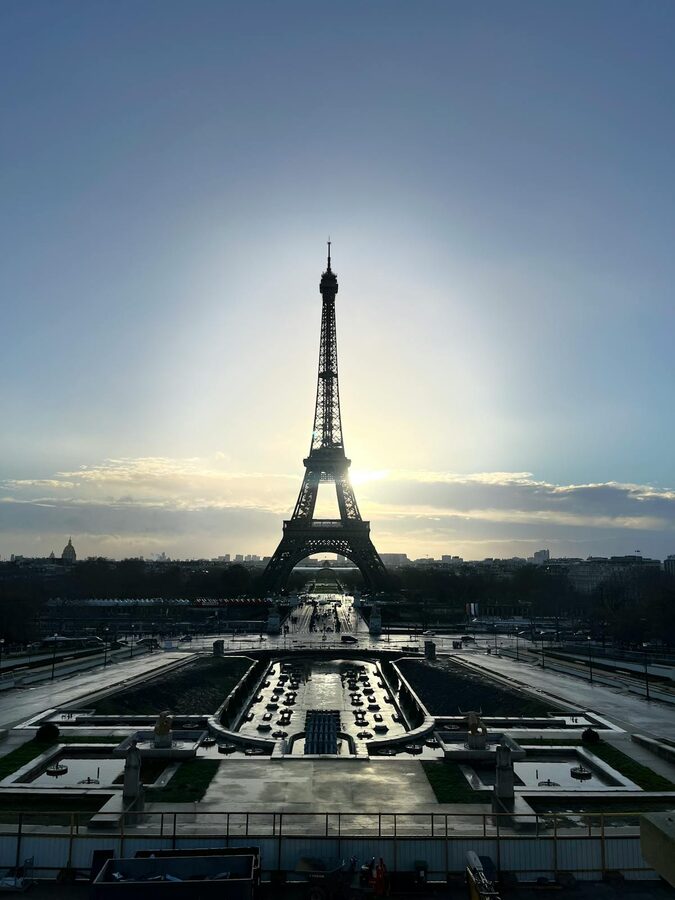
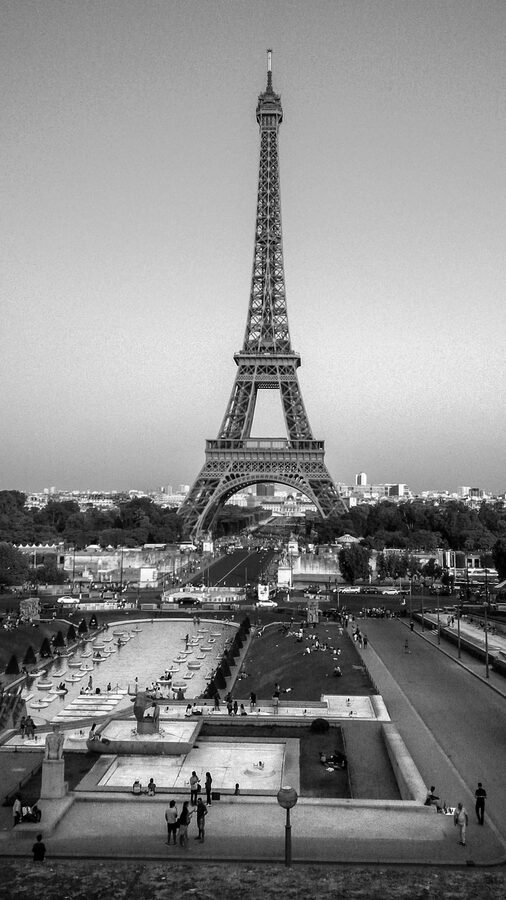
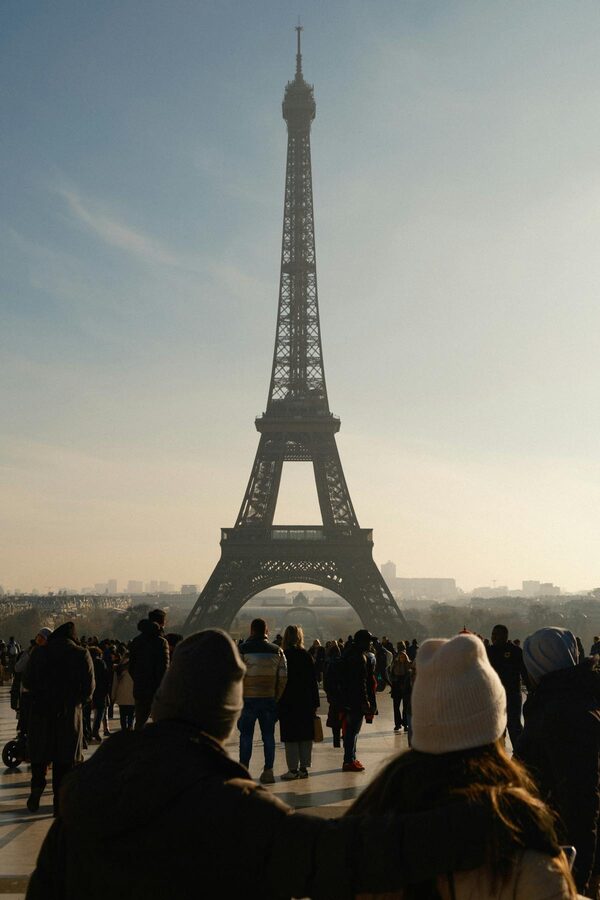
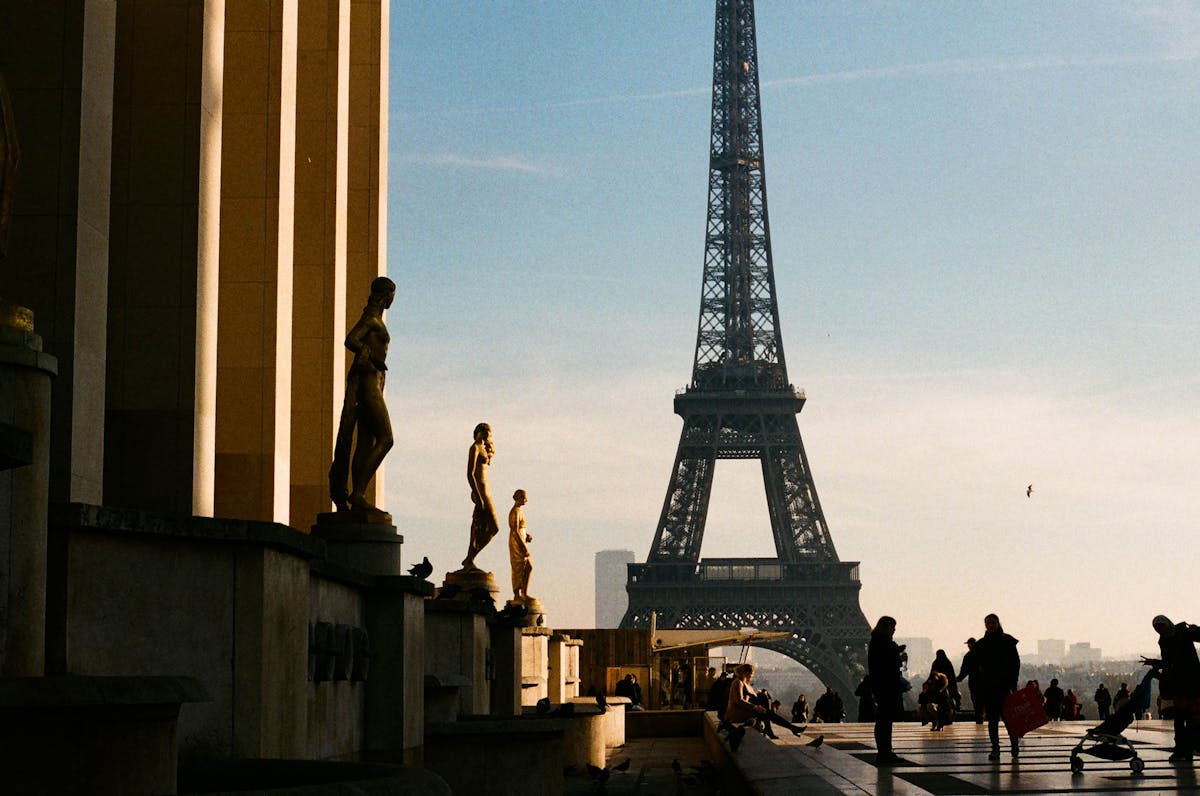
This is the wide-open esplanade across the Seine from the tower, and it’s the default first stop for nearly every photographer in Paris. The reason is simple: you get the entire tower in frame with nothing blocking it. The downside is equally simple — so does everyone else. By 9am in summer, you’re competing with tour groups, hawkers selling miniature towers, and roughly 400 other people trying to get the same shot.
The fix is to go early. Really early. A 6:30am summer start or 7:30am winter start gives you Trocadero almost to yourselves. The light is better, the esplanade is empty, and your photographer can actually position you without dodging other people’s selfie sticks.
Rue de l’Universite (The Intimate One)
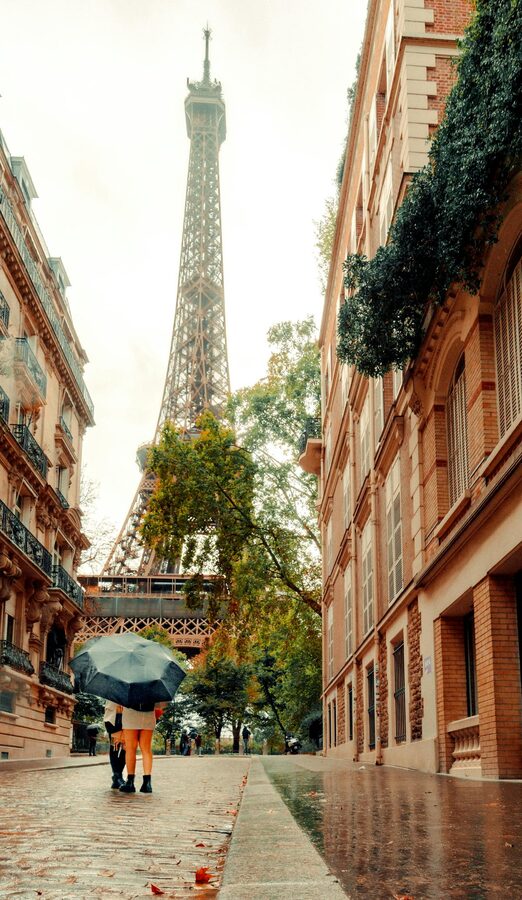
This quiet street in the 7th arrondissement frames the tower between Haussmann-era buildings, creating that narrow-perspective shot you’ve seen all over social media. It works because the buildings on either side create natural leading lines straight to the tower. Your photographer will position you at the centre of the street (yes, it’s open to cars, so be quick) and shoot upward.
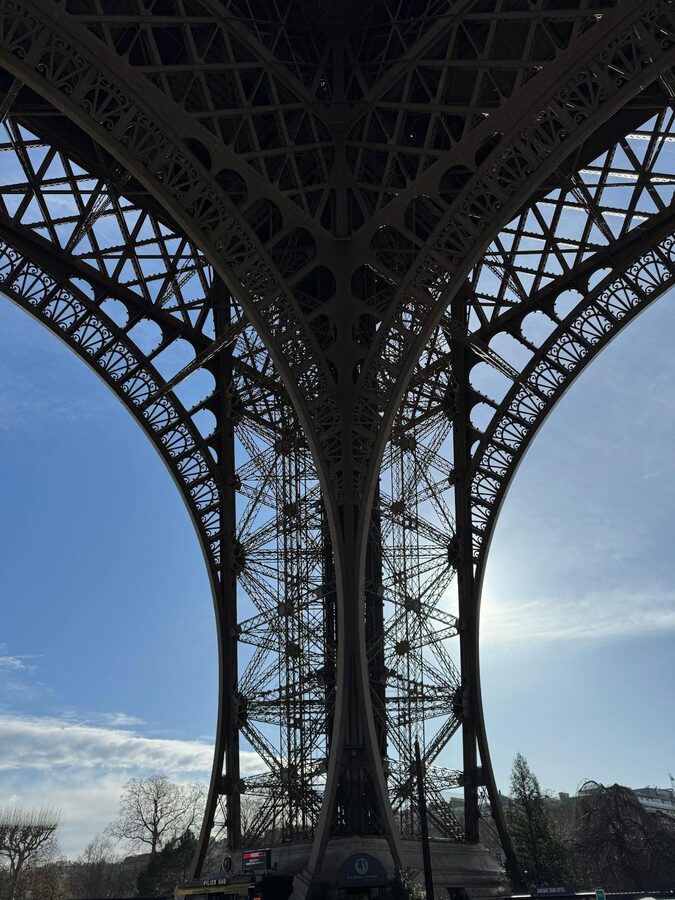
Pont de Bir-Hakeim (The Cinematic One)
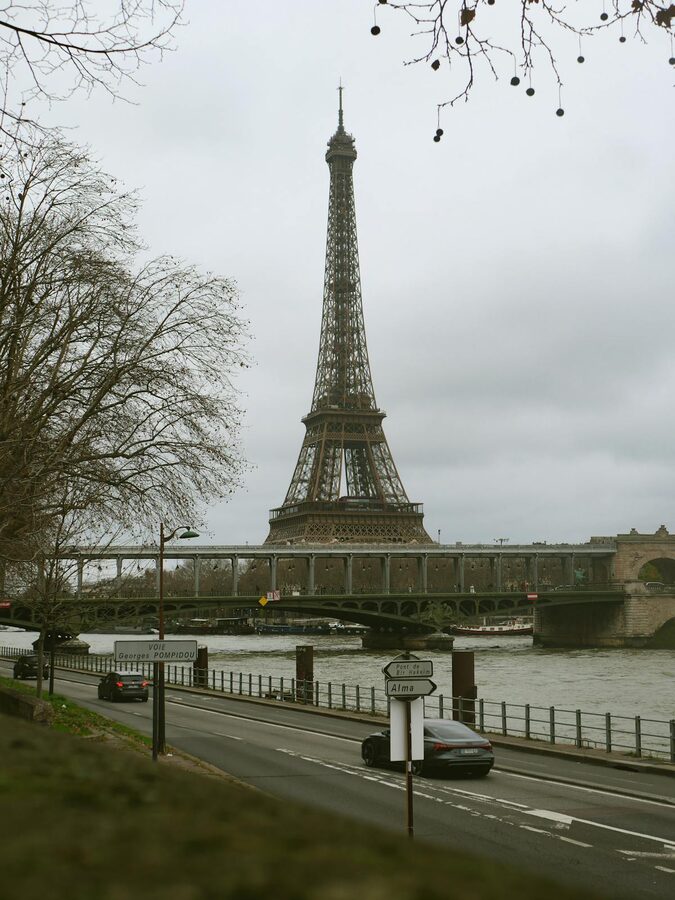
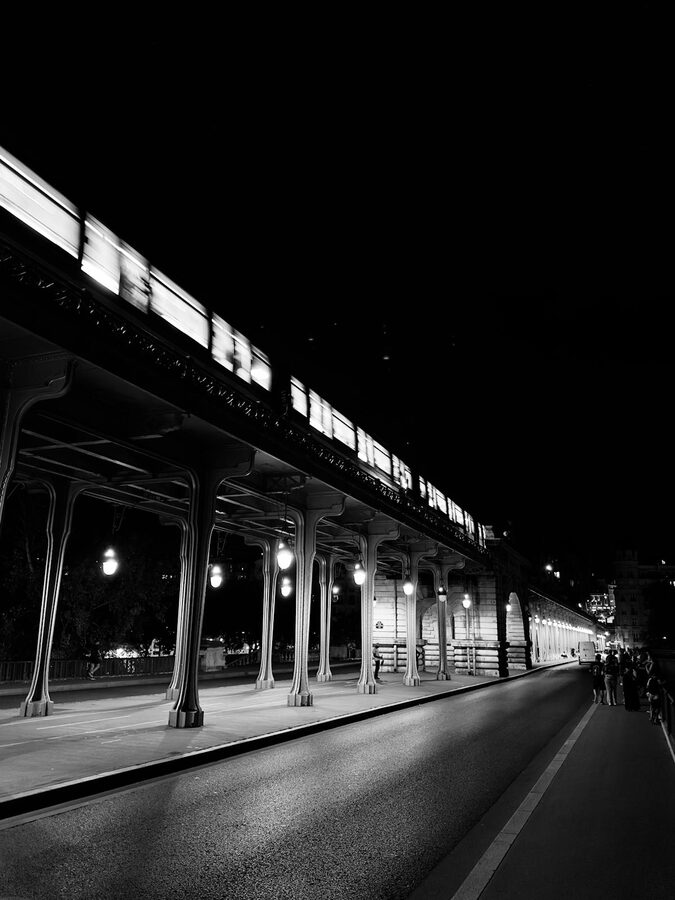
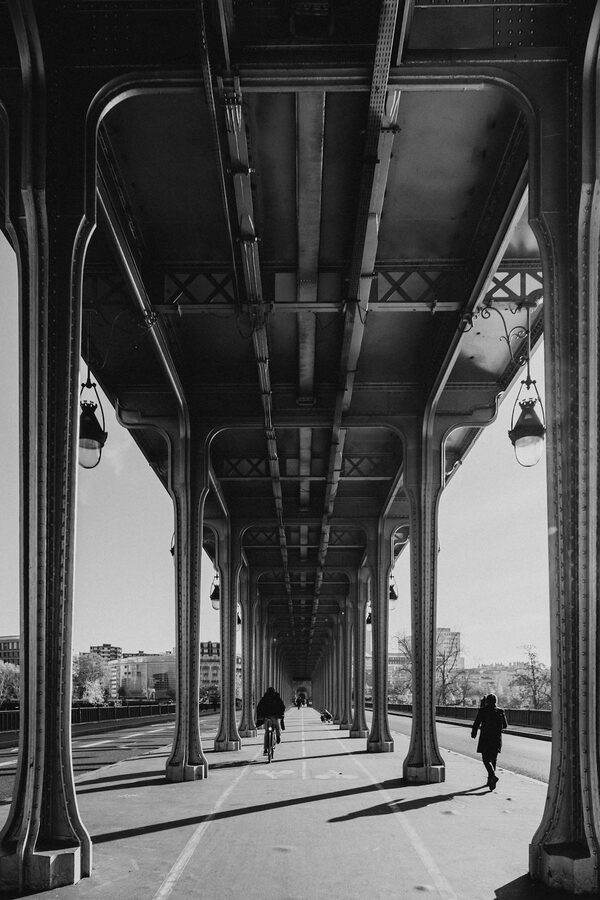
The bridge with the repeating steel columns and the tower behind — you’ve seen it in Inception and about a thousand engagement announcements on Instagram. The columns create a depth-of-field playground for photographers, and the higher vantage point gives you the tower at a different angle than Trocadero.
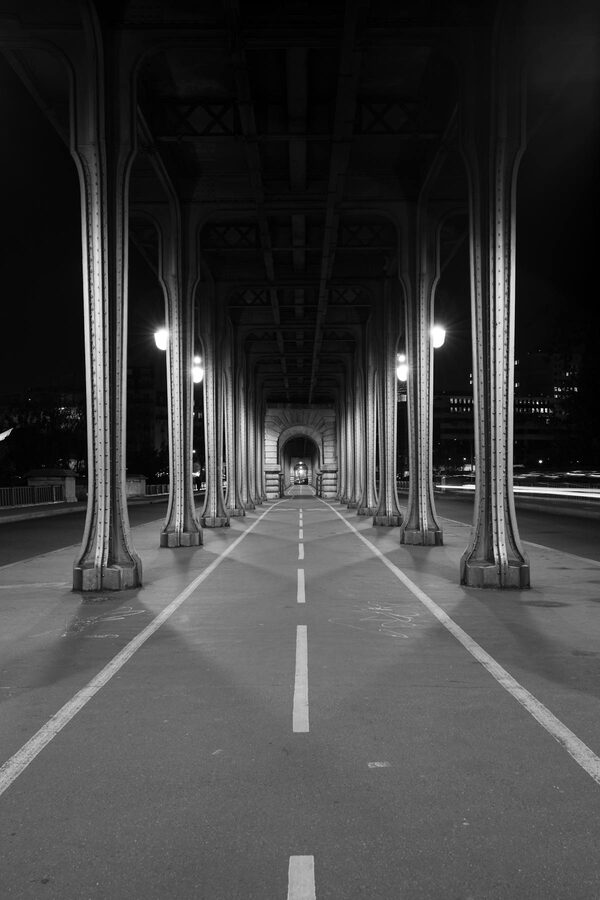
It’s also less crowded than Trocadero at any time of day, which makes it a solid backup if your morning start gets rained out and you need to shift to midday.
Champ de Mars (The Relaxed One)
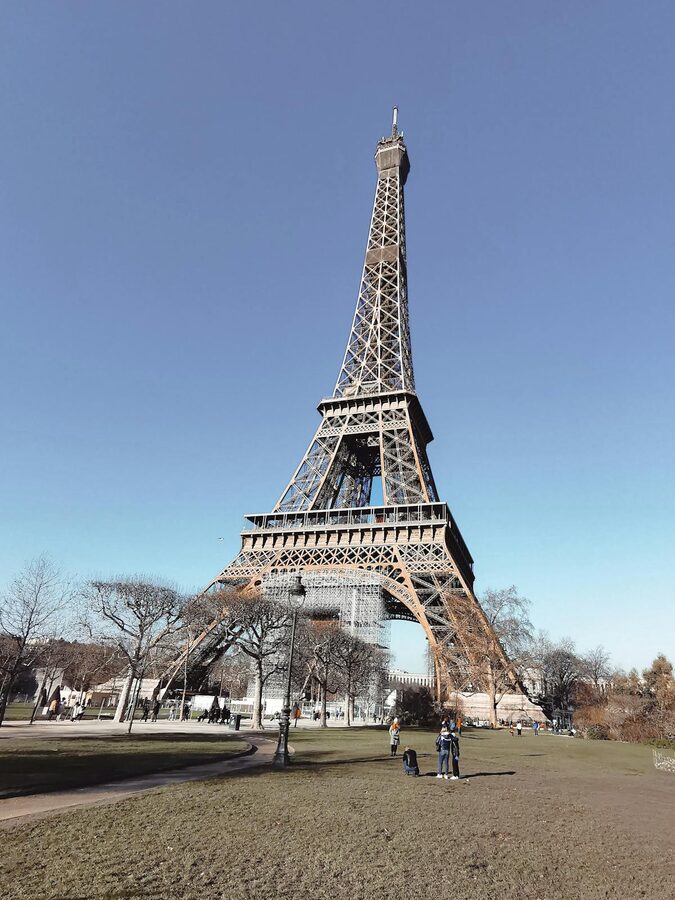
The park stretching south from the tower base. Less dramatic than the other three, but great for relaxed, candid-style shooting. Families do well here because kids can run around on the grass without anyone worrying about traffic or ledges. The tower looms behind you, and the vibe is more “picnic in a park” than “fashion editorial.”
Golden Hour, Blue Hour, and the Copyright Problem
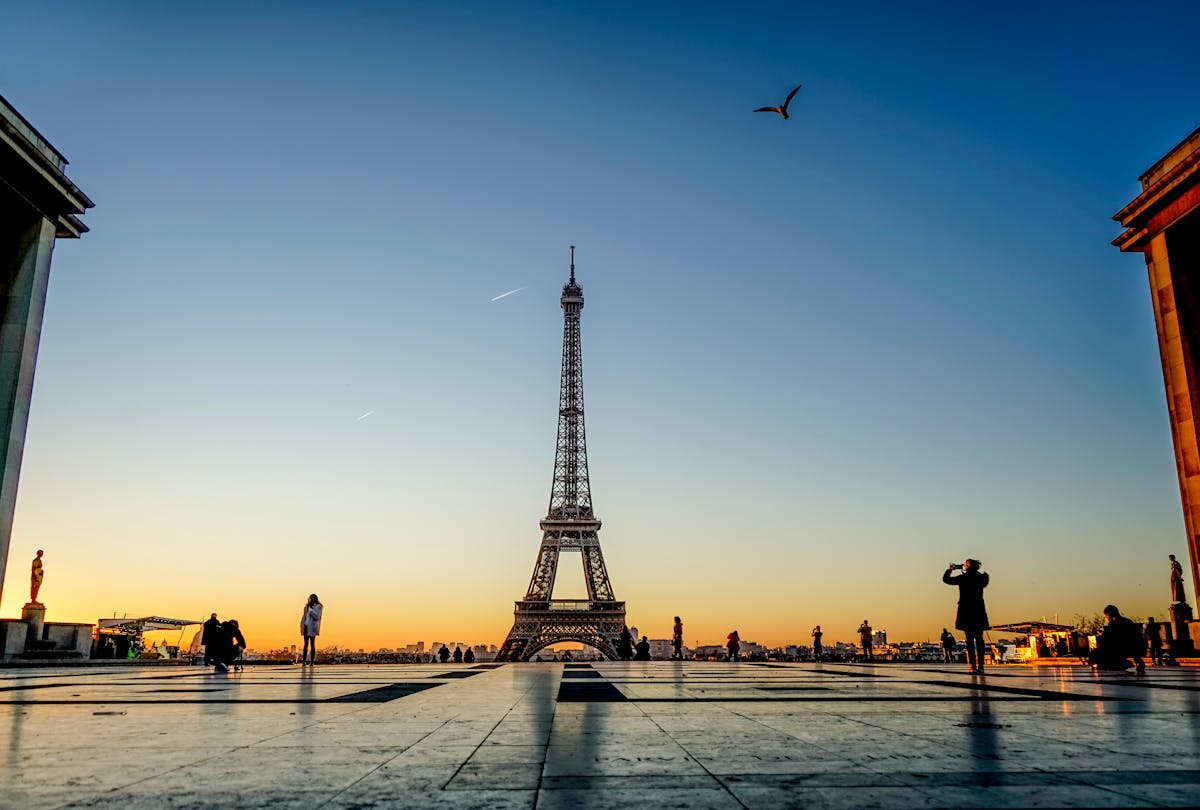
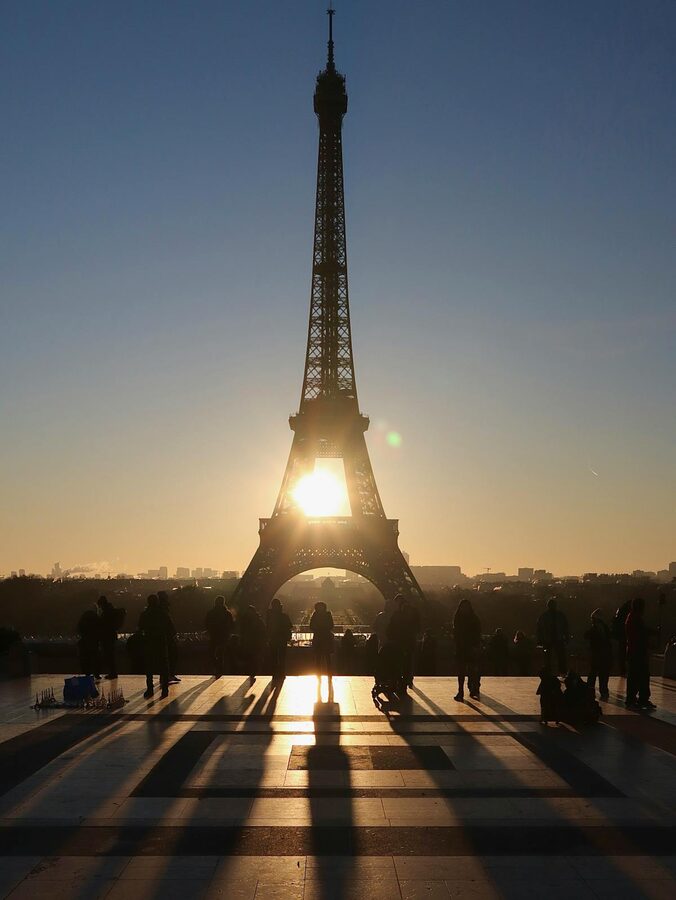
Photographers talk about “golden hour” constantly, and for the Eiffel Tower it’s genuinely transformative. The tower is built of iron, and for most of the day it looks… grey. Iron-grey. Functional. But during the 30 minutes after sunrise and 30 minutes before sunset, that same iron catches warm light and shifts to a bronze-gold colour that photographs completely differently.
Blue hour — that 20-minute window after sunset when the sky turns deep blue and the city lights come on — is another favourite. And then there’s the tower’s own light display, which kicks in after dark with 20,000 bulbs and a sparkling sequence every hour on the hour.
Here’s something most travelers don’t know: the Eiffel Tower’s nighttime light display is copyrighted. The tower itself is in the public domain (built in 1889), but the lighting installation was added later and is considered a separate artistic work under French law. Taking photos of the lit tower for personal use is tolerated and nobody’s going to stop you, but commercial photographers technically need permission from the Societe d’Exploitation de la Tour Eiffel. This is rarely enforced for personal photoshoots, but professional photographers are aware of it and may avoid using night shots commercially.
How Proposal Photoshoots Actually Work
Paris has turned proposal photography into a genuine industry. It’s not just “take a photo of me on one knee” — it’s a full covert operation. Here’s the typical setup:
You coordinate with the photographer beforehand — usually by email or WhatsApp — and agree on an exact time and location. On the day, the photographer positions themselves nearby, pretending to be a random tourist. You walk your partner to the agreed spot. The photographer starts shooting from a distance when they see you arrive. You propose. The photographer keeps shooting the reaction, the tears, the hug, the whole thing. Then they reveal themselves, and you shift into a planned couple session while you’re both still buzzing.
The best proposal photographers have done hundreds of these and know exactly how to blend in, how to position themselves for the light, and how to manage the awkward transition from “secret photographer” to “hey, I was actually hired by your partner.”
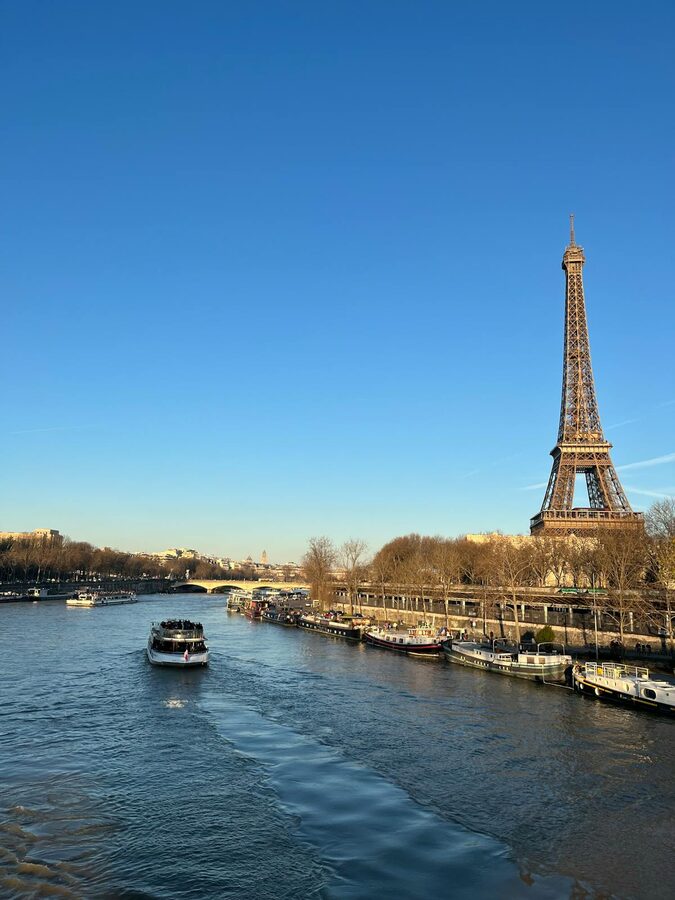
If you’re planning this, book at least two weeks in advance. The popular photographers fill up fast, especially between April and October. And if you’re proposing at Trocadero, do it early morning — nothing kills the moment like a street vendor trying to sell you a keychain mid-knee.
The 3 Best Eiffel Tower Photoshoot Tours to Book
I’ve gone through the options and narrowed it down to three that cover different needs and budgets. Each uses professional photographers who know the area, and they all include edited digital photos delivered after the session.
1. Private Photoshoot at the Eiffel Tower
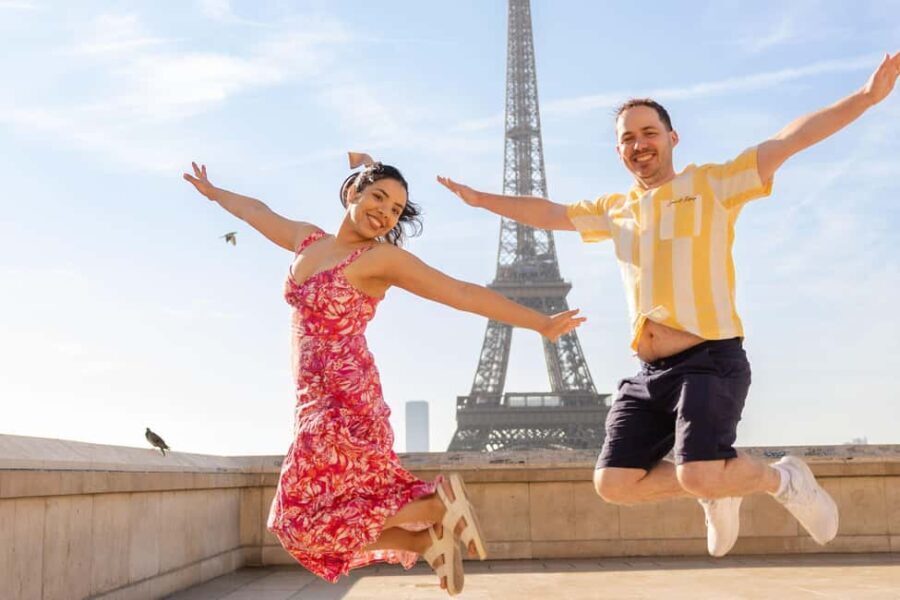
Price: From $41 per group (up to 8 people) | Duration: ~30 min
This is the best value option if you’re travelling with family or a larger group. At $41 for up to 8 people, you’re splitting the cost to the point where it’s less than a taxi ride. The photographer takes you around the best angles near the tower and delivers edited photos within a few days. The session is short — about 30 minutes — so it’s more of a quick-hit than an extended shoot. But for families who just want solid photos without spending half the day on it, this does the job.
Where this falls slightly short: you won’t get the multi-location experience that more expensive options offer. If Trocadero is packed, you’re stuck working around the crowds rather than relocating to Bir-Hakeim or Rue de l’Universite. For the price, though, it’s hard to complain.
2. Eiffel Tower Photo Shoot (Couples)
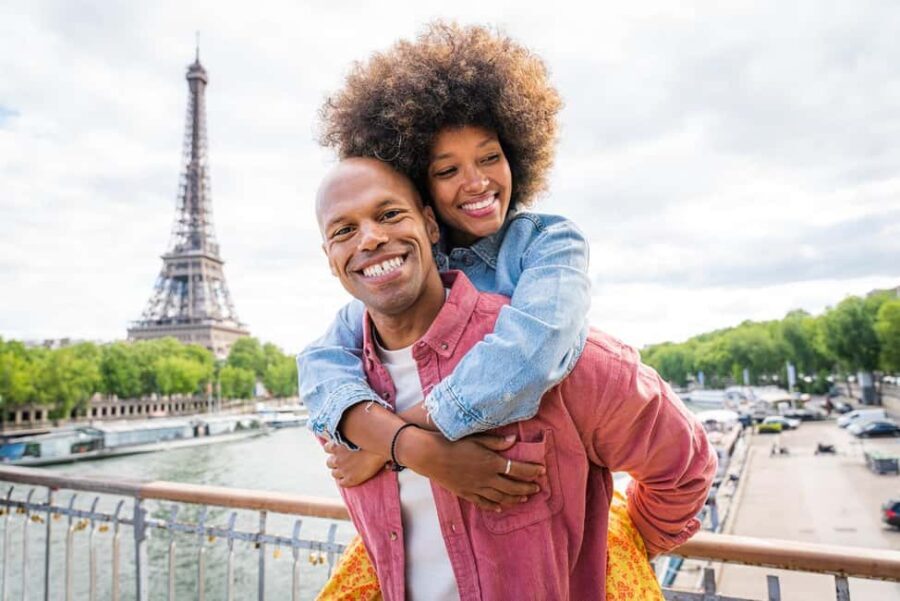
Price: From $38 per group (up to 2 people) | Duration: ~30 min
Designed specifically for couples, this is what most people searching for “Eiffel Tower photoshoot” actually want. The photographer focuses on romantic angles, poses, and lighting that work for two people rather than trying to wrangle a group. At $38 it’s absurdly affordable for what you get — professional photos at one of the world’s most photographed landmarks.
This is also the one to book if you’re planning a proposal, though you’ll want to contact the photographer directly to arrange the “secret” setup. Most of them have done dozens of proposals and know the drill. Don’t try to wing the logistics on the day — coordinate in advance.
One thing to note: the session is capped at 2 people. If a third person joins (even a child), you’ll need to look at the group option instead.
3. Premium Photoshoot with Iconic Eiffel Tower Views
Price: From $44 per group (up to 6 people) | Duration: ~45-60 min
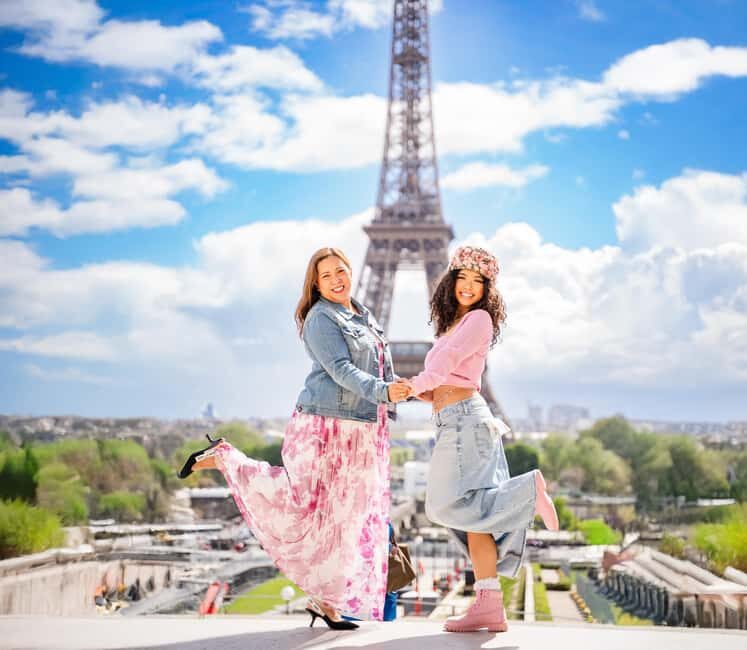
This is the one to book if you want the full experience. The premium package includes multiple shooting locations around the tower — typically Trocadero, Bir-Hakeim, and at least one side street — with 55+ professionally edited photos delivered digitally. The session runs longer than the budget options, which means the photographer has time to be creative rather than rushing through poses.
At $44 for up to 6 people, this sits in a strange sweet spot where it’s barely more expensive than the basic couple shoot but includes significantly more. You get more locations, more photos, and more time. The only downside is availability — this one books out faster than the cheaper options, especially during the April-to-October peak season. Book at least a week ahead.
What to Wear (Practical, Not Fashion Advice)
Your photographer will probably send you a brief with suggestions, but here’s what actually matters:
Solid colours photograph better than patterns. The Eiffel Tower is already a complex visual, and a busy floral shirt competes with it rather than complementing it. Neutrals, pastels, or bold single colours all work well. Red and yellow particularly pop against the grey-blue palette of the tower and Parisian architecture.
Avoid logos and large text on clothing — they date photos instantly and can create problems with the images’ commercial usability.
If you’re doing a couples shoot, coordinate but don’t match. Two people in identical white shirts looks like a catalogue shoot. Two people in complementary colours (say, navy and dusty rose) looks intentional without being obvious.
Shoes matter more than you think. Every photoshoot involves walking — cobblestones at Trocadero, gravel on Champ de Mars, potentially wet bridge surfaces at Bir-Hakeim. Heels look great in photos but will slow the session down and limit where you can go. Some couples bring a pair of heels for posed shots and wear comfortable shoes between locations.
When to Book and How Far in Advance
Peak season runs April through October, with July and August being the absolute busiest. If you’re travelling during these months, book your photoshoot at least 2-3 weeks in advance. During shoulder season (March, November) you can often book a week ahead. In winter, even a few days is usually fine.
Weather cancellations are handled differently by different photographers. Most offer free rescheduling if rain makes the shoot impossible. Some will shoot in light rain — umbrellas actually look great in Paris photos, and overcast skies create even, flattering light without harsh shadows. Ask about the cancellation policy before you book.
The best time of day depends on your priorities. Sunrise gives you empty locations and golden light but means a 5-6am start in summer. Sunset is warmer and more romantic but comes with bigger crowds. Midday is honestly fine if it’s overcast — the diffused light is actually flattering, and many photographers prefer it for portraits.
Combine It With Other Paris Experiences
If you’re already at the Eiffel Tower, you’re in the right neighbourhood for several other things worth doing. A morning photoshoot pairs well with an afternoon visit to the tower itself — the second-floor and summit views put the city you’ve just been photographed in into perspective. If you’ve done a sunset session, a Seine dinner cruise right after is a natural continuation — the boats depart from the base of the tower and you’ll see your photoshoot locations from the water.
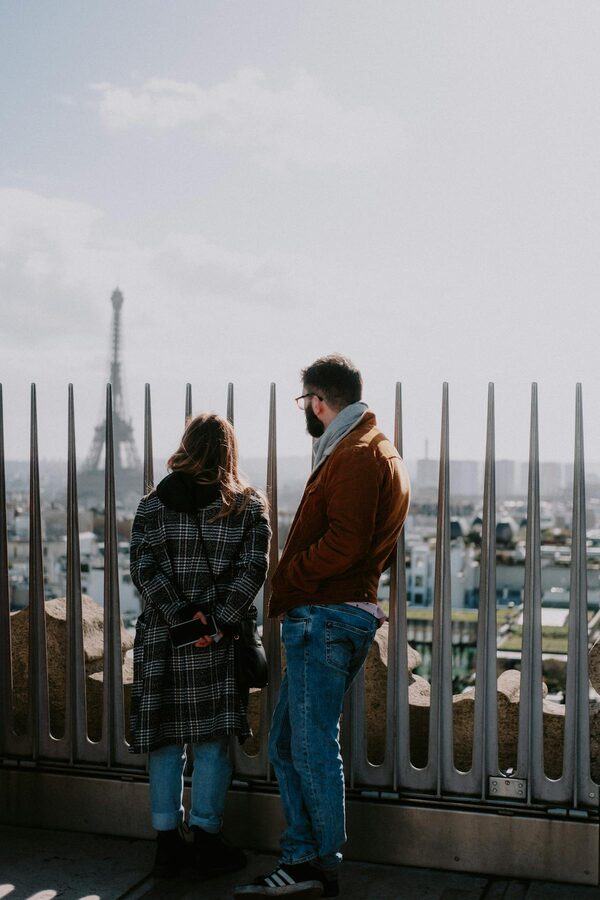
For a different angle on the city, the Arc de Triomphe rooftop gives you a view straight down the Champs-Elysees with the tower in the distance. And a Paris walking tour will fill in the historical context that makes you appreciate why this particular chunk of iron became the most recognised structure on the planet.
Practical Tips That Actually Matter
Bring a portable phone charger. You’ll want your phone for behind-the-scenes shots, selfies between posed shots, and navigating between locations. Morning cold drains batteries fast.
Arrive 10 minutes early. Photographers are working on tight schedules, often with back-to-back bookings. If you’re late, you lose that time — they won’t extend into the next client’s slot.
Don’t eat a heavy breakfast before a sunrise session. Sounds random, but looking natural in photos when you’re feeling sluggish and bloated is harder than you think. Light snack, coffee, shoot first, big brunch after.
Bring a bag you don’t mind hiding. Backpacks and shopping bags appear in photos and there’s nowhere to leave them at Trocadero. A small crossbody that your photographer can angle out of frame, or having one person hold everything while the other poses, works better.
Communicate your priorities. If there’s one specific shot you want — the Bir-Hakeim columns, a candid laugh, a twirl with a dress — tell the photographer before the session starts. They can’t read minds, and it’s better to nail your priority shot in the first 10 minutes than to run out of time because you were too polite to mention it.
This article contains affiliate links. If you book through our links, we may earn a small commission at no extra cost to you. This helps us keep producing in-depth travel guides.