
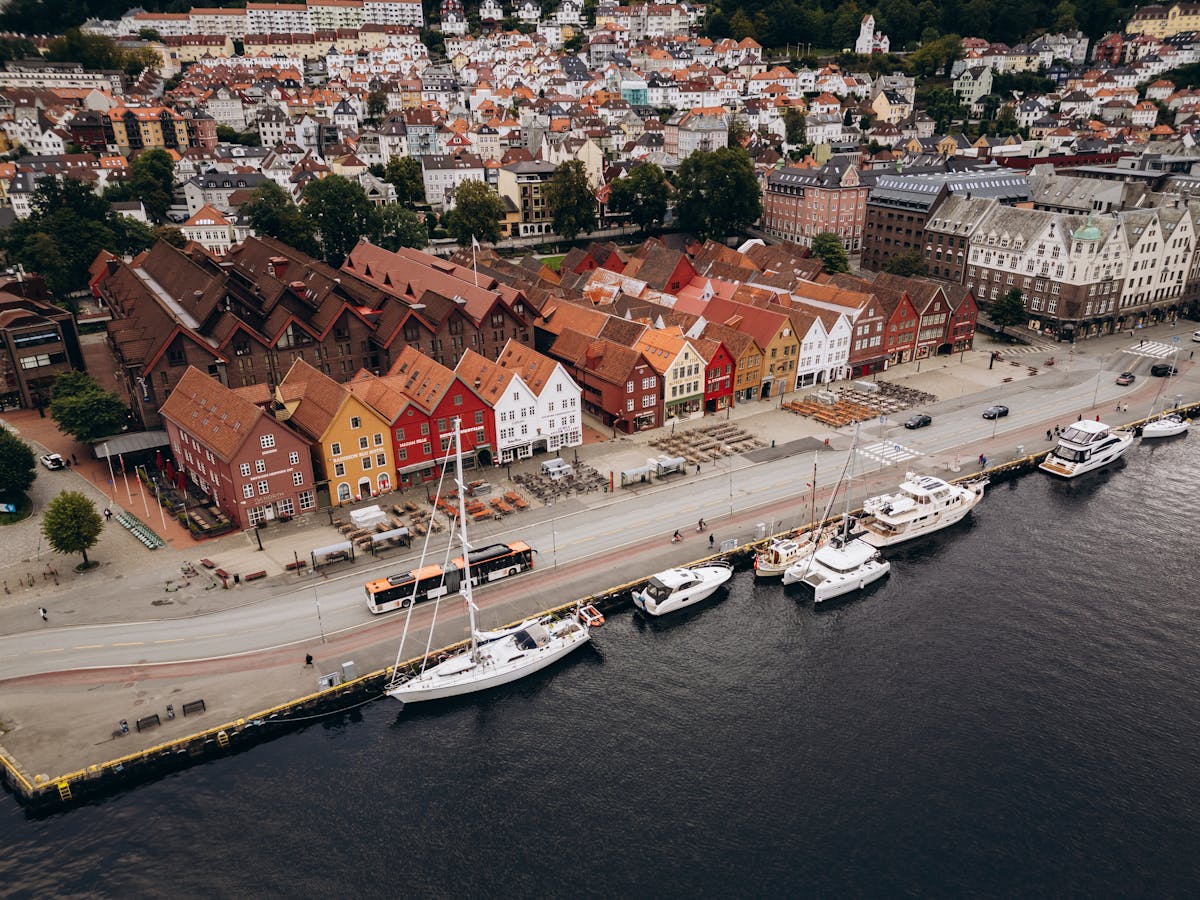
Bergen bills itself as the Gateway to the Fjords, and the Mostraumen fjord cruise is the quickest way to understand why. In just three and a half hours, you sail from Bergen’s colourful Bryggen wharf into one of western Norway’s most dramatic narrow waterways — a channel where sheer cliffs rise on both sides, waterfalls cascade directly into the sea, and the boat squeezes through passages so tight that the crew could reach out and touch the rock.
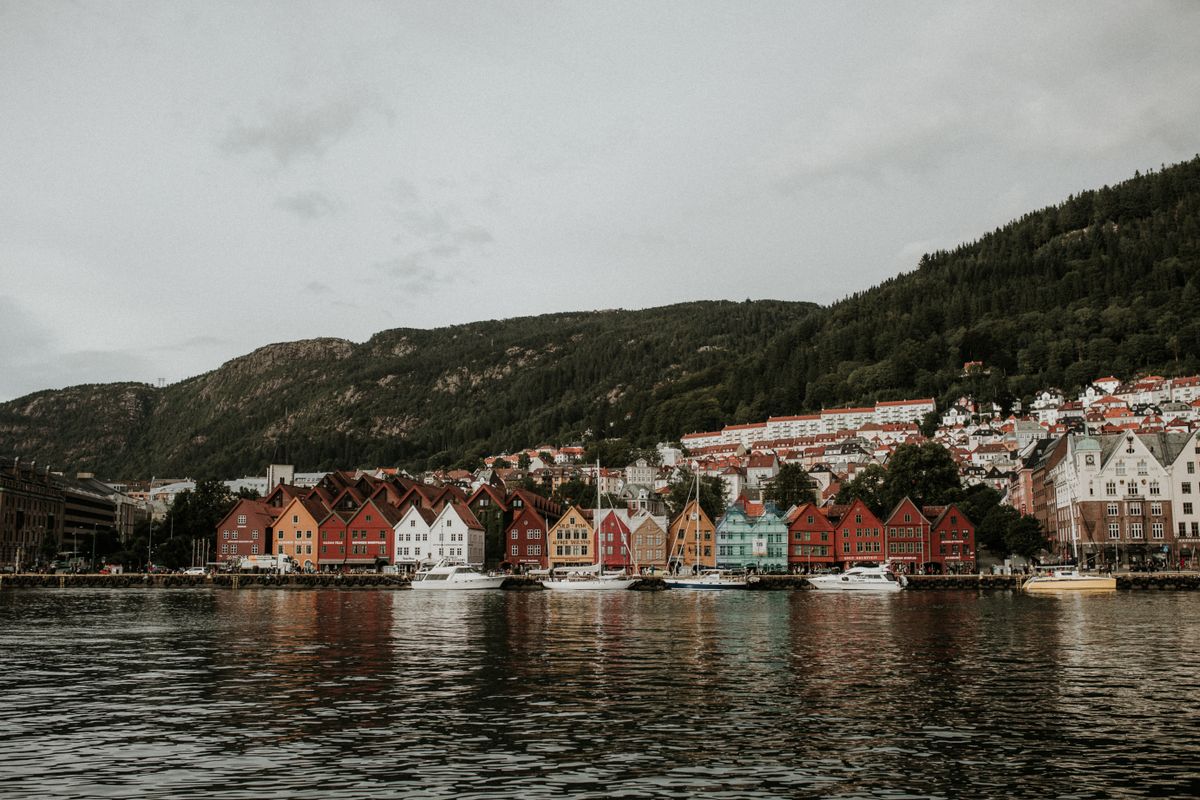
The Mostraumen is not the same as the famous Naeroyfjord or Sognefjord that you’d reach on the full-day Flam Railway tours. It’s Bergen’s local fjord — close enough for a half-day trip, dramatic enough to rival anything on the western coast. The cruise passes through the Osterfjord, navigates island-dotted channels, and enters the Mostraumen strait where the tidal current creates standing waves and the cliffs narrow to a passage barely wider than the boat. The captain performs a 180-degree turn in the strait and returns via a different route — so you see different scenery in each direction.

I’ve compared the best Mostraumen fjord cruises from Bergen, plus walking tours that pair perfectly with an afternoon on the water. Here are the top picks, along with the Hanseatic history that made Bergen one of medieval Europe’s most important trading cities, and the wild geology that carved these fjords into the Norwegian coast.
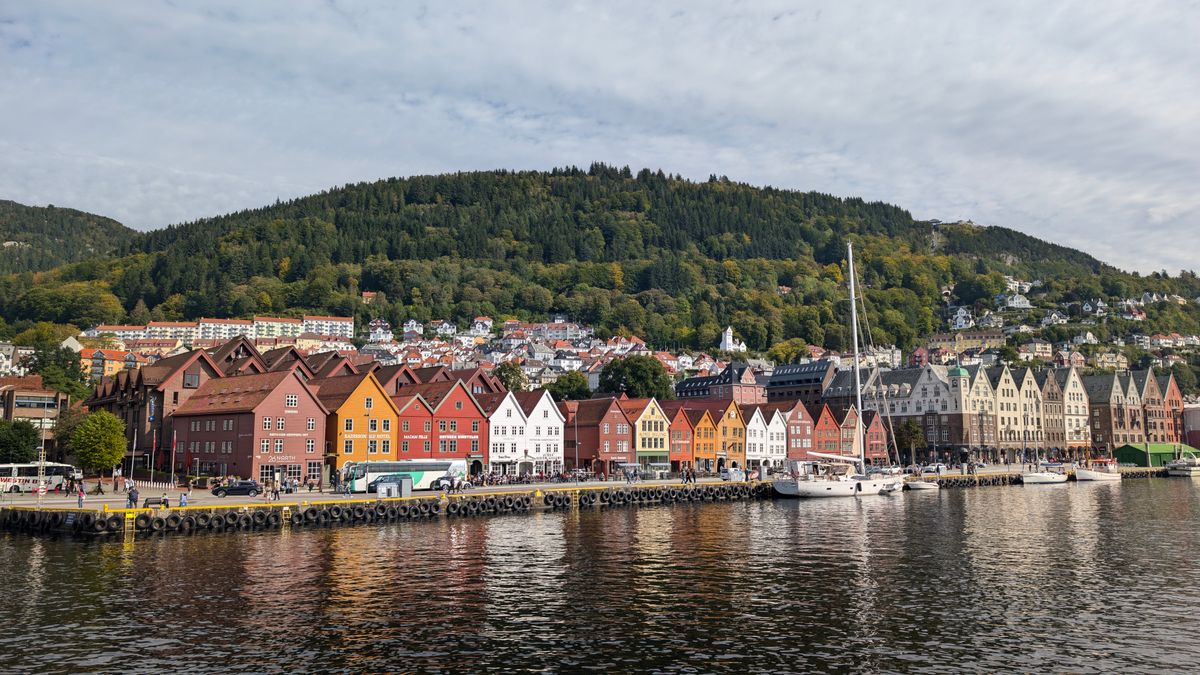
Short on time? Here’s what to book:
Most popular: The Original Fjord Cruise to Mostraumen — €93. The flagship Bergen fjord cruise. 3.5 hours through the Osterfjord to the dramatic Mostraumen strait. Audio guide in multiple languages.
Best local operator: Mostraumen Fjord Cruise — The Local Operator — €78. Same route, slightly lower price, operated by a Bergen-based company. Identical scenery with a local touch.
Best guided: Mostraumen Fjord Cruise with Local Guide — €88. Live English-speaking guide instead of audio. Personal commentary, Q&A, and stories the recordings miss.
- What to Know Before Booking
- It’s a half-day cruise — perfect for a morning or afternoon
- All three cruises go to the same place
- Bergen weather is… Bergen weather
- The Best Bergen Fjord Cruises
- 1. The Original Fjord Cruise to Mostraumen — €93
- 2. Mostraumen Fjord Cruise — The Local Operator — €78
- 3. Mostraumen Fjord Cruise with Local Guide — €88
- 4. Bergen: Past & Present Small Group Walking Tour — €26
- 5. Bergen City Tour on Foot — €30
- Bergen and the Hanseatic League: A Medieval Superpower’s Norwegian Outpost
- Wildlife on the fjord
- When to Go
- Frequently Asked Questions
- How does the Mostraumen cruise compare to the Flam Railway?
- Can I get seasick on the cruise?
- Is the cruise suitable for children?
- Which is better — audio guide or live guide?
- Should I book the walking tour as well?
What to Know Before Booking
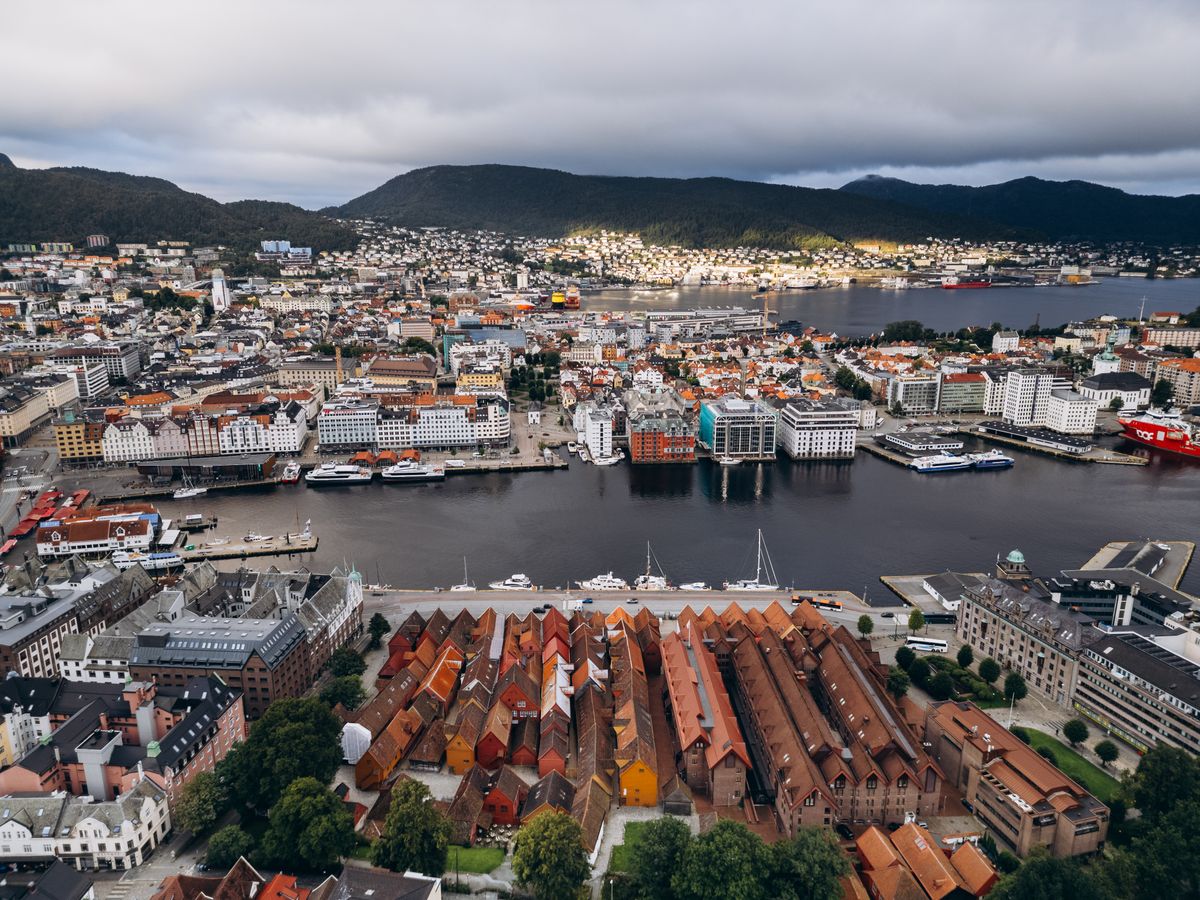
It’s a half-day cruise — perfect for a morning or afternoon
At 3.5 hours, the Mostraumen cruise fits neatly into a half-day. Morning departures (usually around 10 AM) get you back for a late lunch in Bergen. Afternoon departures let you explore Bryggen and the Fish Market first, then cruise. It pairs perfectly with a walking tour on the opposite half of the day.
All three cruises go to the same place
The Mostraumen strait is the destination for all Bergen fjord cruises. The route, the scenery, and the dramatic narrow-channel turnaround are identical regardless of operator. The differences are price, commentary format (audio vs live guide), and boat style. Choose based on your preference for guided vs self-guided and your budget.
Bergen weather is… Bergen weather
Bergen averages 240 rainy days per year. The locals have a saying: “There’s no bad weather, only bad clothing.” Rain on the fjord is actually atmospheric — mist clinging to the clifftops, waterfalls at full power, and a moody quality that sunny photos don’t capture. The boats have indoor seating with large windows, so you can enjoy the views regardless of weather. Bring a waterproof jacket for the deck.

The Best Bergen Fjord Cruises
1. The Original Fjord Cruise to Mostraumen — €93
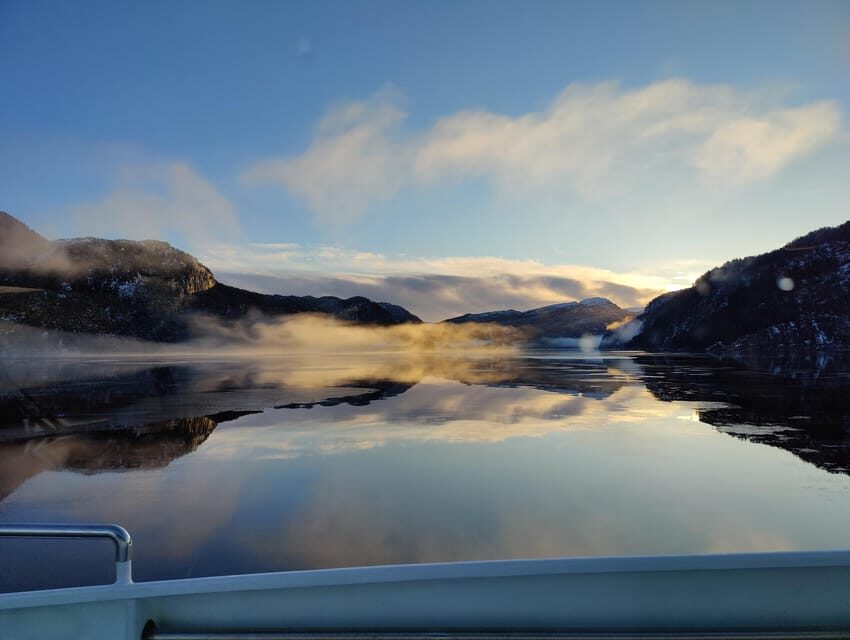
The most reviewed Bergen fjord cruise by a wide margin, and the standard by which all others are measured. The 3.5-hour route takes you from Bergen harbour through the Osterfjord, past small islands and scattered farms, into the Mostraumen strait. The climax is the narrow-channel passage — the boat enters a gap between cliff walls barely wider than the vessel, performs a 180-degree turn while waterfalls cascade on both sides, then exits on the reverse route.
Audio commentary in multiple languages explains the geology, history, and ecology of the fjord system. The boat has indoor seating with panoramic windows and outdoor deck space for photos. A cafe on board serves coffee, snacks, and sandwiches (at Norwegian prices). At €93, it’s not cheap — but for 3.5 hours of world-class fjord scenery without the full-day commitment of the Flam Railway route, it’s well-priced.
Duration: 3.5 hours | Departure: Bergen harbour (near Bryggen)
2. Mostraumen Fjord Cruise — The Local Operator — €78
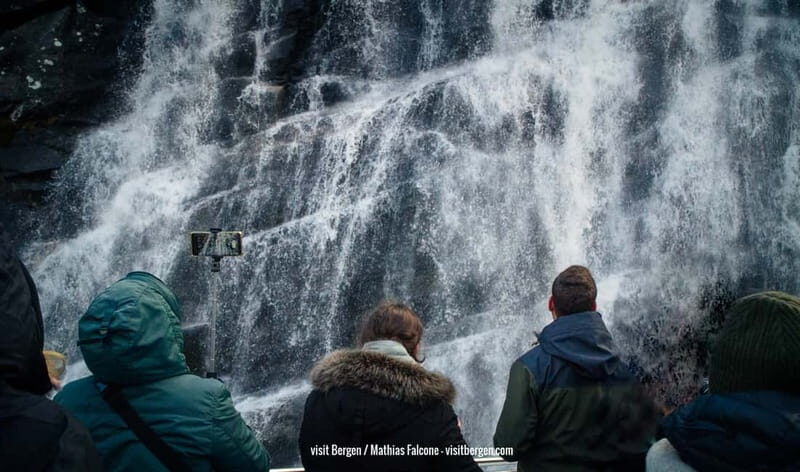
The budget-friendly alternative. This cruise covers the identical Mostraumen route — same departure point, same fjord, same spectacular narrow-strait turnaround — but is operated by a local Bergen company rather than the national operator. The €15 saving over the flagship cruise buys you exactly the same scenery, which is, after all, the main attraction.
The boat may be slightly smaller, which some passengers prefer — fewer people means less jostling for the best deck positions at the Mostraumen passage. Audio commentary is available, and the cafe operates similarly. The only practical difference is the boat itself — check current descriptions for the specific vessel and its amenities.
Duration: 3.5 hours | Departure: Bergen harbour
3. Mostraumen Fjord Cruise with Local Guide — €88
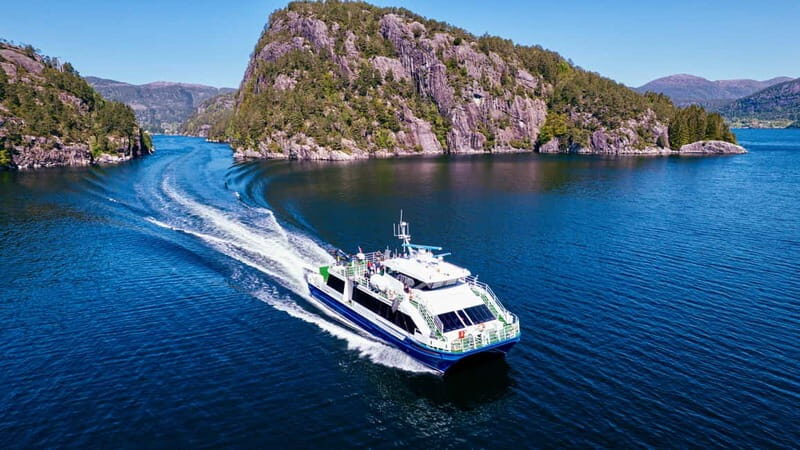
The guided option for travellers who want a human connection rather than an audio recording. A live English-speaking guide provides running commentary throughout the cruise, pointing out wildlife (seals, eagles, seabirds), explaining the geology as you pass through the strait, and sharing personal stories about life in Bergen and on the fjords.
The advantage of a live guide over audio is responsiveness — they adapt to what’s happening in the moment. When a white-tailed eagle circles overhead or a seal surfaces beside the boat, the guide can explain what you’re seeing in real time. They also answer questions, which audio guides obviously cannot. At €88, it sits between the flagship and budget options in price while offering the most personalised experience.
Duration: 3.5 hours | Departure: Bergen harbour
4. Bergen: Past & Present Small Group Walking Tour — €26
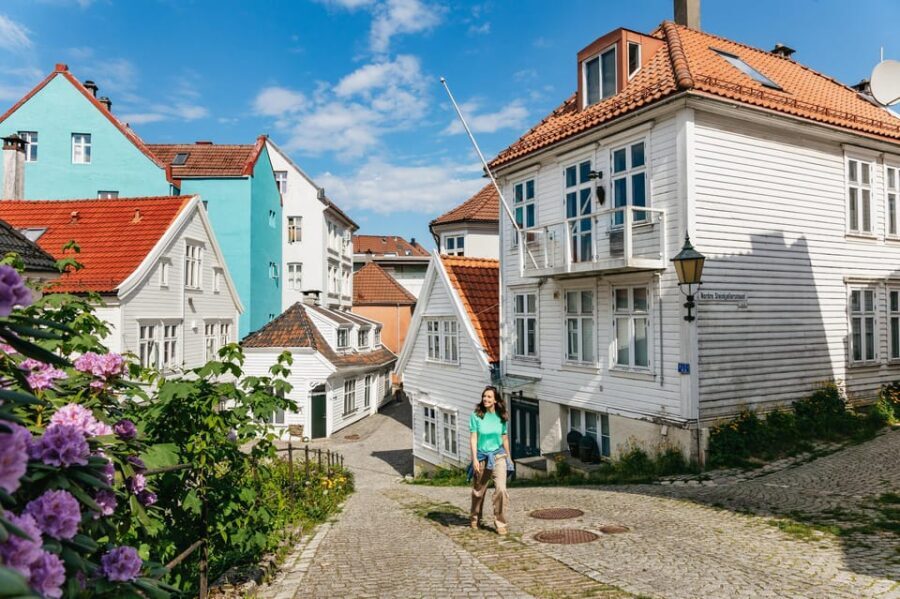
While not a fjord cruise, this walking tour is the ideal complement to an afternoon on the water. In two hours, a local guide walks you through Bryggen’s Hanseatic history, the Fish Market, the medieval fortress, and Bergen’s hidden alleys and courtyards. You’ll understand why Bergen was one of the most important trading cities in northern Europe for over 400 years — and why the fjords were the highways that made it all possible.
The small group format (max 15-20 people) means the guide can tailor the commentary and answer questions. The walking route is flat and easy, covering central Bergen’s compact old quarter. At €26, it’s a fraction of the cruise cost and adds historical context that transforms the fjord scenery from “beautiful” to “meaningful.” Book the morning walk, then the afternoon cruise.
Duration: 2 hours | Meeting point: Central Bergen
5. Bergen City Tour on Foot — €30
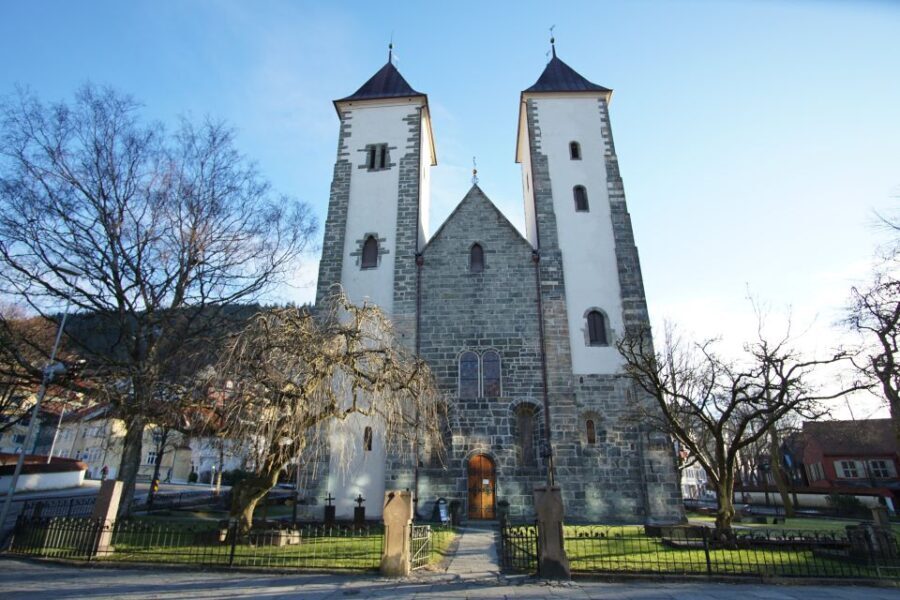
An alternative walking tour with a slightly different route that includes some of Bergen’s newer neighbourhoods alongside the historic core. The guide covers Bryggen, the cathedral, the fish market, and the Floibanen funicular area, plus residential streets where Bergen’s modern creative scene is developing.
At €30, this is marginally more expensive than the Past & Present tour but covers slightly more ground. The guide’s perspective on contemporary Bergen — its music scene, its relationship with rain, its rivalry with Oslo — adds a modern dimension alongside the Hanseatic history. Like the other walking tour, it pairs perfectly with an afternoon fjord cruise.
Duration: 2 hours | Meeting point: Central Bergen

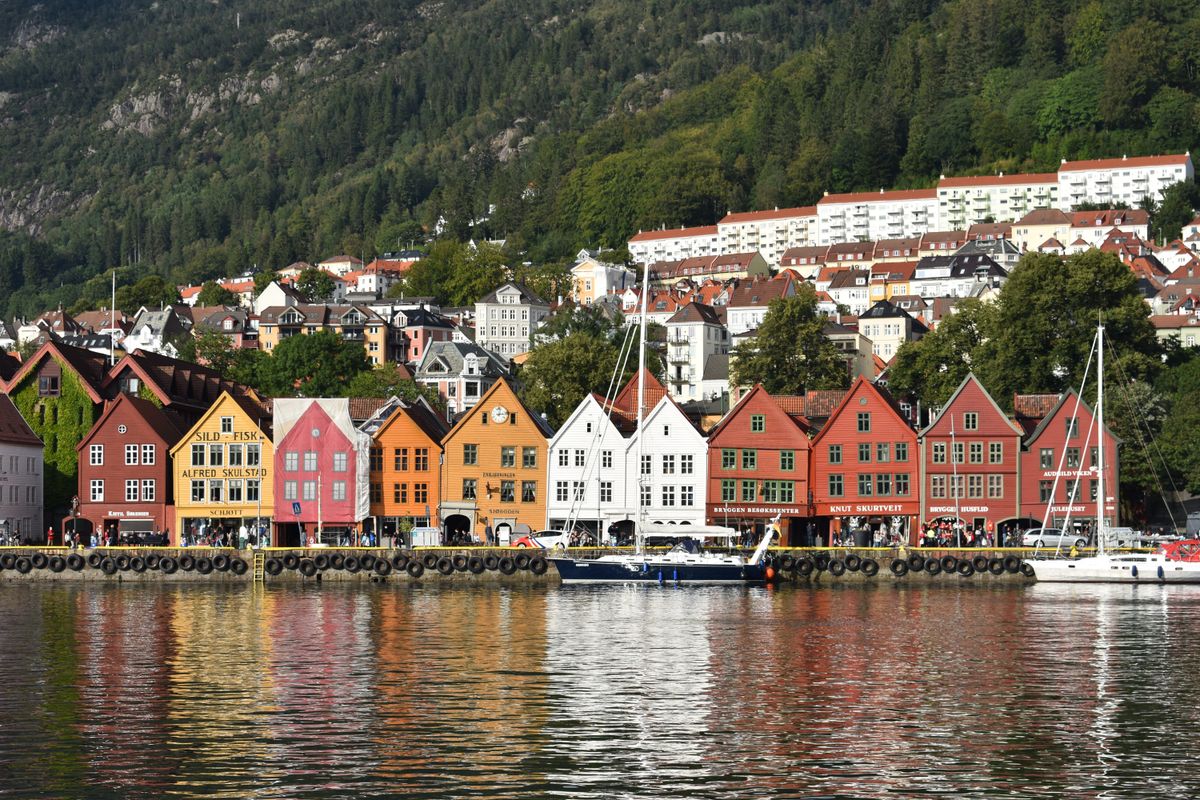
Bergen and the Hanseatic League: A Medieval Superpower’s Norwegian Outpost

Bergen’s relationship with the sea begins with the Vikings, but it was the Hanseatic League that made the city wealthy. From the late 13th century, German merchants from the Hanseatic trading network established a permanent trading post at Bryggen — the waterfront district you’ll see from the cruise departure point. For over 400 years, these merchants dominated Bergen’s most valuable commodity: stockfish.
Stockfish — cod dried on open-air wooden racks in the cold wind of northern Norway — was one of the most important food products in medieval Europe. It could last years without refrigeration, provided concentrated protein for sailors and armies, and was traded across the continent. The Hanseatic merchants at Bryggen acted as middlemen between the Norwegian fishermen who caught and dried the cod and the European markets that consumed it. The profits built the wooden trading houses that still stand at Bryggen today.

The Hanseatic merchants lived in a tightly regulated community at Bryggen. They were forbidden from marrying Norwegian women, required to speak German, and lived according to strict guild rules. The wooden buildings were deliberately kept without chimneys (fire was the great terror of a wooden city) — merchants heated their homes with charcoal in covered braziers, and cooking was confined to a single communal kitchen per block. Despite these precautions, fires destroyed Bryggen repeatedly. The current buildings date from the early 18th century, but archaeological excavations beneath them have revealed layers stretching back to the 12th century.
Walking through Bryggen’s narrow alleyways between the wooden buildings — some leaning at angles that look structurally alarming but have stood for centuries — is a physical connection to this trading history. The fjord cruise that departs from the harbour in front of these buildings follows the same waterway that Hanseatic ships used to carry stockfish to Europe. The connection between the sea, the fjords, the fish, and the trade that built Bergen is one continuous story.


Wildlife on the fjord
The Osterfjord and Mostraumen are home to a surprising amount of wildlife. White-tailed eagles — Europe’s largest raptor, with a wingspan of up to 2.4 metres — nest on the cliff faces and are regularly spotted from the cruise boats. Harbour seals haul out on rocky skerries, particularly visible at low tide. Porpoises and dolphins occasionally appear in the deeper channels, and the bird life includes gannets, cormorants, and the comically plump puffins (more common in summer). Guides on the live-commentary cruises are particularly good at spotting wildlife and alerting passengers. Binoculars are worth bringing if you have them.
When to Go
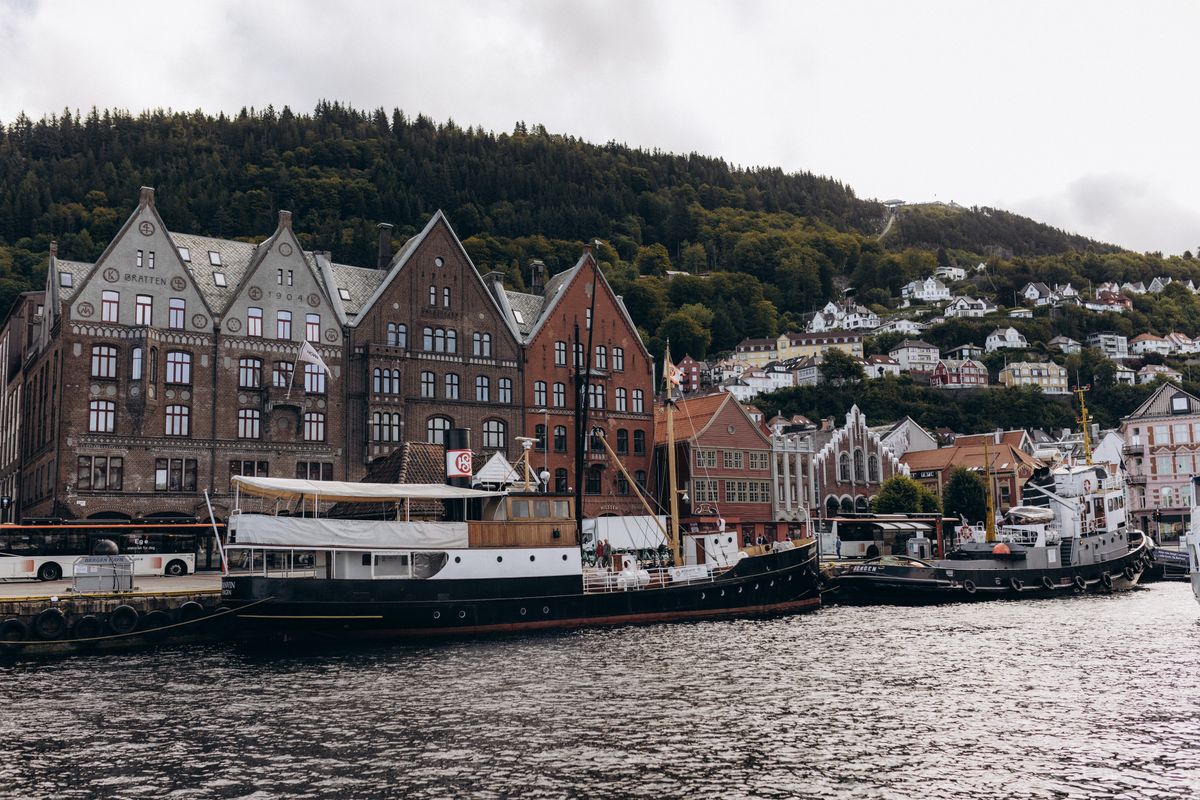
Best months: May through September for the warmest weather and longest days. June and July offer the midnight light — not the midnight sun (Bergen isn’t far enough north), but summer evenings that stay light until 11 PM.
Rain reality: Bergen averages 240 rainy days per year. Don’t wait for sunshine — book the cruise regardless of forecast. Rain on the fjord is atmospheric, the boats are covered, and you’ll have a waterproof jacket (you will, won’t you?). Some of the best photos come from misty, dramatic weather.
Winter: Cruises run year-round. Winter daylight is short (7-8 hours in December), but the fjord in winter — dark water, snow on the mountains, mist rising from the surface — has a stark beauty that summer can’t match.


Frequently Asked Questions
How does the Mostraumen cruise compare to the Flam Railway?
They’re complementary rather than competitive. The Mostraumen cruise is a half-day experience (3.5 hours) focused on one dramatic fjord passage close to Bergen. The Flam Railway is a full-day experience (10-12 hours) that covers the deeper western fjords plus a railway journey. If you have one day, the Mostraumen is more manageable. If you have two, do both — they show different aspects of fjord Norway.
Can I get seasick on the cruise?
Unlikely. The Osterfjord and Mostraumen are sheltered waterways — the water is calm and the boat is stable. The route never enters open sea. Even sensitive stomachs are usually fine.
Is the cruise suitable for children?
Yes, children enjoy the waterfalls, the narrow passage, and the wildlife spotting. The 3.5-hour duration is manageable for most ages. Bring snacks and entertainment for younger children — the scenic sections between highlights can feel long for under-5s.
Which is better — audio guide or live guide?
Audio guides let you listen at your own pace and in your own language. Live guides are more engaging, responsive, and personal. If you value interaction and spontaneous stories (especially about wildlife sightings), choose the live guide. If you want flexibility and multiple language options, the audio guide is better.
Should I book the walking tour as well?
Strongly recommended. The walking tour (€26-30) adds historical context that makes the fjord cruise far more meaningful. Understanding Bergen’s Hanseatic past and its relationship with the sea transforms the cruise from sightseeing into storytelling. Book the walk in the morning, the cruise in the afternoon.
Bergen is the starting point for Norway’s greatest fjord experiences. For the full western fjord adventure, the Flam Railway and Naeroyfjord cruise takes you deeper into the mountain heartland for a full-day journey through UNESCO-listed landscapes. In Oslo, a gentler Oslofjord cruise shows you the capital’s island-dotted harbour with shrimp buffets and electric boats. And for a completely different Norwegian experience, the Northern Lights in Tromso deliver Arctic winter magic on the opposite end of the country.