
The guitarist started playing before I’d even sat down. A single chord, sharp and dry, bouncing off the curved white walls of a Sacromonte cave that was probably someone’s living room a hundred years ago. The space held maybe forty people, and the performer was close enough that I could see the tendons in her forearms flex with every zapateado — that machine-gun footwork that sounds like it might crack the stone floor.
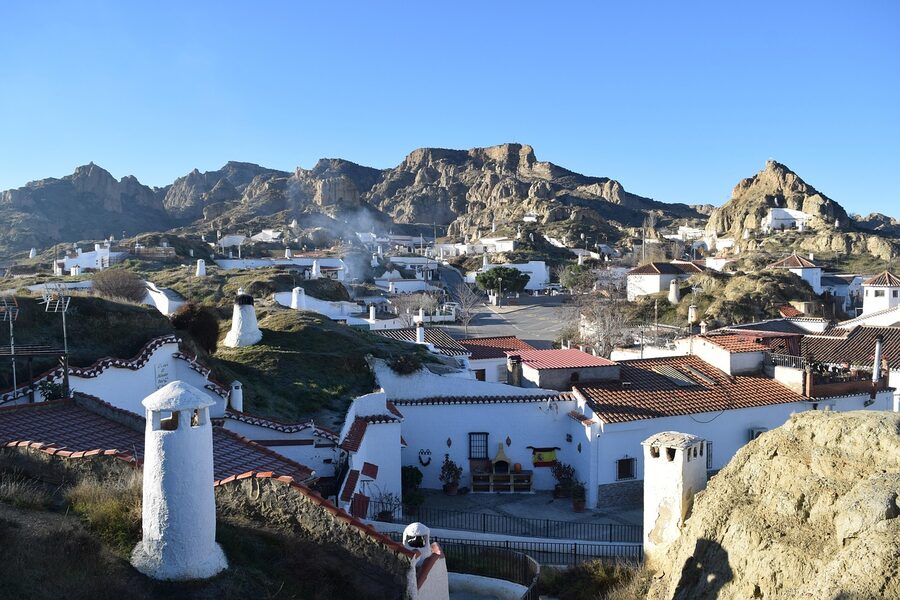
Granada’s flamenco scene is different from anything you’ll find in Seville or Madrid. The shows here happen inside actual caves carved into the Sacromonte hillside, where Romani families have lived since the 15th century. The curved ceilings create a natural amplification that makes every heel strike feel like it’s happening inside your chest.
And Granada’s style has its own name: zambra. The word comes from Arabic — a leftover from 800 years of Moorish rule — and the music blends Spanish guitar with rhythms that sound almost North African. It’s rawer, more percussive, and far more intimate than the polished tablao shows you’ll see in bigger cities.

Best overall: La Alboreá Flamenco Show — $21. The most popular flamenco show in Granada by a wide margin. Professional performers, central location, and optional wine with Iberian chorizo.
Best cave experience: ZINCALE Sacromonte Cave Show — $23. Authentic Sacromonte cave venue with proper zambra tradition. This is what most people picture when they think of Granada flamenco.
Best in the Albaicin: Jardines de Zoraya — $22. Beautiful garden restaurant in the Albaicin with dinner-and-show options. Great if you want to combine the flamenco evening with a proper meal.
- How Flamenco in Granada Actually Works
- Cave Shows vs City Centre Tablaos — Which to Pick
- The Best Flamenco Shows to Book in Granada
- 1. La Alboreá Flamenco Show —
- 2. ZINCALE Sacromonte Cave Show —
- 3. Jardines de Zoraya —
- When to See a Flamenco Show
- How to Get to Sacromonte
- What Is Zambra (And Why Granada’s Flamenco Is Different)
- Tips That Will Save You Time and Money
- What to Expect During the Show
- The History Behind Sacromonte’s Flamenco Caves
- Combining Flamenco with the Rest of Your Granada Evening
- Planning the Rest of Your Trip
How Flamenco in Granada Actually Works
There are three types of flamenco venues in Granada, and they’re genuinely different experiences — not just different price points.
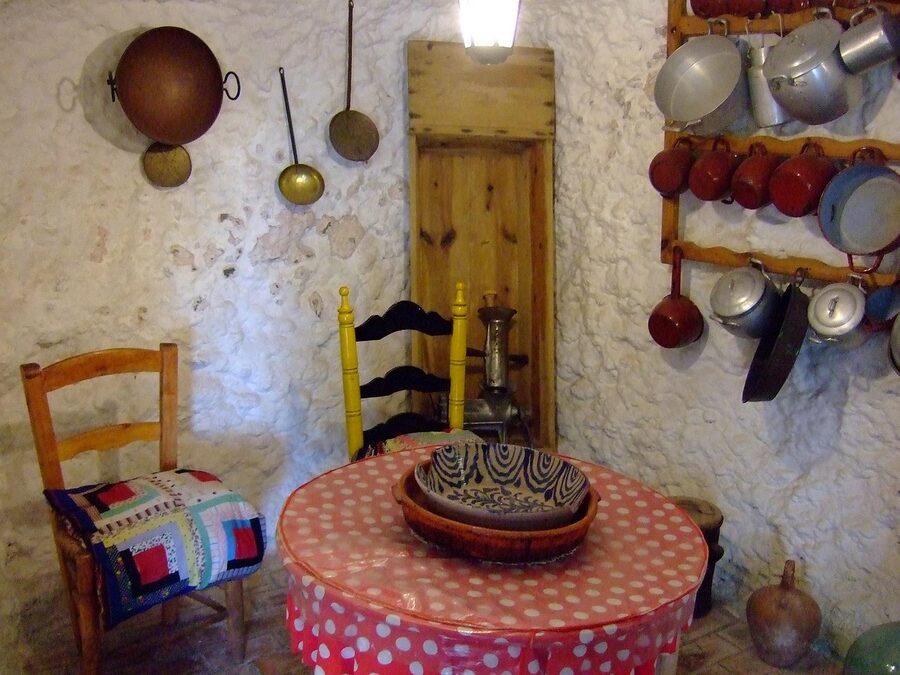
Sacromonte cave shows are the most famous. These happen in actual caves dug into the hillside of the Sacromonte neighbourhood, typically holding 30-50 people. The curved walls act like natural amplifiers, so the footwork hits differently. Most cave shows include a drink and run about an hour. Expect to pay $21-26 per person.
Downtown tablaos like La Alboreá are purpose-built performance spaces in the city centre, closer to the Cathedral and Gran Via. They’re easier to reach (no uphill walk), the seating is more comfortable, and the production quality tends to be higher. Same price range — $18-25 — and they usually offer food-and-drink add-ons.
Restaurant shows at places like Jardines de Zoraya in the Albaicin combine dinner with a performance. These cost more ($50-65 with a meal) but the evening feels more complete. The food at Zoraya specifically is worth going for even without the flamenco.

Cave Shows vs City Centre Tablaos — Which to Pick
This is the question everyone asks, and the honest answer depends on what you’re after.
The cave experience is more atmospheric. The low ceilings, whitewashed walls, and the fact that you’re sitting where someone’s grandmother once cooked dinner — that context matters. The acoustics genuinely are different. The downside: Sacromonte is a steep 15-minute walk uphill from Plaza Nueva, the caves can get hot in summer, and some venues pack people in tight. If you have mobility issues, the hillside paths are rough.
The city centre tablaos are more polished. Better sightlines, air conditioning, easier access. The performers at top venues like La Alboreá and Teatro Flamenco Granada are every bit as talented as the cave artists — some rotate between both. You lose the cave ambience, but the actual performance quality is equivalent or better.
My recommendation: if it’s your first time in Granada and you have one evening, go with a cave show in Sacromonte. It’s the experience you can’t get anywhere else. If you’ve done the caves before, or you’re short on time and don’t want the uphill hike, a central tablao like La Alboreá is a smarter pick — the show is just as good, and you’re back at your hotel in five minutes.
The Best Flamenco Shows to Book in Granada
I’ve narrowed this down to three venues that consistently deliver. Each offers something different, so the “best” one depends on what you want from the evening.
1. La Alboreá Flamenco Show — $21
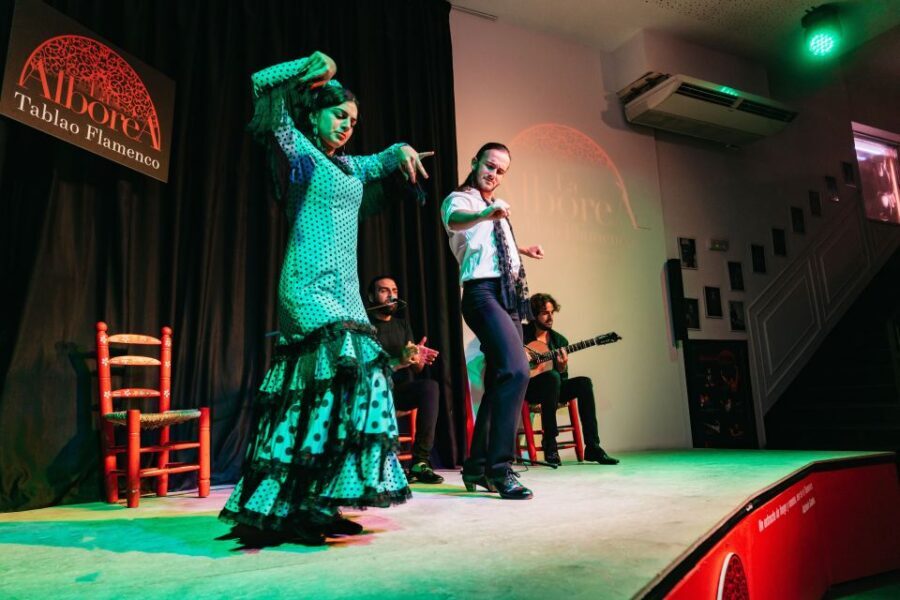
La Alboreá is the most-booked flamenco show in Granada, and that reputation is earned. The venue sits right in the city centre — no uphill trek to Sacromonte required — and the performers rotate from a pool of professional artists, so the show stays fresh even if you come back. The optional wine and Iberian chorizo add-on is worth the few extra euros. One thing to know: front-row seats are assigned to online ticket holders first, so booking ahead genuinely gets you closer.
At $21 per person for an hour-long show, it’s the best value in the city. The one downside is that it doesn’t have the cave atmosphere — but the trade-off is comfort, easy access, and consistently strong performances. This is the safe pick that almost never disappoints.
2. ZINCALE Sacromonte Cave Show — $23
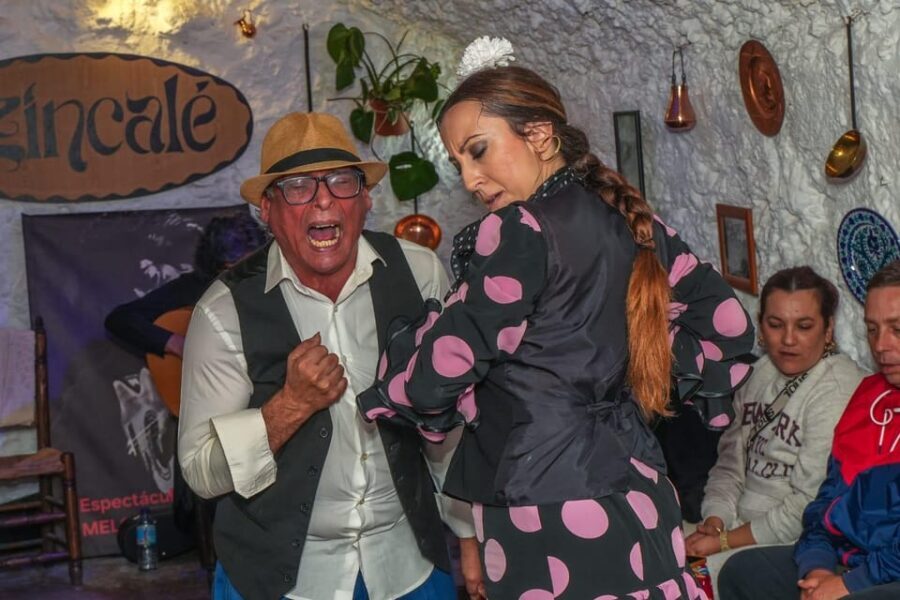
If you came to Granada specifically for a cave flamenco experience, ZINCALE is the one to book. The venue is a genuine Sacromonte cave — curved whitewashed ceilings, rough stone floors, and close proximity to the performers that makes the whole thing feel almost uncomfortably intense (in the best way). The 50-minute show focuses on traditional zambra, which is Granada’s own flamenco style with stronger Arabic influences than what you’d see in Seville.
At $23, it’s only a couple of euros more than La Alboreá, and you get the authentic cave setting that Granada is famous for. The trade-off is the walk — ZINCALE is up the Sacromonte hillside, and the path back down in the dark can be tricky if you’ve had a few drinks. Bring a torch on your phone.
3. Jardines de Zoraya — $22
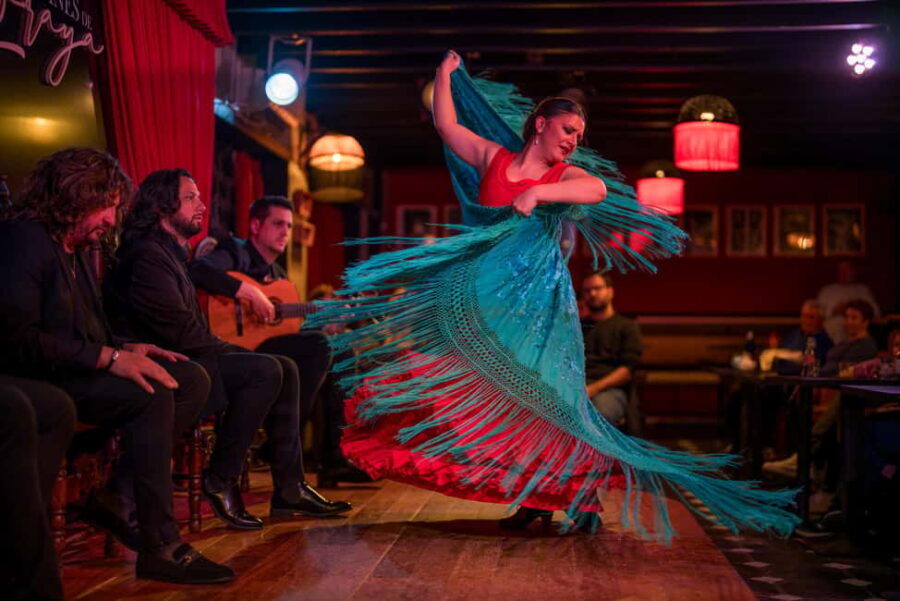
Zoraya is the best option if you want to make an evening of it. The venue is a proper restaurant in the Albaicin neighbourhood with a garden terrace and an indoor performance space. The show-only ticket at $22 is comparable to the other venues, but the dinner-and-show package at $63 is genuinely worth considering — the food is better than it needs to be for a flamenco restaurant, with proper Andalusian cooking rather than tourist-menu fare.
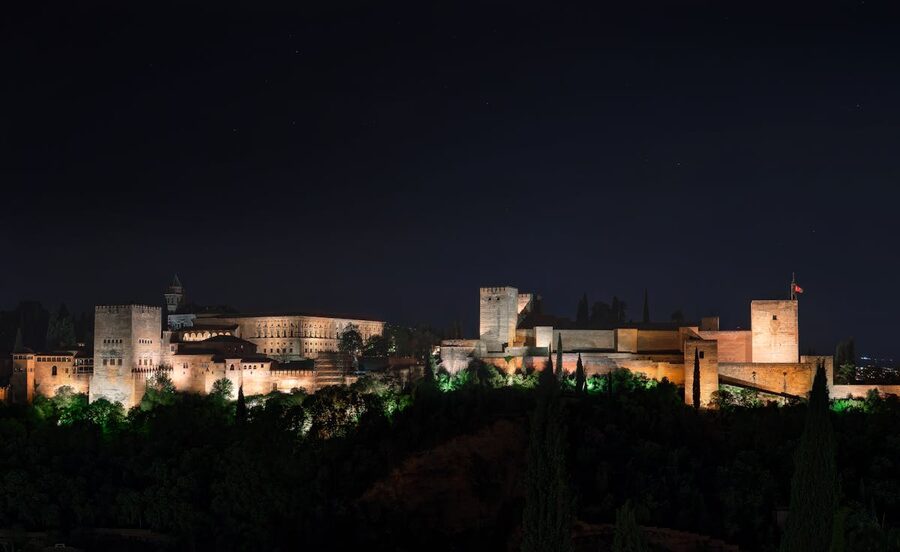
The performance space is larger than a cave but still intimate, and the location in the Albaicin means you’re already in one of Granada’s most beautiful neighbourhoods. Walk down to the Mirador de San Nicolas after the show for the best Alhambra night view in the city. The only catch: the Albaicin streets are confusing at night, so follow Google Maps carefully or you’ll end up in someone’s dead-end courtyard.
When to See a Flamenco Show
Most venues run shows every evening between 7:30 PM and 10:30 PM, with some offering two sittings per night. The earlier shows tend to attract families and older travellers; the later shows skew younger and louder.
Summer (June-September): Book at least 2-3 days ahead. Granada is peak-season busy and popular shows sell out, especially on weekends. The caves get warm — not unbearably so, but don’t expect air conditioning in a 500-year-old hillside dwelling.
Shoulder season (April-May, October): Probably the best time. The weather is pleasant for the uphill walk to Sacromonte, crowds are thinner, and you can usually book same-day for most venues. This is when I’d go.
Winter (November-March): The caves are actually warmer than the outside air in winter, which is a nice reversal. Fewer travelers means a more local-feeling audience, but some venues reduce their schedule or close on weekdays.
How to Get to Sacromonte
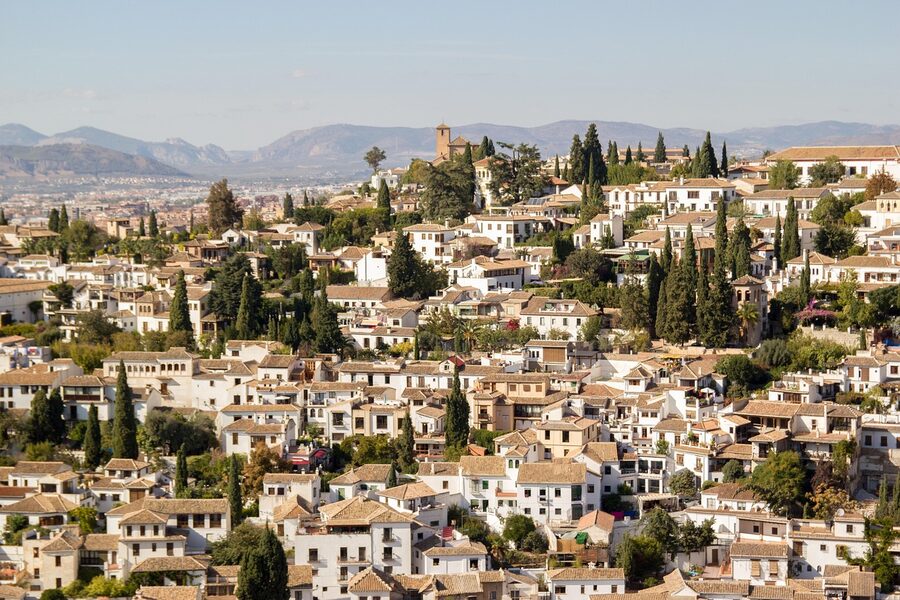
Sacromonte sits above the Albaicin on the eastern hillside of Granada. It’s walkable from the city centre, but you need to know what you’re in for.
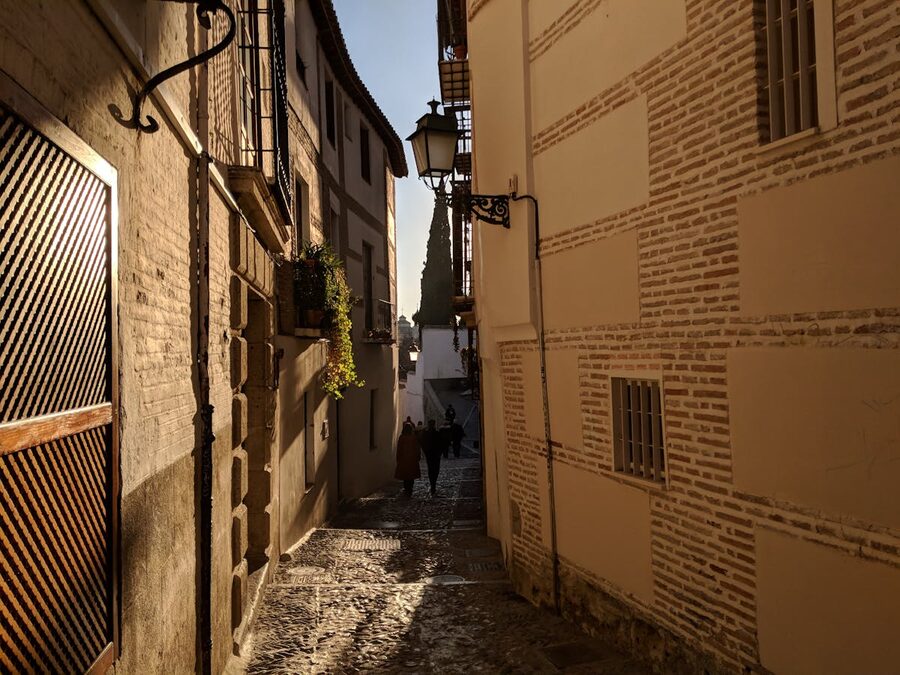
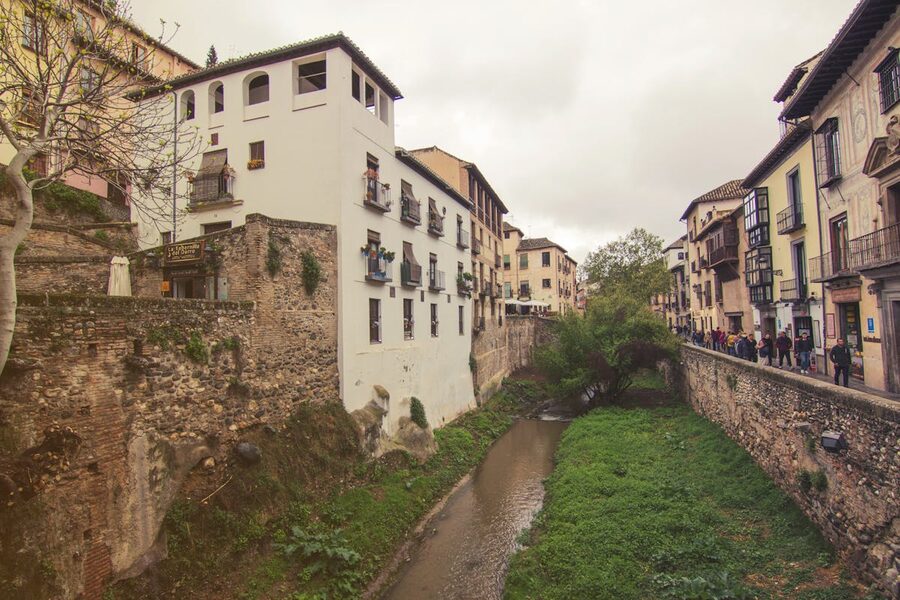
Walking from Plaza Nueva: About 20-25 minutes. Head up the Carrera del Darro (the pretty riverside street), then follow signs toward Sacromonte. The last stretch is steep and the paths are uneven cobblestone. Wear proper shoes — heels are a terrible idea even if you’re going somewhere fancy.
Minibus C34: Runs from Plaza Nueva up to Sacromonte. Takes about 10 minutes and costs around EUR 1.40. This is the smart option if you don’t want to arrive sweaty. The bus runs until roughly 11 PM in summer, earlier in winter — check the schedule because it’s not the most frequent service.
Taxi: About EUR 8-10 from the city centre. Worth it on the way back at night if you’re tired or the bus has stopped running. Have your venue give you the address — telling a taxi driver “take me to the caves” will get you a blank stare.
What Is Zambra (And Why Granada’s Flamenco Is Different)
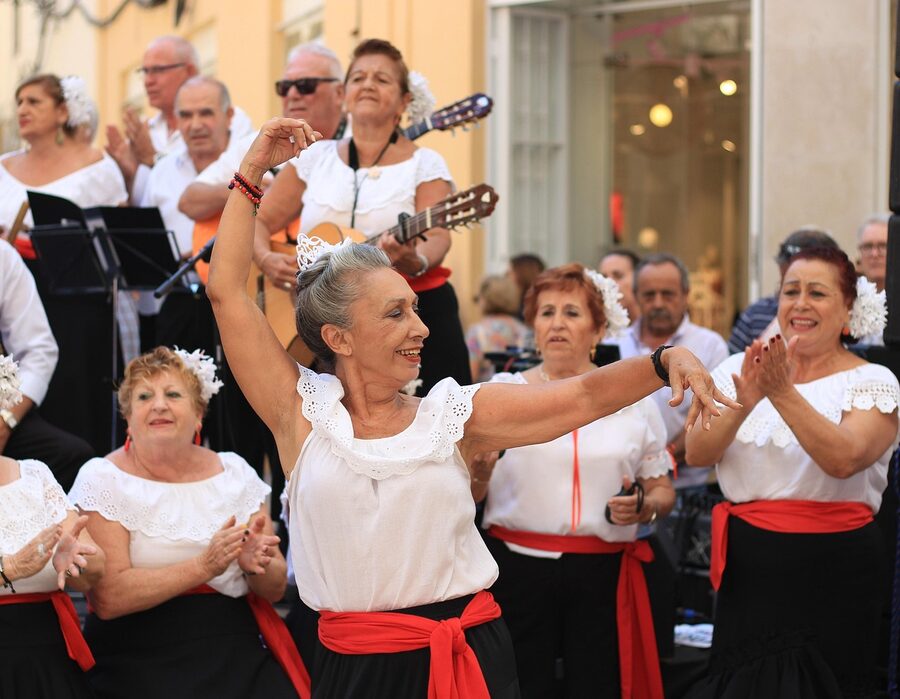
Most people know flamenco from Seville — the red dress, the polished stage, the dramatic poses. Granada’s version is a different animal.
Zambra is the local flamenco style, and the name itself tells you something: it comes from Arabic, zamra, meaning a musical celebration. After Ferdinand and Isabella conquered Granada in 1492 — ending 800 years of Moorish rule — the Romani and Moors were pushed to the city’s margins. Sacromonte became a shared refuge, and their musical traditions merged into something that sounds distinctly different from the flamenco you’ll hear elsewhere in Spain.
What does that look like in practice? The rhythms lean heavier on percussion. The guitar work uses Arabic scales and modes that sound almost Middle Eastern to untrained ears. The singing (cante) is more guttural and less melodic than Seville-style flamenco. And the dancing is closer to the ground — less about high drama and lifted arms, more about the feet and the floor.
In a Sacromonte cave, these differences get amplified by the space itself. The curved walls bounce the sound around in ways a flat-walled theatre can’t replicate, and the small audience means the performers are working right in front of you, not projecting to a room of 200. When the dancer’s footwork hits full speed — the zapateado — you feel it in your sternum.
Tips That Will Save You Time and Money
Book online, not at the door. Prices are sometimes marginally cheaper at the venue, but front-row seats go to advance bookings first. If the seating position matters to you — and in a 40-person cave, it really does — book ahead.
Skip the dinner combos unless you’re at Zoraya. Most cave venues offer tapas-and-show packages, but the food at dedicated flamenco caves is usually an afterthought. Zoraya is the exception because it’s an actual restaurant. For everywhere else, eat first and book the show-only ticket.
The 8 PM slot is usually the sweet spot. Early enough that the walk up to Sacromonte is in daylight (at least in summer), late enough that the atmosphere has some energy. The 10 PM shows have a livelier crowd but you’ll be walking home in the dark.
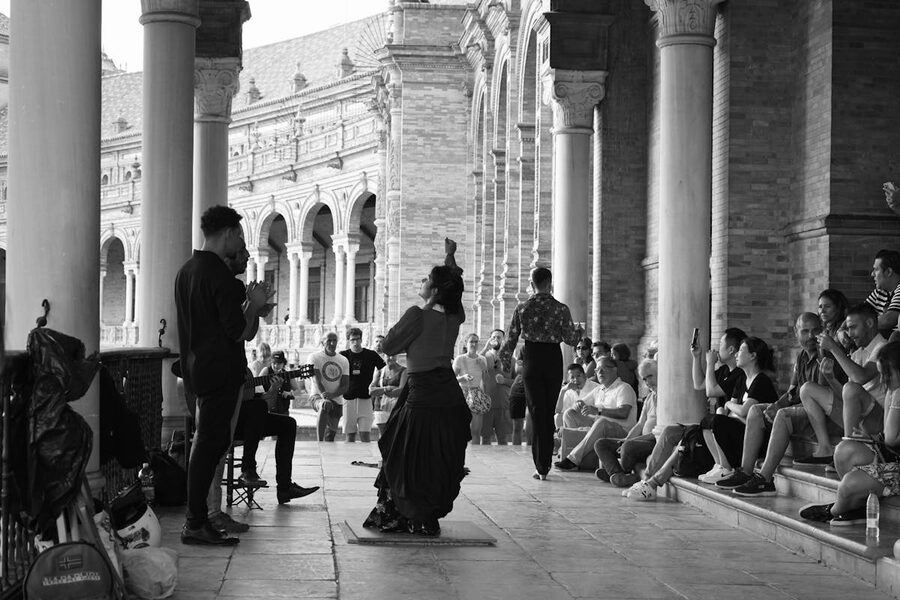
Photography varies by venue. Some caves allow photos but no video during the performance. Some ban everything until the end. La Alboreá is more relaxed about it. Always check when you arrive — nothing kills the atmosphere faster than someone holding up a phone screen for 45 minutes straight.
Bring cash for drinks. Most venues accept cards for the ticket itself, but drinks and tips at the smaller caves are often cash-only. A few euros tip for the performers is customary and appreciated.
Don’t wear flip-flops or sandals to Sacromonte. I know, I know — you’re on holiday in Spain. But the paths are steep, uneven, and can be slippery at night. Proper closed shoes make the walk significantly less annoying.
What to Expect During the Show
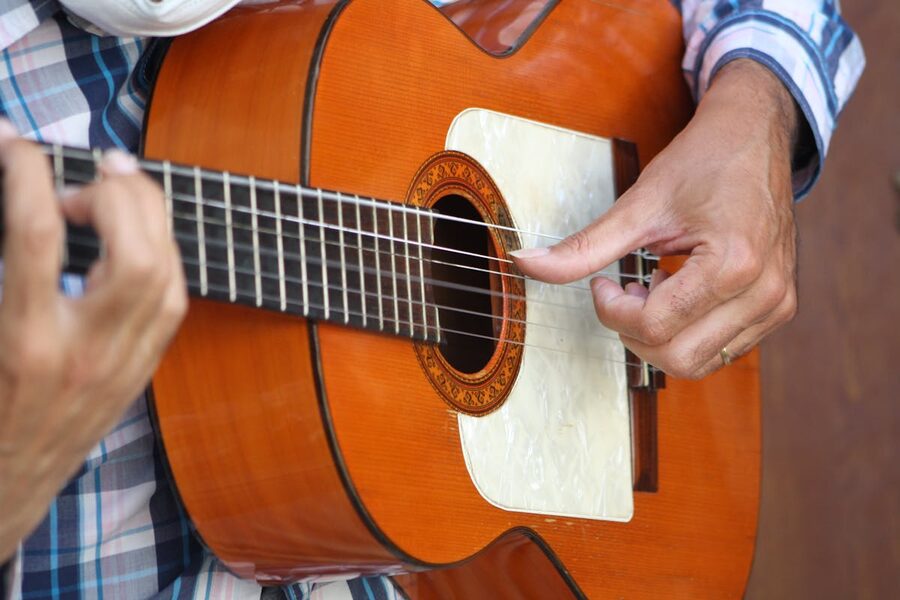
A typical Granada flamenco show runs 50-60 minutes and features a cuadro — a small ensemble of performers. You’ll usually see one or two dancers, a guitarist, a singer (cantaor), and sometimes a percussionist who uses the wooden box chair called a cajón.
The show builds in intensity. It starts slow and controlled — the guitarist plays alone, the singer enters with something low and sustained, and the dancer begins with deliberate, precise movements. By the final third, everything accelerates. The footwork gets faster, the guitar louder, and the palmas (hand claps) from the other performers create layers of rhythm that are hard to follow but impossible to ignore.
In the caves, audience participation is part of it. The performers will make eye contact, the cantaor might direct a verse at someone in the front row, and clapping along (on beat, please) is welcomed. Don’t worry about knowing the rhythms — the energy is contagious and you’ll figure it out. Or you won’t, and that’s fine too.
One thing that catches people off guard: flamenco singing sounds rough and almost painful on first listen. That’s intentional. The cante jondo (“deep song”) tradition prizes raw emotion over pretty vocals. It’s supposed to sound like it hurts. Give it a few minutes and it clicks.
The History Behind Sacromonte’s Flamenco Caves
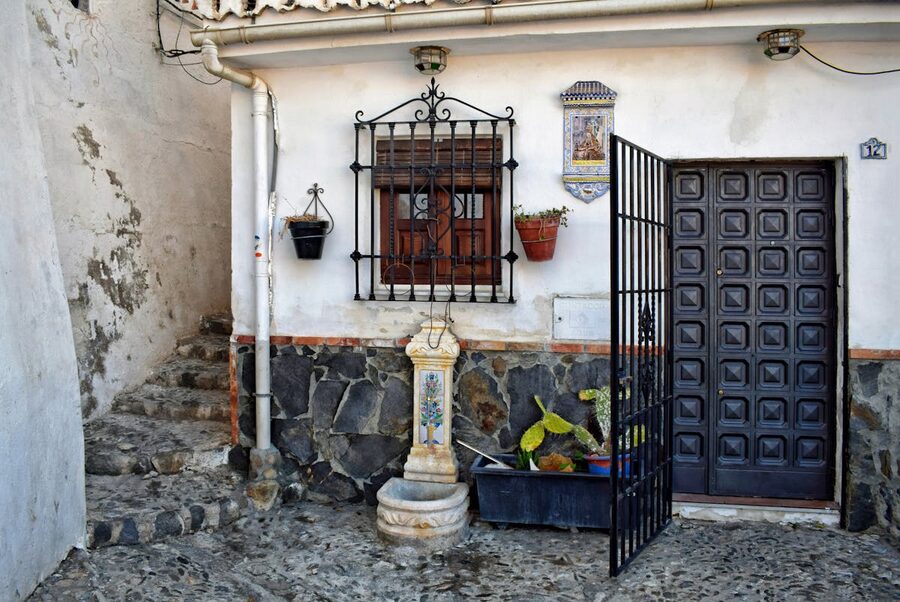
Sacromonte’s caves aren’t a tourist invention. Romani families started carving them into the hillside in the 15th century, after the fall of Granada to the Catholic Monarchs in 1492 pushed both the Romani and the remaining Moors to the city’s edges. What started as marginal housing became a permanent community, and many families still live in caves today — not as a novelty, but because they’ve been home for five centuries.
The flamenco tradition in these caves evolved from that shared experience of displacement. Romani musical traditions — the guitar, the dance, the percussive footwork — merged with Moorish musical structures: Arabic scales, complex rhythmic patterns, the emphasis on emotional vocal delivery. What came out the other side was zambra, and it couldn’t have been born anywhere else.
Tourism arrived in the 19th century, when Romantic-era writers and artists from northern Europe “discovered” the caves and their music. Some of that early tourism was exploitative, and the relationship between the Sacromonte community and the tourist economy is still complicated. But the best venues today are owned and run by families with deep roots in the neighbourhood, and the performances draw on traditions that have been passed down for generations.
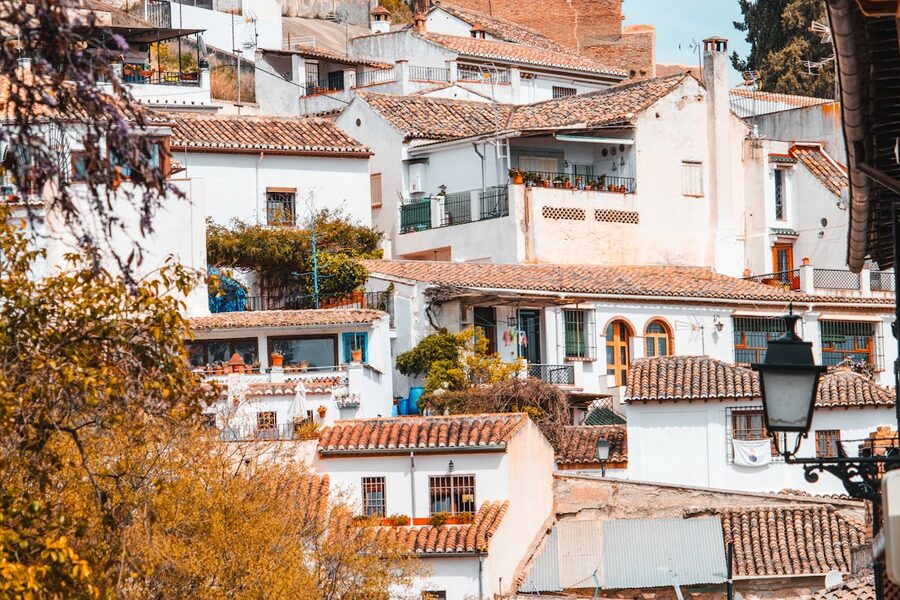
Combining Flamenco with the Rest of Your Granada Evening
A flamenco show fits naturally into a longer evening exploring Granada’s old neighbourhoods. Here’s a rough timeline that works well:
6:00 PM — Start with tapas in the Albaicin. Granada is one of the last Spanish cities where you still get a free tapa with every drink. Head to Calle Elvira or the streets around Plaza Nueva.
7:30-8:00 PM — Walk to your flamenco venue. If you’re going to Sacromonte, leave 25 minutes for the uphill walk. Take the Carrera del Darro — it runs along the river below the Alhambra and is gorgeous at sunset.
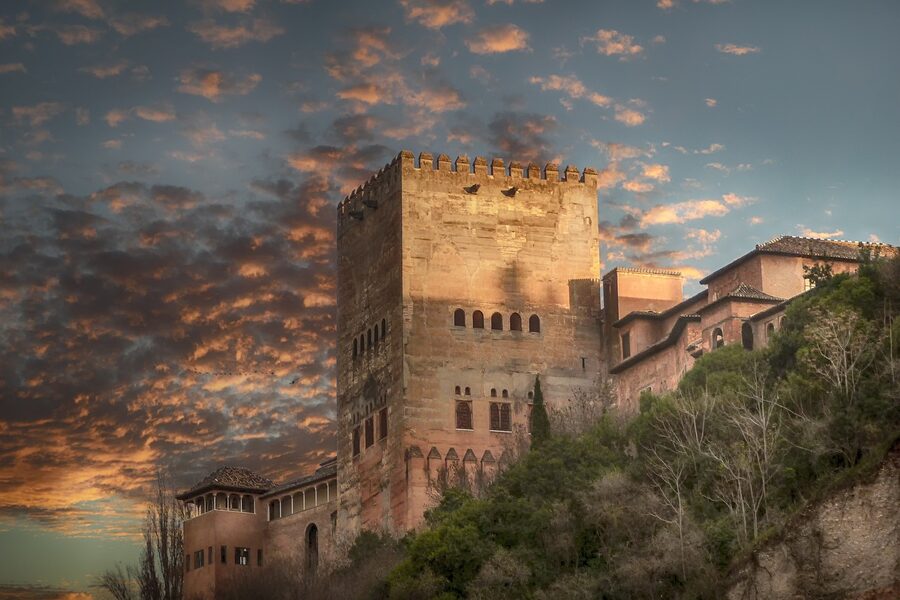
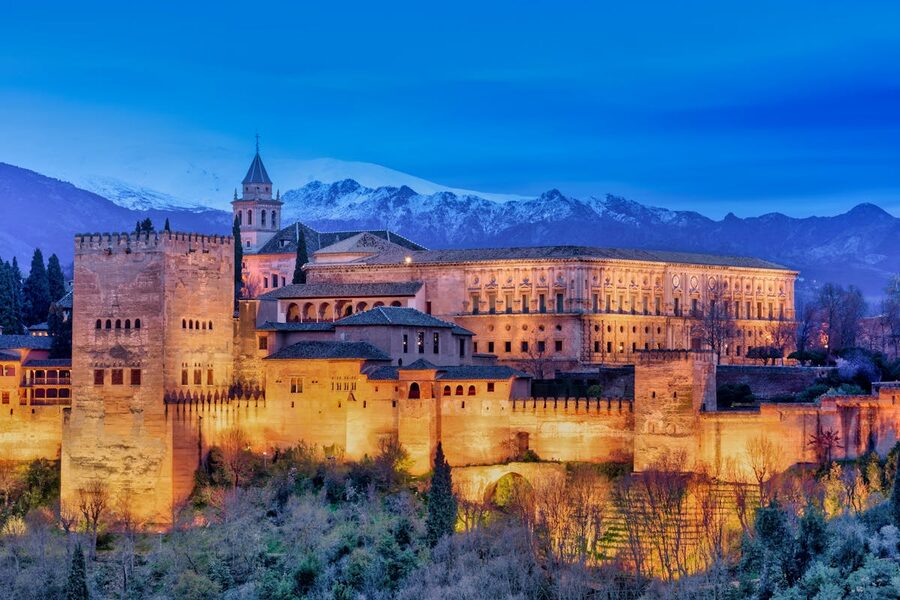
9:00-9:30 PM — Show ends. Walk up to the Mirador de San Nicolas for the iconic Alhambra night view. It’s about 10 minutes from most Sacromonte venues and 5 minutes from Zoraya.
10:00 PM+ — Second round of tapas, or a drink at a rooftop bar. Granada doesn’t go to sleep early.
Planning the Rest of Your Trip
If you’re spending more than a night in Granada — and you should — the Alhambra is the obvious next priority, but those tickets sell out weeks ahead so sort them now if you haven’t already. The Albaicin neighbourhood is best explored with a guide who knows the hidden courtyards and viewpoints that you’d walk straight past on your own, and a walking tour of central Granada fills in the Cathedral, the Royal Chapel, and the old silk market that most visitors miss. Between the flamenco, the Alhambra, and a day wandering the Albaicin, three days in Granada feels about right — any less and you’ll wish you’d stayed longer.
This article contains affiliate links. If you book through our links, we earn a small commission at no extra cost to you. This helps us keep producing detailed travel guides.