
The town of Jijona sits about 25 kilometres north of Alicante. It produces 60% of all the turron in Spain. I didn’t know that before I walked into the Mercado Central on a Tuesday morning and watched an old man slice a block of it with a wire, the way you’d cut cheese. He handed me a piece without a word. It was soft, sweet, full of almonds, and gone in two seconds. That one bite changed what I thought this city was about.
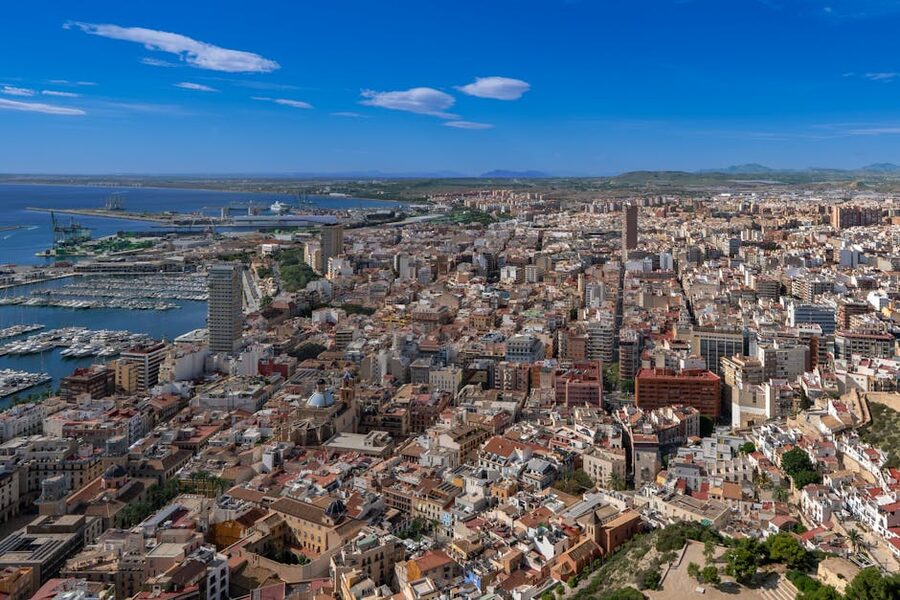
Alicante doesn’t get the food attention that Barcelona or San Sebastian does. That’s partly because its best dishes are quiet ones. Arroz a banda. Arroz negro. Coca amb tonyina. These aren’t photogenic Instagram plates. They’re fishermen’s food, passed down through families who’ve been cooking on this coast for centuries. And the Moorish influence runs deep. You taste it in the spices, in the dried fruits, in the way rice is treated as the star rather than a side.
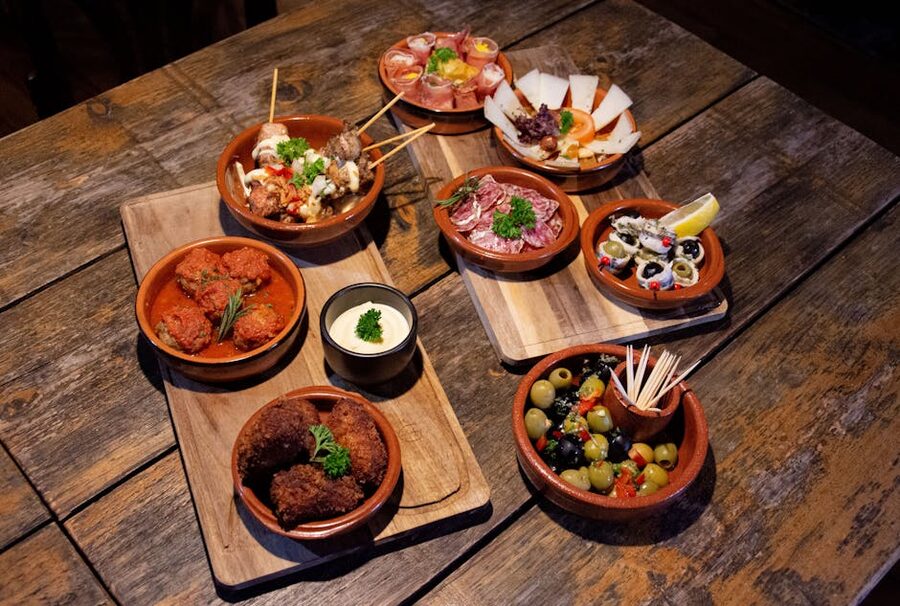
A food tour is the fastest way to get oriented. You’ll cover ground in two hours that would take you a full week of trial and error on your own. And the guides — especially the ones who grew up here — know which market vendors have been around for decades and which opened last month.
- In a Hurry? Here Are the 3 Best Alicante Food Tours
- What Makes Alicante’s Food Scene Different
- The Mercado Central: Heart of Alicante’s Food Culture
- The 3 Best Food Tours in Alicante
- 1. Alicante: Secret Flavors Food Tour —
- 2. Alicante Historic Small Group Tour with Tapas Tasting —
- 3. Alicante Food and Tapas Tour with a Local Guide —
- Alicante’s Signature Dishes You’ll Encounter on a Food Tour
- Arroz a Banda
- Turron from Jijona
- Tapas Culture in Alicante
- Horchata and Other Drinks
- Practical Tips for Booking
- When to Go
- What to Expect on a Typical Food Tour
- Dietary Restrictions
- How Far in Advance to Book
- A Brief History of Alicante’s Food Culture
- Beyond the Tour: Where to Eat on Your Own
- Getting to Alicante and Getting Around
- What Else to Do in the Alicante Region
In a Hurry? Here Are the 3 Best Alicante Food Tours
- Best overall: Secret Flavors Food Tour — $34/person. Two hours through the Mercado Central with 10 different tasting stops. The guide Francisco is a local legend.
- Best for history + food: Historic Small Group Tour with Tapas Tasting — $35/person. Combines a walking history tour with a tapas finish at a local bar.
- Best local experience: Food and Tapas Tour with a Local Guide — $35/person. Two hours of eating like a local, not a tourist.
What Makes Alicante’s Food Scene Different
Most visitors assume Alicante food is “just Spanish food.” It isn’t. The cuisine here sits at a crossroads. Mediterranean ingredients — olive oil, seafood, citrus — meet Moorish traditions that arrived over a thousand years ago and never fully left. The result is something distinct from Catalonia to the north or Andalusia to the south.
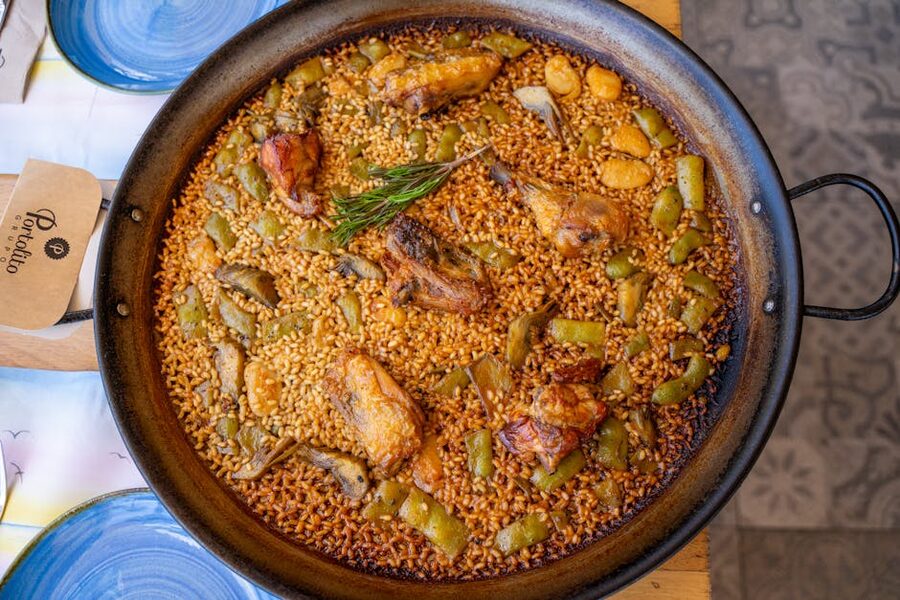
Rice is king. But not the saffron-yellow paella you’re picturing. Alicante’s signature rice dishes are darker, bolder, and more varied. Arroz a banda is cooked in fish stock so concentrated it turns the rice golden-brown. Arroz negro gets its colour and flavour from squid ink — it looks intimidating and tastes incredible. Arroz con costra has a baked egg crust on top, which sounds strange and works perfectly.
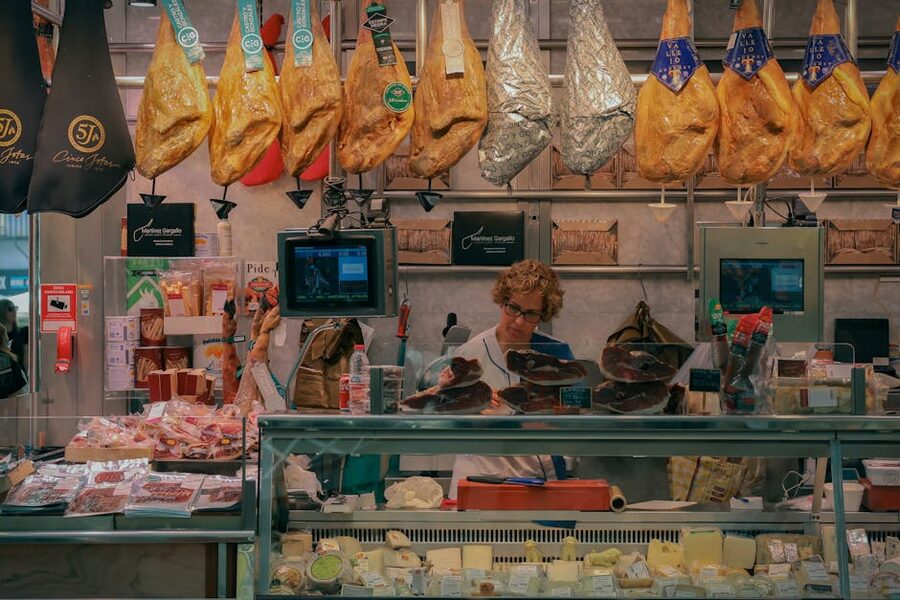
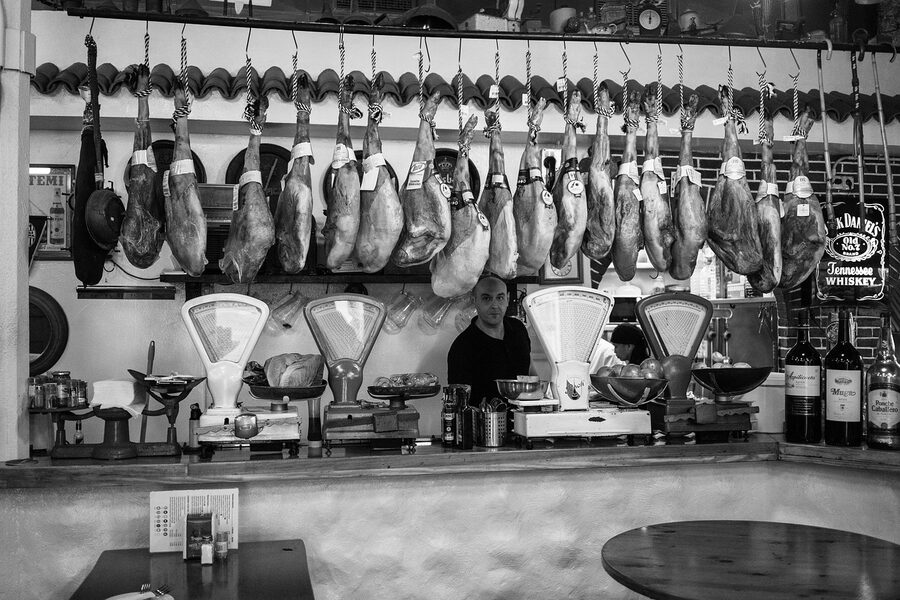
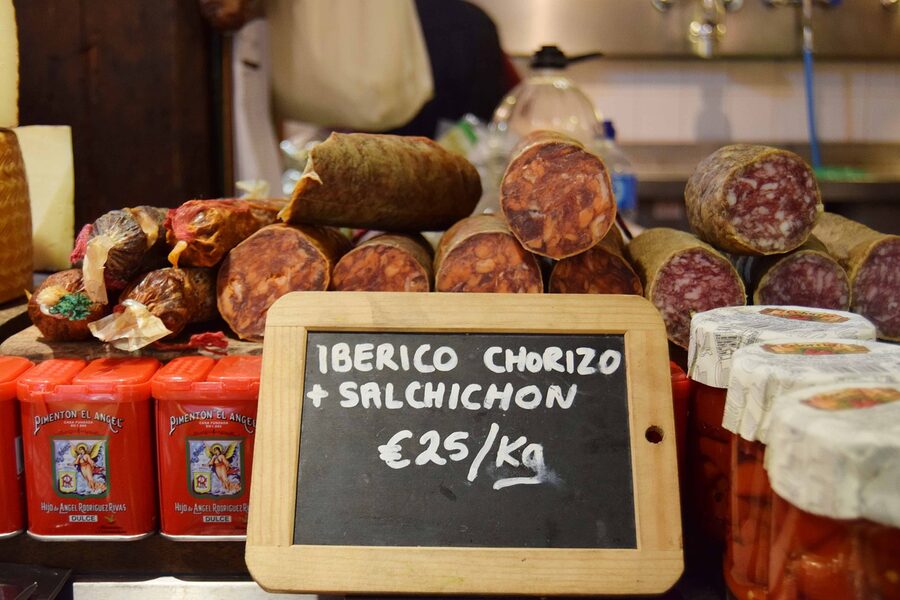
The Mercado Central is where the city’s food culture becomes tangible. Built in 1921 in a Modernist style, it’s not a tourist market. Real families shop here. The fish counter has whatever came off the boats that morning. The charcuterie stalls have iberico ham hanging from hooks. And in the back corner, there’s usually someone selling turron straight from Jijona.
The Mercado Central: Heart of Alicante’s Food Culture
The building itself is worth seeing even if you’re not hungry. Iron columns, a glass ceiling, and mosaic floors that have been walked on by four generations of Alicantinos. But you should be hungry, because the tasting opportunities are endless.
The fruit section has varieties you won’t find anywhere else in Europe. The olive oil vendors will let you sample three or four before you buy. And the seafood stalls are a crash course in Mediterranean marine life — red prawns from Denia (the expensive ones, worth it), langoustines, razor clams, and tiny shrimp that get fried whole.
Most food tours start and end at the Mercado Central. Some take you through it quickly. The better ones — like the Secret Flavors tour — spend most of their time here, moving between specific vendors that the guide has relationships with. That’s the difference between a tour and just walking around with a map.
The 3 Best Food Tours in Alicante
1. Alicante: Secret Flavors Food Tour — $34
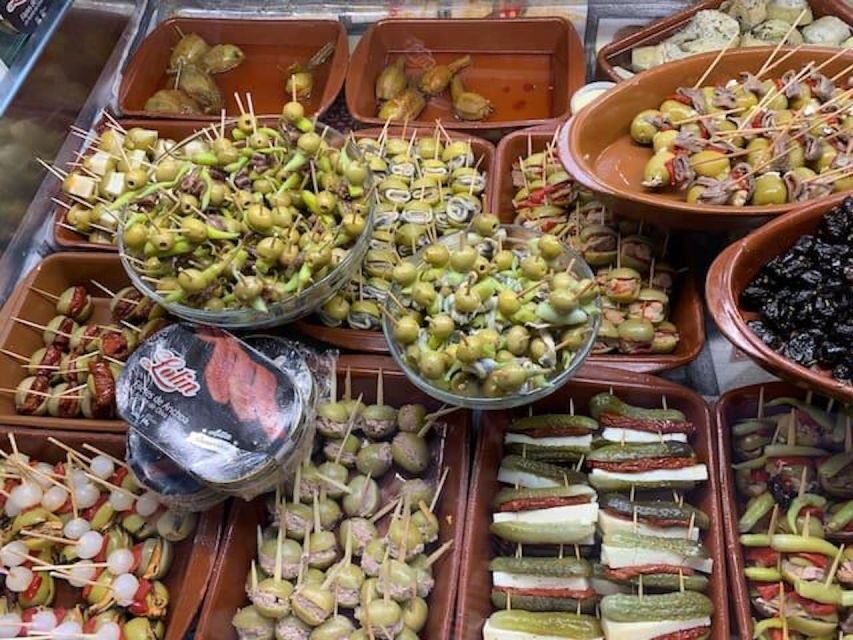
This is the one to book if food is your priority. Two to two-and-a-half hours, 10 tasting stops, and a guide named Francisco who knows every vendor in the market by first name. Our full review covers exactly what you’ll taste, but the highlights include local wines, artisan cheeses, and turron that’s been made the same way for over a century. At $34 per person, it’s hard to beat — you’d spend more than that stumbling around on your own.
2. Alicante Historic Small Group Tour with Tapas Tasting — $35
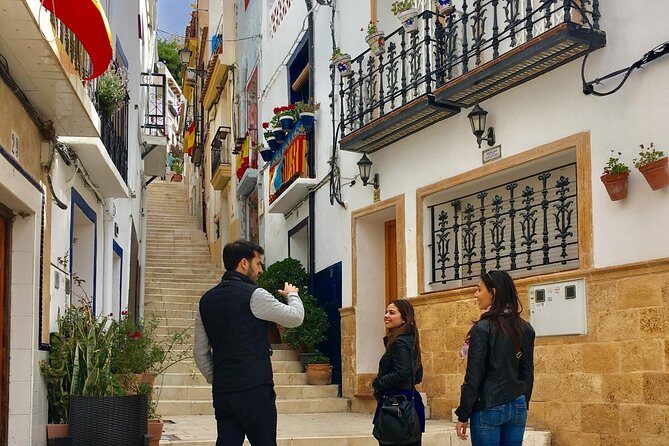
This one splits the difference between a walking tour and a food tour, and it does both well. You’ll get two and a half hours exploring Alicante’s old quarter, learning the Moorish and Christian history of the streets, and finishing at a local tapas bar that most travelers walk right past. The group stays small — usually under 12 people. I’d recommend this if it’s your first time in Alicante and you want orientation alongside your food. Our review breaks down what to expect from the walking portion.
3. Alicante Food and Tapas Tour with a Local Guide — $35
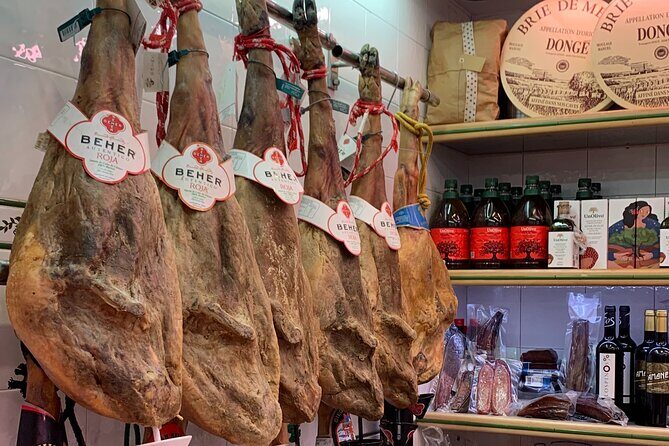
Two hours, local guide, and an itinerary built around whatever’s freshest that day. This tour works especially well for solo travellers and couples who want something more intimate than a big group. The guides here — Francisco Garcia is the one who keeps popping up in reviews — have genuine connections with the vendors. That means you’ll get to try things that aren’t on display. Check out our full review for details on the route and what’s included.
Alicante’s Signature Dishes You’ll Encounter on a Food Tour
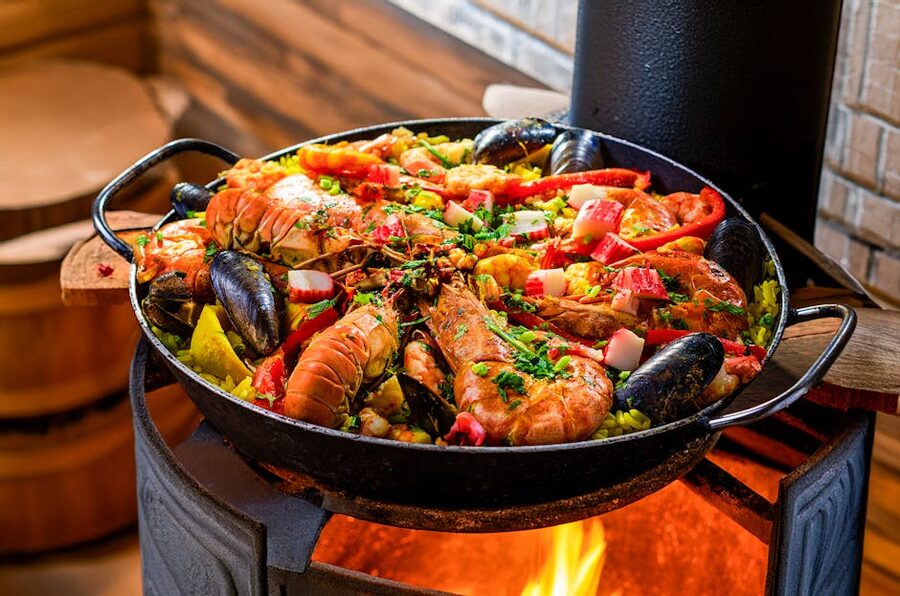
Arroz a Banda
This is the dish that defines Alicante’s coast. Rice cooked in a rich fish stock, served separately from the fish itself. The name literally means “rice apart.” Fishermen invented it — they’d sell the fish at market and eat the rice that had been cooked in the leftover broth. It’s humble in origin and extraordinary in taste. The rice absorbs so much flavour that it doesn’t need anything else.
Turron from Jijona
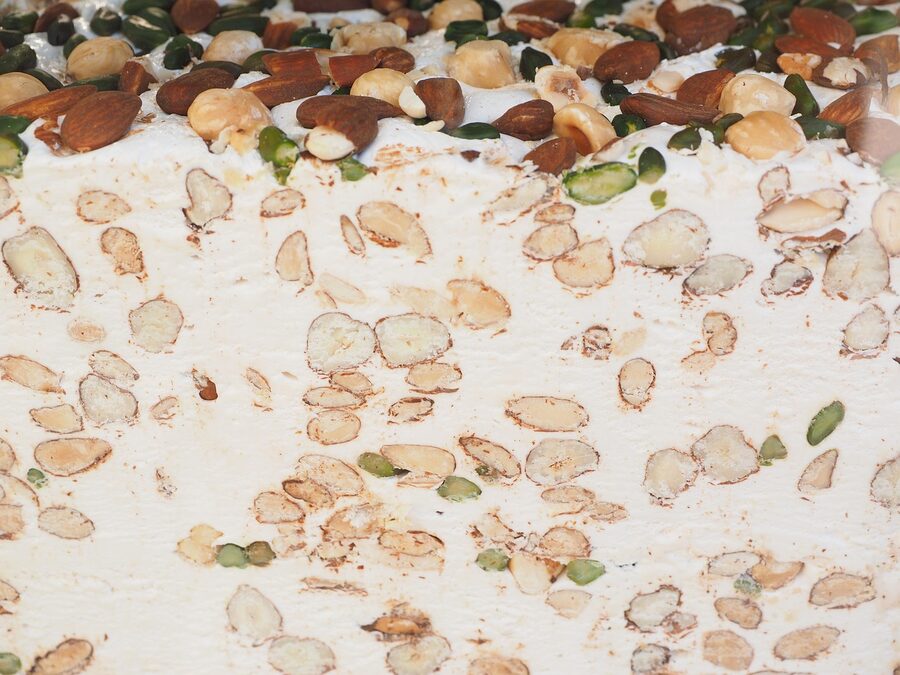
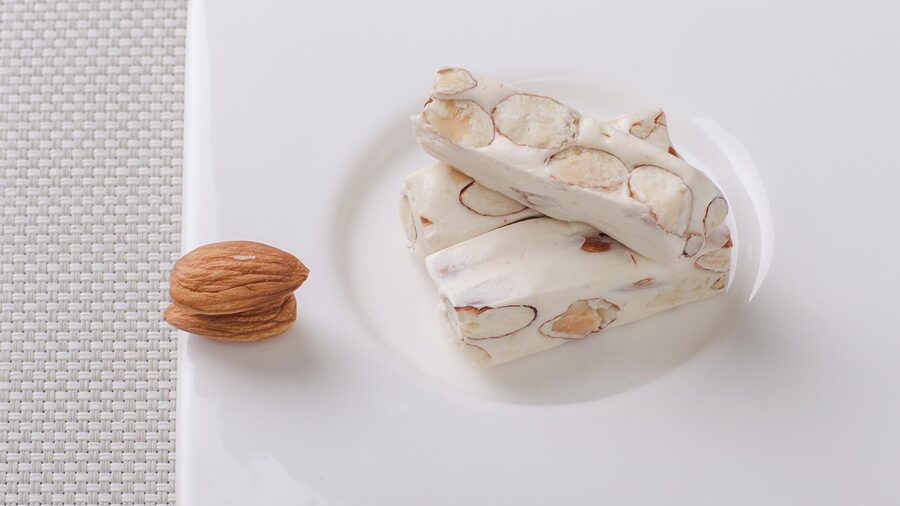
Jijona — or Xixona in Valencian — is the turron capital of the world. Not a metaphor. The town produces the majority of Spain’s nougat, and the recipe hasn’t changed much since the Moors brought it here. There are two main types: hard (Alicante-style, with whole visible almonds) and soft (Jijona-style, ground into a paste). Both are addictive. Most food tours include a turron tasting, and once you’ve tried the fresh stuff, the boxed versions in supermarkets will feel like a different product entirely.
Tapas Culture in Alicante
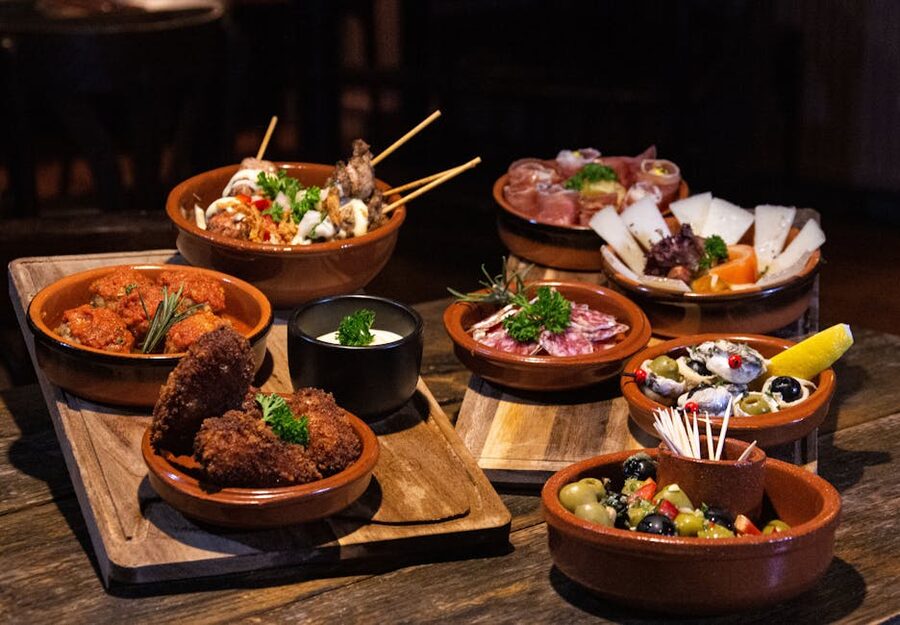
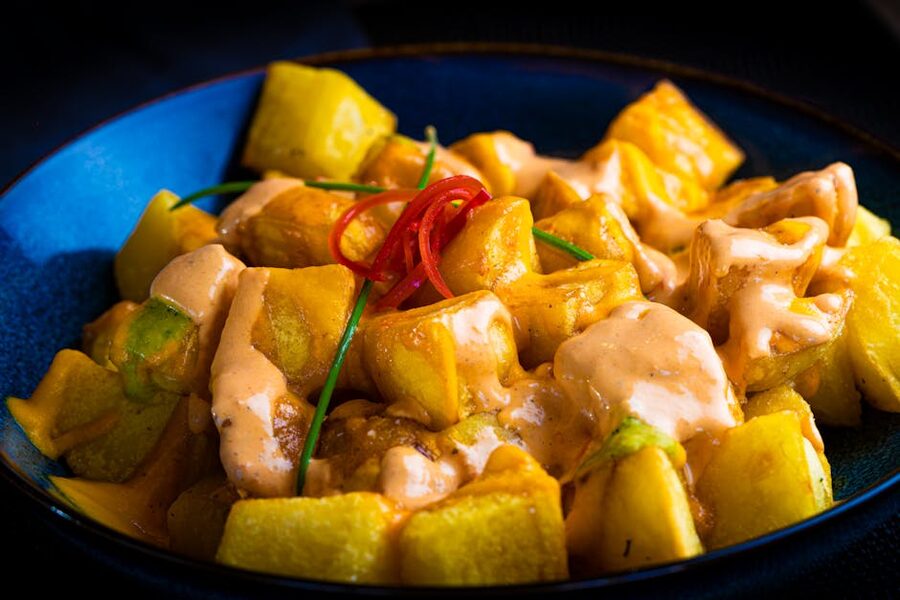
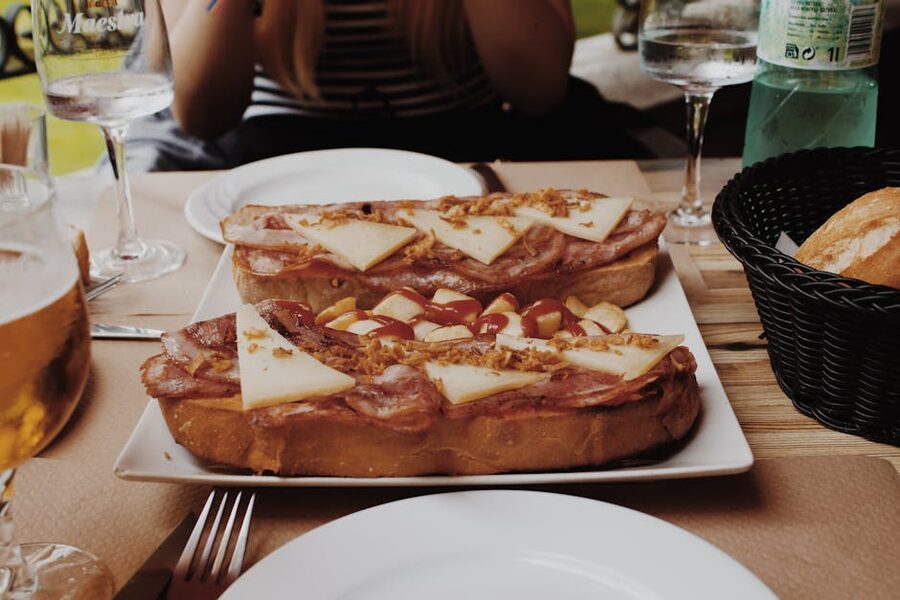
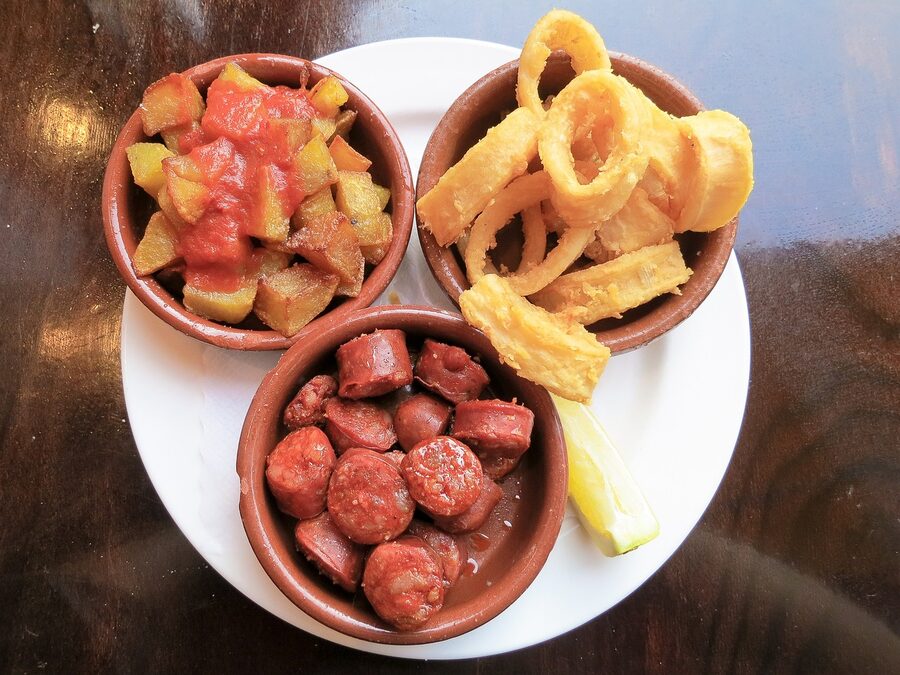
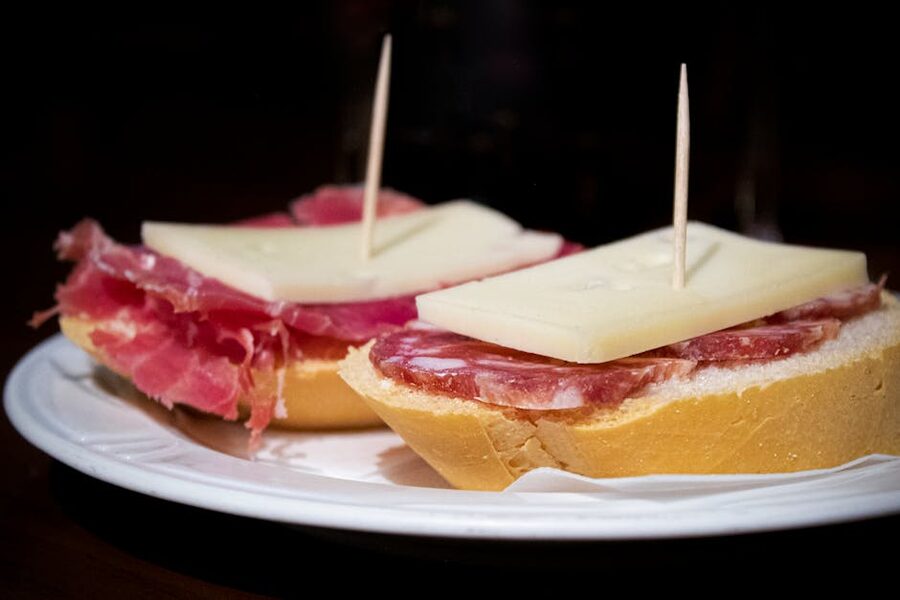
Alicante tapas are less formal than what you’d find in Madrid or Seville. There’s no elaborate tapa-hopping culture with complicated ordering systems. You sit down, the bartender brings out whatever’s good that day, and you eat. Patatas bravas show up everywhere — crispy potatoes with a spicy tomato sauce and aioli — but the local versions tend to be less saucy and more about the potato itself.
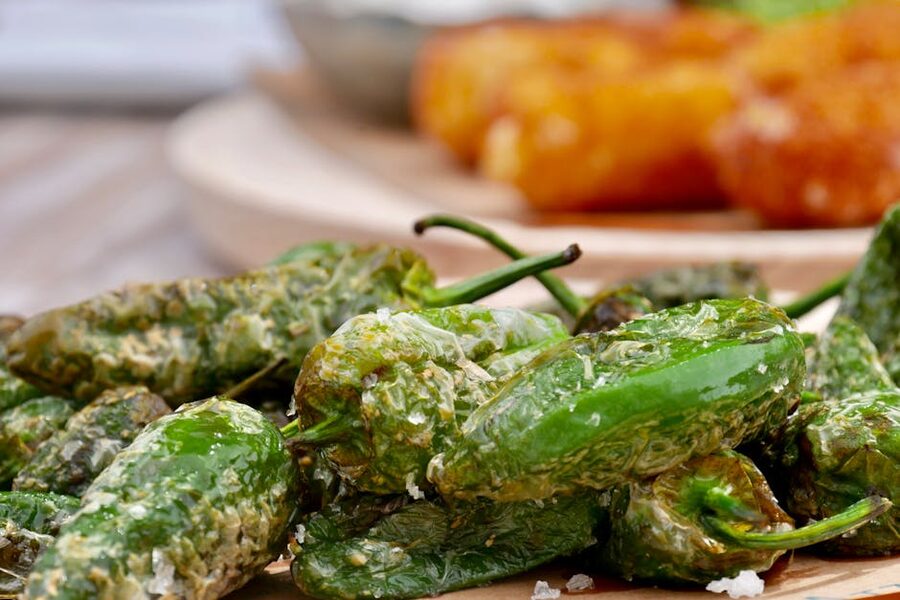
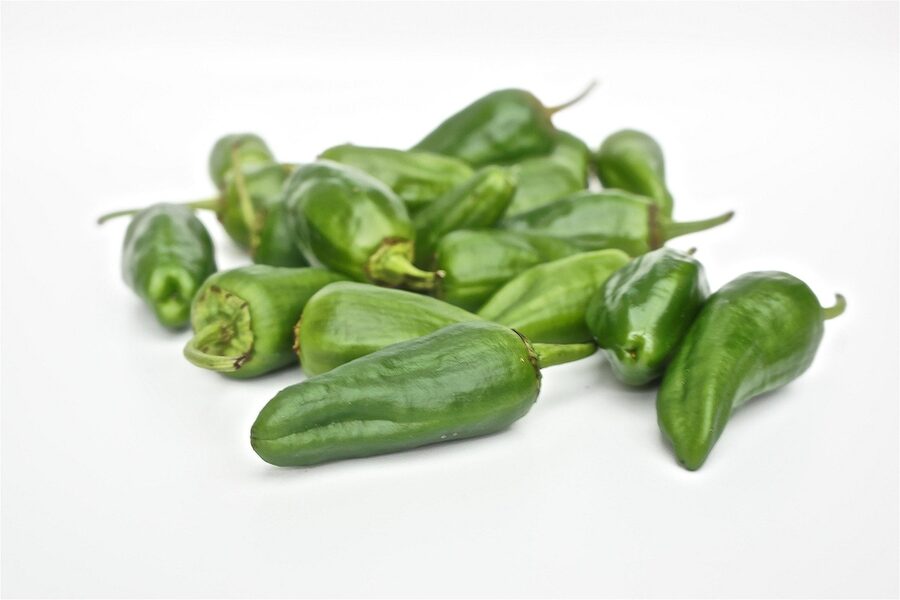
Padron peppers are another staple. Small green peppers fried in olive oil and hit with coarse salt. Most are mild, but every now and then you get one that lights your mouth up. That’s half the fun.
Horchata and Other Drinks
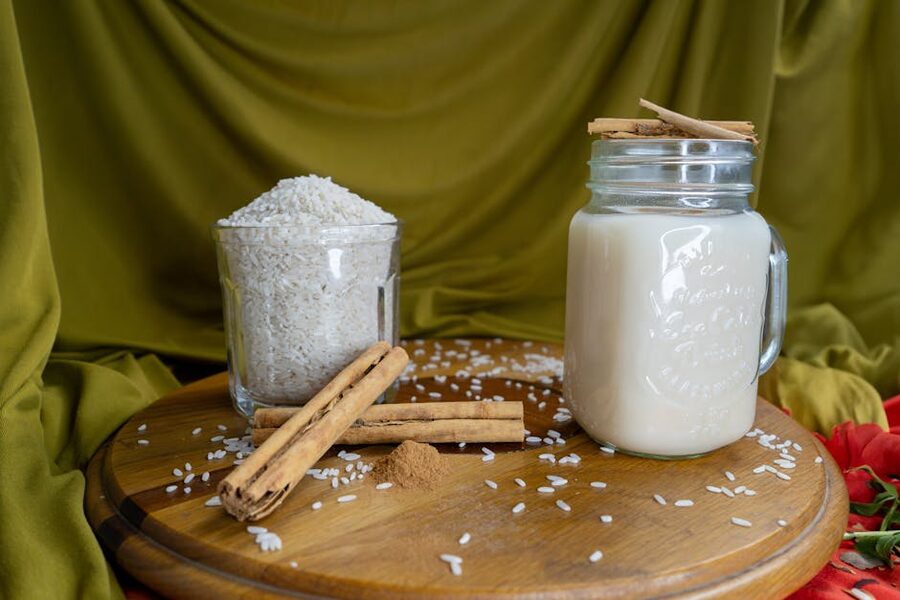
Horchata in Spain isn’t the Mexican cinnamon-rice version. Here it’s made from tiger nuts (chufas) — small tubers that grow in the Valencia region just north of Alicante. It’s creamy, naturally sweet, and served ice-cold. Traditionally paired with fartons — long, sweet, fluffy bread sticks that you dip in the horchata.
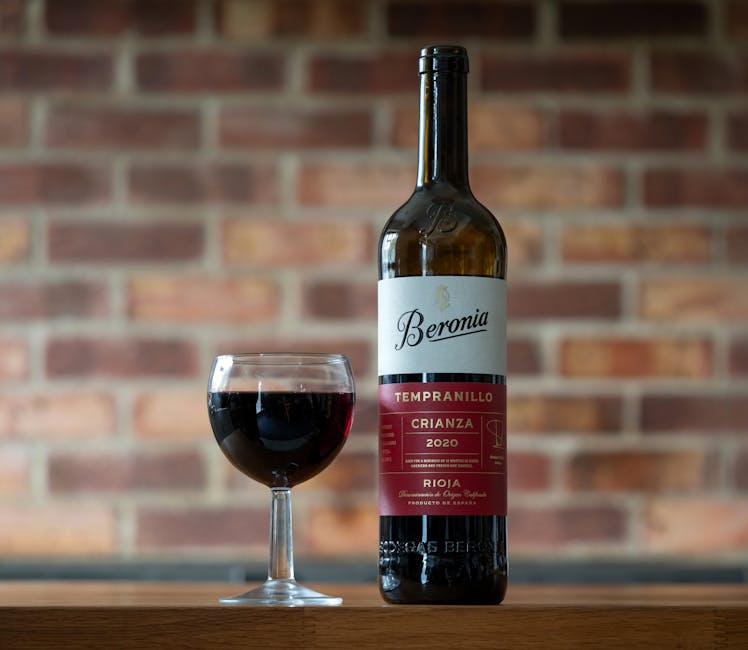
Local wines are an underrated part of the food scene too. The Alicante DO produces some excellent reds from Monastrell grapes — full-bodied, slightly spicy, and about a third of the price of comparable Rioja bottles. Several food tours include a wine stop, and it’s usually one of the best parts.
Practical Tips for Booking
When to Go
Morning tours are best. The Mercado Central is busiest — and most interesting — between 9am and 1pm. After lunch, many stalls close. If you’re choosing between a morning and afternoon tour, always pick the morning. The market is a different place after 2pm.
Avoid Sundays and Mondays. The market is closed on Sundays and many stalls take Mondays off too. Tuesday through Saturday is your best window.
What to Expect on a Typical Food Tour
Most tours last two to two-and-a-half hours. You’ll visit between 8 and 12 food stops. Expect to taste cured meats, local cheeses, turron, fresh seafood, and at least one rice dish or tapa. Wine and beer are usually included. Come hungry — not starving, but genuinely hungry. Skip breakfast or keep it light.
Wear comfortable shoes. The old town has cobblestones and the market floor can be slippery near the fish section. Sandals are fine in summer, but anything with grip is better.
Dietary Restrictions
Most tour operators can accommodate vegetarians with advance notice. Vegan options are more limited but possible. Gluten-free is tricky — a lot of the tapas involve bread in some form — but guides can usually swap in alternatives. Let them know when you book, not when you show up.
How Far in Advance to Book
During peak season (June through September), book at least a week ahead. The good tours sell out because the groups are small — usually 8 to 15 people. In the off-season, two or three days is usually enough. Some tours offer free cancellation up to 24 hours before, which is useful if your plans are flexible.
A Brief History of Alicante’s Food Culture
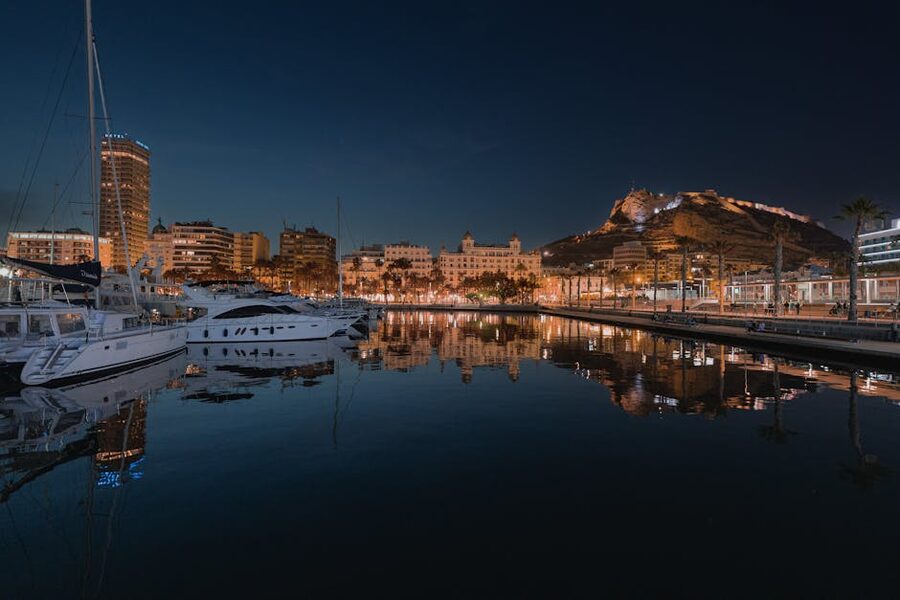
Alicante has been a port city for over 2,000 years. The Phoenicians traded here. The Romans built infrastructure. But the Moors left the deepest mark on the food. They arrived in the 8th century and stayed for over 500 years, introducing rice cultivation, almond orchards, saffron, citrus groves, and sugar cane. The turron tradition comes directly from Moorish confectionery.
When the Christians reconquered Alicante in the 13th century, they kept the Moorish agricultural systems. Smart move. The irrigation channels (acequias) that the Moors built are still visible in the countryside around Jijona and Elche. The almond and citrus trees they planted form the backbone of the local economy to this day.
The Mercado Central itself opened in 1921, designed in the Modernist style that was sweeping Spain at the time. It replaced an older, open-air market that had occupied the same spot for centuries. The iron-and-glass structure was considered radical — some locals thought it was ugly. A hundred years later, it’s one of the most photographed buildings in the city.
Beyond the Tour: Where to Eat on Your Own
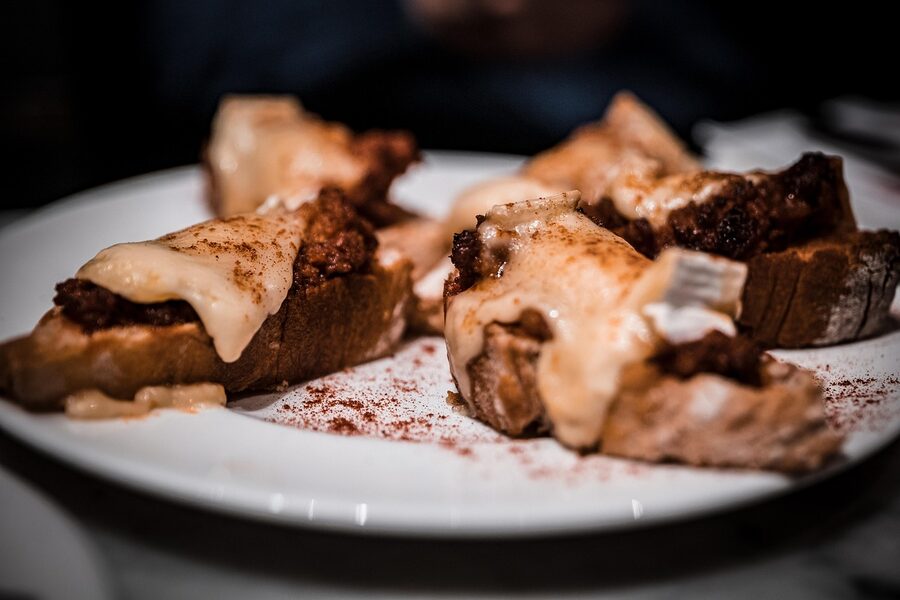
After your food tour, you’ll have enough context to explore on your own. The Barrio de Santa Cruz — the old quarter climbing up toward the castle — has small tapas bars tucked into every alley. Don’t look for the ones with English menus outside. Look for the ones with a chalkboard listing three or four dishes and a crowd of locals standing at the bar.
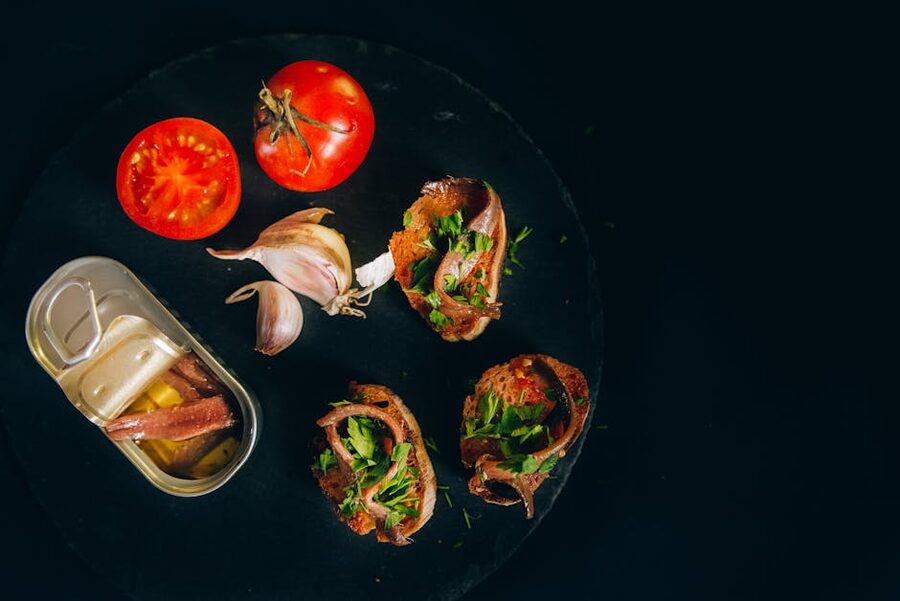
For rice dishes, you want a restaurant that makes them to order. That means a 20-minute wait. Any place that serves rice immediately has it pre-made, and pre-made rice dishes in Alicante are a minor crime. The good restaurants will tell you the wait time upfront and bring bread and olives while you wait.
Getting to Alicante and Getting Around
Alicante-Elche Airport (ALC) is 15 minutes from the city centre by taxi. The C6 bus runs from the airport to the centre for a couple of euros. If you’re coming from Valencia, the RENFE train takes about two hours and drops you right at the marina. From Malaga and the southern coast, it’s a longer trip — roughly four hours by train or car.
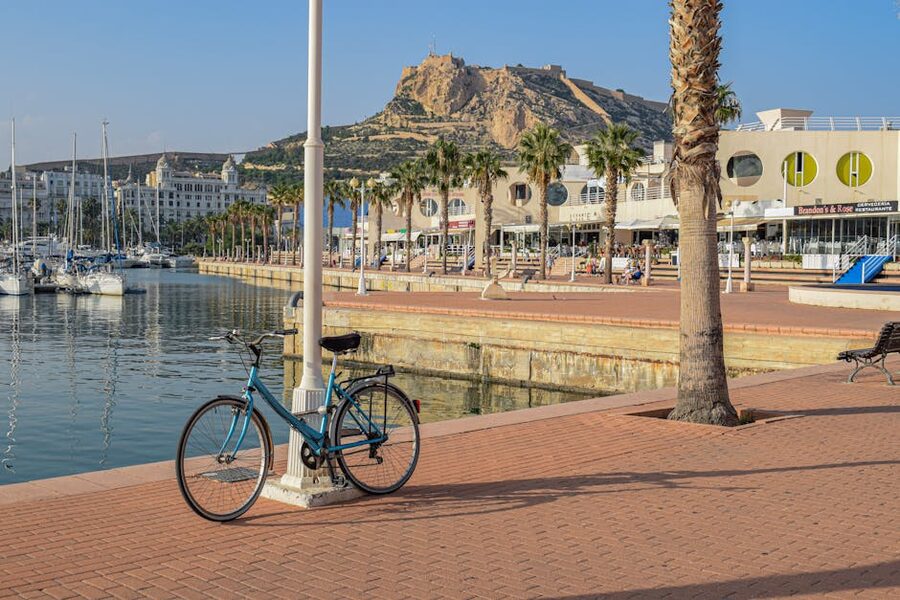
The old town and Mercado Central are walkable from anywhere in the city centre. You don’t need a car, a bus, or a taxi for the food tour itself. Everything is within a 15-minute walk of the main promenade, the Explanada de Espana.
What Else to Do in the Alicante Region
If you’re spending more than a day or two in Alicante, the surrounding area has plenty to keep you busy. Guadalest is a mountaintop village about an hour north with a castle carved into solid rock and a reservoir so turquoise it looks artificial. Boat tours from Alicante run along the coast to Tabarca Island, a tiny car-free island with some of the clearest water in the Mediterranean.
Valencia is an easy day trip to the north — about two hours by train — and has its own food scene worth exploring, including the birthplace of horchata and the original paella. To the south, the Costa del Sol and Nerja are reachable for a longer day trip or an overnight.
This article contains affiliate links. When you book through these links, we may earn a small commission at no extra cost to you. This helps us keep creating free travel guides.