
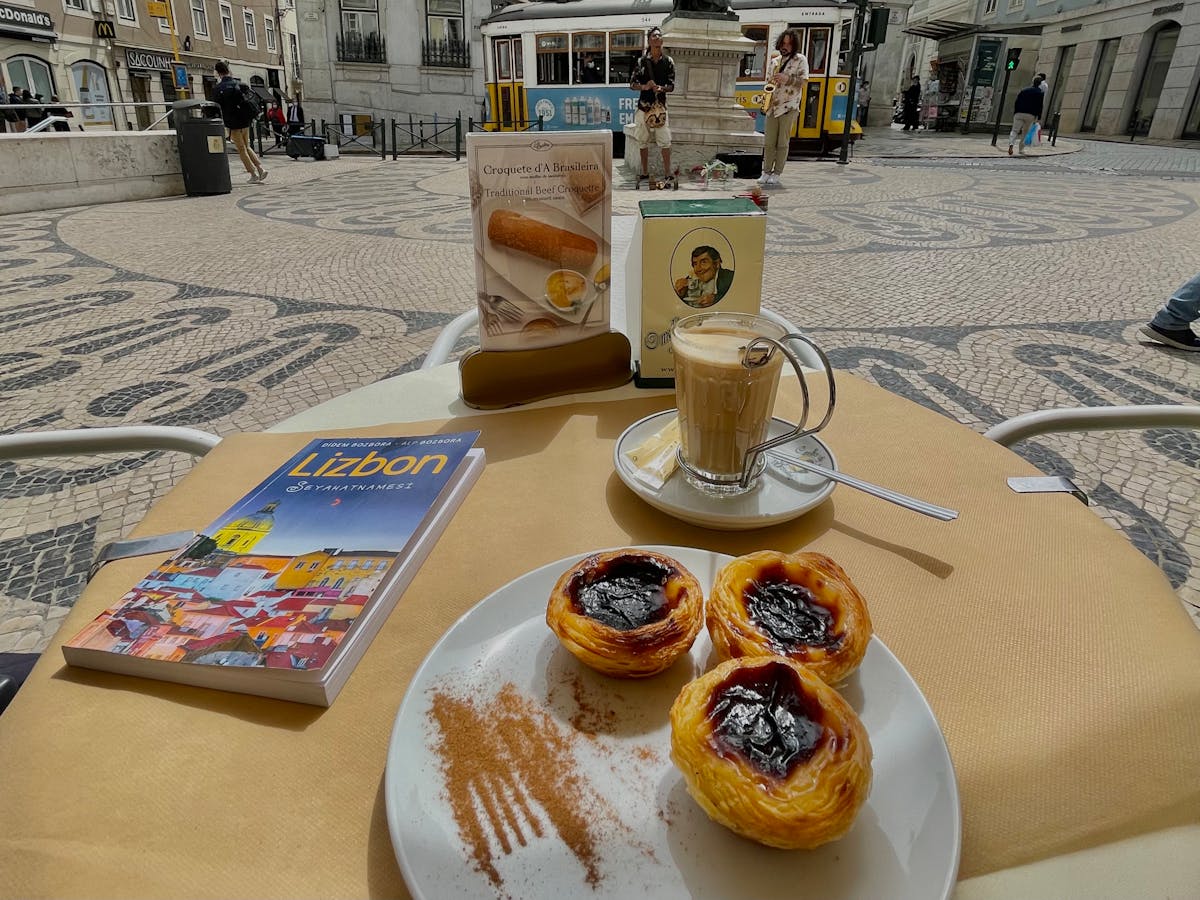
The woman behind the counter didn’t even ask what I wanted. She just slid a warm pastel de nata across the marble, dusted it with cinnamon, and nodded toward the espresso machine. That was my first ten minutes in Lisbon’s Baixa district, and I hadn’t even started the food tour yet.
Here’s what nobody tells you about Lisbon food tours: the city has over 300 years of bacalhau recipes, wine regions most people outside Portugal have never heard of, and a street food culture that runs deep into neighborhoods travelers rarely wander into on their own. A good food tour doesn’t just feed you — it rewires how you think about Portuguese cooking.
I’ve done food tours across Europe, and Lisbon sits comfortably in my top three. The combination of fresh Atlantic seafood, North African spice influences, and pastry traditions that go back centuries makes it unlike anywhere else on the continent.
Best overall: Undiscovered Lisbon Food & Wine Tour — $126. Gets you into neighborhoods most travelers skip entirely, with wine pairings at every stop.
Best budget option: Lisbon Food and Wine Small Group Walking Tour — $72. Fifteen tastings and wine for under $75 is genuinely hard to beat.
Best for evening: Baixa District Food Tour with Dinner — $93. A proper dinner tour through Baixa that runs into the evening, when the neighborhood comes alive.
- What Lisbon Food Tours Actually Include
- Types of Food Tours in Lisbon
- The Best Food Tours to Book in Lisbon
- 1. Undiscovered Lisbon Food & Wine Tour with Eating Europe — 6
- 2. Lisbon Food and Wine Small Group Walking Tour —
- 3. Alfama District Food Tour with 18 Tastings — 7
- 4. Baixa District Food Tour with Dinner and Drinks —
- When to Book Your Lisbon Food Tour
- Tips That Will Actually Save You Time
- What You’ll Actually Eat
- More Lisbon Guides
What Lisbon Food Tours Actually Include
Most Lisbon food tours follow a similar formula: a local guide walks you through one or two neighborhoods over three to four hours, stopping at anywhere from 8 to 18 tastings along the way. The good ones include wine or ginjinha (that sour cherry liqueur you’ll see everywhere) and enough food that you can skip dinner afterward.
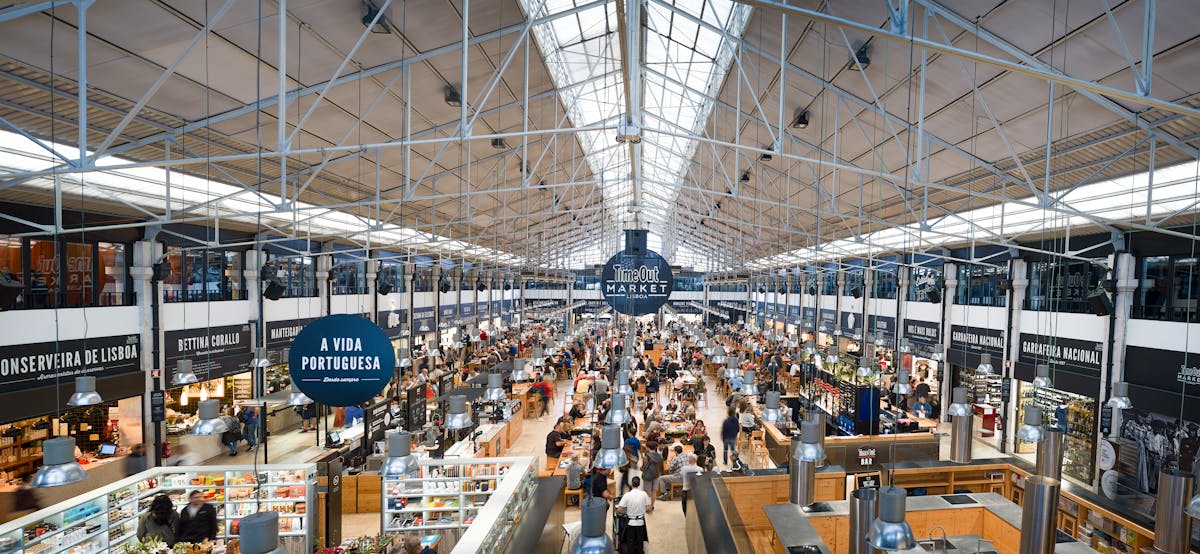
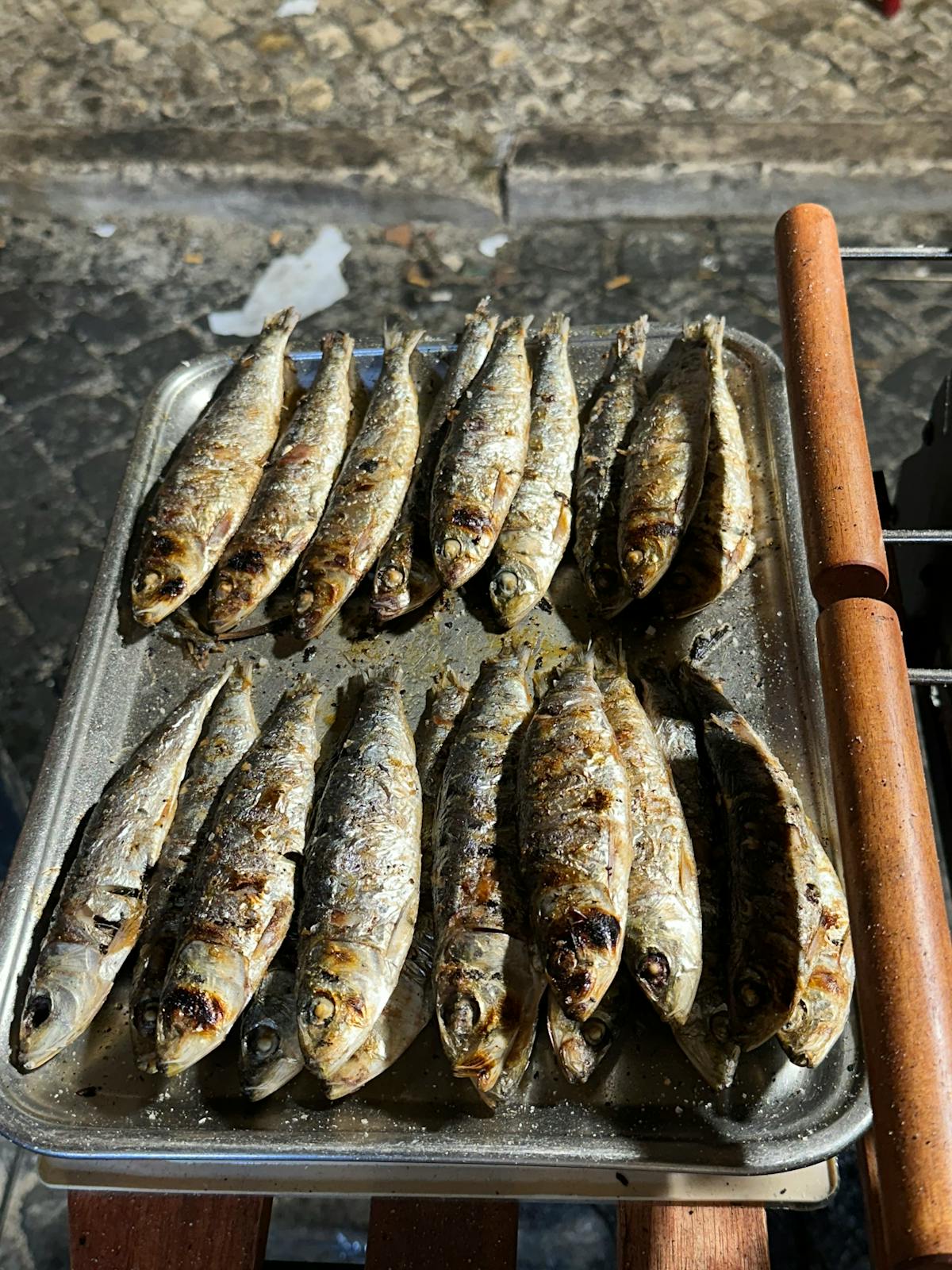
Expect to try pastel de nata (obviously), some form of bacalhau, local cheeses, cured meats, sardines, and usually a bifana — that pork sandwich that Lisbon locals are slightly obsessed with. The better tours also explain the history behind what you’re eating. Portugal’s food story involves centuries of maritime trade, Moorish influence, and a relationship with cod that borders on the spiritual.
Group sizes vary wildly. Some tours cap at 8 people, others pack in 15 or more. I’d push hard for the smaller groups. The difference between eating at a counter with 7 other people versus squeezing 14 bodies into a tiny tascas is significant.
Types of Food Tours in Lisbon
Neighborhood walking tours are the standard. You walk through Alfama, Baixa, Bairro Alto, or Mouraria, eating your way from stop to stop. These are the best value and the most popular for a reason — you get food, history, and exercise.
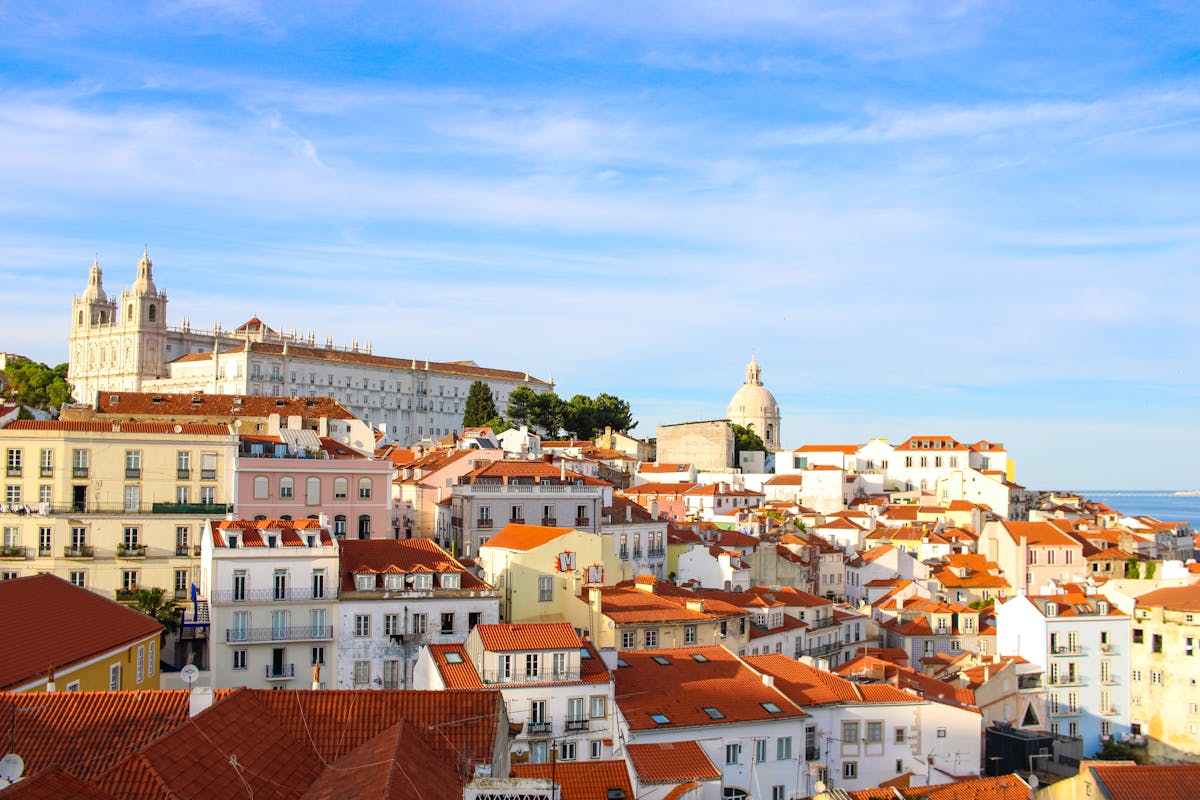
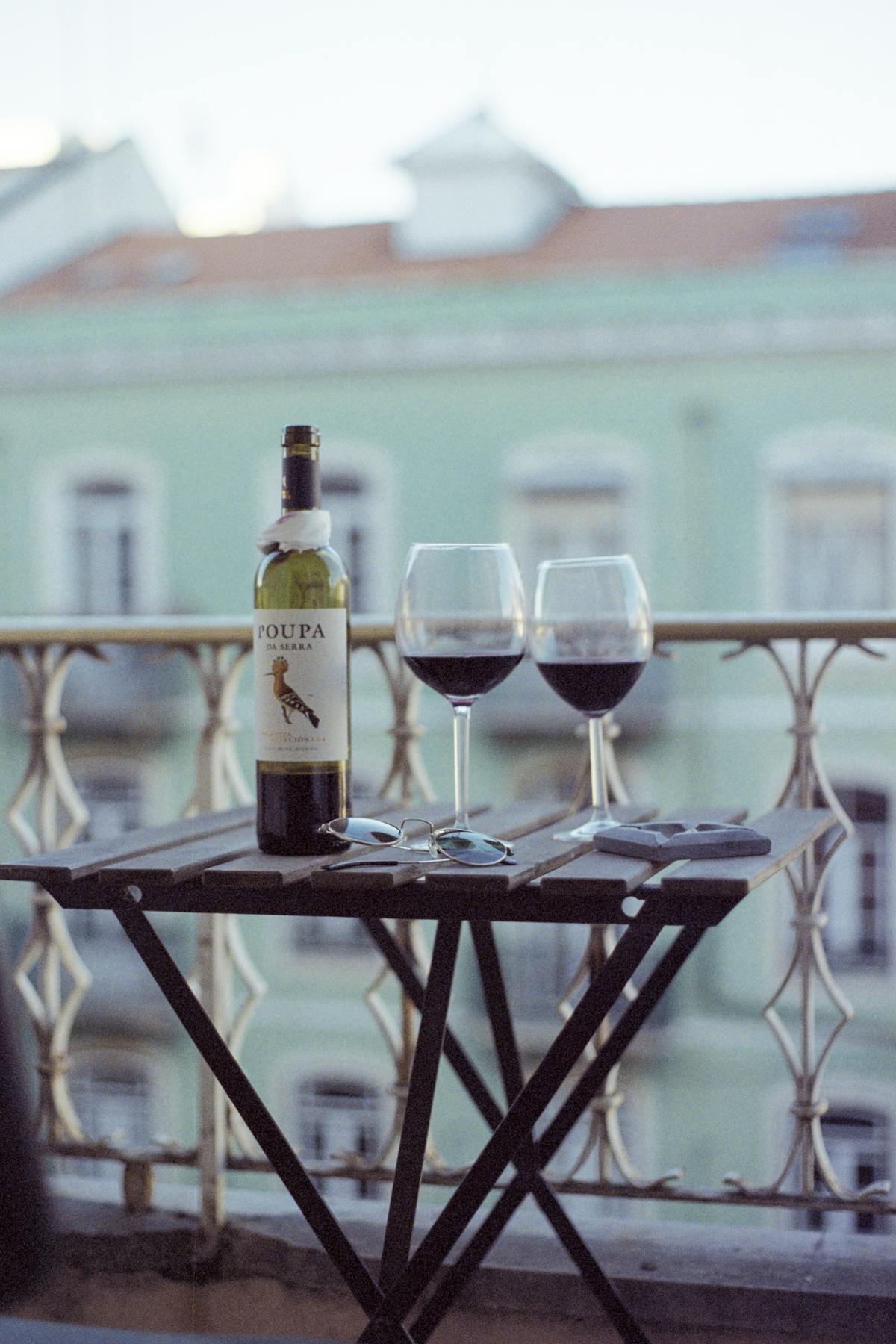
Wine and food combination tours add structured wine tastings to the mix. You’ll try vinho verde, Alentejo reds, maybe a port or Madeira. These tend to be pricier but worth it if you’re into wine and would otherwise do a separate tasting.
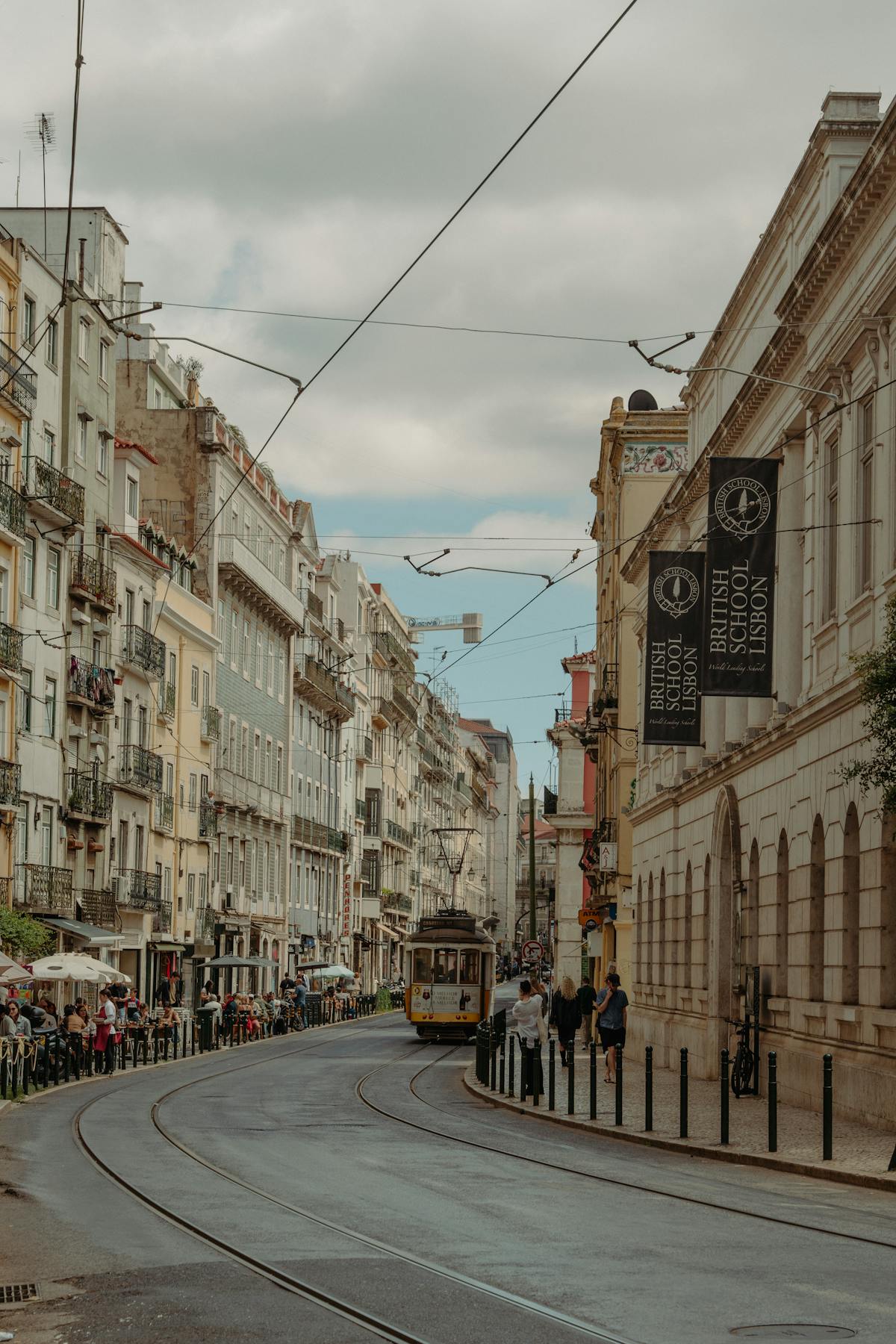
Evening and dinner tours shift the timing so you eat dinner as part of the tour. This works brilliantly in Lisbon because the city genuinely transforms after dark — the Baixa district goes from tourist-crowded to atmospheric once the sun drops.
Tuk-tuk and Segway food tours exist too. Honestly, I’d skip them unless mobility is a concern. Half the charm of a Lisbon food tour is walking the cobblestones and ducking into alleyways. You lose that on wheels.
The Best Food Tours to Book in Lisbon
1. Undiscovered Lisbon Food & Wine Tour with Eating Europe — $126
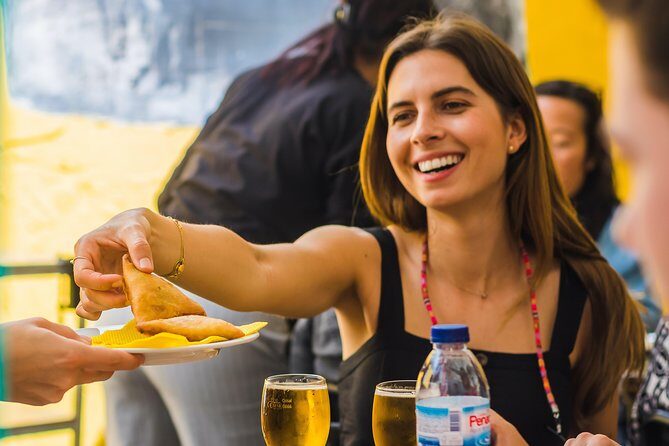
This is the one I’d book if I could only pick one. Eating Europe has been running food tours across the continent for years, and their Lisbon operation is dialed in. The “undiscovered” part isn’t marketing fluff — they genuinely take you into neighborhoods where you won’t bump into other tour groups.
What sets it apart is the wine pairing at each stop. Instead of just handing you a glass of whatever’s open, the guide explains what you’re drinking and why it works with what you’re eating. At $126 it’s the most expensive option on this list, but you’re getting 3.5 hours of food, wine, and local knowledge that would cost you more if you tried to replicate it on your own. The group size stays small, which makes a real difference when you’re squeezing into tiny family-run spots.
2. Lisbon Food and Wine Small Group Walking Tour — $72
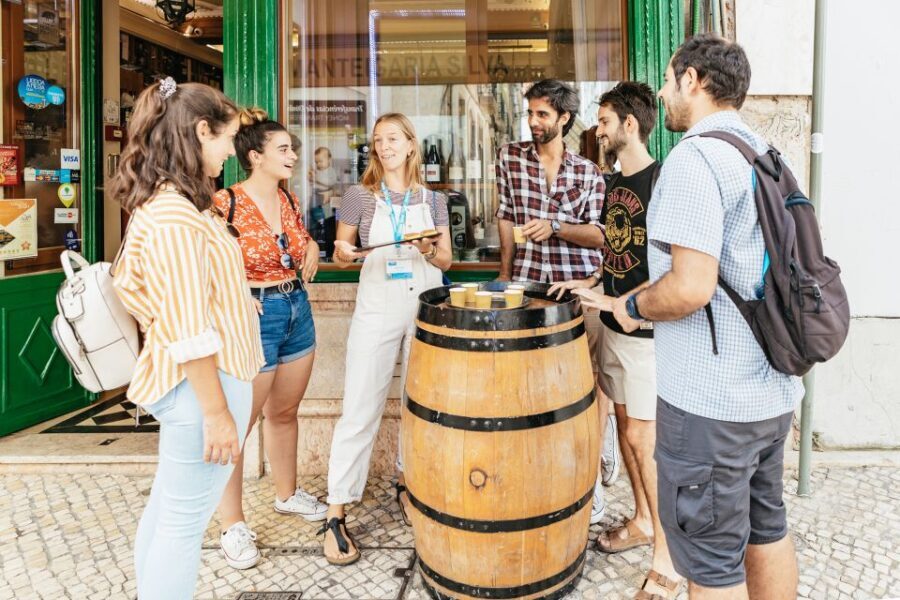
If the Eating Europe tour is the splurge option, this is the smart-money pick. Fifteen tastings and wine included for $72 makes this the best value food tour in Lisbon by a wide margin. It runs for three hours through some of the city’s best local spots, and the guides are consistently solid — knowledgeable without being scripted.
The small group format means you’re not fighting for elbow room at each stop. The tastings cover a proper spread of Portuguese classics: cheeses, meats, pastries, seafood, and enough wine to keep things interesting without turning it into a drinking tour. I’d recommend this to anyone visiting Lisbon for the first time who wants the full overview without spending over $100.
3. Alfama District Food Tour with 18 Tastings — $127
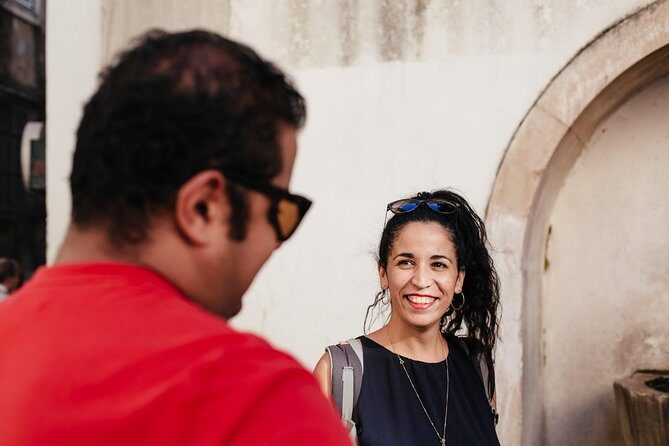
Eighteen tastings sounds excessive until you realize Alfama is the kind of neighborhood where every other doorway leads to a tascas or a tiny bakery that’s been open since the 1940s. This tour zeroes in on Lisbon’s oldest district and stays there — no rushing between neighborhoods, just a deep dive into one area.
The guides on this one are particularly good. Francisco gets mentioned constantly in reviews, and for good reason — he treats it less like a scripted tour and more like showing friends around his neighborhood. At $127 it’s similar in price to the Eating Europe tour, but the focus is entirely different. Where that one roams through lesser-known areas, this one goes deep on Alfama’s food culture, viewpoints, and history. Pick this if you want depth over breadth.
4. Baixa District Food Tour with Dinner and Drinks — $93
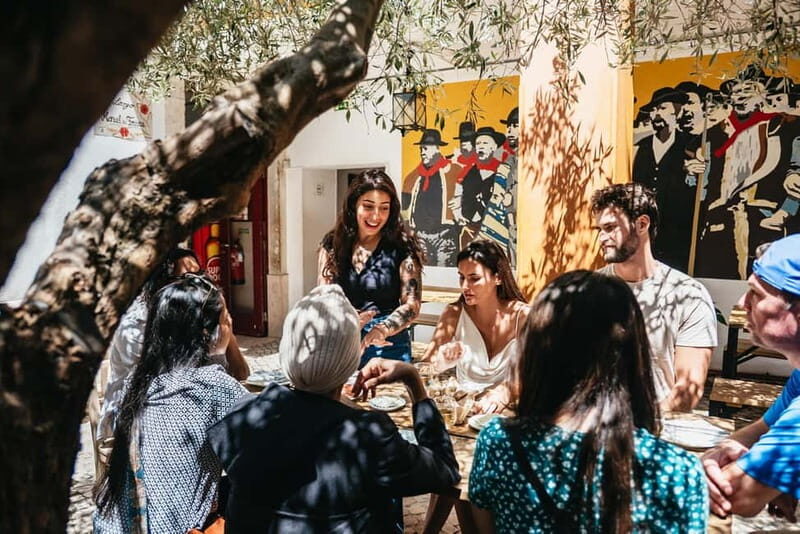
Most food tours run in the afternoon, which means you’re done by 4pm and then have to figure out dinner on your own. This one flips the script. It’s an evening tour through the Baixa district that includes actual dinner — not just tastings, but sit-down dishes with drinks.
At $93 it sits right in the middle price-wise, and you’re effectively getting dinner out of it, which changes the value calculation entirely. The Baixa district is Lisbon’s commercial heart, and it transforms beautifully in the evening. Fewer crowds, better light, more atmosphere. The tour covers Portuguese classics along with some less obvious dishes, and the guides are excellent at reading the group and adjusting the pace. Book this if you want your food tour to double as your evening plans.
When to Book Your Lisbon Food Tour
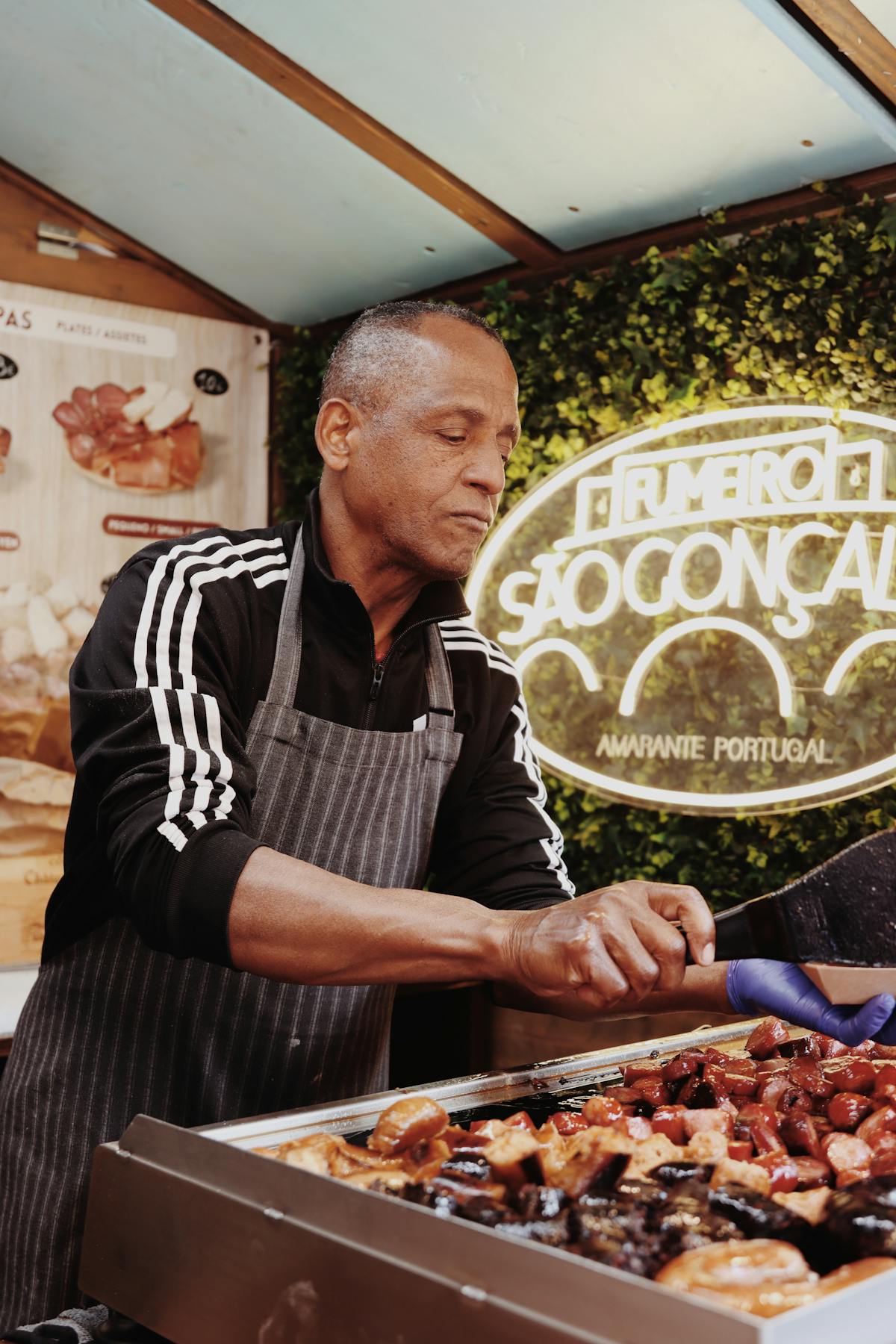
Best months: April through June and September through October. The weather is warm enough to walk comfortably, the seasonal produce is excellent, and you’re not competing with August’s peak tourist crowds.
Avoid: August if you can. Half of Lisbon goes on holiday, some of the smaller family restaurants close, and the heat can make a three-hour walking tour more of an endurance test than a pleasure.
Time of day matters. Morning tours (starting around 10am) work well because you’re hungry and the neighborhoods are quieter. Afternoon tours (2-3pm) mean you’ll skip lunch, which is actually ideal — you’ll arrive hungry. Evening tours are best for atmosphere but you need to have eaten something earlier in the day.
Book at least a week ahead during spring and fall. In summer, two weeks is safer. The popular small-group tours sell out faster than you’d expect.
Tips That Will Actually Save You Time
Wear flat shoes with grip. Lisbon’s hills are no joke, and the cobblestones get slippery. I’ve watched two people nearly go down on the calçada portuguesa outside the Sé Cathedral. Sneakers or flat boots — leave the sandals at the hotel.
Don’t eat a big meal beforehand. This sounds obvious but I’ve seen people show up after a hotel breakfast buffet and then struggle by tasting number six. Have a coffee and maybe a small pastry. That’s it.
Bring cash for extras. Most tour stops are covered, but you’ll inevitably want to buy a bottle of wine or some cheese to take back. Portuguese wine is absurdly cheap — expect to pay $5-10 for bottles that would cost four times that at home.
Tell the guide about dietary restrictions early. Most tours can accommodate vegetarians and some allergies, but they need advance notice. Gluten-free is trickier in Lisbon given how pastry-heavy the food culture is, but good guides will find alternatives.
Book the first tour of the day if you can. The restaurants are freshest, the streets are quieter, and the guides haven’t already done two tours before yours. It makes a noticeable difference.
What You’ll Actually Eat
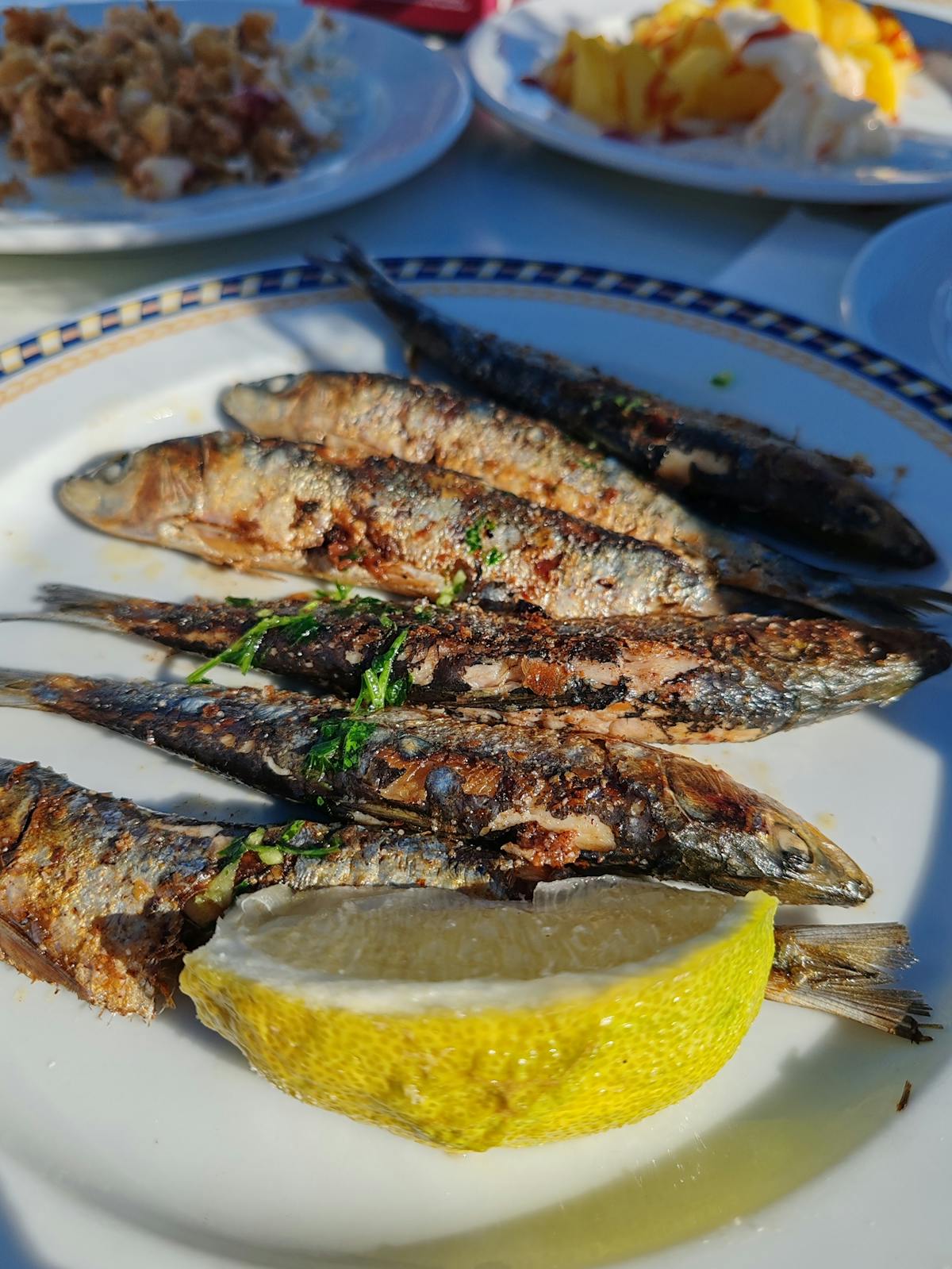
Portuguese food doesn’t get the attention it deserves internationally. While people flock to Spain for tapas and Italy for pasta, Portugal quietly does some of the best seafood cooking in Europe.
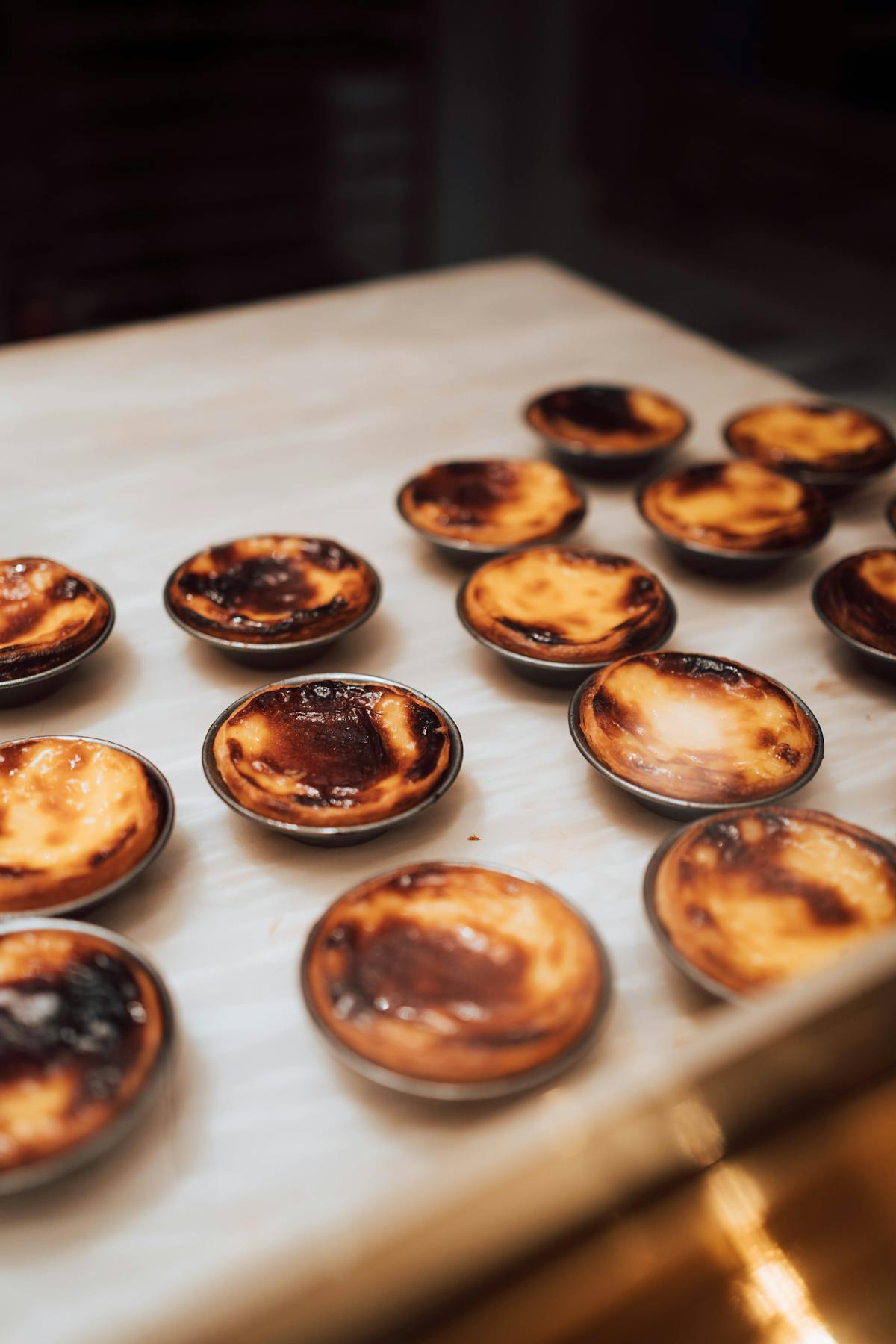
Pastel de nata — the custard tart you already know about. But tasting one fresh from a neighborhood bakery, still warm, with a thin layer of caramelized sugar on top, is a different experience from whatever you’ve had at a chain cafe back home.
Bacalhau — salt cod, prepared in supposedly 365 different ways. You’ll try at least two versions on most food tours: usually the crispy patties (pasteis de bacalhau) and something braised or baked.
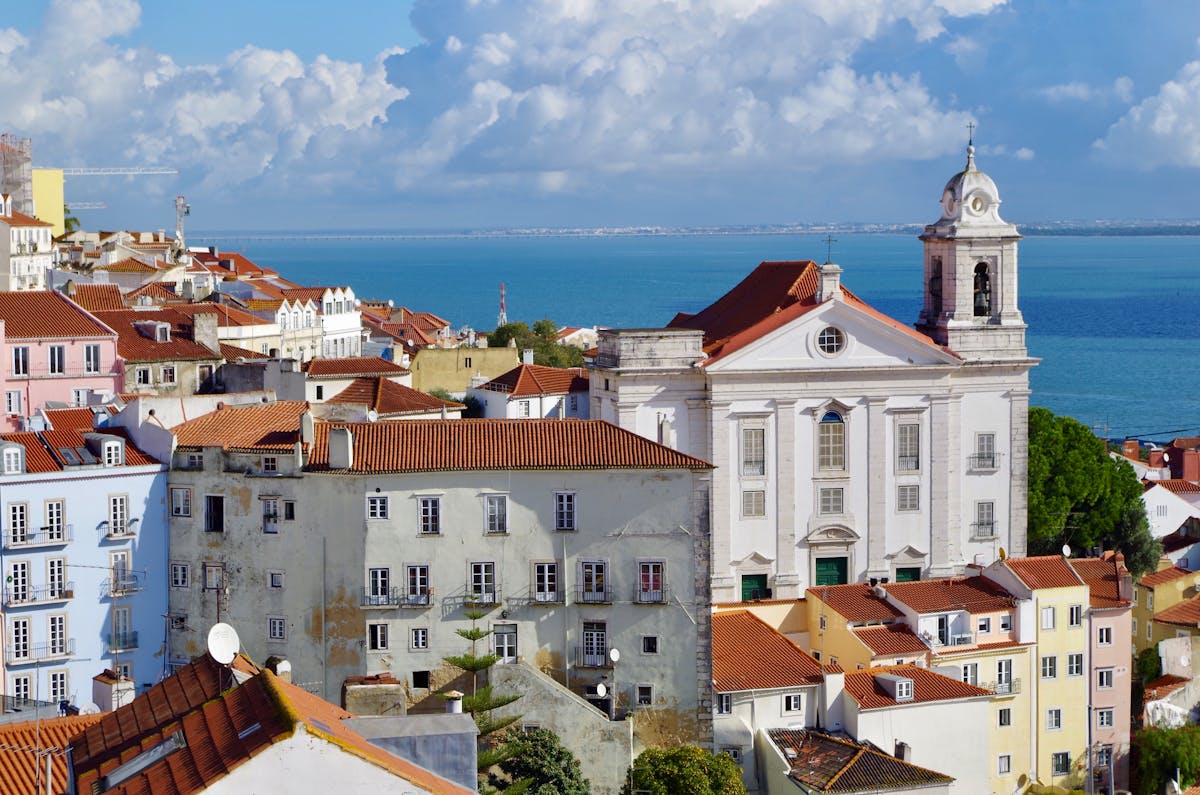
Bifana — a pork sandwich marinated in garlic and white wine, served on a simple roll. Sounds plain. It isn’t. Every local has a strong opinion about where to get the best one.
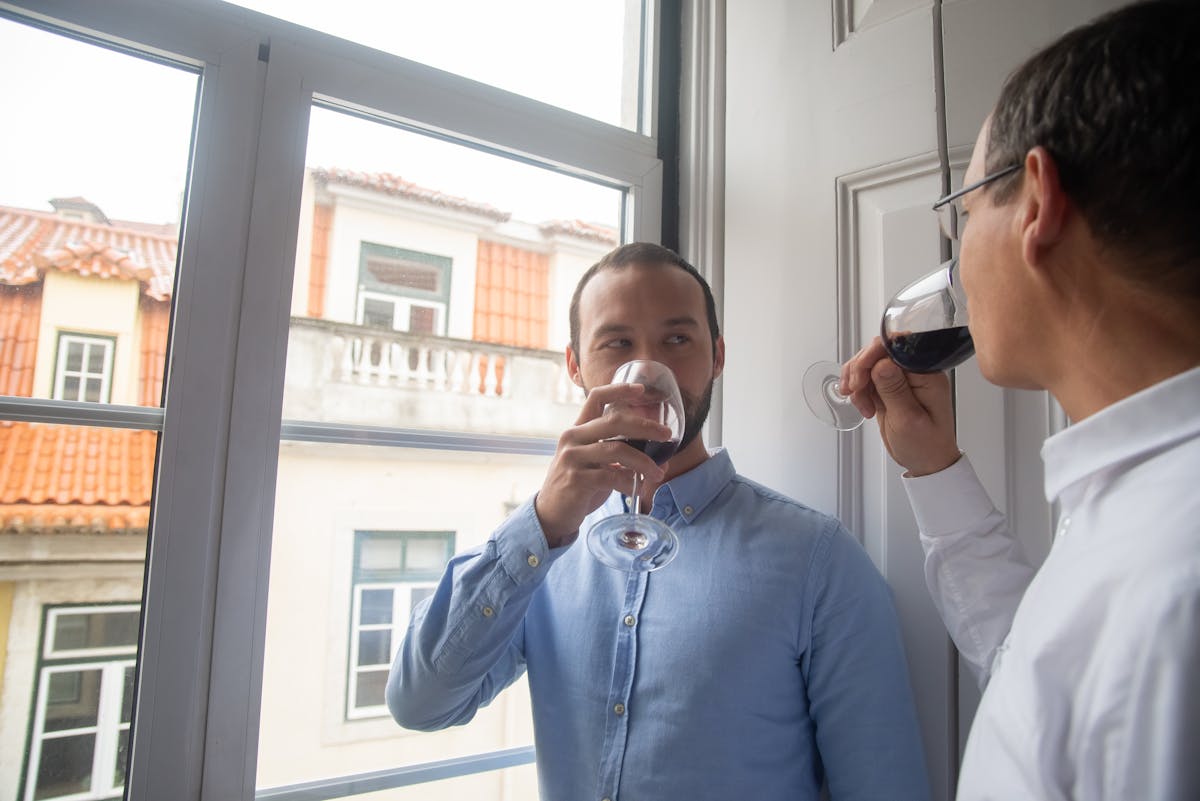
Queijo da Serra — sheep’s milk cheese from the Serra da Estrela mountains. It’s soft, almost runny when ripe, and you scoop it out of the rind with bread. Paired with a glass of Alentejo red, it’s one of the best things I’ve eaten in Europe. Full stop.
Ginjinha — sour cherry liqueur. Sweet, strong, and served in tiny cups at hole-in-the-wall bars that have been pouring it for decades. It’s touristy and authentic at the same time, which is a rare combination.
More Lisbon Guides
Lisbon is a city built for eating and wandering, and the food tour is really just the start. If your guide took you through Alfama, an Alfama walking tour covers the neighbourhood in more depth with stops your food tour probably skipped. a fado show in Lisbon makes a natural evening follow-up, because the same streets where you ate pasteis de nata transform into something completely different once the fado singers start. For daytime exploring, a tuk-tuk tour in Lisbon covers the hills that are hardest on full stomachs, and a bike tour in Lisbon takes you along the flat waterfront to Belem. If you want a view to digest to, a boat tour in Lisbon on the Tagus is hard to beat. Plan at least one day trip to visiting Sintra from Lisbon before you leave.
This article contains affiliate links. If you book a tour through one of these links, we may earn a small commission at no extra cost to you. This helps us keep writing honest, detailed guides. We only recommend tours we’d book ourselves.