
Paul Bocuse died in 2018, but his name still runs this city. Every chef in Lyon, from the three-star restaurants to the tiny bouchons crammed into Vieux Lyon’s medieval lanes, operates in his shadow. And honestly? That pressure is why the food here is so ridiculously good.
I spent most of my first morning in Lyon lost in the traboules — those hidden passageways that cut through Renaissance buildings in the old town — and stumbled into a charcuterie shop that had been open since the 1930s. The owner sliced me a piece of rosette de Lyon without asking and just watched while I ate it. That’s the kind of city this is. Food first, questions later.
A food tour in Lyon isn’t really about discovering unknown spots. It’s about understanding why this particular city became the gastronomic capital of France, and how the meres lyonnaises — working-class women who left aristocratic kitchens in the early 1900s to open their own restaurants — built an entire food culture from scratch.
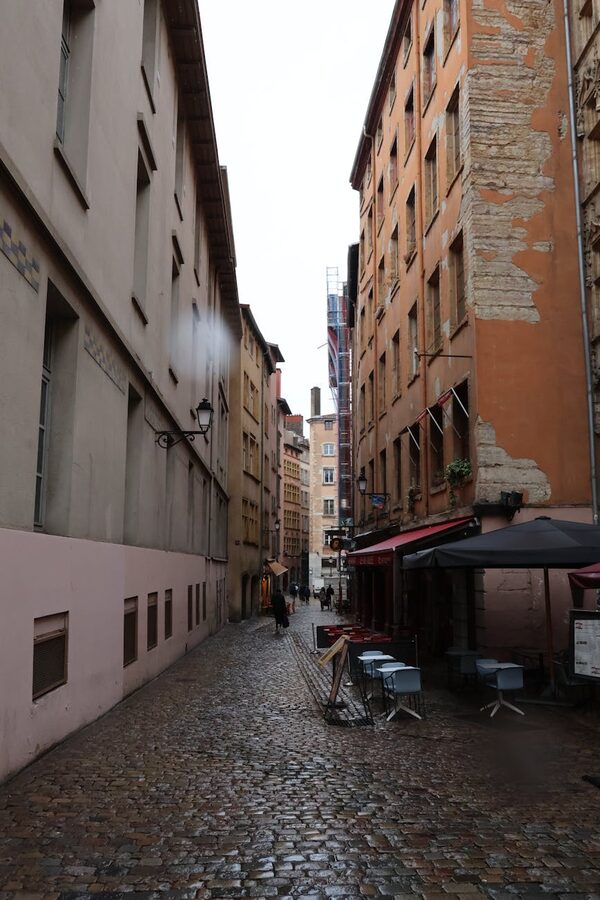
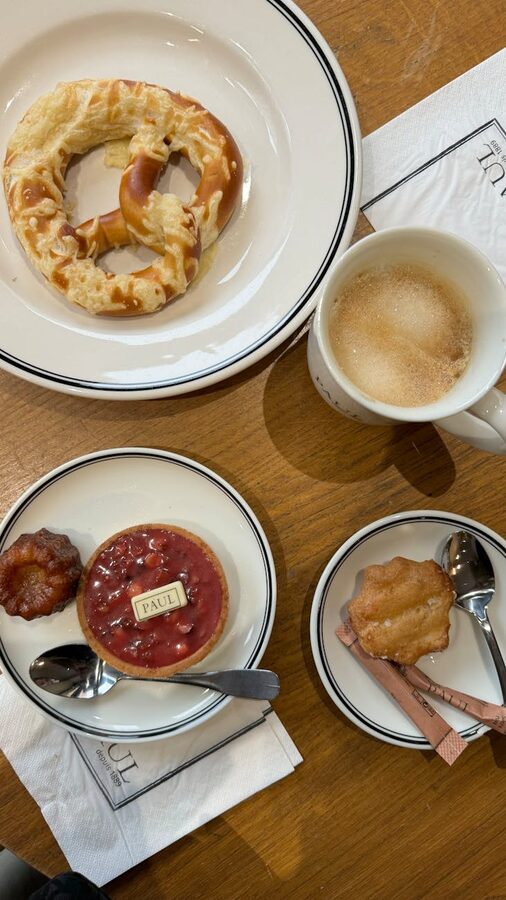
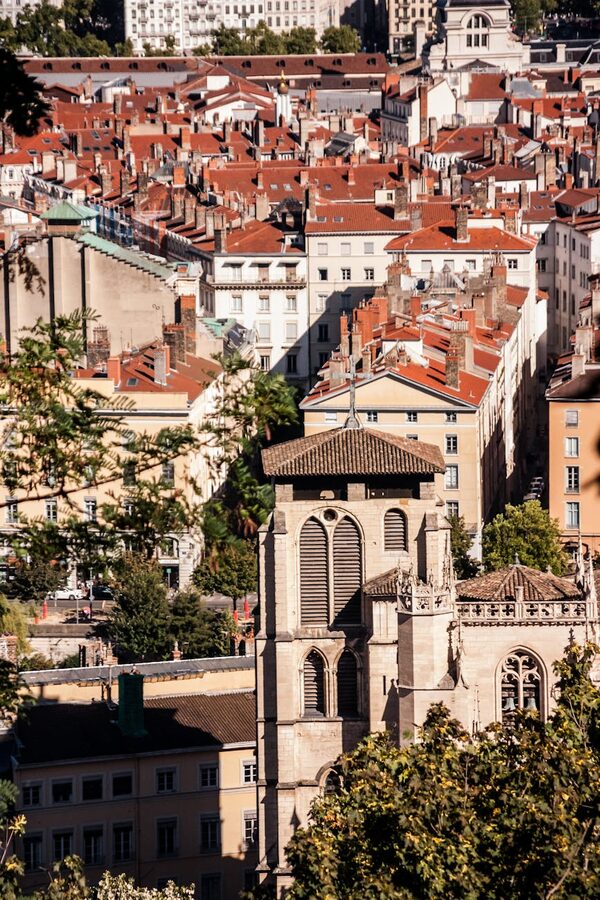
Best overall: Food Tour in Lyon — A Full Taste of France — $93. 3.5 hours through Vieux Lyon with tastings at bouchons, wine bars, and artisan shops. Best all-round introduction to Lyonnaise food.
Best for deep tastings: Vieux Lyon Food Tasting Walking Tour — $104. Four hours, 14+ tastings, and you’ll actually sit down for a proper bouchon lunch. Worth the extra cost.
Best for private groups: Secret Food Tours Lyon — $131. Has a private option for groups. Covers the same ground but with more flexibility if you have specific dietary needs.
- What Makes Lyon Different from Every Other French Food City
- Self-Guided Eating vs. a Guided Food Tour
- The Best Lyon Food Tours to Book
- 1. Food Tour in Lyon — A Full Taste of France —
- 2. Vieux Lyon Food Tasting Walking Tour — 4
- 3. Secret Food Tours Lyon — 1
- What You’ll Actually Eat on a Lyon Food Tour
- When to Go
- Getting to Vieux Lyon
- Tips That’ll Save You Time and Money
- The Bouchon Tradition — A Quick Primer
- Beyond the Food Tour
What Makes Lyon Different from Every Other French Food City
Paris gets the attention, but Lyon has the pedigree. The city earned its reputation as France’s food capital not through fine dining — that came later with Bocuse — but through the meres lyonnaises, the “mothers of Lyon.” These were female cooks who had worked in the kitchens of wealthy Lyonnaise families for years. When the aristocracy started declining in the early 1900s, they opened their own small restaurants, serving the hearty home cooking they’d perfected over decades.
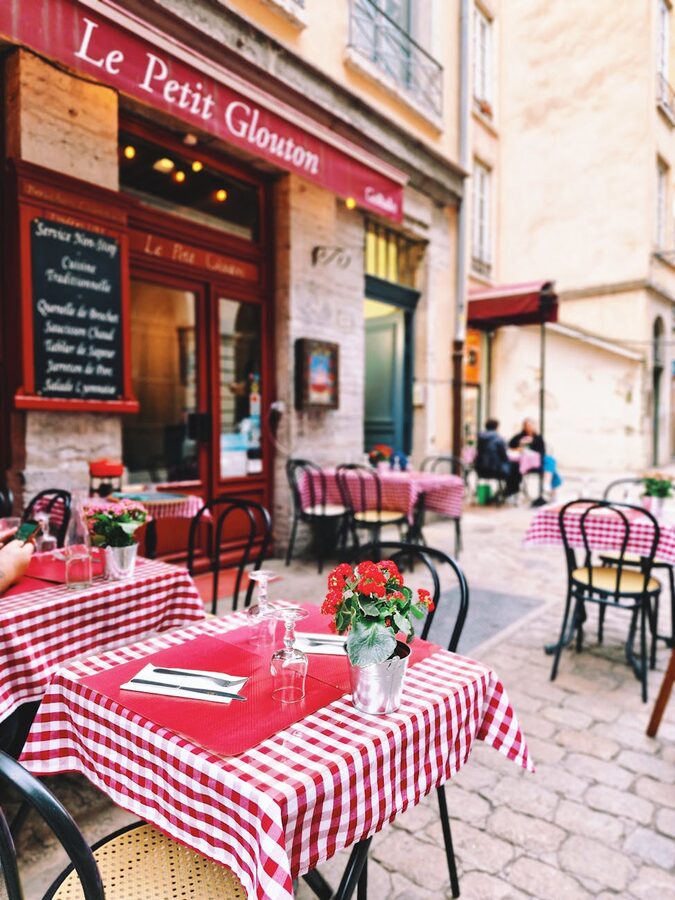
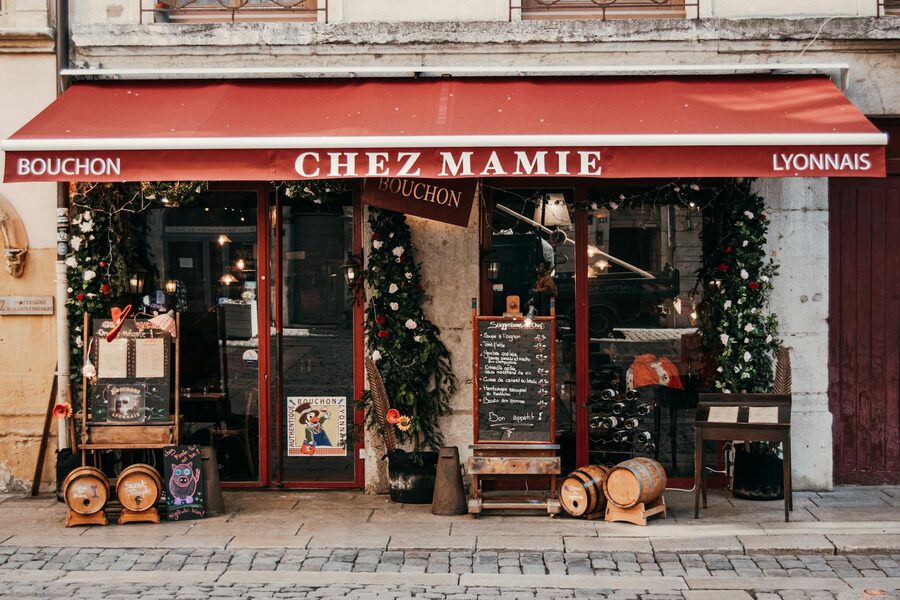
Those restaurants became the bouchons. The food is unapologetically rich: quenelles (pike dumplings in creamy sauce), tablier de sapeur (breaded tripe — better than it sounds, I promise), salade lyonnaise with its runny poached egg, and cervelle de canut, a herbed fresh cheese spread that every bouchon serves slightly differently. The best food tours walk you through all of this, with enough context to understand what you’re eating and why it matters.
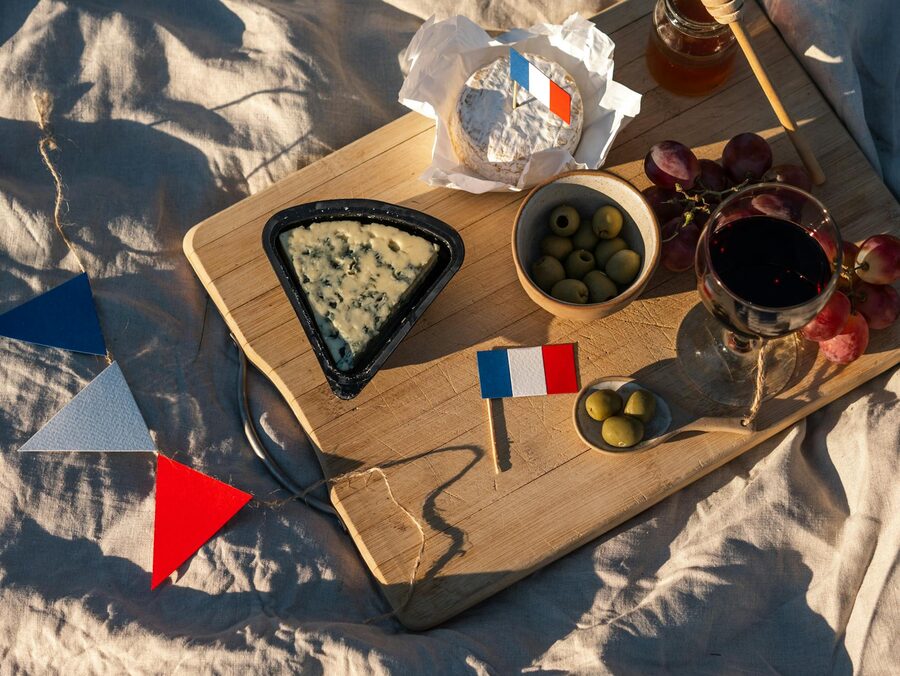
Lyon also sits at a geographic crossroads that no other French city can match. The Rhone Valley wine region starts practically at the city limits. The Bresse chicken farms are an hour north. Beaujolais vineyards are 30 minutes away. The Alps supply the cheese. When your ingredients are that close, you don’t need to fuss with them much — and that straightforward approach is what defines Lyonnaise cooking.
Self-Guided Eating vs. a Guided Food Tour
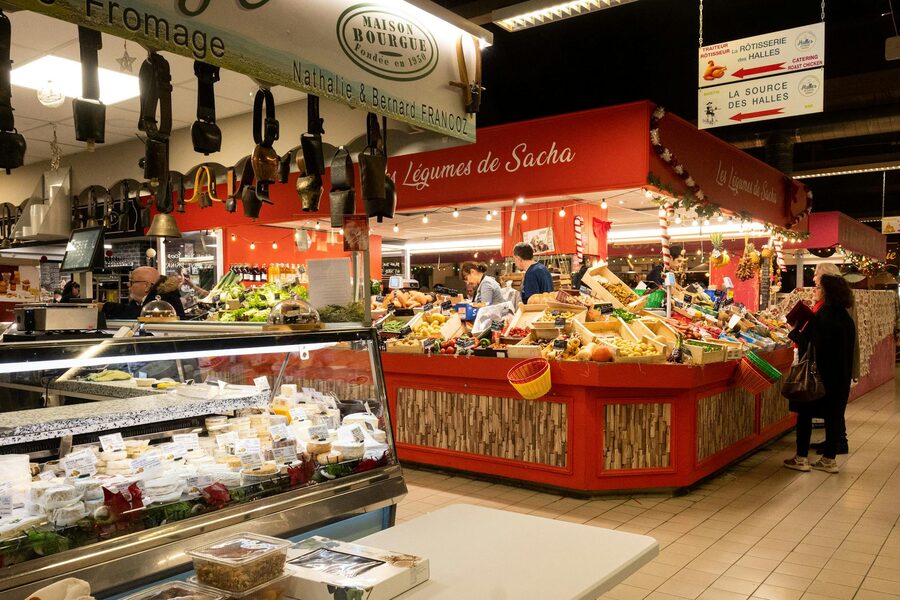
You can absolutely eat your way through Lyon without a guide. Les Halles de Lyon Paul Bocuse is open to the public, the bouchons don’t require reservations on weekdays, and the traboules are free to wander. So why pay for a food tour?
Honestly, it comes down to two things. First, a good guide knows which bouchons are genuine and which ones are tourist traps with the right tablecloths but reheated food. There are maybe 20 certified bouchons in Lyon, but dozens more use the name without earning it. Second, the tastings on a guided tour add up to more food than you’d comfortably order on your own — you’re sharing portions across the group, which means you try six or seven different dishes instead of committing to one main course at a single restaurant.
The downside? Food tours are not cheap in Lyon. You’re looking at $93-$131 per person for 3.5 to 4 hours, and that’s mid-range by European food tour standards. But the food included is substantial — most tours include a full lunch portion at a bouchon, multiple wine pairings, charcuterie, cheese, chocolate, and pastries. If you added all of that up separately, you’d spend at least EUR 60-70 on your own, so the premium is really for the guide’s expertise and the convenience of having it all organised.
If you prefer the self-guided route, grab a Lyon City Card for transport and museum discounts, then hit Les Halles in the morning and pick a bouchon for lunch. But for a first visit, the guided tour gives you a framework that makes the rest of your meals in Lyon much better.
The Best Lyon Food Tours to Book
I’ve looked through the available food tours in Lyon and narrowed it down to three that cover different price points and styles. All three focus on Vieux Lyon and include wine pairings, which is the right call — the old town is where the authentic bouchons are concentrated, and no serious food tour in Lyon skips the local wine.
1. Food Tour in Lyon — A Full Taste of France — $93
This is the one I’d book for a first visit. Run by Do Eat Better Experience, it’s a 3.5-hour walk through Vieux Lyon that hits the right mix of traditional bouchons, wine bars, and artisan producers. The guides are locals who genuinely care about the food history, and at $93 per person it’s the most affordable of the three options here.
The tour gets consistently perfect scores, and the guides — Maya and others — get mentioned by name in almost every review, which tells you something about the personal touch. You’ll taste regional wines alongside charcuterie and local sweets, with enough historical context about the meres lyonnaises and the bouchon tradition to make every meal you eat in Lyon afterward feel richer. It runs via Viator, so cancellation is free up to 24 hours beforehand.
2. Vieux Lyon Food Tasting Walking Tour — $104
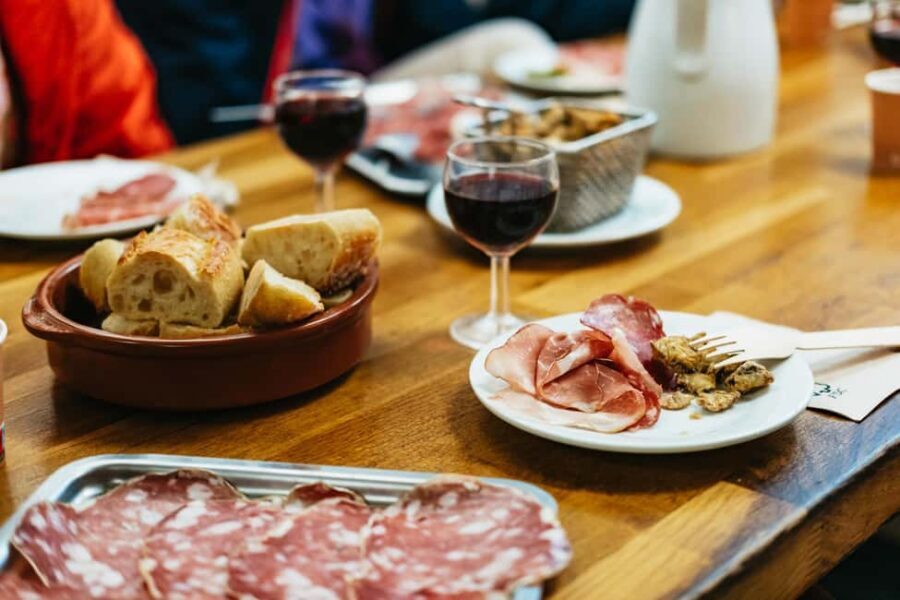
This GetYourGuide tour goes deeper than the others. Four full hours with 14+ tastings — that’s not a typo. You’ll eat your way through charcuterie, local cheeses, pastries, chocolate, and a proper sit-down lunch at a bouchon, all paired with regional wines. At $104, the per-tasting value is actually the best of the three.
The groups tend to be small — sometimes as few as four people, which essentially turns it into a semi-private experience. Guides like Nathalie and Shirine get mentioned repeatedly for their depth of knowledge on Lyon’s culinary history and their talent for finding spots that most visitors would walk right past. The four-hour length means you’re not rushing, and the walking tour pace is gentle enough that you’ll have time to absorb the traboules and Renaissance architecture along the way.
3. Secret Food Tours Lyon — $131
The most expensive of the three at $131 per person, and I’ll be honest — for solo travellers or couples, the first two options are better value. But Secret Food Tours has something the others don’t: a private tour option that works brilliantly for families or groups who want to move at their own pace.
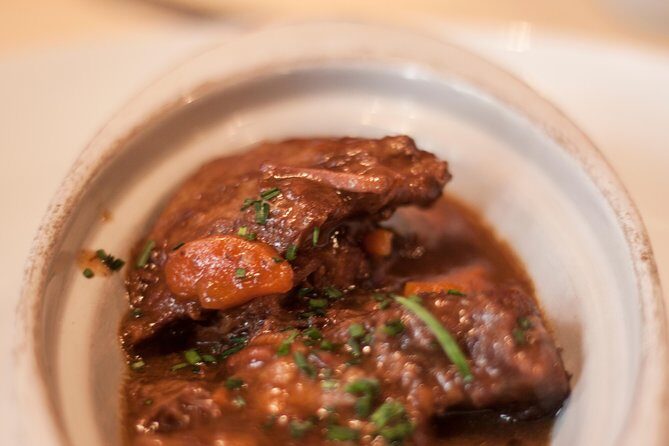
The 3.5-hour route covers Vieux Lyon with stops at bouchons for regional dishes (coq au vin, quenelle, cheese ravioli), charcuterie and wine pairings, plus a chocolate shop. One reviewer noted it felt expensive for what was included, and at this price point that’s a fair comment — but the quality of the guide’s historical knowledge and the genuine local spots they choose make it worthwhile, particularly if you want the private experience. Dietary accommodations are easier to handle on a private tour too. It books through Viator with the standard 24-hour free cancellation.
What You’ll Actually Eat on a Lyon Food Tour
The specifics depend on which tour you book and which day you go (some shops rotate their stock, and bouchon menus change with the seasons), but here’s what’s typical:
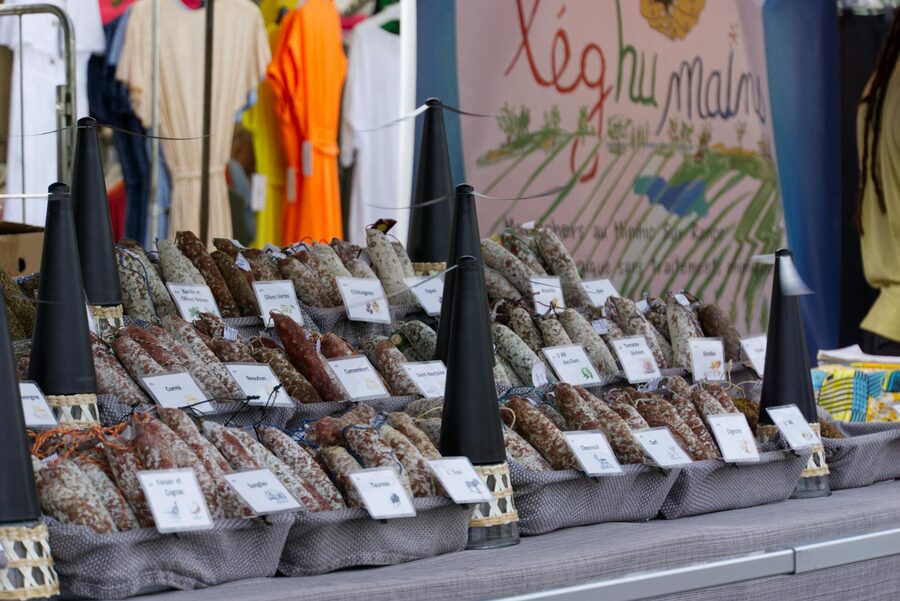
Charcuterie: Rosette de Lyon and saucisson are the headliners. Most tours stop at a dedicated charcutier in Vieux Lyon where you’ll taste several varieties, usually with cornichons and mustard. The Jesus de Lyon — a fat, slow-aged sausage — shows up on some tours if the shop has it ready.
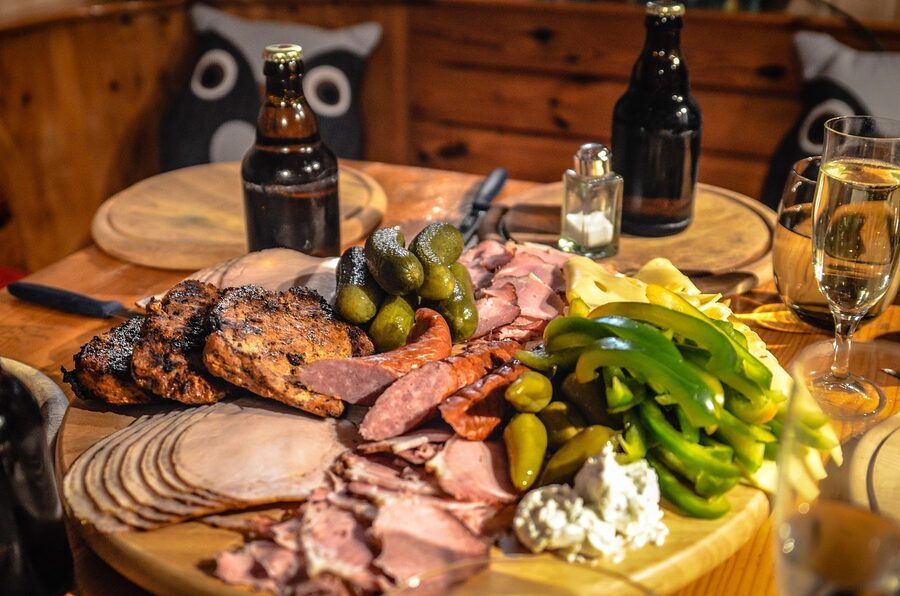
Bouchon lunch: This is the centrepiece. Expect one main course from a traditional menu — quenelle de brochet (pike dumpling in Nantua sauce), tablier de sapeur (breaded and fried tripe), or salade lyonnaise. The 4-hour tour gives you a choice; the shorter ones may assign the dish. Don’t worry about the tripe. Seriously. When it’s done right — breaded, fried until crisp, served with a good tartare sauce — it’s one of the best things you’ll eat in France.
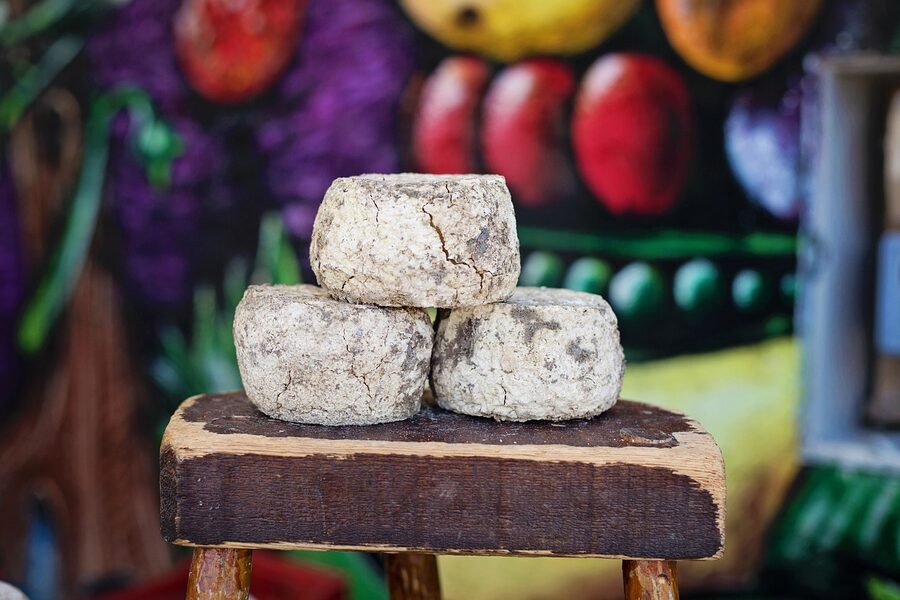
Cheese: Saint-Marcellin is Lyon’s cheese, and the good versions are runny enough to eat with a spoon. Some tours also include cervelle de canut, a fromage blanc mixed with herbs, shallots, and garlic. The name translates to “silk worker’s brain,” which is charming.
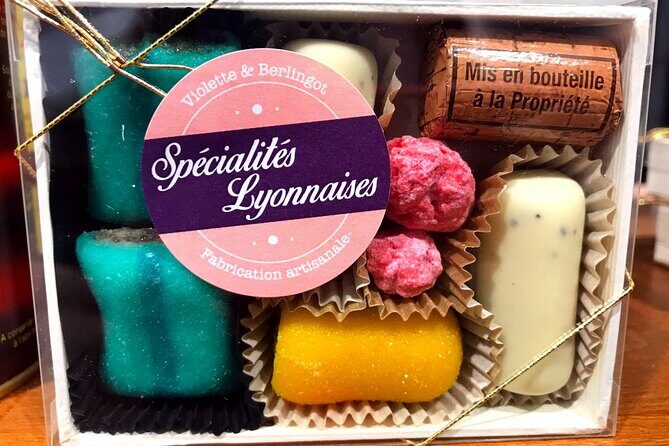
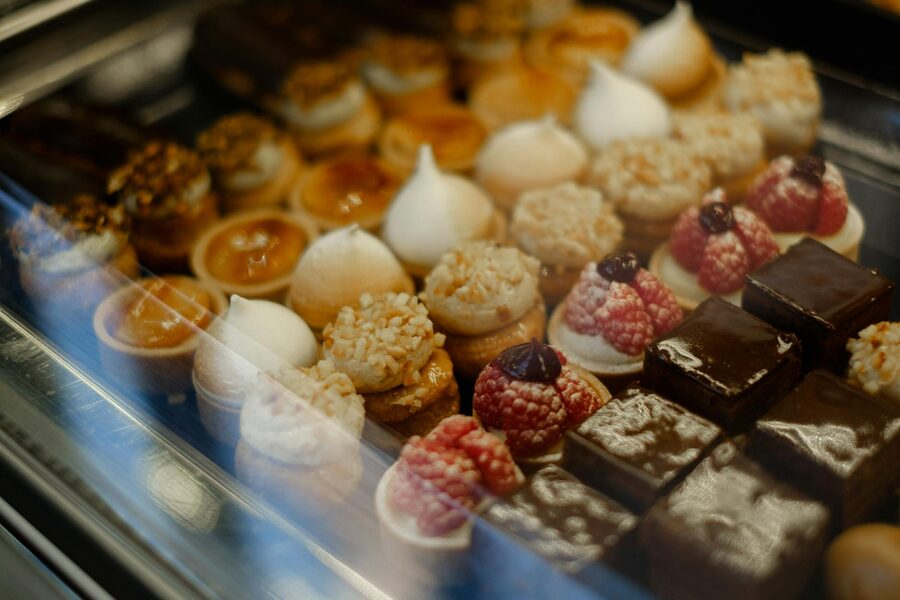
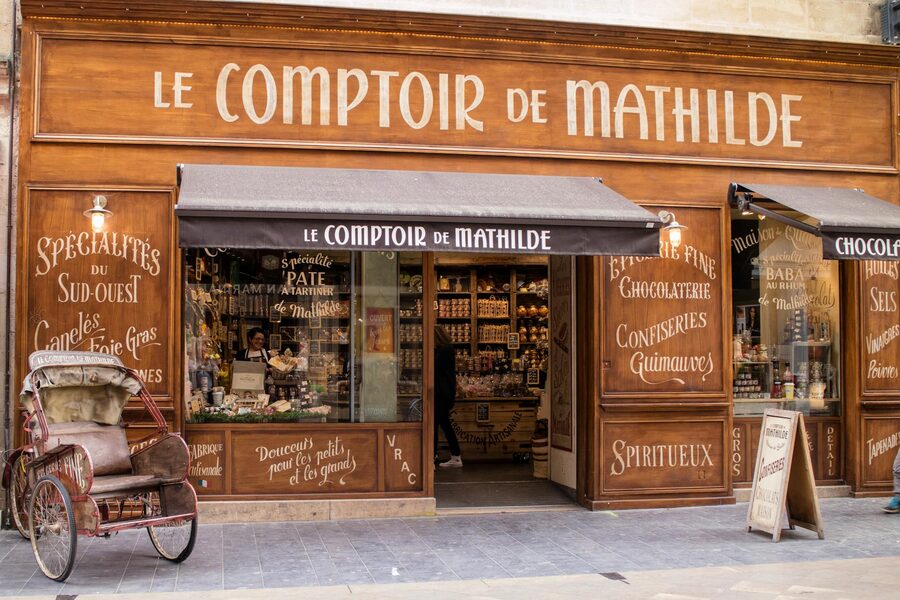
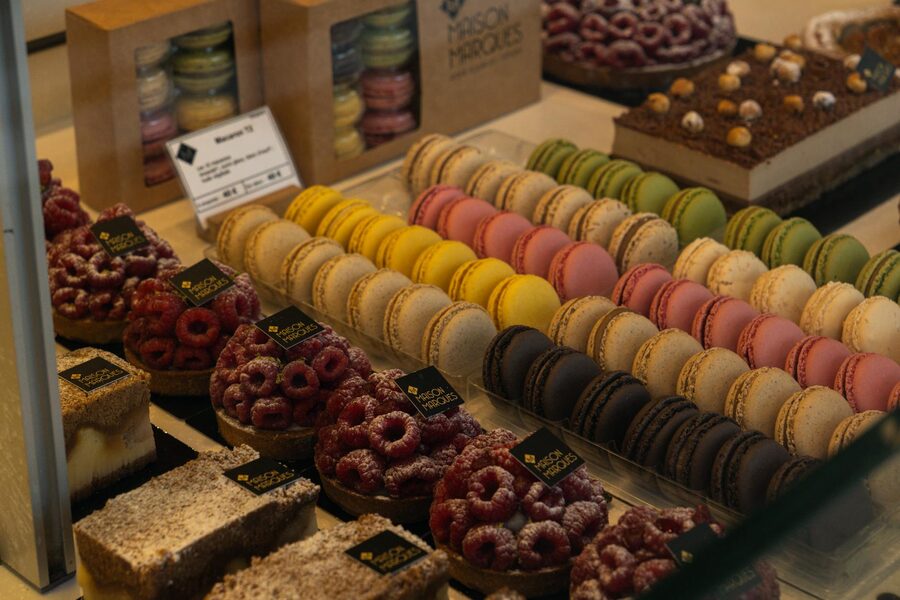
Pastries and chocolate: The tarte aux pralines roses is non-negotiable. That bright pink colour comes from crushed almonds cooked in sugar, and it’s been a Lyon signature for generations. Most tours end at either a patisserie or a chocolate shop — Lyon has a serious chocolate tradition that often gets overshadowed by Paris and Brussels.
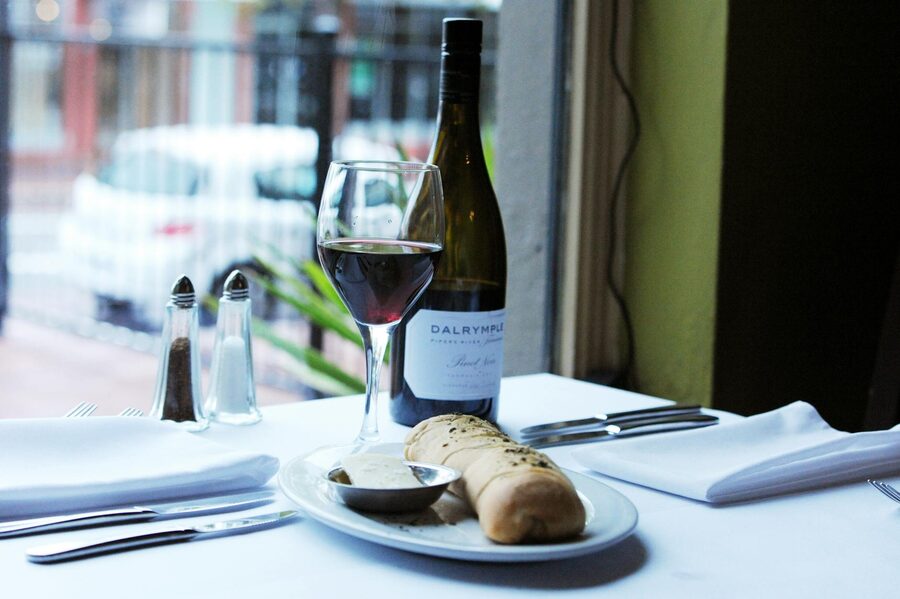
Wine: Every tour includes at least two pairings, typically a Cotes du Rhone red and a Beaujolais. Both regions are less than an hour from Lyon, so what you’re drinking is genuinely local. The guides usually explain the Beaujolais/Beaujolais-Villages/cru distinction, which is helpful if you want to buy wine during the rest of your trip.
When to Go
Food tours in Lyon run year-round, but there are real differences by season.
Best months: September through November. The autumn produce is at its peak, Beaujolais Nouveau arrives in mid-November, and the weather is still warm enough for comfortable walking. The summer tourist crush has eased off, so the bouchons are less packed and the guides can spend more time at each stop.
Summer (June-August) is fine but hot. Lyon gets genuinely warm — 30C+ is common in July — and walking for 3-4 hours through narrow stone streets without shade can be tiring. Morning tours are better than afternoon ones if you visit in summer.
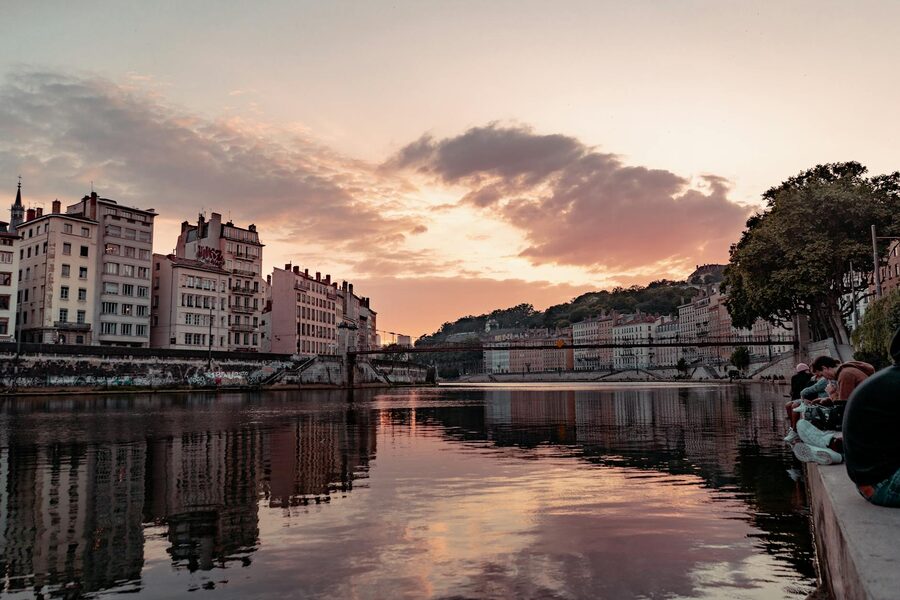
Winter (December-February) has the advantage of fewer crowds and the incredible Lyon Festival of Lights in early December. The bouchon food — heavy, warm, wine-soaked — is actually at its best when it’s cold outside. But some outdoor market stops may be limited.
Most food tours run at either 10:00 AM or 5:00-6:00 PM. The morning tours tend to include a market visit when stalls are freshly stocked. The evening tours lean more towards wine and dinner. For a first visit, I’d pick the morning — you get the full market experience plus the bouchon lunch, and you’ll still have the afternoon free.
Getting to Vieux Lyon
Almost every food tour starts in Vieux Lyon, which is easy to reach from anywhere in the city.
Metro: Take Line D to Vieux Lyon – Cathedrale Saint-Jean station. It’s the most convenient option from the Presquile area (Bellecour, Hotel de Ville) and takes about 5 minutes. The metro runs frequently and the station drops you right at the edge of the old town.
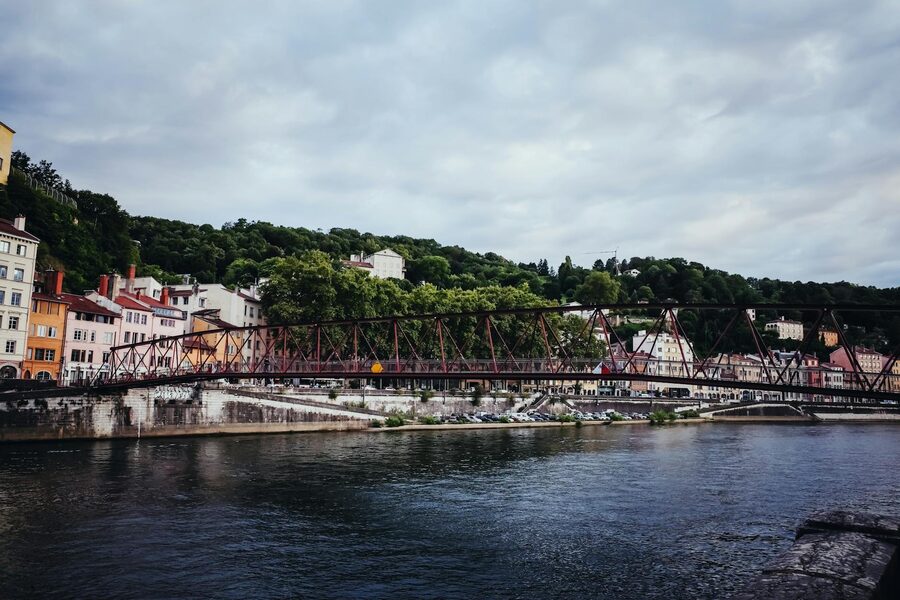
Walking: From Place Bellecour, it’s a 10-minute walk across the Saone. Cross at Passerelle du Palais de Justice for the most scenic route — you’ll see Fourviere basilica straight ahead. From Part-Dieu station (where TGV trains arrive), either take the metro or allow 25 minutes on foot.
From the airport: Lyon-Saint Exupery airport connects to Part-Dieu station via the Rhonexpress tram (30 minutes, runs every 15 min). From Part-Dieu, the metro to Vieux Lyon takes another 10 minutes. Total airport-to-tour-meeting-point: about 50 minutes door to door.
Tips That’ll Save You Time and Money
Book at least a week ahead. Lyon food tours sell out faster than you’d expect, especially the smaller-group ones. Weekend departures in autumn can fill up two weeks out. The 4-hour GYG tour in particular runs with small groups, and those spots go quickly.
Don’t eat breakfast. Every tour operator says this and they mean it. The tastings are substantial — you’ll eat the equivalent of a full lunch plus snacks plus wine. I’ve seen people tap out halfway through because they had a big hotel breakfast. A coffee is fine. A full croissant-and-eggs situation is not.
Wear comfortable shoes. The cobblestones in Vieux Lyon are uneven and some of the traboules have worn stone steps. Heels are a terrible idea. Flat shoes with some grip will make the walking much more enjoyable.
Tell them about dietary restrictions early. Most tours can accommodate vegetarian, gluten-free, or dairy-free with advance notice. But Lyon food is fundamentally meat-and-cheese-heavy, so the substitutions will require planning. Don’t spring it on the guide at the first stop.
Bring cash for extras. Some of the artisan shops you visit will have things you’ll want to buy — a wheel of Saint-Marcellin, a saucisson to take home, pralines from the chocolate shop. Not all accept cards, especially the market stalls. EUR 20-30 in cash is enough for impulse purchases.
The Bouchon Tradition — A Quick Primer
You’ll hear the word “bouchon” constantly in Lyon, and the food tours go deep on the history. But here’s the short version so you’re not going in blind.
A bouchon lyonnais is a specific type of restaurant serving traditional Lyonnaise home cooking. The name may come from the French word for “cork” (the original bouchons offered simple food and wine to silk workers) or from the straw bundles used to groom horses at old coaching inns. Nobody agrees on the etymology, and the guides usually have their own preferred theory.
What matters is the food. Traditional bouchon dishes use offal and cheaper cuts — these were working people’s restaurants. Tablier de sapeur is tripe, cervelle de canut is fromage blanc, and even the sausages were originally a way to use up every part of the pig. The genius of Lyonnaise cooking is making these humble ingredients taste extraordinary through careful preparation and proper technique.
There’s an official “Les Bouchons Lyonnais” label that certifies authentic restaurants. About 20 places carry it. The food tours will take you to one or two of them, and then you’ll know what to look for when you come back on your own: handwritten menus, local wine by the pot (a 46cl Lyonnaise serving vessel), and a patron who treats you like family if you clean your plate.
Beyond the Food Tour
If Lyon’s food scene has you hooked (and it will), there’s plenty more to eat and explore beyond the tour. The walking tours of Lyon cover the city’s silk-weaving history and traboules in more detail, and a Lyon City Card gets you free transport and museum entry while you’re wandering between meals.
If you’re travelling through France, the food scene only gets better the further south you go. Paris has its own food tour scene with a completely different character — more patisserie, less offal — and the Bordeaux wine region pairs perfectly with a Lyon visit if you’re doing a food-focused trip through France. The Bordeaux walking tours are worth considering too — the city has had a food renaissance of its own in the last decade.
This article contains affiliate links. When you book through our links, we may earn a small commission at no extra cost to you. This helps us keep producing detailed travel guides.