
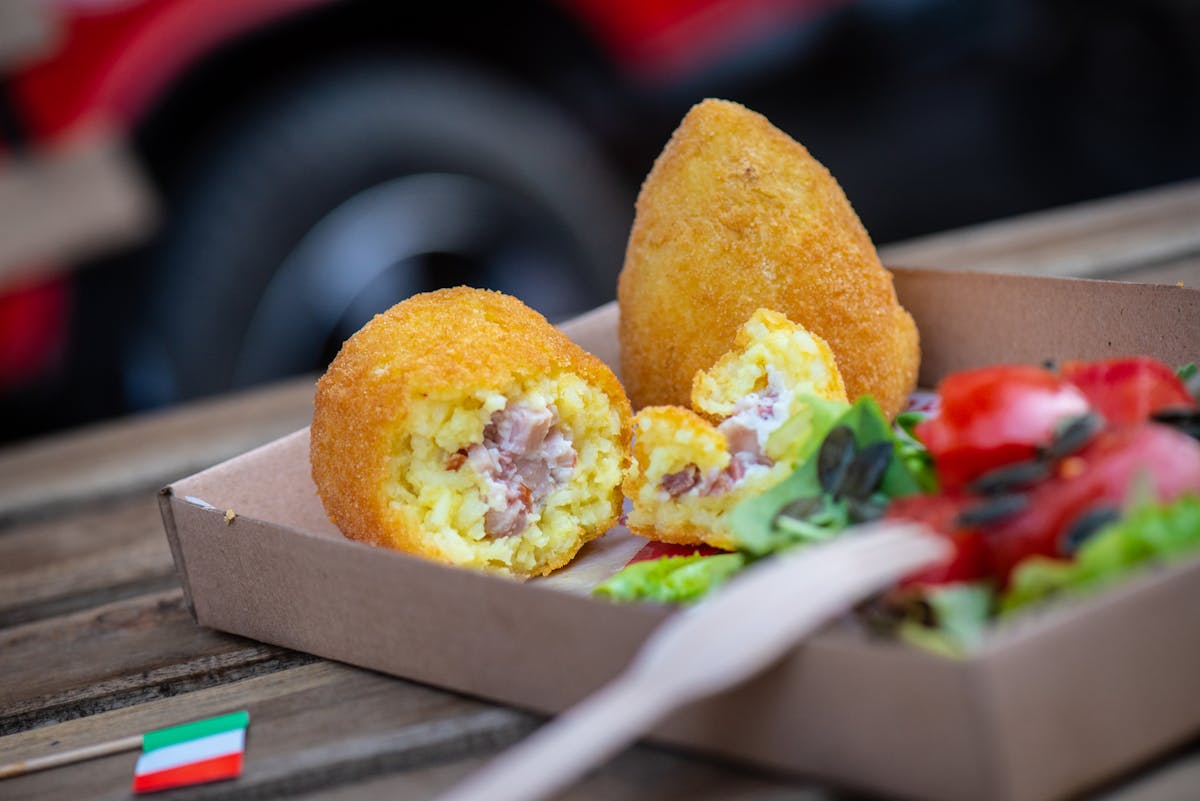
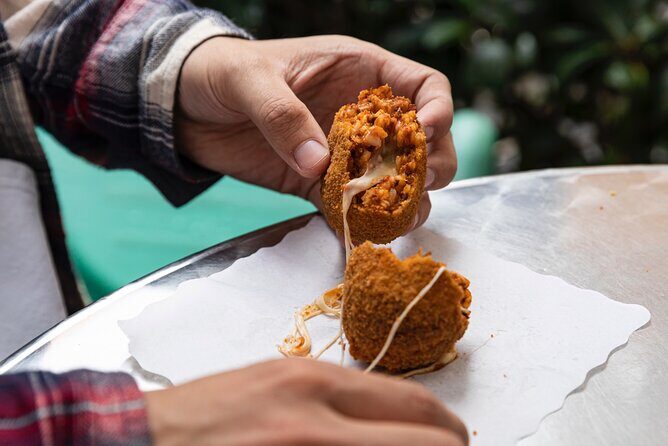
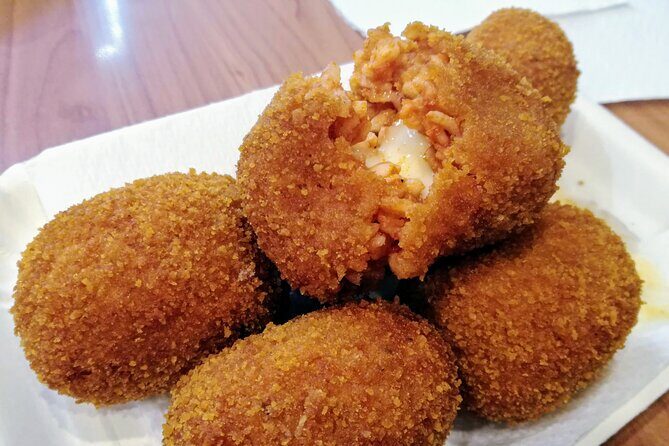
The suppli changed everything. Not the first one — that was decent enough, a standard fried rice ball from a place near the Pantheon that every tourist stumbles into. I mean the second one: at a hole-in-the-wall in Testaccio where the woman behind the counter did not speak a word of English, the rice was cooked in proper meat ragu instead of the tomato-water shortcut, and when you broke it open the mozzarella stretched in that long string that Romans call “telephone wire.” That was the suppli that made me realize I had been eating in Rome for three days without actually eating Roman food.
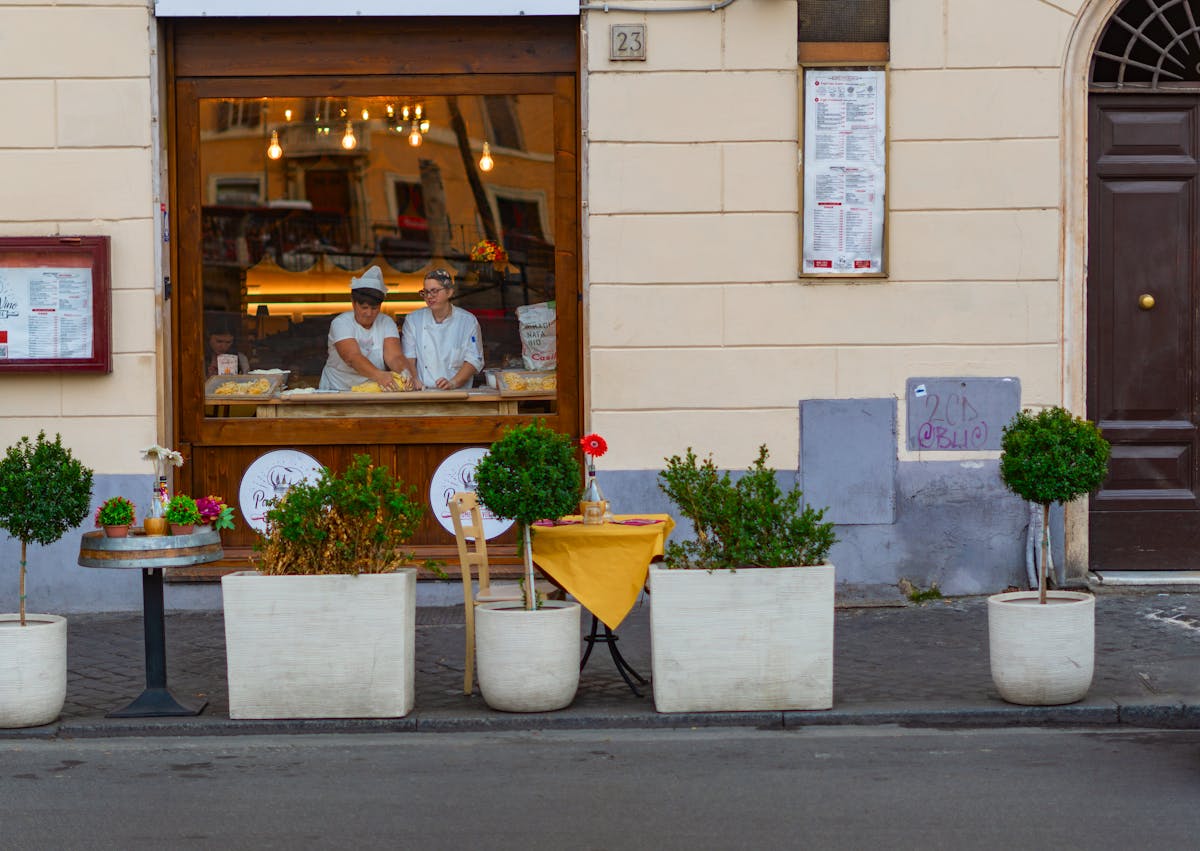
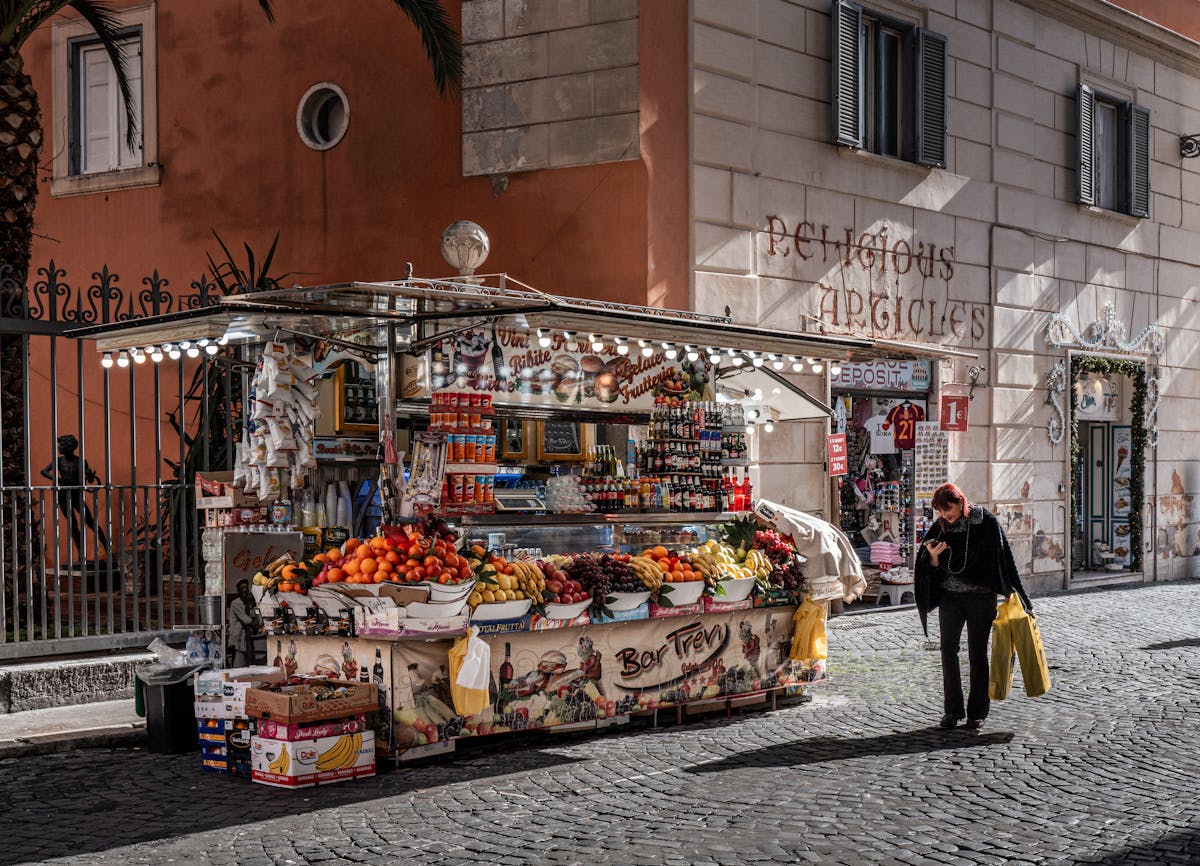
That is the problem with eating in Rome on your own. The city has roughly 12,000 restaurants, and maybe 800 of them serve food that is actually worth your time. The rest survive on foot traffic, location, and travelers who do not know what real cacio e pepe is supposed to taste like. A food tour solves this problem in about two and a half hours flat.
I have tried food tours in a lot of cities. Most are forgettable. Rome is different — partly because the food itself is so ingredient-dependent that the gap between a good version and a bad version is enormous, and partly because Roman food culture is organized by neighborhood. Each area of the city has its own specialties, its own markets, its own family-run places that have been doing the same thing for generations. A guide who knows a specific neighborhood will take you to places that Google Maps cannot find and that TripAdvisor does not list.
If you already know you want a Trastevere-specific food tour, I covered that separately. This guide is about Rome as a whole — all the neighborhoods, all the options, and which tours are worth the money depending on what kind of eating experience you want.
In a Hurry? Here Are the Best Rome Food Tours
- Most popular overall: Rome: Street Food Tour with Local Guide — $53/person, 2.5 hours, Centro Storico highlights
- Best for the real neighborhoods: Eat Like a Roman: Ghetto & Campo de’ Fiori — $50/person, 2.5 hours, deep cuts in the Jewish Quarter
- Premium Testaccio experience: Taste of Testaccio with Eating Europe — $131.81/person, 3.5 hours, Rome’s foodie neighborhood
- Best budget option: Campo de Fiori & Ghetto Street Food Tour — $41/person, 2.5 hours, great value
- Best mid-range historic route: History, Craft & Authentic Taste Tour — $83.13/person, 3 hours, Pantheon to Navona to the Ghetto
- In a Hurry? Here Are the Best Rome Food Tours
- What Rome Food Tours Actually Include (And What They Skip)
- Neighborhood Food Tours vs General Rome Tours — Which Makes More Sense?
- The 5 Best Food Tours in Rome (For Every Budget)
- Rome: Street Food Tour with Local Guide
- Eat Like a Roman: Jewish Ghetto & Campo de’ Fiori Food Tour
- Taste of Testaccio Food and Market Tour with Eating Europe
- Rome: Campo de Fiori & Ghetto Street Food Sightseeing Tour
- History, Craft & Authentic Taste Street Food Tour
- When to Book (And Why Timing Matters More Than You Think)
- Tips From Someone Who Has Done Too Many of These
What Rome Food Tours Actually Include (And What They Skip)
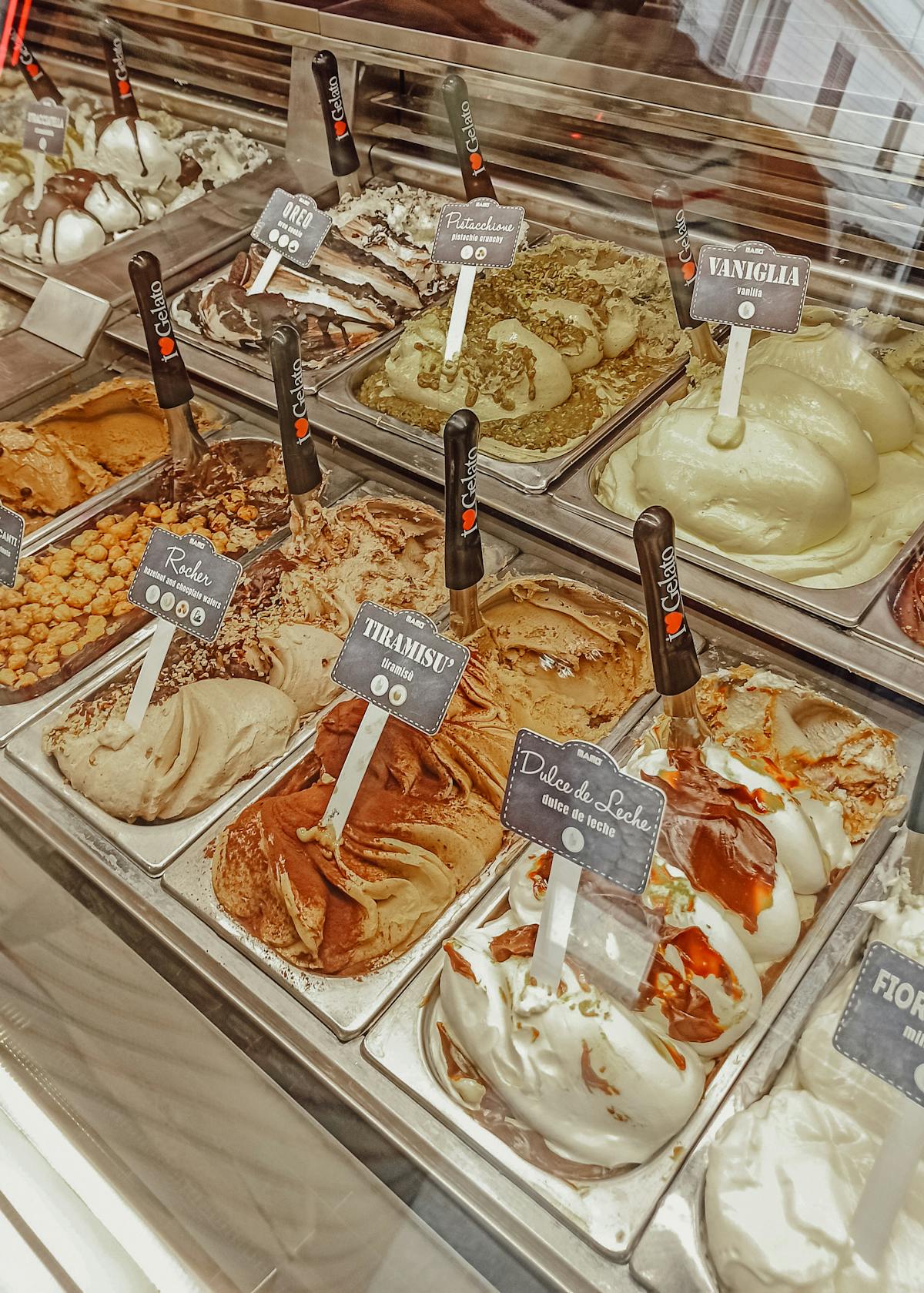
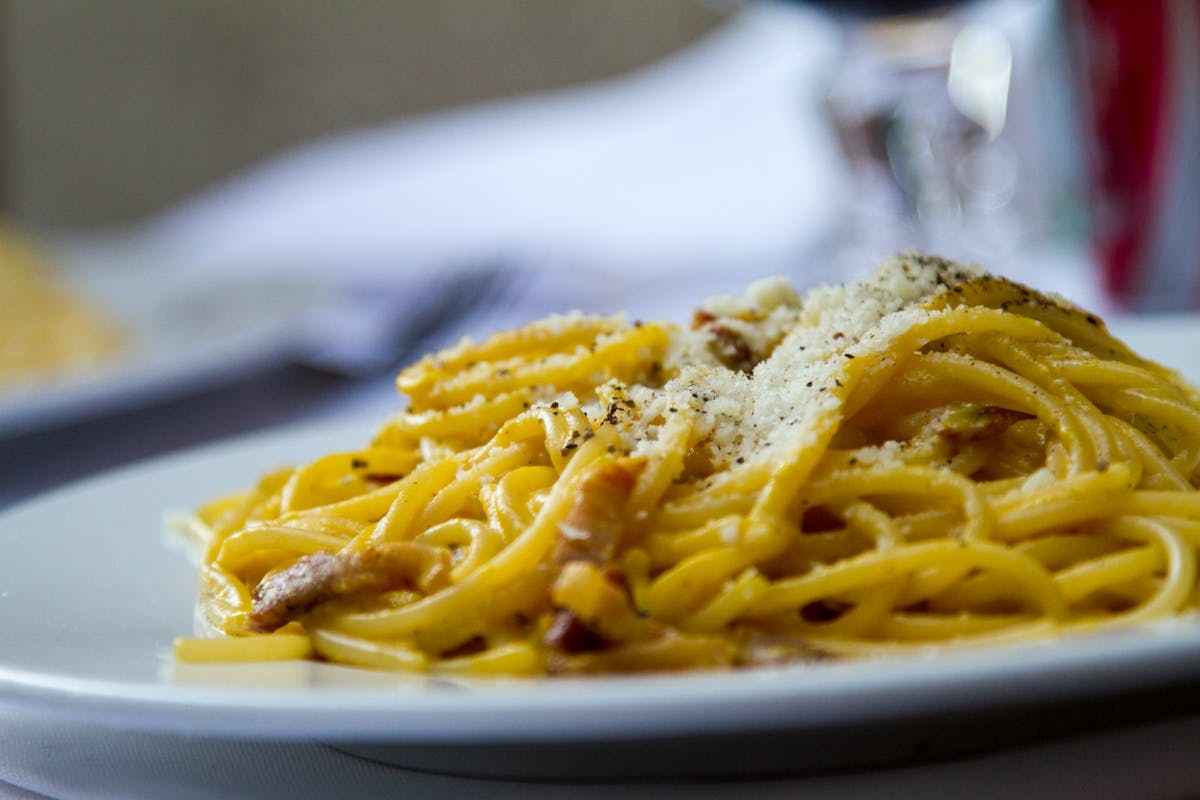
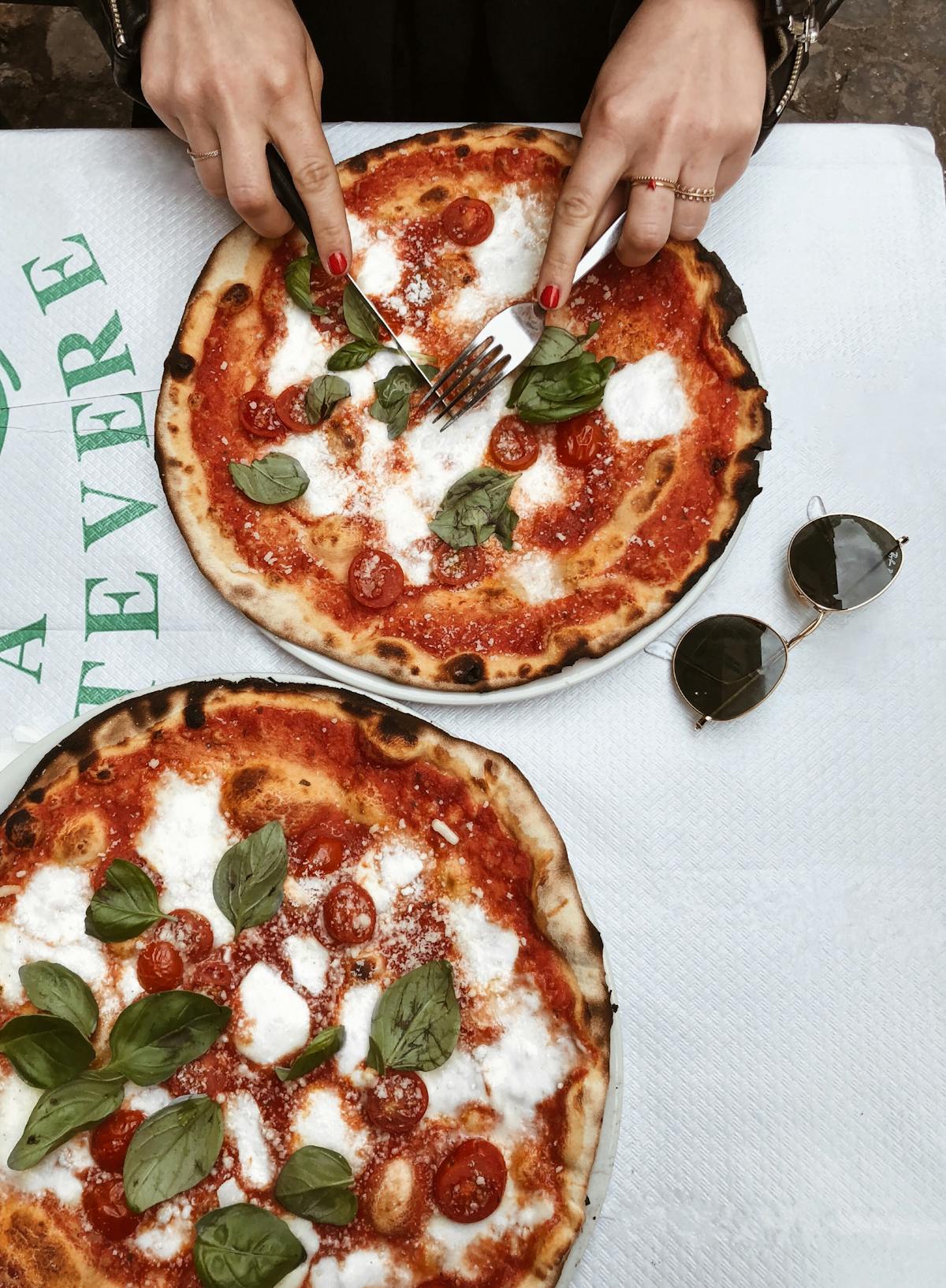
Every Rome food tour hits some version of the same greatest hits: suppli, pizza al taglio (Roman-style rectangular pizza sold by weight), some form of pasta — usually cacio e pepe or carbonara — a porchetta sandwich or cured meats, and gelato to finish. The differences come down to where each tour goes, how many stops there are, and whether you get wine.
The better tours will also cover things most visitors never try on their own. Trapizzino — the triangular pizza pocket stuffed with slow-cooked fillings like oxtail or chicken cacciatore — is a Roman invention that has only been around since 2008 but has already become a staple. Maritozzo, the cream-filled bun that Romans eat for breakfast, is having a moment internationally, but the versions at the old bakeries taste nothing like the Instagram-friendly ones at tourist cafes. Jewish-Roman fried artichokes (carciofi alla giudia) are impossible to replicate at home and staggeringly good when done right.
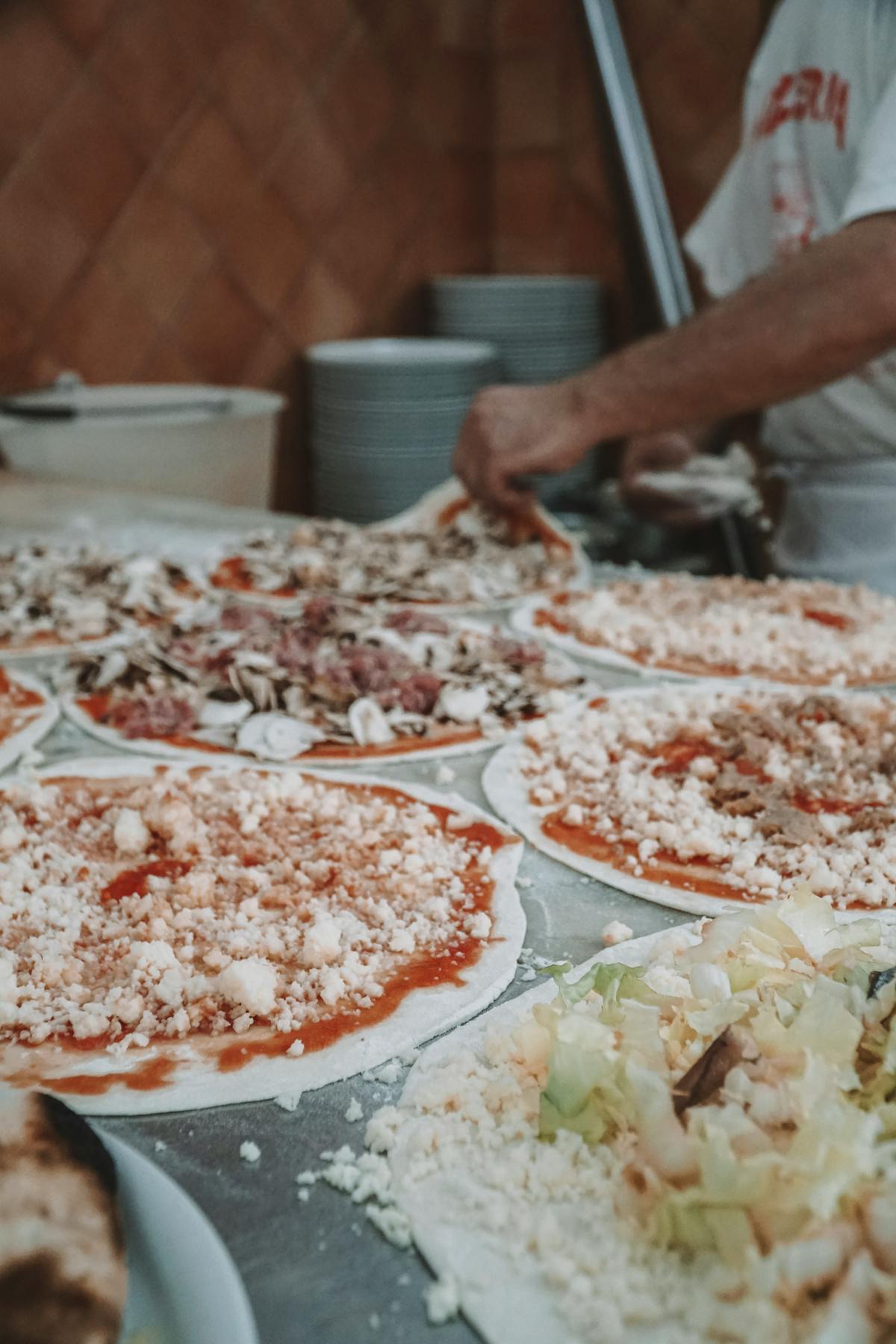
What most tours skip: sit-down fine dining (these are walking tours, not restaurant reservations), offal (despite Rome being one of the world’s great offal cities — the quinto quarto tradition in Testaccio is legendary but not exactly mainstream-tourist-friendly), and anything that requires a long wait. This is street food and market food, eaten standing up or at counter seats while your guide talks you through what you are tasting and why it matters.
Expect to eat the equivalent of a full meal over the course of 2-3 hours. Bring your appetite, but do not eat lunch first.
Neighborhood Food Tours vs General Rome Tours — Which Makes More Sense?
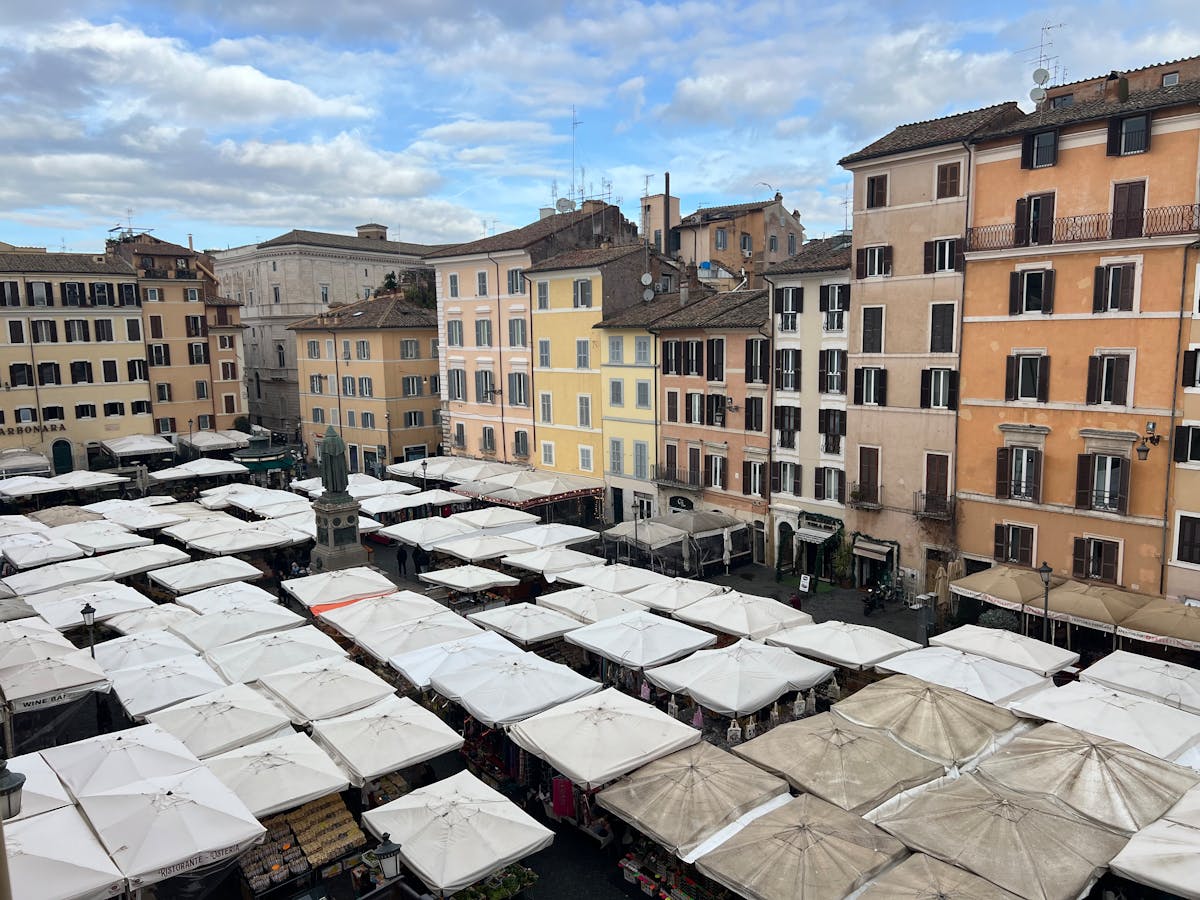
Rome’s food culture is hyper-local. The Jewish Ghetto has dishes you will not find in Trastevere. Testaccio’s food tradition — rooted in the old slaughterhouse workers who invented pasta alla gricia and coda alla vaccinara — is distinct from the Centro Storico’s more polished offerings. Even something as basic as pizza changes character depending on which side of the Tiber you are on.
This means your tour choice is partly a neighborhood choice.
General Centro Storico tours hit the big-name areas: Pantheon, Piazza Navona, Campo de’ Fiori. The food is excellent but skews toward what visitors expect from Rome. These work best as a first introduction — you cover the most ground and try the widest variety of foods.
Jewish Ghetto tours focus on a tiny area with an outsized food legacy. The fried artichokes alone are worth the trip, but the neighborhood also has incredible pastries, unique pasta preparations, and a fascinating history that the guides weave into every food stop. If you have already eaten your way through the obvious Roman dishes, this is where you go deeper.
Testaccio tours are for the serious eater. This is where Romans go to eat when they want the real thing. The Testaccio market is Rome’s best food market — not the prettiest (that is Campo de’ Fiori), but the one where the quality is highest and the prices are lowest. Eating Europe runs tours here that are genuinely world-class.
Vatican-area tours pair well with a morning at the Vatican Museums or St. Peter’s Basilica. The Prati neighborhood near the Vatican has its own food scene that most visitors miss entirely because they eat at the tourist traps right outside the museum walls.
If you have time for two food tours in Rome, my recommendation: do a general Centro Storico tour on your first day to orient yourself, then do a Trastevere or Testaccio tour later in your trip for the deeper cut.
The 5 Best Food Tours in Rome (For Every Budget)
I went through every Rome food tour on GetYourGuide and Viator and narrowed it down to five that cover different neighborhoods, price points, and styles. These are the ones I would actually book.
Rome: Street Food Tour with Local Guide
Price: $53/person | Duration: 2.5 hours | Neighborhood: Centro Storico
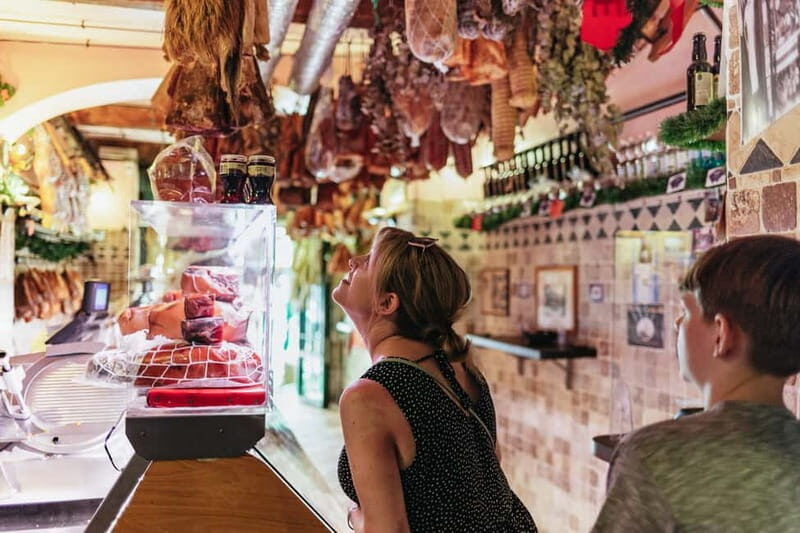
This is the tour that thousands of people book every month, and for good reason. It covers central Rome’s food highlights — suppli, pizza al taglio, pasta, gelato — with a local guide who knows the difference between the places that deserve your money and the places that survive on their proximity to the Pantheon. The route weaves through back streets and piazzas that most visitors walk right past, stopping at family-run shops and food stalls that have been in the same spot for decades.
What makes this tour work is its accessibility. Two and a half hours, no pretension, and enough food to replace lunch or dinner. The guides do not lecture about Italian food history for twenty minutes while you stand in the sun. They take you somewhere, hand you food, explain what it is while you eat it, and move on to the next spot. That efficiency is why this works as a first-day activity before you hit the Colosseum or Pantheon.
Groups tend to be on the smaller side. If you want to feel like you are eating your way through Rome with a knowledgeable friend rather than sitting in a classroom, this is the one to book.
Eat Like a Roman: Jewish Ghetto & Campo de’ Fiori Food Tour
Price: $50/person | Duration: 2.5 hours | Neighborhood: Jewish Ghetto & Campo de’ Fiori
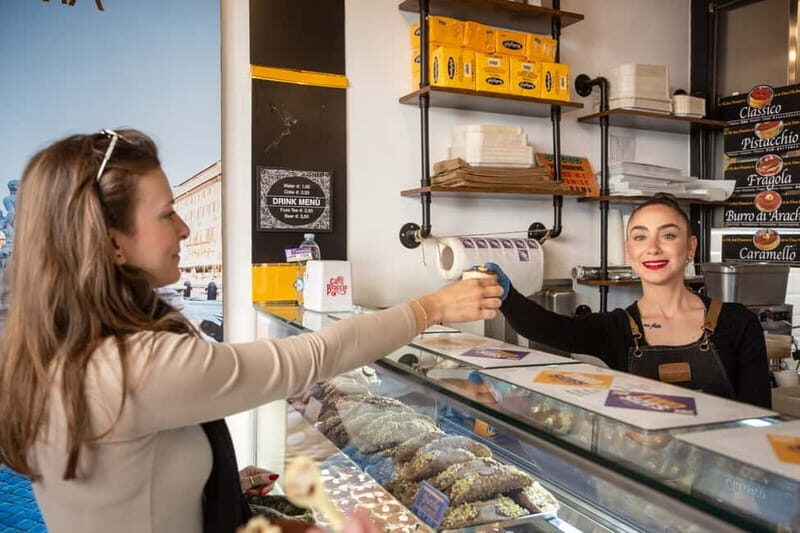
The Jewish Ghetto is one of the most underrated food neighborhoods in all of Europe, and this tour is built specifically to show you why. You start in the old ghetto, a couple of narrow blocks that have been home to Rome’s Jewish community since the 1500s, and the food here reflects centuries of creative cooking within constraints. Carciofi alla giudia (deep-fried artichokes that shatter like glass when you bite into them), filetti di baccala (fried salt cod), and a variety of pastries that blend Roman and Jewish baking traditions.
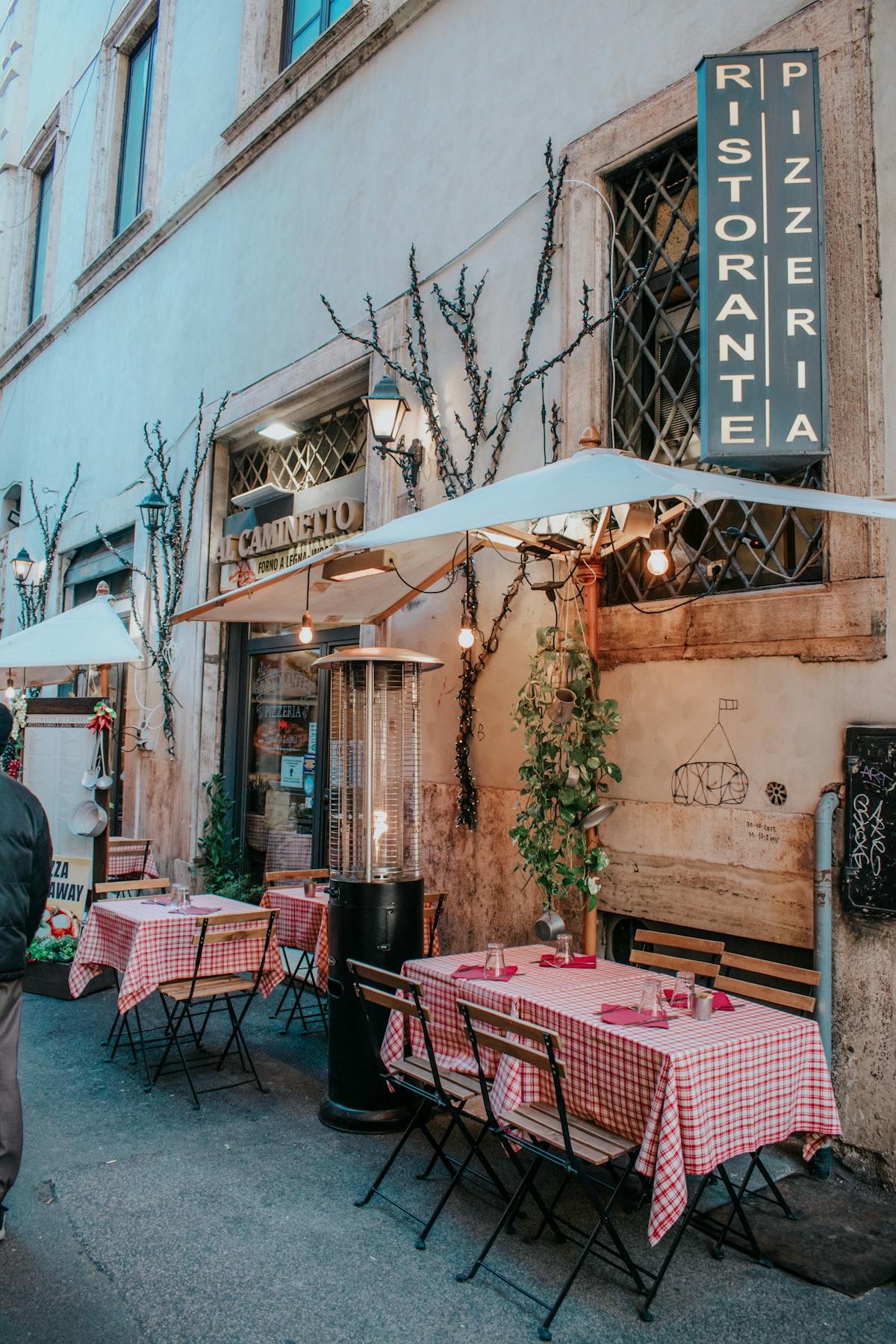
Then you cross into Campo de’ Fiori, where the morning market has been running since the Renaissance. The vibe shifts — it is louder, more chaotic, and the food is more street-oriented. Pizza al taglio, porchetta, fresh produce stalls where the vendors let you taste before you buy. The combination of these two neighborhoods in one tour gives you a contrast that a single-area tour cannot match.
At $50 for 2.5 hours with food included, this is exceptional value. The guides know the history of both neighborhoods and connect the food to the culture in a way that sticks with you long after the last bite.
Taste of Testaccio Food and Market Tour with Eating Europe
Price: $131.81/person | Duration: 3.5 hours | Neighborhood: Testaccio
This is the premium pick, and Testaccio is the reason. While travelers crowd into the Centro Storico, Testaccio quietly operates as Rome’s actual food neighborhood — the one where chefs eat on their days off and where the market stallholders have been supplying restaurants for generations. Eating Europe, one of the best food tour companies in the world, runs this tour through the Testaccio Market and the surrounding streets.
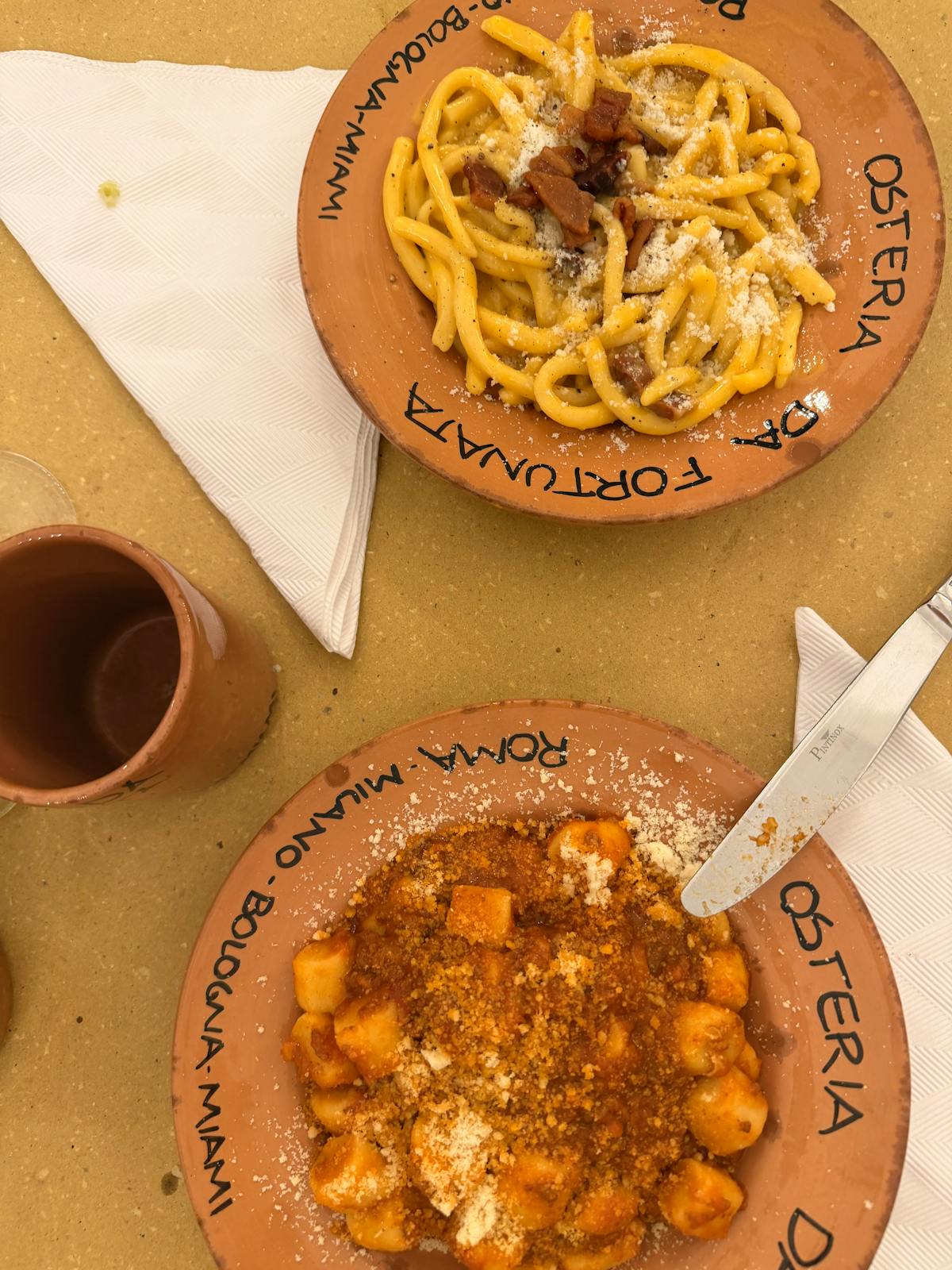
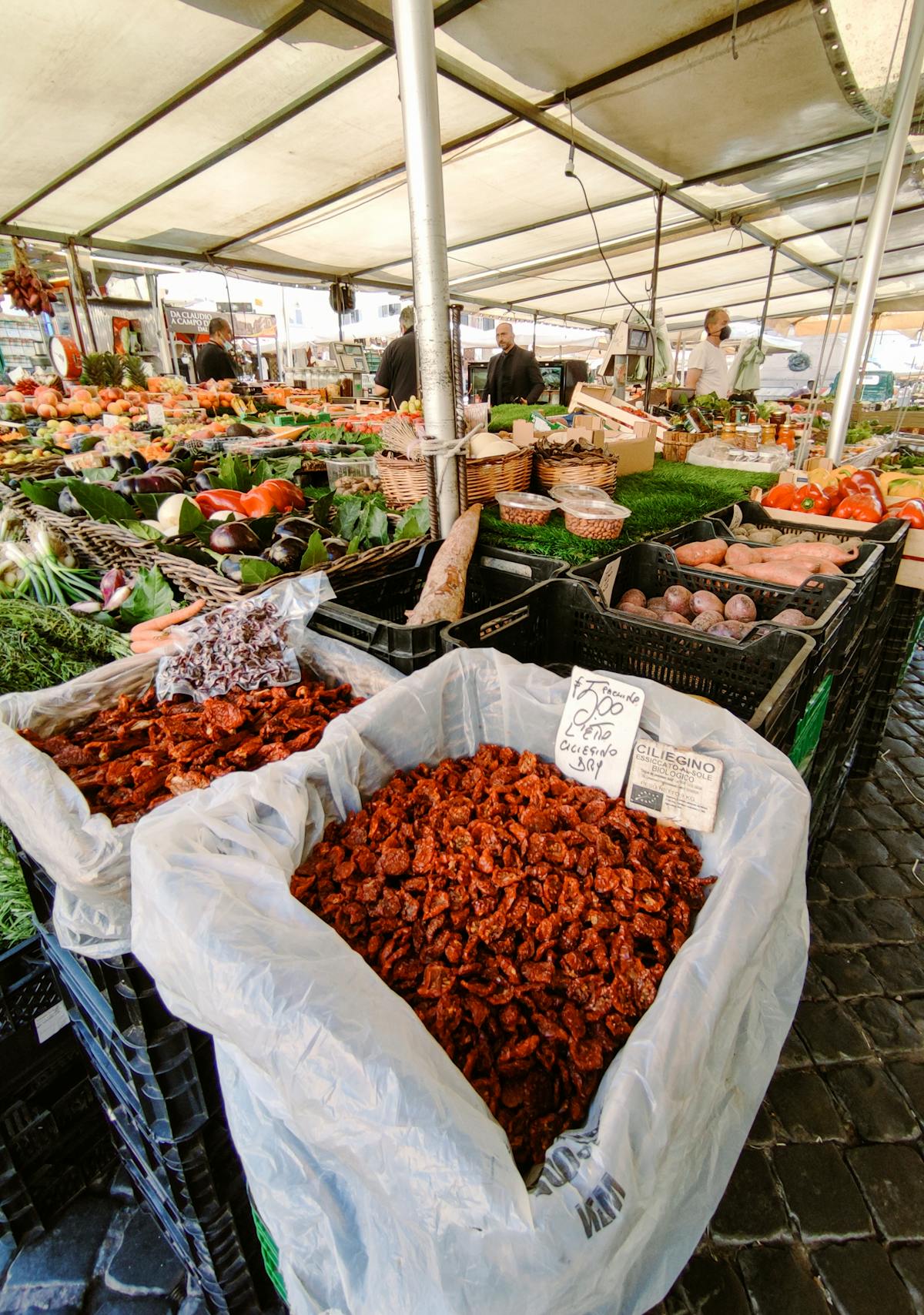
The Testaccio Market itself is a revelation. Unlike the photogenic-but-touristy Campo de’ Fiori, this market is where Romans actually shop. The food stalls inside serve some of the best cheap eats in the city: trapizzino (the stuffed pizza pocket born right here in Testaccio), fresh pasta made to order, suppli that put the tourist versions to shame. The guide takes you to the vendors who matter and explains the neighborhood’s history as the home of Rome’s slaughterhouse, which gave birth to the quinto quarto (fifth quarter) cooking tradition — offal dishes that are now considered gourmet.
At $131, this is the most expensive tour on this list. The price reflects the quality of the stops, the expertise of the guides, and the fact that Eating Europe maintains long-term relationships with every vendor on the route. If you are going to splurge on one food experience in Rome, make it this one.
Rome: Campo de Fiori & Ghetto Street Food Sightseeing Tour
Price: $41/person | Duration: 2.5 hours | Neighborhood: Campo de’ Fiori & Jewish Ghetto
This is the budget pick, and $41 for a food tour in central Rome is genuinely difficult to beat. The route covers the same neighborhoods as the pricier Ghetto/Campo tour above but at a lower price point, which means fewer tastings and simpler stops. You still hit the essential foods — suppli, pizza, and the iconic fried artichokes — but expect counter-service spots rather than sit-down tastings.
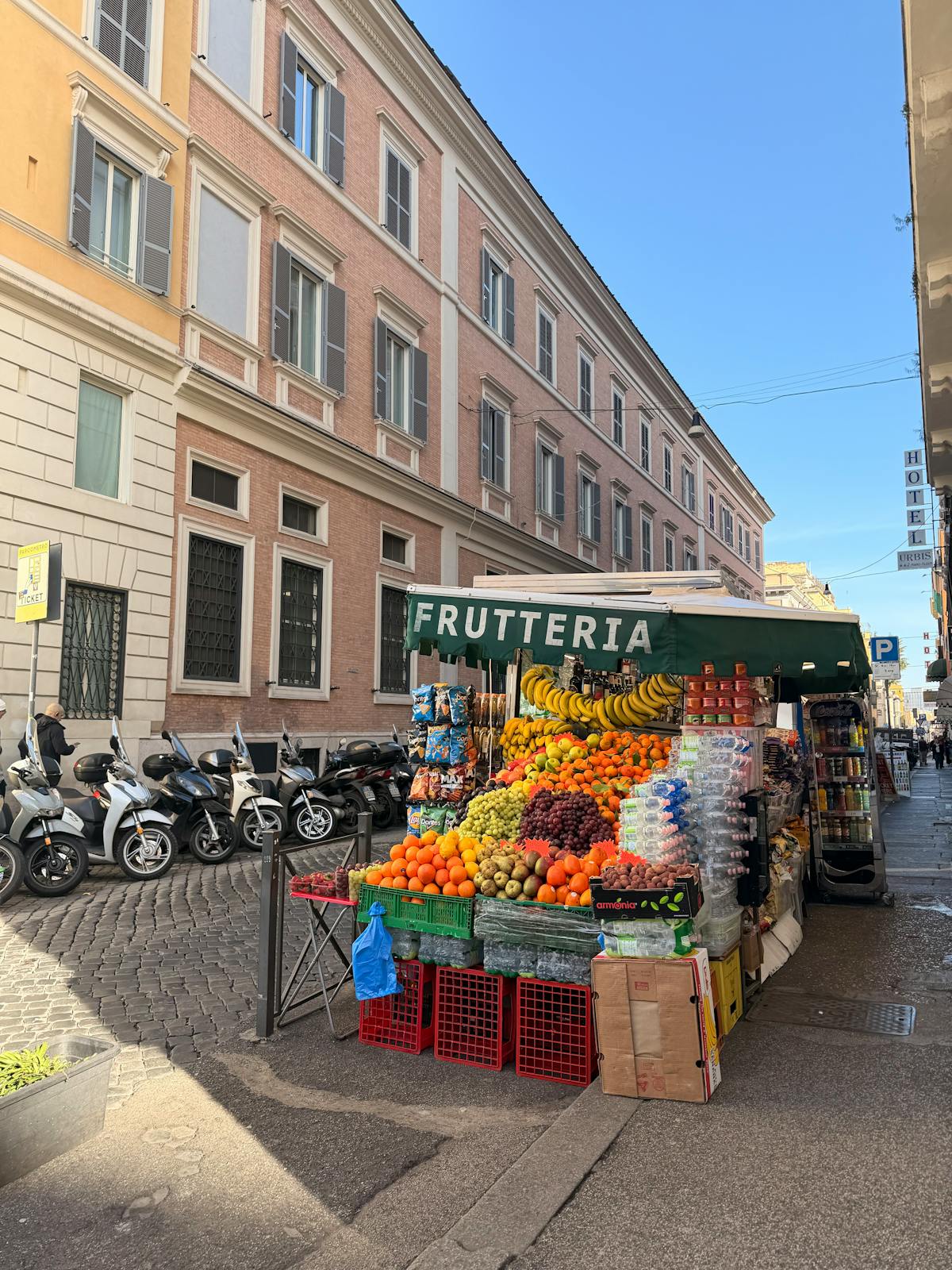
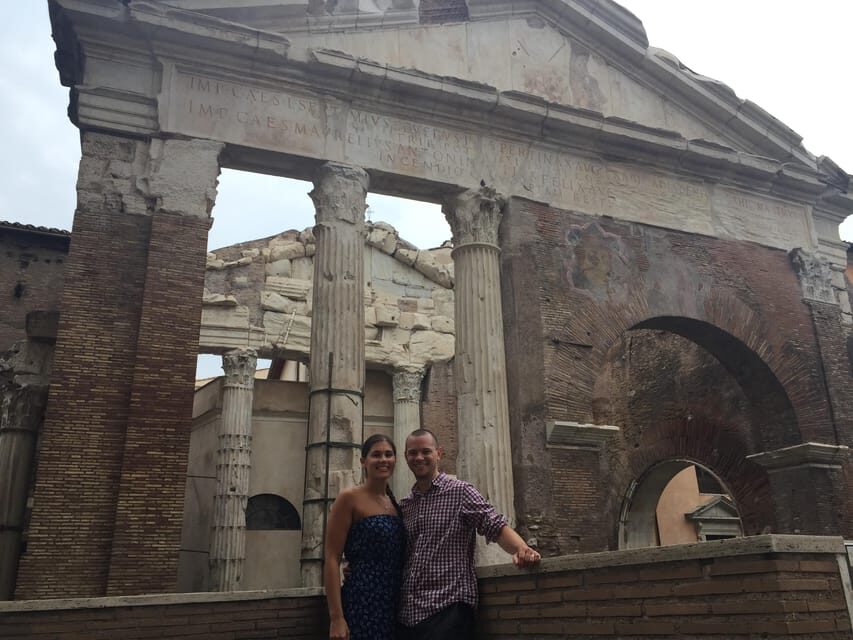
What this tour does well is combine food with sightseeing. The guide does not just walk you between food stops — they point out architectural details, tell stories about the piazzas, and give you the kind of neighborhood context that makes everything taste better. The sightseeing element sets this apart from pure food tours and makes it a solid choice if you are short on time and want to cover more ground. If you want even deeper sightseeing coverage, pair it with a dedicated Rome walking tour on a separate morning.
This works brilliantly as a midday activity. Slot it between a morning at the Vatican and an evening at a trattoria you picked yourself. You eat enough to skip lunch but not so much that dinner is ruined.
History, Craft & Authentic Taste Street Food Tour
Price: $83.13/person | Duration: 3 hours | Neighborhood: Jewish Ghetto, Pantheon & Piazza Navona
This is the tour for people who want equal parts food and culture. The route runs from the Jewish Ghetto through the streets around the Pantheon and ends near Piazza Navona, which means you cover some of the most historically dense ground in Rome while eating your way through it. Three hours gives the guide enough time to properly explain what you are tasting and why it exists in this specific part of the city.
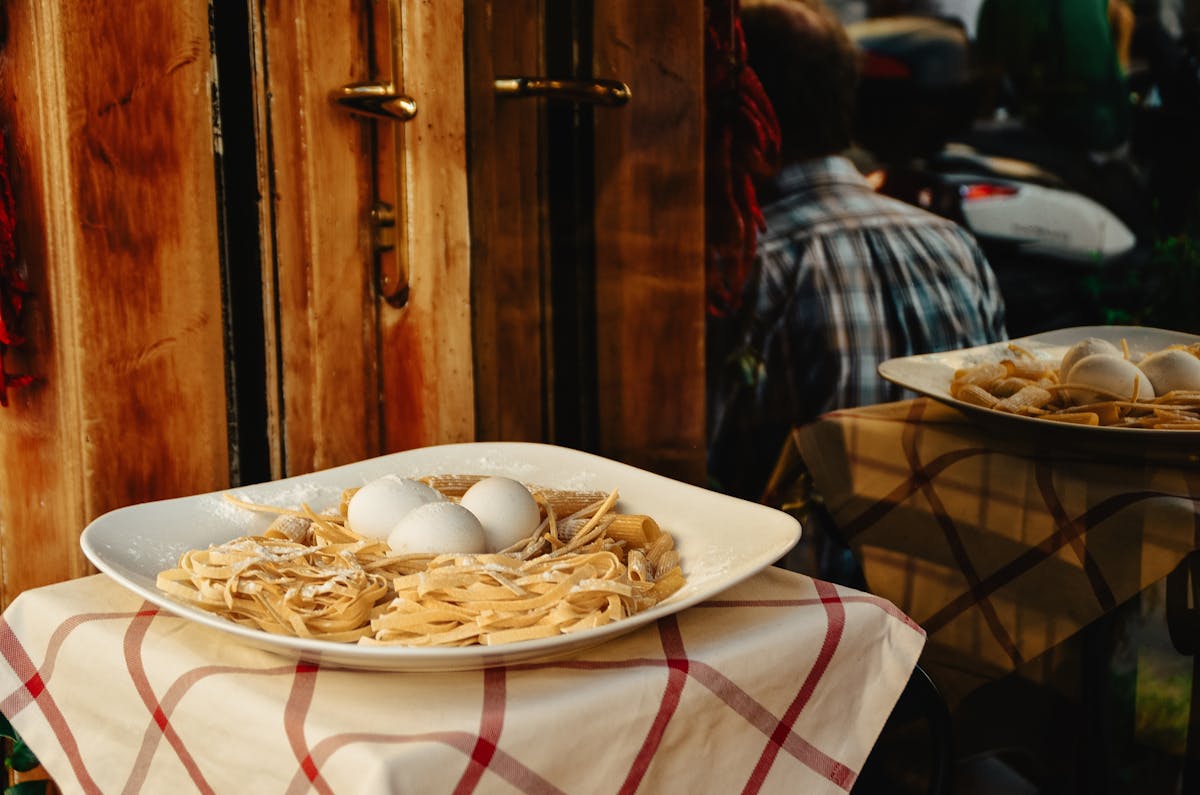
The “history and craft” angle is not just a marketing label. The guide connects each food stop to the artisans who make it: the baker whose family has run the same forno since the 1950s, the gelato maker who sources his pistachios directly from Bronte in Sicily, the pasta shop where they still use bronze dies and dry everything on wooden racks. This context transforms what could be a simple eating tour into something that actually teaches you about Roman food culture.
At $83, it sits right in the middle of the price range and delivers a solid three hours of food, walking, and storytelling. It works well as a standalone experience or as the food-focused complement to a separate sightseeing day at the Colosseum or Castel Sant’Angelo.
When to Book (And Why Timing Matters More Than You Think)
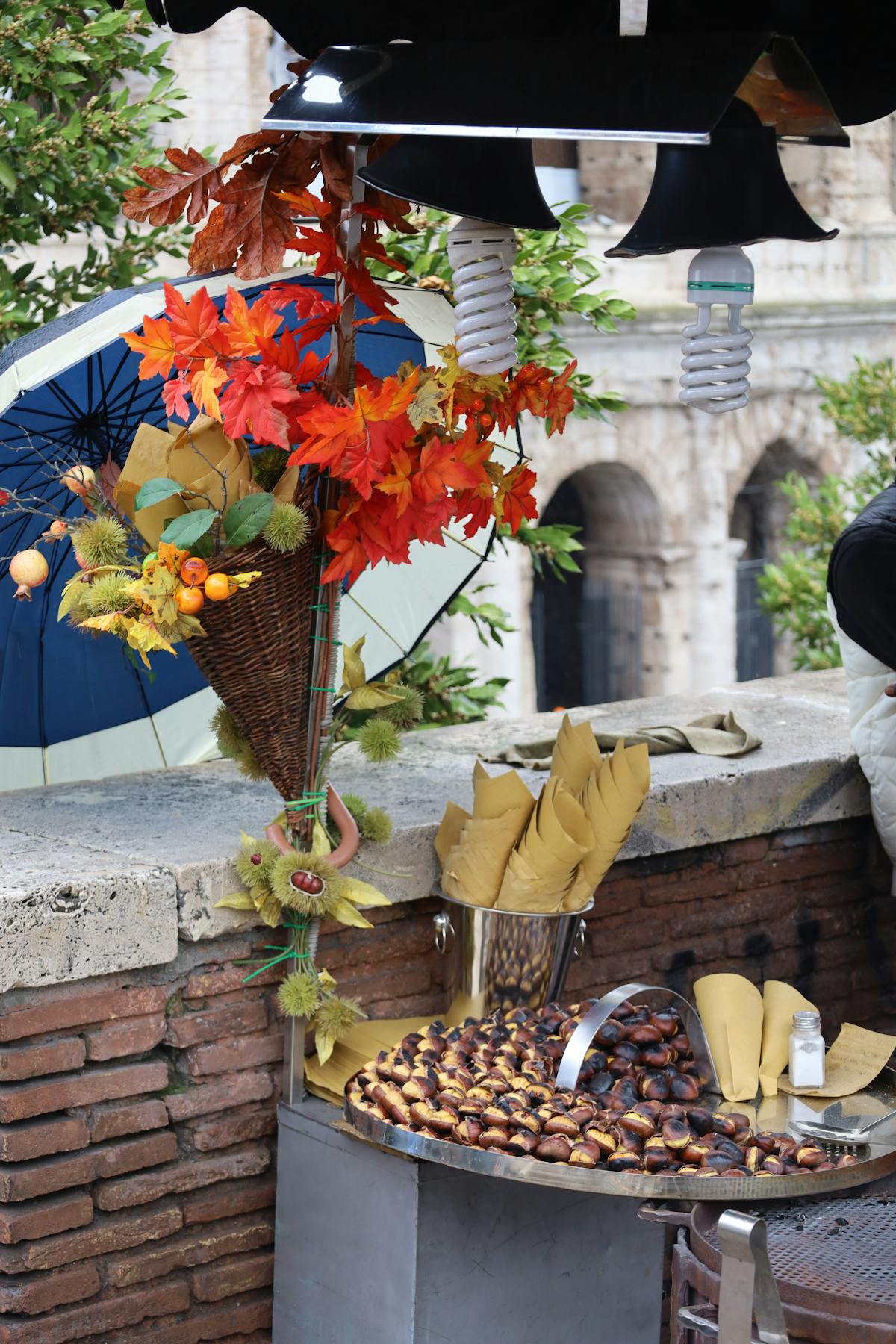
Rome food tours sell out faster than most people expect. The popular ones — especially the Centro Storico and Testaccio tours — can be fully booked 2-3 weeks in advance during peak season (April through June, September through October). Here is what to keep in mind:
Book at least a week ahead during spring and fall. These are Rome’s prime months, and food tours compete with every other activity for your schedule. The earlier departure times (10-11 AM) sell out first because they double as lunch replacement.
Summer (July-August) is tricky. The heat makes walking food tours uncomfortable between noon and 4 PM, so everyone books the morning or evening slots, which sell out quickly. Some family-run food shops close during August for vacation (particularly around Ferragosto on August 15), which means the tour routes may change. The upside: fewer crowds at each food stop, and the evening tours have a special energy when Rome cools down after sunset.
Winter (November-March) is actually a great time for food tours. The seasonal menu shifts to heavier dishes — think carciofi alla romana, pasta e ceci, coda alla vaccinara — that are arguably more satisfying than the lighter summer fare. Availability is better, prices sometimes drop, and the guides have more time for each group.
Day of the week matters. Monday is the worst day for food tours in Rome because some markets and restaurants close. Sunday is unpredictable — the Campo de’ Fiori market does not run, but the trattorias that open serve to a local crowd. Tuesday through Saturday are your safest bets.
Tips From Someone Who Has Done Too Many of These
Skip breakfast. Every food tour guide in Rome will tell you this, and they are right. The tours serve enough food for a full meal, and you want to arrive hungry. If you absolutely must eat something beforehand, keep it to an espresso and maybe a cornetto (Italian croissant). Anything more and you will hit the wall by stop three.
Wear comfortable shoes. This sounds obvious but bears repeating. Roman cobblestones destroy shoes with thin soles, and food tours cover 2-3 kilometers of walking. Sneakers or broken-in walking shoes. Leave the sandals at the hotel.
Bring a water bottle. Most food tours do not include water, and the Roman street food is salty enough that you will need it. Fill up at any of the nasoni — the little iron drinking fountains scattered everywhere in Rome. The water is clean and cold.
Ask your guide where to eat later. This is the real secret of food tours. The guides eat in Rome every day, and they know restaurants that no list covers. Ask them where they eat on their night off. Write it down. Go there. It will be the best meal of your trip.
Do not double-book neighborhoods. If your food tour covers the Jewish Ghetto and Campo de’ Fiori, do not schedule dinner in that area. You will have already eaten the best food there. Instead, use the tour to cover one part of the city, then explore a different neighborhood on your own for dinner. A food tour through Centro Storico pairs well with a dinner in Trastevere — or vice versa.
Combine with a cooking class for the full experience. A food tour teaches you what Roman food should taste like. A cooking class teaches you how to make it. Do the food tour first, then book a cooking class for later in your trip. You will get ten times more out of the class because you will already know what you are aiming for.
This article contains links to tours and activities from our partners. We may earn a small commission at no extra cost to you when you book through these links, which helps us keep creating free content like this. All recommendations are based on our own assessment and are not influenced by any partnerships.