
The first thing I ate in Toulouse was a chocolatine. Not a pain au chocolat — call it that here and the person behind the counter will politely correct you. This is the southwest of France. They have their own word for it, and they’re not budging.
That tiny correction tells you everything about the food culture here. Toulouse isn’t Paris. It isn’t Lyon. The cooking in this corner of France sits closer to the Spanish border than to anything in the north, and it shows on every plate. Duck fat instead of butter. Cassoulet instead of coq au vin. Toulouse sausage — the coarse, garlicky pork sausage that goes into everything — sold by the metre at market stalls. And violet-flavoured candies, of all things, because this city has been growing violets since the 1800s and decided to make sweets out of them.
A food tour is the fastest shortcut through all of this. You could wander the city for days sampling things at random, but the guides who run these tours know which market vendors have been here for generations, which restaurants actually cook with local product, and where to find the cassoulet that hasn’t been reheated for the fourth time. This guide breaks down how to book the right one, what they cost, and which tours are actually worth your money.
- In a Hurry? Top 3 Toulouse Food Tours
- What Makes Toulouse Food Different from the Rest of France
- Marche Victor Hugo — The Food Hall That Anchors Every Tour
- The 3 Best Food Tours in Toulouse
- 1. Toulouse Food & History Tour with a Chef — 3
- 2. Toulouse: Guided Food Tour with Tastings —
- 3. Victor Hugo Market Small Group Tasting Tour — 9
- Self-Guided vs Guided: Which Makes More Sense in Toulouse
- When to Book a Food Tour in Toulouse
- How to Get to Toulouse’s Food District
- Tips That Will Save You Time and Money
- What You’ll Eat on a Typical Toulouse Food Tour
- Beyond the Food: What You’ll Walk Past
- Planning the Rest of Your Southwest France Trip
In a Hurry? Top 3 Toulouse Food Tours
Short on time? These are the three tours that consistently deliver, based on hundreds of verified reviews and firsthand research.
The best food tour in Toulouse, full stop. A professional chef named Alex runs this 4-hour walking tour that ties each dish to a chapter of local history. Perfect 5.0 rating from over 500 reviews. $133 per person. The price is higher than the others but the quality gap is obvious — every stop features food he’s prepared himself from his bicycle cart, not pre-ordered from vendors.
Book This Tour
The budget pick at $75 per person for 3 hours. Run by NO DIET CLUB, the same company behind some of the best-reviewed food tours across France. Rated 4.7 with strong praise for guide knowledge and generous portions. If you want the essentials without the premium price, this is the one.
Book This Tour
Three and a half hours focused entirely on Toulouse’s famous covered market. $139 per person. Run by Taste of Toulouse with guide Danielle, who has personal relationships with every vendor. Perfect 5.0 rating from 337 reviews. Best for market lovers who want to taste everything under one roof rather than walk the city.
Book This Tour
What Makes Toulouse Food Different from the Rest of France
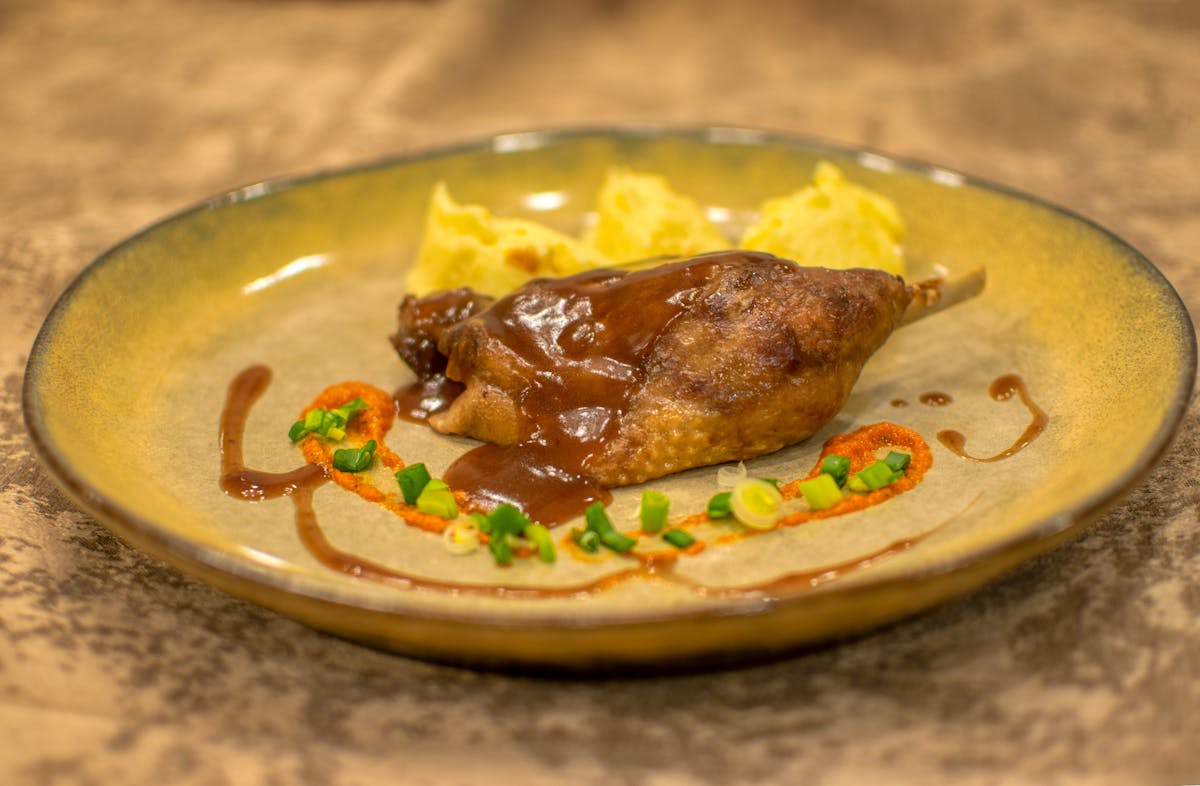
Most of France cooks with butter. Toulouse cooks with duck fat. That single difference cascades through the entire cuisine. Potatoes get fried in duck fat. Beans get braised in duck fat. The local cassoulet — the dish Toulouse fights over with Carcassonne and Castelnaudary — is basically a slow-cooked bean casserole swimming in the stuff, layered with duck confit, Toulouse sausage, and pork, baked until a thick golden crust forms on top.
Three cities in southwest France all claim to have invented cassoulet, and the argument has been running for at least two centuries. Toulouse’s version is the richest of the three — more meat, more fat, more everything. A good food tour will take you to a place that actually makes it from scratch rather than warming up a batch from a can, which is more common than you’d think in tourist-facing restaurants.
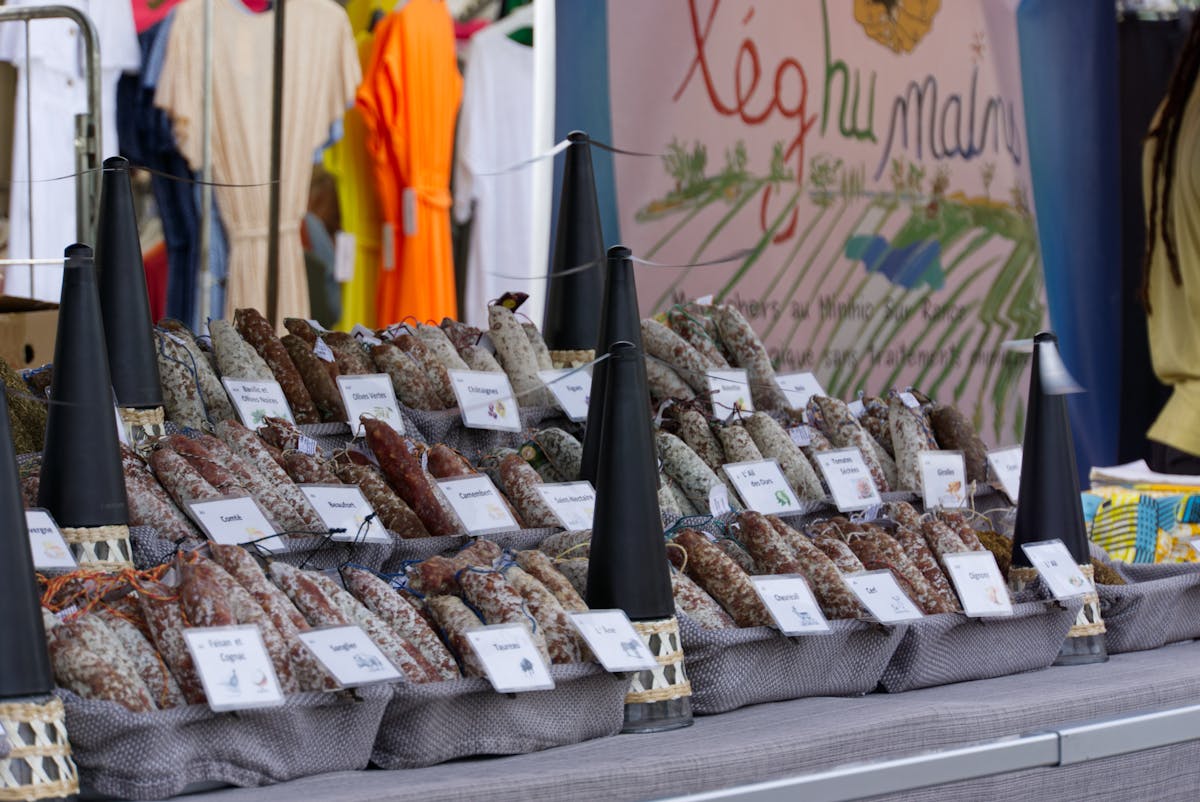
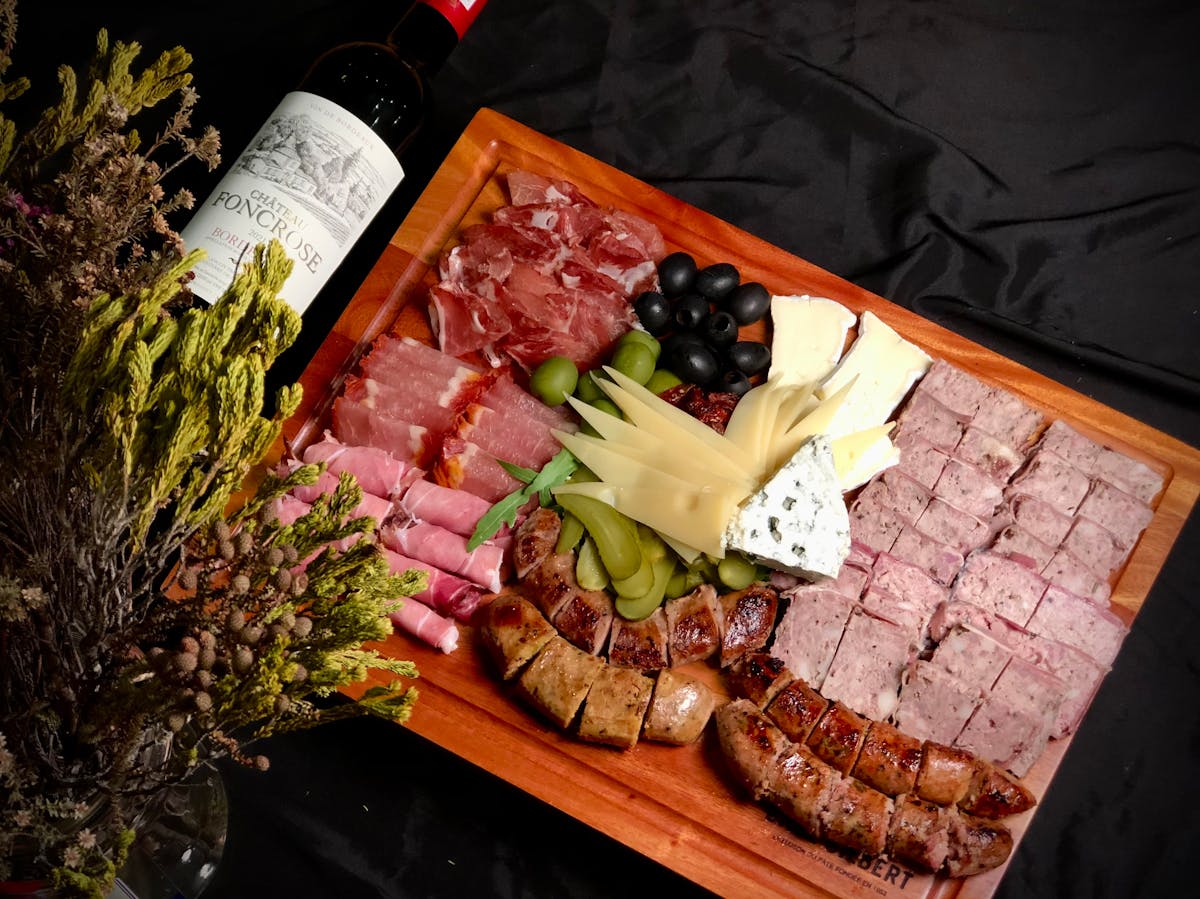
The sausage here deserves its own mention. Saucisse de Toulouse is a coarsely ground pork sausage that’s the backbone of half the local dishes. You’ll find it coiled in long spirals at market stalls, sold by length rather than weight. On a food tour, you’ll probably taste it grilled, braised in cassoulet, and possibly sliced cold on a charcuterie board — three different preparations, each revealing something different about the same sausage.
And then there’s violet. Toulouse has been growing violets commercially since the 19th century, and the flower became the city’s unofficial emblem. You’ll find crystallised violet candies at the Marche Victor Hugo, violet syrup in cocktail bars, violet ice cream, even violet mustard. It sounds strange but the flavour is genuinely delicate — floral without being perfume-like. Most food tours include at least one violet tasting, and it’s usually the stop that surprises people most.
Marche Victor Hugo — The Food Hall That Anchors Every Tour
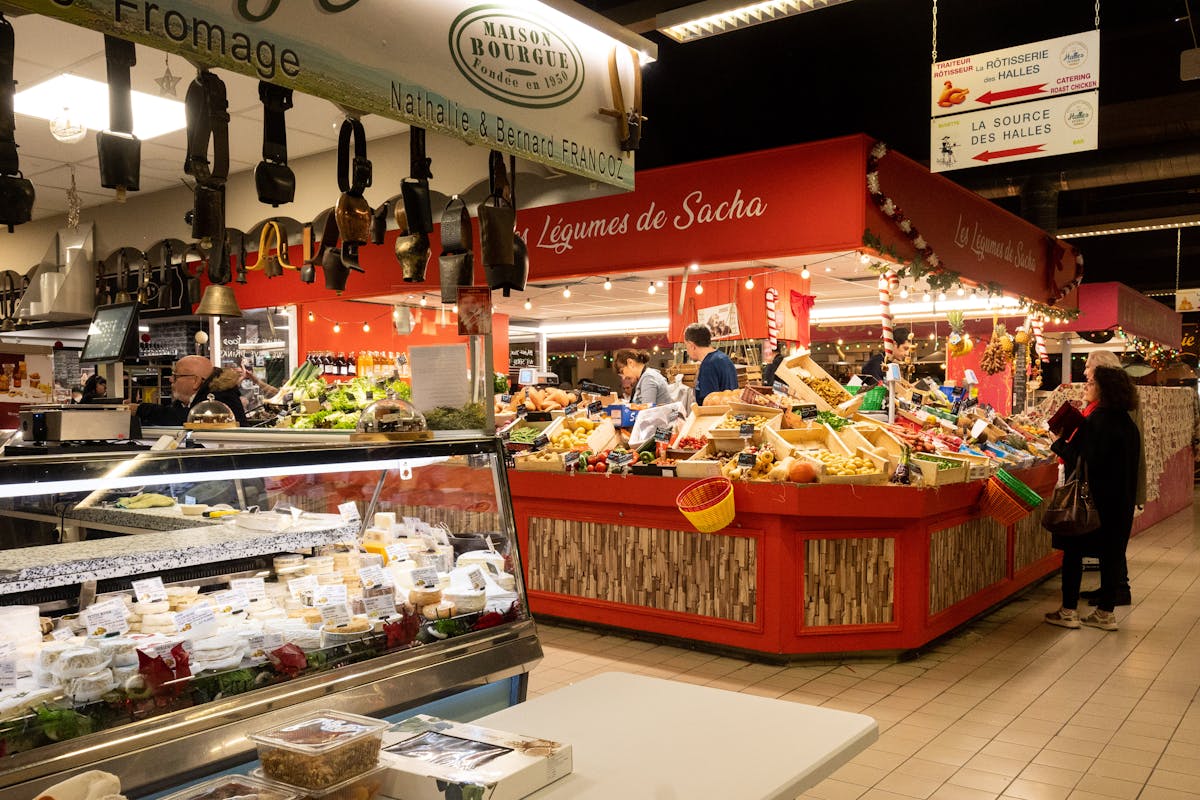
Nearly every food tour in Toulouse passes through the Marche Victor Hugo. It’s the city’s main covered food market, sitting right in the centre between Place du Capitole and the old town. The ground floor is where the action happens — rows of vendors selling cheeses, charcuterie, fresh seafood, foie gras, bread, pastries, and every regional speciality you can think of. Upstairs, a ring of small restaurants cooks with ingredients bought from the stalls below. That direct farm-to-plate chain is part of what makes this market different from the tourist-oriented versions you’ll find in bigger cities.
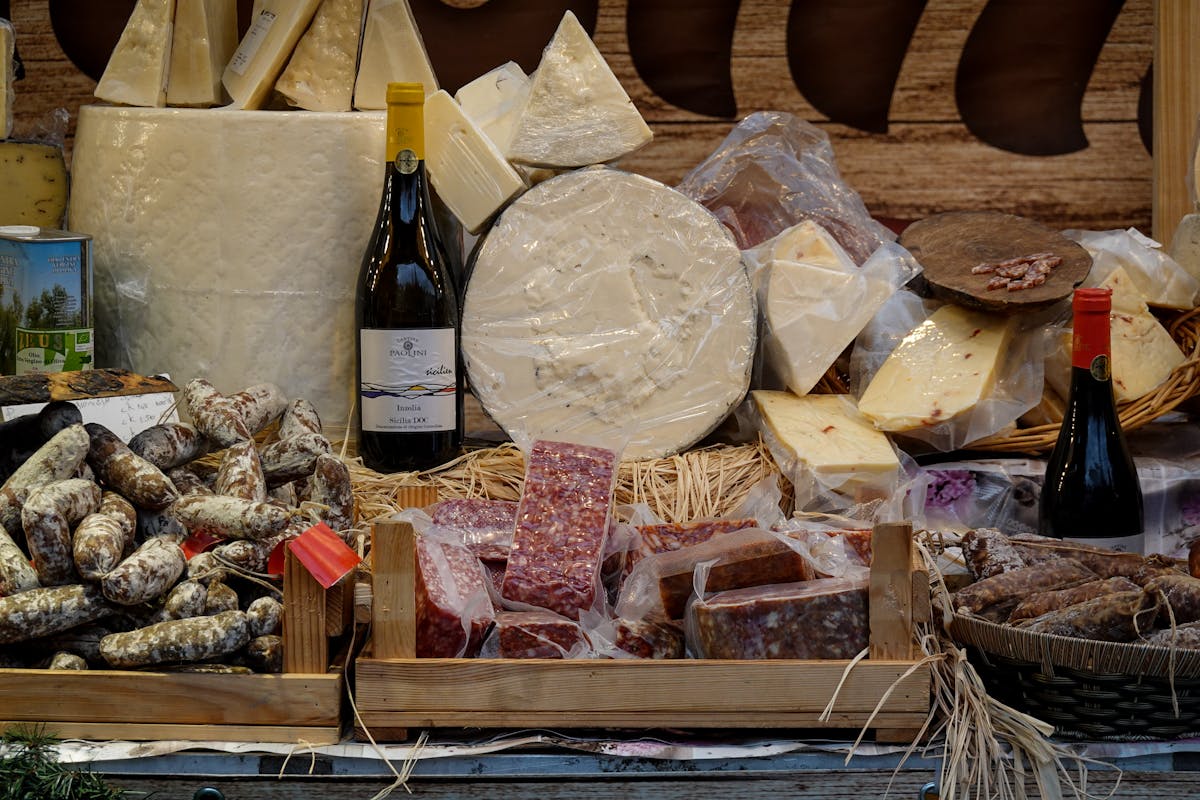
The market opens Tuesday through Sunday (closed Monday). Saturday is the busiest day — which means the best selection but also the biggest crowds. The sweet spot for a visit, with or without a tour, is around 8:30am on a weekday. The vendors have everything laid out, the regulars are doing their morning rounds, and you can actually get close enough to the cheese counters to taste without being elbowed aside.
The Victor Hugo Market tasting tour spends its entire 3.5 hours here, which gives you time to hit every corner. Guides like Danielle have been working this market for years and know which vendors will let you sample and which prefer you to buy first.
The 3 Best Food Tours in Toulouse
1. Toulouse Food & History Tour with a Chef — $133
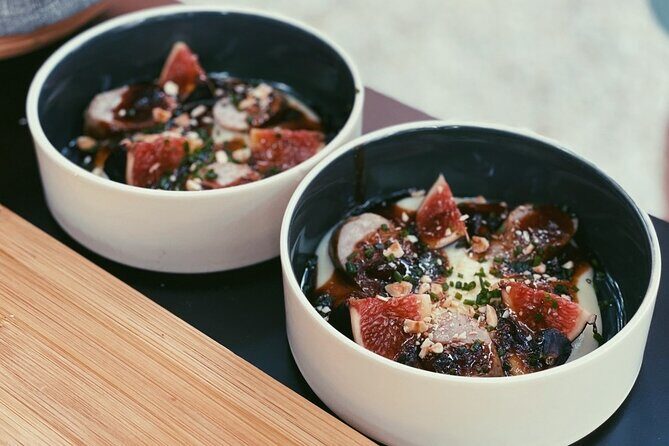
This is the one. If you only do one food tour in Toulouse, this is the tour to book. Chef Alex (Alejandro) has built something genuinely different from the standard “walk around and eat at vendor stalls” format. He carries a customised bicycle cart loaded with food he’s prepared in advance — each dish tied to a specific historical landmark or story about the city. Over four hours and seven stops, you eat your way through Toulouse’s history from the Romans to the present day.
What sets this apart is Alex himself. He speaks seven languages, trained as a professional chef, and has the storytelling ability of someone who genuinely loves what they do. Review after review mentions him by name — not the company, not the concept, but Alex specifically. People who’ve done food tours across Europe consistently call this the best one they’ve ever taken. At $133, it’s not cheap, but the quality gap between this and a standard walking food tour is significant. Book early — groups are small and dates fill up, especially in summer.
2. Toulouse: Guided Food Tour with Tastings — $75
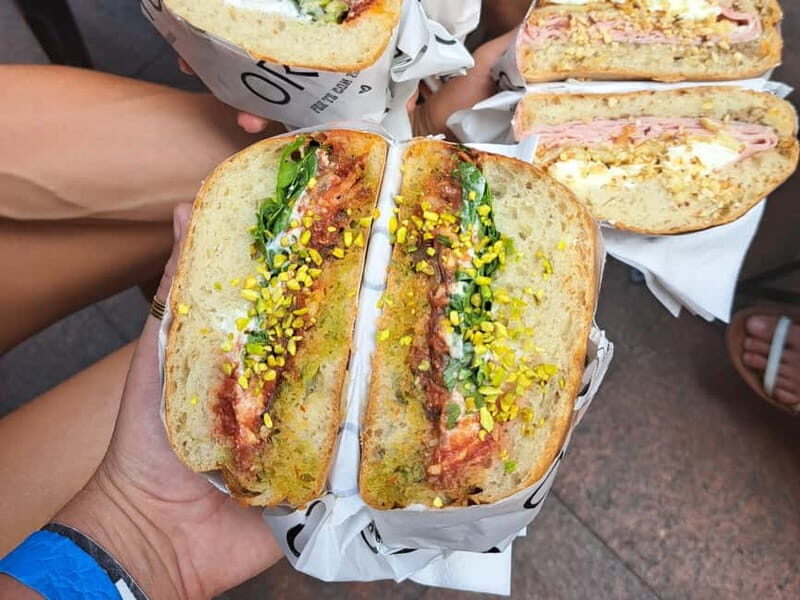
This is the budget-friendly pick and it’s genuinely good for the price. Run by NO DIET CLUB — the same company behind well-reviewed food tours in Nice, Lyon, and other French cities — this 3-hour tour covers the essential stops with generous portions at each. Guides like Lea get praised for mixing city knowledge with genuine enthusiasm for local food.
At $75 per person, it’s nearly half the price of the chef-led tour above, and for travellers who want a solid introduction without spending two hours’ wages on it, this delivers. The tastings cover local cheeses, charcuterie, pastries, and wine. You won’t get the theatrical presentation of Alex’s bicycle cart, but you’ll eat well and learn plenty about why Toulouse tastes the way it does. If you’re visiting the south of France and doing food tours in multiple cities, this is the format that won’t exhaust your budget.
3. Victor Hugo Market Small Group Tasting Tour — $139
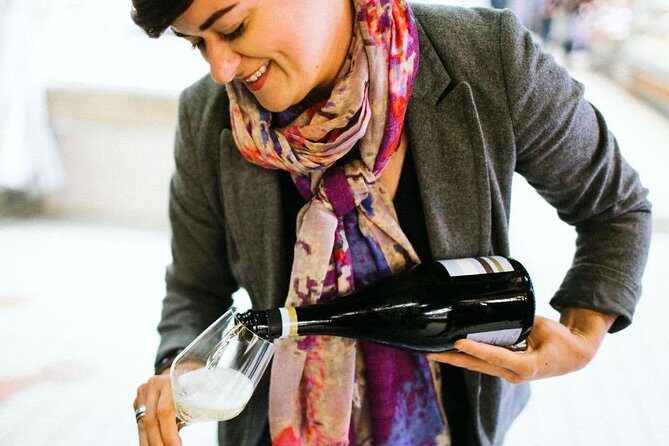
If markets are your thing — and they should be, because French food markets are genuinely one of the best travel experiences this country offers — then this tour is built entirely around the best one in Toulouse. Three and a half hours inside and around the Marche Victor Hugo, with guide Danielle leading a small group through the vendor stalls, explaining the local products, and making sure you taste everything from regional cheeses to artisan charcuterie to the wine that pairs with each.
The personal relationships are what make this work. Danielle has been running this tour for years, and every vendor in the market recognises her. That means you get access to tastings and conversations that a random visitor walking around on their own simply wouldn’t. At $139, it’s priced at the higher end, but the 3.5-hour duration, small group size, and the fact that the tour ends with a full lunch of everything you’ve tasted makes it excellent value if you care about food more than sightseeing. It goes well with a wine tour in nearby Bordeaux if you’re spending time in the southwest.
Self-Guided vs Guided: Which Makes More Sense in Toulouse
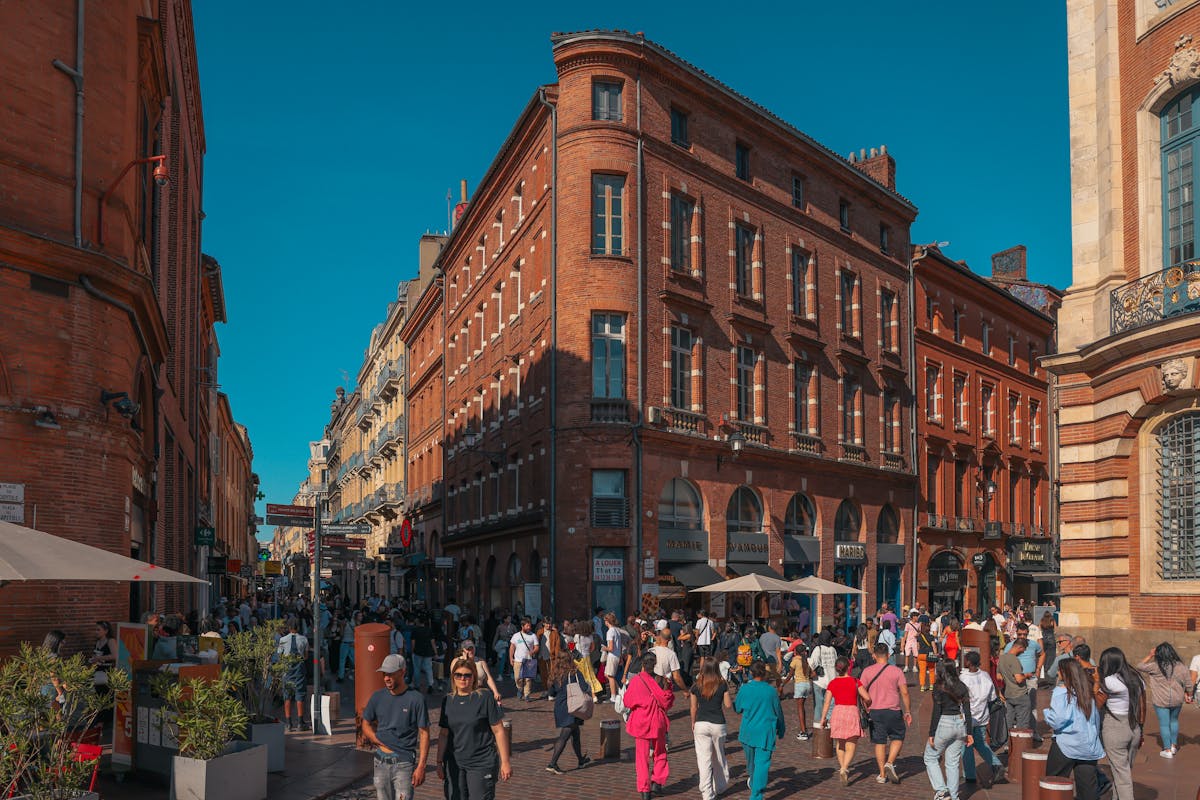
You could absolutely explore Toulouse’s food scene on your own. The Marche Victor Hugo is easy to find, open to everyone, and the vendors are happy to chat if you speak some French. Walking from Place du Capitole through the old town to the Garonne riverbank takes you past bakeries, wine bars, and charcuterie shops that are worth ducking into. And unlike some cities where the “real” food is hidden in residential neighbourhoods, Toulouse’s best eating is concentrated in a walkable central area.
But here’s what you miss without a guide: context. A wheel of cheese at the market is just cheese until someone explains that it’s Bethmal from the Pyrenees, made from a specific breed of cow that grazes above 1,000 metres, and that the reason it tastes different from every other cheese in France is the altitude and the grass. A plate of cassoulet is good on its own, but it’s better when you know that the recipe has been fought over by three cities for 200 years and Toulouse’s version is considered the most indulgent.
The guided tours also solve a practical problem: portion control. On a food tour, someone else has worked out how much to taste at each stop so you can make it through seven stops without hitting a wall at stop three. If you’re doing this independently, you’ll almost certainly over-order at the first place you like and then spend the rest of the afternoon too full to enjoy anything else. Ask me how I know.
For first-time visitors to Toulouse, a guided tour is genuinely worth the money. For return visitors who already know the basics, self-guided is fine — just don’t skip the Marche Victor Hugo.
When to Book a Food Tour in Toulouse
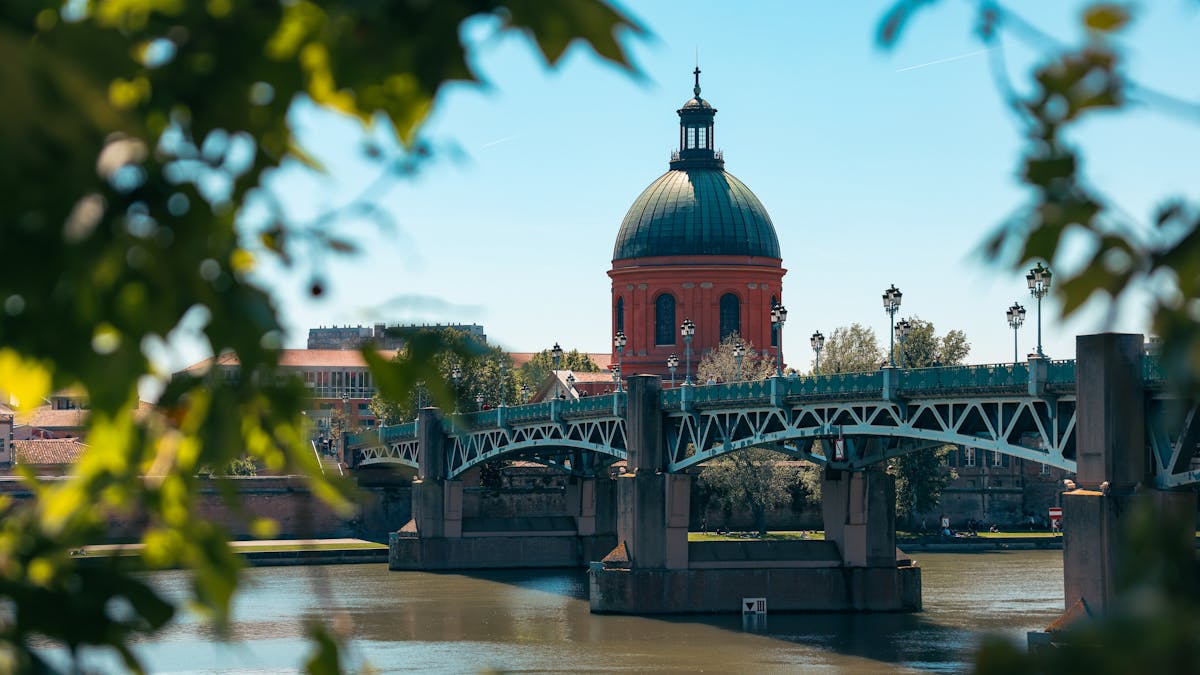
Food tours in Toulouse run year-round, but timing makes a real difference to the experience.
Best months: April through June and September through October. The weather is warm enough for comfortable walking (you’ll be on your feet for 3-4 hours), the markets are stocked with seasonal produce at its peak, and the tour groups are smaller because summer tourist season hasn’t hit yet. October is particularly good if you care about seasonal food — you’ll catch the last of the stone fruits, the first wild mushrooms, and the new season’s foie gras starting to appear.
Summer (July-August): Hot. Toulouse regularly pushes above 35C in July and August, and walking a food tour in that heat is uncomfortable. Tours still run and the food is still good, but you’ll be drinking water between every stop and the outdoor market vendors start packing up earlier to beat the heat. If summer is your only option, book a morning tour that starts at 9 or 10am.
Winter (November-March): Quieter, cheaper, and cassoulet season. If you love hearty, rich food, this is actually the best time. The markets have less variety (no summer fruit or vegetables), but the duck, foie gras, and preserved goods that define Toulouse cuisine are at their prime. Just dress warmly — the tours walk outdoors and the Garonne valley gets cold winds.
Day of the week matters: Most food tours pass through the Marche Victor Hugo, which is closed on Mondays. If your tour is on a Monday, confirm with the operator that they adjust the route. Saturday morning tours get the fullest market experience but also the biggest crowds.
How to Get to Toulouse’s Food District
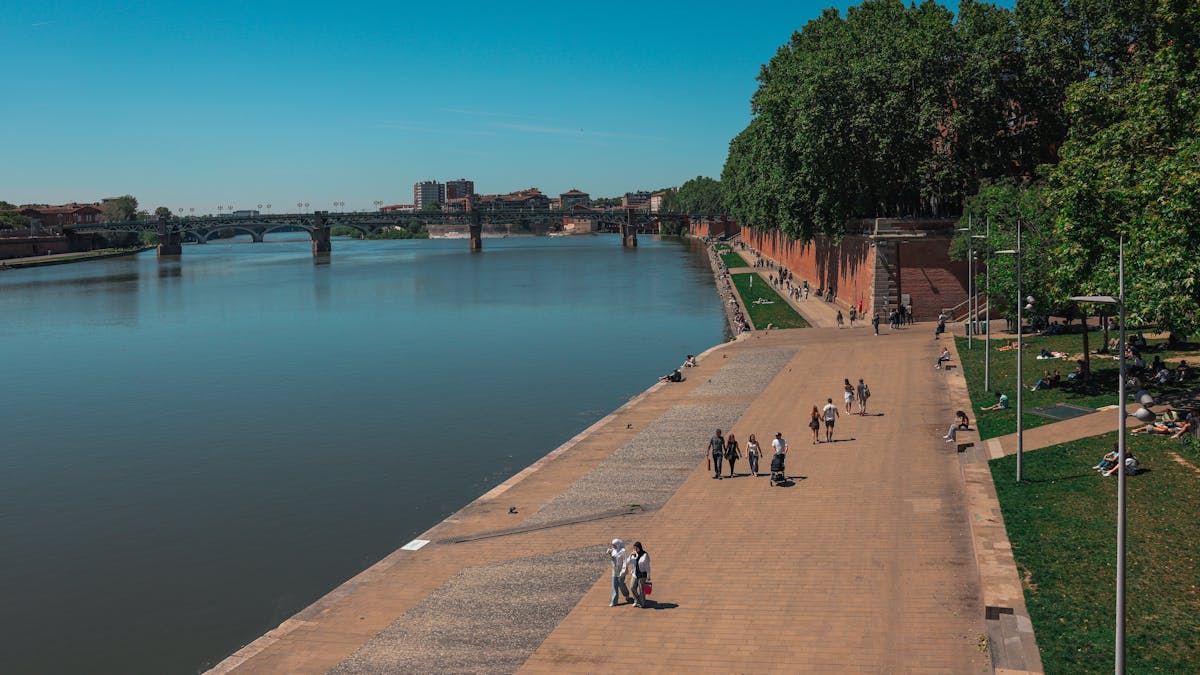
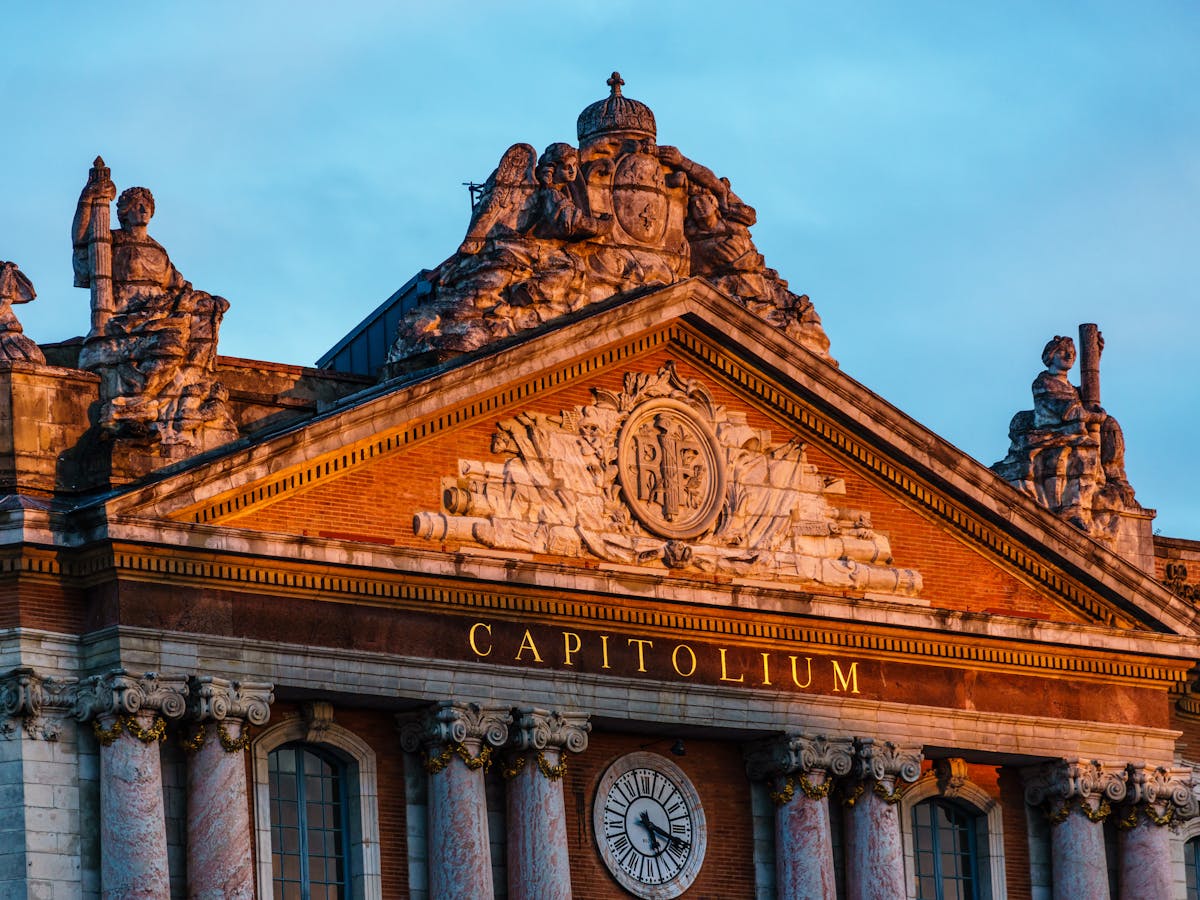
Most food tours meet at or near Place du Capitole, the enormous central square that functions as Toulouse’s living room. Getting there is straightforward:
From Toulouse-Blagnac Airport: The airport shuttle (Navette Aeroport) runs every 20 minutes to the city centre. The journey takes about 30 minutes and costs around EUR 9. It drops you at Compans-Caffarelli, from where it’s a 10-minute walk or one metro stop to Capitole.
Metro: Toulouse has two metro lines. Line A stops at Capitole, which puts you directly at Place du Capitole. Line B stops at Jean-Jaures, which is a 5-minute walk. Both stations are well-connected to the train station (Gare Matabiau is on Line A at Marengo-SNCF).
From Gare Matabiau (train station): Two metro stops on Line A, or a 15-minute walk through the city centre. If you’re arriving by TGV from Paris (about 4.5 hours) or from Bordeaux (about 2 hours), this is where you’ll come in.
Walking: Toulouse’s food district — the area bounded by Place du Capitole, Marche Victor Hugo, and the old town streets running down to the Garonne — is compact enough to cover on foot. From Capitole to the market is a 3-minute walk. From the market to the Garonne riverbank is another 10 minutes. Everything a food tour covers sits within this roughly 1-kilometre radius.
Tips That Will Save You Time and Money
Eat light before. These tours pack in a lot of food across 6-8 stops. Skip breakfast entirely or have just a coffee. You’ll thank yourself by stop four.
Wear comfortable shoes. Three to four hours of walking on cobblestones and uneven market floors. This isn’t the day for fashion footwear.
Book at least a week ahead in peak season. The top-rated tours (especially Alex’s chef tour with 500+ reviews) sell out regularly from June through September. In the off-season you can often book a day or two before.
Ask about dietary restrictions early. Most tours can accommodate vegetarian, gluten-free, or other dietary needs if you mention it at booking. But the food is prepared in advance, so telling the guide on the day of the tour is too late.
Bring cash for the market. While the guided tour covers all your tastings, you’ll almost certainly want to buy something to take home. Many market vendors at Victor Hugo prefer cash for small purchases. The nearest ATMs are on rue d’Alsace-Lorraine, a 2-minute walk from the market.
Don’t skip the upstairs restaurants at Victor Hugo. After your food tour ends, the restaurants on the first floor of the market building cook lunch using ingredients from the stalls below. It’s some of the best value dining in Toulouse, and the locals know it — go before noon or expect a wait.
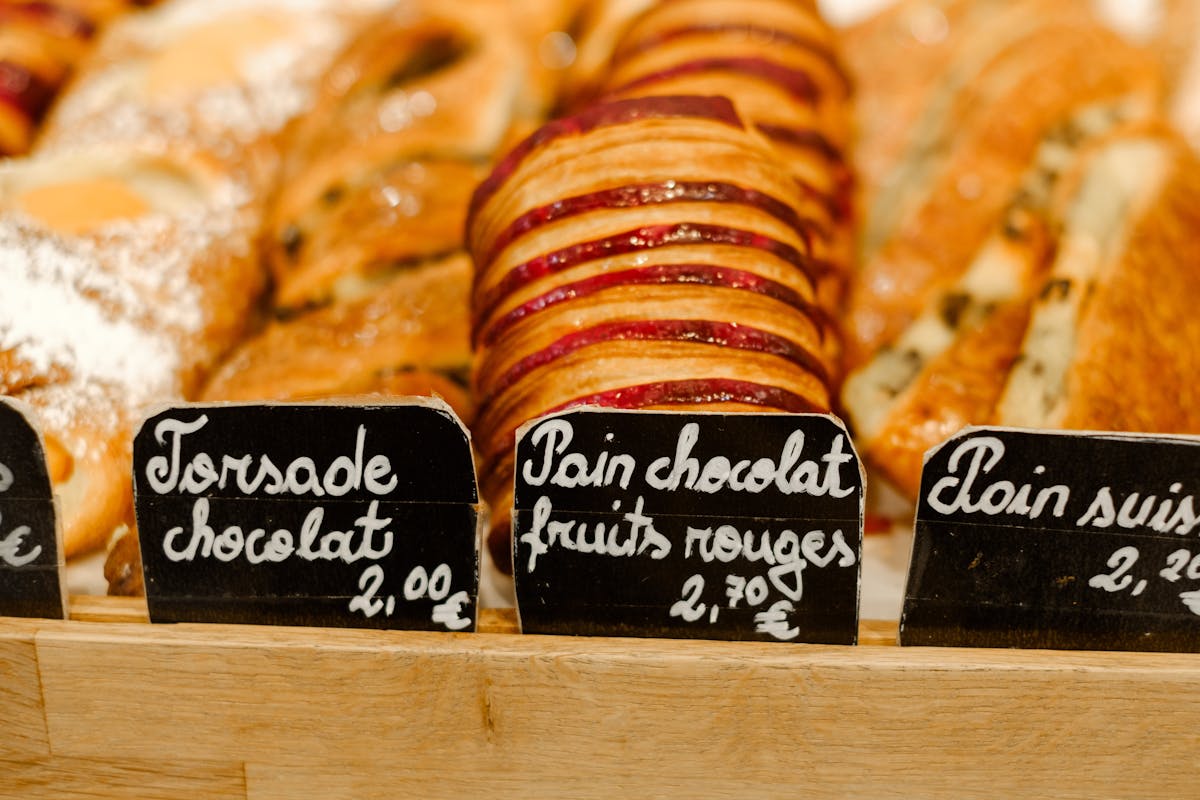
Learn one word: chocolatine. In Toulouse and the entire southwest, the chocolate-filled pastry is called a chocolatine, not a pain au chocolat. This isn’t a trivial distinction here. There was literally a bill proposed in the French parliament to officially recognise the term. Calling it the right thing earns immediate goodwill from locals.
What You’ll Eat on a Typical Toulouse Food Tour
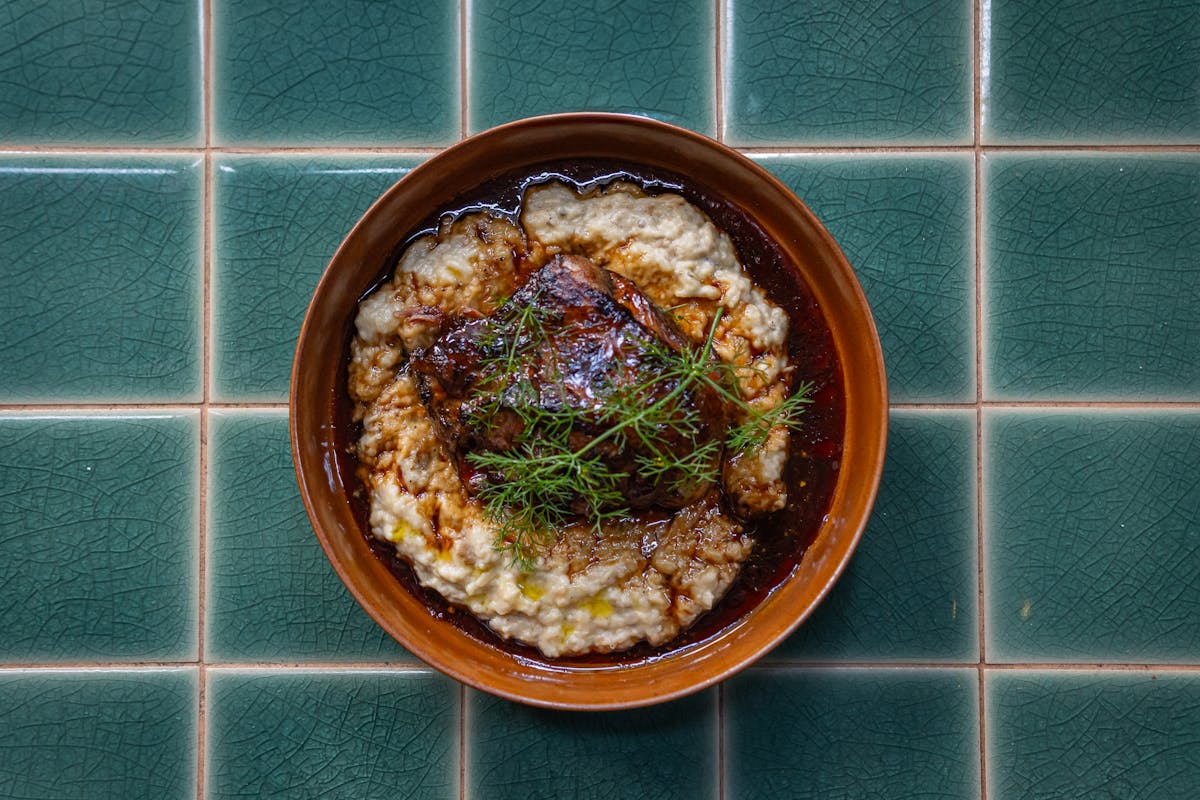
Most tours cover some combination of these, though the exact stops and dishes vary:
Chocolatine — The southwest’s answer to the pain au chocolat, and the bakeries in Toulouse take it seriously. The pastry should be flaky, buttery, and slightly warm, with dark chocolate that actually tastes like chocolate rather than sweetened wax.
Cassoulet — The big one. White beans, duck confit, Toulouse sausage, and pork, baked low and slow until a crust forms. Every restaurant in the city has it on the menu but the quality range is enormous. A food tour guide knows which places make it fresh.
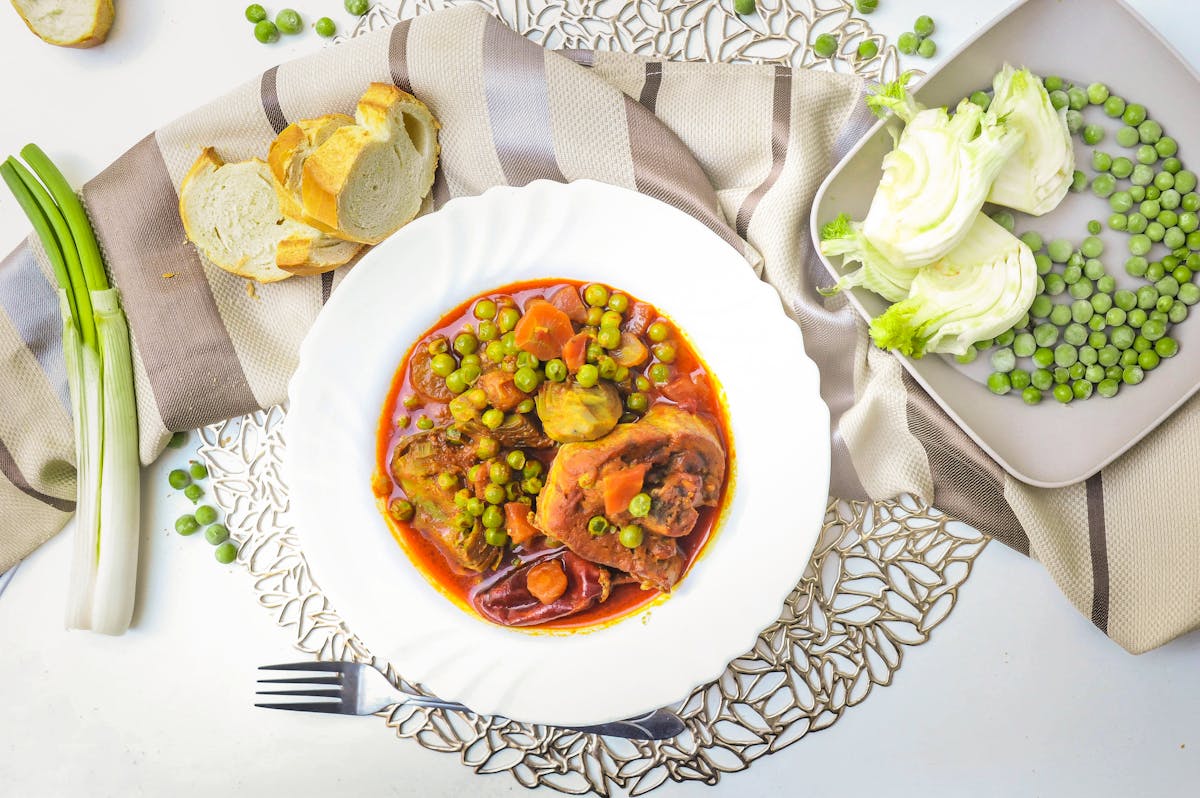
Toulouse sausage — Coarse-ground pork with garlic, salt, and pepper. Grilled, braised, or cold — you’ll encounter it multiple ways across the tour.
Foie gras — The southwest is France’s foie gras heartland, and Toulouse is ground zero. You’ll taste it on toast, usually with a sweet accompaniment like fig jam or onion confit. A good guide will explain the production process honestly, including the controversial bits.
Regional cheeses — Rocamadour (a small, creamy goat cheese from the Lot), Bethmal (from the Pyrenees), and whatever else the market vendors have that morning. The cheese course on a food tour is usually where people discover varieties they’ve never heard of.
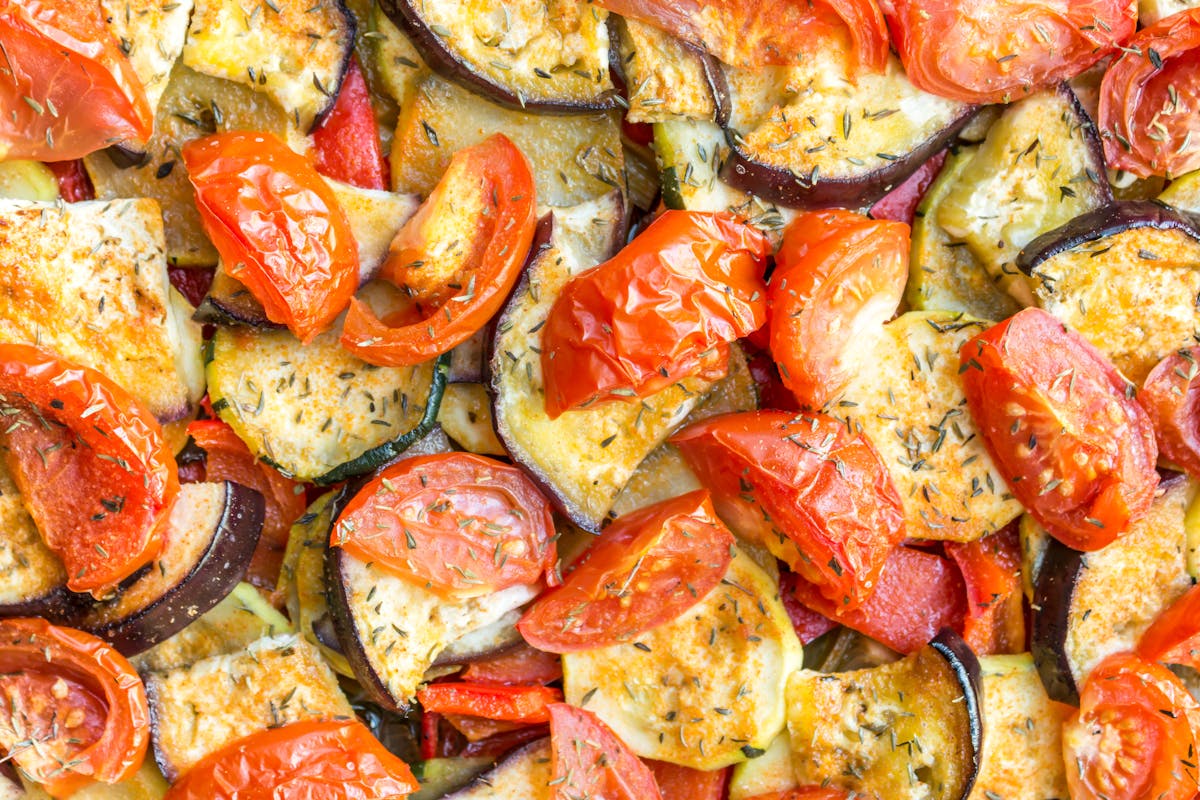
Violet sweets — Crystallised violets, violet syrup, violet liqueur. The crystallised ones look like something from a Victorian sweet shop and taste better than they have any right to.
Wine — Toulouse is surrounded by wine regions that punch well above their weight. Fronton (the local appellation, just 30 minutes north) makes a distinctive red from the Negrette grape that you won’t find anywhere else. Most food tours include at least two or three wine pairings.
Beyond the Food: What You’ll Walk Past
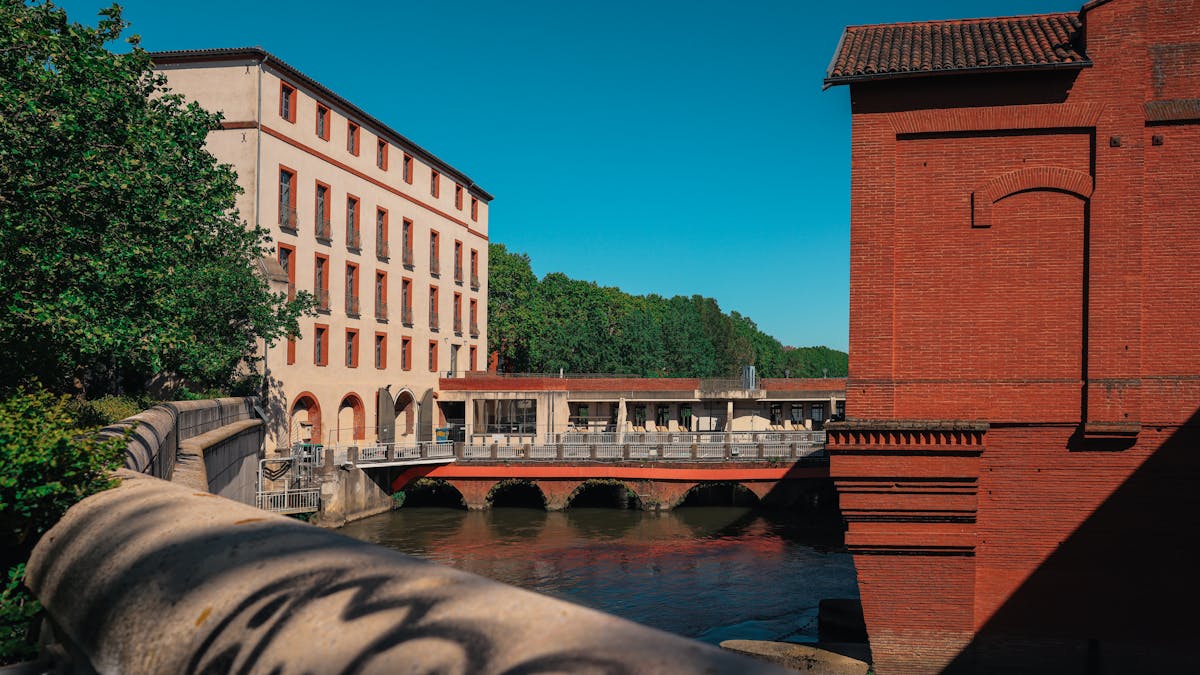
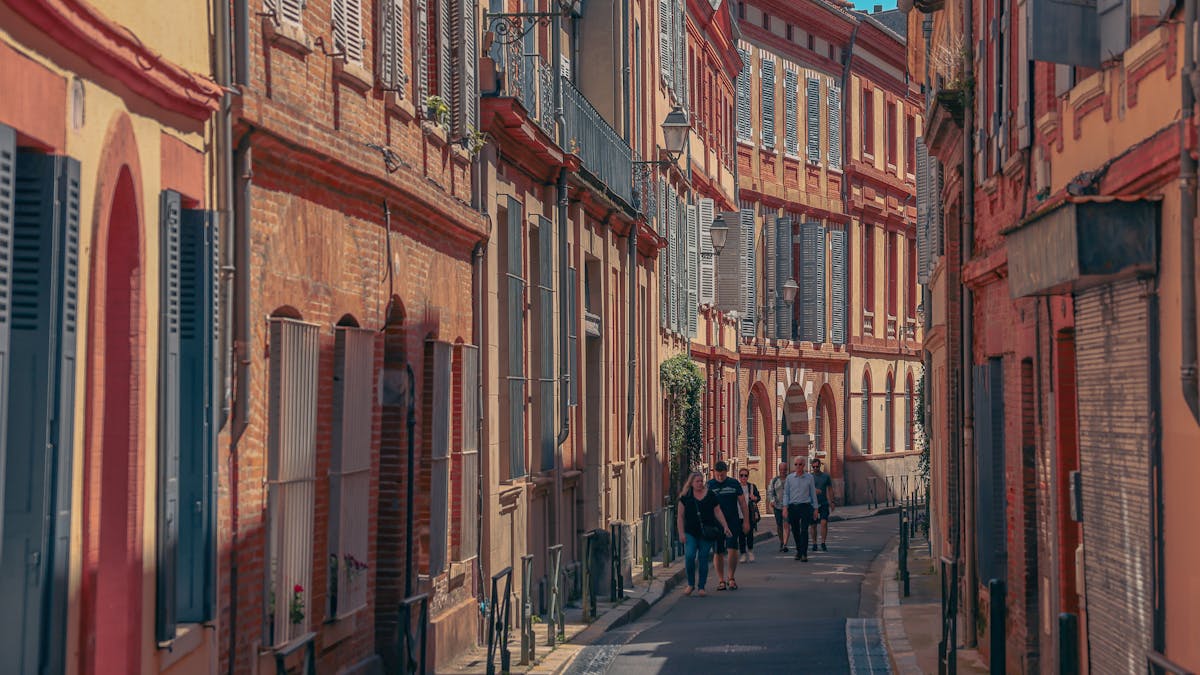
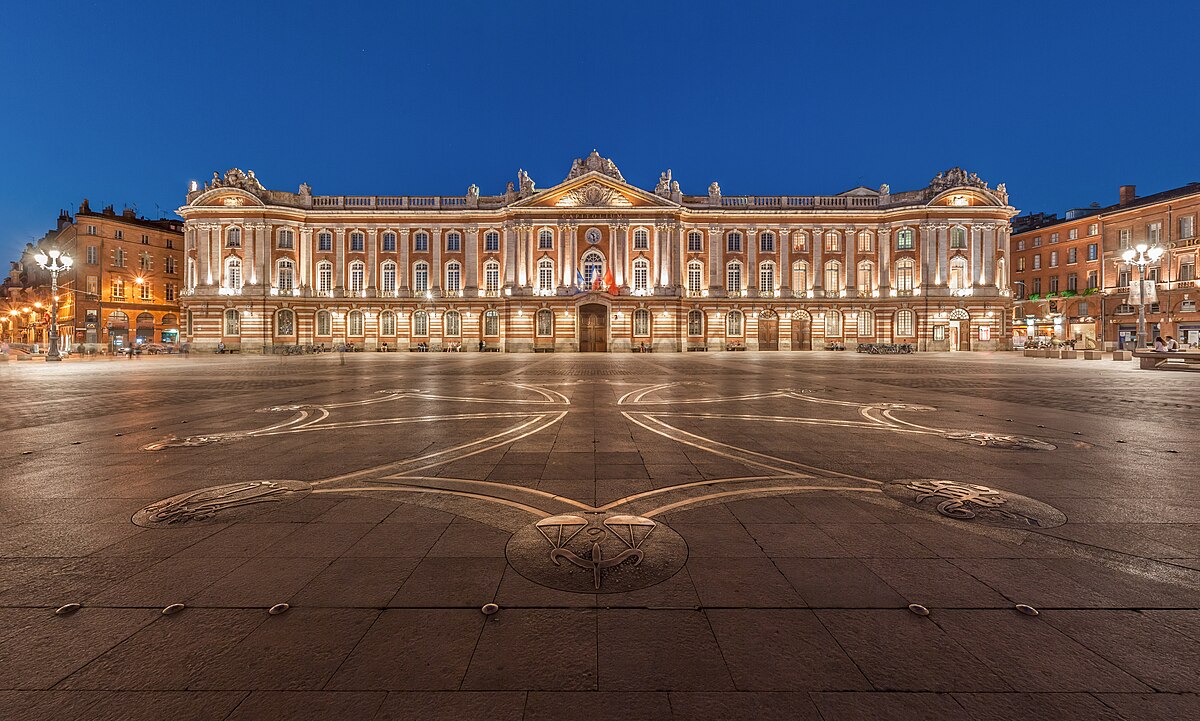
One of the advantages of a walking food tour is that you see the city between bites. Toulouse is genuinely beautiful — La Ville Rose they call it, because the clay bricks that make up every building give the whole skyline a uniform warm pink tone that changes colour throughout the day. At dawn it’s pale salmon. By sunset it’s deep orange. There’s no other city in France that looks quite like this.
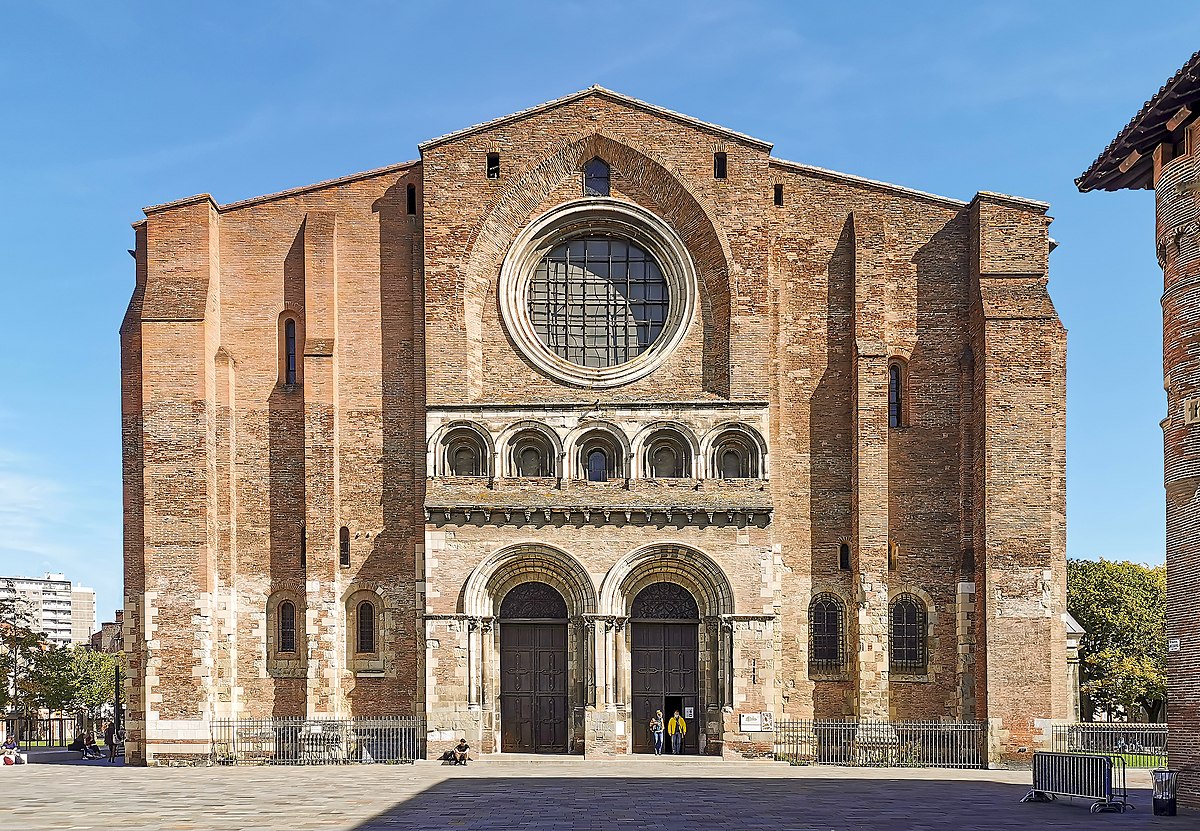
Most food tour routes pass the Basilica of Saint-Sernin, the largest Romanesque church in Europe. It was built between 1080 and 1120, primarily as a stop on the medieval pilgrimage route to Santiago de Compostela in Spain. The octagonal bell tower is the most photographed structure in the city. You won’t go inside on a food tour, but it’s worth coming back for.
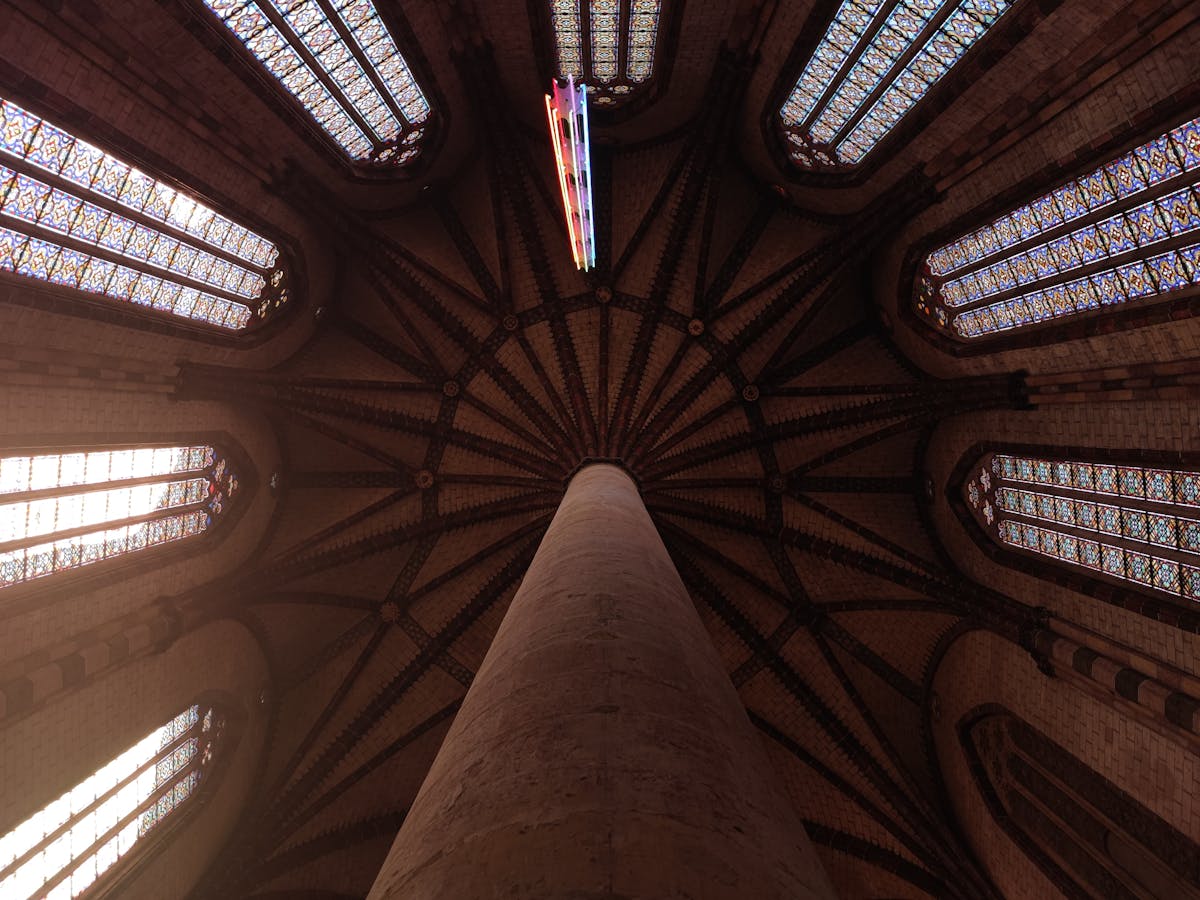
The Jacobins Church, a few blocks south, has one of the most extraordinary Gothic ceilings in France — a single stone column that fans out at the top into ribs resembling a palm tree. The remains of Thomas Aquinas are interred here. Like Saint-Sernin, you probably won’t enter during a food tour, but the exterior is on most routes and the guides usually give you the quick version of its history between stops.
Toulouse is also the capital of European aerospace. Airbus assembles the A380 and A350 here, and the Cite de l’Espace (space museum) has a full-scale replica of the Mir space station. None of this has anything to do with food tours, but it explains why the city has an unusually international population — and why the restaurant scene has more range than you’d expect from a mid-sized French city.
Planning the Rest of Your Southwest France Trip
If Toulouse is your base for exploring the southwest, there’s plenty of territory within easy reach. Carcassonne is barely an hour south by train — the medieval fortress is one of the most visited sites in France and has its own version of cassoulet to argue about. In the other direction, Bordeaux’s wine tours are a natural pairing with Toulouse’s food scene, and the TGV connects the two cities in about two hours. For something completely different, the Camargue wetlands near Arles offer horseback safaris through wild flamingo country — not food-related, but one of the most memorable day trips in the south. And if you’re working your way along the Saint-Emilion wine route from Bordeaux, Toulouse makes a good endpoint before turning south toward the Pyrenees or east toward the Riviera.
This article contains affiliate links. When you book through these links, we may earn a small commission at no extra cost to you. This helps us keep producing free travel guides.