
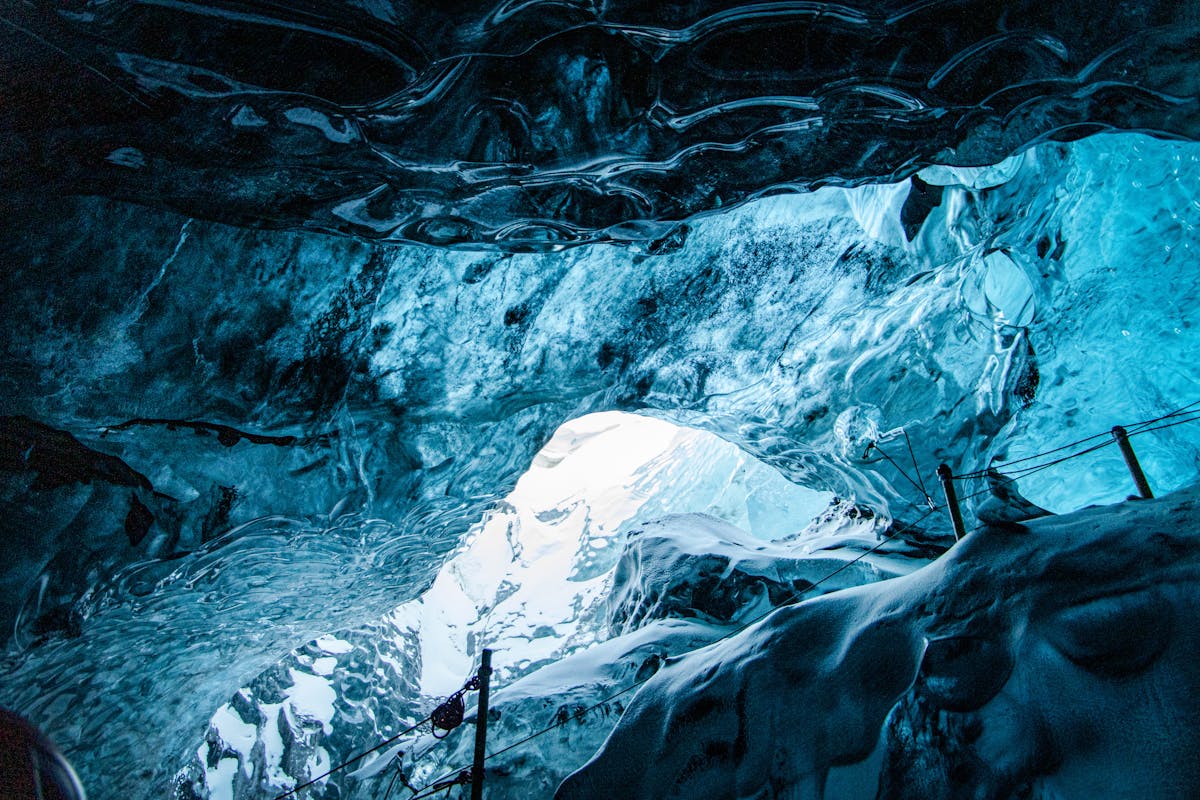
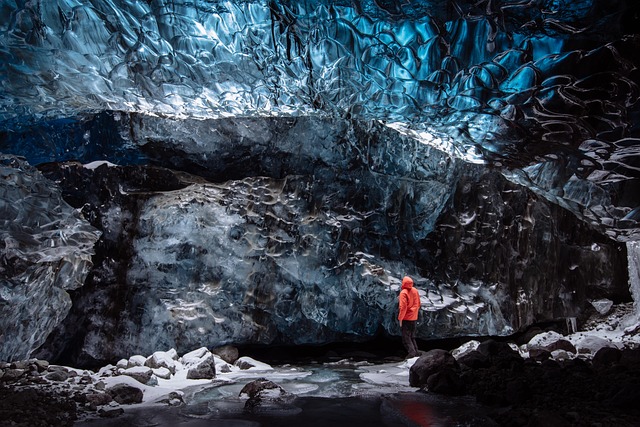
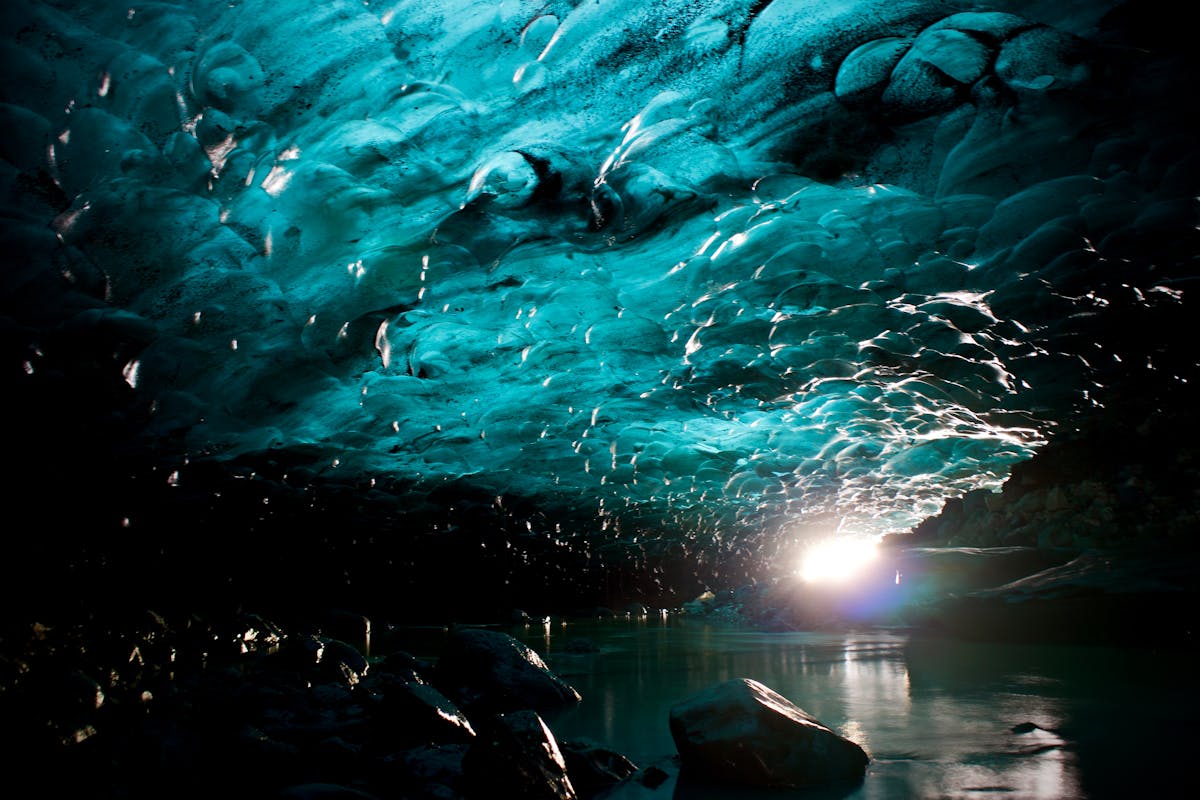
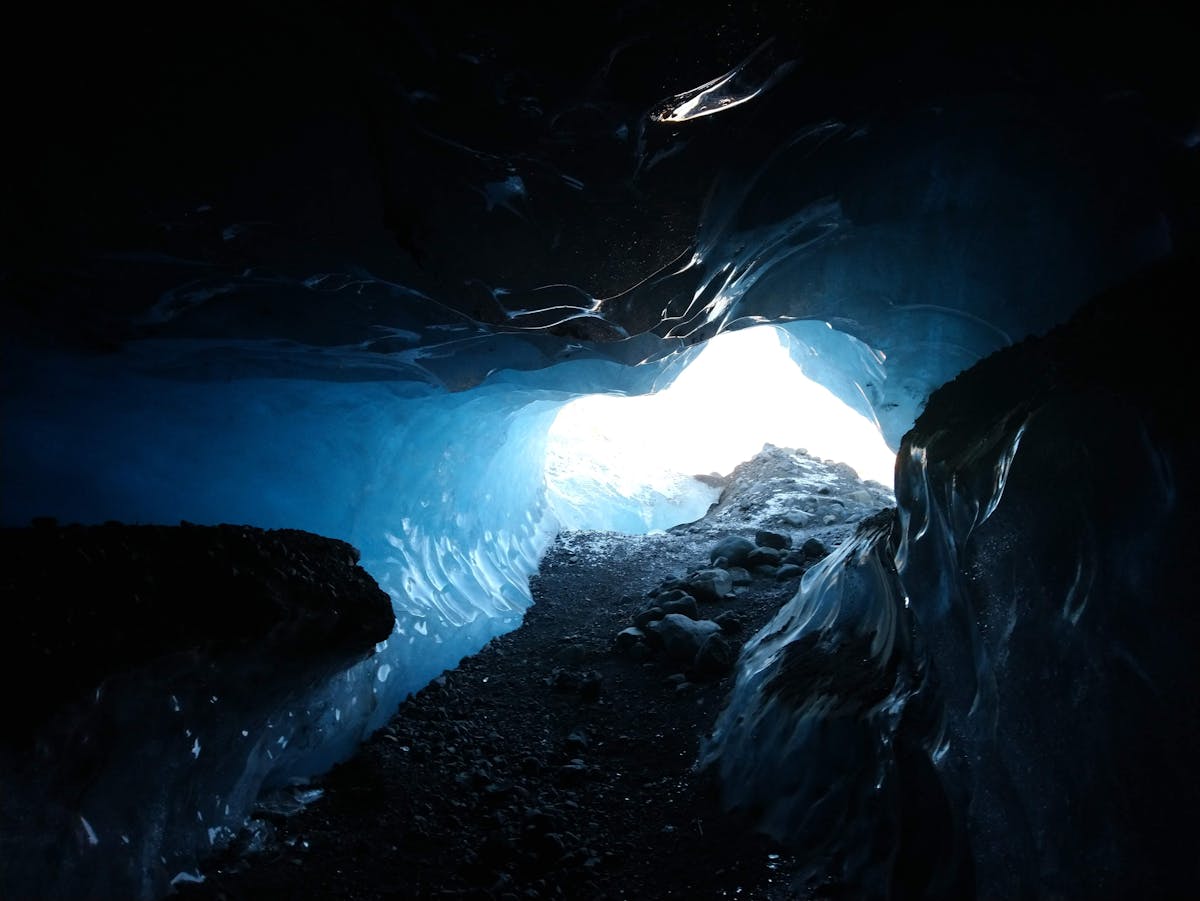
The ice was blue. Not sky-blue or pool-blue — a deep, electric blue that shouldn’t exist in nature but somehow does, trapped inside centuries of compressed glacier.
I’d seen photos before booking, obviously. Everyone has. But photos don’t prepare you for what it feels like to stand inside a cave that wasn’t there last year and won’t be there next year. Iceland’s ice caves are temporary. They form each autumn as meltwater carves new tunnels through the glacier, and by spring they collapse or shift into something unrecognizable.
That impermanence is part of the draw. You’re not visiting a landmark — you’re visiting a moment.
Best full-day from Reykjavik: Katla Ice Cave & South Coast Waterfalls Tour — $275. Picks you up in Reykjavik, covers Katla ice cave plus two major waterfalls in one long day.
Best ice cave + glacier combo: Skaftafell Ice Cave & Glacier Hike — $165. Four hours of actual glacier time with crampons, ice axes, and a cave visit. Starts from Skaftafell.
Best budget glacier hike: Falljokull Easy Group Glacier Hike — $108. Small-group walk on Vatnajokull’s Falljokull outlet glacier. No ice cave, but you’re on the glacier itself.
- Ice Caves vs. Glacier Hikes — What’s the Difference?
- Where the Ice Caves Actually Are
- When to Go
- Can You Do It as a Day Trip from Reykjavik?
- The Best Glacier and Ice Cave Tours to Book
- 1. Katla Ice Cave & South Coast Waterfalls Tour — 5
- 2. Skaftafell: Ice Cave Tour and Glacier Hike — 5
- 3. Vatnajokull Ice Cave Guided Tour — 4
- 4. Falljokull Easy Group Glacier Hike — 8
- What to Bring
- What You’ll Actually See Inside
- Getting to the Glaciers from Reykjavik
- Tips That Will Save You Time (and Money)
- More Iceland Guides
Ice Caves vs. Glacier Hikes — What’s the Difference?
These two terms get thrown around interchangeably in marketing, but they’re different experiences.
An ice cave tour takes you inside a natural or volcanic cave formed within or beneath a glacier. You walk into the cave, look at the ice formations, take photos, and walk out. The physical effort is minimal — it’s more about the spectacle.
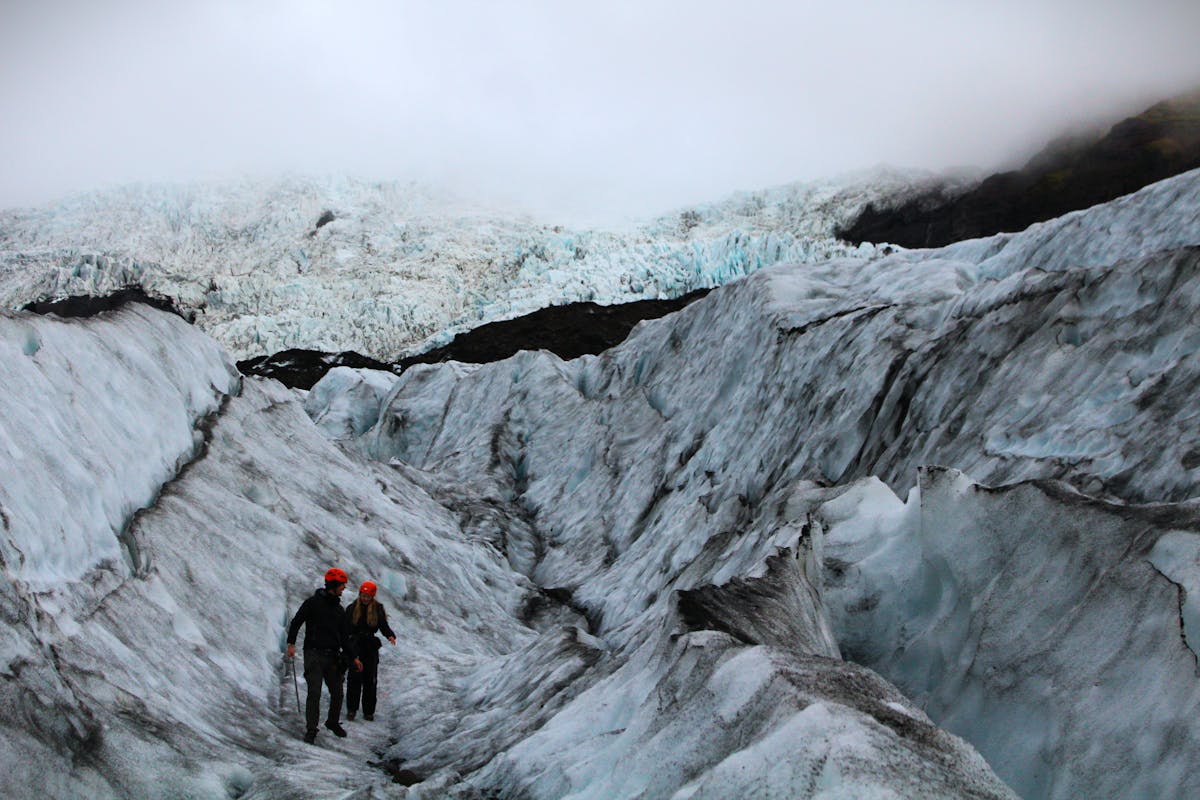
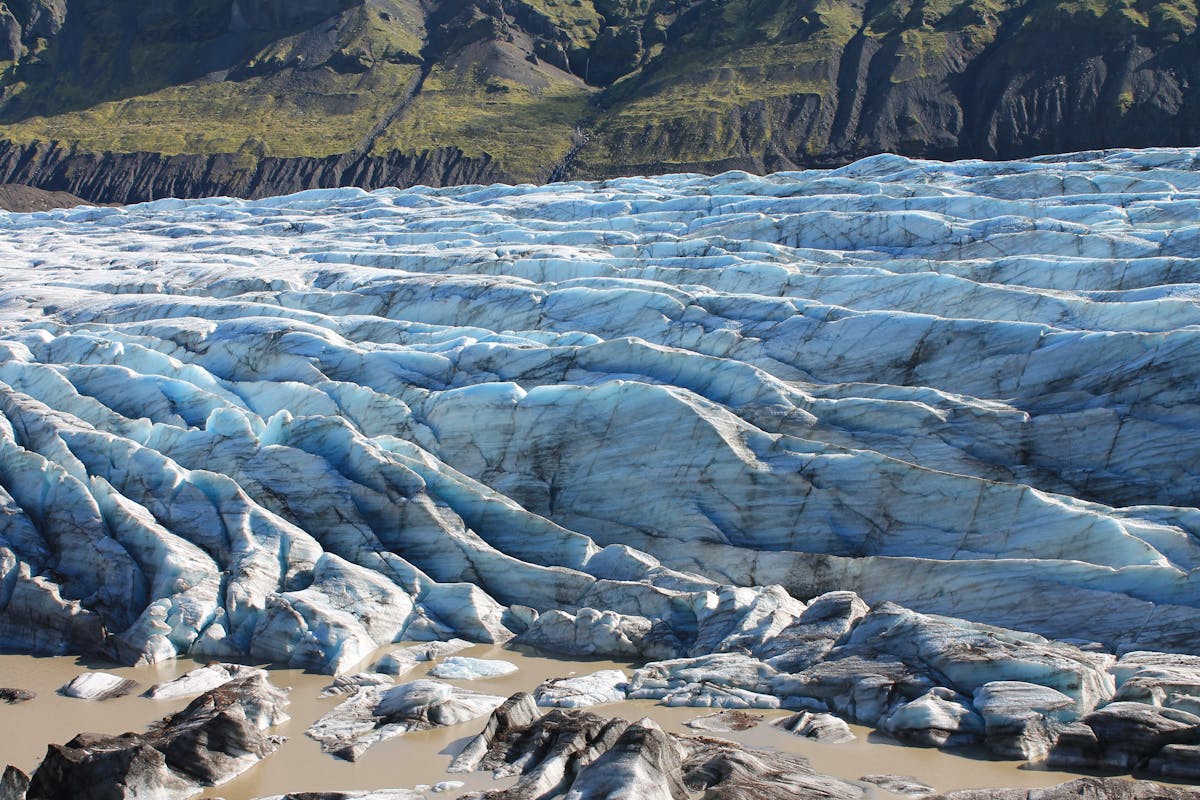
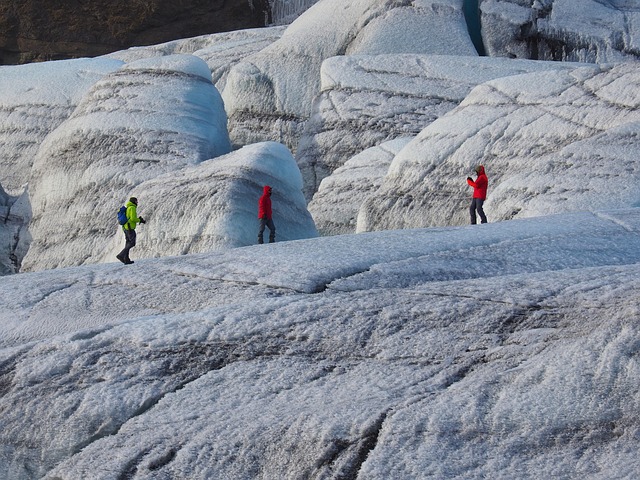
A glacier hike puts crampons on your boots and an ice axe in your hand and sends you walking across the surface of a glacier. You’ll see crevasses, moulins (vertical shafts carved by meltwater), and ridges of blue ice. It’s more physically demanding and feels more like an expedition.
Some tours combine both — you hike across the glacier and then enter a cave. Those tend to be the best value if you’re only doing one glacier activity in Iceland.
Where the Ice Caves Actually Are
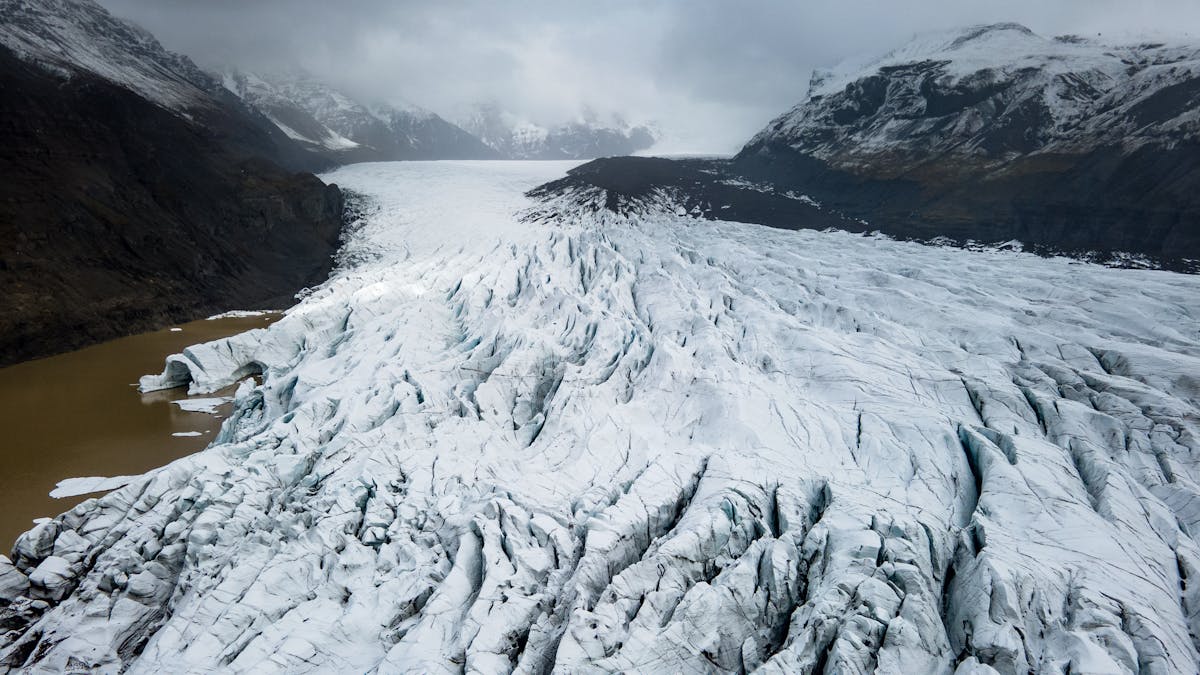
This is where most first-timers get confused. Iceland has several glaciers, and not all ice cave tours leave from Reykjavik.
Katla (under Myrdalsjokull) — The most accessible option from Reykjavik. These are volcanic ice caves formed where the Katla volcano’s geothermal heat meets glacier ice. They’re dark, ashy, and otherworldly rather than the blue crystal caves you see on Instagram. Tours leave from Vik, about 2.5 hours from Reykjavik, but full-day tours with Reykjavik pickup exist. Open year-round.
Vatnajokull (Breidamerkurjokull / Skaftafell) — This is where the famous blue ice caves are. Europe’s largest glacier, about 5 hours from Reykjavik. The natural blue caves here are only accessible November through March — outside that window, they’re either flooded or structurally unsafe. If you’re self-driving, you’ll base yourself near Jokulsarlon glacier lagoon. If not, you’ll need a multi-day tour or a very long day trip.
Solheimajokull — A small outlet glacier about 2 hours from Reykjavik. Primarily glacier hikes, not ice caves. It’s the closest glacier to the capital and works well as a half-day activity.
Langjokull — A man-made ice tunnel drilled into the glacier. Open year-round, about 2 hours from Reykjavik. It’s impressive engineering but not a natural ice cave — think of it as a glacier exhibit rather than an adventure tour.
When to Go
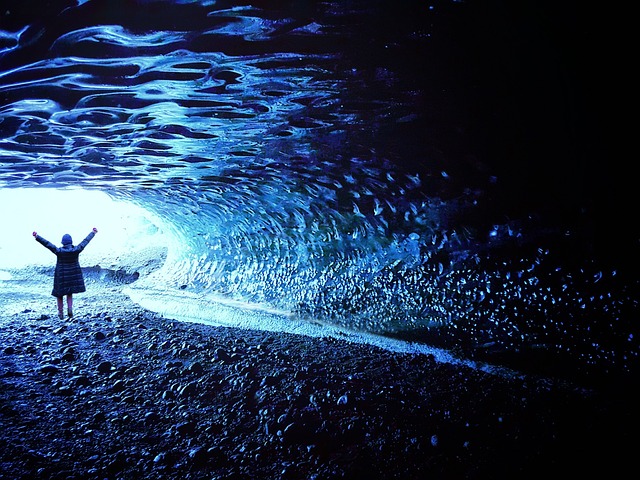
November through March is ice cave season for the natural blue caves at Vatnajokull. The caves form as temperatures drop in autumn, and guides spend weeks scouting new formations before bringing visitors in. By late March or April, rising temperatures make the caves unstable.
Katla’s volcanic caves and the Langjokull man-made tunnel are exceptions — both operate year-round because their structures are more stable (volcanic rock reinforces Katla’s caves, and Langjokull’s tunnel is engineered).
Glacier hikes on Solheimajokull and Skaftafell run year-round too, though winter conditions make them more dramatic.
If you’re visiting specifically for the blue ice cave experience, book a winter trip. December through February gives you the best cave conditions, though you’ll only get 4-5 hours of daylight. The flipside: northern lights are possible on the drive back to Reykjavik.
Can You Do It as a Day Trip from Reykjavik?
Katla ice cave: yes. Several operators run full-day tours from Reykjavik to the Katla caves with hotel pickup included. It’s a long day (10-12 hours with driving), but doable.
Vatnajokull blue ice caves: barely. It’s about 5 hours each way from Reykjavik. Some operators run punishing 14-15 hour day trips, but you’ll spend 10+ hours in a vehicle for maybe 2 hours of actual cave time. I’d recommend staying overnight near Vik or Skaftafell instead.
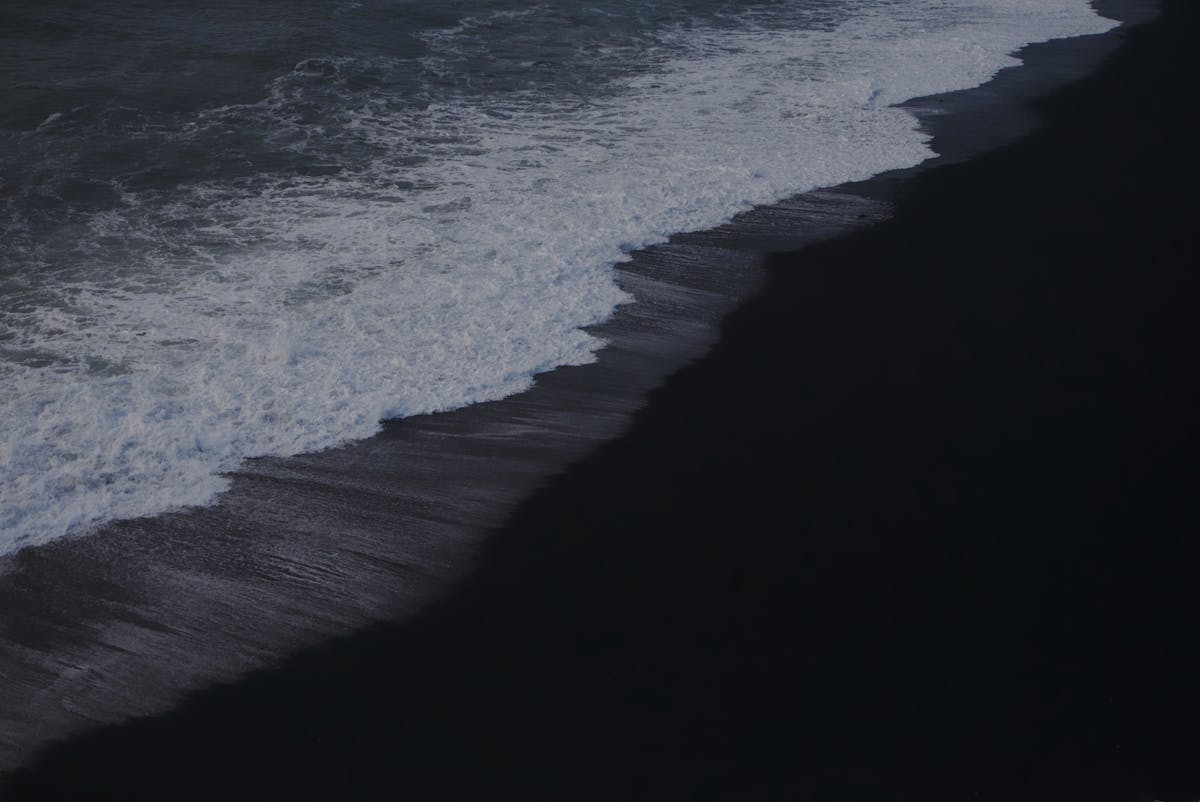
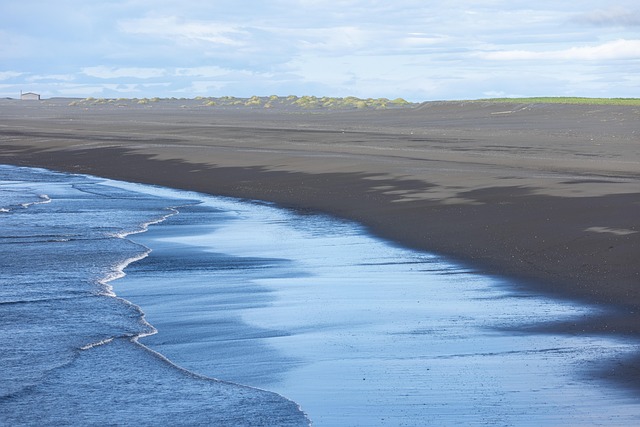
Solheimajokull glacier hike: easily. It’s the closest glacier to Reykjavik (2 hours), and plenty of South Coast day tours include a glacier hike here alongside waterfalls and black sand beaches.
Langjokull ice tunnel: yes. About 2 hours from Reykjavik, often combined with a Golden Circle tour.
The Best Glacier and Ice Cave Tours to Book
I went through the major tours available from the main operators and picked these four based on what they actually deliver, where they depart from, and whether the price is justified. They’re ordered by how well they work as a Reykjavik-based experience.
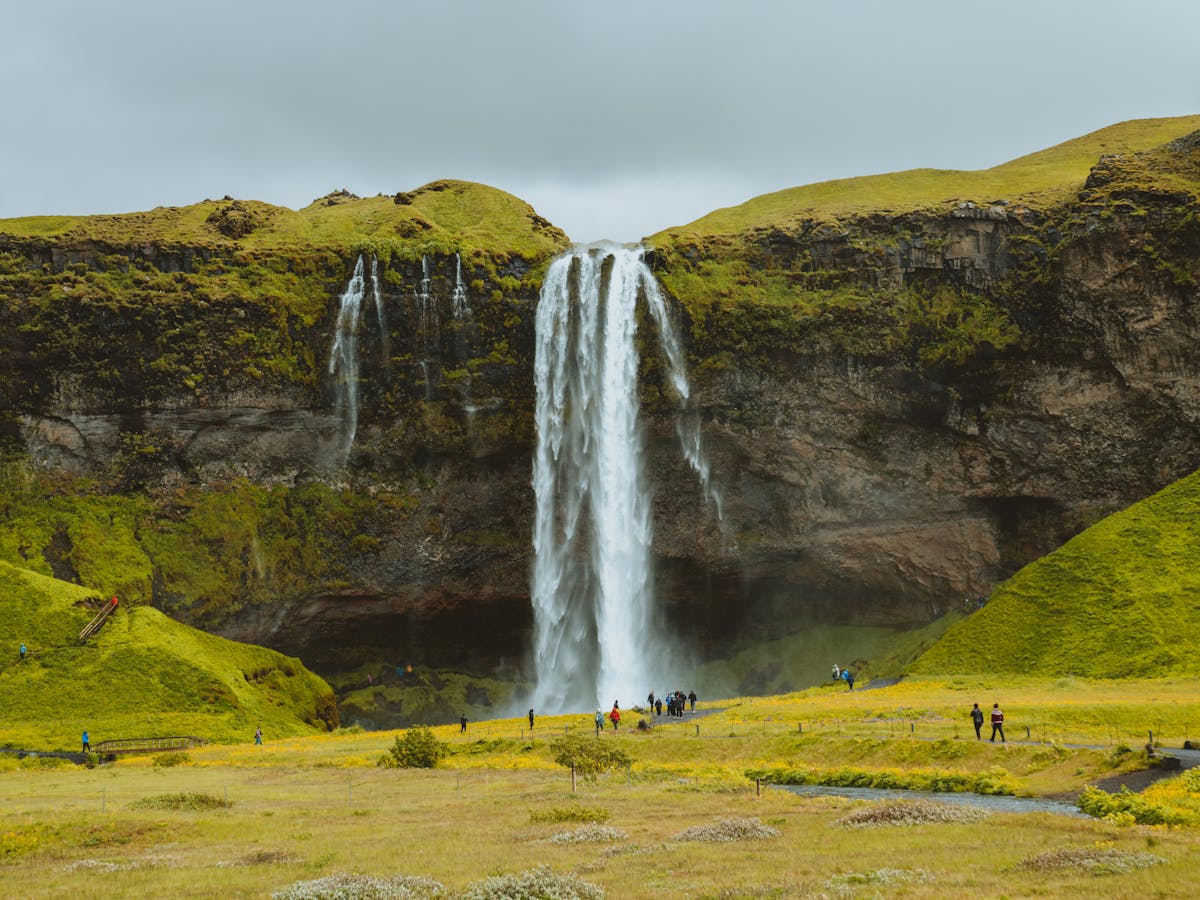
1. Katla Ice Cave & South Coast Waterfalls Tour — $275
This is the most practical option if you’re based in Reykjavik and want an ice cave experience without an overnight stay somewhere else. The tour handles the 2.5-hour drive each way, which means you can leave your hotel in the morning and be back by evening.
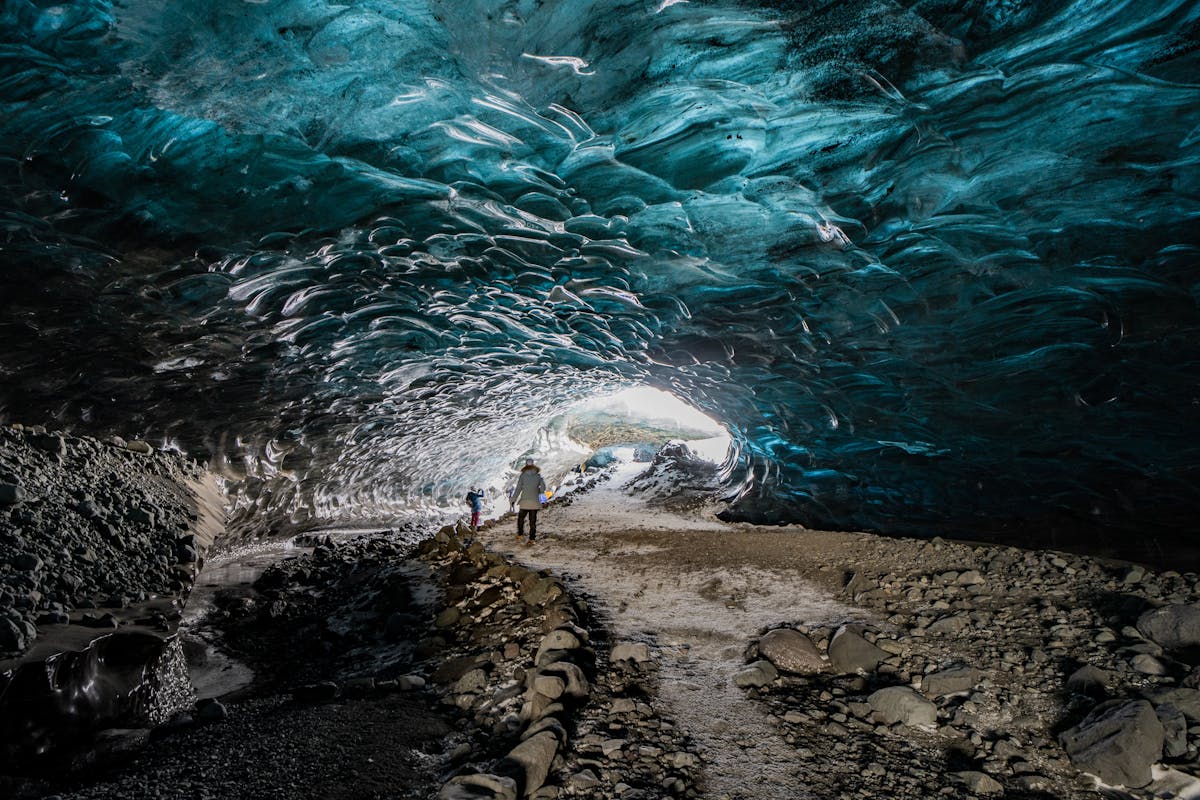
The Katla caves sit beneath Myrdalsjokull glacier, directly above the Katla volcano. The geothermal heat creates caves with a different personality than the blue crystal caves at Vatnajokull — here the ice is laced with volcanic ash, creating these dramatic black-and-blue swirls. It’s moody and a bit eerie, in the best way.
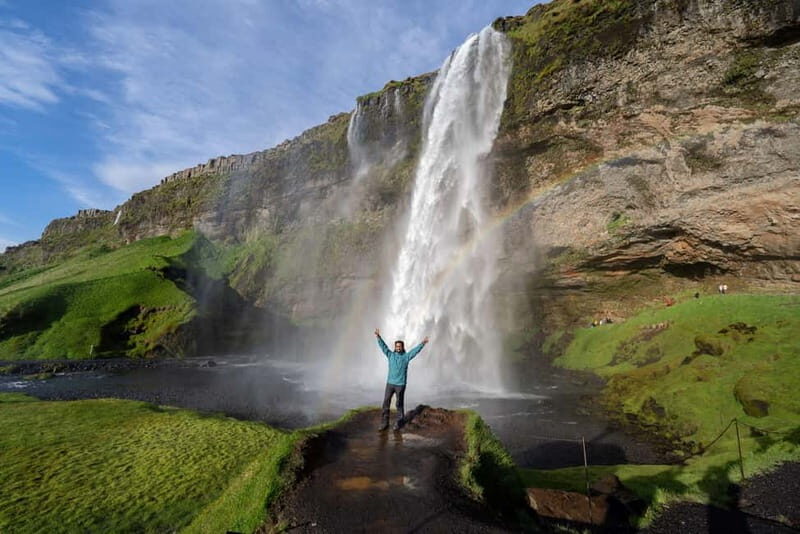
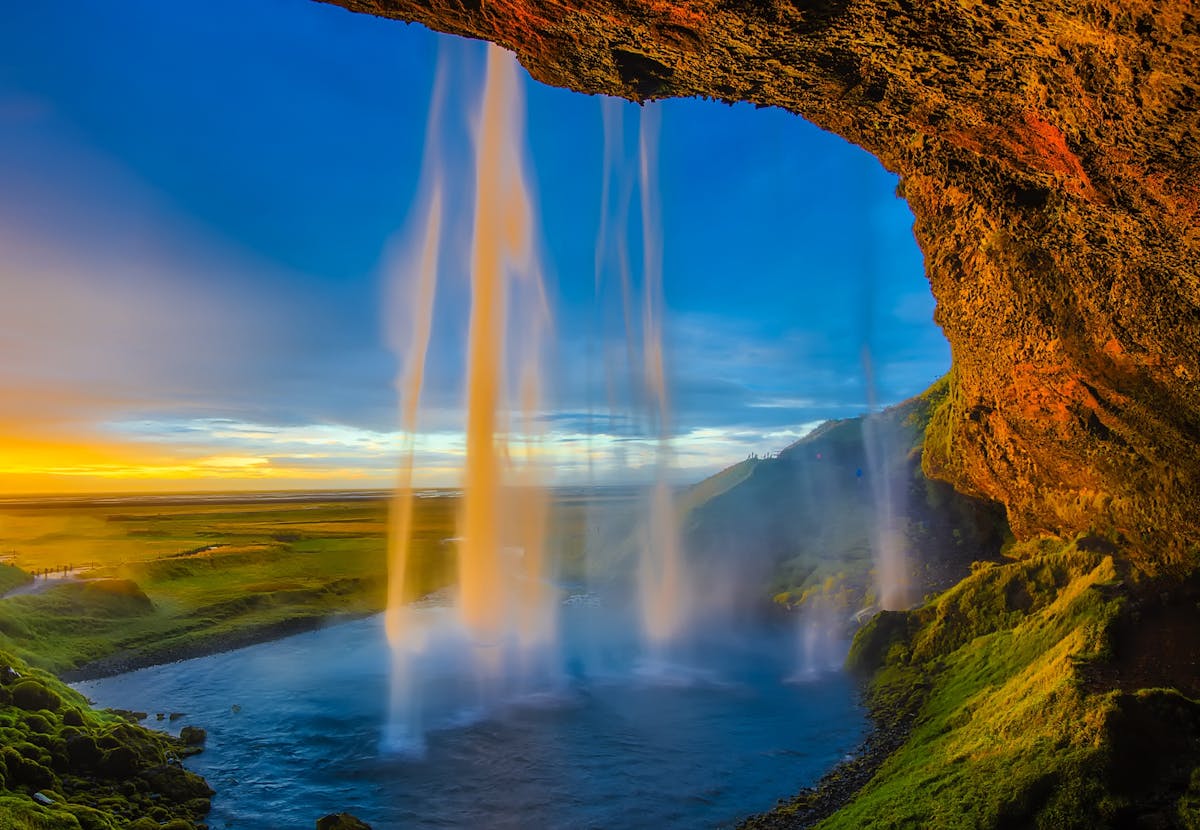
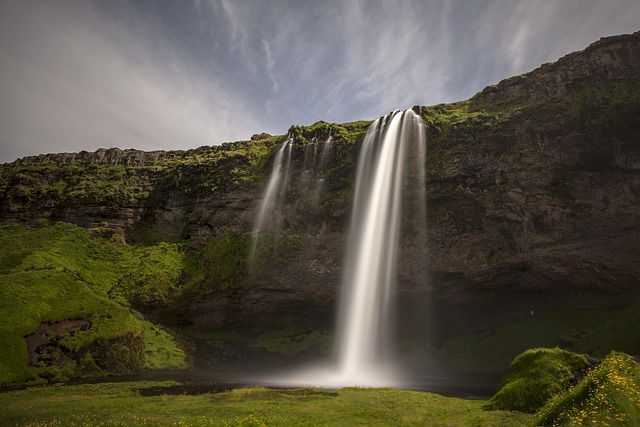
The tour also stops at Seljalandsfoss and Skogafoss, two of Iceland’s most photographed waterfalls, on the drive along the South Coast. At $275 for a 12-hour day, it’s not cheap, but you’re covering a lot of ground and getting picked up at your door.
2. Skaftafell: Ice Cave Tour and Glacier Hike — $165
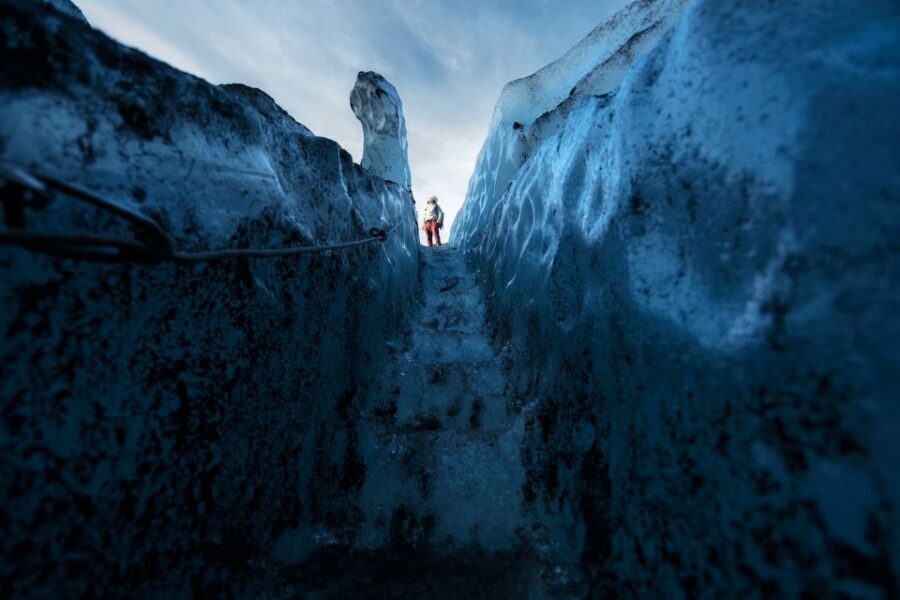
If you’re already driving the South Coast or staying near Skaftafell, this is the one. Four hours of genuine glacier time — not sitting in a van, but actually walking on ice with crampons strapped to your boots and an ice axe in your hand.
The tour starts at Skaftafell in Vatnajokull National Park and covers both a glacier hike across Falljokull (an outlet glacier of Vatnajokull) and a visit to an ice cave. Guides adjust the route based on current conditions, which means you might see completely different formations than someone who went the week before.
At $165 for 4 hours, this is excellent value — you’re getting two experiences in one. The catch is that it doesn’t include transport from Reykjavik. You either need a rental car (about 4.5 hours to Skaftafell) or you book it as part of a multi-day South Coast itinerary.
3. Vatnajokull Ice Cave Guided Tour — $164
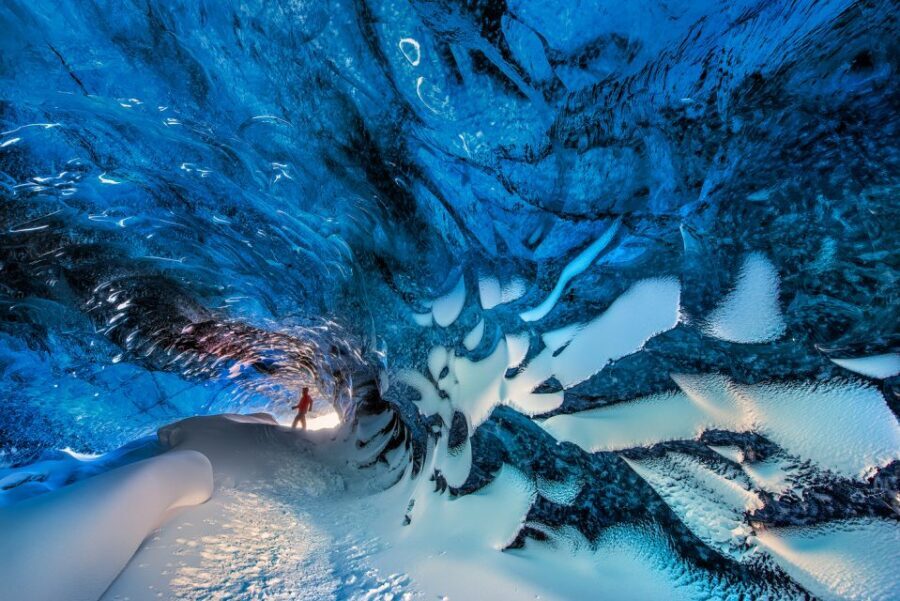
This is the classic blue ice cave experience — the one with the electric-blue walls and cathedral ceilings that floods your Instagram feed every winter. Tours depart from the Jokulsarlon glacier lagoon parking lot, which puts you right at the edge of Vatnajokull, Europe’s largest ice cap.
The caves at Breidamerkurjokull (a tongue of Vatnajokull) are what made Iceland ice caving famous. The blue colour comes from the sheer density of compressed ice — air bubbles get squeezed out over centuries, and what remains absorbs every wavelength of light except blue.
Fair warning: this tour only runs November through March. Outside that window, the caves flood or become structurally dangerous. And at $164 for 3 hours, you’re paying for the cave visit itself — getting to Jokulsarlon from Reykjavik (5+ hours each way) is your problem. Budget an overnight near Vik, Kirkjubaejarklaustur, or at Fosshotel Glacier Lagoon if you want to do this without exhausting yourself.
4. Falljokull Easy Group Glacier Hike — $108
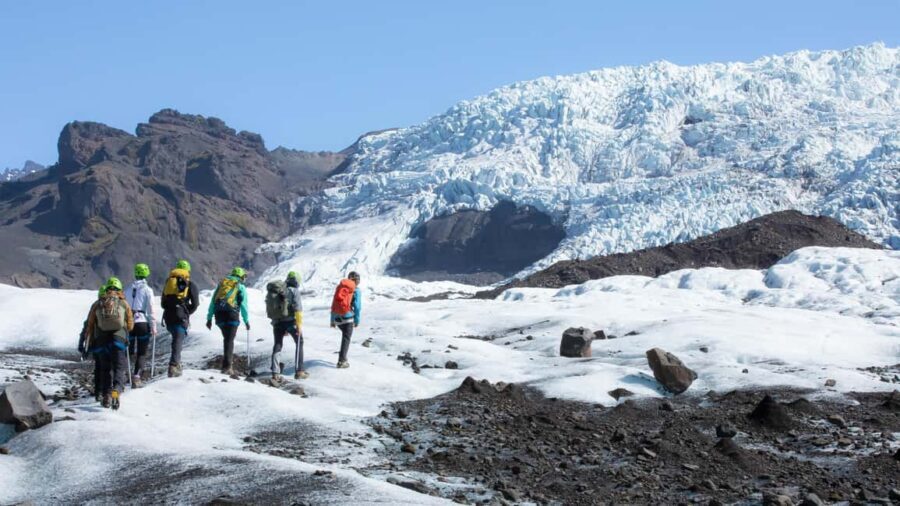
Not every glacier experience needs to involve an ice cave. If you want to walk on a glacier — feel the crunch of ice under crampons, peer into crevasses, touch 1,000-year-old compressed snow — this is the most affordable way to do it.
The hike covers Falljokull, an outlet glacier of Vatnajokull, starting from Skaftafell. It’s rated “easy” and runs as a small group, which makes a real difference when you’re navigating narrow glacier ridges. The guides are certified, the equipment (crampons, helmets, ice axes) is included, and the pace is set for people who hike occasionally rather than every weekend.
At $108 for about 3 hours, this is the budget-friendly entry point for glacier activities in Iceland. Like the Skaftafell ice cave tour above, it doesn’t include Reykjavik transport — you’ll need your own wheels or a connecting tour to get to Skaftafell.
What to Bring
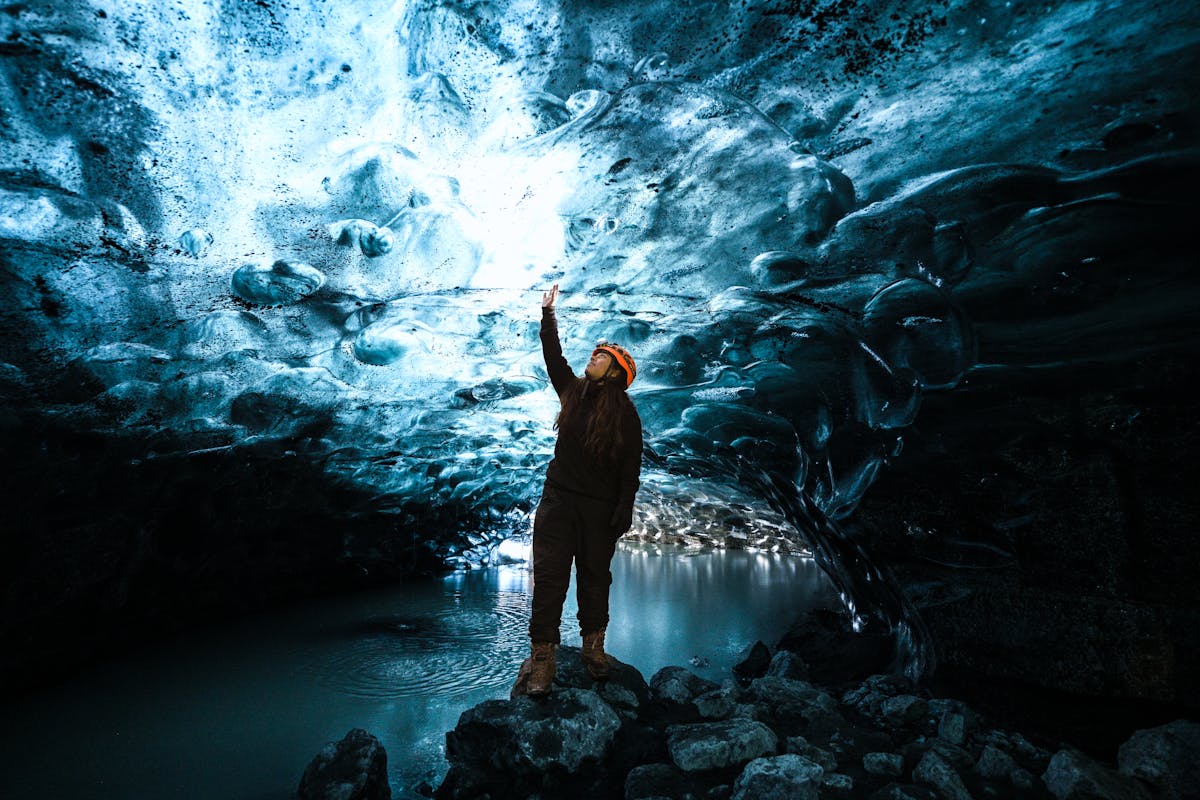
Tour operators provide the technical gear — crampons, ice axes, helmets. But there’s a list of things they expect you to show up with, and getting it wrong makes for a miserable few hours.
Hiking boots with ankle support. Not trail runners, not sneakers, not fashion boots. The crampons strap onto stiff-soled boots, and if your footwear is too flexible, they won’t grip properly. If you don’t own hiking boots, Reykjavik has rental shops — or buy a pair at 66 North or Icewear before your tour.
Waterproof outer layer. You’ll encounter dripping ice, meltwater streams, and potentially rain or sleet on the approach. A hardshell jacket and waterproof pants make the difference between comfortable and completely soaked.
Warm base and mid layers. Merino wool or synthetic — never cotton. Temperatures inside the caves hover around freezing, but the wind chill on the glacier surface can make it feel much colder.
Gloves, hat, buff. Your hands get cold fast when you’re gripping an ice axe. Bring thin liner gloves plus a warmer pair. A buff or balaclava protects your face on exposed glacier sections.
Sunglasses. The glare off white ice and snow is brutal on clear days. Polarized lenses help most.
What You’ll Actually See Inside
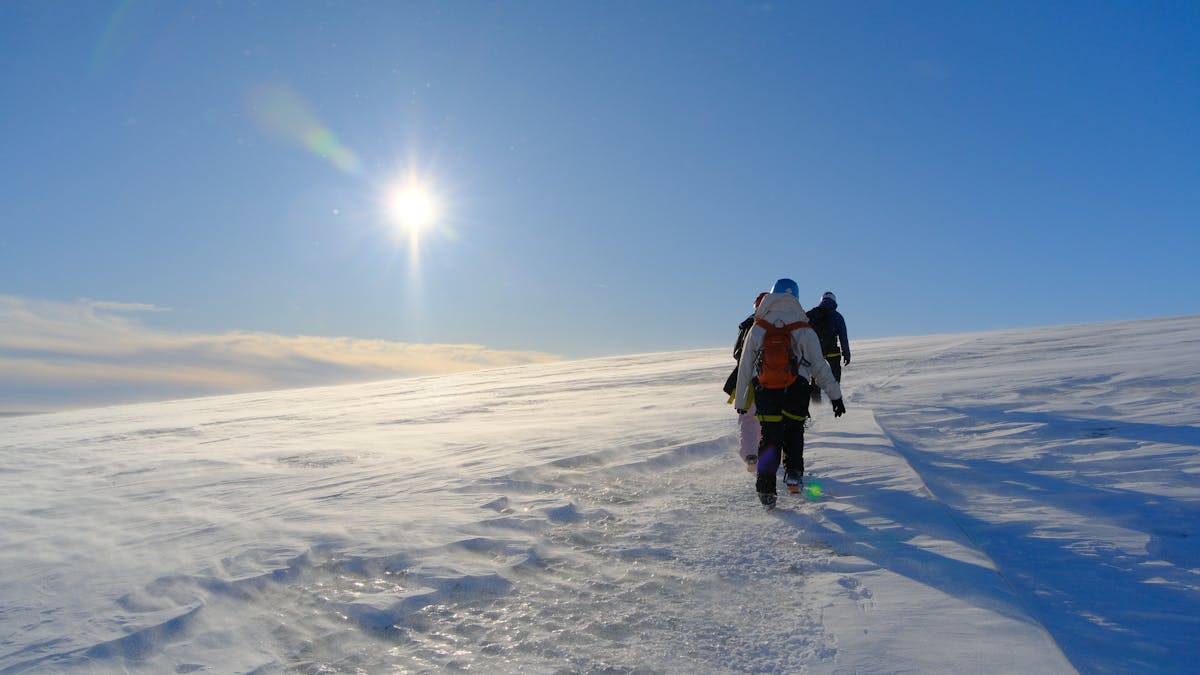
Every ice cave is different. That’s not a marketing line — it’s literally true. The caves reshape themselves each winter as meltwater carves new pathways through the glacier.
In the Vatnajokull blue caves, you’ll see walls of compressed ice that glow deep blue when light enters from outside. The colour is caused by the same physics that makes the sky blue: ice absorbs red wavelengths and transmits blue. The denser and older the ice, the deeper the blue.
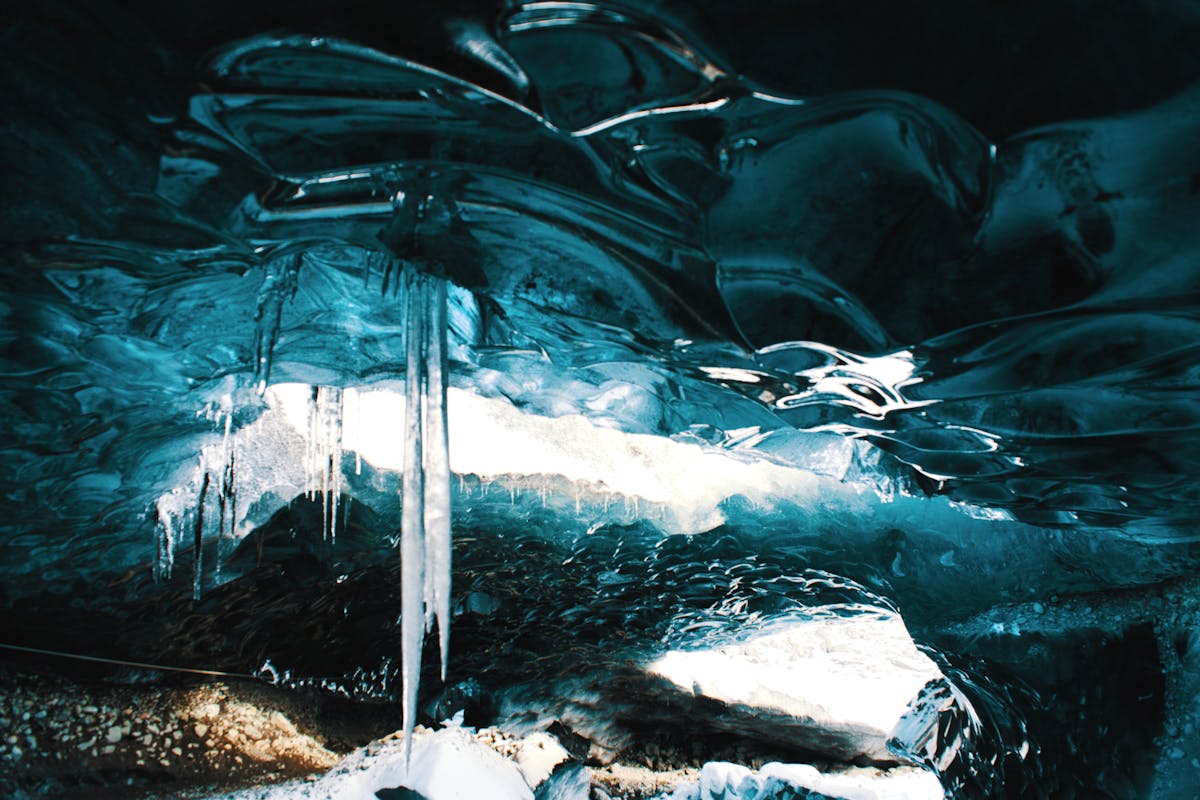
In the Katla caves, it’s a different aesthetic entirely. Volcanic ash gets trapped in the ice, creating dark veins that streak across the ceiling and walls. Some chambers look almost like marble. The Katla caves also tend to be warmer because of geothermal activity beneath the glacier.
On glacier hikes, you’ll cross crevasses (cracks in the ice that can be metres deep), see moulins (circular shafts where meltwater drains into the glacier), and walk across pressure ridges where tectonic forces buckle the ice surface. Guides point out how the glacier has retreated — you’ll see where the ice edge was 5 years ago, 10 years ago, 20 years ago. It’s a sobering visual.
Getting to the Glaciers from Reykjavik
If your tour includes Reykjavik hotel pickup (like the Katla tour above), this is handled for you. But if you’ve booked a Skaftafell or Jokulsarlon-based tour, you need to get yourself there.
Rental car: The most flexible option. Route 1 (the Ring Road) takes you along the South Coast. Vik is about 2.5 hours, Skaftafell about 4.5 hours, and Jokulsarlon about 5 hours from Reykjavik. Winter driving in Iceland requires a 4WD — roads can be icy and conditions change with zero warning. Check road.is before you leave.
Connecting day tours: Several operators combine a South Coast day trip with a glacier hike at Solheimajokull or a Katla cave visit. These start around $150-200 and handle all the driving.
Multi-day tours: If you want to reach the Vatnajokull blue caves without driving, look for 2-3 day South Coast packages that include accommodation, a glacier lagoon visit, and an ice cave tour. They typically run $500-800 per person.
Tips That Will Save You Time (and Money)
Book early in the season. November and December ice cave tours sell out weeks in advance, especially around Christmas. If you’re visiting over winter holidays, book at least a month ahead.
Morning tours photograph better. The low-angle light that makes ice caves glow blue is strongest in the morning. Afternoon visits are fine, but photographers should aim for the earliest slot.
Katla caves are the backup plan. If Vatnajokull blue caves are sold out or you’re visiting outside November-March, the Katla volcanic caves are open year-round and still genuinely impressive. They’re just a different flavour of impressive.
Don’t skip the glacier hike. A lot of visitors fixate on the ice cave and treat the glacier hike as optional filler. It’s not. Walking across a glacier — hearing it creak and crack beneath you, seeing the crevasses up close — is its own kind of unforgettable.
Budget $150-300 per person. The cheapest glacier hike runs about $108; a full-day ice cave tour from Reykjavik with transport is $250-300. Factor this into your Iceland budget from the start — it’s not something you want to skip to save money.
More Iceland Guides
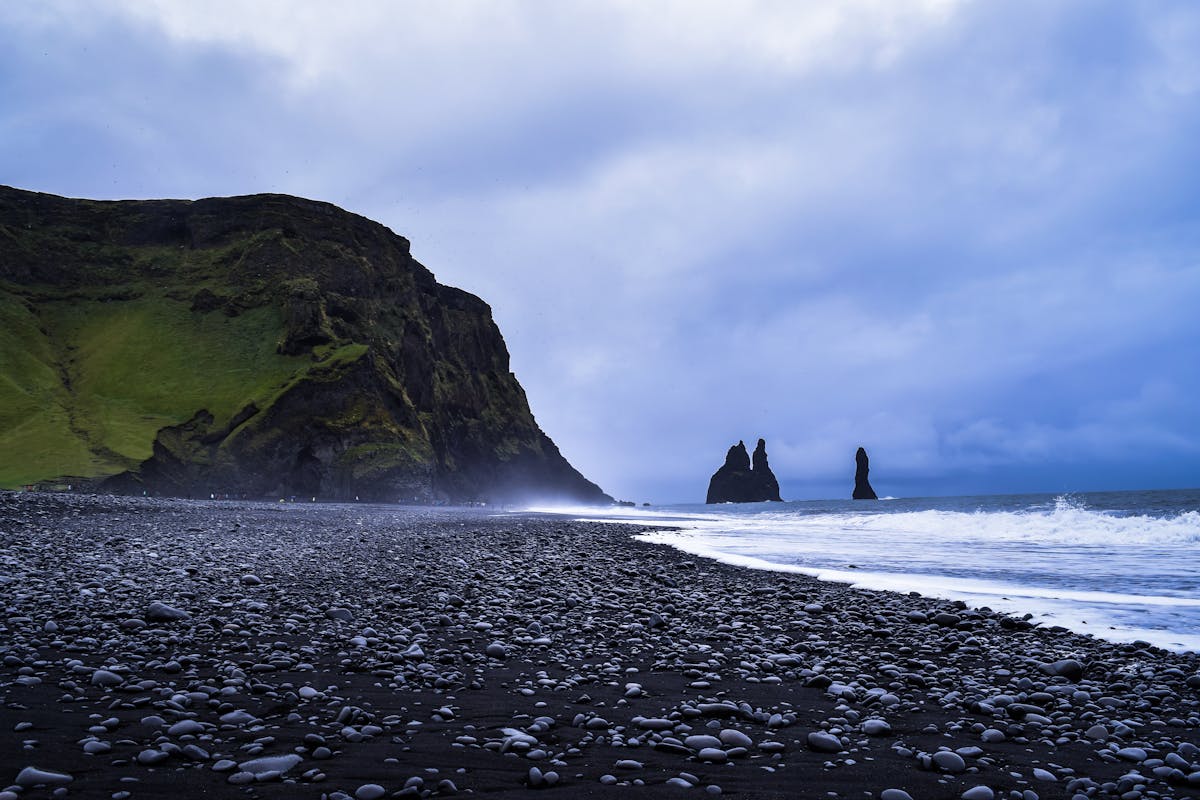
If you are spending a few days in Reykjavik, the Blue Lagoon is worth booking in advance — tickets sell out on most days, and our guide breaks down the different packages and which one is actually worth the price. For a packed day outside the city that does not involve glaciers, the Golden Circle from Reykjavik covers geysers, waterfalls, and the continental rift at Thingvellir in a single loop. The South Coast day trip overlaps with some glacier tour routes but adds the black sand beaches and Seljalandsfoss waterfall that glacier tours skip. And if you are visiting between September and March, a Northern Lights tour fills an evening perfectly after a day on the ice.
This article contains affiliate links. If you book a tour through one of our links, we earn a small commission at no extra cost to you. It helps us keep writing these guides.