
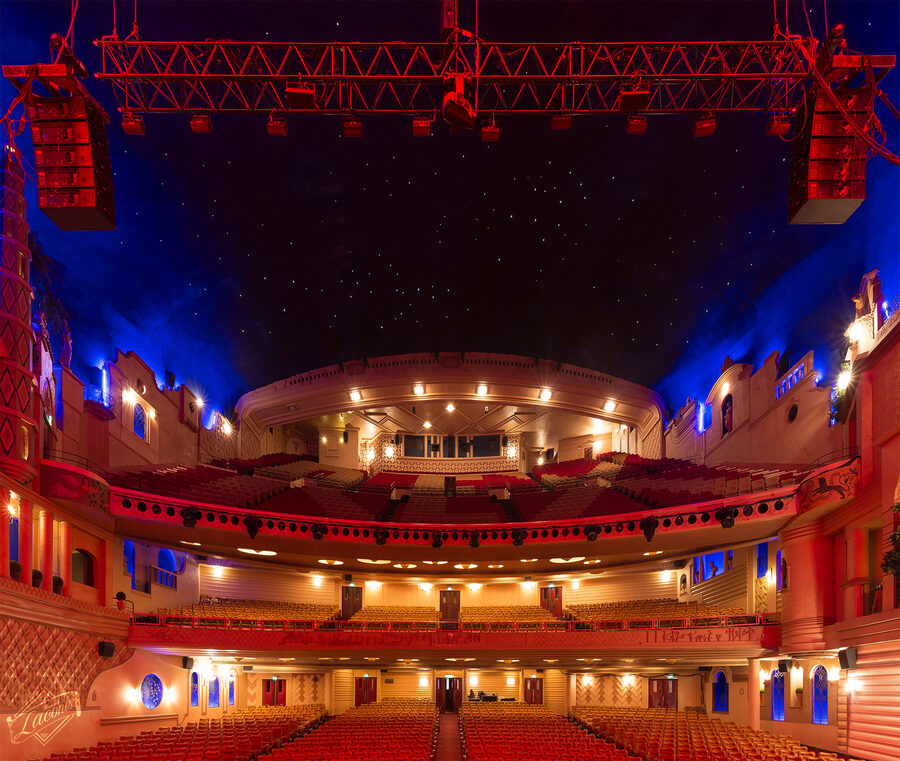
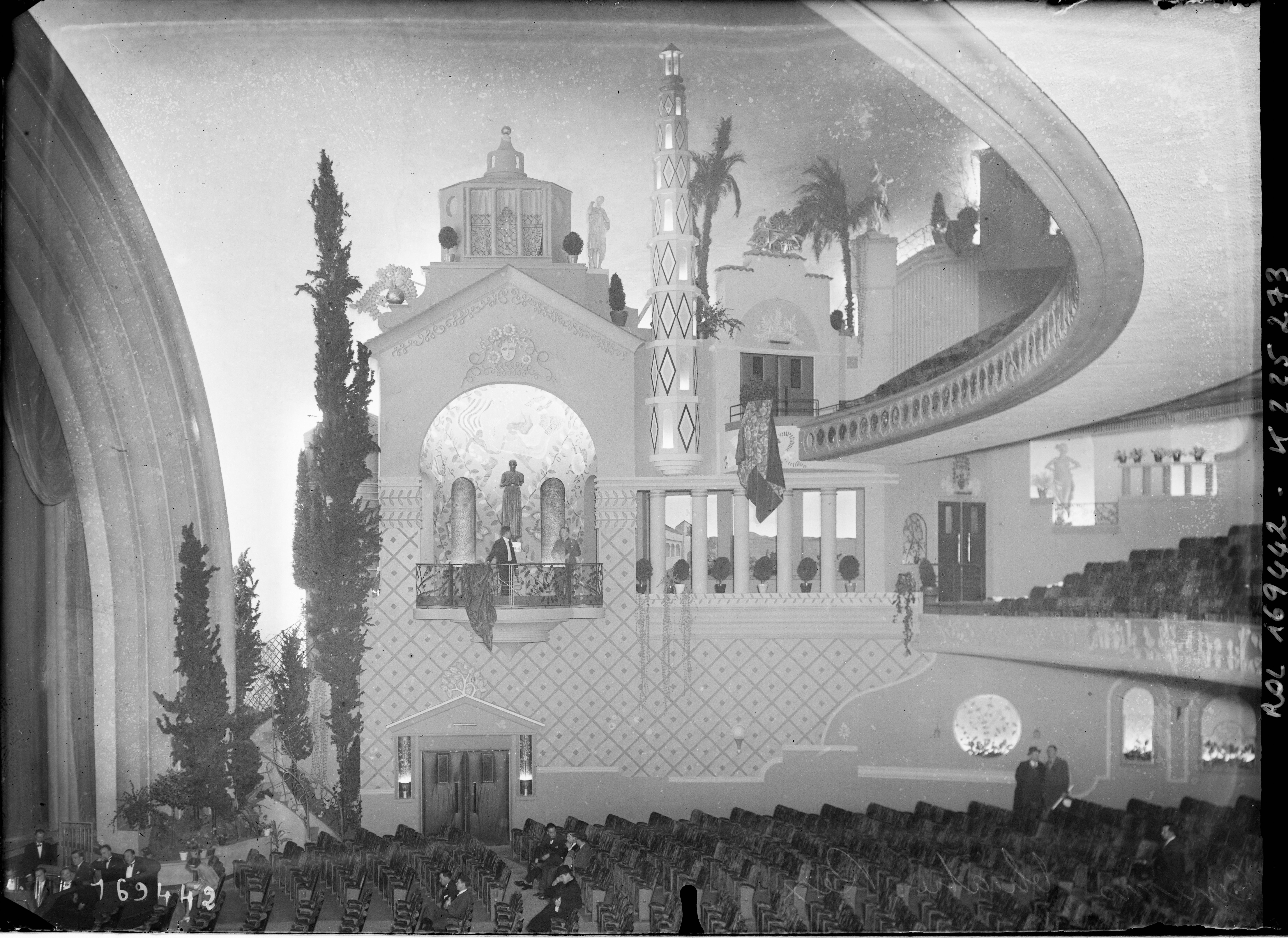
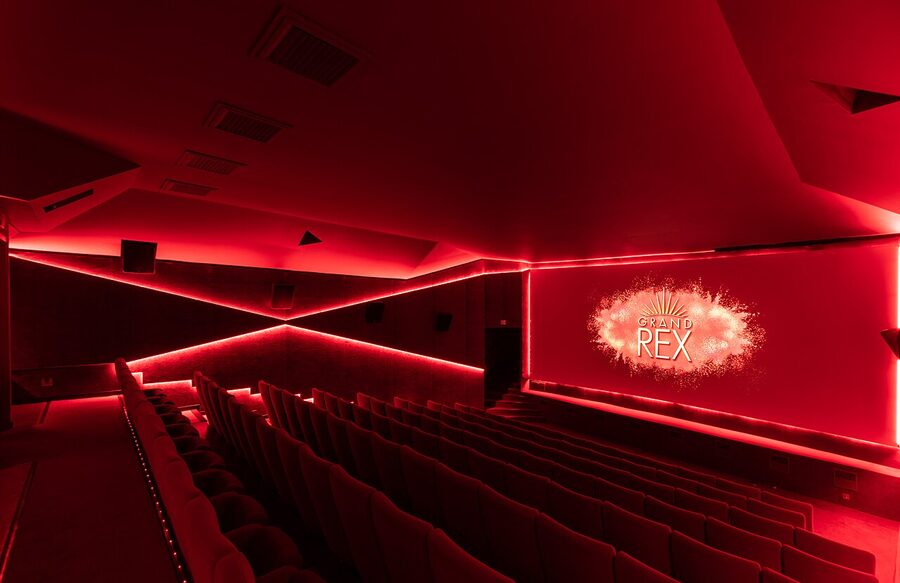
The ceiling was the first thing that got me. I walked into Le Grand Rex expecting a cinema — a big one, sure, maybe something with plush seats and a fancy screen. What I found instead was a fake sky. A painted night sky with tiny glowing stars, stretched across a domed ceiling above an auditorium shaped like a Mediterranean village. Walls that looked like the sides of buildings with wrought-iron balconies, arched doorways, and climbing ivy carved into plaster. I actually stopped in the doorway and just stared.
This is what happens when you don’t read the brochure. I had no idea the Grand Rex was built in 1932 by a Tunisian-born film mogul named Jacques Haik who wanted to give Paris its own version of the great American movie palaces. He hired architect Auguste Bluysen and designer John Eberson — the same Eberson who created the “atmospheric theater” concept in the US, where the interior was designed to trick audiences into thinking they were sitting outdoors under the stars.
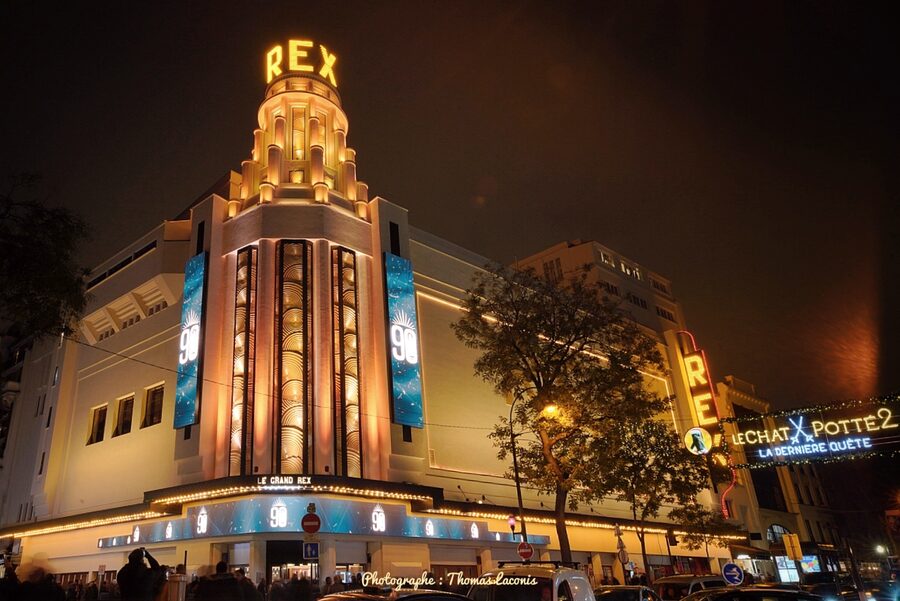
The Grand Rex is the largest single-screen cinema in Europe — 2,702 seats in one auditorium. That’s roughly the same capacity as some West End theaters, except this place is showing the latest blockbusters and hosting an annual Christmas water show called “La Feerie des Eaux” that involves fountains shooting up from below the stage.
But the real draw, at least for anyone who cares about how films are made, is the behind-the-scenes tour — officially called “Les Etoiles du Rex” (The Stars of the Rex). It’s a 50-minute self-guided experience that takes you through the projection rooms, backstage areas, and into a special effects sequence where you actually get to star in a simulated film scene involving water effects. It is, genuinely, one of the strangest and most fun things I’ve done in Paris.
Best for film fans: Grand Rex Studio Tour — $14. The only behind-the-scenes tour of the cinema itself. Fifty minutes, self-guided, with a water-based special effects scene at the end.
Best for sports fans: Stade de France Behind the Scenes — $21. If you like backstage access, this 90-minute guided tour of the national stadium pairs perfectly with the Rex.
Best for pop culture: Emily in Paris Filming Locations Walk — $28. A walking tour through Parisian streets you’ve seen on screen, connecting the city’s film heritage with its modern pop-culture footprint.
- How the Grand Rex Behind-the-Scenes Tour Works
- Booking Through the Box Office vs. Online
- The Best Behind-the-Scenes Tours to Book in Paris
- 1. Behind the Scenes of the Grand Rex: 50-Minute Studio Tour —
- 2. Stade de France: Behind the Scenes Tour —
- 3. Paris: Emily Filming Locations Walking Tour —
- When to Visit the Grand Rex
- How to Get to the Grand Rex
- Tips That Will Save You Time
- What You’ll Actually See Inside
- Planning the Rest of Your Paris Trip
How the Grand Rex Behind-the-Scenes Tour Works
The “Les Etoiles du Rex” tour runs daily and works on a timed-entry basis. You book a slot, show up at the entrance on 1 Boulevard Poissonniere (separate from the main cinema entrance), and follow a self-guided route through the backstage areas.
Here’s what to expect:
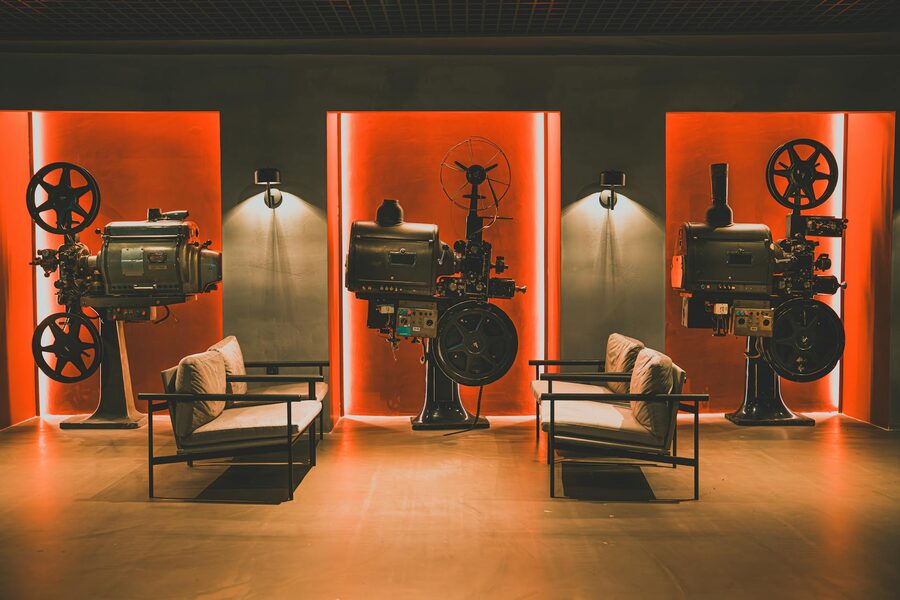
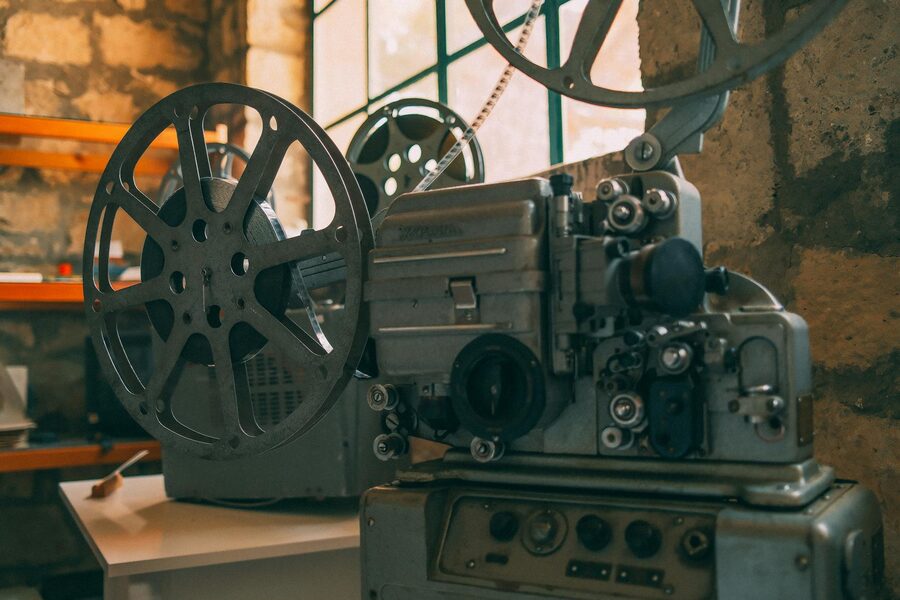
The route: You’ll pass through the projection booths where the original equipment still sits alongside modern digital systems. The tour then takes you into the backstage corridors, past old film posters and historical photographs, and into the technical areas where the sound and lighting systems are controlled.
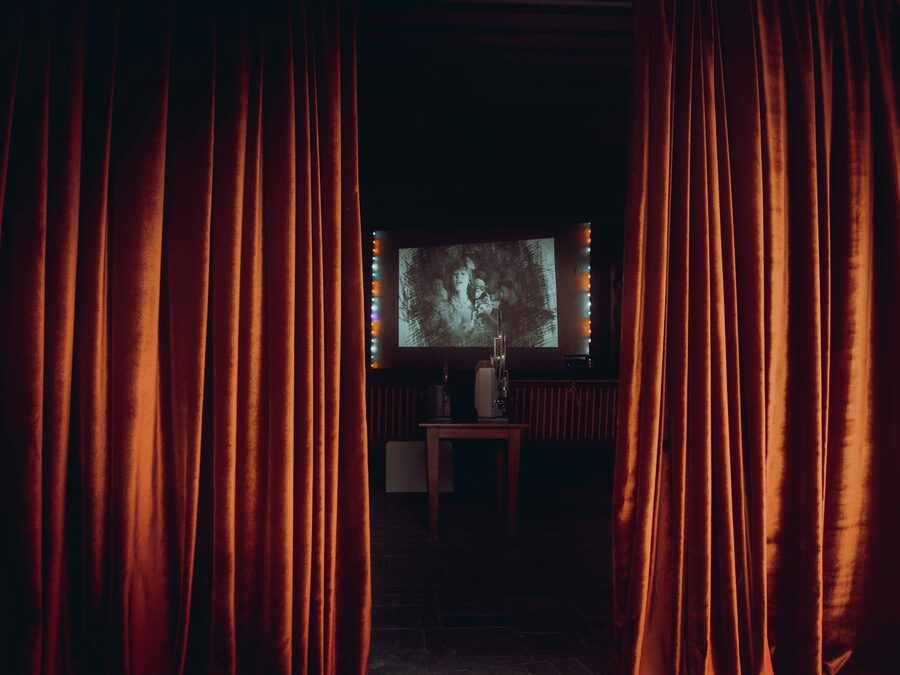
The special effects experience: This is the big finale. You enter a small studio set, and the tour becomes interactive — you “star” in a short film sequence that involves water sprays, sound effects, and moving set pieces. It’s more playful than serious, somewhere between a theme park ride and a film school demonstration. Kids go absolutely wild for it. At the end, you can buy the finished film on a USB stick as a souvenir.
Duration: About 50 minutes, though you can linger in some areas longer if you want.
Language: The tour is available in French and English. The English option works via headset, and based on several accounts, the narration is well-produced and easy to follow.
Price: Around $14 per person when booked through GetYourGuide. Walk-up prices at the box office may differ slightly.
Booking Through the Box Office vs. Online
You have two options for getting tickets to Les Etoiles du Rex, and honestly, both work fine — this isn’t the Louvre where you’ll wait two hours without a pre-booked slot.
Option 1: Book online through GetYourGuide. This is what I’d recommend for anyone who likes having a confirmed time slot. You pick your date and time, get a mobile voucher, and skip any uncertainty at the door. The price is around $14, and cancellation is free up to 24 hours before. If your Paris schedule is tight, this is the safer bet.
Option 2: Walk up to the box office. The Grand Rex sells tickets on-site, and for most of the year, you can get in without a long wait. The exception is school holidays (February, Easter, and the Christmas period when La Feerie des Eaux runs) — during those weeks, the studio tour fills up and walk-ins might find themselves waiting or shut out entirely.
My take: book online. It costs the same, you get flexibility if plans change, and you don’t have to stand in a queue wondering if there are spots left. Particularly if you’re visiting with children — they don’t handle “sorry, it’s full” particularly well.
The Best Behind-the-Scenes Tours to Book in Paris
The Grand Rex studio tour stands alone — nothing else in Paris gives you this exact kind of cinema-backstage experience. But if you’re drawn to the idea of going behind the scenes of famous Paris landmarks, there are a few tours that scratch the same itch: the thrill of seeing what’s normally hidden from the public.
1. Behind the Scenes of the Grand Rex: 50-Minute Studio Tour — $14
This is the main event and the reason you’re reading this article. The Grand Rex Studio Tour puts you inside the projection rooms, backstage corridors, and technical facilities of a cinema that’s been running continuously since 1932. At $14 per person, it’s one of the cheapest cultural experiences in Paris — and one of the most unusual.
What sets it apart from a standard museum tour is the interactive bit at the end. You don’t just look at old projectors and read plaques. You step into a studio set and become part of a simulated film scene with water effects, sound, and moving scenery. It’s fun enough that kids beg to do it twice, and adults walk out grinning. The whole thing lasts about 50 minutes, and the pace is entirely yours since it’s self-guided.
One note: the English-language headset option is solid but request it when you arrive — they sometimes default to French.
2. Stade de France: Behind the Scenes Tour — $21
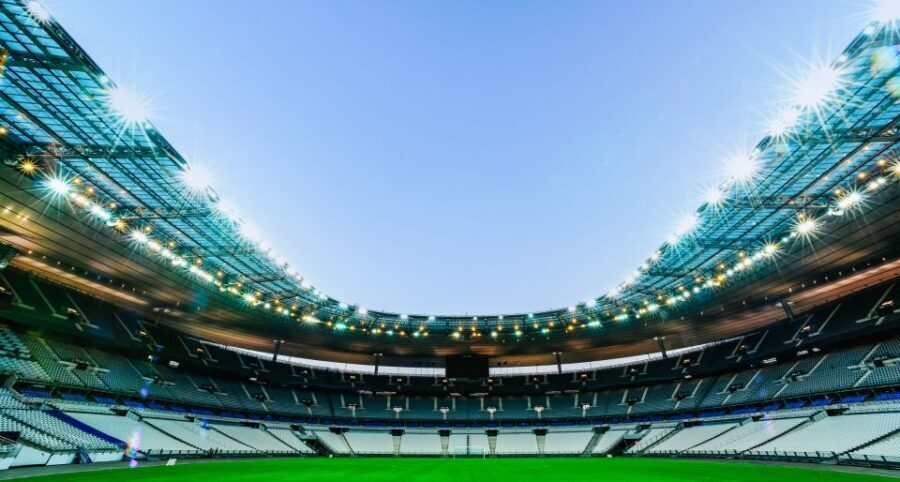
If you like the idea of going backstage at the Grand Rex, the Stade de France tour is the natural companion piece. This 90-minute guided tour takes you through the players’ tunnel, the changing rooms, the press conference area, and onto the pitch of the national stadium where France won the 1998 World Cup. The scale is completely different — 80,000 seats versus 2,700 — but the backstage-access concept is identical.
At $21, it’s still remarkably affordable by Paris standards. The guides are knowledgeable and clearly enjoy the job, and the stories about what happens in the tunnel before a match are genuinely gripping. If you’re booking a Stade de France tour, block out a morning or afternoon — it’s in Saint-Denis, about 25 minutes north of central Paris by metro.
3. Paris: Emily Filming Locations Walking Tour — $28
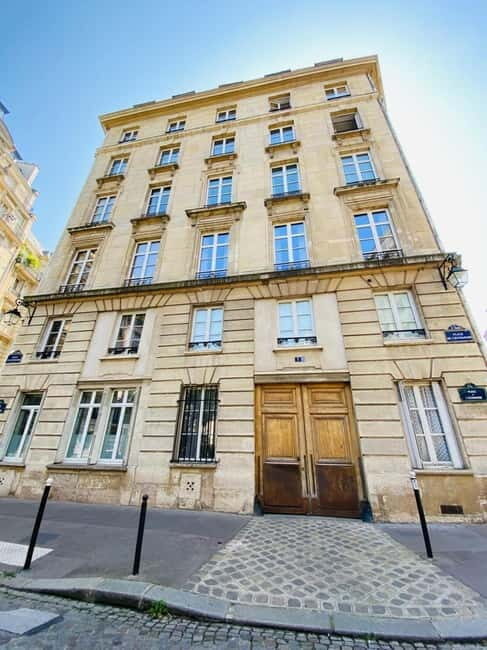
This one is a different flavor of “behind the scenes” — instead of going inside one building, you walk through the streets of Paris seeing the actual locations used in the Netflix series. The Emily filming locations tour covers the cafes, squares, flower shops, and apartment buildings that appeared on screen, with a guide explaining how the production team chose each location and what you won’t see in the show.
At $28 per person, it’s a solid option for anyone interested in how Paris functions as a film set — which, let’s be honest, it has been for over a century. The Grand Rex itself has hosted countless French film premieres and remains a working cinema where major releases screen on opening night. Pair this walking tour with the Rex studio tour and you’ve got a full day of Paris film culture for under $50.
When to Visit the Grand Rex
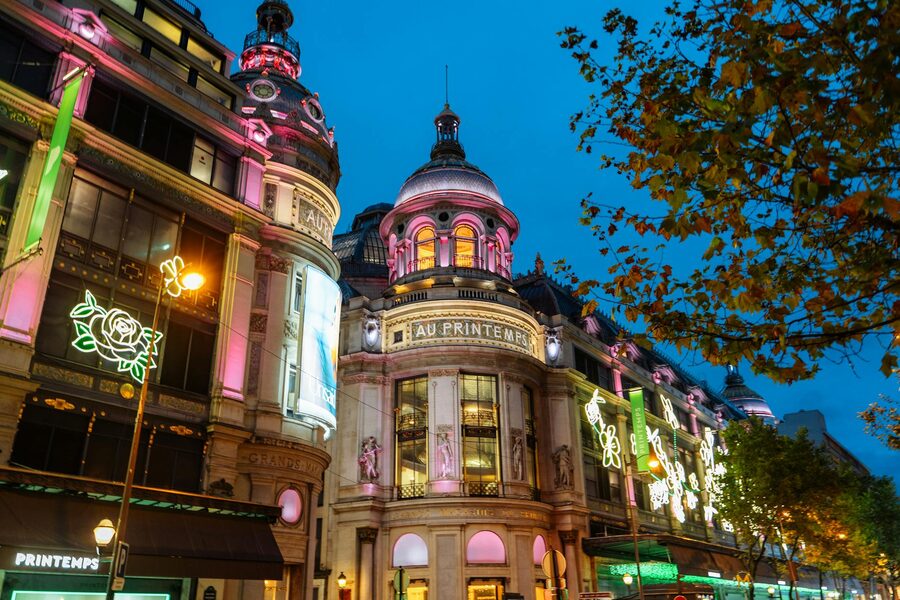
The Les Etoiles du Rex tour runs daily from 10:30 AM to 7:00 PM (last entry around 6:00 PM). Hours occasionally shift around holidays and special events, so check the official schedule if you’re visiting during Christmas or school breaks.
Best time to go: Weekday mornings, especially outside of school holidays. You’ll practically have the backstage areas to yourself. I went on a Tuesday around 11 AM and saw maybe four other people the entire time.
Worst time to go: During school holidays (February break, Easter, summer July-August, and the Christmas season). The Feerie des Eaux Christmas show runs from mid-October through early January and draws huge crowds — the studio tour stays open but gets significantly busier.
Seasonal tip: If you’re visiting during the Christmas show period, try to catch a Feerie des Eaux performance as well. It’s a water, light, and fireworks spectacular performed inside the main auditorium. Tickets sell separately from the studio tour and tend to sell out weeks in advance.
How to Get to the Grand Rex
Le Grand Rex sits at 1 Boulevard Poissonniere, 75002 Paris. Getting there is straightforward from anywhere in central Paris.
Metro: The closest station is Bonne Nouvelle (Lines 8 and 9) — it’s literally a 2-minute walk. Exit the station, turn right on Boulevard Poissonniere, and the Grand Rex facade is impossible to miss. You can also use Grands Boulevards station (Lines 8 and 9), which is about a 5-minute walk west.
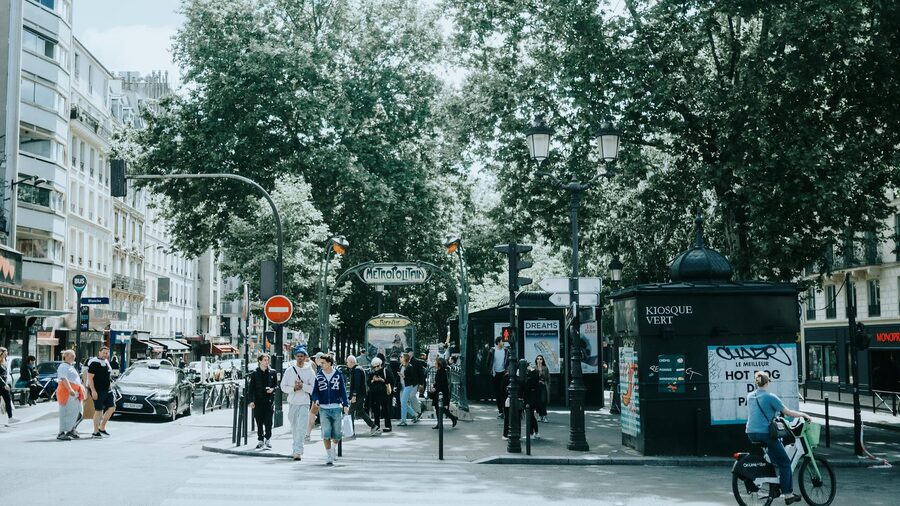
Bus: Several bus lines stop on the Grands Boulevards, including lines 20, 39, and 48. The “Bonne Nouvelle” bus stop is right outside.
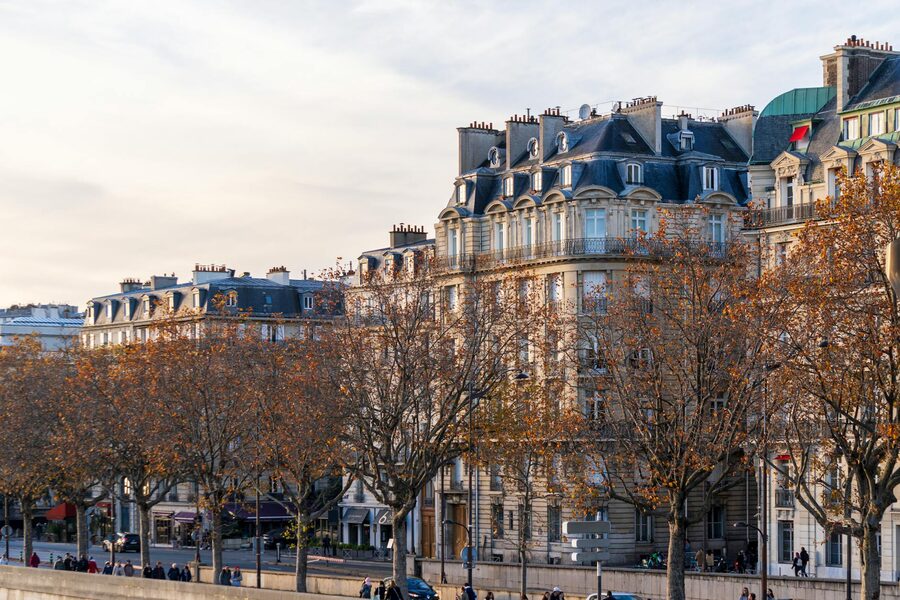
Walking: If you’re coming from a walking tour in central Paris, the Grand Rex is about 15 minutes on foot from the Palais Garnier opera house and 20 minutes from Les Halles. It’s an easy detour on a day exploring the Right Bank.
By car: Don’t. The Grands Boulevards are a traffic nightmare and parking is expensive and scarce. Take the metro.
Tips That Will Save You Time
Book online for a confirmed time slot. Walk-ups work most of the year, but online booking guarantees your spot and costs the same. Free cancellation up to 24 hours before means there’s no risk.
Request the English headset immediately. The tour defaults to French. When you arrive, specifically ask for the English audio option — it’s available but you need to request it.
Wear something you don’t mind getting slightly damp. The special effects sequence at the end involves water sprays. It’s not a soaking — more like a light mist — but if you’re wearing silk or something precious, you’ve been warned.
Don’t skip the USB souvenir. At the end of the special effects experience, you can buy the “film” you starred in on a USB stick. It’s kitschy but genuinely fun to watch later, especially if you’re traveling with kids.
Combine with a film screening. The Grand Rex is still a working cinema. Check what’s playing on the day of your tour and catch a film in the Grande Salle afterward. Watching a movie in a 2,702-seat Art Deco palace is an experience in itself — the screen is massive and the sound system has been modernized without losing the room’s original acoustics.
Check for special events. The Grand Rex regularly hosts premieres, concerts, and one-off screenings. Their website lists upcoming events, and occasionally you can score tickets to something special.
What You’ll Actually See Inside
The Grand Rex has a layered history that makes the tour more than just a walk through some rooms. Here’s what gives the place its weight.
The building itself: Jacques Haik opened the Grand Rex on December 8, 1932, during what was arguably the peak of cinema palace construction worldwide. He’d seen the atmospheric theaters John Eberson was building in the United States — places like the Tampa Theatre and the Olympia Theatre in Miami — and wanted something even grander for Paris. Bluysen designed the Art Deco exterior; Eberson created the interior fantasy. The result was a cinema that looked like a Mediterranean village on the inside, with a ceiling painted as a starry night sky and walls shaped as buildings, arches, and balconies.
The war years: During the German occupation of Paris, the Wehrmacht requisitioned the Grand Rex as a “Soldatenkino” — a soldiers’ cinema — screening German propaganda films for troops stationed in the capital. The building survived the war undamaged, which is more than can be said for many of Paris’s cultural institutions during that period.
Historic monument status: The French government classified the Grand Rex as a historic monument in 1981, protecting its facade and interior from the kind of renovation-by-demolition that destroyed so many other atmospheric theaters worldwide.
The projection rooms: The tour takes you through the projection booths where you can see equipment spanning nine decades of cinema technology. The old carbon-arc projectors that lit up the Grande Salle in the 1930s sit alongside the digital systems that run today’s screenings. It’s a working museum of how films actually reach the screen.
The Feerie des Eaux: Since 2002, the Grand Rex has hosted an annual Christmas spectacular — the “Feerie des Eaux” — that uses water fountains, laser lights, and fireworks inside the main auditorium. The fountains rise from a pool below the stage, and the show fills the atmospheric ceiling with light. It runs from mid-October through early January and sells out consistently.
Planning the Rest of Your Paris Trip
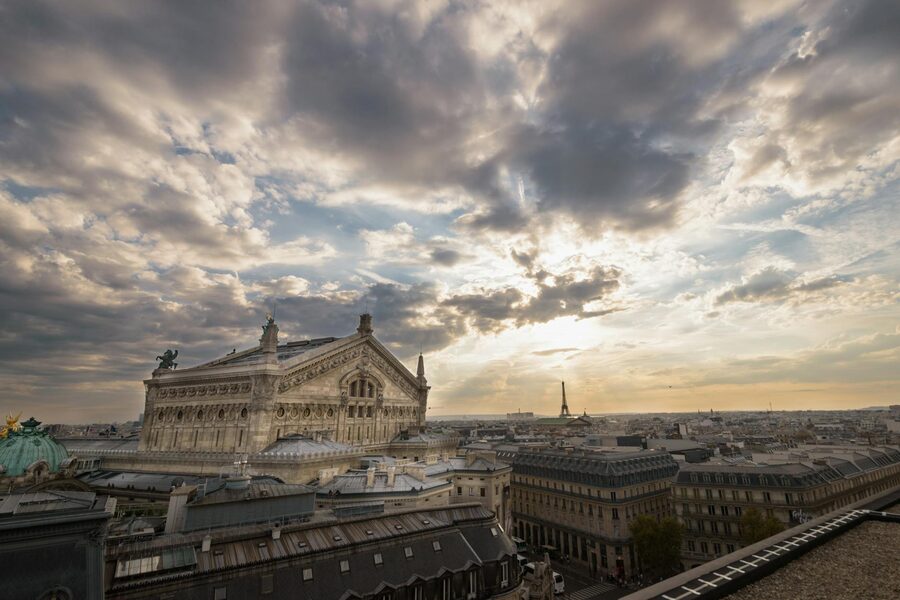
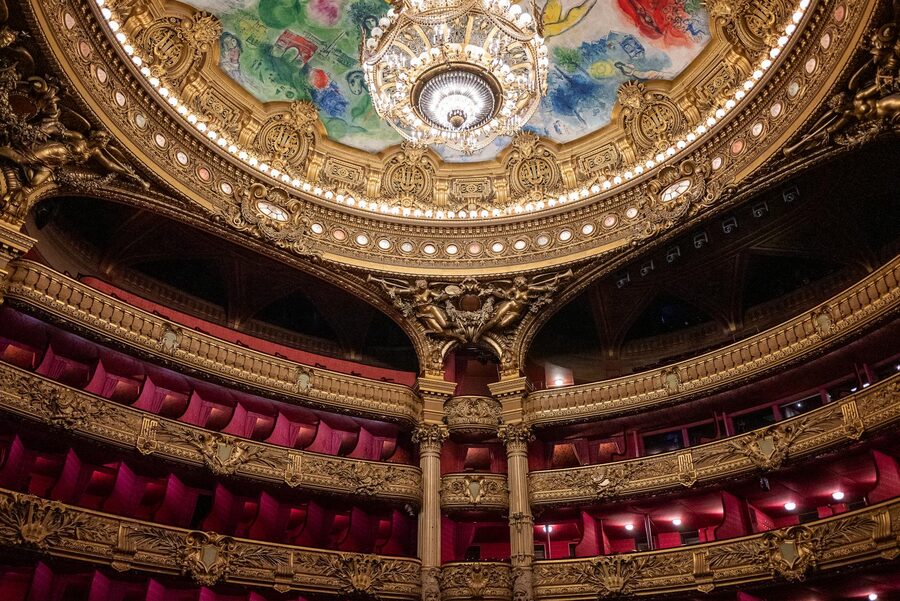
If backstage access is your thing, the Stade de France behind-the-scenes tour pairs naturally with the Rex — same concept, completely different scale. For more Paris performance culture, Moulin Rouge tickets and Crazy Horse tickets are both worth sorting out in advance, especially for weekend shows. And if you want to explore the neighborhood around the Grand Rex on foot, our Paris walking tour guide covers the best options for covering the major sights at a human pace. For something entirely different but equally Parisian, the Palais Garnier is a 15-minute stroll west along the Grands Boulevards — another building where the interior is the spectacle.
This article contains affiliate links. If you book through our links, we earn a small commission at no extra cost to you. This helps keep the site running.