
The Ringstrasse loop sold me on the whole thing. I was sitting in a coffee house near the Oper, watching those red double-deckers glide past one Habsburg-era palace after another, and it clicked: this is actually the smartest way to get your bearings in Vienna. Not because walking isn’t wonderful here — it is — but because the distances between Vienna’s major landmarks are just far enough apart to be annoying on foot, especially when it’s 35 degrees in August or minus five in January.
Vienna’s hop-on hop-off buses run along the Ringstrasse boulevard that circles the old city, then branch out to Schonbrunn Palace, the Prater, and across the Danube. Two competing operators run similar routes with open-top double-deckers, audio guides in a dozen languages, and flexible day passes. The key difference between them comes down to route coverage, combo options, and booking platforms.
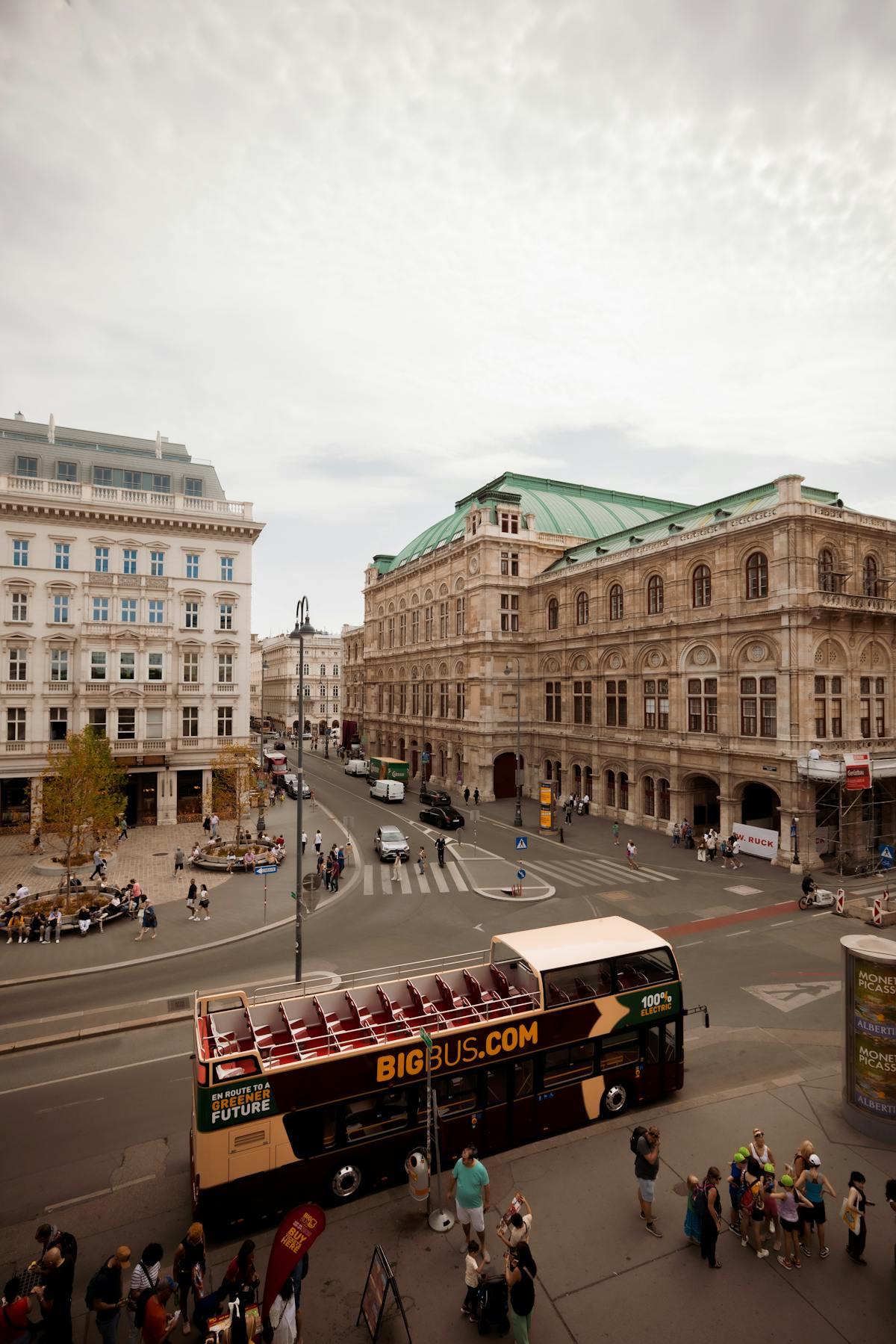
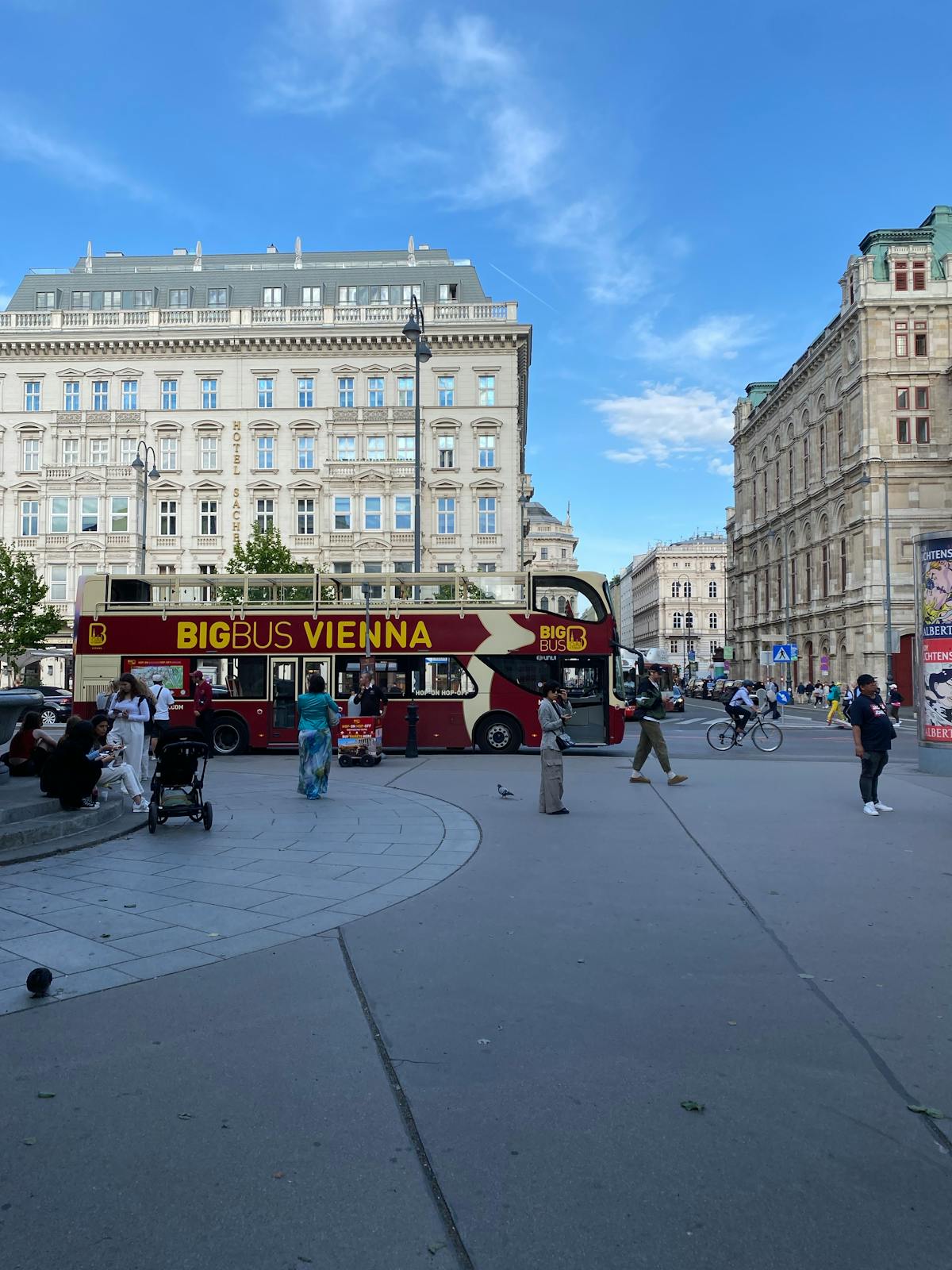
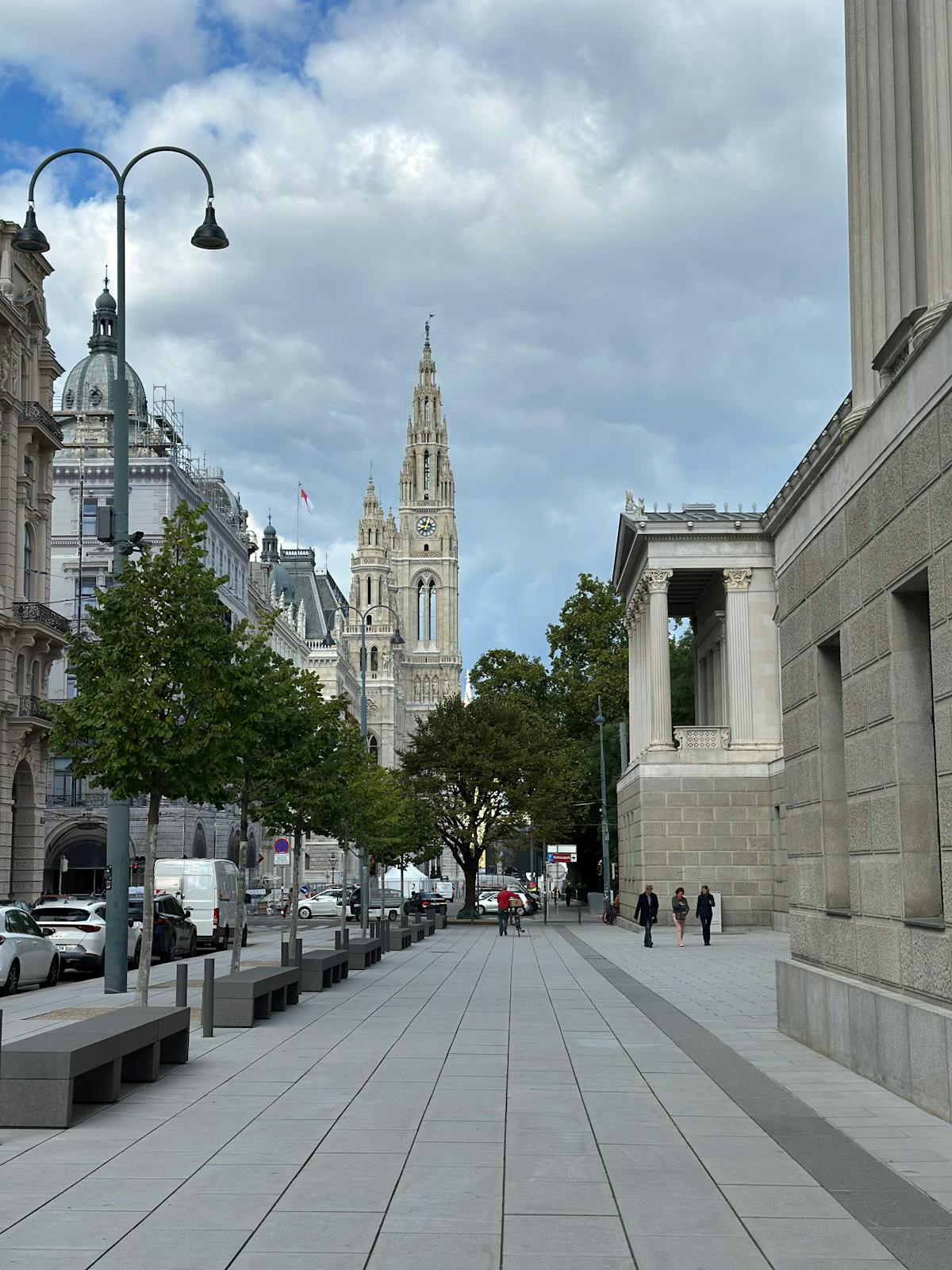
Here’s how the Vienna hop-on hop-off buses work, what each operator covers, and which ticket makes sense for your trip.
Best overall: Vienna Sightseeing Bus Tour — $41. Three routes covering the Ringstrasse, Schonbrunn, Prater, and the Danube area. The most comprehensive option with 24-72 hour passes.
Best value: Big Bus Hop-On Hop-Off Tour — $36. Two well-planned routes that hit every major landmark, slightly cheaper than the competition.
Best for combo deals: Big Bus Sightseeing via Viator — $37. Same Big Bus routes with Viator’s flexible cancellation and bundle options.
- How the Vienna Hop-On Hop-Off Bus Works
- What the Routes Actually Cover
- Buying Your Ticket vs. Booking Online
- The Best Hop-On Hop-Off Tours to Book
- 1. Vienna: Hop-On Hop-Off Sightseeing Bus Tour —
- 2. Vienna: Big Bus Hop-On Hop-Off Tour —
- 3. Big Bus Vienna Sightseeing Tour via Viator —
- Tips for Getting the Most Out of Your Bus Pass
- More Vienna Guides
How the Vienna Hop-On Hop-Off Bus Works
Vienna has two main hop-on hop-off operators: Vienna Sightseeing (the yellow buses) and Big Bus Tours (the red ones). Both use open-top double-deckers and cover largely the same territory, though their route structures differ.
Vienna Sightseeing runs three colour-coded routes. The Red Route traces the Ringstrasse boulevard past the State Opera, the Hofburg Imperial Palace, the Parliament building, and Rathaus (City Hall). This is the core circuit and takes about 60 minutes without stopping. The Yellow Route heads south from the Ring to Schonbrunn Palace and the Belvedere, passing through neighbourhoods that most visitors never walk through. The Blue Route swings east to the Prater amusement park and the Danube, taking in the Hundertwasserhaus and the futuristic UN complex along the way. In summer, a seasonal Green Route runs out to the Vienna Woods and Heuriger wine tavern villages.
Big Bus Tours operates two routes. Their Red Route covers the Ringstrasse and extends to the Hundertwasserhaus and Prater area. The Blue Route runs from the city centre out to Schonbrunn and the Belvedere. Between the two routes, the coverage is nearly identical to Vienna Sightseeing’s three lines.

All tickets are time-based: you activate them the first time you board, then ride unlimited within your chosen window. Both companies offer 24-hour, 48-hour, and 72-hour passes. Audio commentary comes through headphones (or your own earbuds via a disposable adapter) in 12-16 languages. Buses run approximately every 15-30 minutes depending on the season.
What the Routes Actually Cover
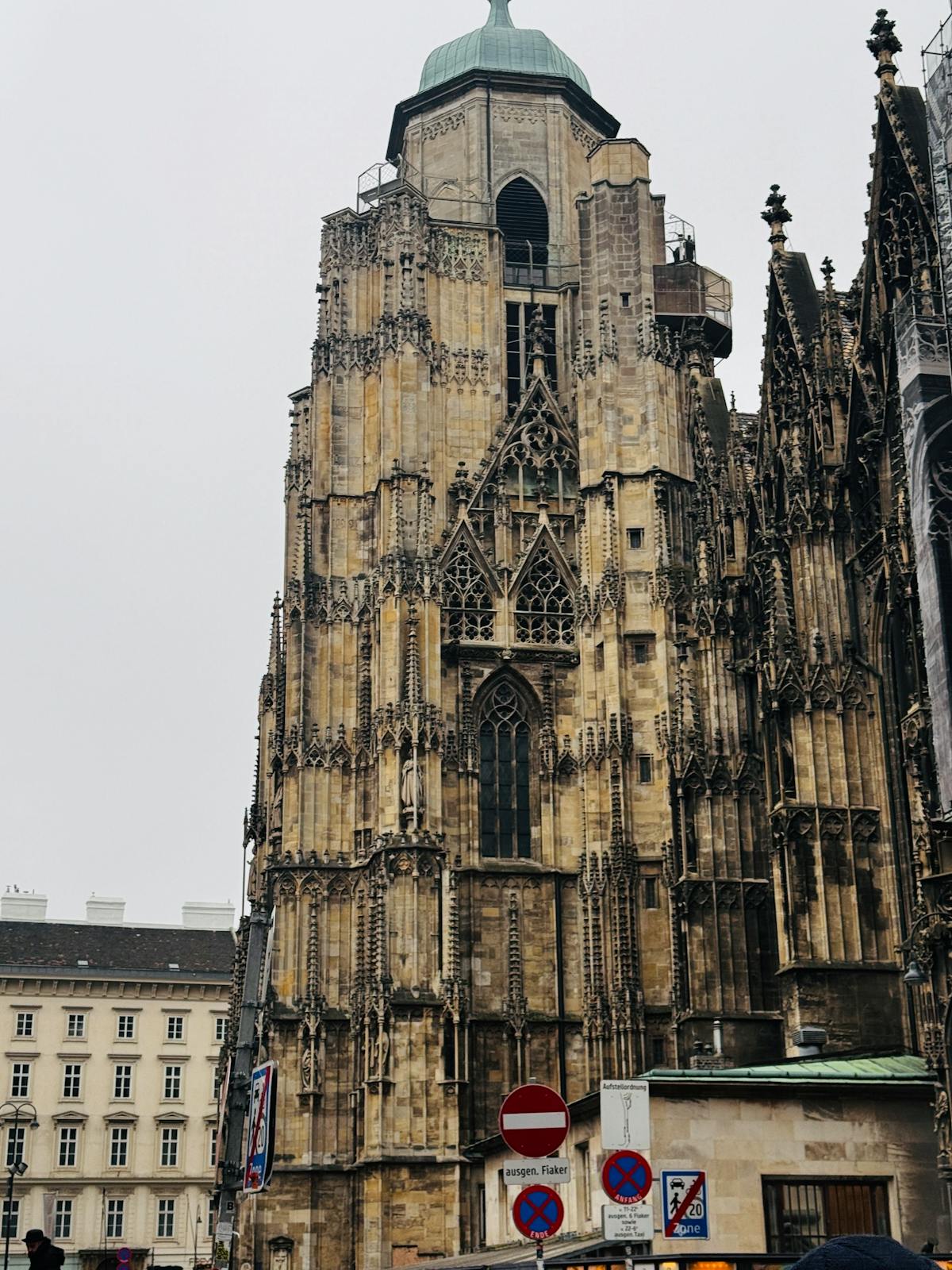
The Ringstrasse section is the highlight for first-time visitors. This 5.3-kilometre boulevard was built in the 1860s after Emperor Franz Joseph ordered the medieval city walls demolished, and every major institution decided to outdo each other with the most imposing building they could commission. In the space of a single bus loop, you’ll pass the State Opera, the Kunsthistorisches Museum (home to Vermeer and Bruegel), the Natural History Museum directly opposite, the Hofburg complex where the Habsburg emperors lived, the Parliament, the Rathaus, the Burgtheater, and the University.
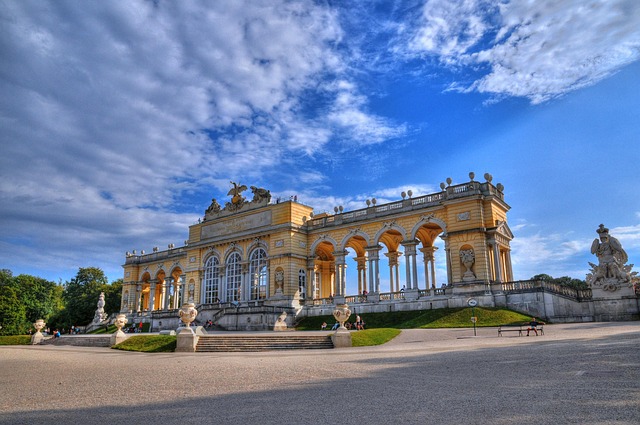
The Schonbrunn extension takes about 20 minutes from the Ring. The palace was the summer residence of the Habsburgs, and the grounds include formal gardens, a zoo (the oldest in the world, still operating since 1752), and the Gloriette hilltop folly with panoramic views over the city. If you’re buying Schonbrunn tickets separately, the bus stop drops you right at the main entrance.
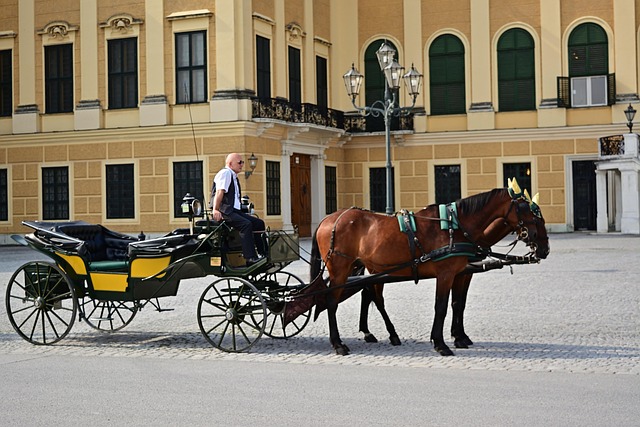
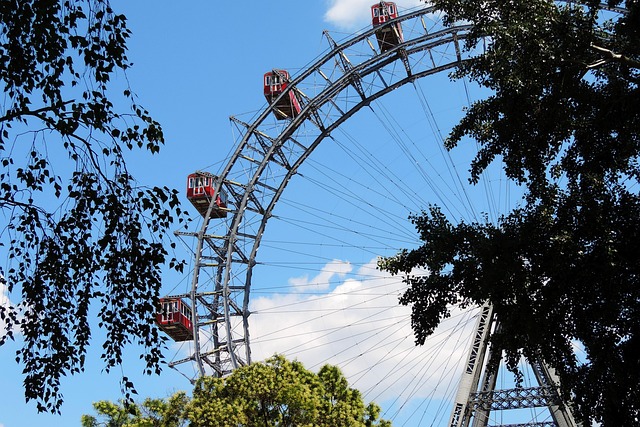
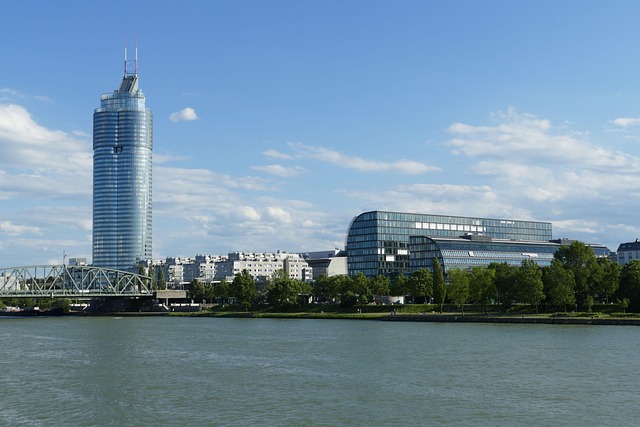
The Prater and Danube route is underrated. Most travelers fixate on the giant Riesenrad ferris wheel (which, fair enough, it’s iconic), but the ride out to the Danube passes through genuinely interesting territory. The Hundertwasserhaus, with its colourful wavy facade, is visible from the bus, and the Danube area itself has parks, bars, and a completely different vibe from the imperial city centre.
Buying Your Ticket vs. Booking Online
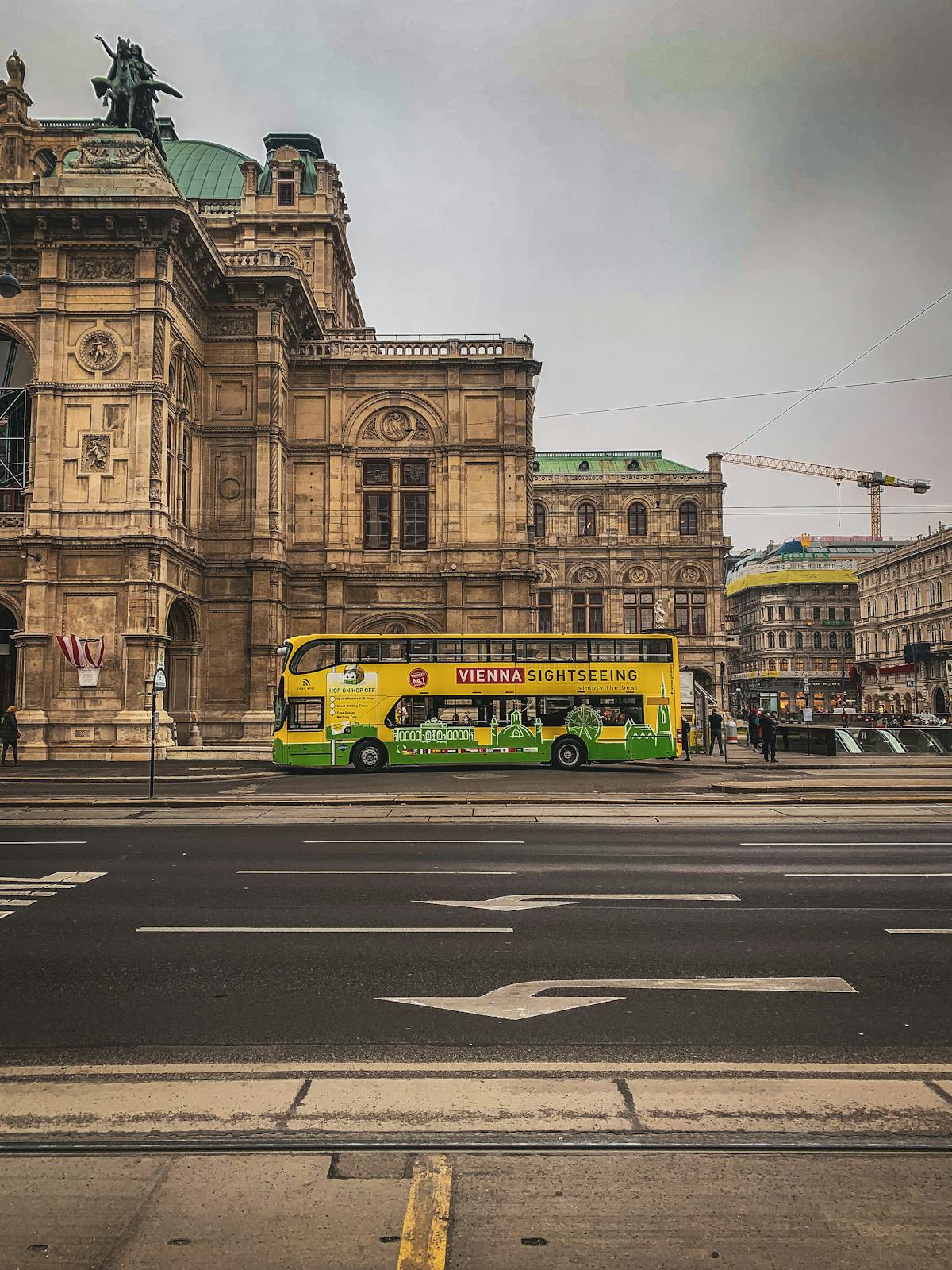
You can buy hop-on hop-off tickets directly from the driver at any stop, at hotel concierge desks, or at the operators’ kiosks around the Albertinaplatz and Oper areas. The price at the stop is usually the same as online.
Why I’d book online instead: Free cancellation up to 24 hours before. Vienna’s weather can shift dramatically — a gorgeous forecast can turn into steady rain by morning, and no one wants to be sitting on an open-top deck in a downpour. An online booking through GetYourGuide or Viator lets you reschedule without losing your money.
Online booking also locks in your price and avoids any language confusion at the kiosk. Some travellers have reported that the on-site staff push upgrades aggressively — booking online means you’ve already decided what you want and you just show your mobile voucher to board.
Go direct if: You’re already walking past a stop and decide on the spot. Tap your card, grab a seat, no planning needed.
Book ahead if: You want cancellation flexibility, are visiting during peak season (June through September, plus the Christmas market period), or want to combine with other Vienna activities like classical concert tickets or Belvedere entry.
The Best Hop-On Hop-Off Tours to Book
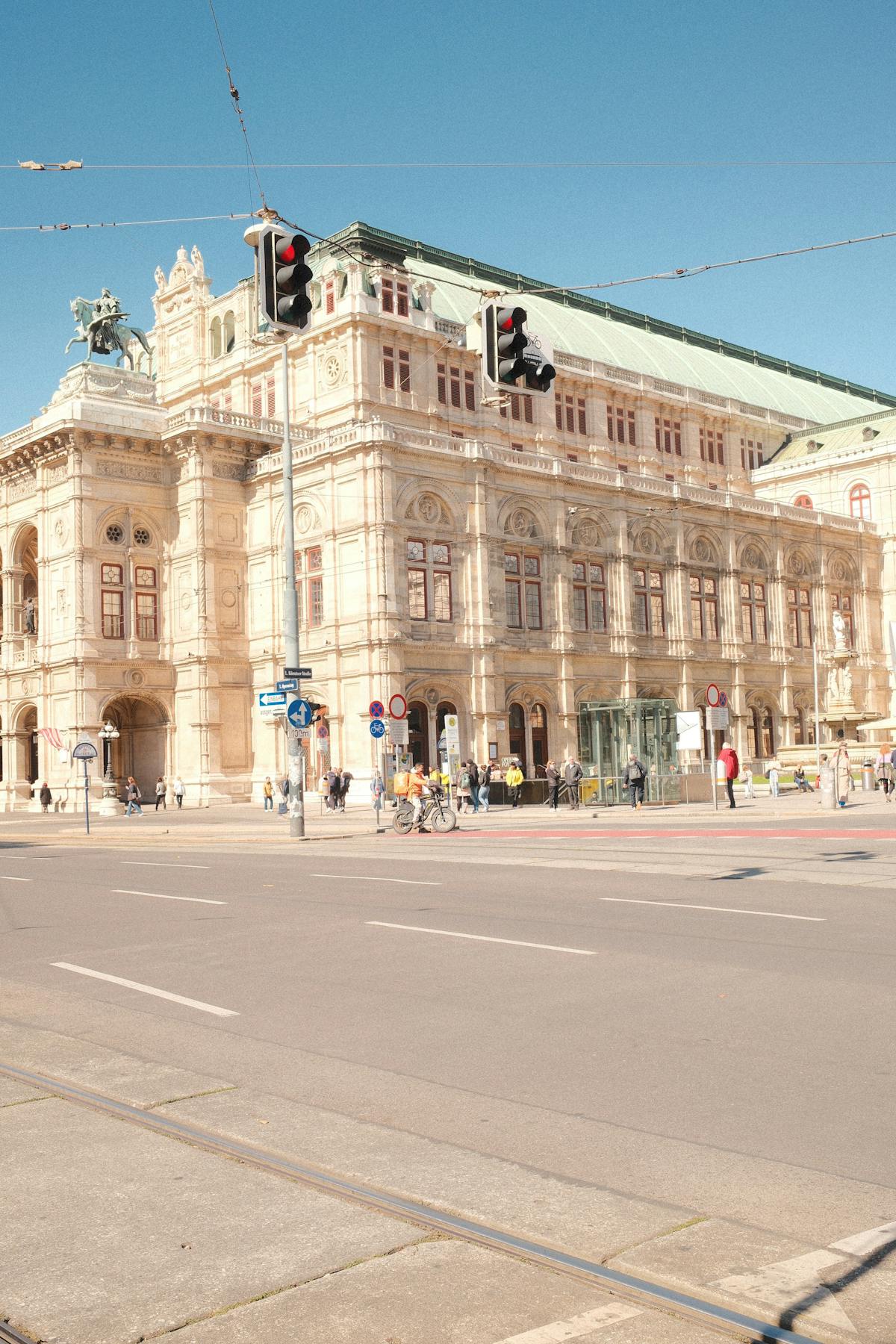
All three options below cover Vienna’s major landmarks on open-top double-deckers with multi-language audio guides. The difference comes down to route count, operator, and booking platform.
1. Vienna: Hop-On Hop-Off Sightseeing Bus Tour — $41
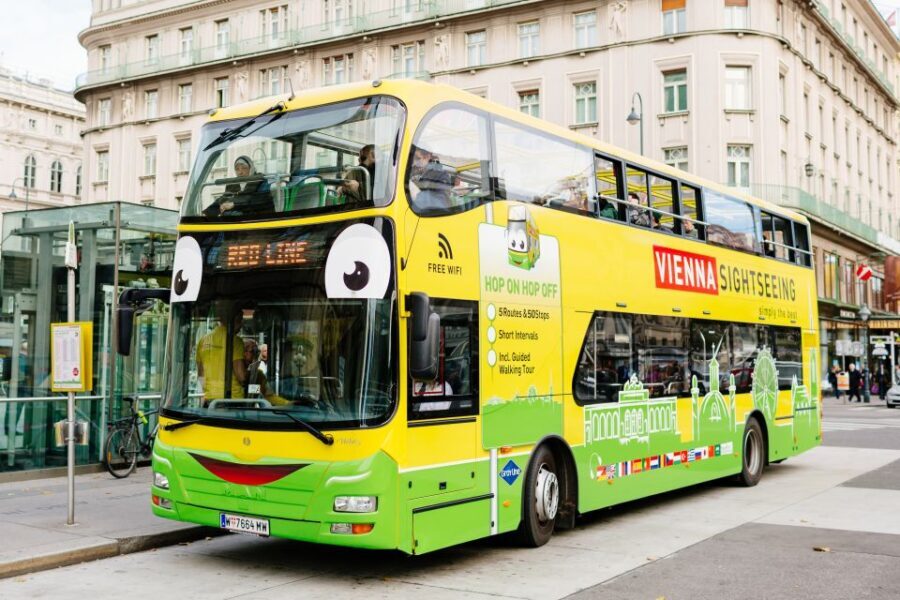
This is the most reviewed hop-on hop-off tour in Vienna, and the breadth of coverage makes it the default pick for first-timers. Three distinct routes — Red (Ringstrasse loop), Yellow (Schonbrunn and Belvedere), and Blue (Prater and Danube) — cover essentially every major attraction in the city. In the warmer months, a bonus Green route runs out to the Kahlenberg hills and the wine tavern villages, which is something none of the competition offers.
A 24-hour pass starts at $41, with 48 and 72-hour upgrades available. The audio guide runs in 16 languages and includes a dedicated kids’ channel — a nice touch if you’re travelling with family. Buses depart approximately every 20-30 minutes from each stop, though frequency increases during summer. The free WiFi on board is functional enough for uploading photos, though don’t expect to stream anything.
My recommendation: do the Red Route first as a full loop to orient yourself, then start hopping off on the Yellow Route to actually visit Schonbrunn and Belvedere. Save the Blue Route for a second day if you have a 48-hour pass — the Prater is better in the afternoon light anyway.
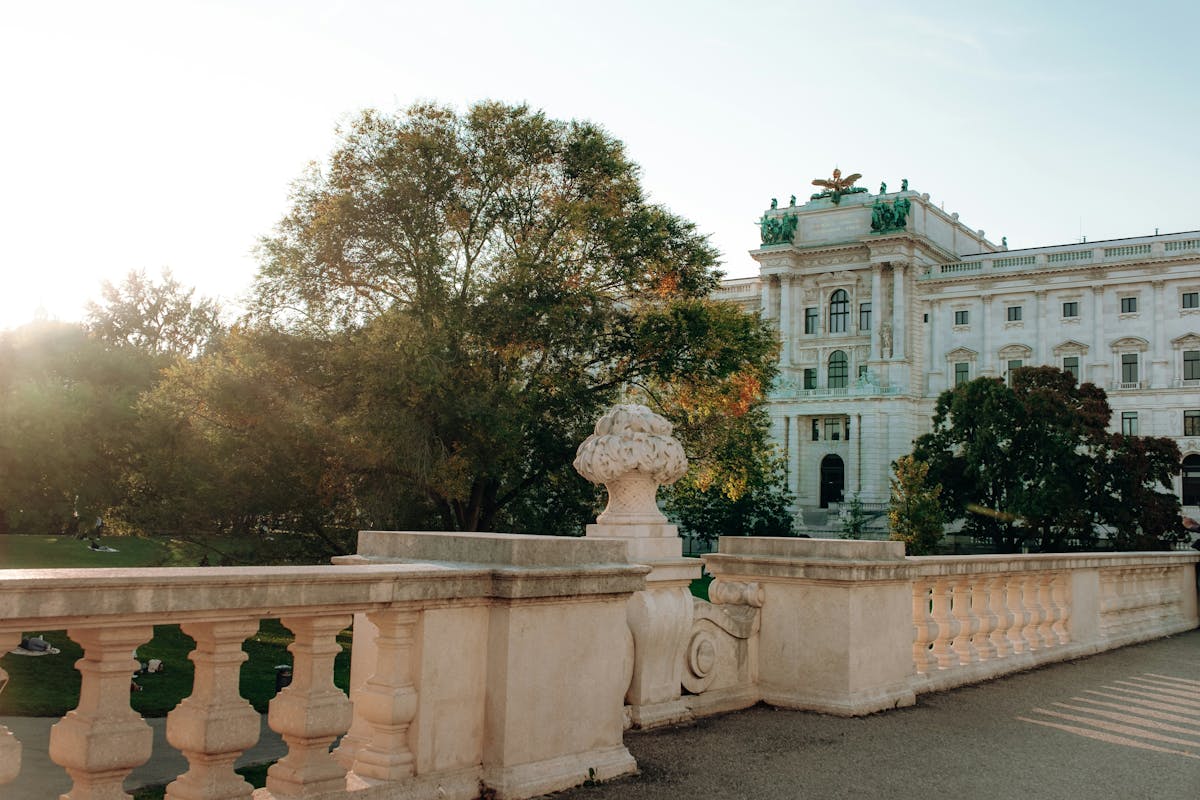
2. Vienna: Big Bus Hop-On Hop-Off Tour — $36
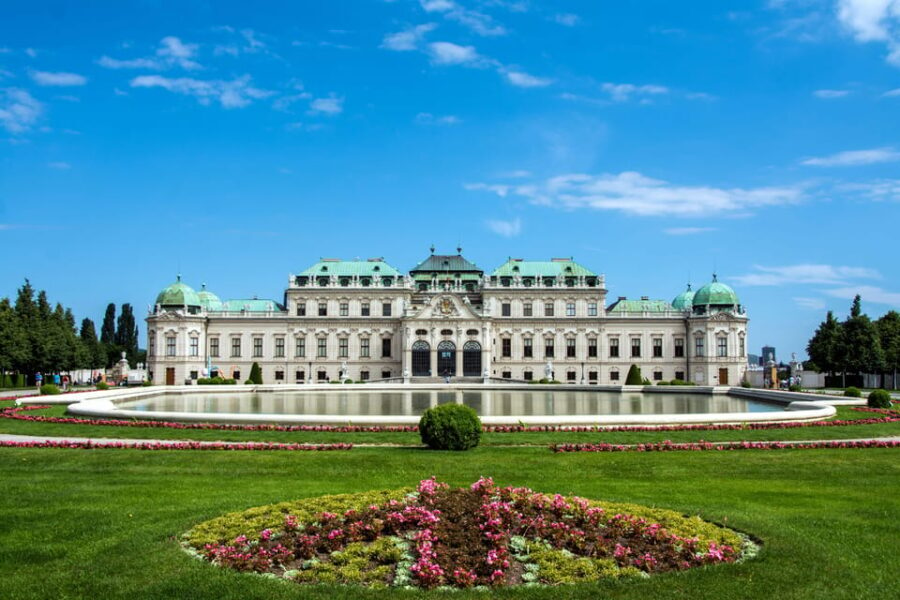
The Big Bus tour runs two routes instead of three, but the coverage is nearly identical. Their Red Route combines the Ringstrasse with the Prater and Hundertwasserhaus extension, while the Blue Route covers Schonbrunn and the Belvedere district. Between the two circuits, you’ll pass every landmark that the Vienna Sightseeing three-route system covers — just organized differently.
At $36 for a 24-hour pass, it’s five dollars cheaper than the Vienna Sightseeing option, which adds up if you’re buying tickets for a family. The 90-minute core loop time is about the same, and the audio guides cover 12 languages. Big Bus also includes a free walking tour with certain ticket tiers, which is a genuinely useful bonus — the guided walk through the old town covers the pedestrianised streets around Stephansdom that the bus can’t reach.
This is my pick if you’re on a tighter budget or if you prefer a simpler two-route system over three overlapping lines. The coverage gap is minimal, and the walking tour component adds something the other operator doesn’t include.
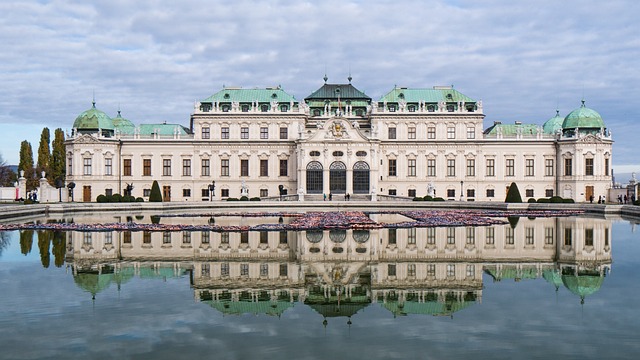
3. Big Bus Vienna Sightseeing Tour via Viator — $37
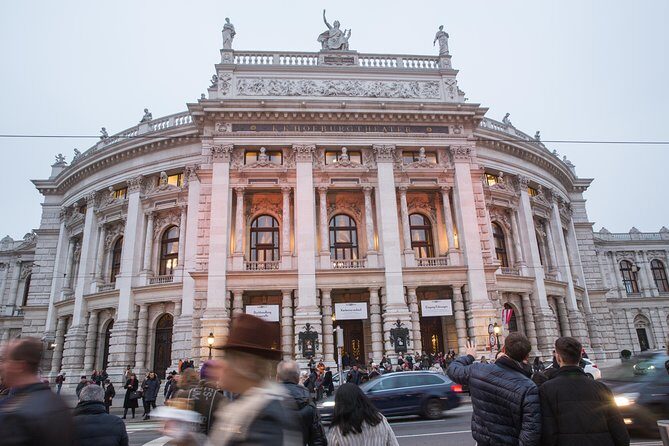
This is the same Big Bus product booked through Viator instead of GetYourGuide. The routes, buses, and audio guides are identical. You’re paying a dollar more for Viator’s booking infrastructure, which includes their own cancellation policy (free up to 24 hours before) and customer support.
The reason I’m listing this separately: Viator frequently runs bundle deals where you can combine the hop-on hop-off ticket with a Danube river cruise or a Schonbrunn Palace entry at a discount. If you’re already planning to do multiple activities, checking the Viator listing for combo pricing can save you a meaningful amount — the bus-plus-cruise package, for instance, often works out cheaper than booking each ticket separately.
Go with this option if you book everything through Viator, want to check for bundle discounts, or prefer their app for managing your trip vouchers. Otherwise, the GYG listing above gives you the same thing for a dollar less.
Tips for Getting the Most Out of Your Bus Pass
Activate your pass strategically. The clock starts ticking the moment you first board. If you buy a 24-hour ticket and activate it at 2pm, it’s valid until 2pm the next day. This means you can squeeze in an afternoon loop on day one and a full morning of hopping on day two.
Do one full loop first. Resist the urge to hop off immediately. Ride the entire Ringstrasse route once to get a sense of the layout, then go back and start visiting places. Vienna is deceptively compact in some areas and surprisingly spread out in others — the orientation loop saves you time for the rest of your visit.
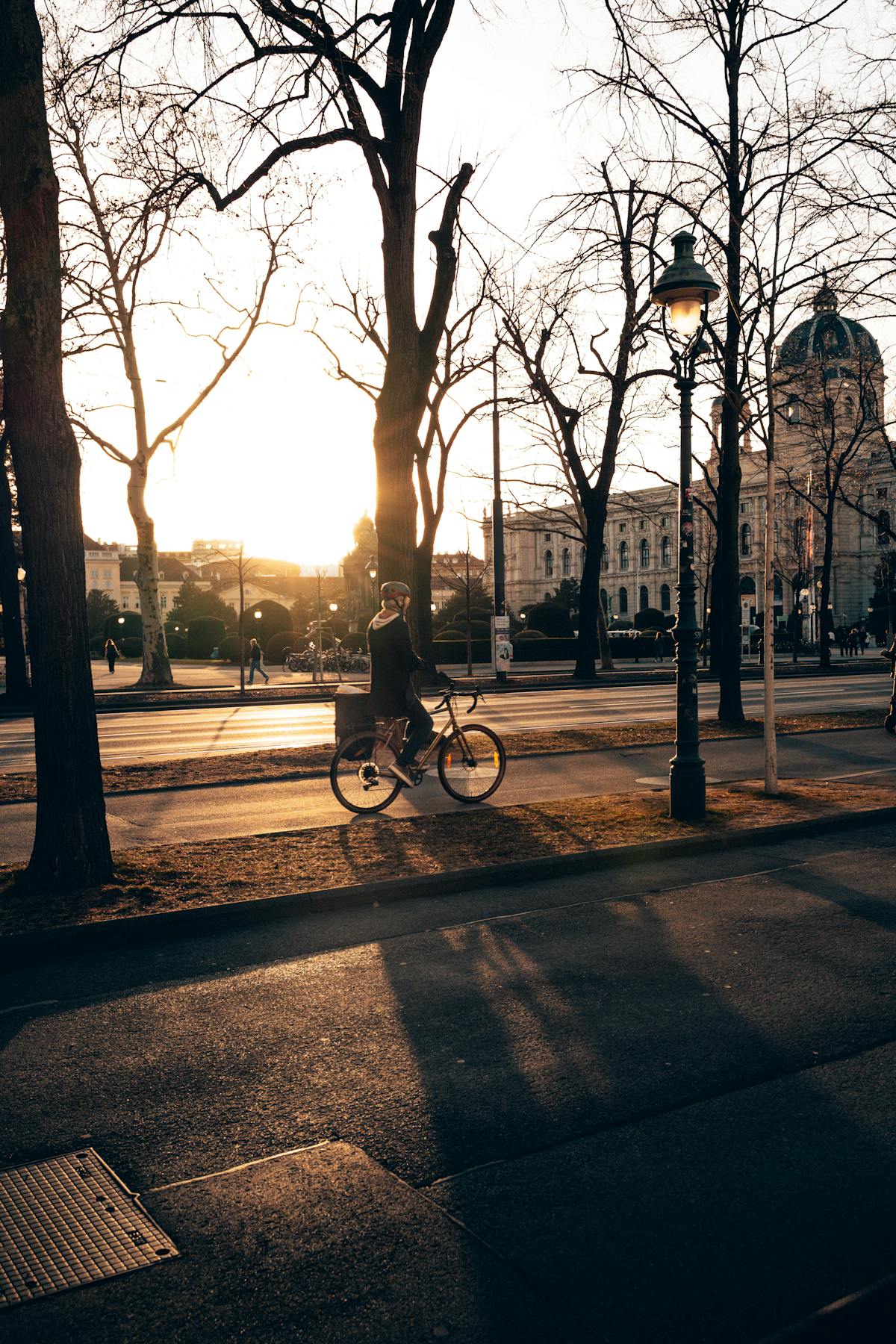
Sit on the right side heading clockwise. The best views along the Ringstrasse are on the right side of the bus when travelling clockwise (the direction most routes start). You’ll be facing the Opera, Museum Quarter, Parliament, and Rathaus directly instead of looking across traffic.
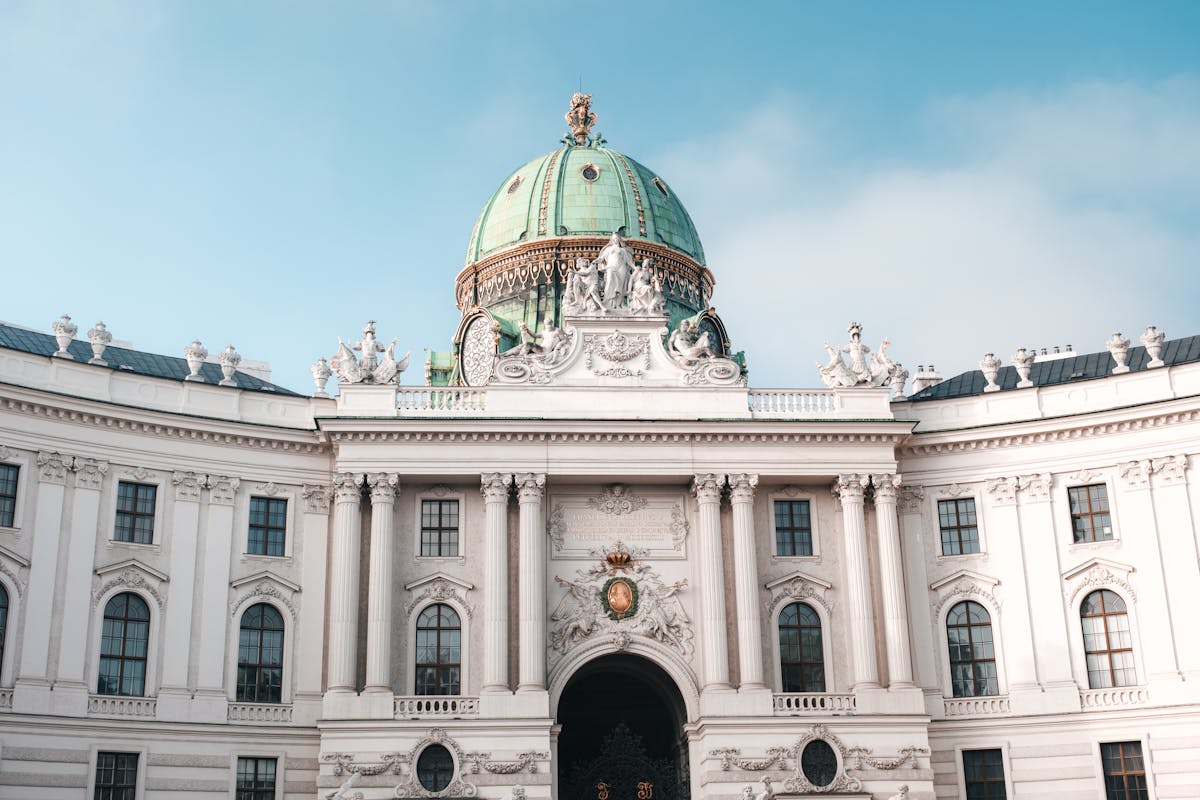
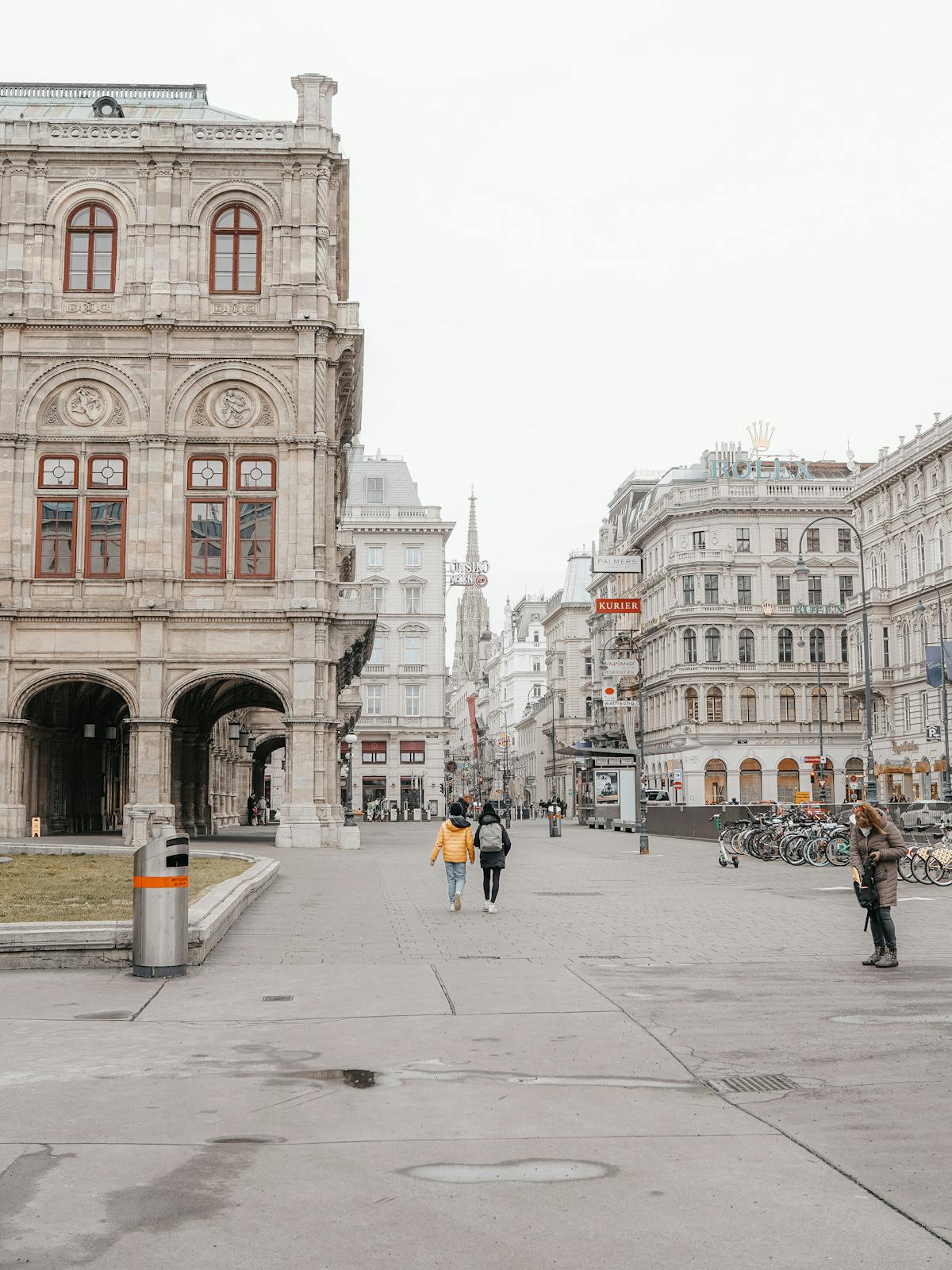
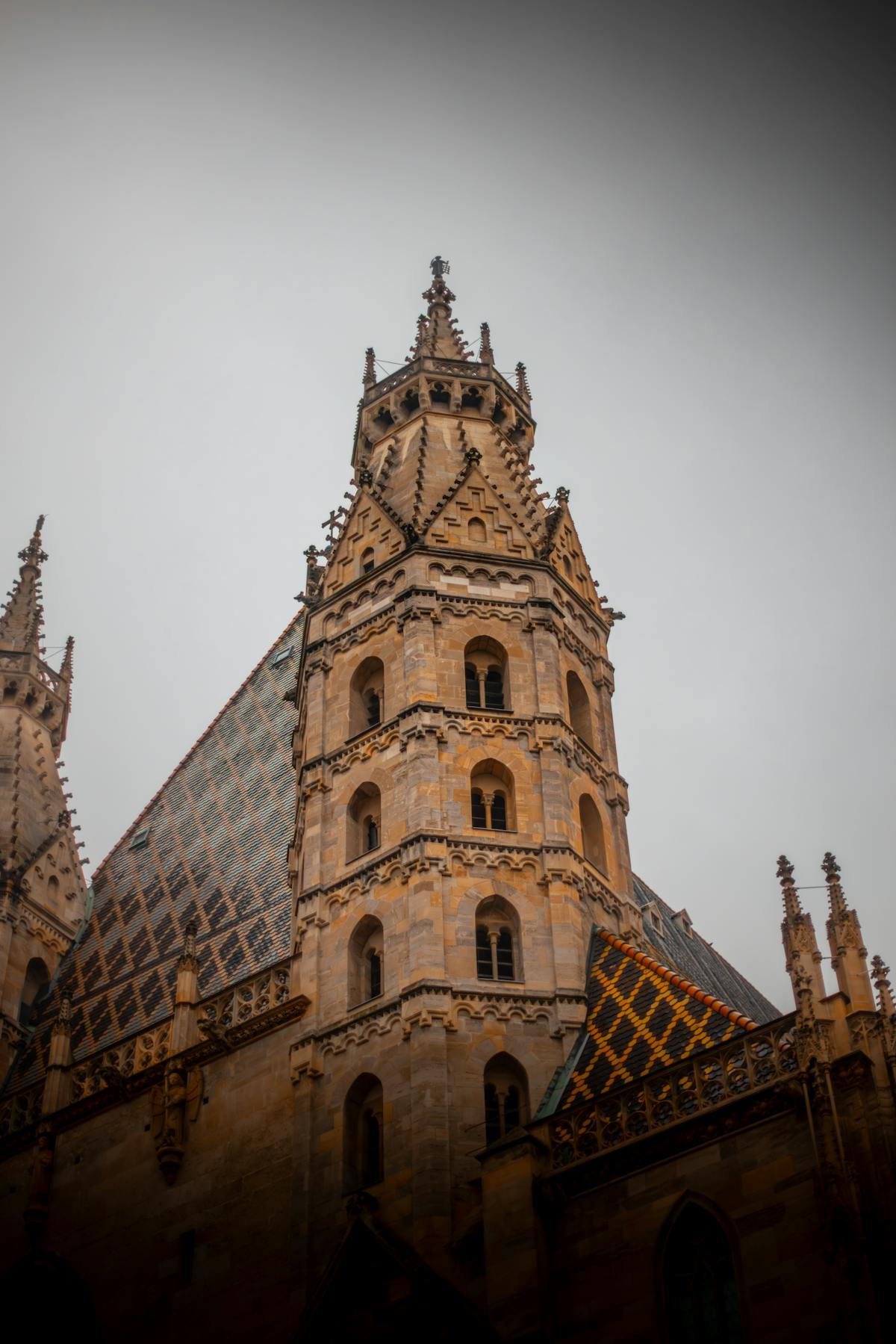
Combine with walking in the old town. The buses can’t enter the pedestrianised zone around Stephansdom, Graben, and Kohlmarkt — but that area is best explored on foot anyway. Hop off at the Oper stop, walk through Karntner Strasse to the cathedral, explore the old town, then catch the bus again at another stop. A guided walking tour covers the inner district beautifully if you want local stories and hidden courtyard access.
Dress for the top deck. Vienna sits in a continental climate, and the top deck amplifies everything. In summer, sunscreen and a hat are essential — there’s no shade. In winter, the top deck is open but bitterly cold, and most passengers retreat downstairs after about five minutes. The sweet spot is spring and early autumn, when the temperature is comfortable and the light on the buildings is gorgeous.
Check the seasonal schedules. In winter (roughly November through March), buses run less frequently — every 30-45 minutes instead of every 15-20. The Green route to the wine villages only operates from about April through October. If you’re visiting during the Christmas market season, the extended gaps between buses matter more because you’ll be making multiple stops.
More Vienna Guides
The hop-on hop-off bus gives you a good overview, but Vienna’s best experiences are off the bus. Schonbrunn Palace is on most bus routes and deserves at least two hours inside, while the Belvedere is a short walk from several stops. The Hofburg and Sisi Museum anchors the city center and pairs naturally with the Spanish Riding School next door. A walking tour fills in the details the bus commentary misses, and classical concert tickets are the evening follow-up most visitors gravitate toward.
A Danube cruise offers a different perspective entirely, and a food tour through the Naschmarkt teaches you more about local culture than a full loop on the bus.
For day trips, Hallstatt is the most popular excursion from Vienna. From Salzburg, the salt mines, Sound of Music tour, and Eagle’s Nest are each a full day.