
The Medes Islands sit about 900 metres off the Costa Brava shoreline, and from a kayak at water level, they look close enough to touch. I spent a full day paddling past sea caves that open up like cathedral doorways in the cliff face, jumping off rocks that the guides swore were safe (they were, mostly), and floating face-down in water so clear I could count sea urchins on the bottom. This stretch of Catalonia between Barcelona and the French border has some of the best kayaking in the western Mediterranean. And booking the right tour makes or breaks the experience.
- In a Hurry? Top 3 Costa Brava Kayak Tours
- Why the Costa Brava Is Worth the Trip from Barcelona
- How Booking Actually Works
- The 3 Best Costa Brava Kayak Tours
- 1. Costa Brava Day Adventure: Kayak, Snorkel & Cliff Jump with Lunch — 3
- 2. Costa Brava Kayak & Snorkel Tour with Picnic —
- 3. Barcelona: Costa Brava Kayak, Snorkel & Cliff Jump & Lunch — 0
- What You’ll Actually See on the Water
- When to Go (and When to Avoid)
- The Wild Coast: A Short History
- Snorkelling in the Medes Islands Marine Reserve
- Cliff Jumping: What to Expect
- Practical Tips
- Combine Your Day on the Water
In a Hurry? Top 3 Costa Brava Kayak Tours
Best overall: Costa Brava Day Adventure: Kayak, Snorkel & Cliff Jump with Lunch — $103/person. Full-day trip from Barcelona with everything included. The most popular Costa Brava kayak tour by a wide margin.
Best value: Costa Brava Kayak & Snorkel Tour with Picnic — $71/person. Six hours, same coastline, picnic instead of restaurant lunch. Solid choice if you want the experience without the full-day commitment.
Best for groups: Barcelona: Costa Brava Kayak, Snorkel & Cliff Jump & Lunch — $100/person. Eight-hour trip with small group vibes and a sit-down lunch. The cliff jumping section is optional but everyone does it anyway.
Why the Costa Brava Is Worth the Trip from Barcelona
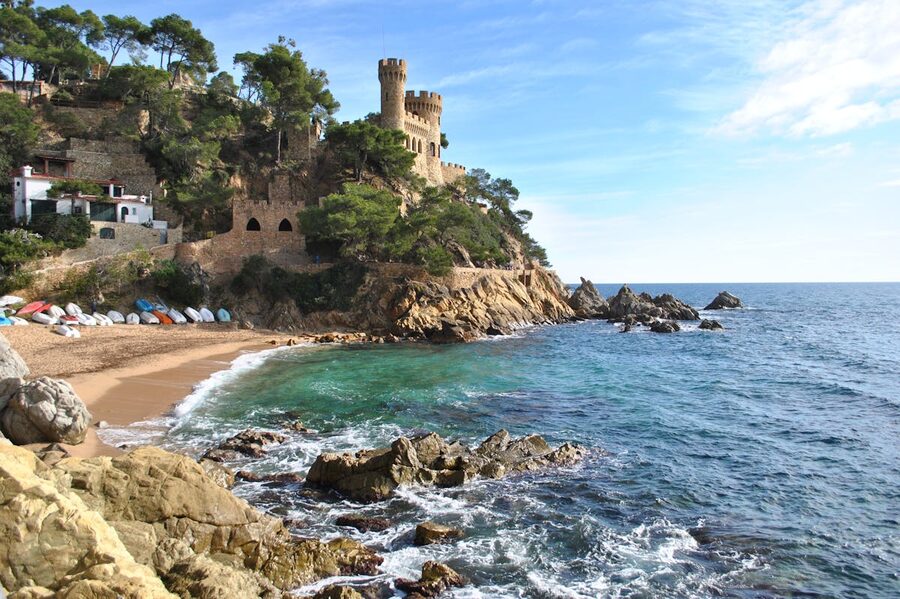
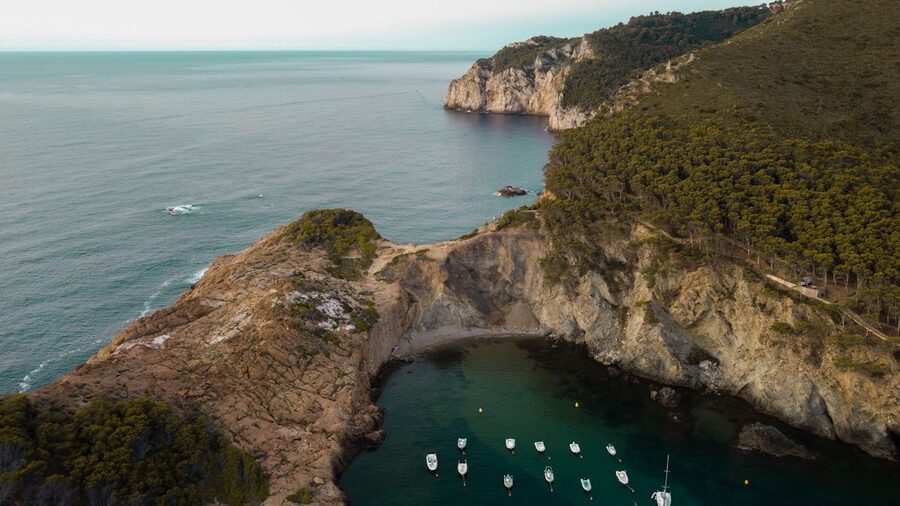
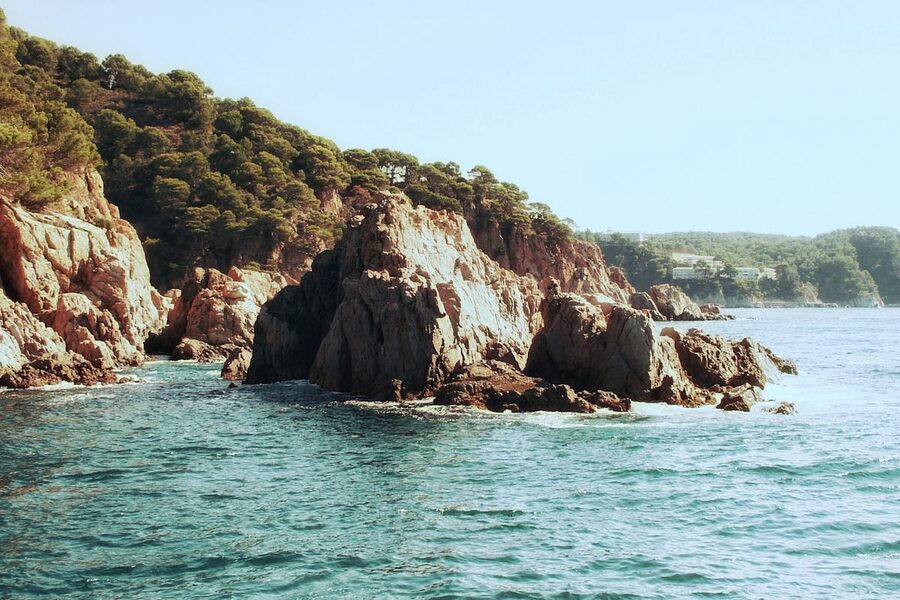
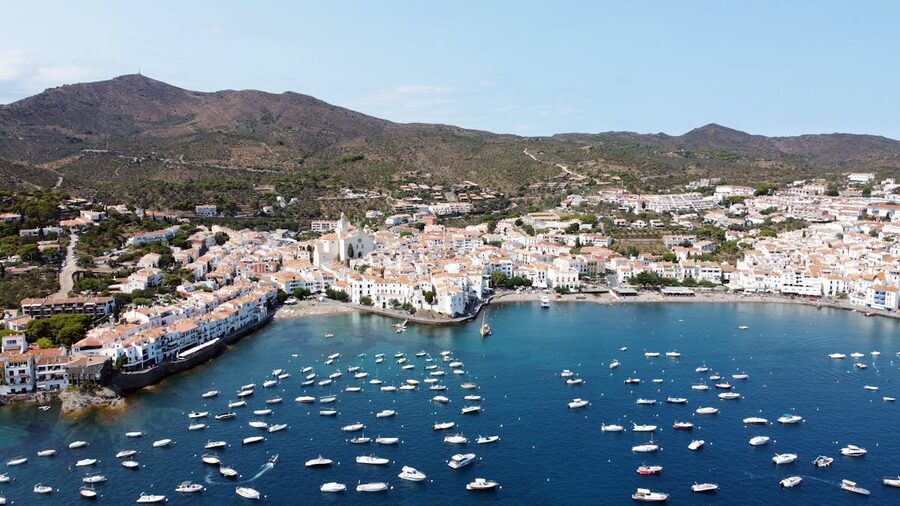
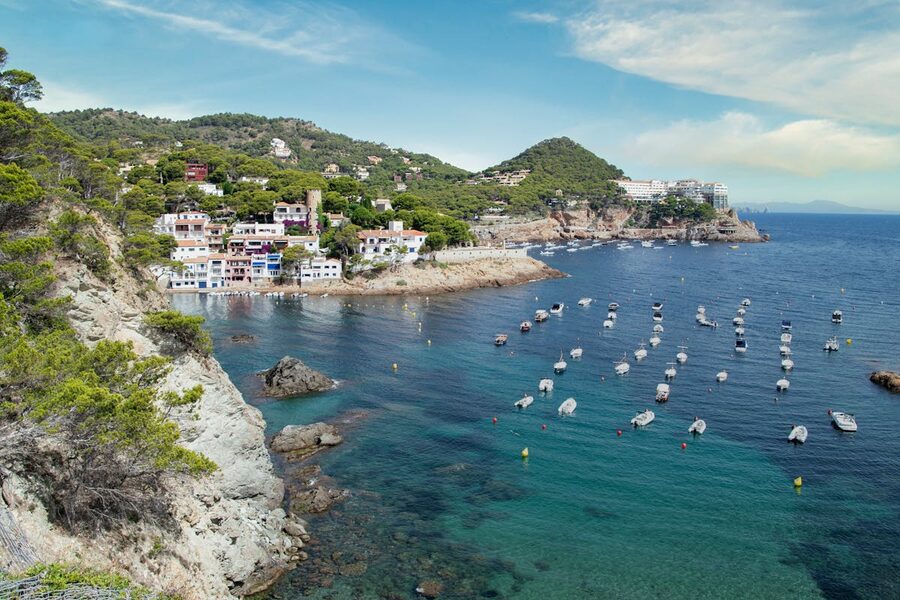
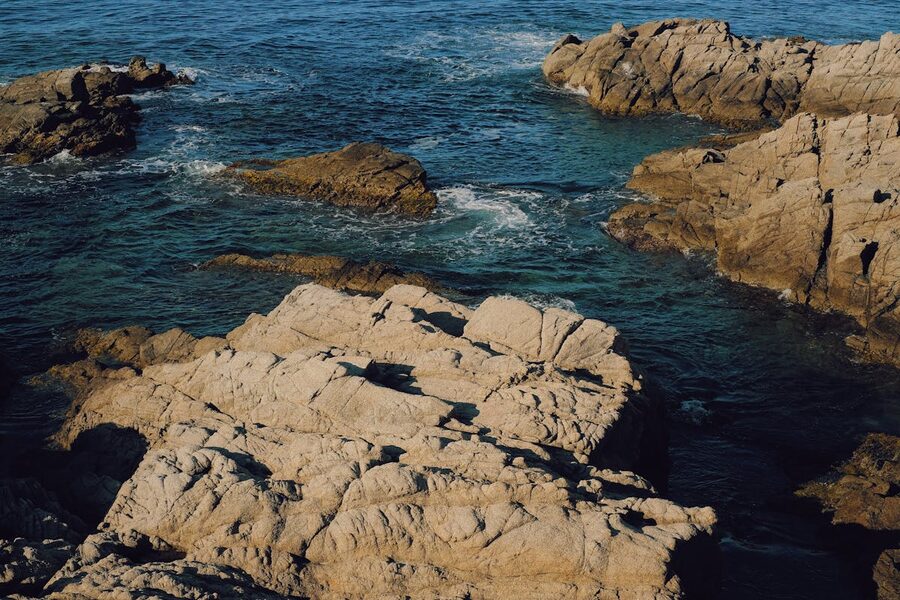
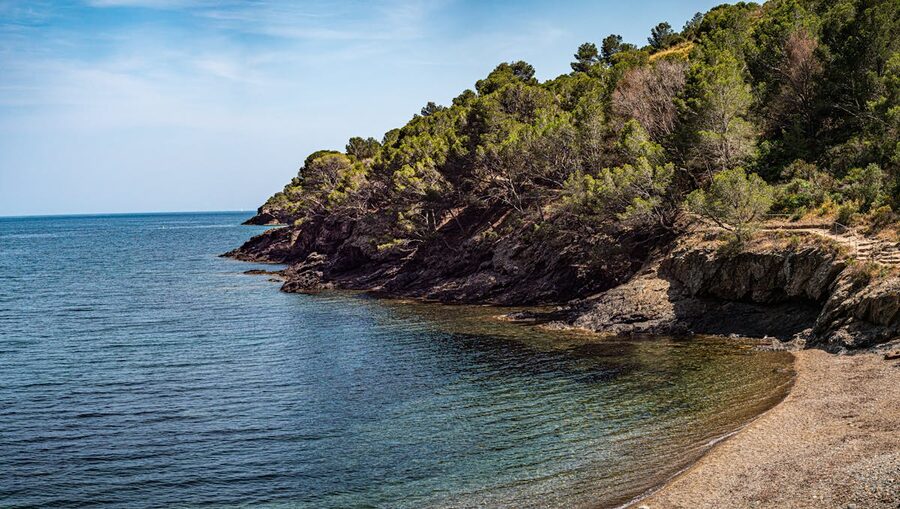
The name “Costa Brava” means “Wild Coast,” and journalist Ferran Agullo coined the term back in 1908 when he wrote about the rugged shoreline north of Barcelona. He wasn’t exaggerating. The coastline runs roughly 200 kilometres from Blanes up to the French border, and the section between Begur and Cadaques has some of the most dramatic sea cliffs in the Mediterranean. From a kayak, you see things that beach visitors never will: hidden caves that only open at sea level, rock arches that frame the sky, and underwater landscapes through the clear water beneath you.
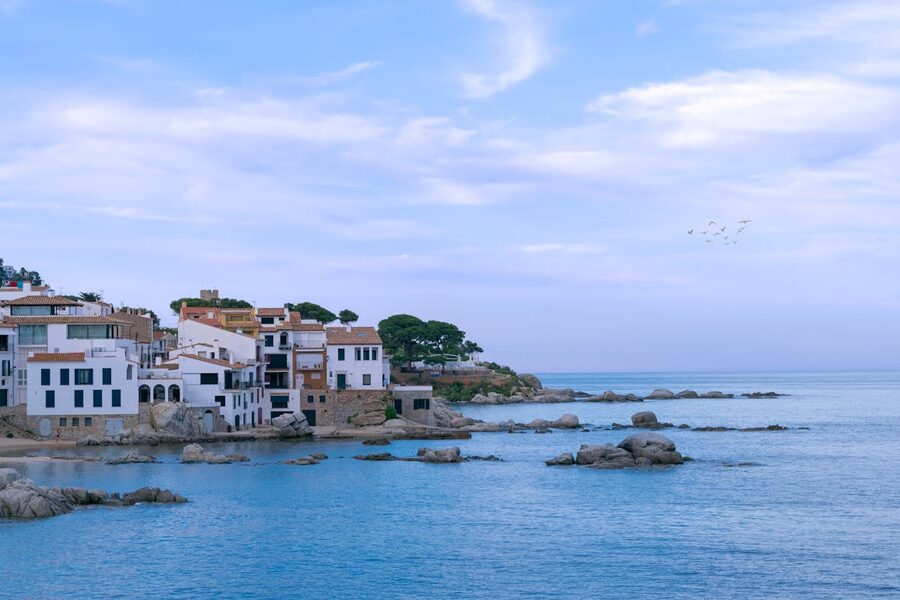
The water clarity here is genuinely surprising. The Medes Islands marine reserve, just off the coast near L’Estartit, is one of the most biodiverse spots in the western Mediterranean. Because fishing has been restricted since 1983, the marine life has bounced back in a serious way. Expect to see grouper, octopus, sea bream, and posidonia seagrass meadows when you snorkel. Salvador Dali lived in Cadaques at the northern end of this coast, and it’s easy to see why — the light and the landscape here are unlike anywhere else in Spain.
How Booking Actually Works
Almost every Costa Brava kayak tour leaves from Barcelona, which makes sense since that’s where most visitors are staying. The bus ride to the coast takes about 90 minutes each way, but every tour I’ve looked at includes the transport in the price. You meet at a central Barcelona location early in the morning — usually around 8:30 or 9:00 AM — and get back to the city by late afternoon or early evening.
No kayaking experience is needed. The guides give a safety briefing and basic paddling lesson before you get in the water. Tandem kayaks are standard, so if your partner is a stronger paddler, you’ll balance each other out. Most tours cap group sizes at around 10-12 people, which keeps things manageable in the caves.
What to bring: swimsuit, towel, sunscreen (reef-safe if you can — you’ll be snorkelling over a marine reserve), water shoes or old trainers that can get wet. The tour provides snorkelling gear, life jackets, and the kayaks. Some tours include a GoPro rental for an extra fee. Waterproof phone cases are basically mandatory — you’ll want photos inside the sea caves.
The 3 Best Costa Brava Kayak Tours
1. Costa Brava Day Adventure: Kayak, Snorkel & Cliff Jump with Lunch — $103
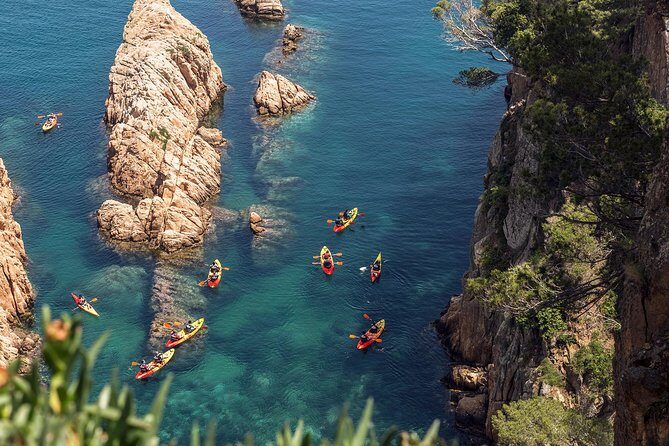
This is the one. Eight hours, everything included, and by far the most booked Costa Brava kayak tour on the market. The day covers kayaking along the rocky coastline, snorkelling in sheltered coves, cliff jumping at various heights (you pick your comfort level), and a sit-down lunch at a beachside restaurant. Our full review covers the itinerary in detail, but the short version is: this tour gets the balance right between adventure and accessibility. The guides are consistently praised, and the lunch is a proper Mediterranean spread — not a sad packed sandwich.
2. Costa Brava Kayak & Snorkel Tour with Picnic — $71
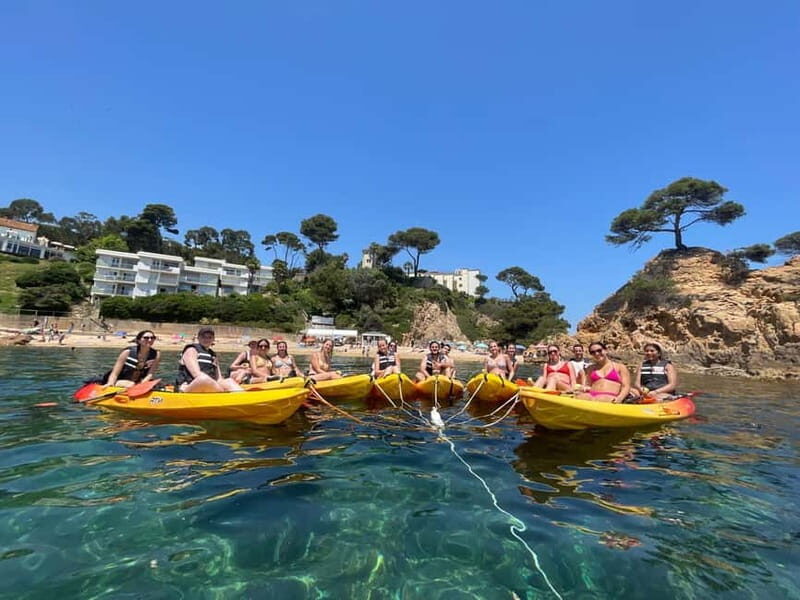
If you want the Costa Brava kayaking experience without dedicating a full eight hours, this six-hour version hits the same coastline with a picnic lunch instead of a restaurant meal. The kayaking and snorkelling portions are similar, and you still get the sea cave exploration that makes this coast special. I’d pick this one if you’re on a tighter budget or want to get back to Barcelona with time for an evening in the Gothic Quarter. Our review breaks down exactly what’s included.
3. Barcelona: Costa Brava Kayak, Snorkel & Cliff Jump & Lunch — $100
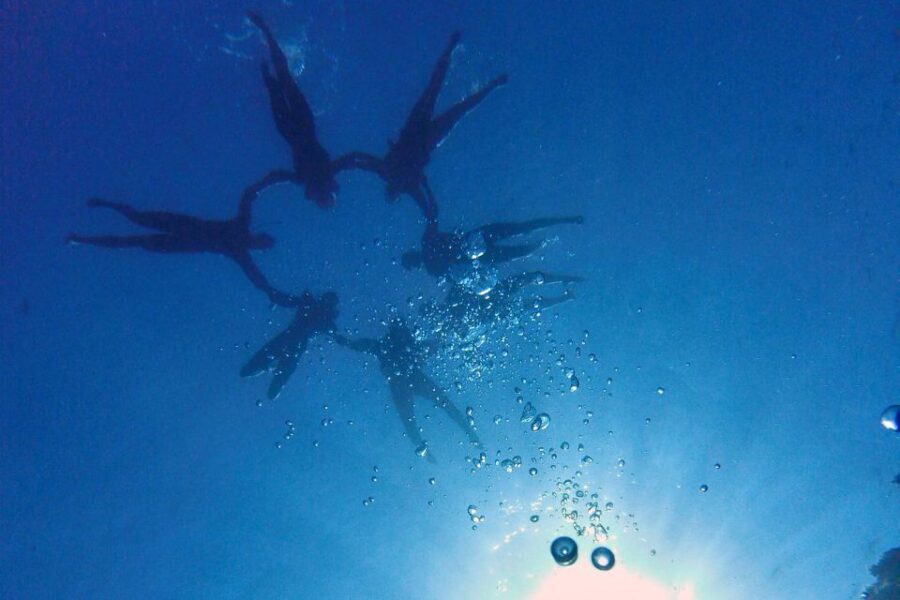
Very similar to the top pick but run by a different operator, which means a slightly different route and personality. The full eight-hour itinerary includes the same mix of kayaking, snorkelling, cliff jumping, and lunch. What sets this apart is the small-group atmosphere — the operator keeps numbers tight, and the guides are known for making the day feel personal rather than assembly-line. Our review goes into the differences between this and the top option.
What You’ll Actually See on the Water
The typical kayaking route follows the coastline for about 3-4 kilometres, weaving in and out of sea caves and rocky inlets. The pace is relaxed — this isn’t a fitness challenge, it’s a sightseeing trip on water. Guides paddle alongside you and point out geological formations, marine life, and the occasional hidden beach that’s only accessible from the sea.
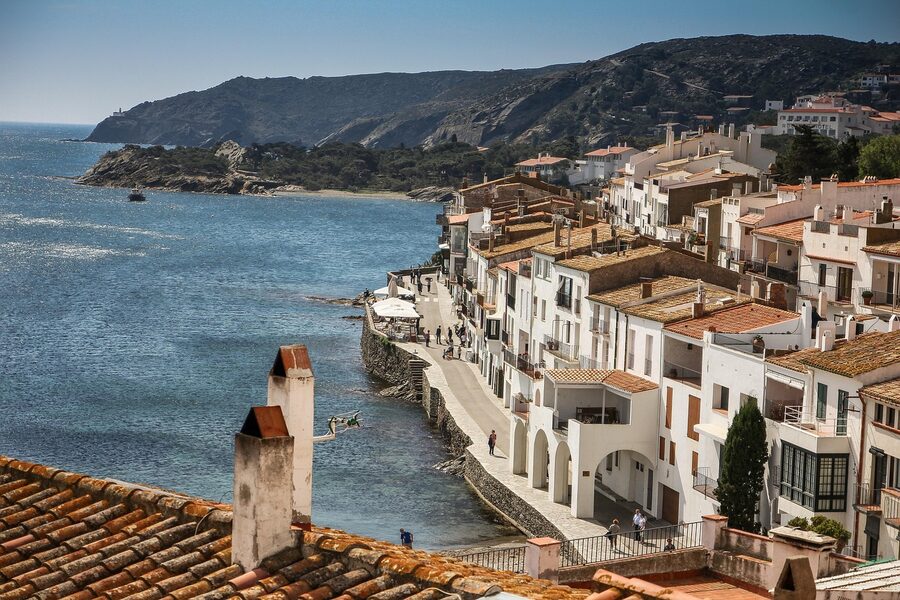
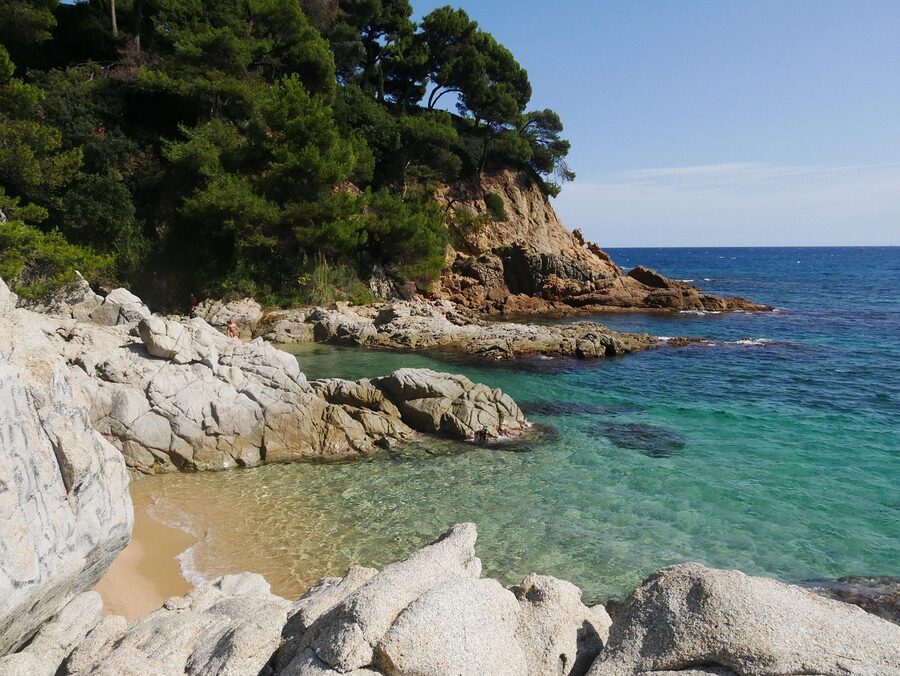
The sea caves are the highlight. Some are shallow and wide, easy to paddle into. Others are narrow and dark, with the water lapping against the cave walls in a way that amplifies every sound. The guides know which ones are safe at which tide levels. Inside some of the larger caves, the light filtering through the water turns everything a bright blue-green. It’s genuinely beautiful, and I say that as someone who’s done sea cave tours in Croatia and Greece.
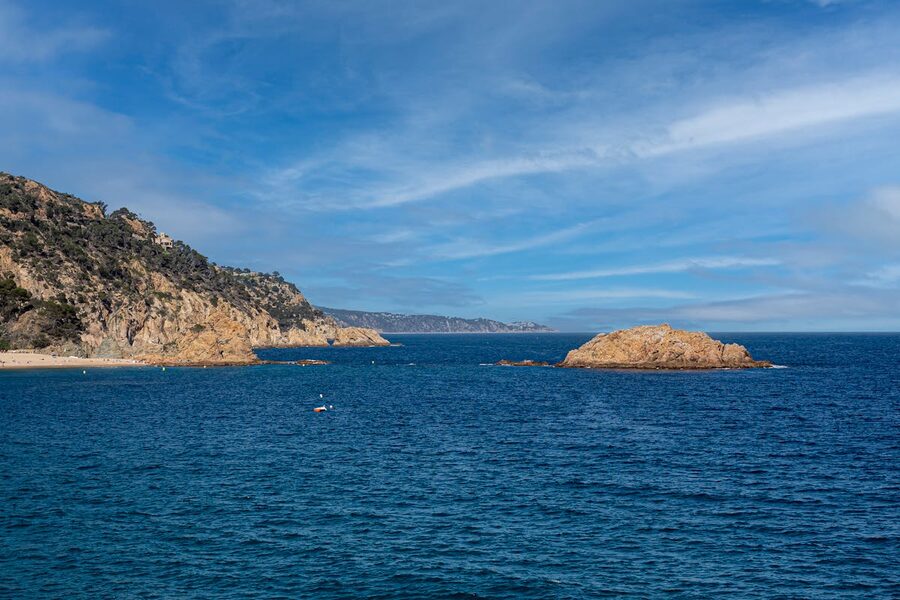
Cliff jumping usually happens at a designated spot where the guides have tested the depth. Heights range from about 2 metres up to 8-10 metres for the brave. Nobody forces you to jump, but peer pressure has a way of working its magic. The water is deep and clear at these spots, so you can see what’s below before you commit.
When to Go (and When to Avoid)
Peak season runs June through September, and July-August are the busiest months. Tours sell out quickly in high summer, so book at least a week ahead if you’re going between July 15 and August 31. The upside of peak season: warm water (around 24-25C), long days, and near-guaranteed sunshine. The downside: crowded caves and higher prices.
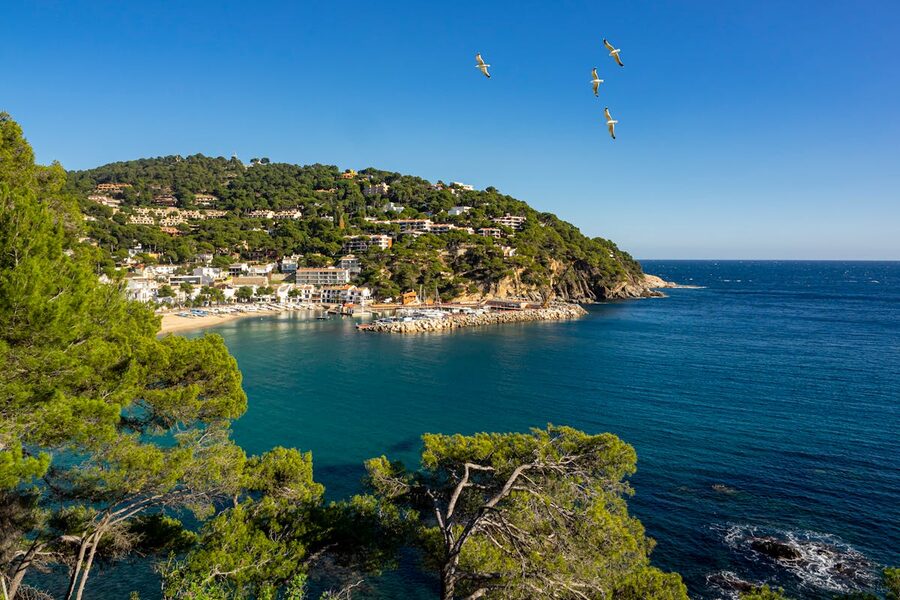
My honest recommendation: go in June or September. The water is still warm enough for comfortable swimming, the crowds thin out significantly, and you’ll often have the sea caves more or less to yourself. May and October are possible but the water drops to around 17-18C, which makes snorkelling less appealing unless you run warm.
Most tours don’t run from November through March. The Tramontana wind can make the sea rough and unpredictable during winter, and visibility drops.
The Wild Coast: A Short History
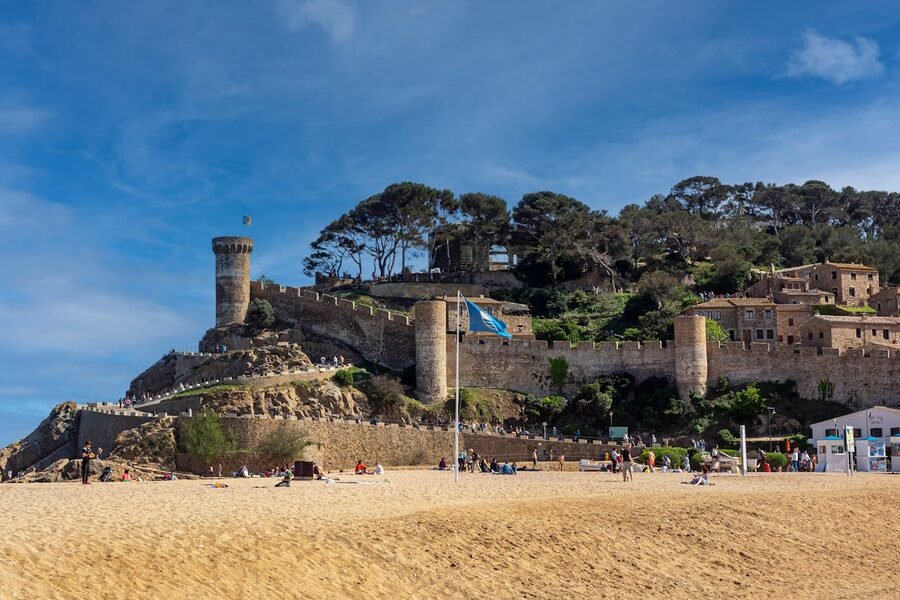
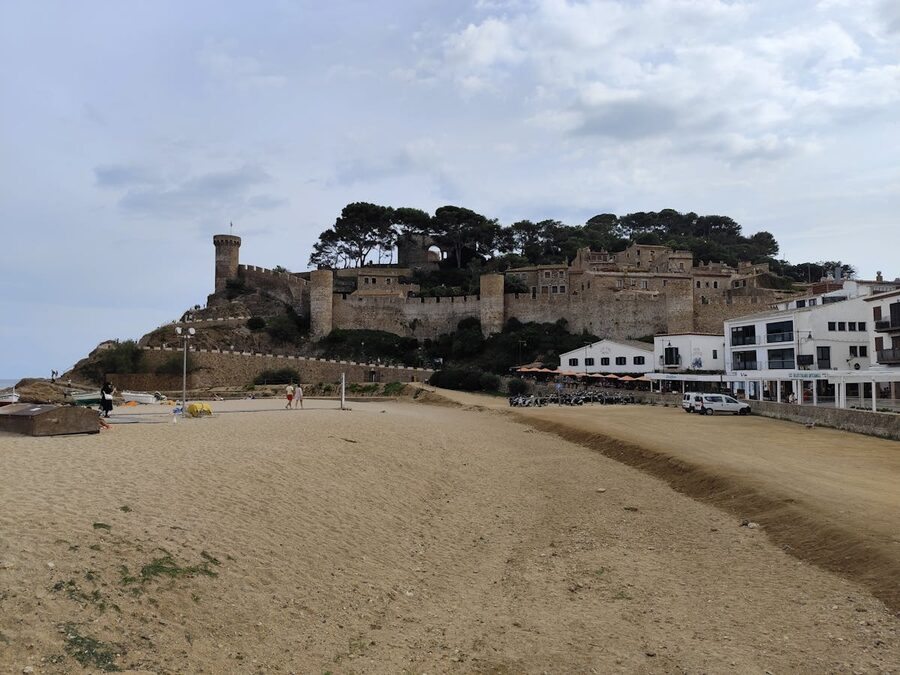
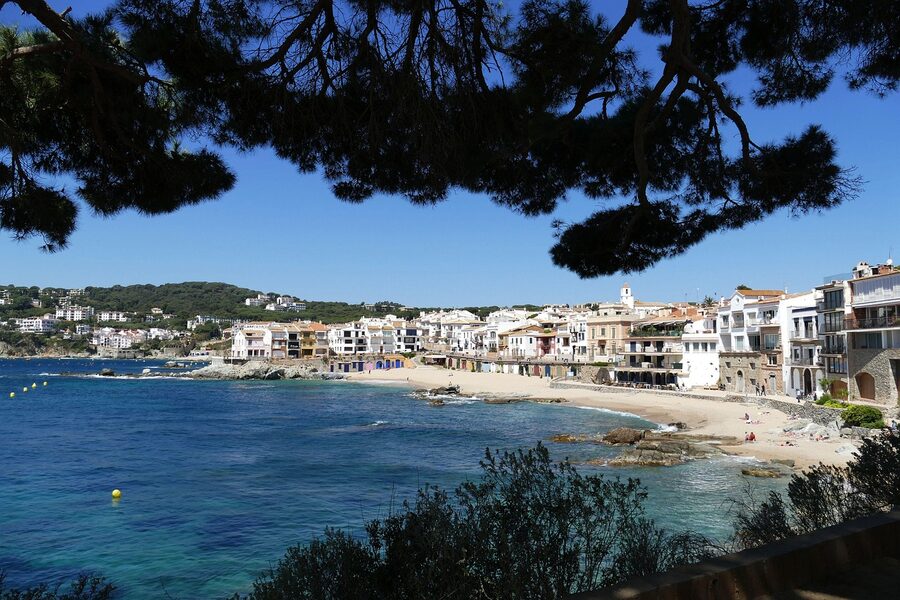
Before the travelers arrived, the Costa Brava was a chain of fishing villages clinging to rocky headlands. Tossa de Mar, with its medieval walled town rising directly from the beach, was a favourite of European painters in the 1930s. Marc Chagall called it “the Blue Paradise.” The walled enclosure — the Vila Vella — is the only fortified medieval town still standing on the Catalan coast.
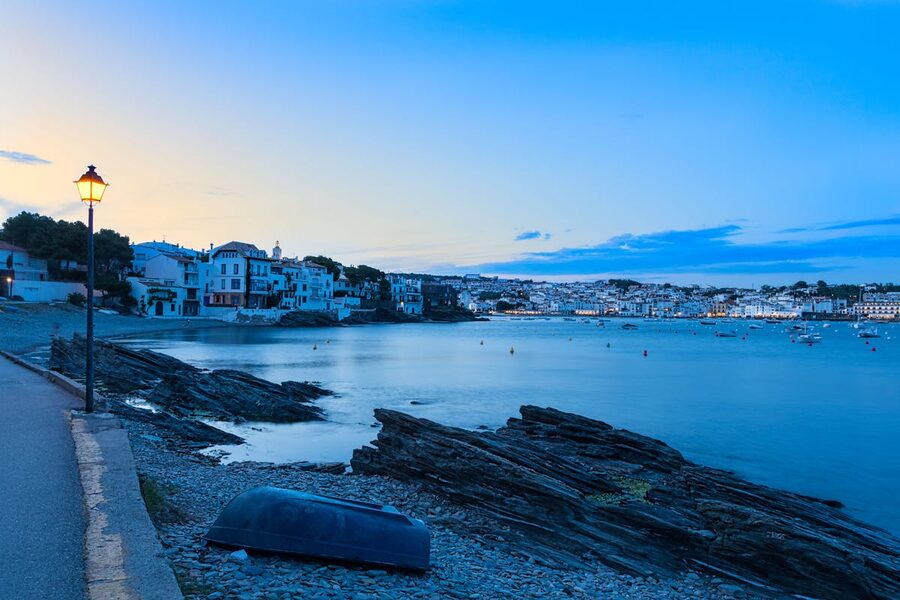
Further north, Cadaques developed a reputation as an artists’ colony when Salvador Dali established his home and studio at Port Lligat in the 1930s. Dali drew constant inspiration from the strange rock formations at nearby Cape Creus — the northernmost point of the Iberian Peninsula and now a natural park. If you look at some of his surrealist landscapes, the melting cliffs and bizarre geological shapes are straight from this coastline. He wasn’t imagining them. They’re real.
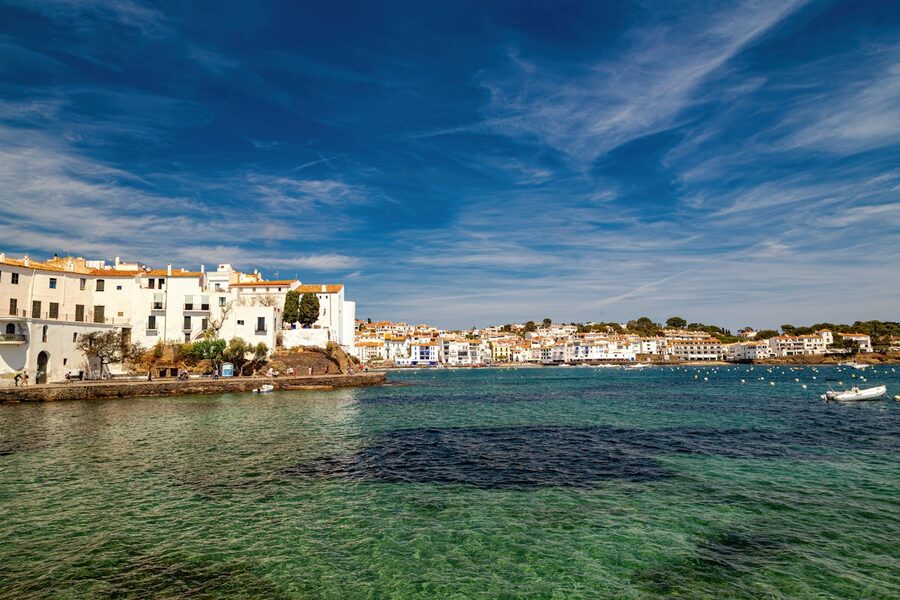
The Medes Islands earned protected status in 1983, making them one of Spain’s first marine reserves. Before protection, dynamite fishing had damaged the underwater ecosystem badly. Forty years later, the recovery has been remarkable — the islands now support over 1,300 documented species. The snorkelling included in kayak tours takes you into this marine reserve, which is a privilege that wasn’t available to visitors until relatively recently.
Snorkelling in the Medes Islands Marine Reserve
The snorkelling portion of most kayak tours takes place in or near the Medes Islands marine reserve, and it’s worth understanding why this matters. The Medes are a cluster of seven tiny islands and a few rocky islets that sit about a kilometre off the coast near L’Estartit. Before protection began in 1983, the area had been hammered by decades of overfishing and underwater dynamite blasting. The recovery since then has been one of the Mediterranean’s genuine success stories.
What does that mean for you, floating on the surface in a snorkel mask? It means fish. Lots of them, and bigger than you’d expect. Grouper the size of your torso cruise past without concern. Schools of silver sea bream catch the light and scatter when you move too fast. Octopus hide in the rocky crevices and change colour if you spot them. The posidonia seagrass meadows — those waving green fields on the sandy bottom — are a protected habitat and the foundation of the whole ecosystem here.

Don’t expect tropical coral reef colours. The Mediterranean underwater palette is more muted — greens, browns, and greys with flashes of silver and blue. But the clarity is exceptional, often 15-20 metres of visibility on calm days, and the density of life in the protected areas is genuinely impressive. The guides know exactly where to take you for the best sightings.
Cliff Jumping: What to Expect
Let me be honest about the cliff jumping, because tour descriptions make it sound more extreme than it usually is. Most tours offer jumps at multiple heights, starting from about 2 metres (basically a high dive) up to 8-10 metres for the properly bold. You always have the option to skip — nobody’s forced into anything. But something about watching other people leap tends to erode your caution remarkably fast.
The jumping spots are tested and approved by the guides, who jump first to show the depth is safe. The water below is deep, clear, and rock-free. Landing technique matters at the higher heights — pencil entry, arms crossed, chin tucked. The guides explain all of this. At 2-3 metres, honestly, it’s just a big splash. At 8+ metres, there’s a moment of genuine flight that your brain catalogues as memorable whether you wanted it to or not.
Practical Tips
Fitness level: Low to moderate. If you can walk for an hour without stopping, you can do these tours. The kayaking segments are broken up with swimming and snorkelling breaks, so you’re never paddling for more than 30-40 minutes straight.
Motion sickness: The Mediterranean is calmer than the Atlantic, but if you’re prone to seasickness, take medication before the bus ride. Once you’re in the kayak, it’s usually fine because you’re low to the water.
Cancellations: Tours cancel if the sea is too rough or the Tramontana wind picks up. This happens more in spring and autumn. Most operators offer a full refund or reschedule if they cancel due to weather. Book through GetYourGuide or Viator for the easiest refund process.
Age limits: Most tours accept children from about 6-8 years old, though cliff jumping usually has a minimum age of 12-14. Check the specific tour listing for details.
Getting there independently: If you’d rather skip the tour bus and drive, the main kayak launch points are at L’Estartit (for Medes Islands access), Tossa de Mar, and Llafranc. Parking can be difficult in high summer — arrive before 9 AM or you’ll be circling. Some operators offer kayak-only rentals without a guide, but I’d only recommend that if you’re an experienced paddler who knows the coast.
What about seasickness? Kayaks sit very low on the water, so the rocking motion is minimal compared to a boat. I’ve seen people who get queasy on ferries do perfectly fine in a kayak. That said, if you’re sensitive, avoid days with any swell forecast and take a preventive tablet just in case.
Photography: A waterproof phone case is non-negotiable. The moments worth photographing — inside sea caves, mid-cliff-jump, underwater snorkelling — all involve water. Some tours offer GoPro rental for around $15-20 extra, which is worth it if you don’t have your own action camera. The cave interiors photograph best when the sun is high (midday tours have an advantage here), because the light penetrating through the water creates those blue-green reflections everyone wants to capture.
Booking window: For summer dates (July-August), book at least 5-7 days ahead. For June and September, 2-3 days is usually fine. All three tours I’ve recommended offer free cancellation up to 24 hours before departure, so there’s no risk in booking early.
Combine Your Day on the Water
If the Costa Brava has captured your attention, there’s more to explore nearby. The Girona and Dali Museum day trip covers the medieval old town and Dali’s surrealist world in Figueres — it pairs perfectly if you’re spending a couple of days on the coast. Back in Barcelona, the catamaran cruise along the Barcelona waterfront is a good contrast: calm harbour sailing versus the wild cliffs of the Costa Brava. And if you enjoyed the kayaking enough to want more water time, the Las Golondrinas boat tour from Port Vell is a classic Barcelona experience. For something completely different, the sunset catamaran cruise with drinks is a solid evening plan after a day of paddling.
This article contains affiliate links. We may earn a small commission if you book through our links, at no extra cost to you. This helps us keep producing free travel guides.