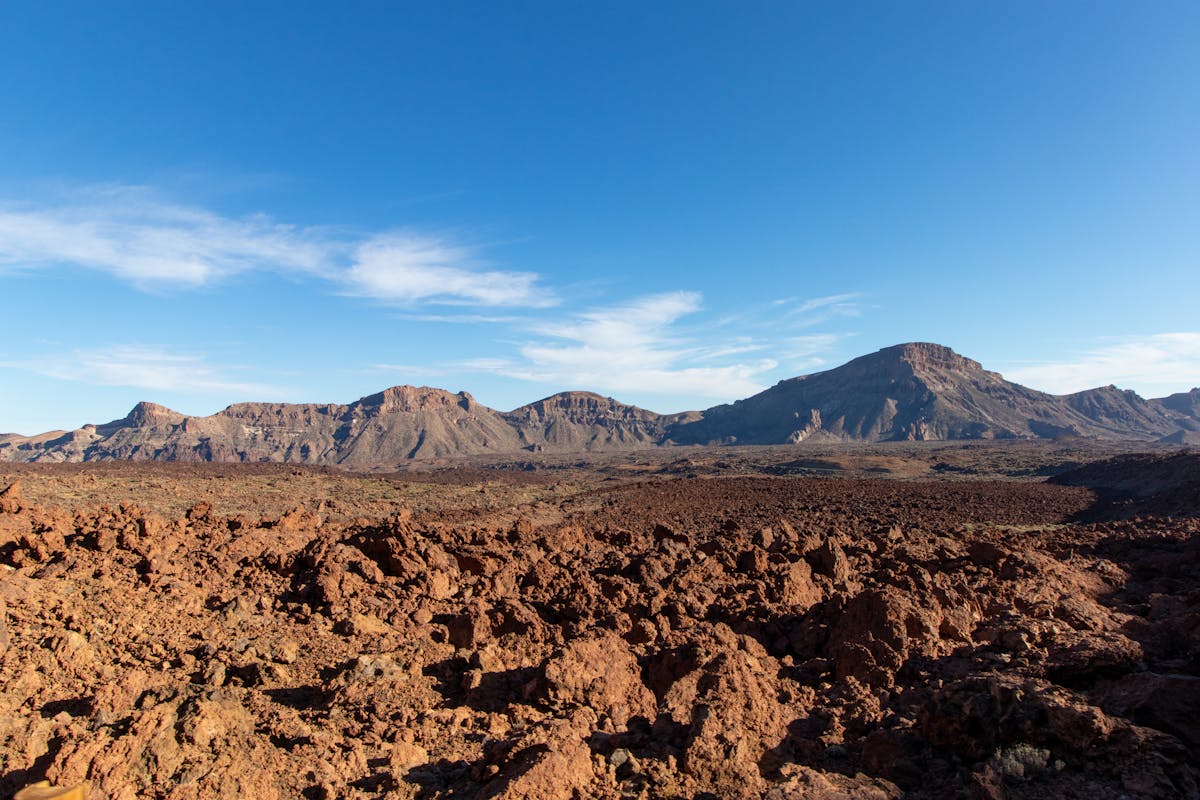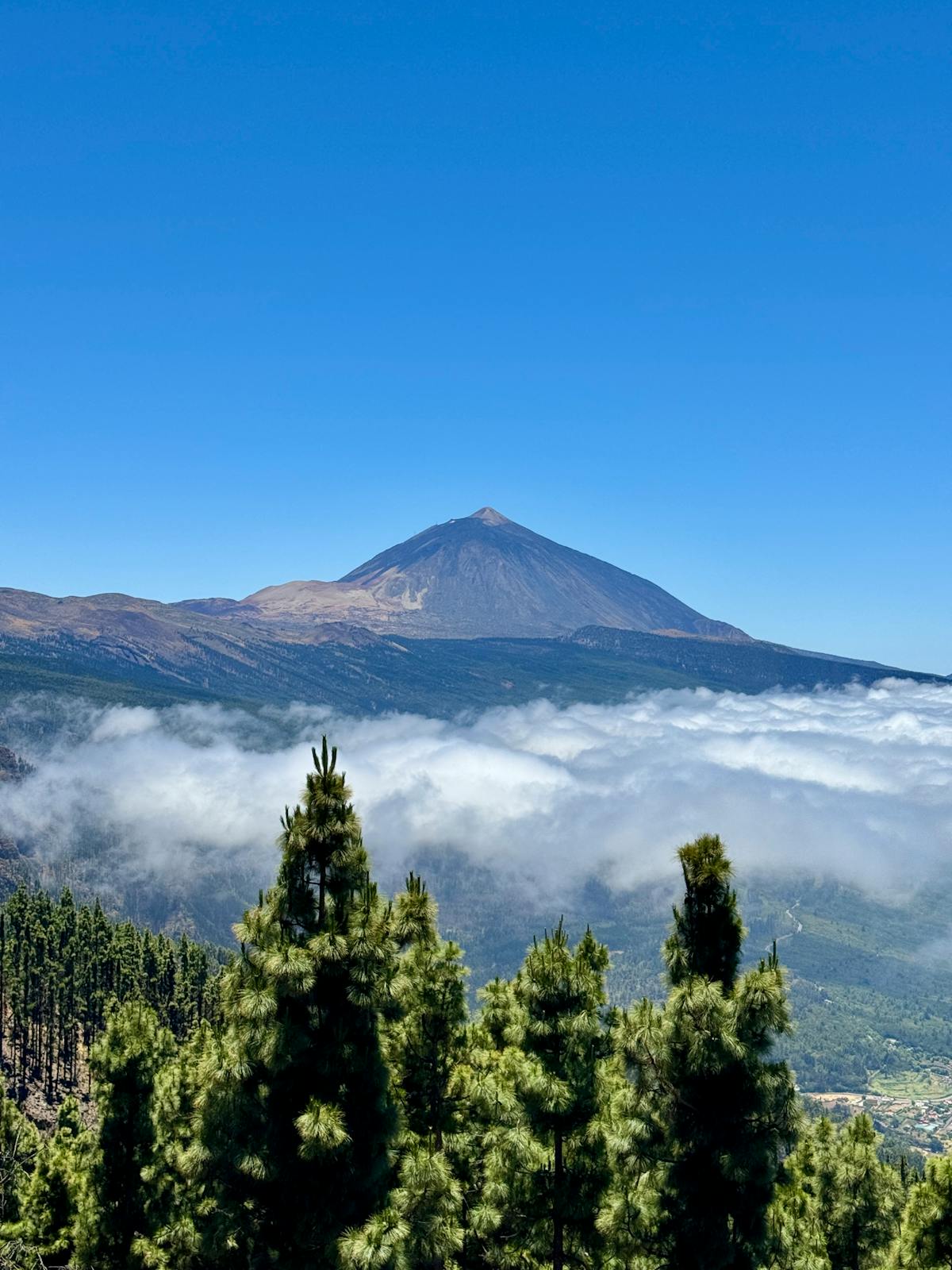
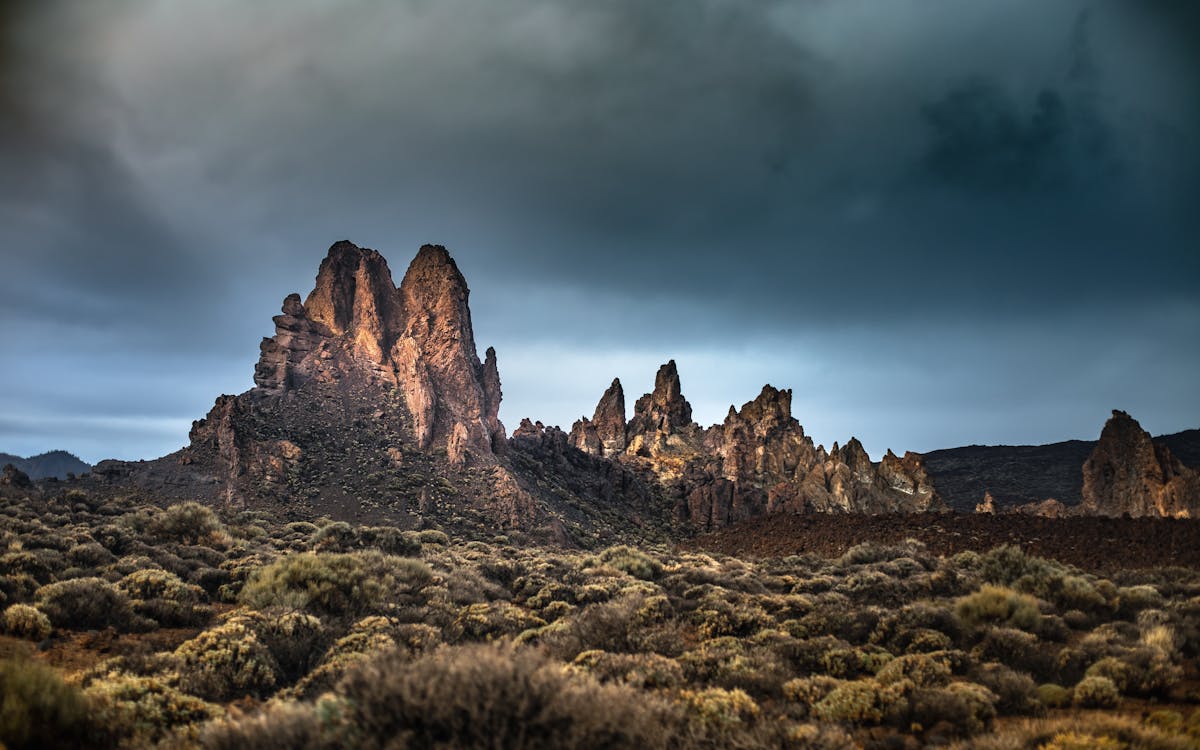
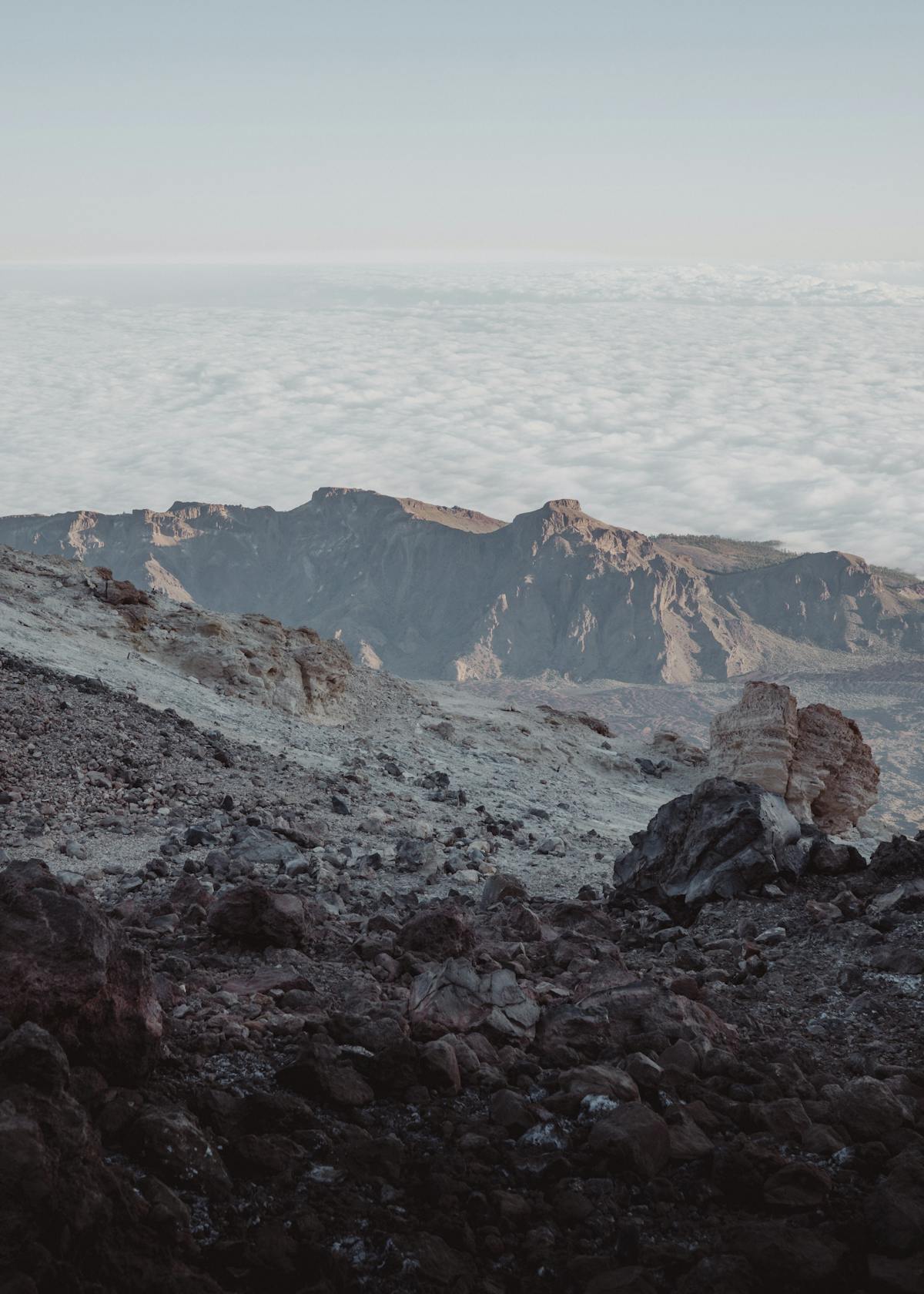
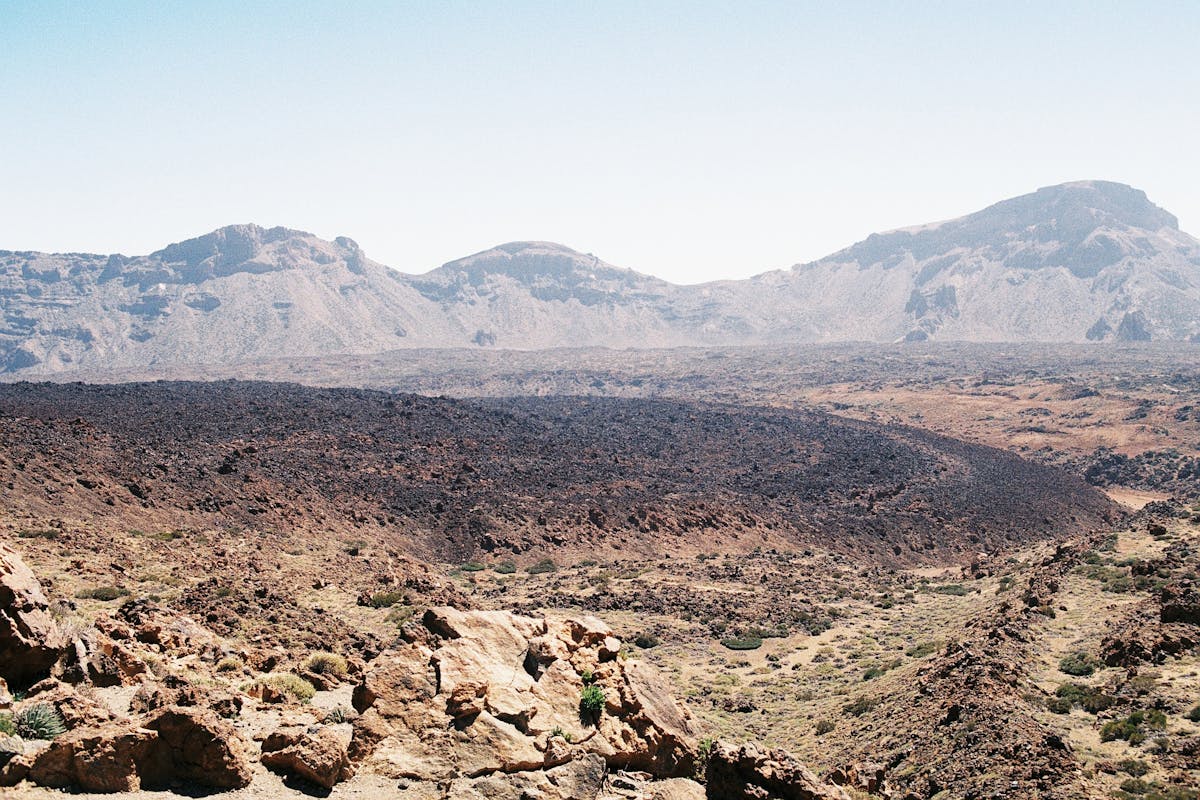
The first thing you notice about Mount Teide is the silence. You drive up from the coast through banana plantations and pine forests, the temperature drops ten degrees in thirty minutes, and then the trees disappear. What replaces them looks like another planet. A vast caldera of twisted lava, pumice fields, and rock formations in colours that don’t seem natural — rust, ochre, charcoal black, pale sulphur yellow. And rising out of the middle of it, the cone of Teide itself, often with its peak poking above a sea of clouds that sits at around 1,500 metres.
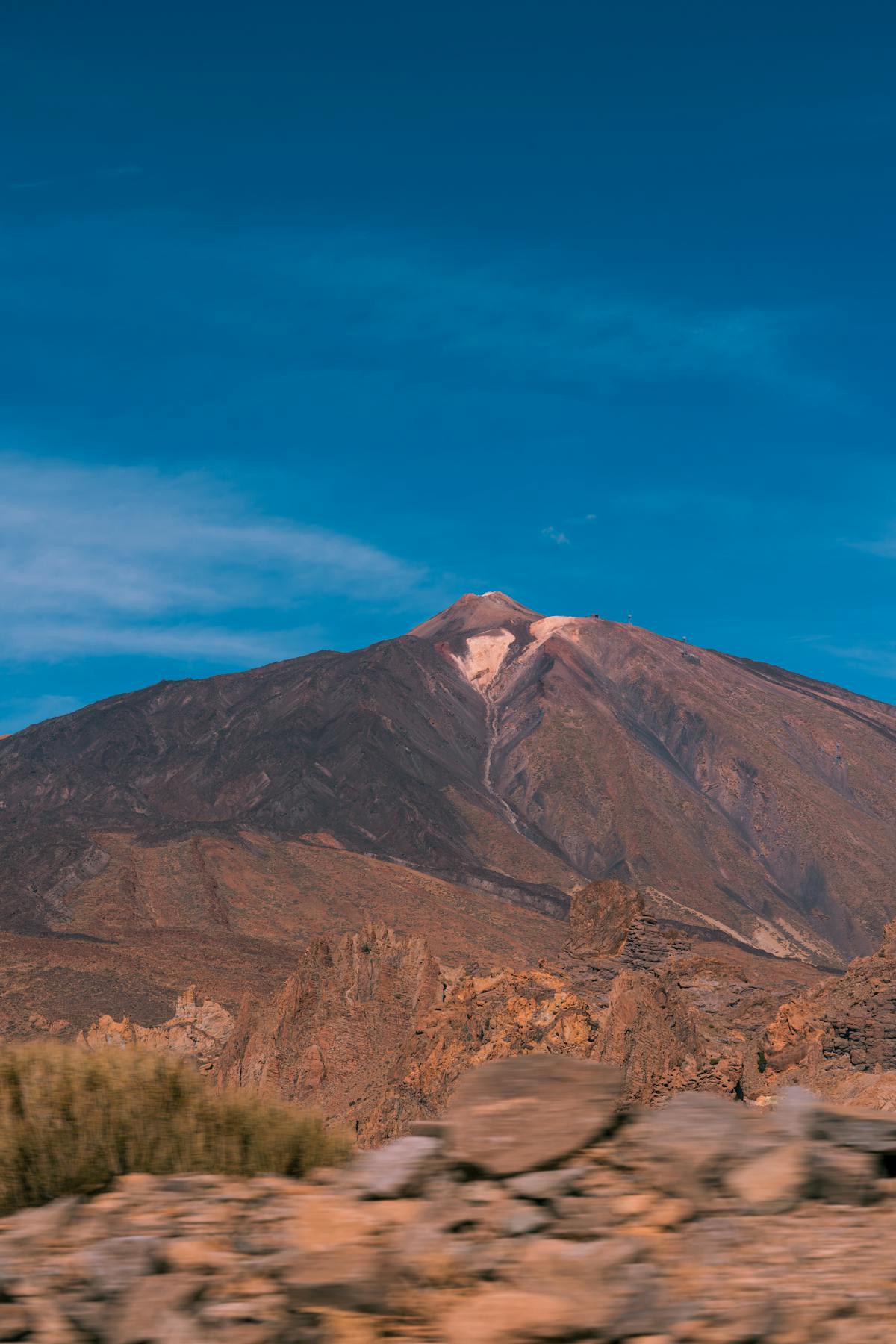
This is Spain’s most visited national park. More people come here each year than to any other protected area in Europe, and the reasons stack up quickly: a volcanic landscape that genuinely looks extraterrestrial, one of the best stargazing sites on the planet (there’s a professional observatory up here for a reason), a cable car that takes you within 200 metres of the summit, and sunset views that stretch all the way to the neighbouring islands of La Gomera, La Palma, and Gran Canaria.
But visiting Teide takes a bit of planning. The cable car sells out. The summit requires a permit. The altitude catches people off guard. And the difference between arriving on a random tour bus versus timing your visit right is the difference between a crowded car park and the kind of experience you think about for years.
I’ve sorted through the tours, worked out the different ways to experience the mountain, and picked five that cover the main things people come here for — the cable car, stargazing, sunset, hiking, and something a bit more adventurous. Below is how to get there, what to expect, and the tours that are worth your time.
In a Hurry? My Top Picks
- Best all-rounder (from $102): Mount Teide Tour with Cable Car Ticket & Transfer — 7 hours, includes hotel pickup, guided tour of the national park, and a cable car ride to the upper station at 3,555 metres. Book this tour
- Best stargazing (from $47): Sunset & Stargazing at Teide National Park — 3-4 hours, watch the sunset from above the clouds and then stargaze with telescopes. Unbeatable value for the experience. Book this tour
- Best premium experience (from $95): Star Safari Sunset & Stargazing with Dinner — 7 hours of sunset, dinner, and guided stargazing with professional telescopes. The full Teide evening. Book this tour
- In a Hurry? My Top Picks
- How to Get to Mount Teide
- Cable Car vs. Summit Permit vs. Guided Tour
- The 5 Best Mount Teide Tours
- 1. Mount Teide Tour with Cable Car Ticket & Transfer — 2
- 2. Sunset & Stargazing at Teide National Park —
- 3. Star Safari: Sunset & Stargazing with Dinner —
- 4. Quad Adventure in Teide National Park —
- 5. Summit Hiking Adventure with Cable Car — 0
- When to Visit Mount Teide
- Tips for Visiting Mount Teide
- More Tenerife Guides
How to Get to Mount Teide
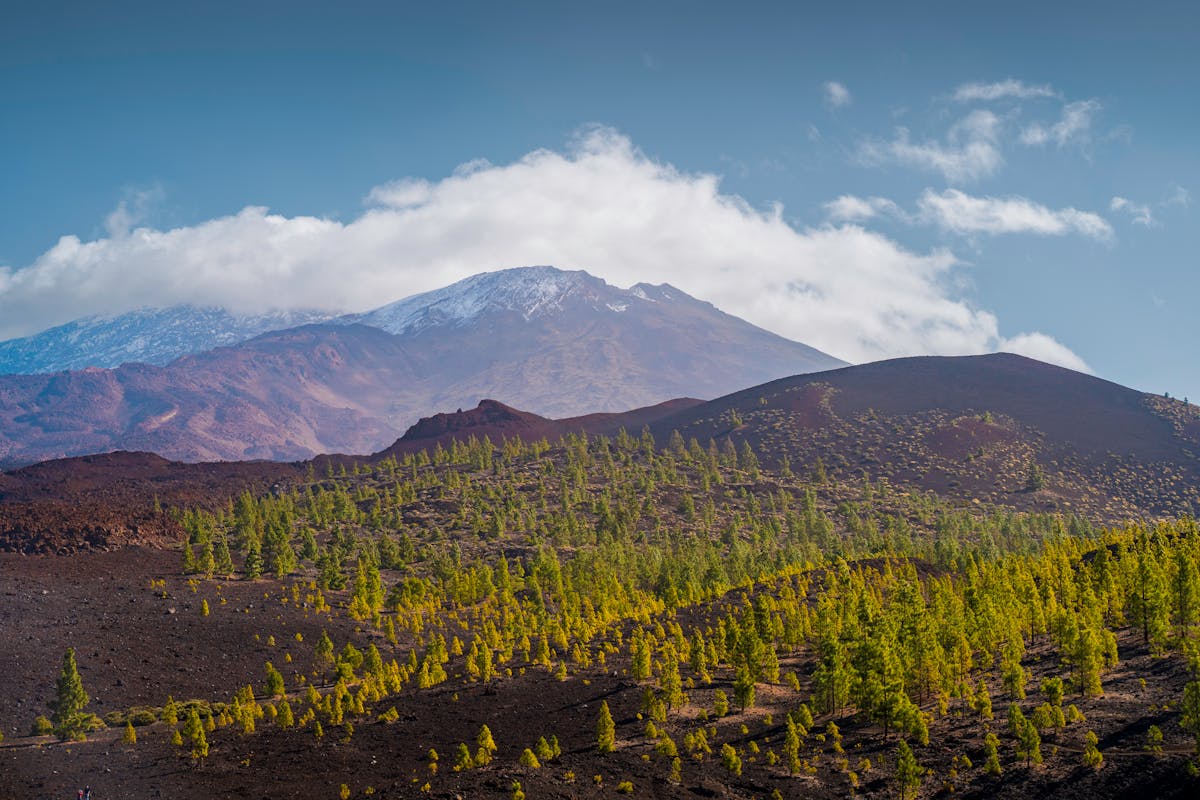
Teide National Park sits in the centre of Tenerife, roughly 45 minutes to an hour from the main resort areas on the south coast. There are three ways up.
By car: The most flexible option. Two main roads climb to the park — the TF-21 from La Orotava in the north, and the TF-21 from the south via Vilaflor. Both are well-maintained mountain roads with sharp switchbacks and no guardrails in places, so take it steady. Parking at the cable car base station fills up by mid-morning during peak season (July, August, Easter), so arrive before 9:30 or after 15:00. There are smaller car parks at the visitor centre and at the Roques de Garcia viewpoint. Rental car is the cheapest way to visit if you already have one for your trip.
By organised tour: Most tours include hotel pickup from the south coast resorts (Costa Adeje, Playa de las Americas, Los Cristianos) and some from the north (Puerto de la Cruz). The advantage is not having to drive the mountain roads yourself and having a guide who knows the park. The disadvantage is being on someone else’s schedule. All five tours I’ve picked below include transfers.
By public bus: TITSA bus line 342 runs from Costa Adeje to the cable car base station, but only a couple of times per day and the journey takes about 75 minutes. Not ideal for flexibility, but it works if you just want to ride the cable car and come back.
Cable Car vs. Summit Permit vs. Guided Tour
This is where most people get confused, so here’s how it works.
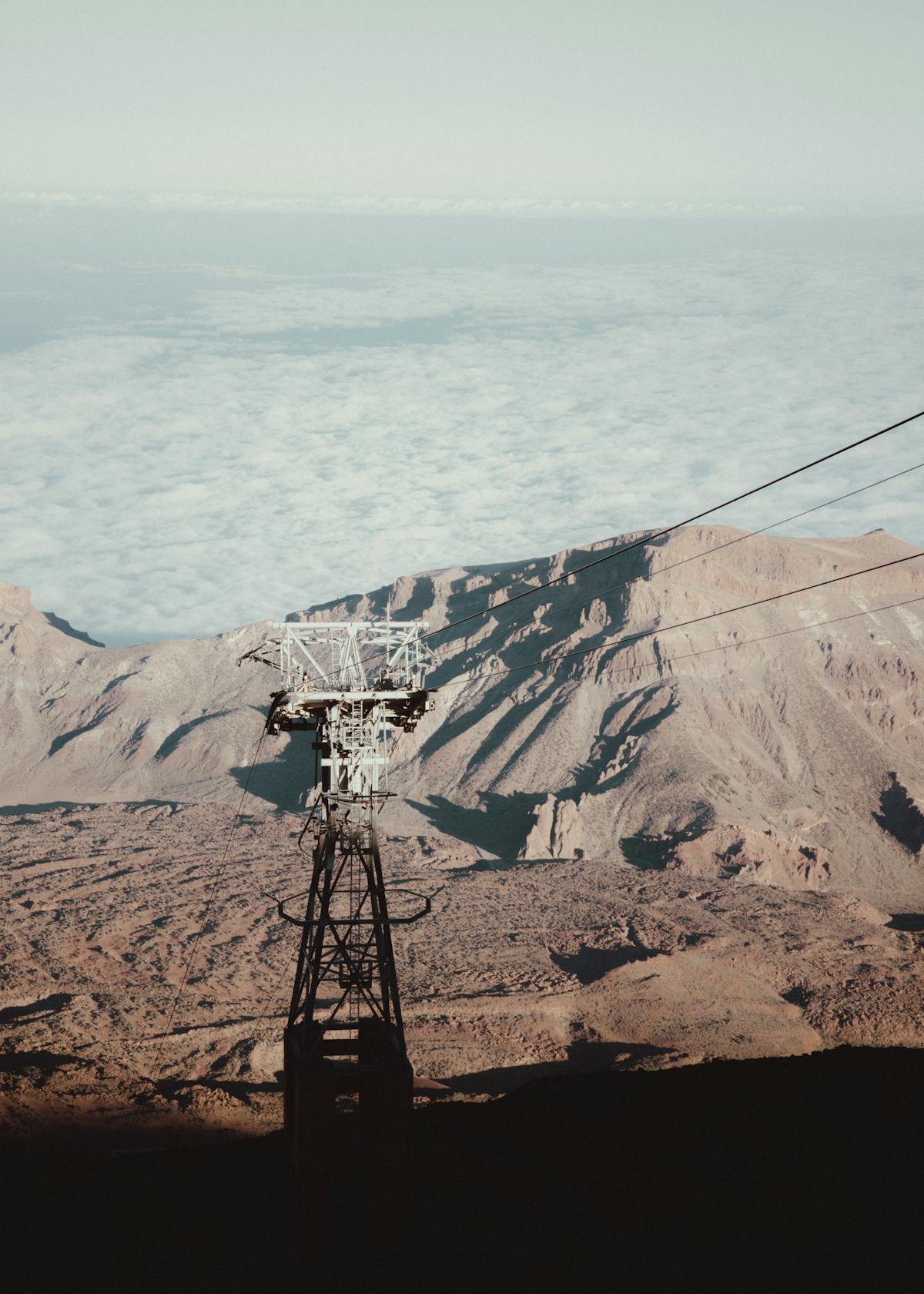
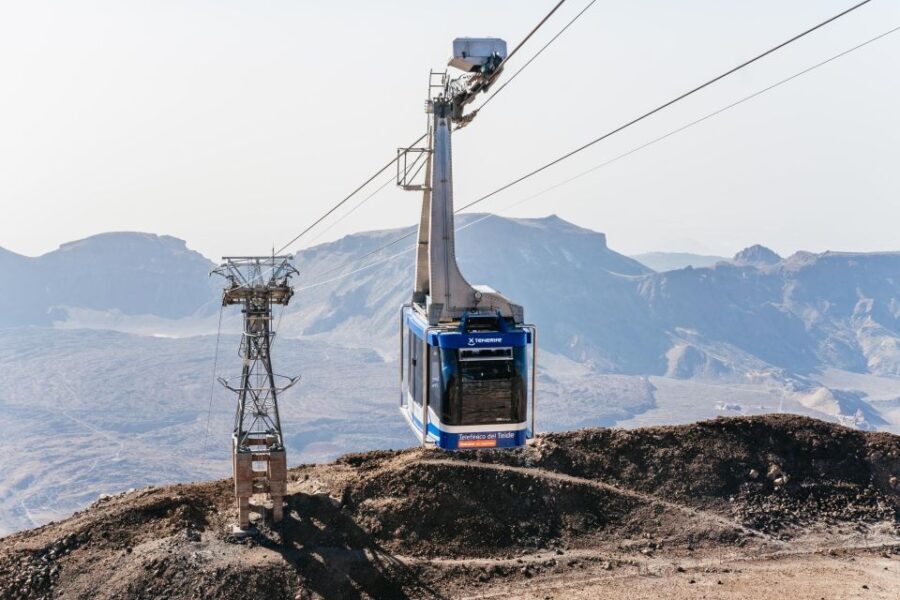
The cable car (Teleferico del Teide) takes you from the base station at 2,356 metres to the upper station at 3,555 metres. The ride takes eight minutes and the views on the way up are staggering — you can see the entire caldera, the coastline, and neighbouring islands on a clear day. A standard return ticket costs around 40 euros if you book directly, but availability is limited and time slots sell out days in advance during busy periods. The cable car does not take you to the summit. It drops you at a viewing platform where you can walk two short trails without any permit.
The summit permit is a free permit issued by the national park authority that allows you to hike from the upper cable car station to the actual summit crater at 3,718 metres. The trail is about 600 metres long and takes roughly 40 minutes each way, gaining 163 metres of elevation. The permit is free but limited to a small number of hikers per day, and you must book it through the national park’s reservation system (reservasparquesnacionales.es) weeks or even months in advance. Each permit is valid for a specific two-hour window. Without it, you cannot pass the checkpoint.
Guided tours with permit included are the easiest route to the summit. Tour operators have allocated permits, so you don’t need to deal with the reservation system yourself. You get the cable car ride, the guided hike to the summit, and someone who knows the trail and the geology. This is what I’d recommend for most visitors who want to reach the top — trying to coordinate the cable car booking, the permit, and the timing on your own is more hassle than it’s worth.
Hiking from the base without the cable car is possible via the Montagna Blanca trail (Trail 7), which starts at around 2,350 metres and reaches the upper cable car station after about 5 to 6 hours. You still need the summit permit to go beyond that point. This route is for experienced hikers who want the full mountain experience and don’t mind 1,400 metres of elevation gain on volcanic scree.
The 5 Best Mount Teide Tours
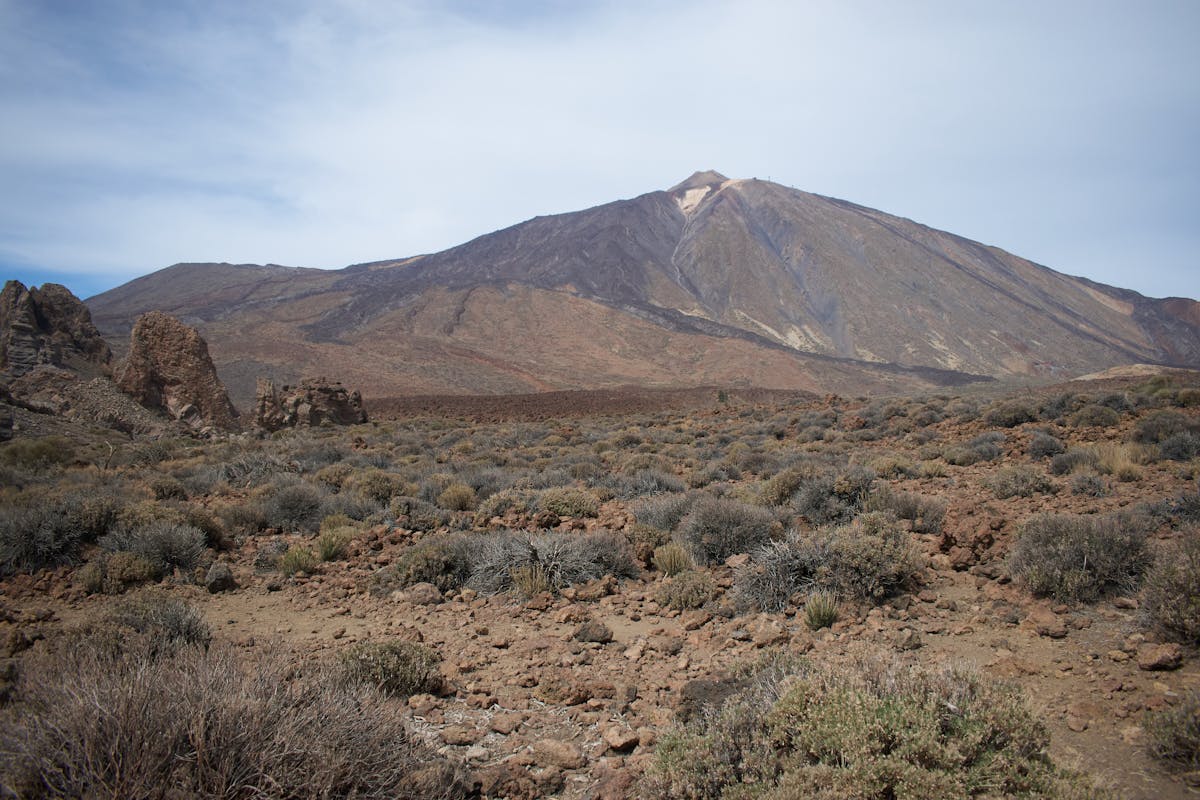
I’ve picked five tours that each offer a different way to experience Teide. A cable car day trip for the classic visit, two stargazing options (budget and premium), a quad bike adventure for something different, and a summit hike for the most ambitious visitors.
1. Mount Teide Tour with Cable Car Ticket & Transfer — $102
Duration: 7 hours | Price: From $102 per person | Includes: Hotel pickup, guided national park tour, cable car return ticket
This is the tour that covers all the essentials in a single day. You get picked up from your hotel in the south, driven up through the pine forests into the caldera, and spend time at the main viewpoints before riding the cable car to the upper station at 3,555 metres. The guide explains the geology, the volcanic history, and points out things you’d drive straight past on your own — lava flows of different ages, endemic plants that grow nowhere else on Earth, and the best angles for photographs.
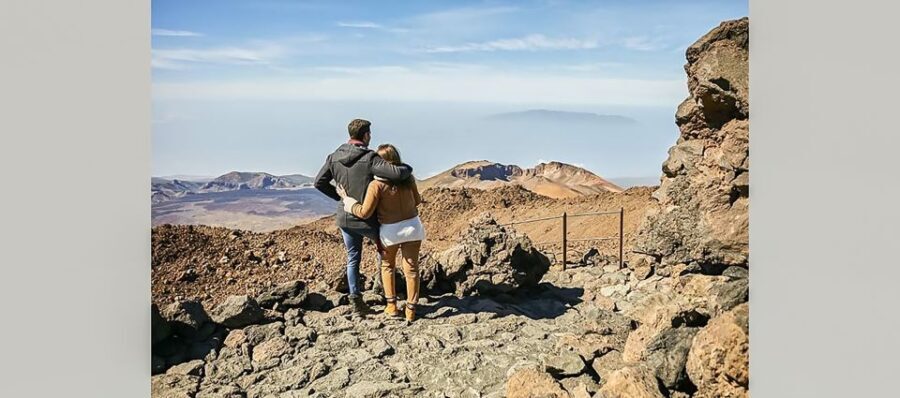
The cable car is the centrepiece. Eight minutes of vertical ascent with the caldera spreading out below you, and at the top, a viewing platform where you can see Tenerife’s coastline, La Gomera, La Palma, and on very clear days, the faint outline of the African coast 300 kilometres away. The two trails at the upper station are short but worth walking — one leads to a viewpoint over the southern coast, the other toward the sulphur vents near the summit.
Seven hours sounds long, but the time goes quickly. The drive up takes about an hour each way, and the rest is split between guided stops in the park, the cable car, and time at the top. You’re back at your hotel by late afternoon. At $102 including the cable car (which costs 40 euros on its own), this represents solid value for a full-day guided experience.
The one thing this tour doesn’t include is the summit permit — you ride the cable car and walk the free trails at the top, but you don’t hike to the actual crater. For that, see tour number 5.
2. Sunset & Stargazing at Teide National Park — $47
Duration: 3-4 hours | Price: From $47 per person | Includes: Guided sunset viewing, stargazing with telescopes
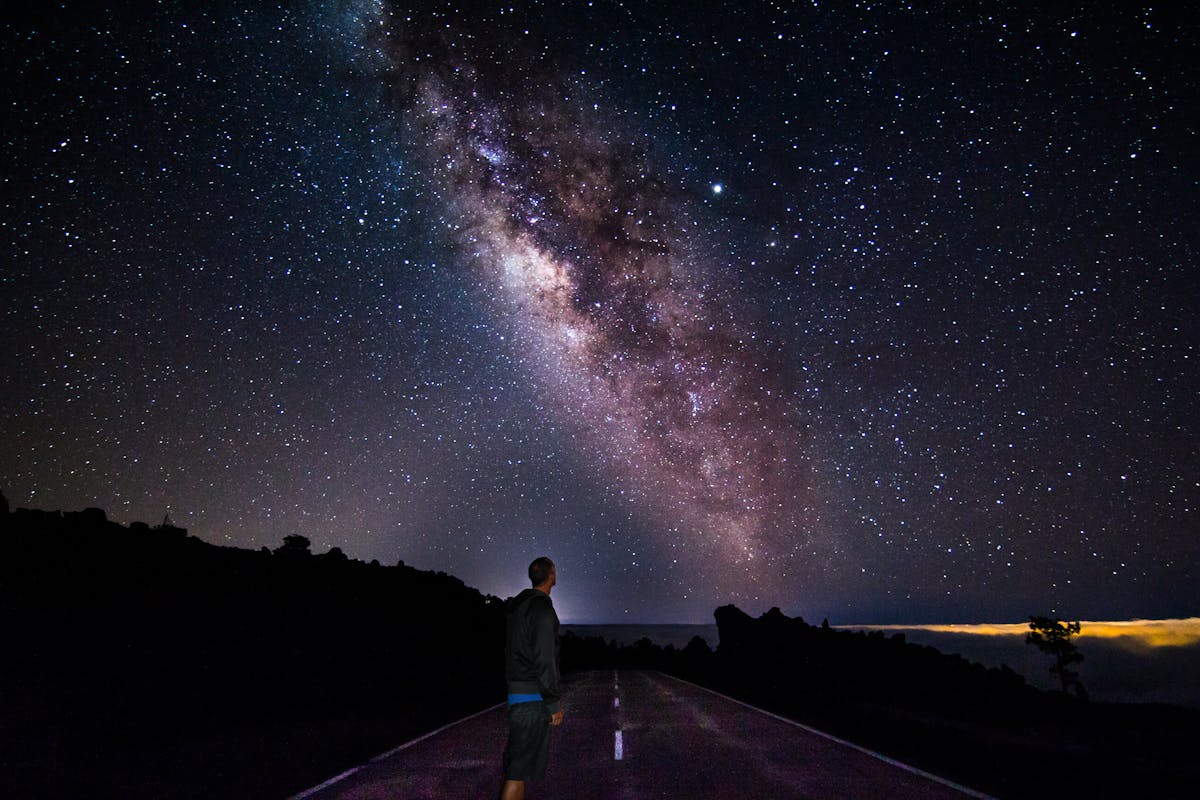
Teide is officially designated a Starlight Reserve, which means the skies here are protected from light pollution by international agreement. The observatory near the summit is used by astrophysicists from around the world, and on a clear night, you can see the Milky Way with your naked eye as a bright band across the sky. This tour takes advantage of that.
You arrive in the park in the late afternoon, in time for the sunset. Watching the sun drop below the horizon from 2,000-plus metres, with the clouds sitting below you and the neighbouring islands silhouetted against the light, is one of those moments that justifies the whole trip to Tenerife. The guide positions the group at one of the better viewpoints — not the obvious tourist pullouts but spots chosen for the best sight lines.
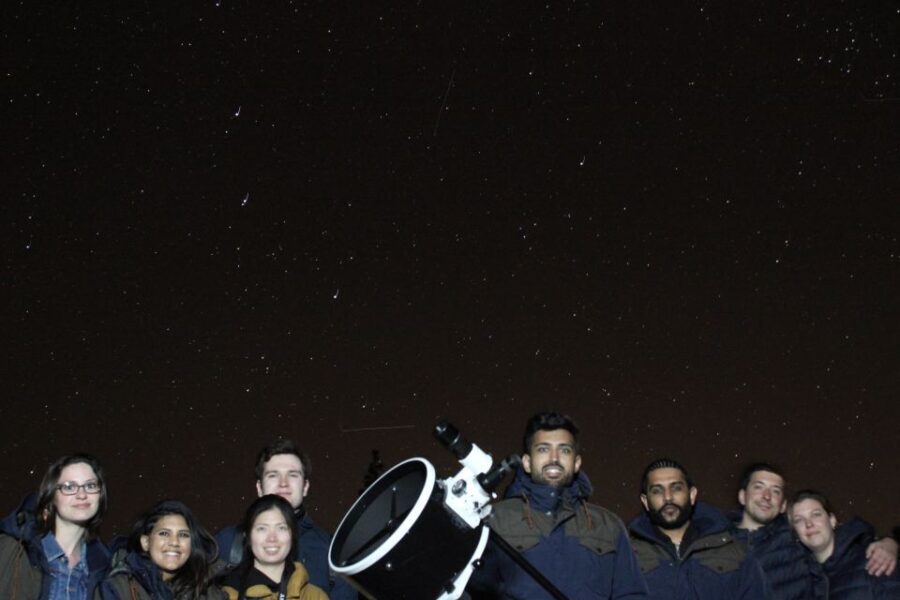
After the sun goes down, the sky darkens quickly at this altitude. Within thirty minutes, the stars begin appearing in a density that’s startling if you’re used to city skies. The guide sets up telescopes and walks you through what you’re seeing — Saturn’s rings, Jupiter’s moons, star clusters, nebulae. The commentary is pitched at regular people, not astronomy students, so you don’t need any background knowledge to enjoy it.
At $47, this is the best value Teide experience on this list. You get two of the mountain’s strongest selling points — the sunset and the stars — for less than the price of a cable car ticket alone. The only trade-off is that you don’t visit the summit or ride the cable car. But honestly, if you could only do one thing at Teide, this is the one I’d pick.
3. Star Safari: Sunset & Stargazing with Dinner — $95
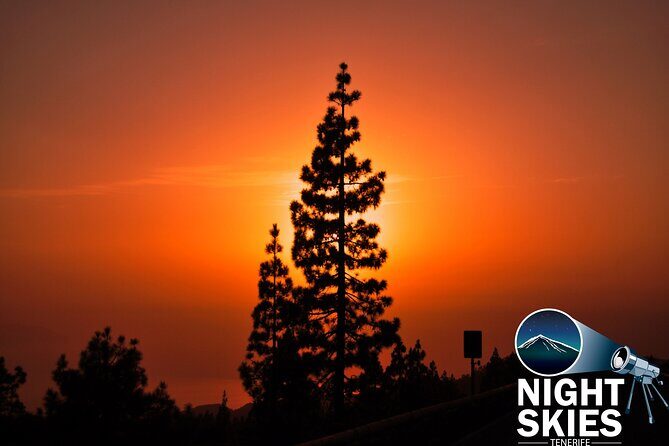
Duration: 7 hours | Price: From $95 per person | Includes: Hotel pickup/return, dinner, sunset viewing, guided stargazing with professional telescopes
This is the upgraded version of the sunset and stargazing experience. Where tour number 2 gives you the essentials in 3-4 hours, the Star Safari turns the evening into a full event — seven hours that include hotel pickup, dinner at a mountain restaurant, sunset viewing from a carefully chosen spot, and an extended stargazing session with larger, better telescopes.
The dinner is a proper sit-down meal, not sandwiches in a car park. It’s served at a restaurant in the highlands before you reach the park, and it gives the evening a different rhythm. You eat while the sun is still up, then drive into the park as the light starts changing, which means you arrive at the sunset viewpoint relaxed and fed rather than rushed.
The stargazing portion runs longer than the budget tour and uses higher-quality equipment. The guides are astronomy specialists who adjust the programme based on what’s visible that particular night — planetary alignments, meteor shower timing, seasonal constellations. If conditions are right, they’ll point the telescope at deep-sky objects like the Andromeda Galaxy or the Orion Nebula and explain what you’re looking at in terms that actually make sense.
At $95, you’re paying roughly double the budget stargazing tour. The question is whether the dinner, longer duration, better telescopes, and hotel transfer justify the difference. If the stars are the main event of your Tenerife trip, they do. If it’s one activity among many, the $47 option covers the highlights perfectly well.
4. Quad Adventure in Teide National Park — $94
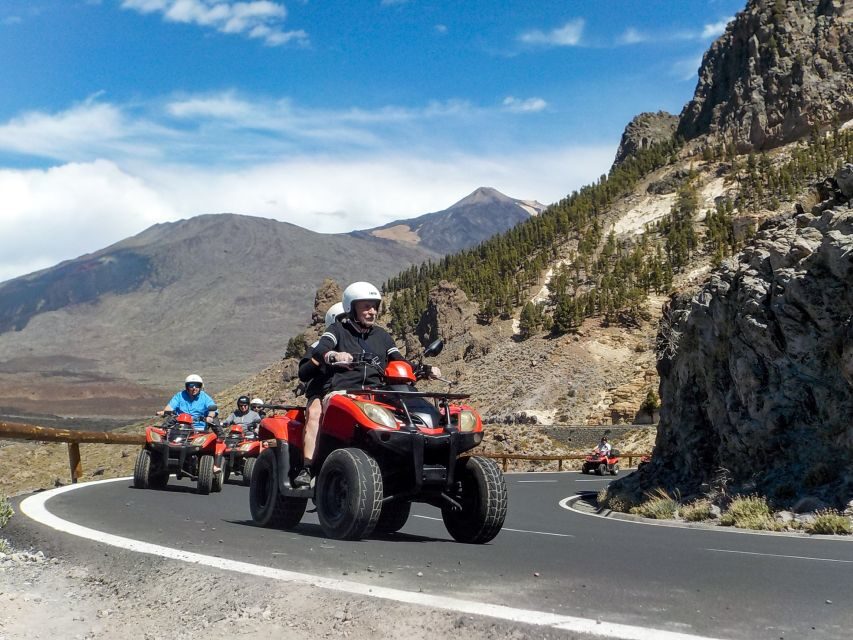
Duration: 4 hours | Price: From $94 per person | Includes: Quad bike, guide, route through national park trails
Not everyone wants to stand at a viewpoint and nod while a guide talks about geological formations. If that’s you, the quad adventure offers a completely different way to experience the Teide landscape — on four wheels, on volcanic trails, with dust and engine noise instead of hushed reverence.
The route runs through the outer edges of the national park and surrounding areas, covering terrain that you’d never see from the main tourist roads. Volcanic tracks, pine forest trails, and highland paths with views across the caldera. The quads are automatic and no experience is needed, though the terrain is rough in places and you’ll feel it. Expect to get dusty.
Four hours is a good length for this type of activity. Long enough to cover serious ground and reach viewpoints that regular tours don’t visit, short enough that it doesn’t turn into an endurance test. There are stops for photos and to take in the scenery, so it’s not four straight hours of riding.
This is the tour for couples or groups of friends who want something active and physical rather than a bus-window experience. It’s also genuinely fun — there’s something about riding a quad bike through a volcanic landscape at altitude that doesn’t get old, even after a couple of hours. The one caveat: it’s not suitable for young children or anyone with back problems, and you’ll want closed-toe shoes and clothes you don’t mind getting dirty.
5. Summit Hiking Adventure with Cable Car — $160
Duration: Full day | Price: From $160 per person | Includes: Cable car ticket, summit permit, guided hike to the crater
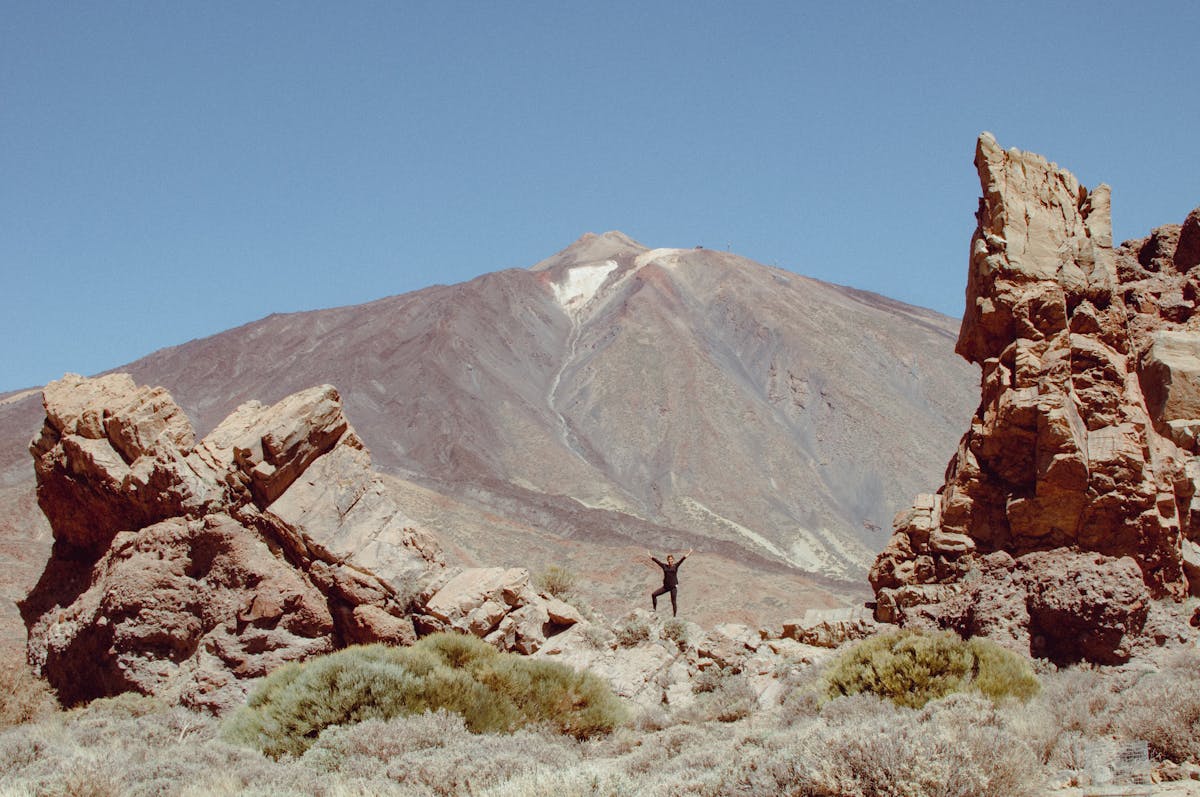
This is the one for people who want to stand at the highest point in Spain. The guided summit hike includes something that makes the $160 price tag worthwhile on its own: the summit permit. Getting this permit independently through the national park website requires booking weeks or months ahead, checking availability obsessively, and hoping your preferred date hasn’t already sold out. The tour operator has allocated permits, which removes all that friction.
The day starts with the cable car ride to the upper station at 3,555 metres. From there, the guided hike follows Trail 10 (Teleferico-Pico del Teide) upward for about 600 metres to the summit crater at 3,718 metres. The path is steep and the surface is loose volcanic gravel, but it’s a maintained trail, not a scramble. Most reasonably fit people can manage it. The altitude is the main challenge — at nearly 3,800 metres, the air is thinner and you’ll feel it in your lungs and your legs.
At the top, the crater steams with sulphur vents, and the views are the best on the island. You can see the entire archipelago on a clear day — Gran Canaria, La Gomera, La Palma, El Hierro. The guide explains the volcanic geology and gives you time to take it all in before heading back down. The descent is easier, obviously, and you take the cable car back to the base.
A few important notes: this tour has a fitness requirement. The altitude affects people differently, and if you have respiratory or cardiac issues, this isn’t the right choice. Bring warm layers (it can be freezing at the summit even when the coast is 25 degrees), sun protection (UV is intense at this altitude), and plenty of water. The guide will have basic supplies, but don’t rely on that.
When to Visit Mount Teide
Teide National Park is open year-round, but conditions change dramatically by season.
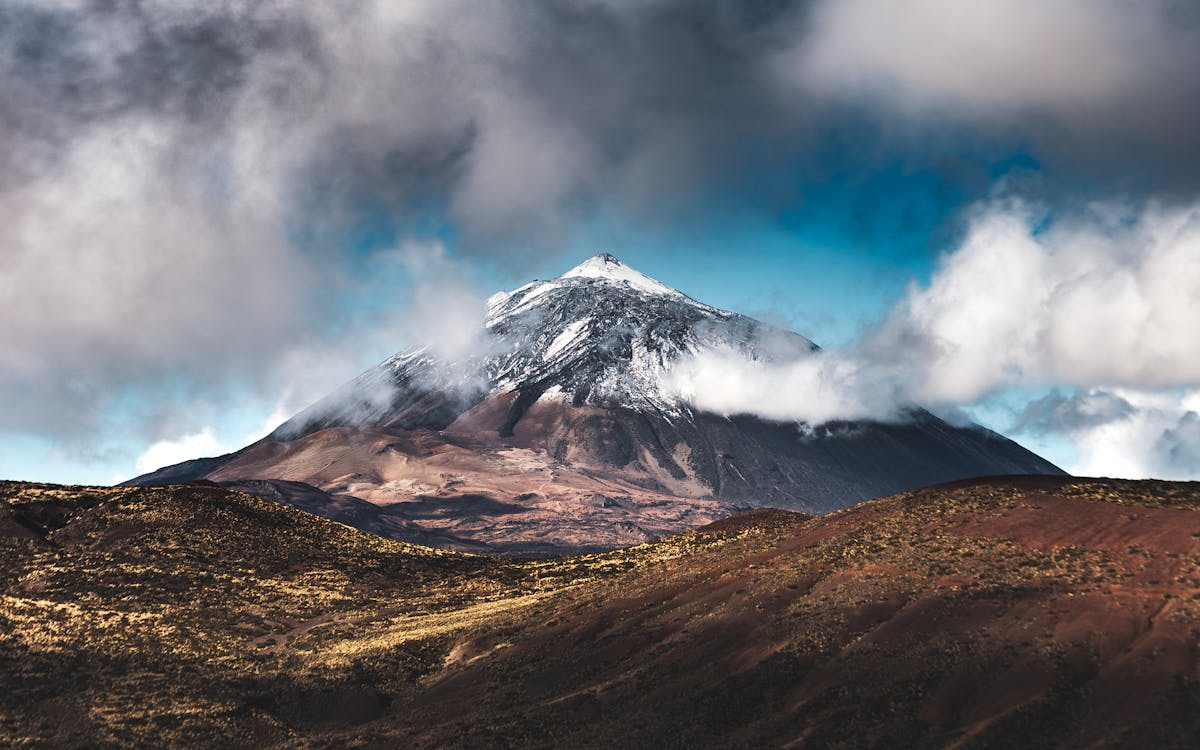
November to March: The summit can have snow, and the cable car closes intermittently due to high winds or ice. Temperatures at the base station hover around 5-10 degrees Celsius during the day and drop well below freezing at night. If you’re planning a stargazing tour, this is actually a great time — the winter sky in the Canary Islands is spectacular, with Orion high overhead and the Milky Way visible on moonless nights. But check cable car status before driving up, because cancellations happen without much warning during winter storms.
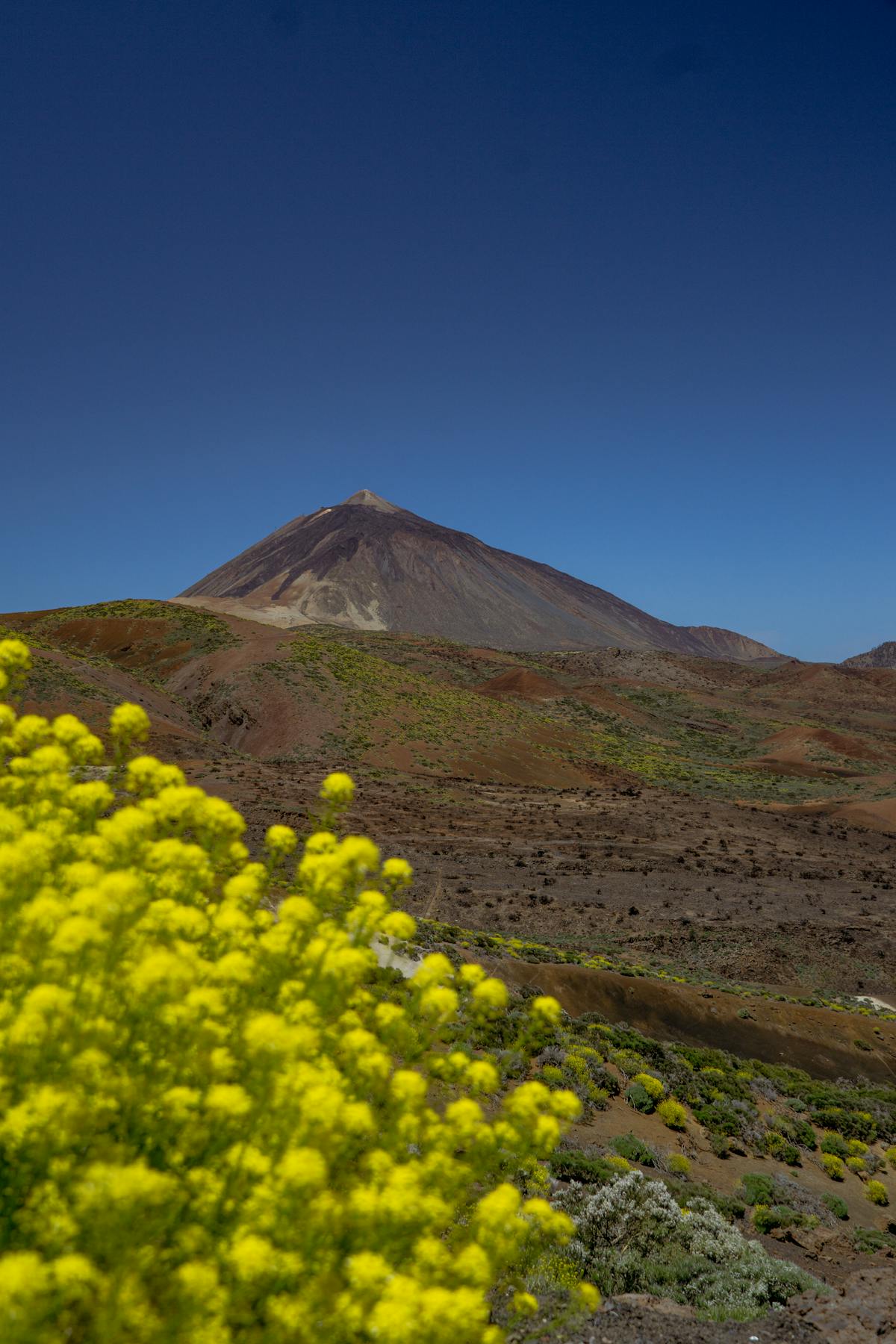
April to May: The sweet spot for most visitors. Wildflowers bloom across the caldera floor, temperatures are mild (10-18 degrees at park altitude), the cable car runs consistently, and summer crowds haven’t arrived yet. Late May is when the endemic Teide bugloss — a striking blue-purple plant that grows up to three metres tall — flowers in the national park. If you like landscapes with colour, aim for this window.
June to September: Peak season. The weather is reliable, the cable car runs all day, and the summit trail is in its best condition. The trade-off is crowds. The car parks fill up early, cable car time slots book out days in advance, and the main viewpoints can feel like an airport departure lounge by midday. Book everything as far ahead as possible. Morning visits beat afternoon ones for both crowd levels and photography light.
October: An underrated month. Summer crowds thin out, the weather holds, and the autumn light gives the caldera a warmer tone than the bleaching midday sun of July and August. Cable car availability is good and the roads are quiet. If your trip dates are flexible, this is when I’d go.
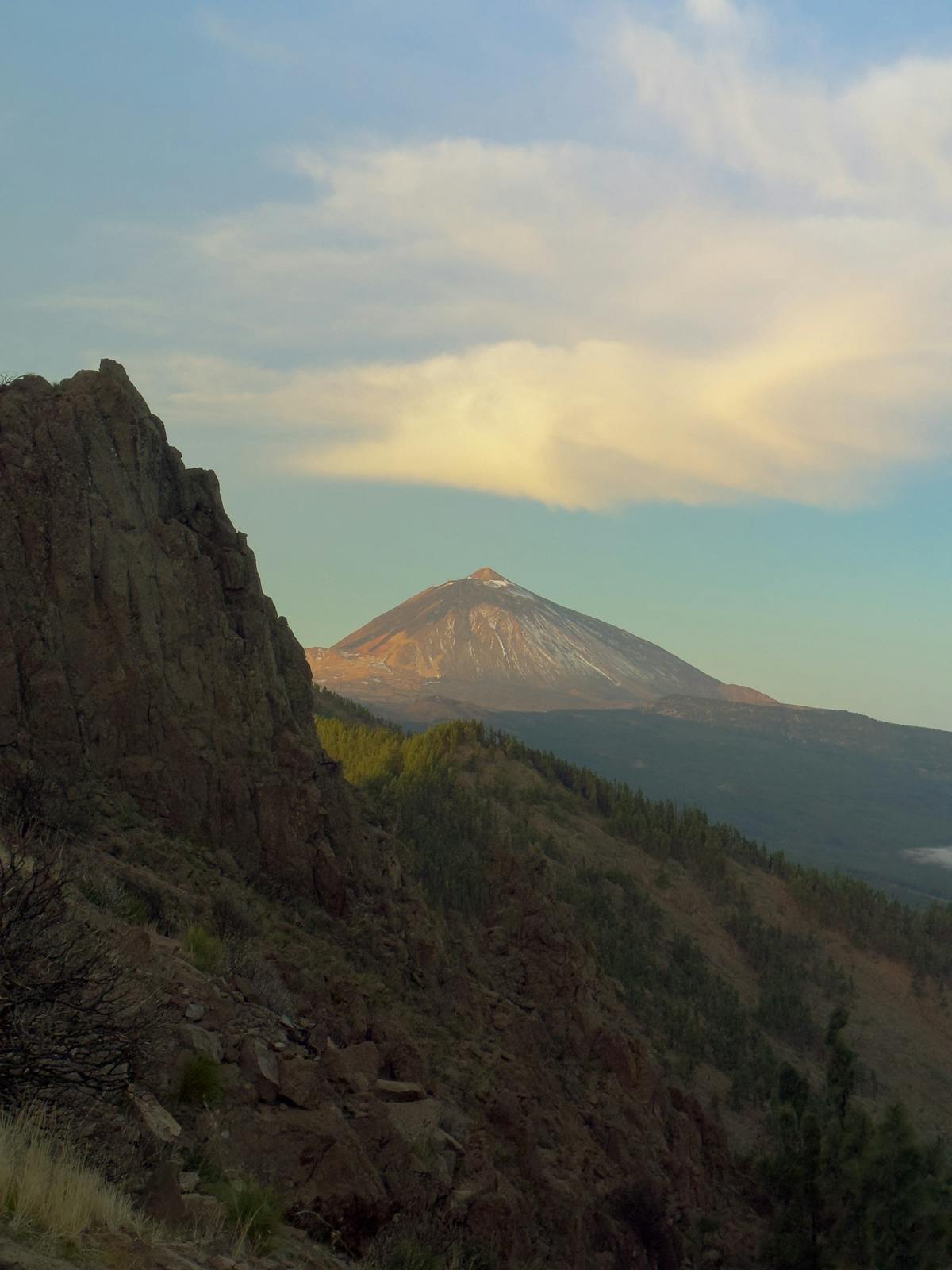
Time of day: Sunrise and sunset are the magic hours at Teide. The caldera transforms completely when the sun is low — shadows deepen, rock colours intensify, and the cone throws a perfect triangular shadow across the landscape. For daytime visits, arrive before 10:00 to beat the tour buses. For stargazing, the tours handle the timing for you.
Tips for Visiting Mount Teide
Altitude is the biggest underestimated factor. The cable car takes you from 2,356 to 3,555 metres in eight minutes. That’s a rapid gain, and some people feel dizzy, short of breath, or headachy at the upper station. Drink plenty of water, move slowly for the first few minutes at the top, and don’t push yourself if you feel unwell. The effects are usually mild and pass quickly, but people with heart or lung conditions should consult a doctor before visiting the summit area.
Dress in layers. The coast might be 28 degrees when you leave your hotel. The base station will be 15. The upper cable car station can be 5 degrees with wind chill making it feel colder. Bring a proper jacket, not just a hoodie. Gloves are useful at the summit in any month outside of high summer.
Book the cable car in advance. Walk-up tickets exist but are limited, and during busy periods you might wait two or three hours or get turned away entirely. Online booking through the Teleferico del Teide website lets you choose a time slot and guarantees your ride. The earliest slots are the best — fewer people, clearer skies.
Summit permit logistics. If you want to reach the actual peak (3,718 metres) under your own steam, you need the free permit from reservasparquesnacionales.es. Permits open about two months ahead and popular dates (weekends, holidays) sell out within days. The easier route is booking a guided summit tour that includes the permit — that’s what tour number 5 on this list offers.
Bring food and water. There is a cafe at the cable car base station, but nothing at the top. If you’re spending a full day in the park, pack lunch and at least a litre of water per person. The dry air and altitude dehydrate you faster than you’d expect.
Sun protection is critical. UV radiation at 3,500 metres is roughly 30 percent stronger than at sea level. Sunscreen, sunglasses, and a hat are non-negotiable, even on cloudy days when the UV still cuts through.
Fill up your petrol tank before driving up. There are no fuel stations in the national park, and the mountain roads burn more fuel than flat coastal driving. The last reliable stations are in Vilaflor (coming from the south) or La Orotava (from the north).