
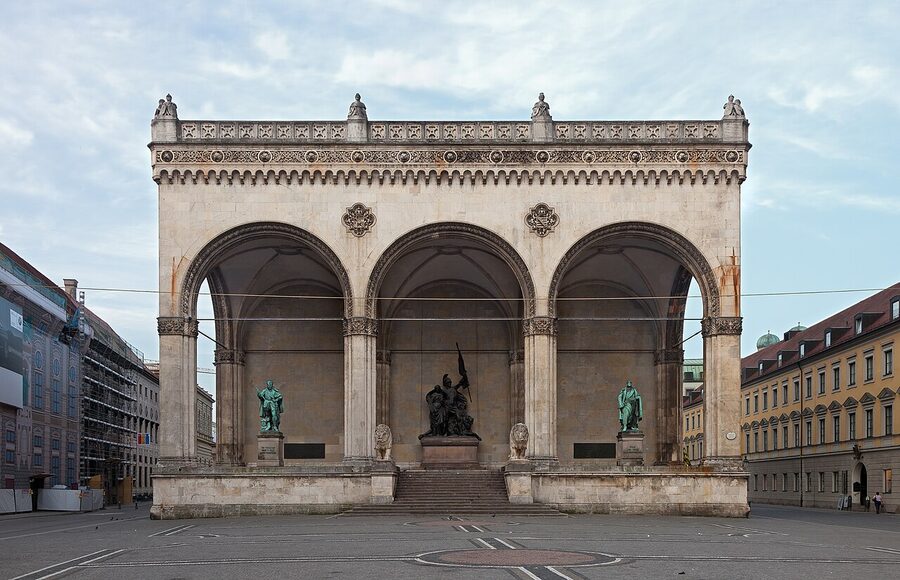
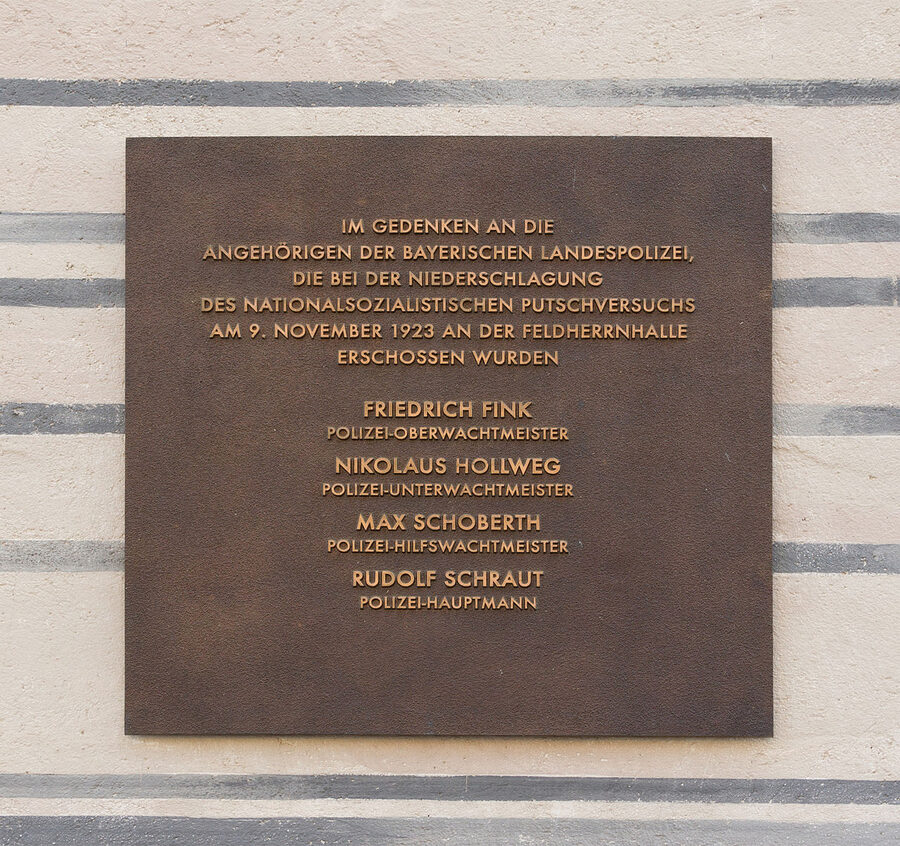
In November 1923, Adolf Hitler and 2,000 armed supporters marched from a Munich beer hall toward the Feldherrnhalle on Odeonsplatz. Bavarian state police opened fire. Sixteen Nazis and four policemen died. Hitler hid out in a nearby villa for two days, then went to prison for five months. The plan to overthrow the German government failed spectacularly.
Ten years later he was Chancellor of Germany. The city where the Nazi party was born is still walkable — same streets, same beer hall, same cobblestones outside the Feldherrnhalle. Munich Third Reich walking tours spend 2.5 hours connecting those dots. Here’s how they work, which guide to pick, and what you’ll actually see.



In a Hurry? The Three Munich Third Reich Walking Tours
- Best overall: Munich: Third Reich & WWII Walking Tour — from €31. 2.5 hours, 6,000+ reviews, the standard market leader.
- Viator alternative: Third Reich Walking Tour Munich (Viator) — from €46. Same route, different guide company, slightly smaller groups.
- Slightly deeper: Birthplace of the Third Reich Guided Walking Tour — from €29. 2.5 hours, focuses on pre-1933 Nazi origins rather than wartime Munich.
- In a Hurry? The Three Munich Third Reich Walking Tours
- Why Munich Matters for Nazi History
- How Much Munich Was Destroyed in WWII
- The Best Munich Third Reich Walking Tours
- 1. Munich: Third Reich & WWII Walking Tour — from €31
- 2. Third Reich Walking Tour Munich (Viator) — from €46
- 3. Birthplace of the Third Reich Walking Tour — from €29
- What the Tour Covers — Stop by Stop
- Start: Marienplatz
- Stop 1: The Viscardigasse
- Stop 2: Odeonsplatz and the Feldherrnhalle
- Stop 3: The Führerbau / Music School
- Stop 4: The Königsplatz Parade Ground
- Stop 5: Braunes Haus Site
- Stop 6: Bürgerbräukeller / Hofbräuhaus
- After the Tour — Going Deeper
- The NSDAP Archive Building (Access Limited)
- When to Book
- What to Wear
- How Munich Compares to Berlin for WWII Tourism
- Combining with Dachau
- Getting to the Meeting Point
- Other Munich Things Worth Doing
- Practical Questions
- Pairing with Other Bavaria Trips
- The Short Version
Why Munich Matters for Nazi History
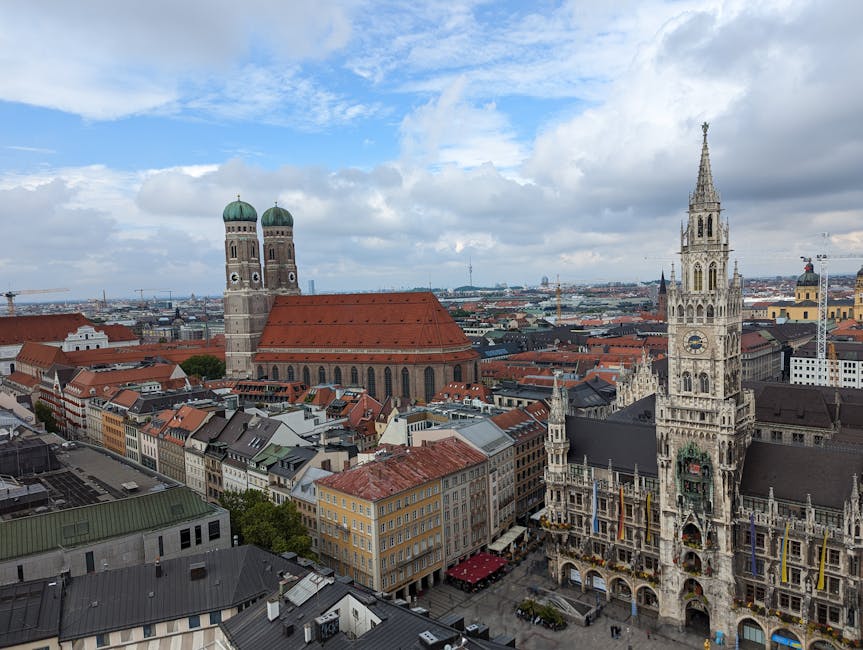
Hitler moved to Munich in 1913, joined what became the Nazi Party in 1919, and ran the movement out of the city until he went to Berlin in 1933. Between 1923 (the Beer Hall Putsch) and 1933 (becoming Chancellor) Munich was the Nazi movement’s headquarters. Even after the capital moved to Berlin, Munich kept the ceremonial title “Hauptstadt der Bewegung” — “Capital of the Movement.”
What this means for visitors: Munich has more intact Nazi-era civic architecture than Berlin, which got bombed into rubble. The Königsplatz was redesigned by Hitler’s favourite architect Paul Ludwig Troost between 1933 and 1935 and is still there. The old Nazi Party headquarters is a music school. The Haus der Kunst (a major Munich art museum) was built by the Nazis in 1937 and operates today with its original facade intact.
The walking tours stitch all these buildings into a coherent story. It’s harder to do in Berlin — too much was destroyed or hidden behind newer buildings.
How Much Munich Was Destroyed in WWII
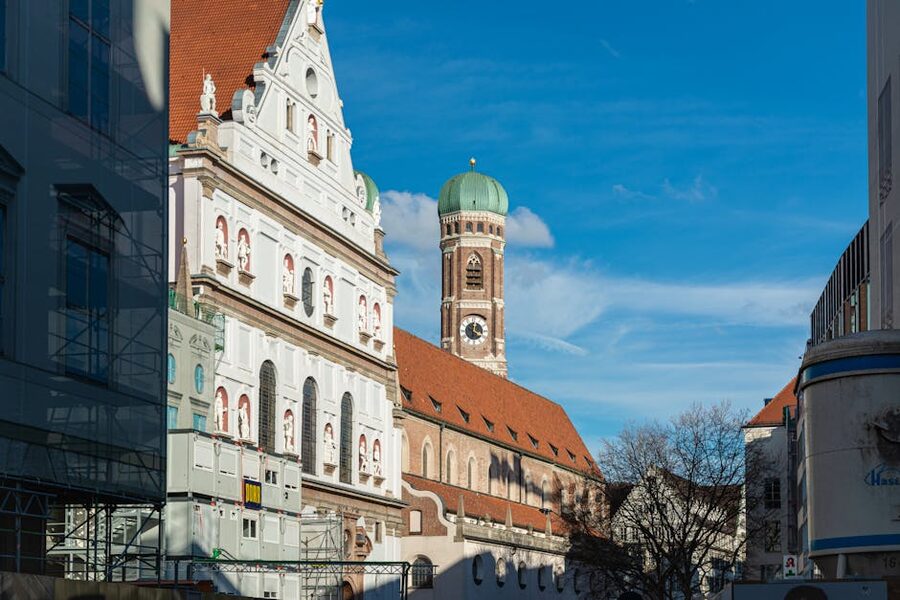
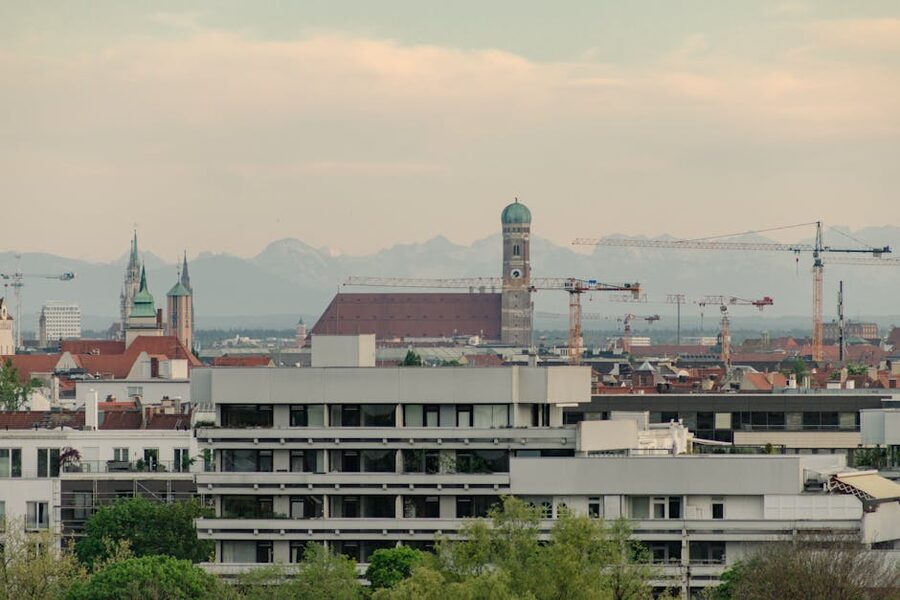
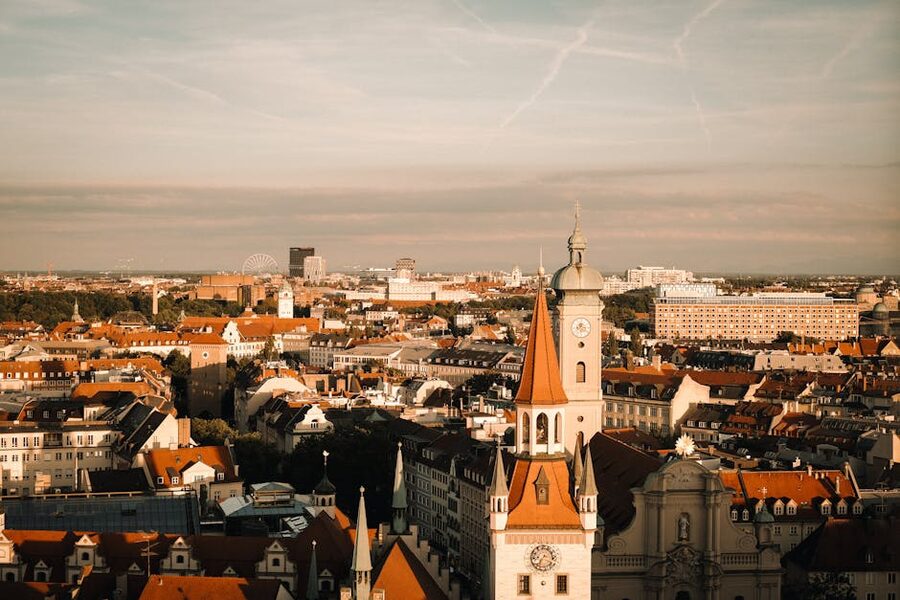
About 90% of the central city. The Frauenkirche towers you see on the skyline survived because Allied bombers used them as a navigation reference. Most other central buildings — including the Feldherrnhalle, the Rathaus, the Residenz — were damaged or destroyed and rebuilt after 1945. The Nazi-era buildings on Königsplatz survived because they weren’t priority bombing targets. Postwar Munich faced the awkward question of what to do with authentic Nazi architecture. Most buildings got repurposed rather than demolished — which is why the tour is so rich.
The Best Munich Third Reich Walking Tours
1. Munich: Third Reich & WWII Walking Tour — from €31
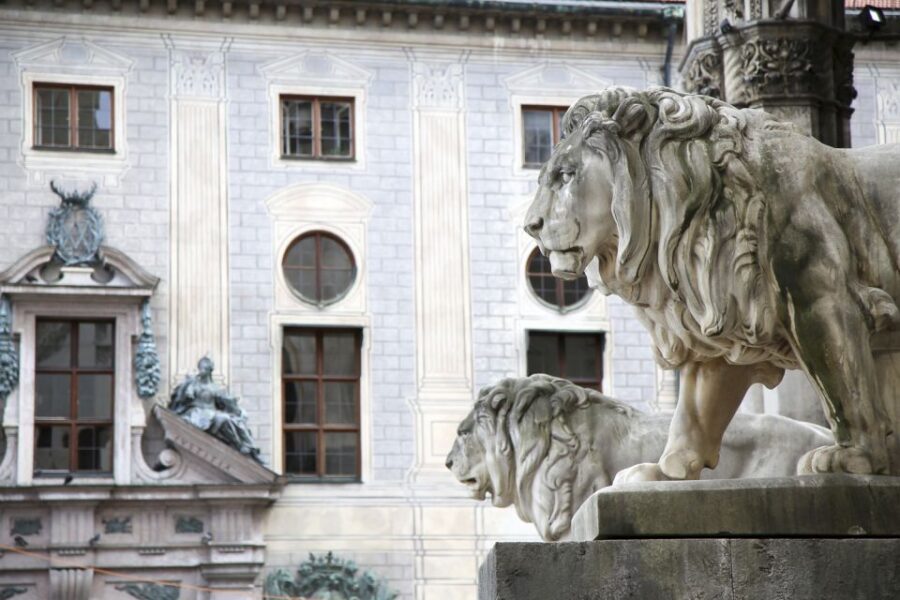
Standard market-leading option. Covers Marienplatz, Odeonsplatz, the Feldherrnhalle, the Gestapo headquarters site, the former Nazi Party HQ, the old Party publishing house, and the Königsplatz parade ground. Guides are typically Munich history graduates, occasionally archaeologists. Group size capped at 25. Our full review covers meeting points and guide quality.
2. Third Reich Walking Tour Munich (Viator) — from €46
If the main tour is sold out or you prefer smaller groups, this is the alternative. Guides are independent contractors with strong English and the tour is run under the Radius Tours franchise. Our review compares the two options directly.
3. Birthplace of the Third Reich Walking Tour — from €29
Slightly different angle: more weight on 1919-1933 (the Munich years) and less on wartime. If you’ve already done a general Nazi-history tour in Berlin, this variant fills in the Munich-specific prequel. Our review has the exact itinerary.
What the Tour Covers — Stop by Stop
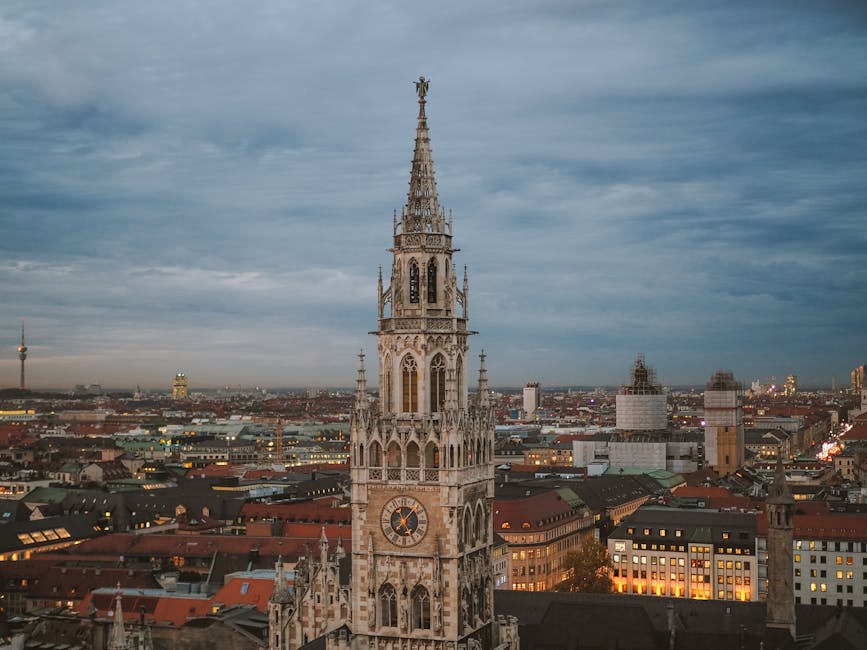
All three tours follow slightly different routes but hit roughly the same 8-10 stops. Here’s the standard sequence:
Start: Marienplatz
Brief introduction to Munich in 1918-1919. The post-war city was chaotic — briefly a communist Soviet Republic, then a right-wing nationalist stronghold. The conditions that let a fringe party like the Nazis take root are the starting context.
Stop 1: The Viscardigasse
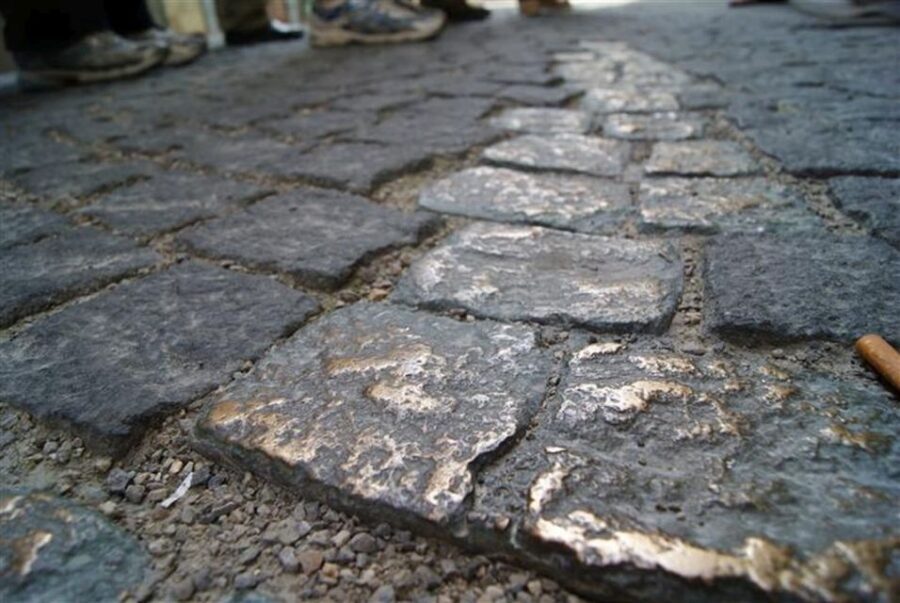
An alley behind the Residenz that became a resistance symbol. After the 1934 mandatory Hitler salute law, Munich residents who wanted to avoid saluting the Feldherrnhalle took this alley as a shortcut. Postwar, a bronze path called the “Drückebergergässchen” (shirker’s alley) was set into the pavement to commemorate them.
Stop 2: Odeonsplatz and the Feldherrnhalle
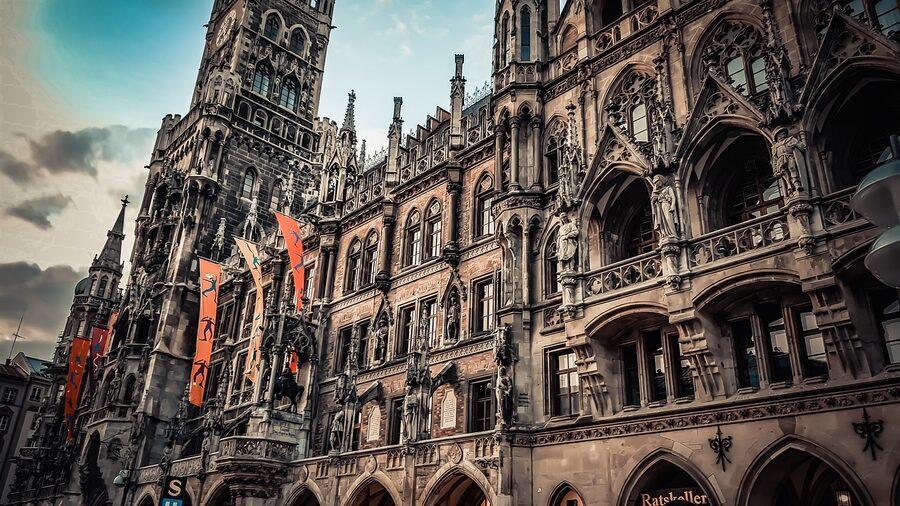
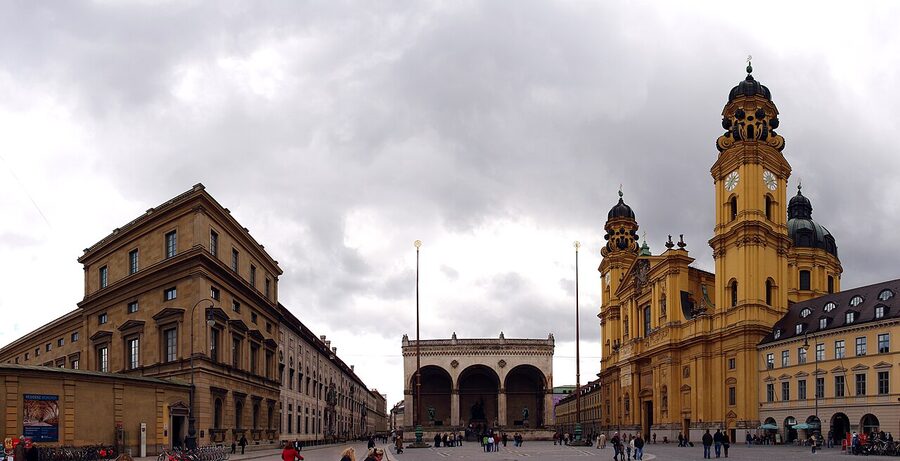
This is the dramatic stop. The Feldherrnhalle is where the 1923 putsch ended. The Bavarian state police lined up along Residenzstrasse and fired into the marching Nazis. Hitler’s bodyguard Ulrich Graf took nine bullets shielding him. The guide typically spends 15 minutes here.
Stop 3: The Führerbau / Music School
.jpg)
Built in 1937 as Hitler’s Munich office. The 1938 Munich Agreement (where Chamberlain gave Hitler the Sudetenland) was signed inside this building. Now it’s the Munich Academy of Music. You can’t go inside but the building is intact and the tour guides spend time explaining the architecture.
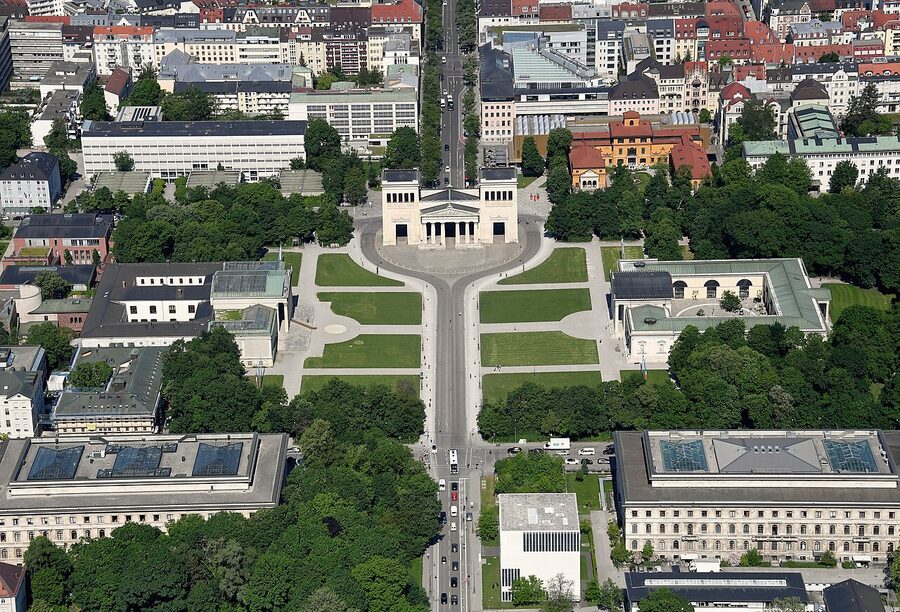
Stop 4: The Königsplatz Parade Ground
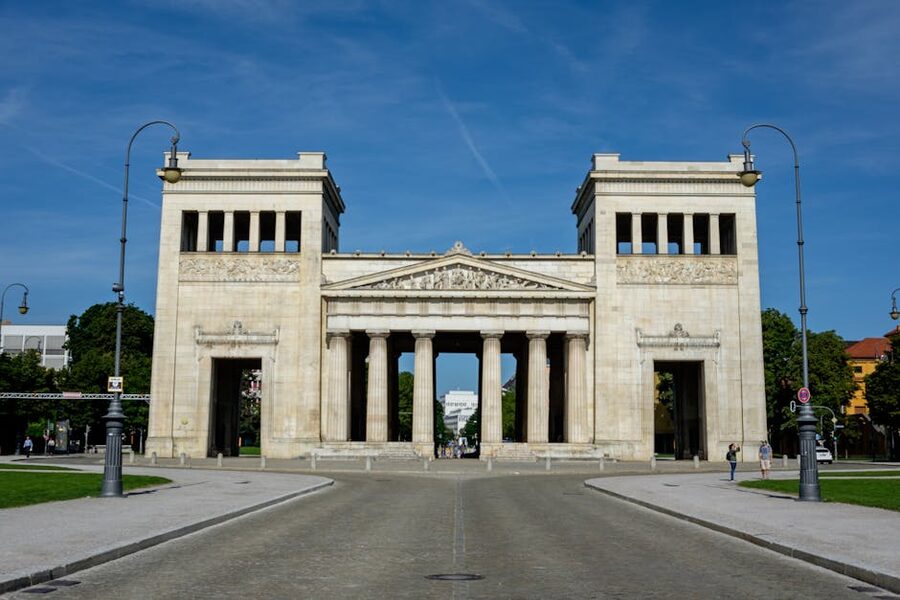
The square was paved over in 1935 with 22,000 granite slabs — still there under the grass — to serve as a parade ground. The two smaller Nazi memorial buildings (“Temples of Honour”) flanking the square are gone, demolished by the Americans in 1947. You can still see their outlines on the ground.
Stop 5: Braunes Haus Site
The “Brown House” — Nazi Party national headquarters from 1930 to 1945 — stood at Brienner Strasse 45. Destroyed by bombs in 1943, cleared postwar. The site is now empty, deliberately. There’s a small information plaque about the Documentation Centre for the History of National Socialism (built on the adjacent lot in 2015) that’s worth 30 minutes if you want to go deeper.
Stop 6: Bürgerbräukeller / Hofbräuhaus
.JPG)
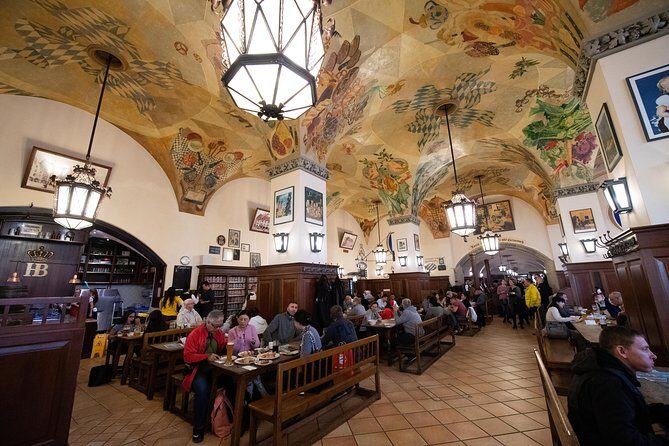
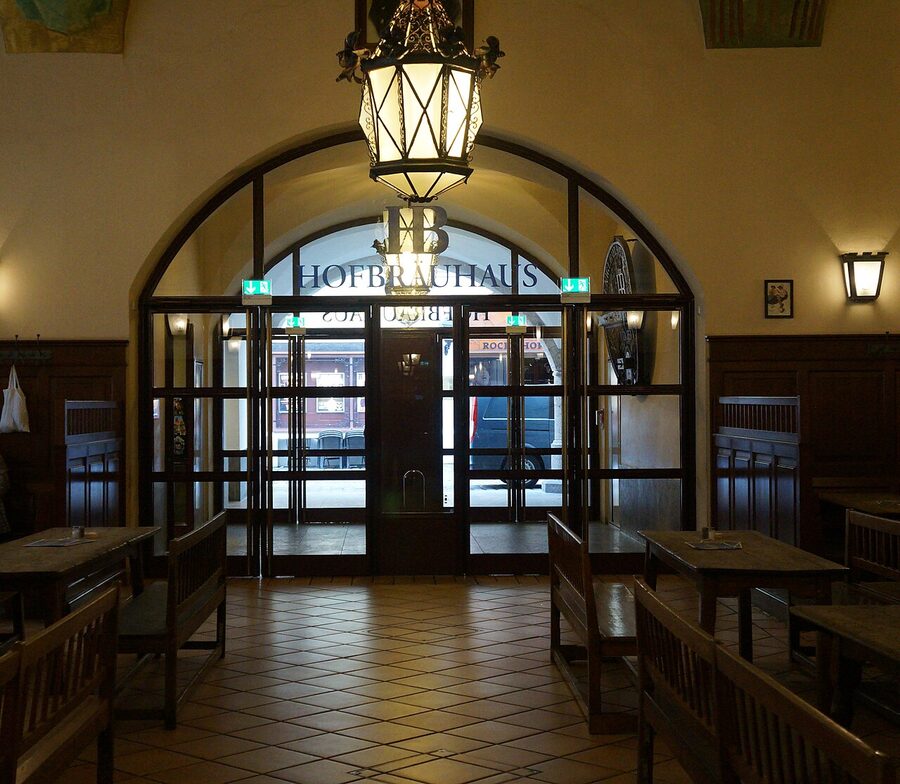
The Bürgerbräukeller — where the 1923 putsch actually started — was destroyed in 1979. The site is now a Hilton hotel and there’s only a small plaque. The Hofbräuhaus, still operating as Munich’s most famous beer hall, is where Hitler gave the formative speech in 1920 when the Nazi Party was just a year old. Walking tours usually end with a view of the Hofbräuhaus from the outside; whether you go in for a Mass afterward is up to you.
After the Tour — Going Deeper
The walking tour gives you context. If you want depth, three follow-ups:
NS-Dokumentationszentrum München — the Documentation Centre for the History of National Socialism. A proper museum built on the site of the Brown House, opened 2015. Free entry, €5 audio guide. Plan 2-3 hours. The most comprehensive Nazi-era museum outside Berlin.
Dachau Memorial — the actual concentration camp, 20 km north of Munich. Day trip. Free entry to the memorial, small fee for guided tours. Ssee our Dachau guide for logistics. Heaviest stop in Bavaria.
Munich Jewish Museum — on the main square behind Marienplatz, opened 2007. Smaller than the Berlin equivalent but covers the Jewish community in Munich from the Middle Ages through to today.
The NSDAP Archive Building (Access Limited)
The Administrative Building next to the Führerbau (across Arcisstrasse) is now the Central Institute for Art History. The basement still contains original Nazi-era document archives. Most visitors don’t see these; Third Reich walking tours sometimes arrange access for serious academic groups but it’s not part of the standard route.
When to Book
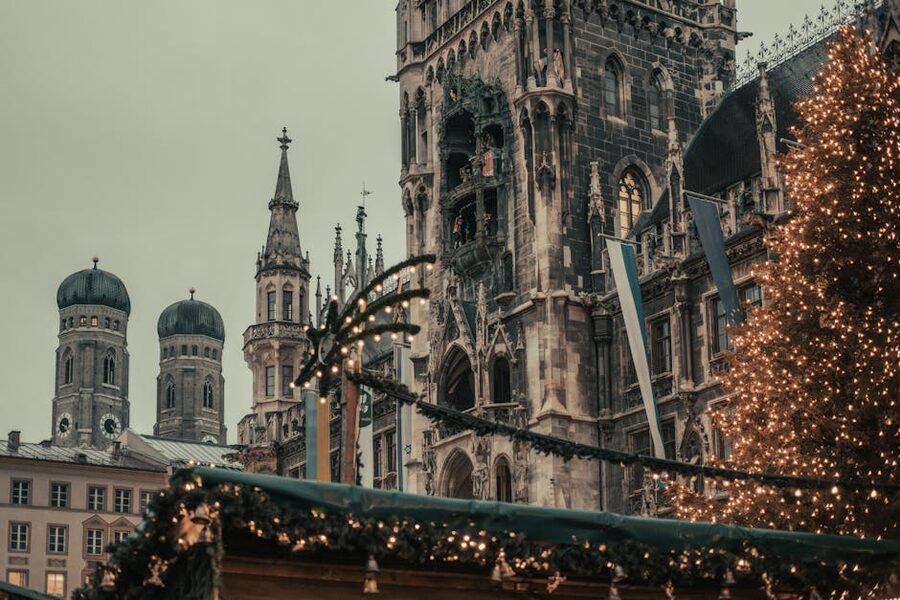
Third Reich tours run year-round. Best months are May, June, September, and October — cool enough for 2.5 hours of walking, not yet rain-heavy. July and August can be brutal with heat plus crowds. Winter tours still run but the outdoor sites are less atmospheric in grey weather.
Book 1-2 days ahead in high season. Morning slots (10am) are usually available same-day even in August. Afternoon slots (3pm) book out first.
What to Wear
Comfortable walking shoes — you’ll cover about 3 km on cobbles. Sun protection in summer; layers in shoulder season. Water bottle (Munich has public fountains every few blocks). Don’t bring a large bag; nothing is stored on the tour and you carry it the whole time.
How Munich Compares to Berlin for WWII Tourism
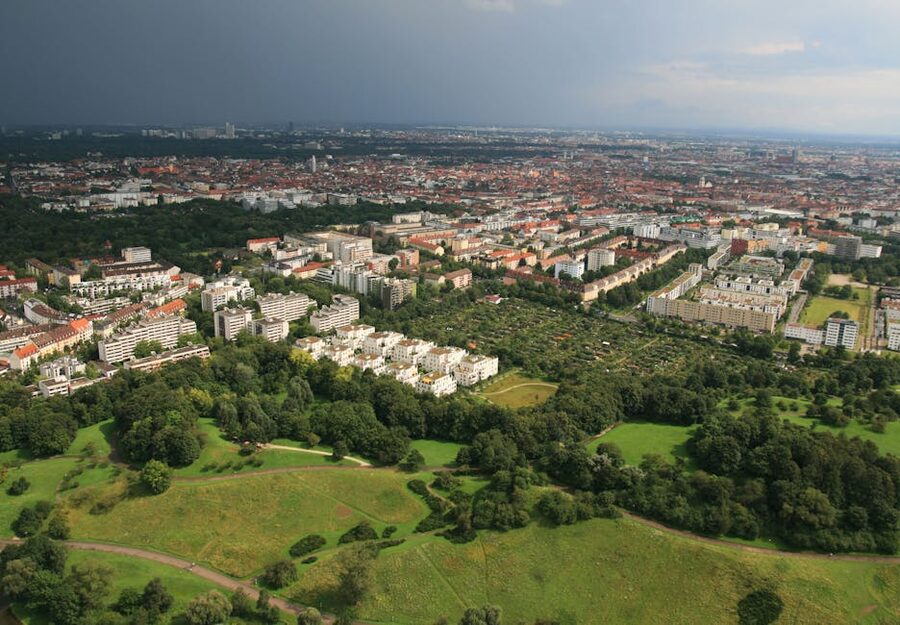
Berlin has more extensive WWII tourism — bigger memorials, more museums, the Reichstag itself. But Munich has the authentic remaining buildings that Berlin lost to bombing and postwar demolition. For “how the Nazis governed,” Berlin is better; for “how the Nazi movement began and what its civic architecture looked like,” Munich.
If you’re only doing one city: Berlin.
If you’re doing both: do Berlin first for the wartime-and-postwar story, then Munich for the origin story. The historical arc makes more sense that way.
Our Berlin Third Reich guide covers the Berlin equivalent tour options.
Combining with Dachau
The classic Munich heavy day is Third Reich walking tour (morning) + Dachau (afternoon). It’s emotionally intense — maybe too much — but logistically it works. Both are doable as half-days if you start early.
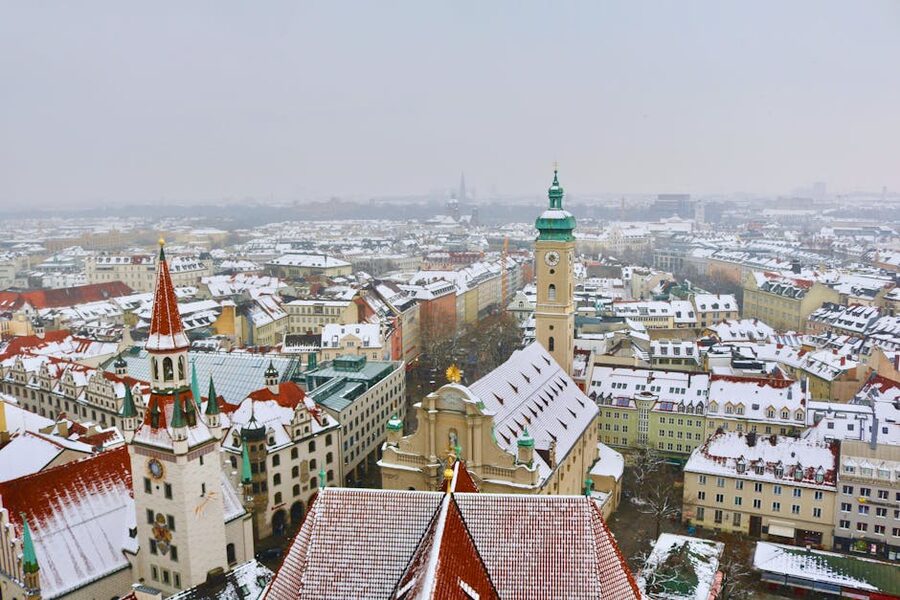
Alternative: do the walking tour day 1, Dachau day 2, and reserve day 3 for something lighter — Bavarian castles, the BMW museum, a beer garden. You need recovery time.
Getting to the Meeting Point
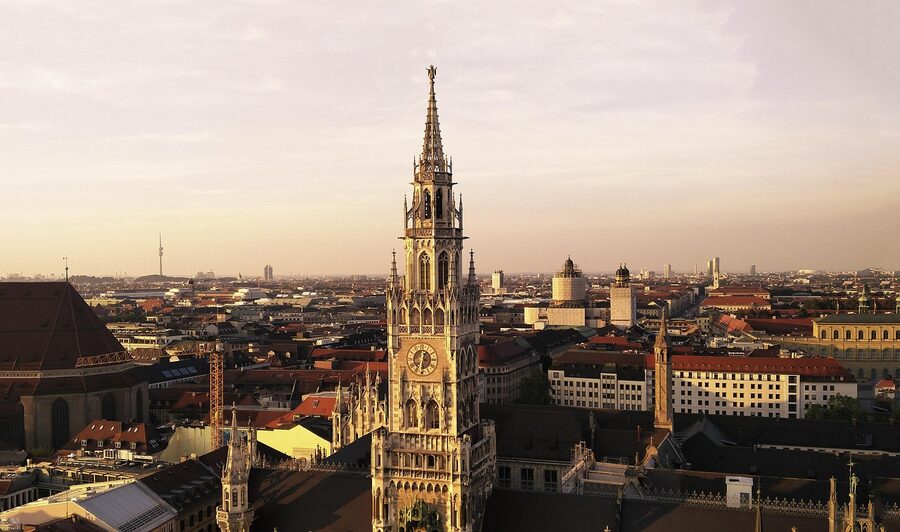
All three recommended tours start within 5 minutes of Marienplatz U-Bahn (U3/U6) and S-Bahn (all lines). The exact meeting point is in your booking confirmation — usually at a visible spot like the Fischbrunnen fountain.
From the airport: S1 or S8 to Marienplatz, 40 minutes, €13. From Munich Hauptbahnhof (main train station): 5 minutes on U4/U5 or 15 minutes on foot. From most hotels in central Munich: walking distance.
Other Munich Things Worth Doing
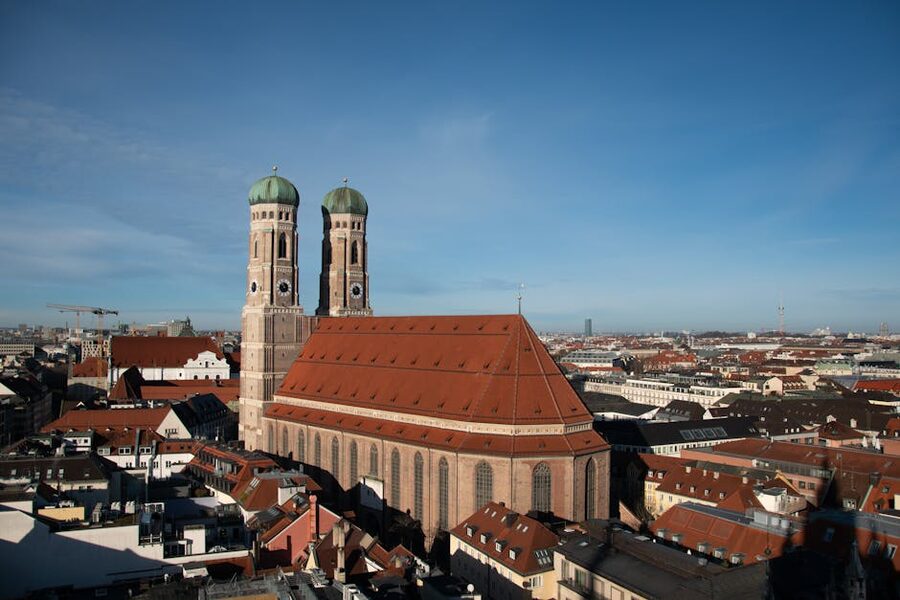
Balance the heavy history with lighter Munich. Options:
Munich beer tour — the Hofbräuhaus has a Nazi history connection but it’s also a 500-year-old working beer hall. A guided beer tour covers both angles.
Munich old town walking tour — general city tour, covers Marienplatz, Frauenkirche, Residenz. Nothing to do with Nazi history, which is sometimes what you want.
Neuschwanstein Castle day trip — Bavarian fairy-tale castle, 2 hours south. Total change of pace.
Viktualienmarkt — open-air food market just south of Marienplatz. Lunch spot of choice after the walking tour.
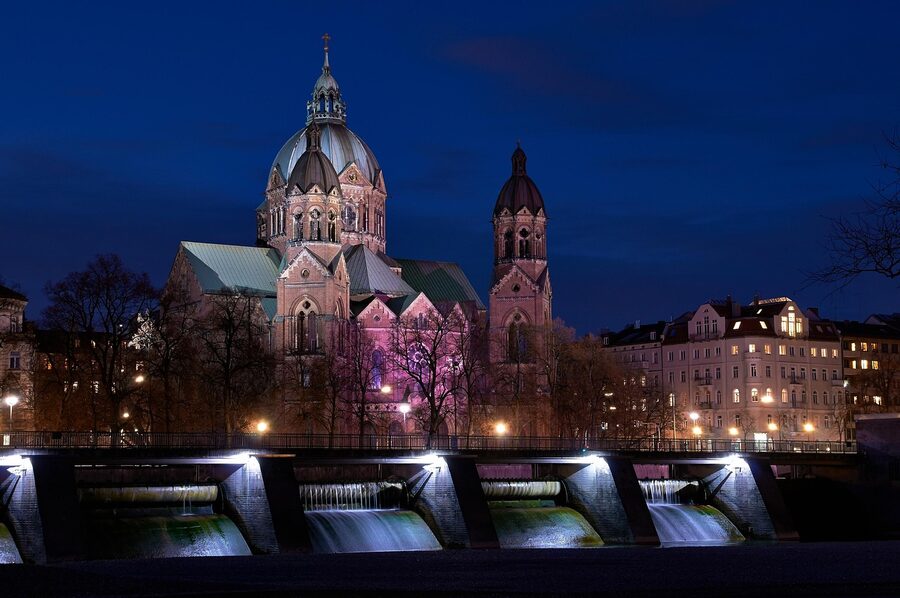
For a completely different Munich, the Englischer Garten park (4 km long, includes a surfable standing wave, a Chinese pagoda, three beer gardens) is the antidote to a day of Nazi history. Walk there straight after the tour.
Practical Questions
Is this suitable for kids? Ages 14+ mostly. Material is graphic in places and the pace assumes adult attention. Under-12s will struggle.
Can I do it in German or other languages? Main tour runs in English. Some operators offer German-language slots. Other languages on request for private tours.
Is the tour wheelchair-friendly? Mostly yes — Marienplatz area is flat and paved. A couple of stops (Viscardigasse) have cobbles that are rough for wheelchairs.
What about dietary/rest breaks? The tour has one 10-minute break, usually near a cafe. Tours don’t stop for meals; eat before or after.
Pairing with Other Bavaria Trips
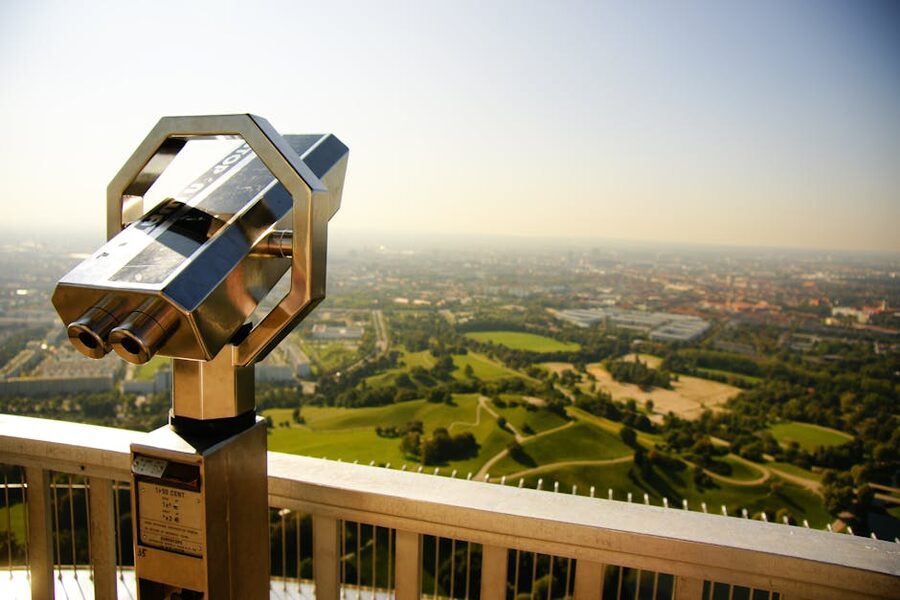
The Third Reich tour pairs naturally with Dachau. It also pairs with Neuschwanstein for a king-Ludwig-to-Hitler Bavaria arc — two wildly different visions of power delivered by the same region.
A full Munich week could cover: Marienplatz walking tour (day 1), beer tour (day 2), Third Reich walking tour (day 3), Dachau (day 4), Neuschwanstein day trip (day 5).
The Short Version
Book the €31 Third Reich & WWII Walking Tour for a morning slot, wear comfortable shoes, don’t book Dachau the same day. 2.5 hours, 3 km, 8-10 stops, a proper education in how the Nazi Party’s geography still sits under the surface of modern Munich. Follow it with lunch at Viktualienmarkt and an hour in the Englischer Garten. You’ll have earned both.
Affiliate disclosure: Some links in this article are affiliate links. If you book through them we may earn a small commission at no cost to you. All recommendations are based on my own experience.