
The sky was pitch black and the guide had just turned off the minibus headlights. We stood in a field somewhere east of Reykjavik, thermoses of hot chocolate in hand, squinting at nothing. Fifteen minutes of nothing. Then a faint green smudge appeared low on the horizon, like someone had dragged a highlighter across wet paper.
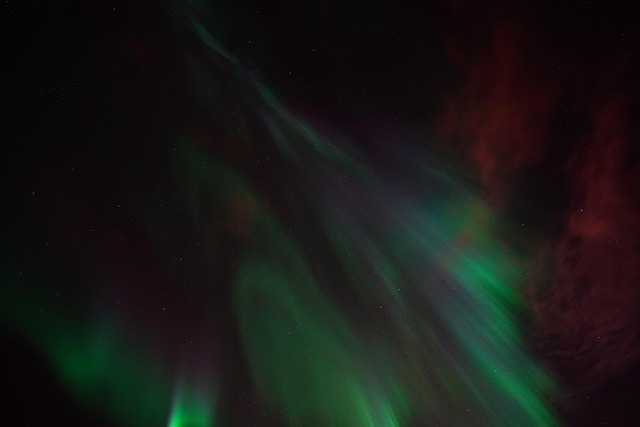
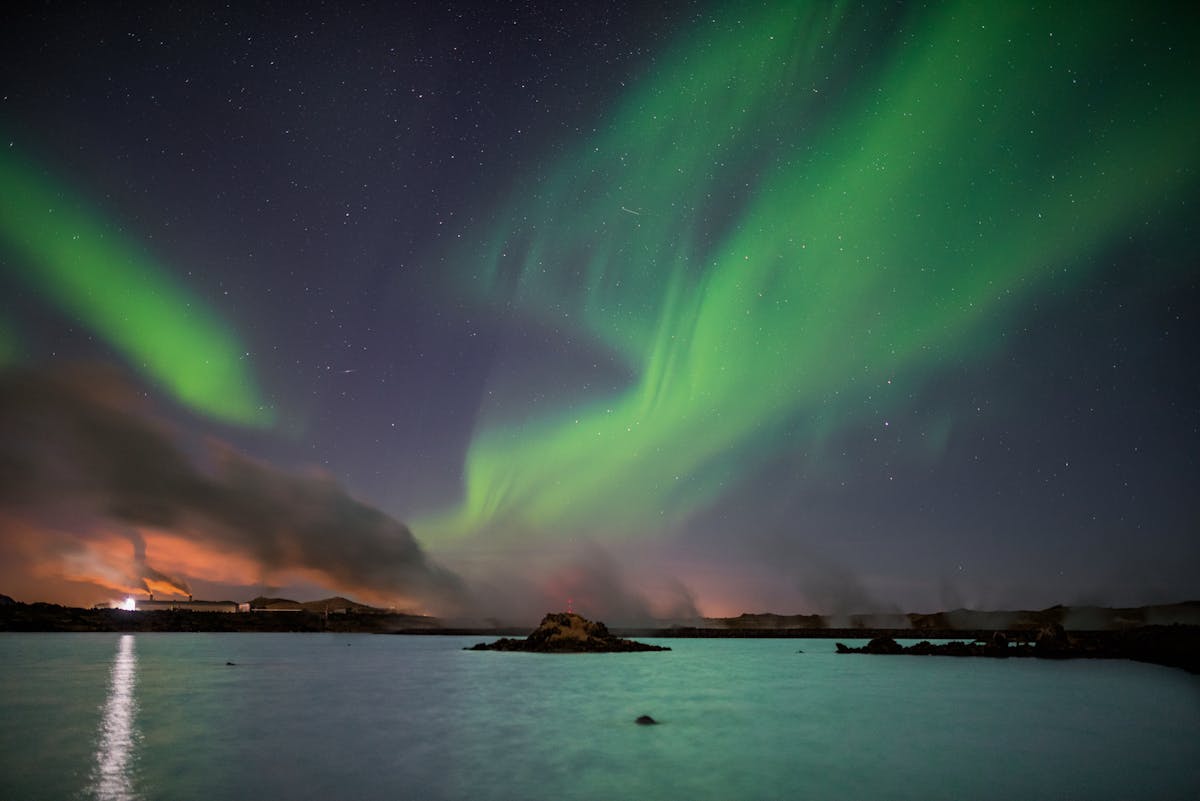
Within ten minutes, the whole sky was moving. Green curtains rippled from one end of the horizon to the other, occasionally flashing pink at the edges. My phone camera couldn’t capture it. My actual eyes almost couldn’t process it. The Northern Lights don’t photograph like they look in person — they’re softer, more fluid, and far more strange.
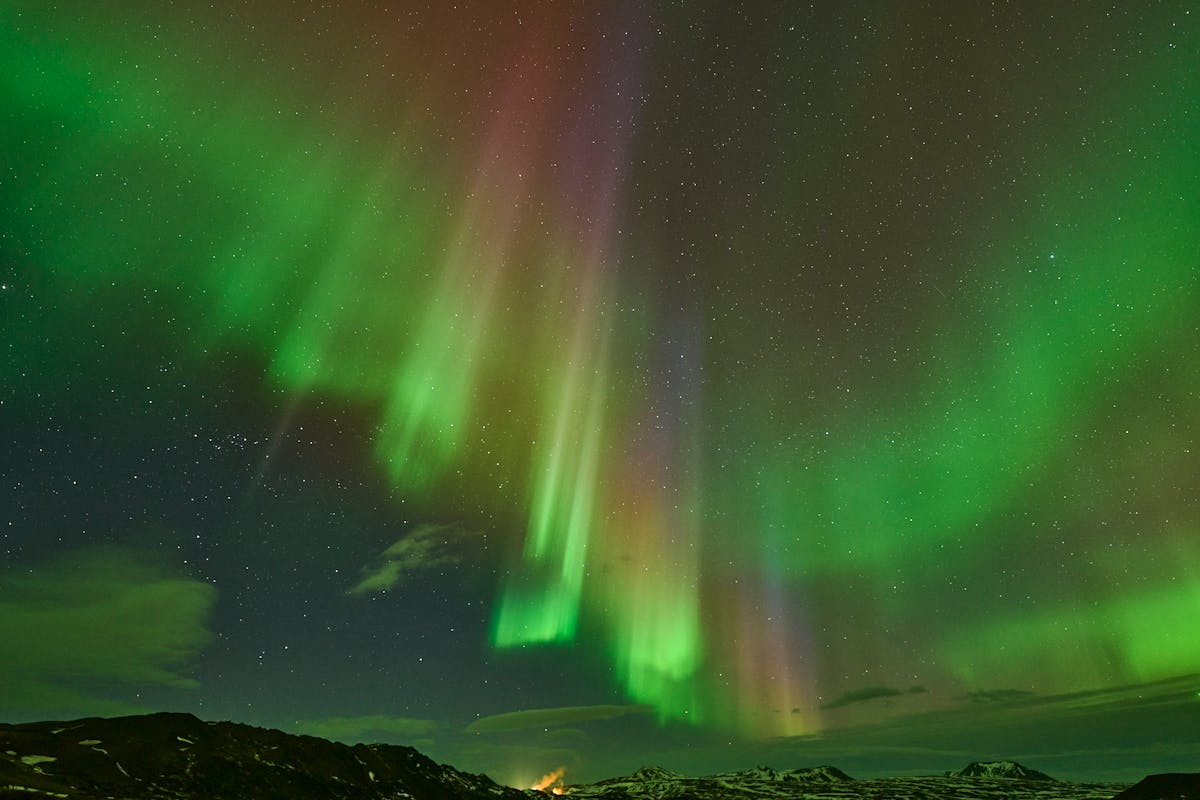
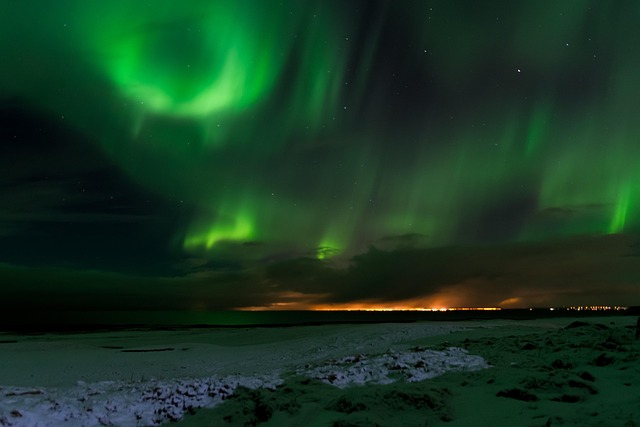
That’s the thing about booking a Northern Lights tour in Reykjavik — you’re not buying a guaranteed experience. You’re buying the best possible odds of witnessing something genuinely unpredictable. And the good operators know this. Most offer a free rebooking if the aurora doesn’t show, which means you can try again the next night without paying twice.
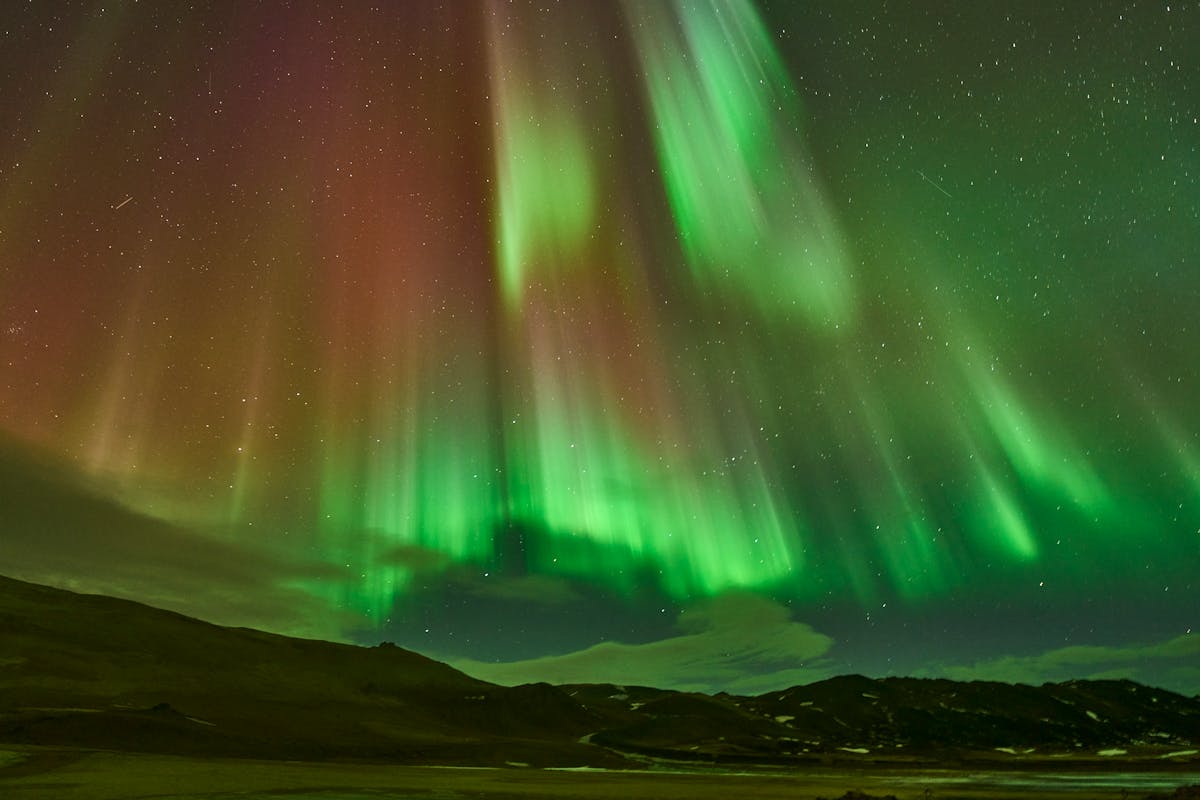
Best overall: Small-Group Premium Northern Lights Tour — $107. Small minibus, expert guide, multiple stops away from the crowds.
Best budget: Northern Lights Bus Tour from Reykjavik — $73. The most-booked option with free rebooking if conditions fail.
Best premium: Northern Lights Tour with PRO Photos — $175. Professional photographer captures what your phone can’t.
- How the Northern Lights Season Works in Iceland
- Self-Drive vs Guided Tour — Which Makes Sense?
- The Best Northern Lights Tours from Reykjavik
- 1. Northern Lights Bus Tour from Reykjavik —
- 2. Small-Group Premium Northern Lights Tour — 7
- 3. Northern Lights Tour with PRO Photos — 5
- When to Go (and When to Stay Home)
- How to Get There (and What to Wear)
- Tips That Will Actually Help
- What You’ll Actually Experience
- Other Ways to See the Northern Lights from Reykjavik
- Planning the Rest of Your Iceland Trip
How the Northern Lights Season Works in Iceland
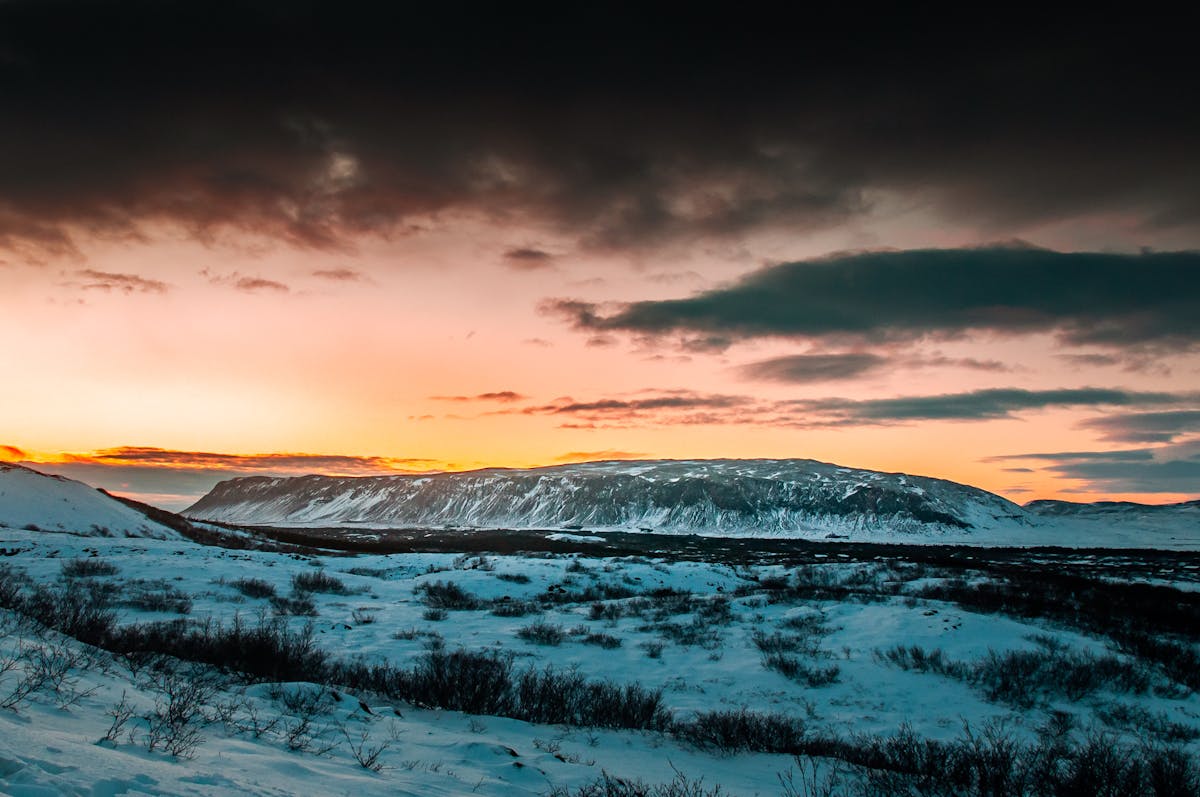
The Northern Lights are visible in Iceland roughly from September through March. That’s your window. Outside those months, Iceland’s midnight sun makes aurora viewing impossible — the sky simply never gets dark enough.
But “visible” and “guaranteed” are different things entirely. The aurora depends on three factors lining up at once: solar activity (the KP index), clear skies, and darkness. You can have raging solar storms and see nothing because of cloud cover. Or you might get crystal-clear skies on a night when solar activity is flat.
Here’s what most blog posts won’t tell you: the KP forecast is only reliable about 30 minutes out. The 3-day forecasts from NOAA and the Icelandic Met Office give a rough idea, but the guides I spoke with all said they make their real decisions about where to drive based on real-time data and cloud-gap satellite imagery. That’s the whole reason you book a tour instead of driving yourself — they know where to go.
Best months by the numbers: October and February tend to have the best combination of dark hours and clear weather. December and January are the darkest but also the stormiest. September and March are less reliably dark but the weather can be milder.
Self-Drive vs Guided Tour — Which Makes Sense?
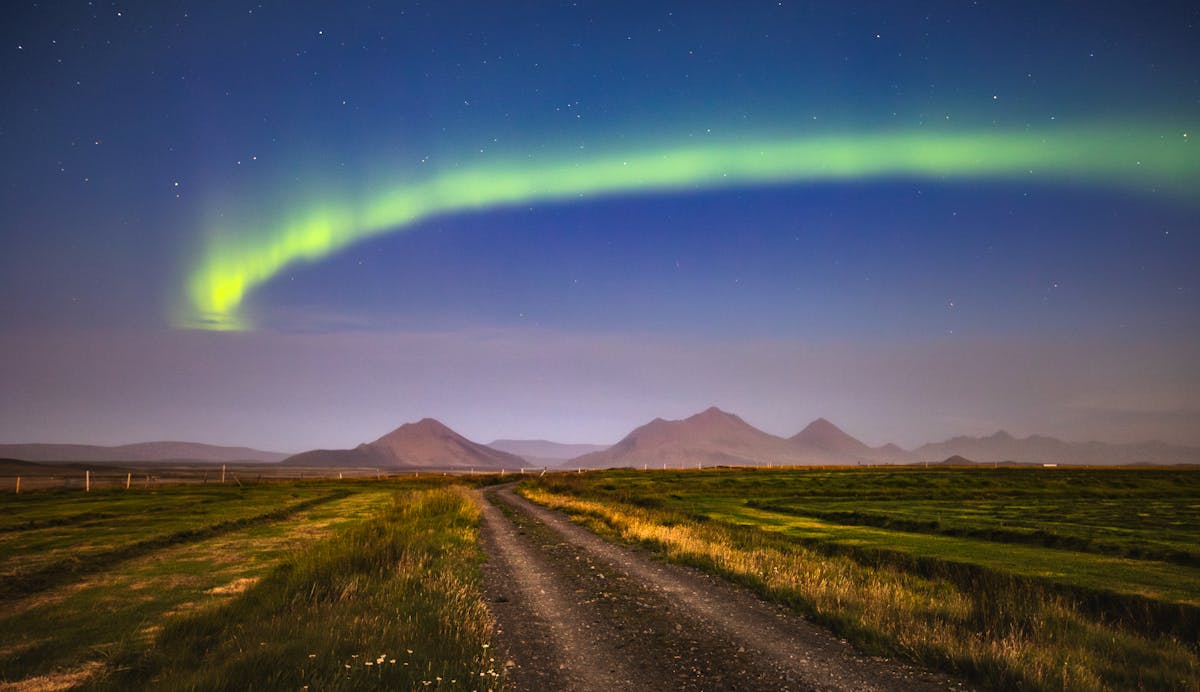
You can absolutely rent a car and chase the lights yourself. Iceland’s roads are empty at night, and there are aurora forecast apps that show cloud cover and KP levels in real time. But there are serious reasons most first-timers book a guided tour instead.
The case for a tour:
- Guides monitor real-time weather data and satellite cloud maps. They’ll drive an hour in a different direction from what the forecast suggested if the cloud gaps shift
- Iceland’s Ring Road is fine in summer. In February, you’re dealing with ice, zero visibility, single-lane roads, and no cell service in some areas
- Professional camera setups capture the lights in ways your phone can’t. Several tours include this as standard
- If the lights don’t appear, you get a free rebooking. Drive yourself and you’re just out the petrol money
The case for self-driving:
- Total flexibility on timing — you can stay out until 3 AM without worrying about a bus schedule
- Cheaper if you already have a rental car
- You can combine it with other plans (the Golden Circle road, for instance) and just stay out late
For most visitors, a guided tour is the smarter call. The aurora is unpredictable, and the guides genuinely increase your odds.
The Best Northern Lights Tours from Reykjavik
I’ve narrowed it down to three tours worth booking. They cover different budgets and styles, and all three include the re-booking guarantee that means you’re not throwing money away if the sky doesn’t cooperate.
1. Northern Lights Bus Tour from Reykjavik — $73
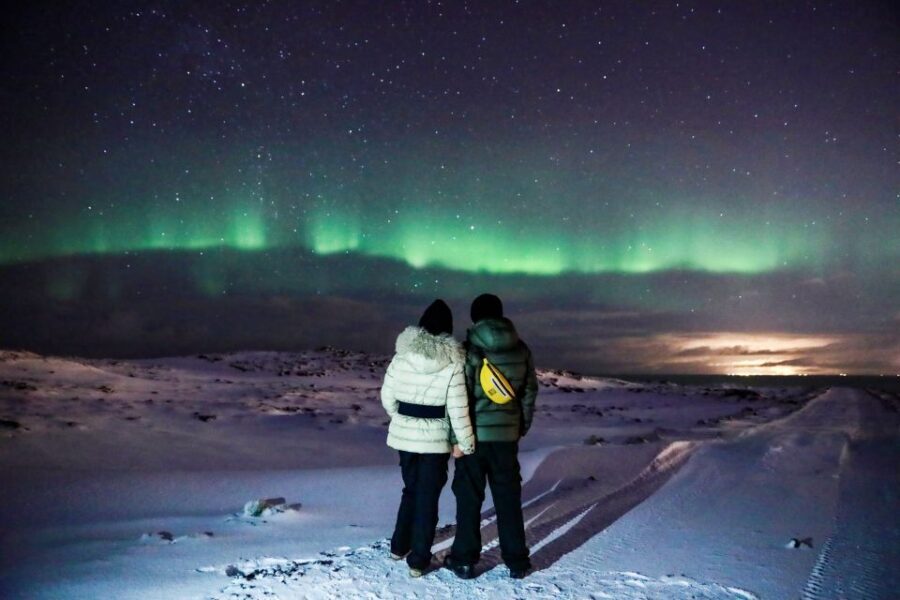
This is the tour that put Reykjavik Northern Lights tours on the map. Over 11,000 people have taken it, and the concept is simple: a full-size coach picks you up from central Reykjavik, drives to wherever conditions are best that night, and gives you 2-3 hours of viewing time with an expert guide who explains what you’re seeing.
At $73 per person, it’s the cheapest way to get a guided aurora experience with hotel pickup. The trade-off is obvious — you’re on a big bus with 40+ other people, which means less flexibility and more waiting around. But the free rebooking guarantee is genuine. If the lights don’t appear, you book another night at no extra cost. No time limit on using it, either.
2. Small-Group Premium Northern Lights Tour — $107
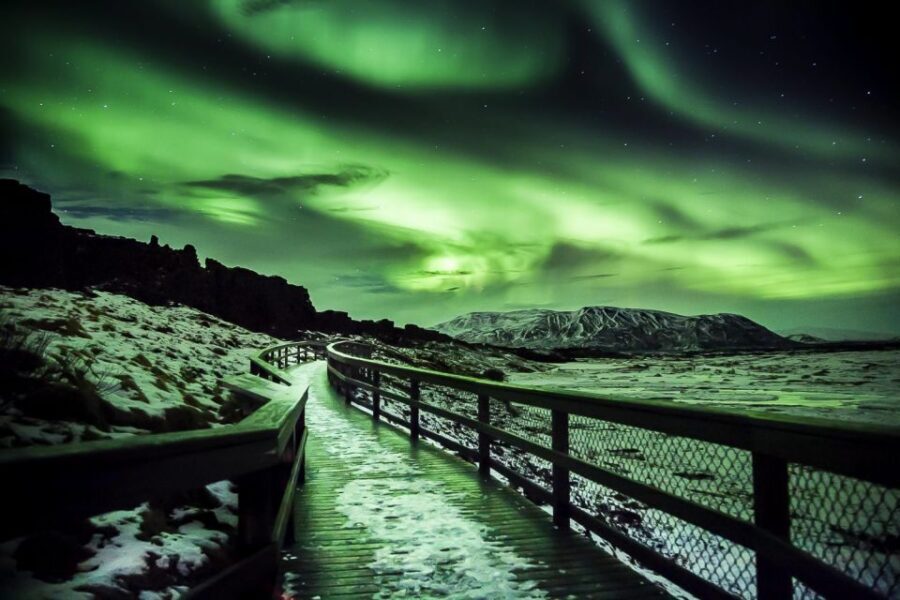
This is the one I’d pick if I were booking today. The small-group format (minibus, not coach) means the guide can be more flexible about where to stop, and you’re not fighting 40 other people for the best viewing angle. They carry a tripod and help with camera settings, and the hot chocolate on a freezing Icelandic hillside is genuinely appreciated at 11 PM.
The $107 price tag is a fair step up from the bus tour, but the experience is noticeably different. The guide took one group to a spot where no other tours were parked — something that’s almost impossible with a full-size coach that needs proper road access. If you can stretch the budget, this is the sweet spot between value and quality.
3. Northern Lights Tour with PRO Photos — $175
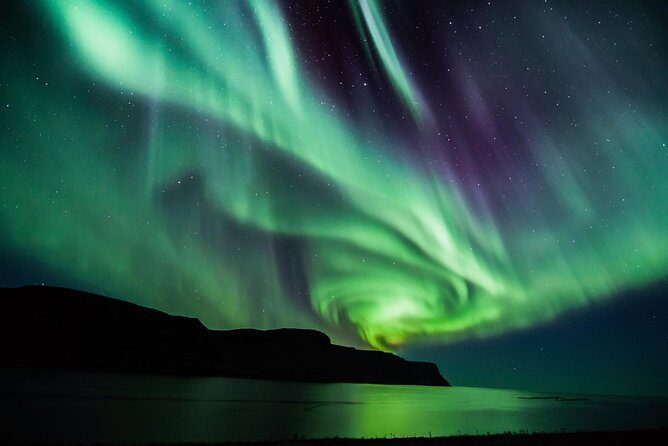
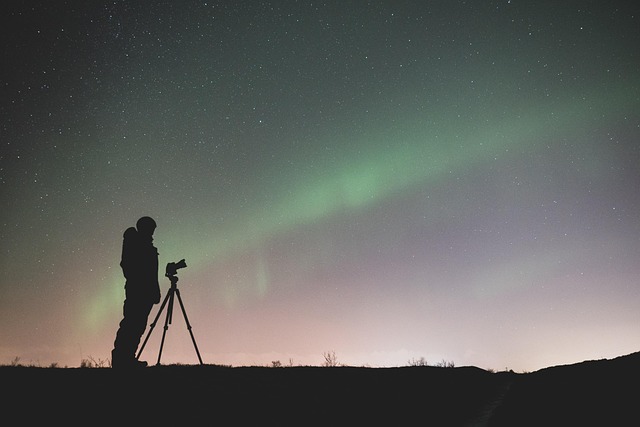
Here’s the frustrating reality of the Northern Lights: they look incredible in person and terrible on your iPhone. The aurora moves too fast and emits too little light for phone cameras to handle. This tour solves that problem by including a professional photographer who shoots the aurora (and you standing under it) with proper long-exposure equipment.
At $175, it’s the priciest option on this list, but you walk away with actual photos worth framing. The tour also includes Icelandic hot chocolate and cinnamon buns, which sounds gimmicky but is genuinely nice when you’re standing in -5C wind at midnight. The rebooking option applies here too, so you’re covered if the sky doesn’t cooperate.
When to Go (and When to Stay Home)
Peak season: October through February. These months offer the longest dark periods and the most consistent tour schedules. Most operators run nightly departures.
Shoulder months: September and March. Shorter dark windows but milder weather. September can be especially rewarding because the autumn colours add drama to the landscape even if the lights are faint.
Off season: April through August. Don’t bother. The midnight sun means the sky doesn’t get dark enough, and no reputable operator runs tours.
Departure times vary by month. In September, tours leave around 9:30-10 PM because it doesn’t get properly dark until then. By December, some operators depart as early as 8 PM. Most tours last 3-4 hours regardless.
How to Get There (and What to Wear)
Every tour on this list includes hotel pickup from central Reykjavik. You don’t need to worry about getting to a meeting point — a minibus or coach will collect you from your accommodation or a nearby bus stop.
What to wear is the real question. You’ll be standing outdoors for 1-2 hours in Icelandic winter. That means:
- Thermal base layer (merino wool, not cotton)
- Fleece mid-layer
- Windproof, waterproof outer jacket
- Warm hat that covers your ears, thick gloves, and a scarf or neck gaiter
- Waterproof hiking boots with warm socks — you’ll be standing in frozen fields
- Hand warmers are not overkill. Buy them at any Bonus or Kronan supermarket for a few hundred ISK
The tours provide blankets on some buses, and the hot chocolate helps. But nothing replaces proper layering. I watched a guy in jeans and trainers get back on the bus after 20 minutes because he couldn’t feel his feet. Don’t be that person.
Tips That Will Actually Help
Book for your first night, not your last. If the lights don’t show, you want rebooking nights available. Booking on your final evening means the guarantee is worthless.
Check the Aurora Forecast app before you go. The Icelandic Met Office runs a cloud cover and aurora forecast at en.vedur.is that updates hourly. The KP index tells you solar activity; the cloud cover map tells you if you’ll actually see it. Both need to line up.
Manage your expectations. Instagram and travel blogs show the aurora in intense, saturated greens and purples. Those are long-exposure photographs. To the naked eye, the Northern Lights often appear as a grey-green shimmer — still moving, still extraordinary, but not neon. On a very strong night (KP 5+), you’ll see vivid colours with your bare eyes. On a KP 2-3 night, it might look more like a glowing cloud.
Eat before you go. Most tours depart between 8-10 PM and return around midnight or later. There’s hot chocolate but no dinner.
Sit near the front of the bus. You’ll get off first, which means you pick your viewing spot while everyone else is still shuffling down the aisle.
What You’ll Actually Experience
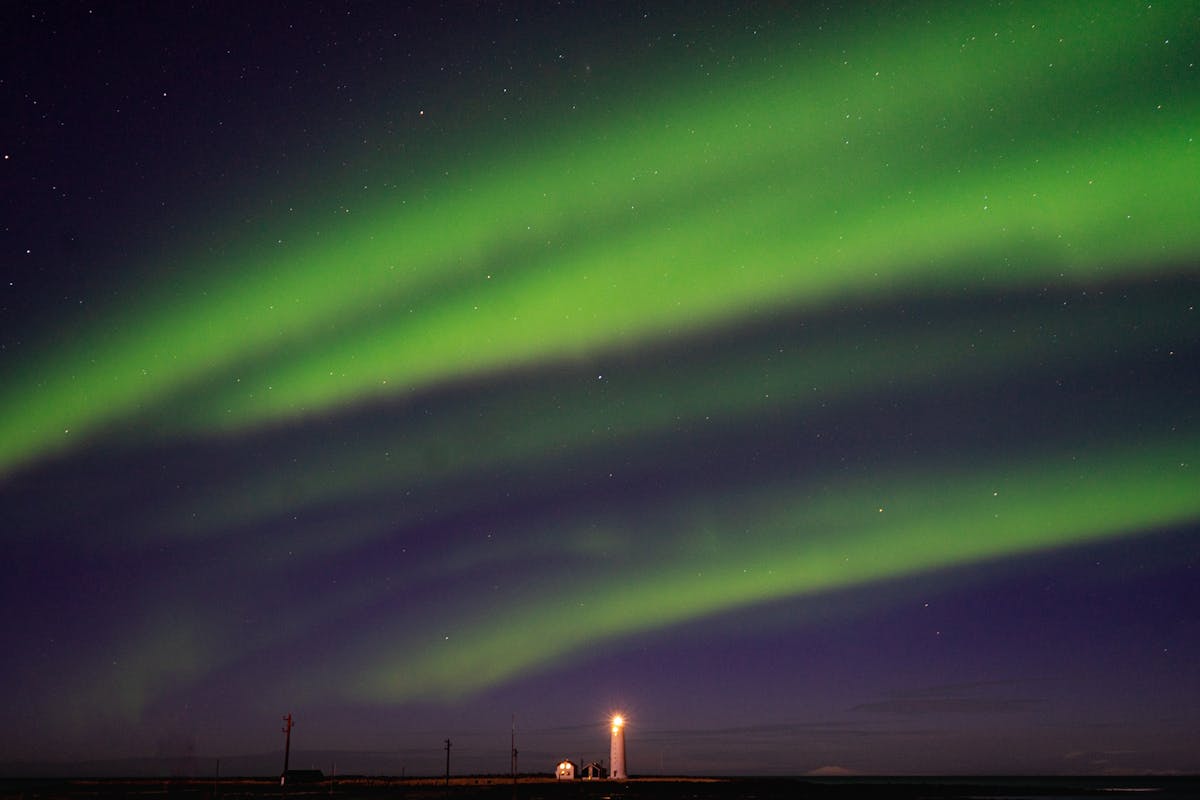
The bus drives out of Reykjavik, usually heading east or north depending on where the cloud gaps are. The guide monitors conditions on a tablet and communicates with other guides in the field. After 30-60 minutes of driving, they’ll find a spot away from light pollution — often a farmer’s field, a lava field, or a viewpoint overlooking a valley.
Everyone piles out. The guide sets up, points out constellations while you wait, and then — if the conditions are right — the sky starts to move. Sometimes the lights appear gradually, building from a faint green band into full curtains. Sometimes they’re already going when you arrive and you step off the bus into a light show.
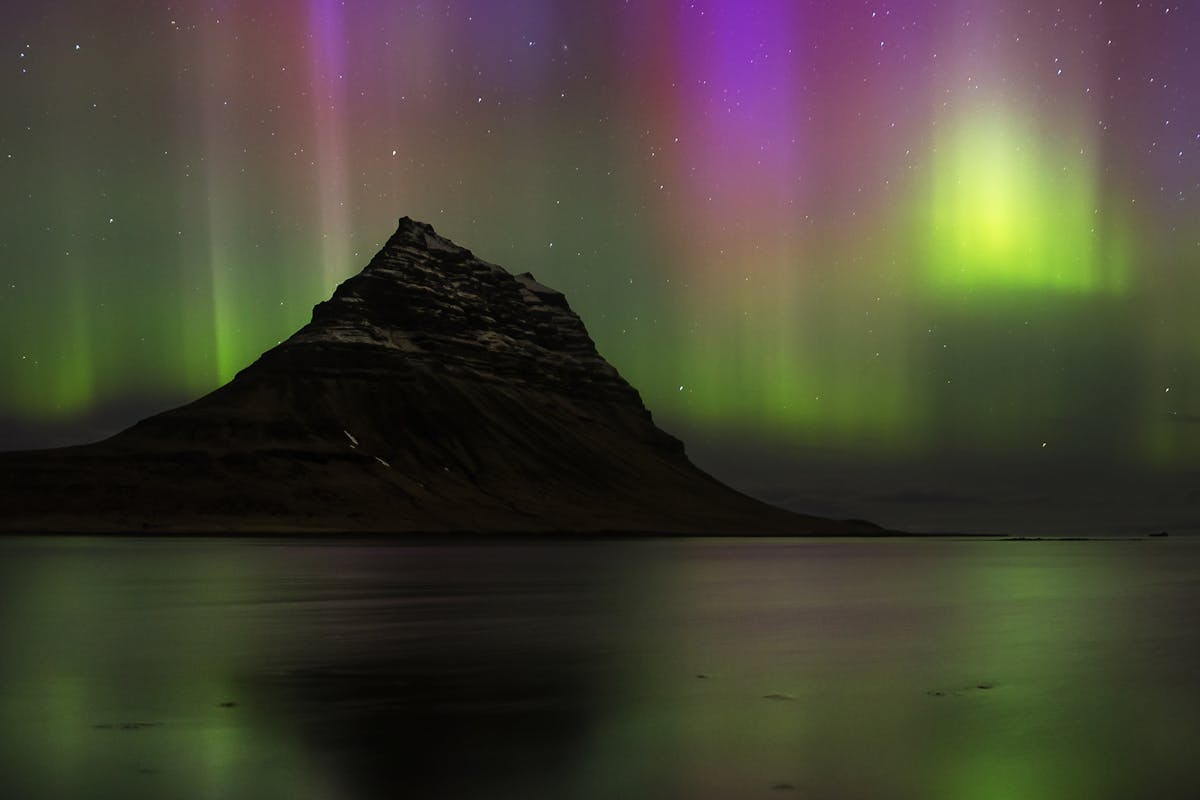
The guide will explain the science — charged solar particles hitting the magnetosphere, different gases producing different colours (oxygen makes green, nitrogen makes purple). But honestly, once the sky is moving, nobody’s listening to the science talk. You just stand there and watch.
On nights when the aurora doesn’t appear, the guide will usually extend the tour, driving to a second or third location to try different conditions. If it still doesn’t work, you’ll get your rebooking voucher before you get back to the hotel.
Other Ways to See the Northern Lights from Reykjavik
If a bus tour isn’t your style, there are a couple of alternatives worth knowing about.
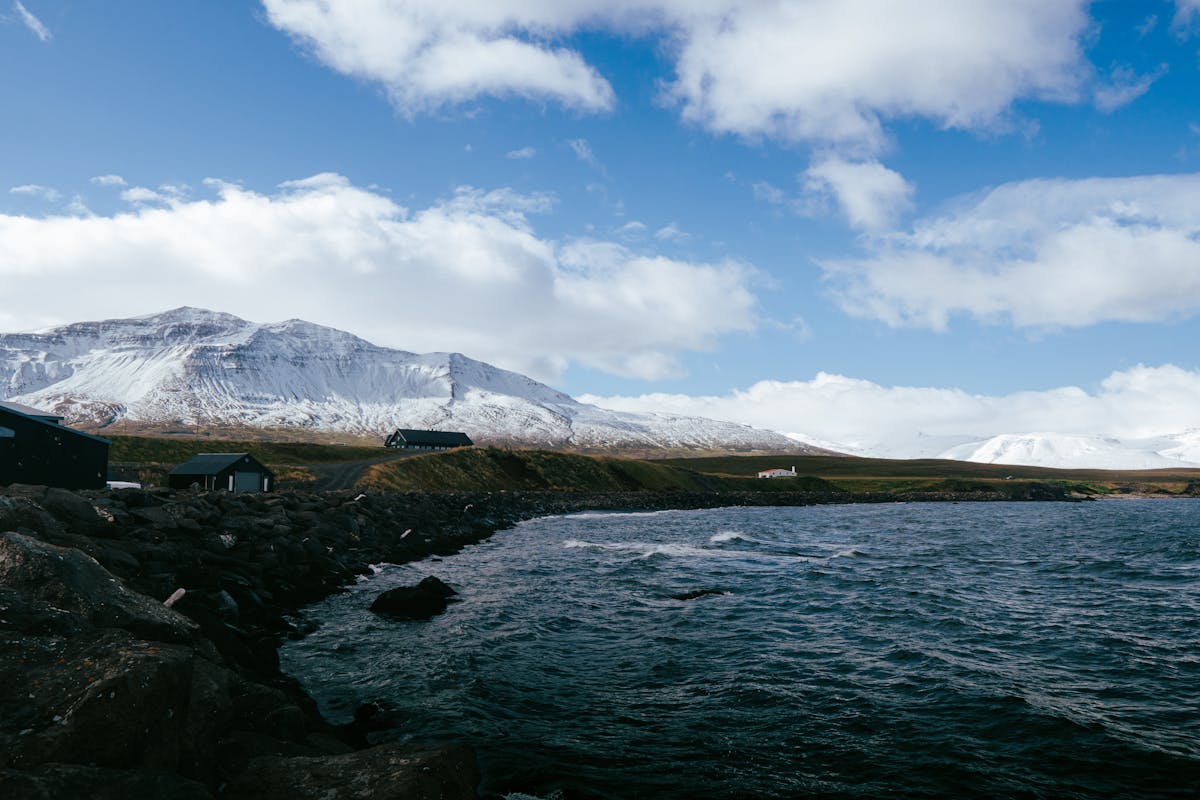
Northern Lights yacht tour ($93): The Northern Lights Yacht Tour sails from Reykjavik’s Old Harbour into Faxafloi Bay. No light pollution on the water, reflections off the sea, and a heated indoor lounge when you need to warm up. It’s a different kind of experience — more intimate, and the ocean setting is spectacular even if the aurora is faint.
Golden Circle + Northern Lights combo ($153): If you’re short on time, the Golden Circle and Northern Lights combo covers Thingvellir, Geysir, and Gullfoss during the day, then keeps going into the evening for aurora viewing. It’s a long day (9 hours), but efficient if you’re only in Iceland for 2-3 nights.
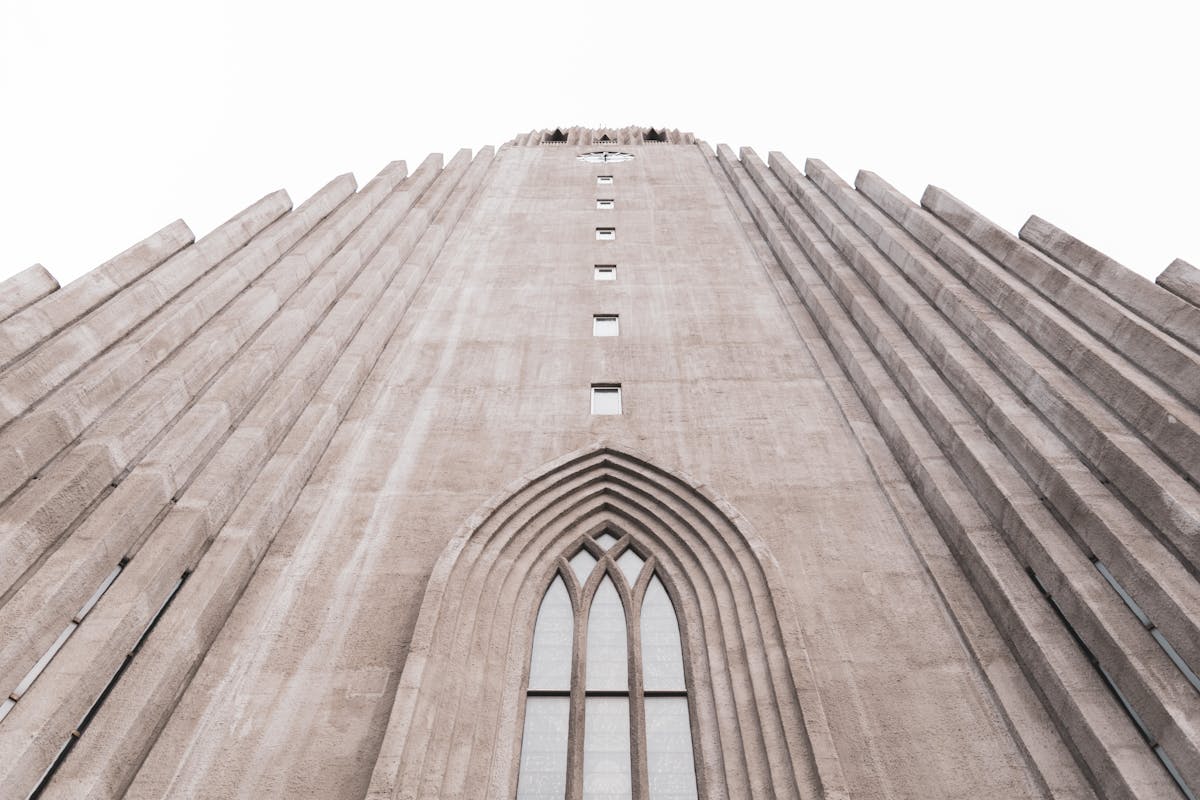
Planning the Rest of Your Iceland Trip
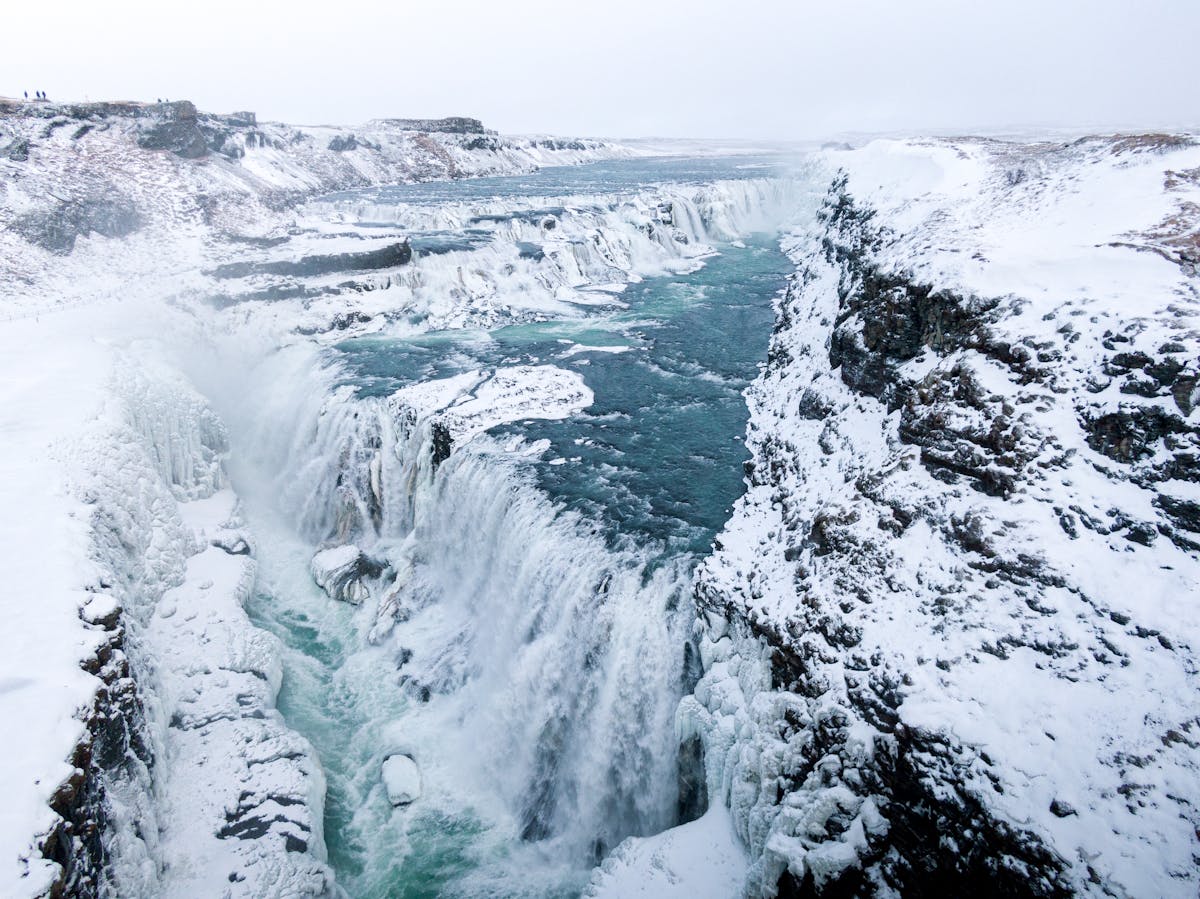
A Northern Lights tour fills one evening, which leaves your days wide open. If you have not done the Golden Circle yet, that is the obvious daytime companion — Thingvellir, Geysir, and Gullfoss are all within a couple of hours of Reykjavik and every operator runs daily departures. The Blue Lagoon is another natural pairing, sitting halfway between Reykjavik and Keflavik airport, which makes it easy to slot in on your arrival or departure day. For a full day of dramatic landscape, the South Coast tour covers waterfalls, black sand beaches, and glacier views that look even better if you caught the aurora the night before. And if the cold nights have you craving something warmer, the Lava Show in Vik or Reykjavik pours real molten lava indoors — it pairs well as a pre-dinner activity.
This article contains affiliate links. If you book a tour through one of our links, we earn a small commission at no extra cost to you. This helps us keep producing independent travel guides.