
I burned the rice on my first attempt. Completely torched it — black, smoking, stuck to the bottom of the pan in a way that no amount of scraping was going to fix. The chef just laughed, scraped it out, and told me that in Valencia they would call that a failed socarrat. Then she handed me a glass of sangria and told me to start over.
That is basically the whole experience of a Barcelona paella cooking class in miniature. You show up thinking you know how rice works. You leave three hours later, slightly tipsy, with a completely different understanding of Spanish food — and an appreciation for why Catalan cooks get irritated when travelers call everything “Spanish.”
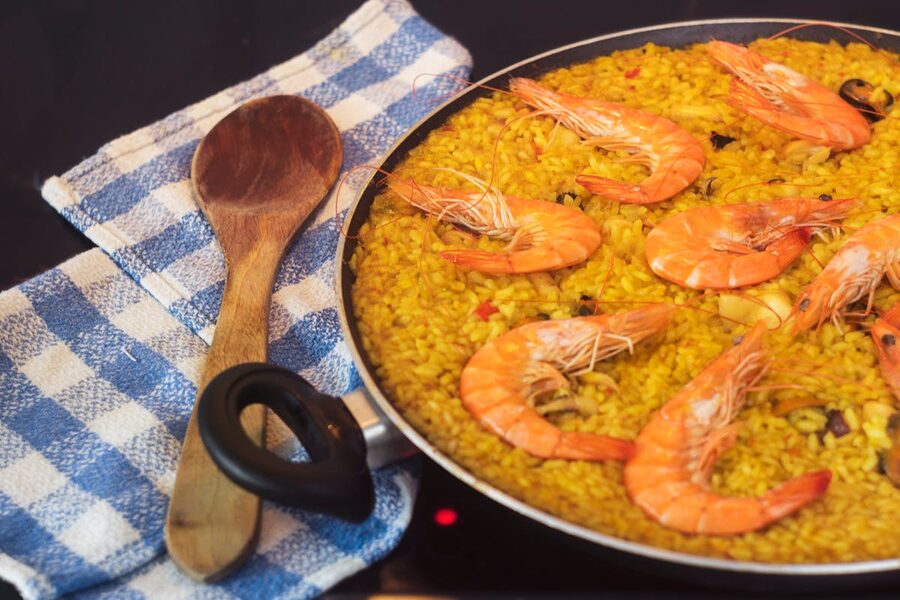
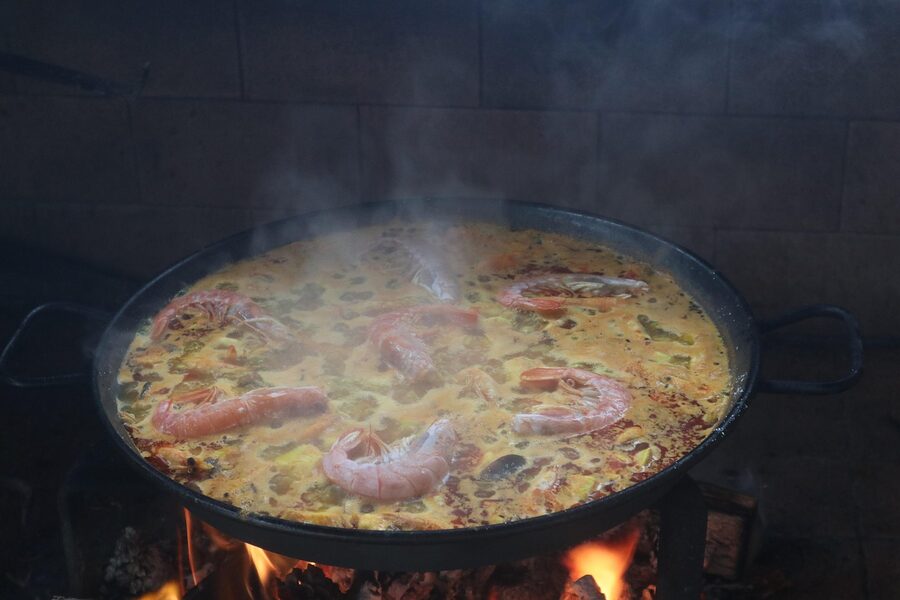
Here is what took me by surprise: paella is not actually a Barcelona dish. It originated in Valencia, about 350 kilometers south, where farmworkers cooked rice with rabbit, snails, green beans, and rosemary over open fires. Seafood paella came later as a coastal thing. Valencians are genuinely sensitive about this, and you will hear your cooking instructor acknowledge it within the first ten minutes of any decent class. But Barcelona has turned the cooking class into an art form — starting with a guided tour through the Gothic Quarter neighborhood to La Boqueria market, then moving to a kitchen where you actually get your hands dirty.
Best overall: Paella Cooking Experience & Boqueria Market Tour — $85. Three hours, includes a guided Boqueria shopping trip, and the chef-to-student ratio is excellent.
Best budget: Barcelona Interactive Spanish Cooking Experience — $73. Hands-on class with multiple dishes and a solid wine pairing at a lower price point.
Best premium: Paella & Tapas Cooking Class — $91. Small group, four hours, paella plus tapas plus local wines — the full Catalan kitchen experience.
- What a Barcelona Cooking Class Actually Looks Like
- Why Catalan Food Is Not Just “Spanish Food”
- Booking a Class Directly vs Through a Tour Platform
- The Best Paella Cooking Classes to Book in Barcelona
- 1. Paella Cooking Experience & Boqueria Market Tour —
- 2. Barcelona Interactive Spanish Cooking Experience —
- 3. Paella & Tapas Cooking Class —
- When to Book Your Cooking Class
- What You Will Actually Learn to Cook
- How to Get to La Boqueria and Most Class Kitchens
- Tips That Will Save You Time and Money
- Planning the Rest of Your Barcelona Trip
What a Barcelona Cooking Class Actually Looks Like
Almost every Barcelona cooking class follows the same three-part format, and once you know it, you can pick the right one for you without getting lost in the 200+ options on booking sites.
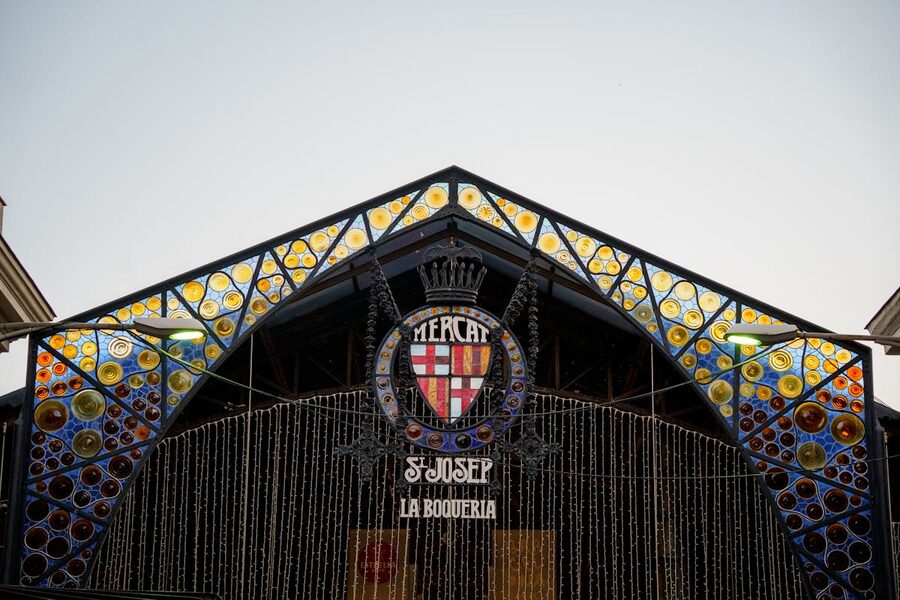
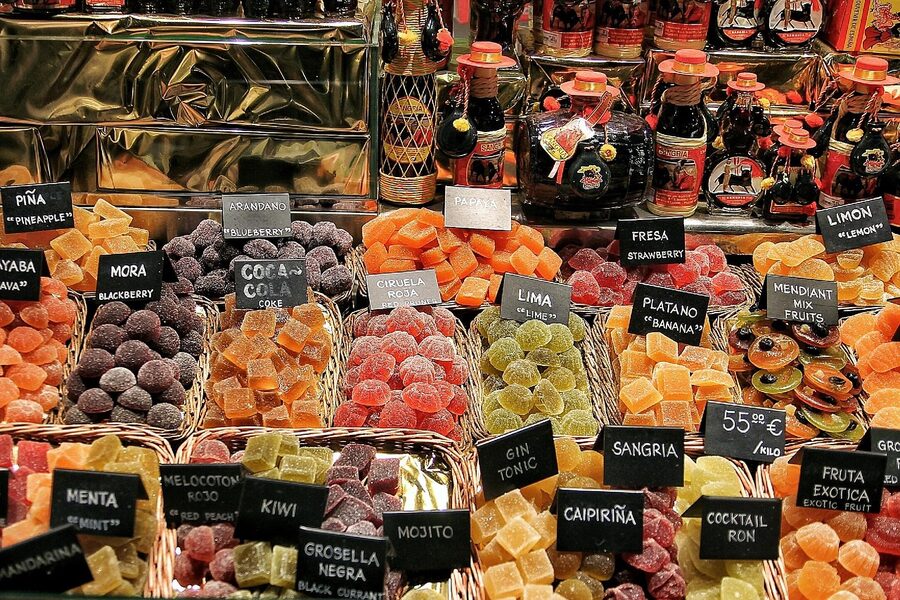
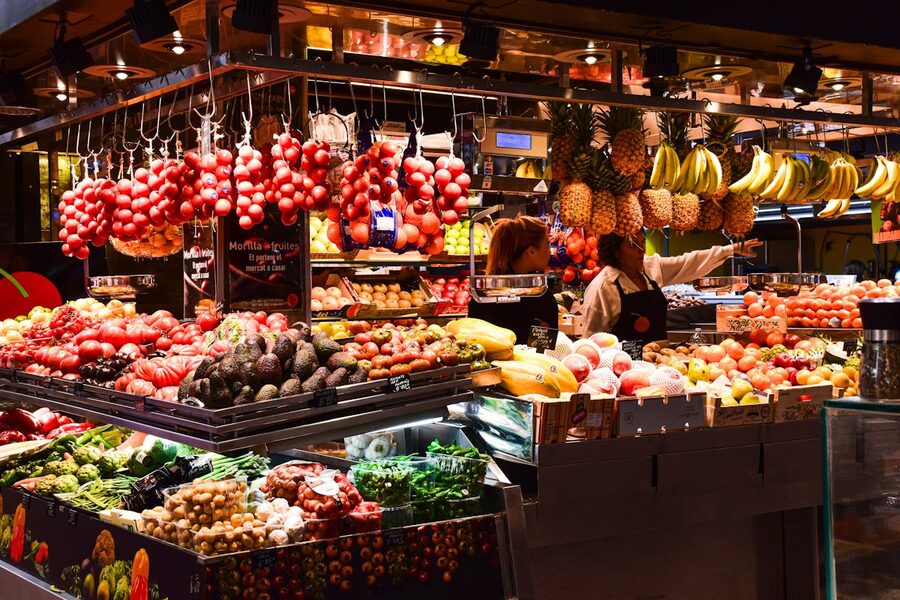
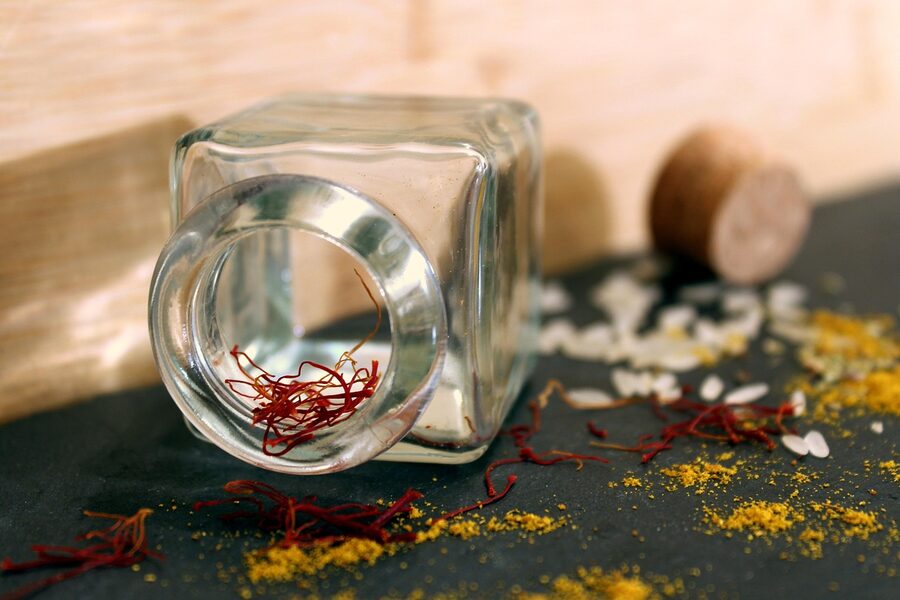
Part one: the market tour (about 1 hour). Your chef meets you near La Boqueria on La Rambla and takes you through the market to buy ingredients. This is where you learn to pick a good piece of fish by the eyes (clear and bright, never cloudy), how to tell real saffron from the dyed corn silk that tourist shops sell for half the price, and why Catalan cooks insist on a specific kind of short-grain rice called bomba. The Boqueria has been a food market since 1217, and the stall owners know the cooking class chefs by name. You will watch your instructor barter, joke, and occasionally argue about which peppers are in season.
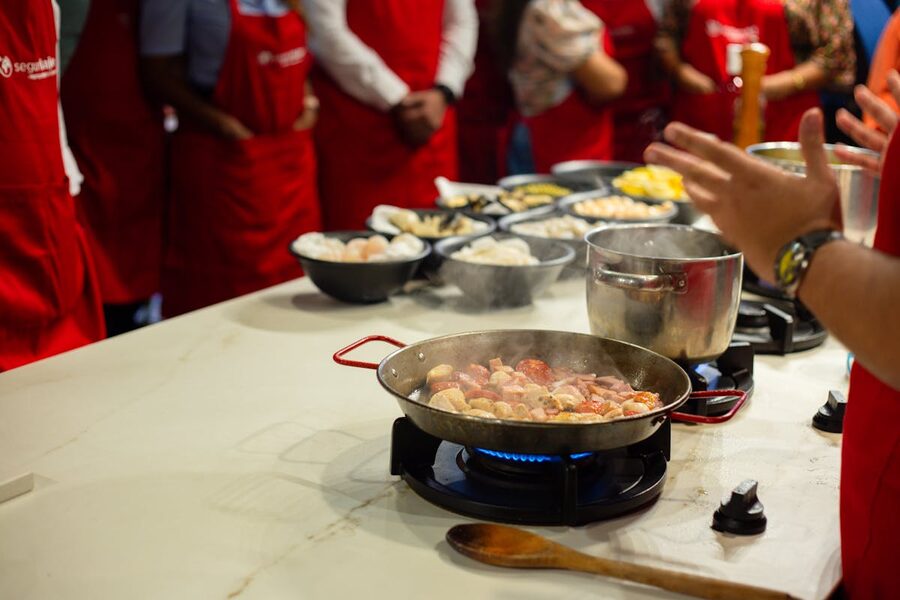
Part two: the cooking (about 1.5 hours). Back at the kitchen, you get an apron, a station, and a drink. Most classes teach you to make three or four dishes — paella is the centerpiece, but you will also learn sangria (harder than it sounds to balance properly), at least one tapa, and sometimes a Catalan staple like pa amb tomaquet (bread rubbed with tomato and olive oil). The key moment with paella is learning when to stop stirring. Unlike risotto, which you stir constantly, paella rice needs to be left alone so the bottom develops that golden crust called socarrat. Every single person in the class will want to stir it. The chef will physically stop you.
Part three: the eating (about 1 hour). You sit down and eat everything you just made, usually with wine or more sangria. This is genuinely one of the best meals you will have in Barcelona, because the ingredients are market-fresh and you know exactly what went into each dish. It is also the part where people exchange Instagram handles and make dinner plans for later that week.
Why Catalan Food Is Not Just “Spanish Food”
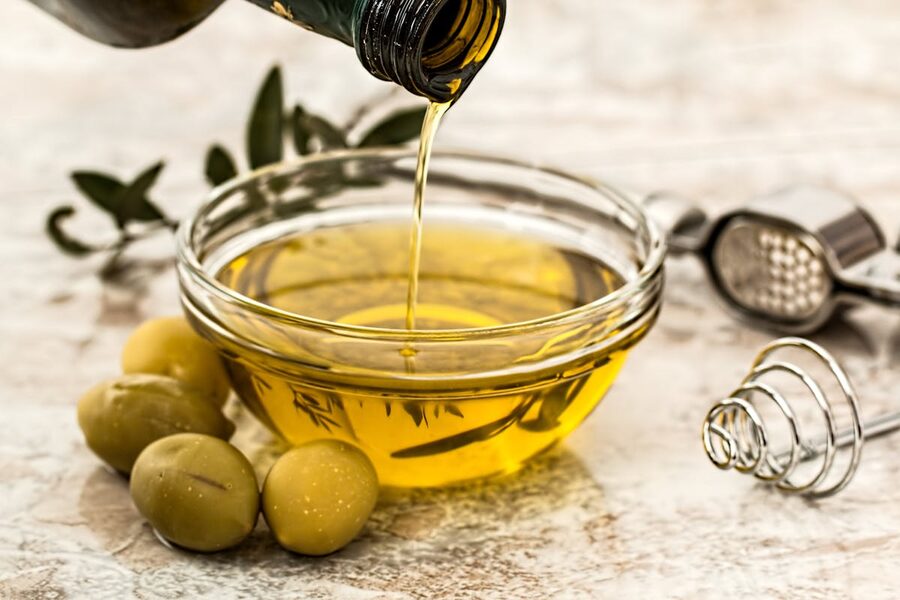
This matters for your cooking class because a good instructor will spend time on the distinction. Barcelona is in Catalonia, and Catalan cuisine has its own identity. The foundational elements are sofregit (a slow-cooked base of onion and tomato that takes 45 minutes to do properly), allioli (garlic pounded with olive oil into an emulsion — no eggs in the traditional version), and romesco (a nut and roasted pepper sauce from Tarragona). You will encounter at least two of these during any cooking class, and they are the reason your food tastes different from what you made from a YouTube recipe at home.
The other thing that surprises people is how much bread matters. Pa amb tomaquet — literally bread with tomato — sounds like the simplest thing in the world. But getting the right toast level, the right ripe tomato (you rub it directly onto the bread until it dissolves), the right amount of oil, and a whisper of salt takes more technique than you expect. Most classes teach this as a warm-up, and it becomes the dish you actually make the most at home afterward.
Booking a Class Directly vs Through a Tour Platform
Some cooking schools in Barcelona have their own websites and take direct bookings. Cook and Taste Barcelona, Barcelona Cooking, and Espai Boisa are three of the more established ones. The advantage of booking direct is that you sometimes get a slightly lower price and can communicate directly about dietary restrictions.
But honestly, I prefer booking through GetYourGuide or Viator for these reasons: you get verified reviews from thousands of past participants (not just a dozen testimonials on the school’s own site), free cancellation up to 24 hours before in most cases, and a single point of contact if anything goes wrong. The prices are usually identical or within a few dollars because the cooking schools set the rates. The one case where booking direct matters is if you want a private class for a group — tour platforms rarely offer that.
The Best Paella Cooking Classes to Book in Barcelona
I have spent a long time going through the data on these classes — not just ratings, but the actual breakdown of what people say after taking them. Barcelona has over 100 cooking classes available on any given day, and most of them are fine. But these three stand out for different reasons, and between them they cover every budget and cooking skill level.
1. Paella Cooking Experience & Boqueria Market Tour — $85
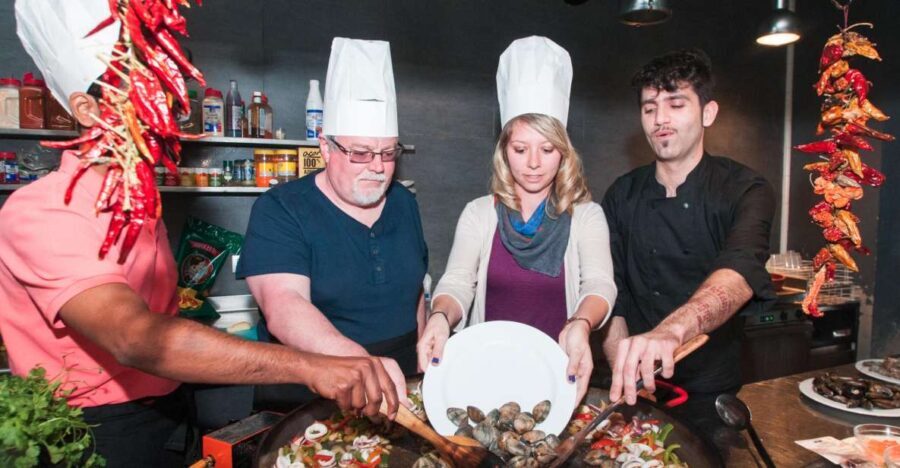
This is the one I recommend to most people, and the numbers back it up — it is the most booked paella class in Barcelona by a wide margin. The three-hour format is perfectly paced: you spend about an hour at La Boqueria with a chef who actually knows the stall owners, then move to the kitchen for hands-on paella plus sangria making, and finish by eating everything with unlimited drinks.
What separates this from the others is the market tour component. You are not just walking through the Boqueria as a tourist — you are shopping with a professional who explains what is in season, why bomba rice absorbs flavor differently than other varieties, and how to pick seafood that was pulled from the Mediterranean that morning. At $85 per person, it is mid-range pricing for a three-hour class that includes food, drinks, and a genuine education in Catalan ingredients. The class size stays small enough that everyone gets hands-on time at the stove.
2. Barcelona Interactive Spanish Cooking Experience — $73
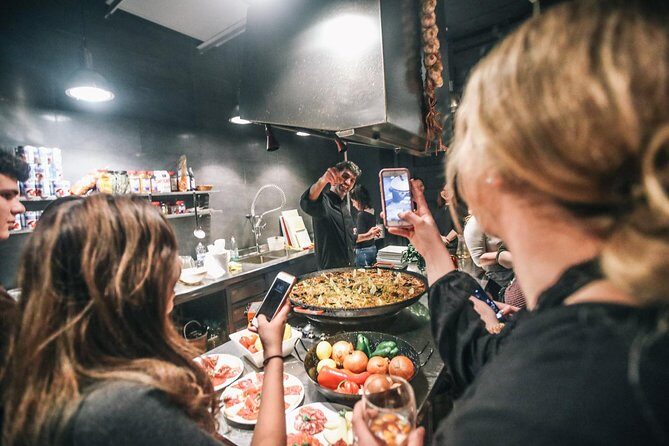
If the Boqueria market tour is not a priority for you — maybe you have already done a tapas tour and spent time at the market — then this class gives you more cooking time for less money. The three-hour format is all kitchen, which means you spend more time actually making things and less time walking through crowds on La Rambla.
The word “interactive” in the name is accurate. This is not a demonstration where you watch a chef and take notes. You are chopping, sauteing, seasoning, and making decisions about when the rice is ready. The class covers paella, tapas, and sangria, and at $73 per person it is the best value option for anyone who wants to learn technique rather than do a market sightseeing tour. The groups tend to be lively, and the chef encourages people to taste as they go — which is how actual Spanish cooks work.
3. Paella & Tapas Cooking Class — $91
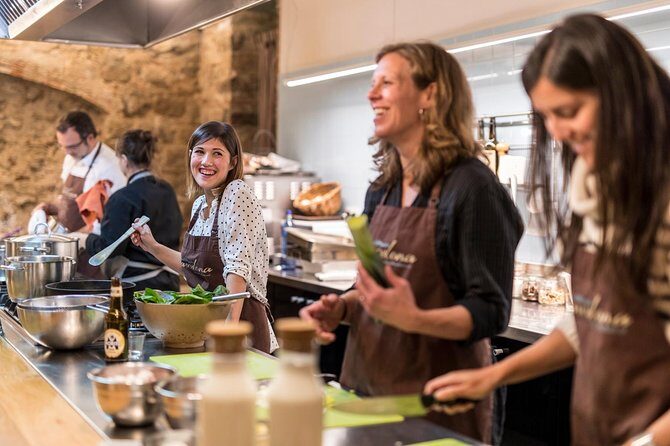
This is the class for people who take food seriously. Four hours instead of three, which gives you time to make paella and multiple tapas and learn about the wine you are drinking with each course. The small group format means you get more one-on-one instruction, and the chef adapts the menu to the group — if everyone is experienced, you will cook harder dishes than a class full of beginners would attempt.
At $91 per person it is the most expensive of the three, but the extra hour and the deeper tapas focus justify the price. You are making four dishes minimum instead of two or three, and the local wine pairings are included rather than just sangria. The kitchen space is designed for cooking classes rather than being a restaurant kitchen that doubles as a teaching space, and the difference shows — more counter space, better equipment, and ingredients pre-portioned so you do not waste time measuring flour. If you only have time for one food experience in Barcelona and want it to be thorough, this is the one.
When to Book Your Cooking Class
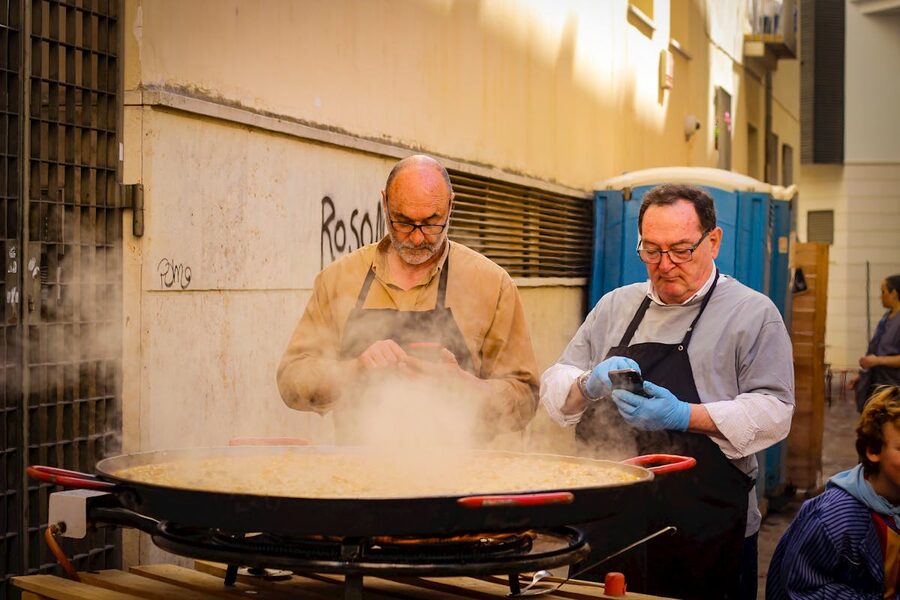
Barcelona cooking classes run year-round, and the market tour classes that go through La Boqueria generally start in the morning — around 10am or 11am — because the market is freshest before noon. Afternoon classes (starting around 4pm or 5pm) are available too, but they skip the market tour since the Boqueria closes by 8:30pm and is already winding down by mid-afternoon.
Book at least 3-5 days ahead in summer. June through September is peak season, and popular classes like the Boqueria market tour sell out fast because they cap group sizes at 10-12 people. In winter (November through February), you can usually book 1-2 days ahead with no issues.
One timing tip that makes a big difference: do not schedule anything right after your cooking class. The eating portion runs long — people are having fun, the sangria keeps flowing, and nobody wants to rush. Budget 30-45 minutes of buffer time. And skip lunch beforehand. You will be eating a full meal’s worth of food during the class, and showing up hungry means you actually enjoy the tasting portion instead of picking at things.
Monday is the one day to avoid for classes that include a Boqueria visit. While the market technically opens on Mondays, many of the best stalls are closed. Sunday is similar — reduced hours and fewer vendors. Tuesday through Saturday gives you the full experience.
What You Will Actually Learn to Cook
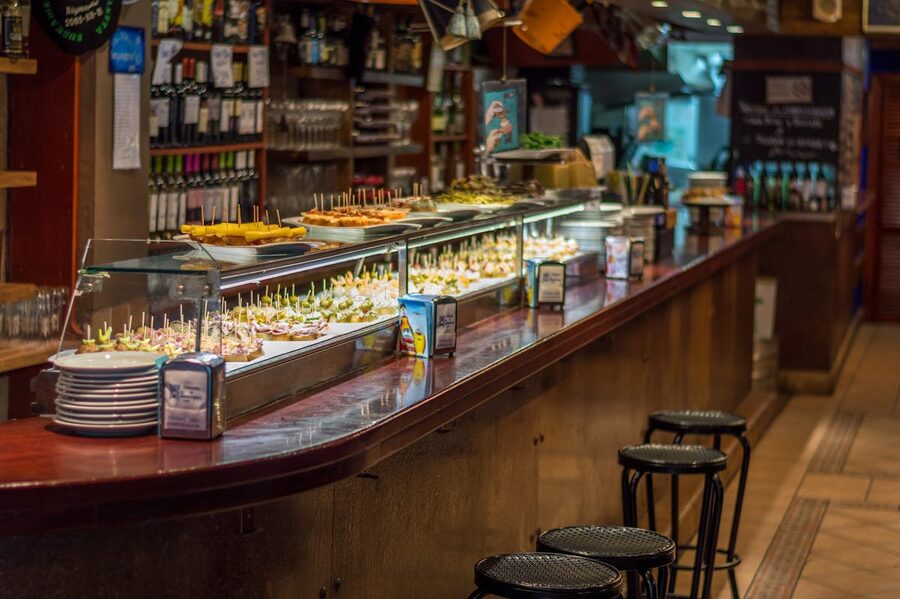
Every class covers paella — that is the headline act. But the supporting dishes vary depending on which class you book, and they are honestly what you will cook the most at home afterward because paella requires a specific pan and a specific type of heat that most home kitchens cannot replicate properly.
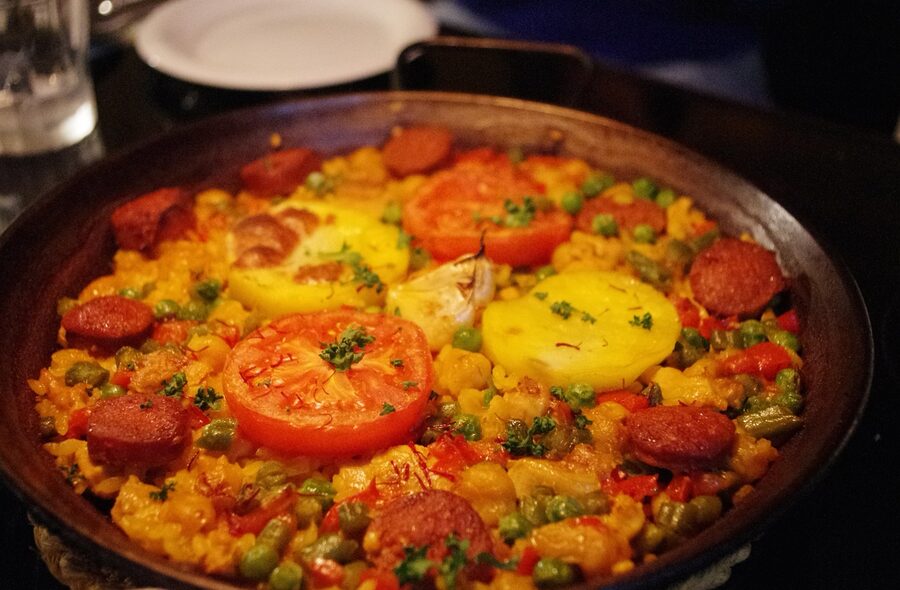
Seafood paella is the standard version taught in Barcelona classes. Prawns, mussels, squid, and sometimes clams, cooked with bomba rice, saffron, fish stock, and a sofregit base. The technique looks simple on paper — toast the rice, add the stock, arrange the seafood, stop stirring, wait — but getting the rice-to-liquid ratio right and knowing when the socarrat has formed without burning it takes practice. Your chef will teach you to listen for it: the rice crackles differently when the bottom crust is developing.
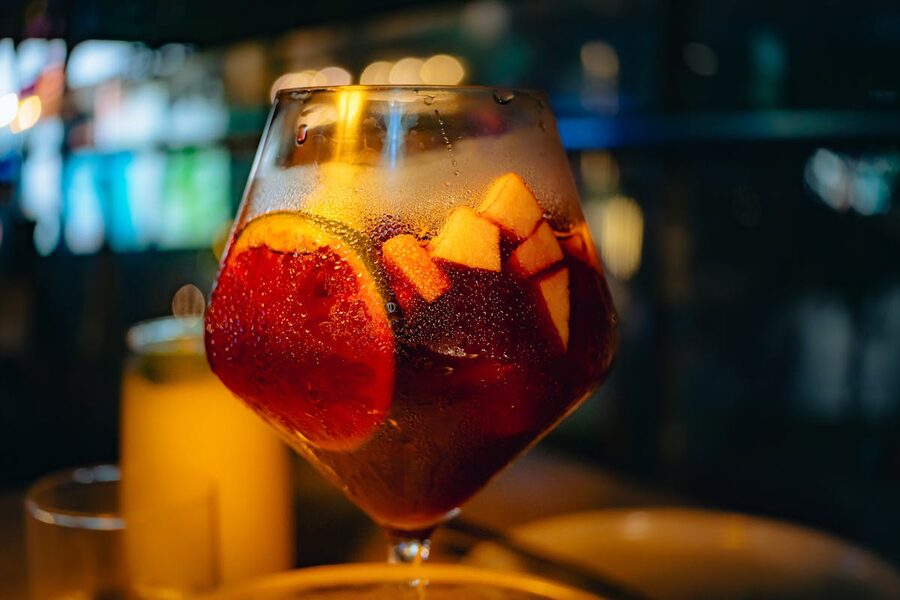
Sangria is always on the menu, and it is harder to make well than people expect. The balance of wine, fruit, liquor, and sweetener matters more than the individual ingredients. A good sangria should not taste like fruit punch, and the class will teach you proportions that you can actually scale at home.
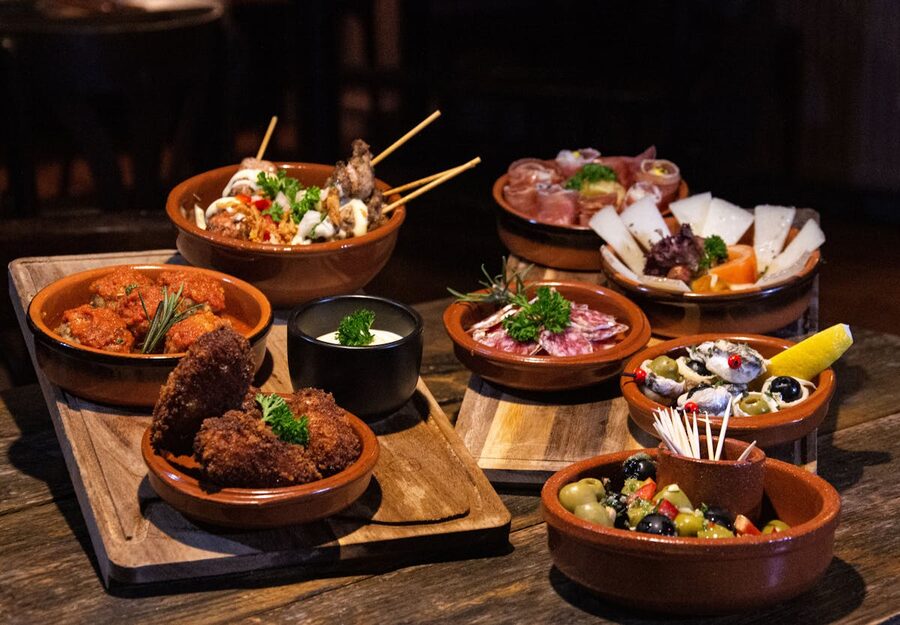
Tapas round out the menu. Depending on the class, you might make patatas bravas (fried potatoes with spicy tomato sauce and allioli), tortilla espanola (the thick Spanish potato omelette that is nothing like a Mexican tortilla), gambas al ajillo (garlic prawns in olive oil), or pan con tomate. The tapas portion is where you actually learn the most transferable cooking skills, because these dishes use a normal stovetop and normal-sized pans that you already own.
How to Get to La Boqueria and Most Class Kitchens
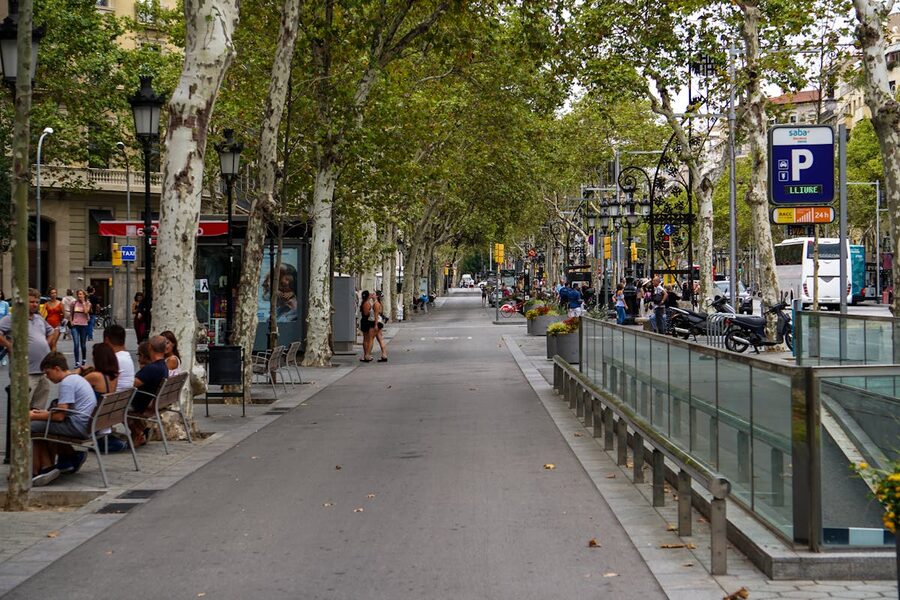
La Boqueria sits on La Rambla, and most cooking class kitchens are within a 10-minute walk of the market in the Gothic Quarter or El Raval neighborhoods. The closest metro stop is Liceu on the green line (L3) — come out the exit and you are literally standing in front of the market entrance.
If you are coming from the Sagrada Familia area, take the L3 from Diagonal and it is a direct ride, about 15 minutes. From Barceloneta beach, it is a 20-minute walk along the waterfront or one metro stop on L4 to Passeig de Gracia, then switch to L3. From the Eixample, most people just walk — it is 15-20 minutes downhill and you get to pass through some of the best Gaudi architecture on the way.
One small warning: the area around La Rambla has pickpockets. Not a dramatic amount, but enough that you should keep your phone in a front pocket and not leave a bag hanging open while you are distracted by market stalls. Your cooking instructor will probably mention this too.
Tips That Will Save You Time and Money
Tell them about dietary restrictions when you book, not when you arrive. Most classes can accommodate vegetarian, gluten-free, or seafood allergies, but they need to know in advance to buy the right ingredients at the market. Showing up and announcing you do not eat shellfish means they have to improvise, and the results are never as good.
Wear closed-toe shoes. You are working in a kitchen with hot oil, boiling stock, and sharp knives. Sandals are technically allowed but you will regret them when someone drops a prawn on your foot.
The recipes are yours to keep. Every class I have seen gives you either a printed recipe card or emails you the recipes afterward. But also take photos during the process — the measurements matter less than the visual cues your chef teaches you (what the sofregit looks like when it is ready, how the rice should sit in the pan, the color of properly bloomed saffron).
Morning classes are better than afternoon ones. The Boqueria is at its best before noon, and morning classes get first pick of the seafood. Afternoon classes still work fine, but you miss the market energy and the ingredients were bought that morning rather than selected in front of you.
Couples and solo travelers both work well. The class format is inherently social — you are sharing cooking stations, passing ingredients, and eating together. Solo travelers consistently say it is one of the easiest ways to meet other people in Barcelona. Couples tend to get competitive about whose paella looks better, which the chefs encourage because it makes for a livelier class.
Planning the Rest of Your Barcelona Trip
A cooking class pairs well with a walking tour of Barcelona — do the walking tour in the morning and the cooking class in the afternoon, or vice versa. If you are spending a few days in the city, the Sagrada Familia needs its own half-day (book tickets in advance, the queues are brutal), and a day trip to Montserrat is worth the train ride for the monastery and the mountain views. On a free afternoon, the Park Guell is a good pairing if you want to see Gaudi’s work outside the city center, and a catamaran cruise off the Barceloneta coast is the best way to decompress after a few days of sightseeing. For more Barcelona food experiences beyond cooking classes, a bike tour through the city covers a lot of ground and usually includes a stop for local bites.
This article contains affiliate links. If you book through our links, we earn a small commission at no extra cost to you. This helps us keep writing these guides.