
I was standing in a small room off the Boulevard des Capucines, about 200 metres from the Opera Garnier, holding a paper strip up to my nose for the fourth time. The strip smelled wrong. Not bad, exactly, but wrong — like wearing two colognes at once. The woman running the session barely glanced at it before saying, “Too much bergamot. Start again with the sandalwood.”
That, in a nutshell, is what a perfume workshop in Paris is like. Less glamorous than it sounds, more fun than you’d expect, and genuinely difficult in a way that makes you respect the people who do this for a living.
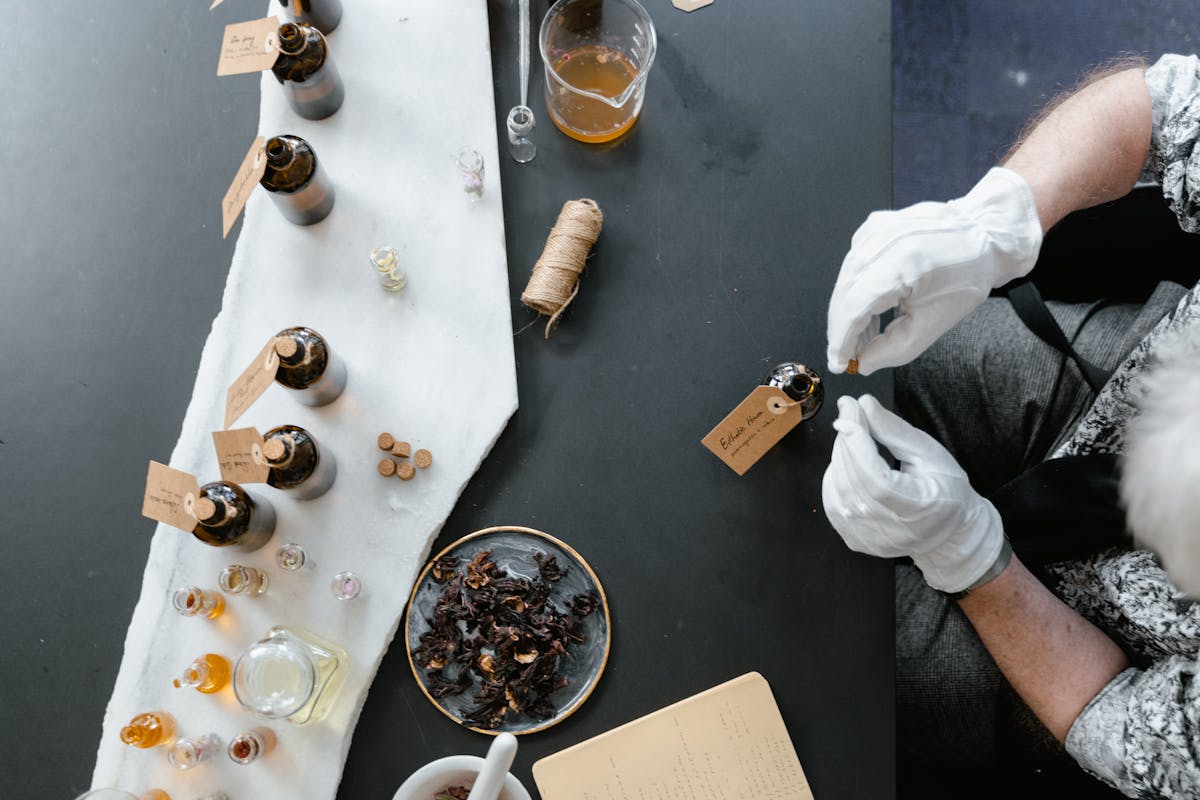
Paris has been the centre of the perfume world since Louis XIV’s court at Versailles. The Sun King was obsessed with fragrance — partly because the court at Versailles rarely bathed. Perfumers were some of the most valued artisans in 17th-century France, and the tradition never went away.
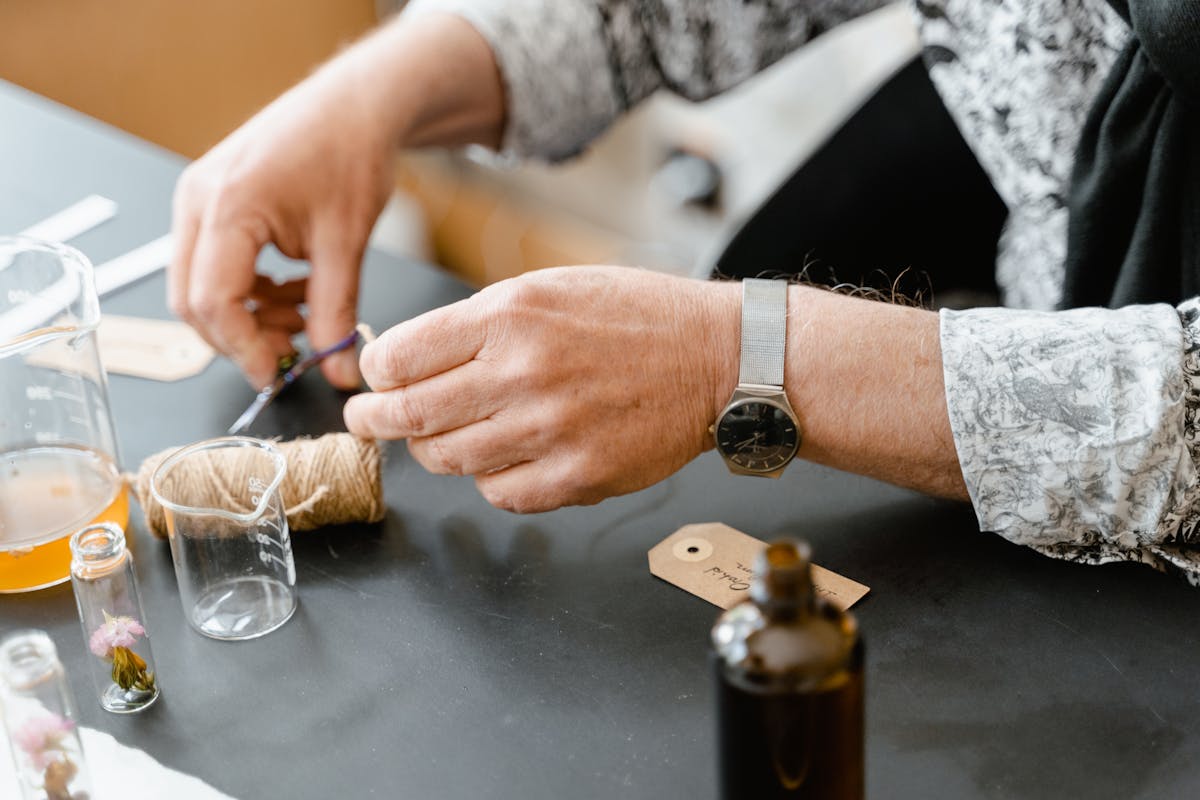
Today you can learn the basics of perfumery in workshops that range from 45 minutes to a full afternoon. You’ll work with real essential oils, learn the difference between top notes, heart notes, and base notes, and leave with a bottle of something you made yourself. Whether that something is actually good is, well, up to you.
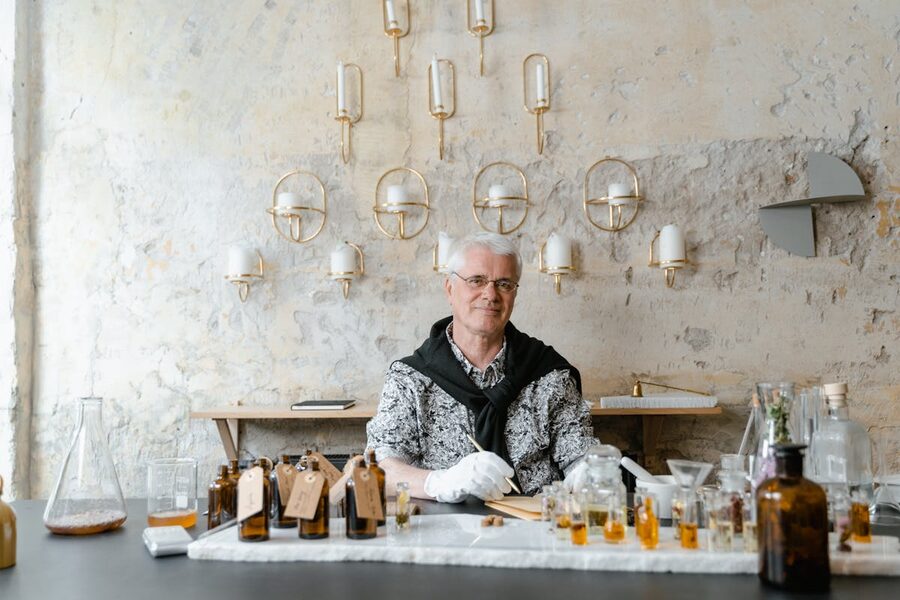
Best value: Fragonard Mini Perfume Workshop — $36. 45 minutes, includes a museum tour, and you take home a 12ml Eau de Toilette. Hard to beat for the price.
Best full experience: 2-Hour Perfume Creation Workshop — $115. Small group, expert guidance near Ile Saint-Louis, 100ml bottle to keep.
Best hands-on: Create Your Own Perfume with a Perfumer — $119. 90 minutes of real one-on-one work with a trained perfumer. You make three fragrances.
- What Actually Happens in a Paris Perfume Workshop
- DIY Booking vs. Guided Workshop — Which Is Better?
- The Best Perfume Workshops to Book in Paris
- 1. Fragonard Paris: Mini Perfume Workshop —
- 2. Paris: 2-Hour Perfume Creation Workshop — 5
- 3. Create Your Own Perfume Workshop with a Perfumer — 9
- When to Book Your Workshop
- Where the Workshops Are (and How to Get There)
- Tips That Will Save You Time and Money
- A Quick History of Perfume in France
- What to Expect Inside: Notes, Accords, and Blending
- Pair Your Workshop With These Nearby Experiences
- Planning the Rest of Your Paris Trip
What Actually Happens in a Paris Perfume Workshop
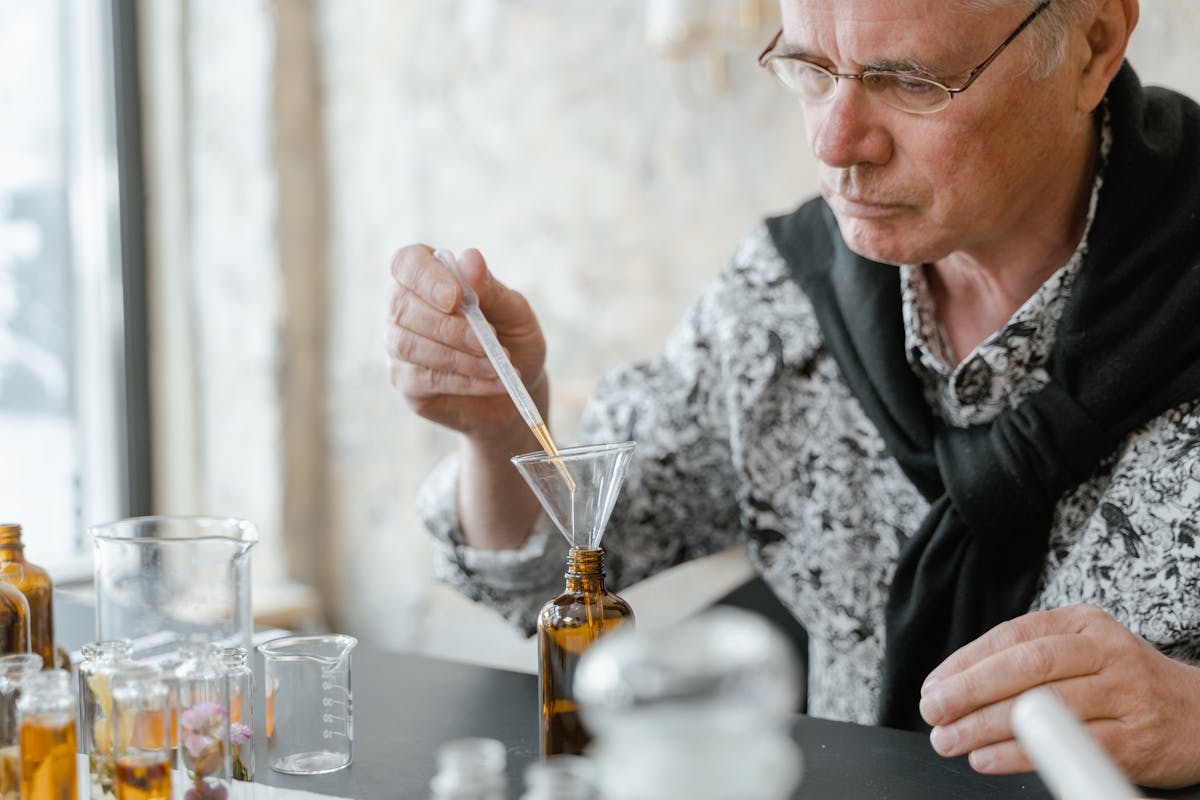
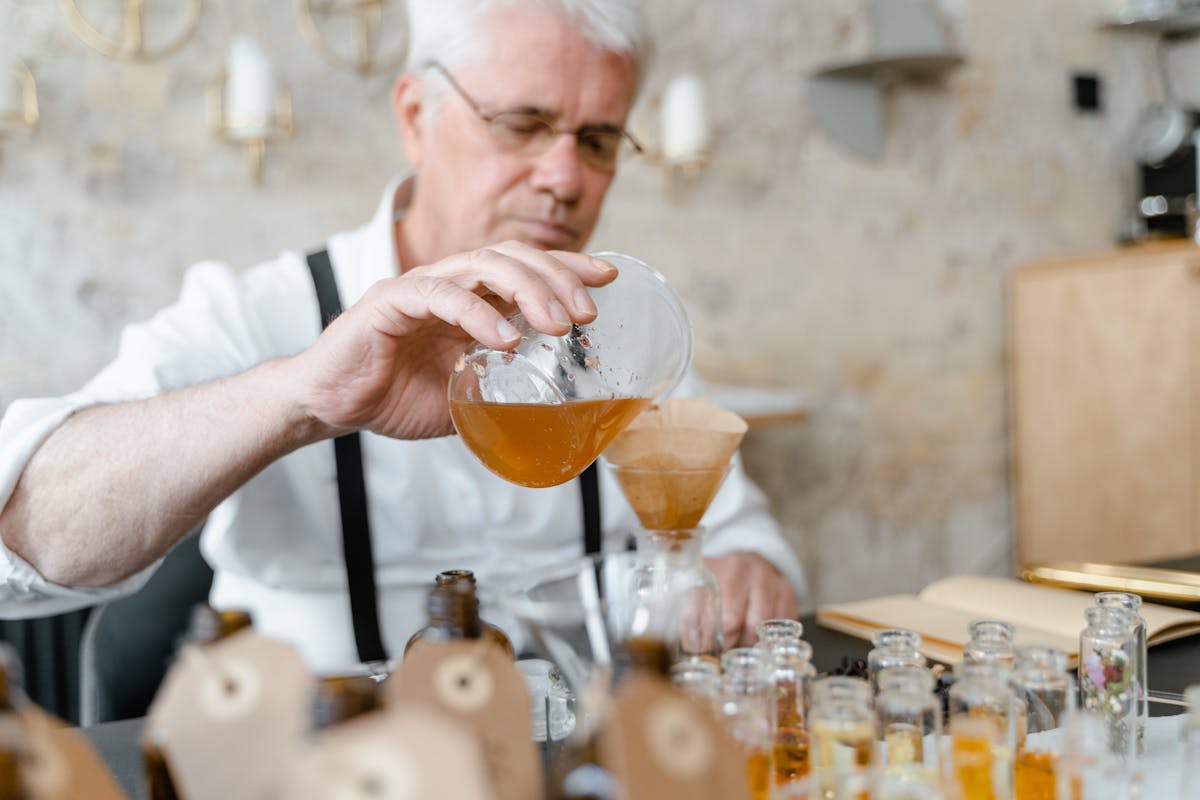
Every workshop follows roughly the same pattern. You start with an introduction to the raw ingredients — the essential oils and absolutes that make up a fragrance. The guide explains the three layers: top notes (what you smell first — citrus, herbs, light florals), heart notes (the main character — rose, jasmine, spices), and base notes (what lingers for hours — sandalwood, vanilla, musk, amber).
Then you smell. A lot. Most workshops lay out between 30 and 60 individual ingredients on strips of blotting paper. You work through them systematically, noting which ones you like, which ones make you pull a face, and which ones surprise you. This part takes longer than you’d think. After about 15 smells your nose starts getting confused, and the guides usually have coffee beans or your own sleeve to “reset” between rounds.
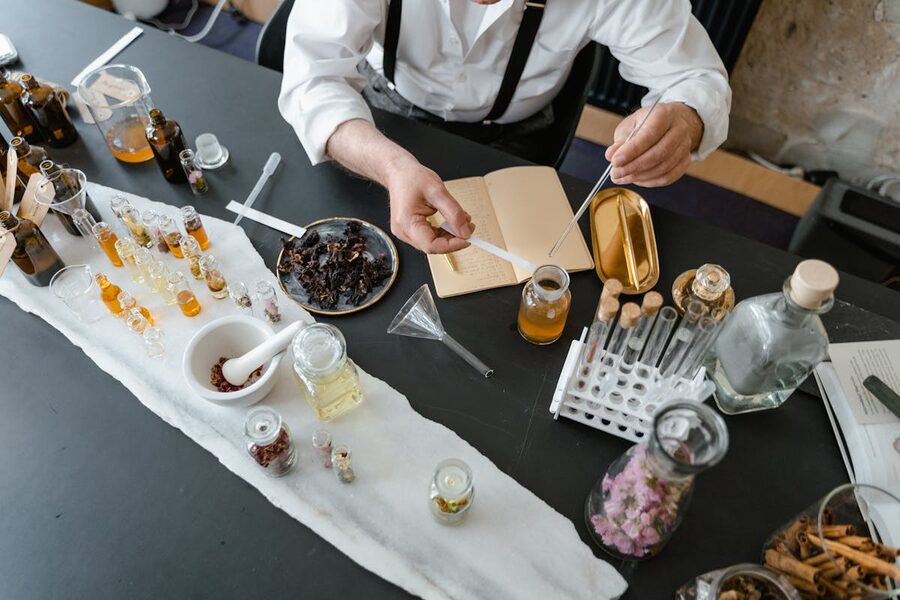
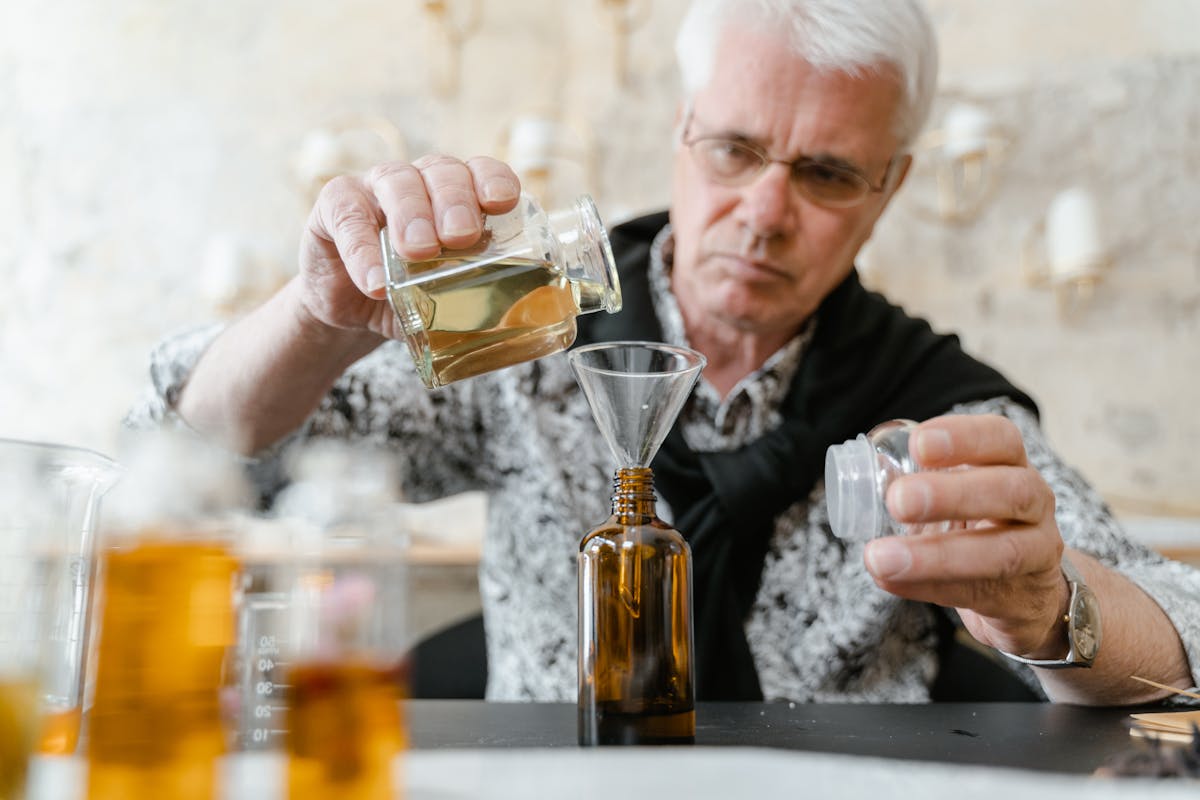
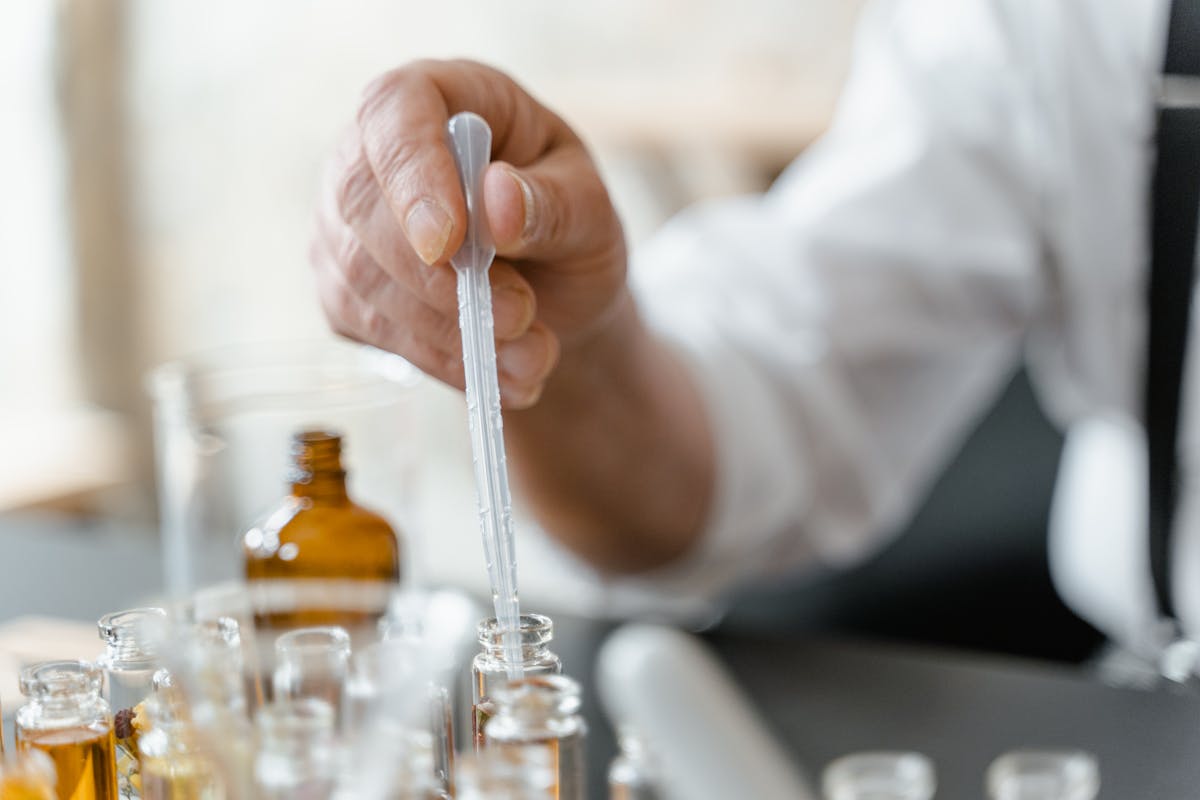
Once you’ve picked your favourites, you start blending. This is where things get interesting — and where most people discover that their three favourite smells mixed together don’t necessarily create something wearable. The guide helps you find a balance, adjust proportions, and avoid the classic beginner mistake of drowning everything in vanilla.
At the end, you bottle your creation and take it home. Sizes vary from 12ml at the shorter workshops to 100ml at the full-length sessions. Most places also give you the formula so you could theoretically recreate it later, though nobody actually does.
DIY Booking vs. Guided Workshop — Which Is Better?
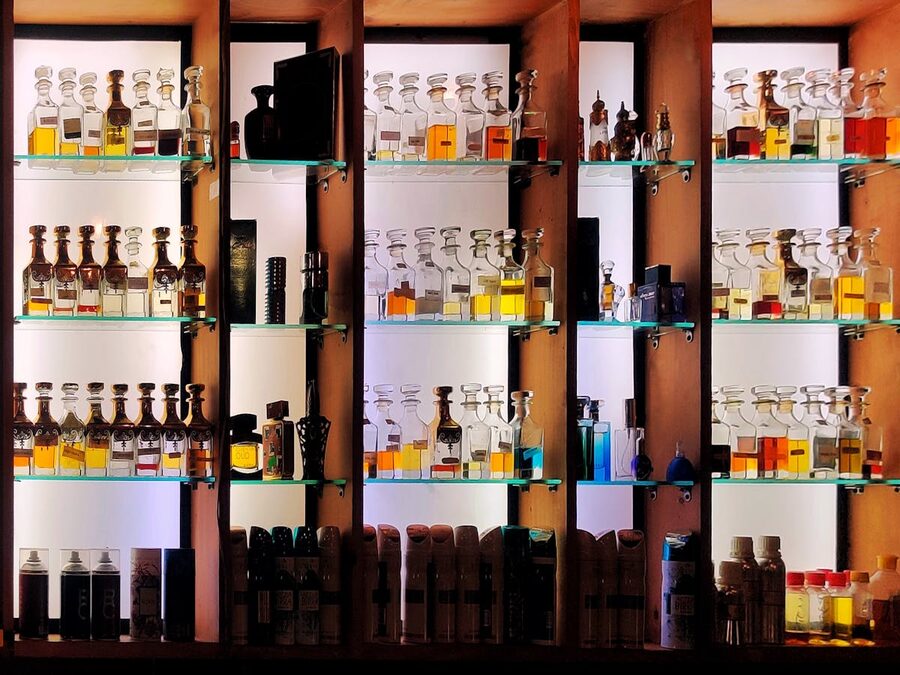
You have two ways to do this. You can book directly with a perfume house (Fragonard, Molinard, and Galimard all have Paris locations), or you can book through a platform like GetYourGuide or Viator. The practical difference is minimal — the same guides run the same workshops either way. But booking through a platform gives you free cancellation up to 24 hours before, which is worth it in Paris where plans change constantly.
The Fragonard museum and boutique near the Opera is the best-known option. The museum itself is free and worth a quick look even if you don’t do the workshop. It’s small — maybe 20 minutes to walk through — but the collection of antique perfume bottles and distillation equipment is genuinely interesting. The mini workshop runs from the same building.
For something more hands-on, the independent perfumers who operate through booking platforms tend to run smaller groups. I’d take a 4-person class with an expert over a 20-person session at a big brand any day, even if the brand name is more recognisable.
The Best Perfume Workshops to Book in Paris
1. Fragonard Paris: Mini Perfume Workshop — $36
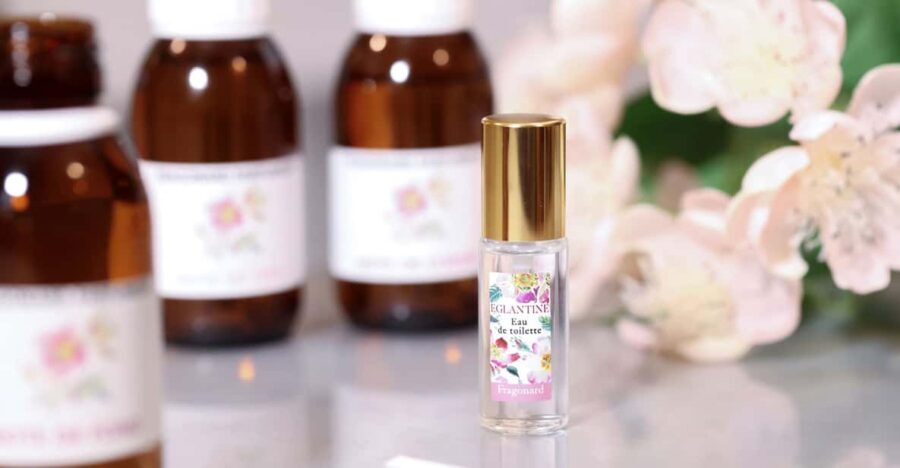
This is the one most people start with, and for good reason. At $36 for 45 minutes, it’s the cheapest proper perfume workshop in Paris by a wide margin. Fragonard is one of France’s oldest perfume houses (founded in Grasse in 1926), so they know what they’re doing.
You get a guided tour of their small museum first, then move into the workshop space where you’ll create a 12ml Eau de Toilette from their selection of ingredients. The group sizes can be large — up to 15 or 20 people at peak times — which means less individual attention. But at this price, that’s a fair trade. The Fragonard workshop consistently gets strong feedback from visitors, and the museum location near the Palais Garnier makes it easy to combine with a morning at the opera.
2. Paris: 2-Hour Perfume Creation Workshop — $115
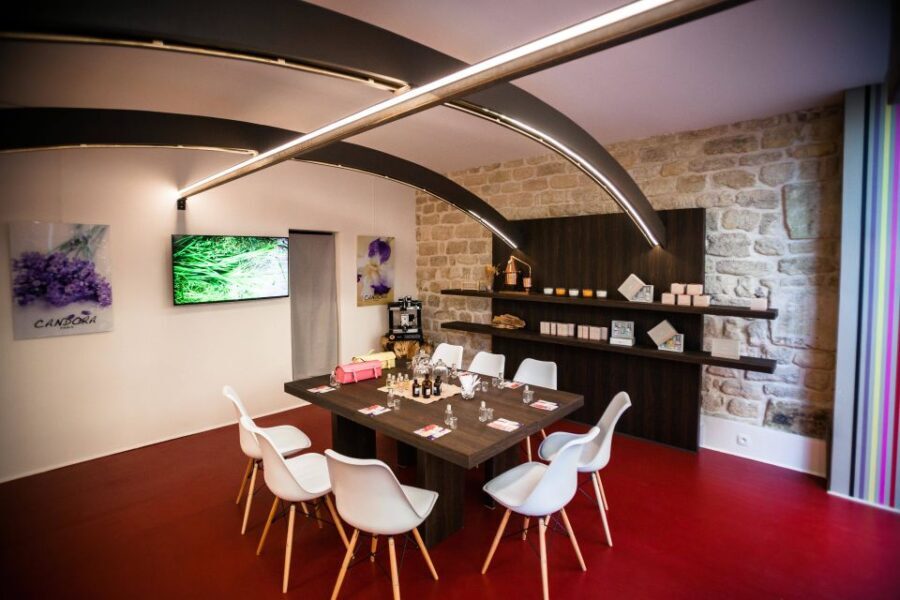
If you want to go deeper than the Fragonard quickie, this is the one to book. Two hours in a small-group setting near Ile Saint-Louis, run by experienced perfumers who give you time to experiment. You’ll work with a wider range of ingredients and end up with a 100ml bottle of your creation — that’s more than eight times the volume of the Fragonard option.
The extra time makes a real difference. Instead of rushing through the smelling and blending stages, you can actually try different combinations, make adjustments, and understand why certain notes work together. The guides here are trained perfumers, not retail staff reading from a script. The 2-hour creation workshop is the most popular option in this category, and the location near Ile Saint-Louis means you’re in one of the best parts of Paris for a post-workshop wander.
3. Create Your Own Perfume Workshop with a Perfumer — $119
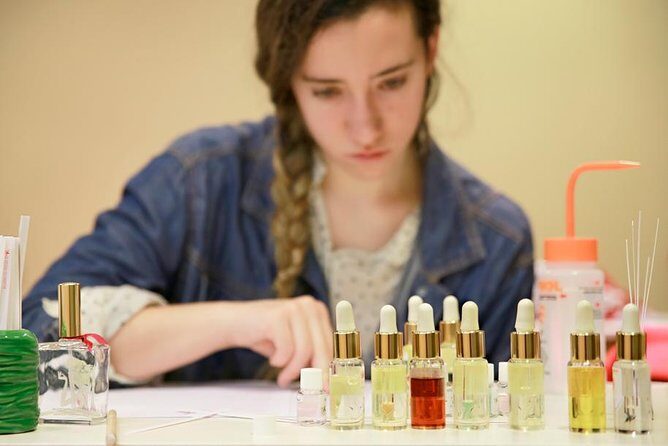
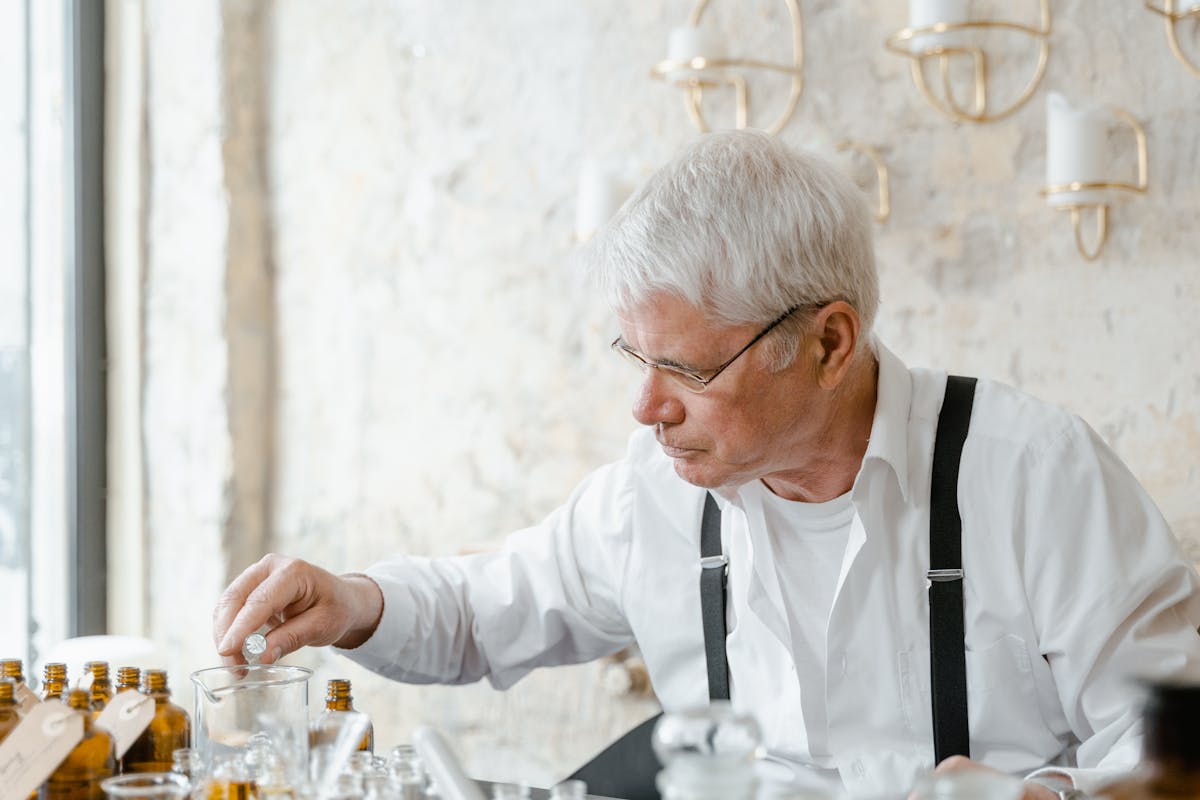
This is the most hands-on of the three. 90 minutes with a trained perfumer who walks you through the creation process step by step. The big difference here is that you don’t just make one fragrance — you create three separate blends to compare, which teaches you much more about how notes interact.
The price is similar to the 2-hour workshop, but the approach is different. This is less “follow the steps” and more “let’s experiment and see what happens.” The perfume workshop with a perfumer works well for people who want to understand the craft rather than just go home with a nice bottle. The guide adjusts the session based on your interests, so if you’re drawn to woody scents or florals, you’ll spend more time exploring that family. It’s taught in English and runs from a central Paris location.
When to Book Your Workshop
Morning sessions fill up faster than afternoons, especially on weekends. If you can be flexible, Tuesday through Thursday afternoons tend to have the smallest groups. The Fragonard workshop runs multiple times per day and rarely sells out more than a day or two in advance. The smaller independent workshops are a different story — book those at least a week ahead during summer.
Seasonally, spring and autumn are ideal. Your sense of smell works better when it’s not too hot and not too cold. Summer in Paris can hit 35C, and standing in a small room with 15 other people sniffing essential oils is not great when everyone is already overheated. Winter is fine, but the cold air outside can dull your nose before you even walk in.
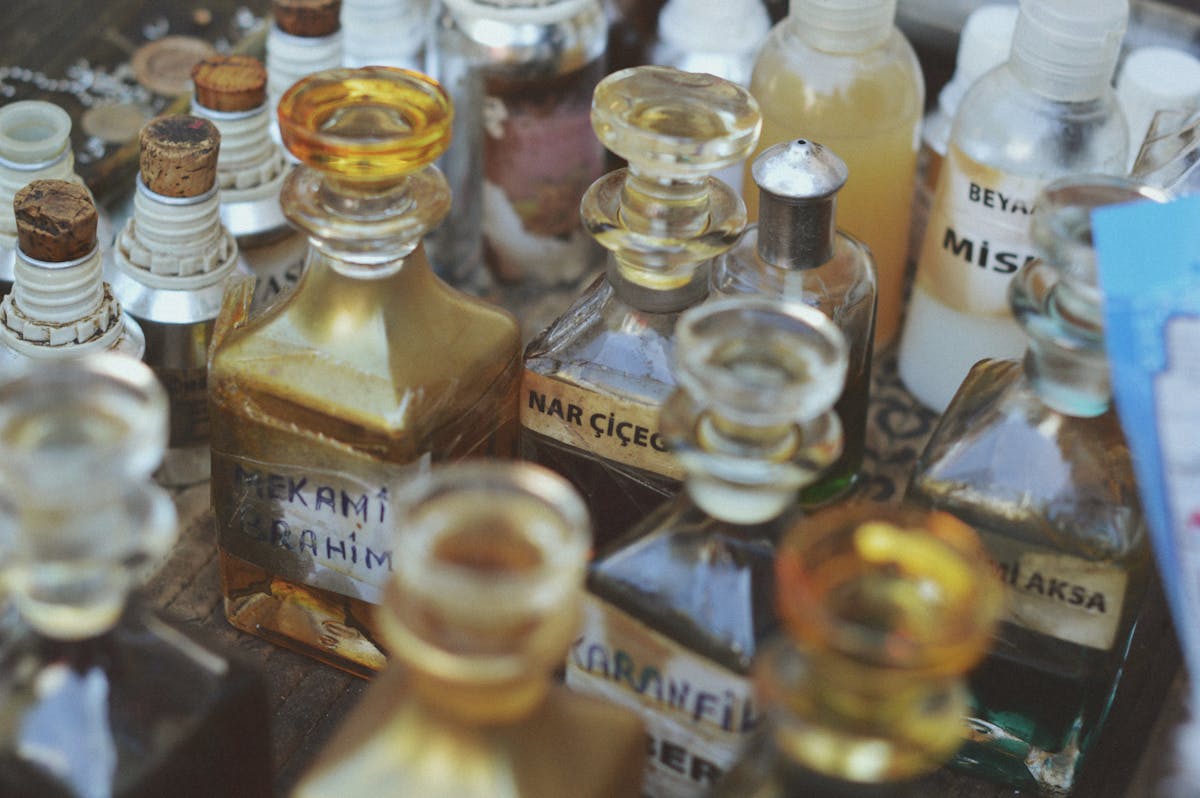
One practical tip: don’t wear perfume or cologne on the day of your workshop. This sounds obvious but people forget. Anything you’re already wearing will interfere with your ability to smell the ingredients clearly. Same goes for scented hand cream.
Where the Workshops Are (and How to Get There)
The Fragonard Perfume Museum and Workshop is at 9 Rue Scribe, 75009 Paris — basically across the street from the back of the Opera Garnier. Take Metro line 3, 7, or 8 to Opera station. It’s also walkable from Galeries Lafayette if you’re shopping that morning.
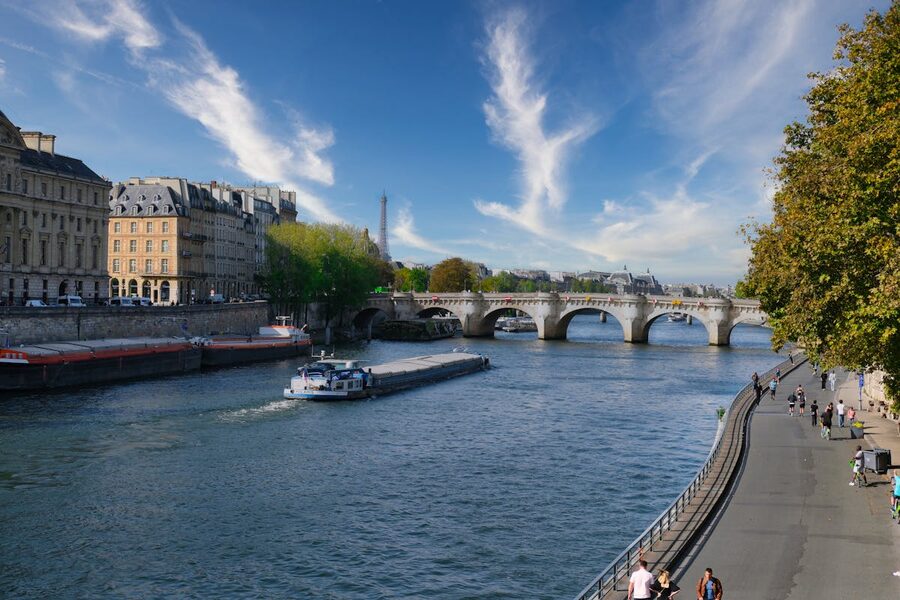
The independent workshops near Ile Saint-Louis (where the 2-hour creation workshop runs) are in the 4th arrondissement. Metro line 7 to Pont Marie drops you within 3 minutes’ walk. This is one of the best neighbourhoods in Paris for an afternoon stroll after your session — Notre-Dame is right there, and the ice cream at Berthillon is worth the queue.
The Viator workshop (Create Your Own Perfume with a Perfumer) runs from central Paris as well — the exact address is confirmed after booking, but it’s always within the 1st-4th arrondissements. All three options are metro-accessible and none require a taxi unless you’re coming from the outskirts.
Tips That Will Save You Time and Money
Start with Fragonard if you’re unsure. At $36, it’s low-risk. If you love it, book a longer workshop on another day. If it’s not your thing, you’ve only spent 45 minutes and haven’t blown $120 on something you didn’t enjoy.
Book through GetYourGuide or Viator, not direct. Same workshop, same guides, but you get free cancellation and mobile tickets. The direct booking sites for most workshops require full payment upfront with no refund policy.
Bring a notebook. You’ll smell so many things that they blur together. Jotting down “this one = grandma’s garden” or “nope, hate this” next to each number saves time during the blending phase.
Don’t eat a heavy lunch right before. Your sense of smell is sharper when you’re slightly hungry. A coffee and a croissant is fine; a three-course meal at a brasserie is not ideal right before you need to distinguish between ylang-ylang and jasmine absolute.
Kids can do some of these. The Fragonard workshop is suitable for children over 10 with a parent. Molinard even runs a dedicated children’s perfume workshop (though it’s not available in English at all times). For younger kids, just visit the Fragonard museum — it’s free, quick, and they can smell the testers in the shop.
A Quick History of Perfume in France
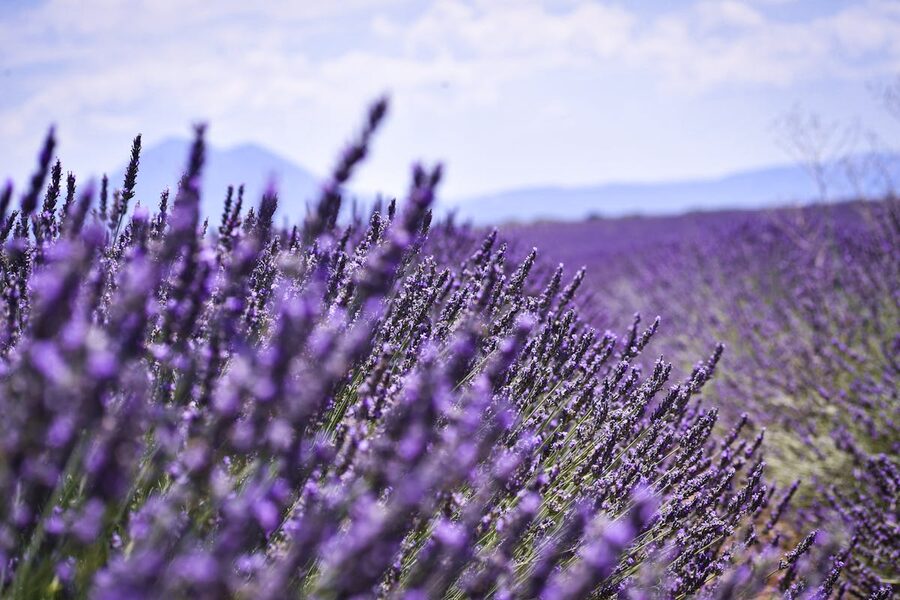
France didn’t invent perfume — that honour goes to ancient Mesopotamia and Egypt. But France turned it into an industry. Grasse, a small town in Provence about an hour from Nice, became the world capital of perfumery in the 16th century because it had the right climate for growing jasmine, rose, and lavender.
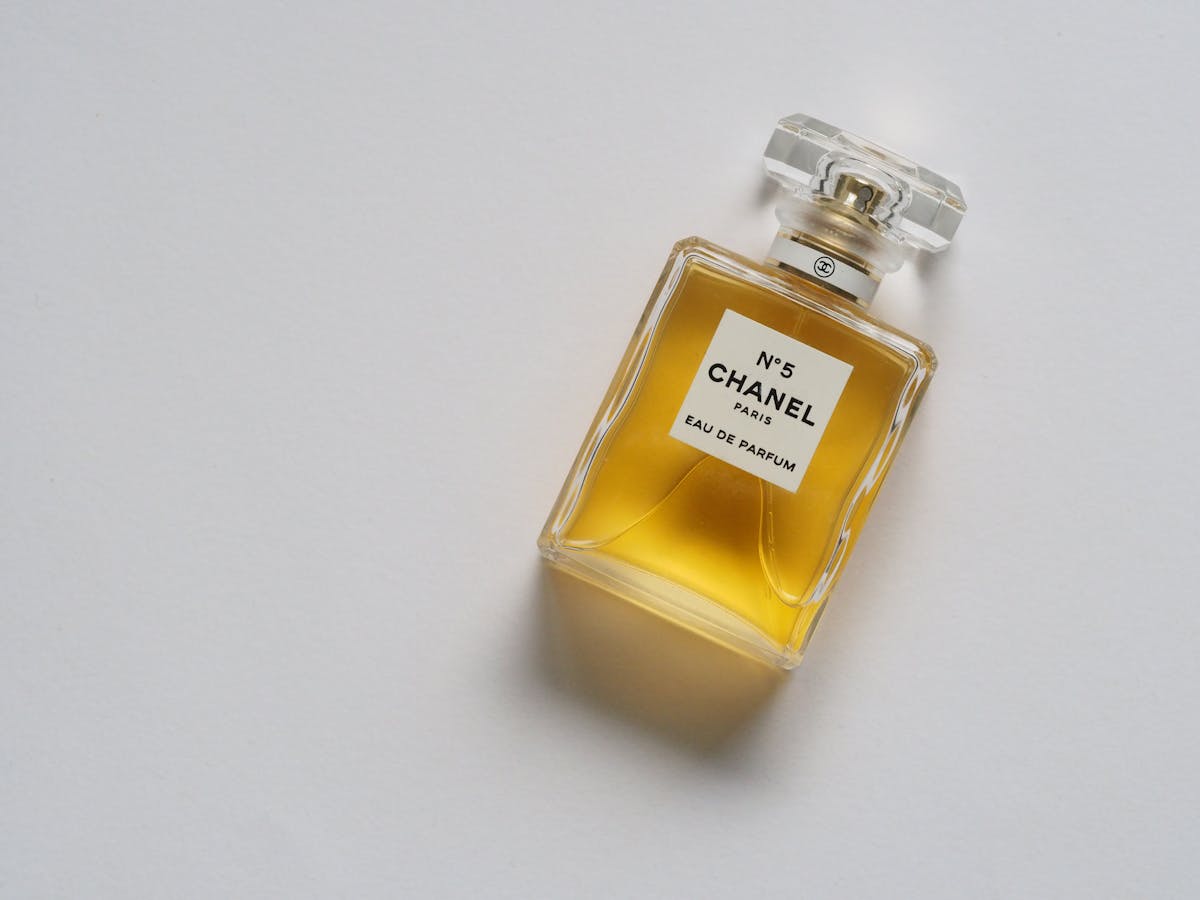
The industry really took off under Louis XIV, who had perfumers on staff at Versailles. By the 18th century, Paris had hundreds of parfumeries, and French perfume was the luxury export of choice for European aristocracy. Chanel No. 5, created in 1921 using jasmine and rose from Grasse, is still the best-selling perfume in the world more than a century later.
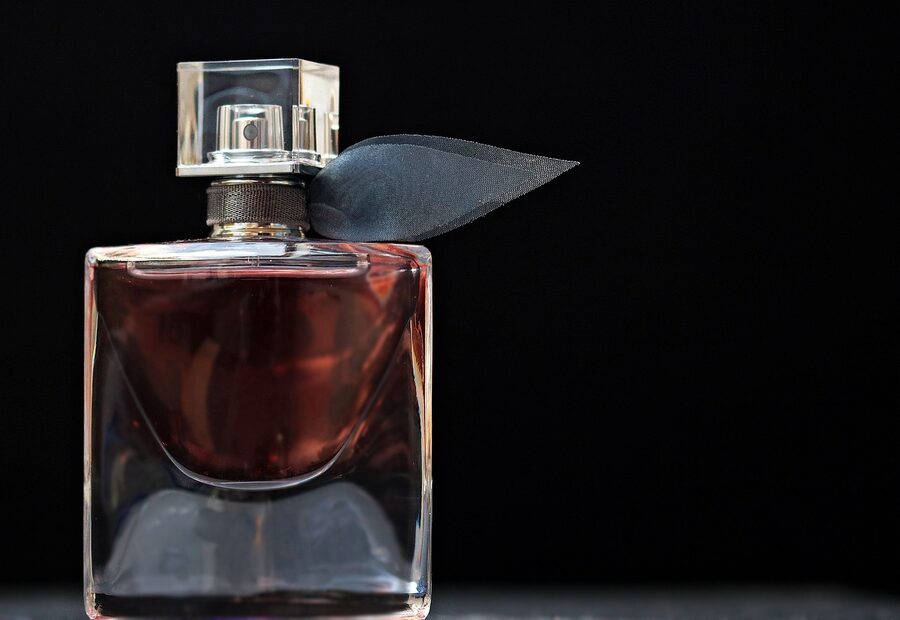
Today there are fewer than 600 working “noses” (nez) in the world — master perfumers who have trained for six or more years and can identify over 3,000 individual scents. The Paris workshops give you a taste of what these professionals do every day. You won’t walk out as a nose, but you’ll walk out understanding why your favourite perfume smells the way it does.
What to Expect Inside: Notes, Accords, and Blending
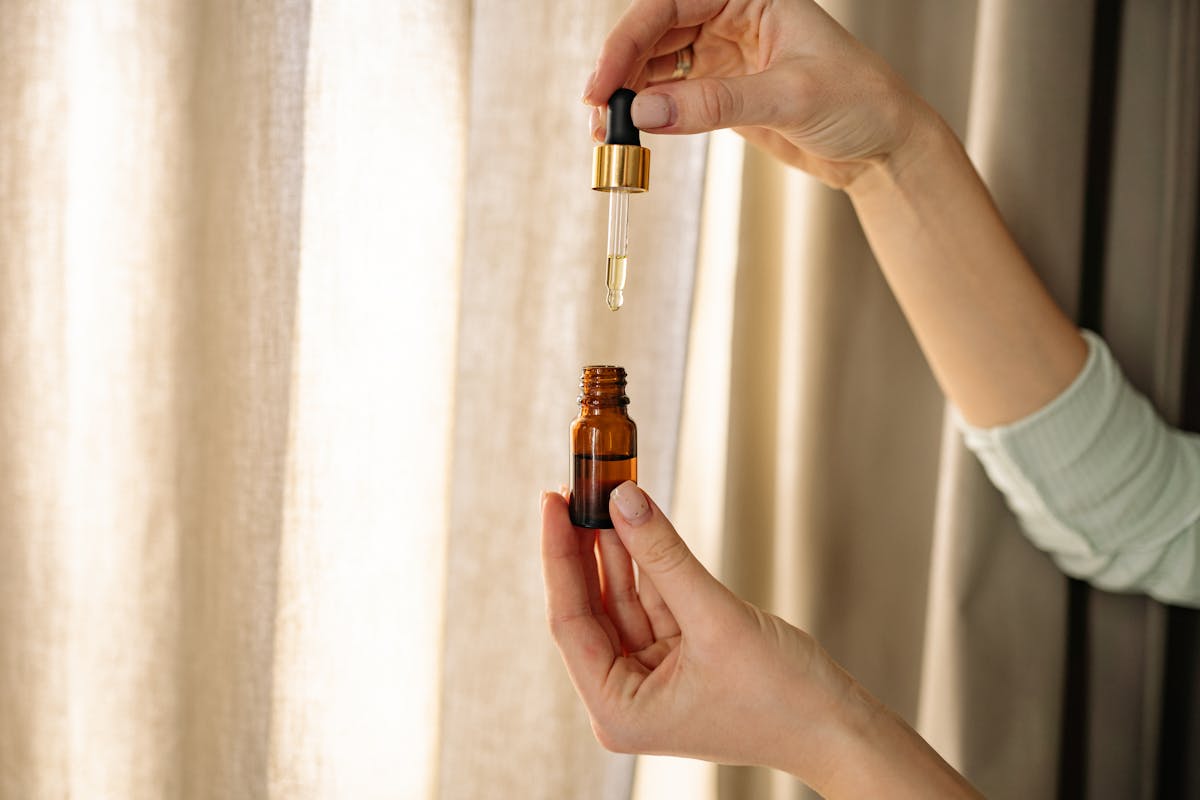
The terminology can feel intimidating at first, but it’s simple once you get it. A note is a single ingredient — bergamot, or rose, or sandalwood. An accord is what happens when two or three notes combine to create something that smells like more than the sum of its parts. Your finished perfume is built from several accords layered together.
Top notes are what you smell first when you spray a perfume. They’re light and evaporate quickly — citrus, mint, basil, light florals. They last about 15-30 minutes. Heart notes emerge after the top notes fade. These are the personality of the fragrance — rose, jasmine, cinnamon, geranium. They stick around for 2-4 hours. Base notes are the foundation. Sandalwood, vanilla, amber, musk, patchouli. These last all day and anchor everything above them.
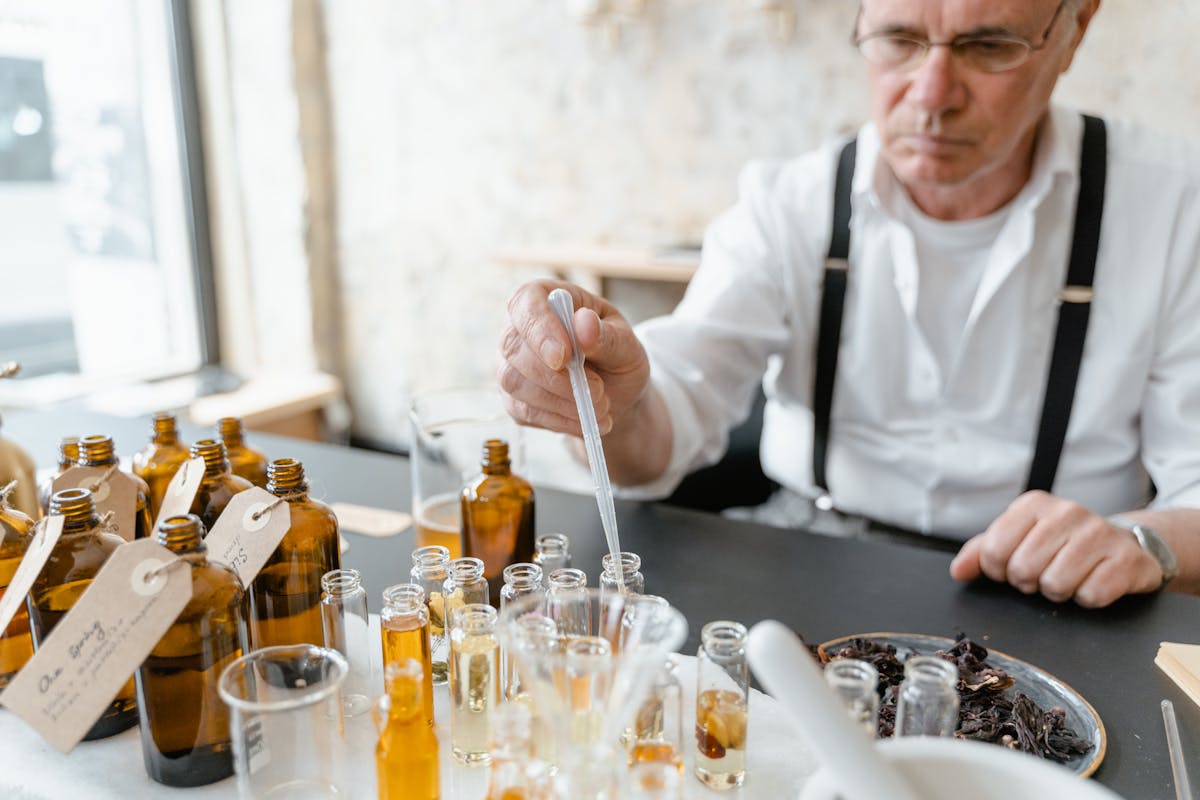
The trick — and this is where the workshop gets genuinely challenging — is that what smells great on a paper strip doesn’t always work on skin. And ingredients that smell awful on their own (certain musks, civet-type bases) can transform a flat fragrance into something complex and interesting. The guides are good at nudging you toward combinations that actually work while letting you feel like you figured it out yourself.
Pair Your Workshop With These Nearby Experiences
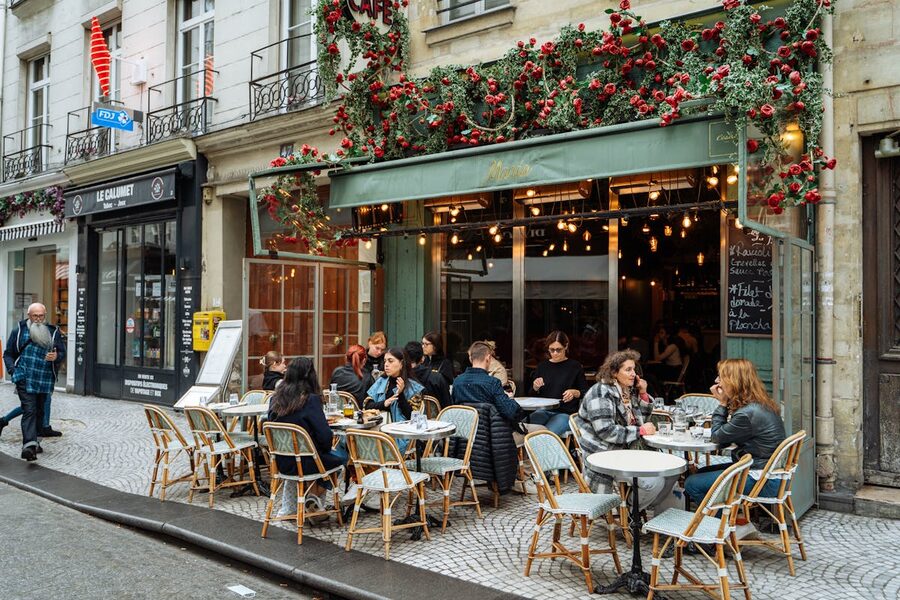
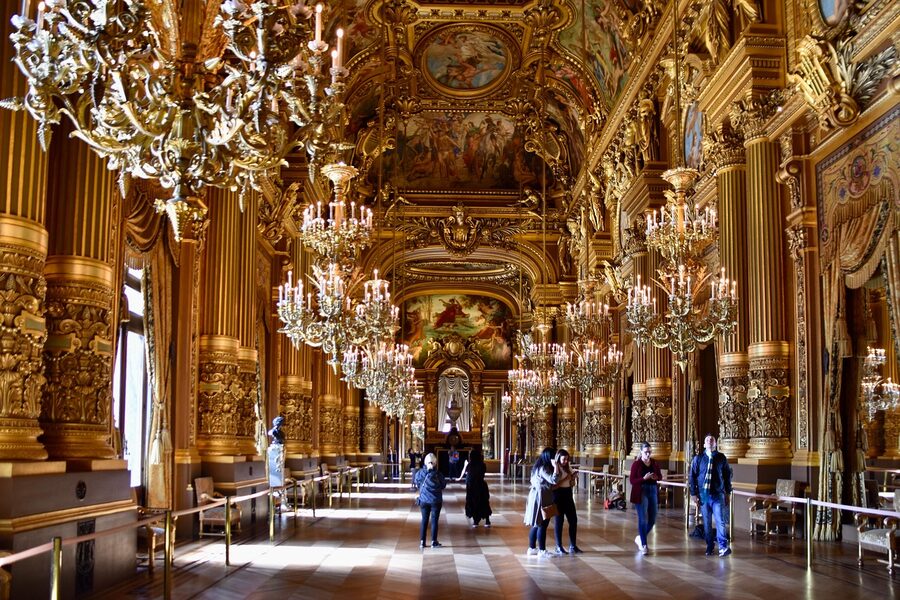
A perfume workshop takes between 45 minutes and 2 hours, so you’ll have most of the day left. The Fragonard workshop near Opera pairs naturally with Palais Garnier tickets — the opera house is literally across the street and worth seeing even if you’re not attending a performance. The Chagall ceiling alone justifies the entry price.
If you’re interested in more hands-on Paris experiences, a cooking class makes a great companion activity on a different day. Same idea — working with a professional to create something yourself — but with flavours instead of scents. The Paris food tour through croissants and chocolate is another option if you’d rather eat than cook.
Planning the Rest of Your Paris Trip
If you’re spending a few days in Paris, the perfume workshop fits neatly into a morning slot. For the big landmarks, our guides cover Eiffel Tower tickets (book at least 2 weeks ahead for the summit), Louvre tickets (go Wednesday or Friday evening for smaller crowds), and Musee d’Orsay tickets for the Impressionist collection. For a day out of the city, the Palace of Versailles is the obvious choice — and now you’ll appreciate the perfumed history of the place even more. A Seine dinner cruise is the best way to end any Paris trip, and Montmartre is worth a full afternoon for the street art and the views from Sacre-Coeur.
This article contains affiliate links to tour booking platforms. If you book through these links, we earn a small commission at no extra cost to you. This helps us keep the site running and the guides free.