
Everyone calls Porto’s Dom Luís I the Eiffel bridge, but Eiffel didn’t design it — his partner Théophile Seyrig did, in 1886. Eiffel built the Maria Pia a kilometre upstream nine years earlier: older, rail-only, now closed to traffic but preserved as a monument. The 50-minute Six Bridges Cruise passes under both, plus four more.
At €21, it’s the cheapest way to see Porto from the water. Here’s how the tours work, which operator to pick, and why you should do this in late afternoon rather than midday.
In a Hurry? The Three Porto Bridge Cruises
- Most booked: Porto Six Bridges Cruise — from €21. 50 minutes, standard route under all six bridges. 11,000+ reviews.
- Alt operator: Porto 6 Bridges Douro Cruise — from €23. Same route, different operator. Slightly smaller boats.
- With wine cellar: Bridges Cruise + Wine Cellar or Sunset — from €21. Combo option, adds a Vila Nova de Gaia port wine tasting to the cruise.
- In a Hurry? The Three Porto Bridge Cruises
- What the Six Bridges Are
- The Three Porto Bridge Cruises Compared
- 1. Porto Six Bridges Cruise — from €21
- 2. Porto 6 Bridges Douro River Cruise — from €23
- 3. Bridges Cruise + Wine Cellar Tour or Sunset — from €21
- What the Cruise Actually Shows You
- When to Take It
- Seasonal Considerations
- Getting to the Dock
- What Makes the Douro Different From Other City River Cruises
- Douro River vs Tagus River
- Extending the Cruise
- Pairing With Other Porto Things
- Booking Tips
- Weather and Cancellations
- Comparing to Rival Operators
- Other Porto Cruises
- Practical Questions
- Getting to Porto in the First Place
- Combining with Lisbon
- Porto Bridge Engineering — Why It Matters
- Where to Eat After the Cruise
- One Porto Bridge Worth a Closer Look
- The Short Version
- Photography Tips from the Cruise
What the Six Bridges Are
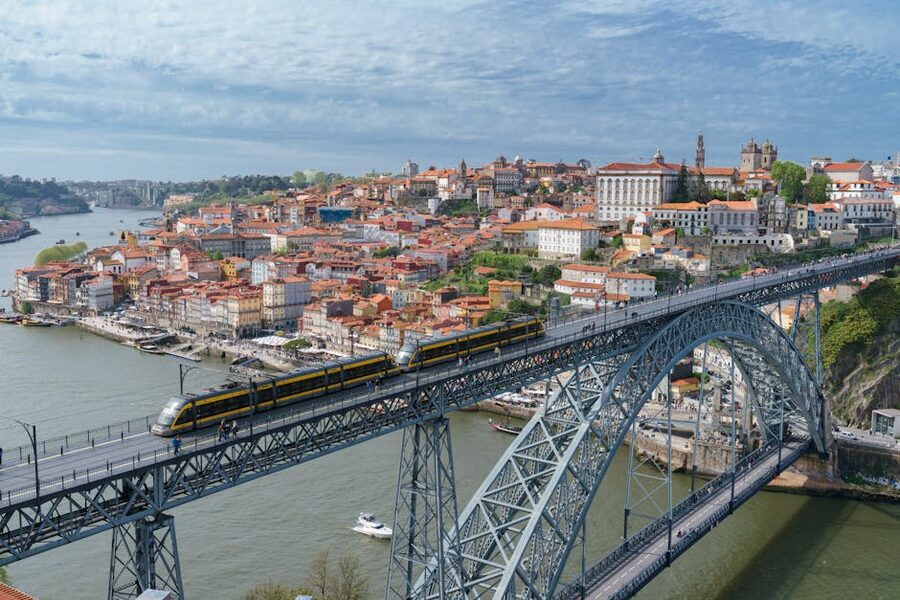
From east to west as the cruise passes under them:
1. Ponte do Infante (2003) — the newest. Road bridge connecting upper Porto to upper Gaia. Modern concrete arch.
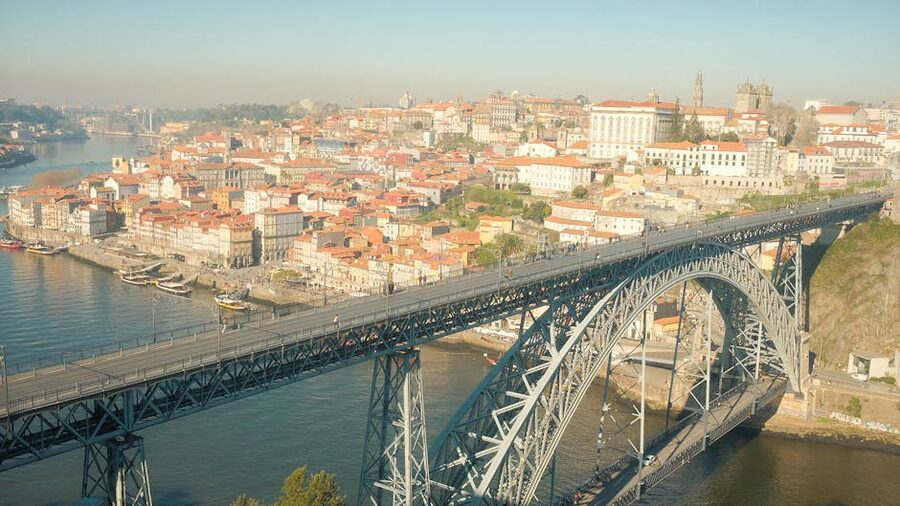
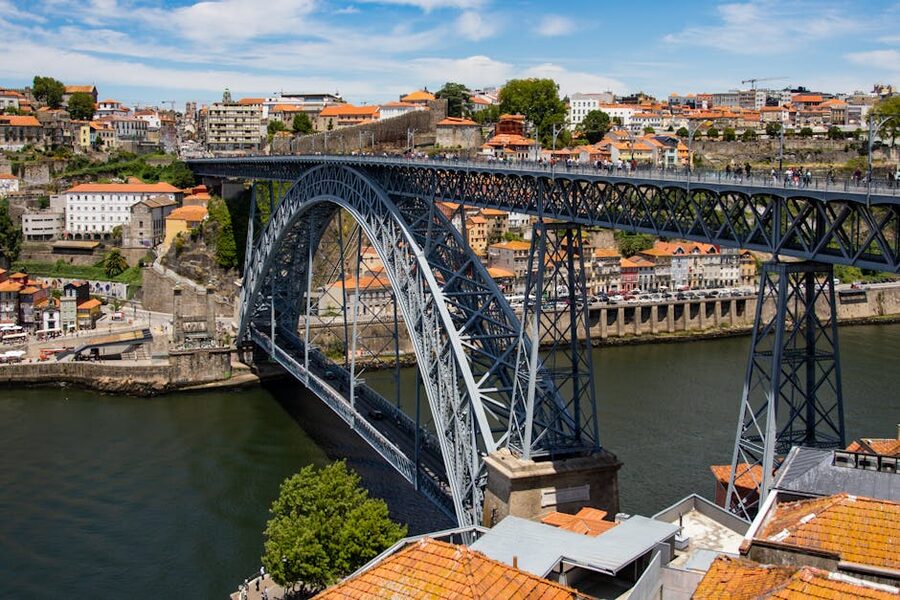
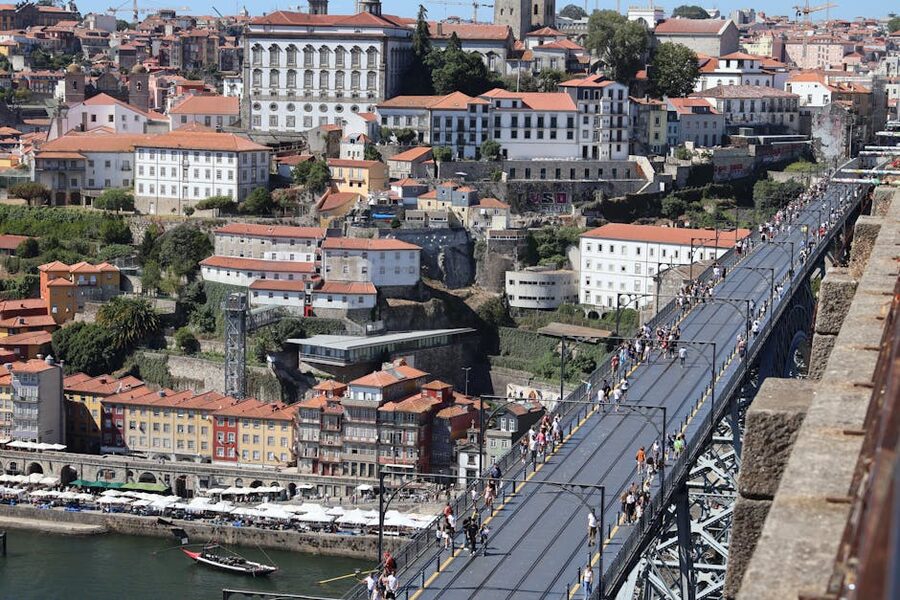
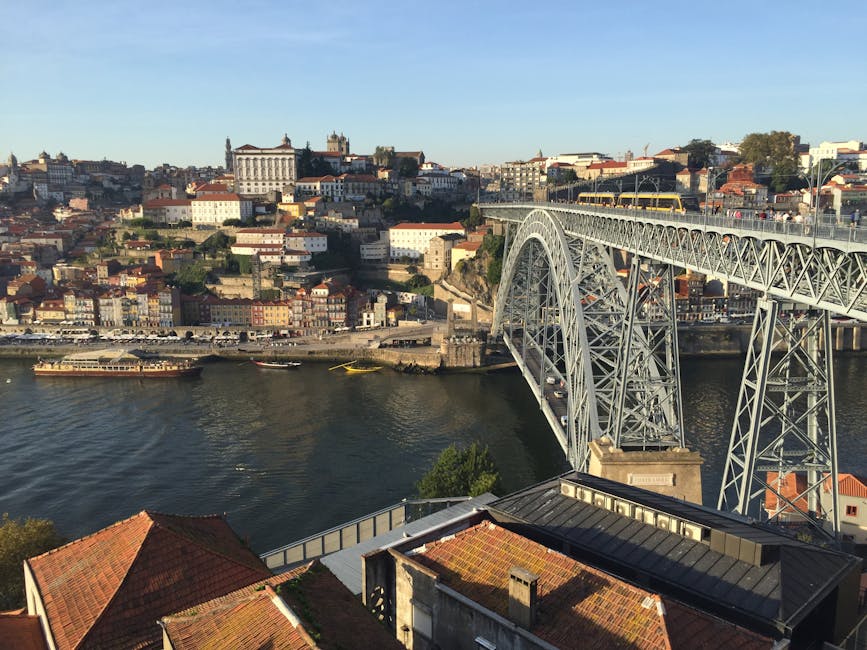
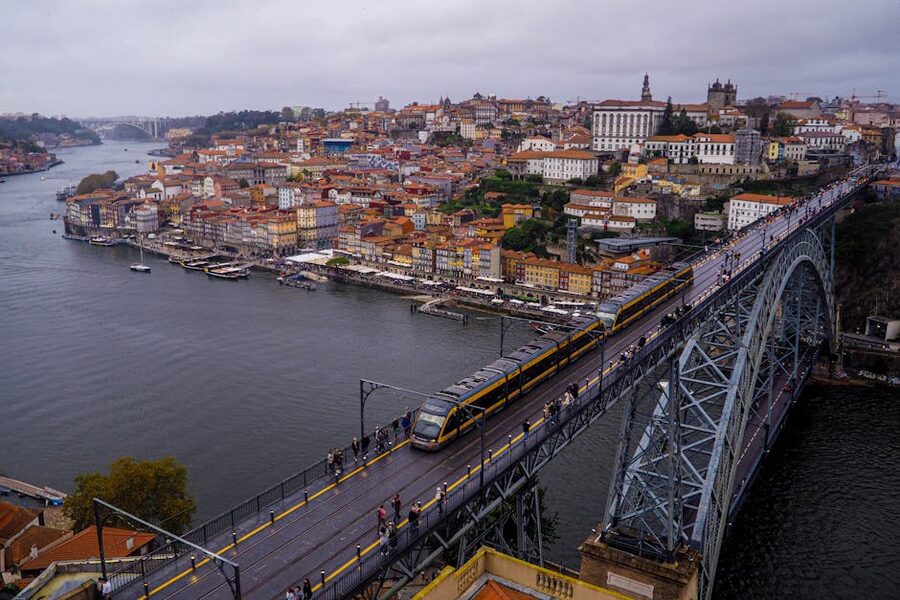
2. Ponte Dom Luís I (1886) — the famous two-tier iron bridge. Théophile Seyrig, Eiffel’s partner. 172m span. This is the bridge photographers care about.
3. Ponte D. Maria Pia (1877) — an older single-arch iron railway bridge, 1 km upstream. Gustave Eiffel himself designed this one. Originally carried trains; now closed to traffic but preserved as a monument. 160m arch span.
4. Ponte de São João (1991) — modern concrete railway bridge that replaced the Maria Pia’s rail function. Utilitarian, not pretty.
5. Ponte do Freixo (1995) — the outer ring motorway bridge, east of the city. Long concrete beam.
6. Ponte da Arrábida (1963) — the western-most bridge, near the river mouth. 270m concrete arch. When it opened it was briefly the longest concrete arch bridge in the world.
The Three Porto Bridge Cruises Compared
1. Porto Six Bridges Cruise — from €21
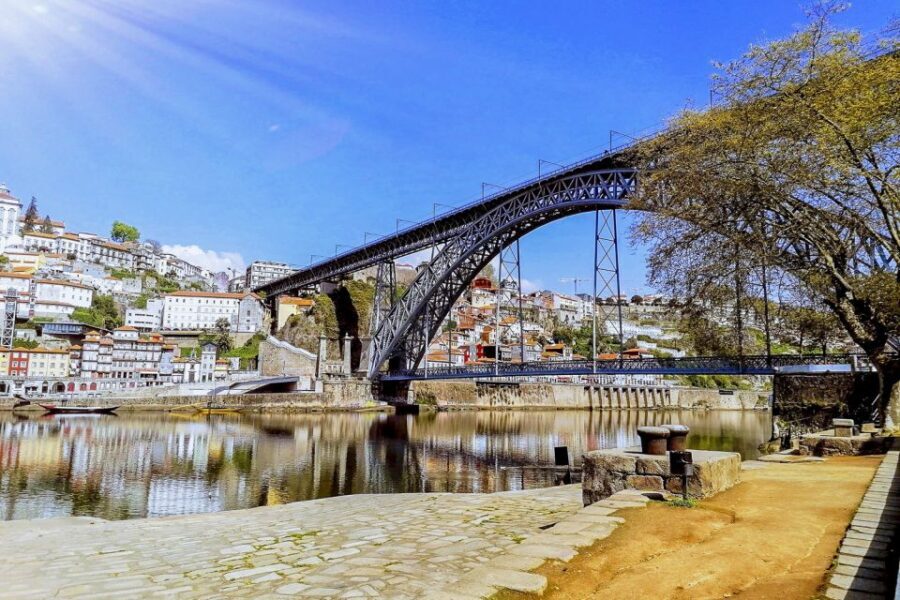
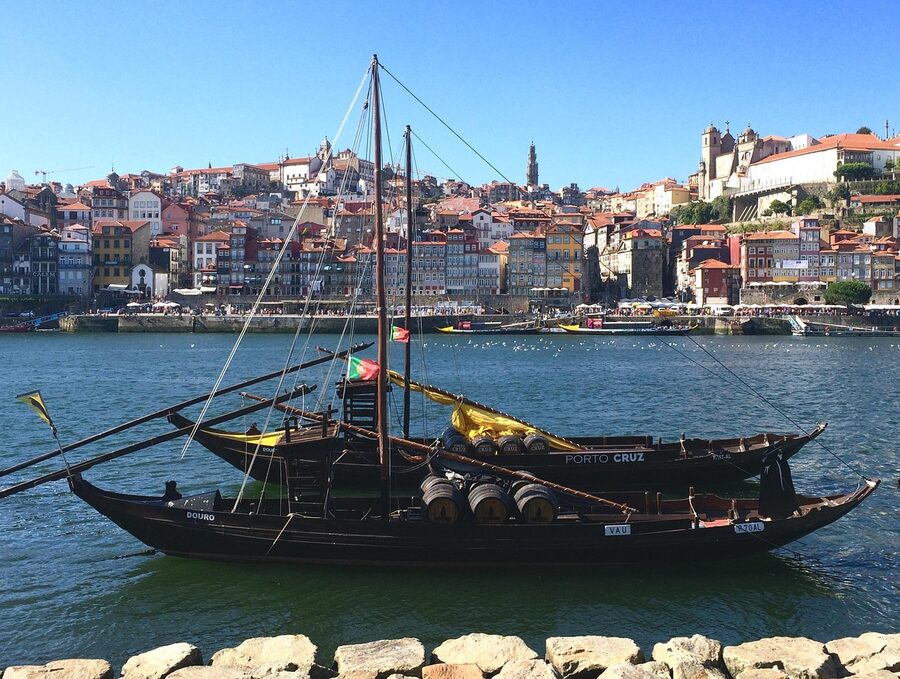
The most-booked Porto activity. Boats are medium-sized rabelo-style traditional craft (converted for passenger use). Multi-language audio guide. Departs from Ribeira (Porto side) or Vila Nova de Gaia (across the river). Our full review has the departure schedule and best-seat advice.
2. Porto 6 Bridges Douro River Cruise — from €23
If the main tour is sold out or you prefer smaller boats. Same 50-minute route under the same six bridges. Slightly more per person but fewer people crammed into each departure. Our review compares the two main operators.
3. Bridges Cruise + Wine Cellar Tour or Sunset — from €21
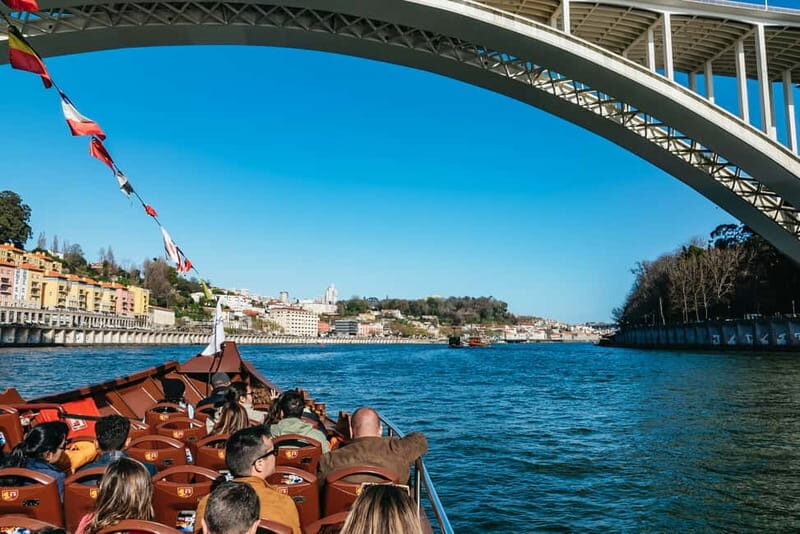
Best value if you also plan to visit the port cellars (which you probably do, since you’re in Porto). €21 covers the cruise plus a Vila Nova de Gaia wine cellar tour with 3 tastings. Our review has which wine cellar is included and how the add-on works.
What the Cruise Actually Shows You
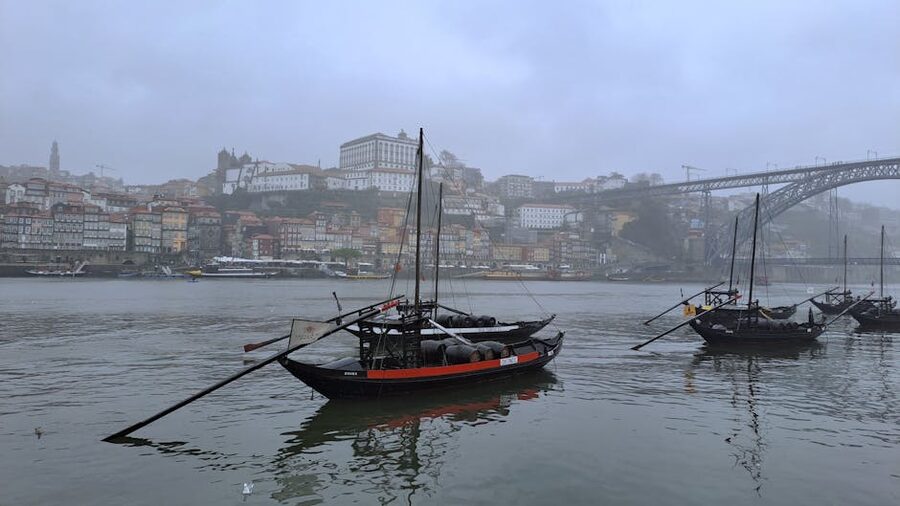
The 50-minute loop goes east first, under Infante and Dom Luís I, continues upstream 1.5 km to pass Maria Pia and São João, turns around near Ponte Freixo, and returns passing all the same bridges plus Arrábida at the far end.
Key sights from the water:
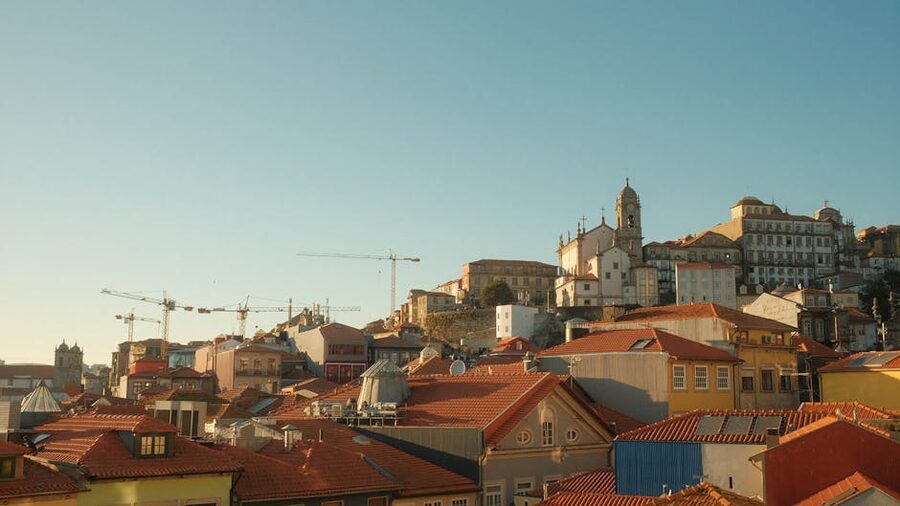
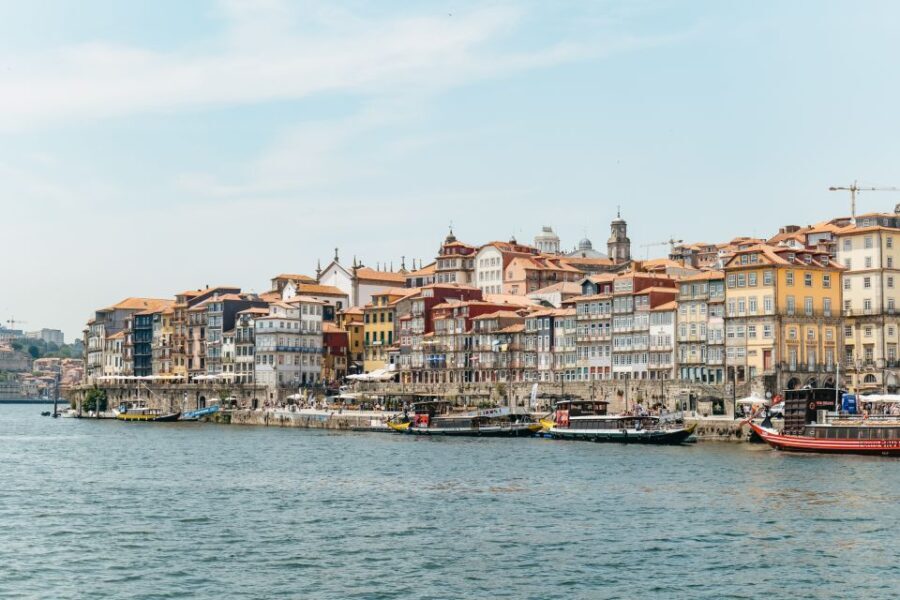
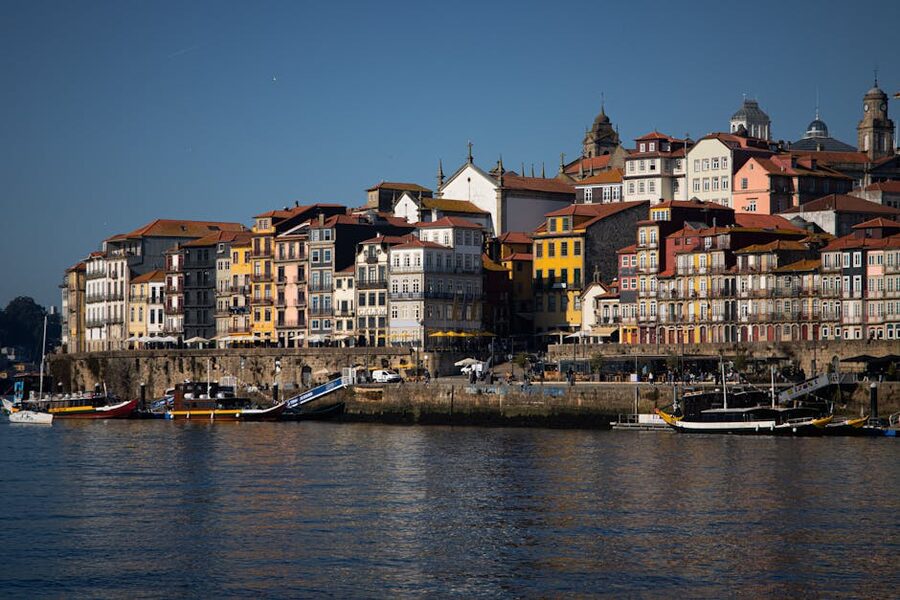
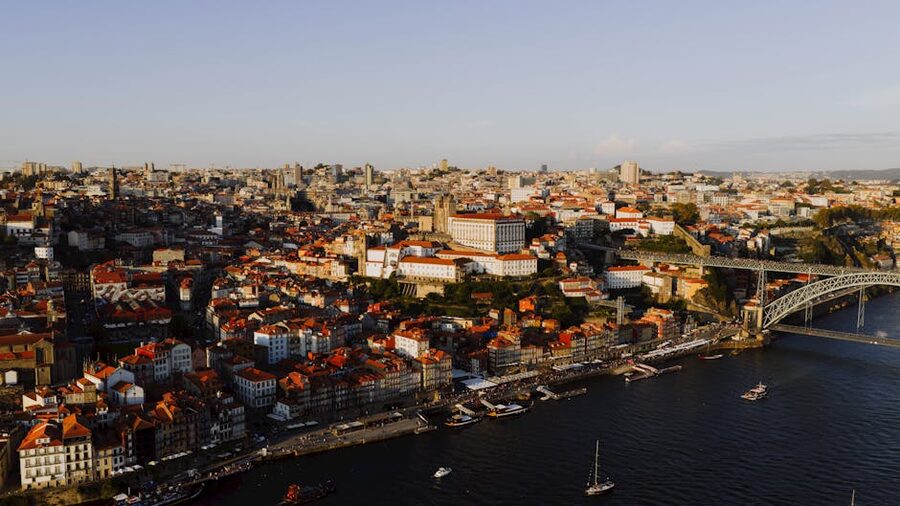
Cais da Ribeira — the UNESCO-listed colourful waterfront houses of Porto’s old town. Best viewed from the Gaia side, which is what the cruise gives you.
Vila Nova de Gaia port cellars — the whole south bank is lined with wine-brand names in big white letters: Sandeman, Cálem, Taylor’s, Graham’s, Ferreira. Each is a historic warehouse built along the river.
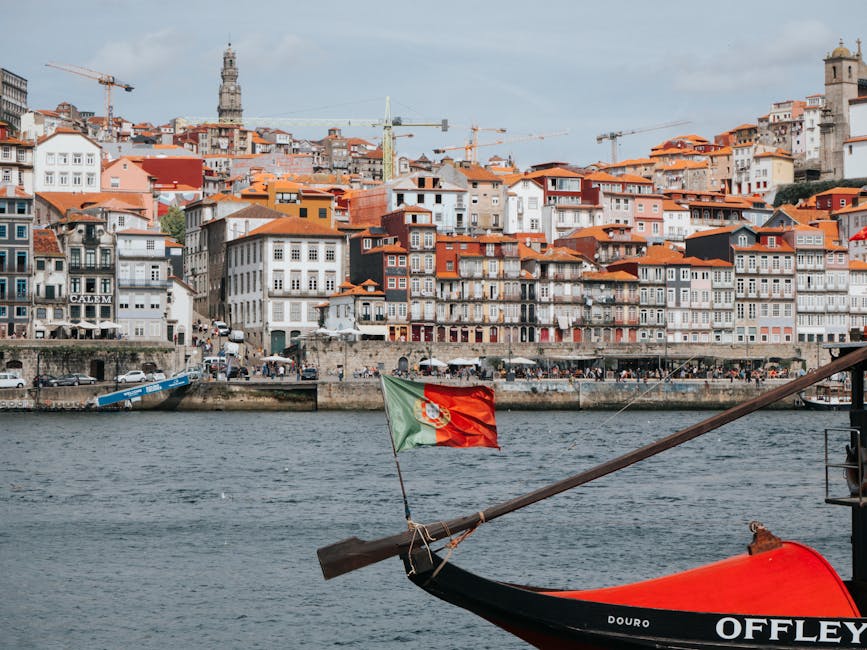
Serra do Pilar monastery — on the Gaia side, high above the water. The baroque dome is visible from most of the cruise. Free to visit separately; great viewpoint.
Matosinhos — the cruise’s easternmost point turns around before this, but the harbour industrial area becomes visible in the distance.
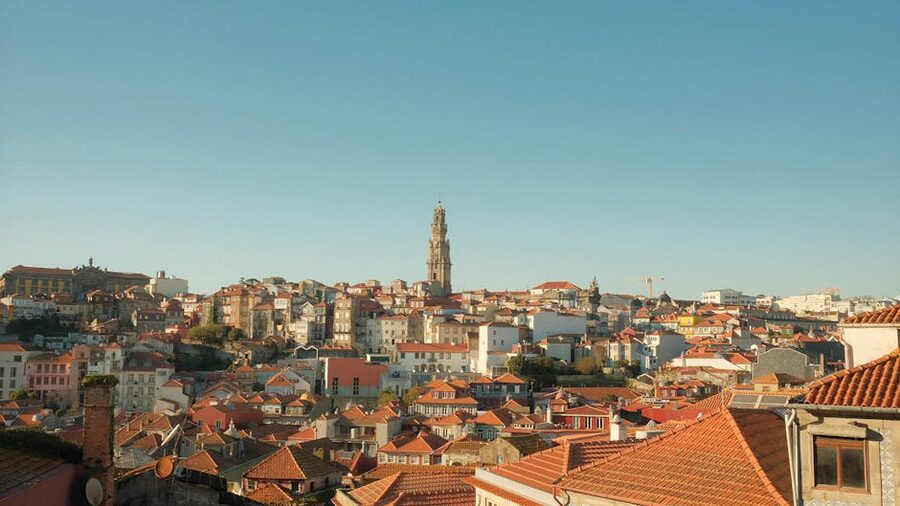
When to Take It
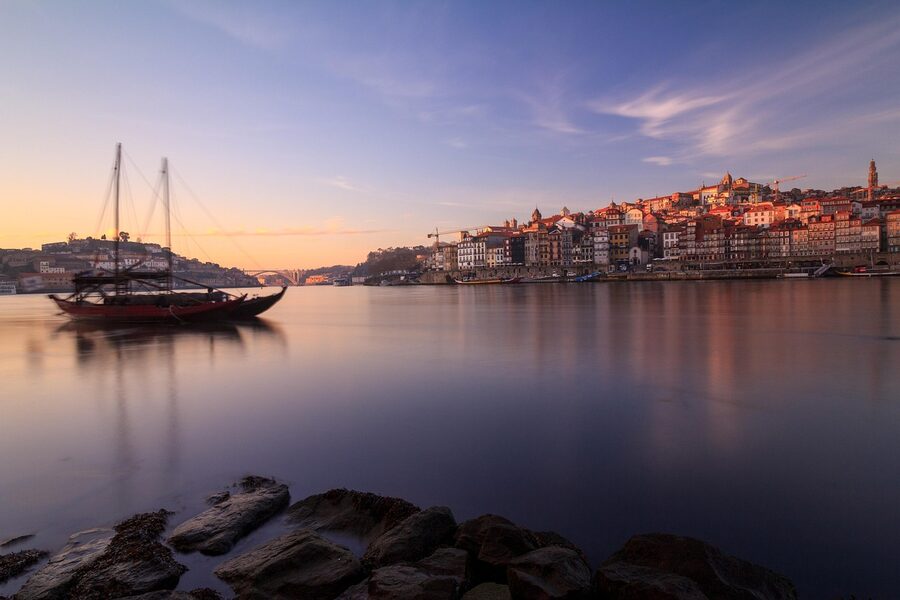
Late afternoon (4-6pm) is the best general time — the west-facing Ribeira houses catch golden-hour light, the temperatures are pleasant, crowds have eased.
Sunset cruise (last departure, usually around 7-8pm in summer) is the premium option. Boats are more crowded but the photography is spectacular. Expect to pay €4-5 premium over daytime.
Avoid: midday (11am-2pm) in summer. Boats are packed, sun is harsh, Ribeira loses the light-against-shadow drama that makes it interesting.
Seasonal Considerations
Cruises run year-round. April-October are the best months. November-March still functional but weather can be grey and boats covered. Winter cruises sometimes have heating; summer ones never.
Getting to the Dock
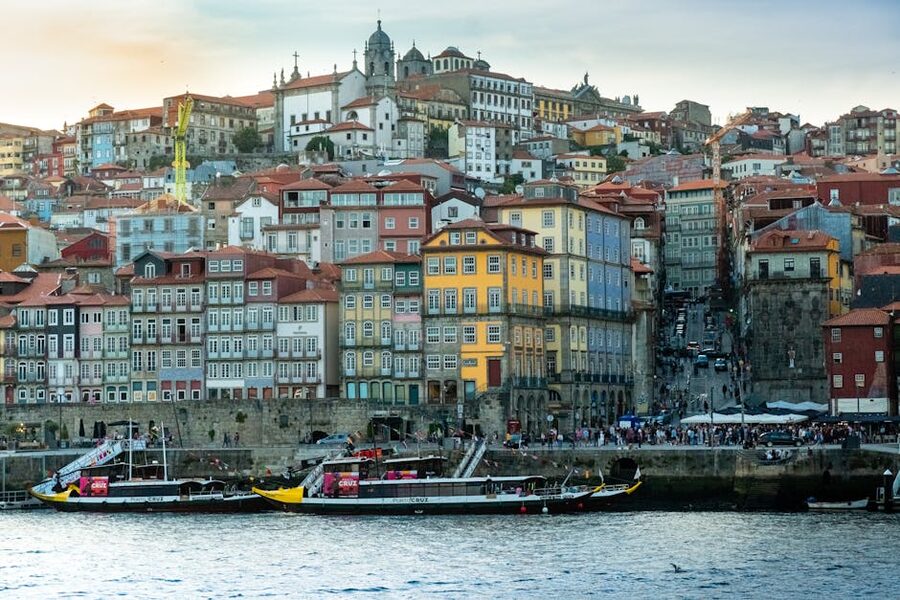
Departure docks are along the Ribeira waterfront on the Porto side, or along the Vila Nova de Gaia side across the river. Both are accessed by walking down from upper Porto (steep steps from Praça da Ribeira or the Morro dos Guindais funicular) or across the Dom Luís I pedestrian lower deck from Gaia.
From Porto centre (Avenida dos Aliados or São Bento station): 10-15 minutes walking downhill. The climb back up afterwards is brutal — take the funicular (€3) or an Uber.
From the airport: metro to São Bento (40 min, €3) then 10-minute walk. Or direct airport bus 601 to Ribeira.
What Makes the Douro Different From Other City River Cruises
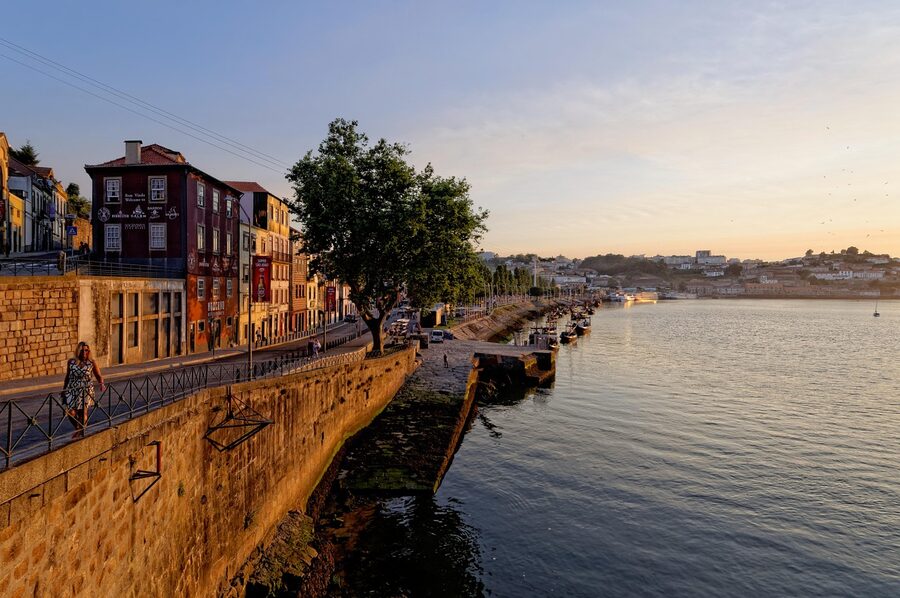
Two things: the sheer verticality of the city meeting the river, and the bridges themselves.
Most European river cities sit flat against their rivers (Budapest, Vienna, Amsterdam). Porto is built on a steep hill that drops 60m in 300m horizontal distance down to the water. The effect from river level is theatrical — you’re looking up at multiple layers of colourful houses stacked on top of each other.
The bridges are the other differentiator. No other European city has six distinct historical bridges within a 3 km stretch, and the mix of 19th-century iron + late 20th-century concrete is a useful history lesson in itself. Seven decades of civil engineering on show in one boat ride.
Douro River vs Tagus River
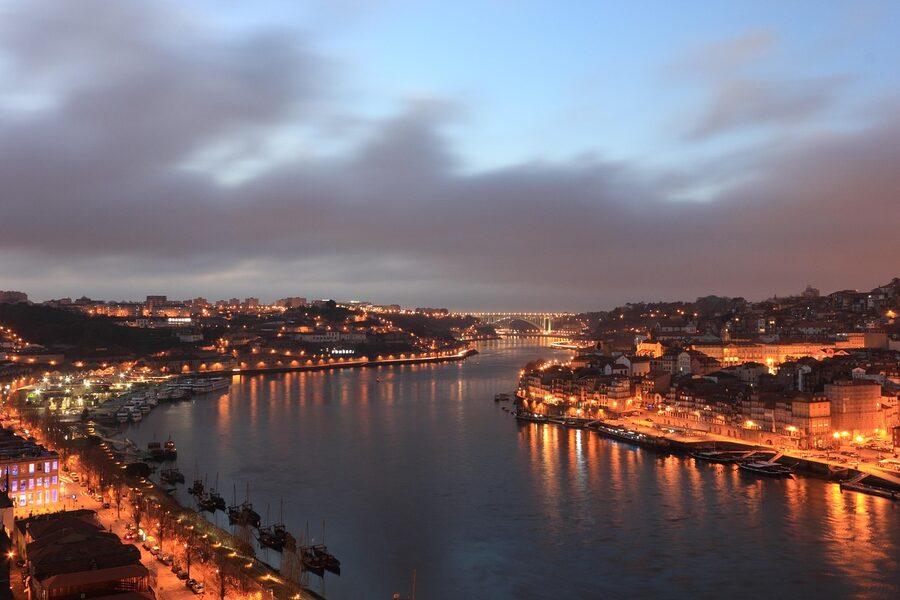
Lisbon’s Tagus cruises cover more distance (the river is 15 km across at its widest) but the city is flatter. Porto’s Douro cruises are shorter but feel more concentrated.
If you can only do one, do Porto. If you’re doing both Lisbon and Porto, do both — they’re very different experiences.
Extending the Cruise
If the 50-minute cruise isn’t enough, two upgrade paths:
Sunset cruise: add €5-10, get a later departure and better light.
Full Douro Valley cruise: the 6 Bridges cruise is the compressed version. For the real Douro experience, take a full-day cruise 100km upstream to Peso da Régua or Pinhão. Our Douro Valley guide has the full-day options.
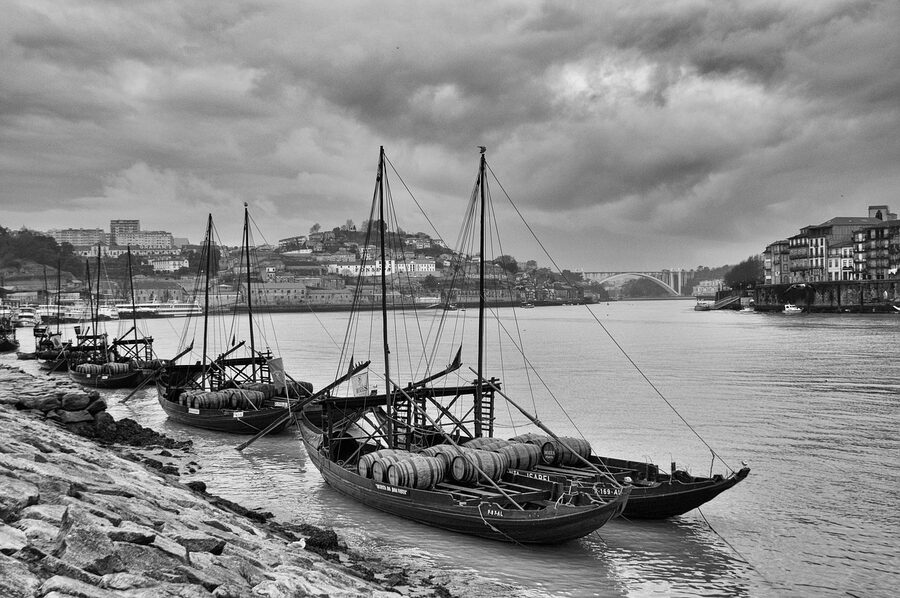
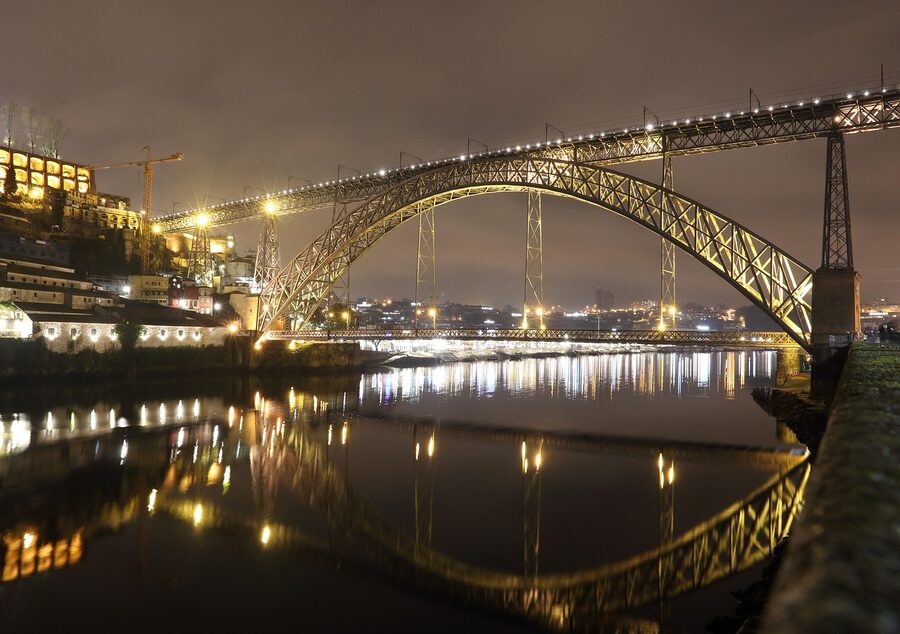
Night cruise: rare but available with some operators. Best for the illuminated Dom Luís I bridge.
Pairing With Other Porto Things
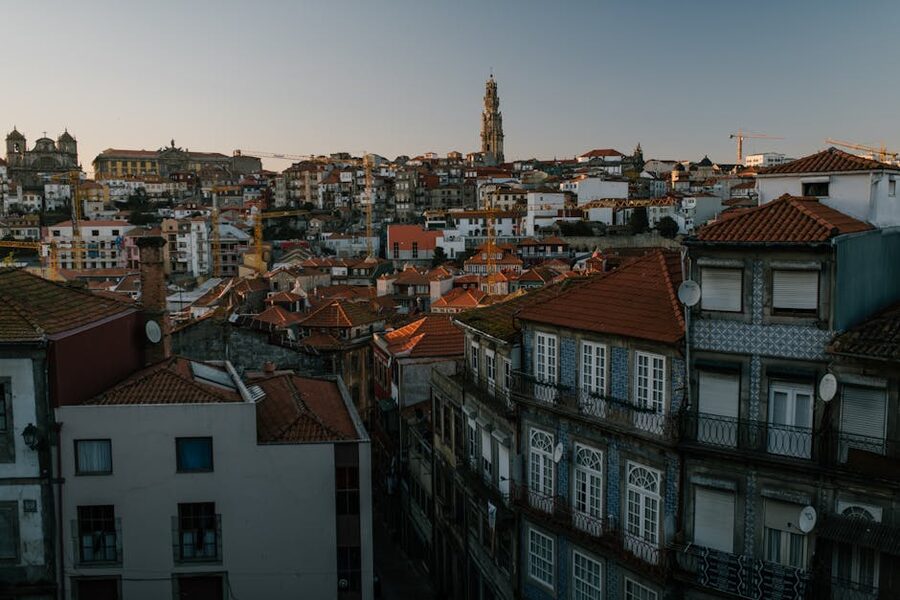
Classic Porto day: morning walking tour → lunch on Ribeira → Six Bridges cruise → port wine cellar in Gaia → dinner back in Porto old town. 10 hours total.
Port wine cellars — cross the Dom Luís I lower deck to Gaia. Taylor’s, Graham’s, Sandeman all host 1-2 hour tastings.
Food tour — pair with evening, separate day.
Walking tour — pair morning, same day.
Braga + Guimarães day trip — for a second day.
Booking Tips
Same-day availability is usually fine outside July/August. Peak summer weekends may sell out — book 1-2 days ahead for sunset slots.
Prices are same across operators (€20-25) and same year-round. Sunset slots cost €3-5 more.
Skip the on-dock ticket sellers who offer “special rates” — they’re the same operators you can book cheaper online.
Weather and Cancellations
Cruises run in light rain (boats have canopies). Heavy rain/wind cancels — usually with full refund or reschedule. Storms on the Atlantic coast can sometimes affect the Douro mouth; fog rarely stops cruises but does reduce visibility.
Summer heat is real — boats have limited shade. Bring sunscreen and hat.
Comparing to Rival Operators
Around 15 companies run Porto river cruises. Main three are Douro Acima, Tomaz do Douro, and CNS Douro. Prices and routes are essentially identical. Boat quality is similar. Language-guide rotation differs slightly.
For the standard €21 cruise, don’t overthink it. Pick whoever has the next departure when you arrive at Ribeira.
For the sunset cruise or the combo cruise + wine, book the specific operator you want in advance.
Other Porto Cruises
Regular Douro cruise (not 6 Bridges): Shorter, cheaper (~€15), typically just to the Arrábida and back. Less interesting.
Sunset dinner cruise: €60-100, includes dinner on board. Slower pace, fewer photo stops.
Full-day Douro Valley cruise: €60-90, 7-9 hours, upstream to wine regions. Different product entirely.
Night cruise: rare, €30-40, best for bridge photography.
Practical Questions
Is it wheelchair accessible? Most operators yes. Boats have ramps; dock areas have step-free access.
Are kids OK? Yes. Under 6 usually free. Seating is stable, boats are wide and slow.
What language is the audio guide? English, Portuguese, Spanish, French, German, Italian, occasionally Dutch and Japanese.
Is there a bar on board? Most boats sell drinks (€3-5 for beer/wine). Sunset cruises often include a welcome glass.
Can I hop off at Gaia? Most cruises are round-trip. Some operators do one-way options for people who want to visit the cellars afterward without coming back.
Getting to Porto in the First Place
From Lisbon: 2h45 by Alfa Pendular train (€30-45). This is the easiest option.
From Spain/international: direct flights to Porto airport (OPO).
Once in Porto, everything central is walkable or a quick metro ride.
Combining with Lisbon
Many travellers do Lisbon + Porto in one 5-7 day trip. Typical split: 3 days in Lisbon (including Sintra), 3 days in Porto (including Douro Valley). The 6 Bridges cruise fits into the Porto half as a half-hour activity between lunch and a wine cellar tour.
If you’re doing Lisbon first, your Porto 6 Bridges cruise becomes a second-city highlight rather than the only river experience. Different river, different cityscape, equally worth it.
Porto Bridge Engineering — Why It Matters
Portugal’s engineering tradition runs deep. The Dom Luís I was built by Théophile Seyrig (a partner of Gustave Eiffel) for the Societé Anonyme de Constructions Belges in 1886. The earlier Maria Pia Bridge (1877) was Eiffel himself, 100m upstream, built for the railway. Both were record-breakers when opened. The newer bridges — Ponte do Infante (2003), Ponte de São João (1991), Ponte da Arrábida (1963) — represent three generations of concrete engineering.
If you’re into civil engineering, the cruise is a walking tour of 150 years of bridge design compressed into 50 minutes.
Where to Eat After the Cruise
Ribeira waterfront has dozens of restaurants — some are tourist traps, some are decent. Taberna dos Mercadores and O Comercial are both reliable. Francesinha (Porto’s signature sandwich — layers of meat with melted cheese and beer sauce) is the local must-try; Café Santiago F is where locals send tourists.
Across the river in Gaia, the Yeatman hotel restaurant has a Michelin star and a view of Porto. Less expensive options along the Gaia waterfront do similar views for a third the price.
One Porto Bridge Worth a Closer Look
If you have the time, do the Dom Luís I bridge both ways. Walk across the lower deck one direction (flat, 6 minutes), and the upper deck back (Metro Line D, free pedestrian access alongside the tracks, panoramic views). The two experiences are genuinely different: lower gives you the riverside and dock perspective; upper gives you Porto rooftops and Gaia skyline.
The cruise passes underneath both decks, so doing the bridge on foot afterwards gives you the full 360-degree sense of the structure.
The Short Version
Book the €21 Six Bridges Cruise for a late-afternoon/sunset slot, depart from Ribeira, bring sunscreen, add the port wine cellar combo if you haven’t already visited Gaia. 50 minutes under six bridges, you’ll see Porto from an angle you can’t get on foot. Best pound-for-pound sightseeing investment in the city. If the weather looks unreliable on your only day, take the first morning slot — the sunset upgrade is worth it only when the forecast is clear.
Photography Tips from the Cruise
Pick a seat on the Gaia (south) side of the boat when departing. That puts the Porto Ribeira skyline on your right as the boat heads east, giving you the classic colourful-houses view during the brightest-light portion of the cruise. For sunset cruises, pick the Porto side — the setting sun falls behind Gaia’s wine cellars, so you want to face west.
Bring a wide-angle lens or shoot panorama mode on your phone. The Dom Luís I bridge is too tall and close for a normal lens to capture both tiers without backing up. 16-24mm is ideal.
Time exposure: if your camera supports it, a 1-second exposure from the boat actually works — the boat’s movement is smooth enough that a short handheld time exposure can give you light-trail effects on the passing bridge lights. Not something most phone cameras can do, but worth trying if you have a proper camera.
Affiliate disclosure: Some links in this article are affiliate links. If you book through them we may earn a small commission at no cost to you. All recommendations are based on my own visit.