
The stadium is named after a man who never picked up a tennis racket.
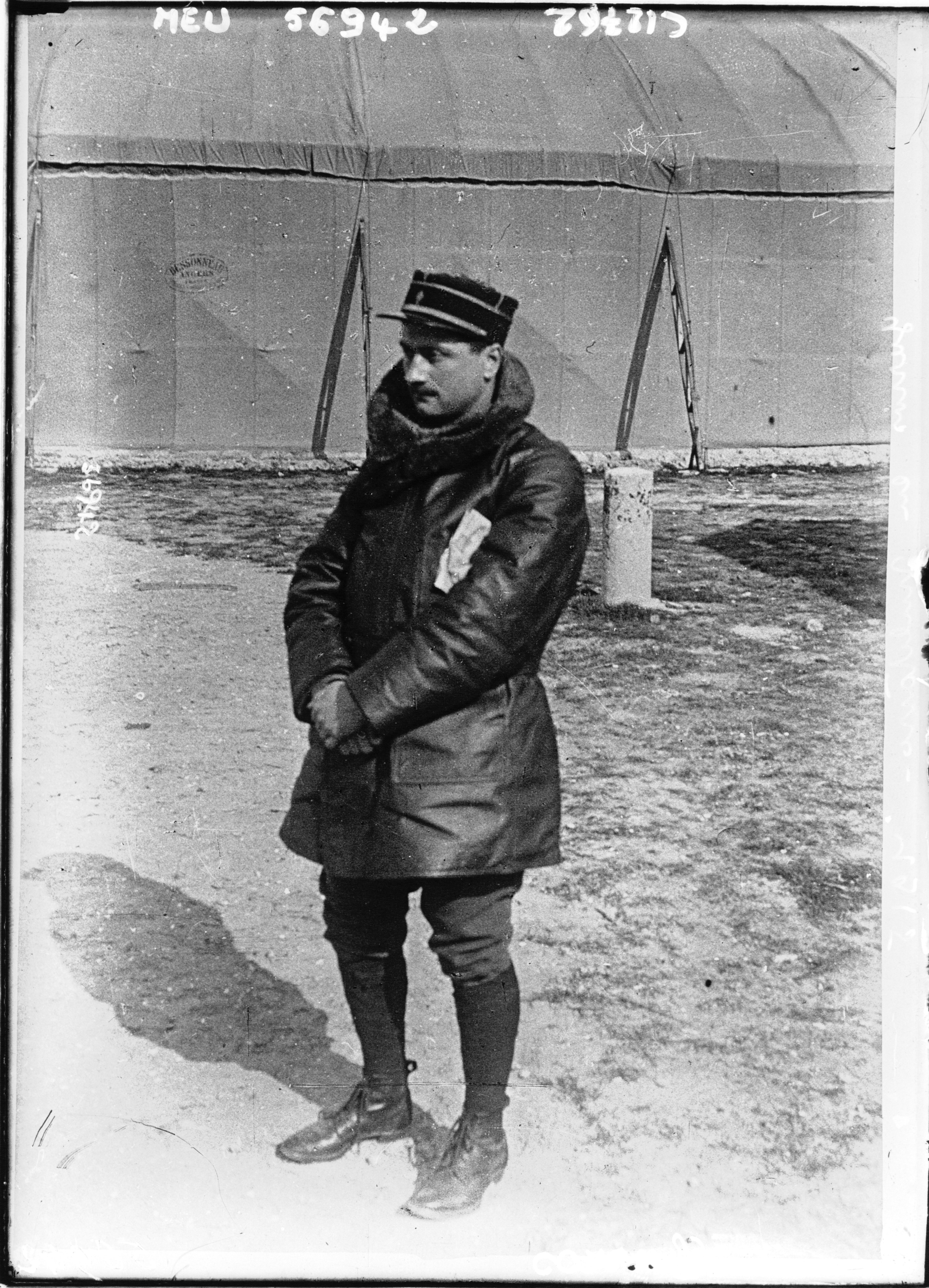
Roland Garros was a French fighter pilot — the first person to fly solo across the Mediterranean Sea, in 1913, in a plane held together with wire and canvas. He was shot down and killed in October 1918, five weeks before the Armistice, at the age of twenty-nine. When France built a new tennis stadium in the 1920s, they named it after him. Not because he played tennis, but because he was a national hero.
I bring this up because the backstage tour of the stadium starts with this story, and it caught me completely off guard. I came expecting to see tennis courts. I left having learned about a man who crossed 800 kilometres of open water in a monoplane with a compass and a prayer.
Best overall: Roland-Garros Stadium Guided Backstage Tour — $24. The most popular option by a wide margin. Ninety minutes with a knowledgeable guide who takes you everywhere — press room, players’ tunnel, courtside at Philippe Chatrier, and through the museum.
Best alternative: Behind the Scenes at Roland-Garros Stadium — $26. Similar route with a slightly different storytelling angle and a few more stops in the locker room area.
- How the Roland-Garros Stadium Tour Works
- Self-Guided Museum Visit vs Backstage Tour
- The Best Roland-Garros Stadium Tours to Book
- 1. Paris: Roland-Garros Stadium Guided Backstage Tour —
- 2. Behind the Scenes at the Roland-Garros Stadium —
- When to Visit Roland-Garros
- How to Get to Roland-Garros
- Tips That Will Save You Time
- What You’ll Actually See Inside
- More Paris Guides
How the Roland-Garros Stadium Tour Works
Roland-Garros offers guided backstage tours year-round, except during the French Open tournament itself (late May through early June) and a few maintenance windows. The tours run in English and French, last about ninety minutes, and take you through areas that are completely off-limits during match days.
The standard route covers Philippe Chatrier (centre court, rebuilt in 2020 with a retractable roof), the press room where post-match interviews happen, the players’ tunnel, and the museum. Some tours also include Court Suzanne Lenglen — the second-largest arena, named after the first female tennis star who dominated the 1920s.
Tickets cost between $24 and $26 depending on the operator. There is no self-guided option — all stadium access requires a guided tour booking. Groups are capped at around 20 people, so the experience stays manageable even during busy periods.
What to know before you book:
- Tours run most days outside the tournament period (late May to mid-June)
- No tours during the French Open — the stadium is locked down for the event
- English and French language options available
- Duration is roughly 90 minutes
- The museum is included in your tour ticket
- Wheelchair accessible routes are available on request
Self-Guided Museum Visit vs Backstage Tour
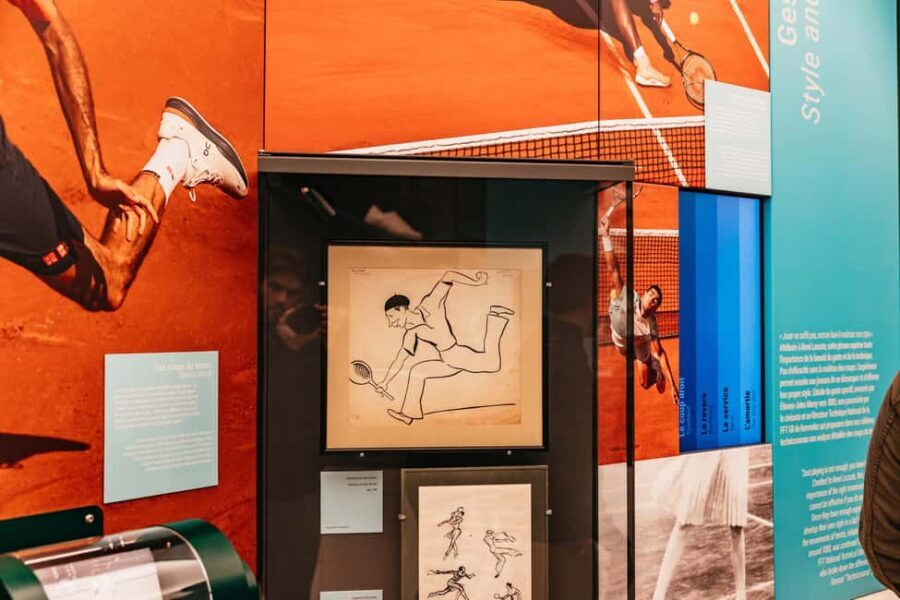
You can visit the Roland-Garros museum independently without a tour, and it is worth doing if you are a tennis fan. The collection includes trophies, rackets, and memorabilia spanning over a century — highlights include Bjorn Borg’s wooden racket from his six consecutive French Open wins and the fourteen Coupe des Mousquetaires trophies won by Rafael Nadal.
But the museum alone misses the best parts. The backstage tour is where you stand in the players’ tunnel, sit in the press conference chair, and walk out onto Philippe Chatrier’s centre court. The museum gives you history. The tour gives you the feeling of what it is actually like to be there during a Grand Slam final.
For the price difference — essentially zero, since the tour includes museum access — the guided option is the clear winner. The only reason to skip the tour is if you are visiting during the tournament period when backstage access is impossible, in which case the museum alone is your fallback.
The Best Roland-Garros Stadium Tours to Book
1. Paris: Roland-Garros Stadium Guided Backstage Tour — $24
This is the one most people end up booking, and it is easy to see why. At just $24 per person for a ninety-minute guided walk through one of the most famous sporting venues on the planet, the value is hard to beat. The tour takes you behind the scenes at Roland-Garros — through the press room, down the players’ tunnel, and out onto centre court at Philippe Chatrier.
The guide I had was genuinely passionate about the history of the tournament, not just reading from a script. You get context about the stadium’s recent renovation (that retractable roof on Chatrier was finished in 2020 after years of rain-delay embarrassment), the story behind the Coupe des Mousquetaires trophy, and the difference between clay court tennis and every other surface. If you are even mildly interested in tennis or sports history, this one delivers.
2. Behind the Scenes at the Roland-Garros Stadium — $26

This alternative tour covers similar ground but with a few differences in emphasis. You still get the players’ tunnel, the press room, and courtside access, but the behind-the-scenes experience at Roland-Garros adds more time in the locker room area and the support facilities that keep a Grand Slam running. At $26 per person, it is only two dollars more than the first option.
One reviewer brought a vintage Guillermo Vilas racket from the 1977 French Open — the same tournament Vilas won — and the guide incorporated it into the story on the spot. That kind of flexibility tells you the guides know their material cold. The pacing is relaxed, with plenty of time for questions and photos at each stop. If the top option is sold out for your dates, this is an equally strong choice with the same level of access.
When to Visit Roland-Garros
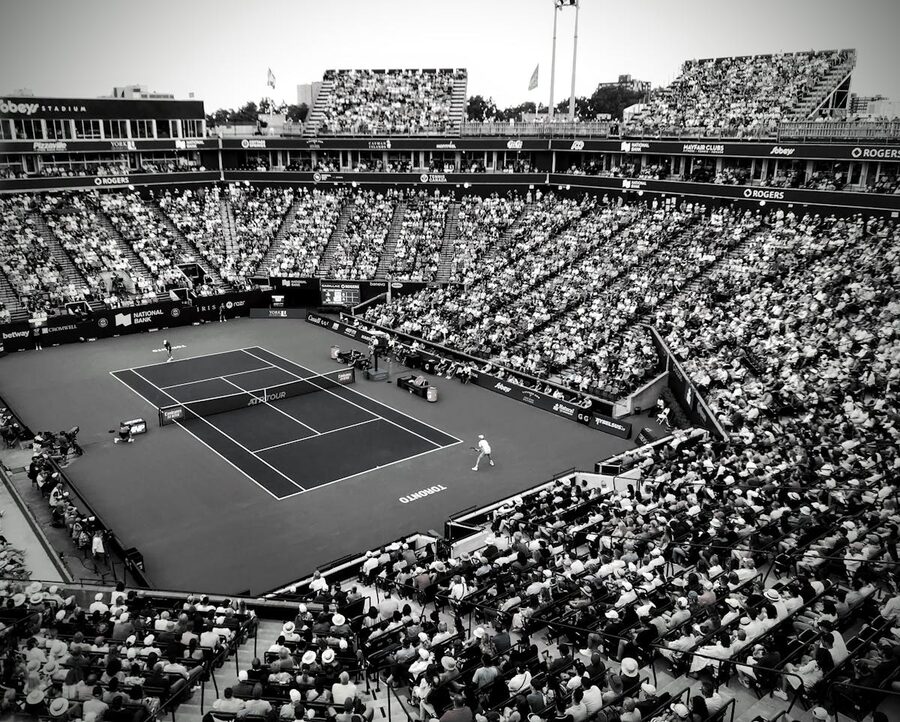
The stadium is open for tours most of the year, but there is a blackout period during the French Open (late May through the first or second week of June). This is the one time you cannot take a backstage tour — the stadium is in full tournament mode and off-limits to everyone except players, staff, and ticket holders.
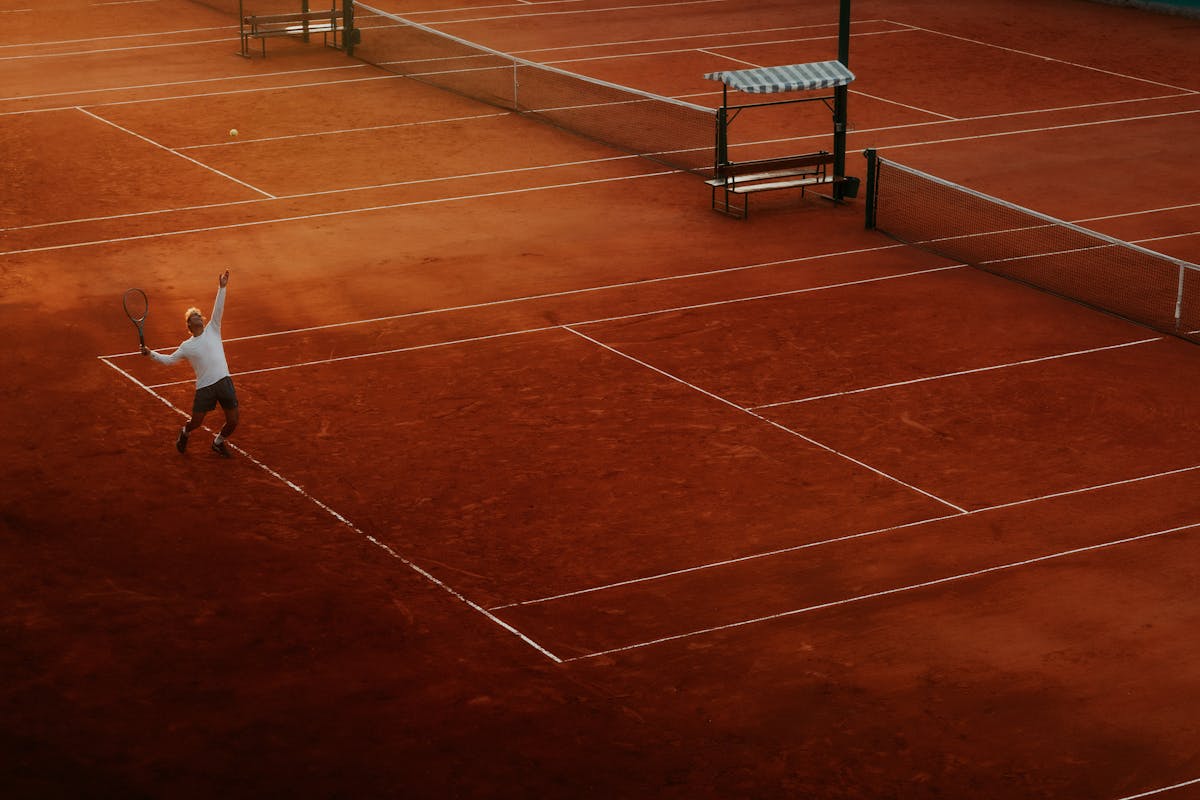
Best months for a tour: September through November and March through April. The weather is comfortable, the crowds are thin, and you will have smaller group sizes. Avoid August if possible — Paris empties out but summer heat makes the outdoor portions of the tour less pleasant.
If you want to attend the French Open itself: Tickets go on sale months in advance and sell out fast for the main courts. Philippe Chatrier finals tickets can cost several hundred euros. The outside courts during the early rounds are much cheaper and, honestly, often more fun — you are closer to the action and the atmosphere is more relaxed.
How to Get to Roland-Garros
The stadium sits in the Bois de Boulogne, on the western edge of Paris. It is not in the centre of town, but getting there is straightforward.
Metro: Line 9 or Line 10 to Porte d’Auteuil, then a ten-minute walk through the park. This is the easiest option. Line 10 to Michel-Ange Auteuil also works and adds only a few extra minutes on foot.
Bus: Line 32 stops right outside the stadium entrance — look for the Stade Roland Garros stop.
On foot from central Paris: It is about 5 kilometres from the Eiffel Tower area. Doable if you enjoy walking through the Bois de Boulogne, but plan 50-60 minutes. A bike tour through Paris could be combined with a stop here if you are planning a full day on the western side of the city.
Driving: There is limited parking near the stadium. If you are driving, the Parking Porte d’Auteuil underground car park is your best option, but expect it to fill during busy periods. Public transport is strongly recommended.
Tips That Will Save You Time
- Book at least a few days ahead — tours can sell out during school holidays and weekends. Midweek mornings tend to have the smallest groups.
- Wear comfortable shoes. The tour covers a lot of ground, including stairs, tunnels, and outdoor walkways.
- Bring a camera. Photography is allowed throughout the tour, including courtside. The press conference chair and the players’ tunnel are the two most popular photo spots.
- Check the tournament schedule before you book. The blackout period is roughly three weeks, but the exact dates shift slightly each year.
- Combine it with the Bois de Boulogne. The park surrounding the stadium is one of the largest green spaces in Paris. After the tour, walk through the Jardin d’Acclimatation or rent a boat on the Lac Inferieur.
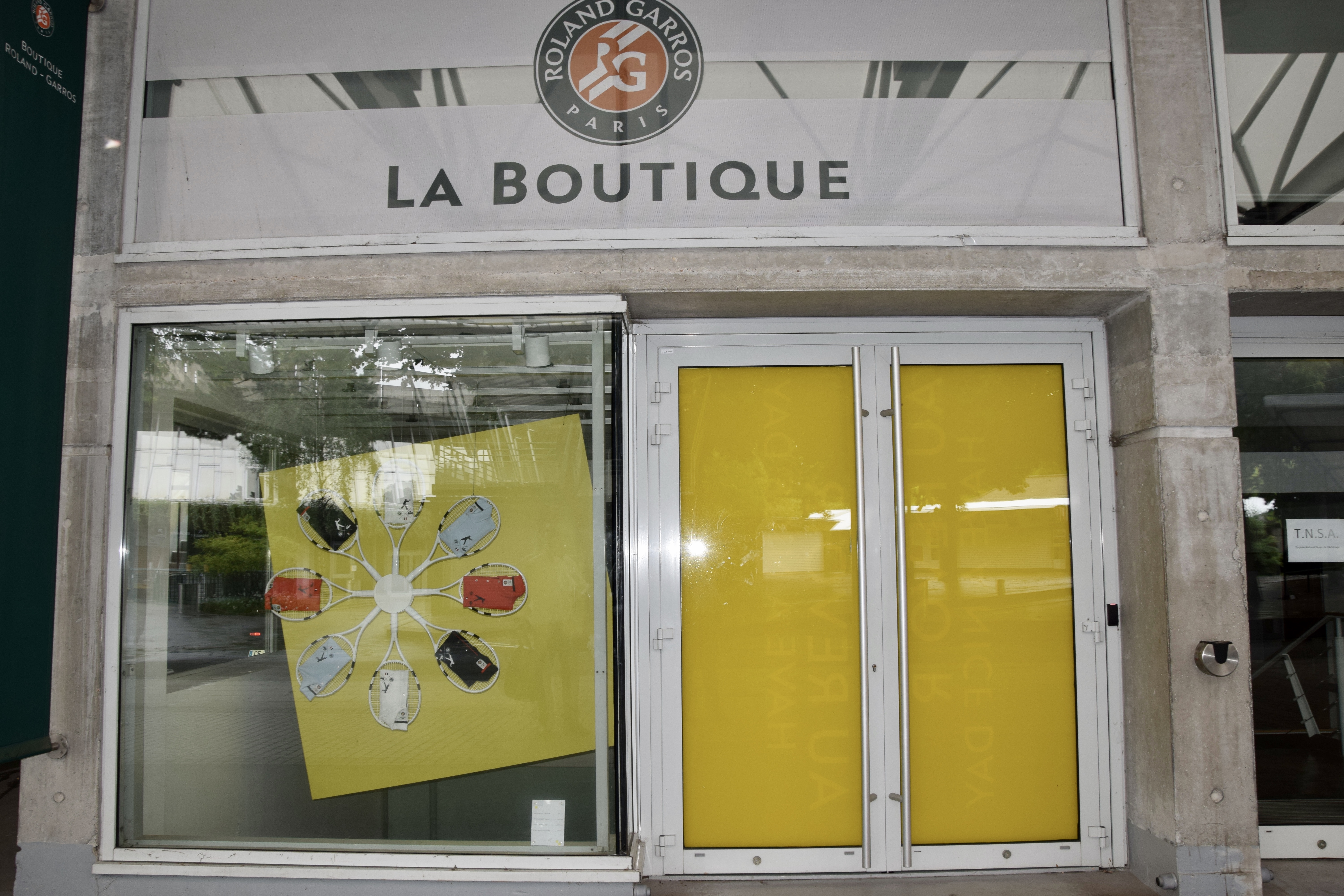
- The museum shop sells Roland-Garros branded merchandise — towels, caps, shirts — that you will not find elsewhere. Prices are reasonable by Parisian standards.
- Arrive 10-15 minutes early. Tours depart on time and latecomers cannot join a group already inside the restricted areas.
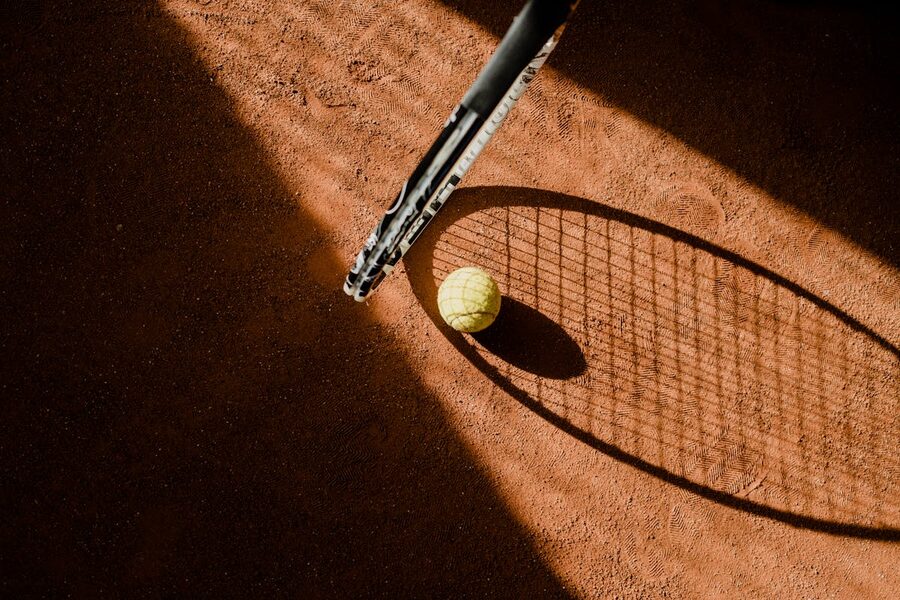
What You’ll Actually See Inside
The French Open has been played at this site since 1928, making it the oldest of the four Grand Slam venues still in active use. The stadium has been through three major renovations since then, with the most recent completing in 2020.
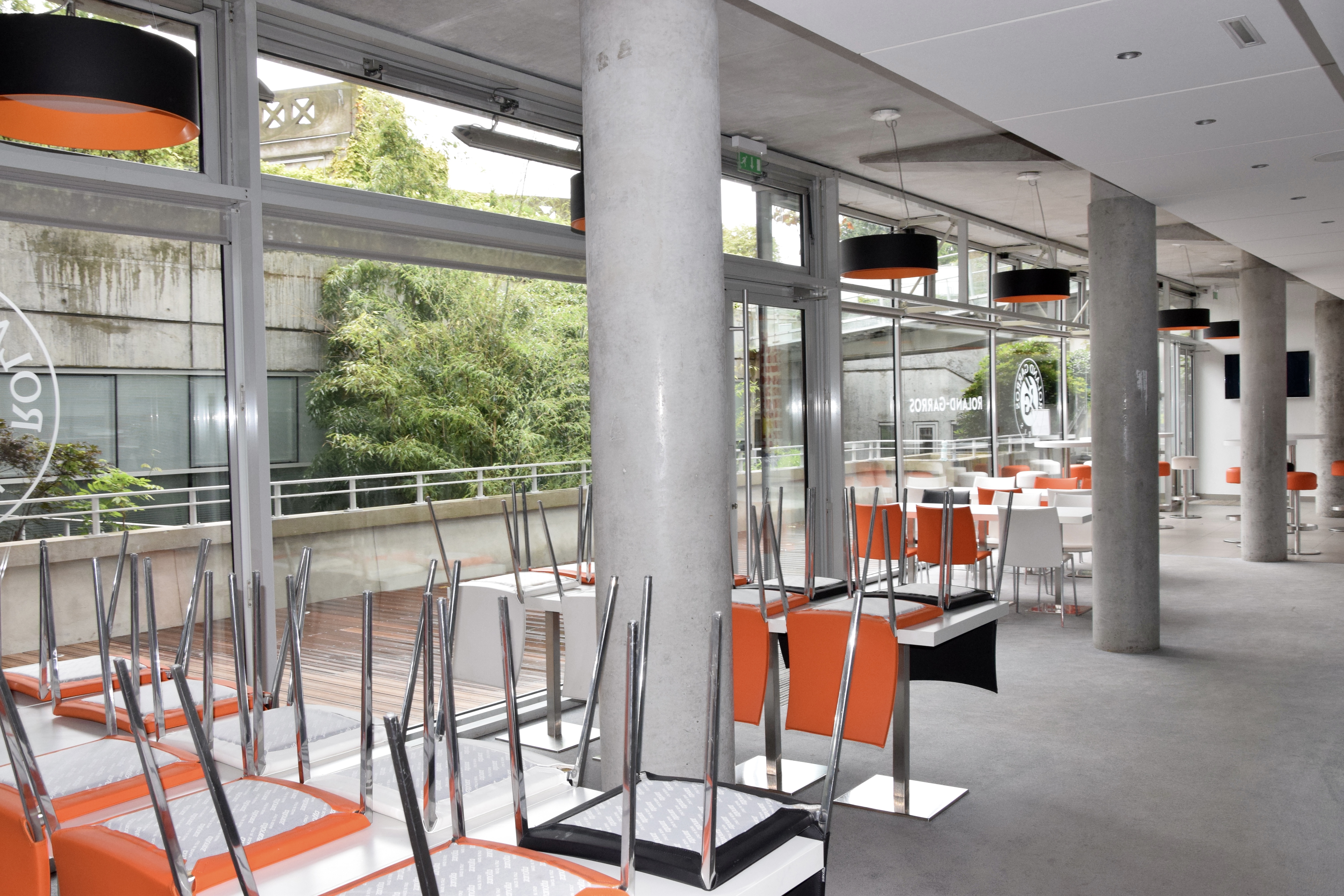
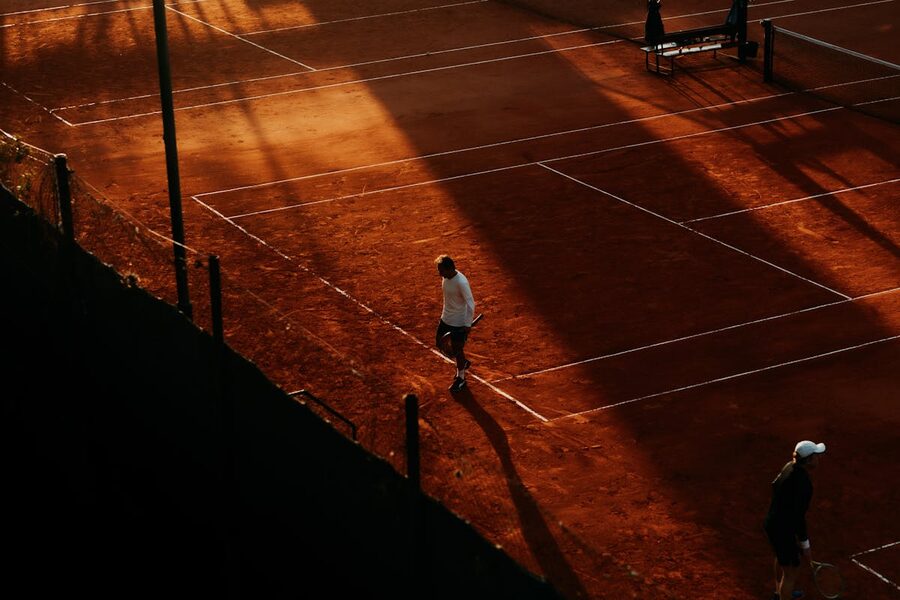
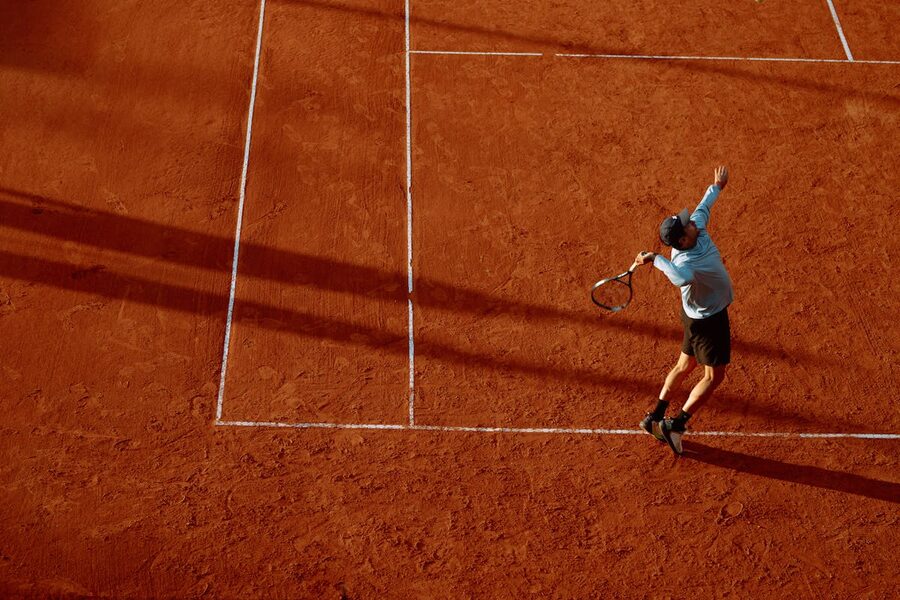
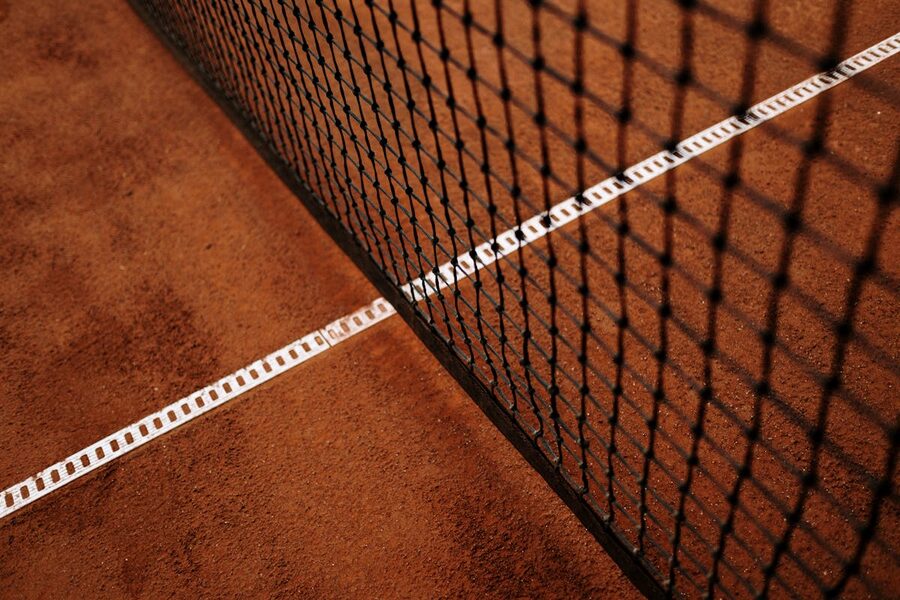
Philippe Chatrier Court is the centrepiece — 15,000 seats, the new retractable roof, and the spot where every French Open final has been played since 1928. The tour takes you onto the court surface itself, where your guide explains how the clay is maintained (it is actually crushed brick dust spread over limestone, re-layered and rolled before every session). The French Open is the only Grand Slam played on clay, which is why the rallies are longer, the slides are dramatic, and every player leaves covered in red.
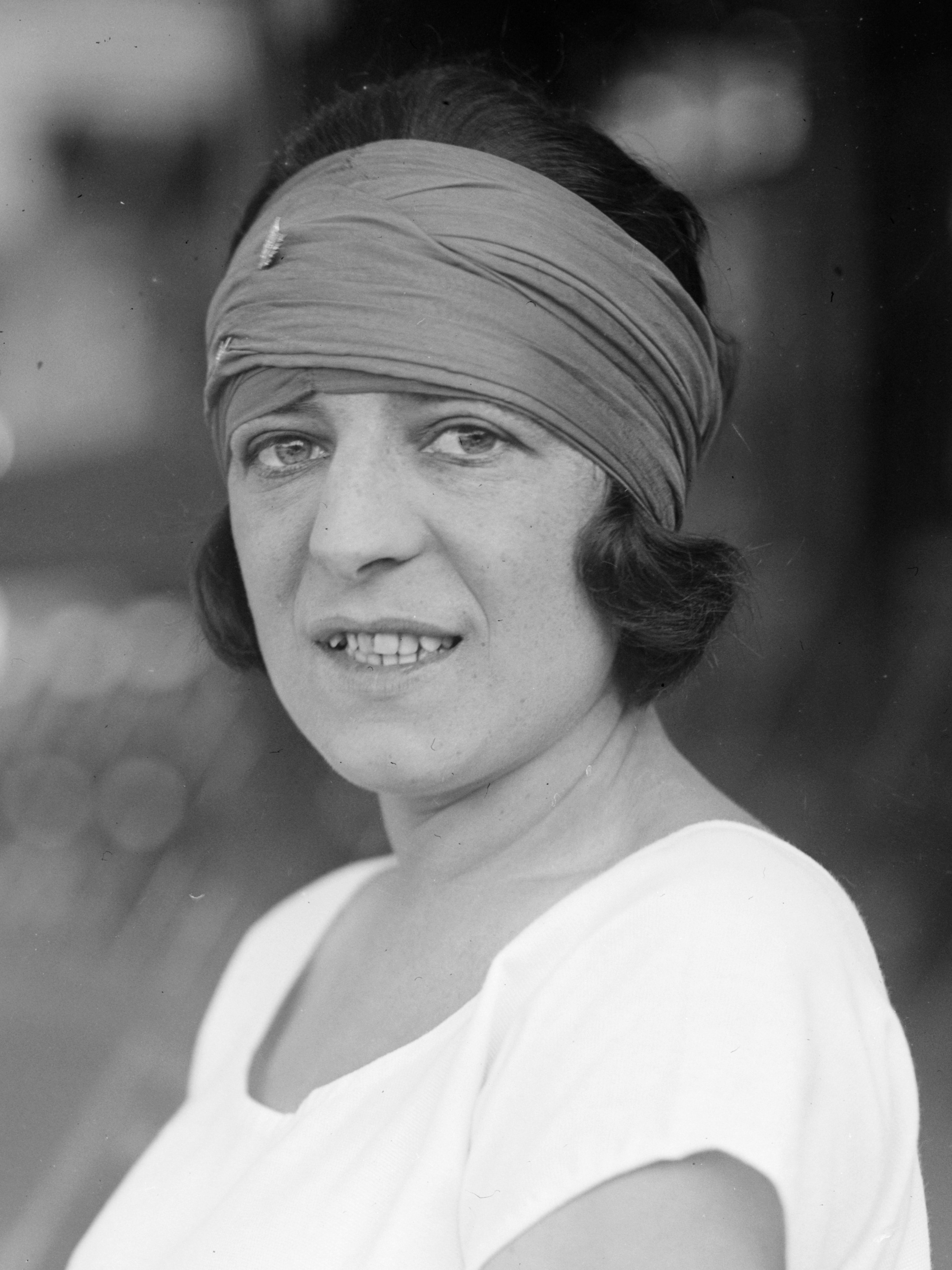
Court Suzanne Lenglen holds about 10,000 spectators and honours the woman who transformed women’s tennis in the 1920s. Lenglen was the first female sports celebrity — she wore outfits that showed her calves (scandalous at the time), drank brandy between sets, and won six French Open titles before turning professional. The tour guide usually has a few stories about her that are not in any guidebook.
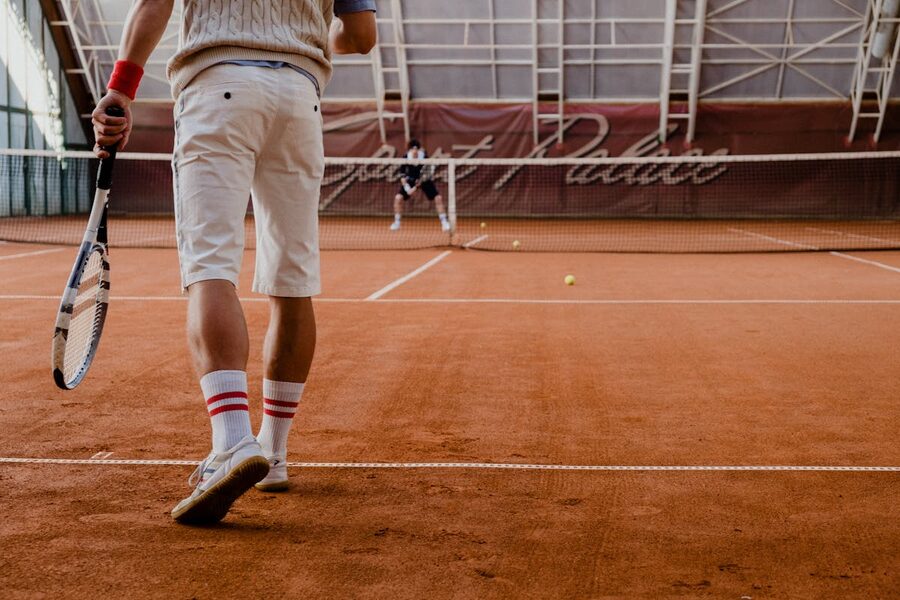
The players’ tunnel is the part that gives you chills. You walk through the same corridor that every French Open competitor uses to reach centre court. The guide points out the warm-up area where players pace and stretch before walking out to face fifteen thousand people. Standing there, you understand why so many players have called Roland-Garros the most intimidating walk in tennis.
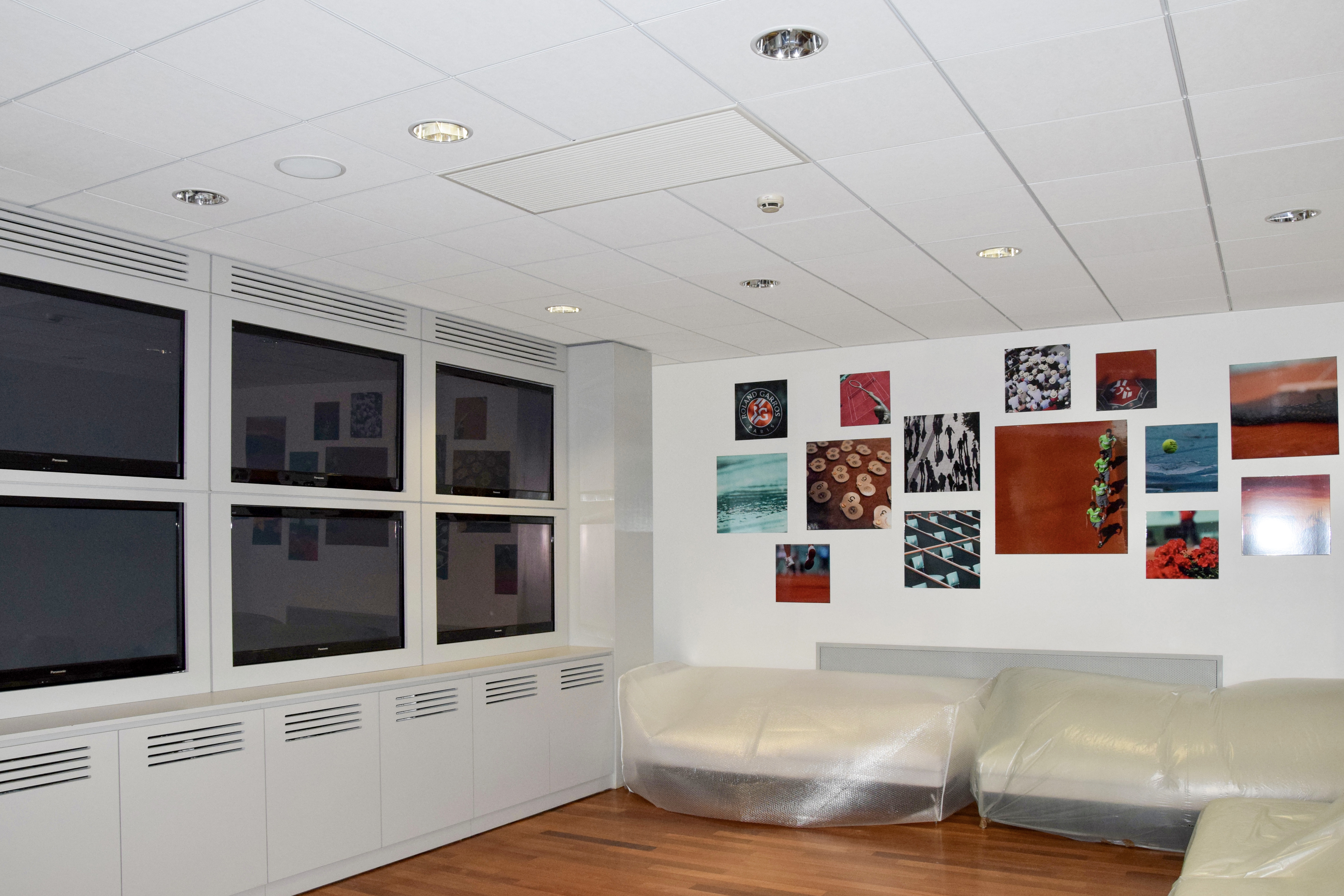
The press room is where post-match interviews happen. You can sit in the chair where champions have spoken after winning (or losing) the biggest clay court tournament in the world. The room is smaller than television makes it look.
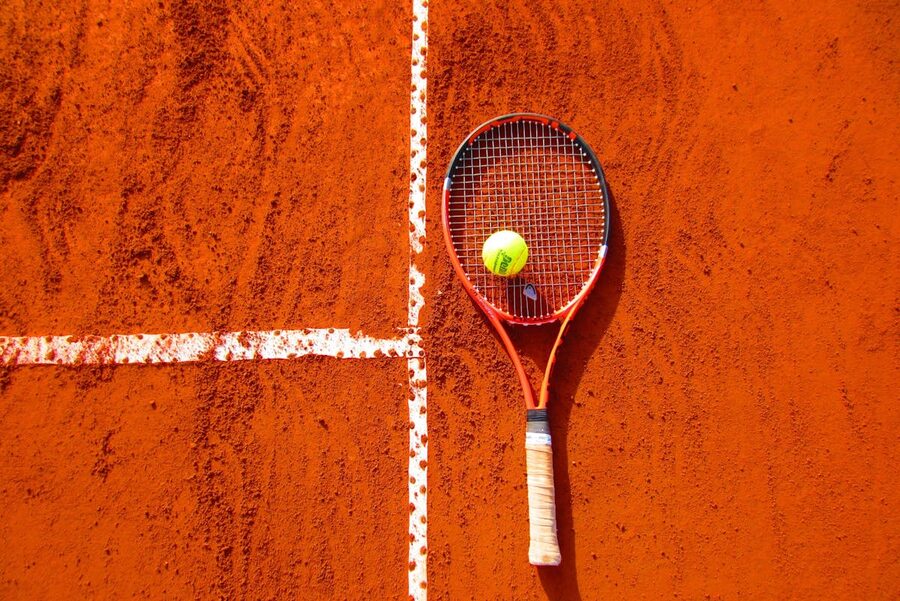
The museum traces the French Open from its first edition in 1891 through to the modern era. The collection is surprisingly personal — you see the actual rackets players used, the trophies they lifted, and photographs that capture over a century of clay court drama. The newest additions document Nadal’s record-breaking fourteen titles, a run of dominance that may never be matched on any surface.
More Paris Guides
If sport and stadiums are your thing, the Stade de France tour is worth pairing with Roland-Garros — it covers the national football and rugby stadium up in Saint-Denis, a completely different atmosphere but equally impressive behind the scenes. For the rest of your time in Paris, our guides cover everything from Louvre Museum tickets and Eiffel Tower access to food tours through the Marais and Montmartre. A Musee d’Orsay visit pairs well with a morning at Roland-Garros since it is on the way back into central Paris, and the Paris Catacombs are a good contrast if you want to go from sunshine and clay courts to underground tunnels and bones.
This article contains affiliate links to tours and activities. If you book through these links, we may earn a small commission at no extra cost to you. This helps us keep producing free travel guides.