
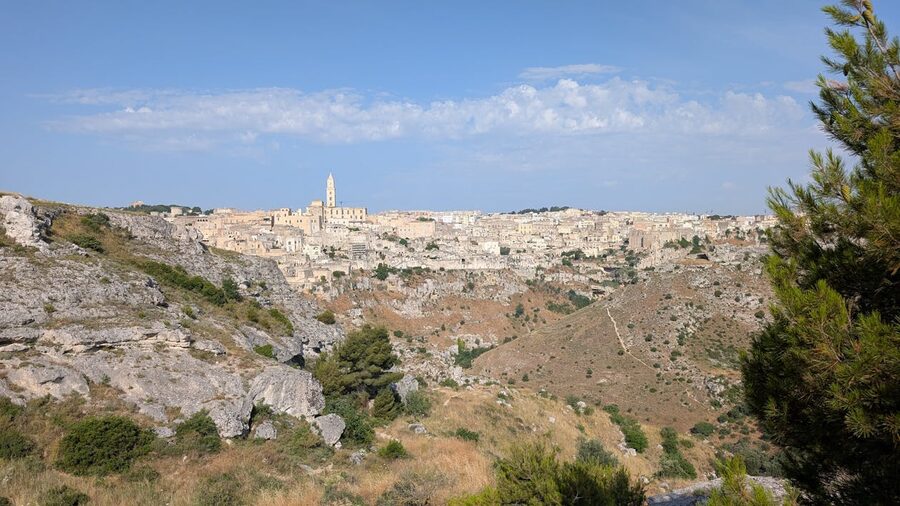
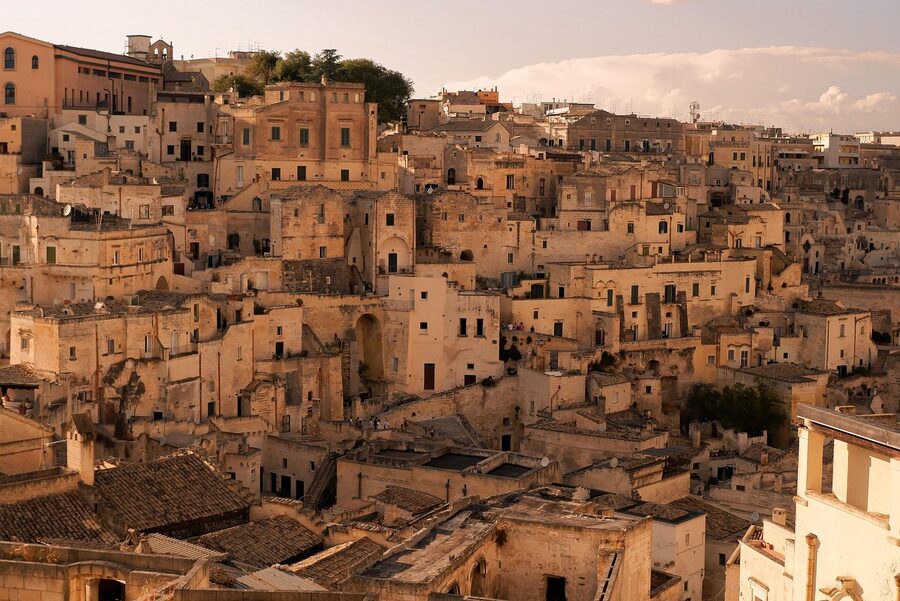
Nine thousand years. That’s how long people have been living in the caves carved into the limestone ravine at Matera. I’d read that number before visiting, and it meant nothing. Then I stood at the Belvedere viewpoint looking across the Sasso Caveoso, and a guide pointed out a cave entrance where archaeologists found Neolithic tools — and the cafe next door to it was serving espresso.
That collision of ancient and modern is what makes the Sassi unlike anything else in Italy. And booking a walking tour is the only way to make sense of it, because without context, you’re just looking at old buildings on a hill.
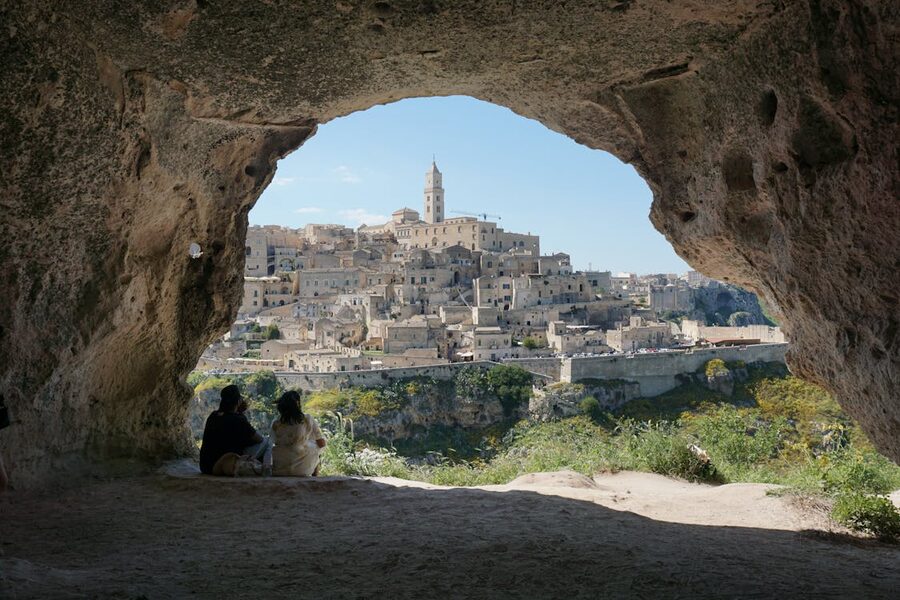
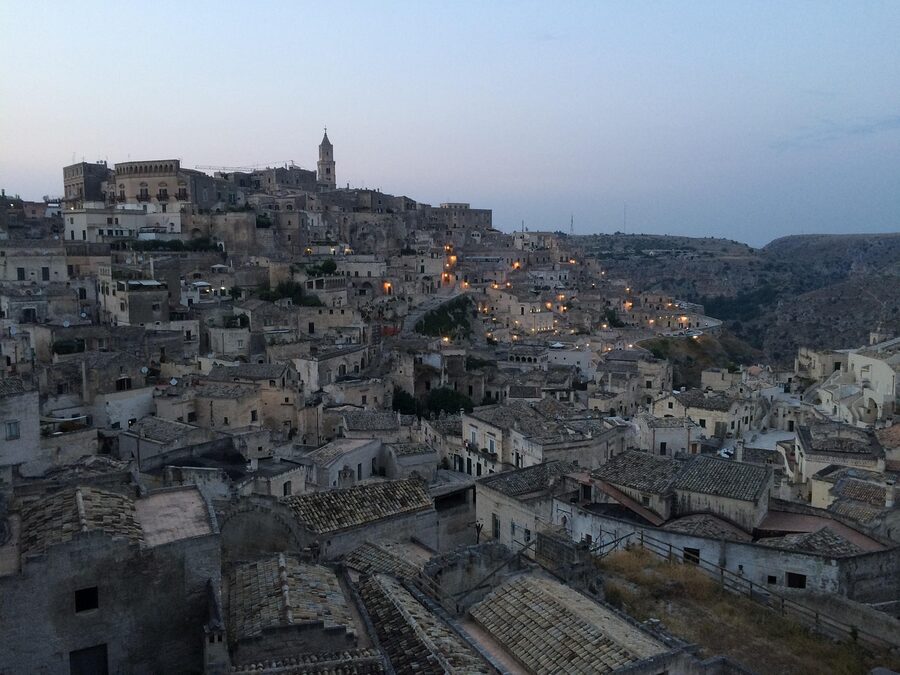
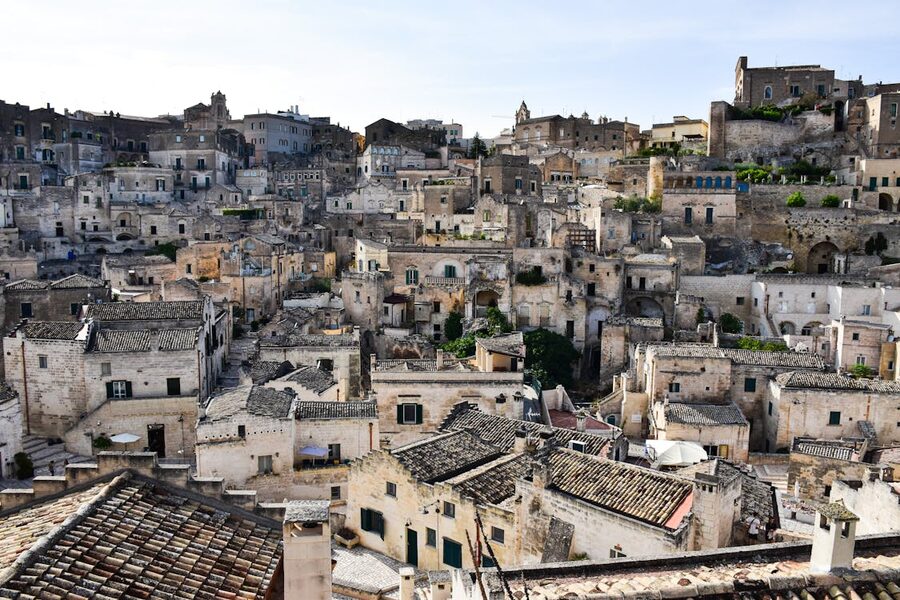
Best overall: Sassi di Matera Tour with Cave House Entry — $31. The most booked Sassi tour by a wide margin. Two hours, covers both Sassi, and you actually go inside a traditional cave dwelling.
Best for depth: Walking Tour with Casa Grotta and Rock Church — $35. Adds entry to a rupestrian church with medieval frescoes. Worth the extra few dollars if the history grabs you.
Best budget: Guided Tour of Matera Sassi — $18. A solid two-hour tour at half the price. No cave house entry, but you still get the full story from a local guide.
- A City That Came Back from the Dead
- Self-Guided vs. Guided: Why You Want a Guide Here
- The Best Sassi di Matera Tours to Book
- 1. Sassi di Matera Tour with Entry to Cave Houses —
- 2. Walking Tour with Casa Grotta and Rock Church Entry —
- 3. Guided Tour of Matera Sassi —
- What You’ll Actually See Inside the Sassi
- When to Visit the Sassi
- How to Get to Matera
- Tips That Will Save You Time (and Your Ankles)
- The Water Engineering You’ll Walk Right Past (Unless Your Guide Points It Out)
- Where to Eat in the Sassi
- More Italy Guides
A City That Came Back from the Dead
You need some background to understand why the Sassi matter — and why the guides here talk about it with such intensity.
For thousands of years, people carved homes, churches, cisterns, and entire neighborhoods into the soft tufa limestone along the Gravina ravine. It worked. The caves stayed cool in summer, warm in winter, and the system of rainwater collection was ingenious. But by the mid-20th century, the population had swelled beyond what the caves could handle. Families of eight shared single rooms with their donkeys. Malaria was rampant. There was no plumbing, no electricity.
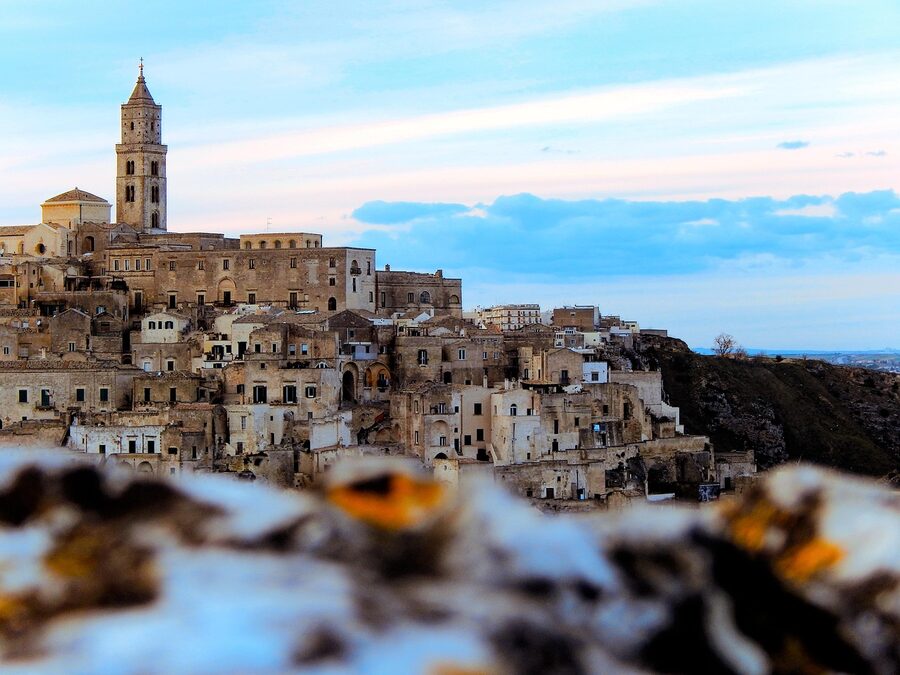
Carlo Levi’s writing in the 1940s brought international attention to the conditions. The Italian government’s response was drastic: in 1952, they forcibly evacuated the entire Sassi, relocating around 15,000 residents to modern housing blocks. Matera became a ghost town within its own city limits. Politicians called it “the shame of Italy.”
Then something unexpected happened. Artists moved in. Preservationists fought for protection. UNESCO granted World Heritage status in 1993. Hoteliers started converting caves into boutique rooms. Restaurants opened in former stables. Mel Gibson filmed The Passion of the Christ here in 2004 because the landscape could double for ancient Jerusalem. By 2019, Matera was the European Capital of Culture.
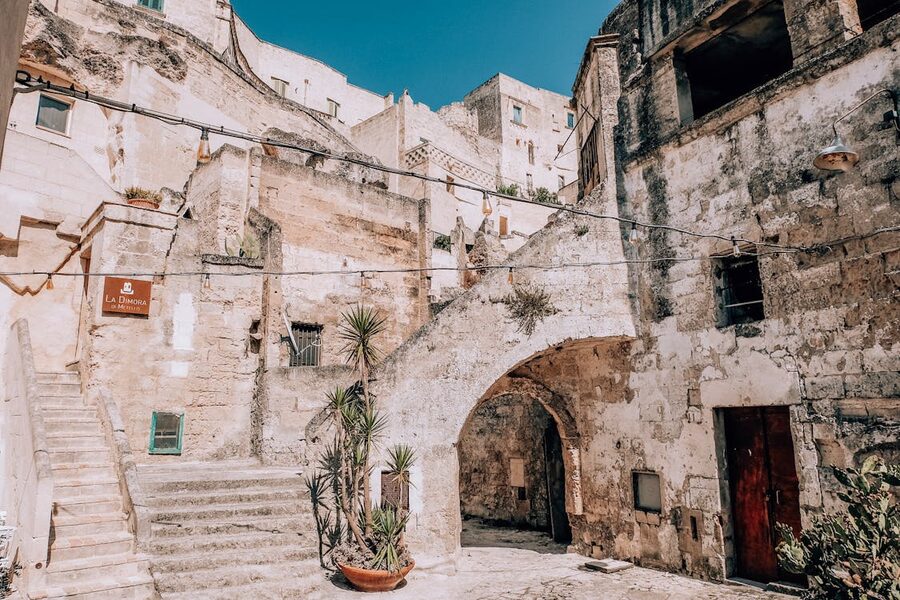
That story — from shame to celebration — is what the tour guides live and breathe. Many of them grew up in Matera, and some had grandparents who were evicted from the caves. It gets personal in a way that tours in Rome or Florence rarely do.
Self-Guided vs. Guided: Why You Want a Guide Here
I’ll be honest — I’m usually the person who skips the guided tour and wanders on my own. In most Italian cities, that works fine. In Matera, it doesn’t.
The problem is that the Sassi look beautiful from the outside, but they don’t explain themselves. A cave entrance is just a dark hole in the rock unless someone tells you it was a 12th-century church where monks painted frescoes in secret. The cistern system, the social hierarchy encoded in who lived where, the difference between a vicinato (shared courtyard) and a private dwelling — none of that is obvious from walking around.
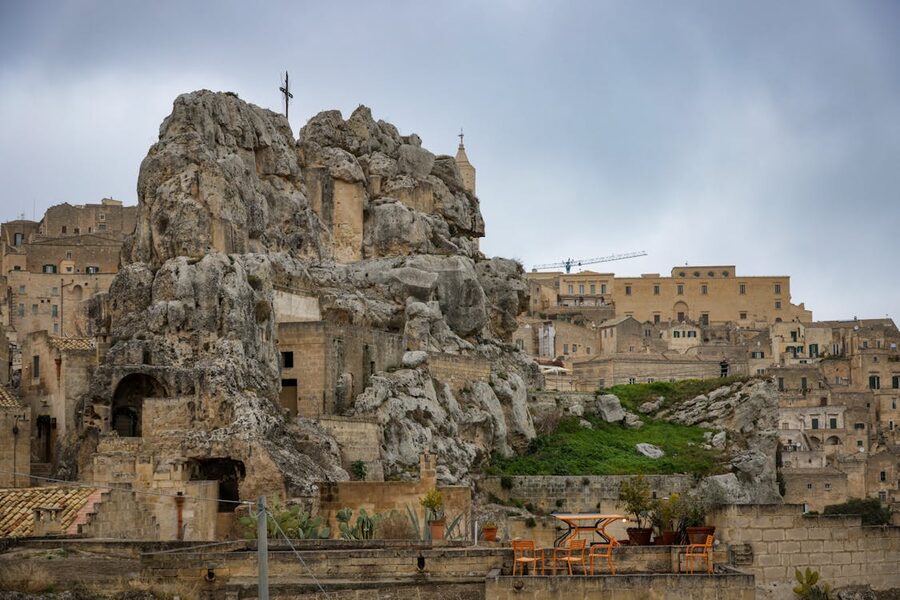
There’s no official ticket system for the Sassi itself. The district is open — you can walk through it anytime, free. But the specific sites that make the visit worthwhile (the Casa Grotta museum, the rupestrian churches, certain cave complexes) charge individual entry fees of EUR 3-5 each. A guided tour bundles these together and gives you context that turns a pleasant walk into something genuinely moving.
The math: If you’re paying EUR 3 each for the Casa Grotta, a rock church, and one other site, that’s EUR 9 in entry fees alone. A guided tour starting at $31 includes entries plus two hours of expert narration. The value is obvious.
The Best Sassi di Matera Tours to Book
I’ve narrowed this down to three tours. All of them cover both Sassi districts and are led by local guides who grew up in or around Matera. The differences come down to what’s included, how long you want to spend, and how much you care about getting inside the rock churches.
1. Sassi di Matera Tour with Entry to Cave Houses — $31
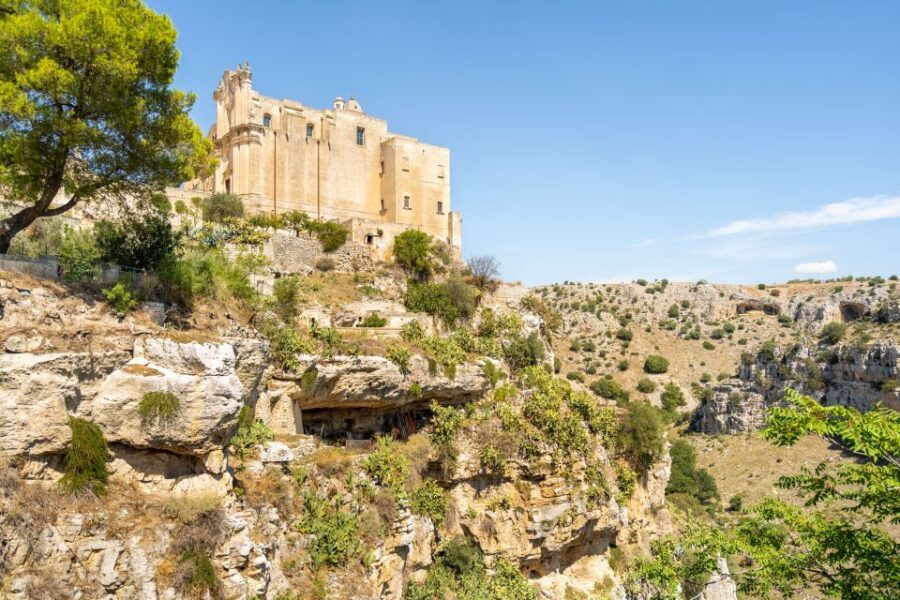
This is the one I’d pick if I could only do one tour in Matera. Two hours is the sweet spot — long enough to cover both the Sasso Caveoso and Sasso Barisano with proper context, short enough that your legs and attention span hold up. The cave house entry is what sets it apart. You walk into a dwelling that’s been preserved (or reconstructed) to show how a family actually lived in these spaces — bed, kitchen area, livestock corner, cistern access. It makes the whole history tangible.
At $31 per person, this is genuinely good value for a two-hour guided tour that includes entry fees. The guides on this one get consistently strong feedback — Donna called hers “fabulous, knowledgeable and passionate,” and Andrea described the experience as “fun, informative, engaging.” Thousands of visitors have taken this tour, and the satisfaction rate is remarkably high. If you’re doing Matera as a day trip from Bari, this fits perfectly into a morning or afternoon.
2. Walking Tour with Casa Grotta and Rock Church Entry — $35
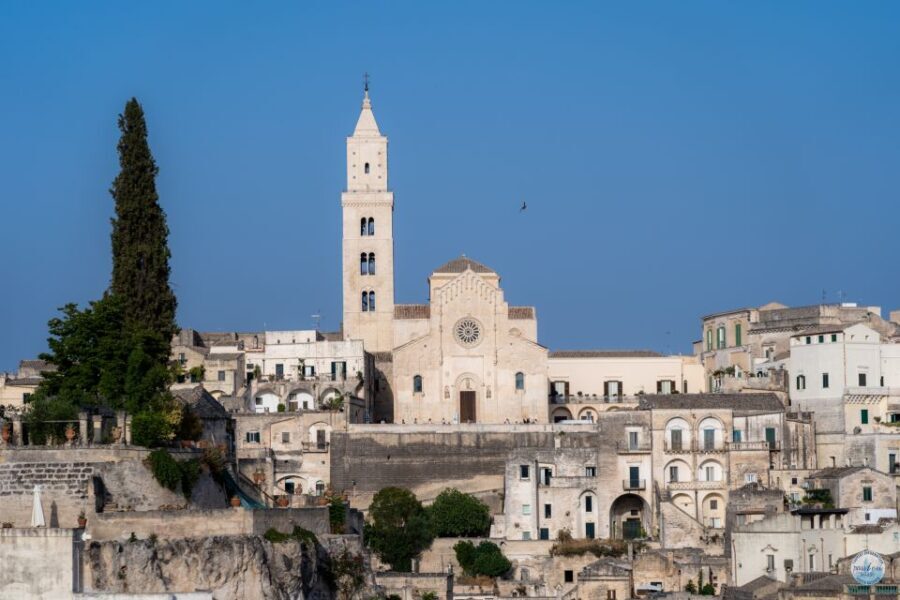
If you’re the type who wants to go deeper, this is your tour. It covers the same ground as the first option but adds entry to both the Casa Grotta museum (the best-preserved cave dwelling in Matera) and a rupestrian church — one of the medieval rock-cut churches where monks painted frescoes while hiding from iconoclasts. Some of those paintings date to the 8th century.
The $35 price is only four dollars more than the standard tour, and you’re getting two significant extras. Michelle Ann visited on a busy Saturday and said her guide “advocated for us when lines were long at the entrance to the rock church.” Nathalie praised her guide Lorenza for giving “enough information to be able to understand what the Sassi are all about.” For an extra four dollars, the additional entries make the history far more vivid. I’d call this the best value of the three.
3. Guided Tour of Matera Sassi — $18
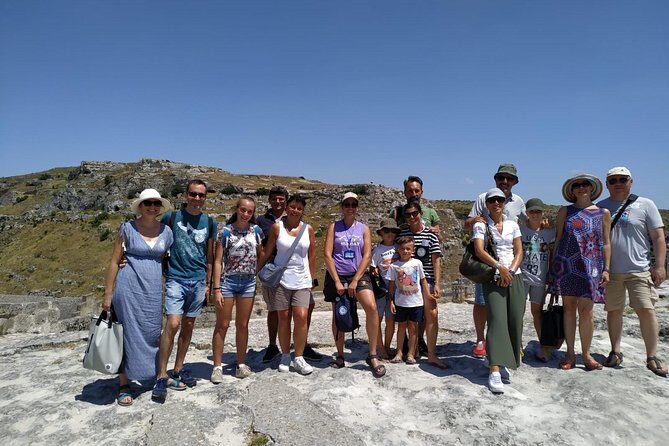
Here’s the budget pick, and it’s legitimately good. $18 for a two-hour guided walk through both Sassi neighborhoods. The trade-off: you don’t get entry to the cave dwellings or rock churches, so the experience is more external — viewpoints, streets, architecture, history from the outside. But the guide quality is solid, and you’ll learn the same core story about Matera’s rise, fall, and resurrection.
MaryAnn noted that guide Maria “was patient with her travelers” despite the significant amount of walking involved. Dana called it an “engaging tour” with a pace “perfect for two 70-somethings.” If you’re visiting Matera on a tight budget — or if you plan to visit the Casa Grotta and churches on your own anyway — this tour gives you the historical framework you need at about half the cost of the others. Combine it with your own cave house visit (EUR 3 entry) and you’ve spent less than $25 total.
What You’ll Actually See Inside the Sassi
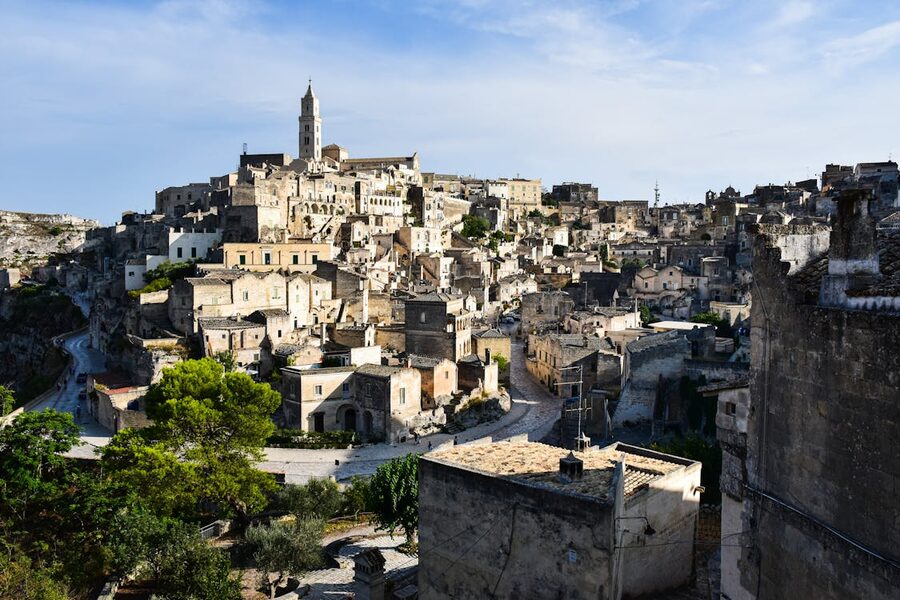
The Sassi is not one thing. It’s a layered archaeological site that happens to also be a functioning neighborhood with hotels, restaurants, and people actually living there. Here’s what to expect as you walk through.
The cave dwellings range from simple single-room caves to multi-level complexes. The Casa Grotta (included in Tour #2 above) shows a typical family home: one room divided into zones for sleeping, cooking, and livestock. The cistern access point is usually in the floor — families collected rainwater through an elaborate system of channels carved into the rock above.
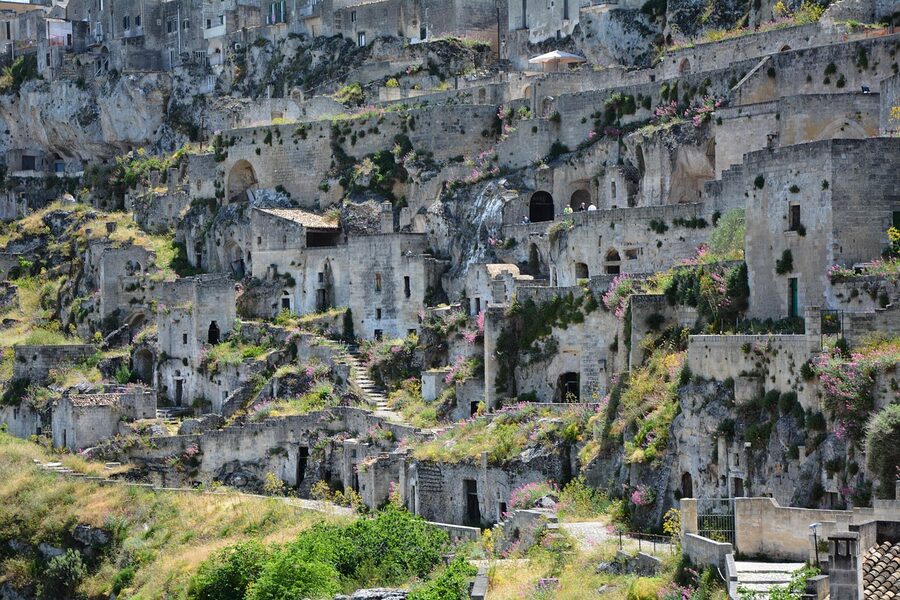
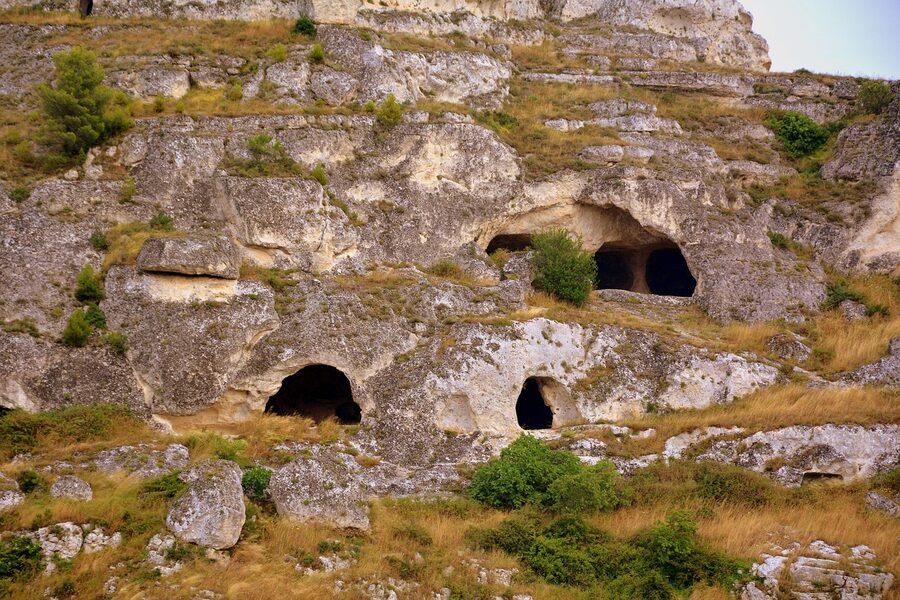
The rupestrian churches (chiese rupestri) are the real surprise. Over 150 rock-cut churches are scattered across Matera and the surrounding Murgia plateau. Some are tiny — room for maybe ten people. Others are proper three-nave churches carved entirely underground, with columns, altars, and frescoes still visible on the walls. The monks who created them were often fleeing religious persecution, which is why many are hidden in locations you’d never find without a guide.
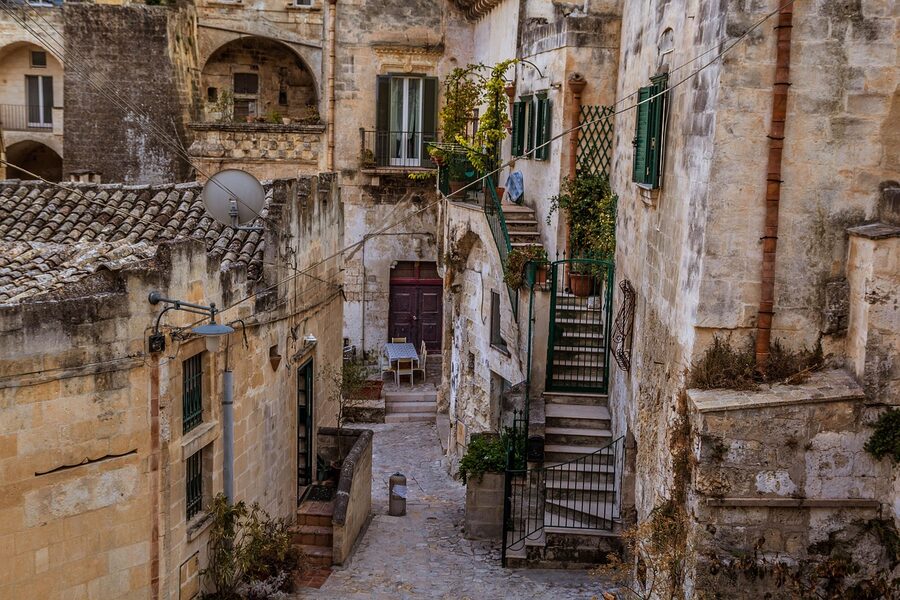
The vicinato system — this is something no other Italian city has. A vicinato is a shared courtyard that served as a communal living room for the surrounding cave dwellings. Families cooked, washed, socialized, and raised children in these open spaces. Your guide will point out vicinatos that still have their original stone benches and washing areas.
When to Visit the Sassi
Best months: April through June, and September through October. The weather is warm but not punishing, and the crowds are manageable. July and August bring serious heat — Matera sits on an exposed plateau in Basilicata, and temperatures above 35C are normal. You’ll be walking on stone that radiates heat back at you. Not fun.
Best time of day: Early morning or late afternoon. The Sassi face east and south, so morning light is spectacular for photos of the Sasso Caveoso. Late afternoon brings golden light and thinning crowds. Midday tours in summer are the worst — blazing sun, maximum crowds, exhausted guides rushing through the content.
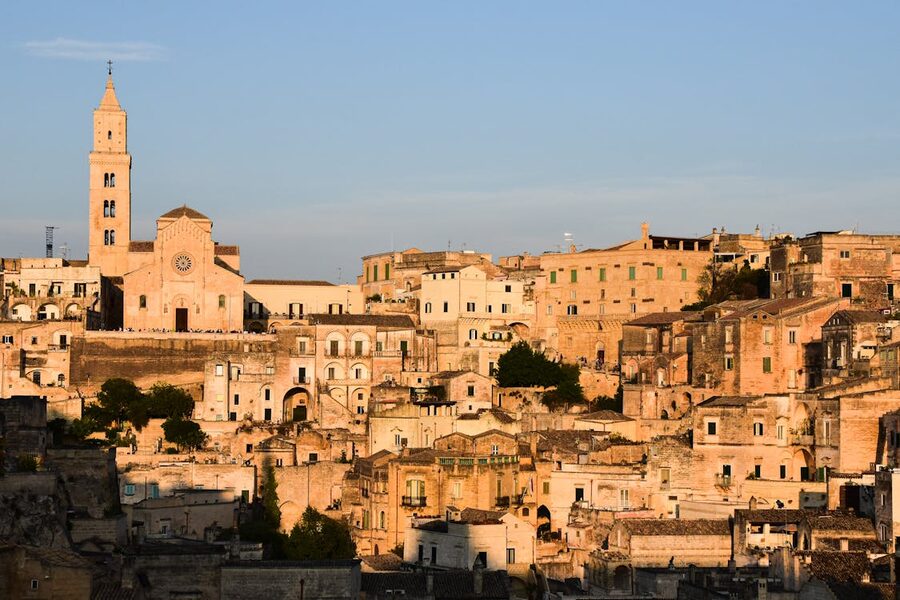
Sunset viewpoint: After your tour, walk to the Belvedere di Murgia Timone on the opposite side of the ravine. The panoramic view of the entire Sassi lit up at golden hour is the single best photo opportunity in all of Basilicata. Get there at least 30 minutes before sunset to grab a good spot.
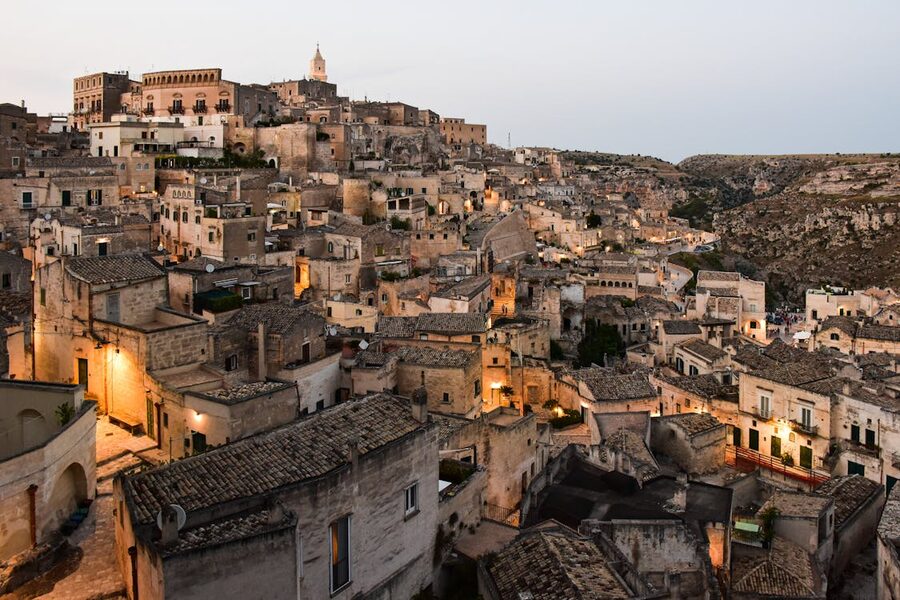
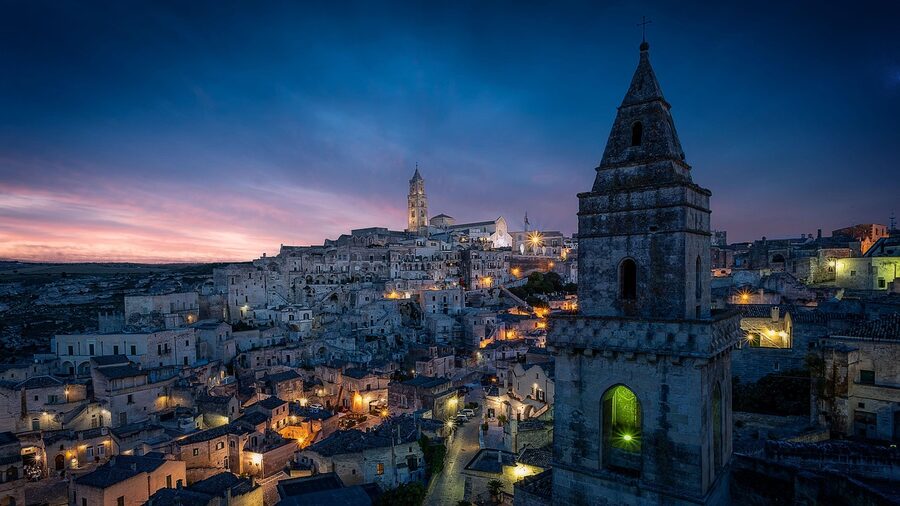
Night visits: Matera after dark is a completely different experience. The Sassi are dramatically lit, the streets are quiet, and you can see the cave openings glowing from the restaurants and hotels inside. Some tours run at sunset or into the evening — check availability if your schedule allows it.
How to Get to Matera
Matera is not the easiest place to reach, which is part of what’s kept it from being overrun. There’s no train station connected to the main Italian rail network (the FAL regional line from Bari is slow and unreliable). Here’s what actually works:
From Bari (1-1.5 hours): This is the most common approach. The Pugliairbus/FlixBus runs direct from Bari Centrale to Matera’s Piazza Matteotti, which is a 5-minute walk from the Sassi. Buses run roughly every hour and cost EUR 6-9. Many visitors do Matera as a day trip from Bari — our guide covers the logistics in detail.
From Naples (3-4 hours): Direct buses run from Napoli Centrale, but it’s a long haul. If you’re based in Naples, consider whether a day trip is realistic or if you’d be better off spending a night in Matera. I’d lean toward staying overnight — trying to do Matera justice in a rushed day from Naples is frustrating.
By car: Probably the most comfortable option. Matera is about 60km from Bari, and the drive through the Murgia plateau is genuinely scenic. Park at one of the lots near Piazza Vittorio Veneto — don’t try to drive into the Sassi. The streets are too narrow and most are pedestrianized.
Tips That Will Save You Time (and Your Ankles)
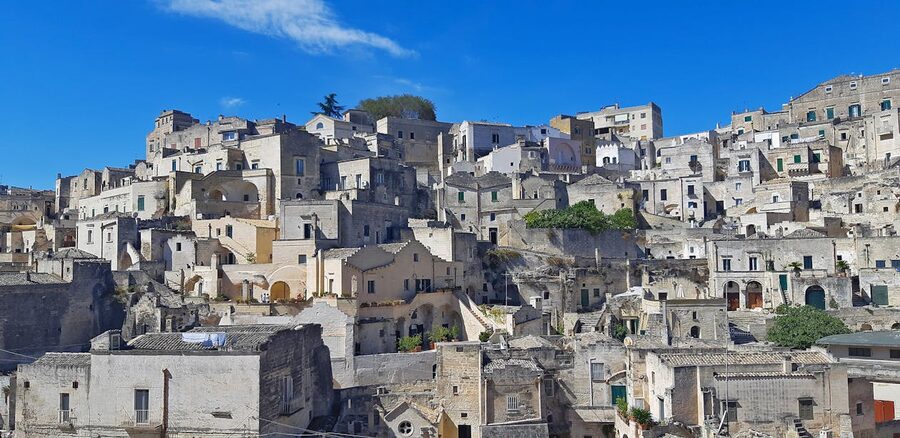
Wear proper shoes. I cannot stress this enough. The Sassi is a vertical city built on uneven limestone. You’ll go up and down hundreds of stone steps, many worn smooth and slippery. Sandals, heels, or brand-new shoes will make you miserable. Broken-in walking shoes or trainers with good grip.
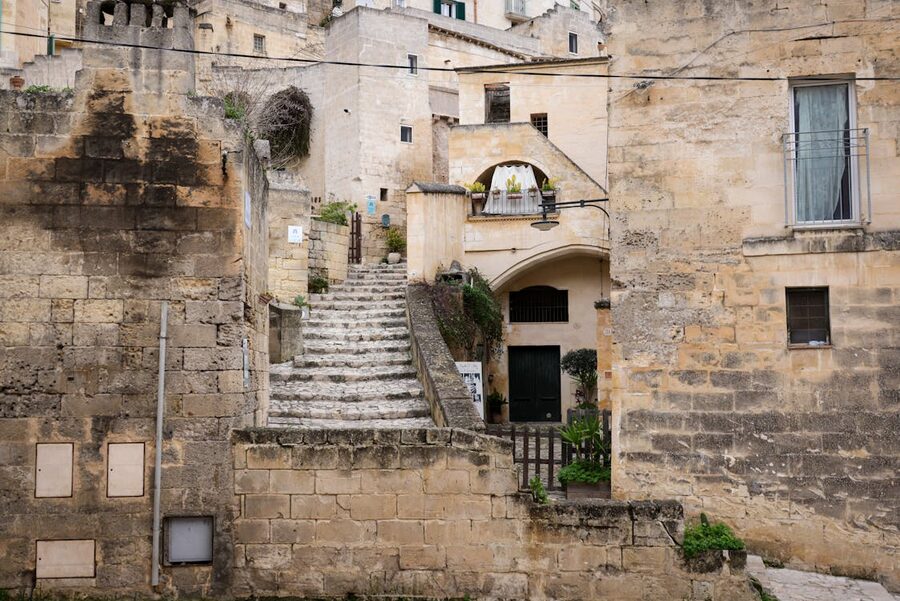
Bring water. There are cafes scattered through the Sassi, but stretches between them can be long, especially in the less-touristed parts of the Sasso Caveoso. In summer, dehydration sneaks up fast on all those exposed stone stairways.
Book morning tours if doing a day trip. If you’re coming from Bari for the day, take the first bus and book a morning tour. This leaves your afternoon free to explore on your own, eat at a cave restaurant, and catch the sunset from the Murgia viewpoint before heading back.
Stay in a cave hotel if you can. It sounds gimmicky, but it’s not. The converted cave rooms are genuinely atmospheric — cool stone walls, vaulted ceilings, modern bathrooms carved into the rock. Prices range from EUR 70-200/night depending on the property. It’s worth it for at least one night.
Don’t skip the opposite side of the ravine. The Murgia Timone plateau across the canyon has hiking trails, Neolithic cave sites, and the best panoramic views of the Sassi. If you have time after your tour, the walk across the bridge and up to the viewpoint takes about 20 minutes.
The James Bond connection. Parts of No Time to Die (2021) were filmed in Matera — the car chase through the narrow streets is real, not CGI. Your guide will likely point out the exact locations. It’s a fun bit of trivia, and the film crew apparently spent weeks figuring out how to get an Aston Martin through alleys designed for donkeys.
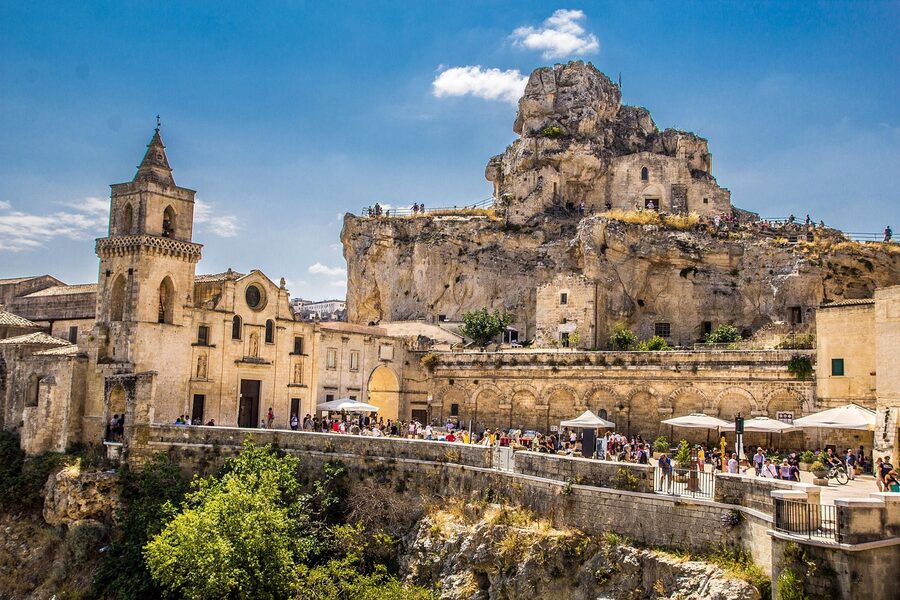
The Water Engineering You’ll Walk Right Past (Unless Your Guide Points It Out)
One of the most fascinating things about the Sassi — and the thing that convinced UNESCO to grant World Heritage status — is the water management system. It’s invisible to casual visitors, but once your guide shows you, you’ll spot the signs everywhere.
The entire Sassi district sits on porous limestone that absorbs rainwater like a sponge. Thousands of years ago, the inhabitants figured this out and built a network of channels, cisterns, and filters carved directly into the rock. Rainwater hit the surface, flowed through carved gutters along the edges of streets and rooftops, passed through sand filters (also carved into stone), and collected in underground cisterns beneath each dwelling. Some cisterns are enormous — cathedral-sized caverns that served entire neighborhoods.
The system was so effective that Matera never needed an aqueduct — unusual for any Mediterranean settlement of its size. Families accessed their cistern through a hole in the kitchen floor, lowering buckets on ropes. The water was clean, cool, and reliable year-round. Engineers who’ve studied the system say it could handle the equivalent of a modern municipal water supply for a population of 20,000 — all with zero moving parts and zero energy input.
What killed the system wasn’t design failure. It was overpopulation. When the Sassi population grew beyond what the cisterns could support in the early 20th century, the water quality collapsed. Shared cisterns became contamination vectors. That, combined with the livestock problem, is what triggered the health crisis that led to the evacuation.
Your guide will show you the cistern openings and channel lines. Most visitors walk right over them without noticing.
Where to Eat in the Sassi
After two hours of walking in the heat, you’ll want food. The Sassi has no shortage of restaurants — many carved into former caves, stables, or workshops. A few pointers:
Cave restaurants are worth trying at least once. Yes, they’re touristy. Yes, they charge a premium. But eating inside a vaulted stone room that’s been in use for centuries is a genuine experience, not a gimmick. The acoustics are strange — conversations echo off curved rock walls — and the temperature stays cool even when it’s 35C outside.
What to order: Basilicata cuisine is different from the rest of southern Italy. The signature dishes are bread-based — Matera has had a bread-baking tradition for centuries, and the local pane di Matera (a large, crusty loaf made with durum wheat semolina) has IGP protected status. Try crapiata, a mixed legume soup that’s been a local staple since Roman times. Orecchiette with turnip tops shows up here too, borrowed from neighboring Puglia. And the local peperoni cruschi — dried sweet peppers fried until crispy — are addictive. They go on everything.
Budget tip: The restaurants along Via Fiorentini and Via Bruno Buozzi in the Sasso Barisano tend to be slightly cheaper than those on the main tourist drag near Piazza Vittorio Veneto. Walk five minutes further into the Sassi and prices drop noticeably. A full lunch with wine should run EUR 20-30 per person at a mid-range spot.
Skip the viewpoint restaurants for food. The places with the best terrace views (overlooking the Gravina gorge) tend to have the most mediocre food at the highest prices. Go there for an aperitivo and the sunset. Eat your actual meal somewhere focused on cooking, not views.
More Italy Guides
If you’re visiting Matera from Bari, our complete Matera from Bari guide covers transport, timing, and how to structure your day trip. Southern Italy has plenty more to fill a week — Naples is worth at least two days for the old town alone, and from there you can do Pompeii as an easy half-day trip. If you’re heading further south along the coast, the Amalfi Coast from Naples is doable in a long day but better with an overnight in Positano or Ravello. And if ancient underground sites are your thing, the Naples Underground tour makes an interesting contrast — Greek and Roman tunnels instead of medieval caves.
This article contains affiliate links. When you book a tour through our links, we earn a small commission at no extra cost to you. This helps us keep creating detailed travel guides.